
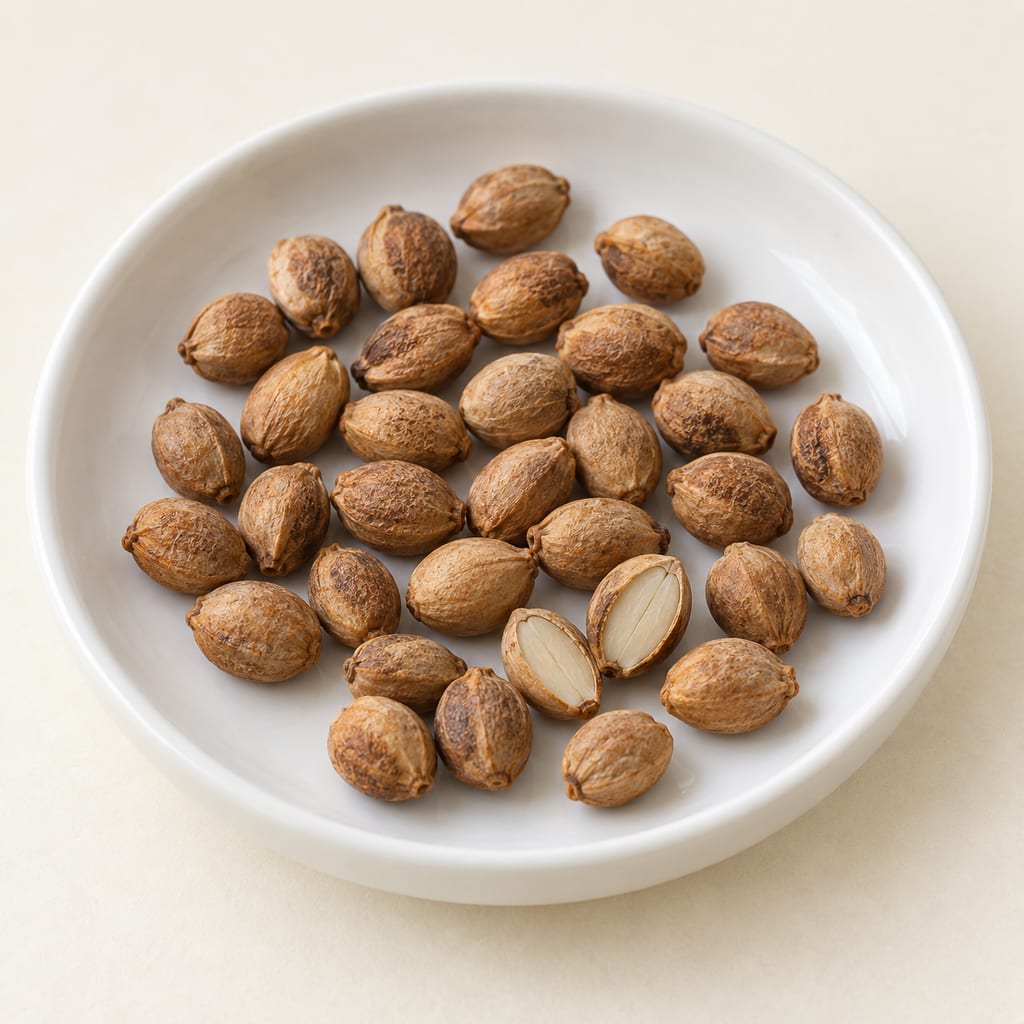
African locust bean seeds (Parkia biglobosa)
Parkia biglobosa seeds are fermented into regional West African seasonings, including nététou, iru, dawadawa and soumbala. The yellow fruit pulp is a separate food, and names and methods vary by place.
 FermenteaWhere food goes to change
Substrates
The seeds of the African breadfruit, Treculia africana, are cooked, dried and milled into flour in West and Central Africa, and the fruit is heaped and fermented before the seeds are washed out.
Treculia africana is a tree of the mulberry family, Moraceae, native to West and Central Africa at elevations up to about 1,500 metres. The name African breadfruit is shared with other plants, and the species has other names: wild jackfruit in Tanzania and Uganda, African boxwood in Malawi, and ukwa in Igbo, the most common name in Nigeria. The IUCN lists the species as Least Concern.
The useful part for food is the seed kernel inside a large, heavy fruit. The kernel is eaten more often than the fruit flesh, and the seeds are the material traded and milled.
The Wikipedia article describes the usual sequence. The fruit is heaped and left to ferment, and the seed mass is then macerated and washed in running water to remove slimy material. Cleaned seeds are air-dried and dehulled before they are sold. The source names the fruit fermentation as a step but does not describe its microbiology or timing.
Because the source gives no duration, temperature or yield for heaping, the page does not state them. Anyone following this process should treat the local practice as the reference, and should not read the sequence above as a tested method.
The fruit is typically boiled and roasted for soups and stews, or served with rice, maize or yams. The seed kernel is eaten more often than the fruit, and it is used in ukwa porridge. Seeds can be ground into flour for bread, pasta or baby food, and they can be pressed for edible oil. Dry-roasted seeds are eaten as a snack.
The sources do not give recipes or ratios for the flour or the oil.
The article reports fresh seeds at about 38.3 per cent carbohydrate, 17.7 per cent crude protein and 15.9 per cent fat, and lists vitamins B1, B2, B3 and A and several minerals. It also claims that 100 g of raw seeds contains nearly twice the potassium of the same amount of bananas and more protein than soybeans. The page does not verify these figures, so this page reports them only as claims.
The article notes that traditional medicinal uses of the leaves and bark have not been scientifically tested. It gives no toxicity or safety warning for the seeds or fruit, and this page does not infer one from the absence of a warning.
The sources reviewed here do not give a shelf life for the dried seed, a method for cooking the kernel to a safe texture, or a fermentation time. They do not describe the microflora of the heaped fruit. These points stay open until a source gives them.
Native range documented in the Wikipedia article; countries named include Nigeria, Angola, Zambia, Cameroon, Central African Republic, Cote d'Ivoire and Senegal.
Ukwa porridge and the common name breadfruit in Nigeria are documented; the source gives no locality.
Parkia biglobosa seeds are fermented into regional West African seasonings, including nététou, iru, dawadawa and soumbala. The yellow fruit pulp is a separate food, and names and methods vary by place.
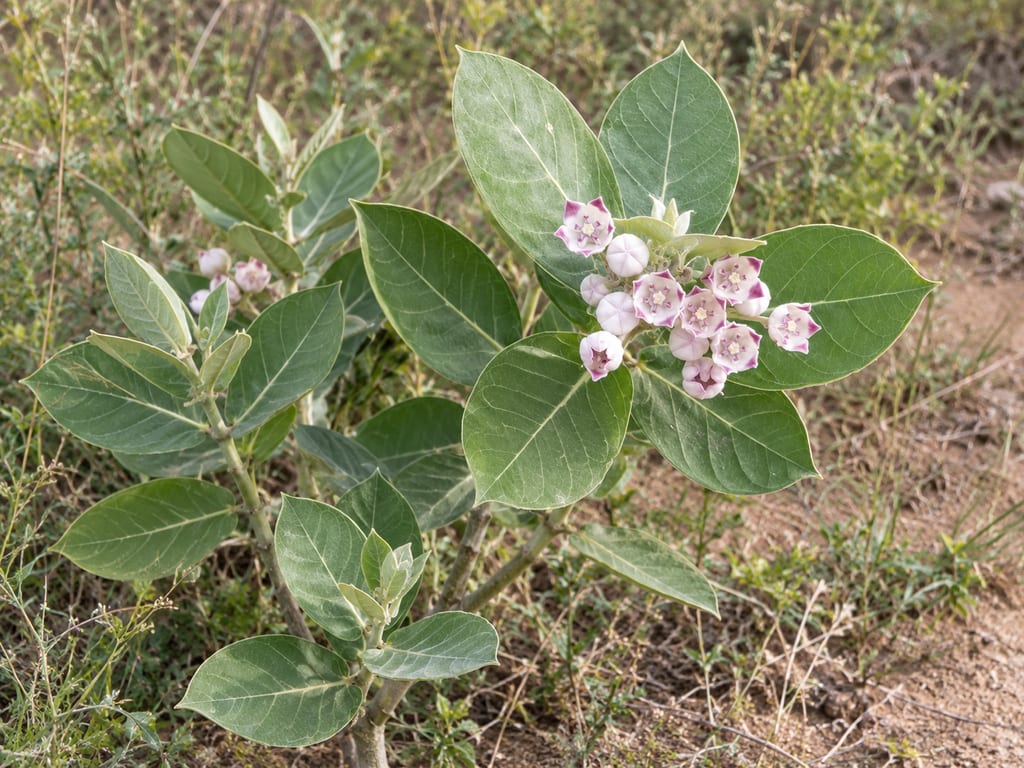
Calotropis procera preparations are documented as coagulants for wagashi gassirè in Benin and wara in Nigeria. Crude plant materials differ from purified research enzymes, and current evidence does not support a general home preparation.
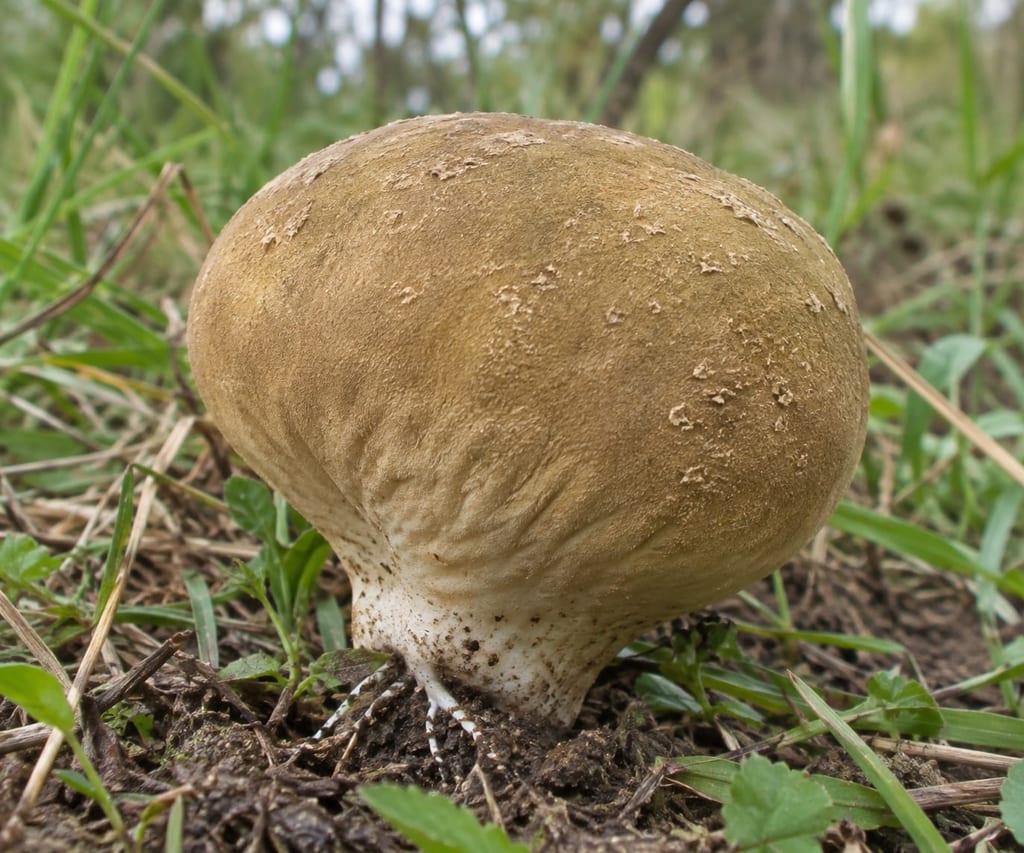
A tropical African puffball recorded in West African range accounts and Ethiopian edible-mushroom studies. Ethiopian use evidence is qualified; Benin identification and safety remain unresolved.
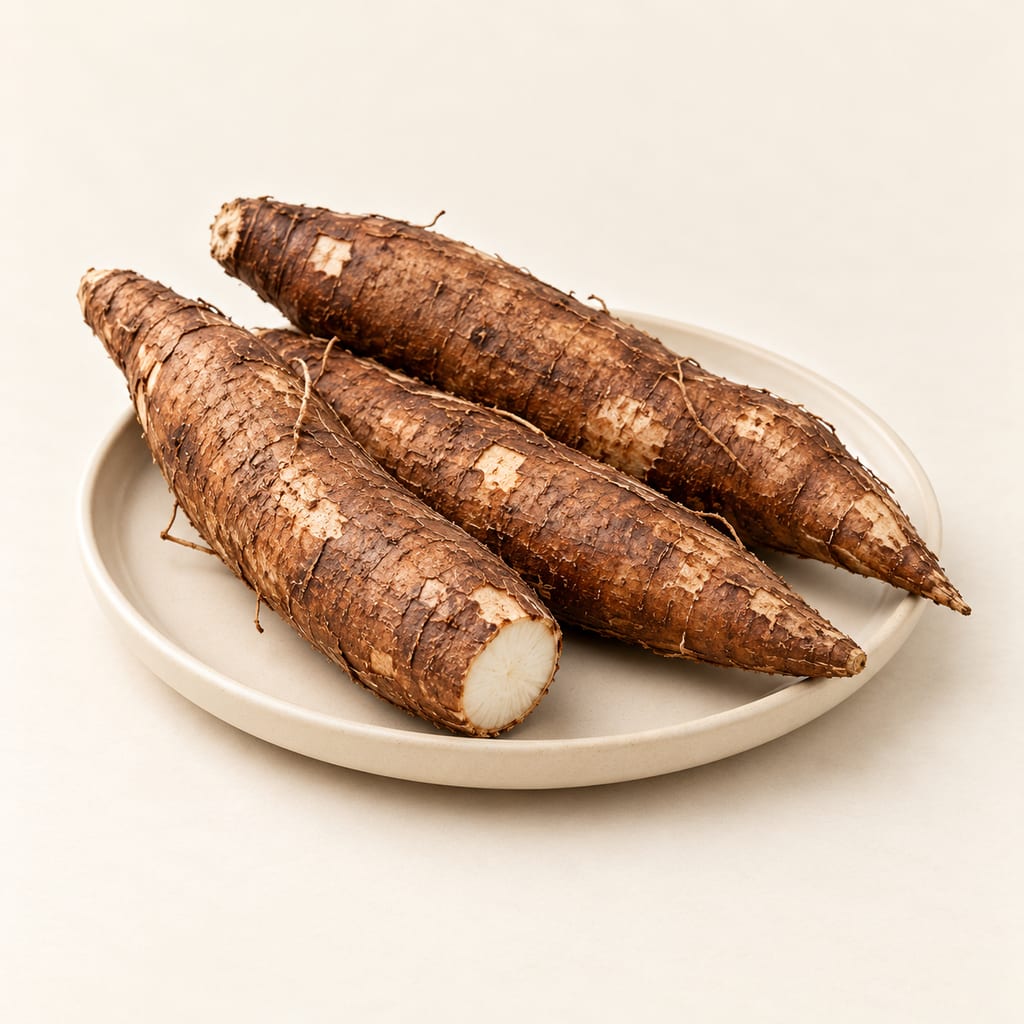
Cassava is the starchy root of Manihot esculenta, transformed across Africa into fermented doughs, granules and flours through distinct processes whose safety depends on thorough cyanogen removal.
A defined Saccharomyces cerevisiae strain, 2Y48P22, was screened in 2010 for softening cassava in lafun experiments. It is an experimental candidate, not a household starter with a verified method.
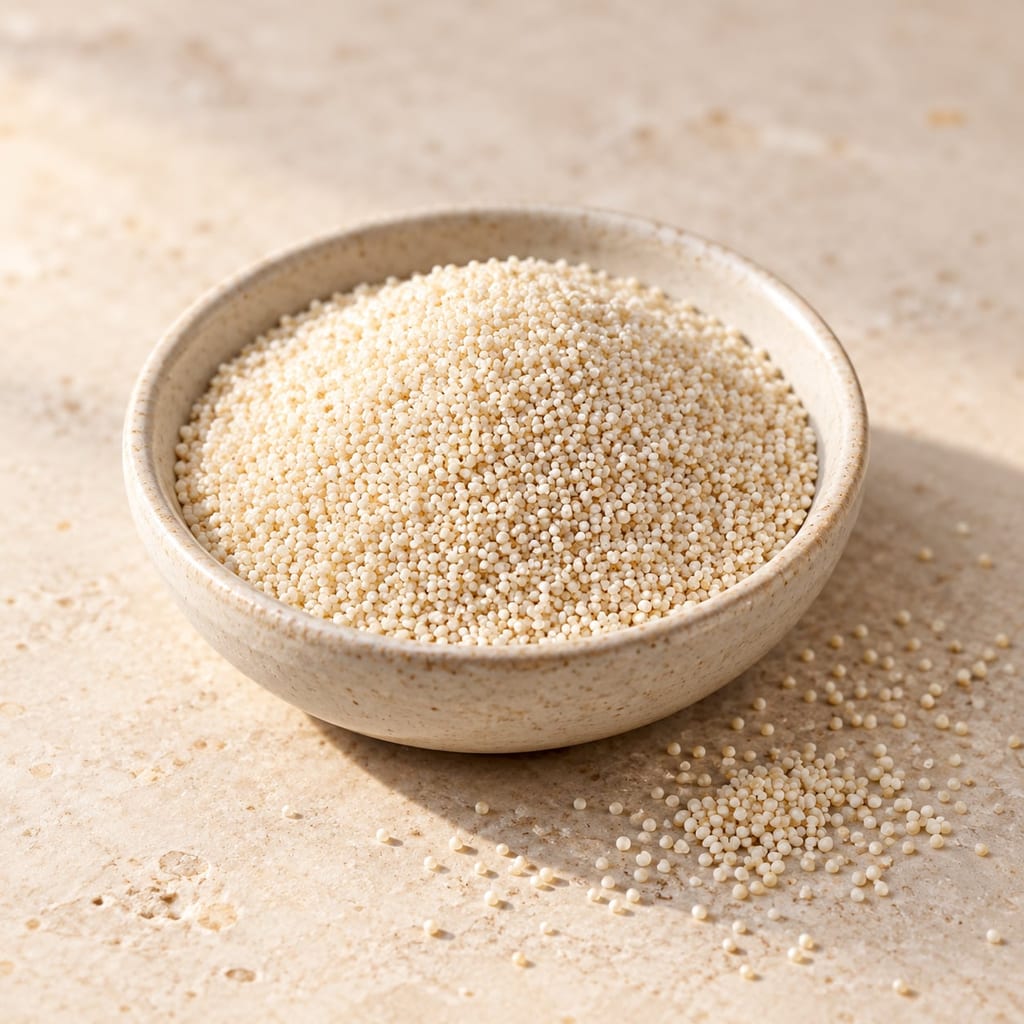
Fonio covers two distinct West African cereals: white fonio (Digitaria exilis) and black fonio (D. iburua). Both are eaten in cooked dishes; sources also document fermented drinks and controlled fonio fermentations.
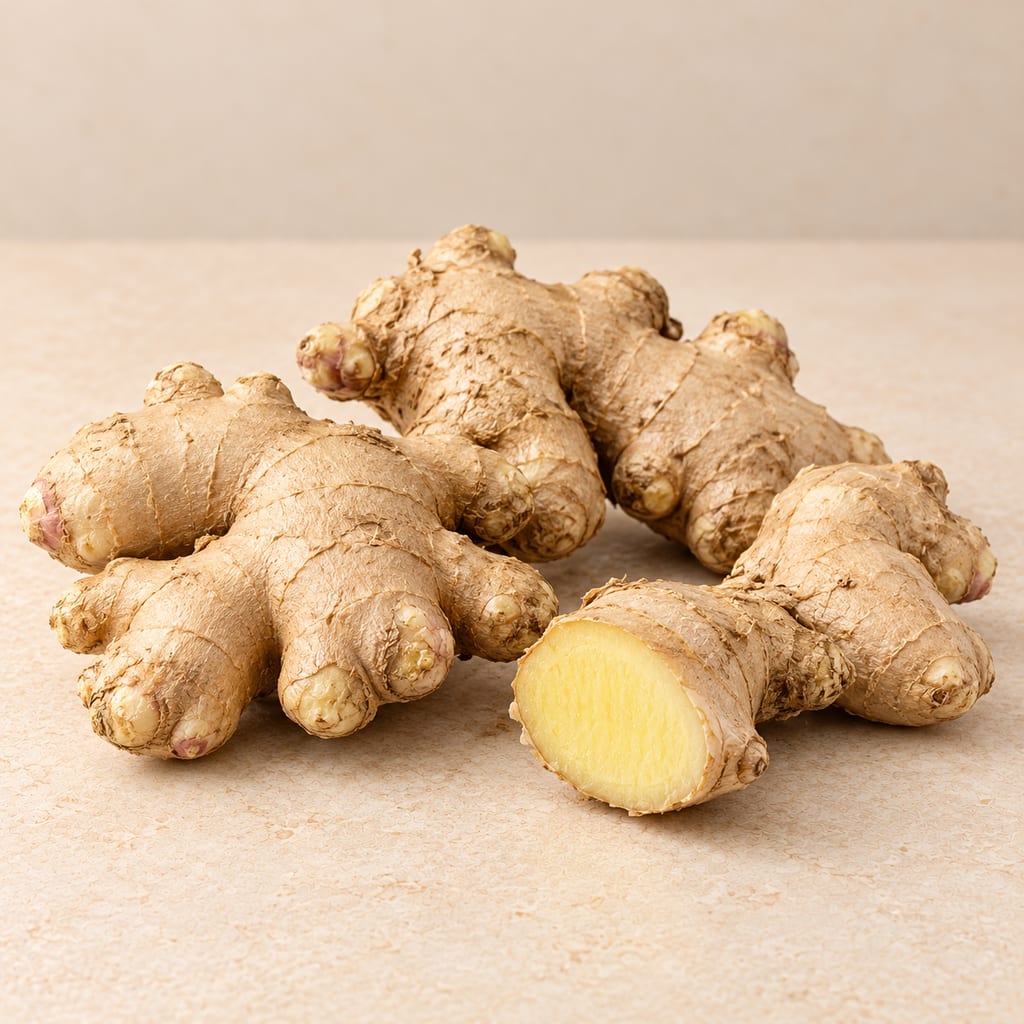
Ginger is the aromatic rhizome of Zingiber officinale, used fresh, dried and preserved. Historical ginger wines sliced or bruised it to flavour a sugar-based ferment.
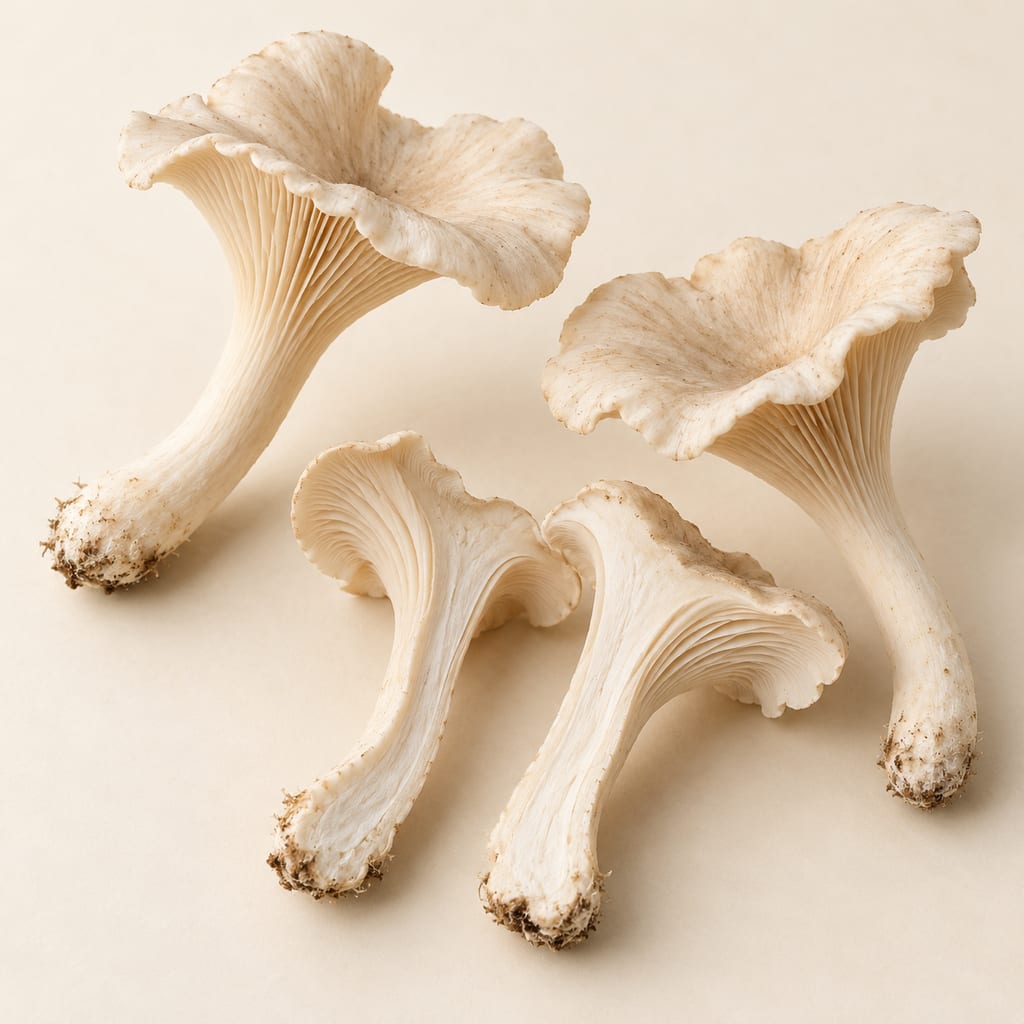
Pleurotus tuber-regium is a tropical fungus whose underground sclerotium is a staple and soup thickener in south-eastern Nigeria. It is also recorded as a food in Tshopo province, Democratic Republic of the Congo.
No community contributions have been published for this entry yet.
Sign in to contribute. Published comments and photos are free to read.
WikipediaLead · Identity · Processing · Culinary · Nutrition claims
Treculia africanaTaxonomy, Moraceae, IUCN Least Concern; common names including ukwa
Range in West and Central Africa up to about 1,500 m
Fruit heaped and fermented; seed mass macerated and washed; dried and dehulled
Culinary uses: soups, stews, ukwa porridge, flour, oil, roasted snack
Nutrition claims as reported, not verified; no toxicity warning given
Cited in: What it is; Processing the fruit and seeds; How the seeds are used; Nutrition and claims; Limits of the sources