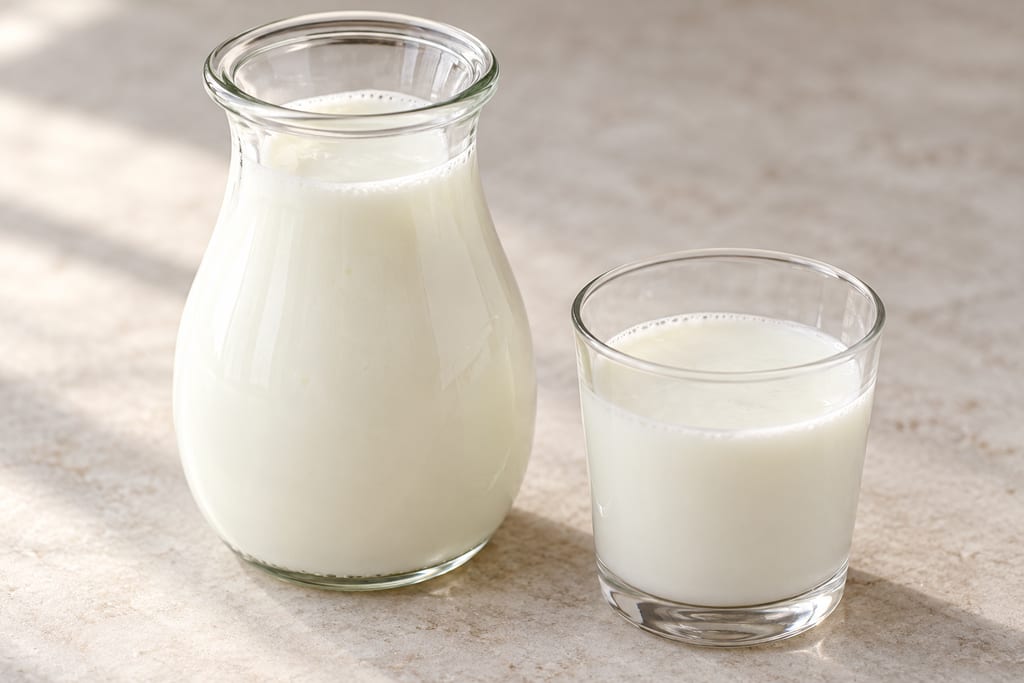
Cultured buttermilk
Cultured buttermilk is skim milk soured with a lactic starter into a tangy drink. This Canadian home method sets the milk without churning cream.
 FermenteaWhere food goes to change
Substrates
Milk supplies protein, fat and lactose for cultured drinks and cheese. Animal species, composition and processing each affect how it behaves.
Milk supplies the material from which a culture makes a drink, a soft gel or a cheese curd. The animal matters, but so do the milk's composition and treatment. Cow, goat, sheep, buffalo and mare milk belong to different dairy traditions because they offer different balances of protein, fat and sugar. A familiar white appearance conceals much of that difference. Milk that pours readily into a pan may later form a firm curd, remain a soft fermented drink, or separate into curd and whey under a particular process.
The diversity is visible in foods with clear animal identities. Mozzarella di Bufala Campana uses water-buffalo milk. Feta PDO belongs to a sheep-and-goat dairying tradition. Mongolian airag is made with mare milk. These are preparations with their own methods, rather than names for interchangeable milk. Starting with the animal and the intended food makes more sense than arranging all milk on one scale from ordinary to unusual.
Milk also carries several independent descriptions. Whole or skim describes its fat class. Pasteurized describes a heat treatment. Homogenized describes treatment of the fat droplets. An animal name describes the species. Each answers a different question, and a recipe that supplies only one of these details has not silently supplied the others.
William of Rubruck's account of his journey through Mongol lands in 1253–55 describes a dairy economy organized around several animals and several seasons. He records mares being milked and their milk worked into a fermented drink. Cow milk took another route: butter was removed, and sour curd could be dried and kept for winter. The account connects dairying with labour, storage and household supply, rather than presenting milk as a single unchanging food.
His descriptions are a traveler's testimony, with the assumptions and limitations of that viewpoint. They nevertheless preserve a useful distinction between keeping liquid milk and turning its components into different foods. Dried curd, butter and a fermented mare-milk drink required different work and served different purposes. His explanations of why milk behaved as it did belong to his period; they are not modern accounts of protein chemistry.
That distinction between animal, material and preparation remains useful in a contemporary kitchen. An animal provides milk. Separation, heat, cultures, enzymes and draining then direct its components into particular foods. A fermented milk drink and a drained cheese can begin with related materials without following the same route or producing the same balance of water and solids.
Milk contains water, fat, protein, lactose and minerals. These components do not all occupy the liquid in the same way. Fat is dispersed as droplets. Lactose, the milk sugar, is dissolved in the watery phase. Much of the casein protein is organized in particles called micelles, which also contain calcium phosphate. Whey proteins form another protein fraction. The distinction helps explain why removing cream, making curd and evaporating water produce such different ingredients.
Casein micelles are flexible structures rather than miniature solid beads. Cow, goat and sheep milk share features of this organization while differing in composition and larger structural details. Similarity at one scale does not erase differences at another. The protein system, fat droplets and surrounding liquid all contribute to the way a milk responds to acid, heat and enzymes.
A cheesemaker separates some of these components selectively. Much of the casein enters the curd, along with retained fat and moisture. Whey carries water and soluble material away. Drying milk takes a different route: water is removed while milk solids remain together in the powder. Skimming changes the fat balance. None of these operations is itself the bacterial fermentation that produces acidity. Understanding the material change makes the resulting ingredient easier to choose.
Sheep milk generally contains more protein and fat than cow or goat milk, while buffalo milk is also notably rich in fat. These broad differences help explain their usefulness in substantial cheeses and cultured products. Goat milk and cow milk can have similar overall amounts of major constituents, but a similar total is not a promise of identical protein behaviour, flavour or curd. Mare milk has relatively little casein and fat and comparatively more lactose, a balance associated with its use in fermented drinks.
Within a species, breed, feed, season, stage of lactation and animal health also influence milk. A species name therefore describes part of an ingredient, not a complete specification. Reference composition tables summarize particular samples and studies. Their averages help explain patterns; they do not tell a cook the exact solids or acidity in a purchased container. Even a change between two sources of the same species can change a preparation.
Yak milk belongs to another documented dairy tradition, with uses in tea, butter, cheese and fermented milk in parts of Asia. Camel milk likewise has its own foods and production settings. These examples widen the picture beyond the most familiar supermarket milks. They do not establish that a recipe written for one animal will work unchanged with another. A named local food is a better starting point for learning how a particular milk is used than a universal substitution rule.
In cultured dairy, lactic-acid bacteria use lactose and produce lactic acid. The falling pH changes interactions within the milk's protein system. Casein particles can join into a network that holds liquid, giving yogurt and other acid-set milks their body. The amount and condition of the protein matter alongside the culture. Adding more fat alone is not equivalent to adding more protein, even though either change can affect the sensation of richness or thickness.
Heating milk before culturing can unfold whey proteins and allow them to interact with casein. This helps explain why a yogurt process may include a substantial heating stage even when it begins with purchased pasteurized milk. The heating has a textural role as well as a microbial one. Its exact conditions belong to the particular preparation; a general milk page cannot supply a single treatment suitable for every cheese and fermented drink.
What happens after the gel forms also matters. A set yogurt develops in its final container. Stirring breaks and rearranges the network into a different texture. Straining removes whey and concentrates what remains. These physical operations can make foods with the same broad milk-and-culture ingredients feel very different. A thin result is therefore a question about composition, culture and handling together, rather than proof that the animal species was wrong.
Cheese can begin with enzyme coagulation, acid coagulation, or a combination of acidity and heating. In an enzyme-set cheese, limited protein breakdown changes how casein particles associate. In an acid-set preparation, acidification changes that association by another route. Once a curd exists, cutting, cooking, stirring and pressing help it release whey. They shape moisture and texture; calling all of them fermentation hides the work each stage performs.
Feta PDO offers a bounded example of sheep and goat milk entering a cheese tradition. Its milk is coagulated and drained in moulds, then salted and ripened. The protected food is more specific than any white cheese called feta outside that specification. Its species association does not prescribe a generic method for every sheep-milk cheese, and a brief description cannot replace its production specification.
Mozzarella di Bufala Campana offers a different example. Fresh water-buffalo milk becomes curd that is worked with hot water, stretched and shaped before cooling and packing. The stretching stage is part of the preparation's identity. Buffalo milk supplies the substrate, but the characteristic cheese also depends on the acidification and physical treatment of the curd. Replacing the animal name in a recipe does not reproduce this whole sequence.
Airag demonstrates why cheese yield is not the only useful way to judge milk. The finished mare-milk drink combines lactic fermentation with alcoholic fermentation and retains a fluid form. Lactic bacteria contribute acidity; yeasts contribute alcohol and carbon dioxide. Its character comes from a microbial community acting in a particular milk, rather than from the formation of a firm cheese curd. Milk with different casein and lactose proportions presents that community with different material.
Airag samples collected in Ulaanbaatar in 2013 and 2014 varied in their biochemical composition. The work also recovered several kinds of lactic-acid bacteria. Such variation is a reason to keep one sample set separate from a definition of the whole food. It does not justify assigning one organism list, alcohol level or residual-lactose value to every household's drink. Nor does it identify the culture in an unrelated milk ingredient.
Camel milk has a distinct fermented-drink example in Kazakh shubat. That association belongs with camel dairying and the preparation's own sources; it is not another name for mare-milk airag. Keeping these foods separate preserves the animal, place and process that make them informative. Milk's range is best understood through these particular relationships, without turning every sour milk into yogurt or every Central Asian dairy drink into the same product.
Pasteurization and homogenization do different jobs. Pasteurization uses heat to control harmful microorganisms. Pasteurized milk still requires the handling and refrigeration appropriate to its product. Homogenization reduces the size of fat droplets and changes their dispersion; it does not remove lactose or substitute for heat treatment. UHT is another heat treatment, with consequences for both storage and the behaviour of milk proteins. The treatment suitable for one preparation may be unsuitable for another.
A recipe's words should therefore survive the trip to the shop. Pasteurized skim milk is a more specific ingredient than milk. Pasteurized whole milk gives a different fat instruction. Neither wording authorizes adding a species, a homogenization claim or a protein level that was never specified. Where a recipe requires a particular kind of curd, its guidance on milk treatment matters as much as its culture and coagulating agent.
Raw milk can carry Campylobacter, Salmonella, pathogenic E. coli and Listeria. These hazards are separate from the choice between a firm and a soft curd. A milk's suitability for a particular texture does not resolve its microbial handling requirements. Pasteurization controls harmful bacteria through a defined heat treatment, while refrigeration remains necessary for ordinary pasteurized milk because spoilage organisms can remain. A recipe calling for pasteurized milk should retain that qualification throughout the process, including when the batch is scaled.
Heat treatment also leaves the distinction between fat and milk sugar intact. Pasteurizing milk does not remove its lactose, and homogenizing its fat does not turn whole milk into skim milk. Choosing a lower-fat carton changes the fat contribution; choosing lactose-reduced milk changes a different part of the ingredient. These choices may look similar on a shelf, but they answer different dietary and recipe questions. Keep the complete product identity rather than selecting by colour or one prominent word on the package.
Milk-protein allergy and lactose intolerance also describe different issues. Allergy involves a reaction to proteins; lactose intolerance concerns digestion of milk sugar. Goat, sheep and buffalo milk contain proteins related to those in cow milk, so a different animal is not a presumed allergy-safe replacement. Fermentation changes some lactose, but it does not establish a lactose-free result. Choose the milk form required by the preparation, retain its allergen identity, and keep the product's own handling instructions with it.
milk
Feta PDO sheep/goat milk association; not the origin of milk.
Water-buffalo milk in Mozzarella di Bufala Campana PDO; country-level association only.
Mare milk used in airag; sampled Ulaanbaatar is not asserted as its birthplace.
Camel milk used in shubat; no precise birthplace assigned.
Cultured buttermilk is skim milk soured with a lactic starter into a tangy drink. This Canadian home method sets the milk without churning cream.
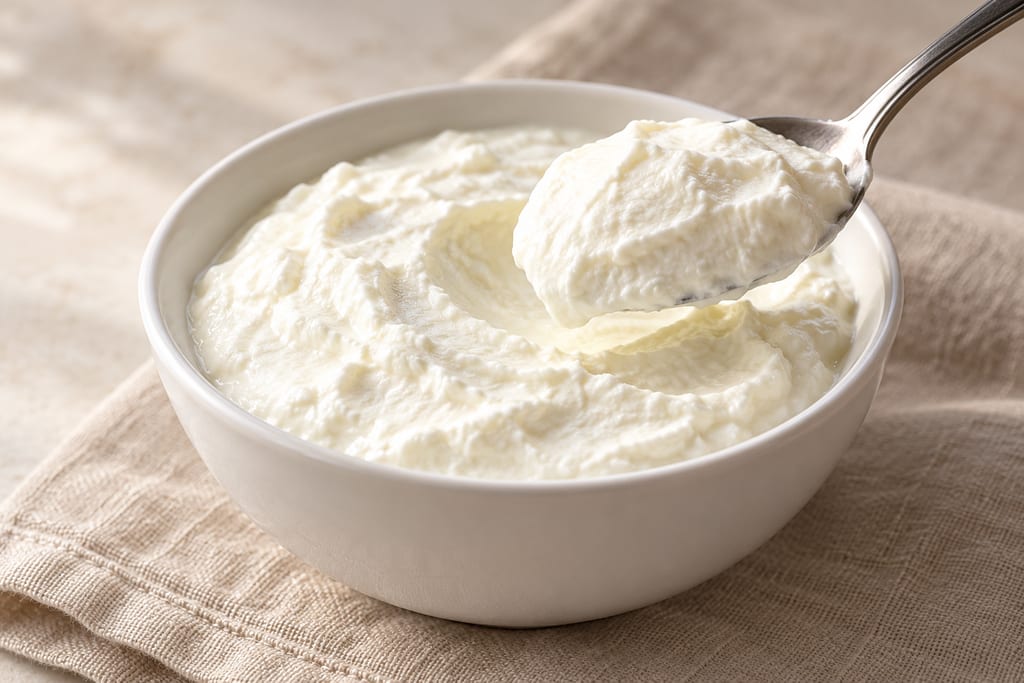
Greek-style strained yogurt is cultured whole milk drained through cloth to remove whey. This modern Utah home method makes a thick yogurt from a gallon batch.
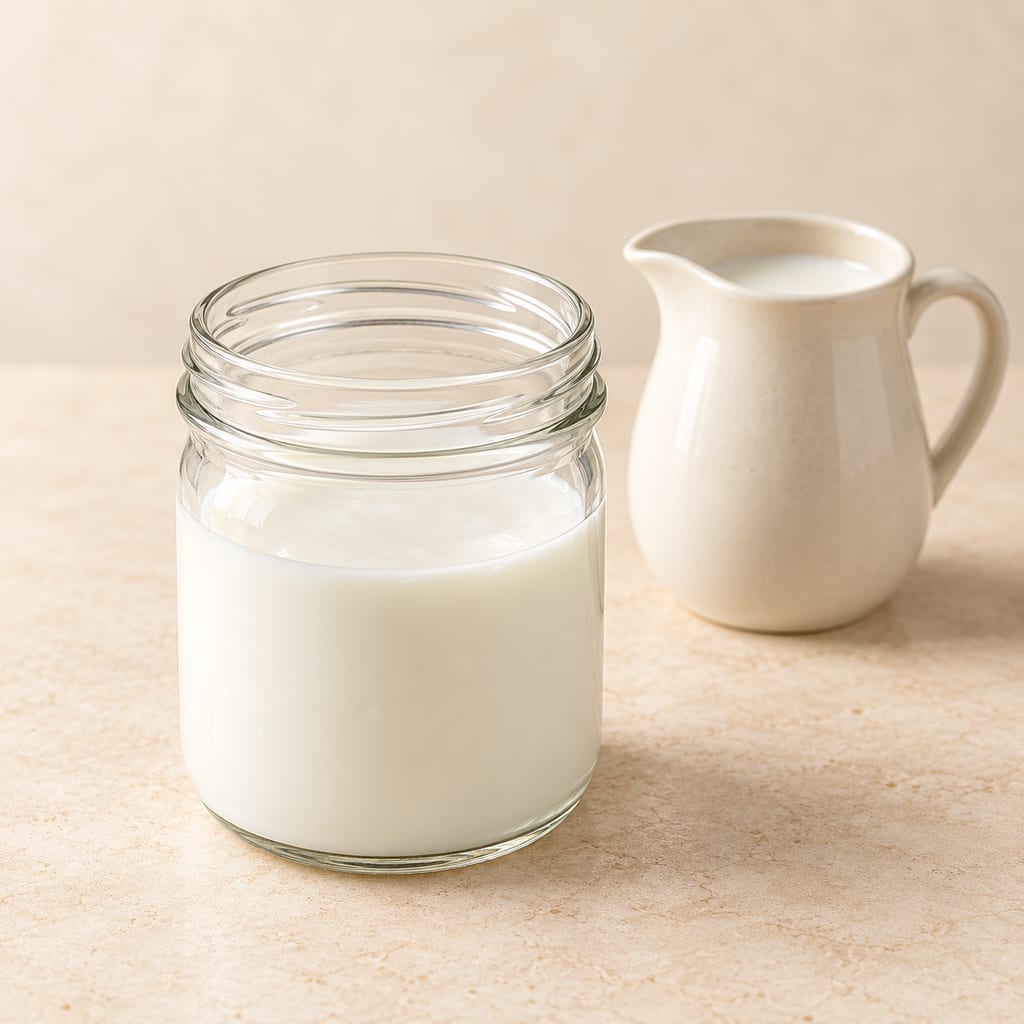
Set yogurt keeps the milk’s cultured gel intact in its final container. This Canadian home method follows the same heating and inoculation as stirred yogurt, without the final stirring.
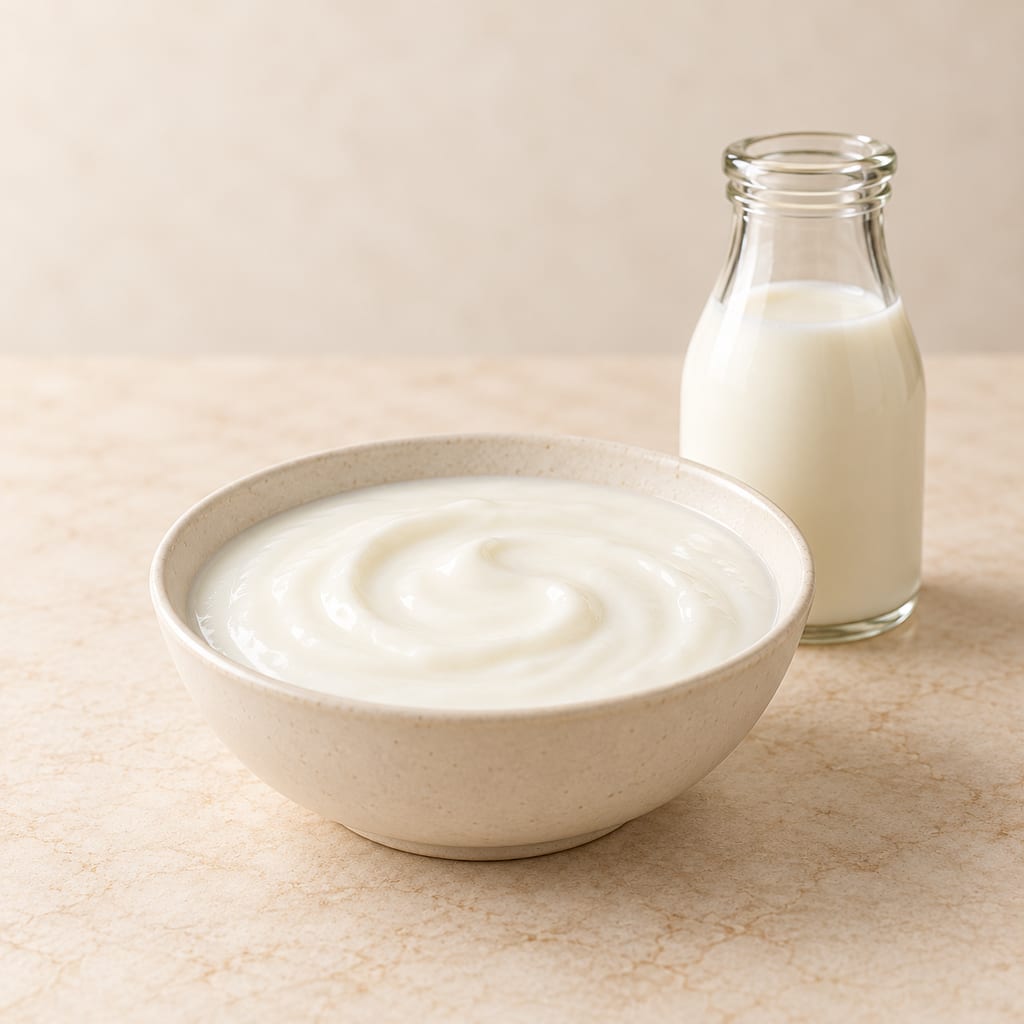
This plain yogurt is heated, cultured warm and stirred smooth after chilling. A Canadian home method uses fresh plain yogurt to start the lactic fermentation.
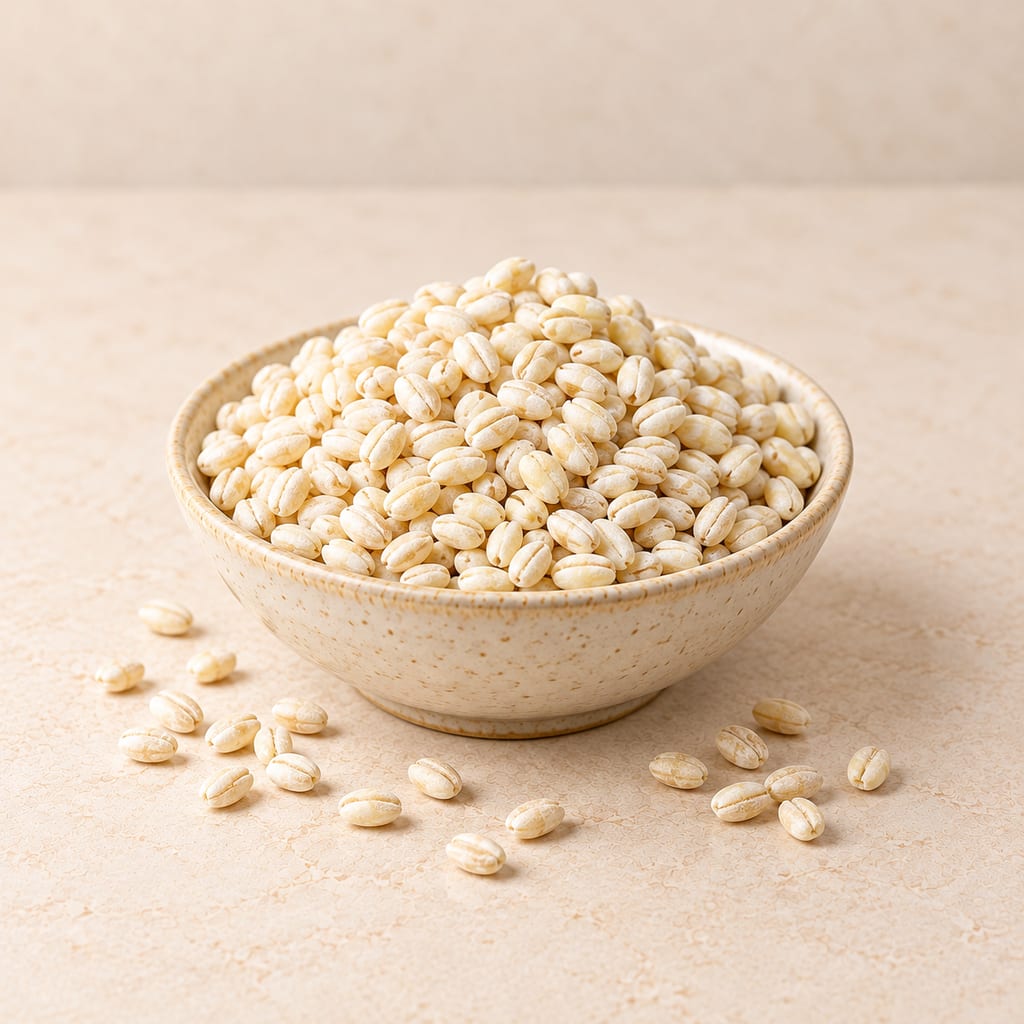
Barley is a hardy cereal, domesticated in the Middle East over 10,000 years ago, eaten whole, pearled or milled, malted for brewing, and grown with koji mold for barley miso.
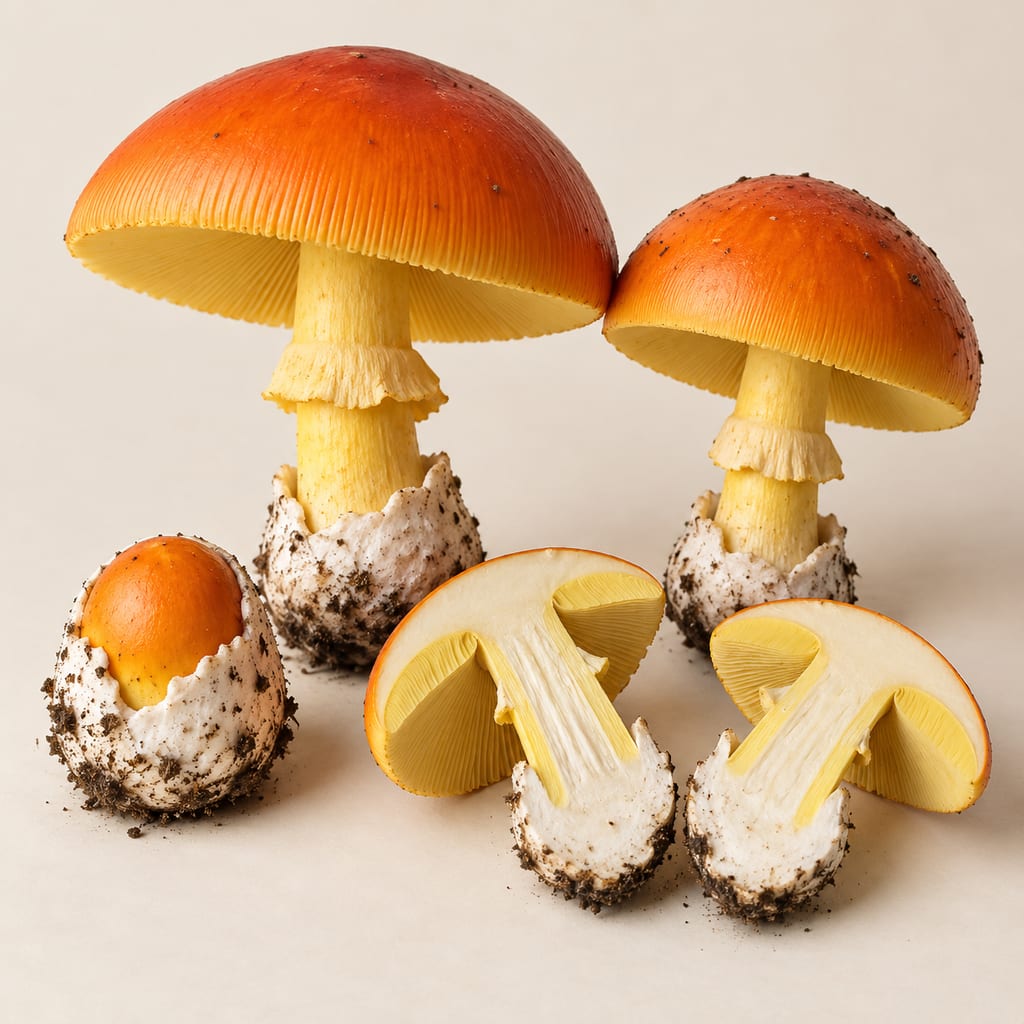
Caesar’s mushroom, Amanita caesarea, is a prized wild, tree-associated fungus of Mediterranean Europe, gathered seasonally for regional dishes. Its celebrated name and food traditions sit beside serious identification risks.
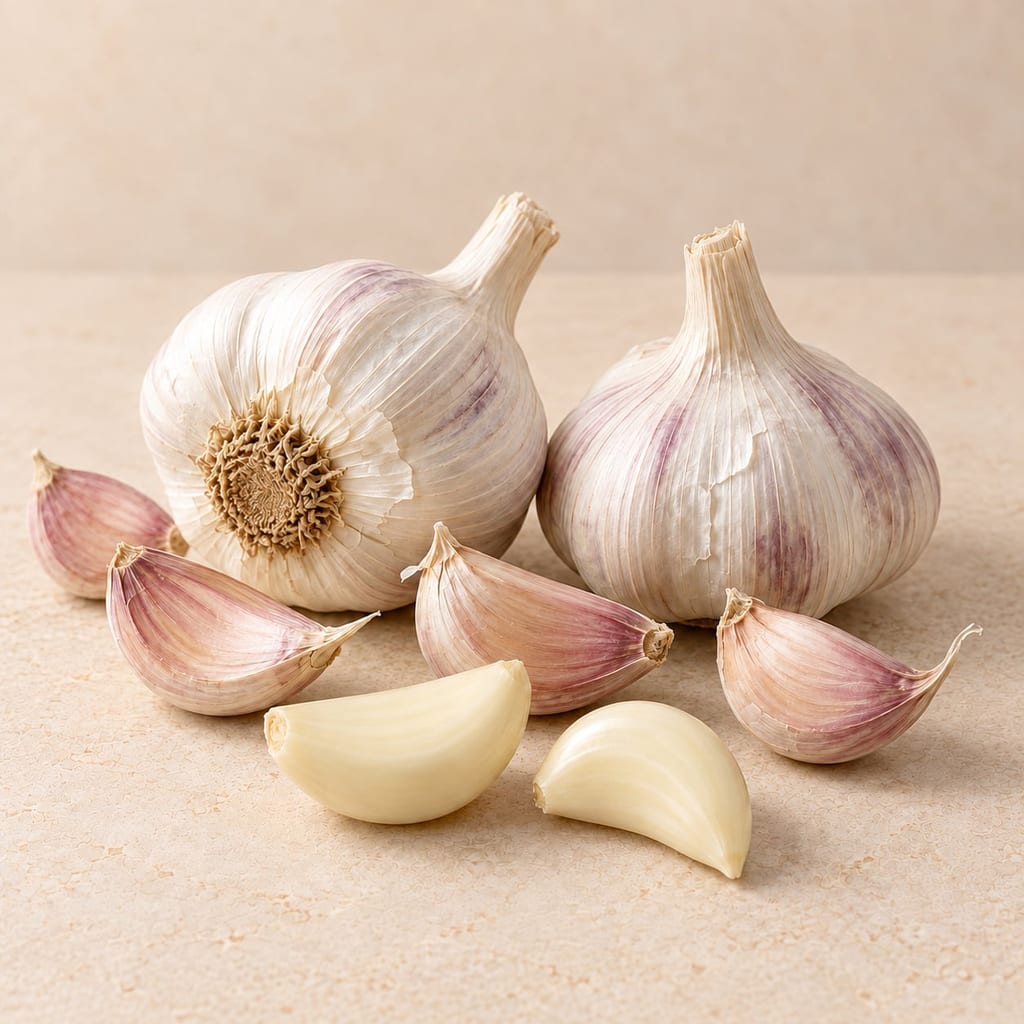
Garlic cloves are the separate bulblets of Allium sativum, pungent only once cut. They flavour herb salts, ferments such as Thai som-fak, and countless cooked dishes.
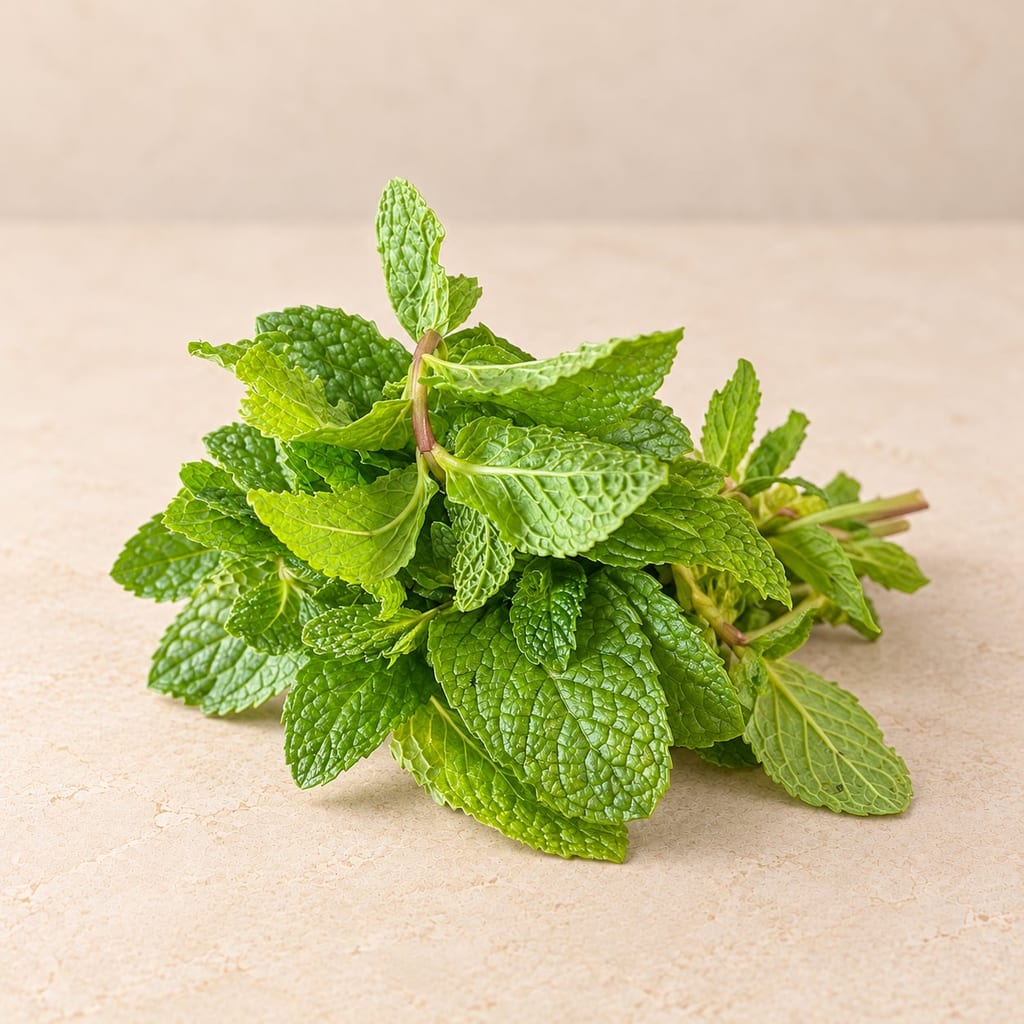
Mint is the fresh leaf of aromatic Mentha plants, chiefly spearmint and peppermint. It gives chutneys, yoghurt sauces and fermented drinks a cool, sweet, green note.
MT1 is a named dairy starter in a home Feta-style method. The brief recipe name does not establish its manufacturer or exact strains; a documented commercial MT1 product is one distinct example.
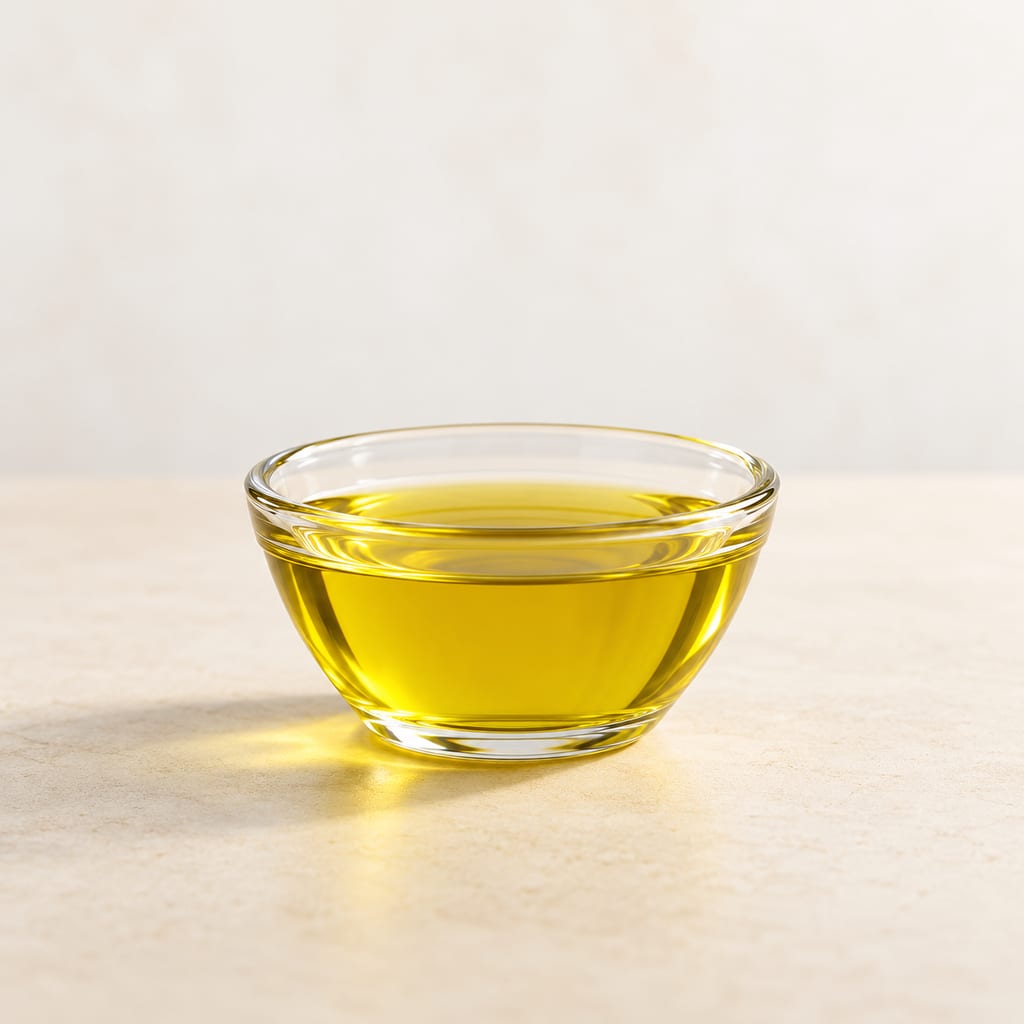
Oil extracted from olive fruit serves as cooking fat, flavouring and, in some cheese methods, an exterior treatment. Grade, cultivar, processing and storage shape its character.
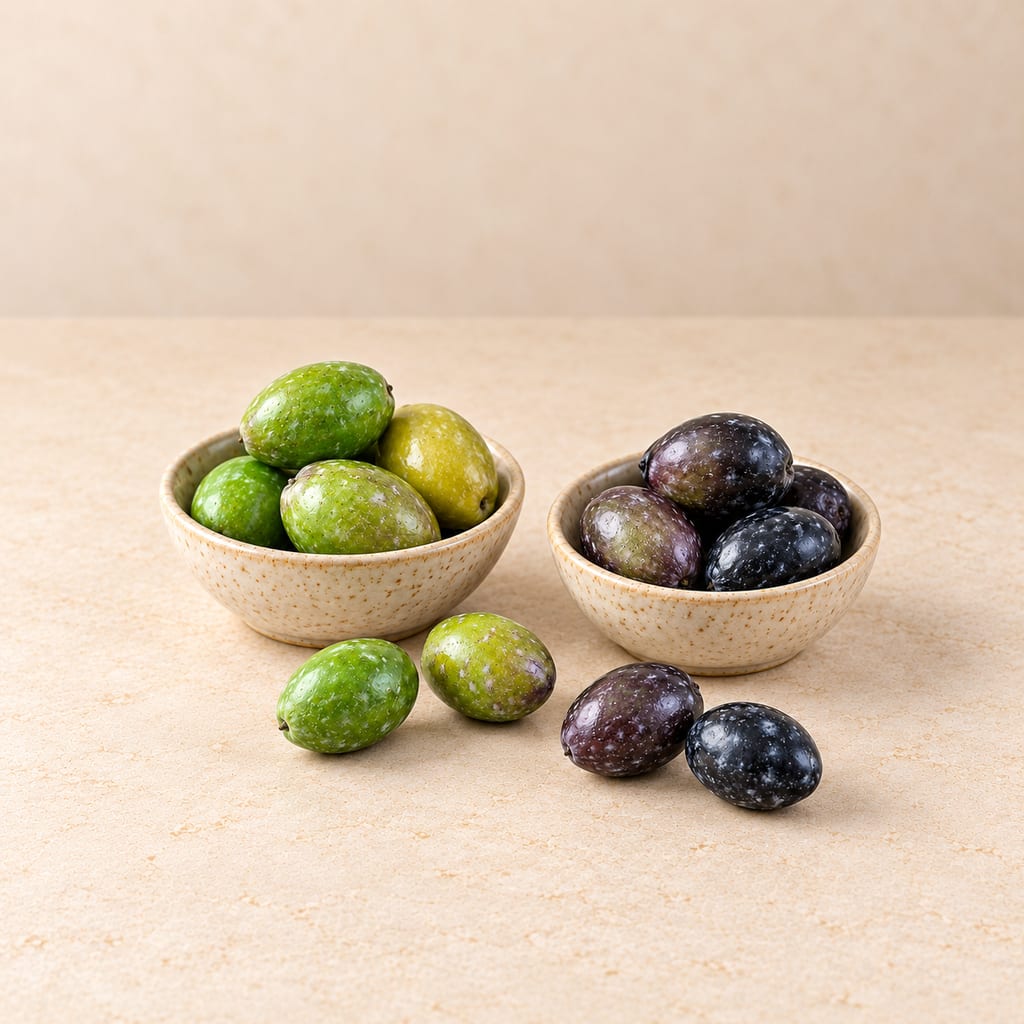
Olives are the bitter fruit of Olea europaea, made edible by lye, brine or salt, and the raw material of the table olives that are cured and fermented around the Mediterranean.
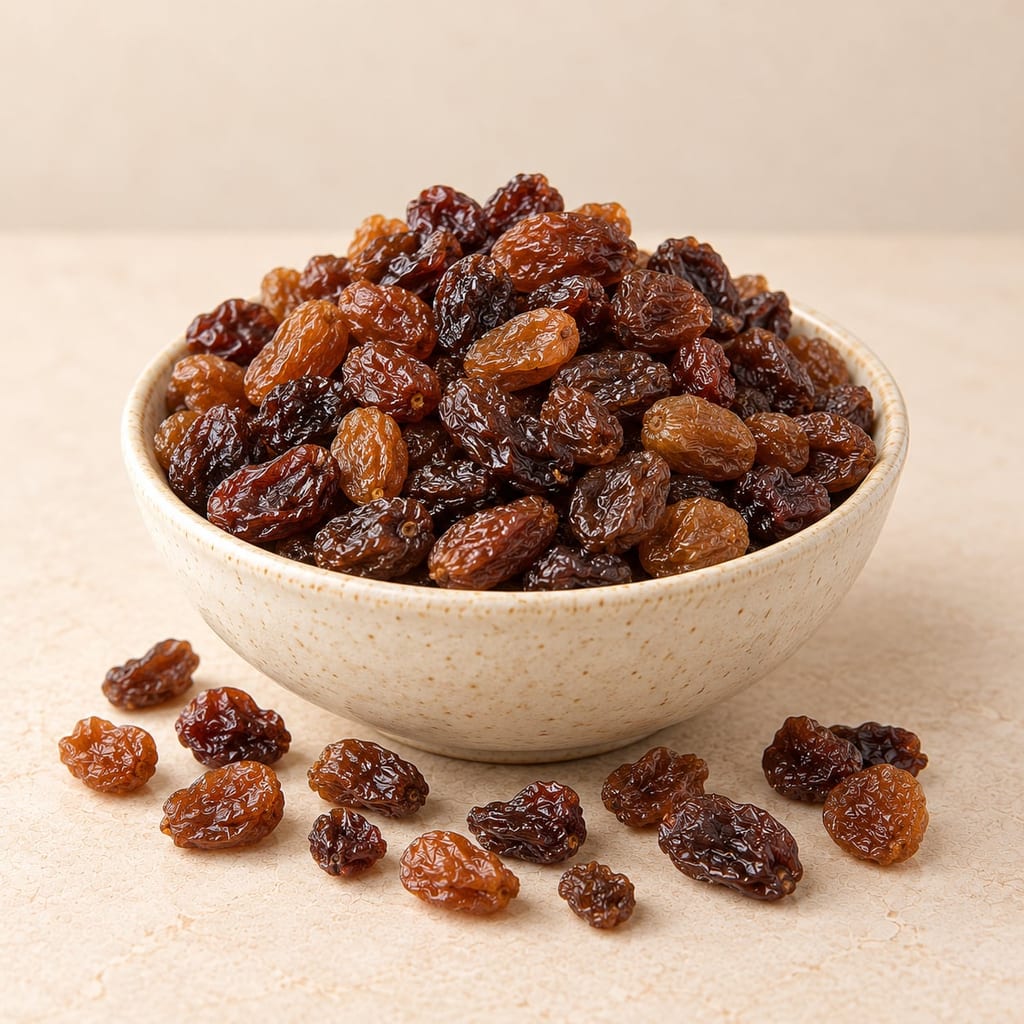
Raisins are dried grapes whose variety and drying method shape their size, colour and flavour. In a documented 1861 ginger wine they are stoned, chopped and added to the cask after yeast.
No community contributions have been published for this entry yet.
Sign in to contribute. Published comments and photos are free to read.
Food and Agriculture Organization of the United NationsIngredient context
Milk and Dairy Products in Human NutritionMilk components and variable species composition; cheese coagulation routes and physical whey removal; heating effects on milk proteins.
Cited in: What is suspended and what is dissolved; Species, herds and variable composition; From lactose to a protein gel; Curd, whey and the purpose of a recipe
Food and Agriculture Organization of the United NationsIngredient context
Milk compositionSpecies and within-species variation; qualitative sheep/buffalo/equine composition; documented yak uses; no numeric composition adopted.
Cited in: One word, many dairy traditions; Species, herds and variable composition
Hakluyt Society; Northern Virginia Community College transcriptionIngredient context
The Journey of William of Rubruck to the Eastern Parts of the World, 1253–55Historical traveler testimony on mare-milk drink, cow-milk butter and dried curd; different animal and seasonal household dairy routes.
Cited in: Milk in a herding household
Tetra PakIngredient context
The Chemistry of Milk, Dairy Processing HandbookWater, emulsion, lactose solution and milk-protein fractions; casein/mineral organization; distinction between skimming/drying and fermentation.
Cited in: What is suspended and what is dissolved; Reading a carton and a milk line
Soft Matter14(17):3336–3343Ingredient context
A structural comparison of casein micelles in cow, goat and sheep milk using X-ray scatteringShared calcium-phosphate/protein structures and differences at larger scales among the three milks; qualitative structural comparison only.
Cited in: What is suspended and what is dissolved
Tetra PakIngredient context
Fermented Milk Products, Dairy Processing HandbookAcid gel; protein/heat/handling effects; set, stirred and concentrated forms; no industrial process conditions generalized.
Cited in: From lactose to a protein gel
European Commission, Directorate-General for Agriculture and Rural DevelopmentIngredient context
Feta PDOBounded Greek sheep/goat milk association and mould-draining, salting, ripening process. Not generic feta or a birthplace assertion.
Cited in: One word, many dairy traditions; Curd, whey and the purpose of a recipe
European Commission, Directorate-General for Agriculture and Rural DevelopmentIngredient context
Mozzarella di Bufala Campana PDOFresh water-buffalo milk, Italian regional association and hot-water curd stretching/shaping; no recipe conditions transferred.
Cited in: One word, many dairy traditions; Curd, whey and the purpose of a recipe
Journal of Animal Science and Technology58:10Ingredient context
Characterization of airag collected in Ulaanbaatar, Mongolia with emphasis on isolated lactic acid bacteriaMare milk, lactic/alcoholic fermentation and sample variation; samples collected2013and2014; no numerical assay range or universal organism list adopted.
Cited in: One word, many dairy traditions; Fermented drinks are their own preparations
Otandastar QoryIngredient context
Little-known properties of shubat – research resultsKazakh shubat as fermented camel milk, distinct from mare-milk drink.
Cited in: Fermented drinks are their own preparations
U.S. Food and Drug AdministrationIngredient context
Raw Milk Questions & AnswersRaw-milk Campylobacter/Salmonella/pathogenic E.coli/Listeria hazards; pasteurization and refrigeration; heat treatment does not remove lactose or milk-allergen proteins.
Cited in: Reading a carton and a milk line
Health CanadaIngredient context
Milk – A priority food allergenMilk-protein allergy differs from lactose intolerance; ruminant milks share related proteins and are not presumed safe allergy replacements.
Cited in: Reading a carton and a milk line
Penn State ExtensionIngredient context · Safety
Farmstead and Artisan CheesemakingCheesemaking milk species and compositional variation; advice on pasteurized versus raw milk and UHT limitations.
Agriculture CanadaProcess · Ingredient context
Home-made dairy products, Publication 1669Historical home-dairy milk descriptors and cultured-dairy uses. The booklet does not mention mare milk or koumiss; the previous attribution was incorrect.
Cited in: Reading a carton and a milk line