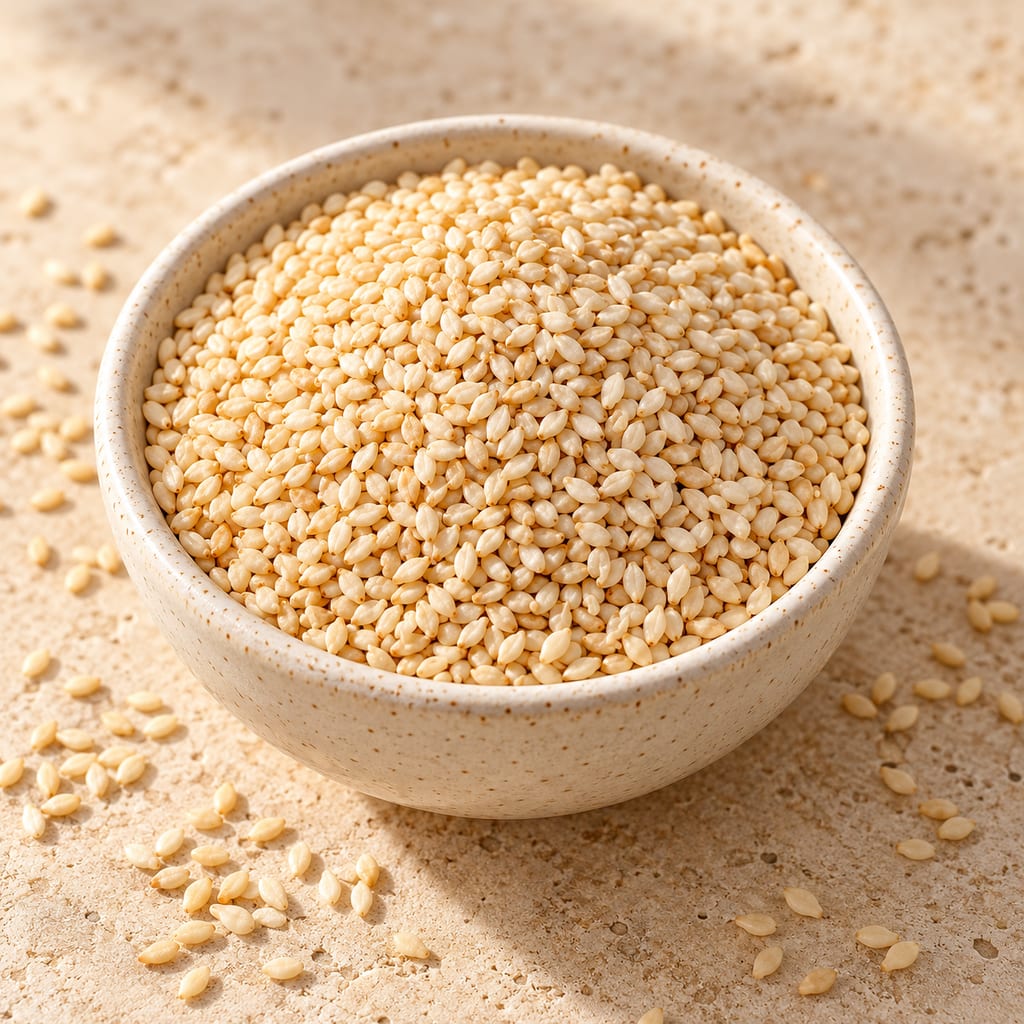
Sesame seeds
Sesame seed, from Sesamum indicum, is about half oil and is eaten whole, ground into paste or pressed into oil. It was a crop of South Asia by the Harappan period and reached Mesopotamia before 2000 BC.
 FermenteaWhere food goes to change
Ka’ak al-Quds · Jerusalem sesame bread · Ka‘ak al-Quds · Ka’ak al-Quds sesame ring bread
Palestinian milk-enriched wheat rings coated in sesame and grape molasses, shaped into long ovals and baked without a bagel-style boil.
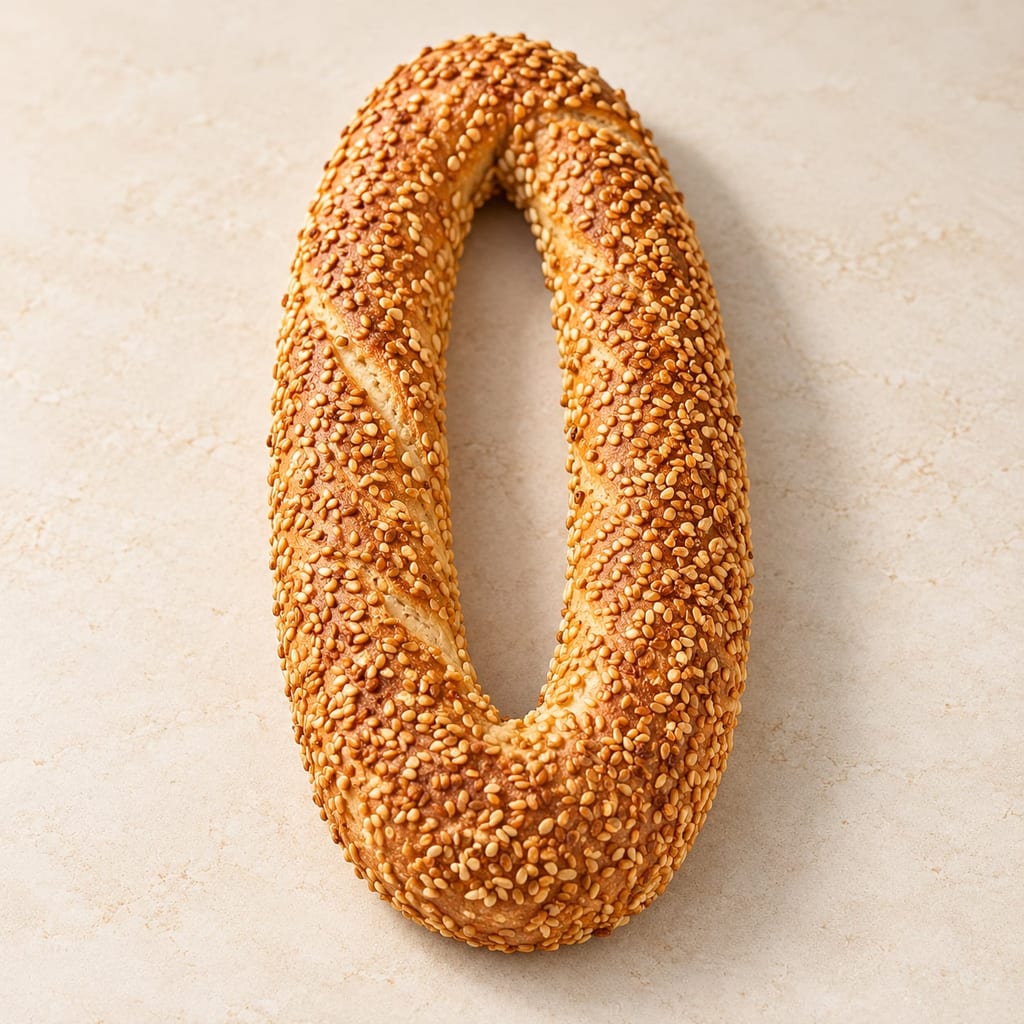
Reem Kassis describes ka’ak al-Quds as an oblong, sesame-covered bread sold from carts in Jerusalem's Old City and eaten through the day. She pairs it with za’atar, white cheese and vegetables, and sweet tea. Her measured recipe is a home version; she notes that it does not reproduce the taste of street-sold ka’ak.
This batch makes six long oval rings from a soft milk dough coated in sesame and grape molasses. It bakes directly in the oven. The formula does not boil the rings, despite English descriptions that compare ka’ak al-Quds to bagels. Other regional ka’ak and ring breads may use different doughs and cooking methods.
Combine 4½ cups (500 g) all-purpose or white bread flour with 2 tablespoons sugar, 2 teaspoons salt, 1½ cups (350 ml) warm whole milk, 1 tablespoon fast-action active dry yeast and 1 teaspoon baking powder. Mix on medium speed with a dough hook until the dough comes together into a soft, pliable ball. For hand mixing, knead until smooth and pliable; if it feels too stiff, add a little milk.
Rub the dough with olive oil, cover it with a damp towel or plastic wrap, and let it rise until doubled, about 1 hour. The dough contains milk, so keep it in a warm place below 90°F (32°C). FoodSafety.gov's time limit for perishable food is 2 hours unrefrigerated at or below 90°F, shortened to 1 hour above 90°F. The recipe's two rests total about 85 minutes; do not use a hotter proofing spot or prolong the schedule there.
In a shallow bowl, wet 1 cup (150 g) hulled sesame seeds with 1–2 tablespoons grape molasses and 1 tablespoon water. Add water in small amounts until the mixture is wet enough to cling to dough without clumping or running off.
Gently press large air bubbles from the risen dough and divide it into six equal pieces. On a lightly floured surface, roll and stretch each piece into a log about 8–12 inches (20–30 cm) long. Join the ends to form a ring and rest the rings for 15 minutes. Heat the oven to 450°F (230°C). Dip each ring into the sesame coating, then gently stretch it into a long oval. Set it on a baking sheet for a final 10-minute rest.
Bake the rings for 15–20 minutes, until deeply golden and cooked through. Cool them on a wire rack. Serve warm with za’atar, white cheese or vegetables and tea. The source suggests freezing leftovers and reheating them in an oven, but does not establish a validated storage limit.
This bread contains wheat, milk and sesame. People avoiding any of these allergens should not eat it. The source recommends freezing leftovers for up to one month and reheating them in an oven; this is the author's storage advice, not a validated safety limit. Flour is raw before baking: do not taste the dough, keep it away from ready-to-eat food, and wash hands and equipment after handling.
An account of Um Hani in Jerusalem Quarterly describes her Mount of Olives home becoming a destination for visiting groups. Alongside coffee she served Jerusalem's oval sesame bread. The recollection places the bread in domestic hospitality as well as the street-cart setting described by Reem Kassis.
That particular household account does not establish a universal serving ritual or the bread's first appearance. It adds a documented use of a recognisable Jerusalem bread while leaving the measured six-ring home method, its dairy handling and its distinction from street-baked ka’ak intact.
Reem Kassis describes Jerusalem ka’ak as oblong sesame-studded bread woven into daily Old City life, sold from wooden street carts and eaten warm with za’atar, white cheese or vegetables and sweet tea. She cautions that this home recipe will not taste the same as the street breads. This supports a local use association; it does not establish the first appearance of ka’ak or a single origin for sesame-ring breads.
Yield 6 ka’ak rings · Scaling: source batch only
Flour can contain harmful bacteria; do not taste raw flour, dough or batter, and bake the rings through.
Hazard sourceThe dough contains whole milk. The source estimates 30 minutes preparation plus 85 minutes resting before baking; counting only the rests understates its total unrefrigerated schedule.
Hazard sourceThe bread contains sesame and milk, which are major food allergens.
Hazard sourceDo not taste raw dough. Keep flour separate from ready-to-eat foods, wash hands and utensils after handling it, and bake the bread as directed.
Control sourceKeep the milk-containing dough below 90°F (32°C) and bake promptly. The source estimates 30 minutes preparation plus 85 minutes resting, about 115 minutes before baking; count all time out of refrigeration, including mixing and shaping. FoodSafety.gov advises refrigerating perishable food within 2 hours, or within 1 hour above 90°F (32°C). Since the first rise alone takes about 1 hour, do not proof this dough above 90°F.
Control sourceTell diners the bread contains sesame and milk; do not serve it to someone who must avoid either allergen.
Control sourceThis recipe contains wheat, milk and sesame.
Keep the milk-containing dough below 90°F (32°C) while it proofs. The source estimates 30 minutes preparation plus 85 minutes resting before baking; count the total time out of refrigeration, not only the proofing rests.
This home version differs from street-baked ka’ak in Jerusalem; it is not a claim of identical bakery texture.
The source documents Jerusalem ka’ak in Old City daily life and provides a home version; it does not claim a singular origin for sesame ring breads.
Sesame seed, from Sesamum indicum, is about half oil and is eaten whole, ground into paste or pressed into oil. It was a crop of South Asia by the Harappan period and reached Mesopotamia before 2000 BC.
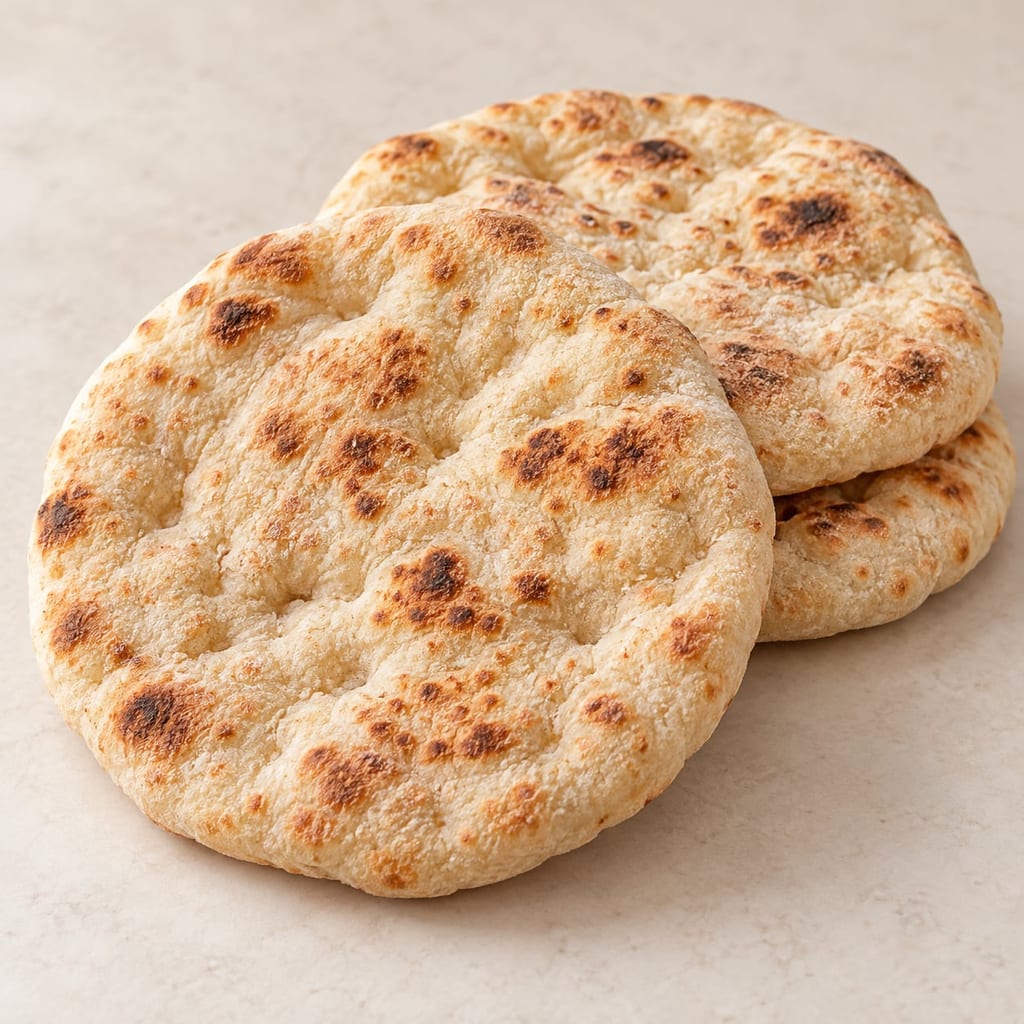
This Palestinian taboon method makes six small wheat flatbreads with a sticky yeast dough, fingertip dimples and a very hot domestic oven surface.
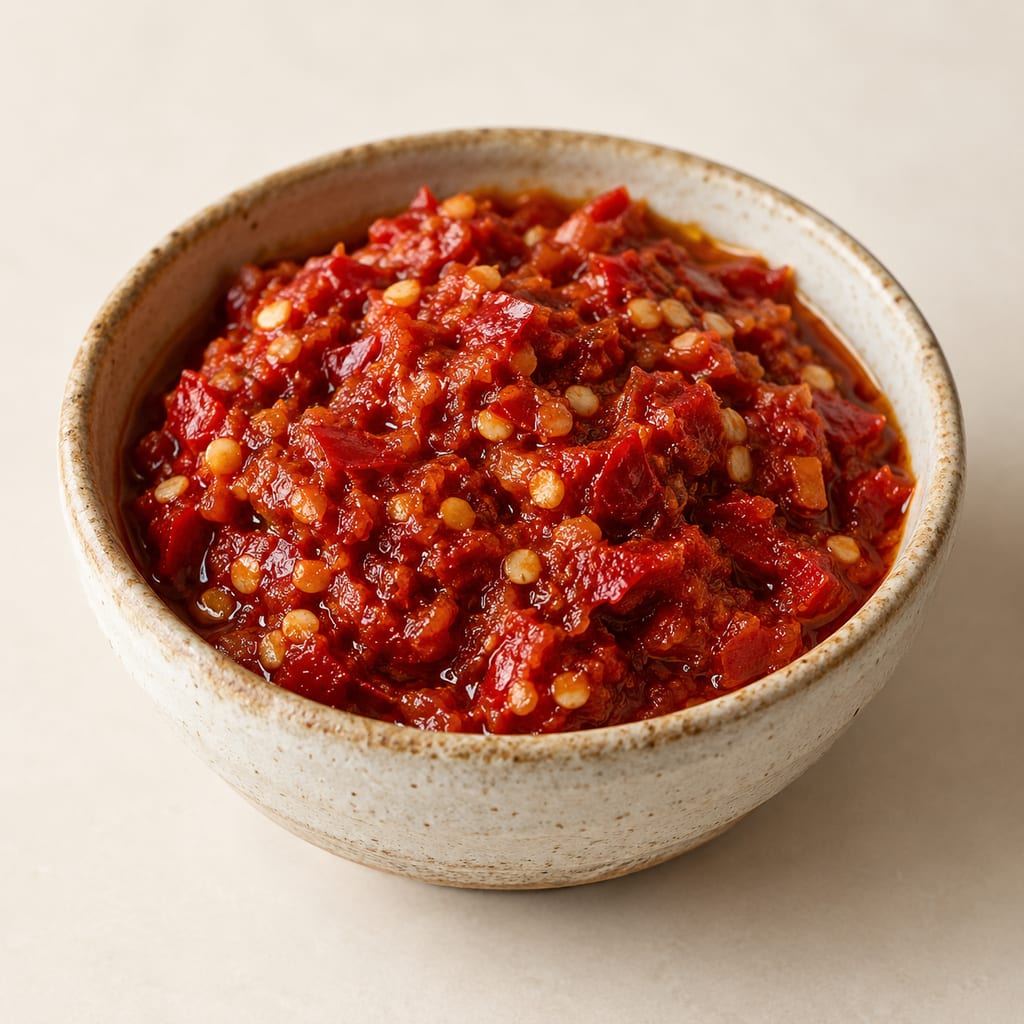
Shatta is a Palestinian chilli paste with many household forms. Abeer Najjar’s family-inspired version oven-dries salted fresh chillies, then mixes them with vinegar and olive oil for a source-described room-temperature ferment.
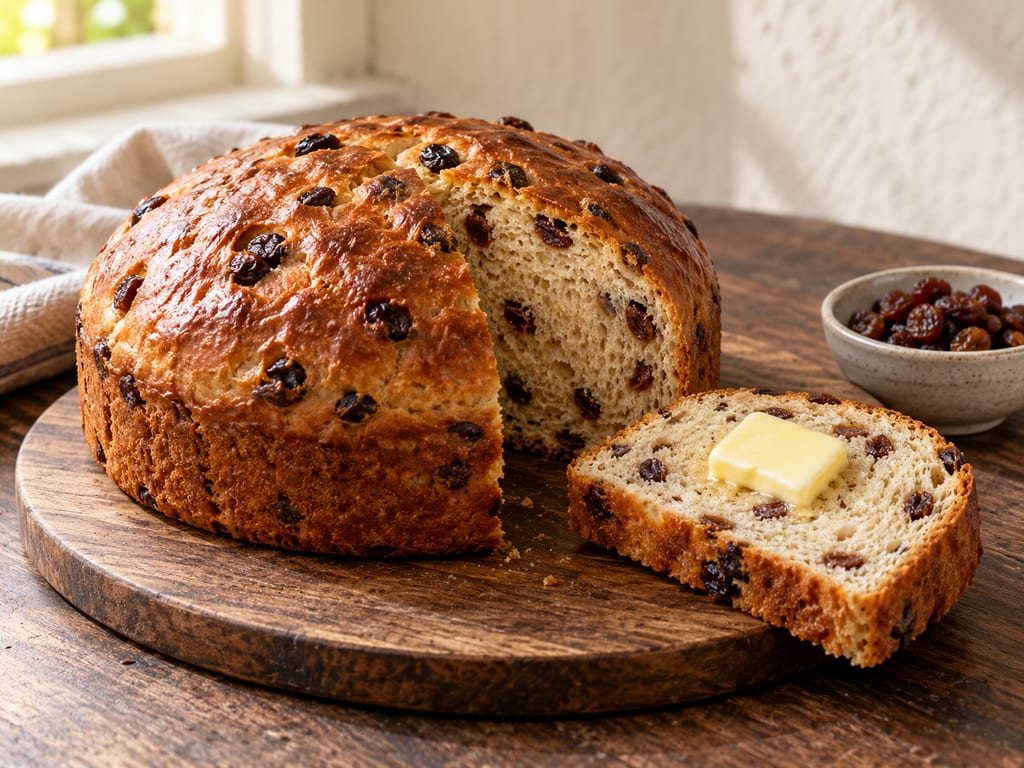
An Irish fruit-studded yeast loaf, associated in a contemporary cultural account with Halloween and often served fresh or toasted with butter.
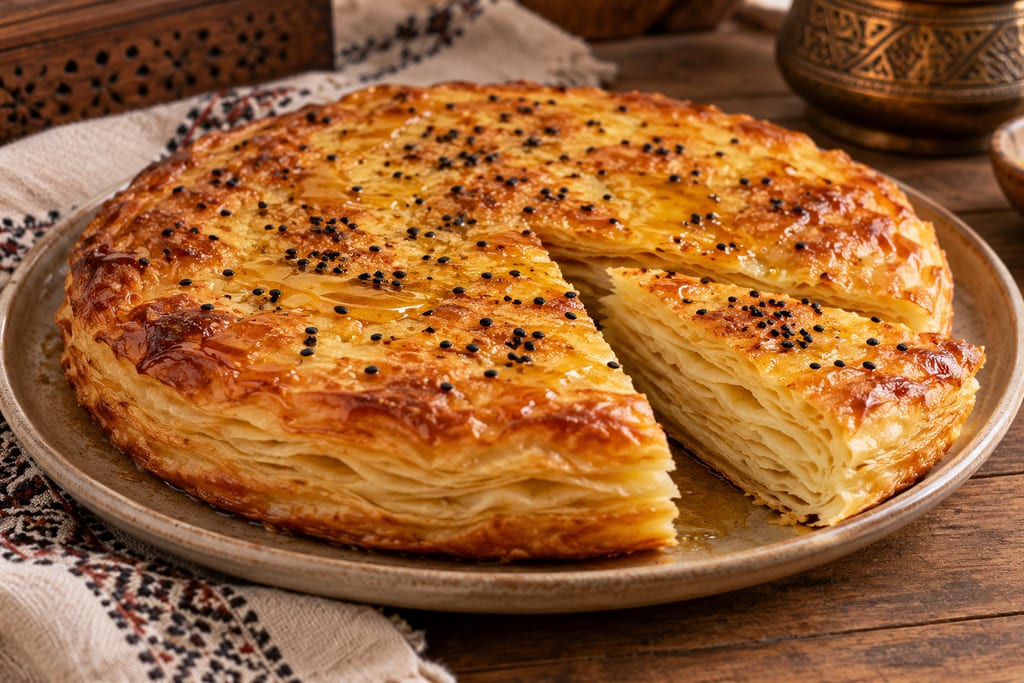
Bint al-sahn is a Yemeni celebration and home bread built from thin, egg-rich yeast dough layers brushed with ghee or butter. This source-specific version makes one round cake, baked until golden and served warm with honey.
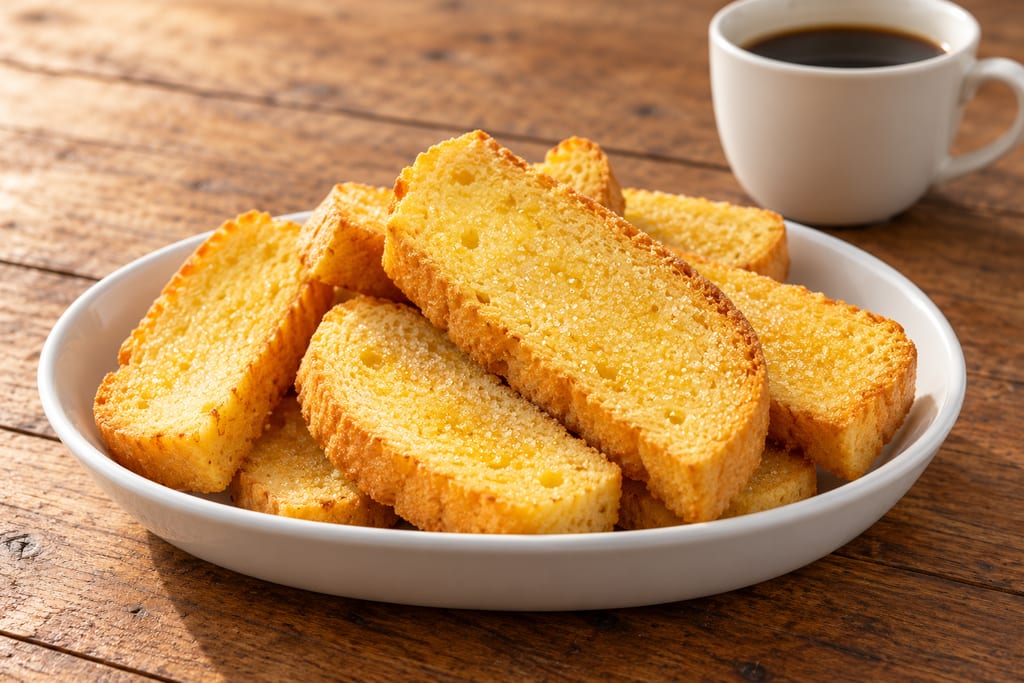
PagkainPinoy’s 24–30 piece version twice-bakes day-old soft bread with a thin butter-and-sugar coating.
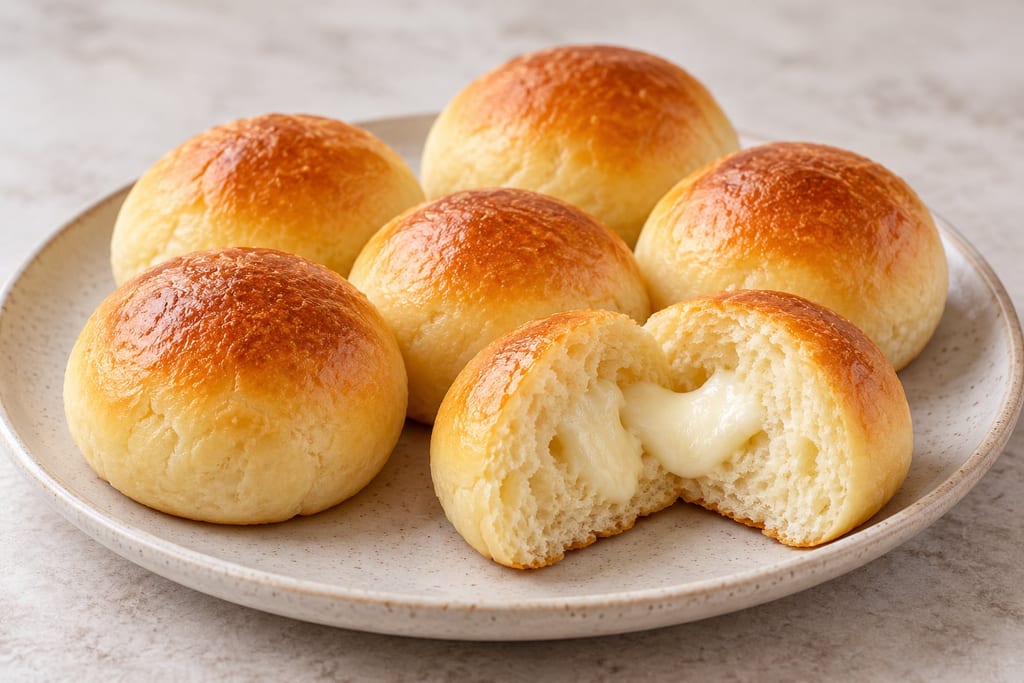
Soft Brazilian yeast rolls use cooked mashed potato in an enriched dough, with mozzarella cubes enclosed before baking.
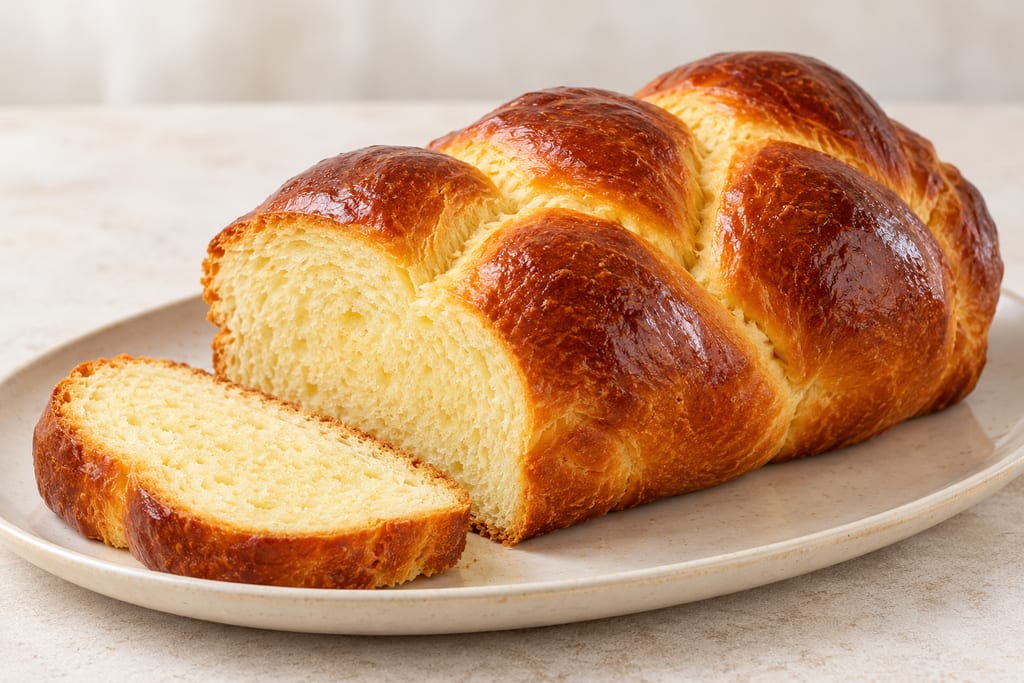
An egg-and-butter-rich yeast dough shaped as one round loaf, two loaves or twelve small brioches, with baking paths that vary by shape.
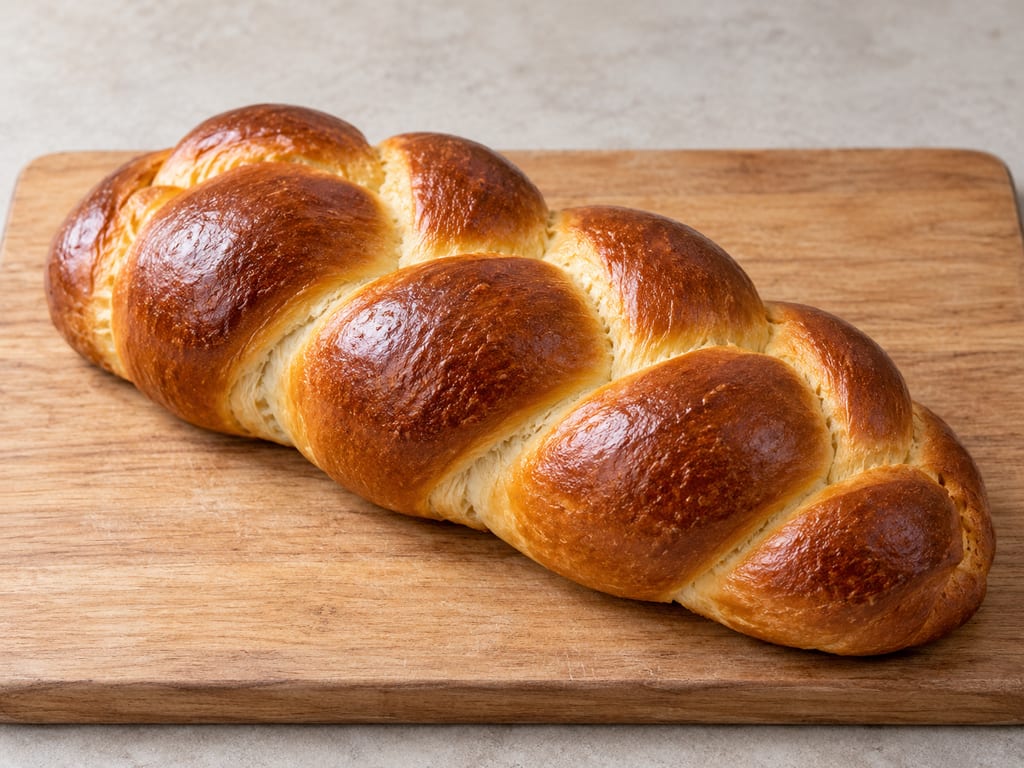
A three-strand yeast-raised challah with flour, salt, yeast, water, neutral oil, honey and egg, based on a Jewish Museum Vienna home recipe.
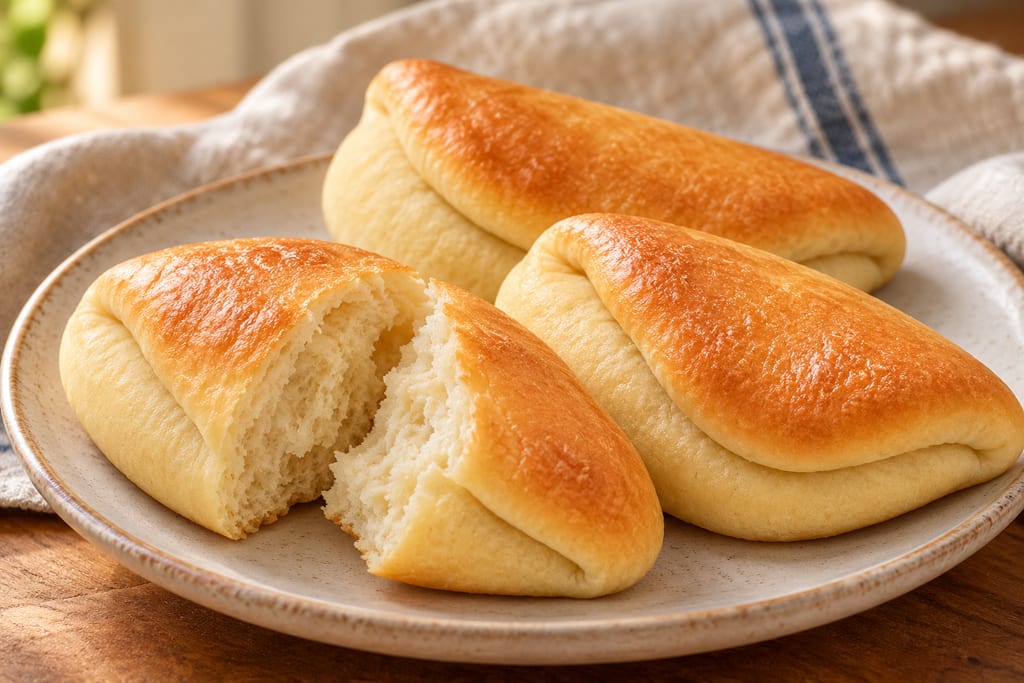
Jamaican-style folded rolls made from sweet coconut-milk yeast dough and brushed with butter.
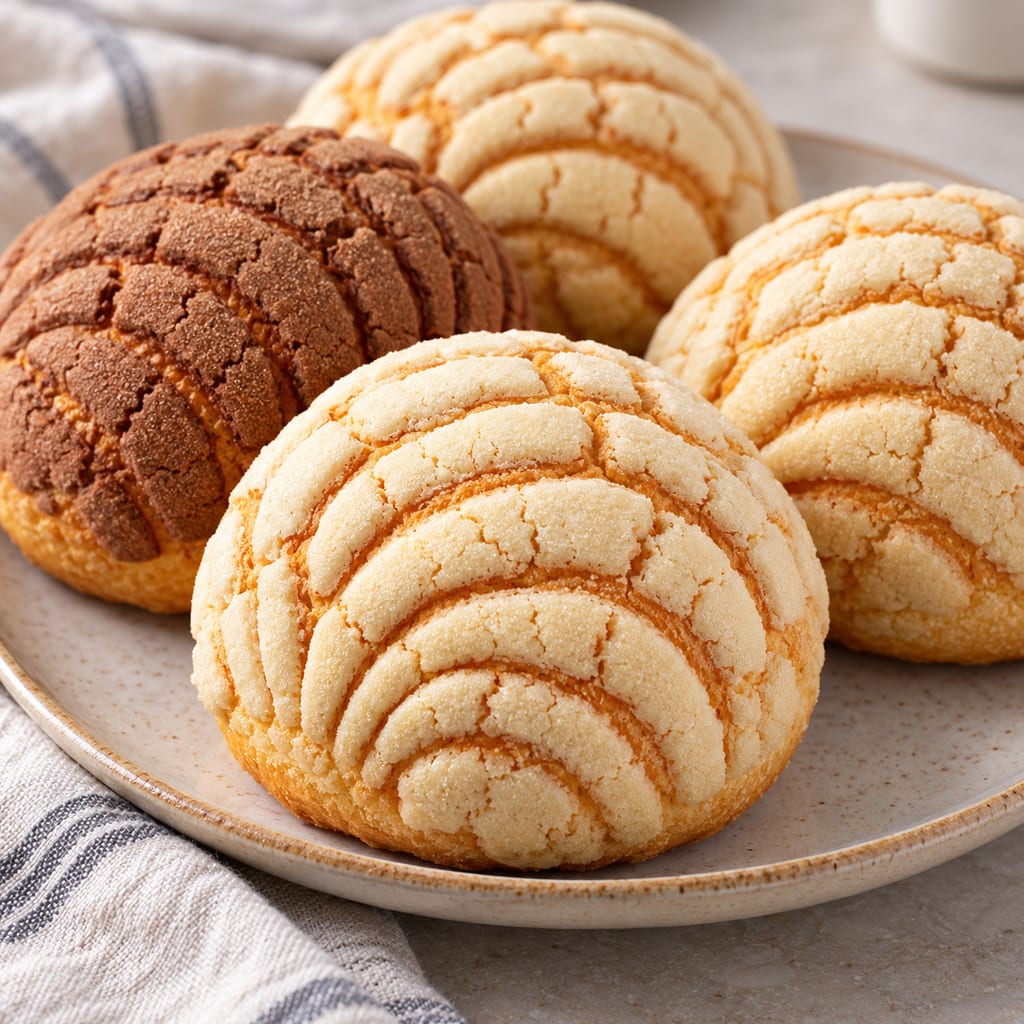
Mexican sweet rolls with a soft enriched yeast dough and a separate scored sugar-flour topping shaped like a shell. This version makes 15 rolls and uses a chilled dough rest before final proofing.
No community contributions have been published for this entry yet.
Sign in to contribute. Published comments and photos are free to read.
Smithsonian Folklife FestivalRecipe · Method · Identity · Geography · History
Palestinian Recipe: Ka’ak al-Quds كعك القدس (Sesame Ring Bread)Measured six-ring home method using flour, sugar, salt, warm whole milk, yeast, baking powder, olive oil for the dough, sesame seeds and grape molasses; about 1 hour rise, 15-minute formed rest, 10-minute sesame rest, and a 450°F/230°C bake for 15–20 minutes. Describes Jerusalem ka’ak in Old City daily life and distinguishes the home result from street-sold bread.
The author recommends freezing leftovers for up to one month and reheating them in an oven; this recommendation is not a validated safety limit.
Cited in: Jerusalem's sesame ring bread; Mix a soft dough; Shape and coat six rings; Bake and serve; A bread offered to visitors
FoodSafety.govFood safety
4 Steps to Food SafetyPerishable foods should be refrigerated within 2 hours, or within 1 hour if exposed above 90°F (32°C); refrigerator should be 40°F (4°C) or below.
Cited in: Mix a soft dough
U.S. Food and Drug AdministrationFood safety
Handling Flour Safely: What You Need to KnowFlour is a raw food; cooking is the reliable way to make flour foods safe. Do not taste raw flour or dough; keep raw flour separate and clean hands and kitchen equipment after handling it.
Cited in: Bake and serve
U.S. Food and Drug AdministrationFood safety
Food AllergiesSesame and milk are among the FDA-recognized major food allergens.
Cited in: Bake and serve
Jerusalem Quarterly 73Context
Um Hani: To Live and Work in JerusalemIndexed printed page 122 recounts Um Hani serving coffee and oval sesame bread to visitors at her Mount of Olives home. Direct PDF returned a verification page; no invention date inferred.
Cited in: A bread offered to visitors
Wikimedia Commons / Haneen wwheedImage reference
كعك القدس.jbg.jpg25 January 2024 own-work image; file-level CC0 and visual identity verified. Shows elongated sesame ka’ak stacked on a Jerusalem stall; openings partly obscured. Approved linked-8b6c5e2cc9795cbf; private original 77c33284-7f6e-492f-ad46-dc42730f664a.