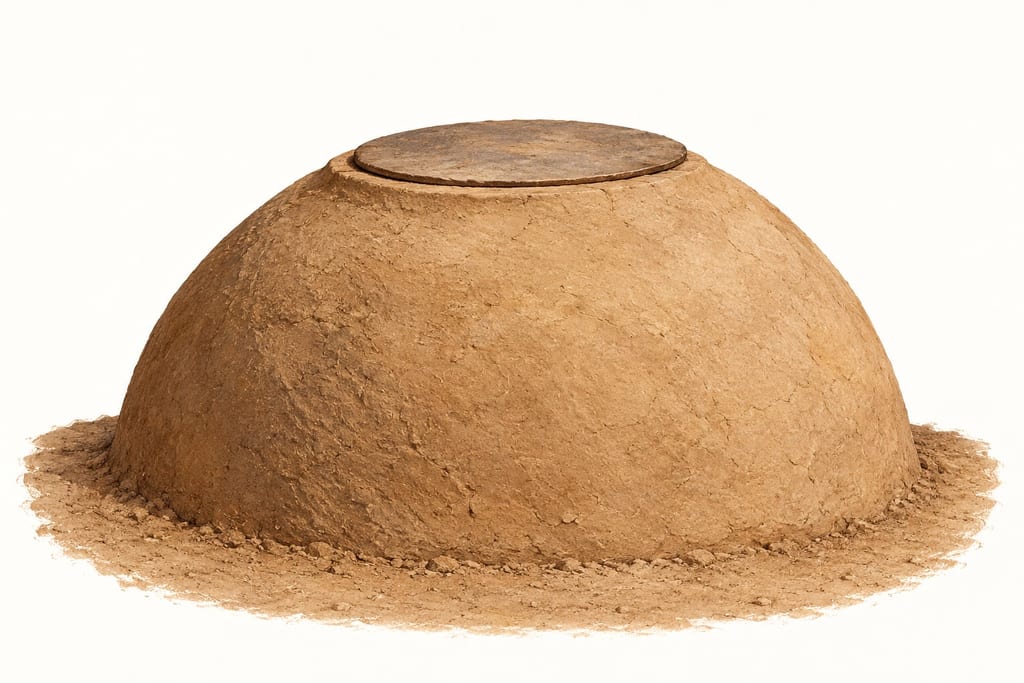
Taboon
A Palestinian fixed clay bread oven, broad and low rather than tall, with a closeable top opening and a heated floor; sources distinguish pebble-floor baking from wall-baking in the tannur.
 FermenteaWhere food goes to change
Taboon bread · tabun bread · taboun bread
This Palestinian taboon method makes six small wheat flatbreads with a sticky yeast dough, fingertip dimples and a very hot domestic oven surface.
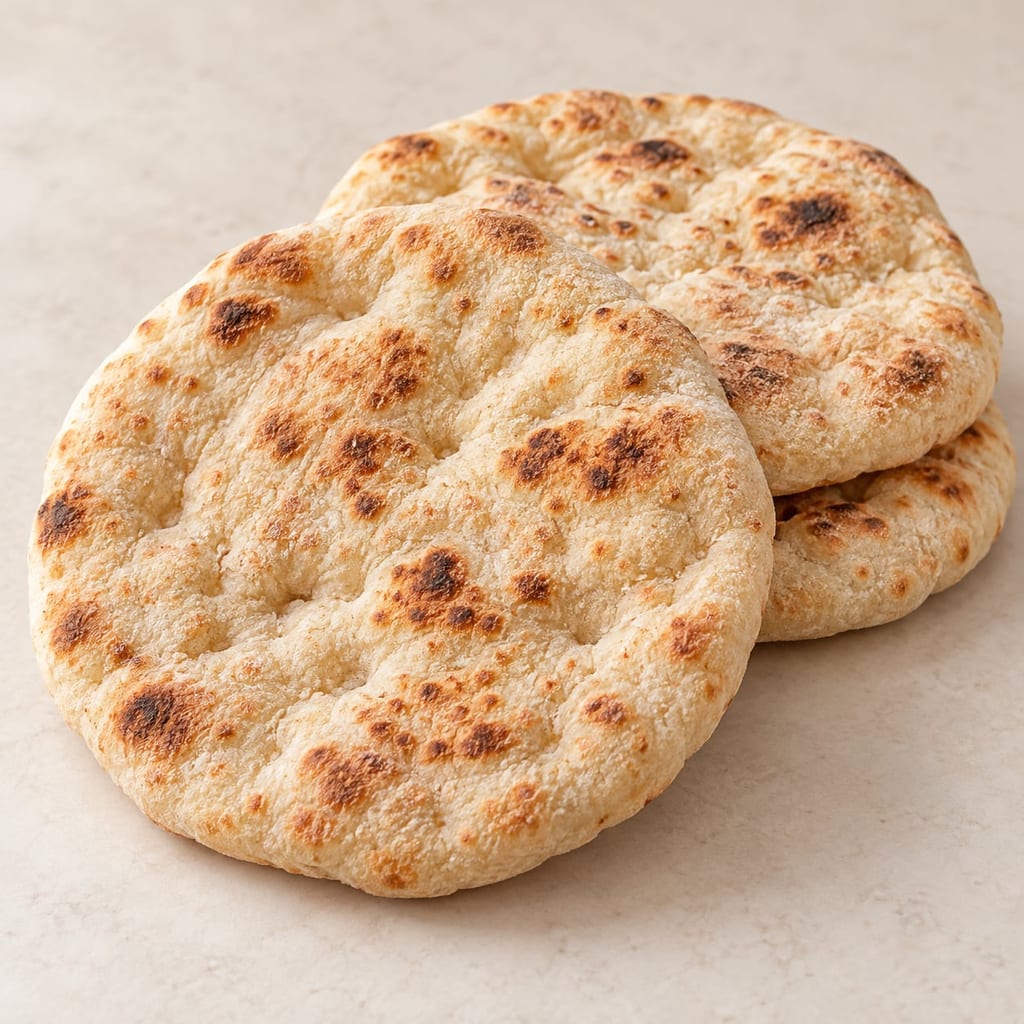
Amira Ibrahim presents taboon as a Palestinian flatbread commonly served with musakhan and other foods. Her small-batch home method uses white and whole-wheat flour, a sticky yeast dough, a one-hour rise, fingertip dimples and a very hot domestic oven. It is a home adaptation rather than a claim that a kitchen oven recreates a traditional tabun.
The traditional tabun described by Bethlehem University is a clay oven whose floor is covered with heated stones; bread is baked inside near the hot floor. This recipe uses an oven-rated baking steel or stone. Its surface, heat pattern and handling differ from the hearth, and no loose backyard stones are required.
Add water gradually and stop when the dough is sticky and clings to the bowl. Flour absorption varies, so the source gives a range rather than requiring all the water. Keep the remaining dough pieces covered while rolling each six-inch round. Press the dimples lightly; this recipe is a thicker, dimpled flatbread rather than a very thin saj sheet or a reliably pocketed pita.
The source specifies a maximum oven setting of about 550°F and brief direct baking followed by broiling. Since each loaf is handled separately, allow for extra time if the oven surface cannot hold several breads at once. Watch the short broiler stage closely.
Serve warm with olive oil and za’atar, or use as bread for musakhan. The recipe does not include the chicken and onion topping of a complete musakhan dish.
Amira Ibrahim identifies taboon as a Palestinian flatbread used with many foods, particularly musakhan, and describes her conventional-oven method as an imitation of the traditional oven. Bethlehem University’s cultural heritage account describes a Palestinian tabun as an unbaked-clay oven with hot stones across the floor, heated with wood or dry manure; bread is placed inside after the stones heat. That hearth differs from the oven-rated baking steel or stone used here. These sources support a Palestinian cultural association but do not date the bread’s first attestation or establish a single origin.
Yield 6 small breads · Scaling: source batch only
Raw flour can carry harmful bacteria; do not taste uncooked dough.
Hazard sourceDo not taste raw dough. Keep flour and dough away from ready-to-eat food, and wash hands, utensils and surfaces after handling.
Control sourceUse only an oven-rated baking steel or stone, follow its maker's temperature and broiler instructions, and protect hands when transferring dough near the hot surface.
Control sourceThe source's traditional pebble hearth is not reproduced by a domestic baking surface. Avoid using collected stones unless their oven suitability is established.
Broilers brown bread quickly; watch continuously during the short final stage. The source does not provide a storage duration.
A Palestinian documented home preparation and traditional oven association; neither source supports a precise birthplace or universal formula.
A Palestinian fixed clay bread oven, broad and low rather than tall, with a closeable top opening and a heated floor; sources distinguish pebble-floor baking from wall-baking in the tannur.
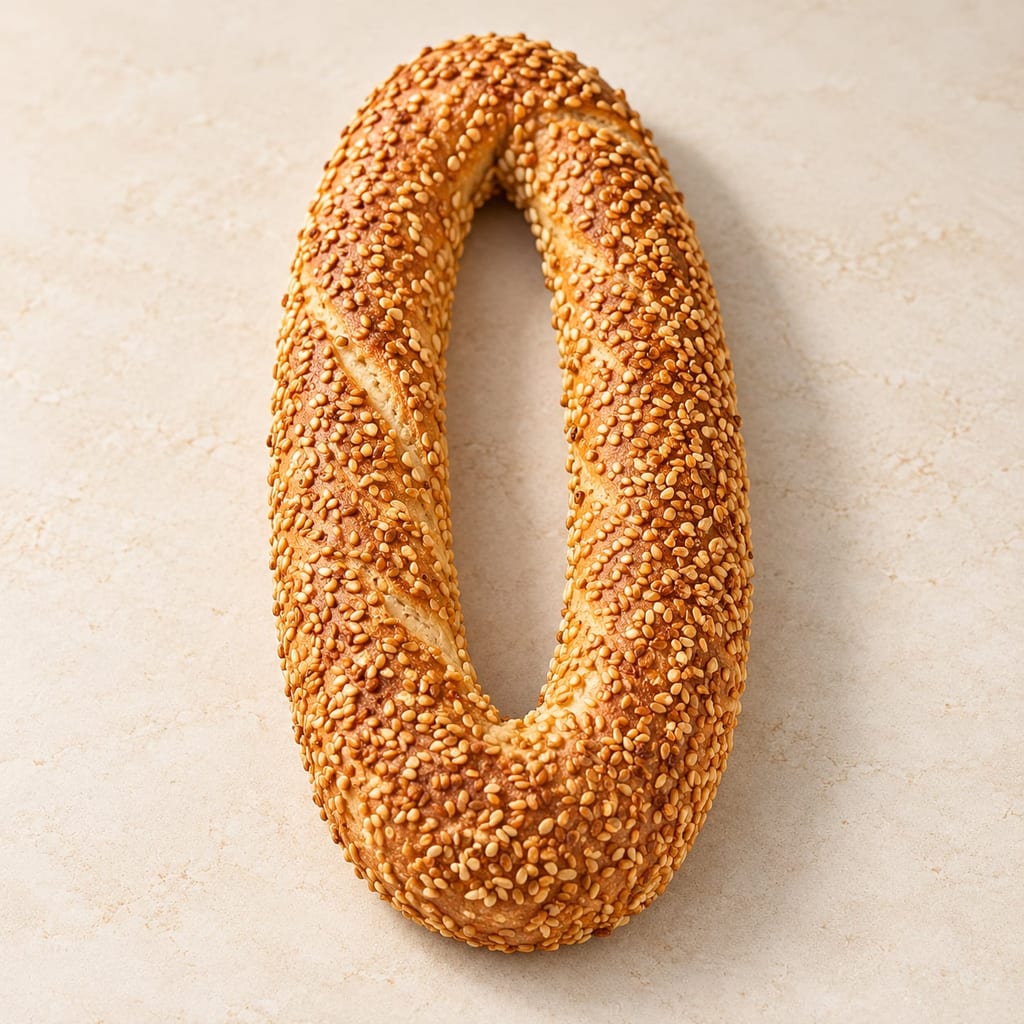
Palestinian milk-enriched wheat rings coated in sesame and grape molasses, shaped into long ovals and baked without a bagel-style boil.
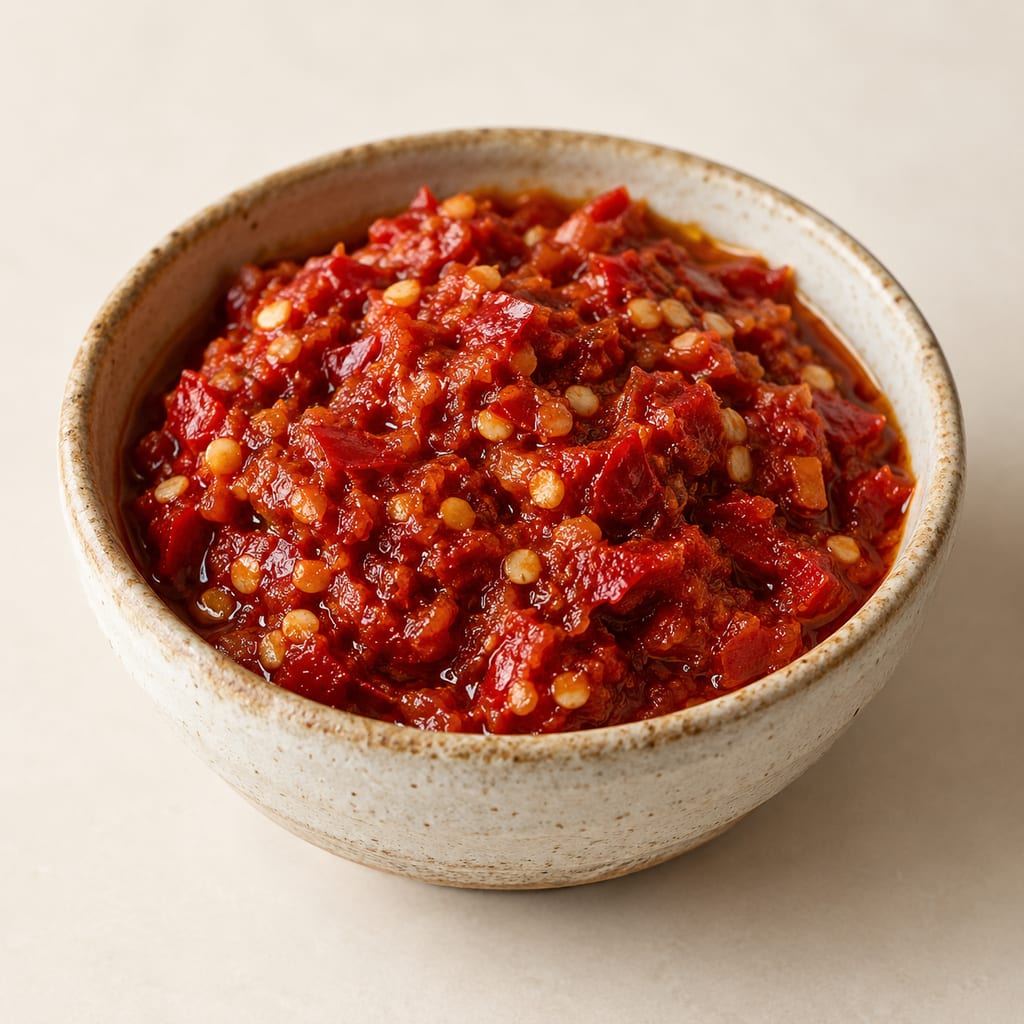
Shatta is a Palestinian chilli paste with many household forms. Abeer Najjar’s family-inspired version oven-dries salted fresh chillies, then mixes them with vinegar and olive oil for a source-described room-temperature ferment.
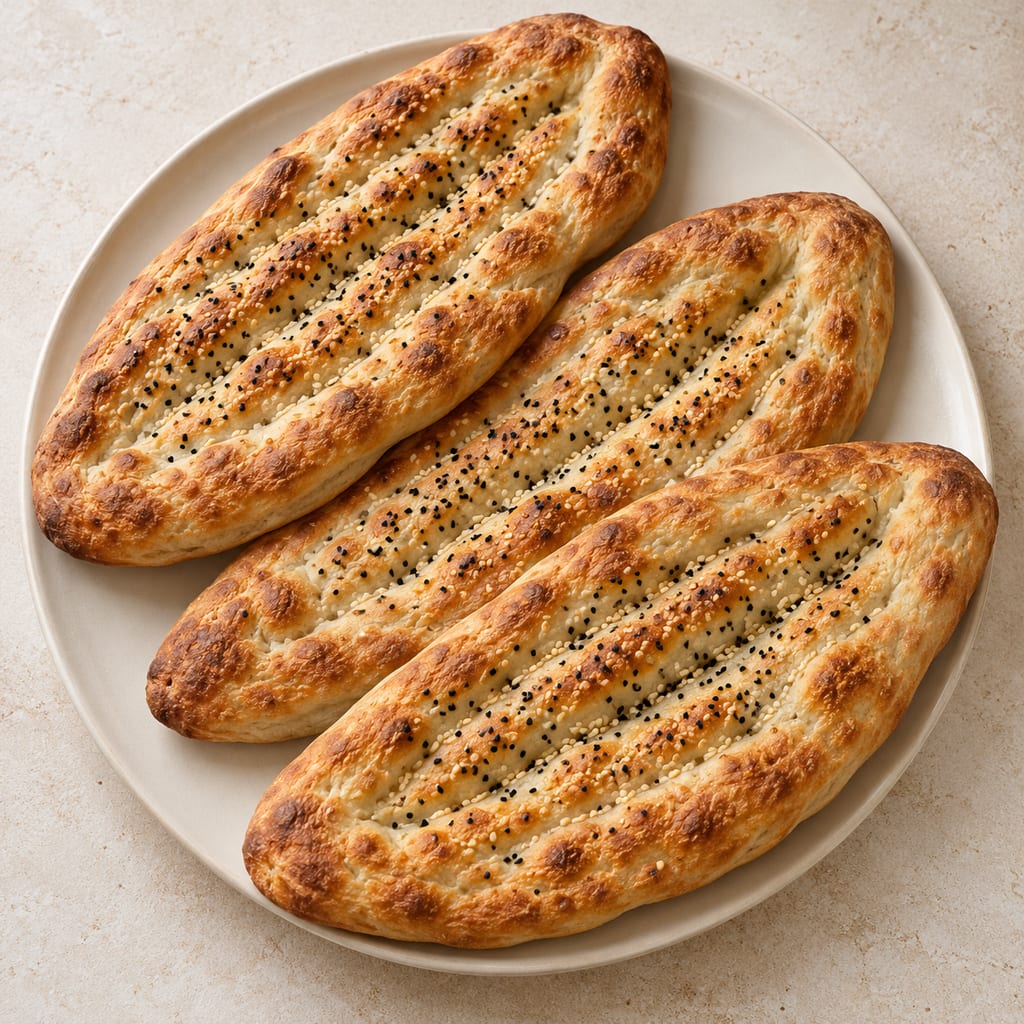
A long oval Afghan wheat bread, leavened with yeast, grooved along its length and baked until crisp outside and chewy within.
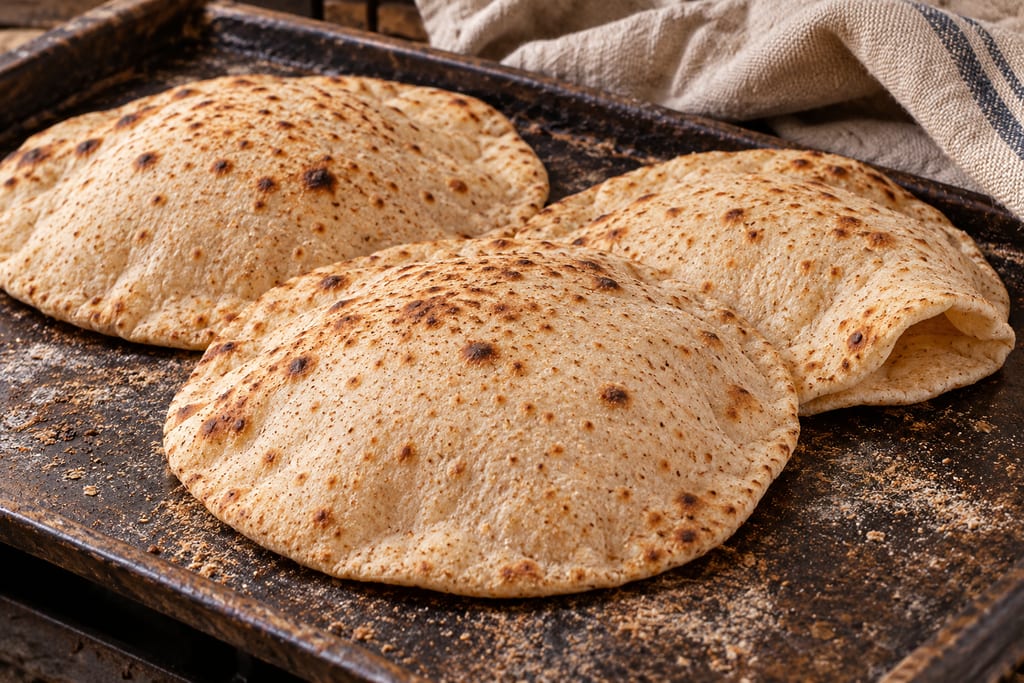
This home adaptation of Egyptian aish baladi uses a refrigerated yeast biga, whole-wheat dough, bran dusting and a very hot baking surface to make 16 pocketed rounds.
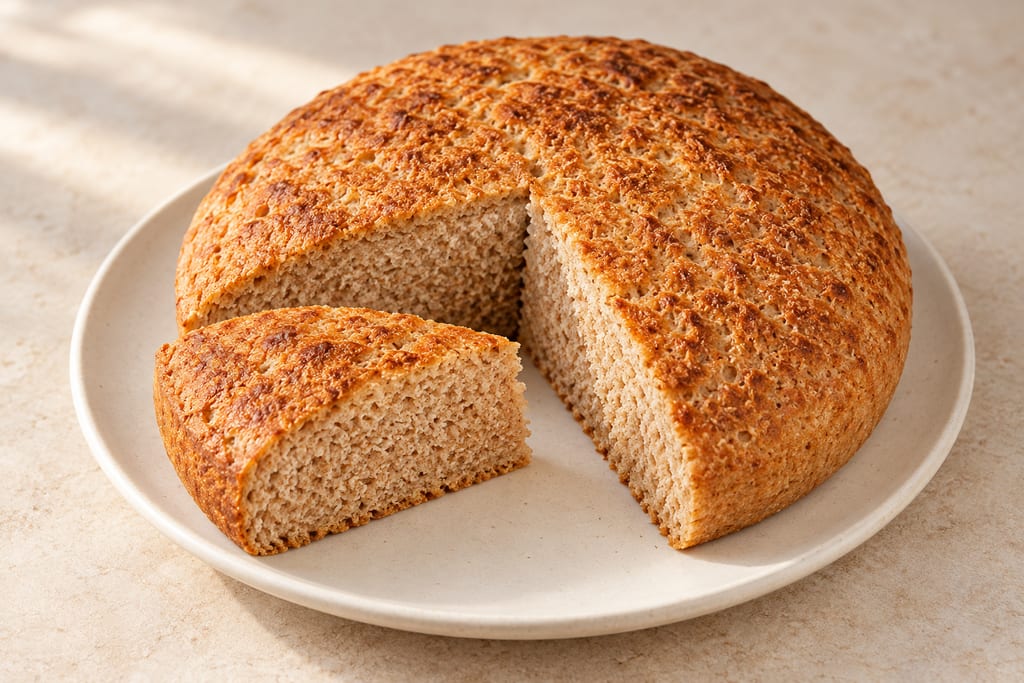
This oven-baked Amdo balep uses yeast, whole-wheat and white flour, a long covered rise and a two-sided bake in a heavy oven-safe pot.
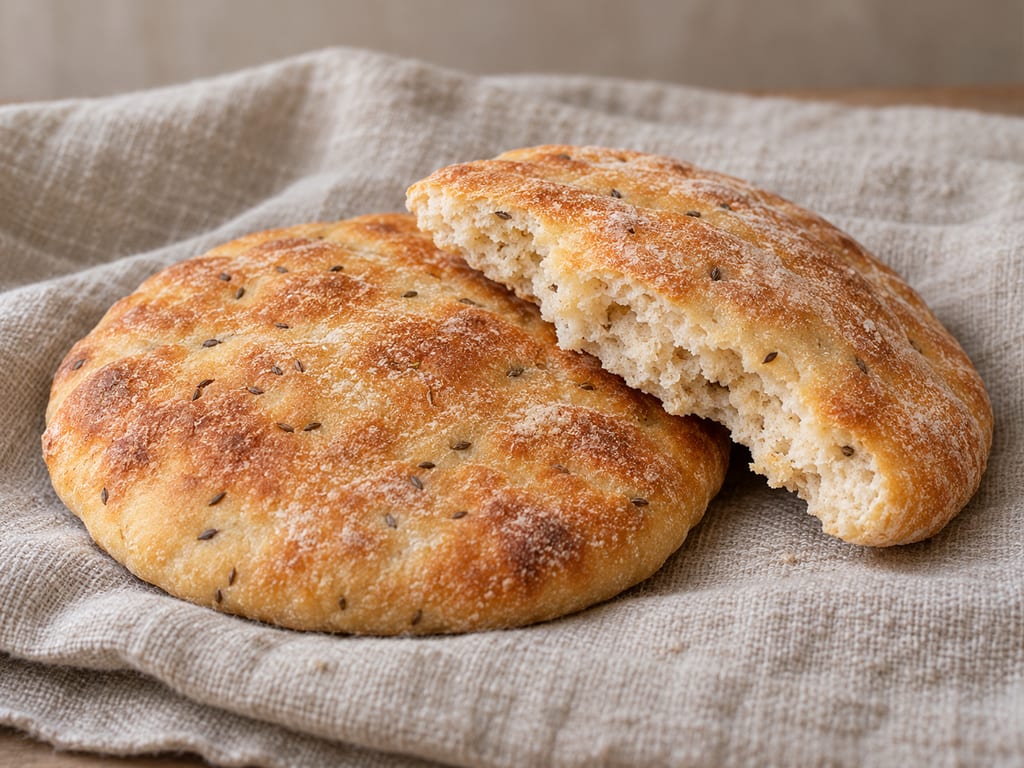
A measured, yeast-raised Ayacucho chapla home method shared by Thermomix Peru presenter Roxanna Salaverry. It makes thin, anise-scented rounds baked at 240°C; the historic qunchu-leavened form is documented separately.
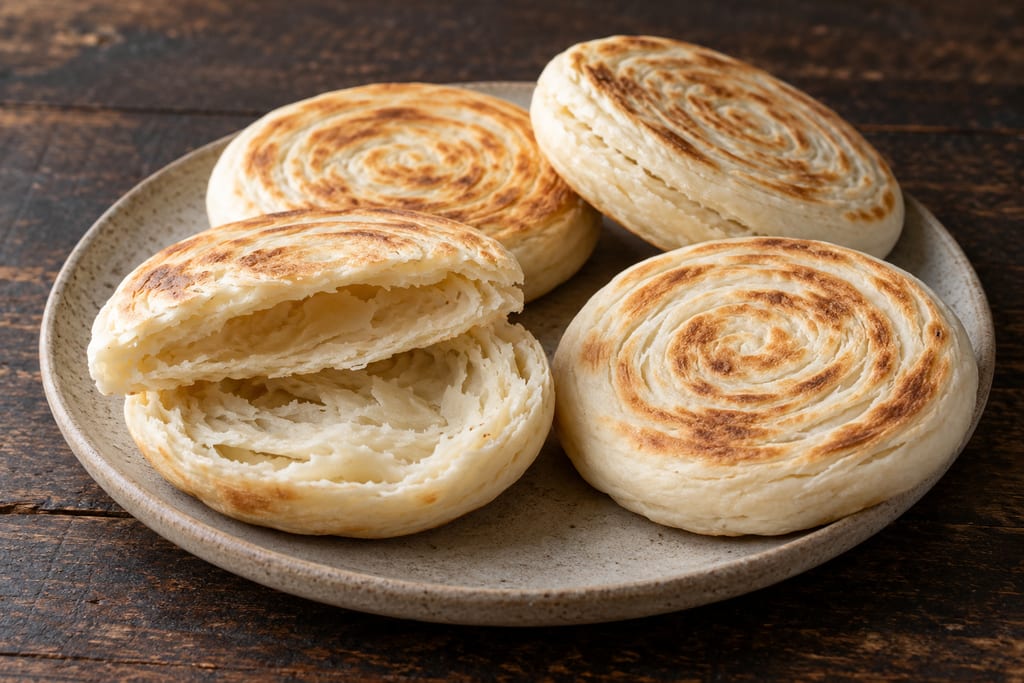
This Shaanxi-associated yeast flatbread uses a simple water dough, coiled shaping and a skillet bake. It is the bread used in roujiamo, not the filled meat dish.
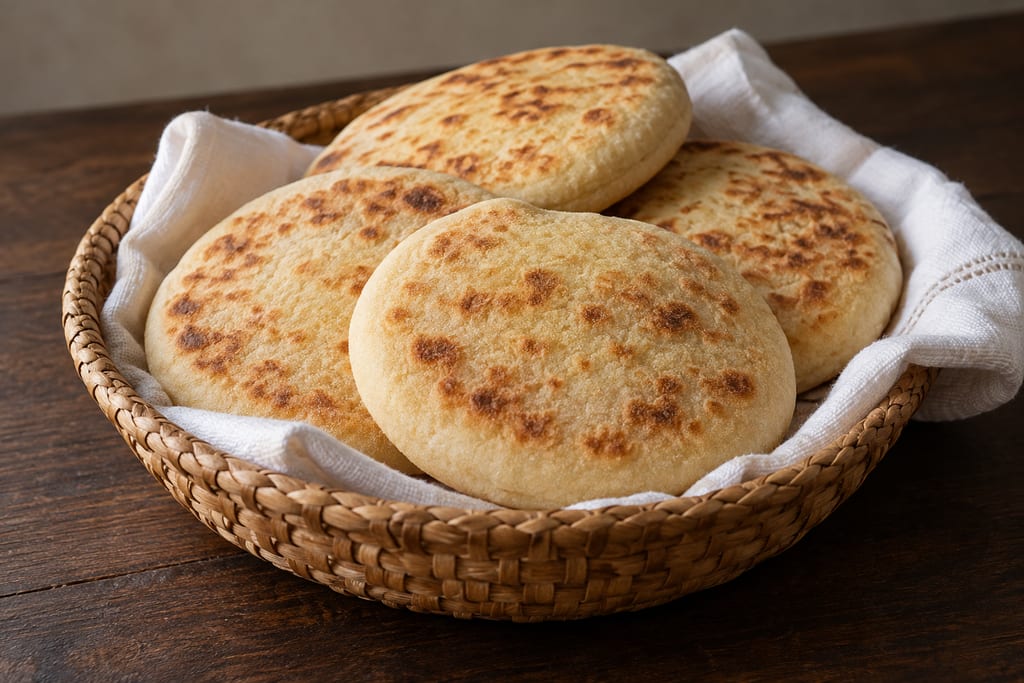
A Moroccan yeast-raised semolina pocket bread cooked on a dry pan or griddle; this measured batch makes about twenty 4-inch rounds.
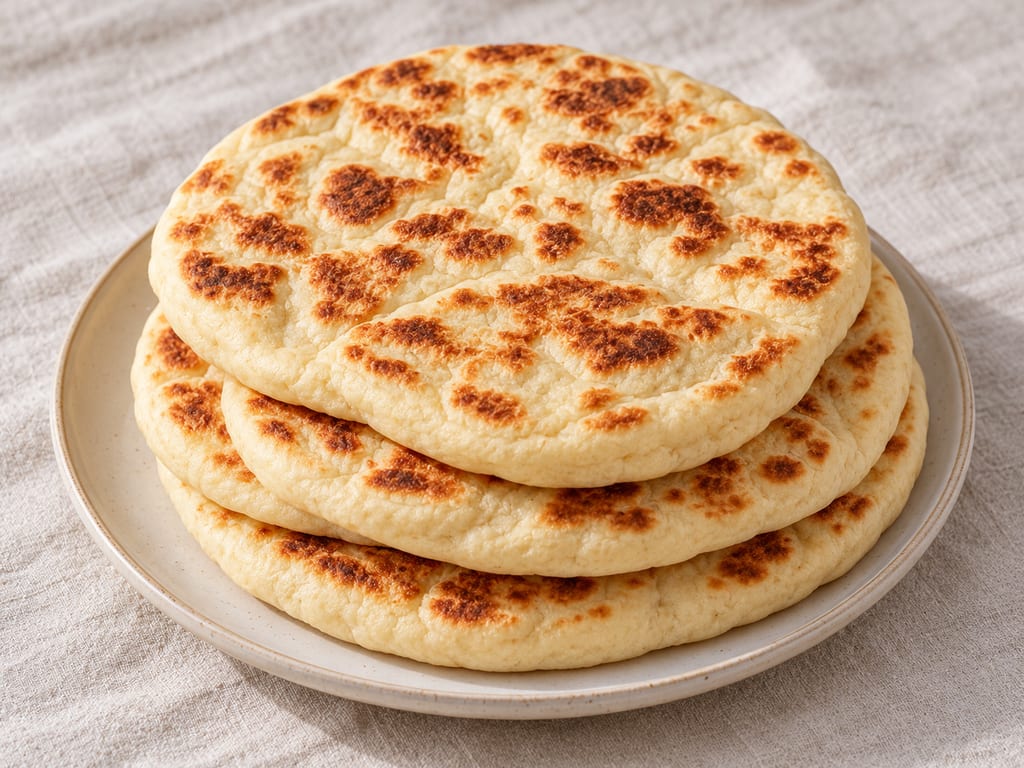
This Turkish bazlama uses yeast, plain yogurt and olive oil for a soft dough cooked in a skillet. Shape it into twelve small or six larger rounds, flip as bubbles appear, and wrap the breads to keep them soft.
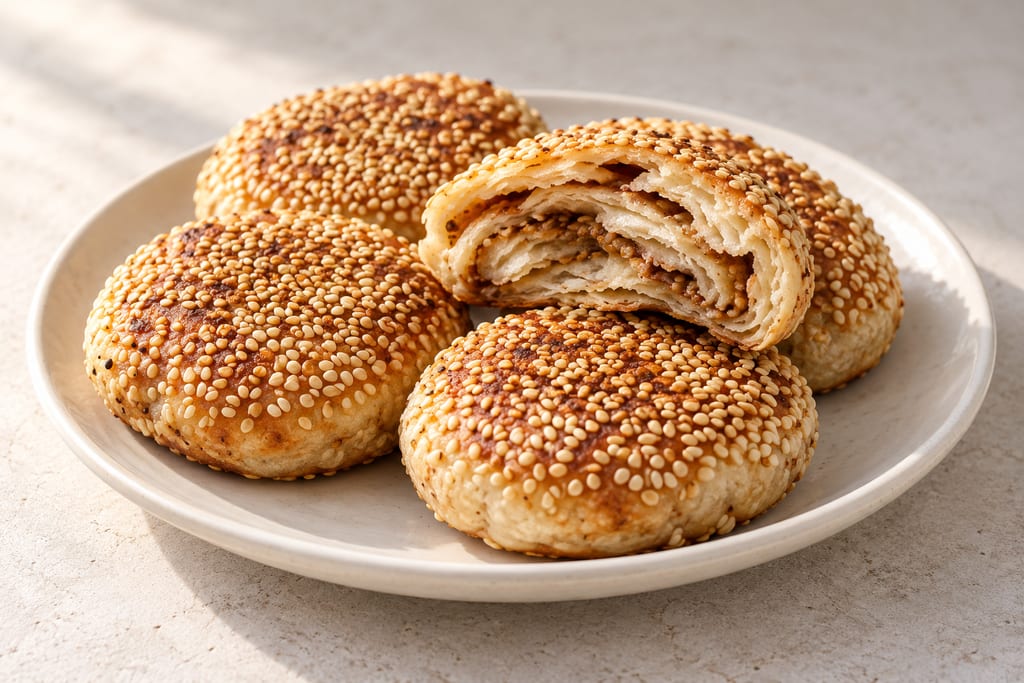
A Beijing-style yeast dough is layered with seasoned sesame paste, sealed into small buns, briefly pan-fried, seeded, and baked.
No community contributions have been published for this entry yet.
Sign in to contribute. Published comments and photos are free to read.
Amira's PantryInspiration · Method · Identity · Geography · History
Taboon Palestinian BreadAmira Ibrahim identifies taboon as Palestinian bread served with foods including musakhan and describes her conventional-oven method as a home imitation of the traditional oven.
The source gives a formula of 250 g white flour, 65 g whole-wheat flour, 1 tablespoon instant yeast, ½ tablespoon sugar, ½ teaspoon salt and ½–¾ cup warm water; six breads rolled to about 6 inches; a one-hour rise; a maximum oven setting of about 550°F; and a brief bake followed by broiling.
The source suggests loose pebbles and separately offers a cast-iron pan or pizza stone as alternatives. This adaptation specifies only oven-rated baking steel or stone and does not claim to reproduce the traditional hearth.
Bethlehem UniversityIdentity · Historical context · Geography
Traditional Palestinian Tabun “Oven”Describes the Palestinian tabun as an unbaked-clay oven with small stones covering the interior floor, heated with wood, dry manure or olive-pit pressings; bread is placed in the oven after the stones heat. This documents a traditional hearth distinct from a domestic baking surface.
U.S. Food and Drug AdministrationSafety
Handling Flour Safely: What You Need to KnowRaw flour may contain harmful bacteria; do not taste raw dough and clean hands, utensils and surfaces after handling.