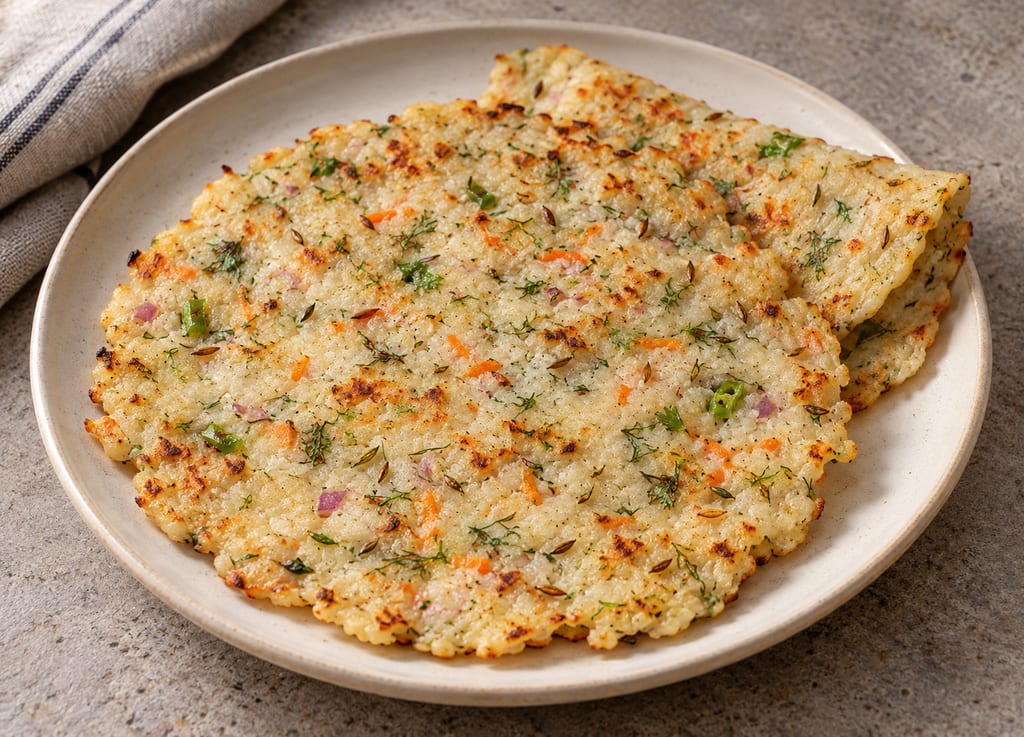
Akki rotti (Karnataka rice-flour flatbread)
This Karnataka-style akki rotti mixes fine rice flour with vegetables, coconut, herbs and spices, then hand-pats and griddle-cooks the dough.
 FermenteaWhere food goes to change
Modern adaptation
Thin, soft wheat flatbreads rolled wide and cooked quickly on a hot tawa. Their name refers to a handkerchief.
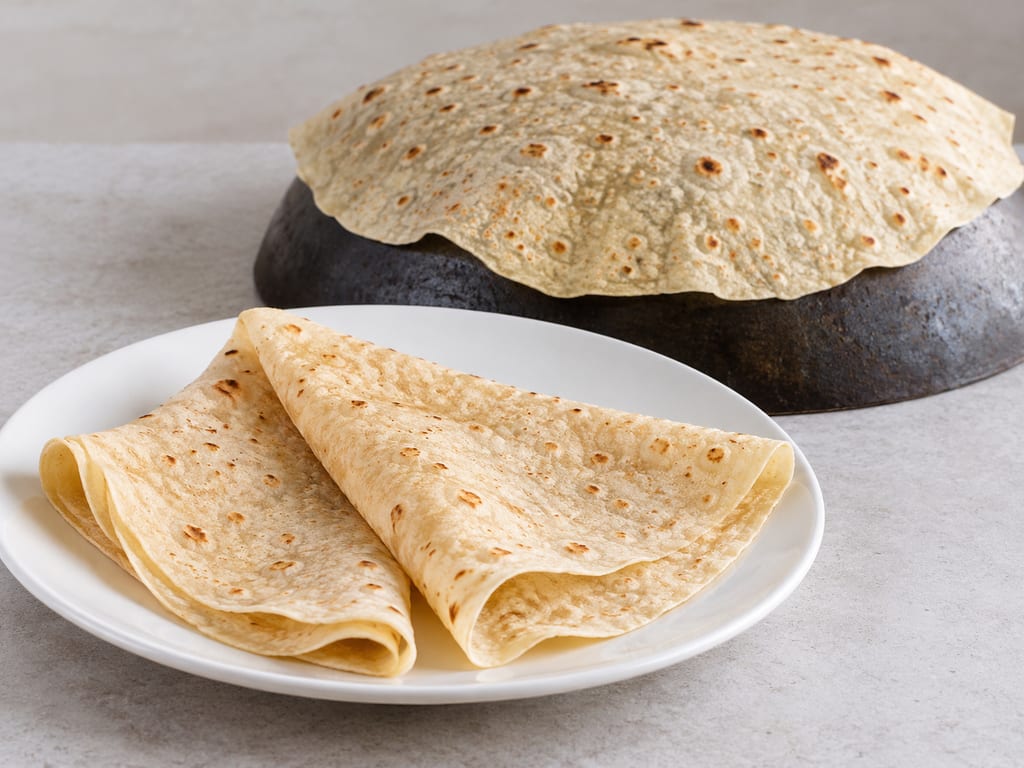
Rumali roti is rolled into a thin sheet and served folded. This home version combines whole-wheat and all-purpose flours. Its name relates to the Hindi word for a handkerchief; the source associates it with Awadhi, Hyderabadi and Mughlai food traditions without establishing a single birthplace.
The name refers to a handkerchief, and the source associates the bread with several Indian culinary traditions; a precise origin is not established here.
Yield 10 rotis · Scaling: source batch only
Both flours are wheat products.
Hazard sourceThis bread contains wheat. Keep the hot pan stable and use care with cloth near heat.
The contemporary source associates this bread with several Indian culinary traditions; no precise birthplace is asserted.
This Karnataka-style akki rotti mixes fine rice flour with vegetables, coconut, herbs and spices, then hand-pats and griddle-cooks the dough.
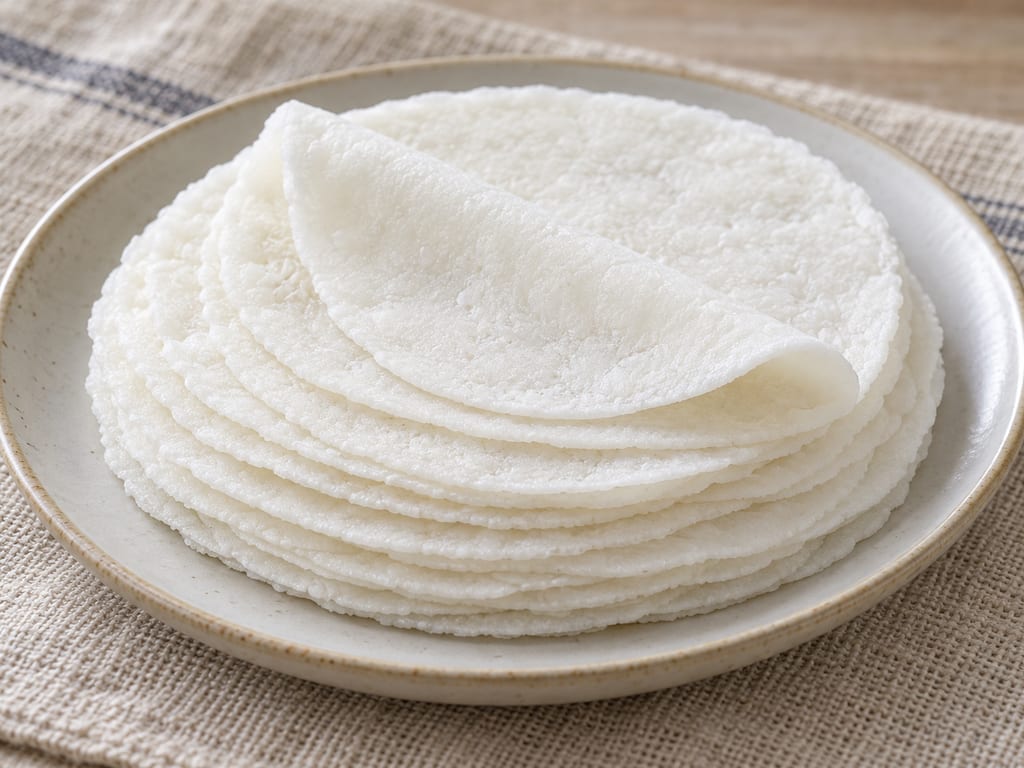
Thin Malabar rice-flour rounds made from roasted rice flour cooked into salted boiling water, kneaded after cooling, and rolled to about 1 mm. They cook on a hot griddle without taking on colour.
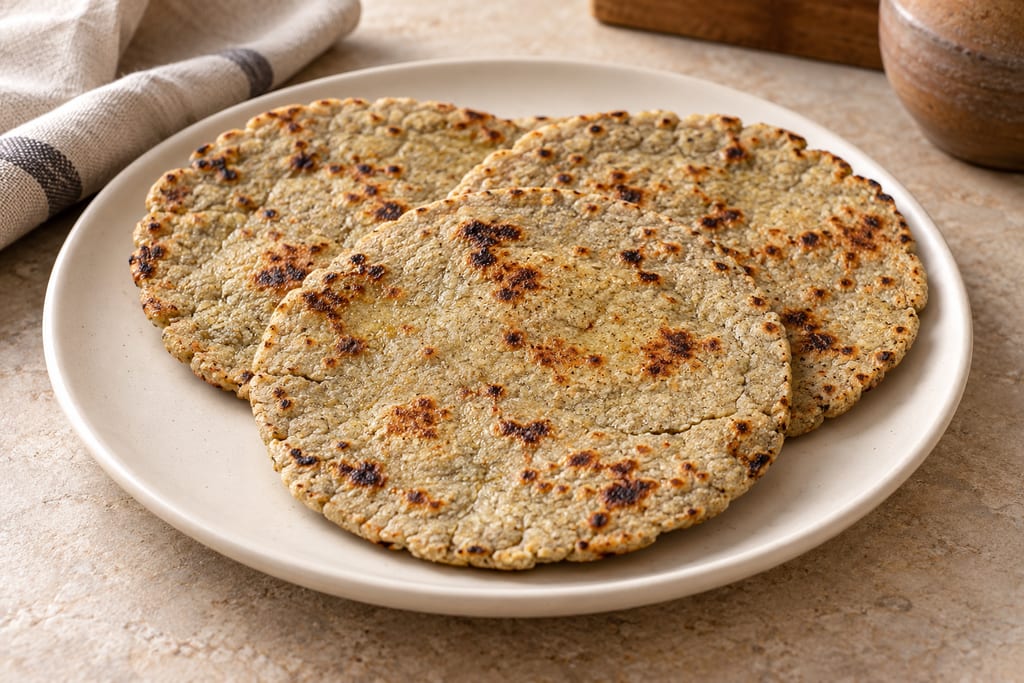
A pearl-millet flatbread shaped between sheets and cooked on a hot tawa. This home batch makes eight.
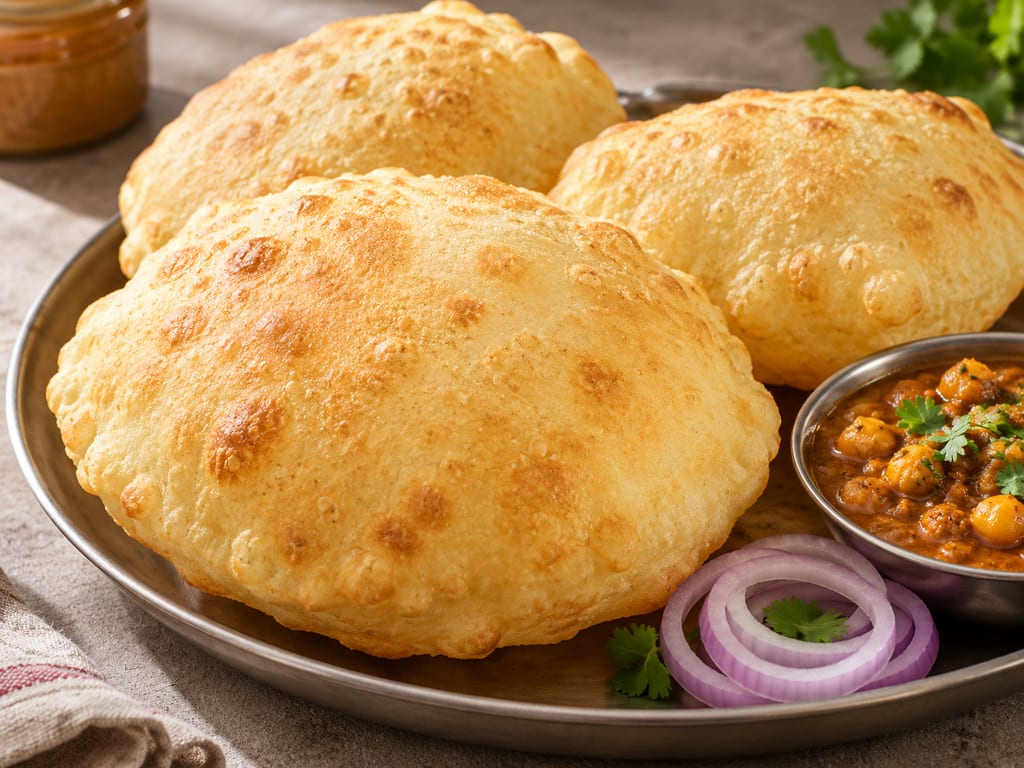
A North Indian fried bread made with yogurt, wheat flour and chemical leaveners. This source batch makes eight.
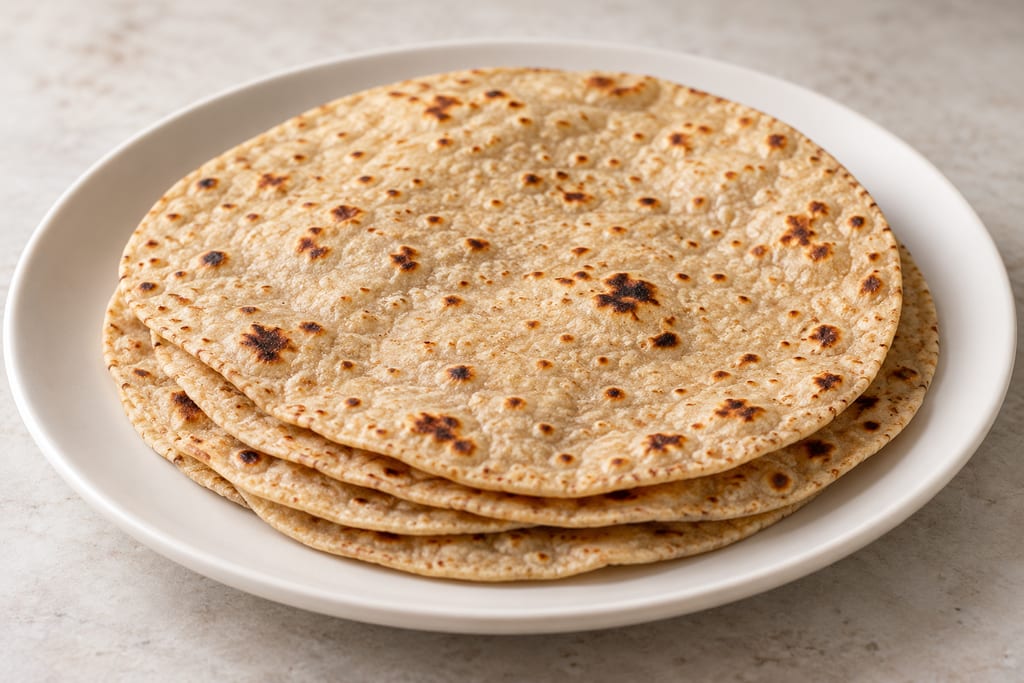
This measured chapati uses whole-wheat atta and water, with salt and oil or ghee optional. Rest the dough, roll it thin and cook through on a hot tawa; it is distinct from the partly cooked, puffed phulka route.
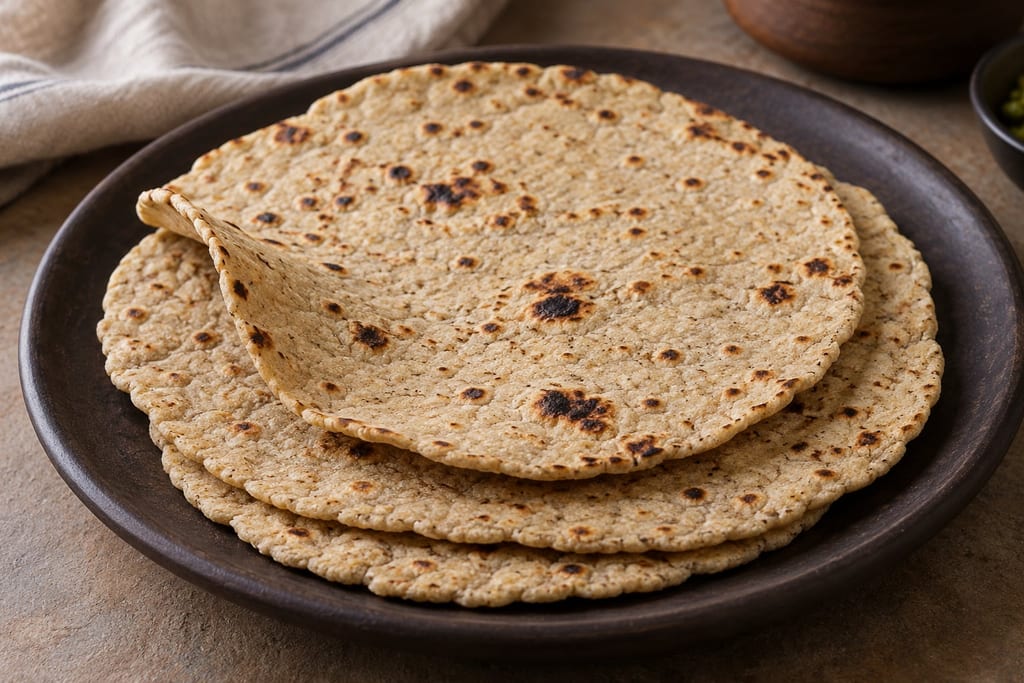
Jowar bhakri is an unleavened sorghum flatbread, hand-patted or gently rolled and griddle-cooked across parts of Maharashtra and Karnataka.
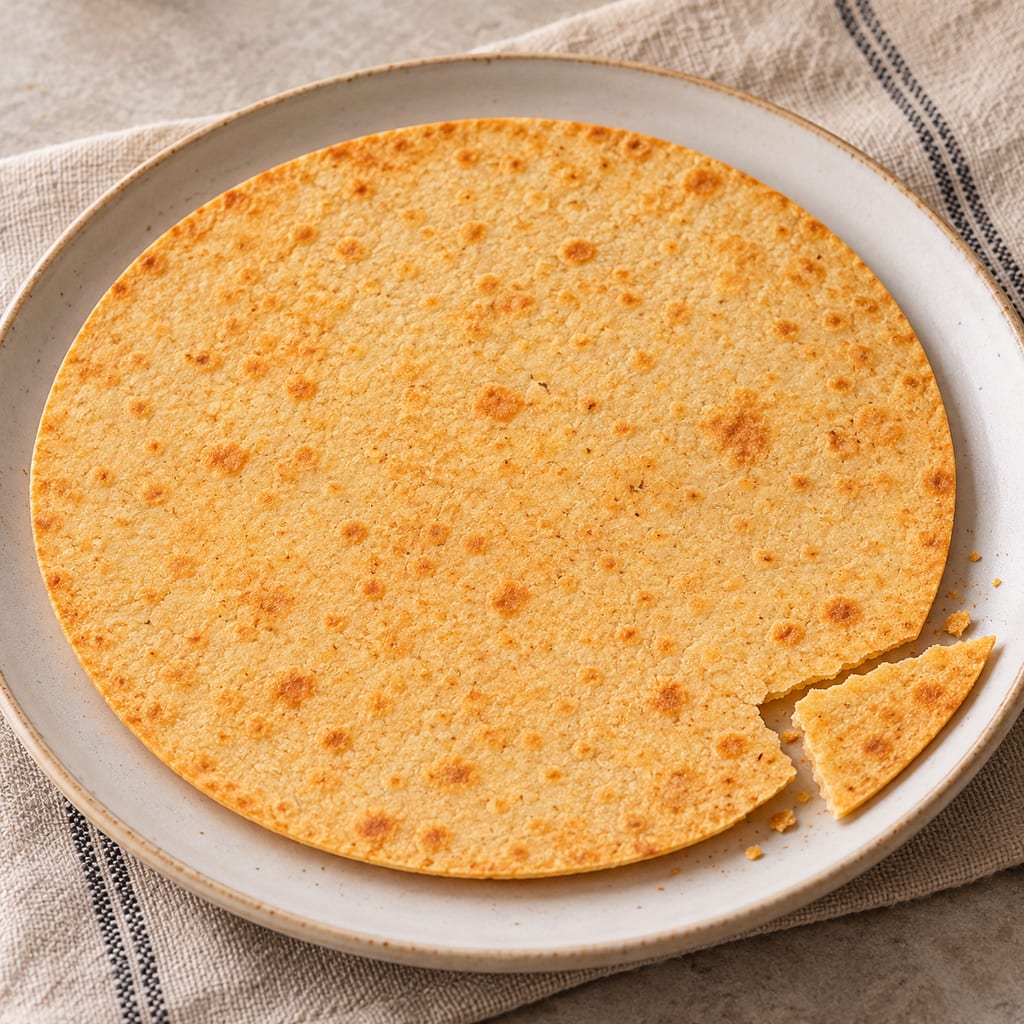
A thin Gujarati wheat flatbread, pressed and roasted over low heat until crisp and lightly browned.
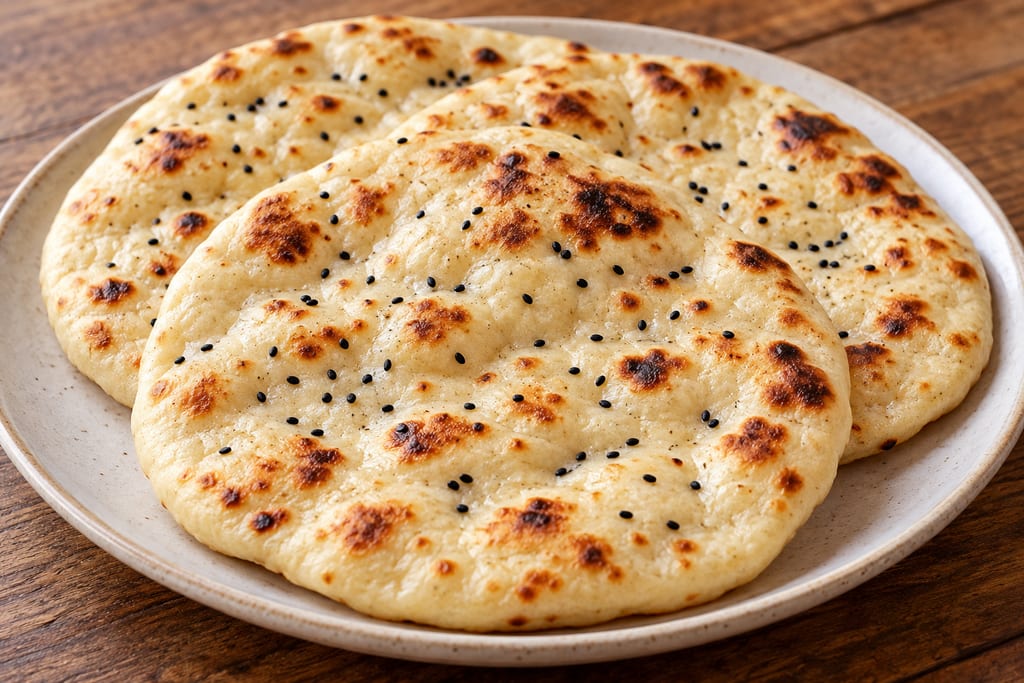
A plain North Indian kulcha uses an all-purpose wheat dough with yogurt, baking powder and soda, then rests and cooks on a hot tawa; optional seeds and roasting fat finish it.
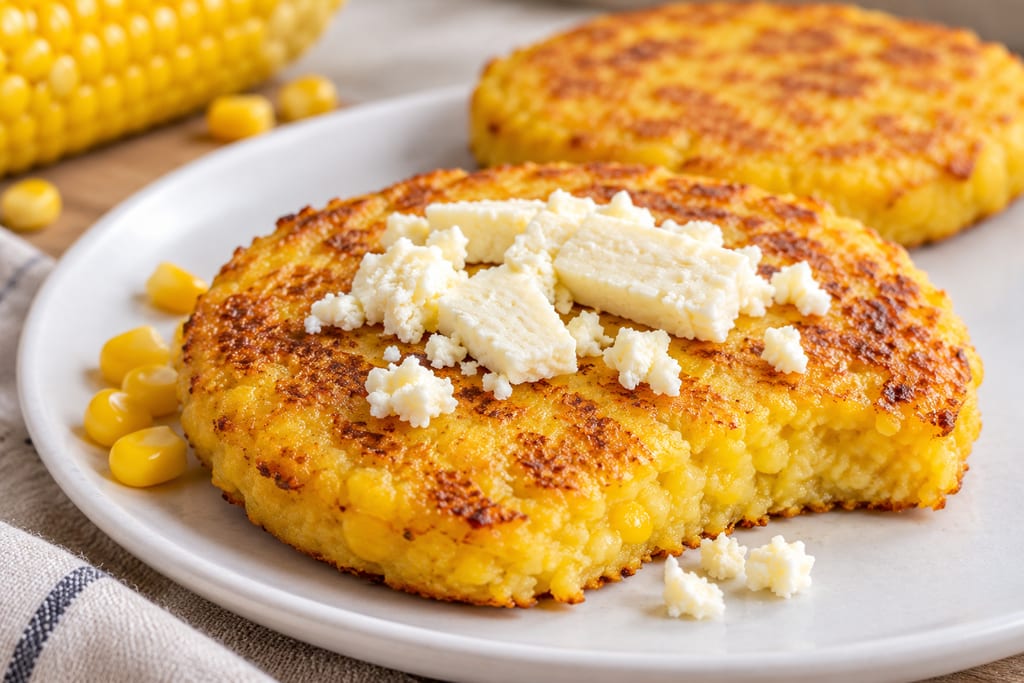
A Colombian Andean griddle cake made from fresh sweet-corn batter, cooked in butter and served with white cheese.
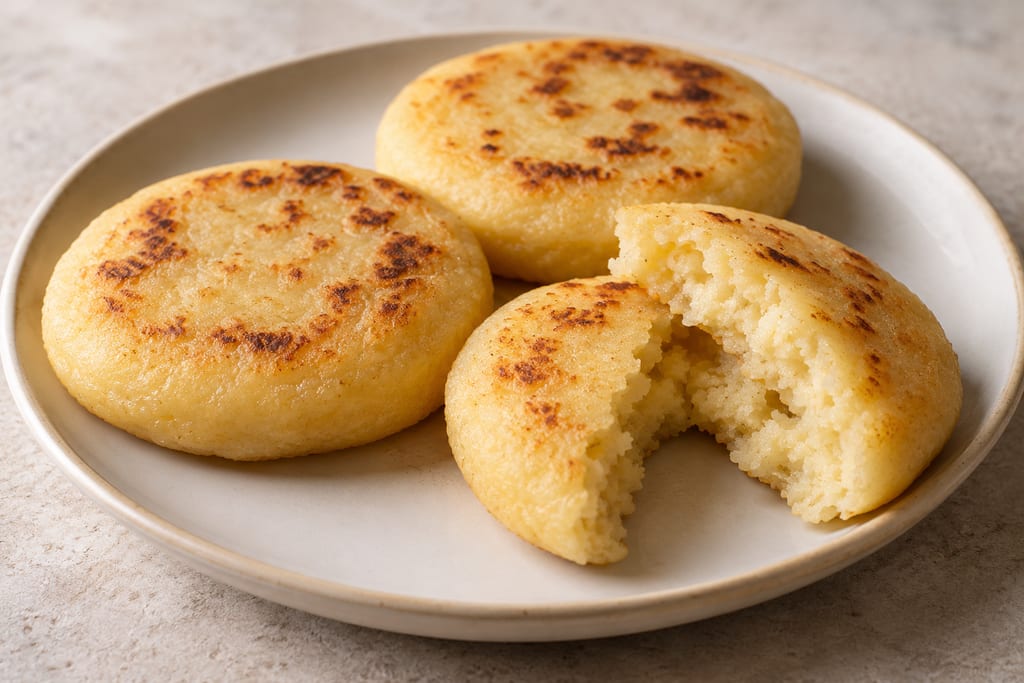
This household version combines precooked corn flour, warm water and salt, then cooks thick rounds on a lightly oiled skillet or griddle. It is one source-specific arepa method, not a universal Colombian or Venezuelan formula.
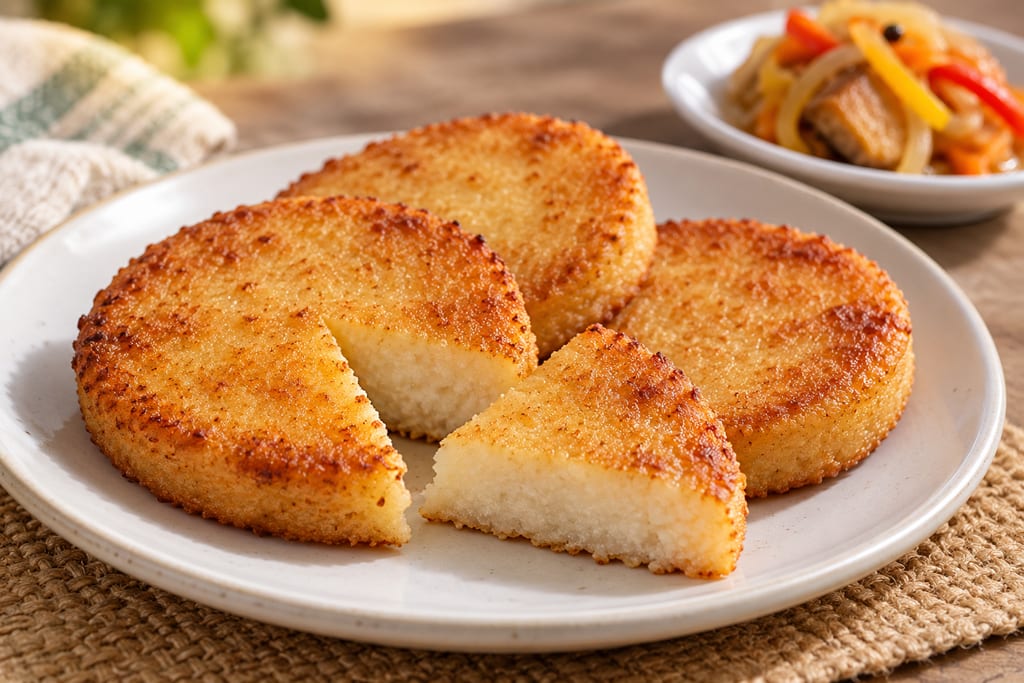
A serving method for approved, prepared bammy rounds: soak them in coconut milk and refry until golden. It does not process raw cassava.
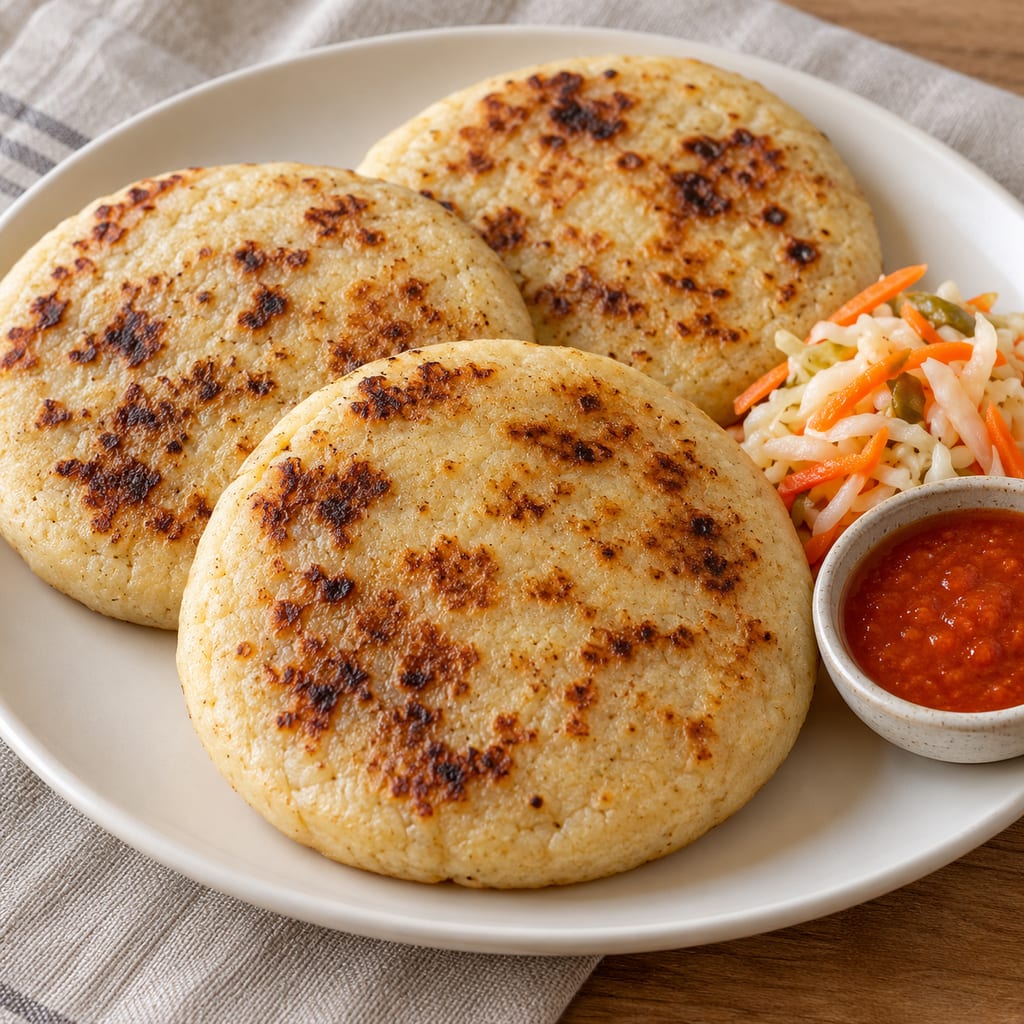
Salvadoran-style masa harina cakes filled with refried beans and cheese, sealed and cooked on an oiled skillet.
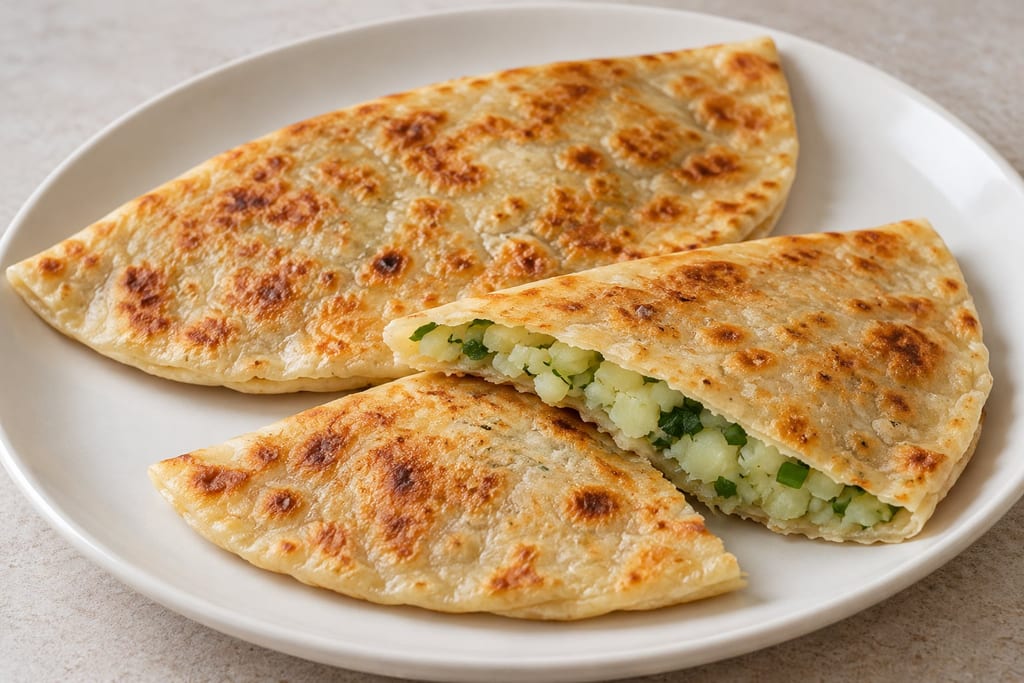
A thin, unleavened Afghan flatbread filled with mashed potato, scallion and cilantro, folded and pan-browned. This version uses a dough made from scratch.
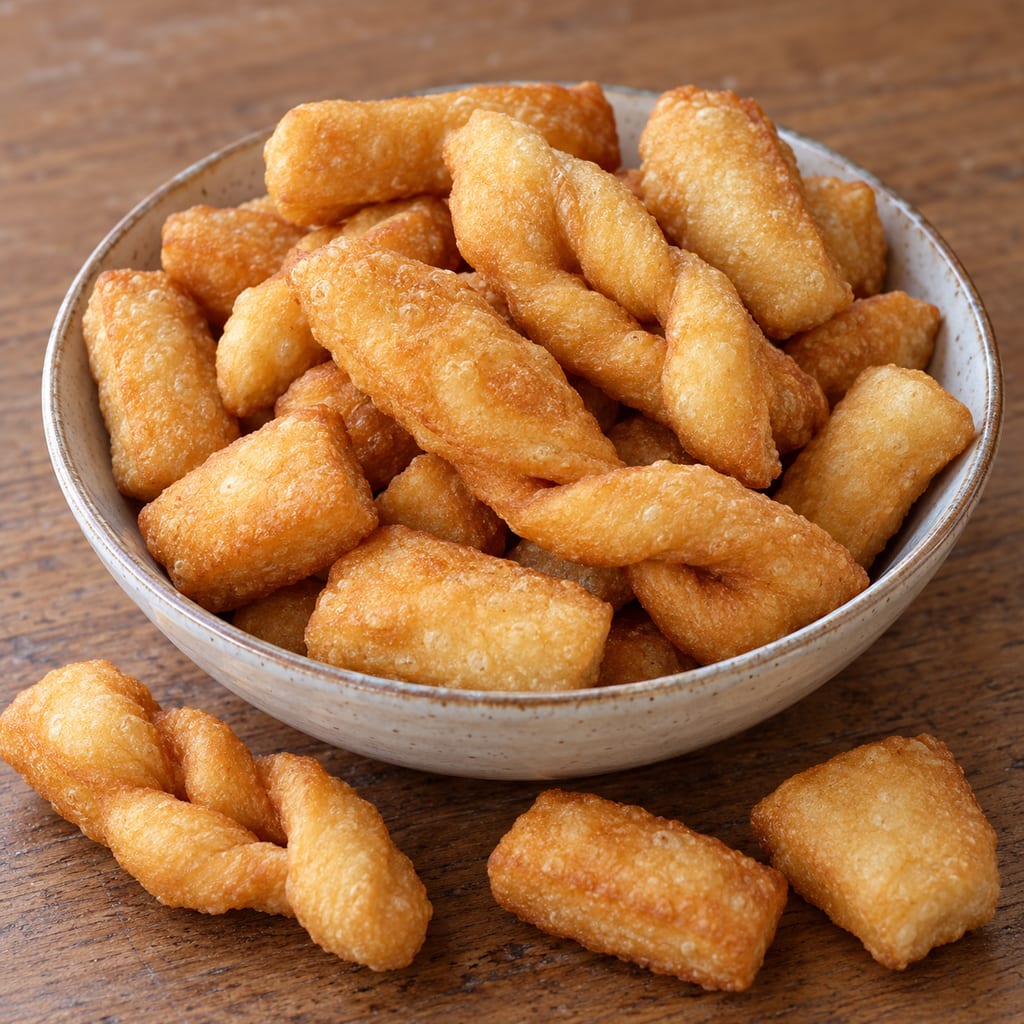
Firm Mongolian fried pastries made from an unyeasted wheat dough enriched with butter and sweetened with sugar; the dense dough is rested, cut or knotted, and fried until golden.
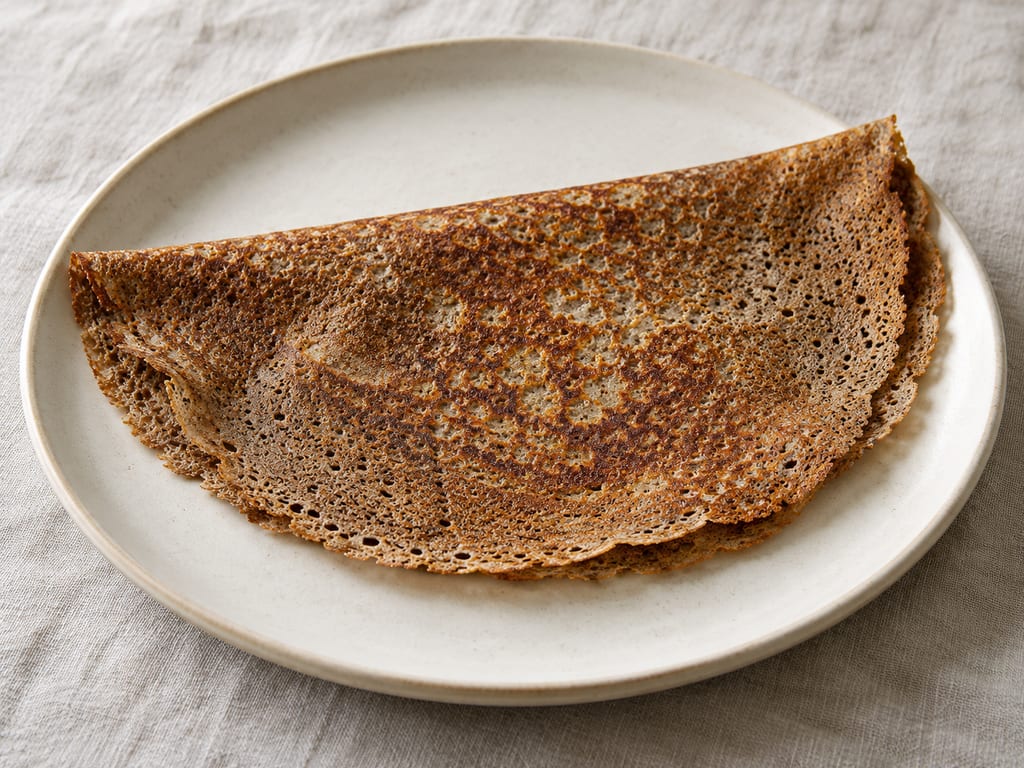
A thin Brittany galette made from buckwheat flour, water and Guérande salt. This Atelier de la Crêpe method rests the batter in a refrigerator before cooking it on a hot crêpière.
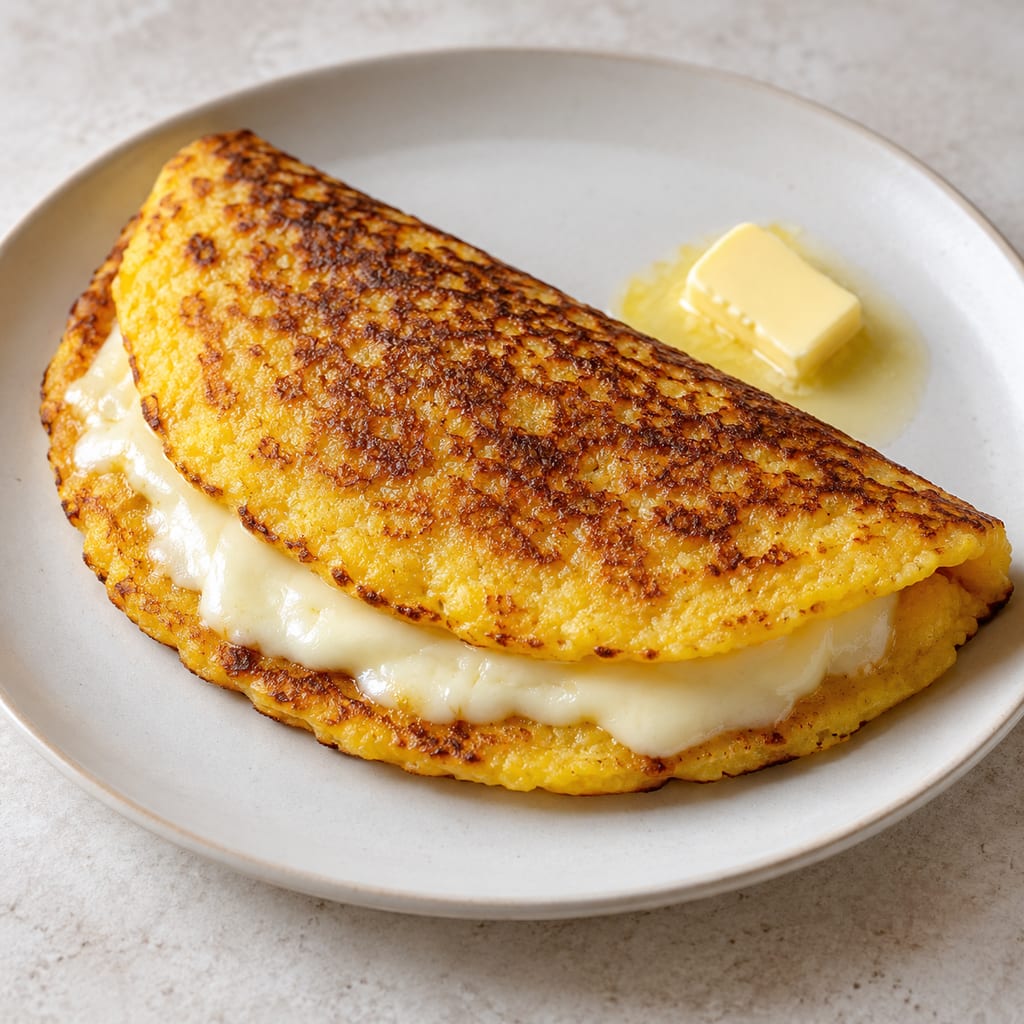
Two thick, tender Venezuelan griddle cakes made from fresh corn batter with milk, egg, cornstarch and sugar, then folded around white cheese and butter.
No community contributions have been published for this entry yet.
Sign in to contribute. Published comments and photos are free to read.
Dassana’s Veg RecipesInspiration · Method · Geography
Roomali Roti | How To Make Rumali RotiTen-bread wheat batch, 30-minute rest, thin rolling and brief tawa cooking.
Cited in: A thin bread folded like a handkerchief