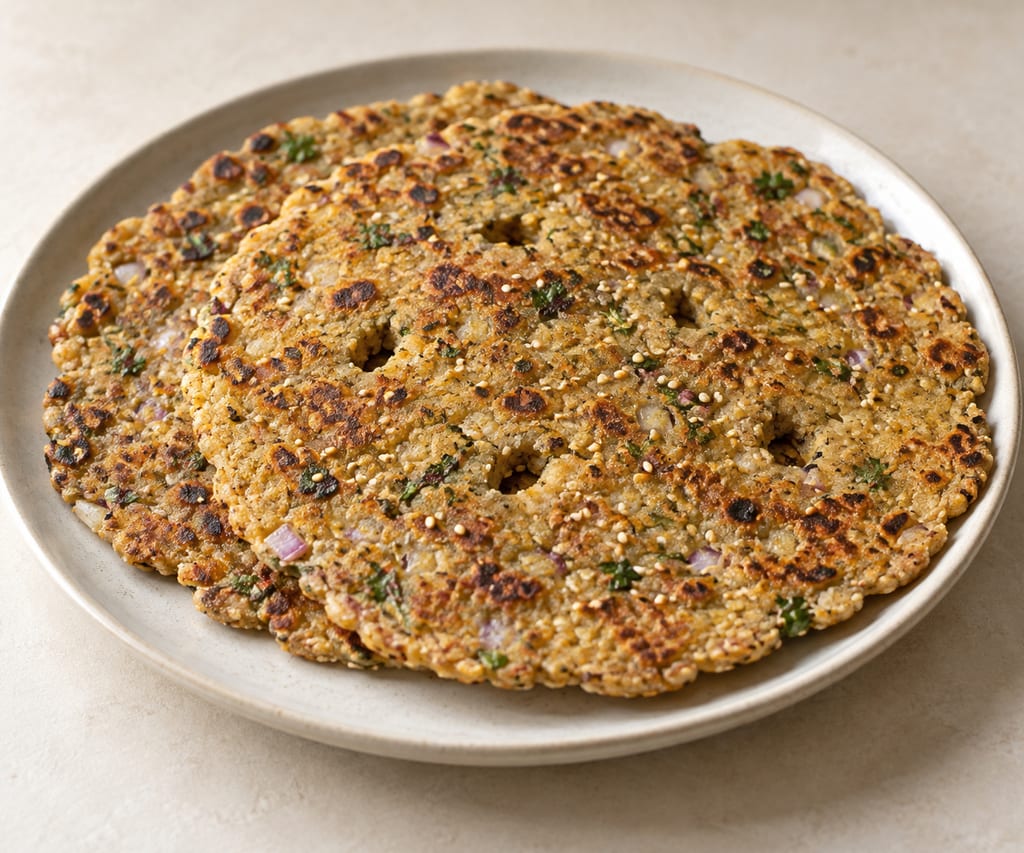
Thalipeeth
A Maharashtrian multigrain flatbread, patted by hand and cooked on a hot griddle. This home version mixes five flours with onion, sesame and spices.
 FermenteaWhere food goes to change
Modern adaptation
Soft Mumbai-style wheat rolls made with an instant-yeast sponge and baked together. This home batch makes eight.
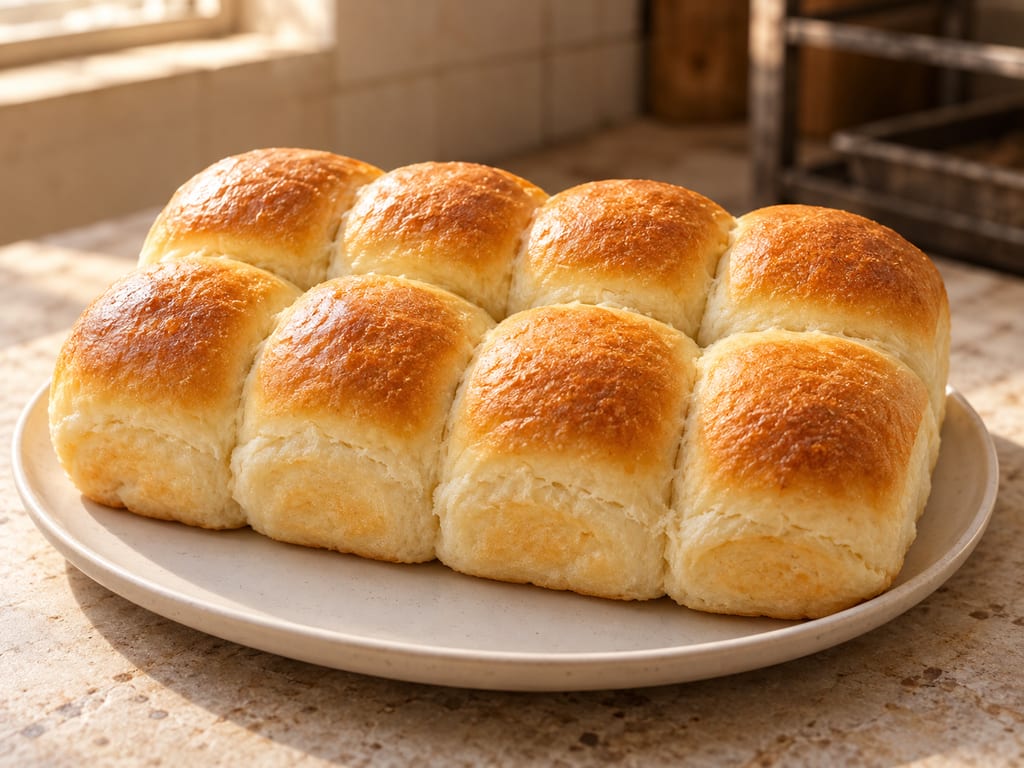
Ladi pav belongs to the everyday food of Mumbai: bread sold in joined groups, pulled apart and eaten with meals or made into snacks. Its place is larger than a single sandwich. Pav accompanies curries, keema and egg bhurji, and can be eaten with tea. A roll already made by a bakery gives a food stall a ready accompaniment without preparing another bread from scratch.
The history involves several baking communities. A Portuguese connection through the word pão and the movement of bread through Goa is widely accepted in culinary accounts. Goan bakers helped establish pav in Bombay; Muslim and Irani bakers also became part of its production and circulation. That is a history of migration and adaptation, rather than evidence for one person inventing the joined Mumbai roll on a particular day.
Bread history and the history of a filled pav are different questions. Vada pav combines the bakery roll with a fried potato preparation; the familiar story of a vendor joining the two does not date the introduction of pav itself. Accounts place the sandwich's development within the city's twentieth-century street life, but the details differ.
Oral histories connect it with commuters, migration, textile workers and livelihoods after mill closures. One widely repeated account centres on Ashok Vaidya in the 1960s; another connects potato-and-bread snacks with Sindhi commuters and Ulhasnagar. These accounts carry memories of belonging and work as well as claims about food. They should remain identified as oral histories, not combined into a precise, supposedly settled invention date.
A major ethnographic study based on eighteen months of fieldwork shows how the snack became entangled with political patronage, protection and competition over street vending. That evidence concerns the social life of vada pav. It does not establish the first flour ratio, bakery or proofing schedule for ladi pav.
Pav distribution reaches beyond the bakery counter. In 2019, a Railway Bakery worker described both neighbourhood buyers and cycle vendors carrying bread to doorsteps. The bakery made several sizes, including smaller ladi pav; Roshan Bakery separately named bruns and ladis among its products.
City Bakery's owner linked pav with eating on the move. Philomena Bakery's history included a transfer from a Christian family to the Siddiqui brothers. These particular interviews show how workers, owners and delivery routes sustain the bread. They do not establish a common history or universal formula for every Mumbai bakery.
Pav's affordability matters because it is bought repeatedly as an ordinary meal component. In May 2025, reporting from Yazdani Bakery followed workers preparing dough before dawn and selling bread when the shop opened. Its owner connected the bakery with an Iranian family history and with a bread whose name comes through Portuguese influence. This is one example of the city's overlapping culinary communities.
Debates over moving bakeries away from wood-fired ovens exposed a practical tension: pollution reduction, equipment costs, bread prices and the flavour bakers associate with their ovens. Bakery representatives warned that even a small price rise could matter to customers. Those statements describe a dispute reported in 2025, not the current legal position or proof that wood is necessary for pav. The home method here uses an ordinary oven and should not be judged by whether it reproduces a commercial wood-fired bakery.
Portuguese pão is the prevailing explanation of pav's name. Quarter-measure and foot-kneading stories also circulate, but repetition does not establish either as the source of the name or a practice used in this recipe.
The practical formula on this page remains a modern home batch of eight rolls. Its instant-yeast sponge, measured dough, rises and optional milk or butter are retained as one method. Historical bakery descriptions explain cultural context; they do not license replacing the yeast, adding an unspecified old starter, changing the flour quantity or copying the scale of a commercial bake.
Ladi pav are soft rolls associated with Mumbai food culture. This home version uses an instant-yeast sponge before mixing the final dough; the shaped rolls rise together in a tray. Pav can accompany dishes such as pav bhaji and vada pav.
Mumbai pav has documented Portuguese/Goan, Muslim and Irani baking connections in historian interviews and ethnographic accounts. These sources do not establish a first dated ladi-pav formula; accounts of vada pav concern a later filled snack and contain competing oral histories.
Yield 8 rolls · Scaling: source batch only
Contains wheat; optional milk and butter contain dairy.
Bake the dough through; do not taste raw flour.
The source describes a Mumbai-style preparation; it does not establish a precise birthplace.
A Maharashtrian multigrain flatbread, patted by hand and cooked on a hot griddle. This home version mixes five flours with onion, sesame and spices.
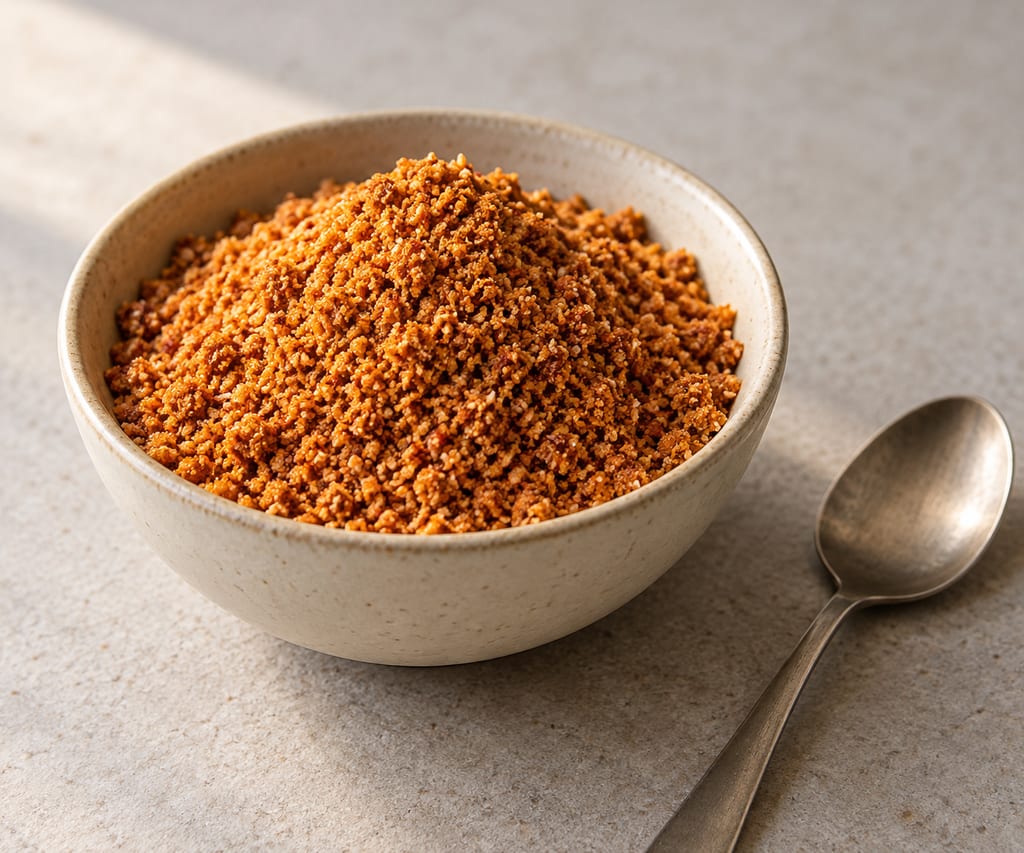
A Maharashtrian dry chutney of slowly roasted sesame and coconut ground fine with garlic, chilli powder, cumin, tamarind and sugar, kept in a bottle and eaten as a winter side.
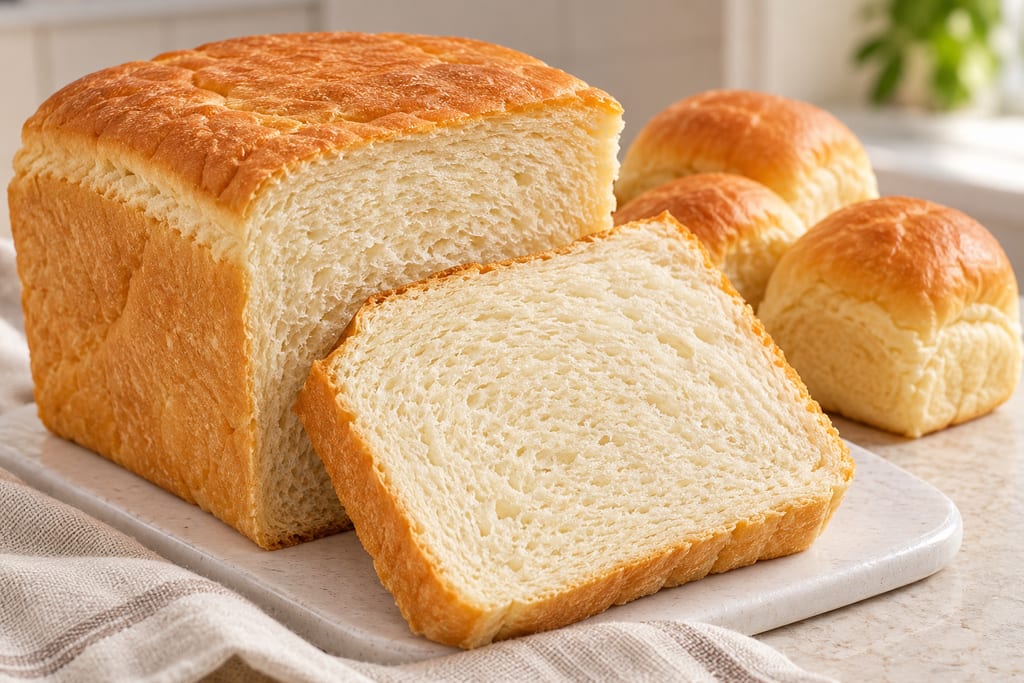
This softer home-style Agege bread uses a scalded flour paste, an enriched yeast dough and a 9×5-inch loaf pan, with rolls from the extra dough.
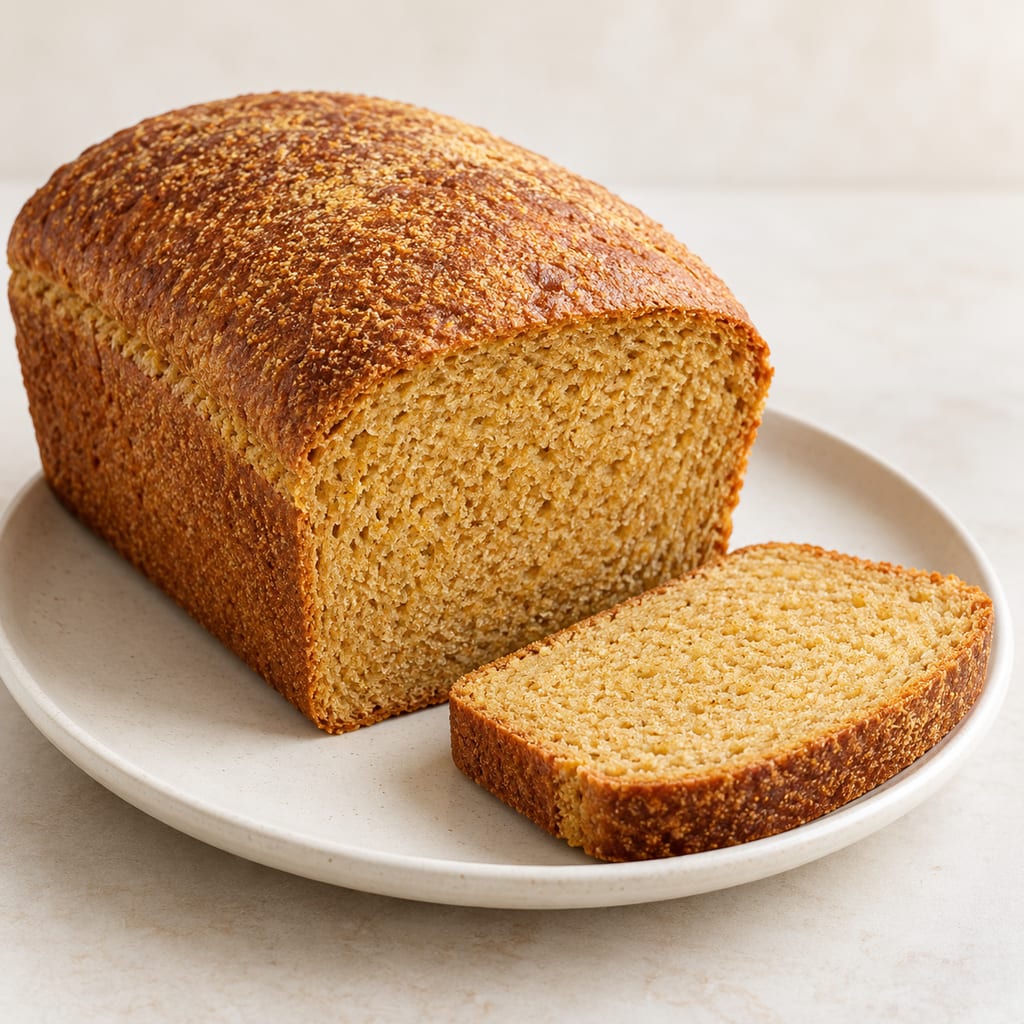
Anadama is a New England yeast loaf made with wheat flour, cornmeal and molasses. Scalded cornmeal enriches the dough, while molasses lends sweetness and a dark crust; it is especially good toasted or beside soup and baked beans.

A yeast-raised wheat ring shaped from a firm dough, briefly boiled and baked. This source-batch formula gives a gently malted crust and a chewy crumb.
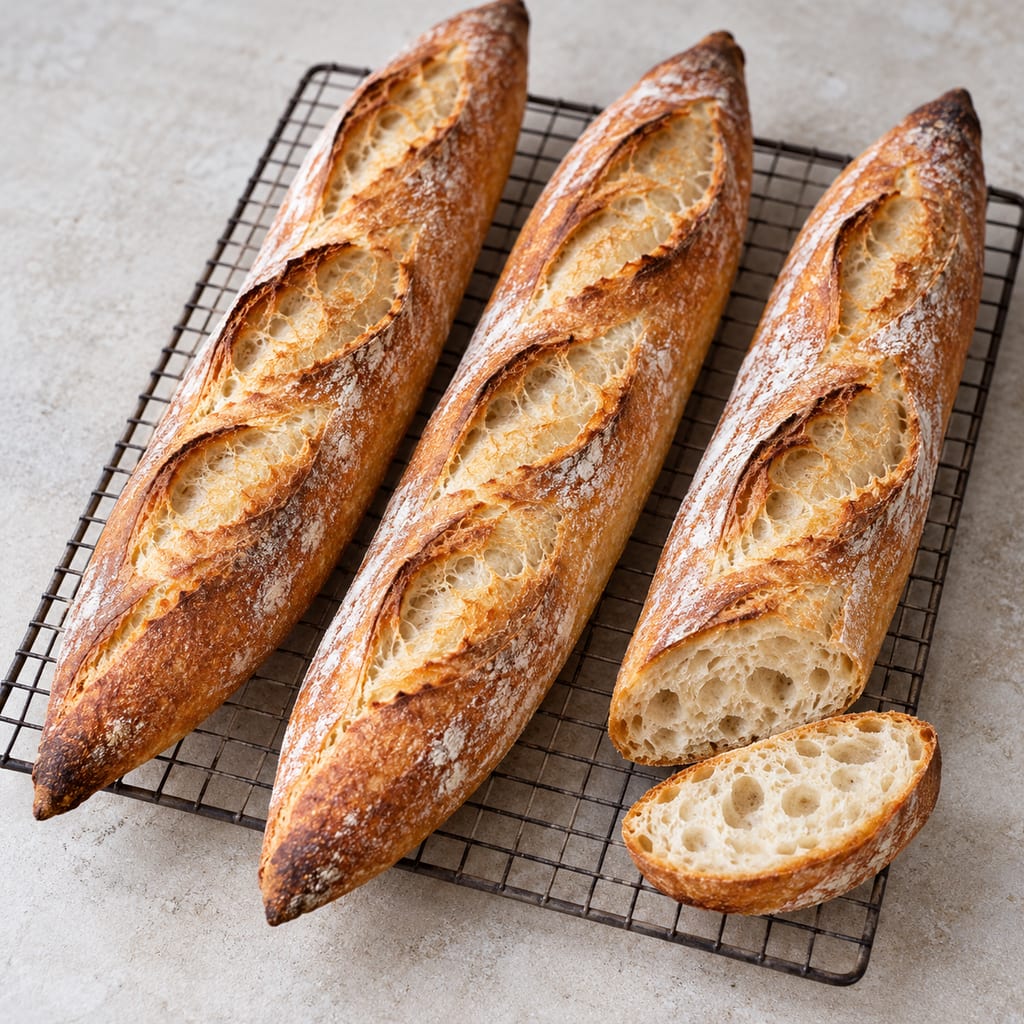
Three long, crusty wheat loaves made with an overnight yeast poolish, shaped by hand and baked with steam for a crisp crust.
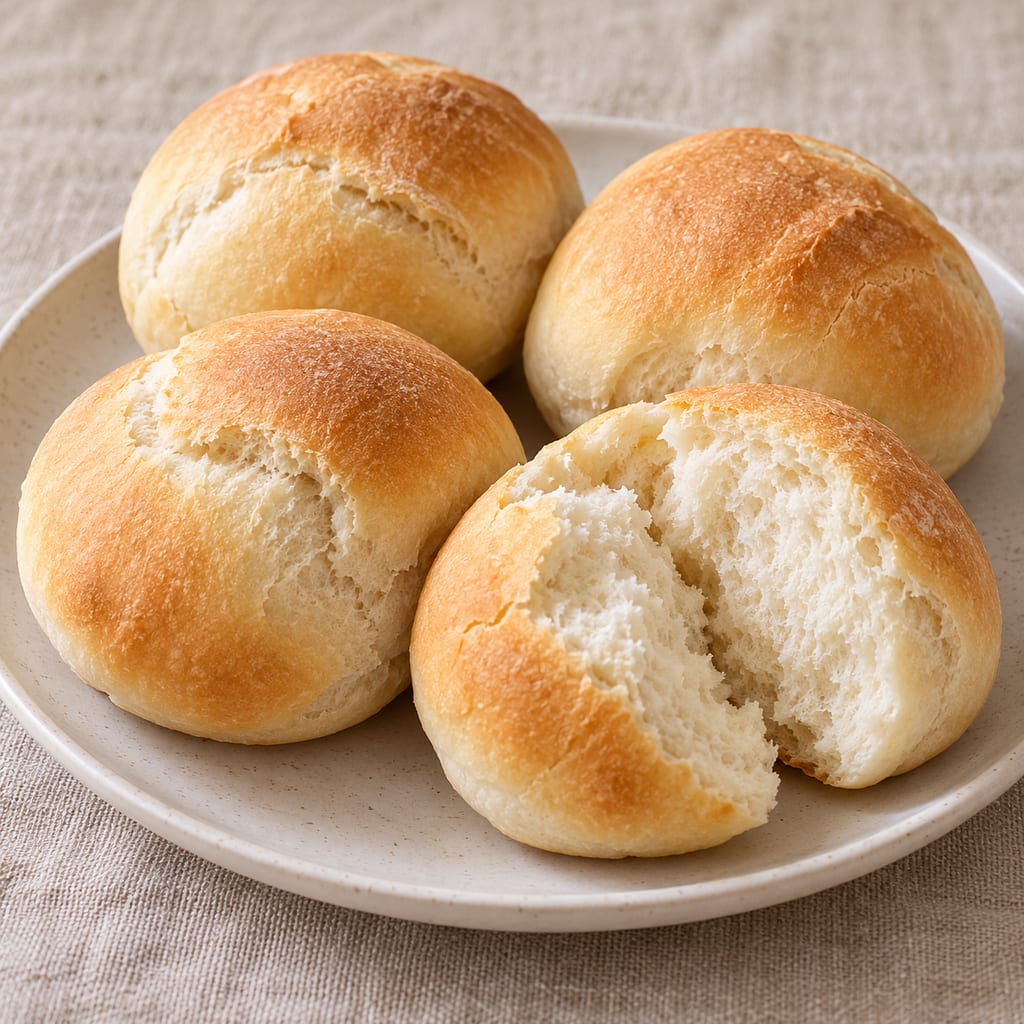
A lightly salted, yeast-raised Barbadian roll, baked in a dozen-roll home batch and often split for cutters.
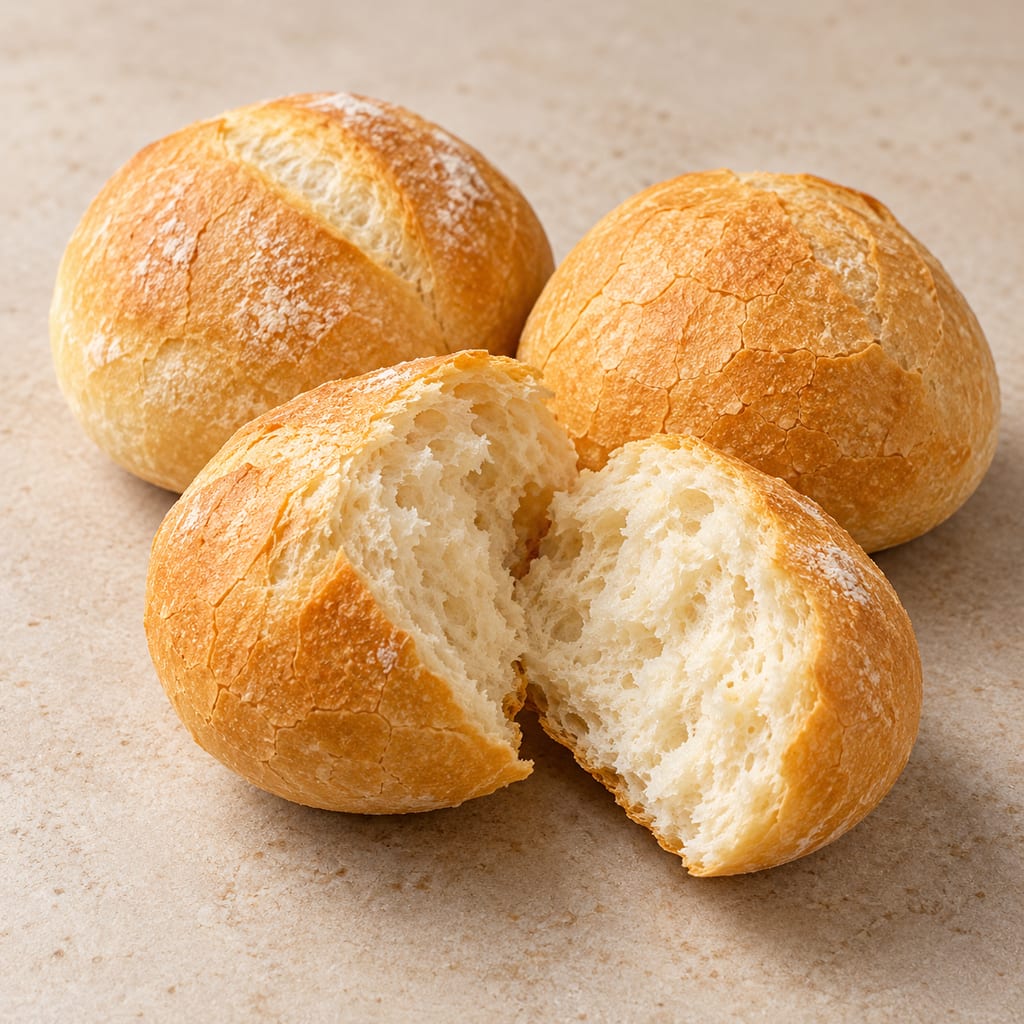
A crisp Belgian roll made from a supplier’s Croc-flour dough, mixed by hand or machine, proofed in rounds and baked with steam.
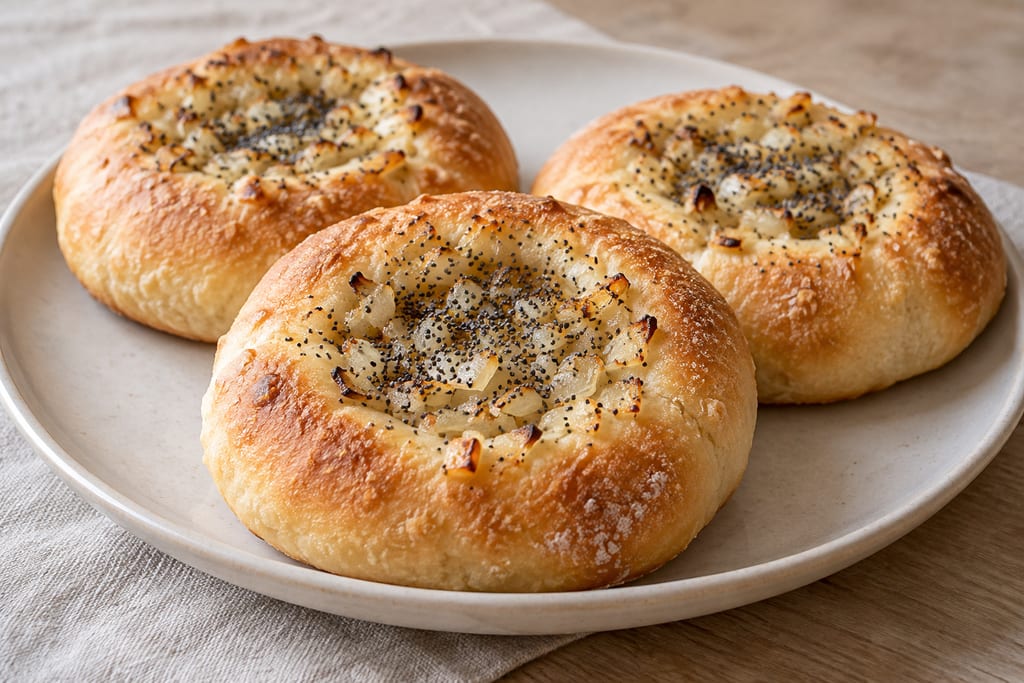
Bialys are soft, yeasted wheat rolls baked without boiling, each shaped with an onion-filled central depression instead of a hole.
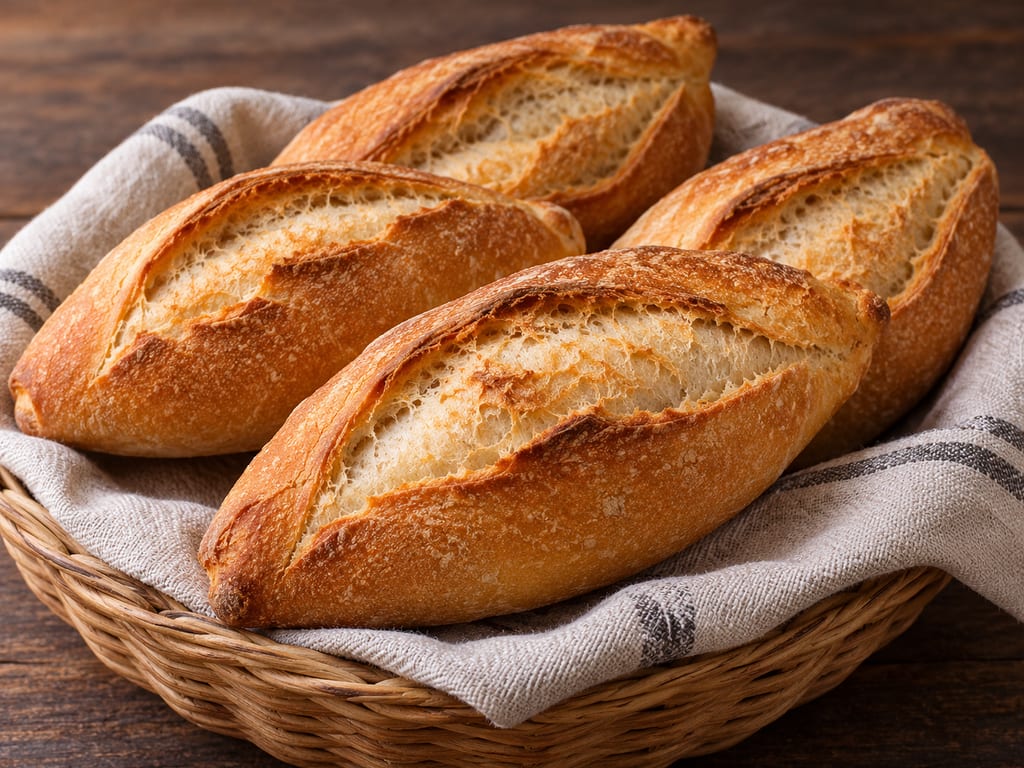
A measured, commercial-yeast home method for Guadalajara-style birote salado, with a six-hour preferment, shaped rolls and a two-temperature steam bake. This formula contains no egg.
No community contributions have been published for this entry yet.
Sign in to contribute. Published comments and photos are free to read.
Dassana's Veg RecipesInspiration · Method · Geography
Pav Recipe | Ladi Pav | Pav BreadMumbai association, instant-yeast sponge, dough quantities, rises and oven method.
Cited in: Names, uses and this home batch; Mumbai rolls
Cultural Anthropology 30(1), 2015, pp. 65–90; Duke University repositoryEthnography · Historical uncertainty · Cultural use
“The Taste No Chef Can Give”: Processing Street Food in MumbaiEighteen-month field study; competing oral genealogies of vada pav, migrant/commuter histories and street-vending livelihoods; not a dated first recipe for ladi pav.
Cited in: What an origin story can establish
The Indian ExpressHistorian interview · Bakery interview · Cultural history
Story of Mumbai’s humble ‘ladi pav’, and why its price may soon go upKurush Dalal's Portuguese/Goan migration account, Muslim/Irani bakers, working-class use, New Edward distribution and bakery costs reported February 2025.
Cited in: A bakery bread that became everyday food
Mid-dayBakery interviews · Distribution · Names
The pao-ers that be2019 bakery-owner/worker accounts of City, Philomena, Railway and Roshan bakeries; household cycle delivery; dominant Portuguese etymology and competing folk explanations.
Cited in: From bakery trays to neighbourhood doorsteps; Names, uses and this home batch
NPR / WKU Public RadioBakery reporting · Cultural use · Economic context
Mumbai's iconic pav bread might soon be toastMay 2025 Yazdani bakery interviews, overnight labour, working-class affordability and disputed fuel-transition economics; dated reporting, not current policy advice.
Cited in: Affordable bread and the work of baking