


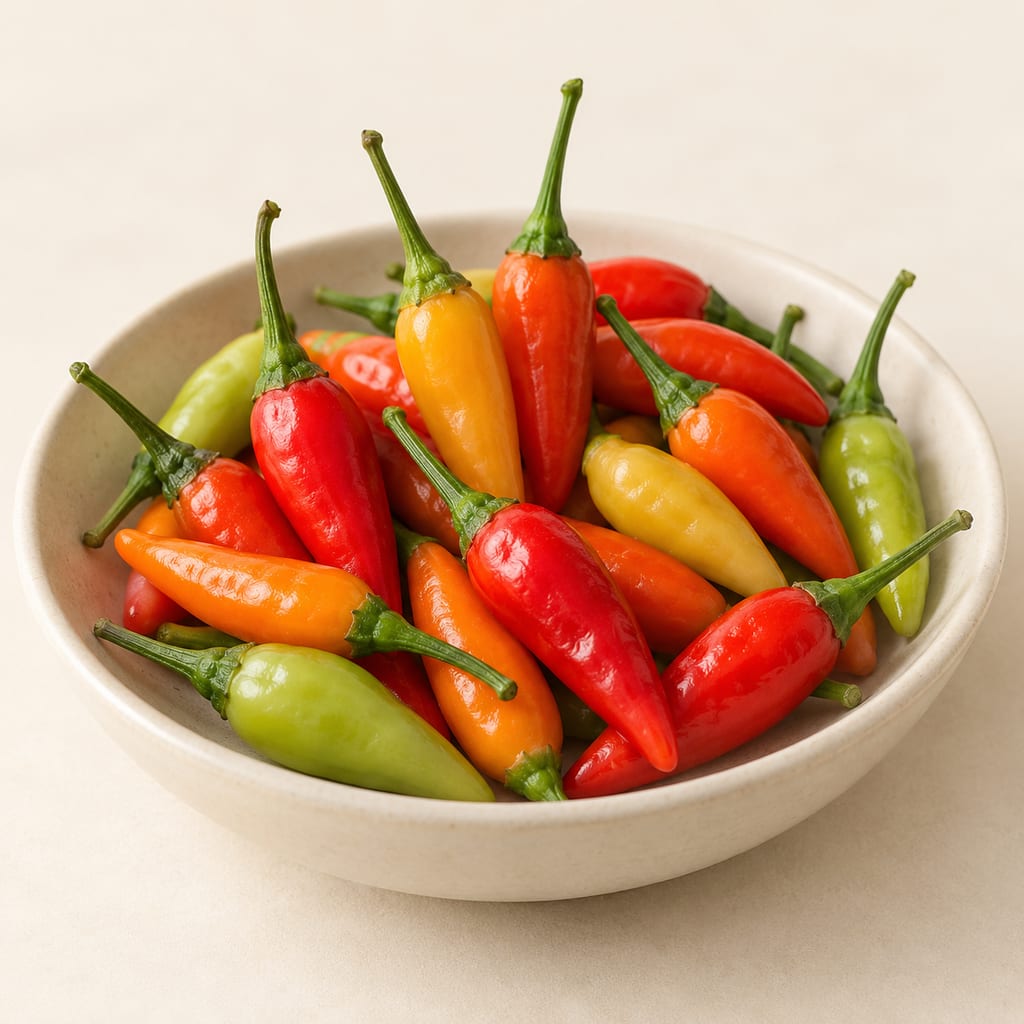
Tabasco chile
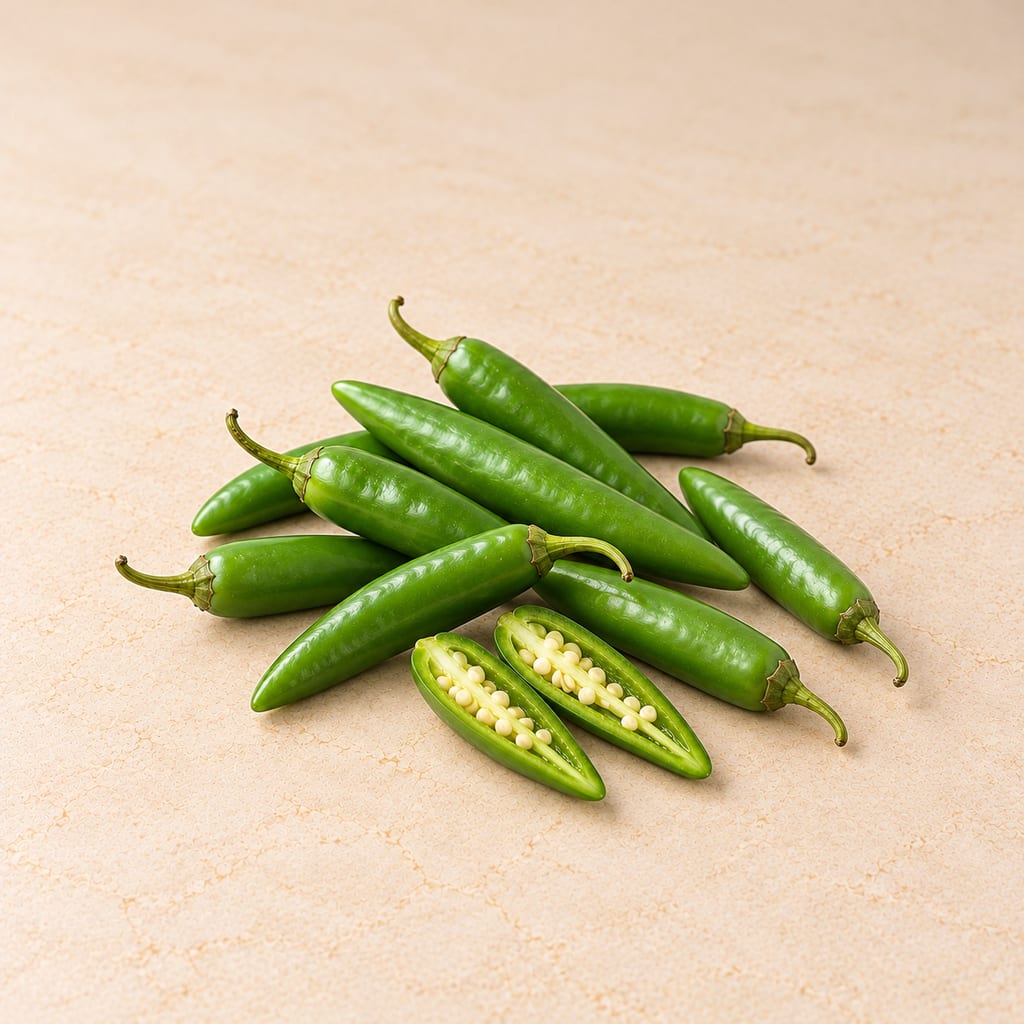
Tabasco chile is the small, upright, pungent fruit of Capsicum frutescens 'Tabasco', a cultivar long used in Louisiana pepper sauce.
 FermenteaWhere food goes to change
1086 articles on substrates, cultures and additives.
Tabasco chile is the small, upright, pungent fruit of Capsicum frutescens 'Tabasco', a cultivar long used in Louisiana pepper sauce.
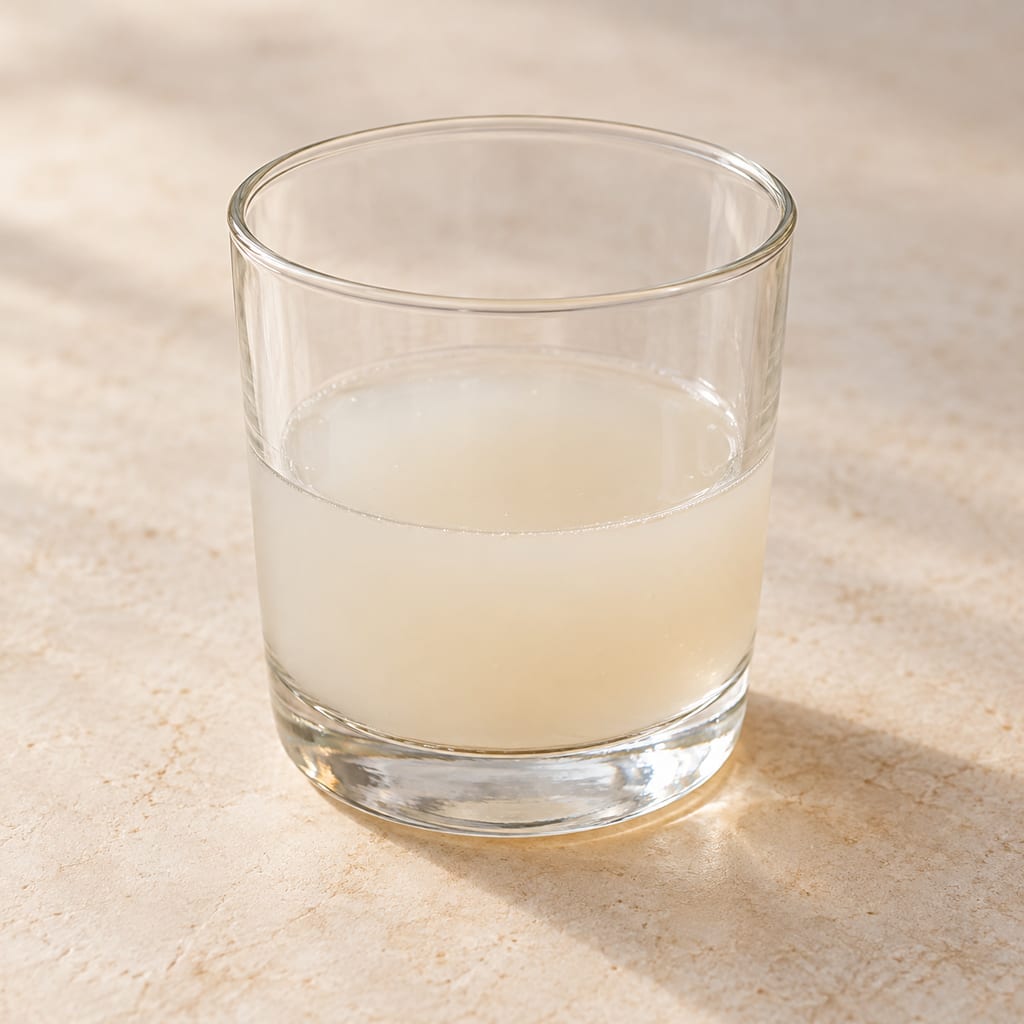
Sap tapped from Hyphaene petersiana, distinct from the fermented Utchema drink made from it and from sap of other palms.
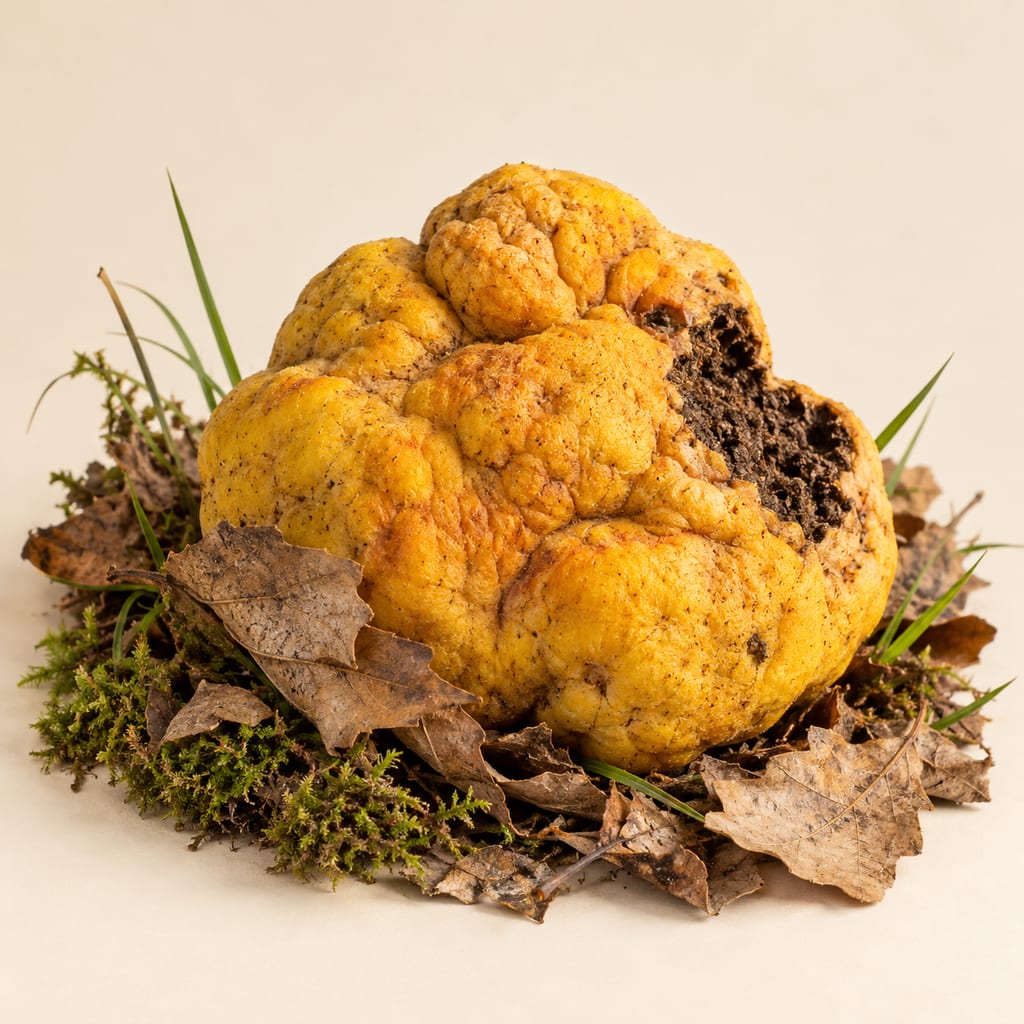
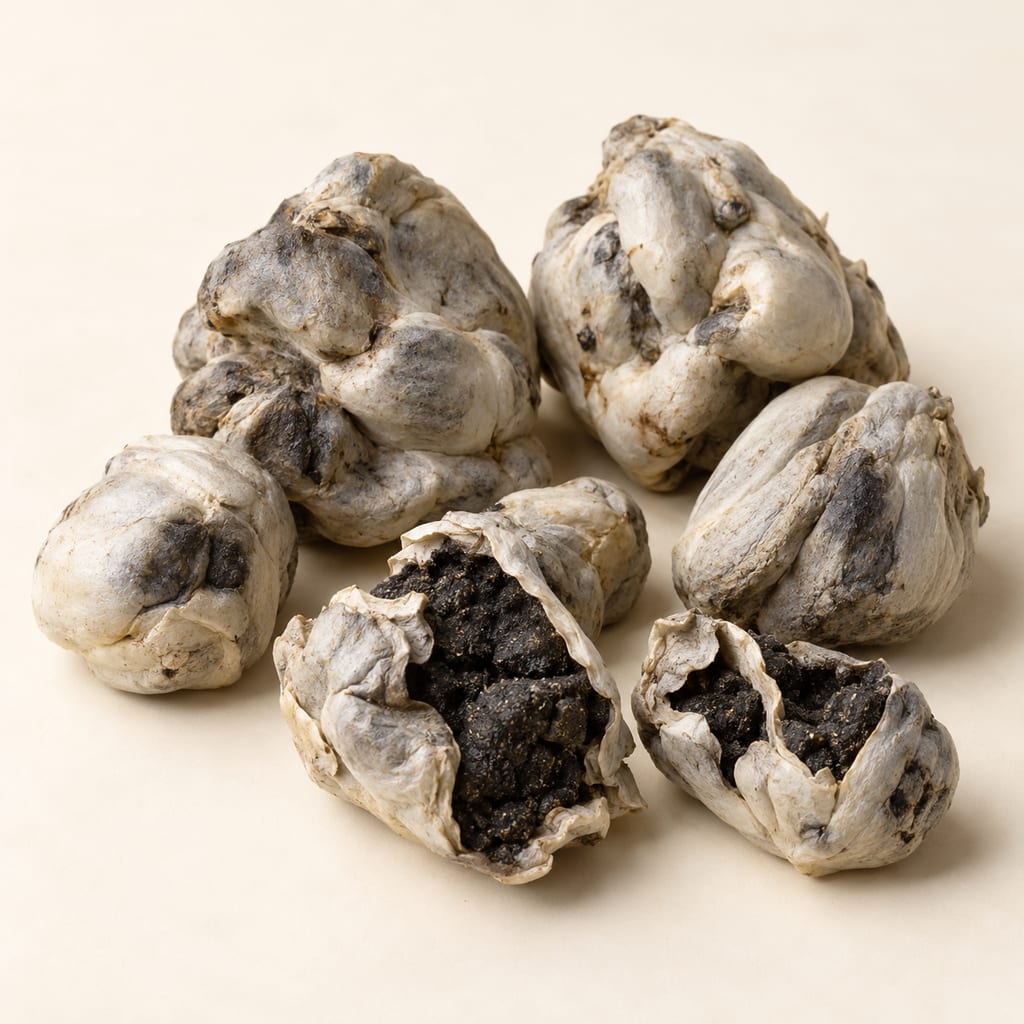
The African false truffle, Mackintoshia persica, is an ectomycorrhizal truffle-like fungus of miombo woodland in southern-central Africa. It is recorded as a regional edible, though its preparation is not documented.
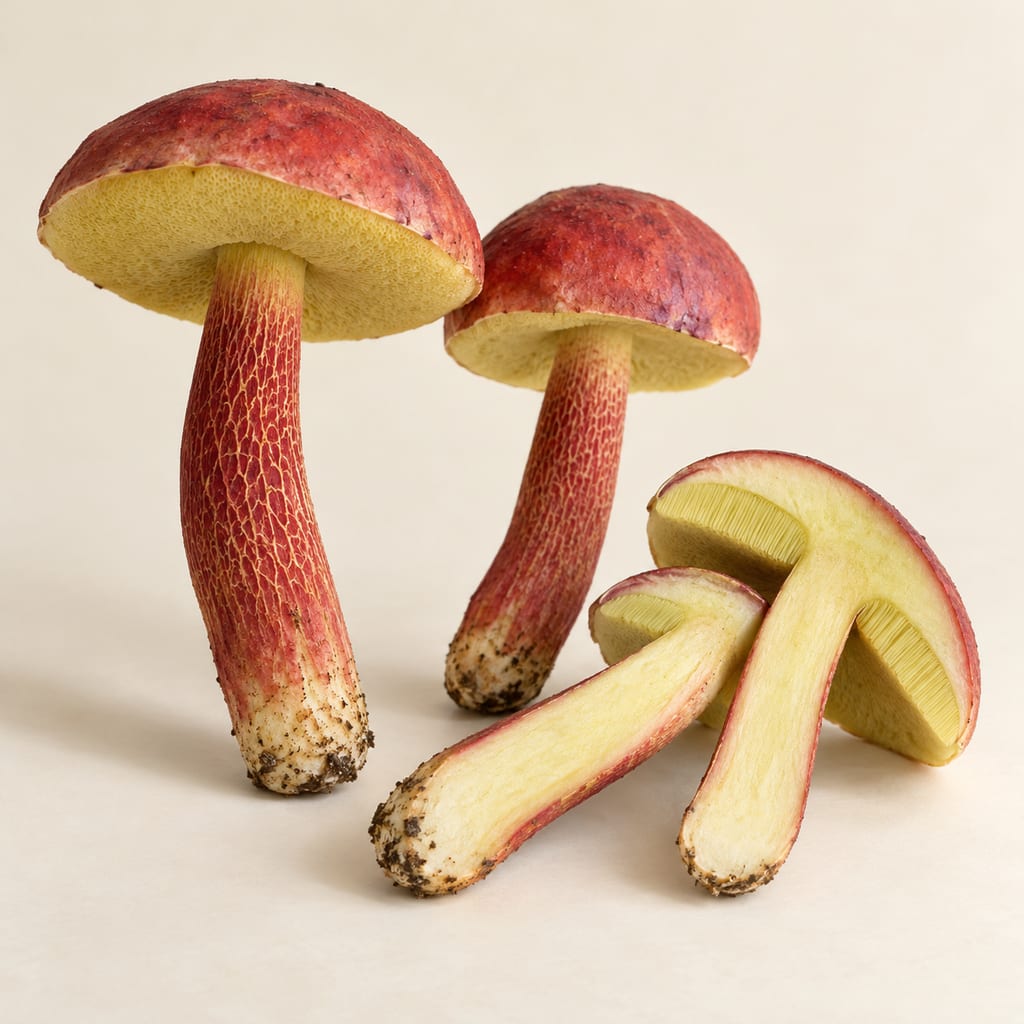
Heimioporus japonicus is an ectomycorrhizal bolete recorded from China and East Asia. Its edibility is contested: one source records sale, another a toxic status and gastroenteritis.
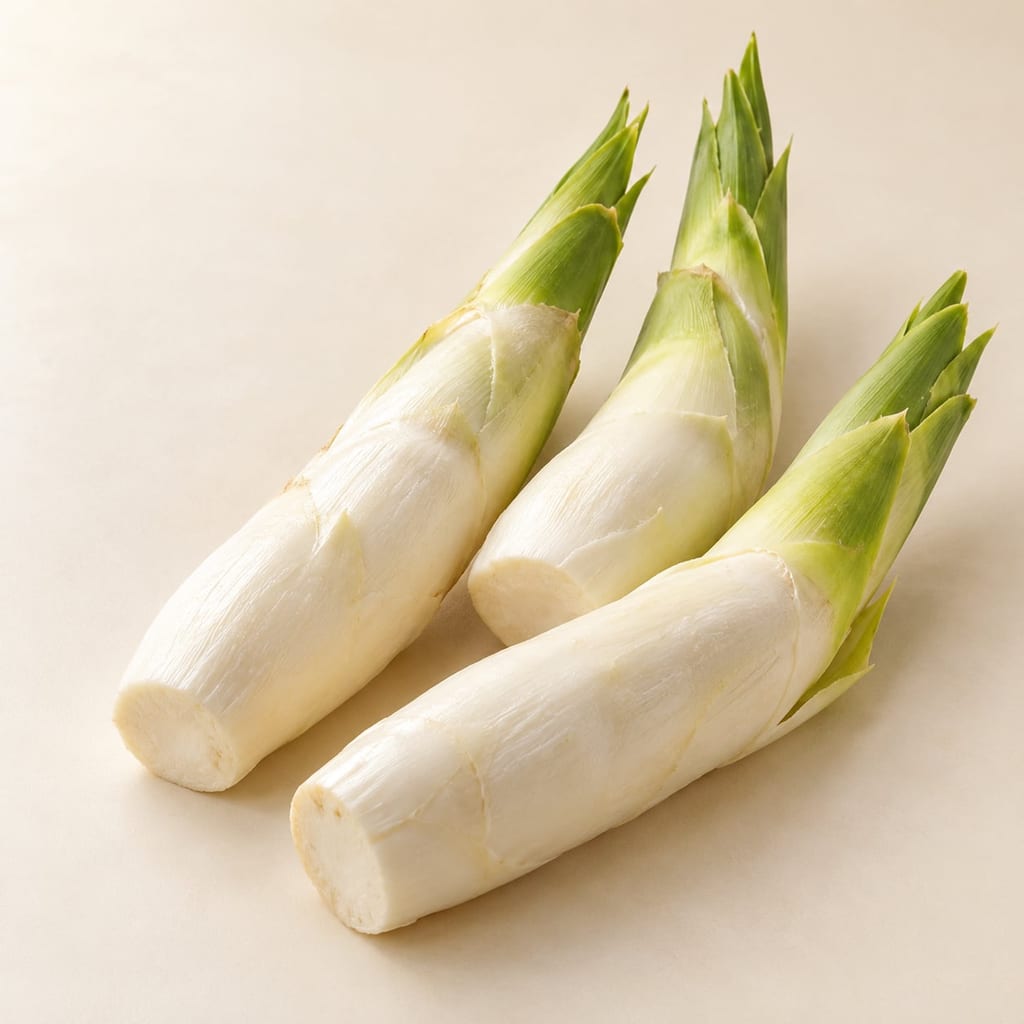
Water-bamboo smut is the swollen gall that the fungus Ustilago esculenta forms on the aquatic grass Zizania latifolia. It is eaten as a vegetable in China and elsewhere in East and Southeast Asia.
Xiaoqu (小曲) is a family of small Chinese grain starters for rice wines and baijiu: mixed moulds, yeasts and bacteria that convert starch and ferment it, not one strain or formula.
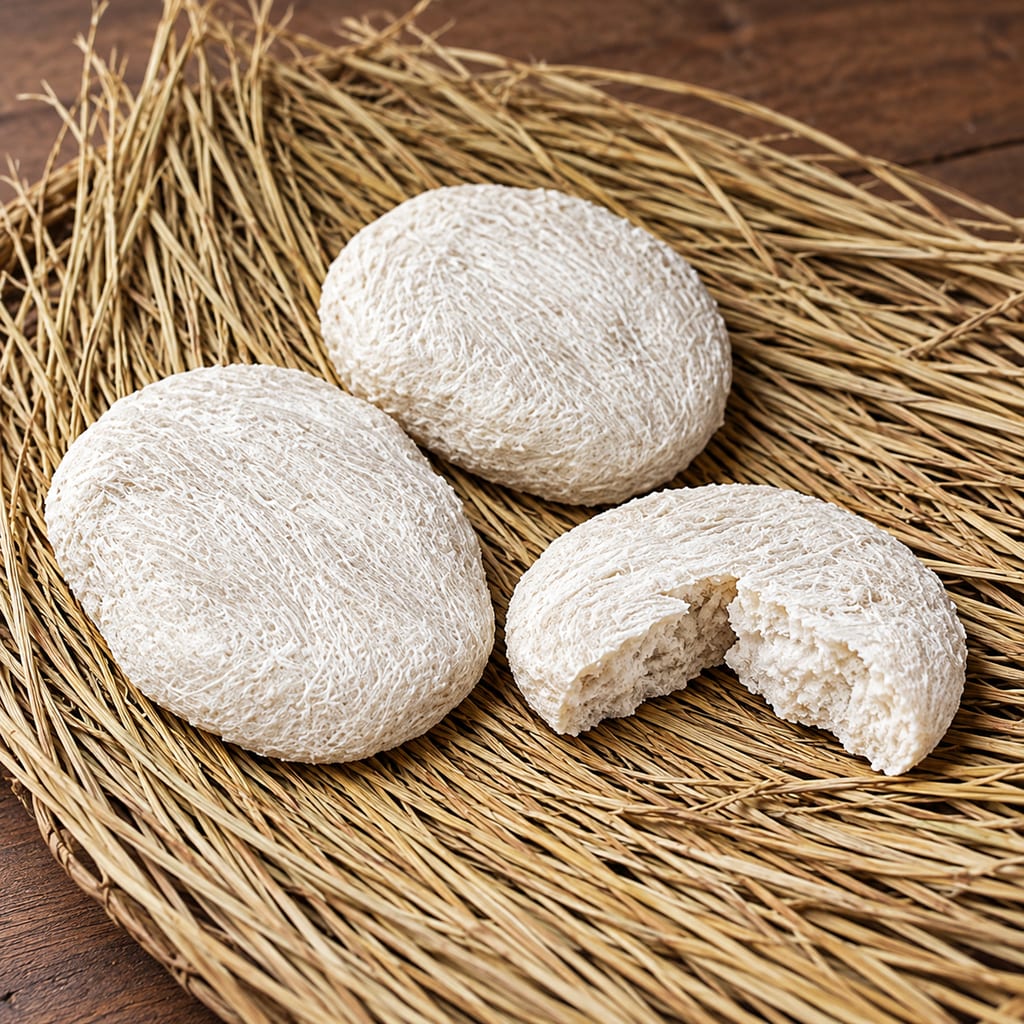
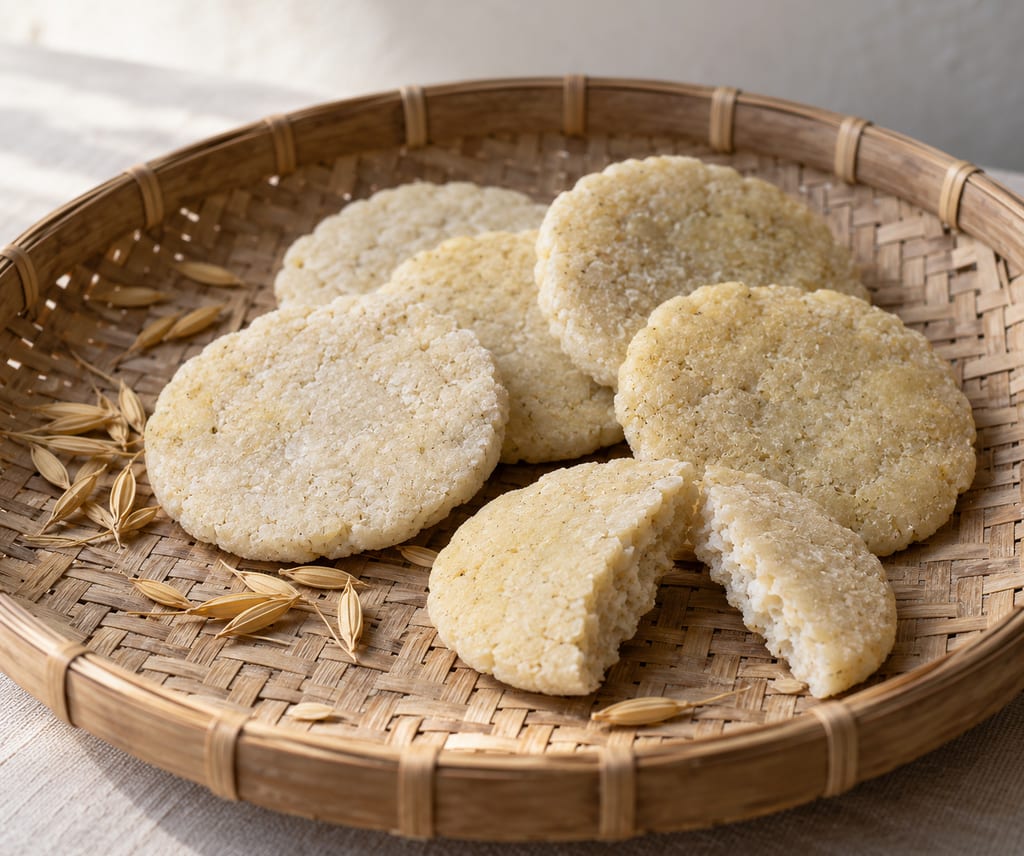
Bubod is the Philippine rice starter behind Cordillera tapuy and tapey: dry mixed-culture cakes of molds, yeasts and bacteria, plus a standardized granular version developed by DOST.
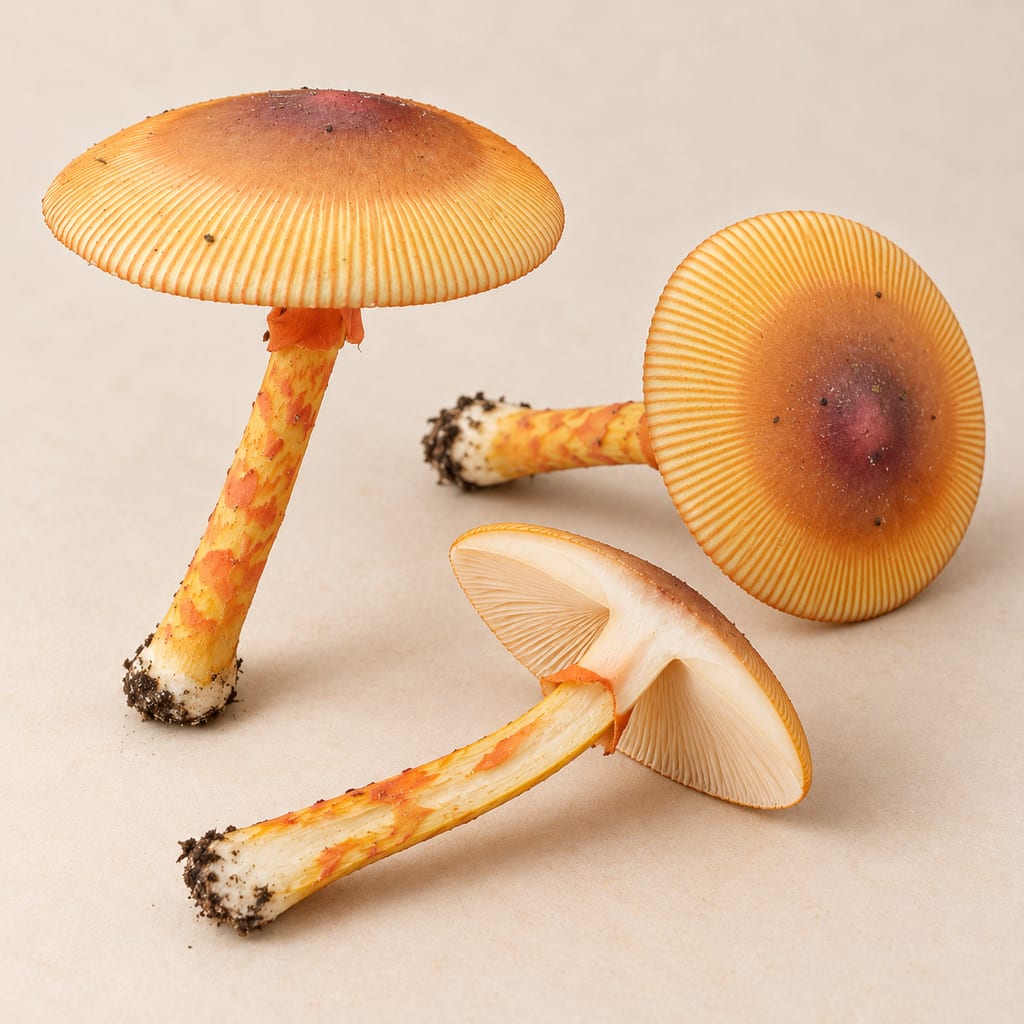
Amanita rubromarginata is a forest mushroom documented in food markets and edible-mushroom surveys in parts of China and northern Thailand. Those regional records do not make a wild specimen identified from a photograph safe to eat.
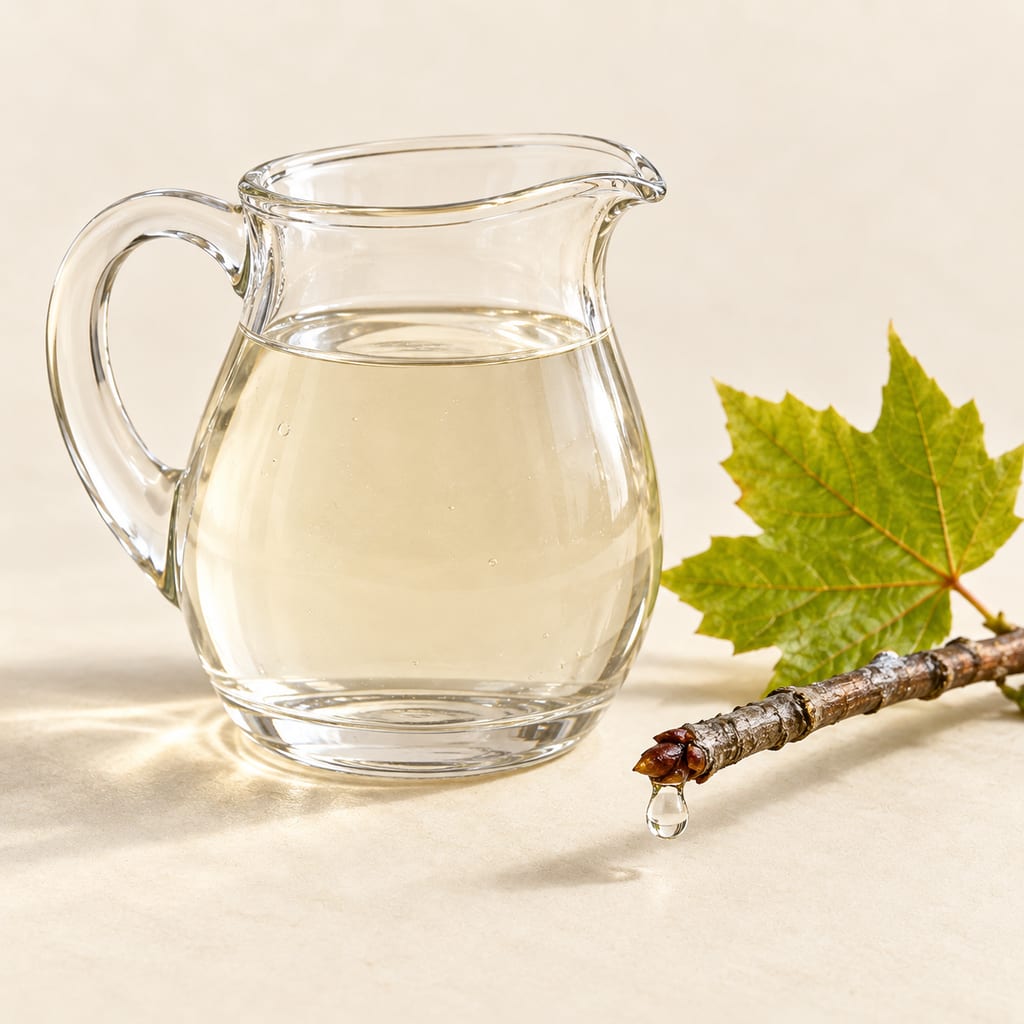
Maple sap is the dilute, mildly sweet liquid gathered from maple trees in late winter and early spring, before heat concentrates it into syrup or sugar.
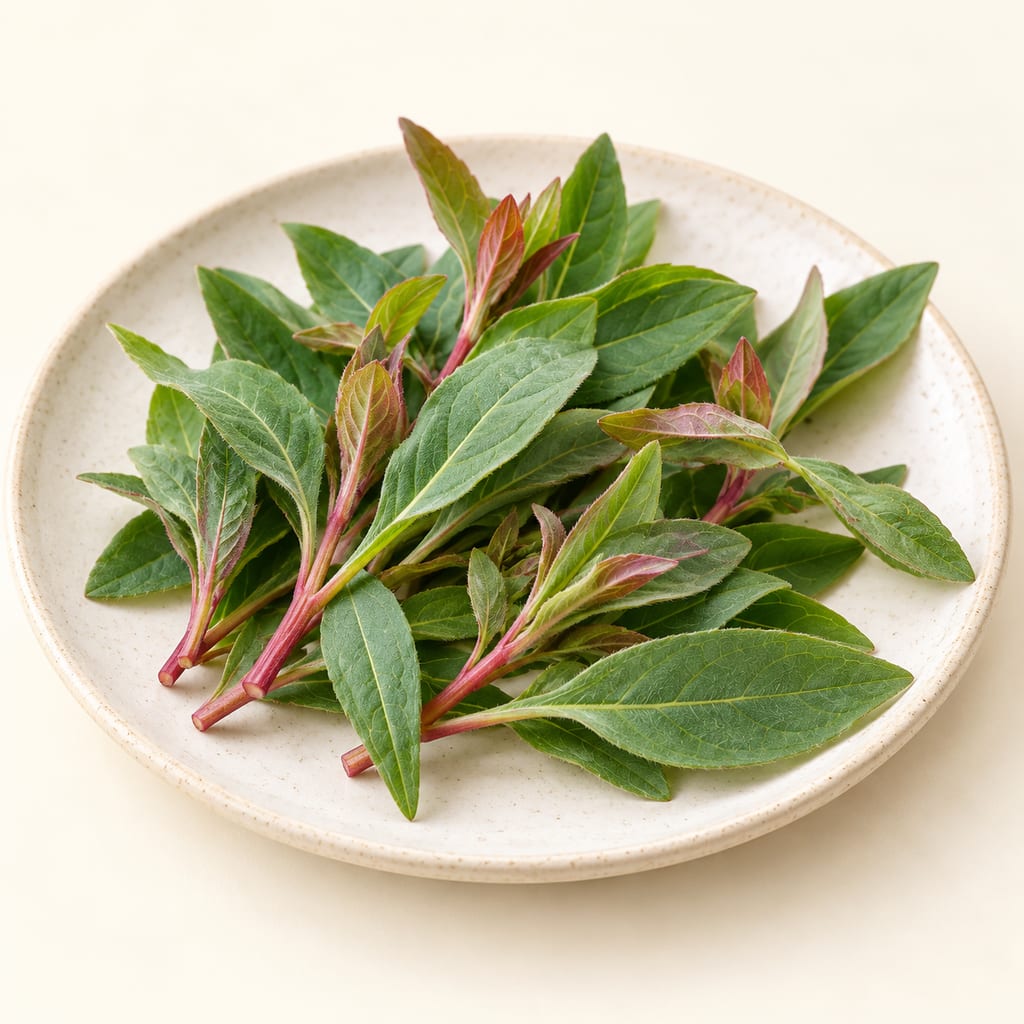
Dwarf fireweed (Epilobium latifolium) is a northern wild herb whose tender leaves and flowers appear in distinct Arctic food traditions.
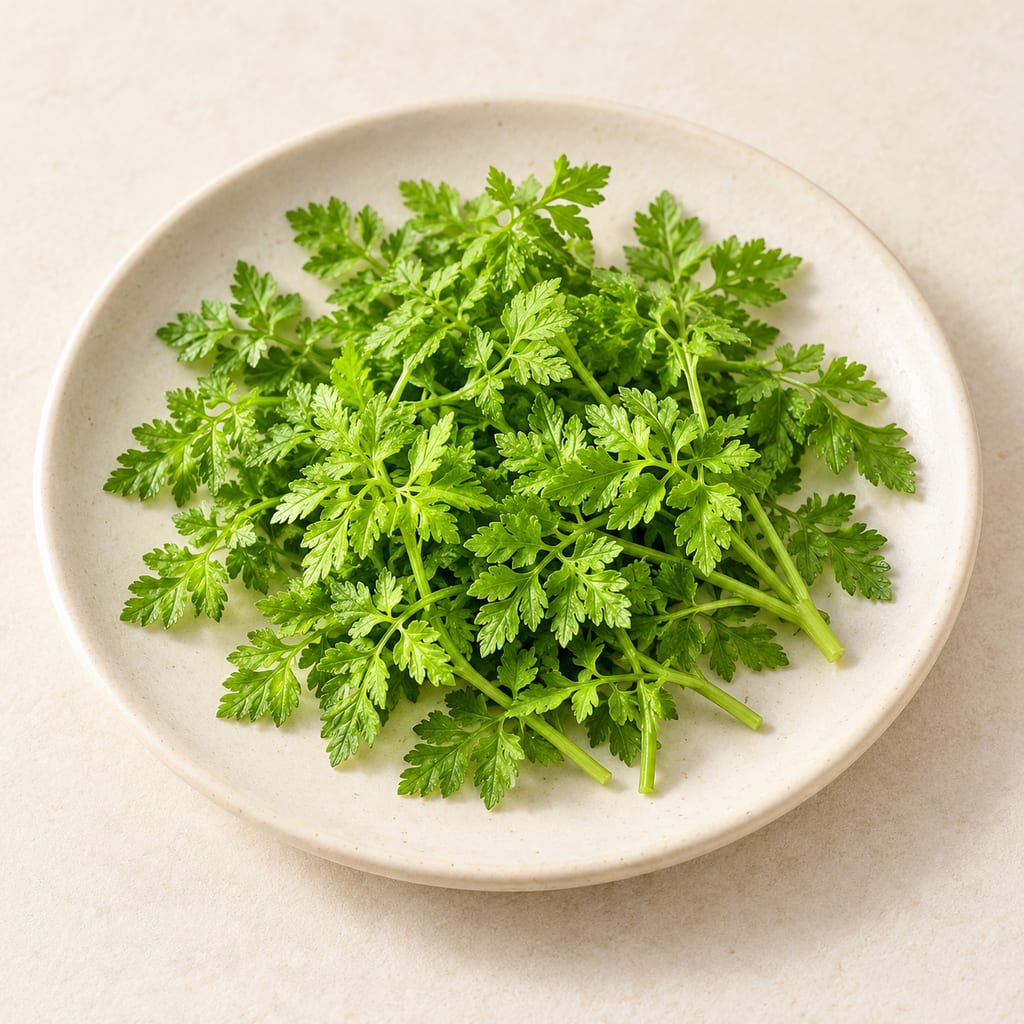
Wild chervil is Anthriscus sylvestris, a mildly aromatic wild leafy herb distinct from garden chervil. It resembles poisonous Apiaceae; this account is not a foraging identification guide.
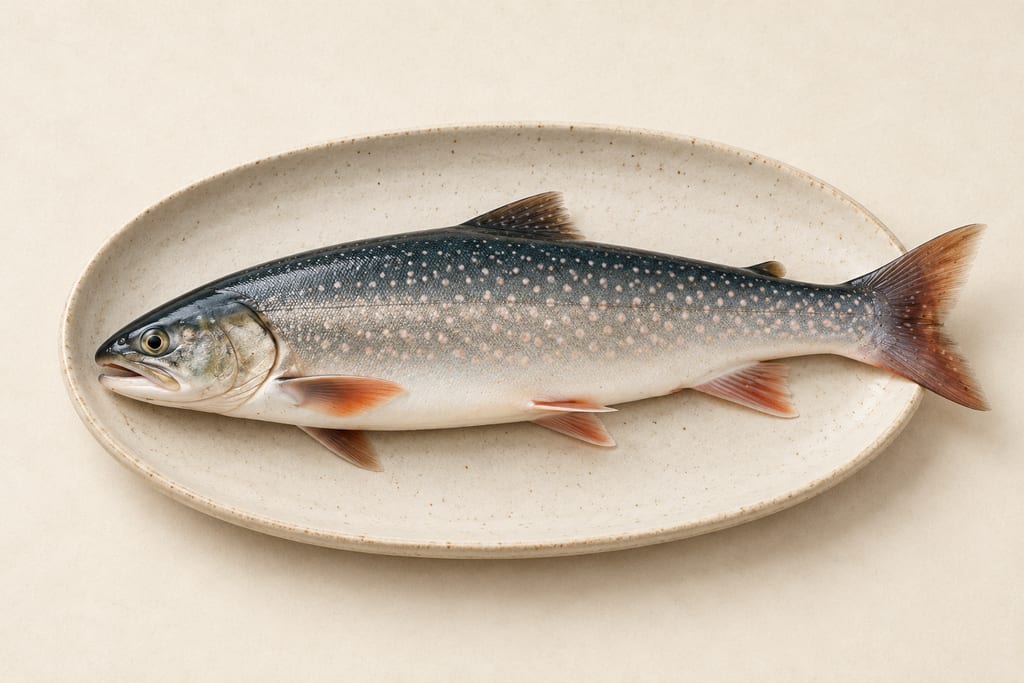
Arctic char (Salvelinus alpinus) is a circumpolar salmonid eaten fresh and preserved in northern communities. Its local forms and food traditions vary; dried or smoked fish and fermented char are distinct from the raw ingredient.
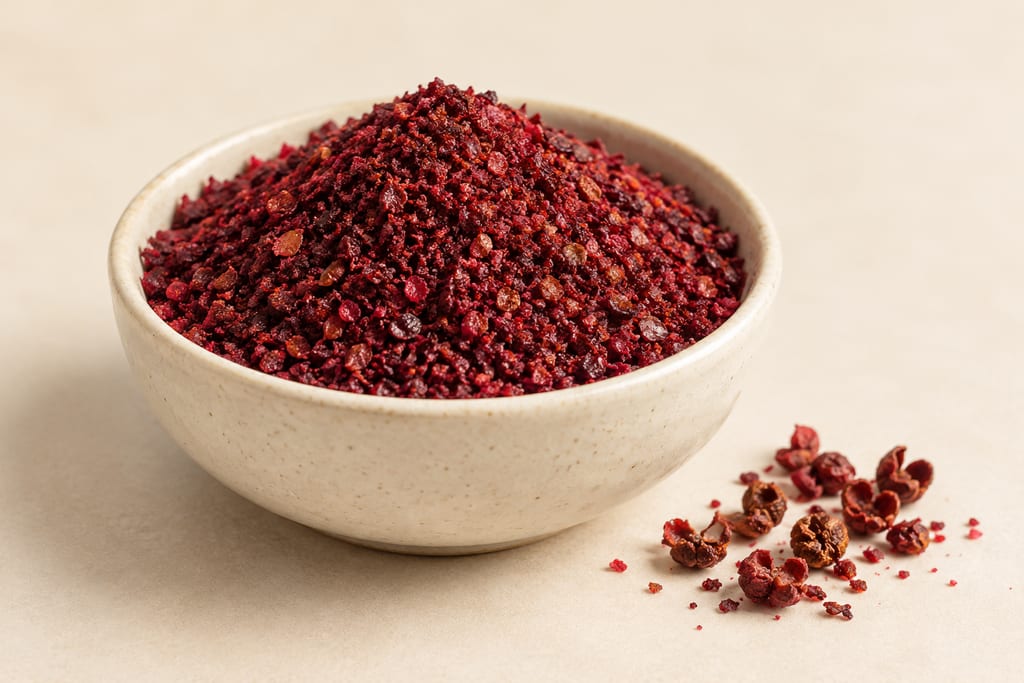
Sumac is the tart fruit seasoning of several shrubs in the genus Rhus; Mediterranean spice is usually Rhus coriaria, while North American sumac berries also make a sour drink.
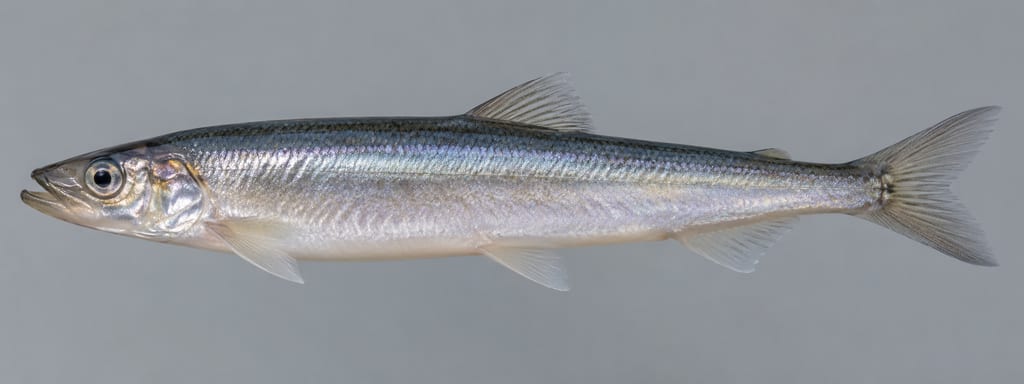
Eulachon (Thaleichthys pacificus) is a small anadromous North Pacific smelt used fresh, dried, smoked and, in some communities, to make rendered grease. Ripened fish and eulachon grease are separate stages and products.
Saithe (Pollachius virens), also called coalfish and coley, is a North Atlantic cod-family fish used fresh and in distinct preserved forms. Faroese ræstur fiskur and Shetland salted piltocks are not the same product.
Puntius is a genus of small freshwater fishes cited as raw material for fermented fish in northeastern South Asia. Shidal studies name the genus broadly; studies of ngari and hentak identify Puntius sophore specifically.
Trout names several salmonid food fish, not one globally uniform ingredient. Inuit accounts from Nunavut and Norway’s Valdres rakfisk document distinct fermented preparations; neither establishes a universal process or safe limits.
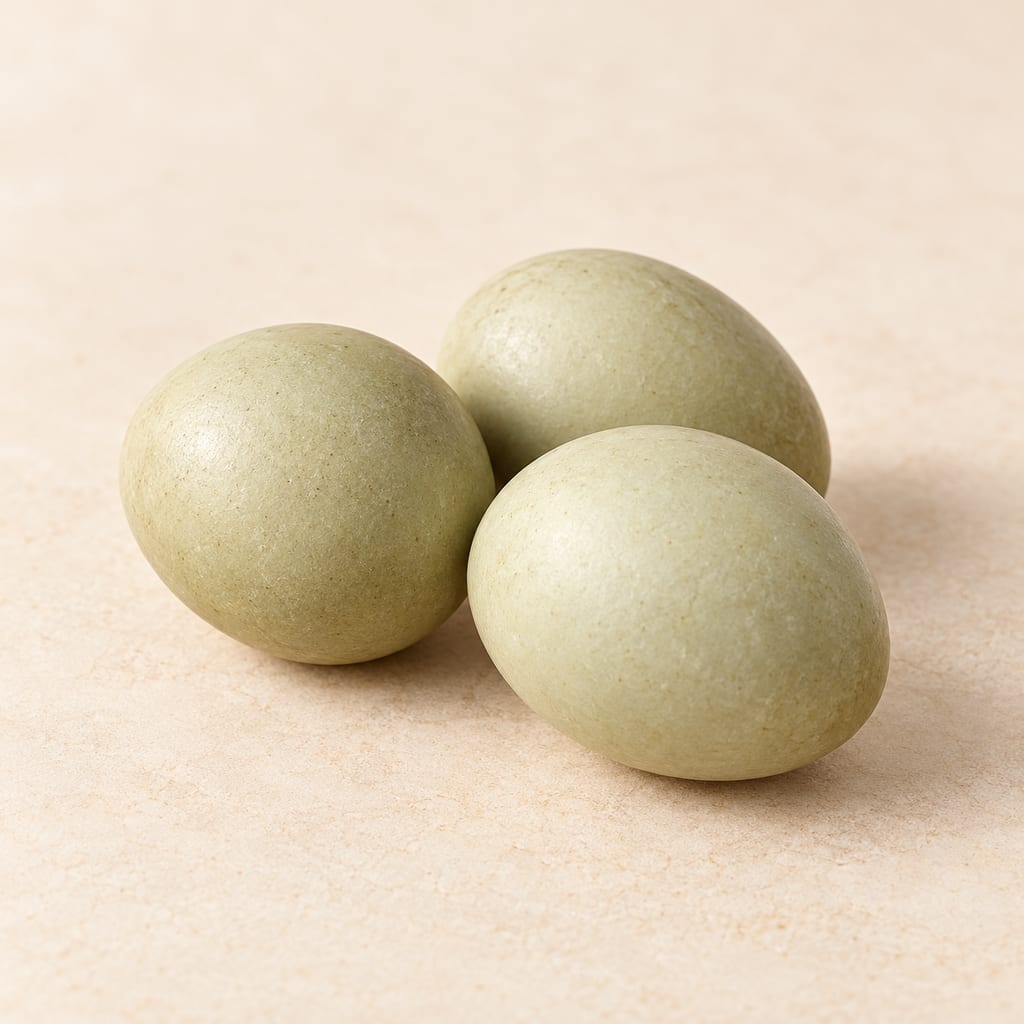
Firsthand accounts describe eider-egg fermentation in Northern Greenland, including a 2019 encounter published in 2024. Sources give no validated controls; egg collection follows Greenland's licensing and seasonal rules.
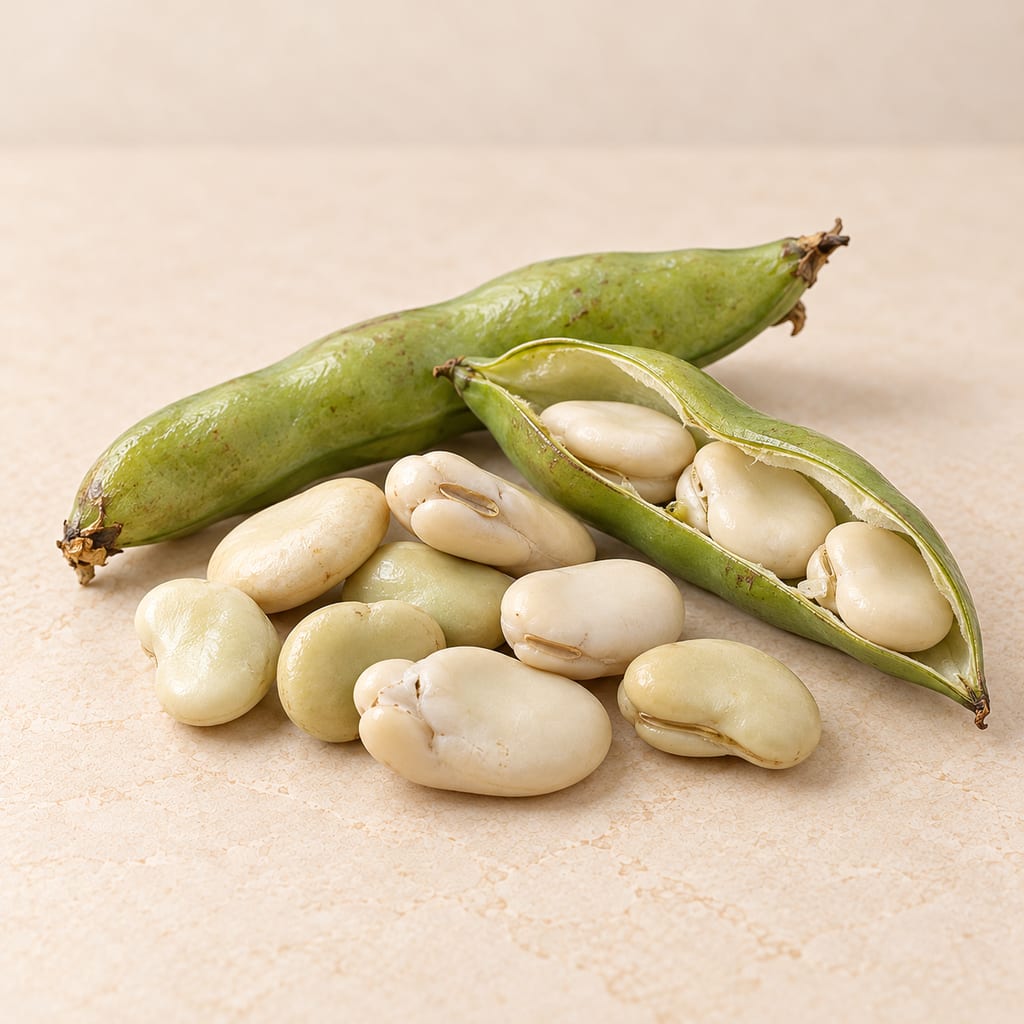
Faba beans are the seeds and edible pods of the cultivated legume Vicia faba L., also sold as broad beans or fava beans. They are eaten fresh or dried and provide the bean flour used in Ethiopian siljo, a sour fermented condiment.
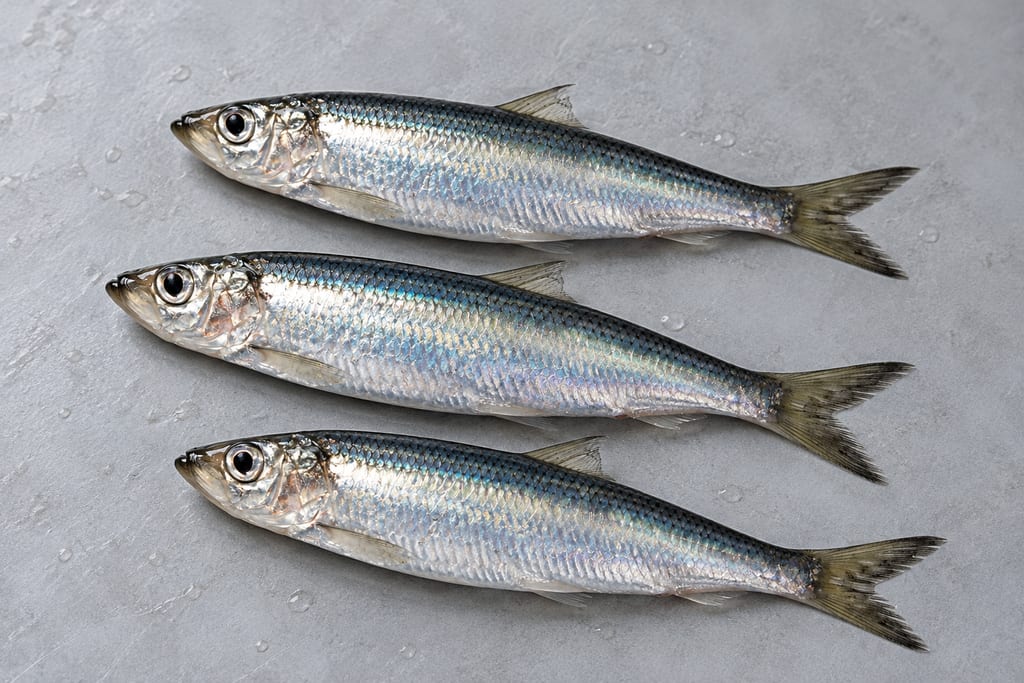
A small, schooling herring of the brackish Baltic Sea, sold under regional names including Finnish silakka and Swedish strömming. It is the raw fish behind several regional preparations, including Sweden’s fermented surströmming.
Salmon roe is the eggs of salmon, eaten fresh, salted or dried and preserved in distinct regional ways. Nuxalk records distinguish fresh roe from aged mutsi; those accounts are historical, not safe-process instructions.
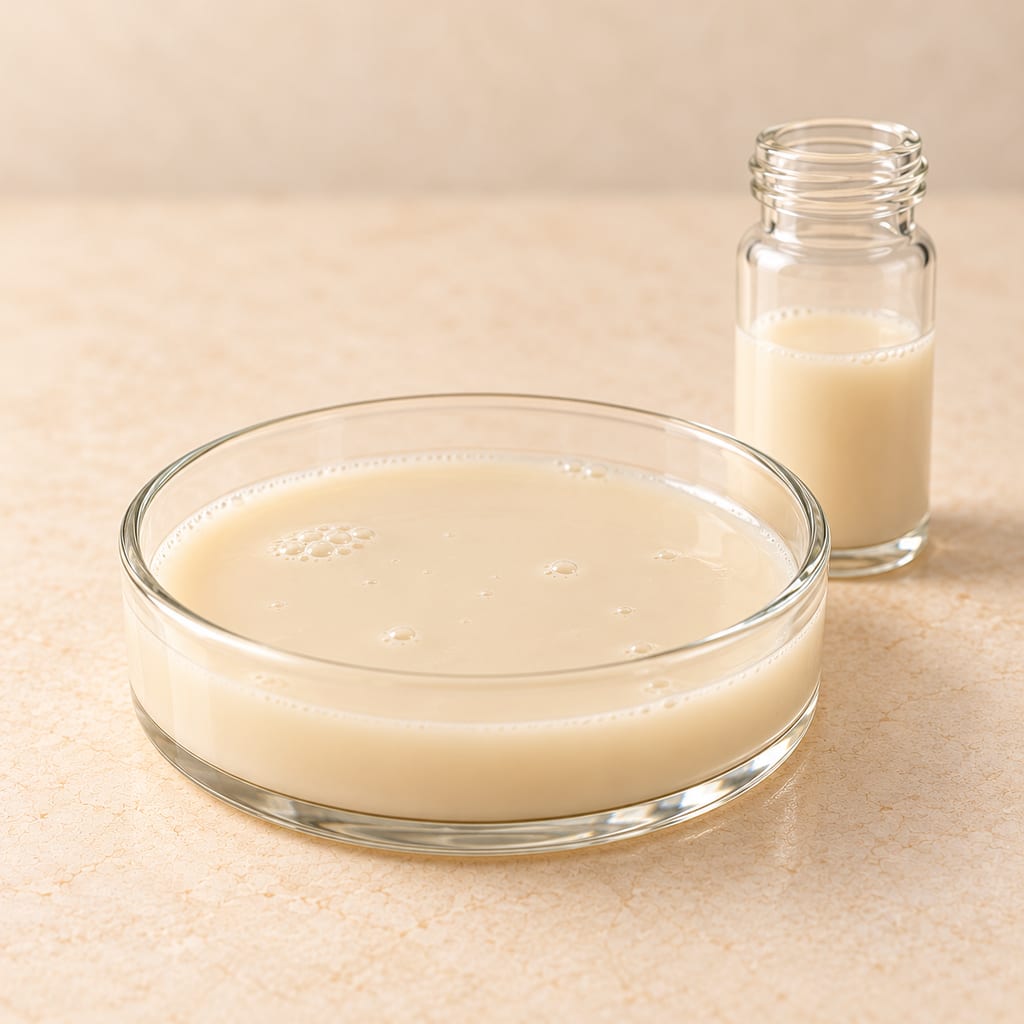
Brewer’s yeast is a working name for living cultures selected for brewing, not one strain or always one species. Ale and lager cultures differ, and older household books may use the term for foam or sediment from brewery beer.
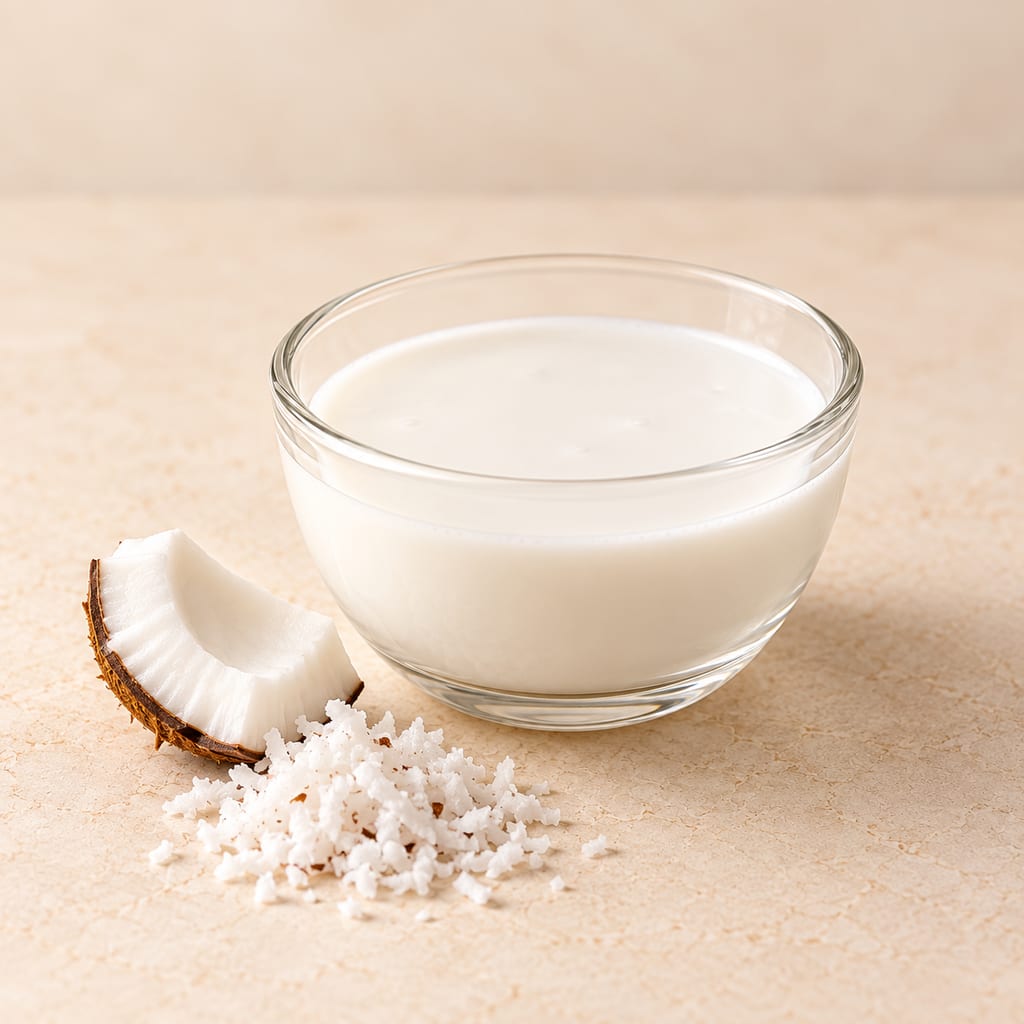
Coconut milk is an aqueous emulsion extracted from mature coconut kernel, sold fresh, packaged or reconstituted. It is distinct from the liquid naturally inside a coconut.
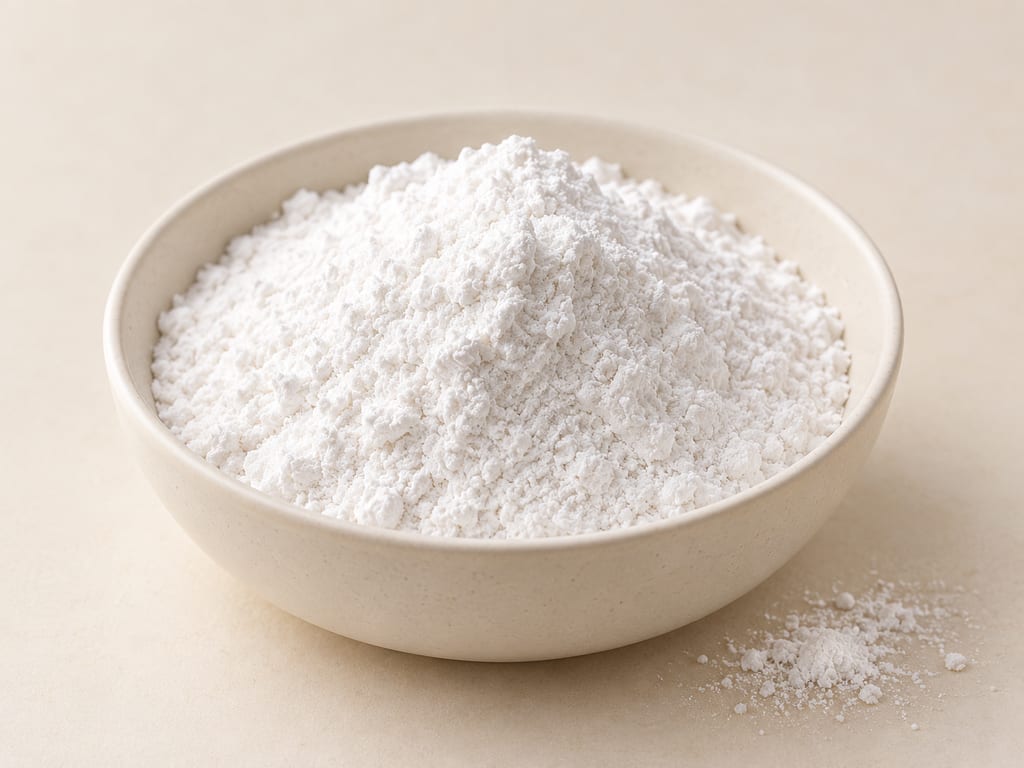
Flour from waxy rice varieties sets into cohesive, chewy doughs and pastes. Cooks use it in rice cakes, dumplings, selected breads and fermented seasoning pastes.
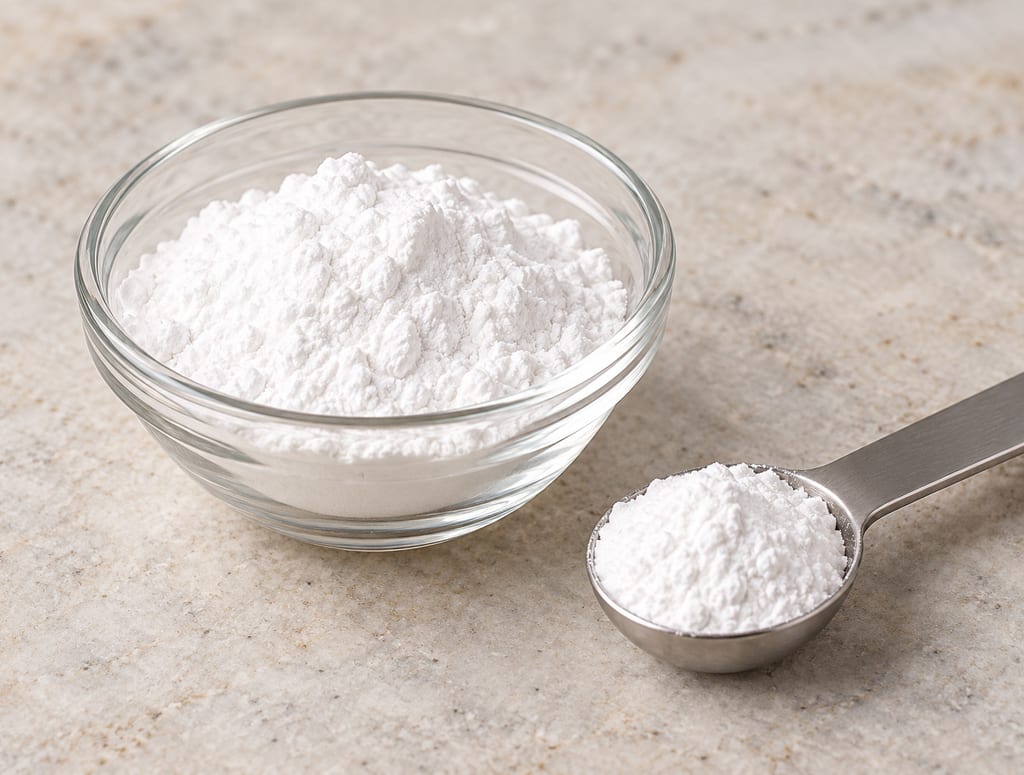
Baking powder is a dry chemical leavener that combines bicarbonate with acid-reacting ingredients and a carrier. Moisture and heat release carbon dioxide for quick breads, batters and griddle cakes.
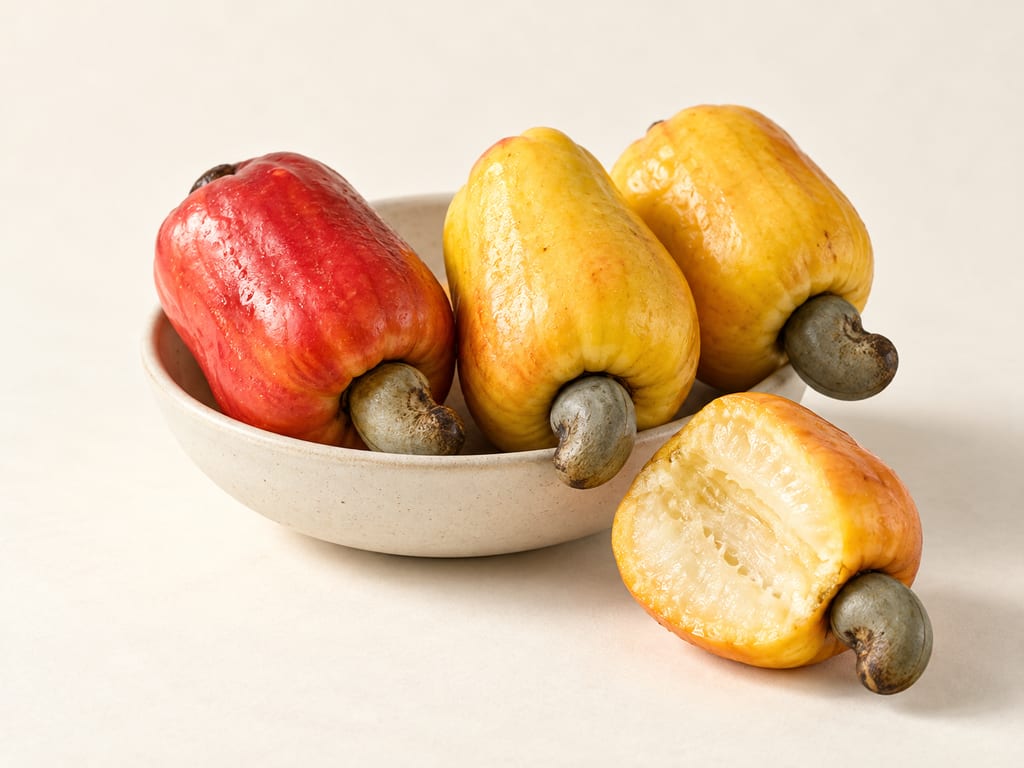
Cashew apple is the juicy swollen flower stalk attached to the cashew nut. Its fresh juice, cajuína, alcoholic ferments and vinegar are distinct products; the nut and its shell are separate materials.
Tapioca starch is the fine starch separated from cassava roots. Cheese breads such as pandebono and pão de queijo use cassava starch, but some recipes specify fermented sour starch. Whole-root cassava flour is a different ingredient.
Sugar-rich liquid tapped from different palms, gathered fresh or transformed into local drinks and sweeteners; species and collection stage shape its composition.
Rice flour is ground, non-waxy rice used in breads, batters and noodles. Its particle size, milling and rice variety shape how it absorbs water and sets when cooked.
Sago starch is edible starch recovered from the pith of sago palms. It is pressed into thin cakes for Indonesian sagu lempeng, cooked as porridge and formed into other foods; in some regions, wet starch also ferments during storage.
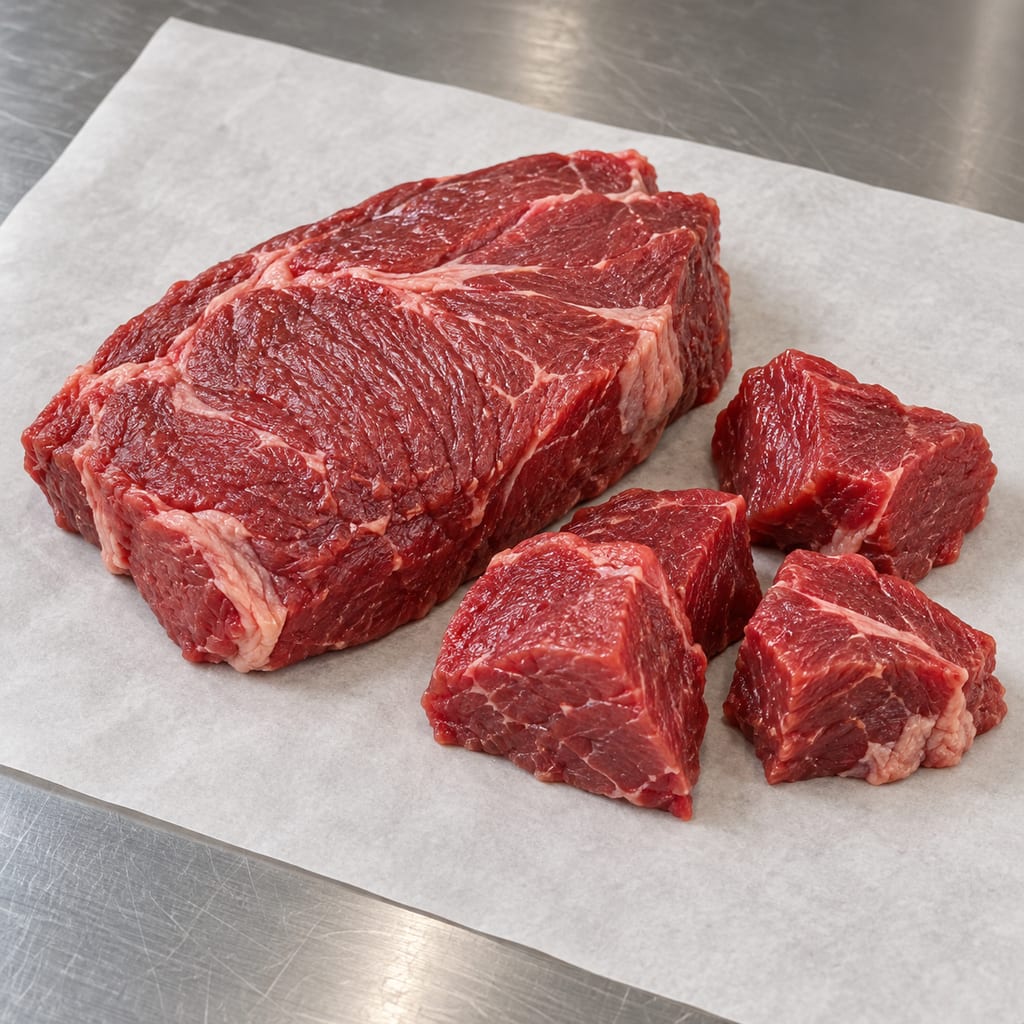
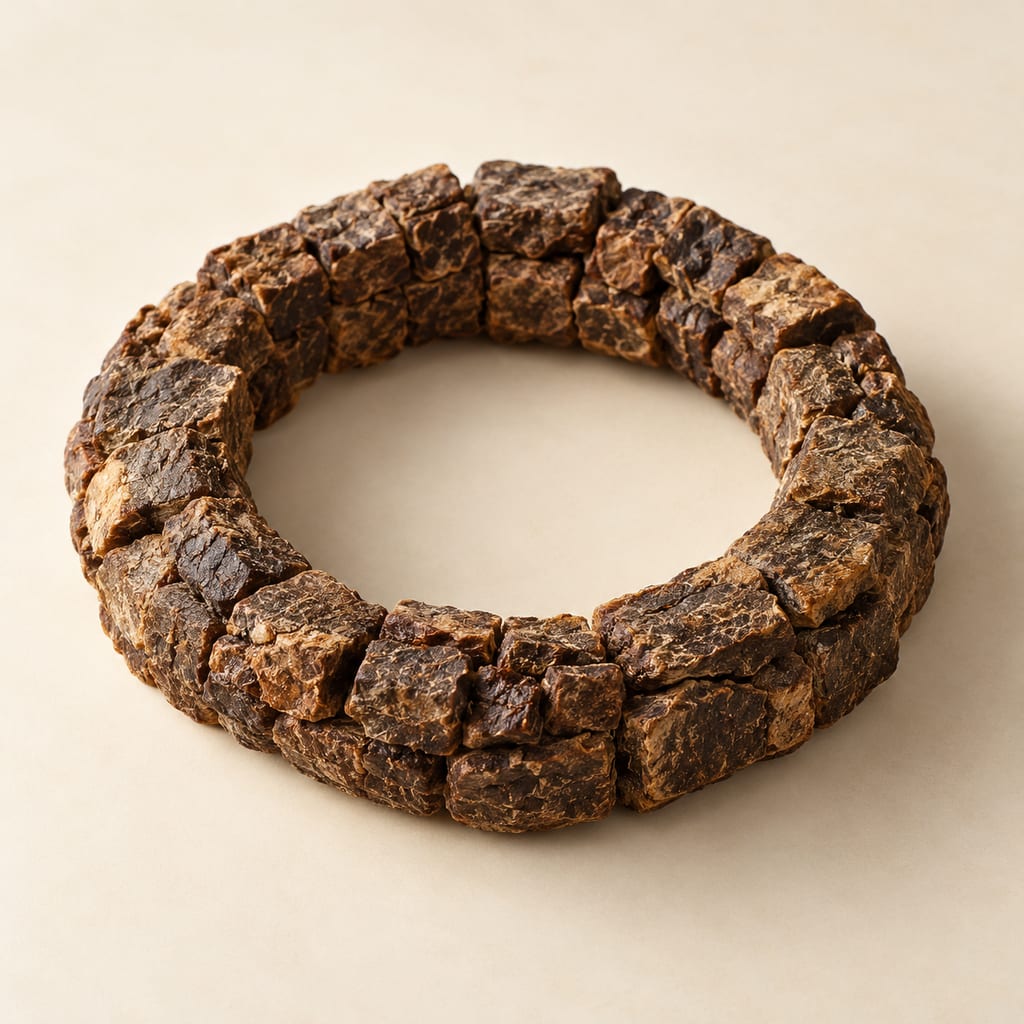
Water-buffalo meat, often called carabeef, is the flesh of Bubalus bubalis; its colour, texture and fat vary with animal, cut and production system. “Buffalo” can also mean bison or African buffalo in other contexts.
Walrus meat is an Arctic subsistence food whose forms, names, and uses vary by community. Its fermented preparations require source-specific description, and fermentation or freezing cannot be assumed to control Trichinella.
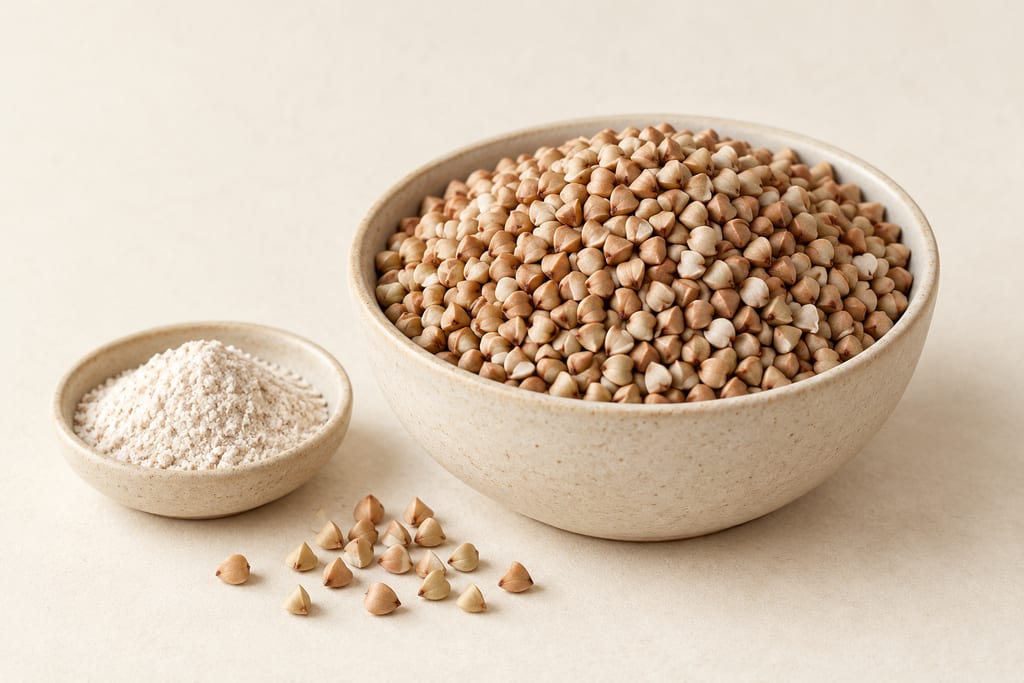
Buckwheat is a triangular-seeded flowering plant whose whole groats and flour cross regional food traditions, from porridge and pancakes to modern sourdough and gluten-free bread.
Wheat is the edible seed of grasses in the Triticum genus, a diverse family of grain crops used whole, cracked and milled. The page covers the raw grain; flour grades and blends have separate pages.
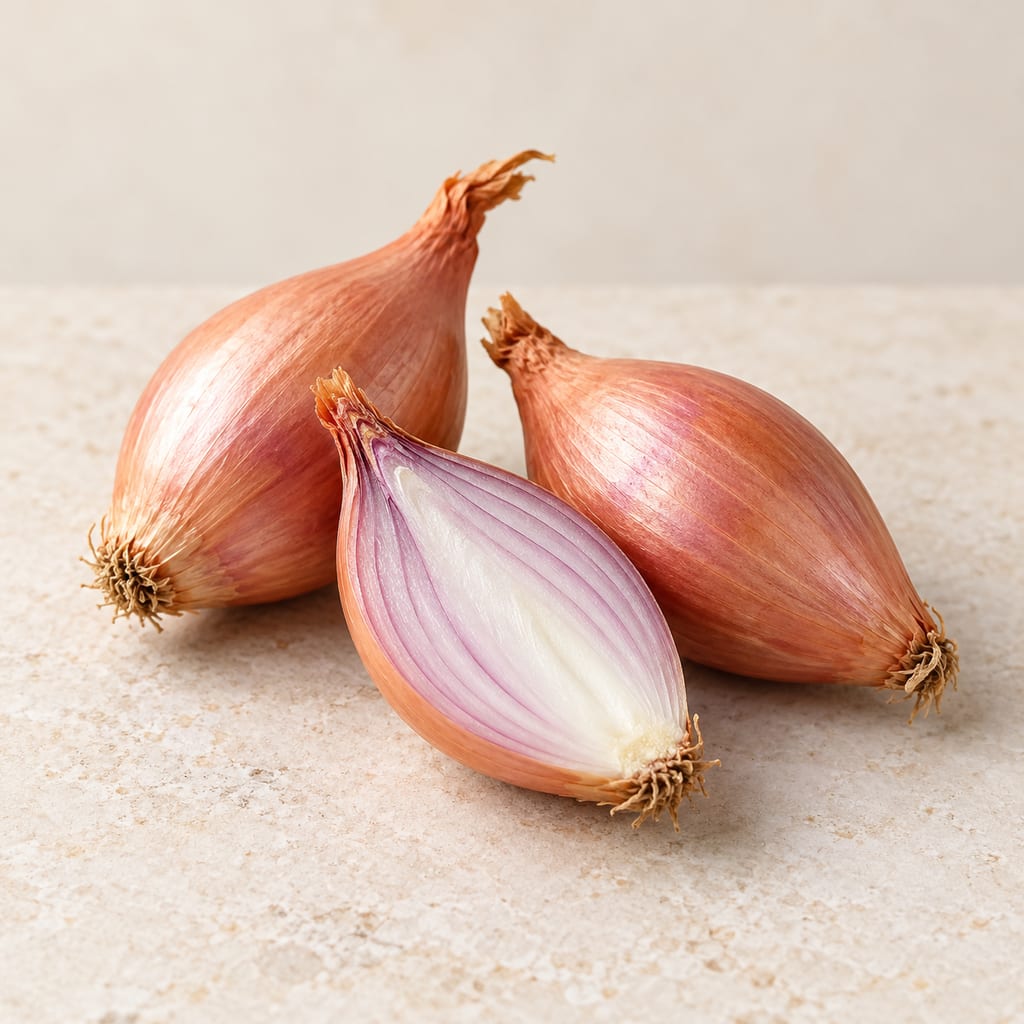
Shallots are small aromatic allium bulbs used raw, cooked and in condiments and fermented vegetable dishes.
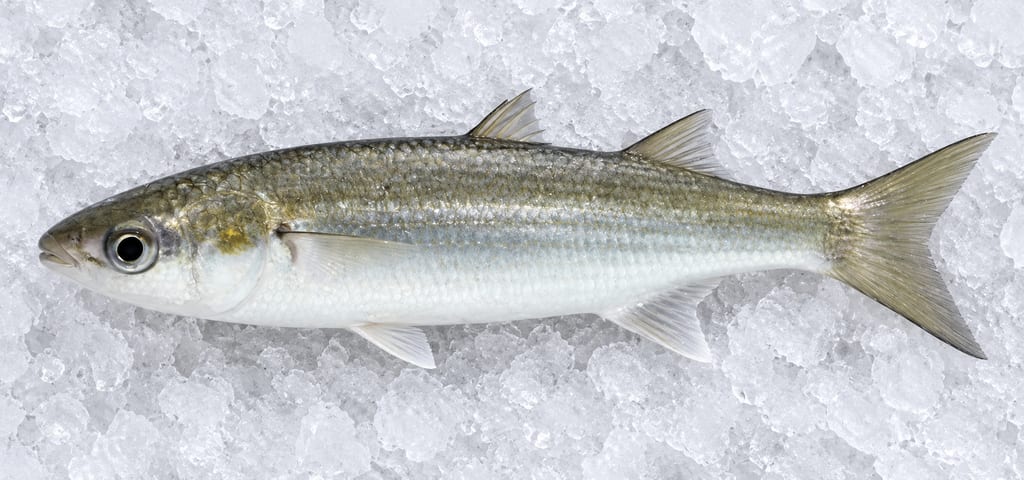
Mullet is a broad name for several coastal fishes. In the Cape West Coast bokkom tradition, the local harder is the southern mullet Chelon richardsonii, formerly Liza richardsonii; identify species and product before substituting.

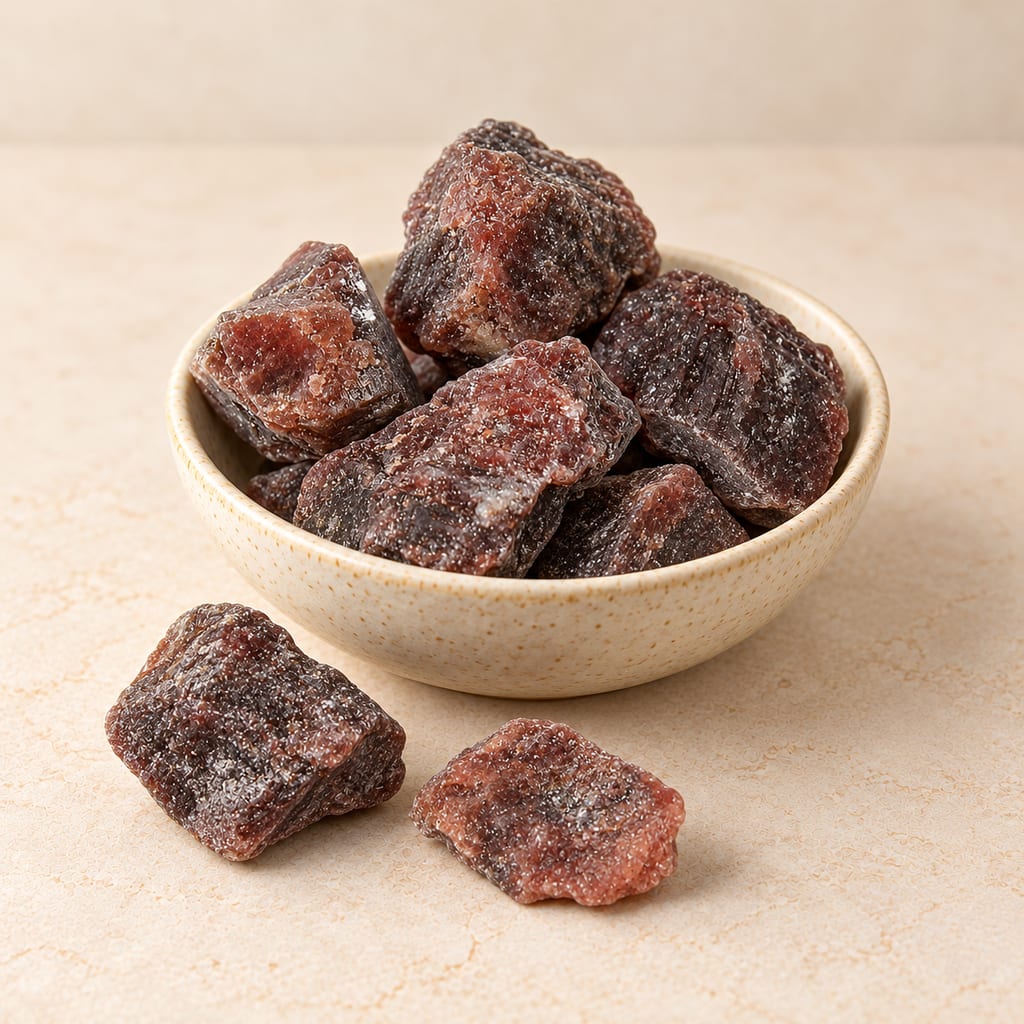
Rock salt from Pakistan’s Salt Range is sold in various forms, including pink salt intended for culinary use.
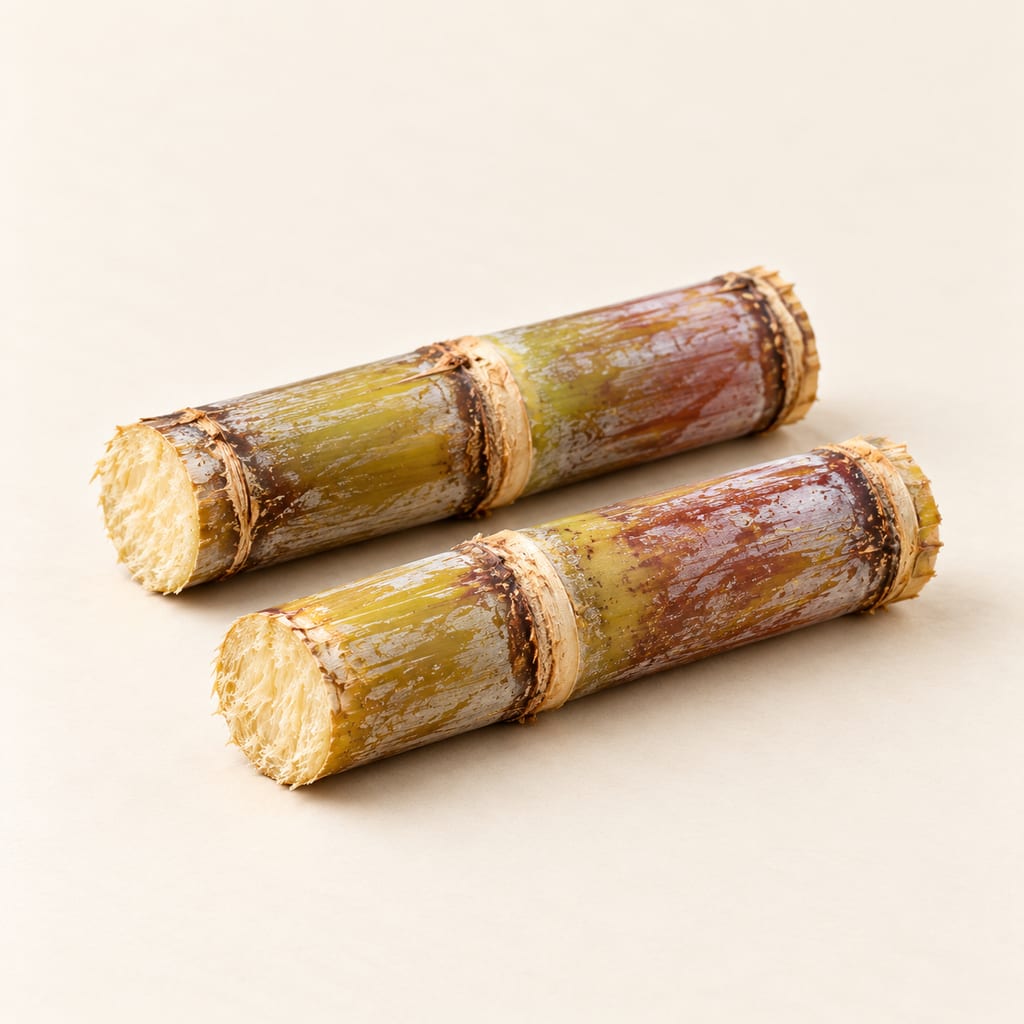
Sugarcane is a tall tropical grass whose jointed stalk stores sucrose-rich juice. Fresh cane and its expressed juice feed very different preparations, from boiled sugar and syrups to fermented drinks such as Ilocano basi.
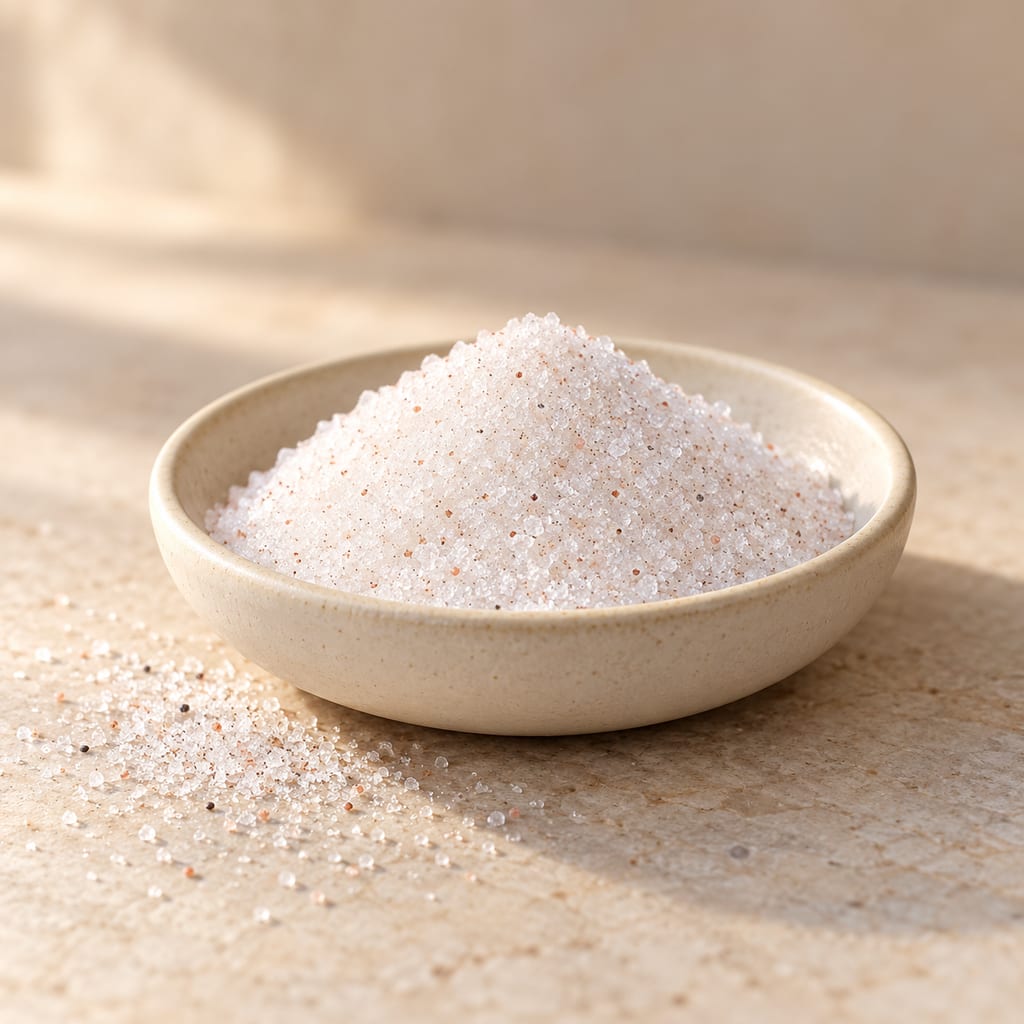
Redmond Real Salt is a branded culinary salt mined in central Utah and sold in several grain sizes.
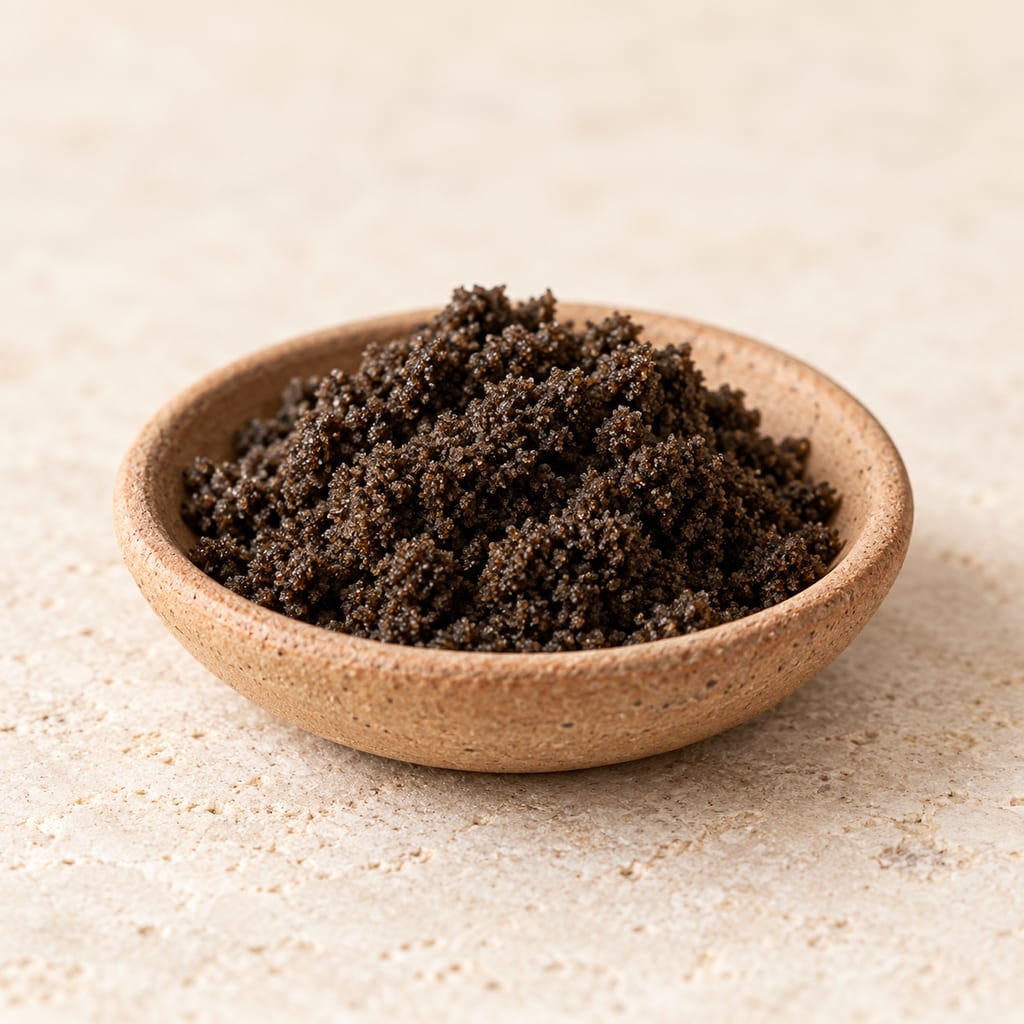
A dark, traditionally produced salt associated with Sacapulas in Guatemala’s Quiché department.
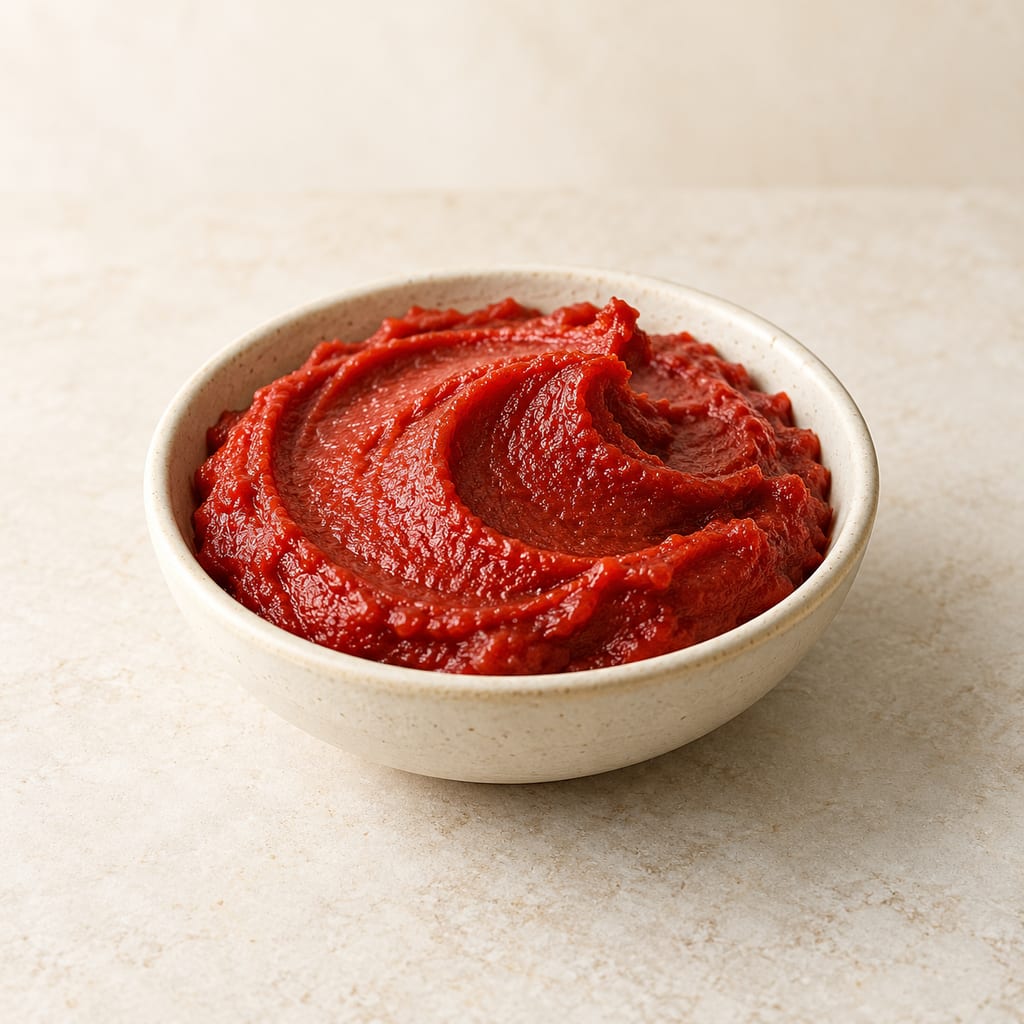
Double concentrated tomato paste is a thick tomato ingredient used to add colour and concentrated flavour to sauces and condiments.
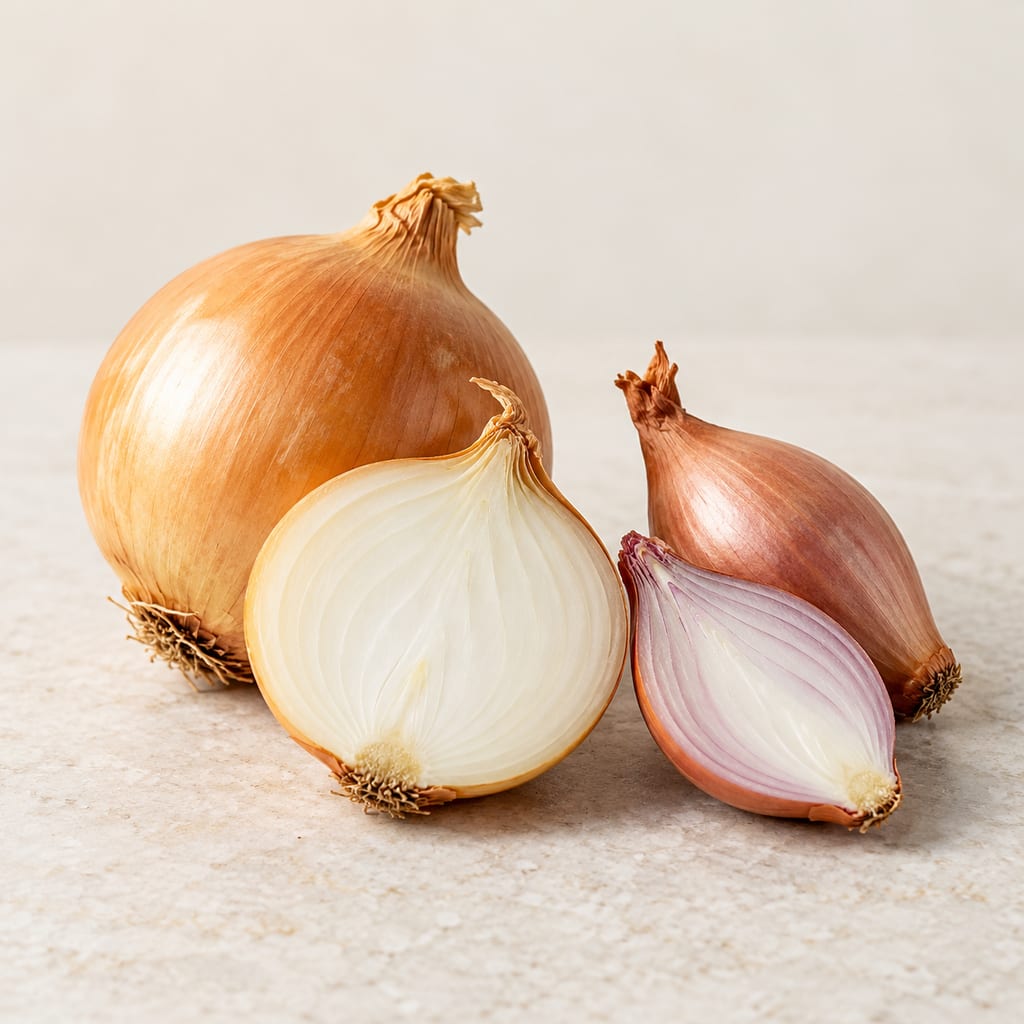
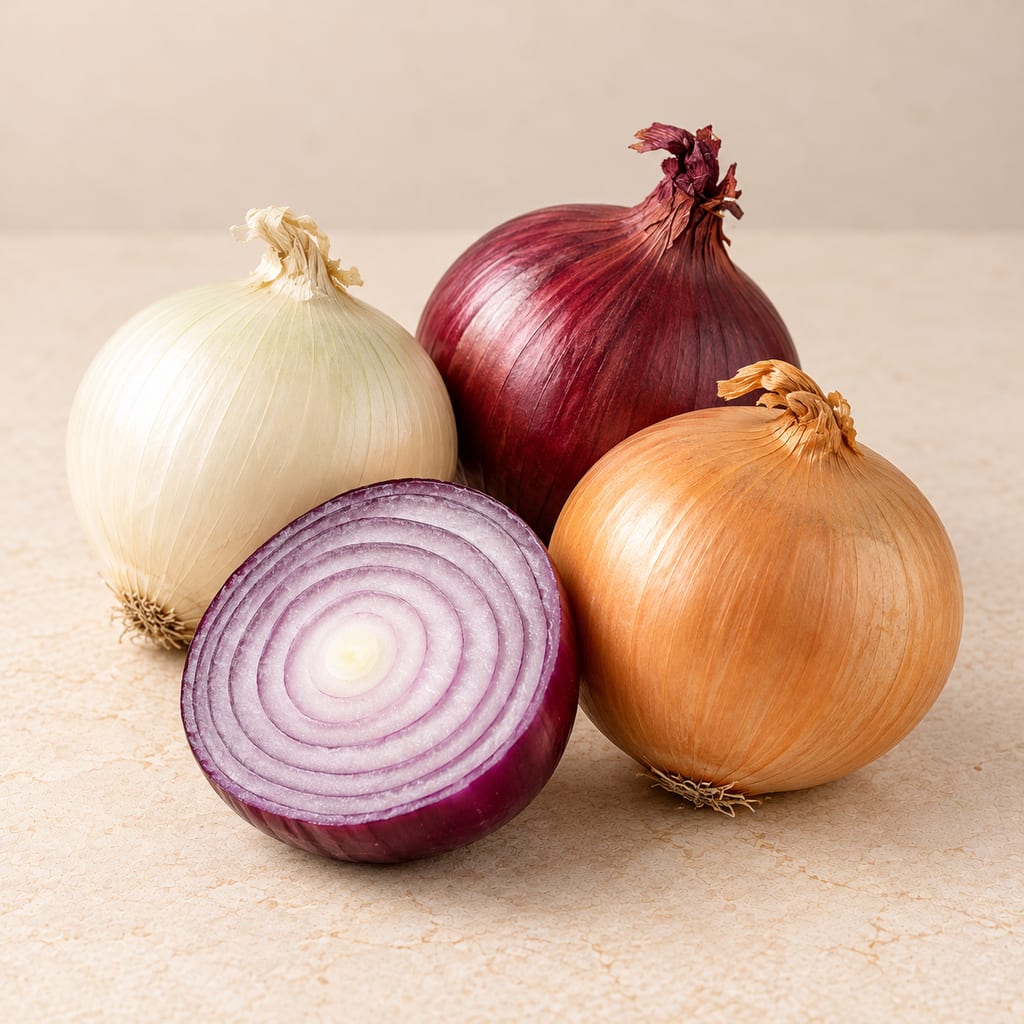
Onions and shallots are aromatic layered bulbs used raw, cooked and in fermented or preserved condiments.
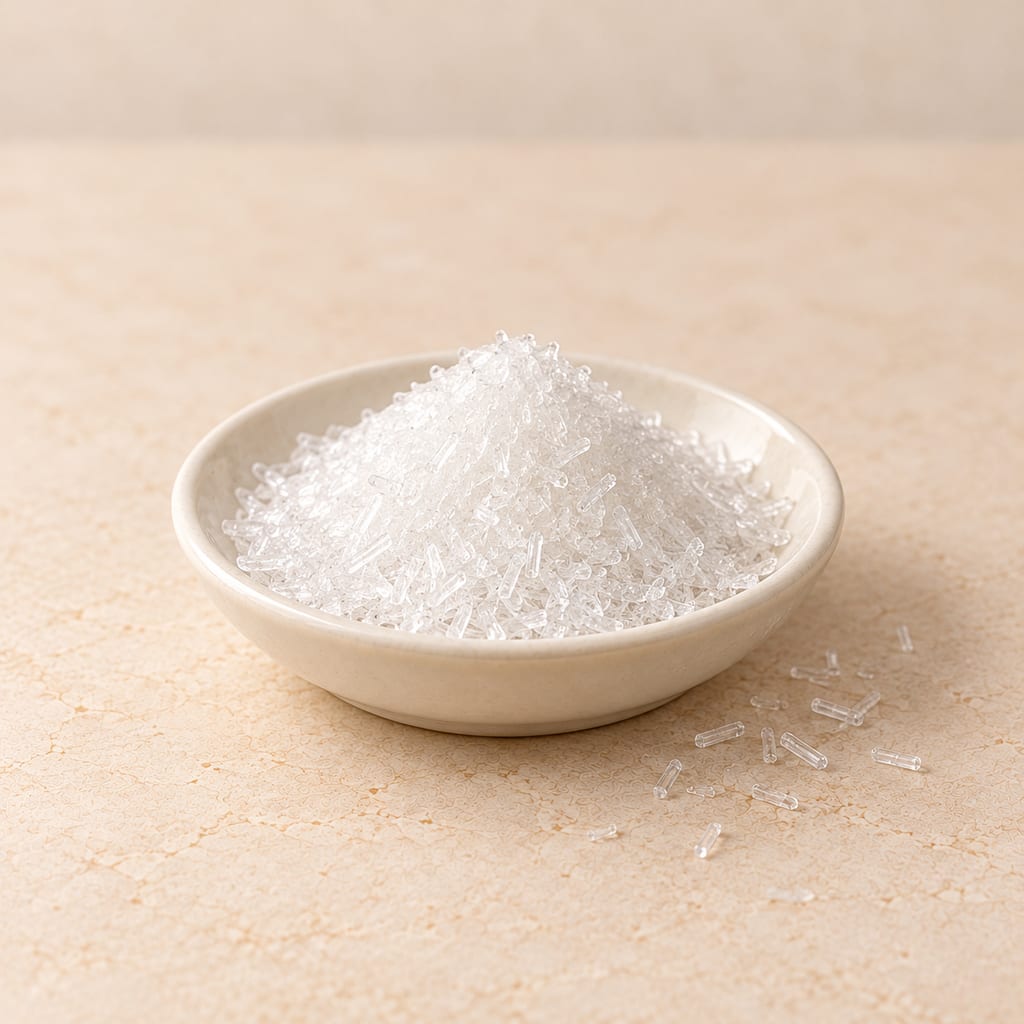
Monosodium glutamate is a crystalline savoury seasoning whose glutamate contributes umami to foods.
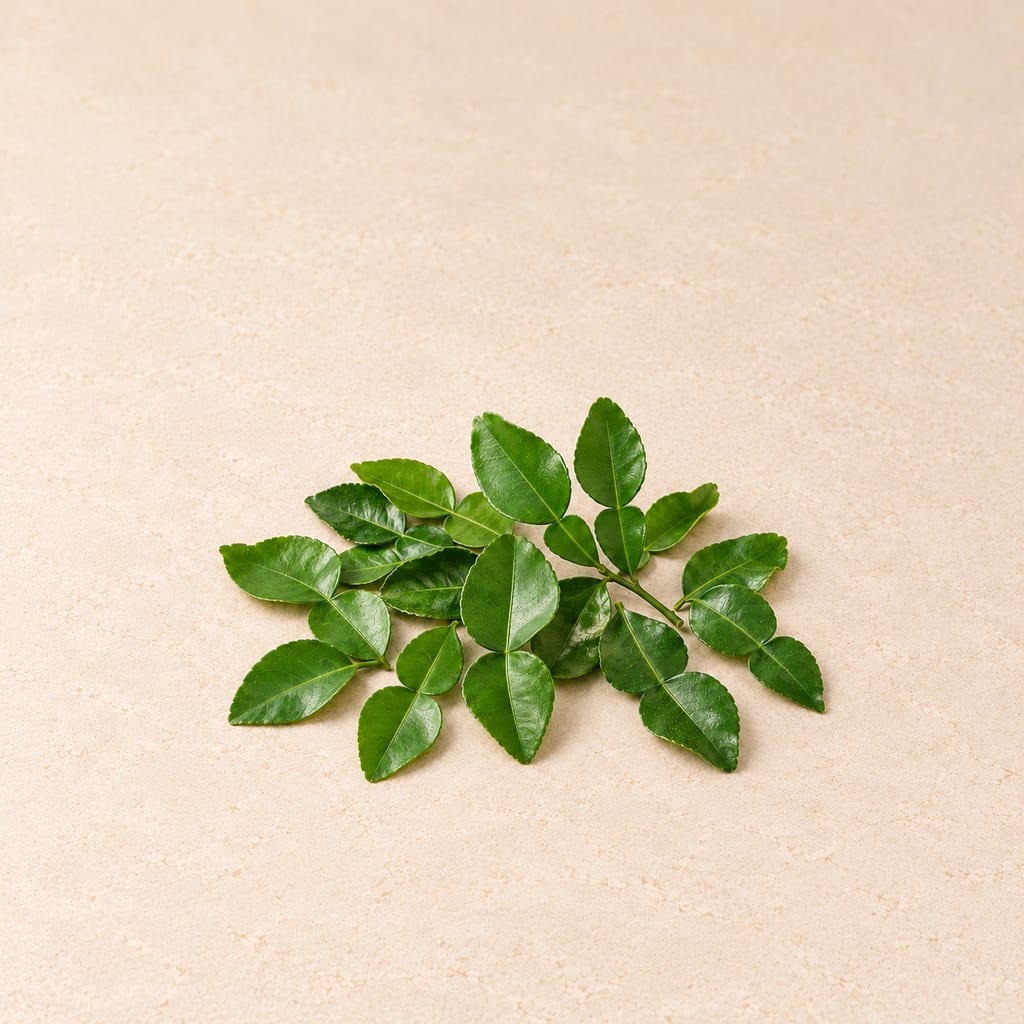
The fragrant leaves of Citrus hystrix bring a distinctive citrus aroma to Southeast Asian soups, curries, pastes and condiments.