


Acid whey
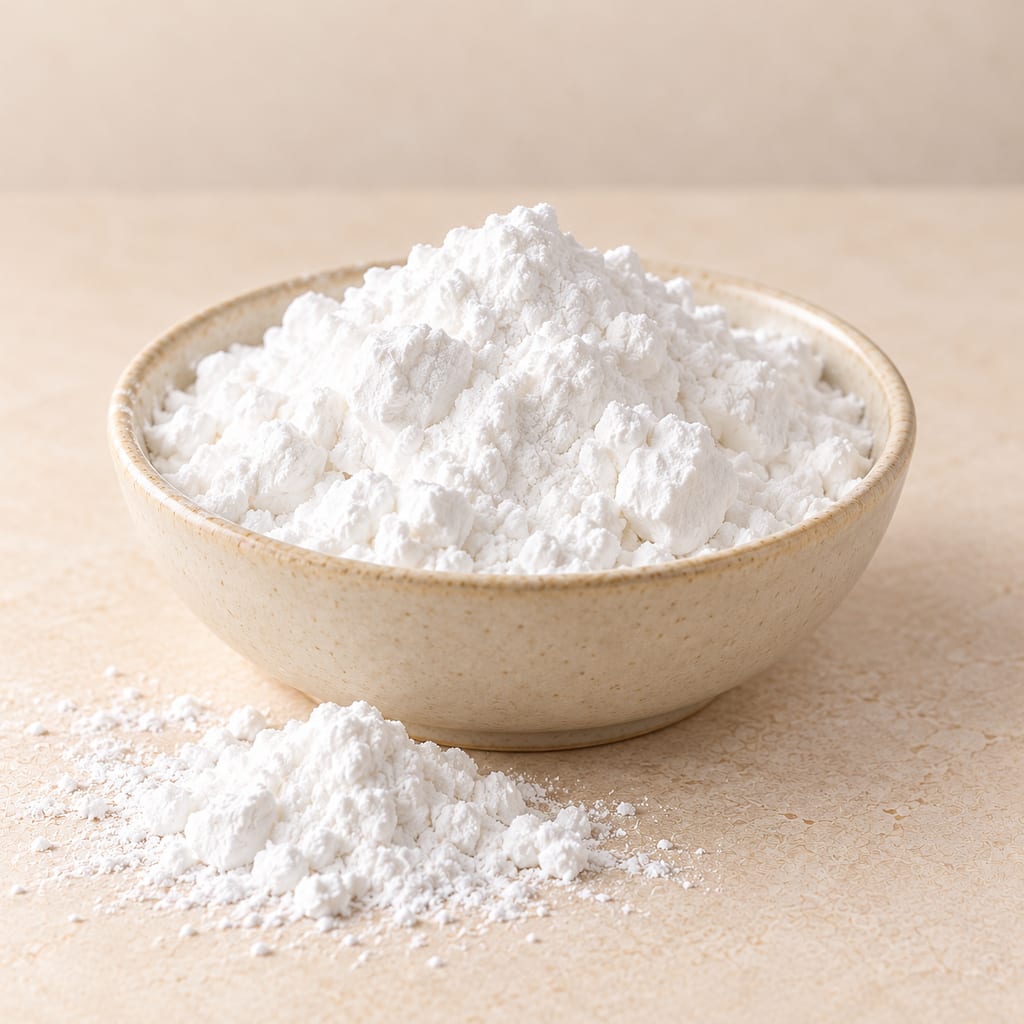
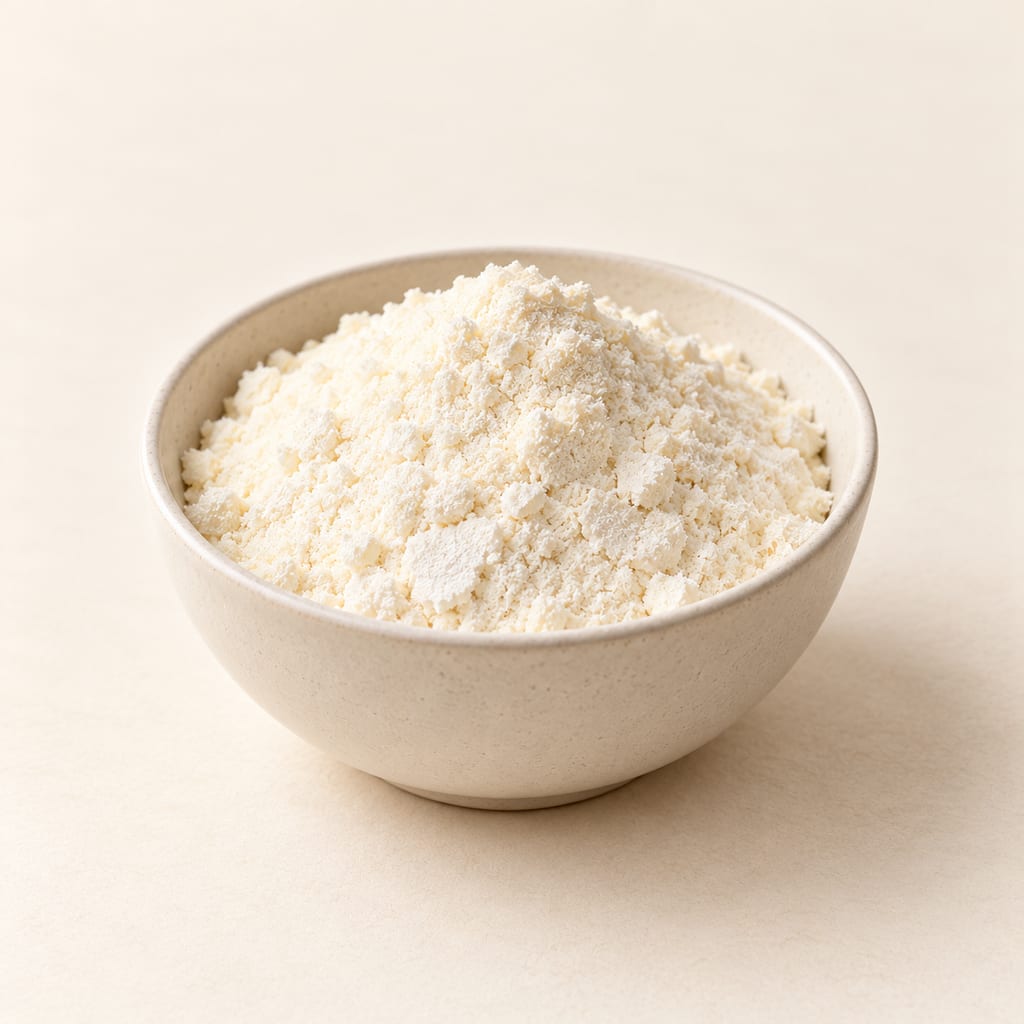
Acid whey is liquid left after acid coagulation of milk, including cultured dairy. Its composition and uses vary. Icelandic sour skyr-whey is related, but not automatically the same material.
 FermenteaWhere food goes to change
1086 articles on substrates, cultures and additives.
Acid whey is liquid left after acid coagulation of milk, including cultured dairy. Its composition and uses vary. Icelandic sour skyr-whey is related, but not automatically the same material.

Black carrot is the anthocyanin-pigmented Eastern carrot (Daucus carota var. atrorubens), the purple root that preceded orange types and still colours kanji and şalgam.
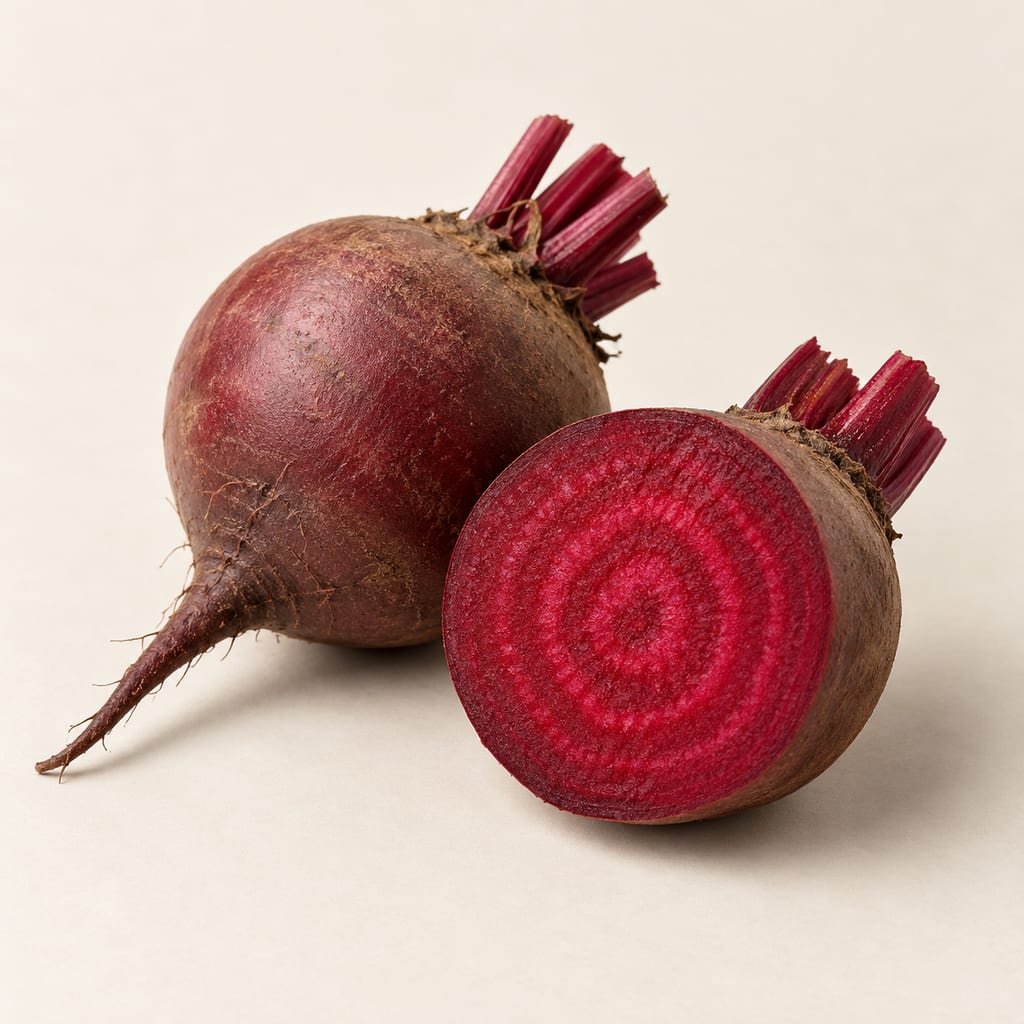
Beetroot is the red taproot of Beta vulgaris. In Poland its soured juice replaced hogweed as the base of barszcz from the eighteenth century, and beet leaven is still made for Christmas Eve.
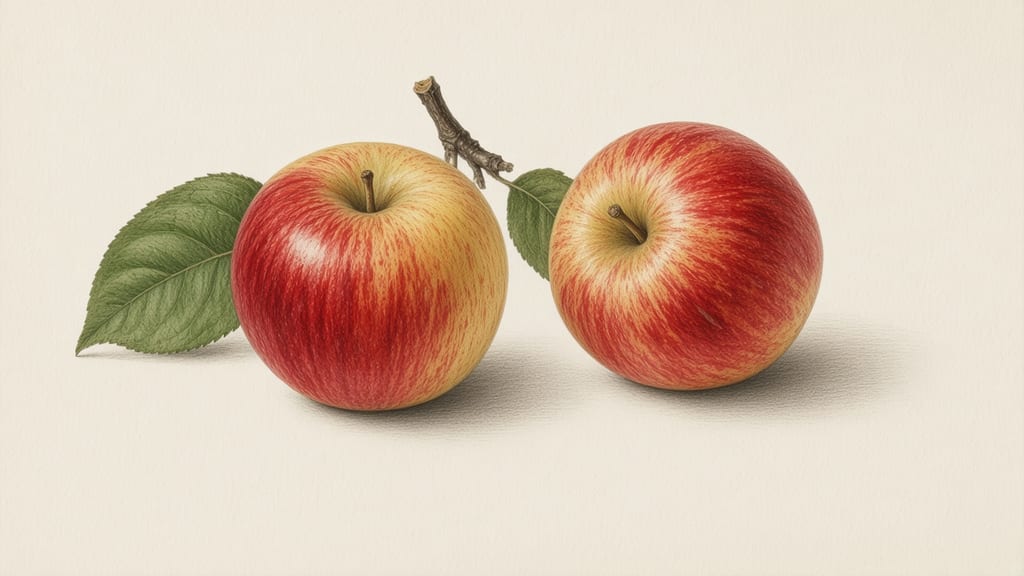
The Redstreak was the famous seventeenth-century cider apple of Herefordshire, linked with Lord Scudamore. A yellow apple streaked with red, it was lost as a distinct variety by the 1880s.
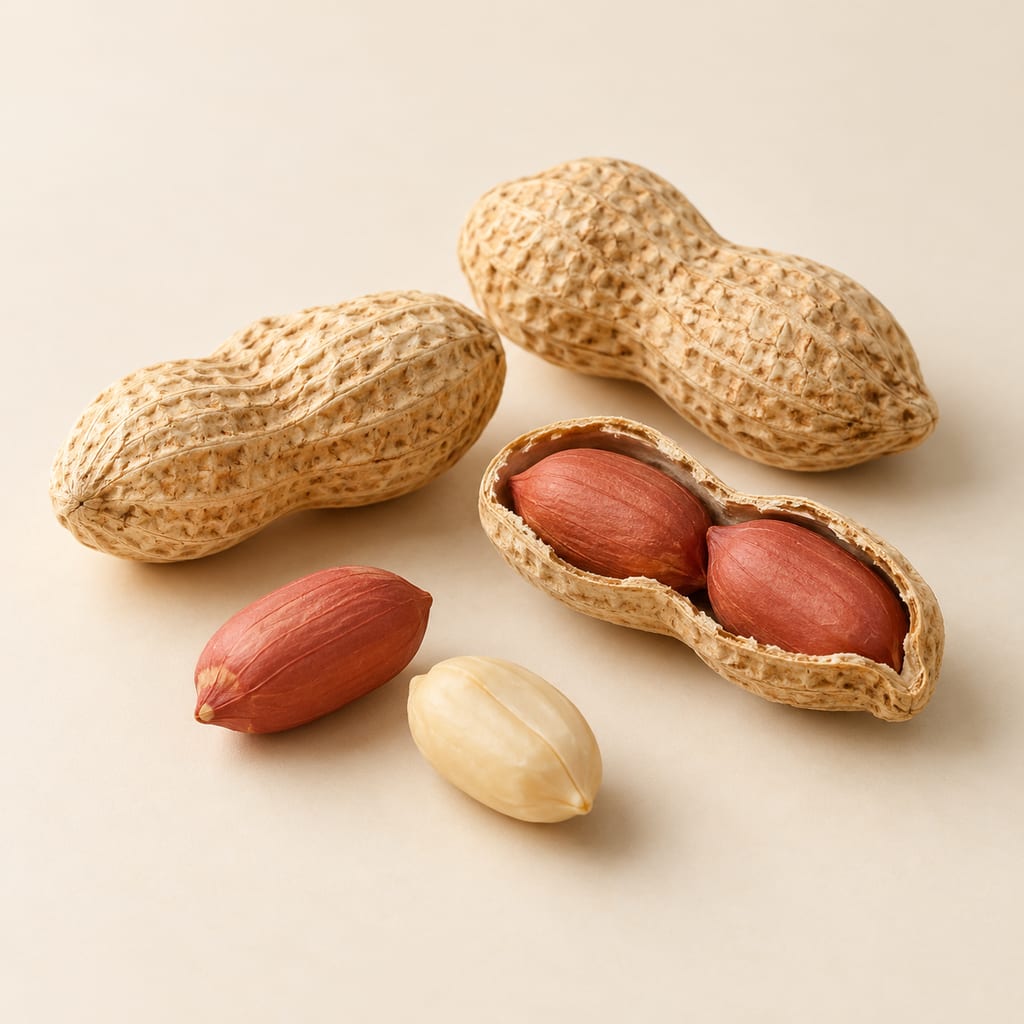
Peanuts are the edible seeds of Arachis hypogaea, a cultivated legume. They are eaten whole, roasted and ground, and peanut oil-press cake is a separate byproduct used in some fermentations.
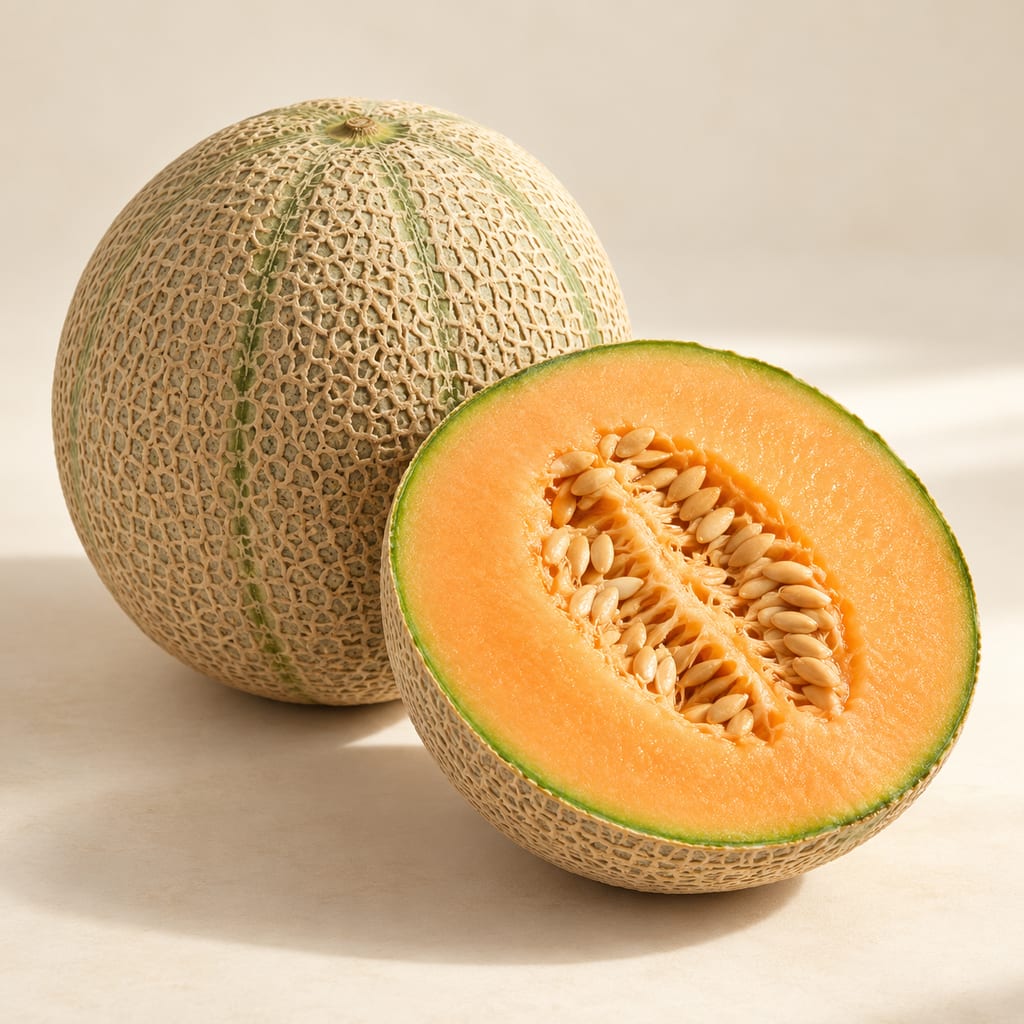
Cucumis melo, a cultivated melon of the Cucurbitaceae. Its origin is still debated: a review proposes Africa, and the wild melons it discusses are described as non-edible.
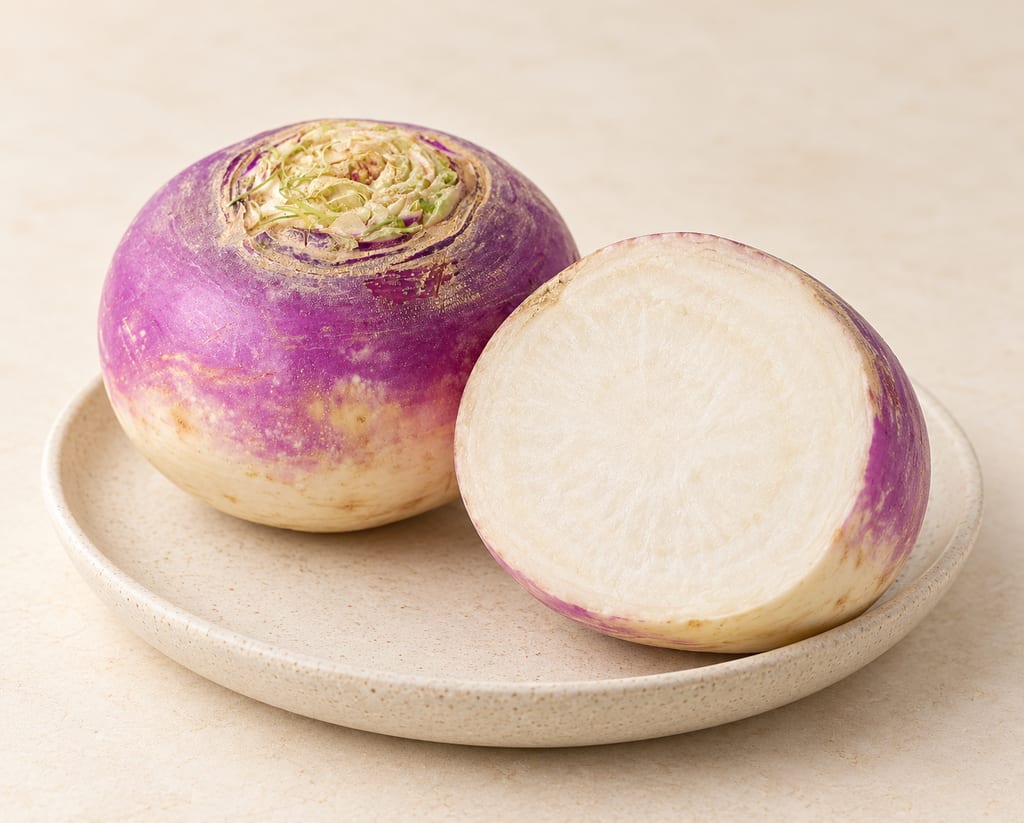
The turnip, a brassica crop whose roots and leaves are eaten. The source record names the species Brassica rapa, but its wild and naturalised forms are not assessed here.
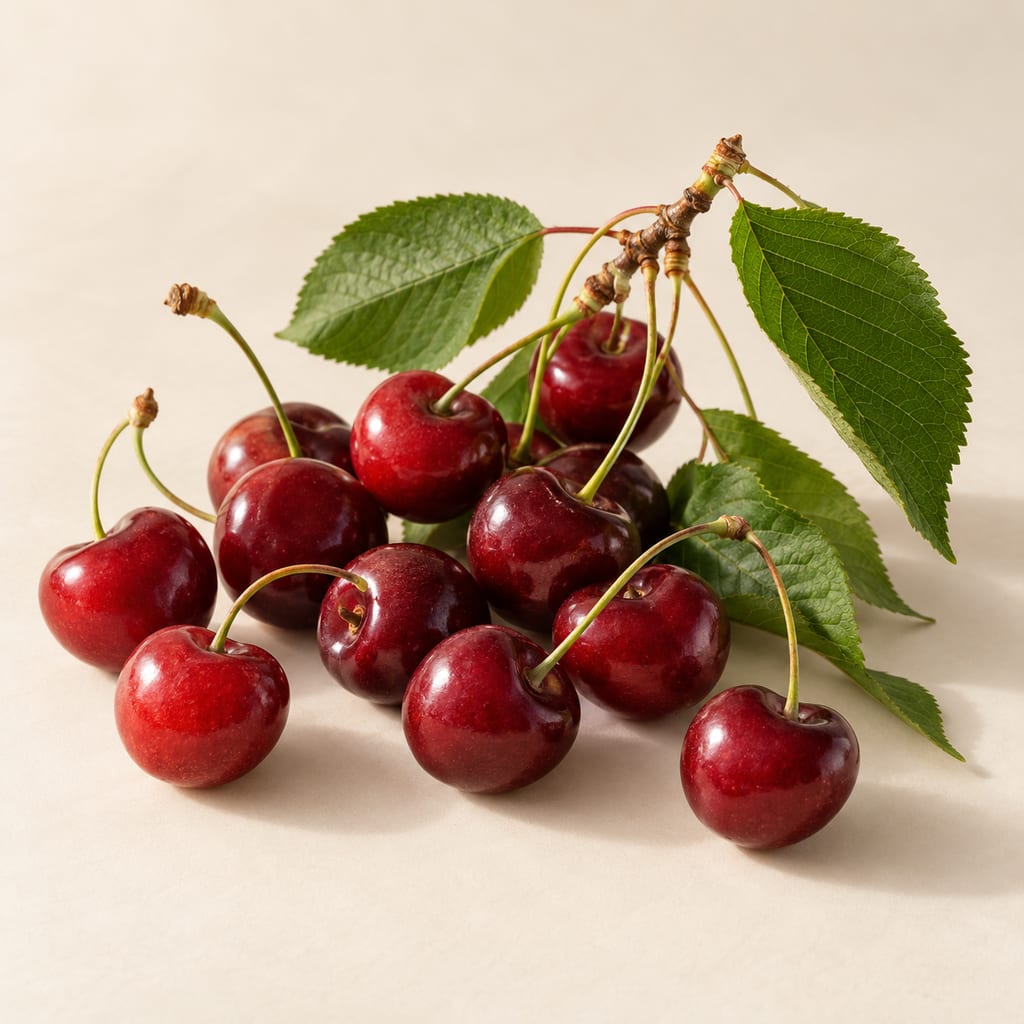
Prunus avium, the wild or gean cherry of Great Britain and Ireland, bears red summer fruit eaten by birds and used in cherry brandy. Kernel and leaf safety are not settled by the sources read.
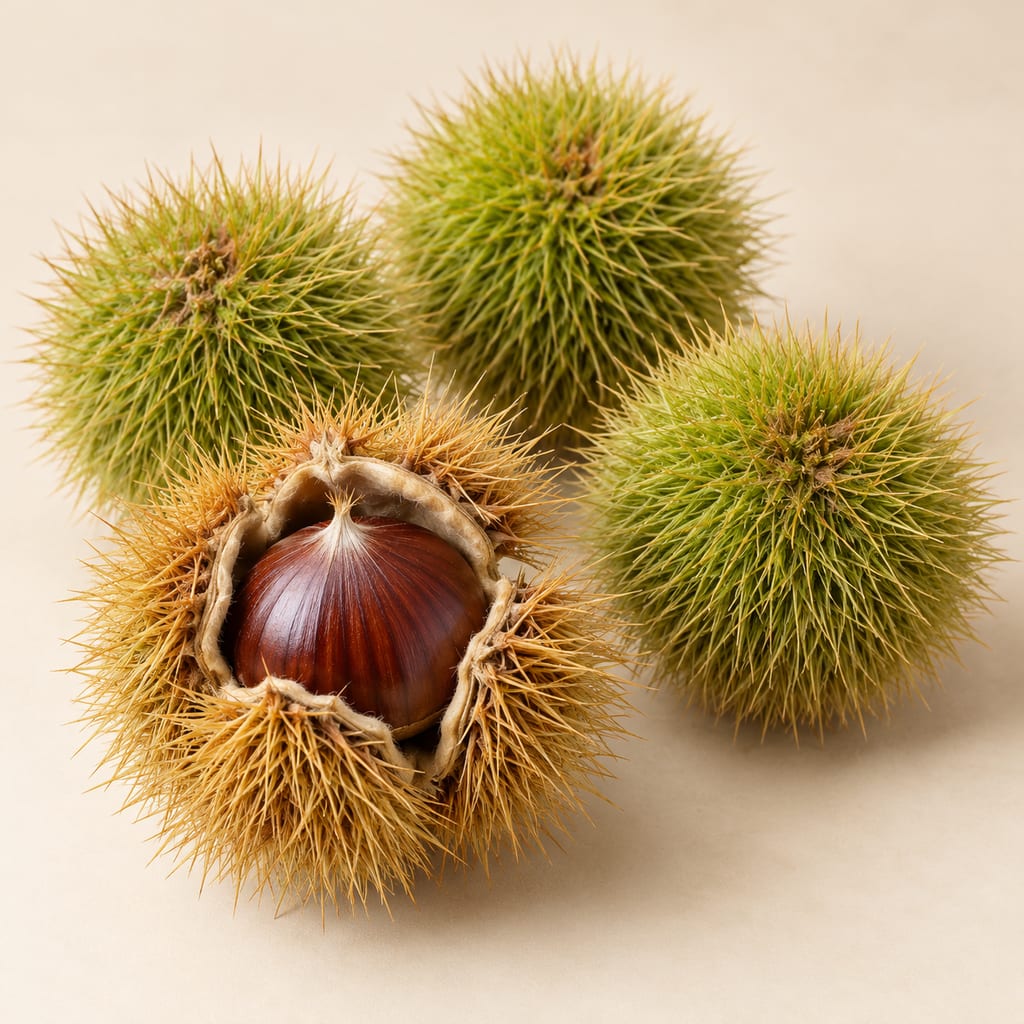
Sweet chestnut (Castanea sativa), a starchy tree nut eaten roasted, as flour and in confectionery, and kept apart from the toxic fruit of horse chestnut.
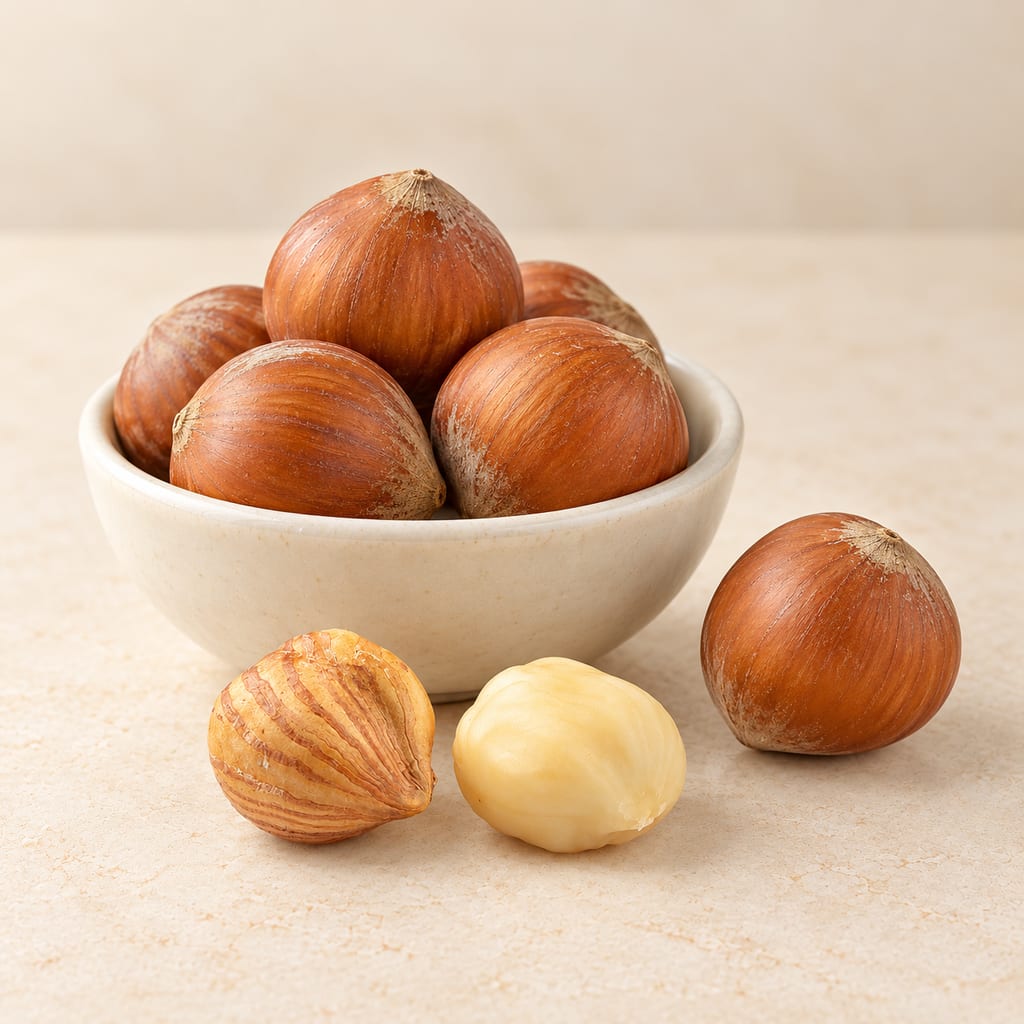
Hazelnuts from Corylus avellana, the common hazel, eaten raw, roasted or ground, with the Piedmont protected product and the limits of regional growing and storage advice.
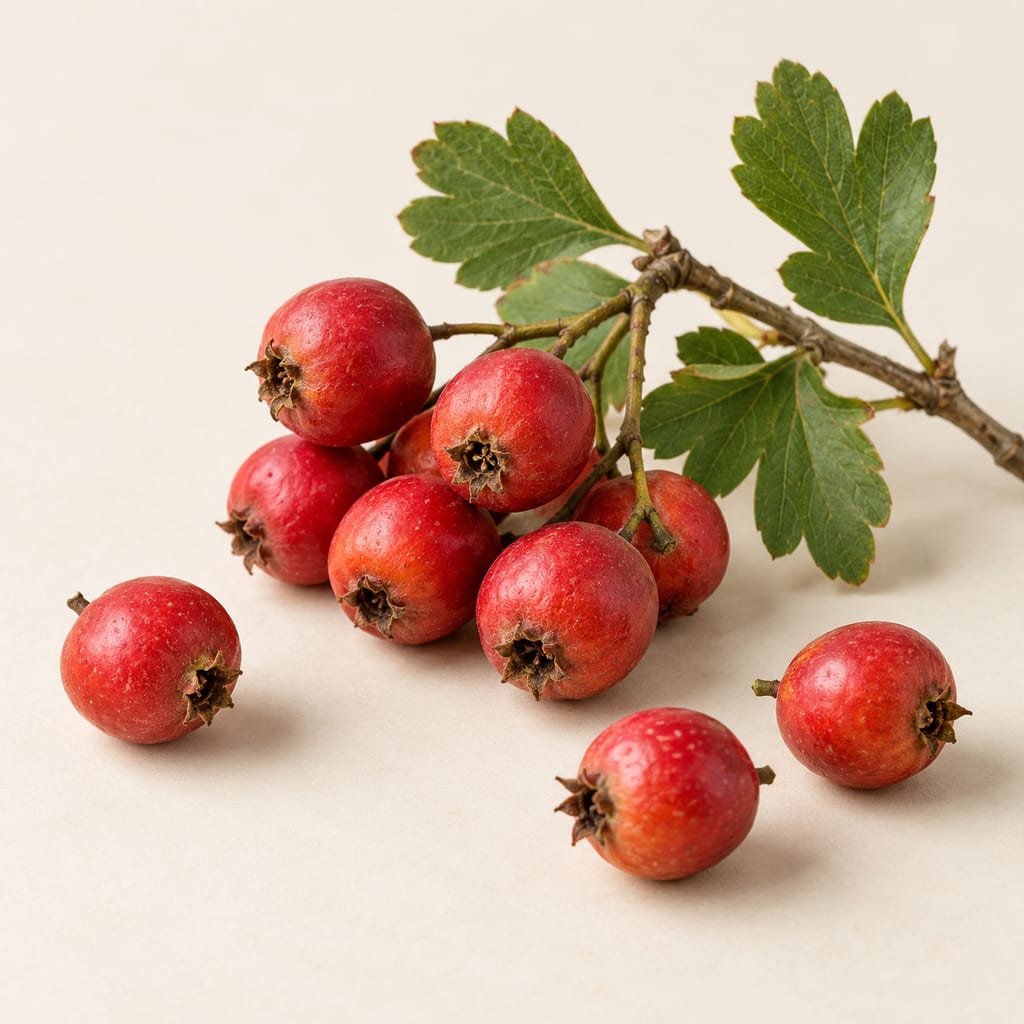
Common hawthorn (Crataegus monogyna), a hedgerow shrub whose red haws and young leaves are reported as food, with sources that disagree on raw fruit and leaves.
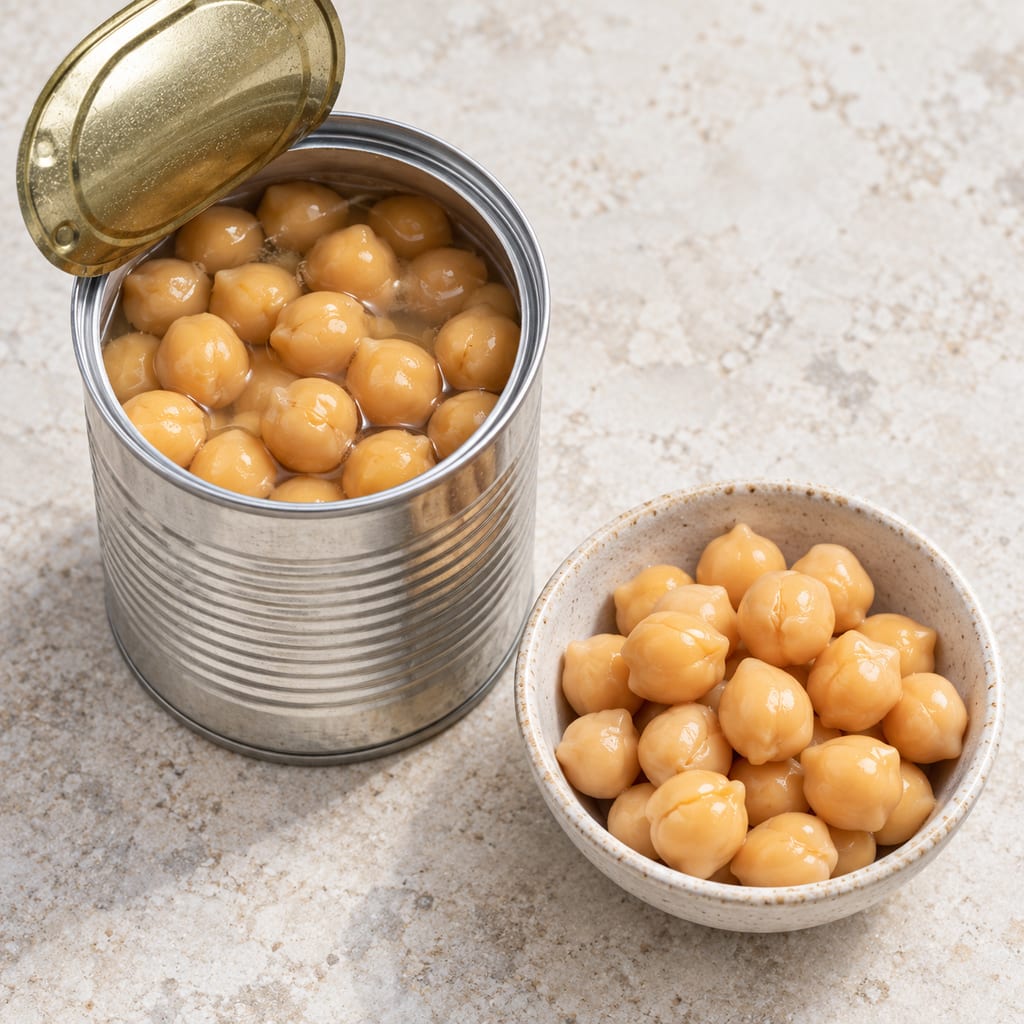
Canned chickpeas are commercially cooked seeds of Cicer arietinum packed in liquid. The beans and their starchy cooking liquid can both be used; salt and texture vary by brand.
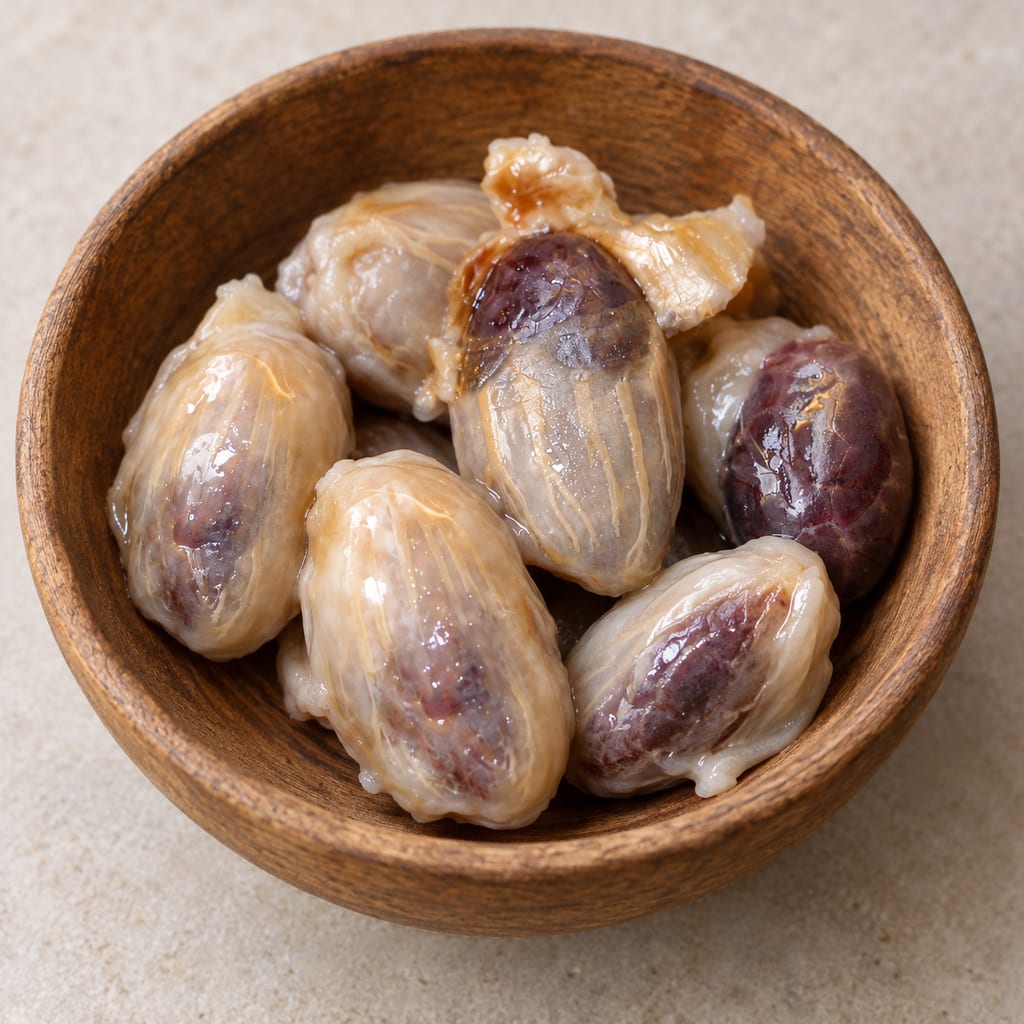
Fresh cocoa beans with pulp are cacao seeds newly removed from the pod while the sweet-acid white mucilage still clings to them. The seed-and-pulp mass is the starting material for post-harvest cocoa fermentation.
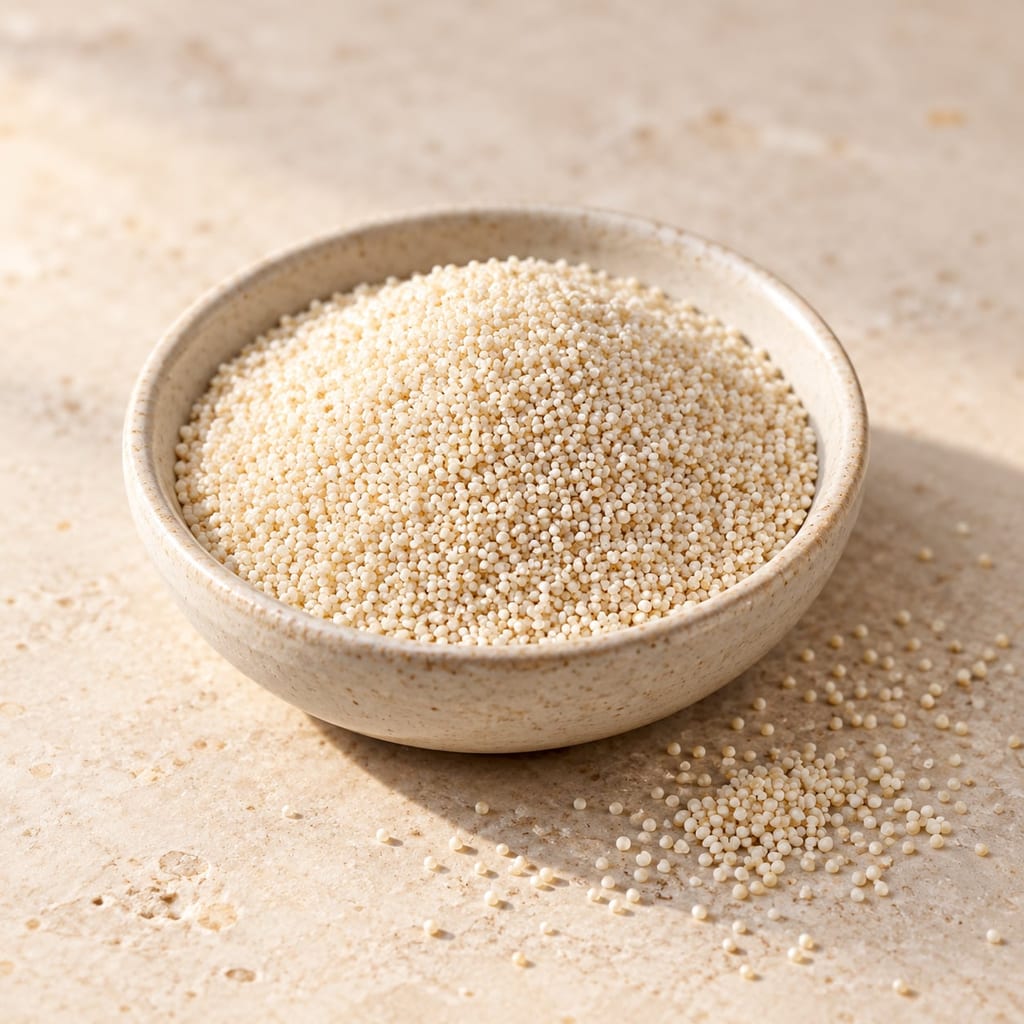
Fonio covers two distinct West African cereals: white fonio (Digitaria exilis) and black fonio (D. iburua). Both are eaten in cooked dishes; sources also document fermented drinks and controlled fonio fermentations.
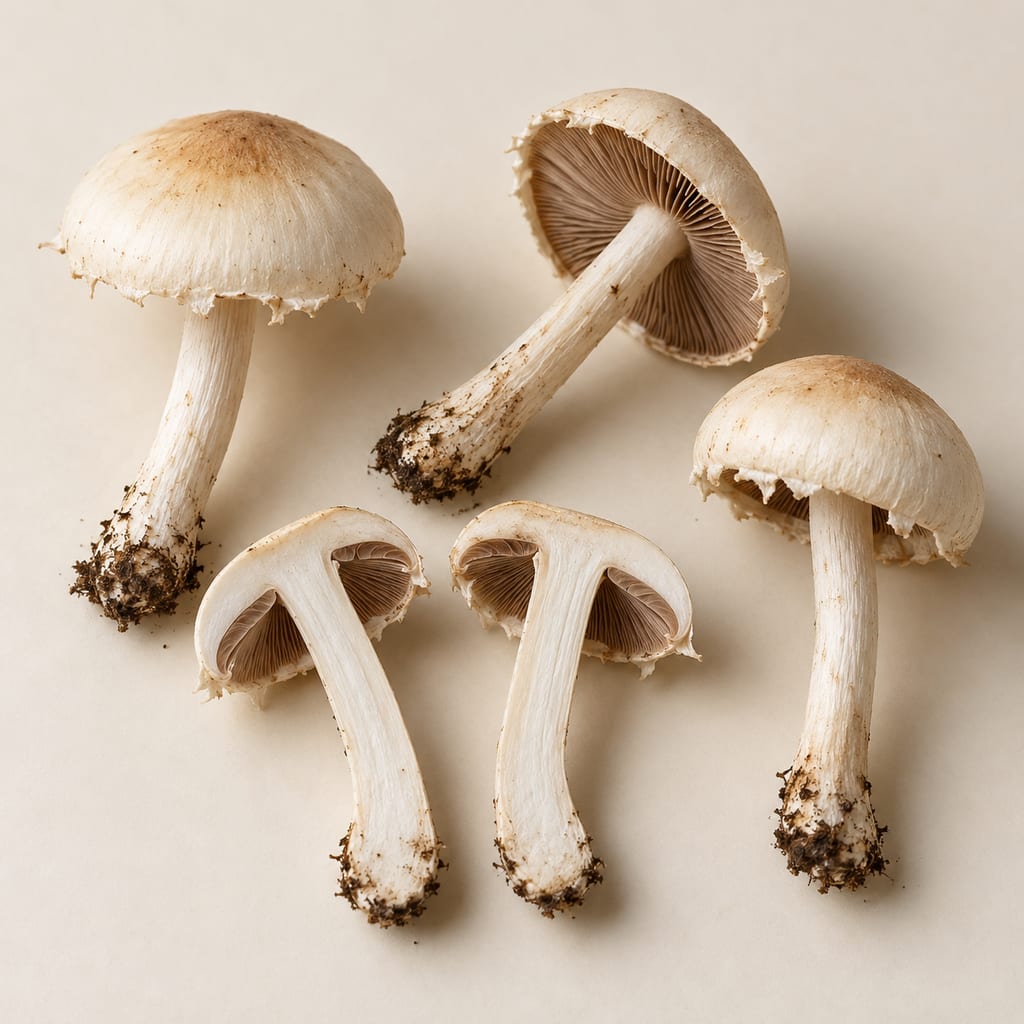
A grassland agaric listed as edible in historical and scientific catalogues for Hong Kong and China. Taxonomic concepts and practical food value vary; the listings do not establish safe identification or culinary practice.
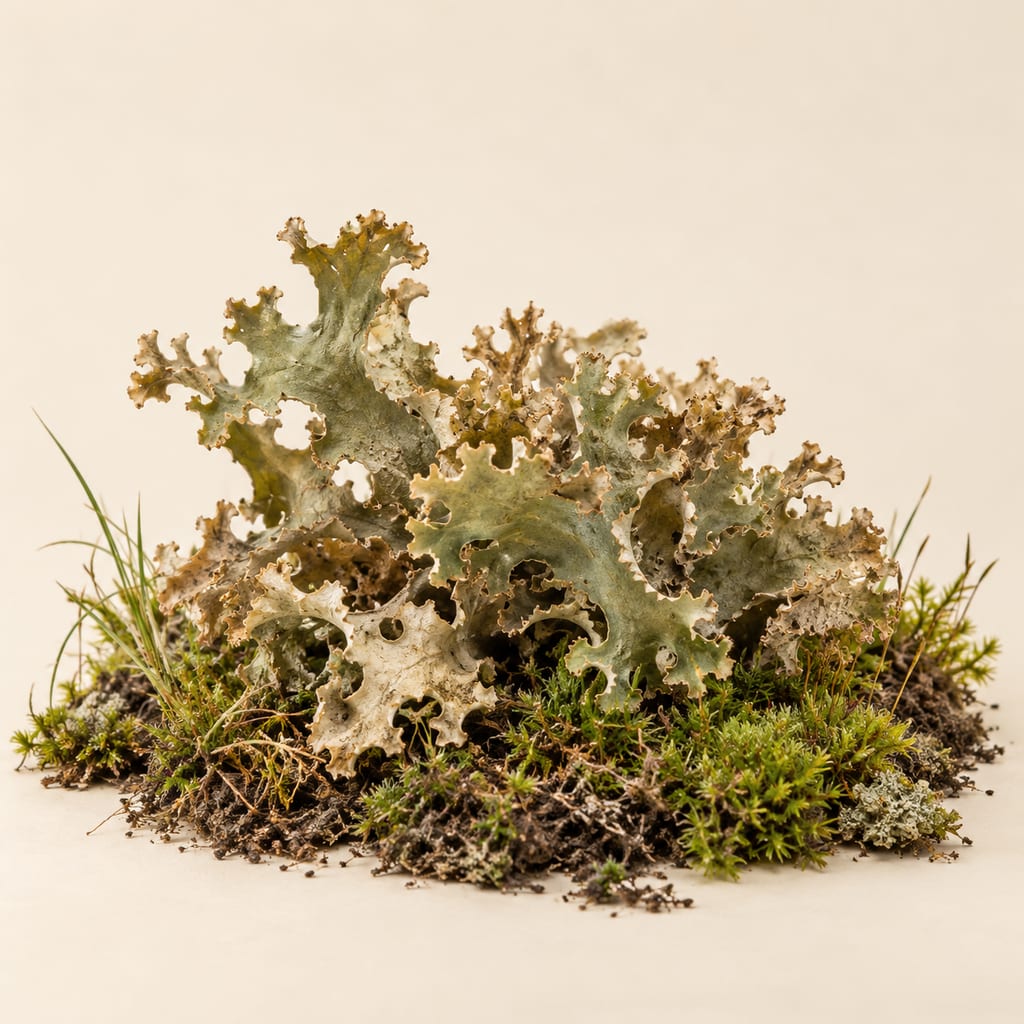
Iceland moss, Cetraria islandica, is an Arctic-alpine lichen, not a moss or a mushroom. It was boiled to remove its bitterness and used in breads, porridges and soups, and now survives mainly in folk remedies.
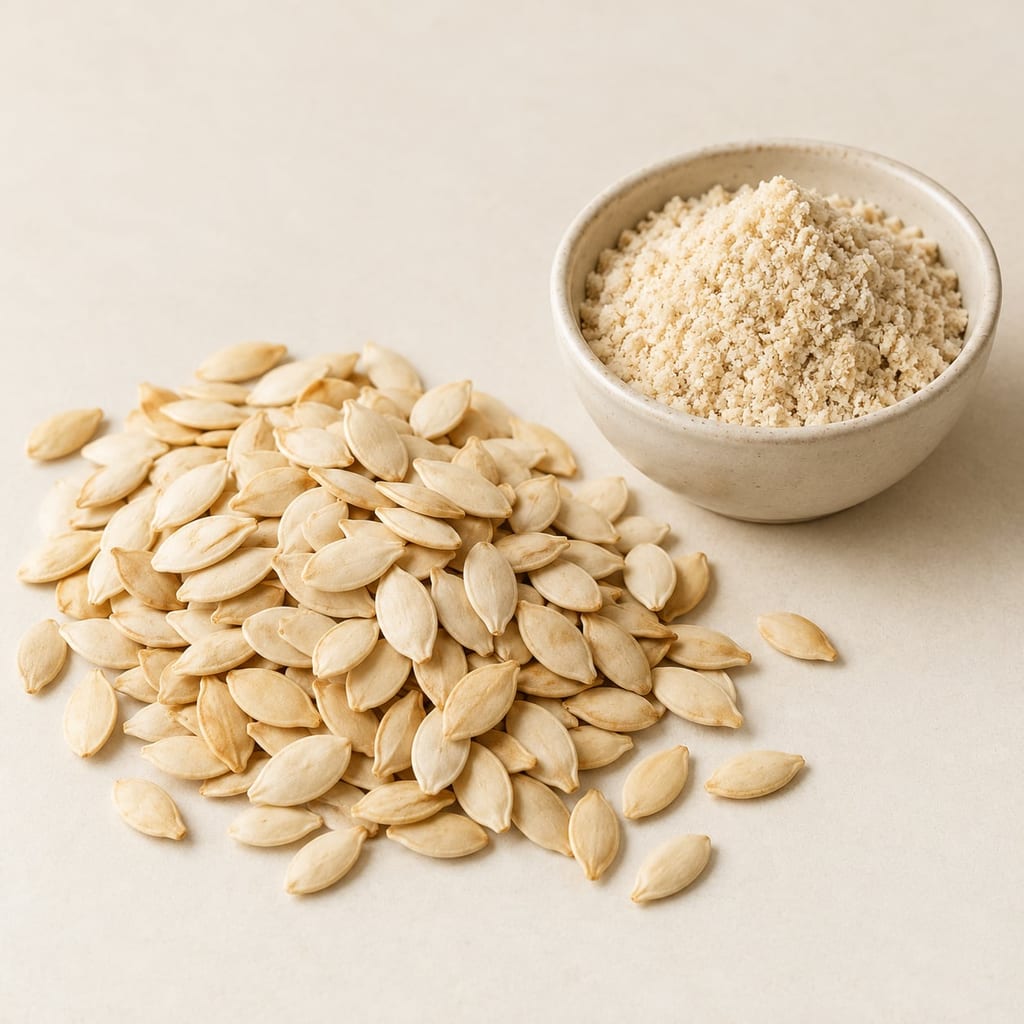
Melon seeds, called egusi in Nigeria and much of West Africa, are the seeds of several cucurbit species. They are ground into soup and cooked and fermented into the condiment ogiri-egusi.
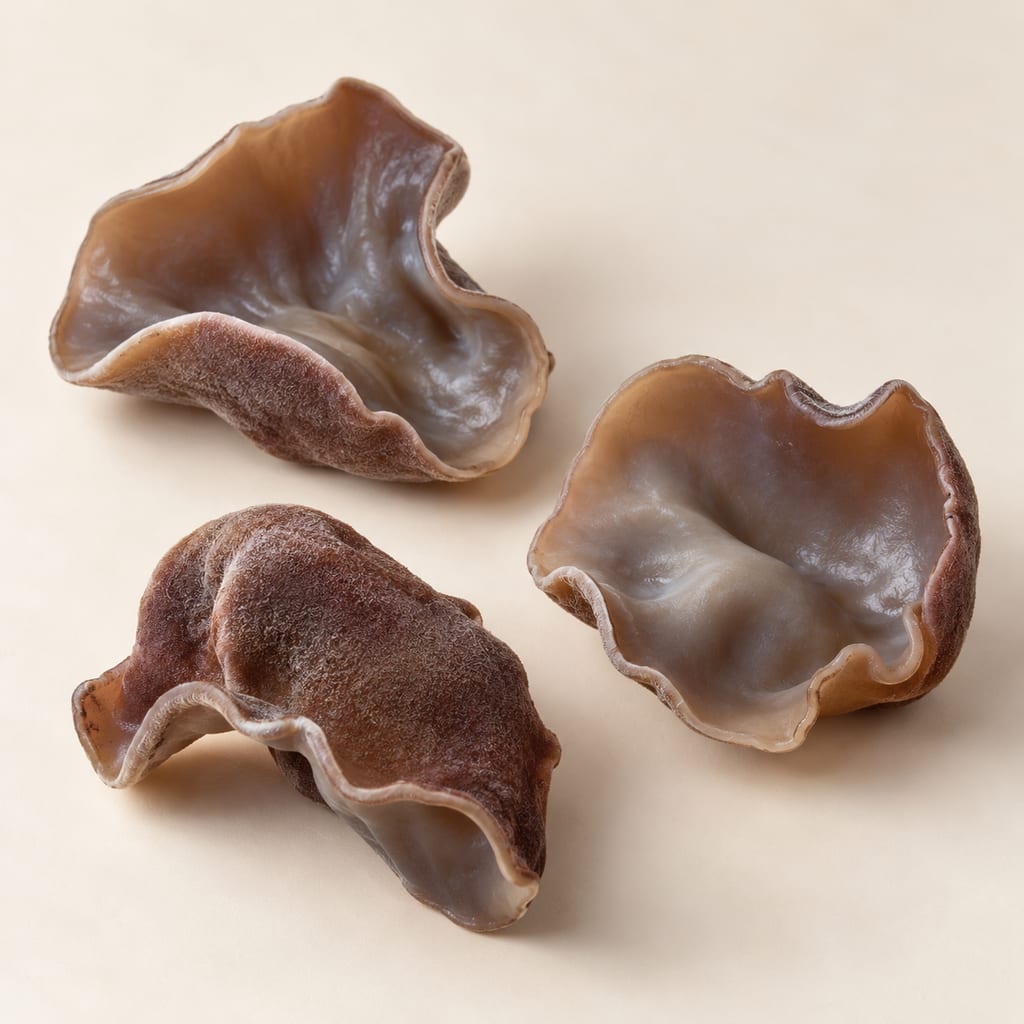
Auricularia cornea, a gelatinous wood-decay fungus recorded as food in the Congo and Asia, and cultivated and sold dried in China. It is mild in taste, and its name has been confused with Auricularia polytricha.
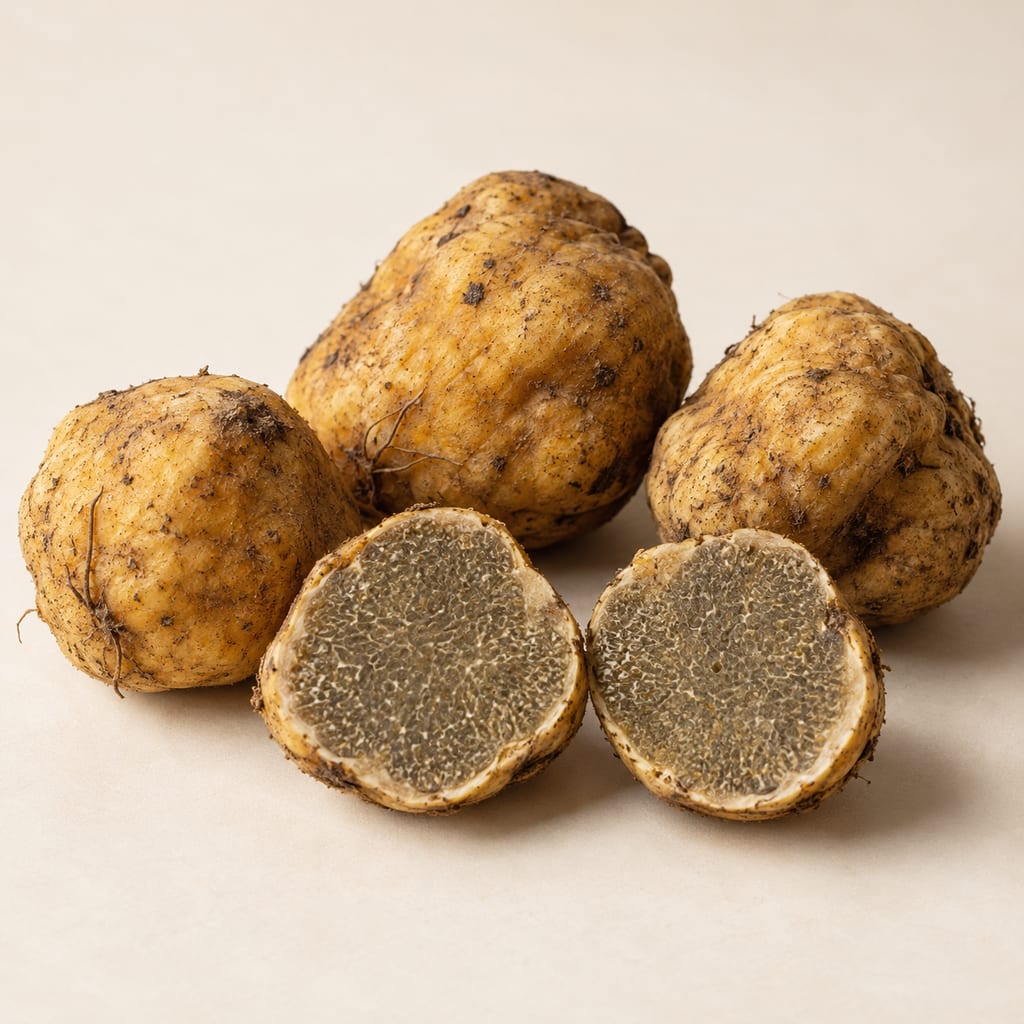
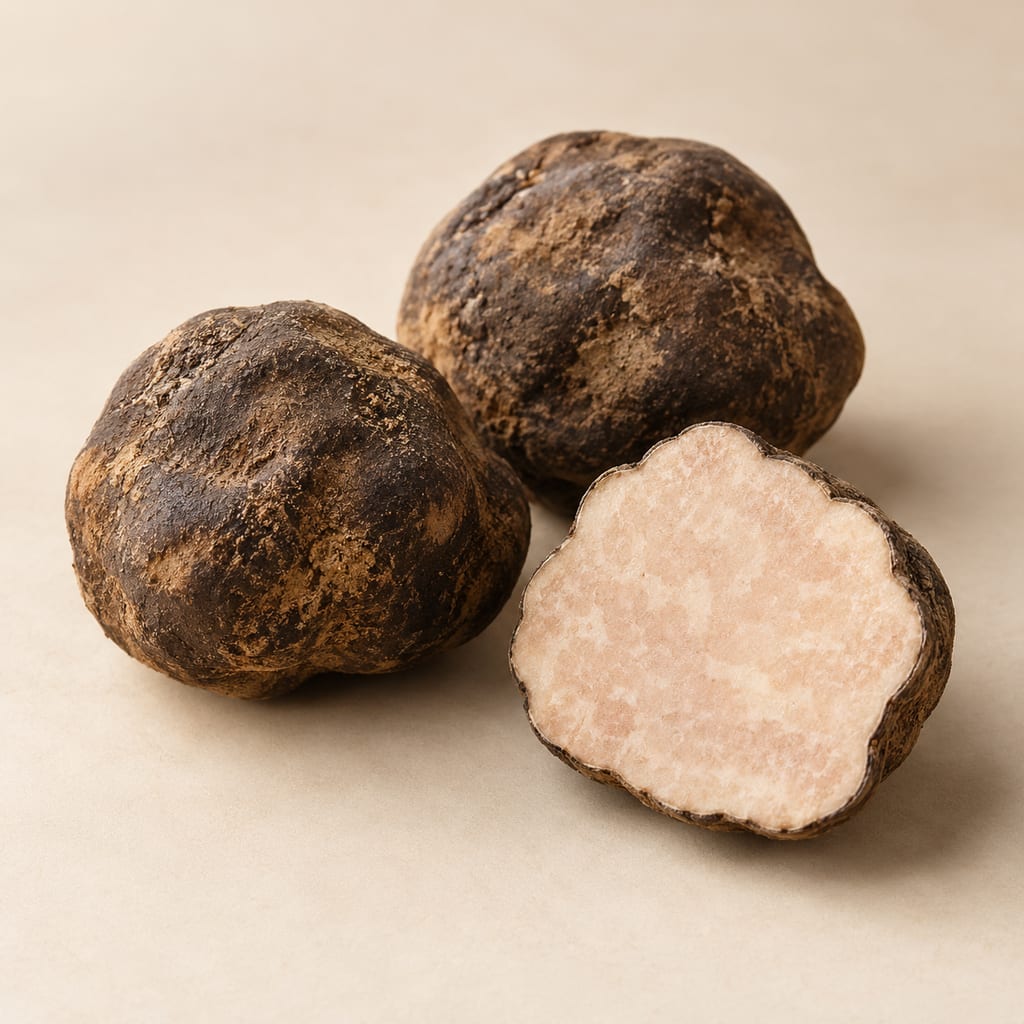
Rhizopogon luteolus, a pine-associated false truffle of Europe and introduced pine regions. Its food use is disputed, its immature stage is the one recorded as eaten, and it must not be confused with poisonous earthballs.
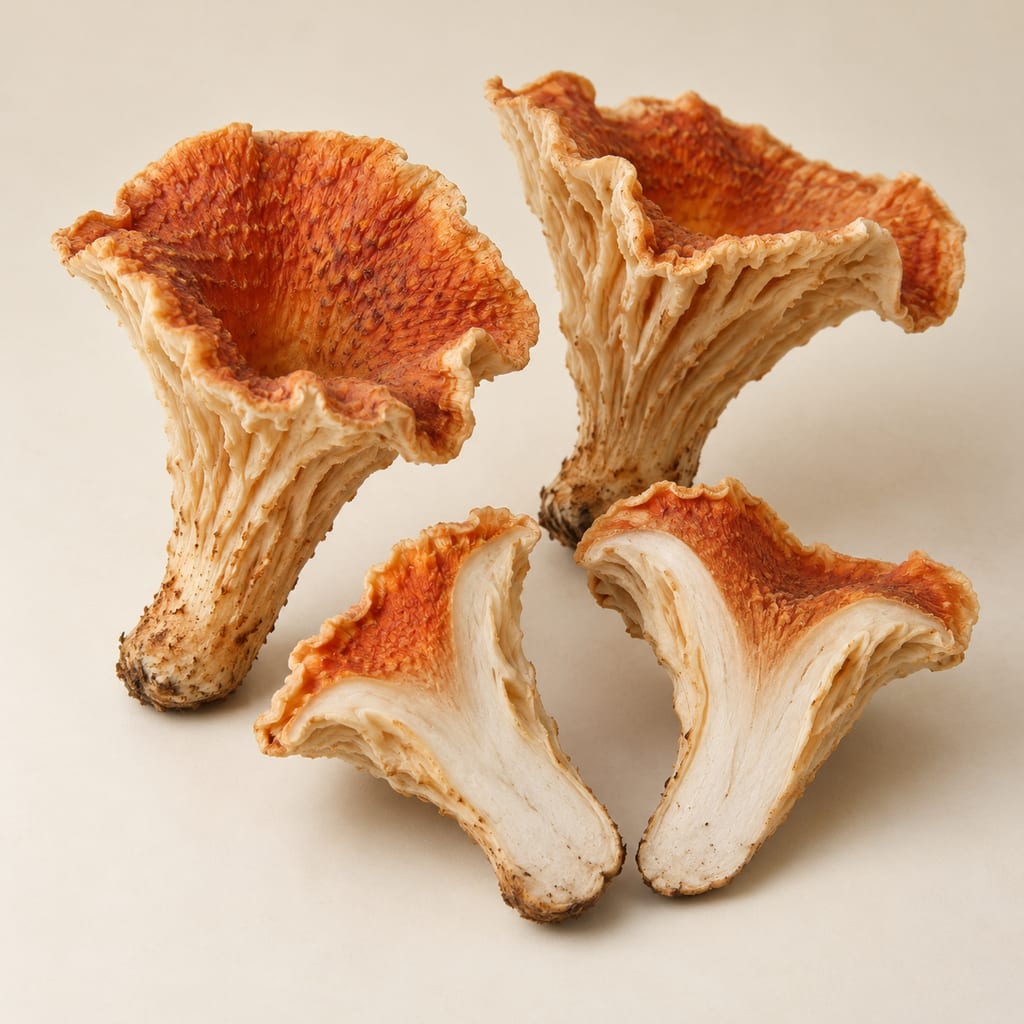
A vase-shaped ectomycorrhizal fungus sold as a scaly chanterelle in Pu'er markets, Yunnan. Its edibility is contested in the sources, and the name may cover populations that differ in toxicity.
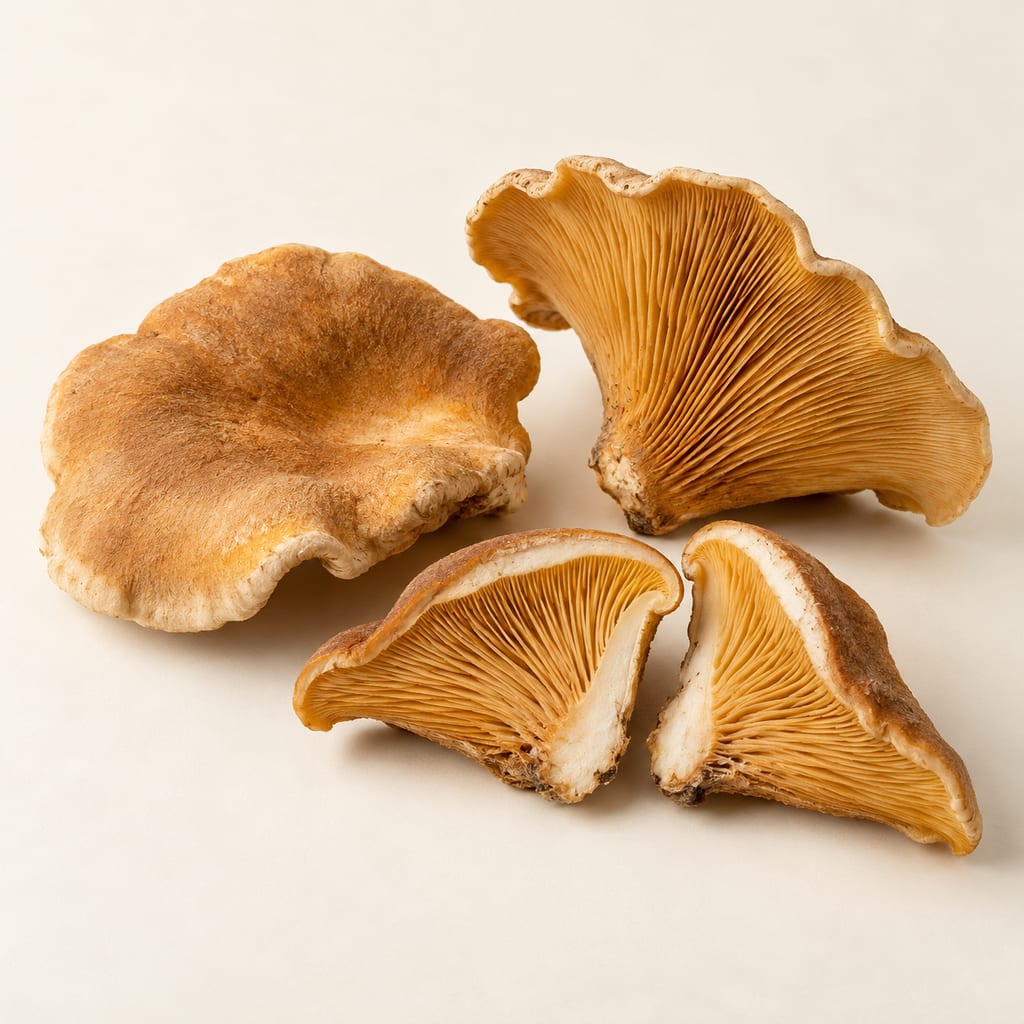
A gilled wood-decay fungus of conifer wood, known as oyster rollrim. One Congolese interview record shows local eating, but other regional references call it inedible, so the food status is in conflict.
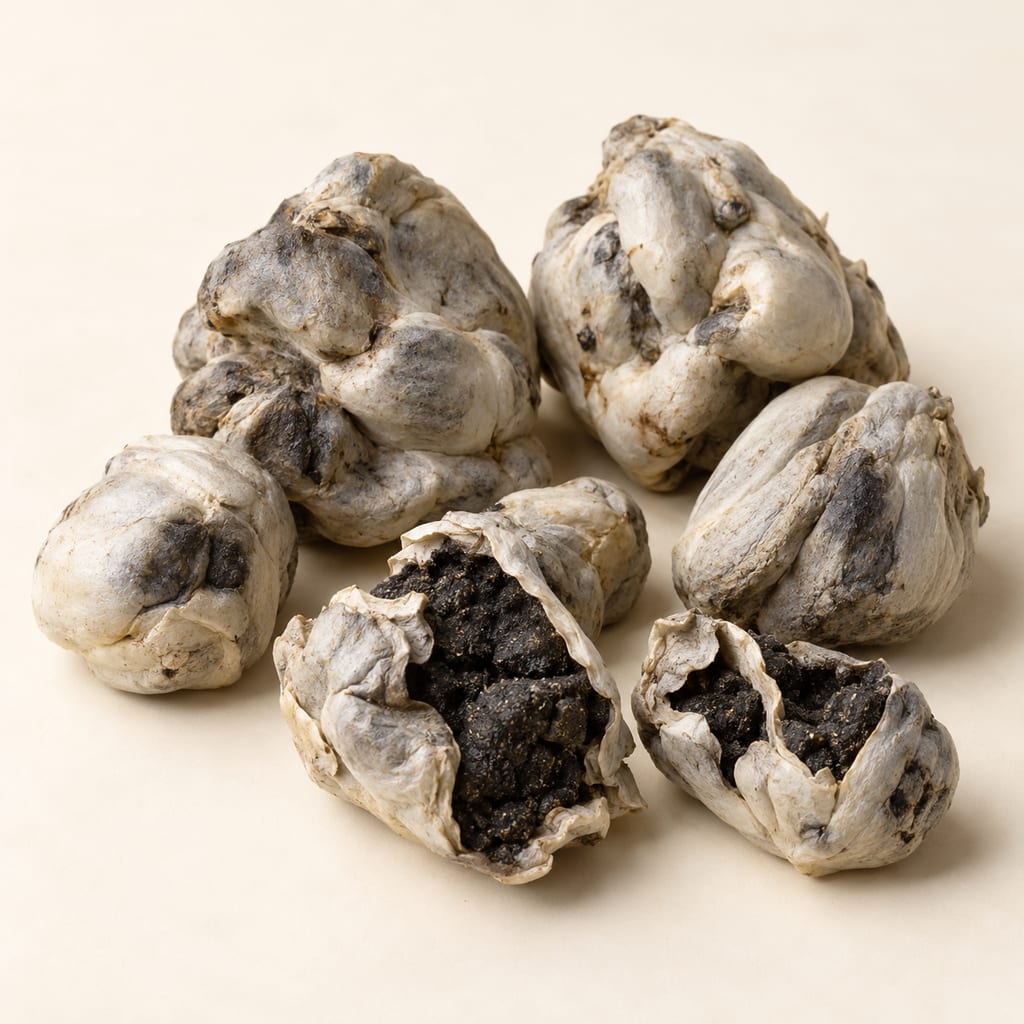
Huitlacoche is the grey gall of the maize smut fungus Ustilago maydis, gathered and eaten in Mexico, where it is also a crop disease.
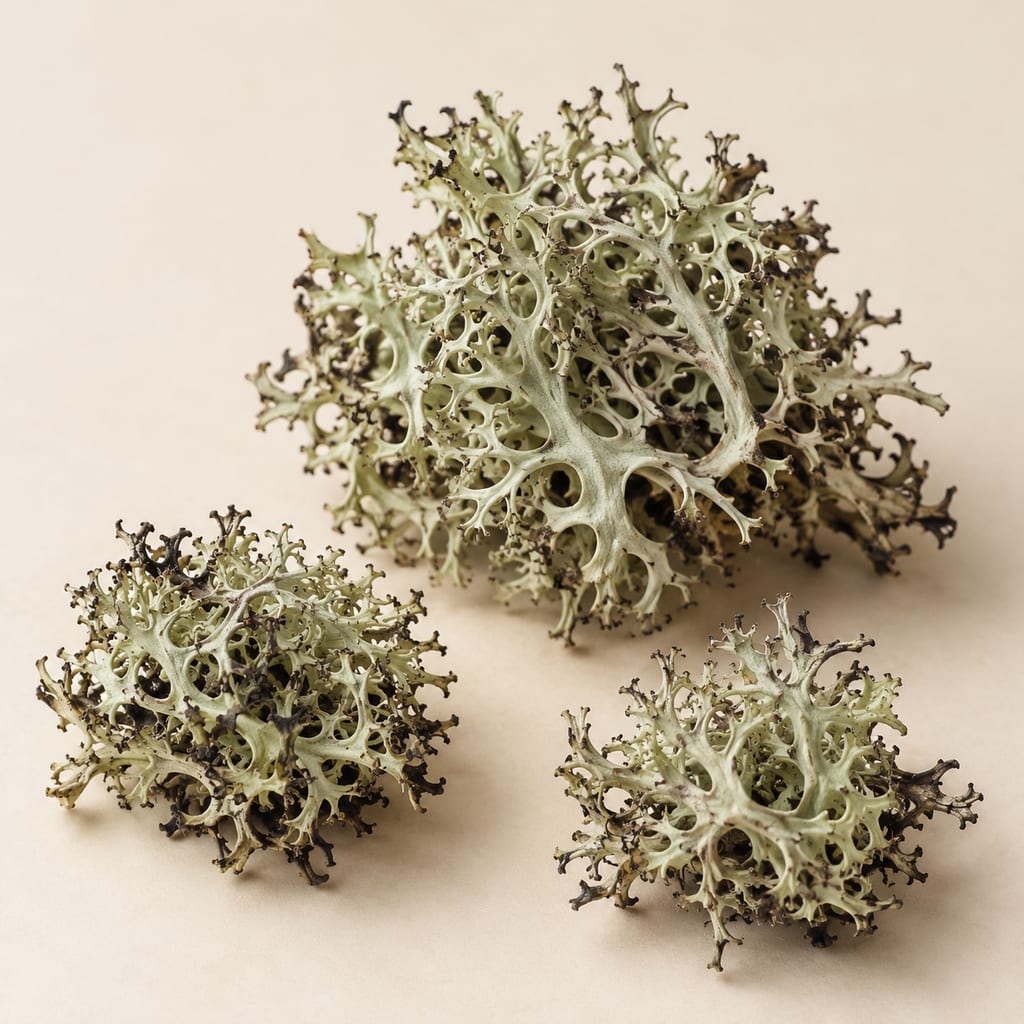
Everniastrum cirrhatum, a tree-dwelling lichen of the Nepal Himalaya, gathered wild and used in soups, pickles and sausages by the Limbu and Rai communities of the north-east hills.
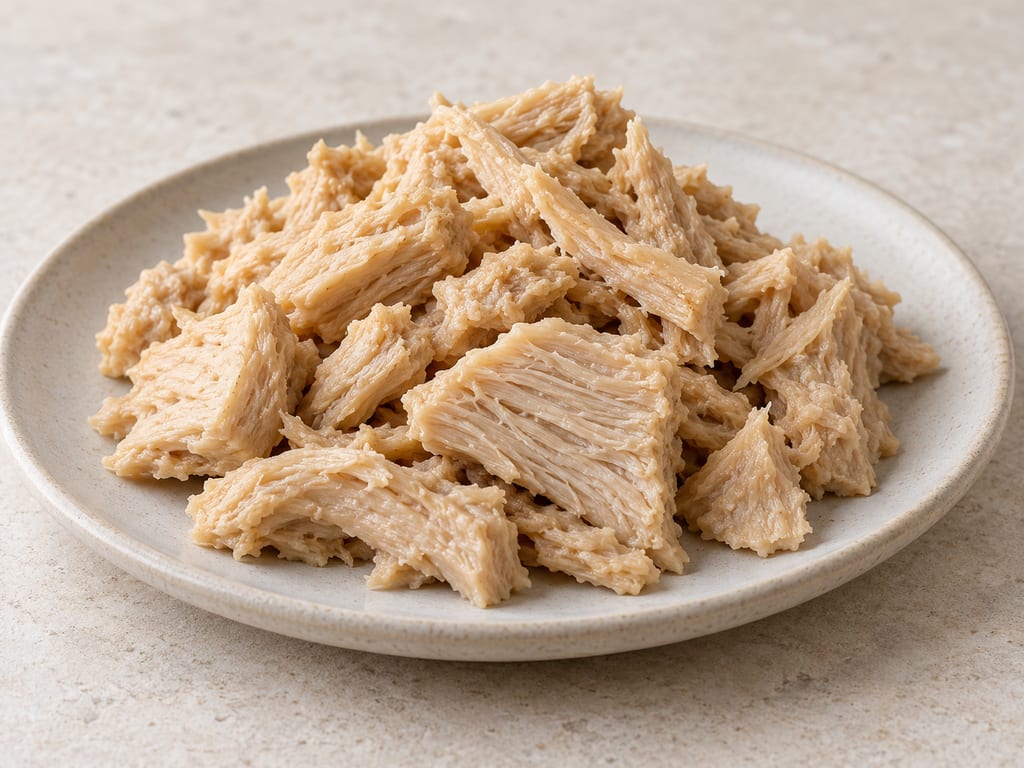
Fusarium venenatum is the filamentous fungus grown in large fermenters to make mycoprotein, the edible mycelium behind Quorn, using glucose as feedstock in a continuous process.
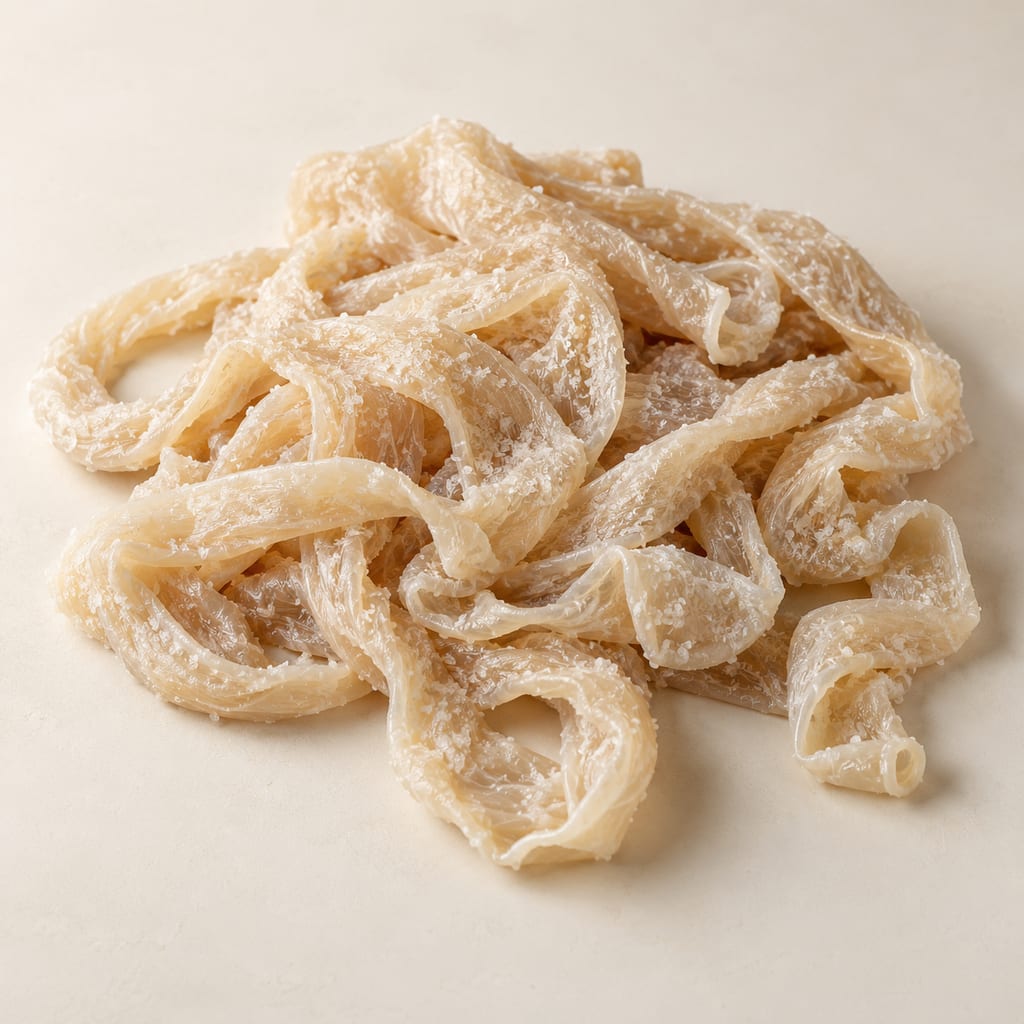
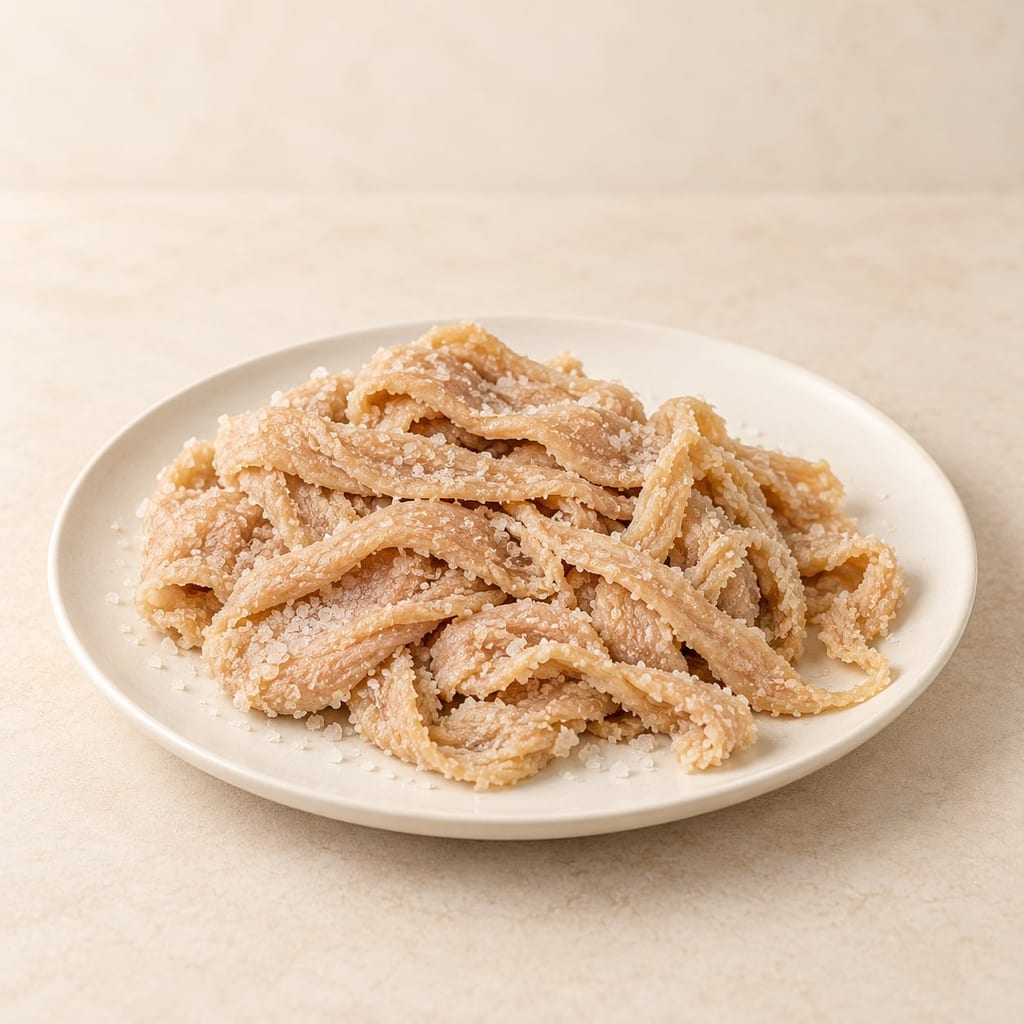
Natural casings are cleaned animal guts, stomachs, bladders and skins used to hold sausage and pudding fillings; the organ, animal and diameter decide the food's shape and drying.
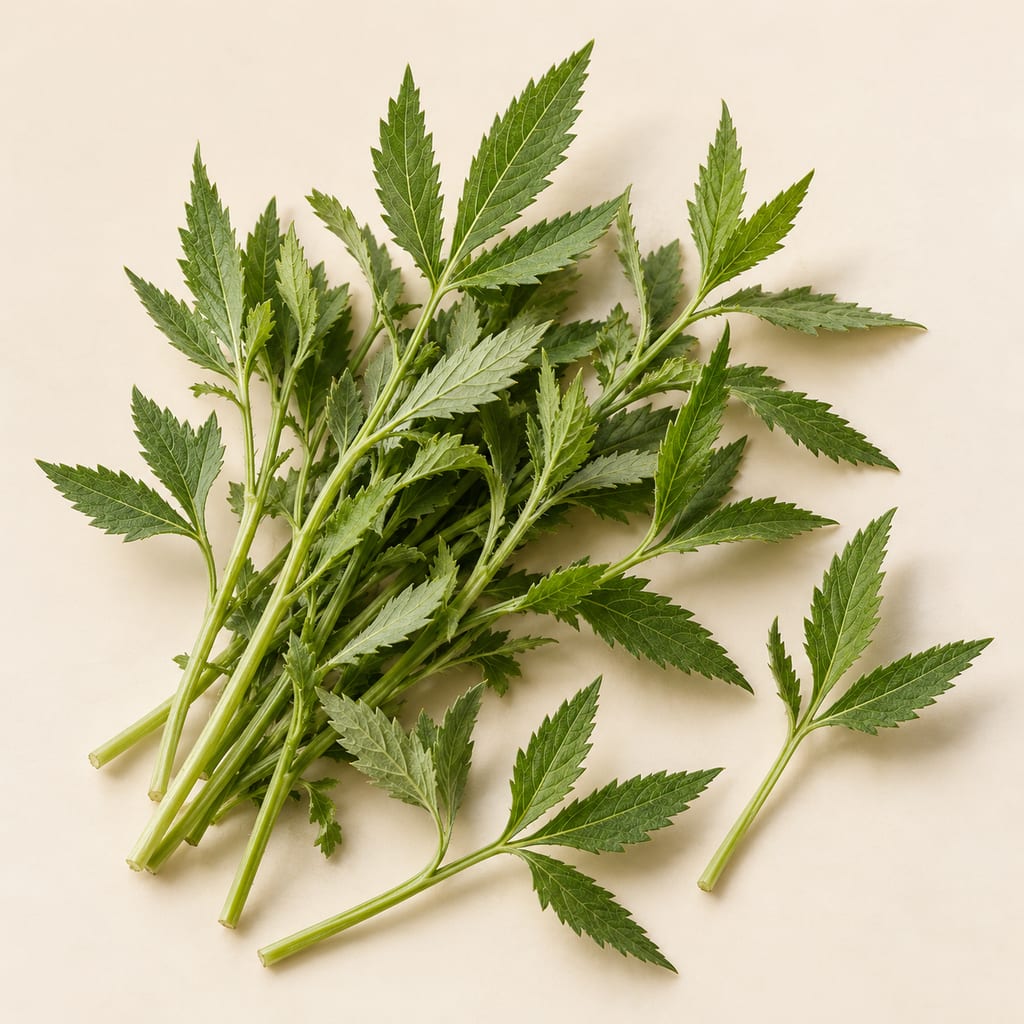
Sibekh is the young leafy growth of Falcaria vulgaris, an Apiaceae herb sold in Yerevan markets and fried with eggs; pickled, dried and canned uses are recorded without methods.
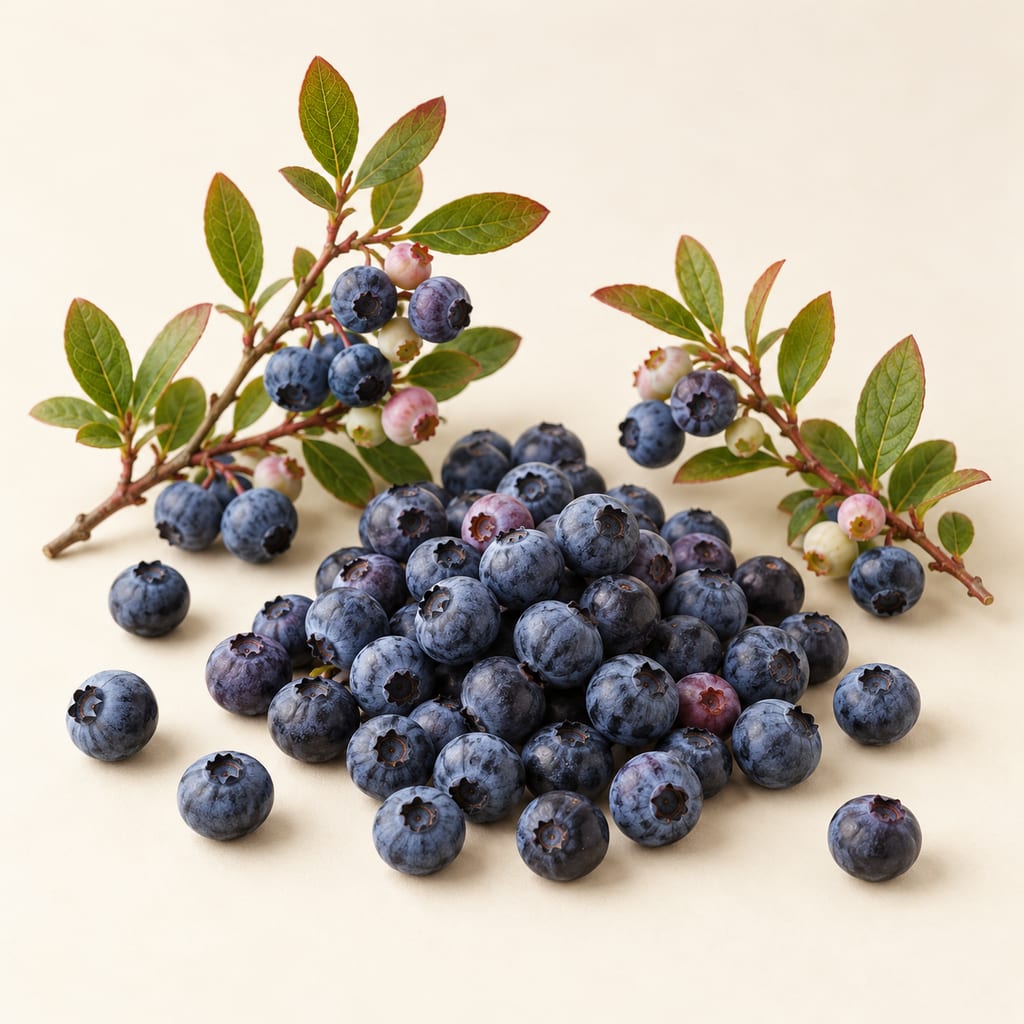
Lowbush or wild blueberry, Vaccinium angustifolium: a small subshrub of eastern North America whose berries are gathered wild and harvested from managed fields.
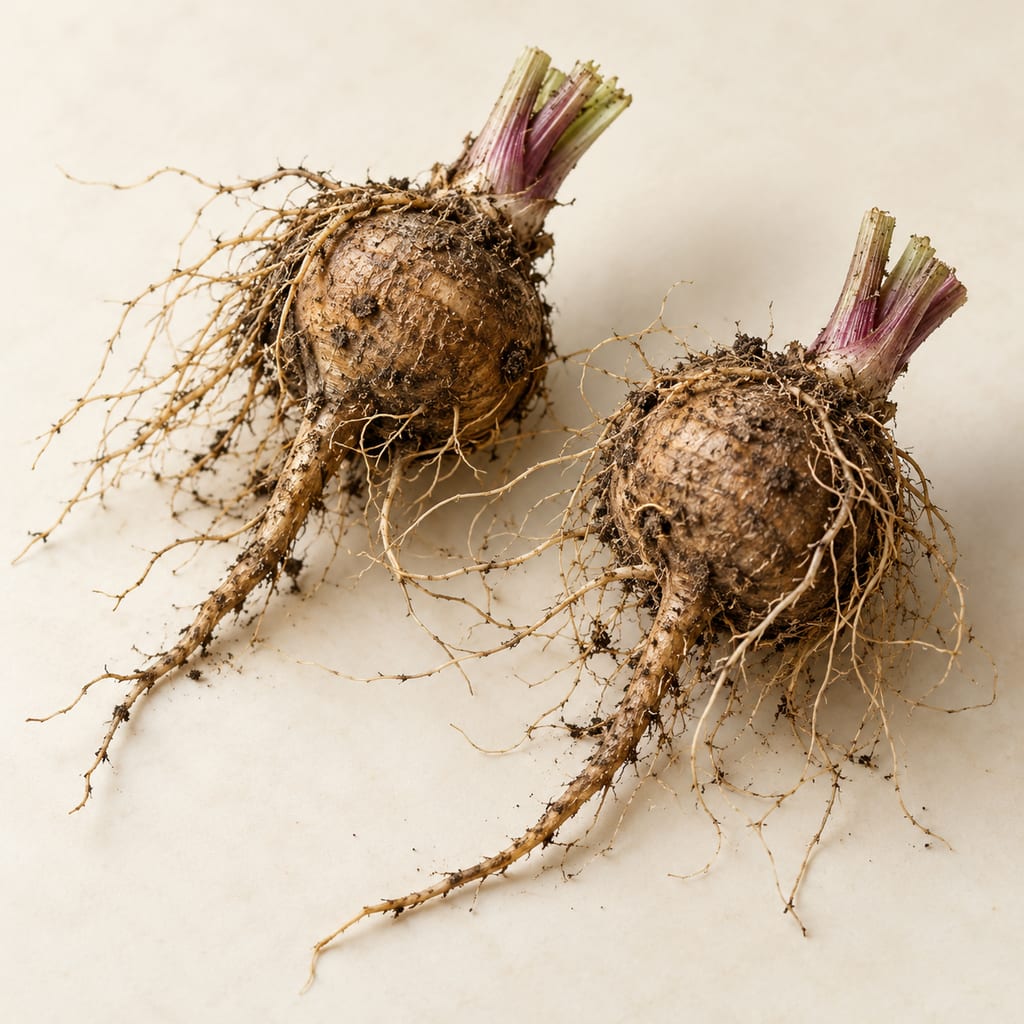
Tuberous chervil, Chaerophyllum bulbosum, is a biennial of the carrot family grown for its root in central Europe and gathered for its young leaves in Armenia.
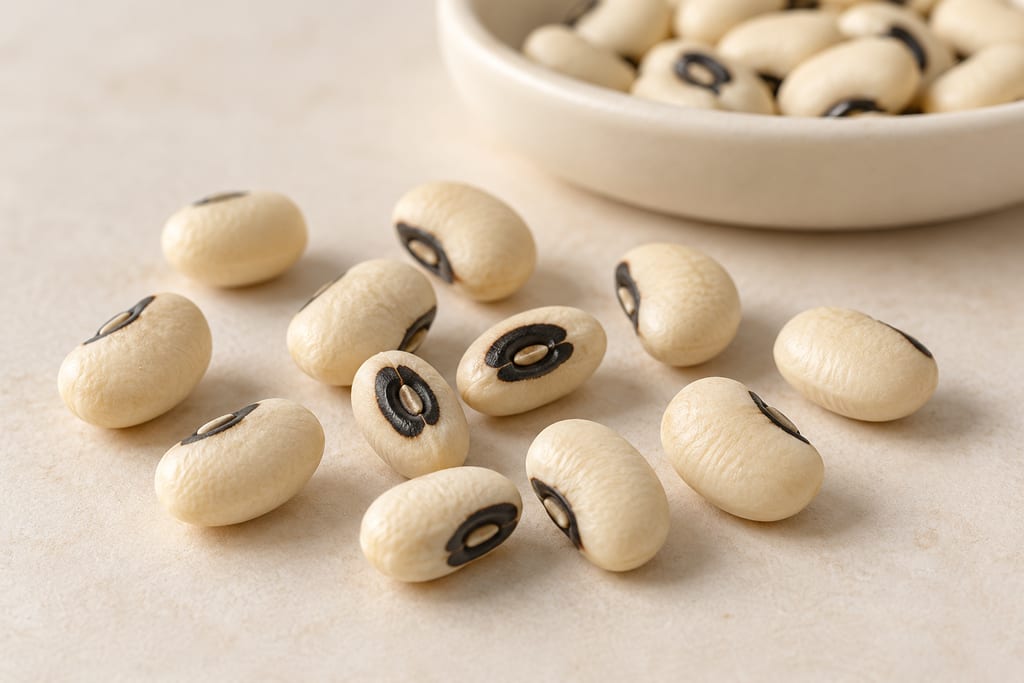
Cowpeas are the seeds of Vigna unguiculata, eaten green and freshly shelled or fully mature and dry. Across Africa they serve as food, fodder and a crop partner, while research also examines them in fermented pastes and cereal doughs.
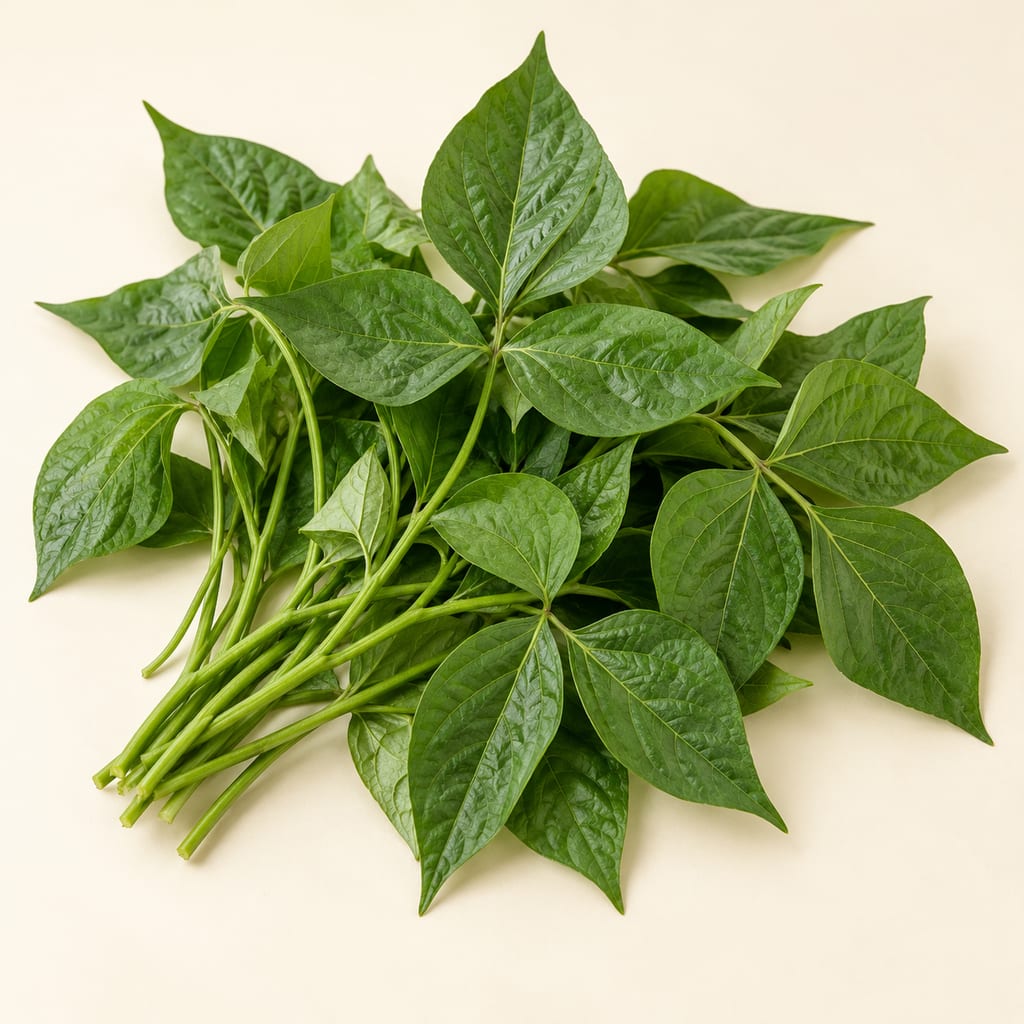
Cowpea leaves are eaten cooked and sun-dried in Botswana, where the dried product is called morogo wa dinawa. Studies of the crop add leaf-removal results and trial-site growing conditions.
A miombo-woodland chanterelle described from Tanzania and called Wipatwe in the Southern Highlands. Food classifications conflict, including within a 2015 community study.
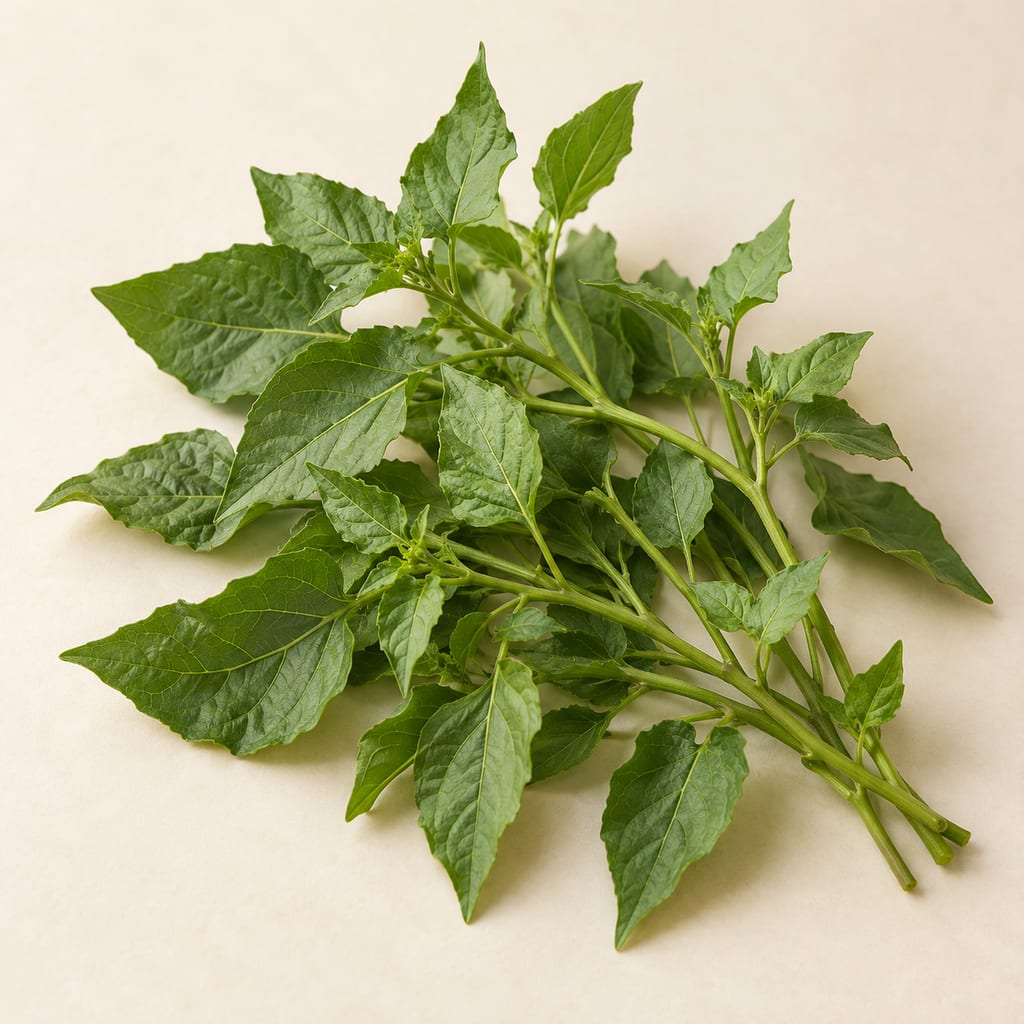
Brède morelle is a cooked leaf vegetable of New Caledonia, linked to Solanum americanum but recorded under the broad name Solanum nigrum. Sources conflict on its safety, and no cooking process is validated.
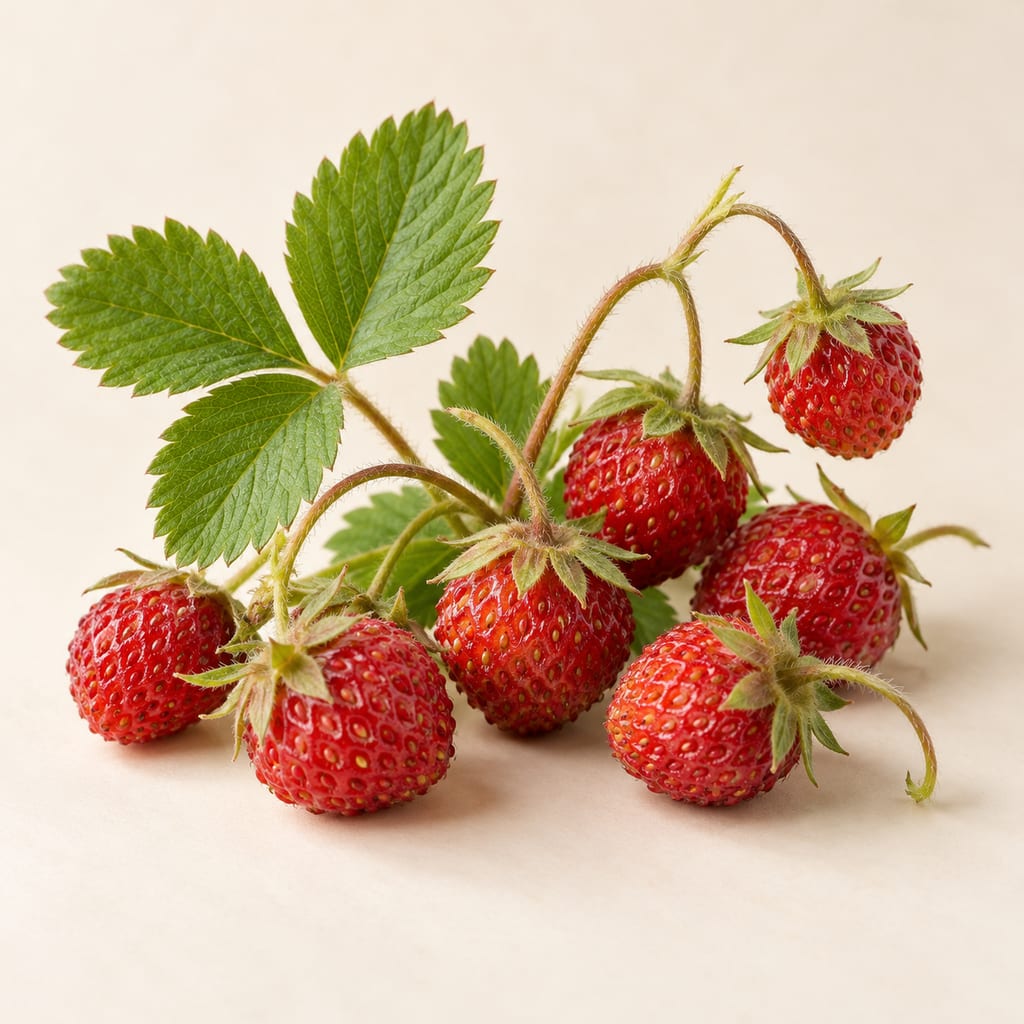
Woodland strawberry (Fragaria vesca) is a small-fruited perennial, picked wild for centuries and distinct from the large cultivated hybrid strawberry. It is eaten raw and in a few historical dishes.
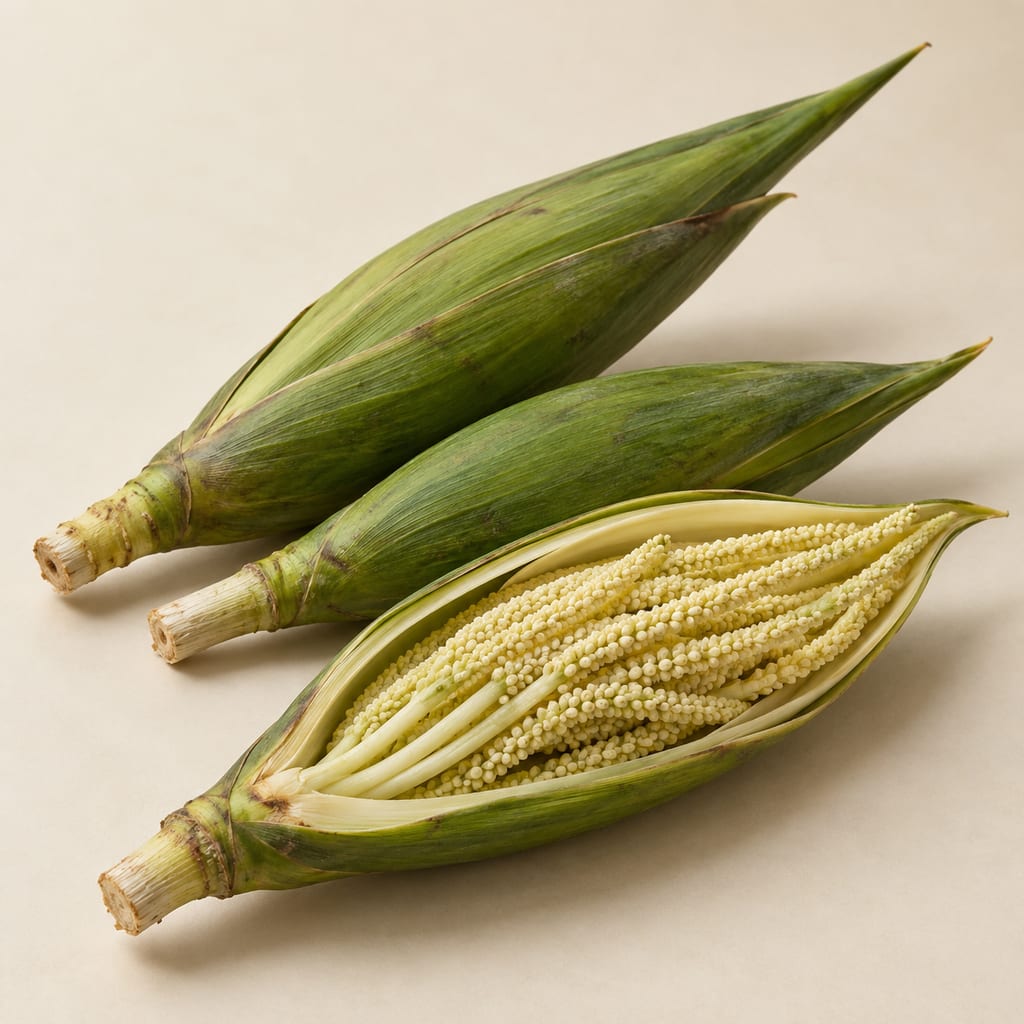
Pacaya, or tepejilote, is the edible male flower cluster of the palm Chamaedorea tepejilote, eaten in Honduras with egg, in tamales and soups, and sold pickled. Mexican farmers manage the palm in agroforests.
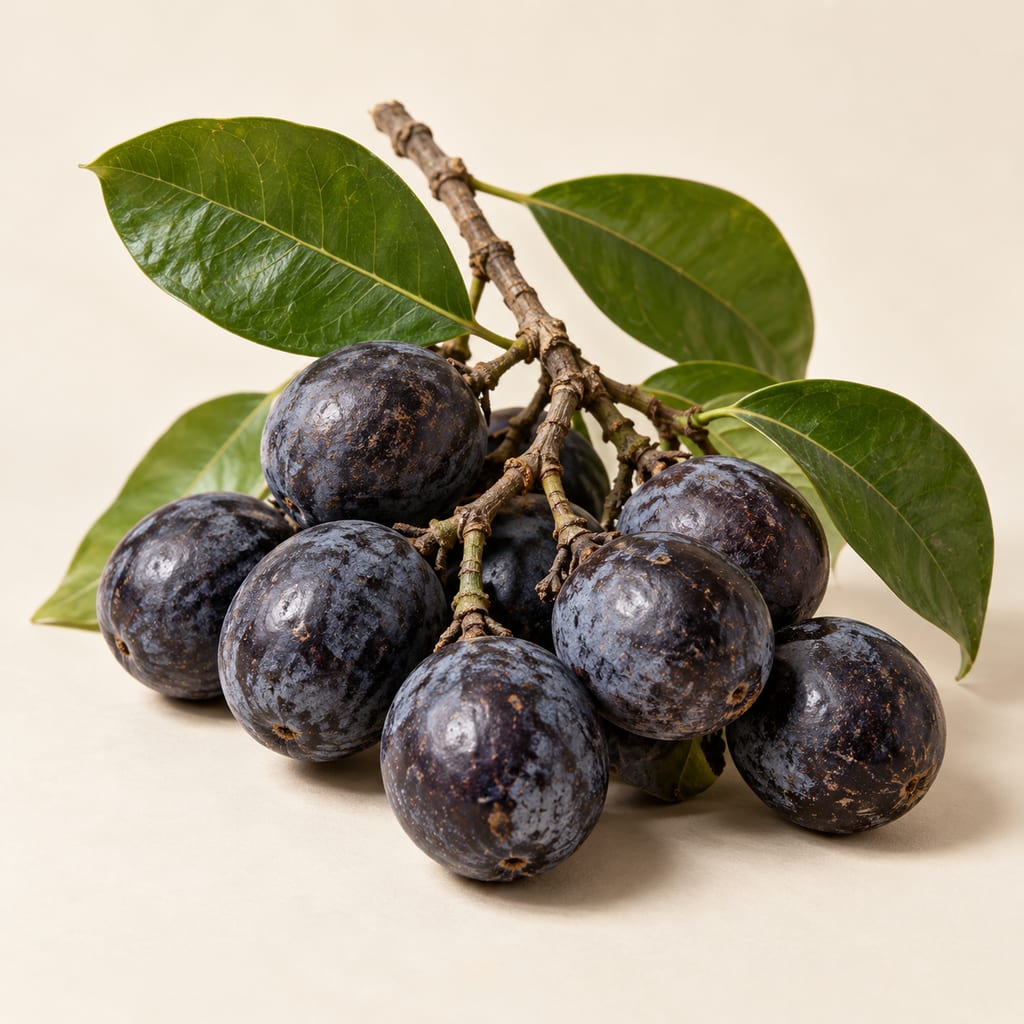
Matiti is the fruit of Artabotrys brachypetalus, a Mozambican Annonaceae species. Communities in Chicualacuala District eat the ripe fruit fresh and make traditional drinks and jam from it.
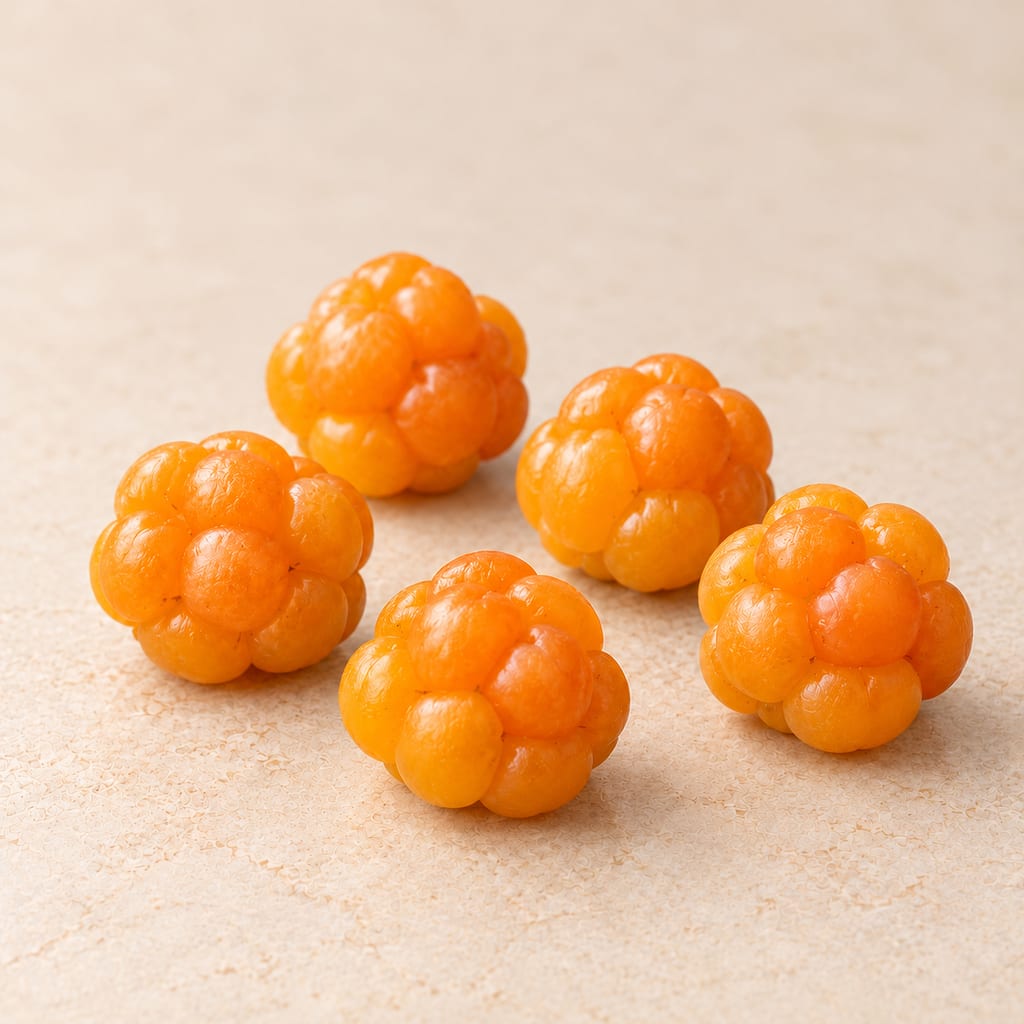
Cloudberry has distinct Gwich’in, Nunatsiavut, NunatuKavut-area and Québec records. A 2009 cutover-peatland trial reports site-specific rhizome establishment results, not a household pot or fruit-yield method.
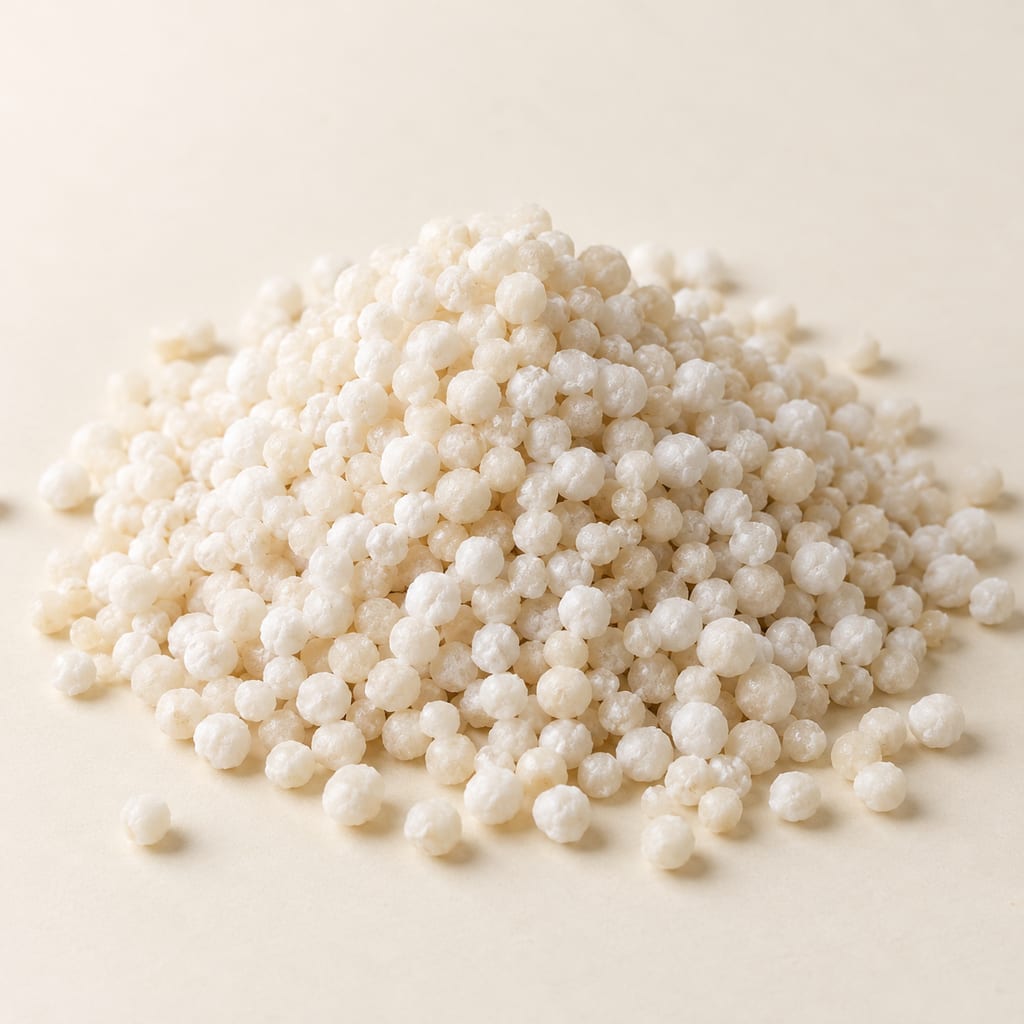
Sago is the starch extracted from the pith of several palms, mainly Metroxylon sagu, and it is dried into flour or pearls that are a staple in Southeast Asia and New Guinea.
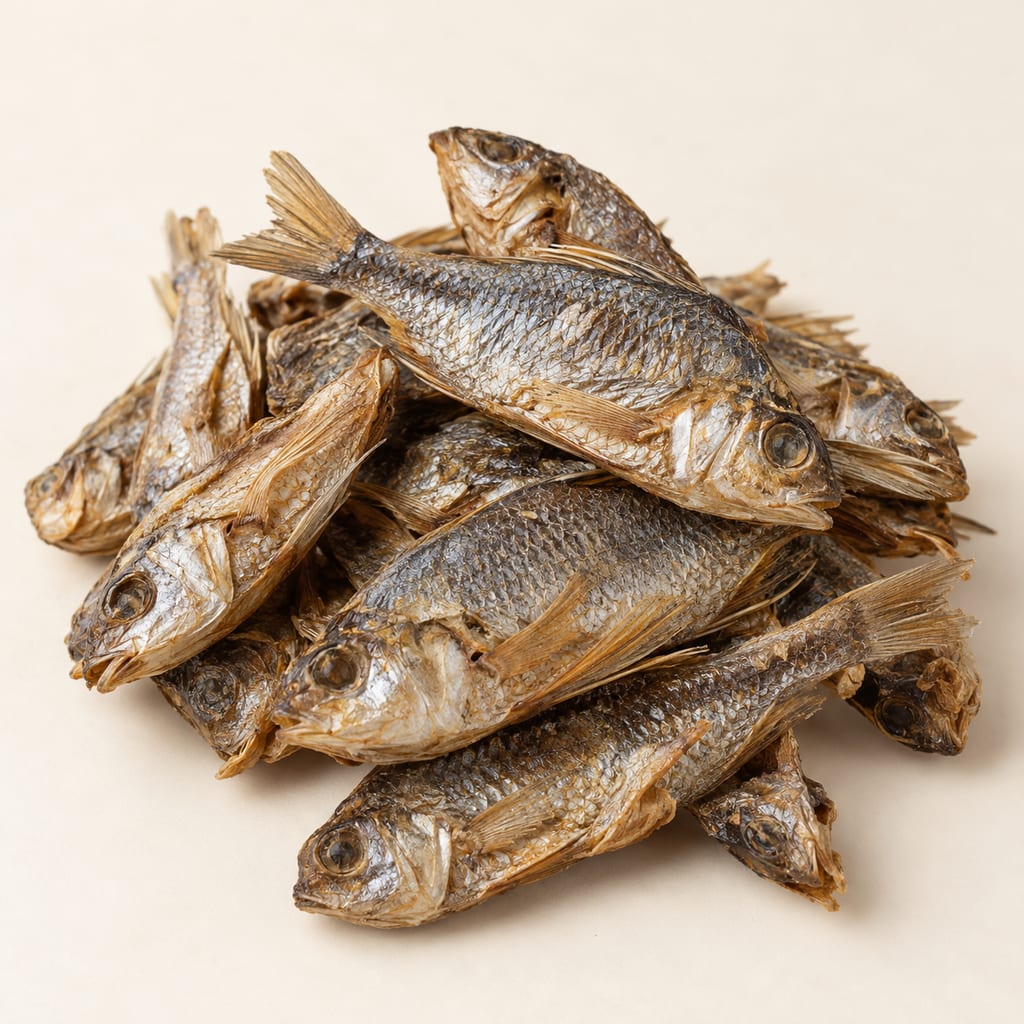
Ndunduma is the Malawian name for small deep-water cichlids of the genus Diplotaxodon, caught in Lake Malawi and dried with usipa and utaka. The species in a given lot is often not recorded.
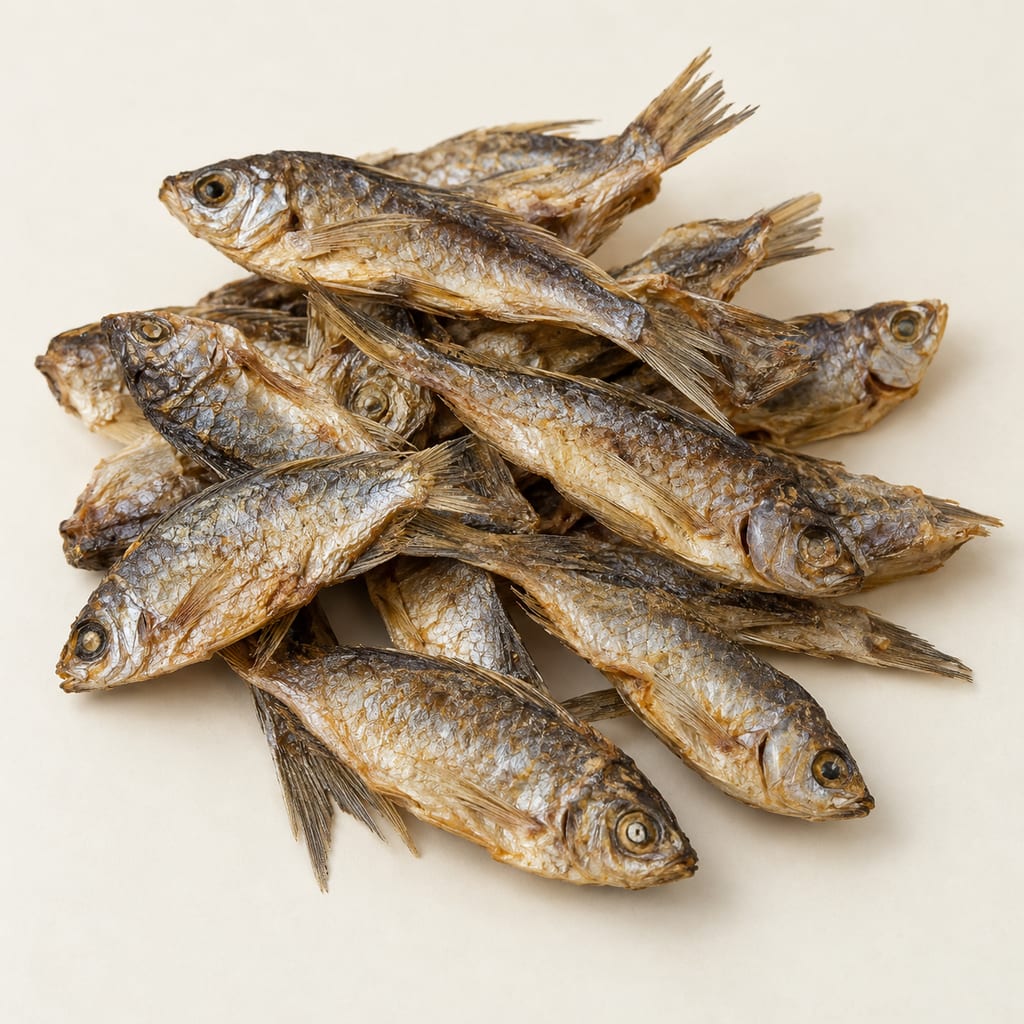
Utaka is a small cichlid of Lake Malawi, from the genus Copadichromis, sold dried in Malawi. It is one of the small fish that solar tents were tested on alongside usipa and ndunduma.
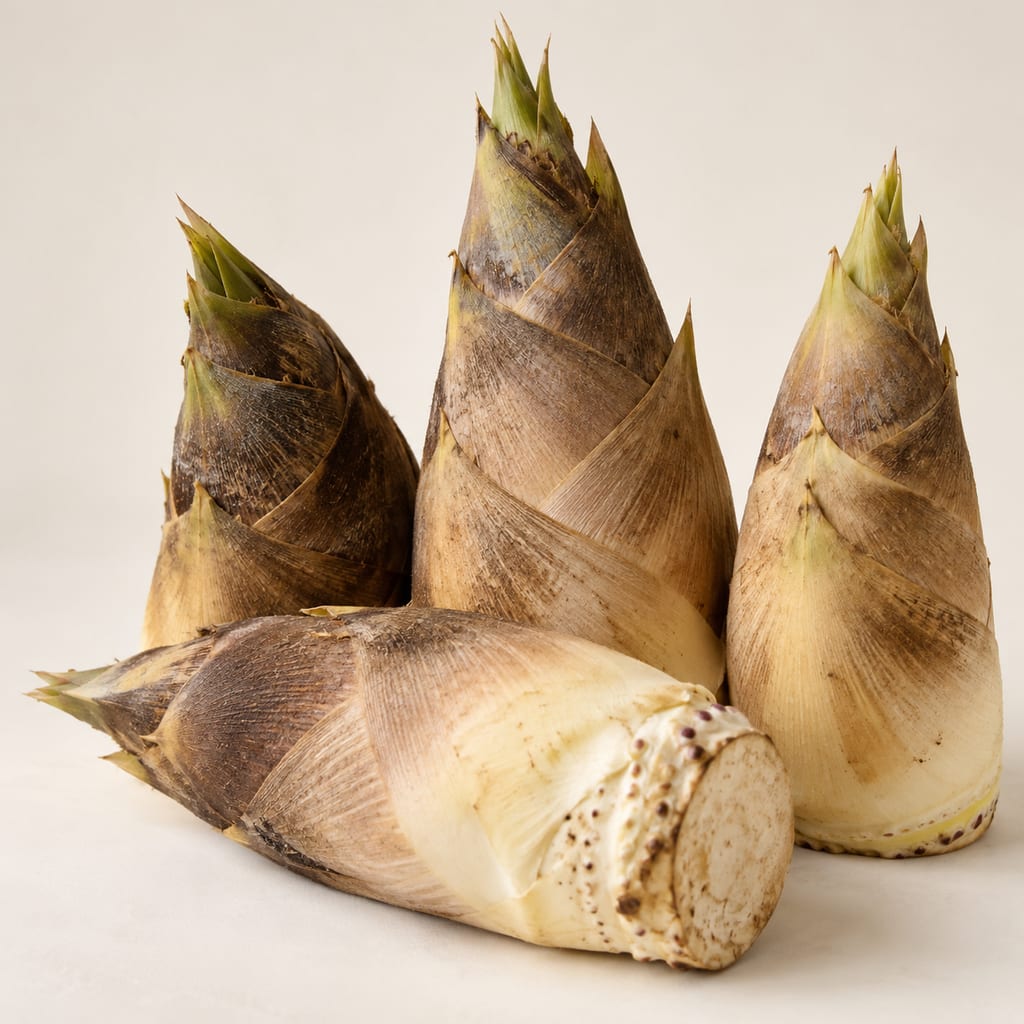
Bamboo shoots are the young culms of many bamboo species, eaten after boiling or leaching in Asia, and fermented into sour and preserved foods in the Himalayas, northeast India and Burma.
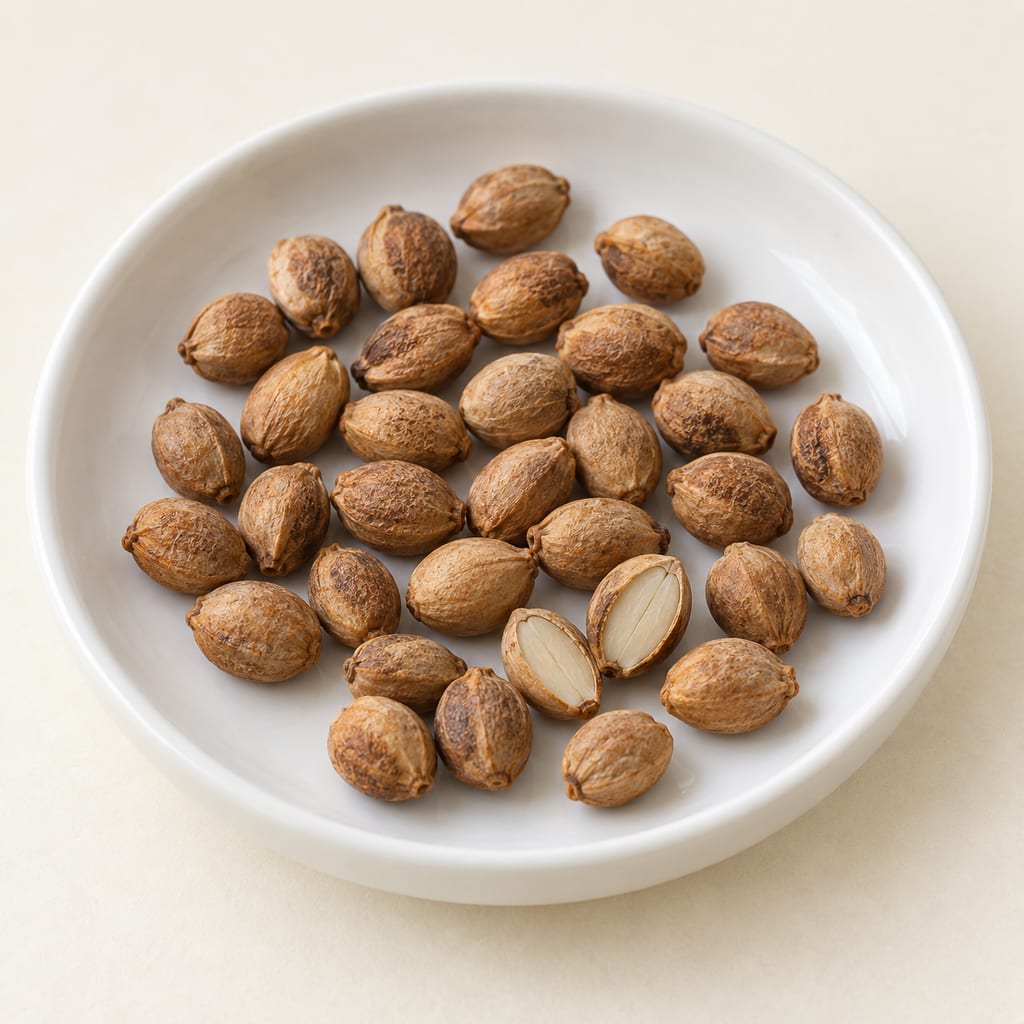
The seeds of the African breadfruit, Treculia africana, are cooked, dried and milled into flour in West and Central Africa, and the fruit is heaped and fermented before the seeds are washed out.
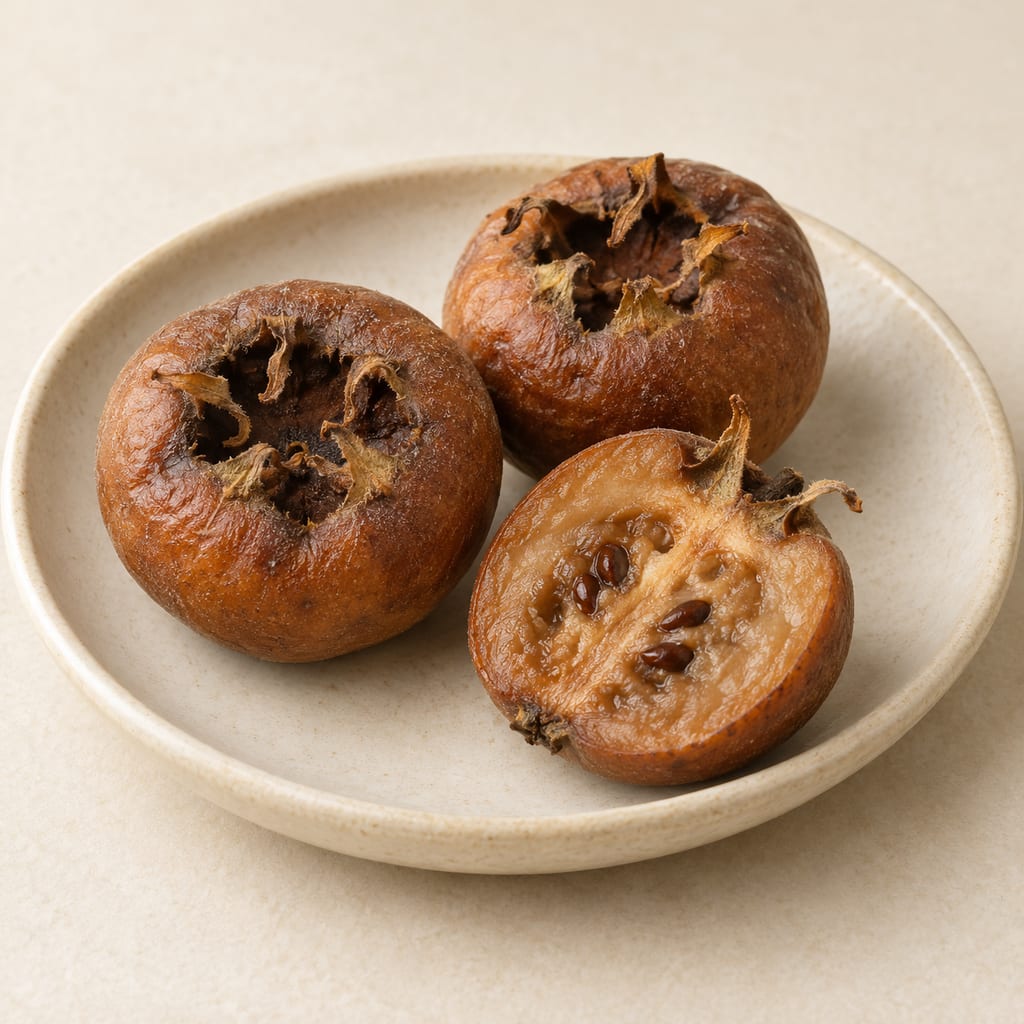
The common medlar, Mespilus germanica, is a small tree whose hard, sour fruit is eaten only after it has bletted, softening through decay into a sweet, apple-sauce-like pulp.
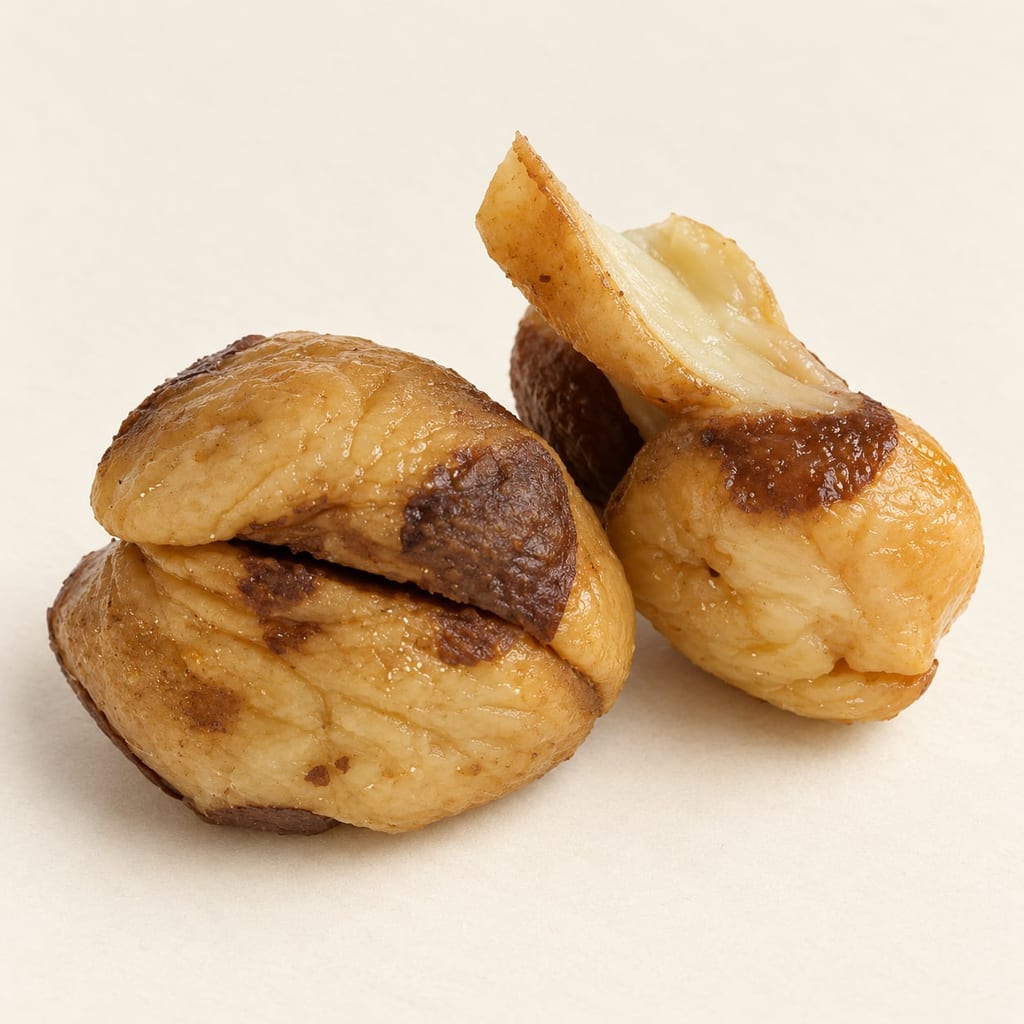
Tahitian chestnut is the starchy seed of Inocarpus fagifer, a food tree of tropical Southeast Asia and the Pacific. Despite its name, it is not a true chestnut, and the seed is cooked before eating.
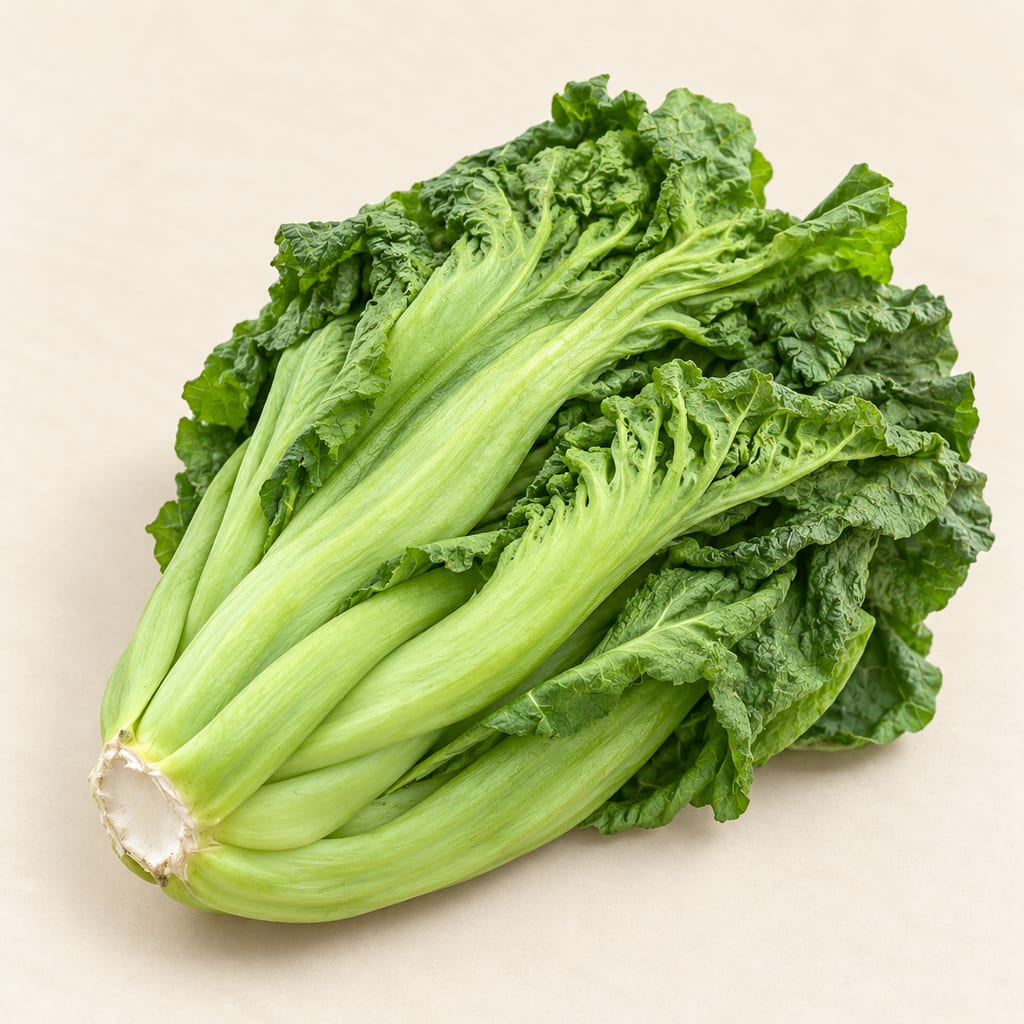
Takana is Japanese leaf mustard, including Miike takana of Fukuoka: pungent, broad leaves and stems eaten fresh or preserved as pickles.
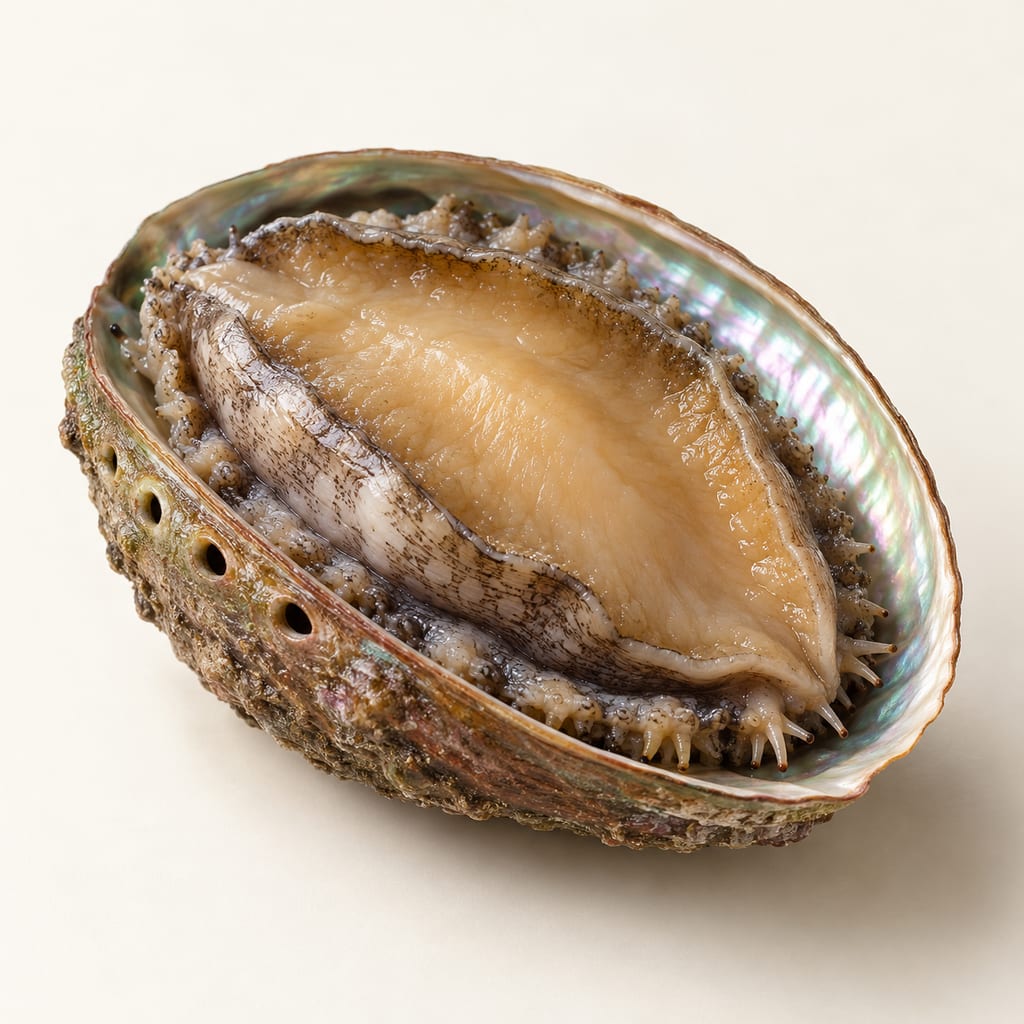
Abalone are marine snails valued for their broad muscular foot and distinctive shell. They are eaten fresh or dried and appear in documented Korean dishes and preserved seafood traditions.
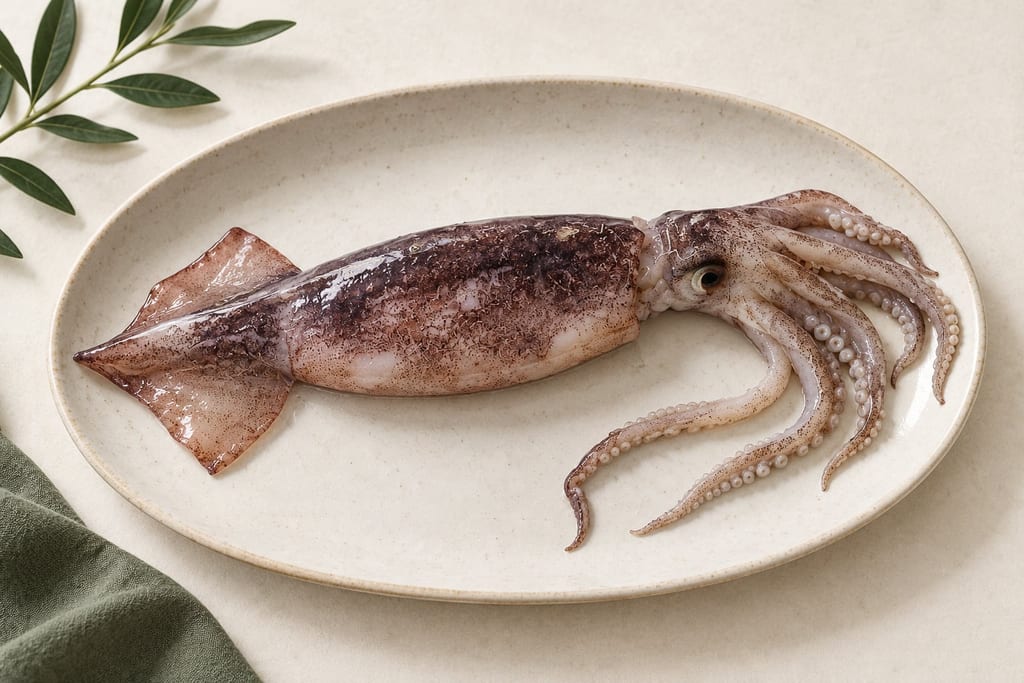
Squid is a cephalopod used fresh, dried and in salted seafood ferments such as Japanese shiokara. Its body, viscera and ink appear in distinct regional preparations, so the name alone does not specify a species or process.
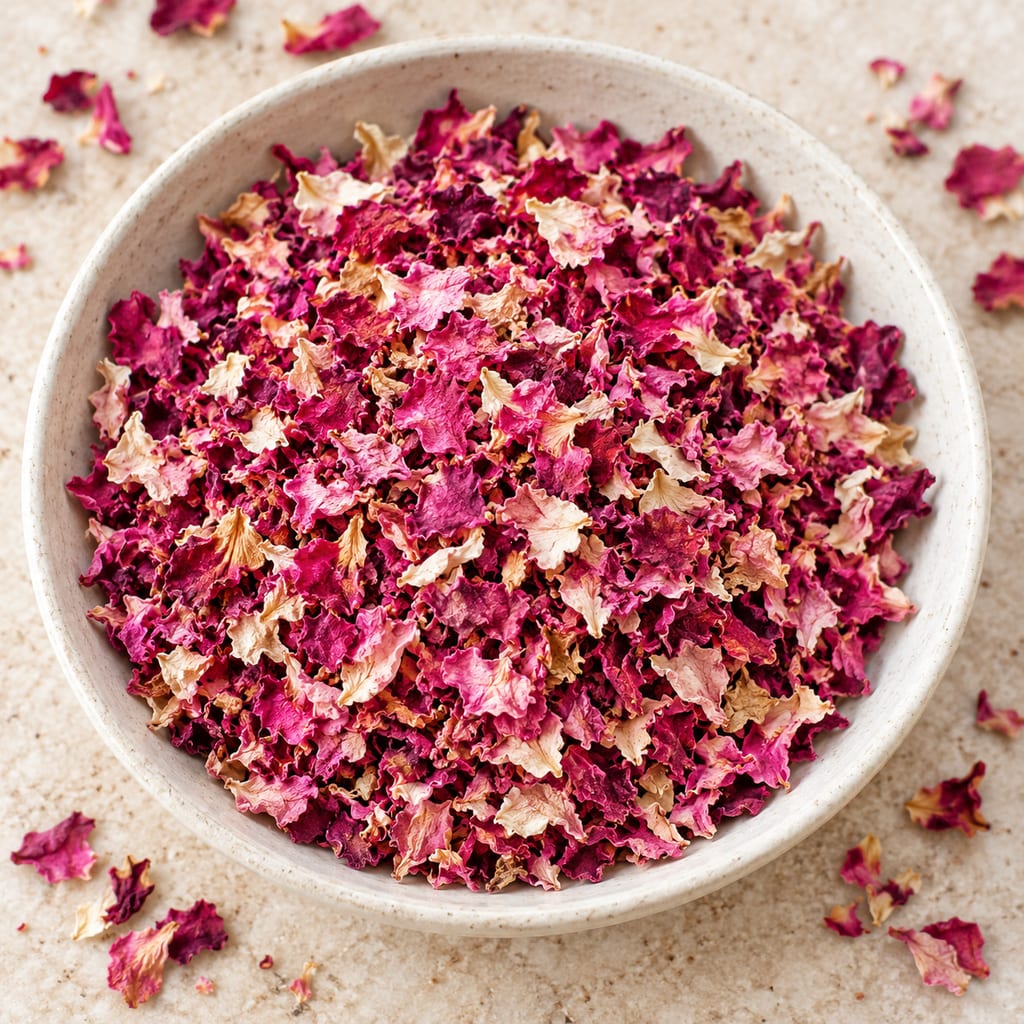
Rose petals are fragrant floral ingredients used fresh or dried in syrups, jams, jellies, drinks and desserts; culinary use depends on correct identification and food-safe growing.
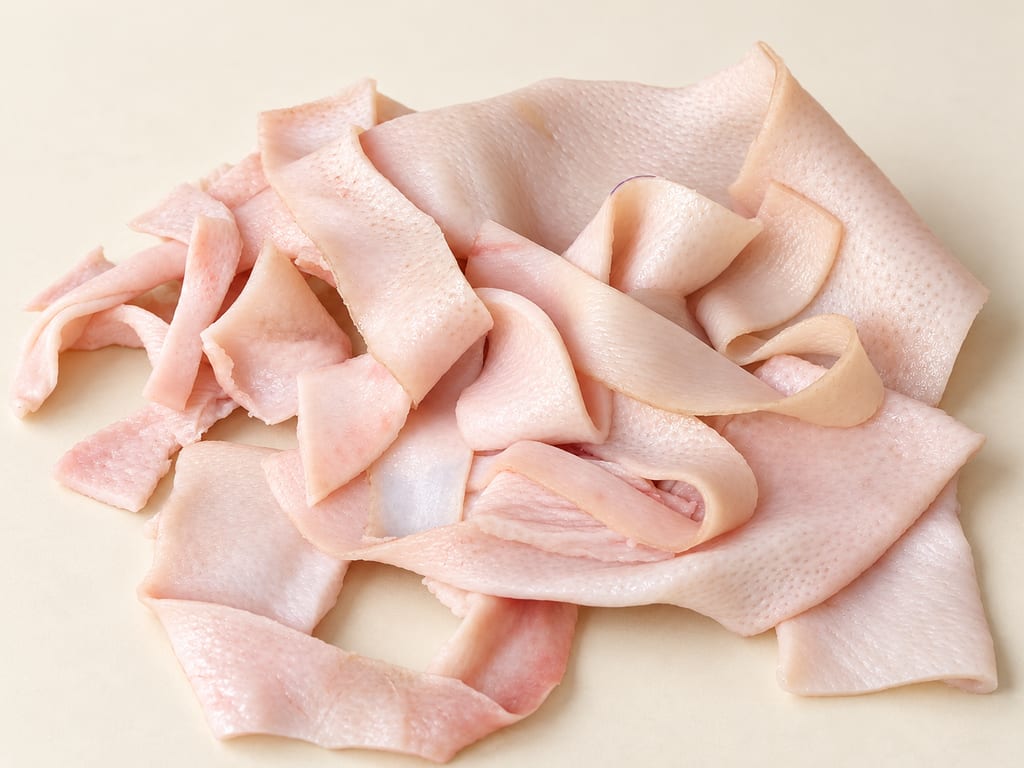
Pork skin is collagen-rich pig skin used fresh or cooked; in documented Southeast Asian meat ferments it is usually prepared separately before it joins the pork.
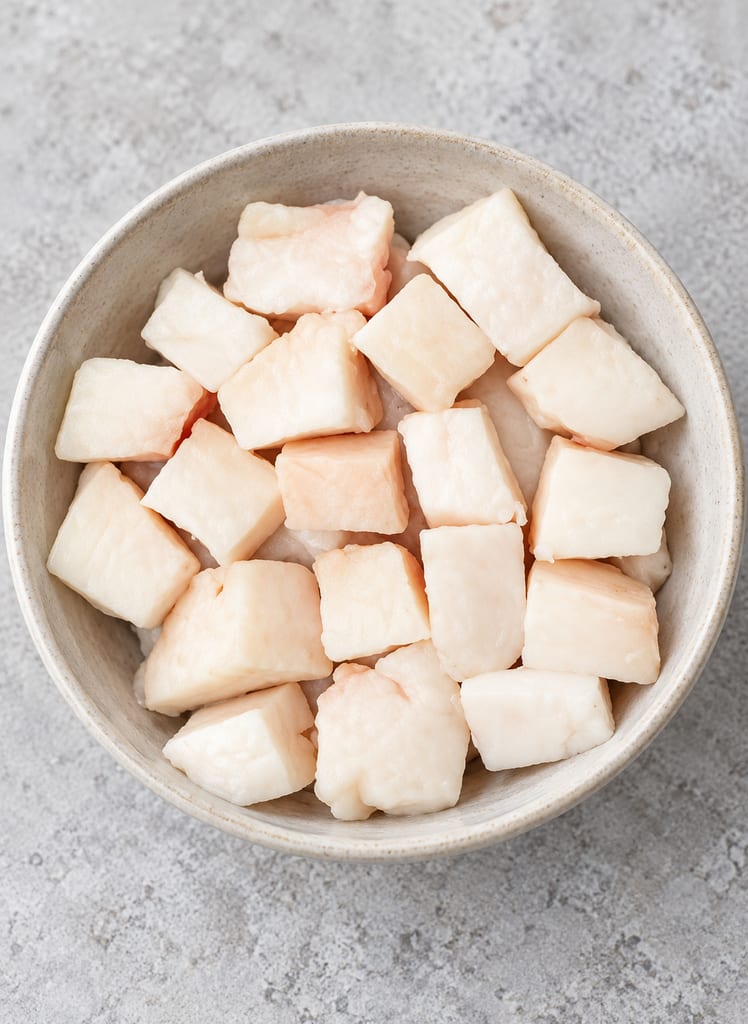
Pig adipose tissue used raw in some fermented meats and made into distinct products such as cured lardo, salo and rendered lard. Cut and firmness affect processing.
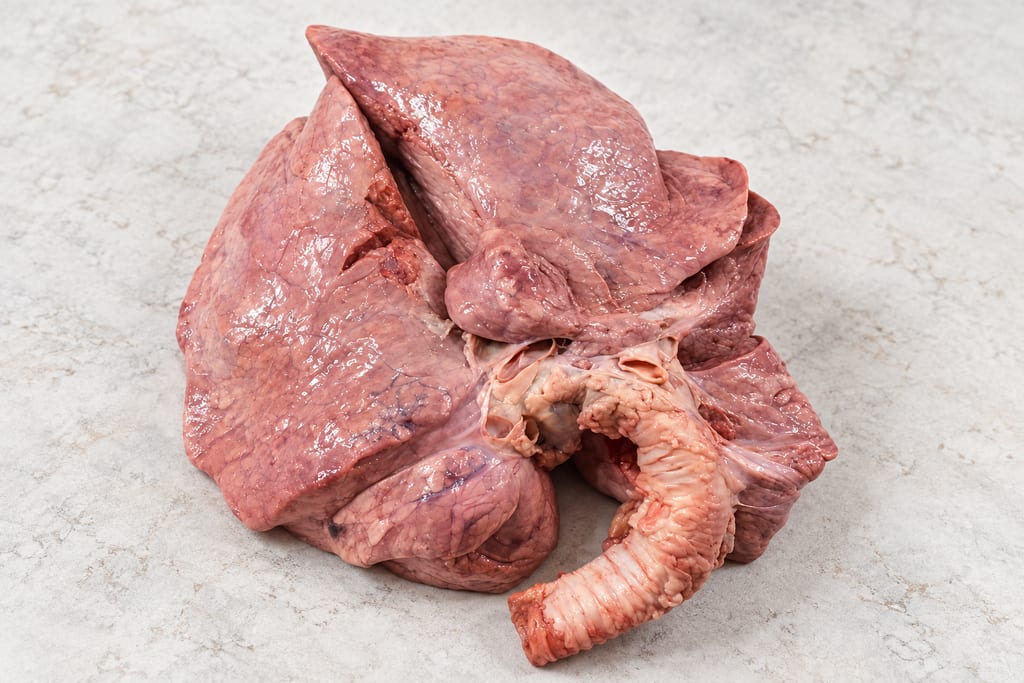
Beef lung is cattle offal used in regional Indonesian dishes and studied as a substrate for a modern fermented-sauce proof of concept. Culinary, regulatory and experimental uses vary; the sources support no universal process.