

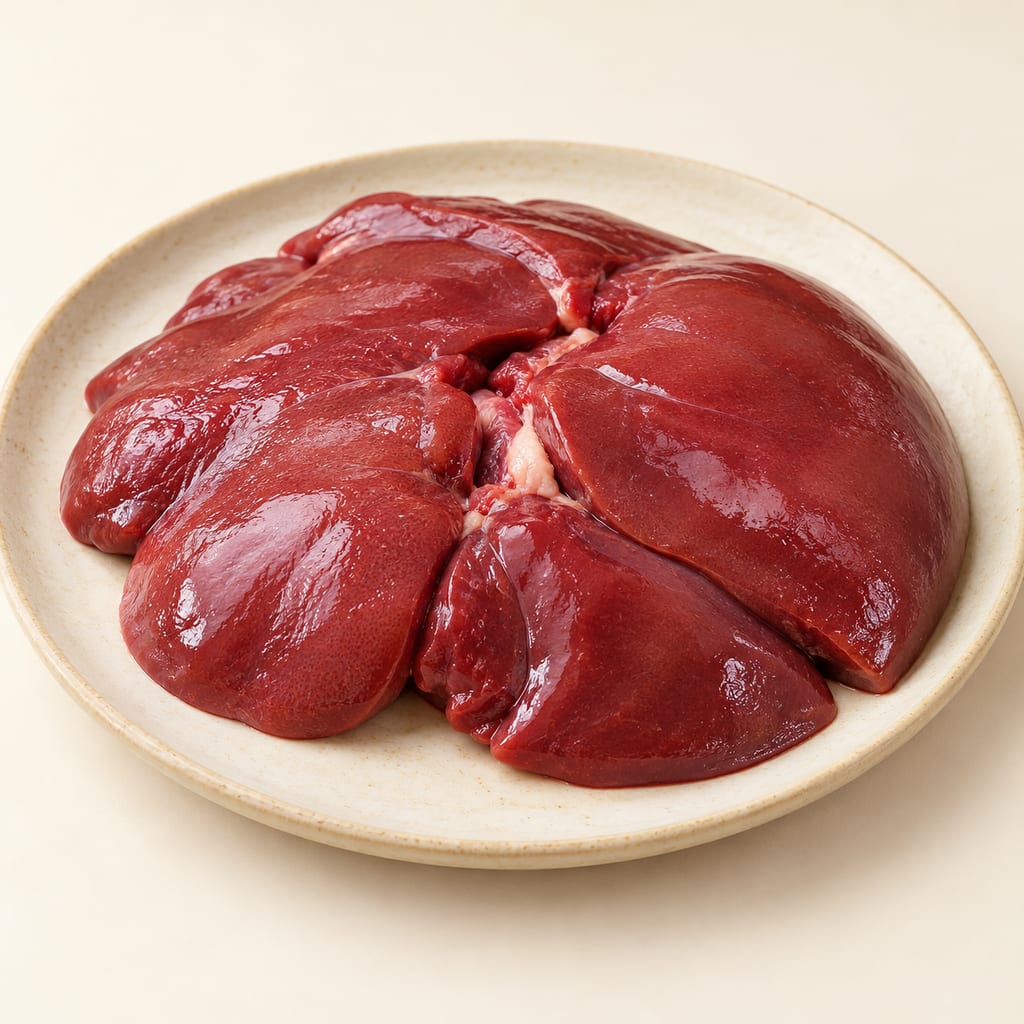
Pork liver
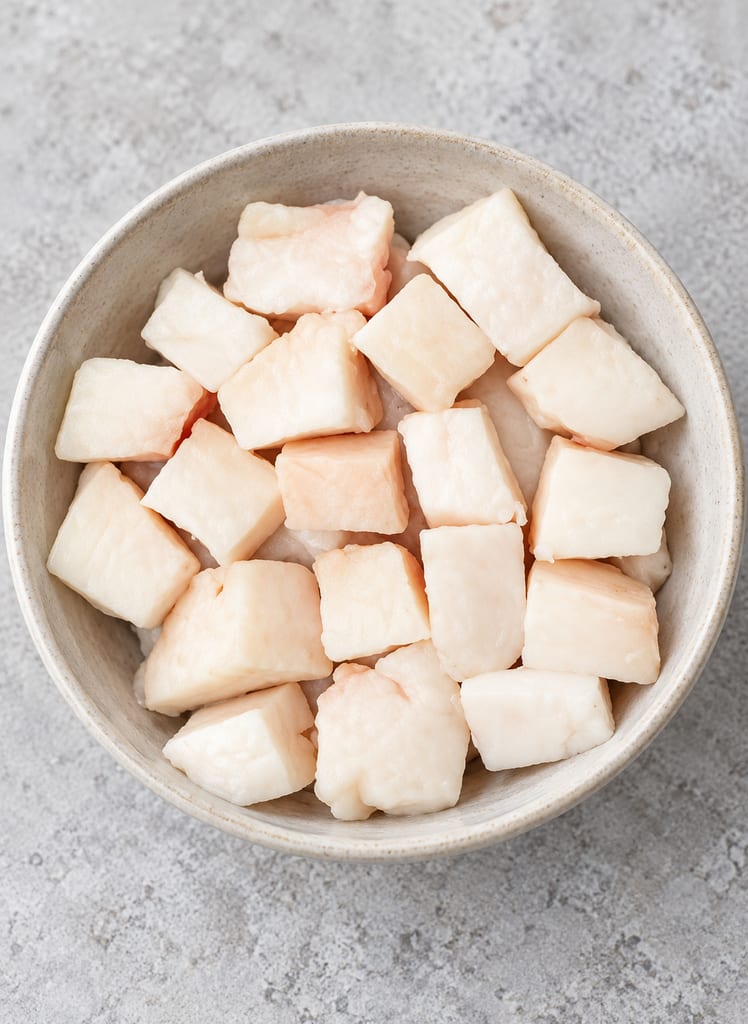
Pork liver is a richly flavoured pig organ used fresh, in cooked sausages and pâtés, and in several preserved meat traditions. Its documented uses differ in process and place; it is not one finished product.
 FermenteaWhere food goes to change
1086 articles on substrates, cultures and additives.
Pork liver is a richly flavoured pig organ used fresh, in cooked sausages and pâtés, and in several preserved meat traditions. Its documented uses differ in process and place; it is not one finished product.
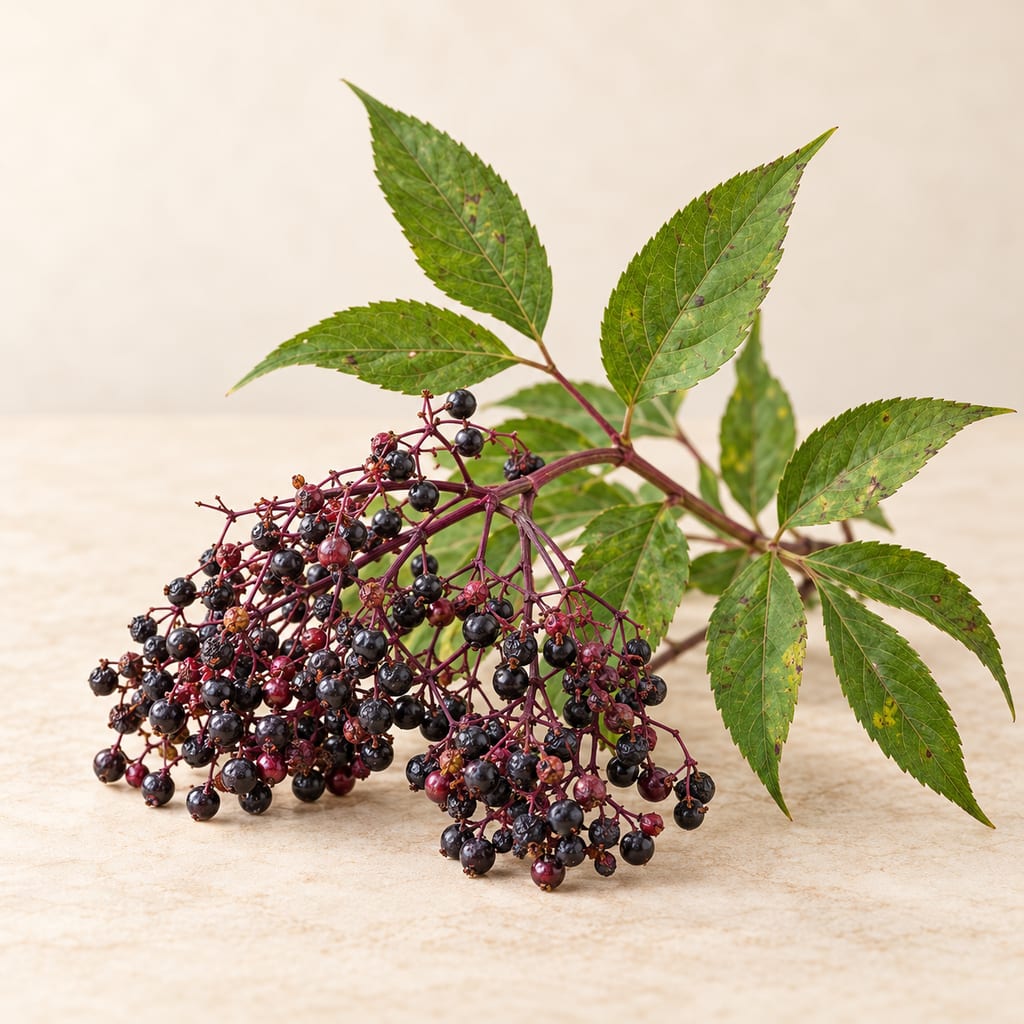
Sambucus canadensis is the accepted name used here for American elderberry. Missouri production guidance and named-cultivar studies give useful regional growing information, while food and analytical sources leave process questions open.
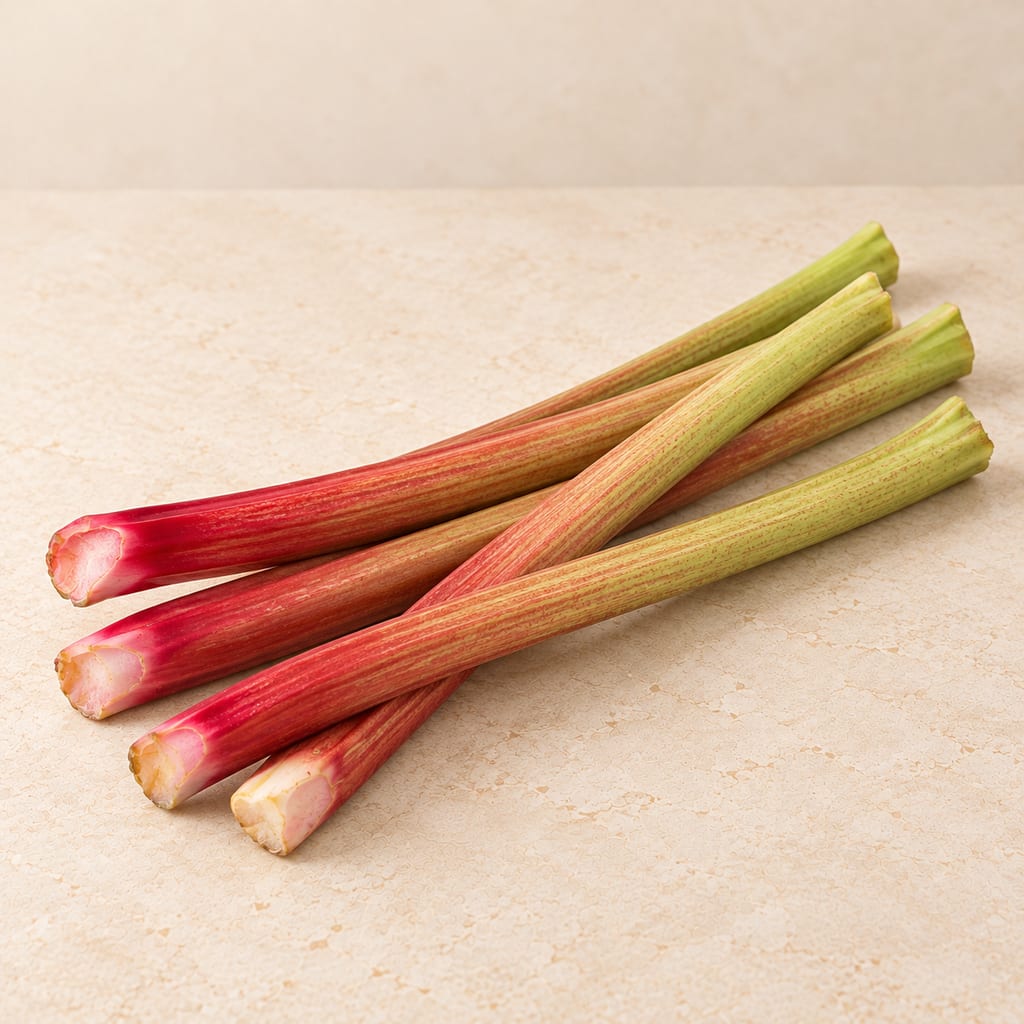
Rhubarb stalks are the tart leaf petioles of garden rhubarb, eaten as a vegetable and used in sweet dishes and wines; they lend a must sharpness and aroma but little sugar.
Remilled durum wheat flour (Italian semola rimacinata di grano duro) is durum semolina milled again to a finer particle size. It is used in regional and home breads, but handles differently from coarse semolina.
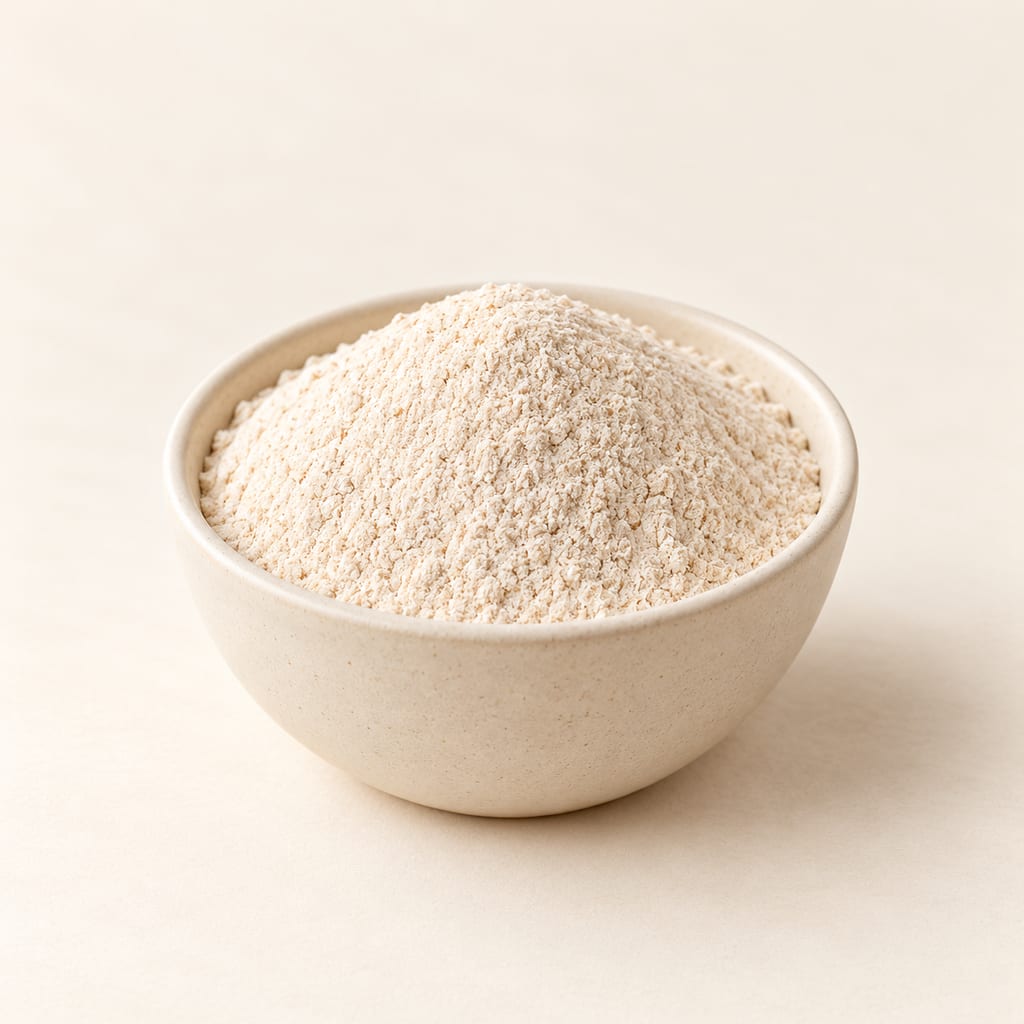
Atta is wheat flour used across South Asian bread traditions. Indian standards distinguish wheat flour (atta) from resultant atta; milling route and particle size shape its behavior in chapati dough.
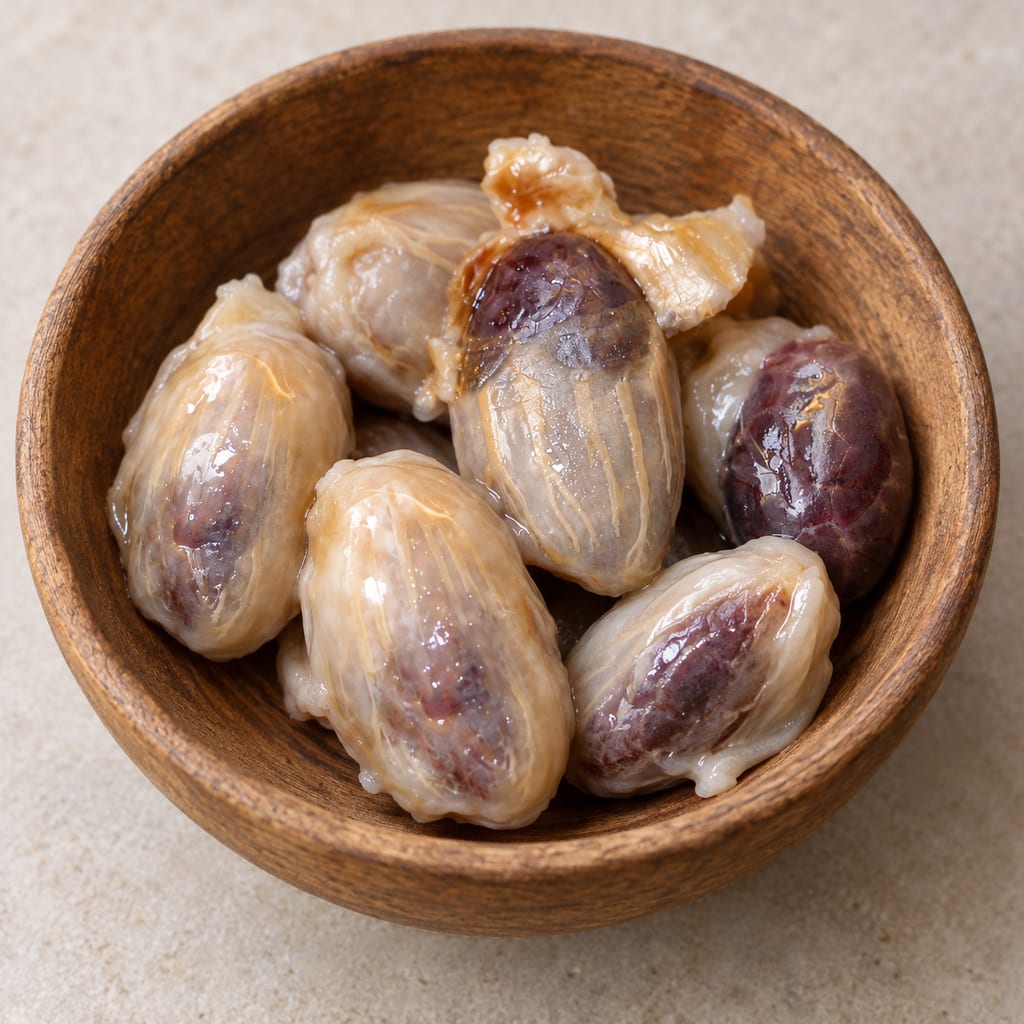
A cleaned pig caecum forms the broad, closed-end casing used for Slavonski kulen and Baranjski kulen. Its shape, preparation and regional names differ from other pig intestines.
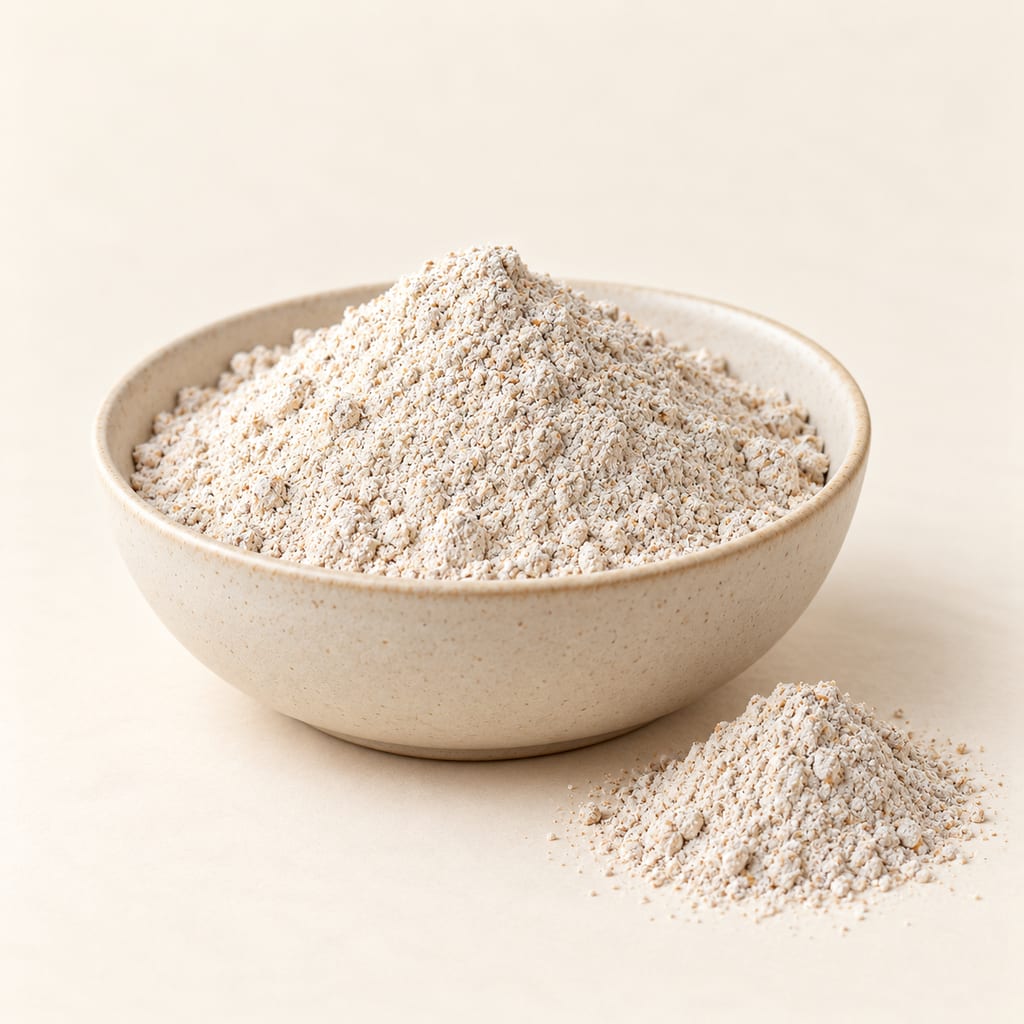
Rye flour is milled rye grain, sold as sifted, dark or wholemeal forms. Its starch and water-binding arabinoxylans shape rye breads, while its proteins do not form wheat's gas-trapping network.
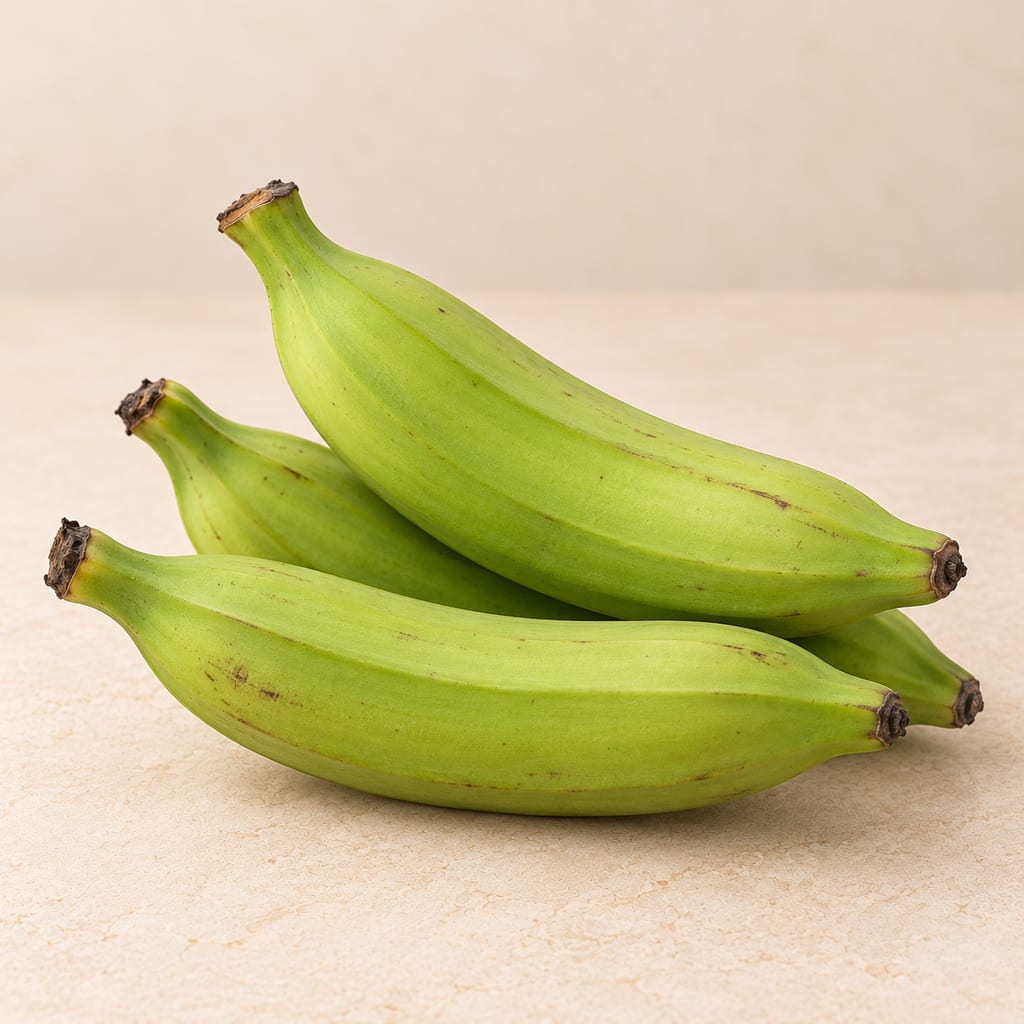
Plantains are starchy cooking bananas used green through fully ripe. Their firmness and sweetness shift with maturity, and ripe mashed fruit appears in a University of Rhode Island Liberian rice-bread adaptation.
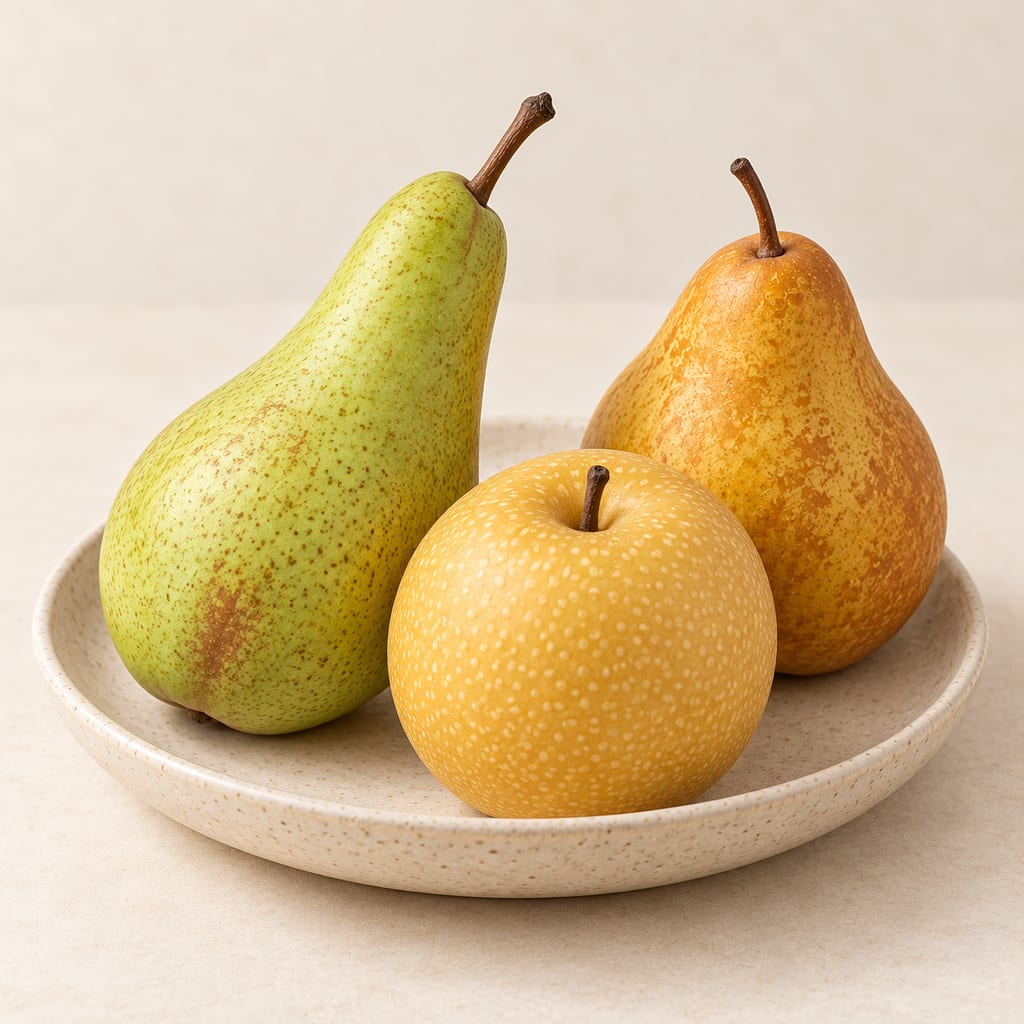
Pears are Pyrus fruits used fresh, pressed for perry, or crushed for fruit spirits; cultivar, species and ripening stage shape each preparation.
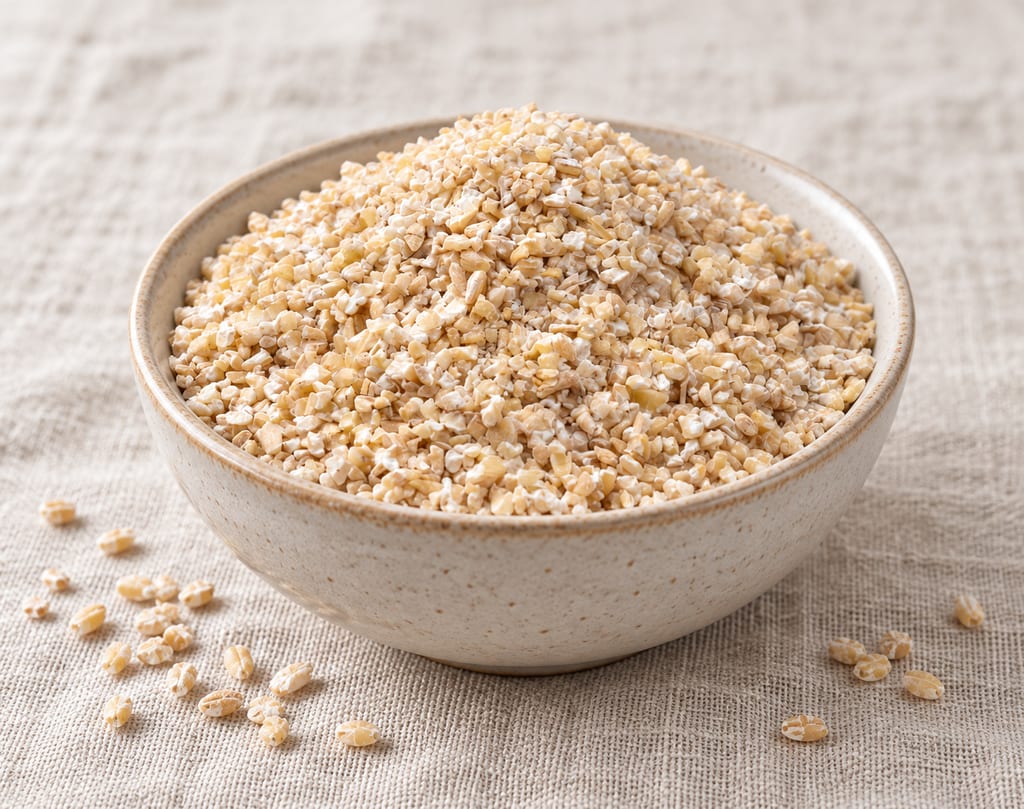
Barley groats are barley kernels with their inedible outer hull removed, sold whole or further cut and polished. In Småland’s coarse isterband sausage, cooked korngryn may extend pork and/or beef, alongside or instead of potato.
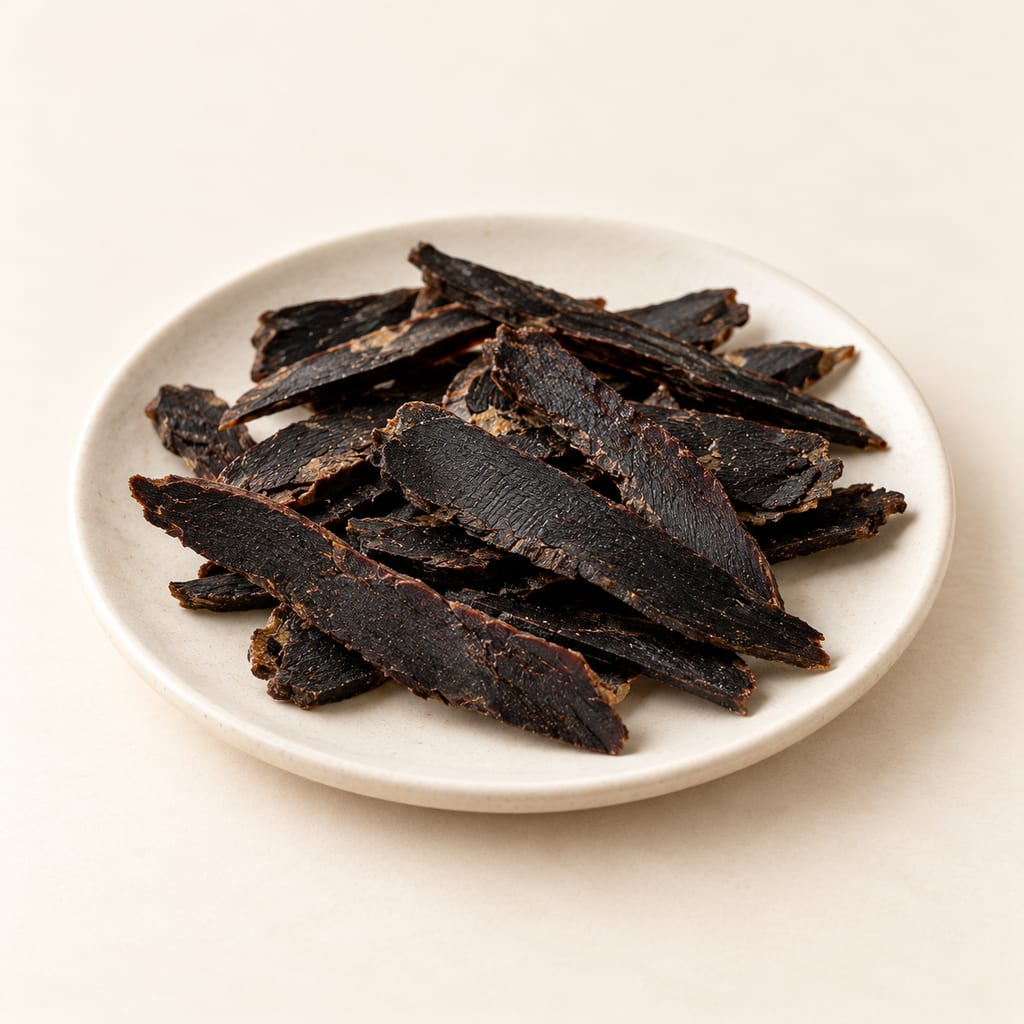
Long-finned pilot-whale meat, called Faroese tvøst, is eaten fresh and preserved in the Faroe Islands. Historical accounts place it among the meats hung to dry and pass through the ræst stage, distinct from blubber and other whale foods.
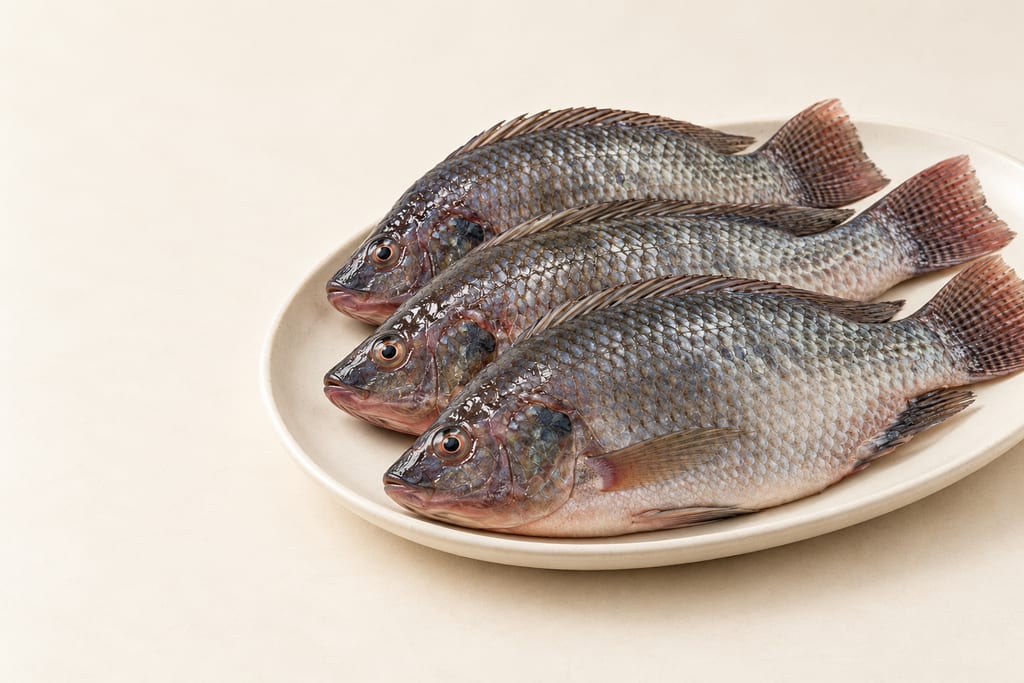
Tilapia is a common market name for several African freshwater cichlids, not one species. It is eaten fresh, farmed and preserved in distinct regional forms, including Ghanaian koobi and Botswana salt-dried fish.
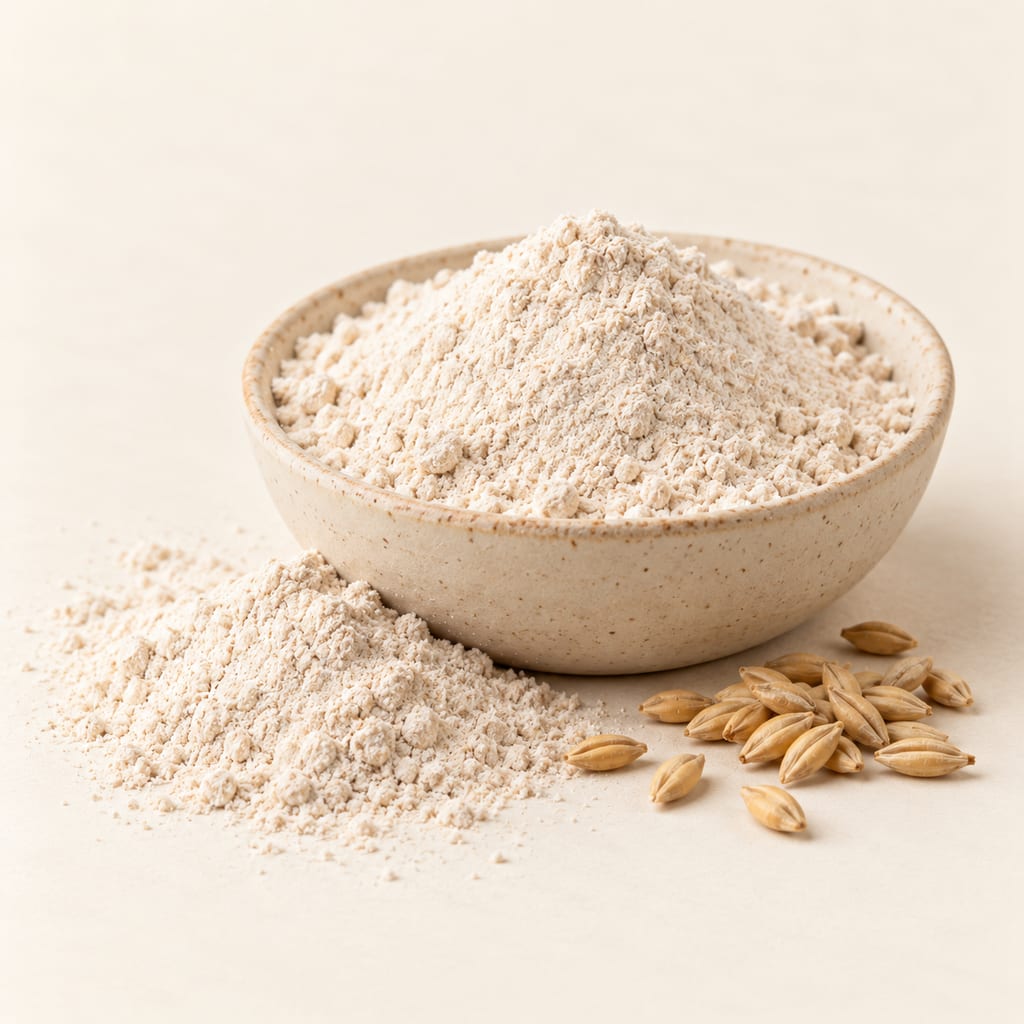
Barley flour is ground barley grain; whether it comes from pearled or hulless kernels, its milling and limited wheat-like gluten-forming ability shape the doughs and foods it can make.
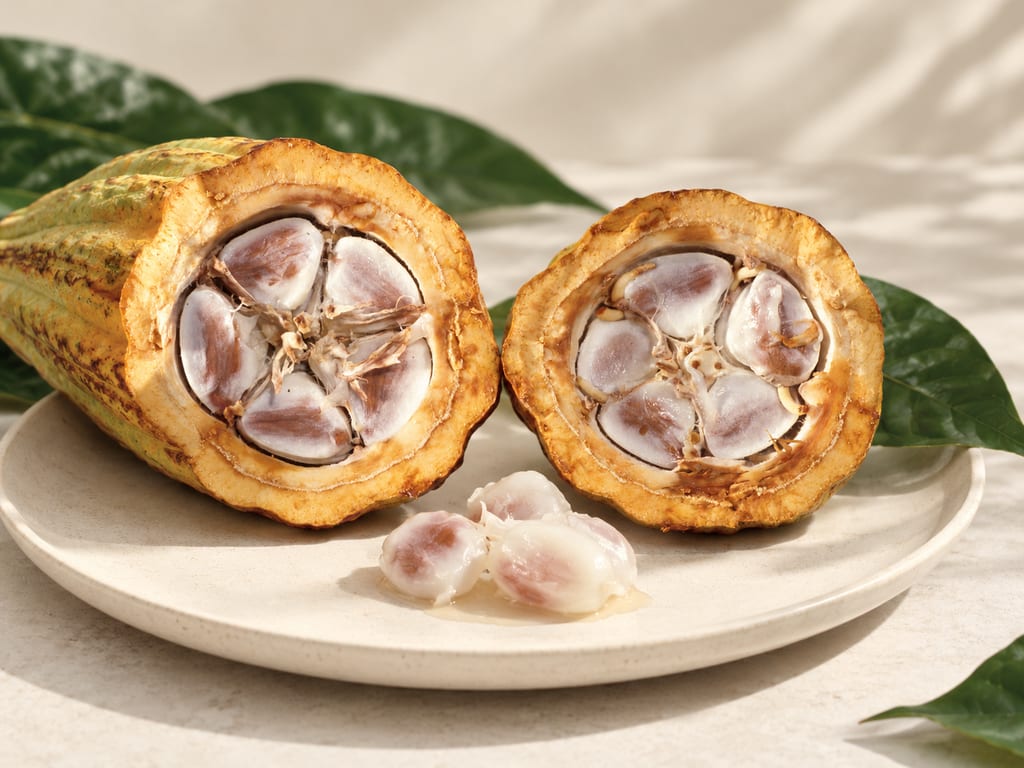
Cacao pulp is the moist, sweet-acid mucilage around cacao seeds. It fuels bean fermentation and can be extracted for fruit drinks, wine and vinegar.
Oat flour is milled oats, from fine whole-groat powder to flour with some bran removed; its low gluten-forming capacity changes how it behaves in dough.
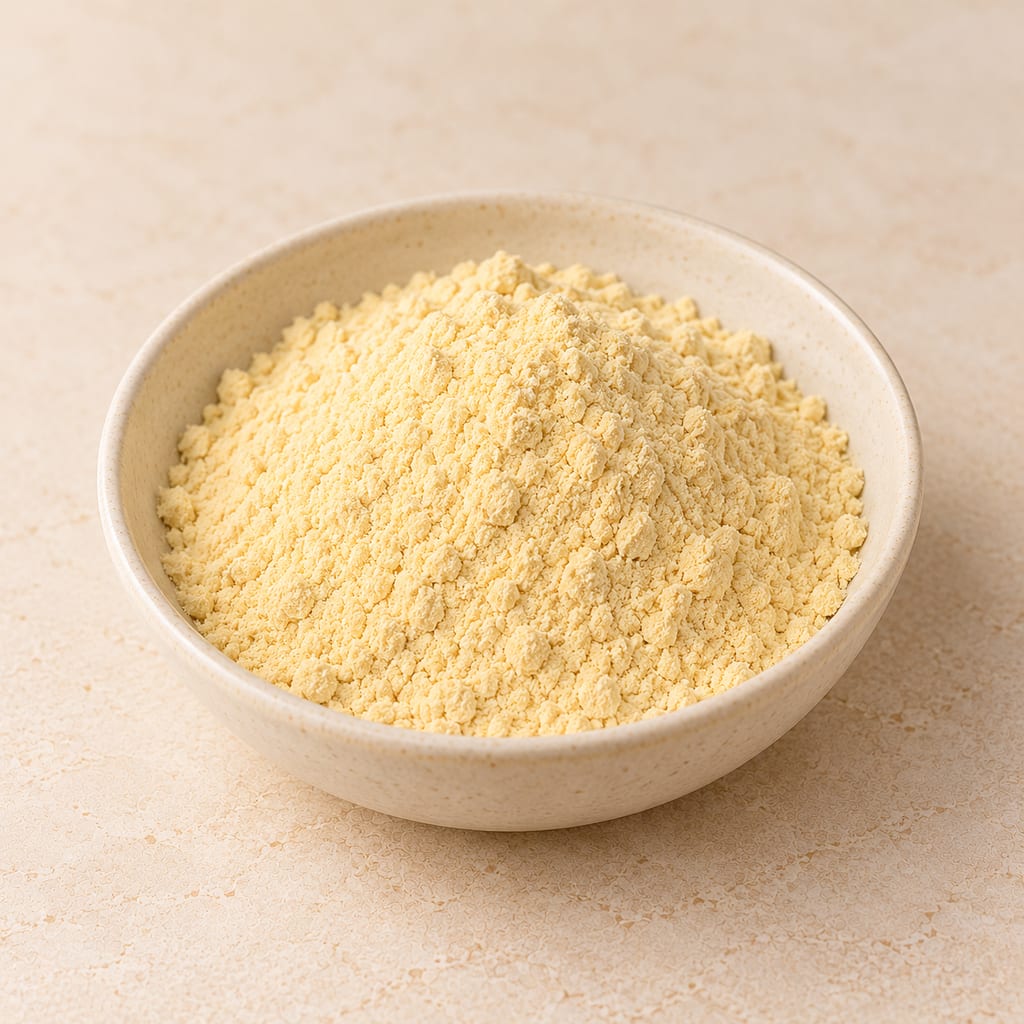
Chickpea flour is milled Cicer arietinum, used as besan in many Indian dishes and as the base of breads such as socca and farinata.
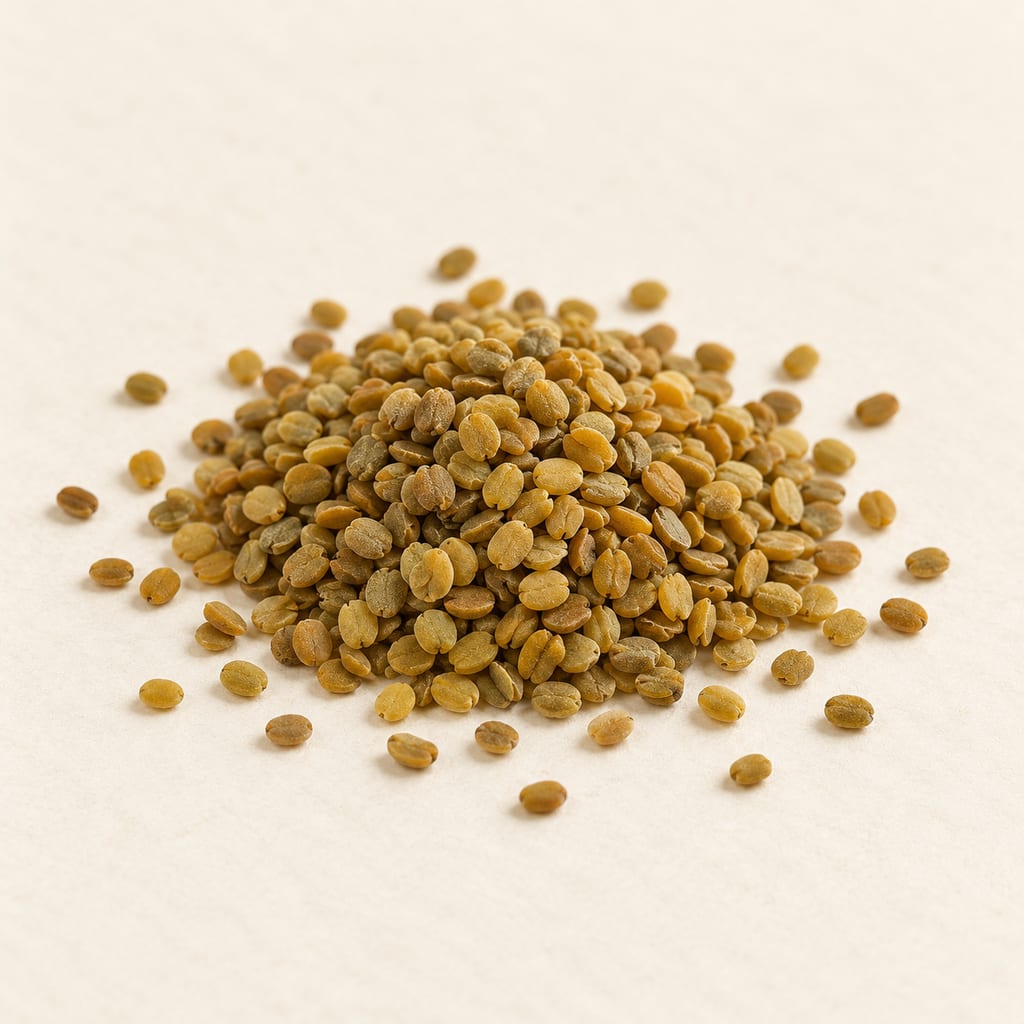
Blue fenugreek (Trigonella caerulea) is an aromatic annual used as an herb in Alpine cheese and bread and as a seed spice in Georgian cooking; its identity differs from common fenugreek.
Reindeer meat is the flesh of Rangifer tarandus, used fresh and preserved across northern foodways; animal populations, cuts, and regional practices differ, and no single culinary origin is established.
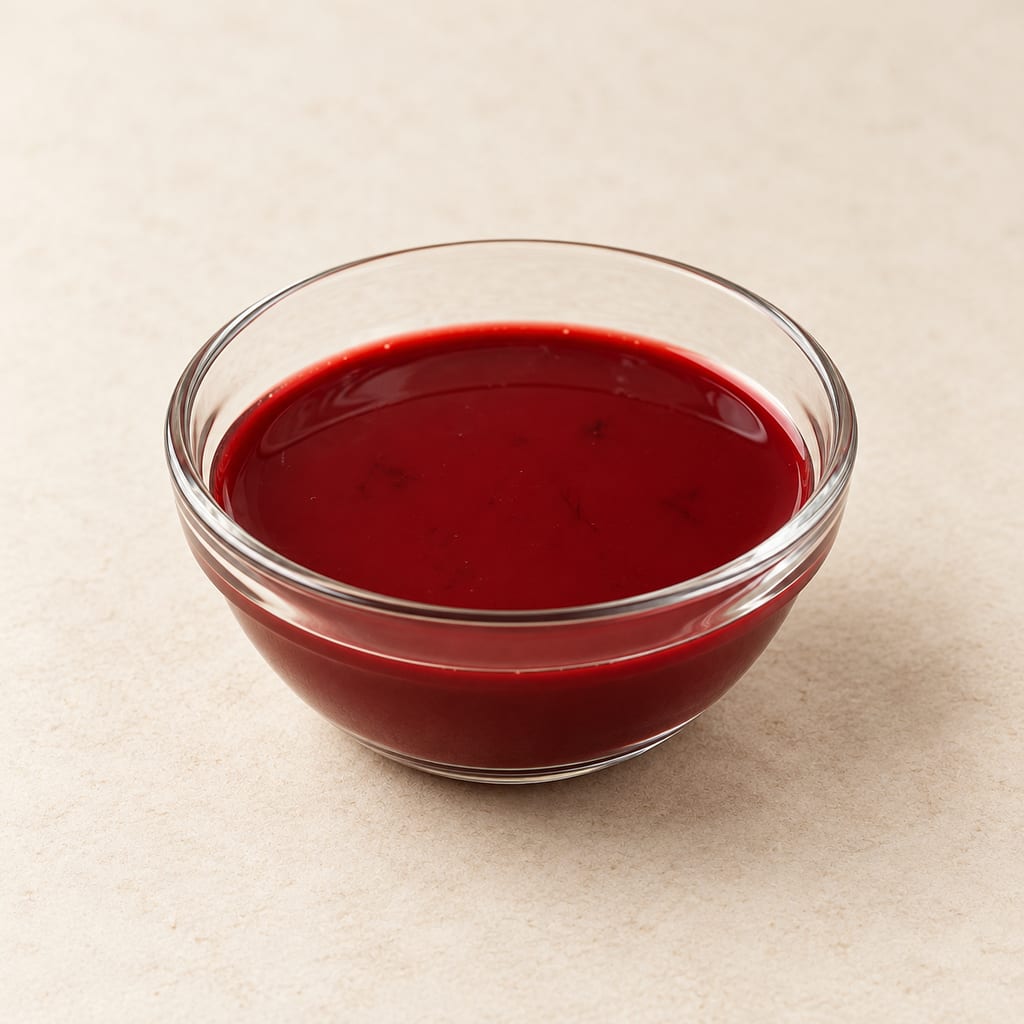
Animal blood is a perishable food material used fresh, coagulated, cooked, dried or processed into ingredients. Its uses range from grain-filled puddings to functional protein ingredients, each with distinct history and handling needs.
Reindeer milk is milk from female reindeer (Rangifer tarandus). Sámi sources document its former use in cheese and stored foods in parts of Sápmi; one source says reindeer milking no longer occurs in its described context.
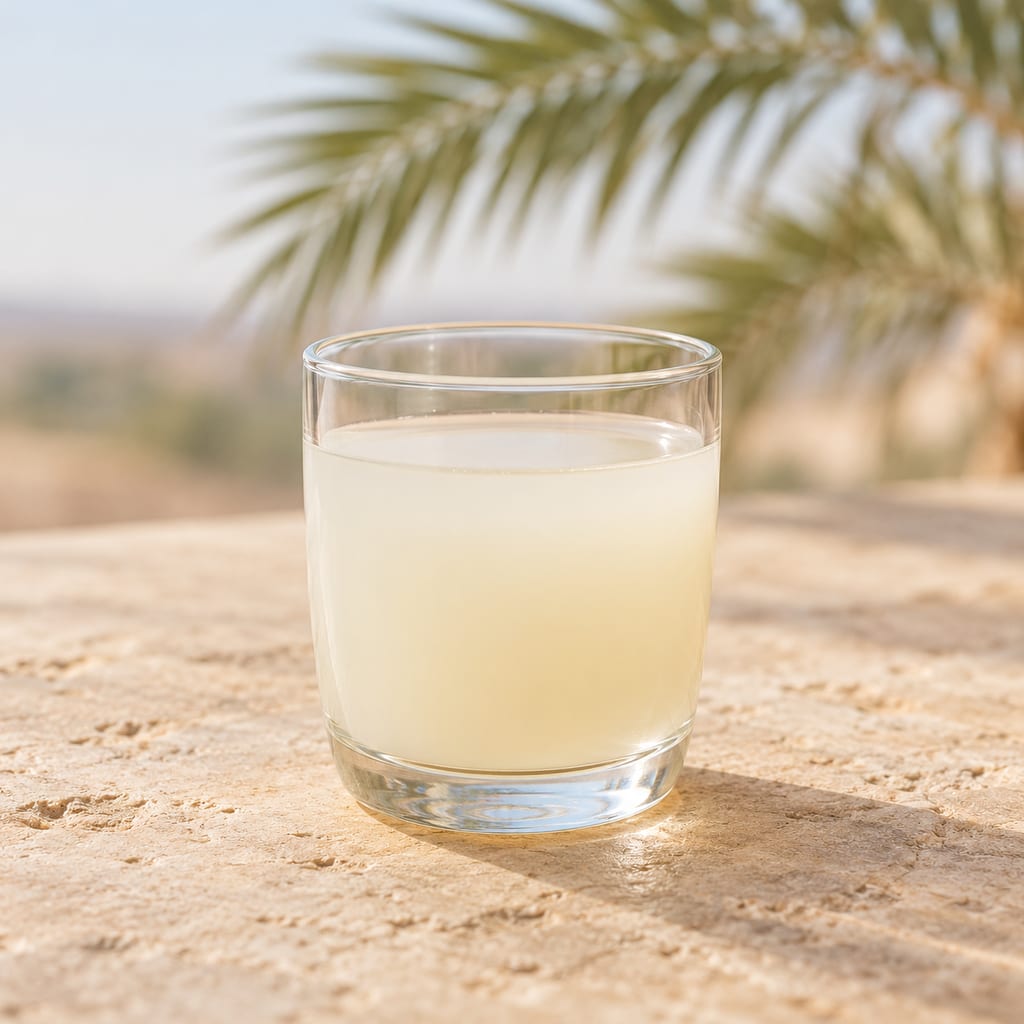
Legmi is sweet sap tapped from date palms in southern Tunisia. It is consumed fresh and can ferment rapidly through native yeasts, lactic acid bacteria and acetic acid bacteria.
Seal meat is the flesh of hunted seals, eaten fresh, frozen, boiled, dried and, in distinct preparations, aged or fermented. Species and community practices vary; the name describes neither one recipe nor one place of origin.
Bovine colostrum is the changing first secretion around calving, concentrated in proteins and maternal immune components; it feeds newborn calves and appears in seasonal foods and processed products.
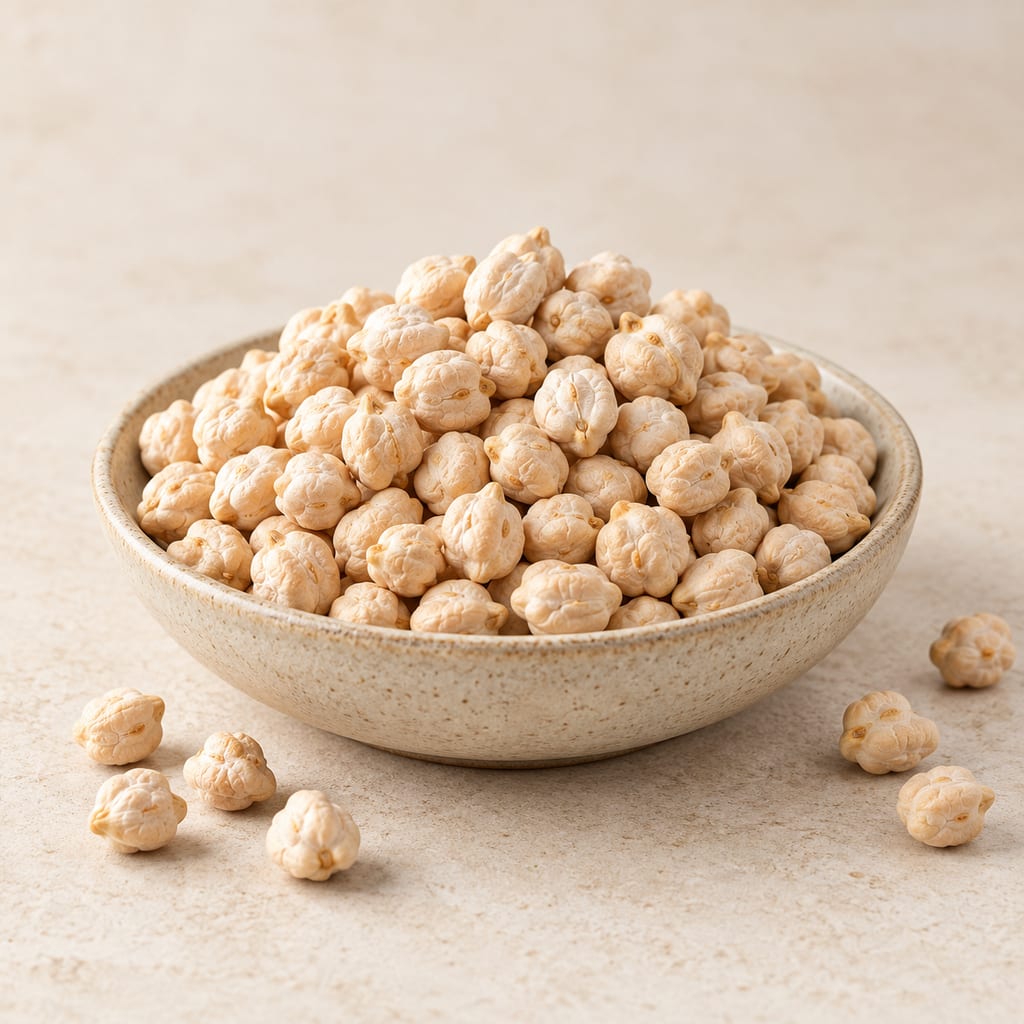
Chickpeas (Cicer arietinum) are dry pulses eaten whole or milled into flour, which gives socca, farinata and other breads a dense, nutty batter or dough.
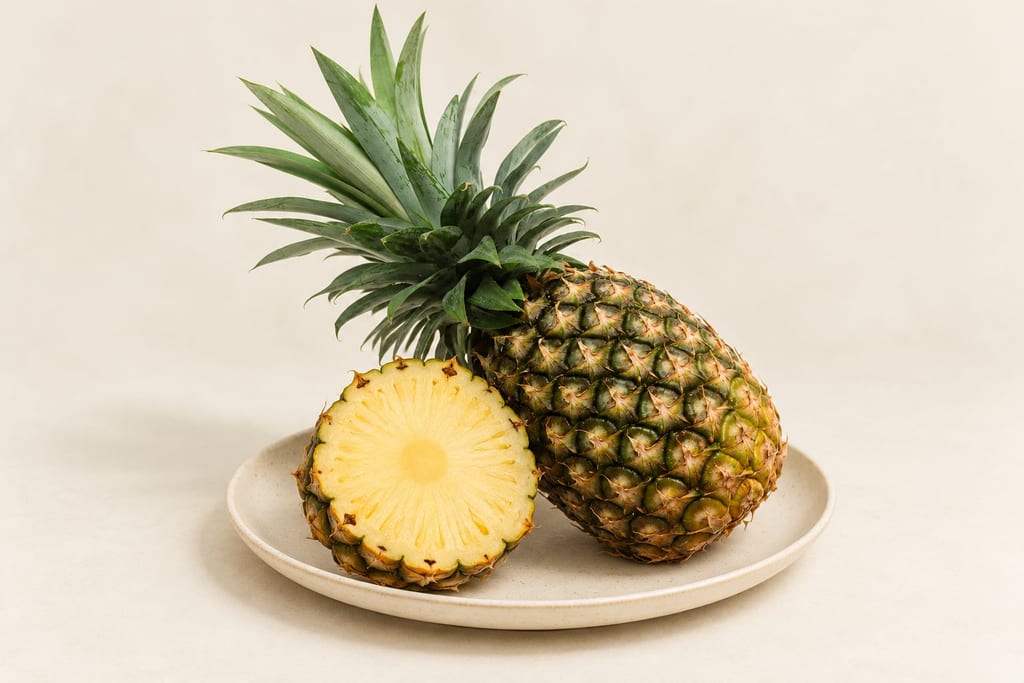
Pineapple is a sweet-tart tropical multiple fruit whose fresh flesh and peel supply sugars and acids to fruit ferments, while cultivar and maturity shape the balance.
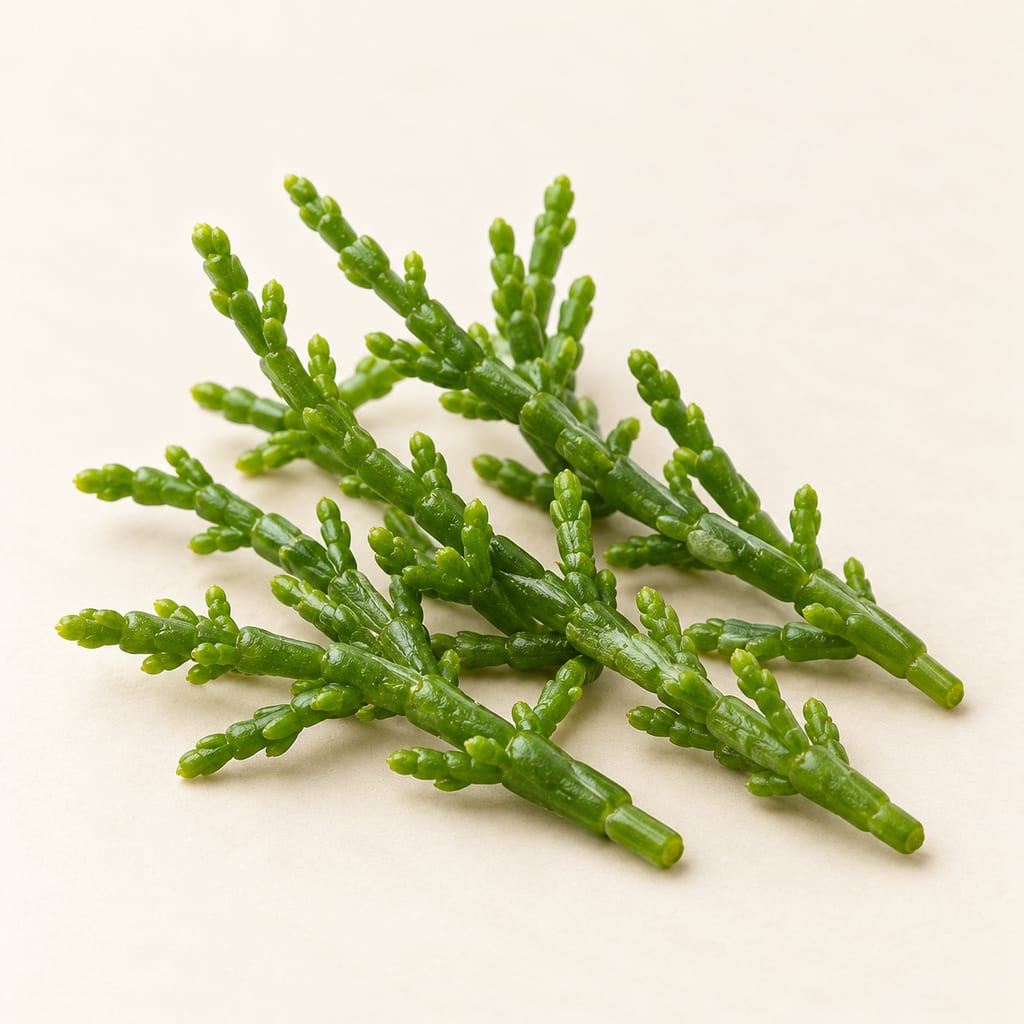
Kew accepts Salicornia europaea, while older glasswort names can cover broader groups. French sources report food uses; one study tested S. europaea var. aprica under controlled salt treatments.
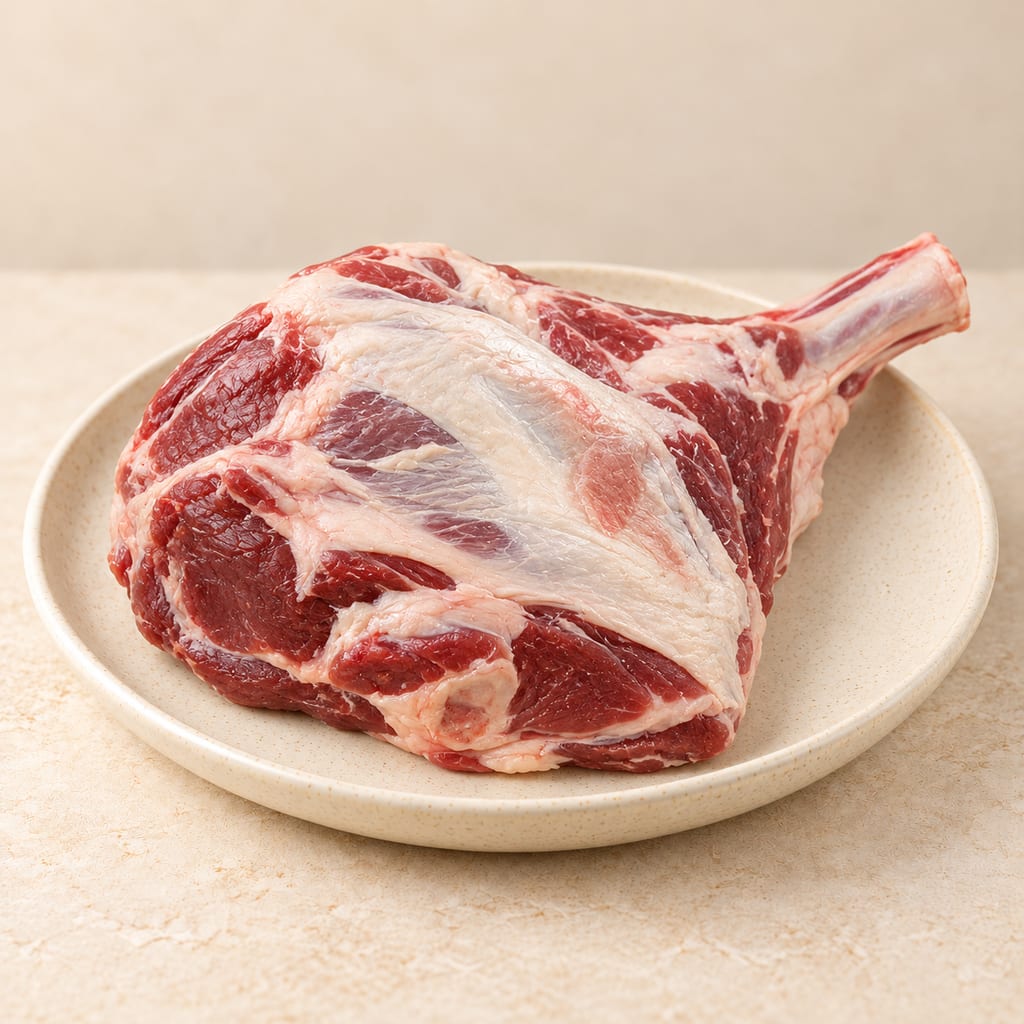
Sheep meat spans lamb from younger animals and mutton from mature sheep; age, breed, diet, cut and fat cover shape its texture and how it behaves in curing and fermentation.

Parkia biglobosa seeds are fermented into regional West African seasonings, including nététou, iru, dawadawa and soumbala. The yellow fruit pulp is a separate food, and names and methods vary by place.

Mare milk is milk produced by a lactating female horse. Its composition varies with breed and lactation; raw milk, pasteurized milk and fermented drinks such as airag or qymyz are distinct forms with different handling and evidence.
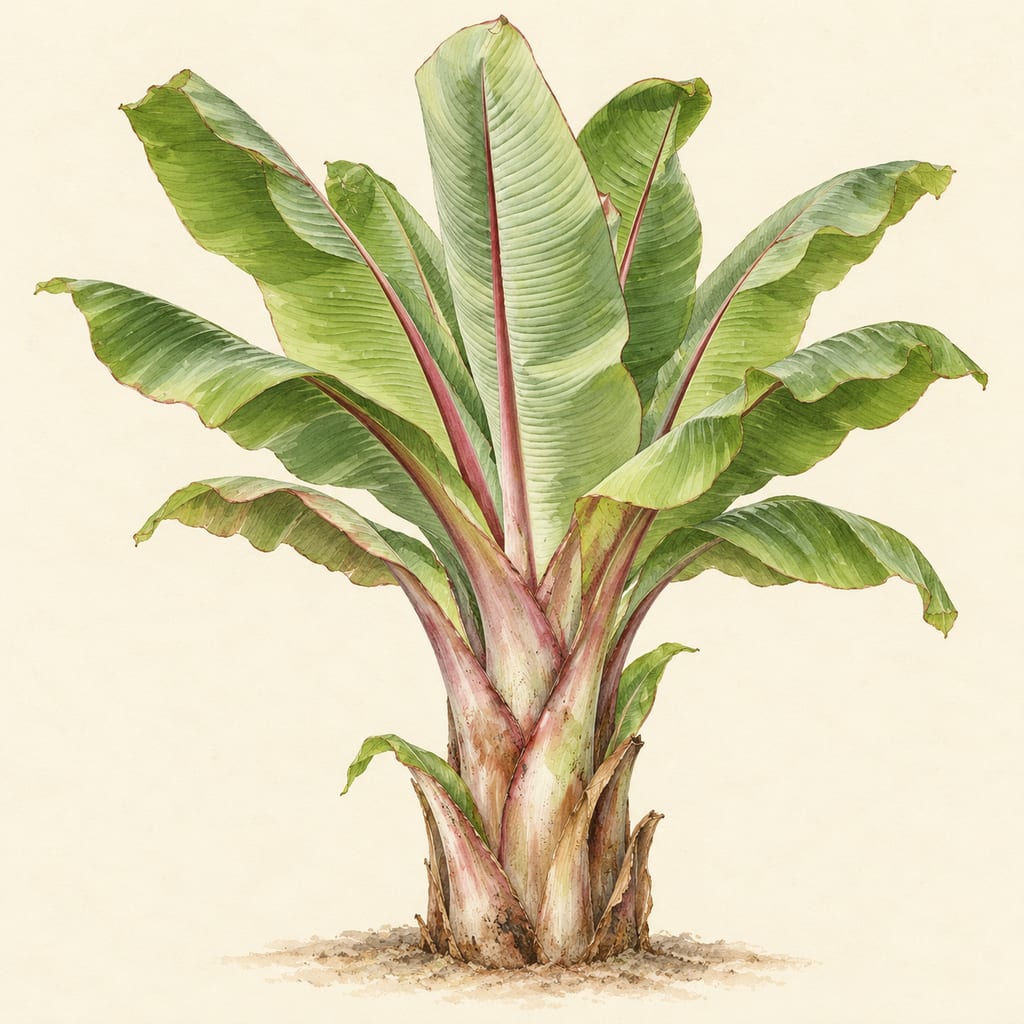
Enset is an Ethiopian staple crop grown for its starchy corm and pseudostem. Fermented kocho, extracted bulla and boiled amicho are distinct foods from the plant.
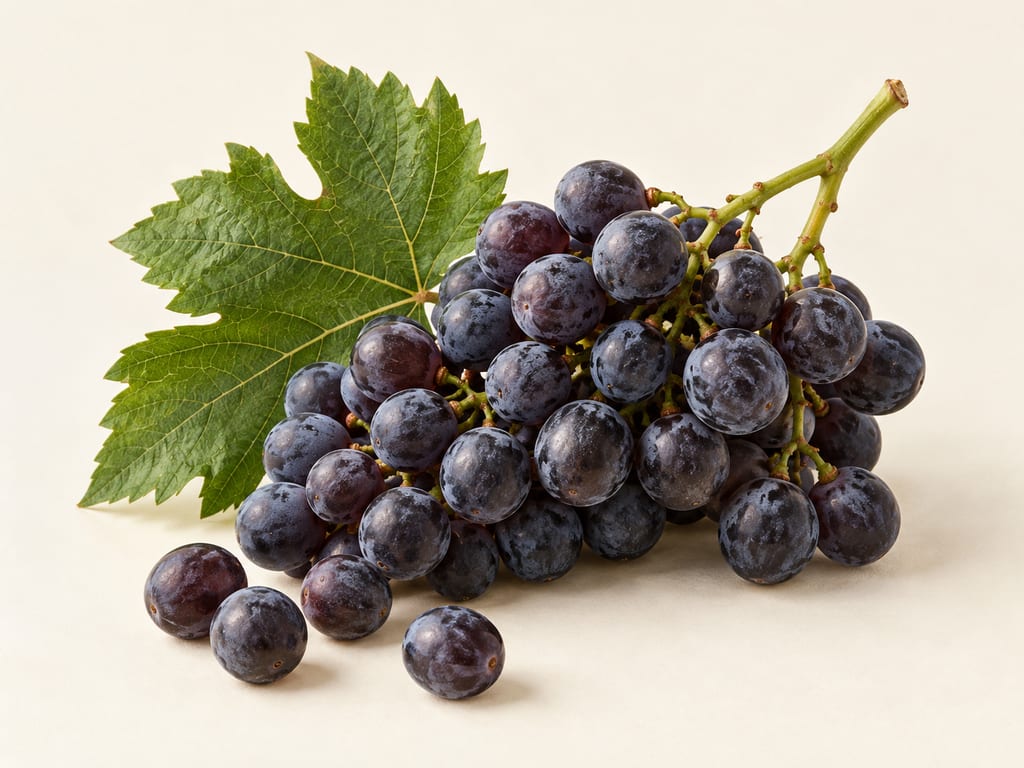
Wine grapes are fresh berries selected for vinification; their sugars fuel alcoholic fermentation, while cultivar, ripeness and handling shape the fruit and the wine it can become.
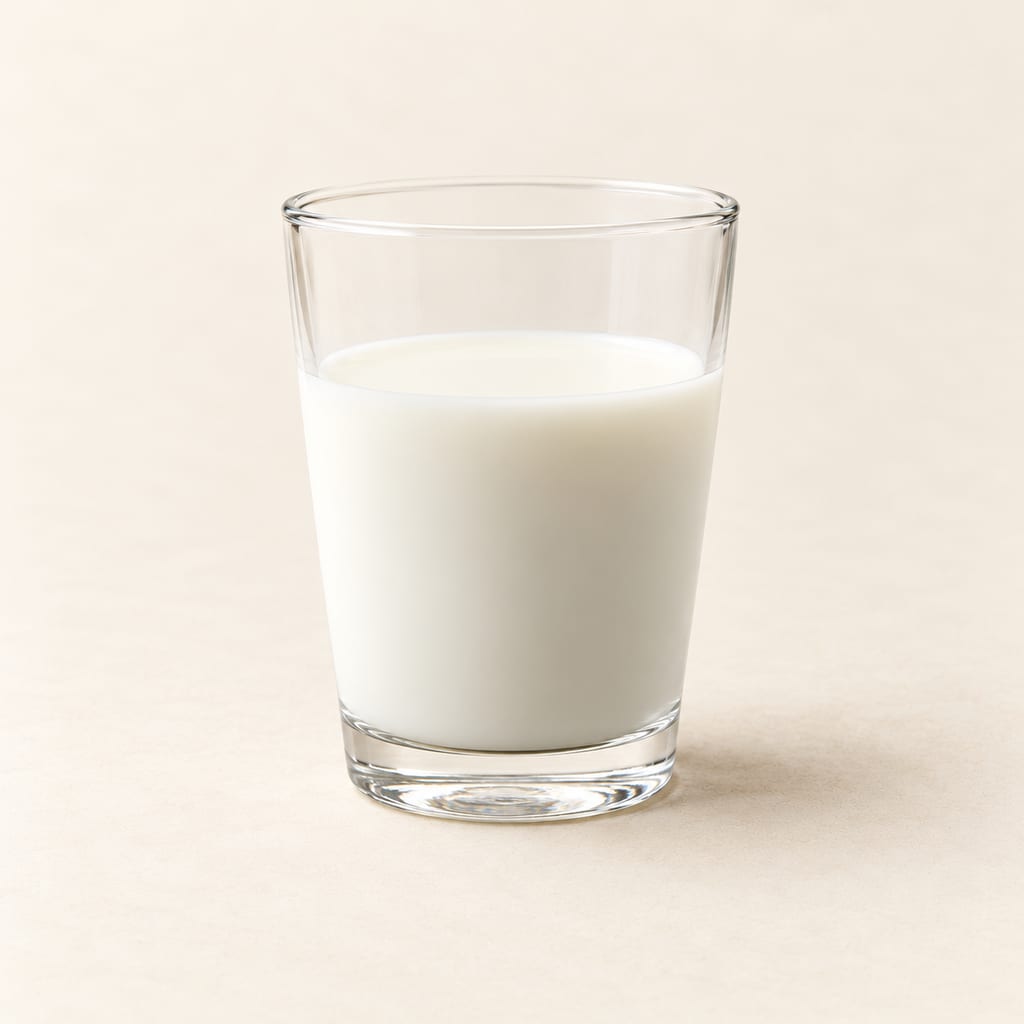
Goat milk is the liquid milk of domestic goats, used as a drink, a cheesemaking substrate and the base of regional dairy foods. Its composition varies among animals and farms, and its species name does not say whether it is pasteurized.
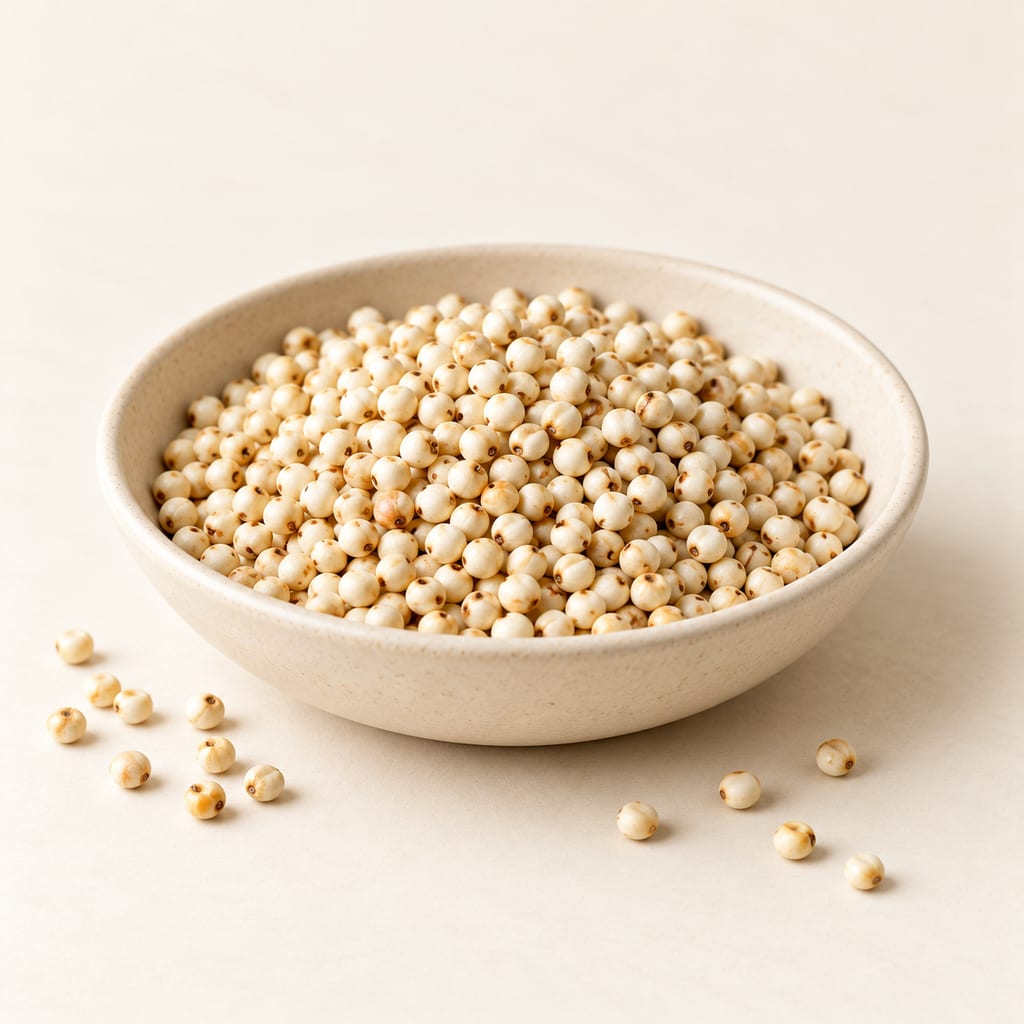
Sorghum is the grain of Sorghum bicolor, a variable African-origin cereal used whole, milled, malted and cooked in distinct fermented foods and drinks.
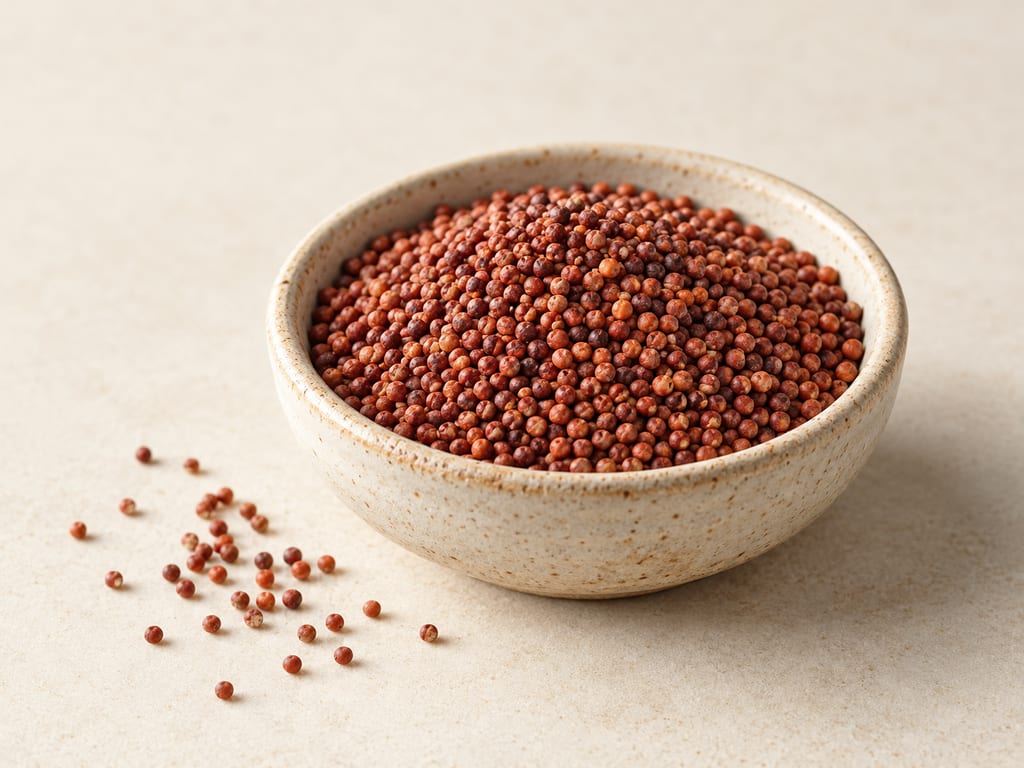
Finger millet (Eleusine coracana) is a small-grained cereal grown across parts of Africa and Asia. It is milled, cooked, malted and fermented in distinct food traditions.
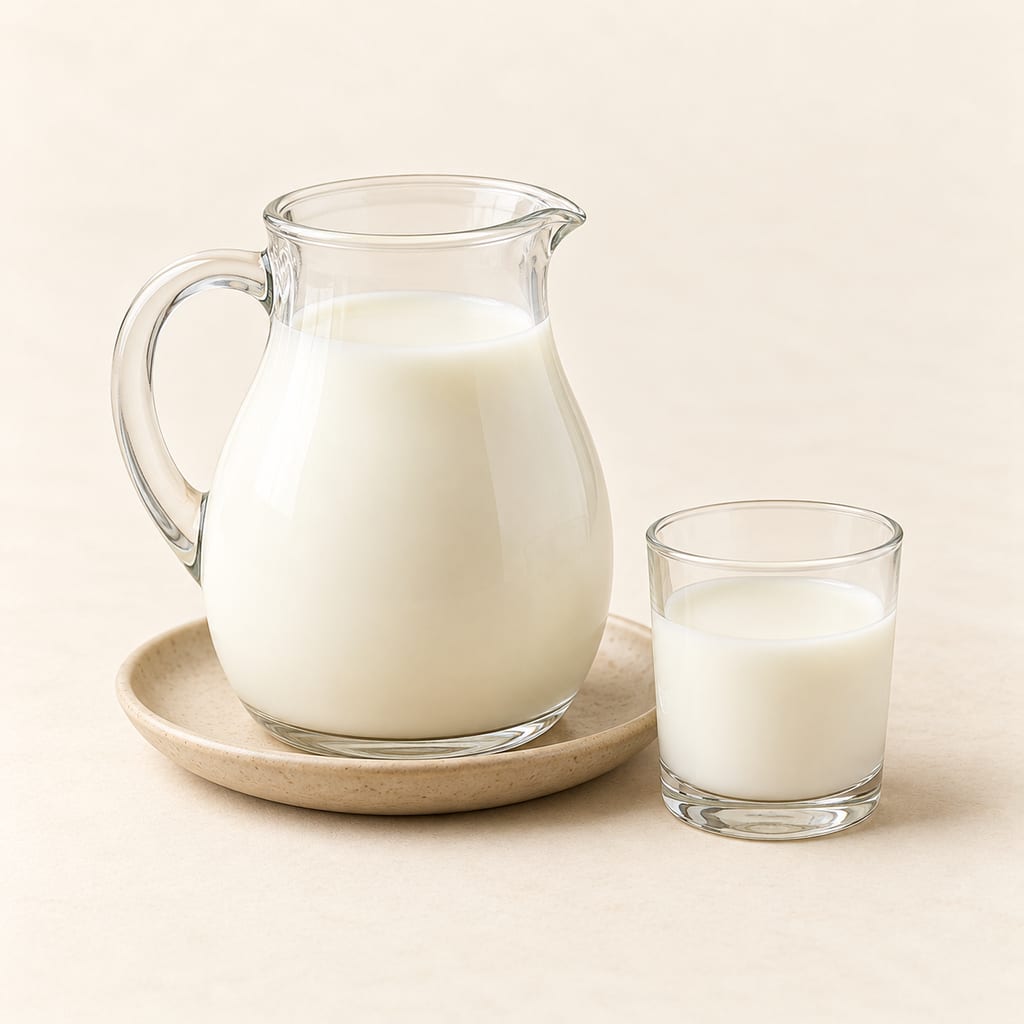
Water buffalo milk comes from Bubalus bubalis and appears in regional dairy traditions across Asia and beyond. Its richer average fat and casein profile affects processing, while composition and raw-milk risk depend on the actual supply.
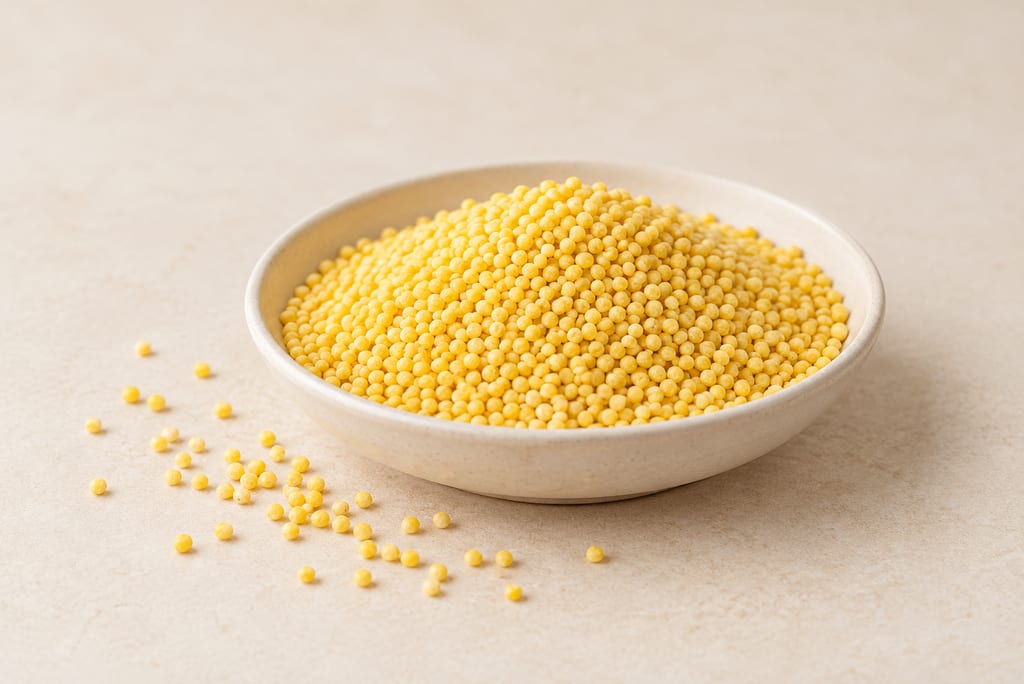
Millet names several small-seeded cereals. In African fermented foods, pearl millet and finger millet become sour gruels, doughs and drinks through distinct combinations of soaking, milling, cooking, malting and fermentation.
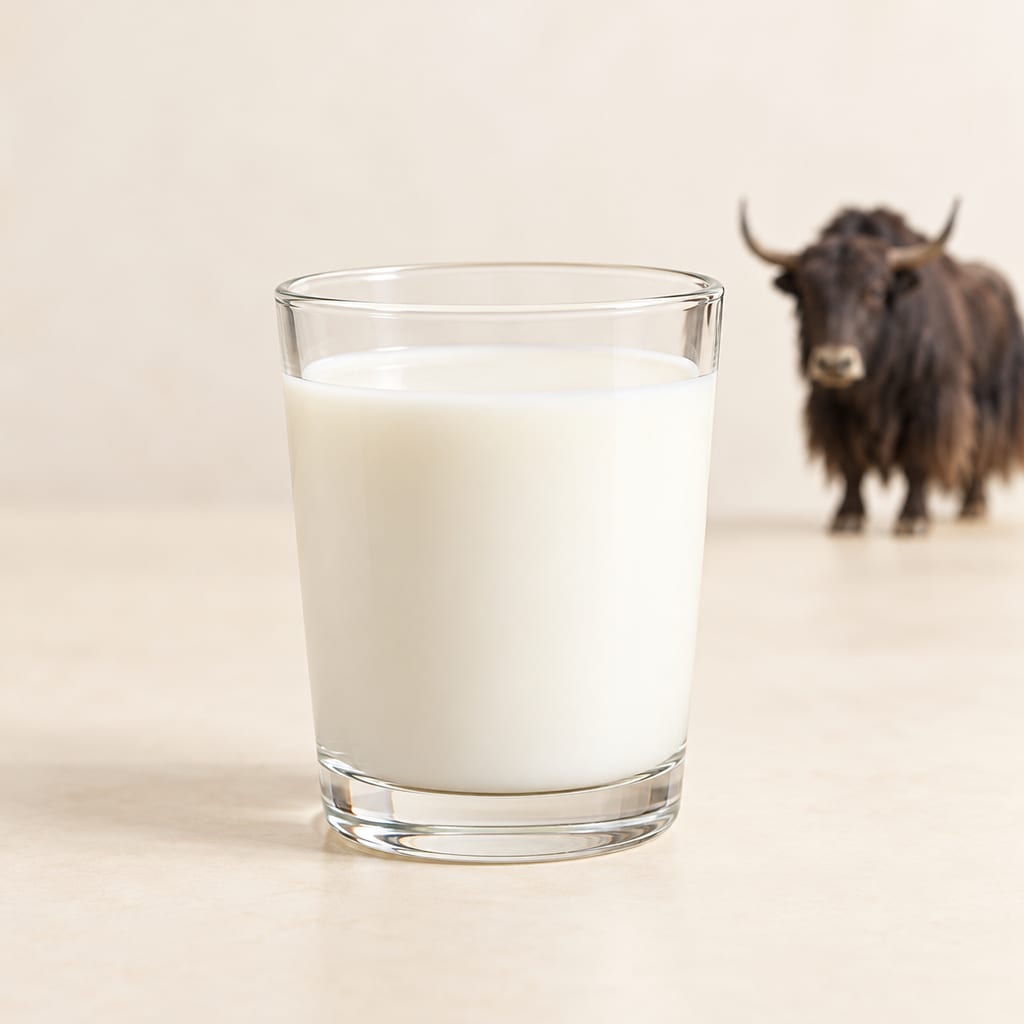
Milk from female domestic yaks is a rich, seasonal ingredient for household tea, butter, curds, and cheeses across highland pastoral systems.
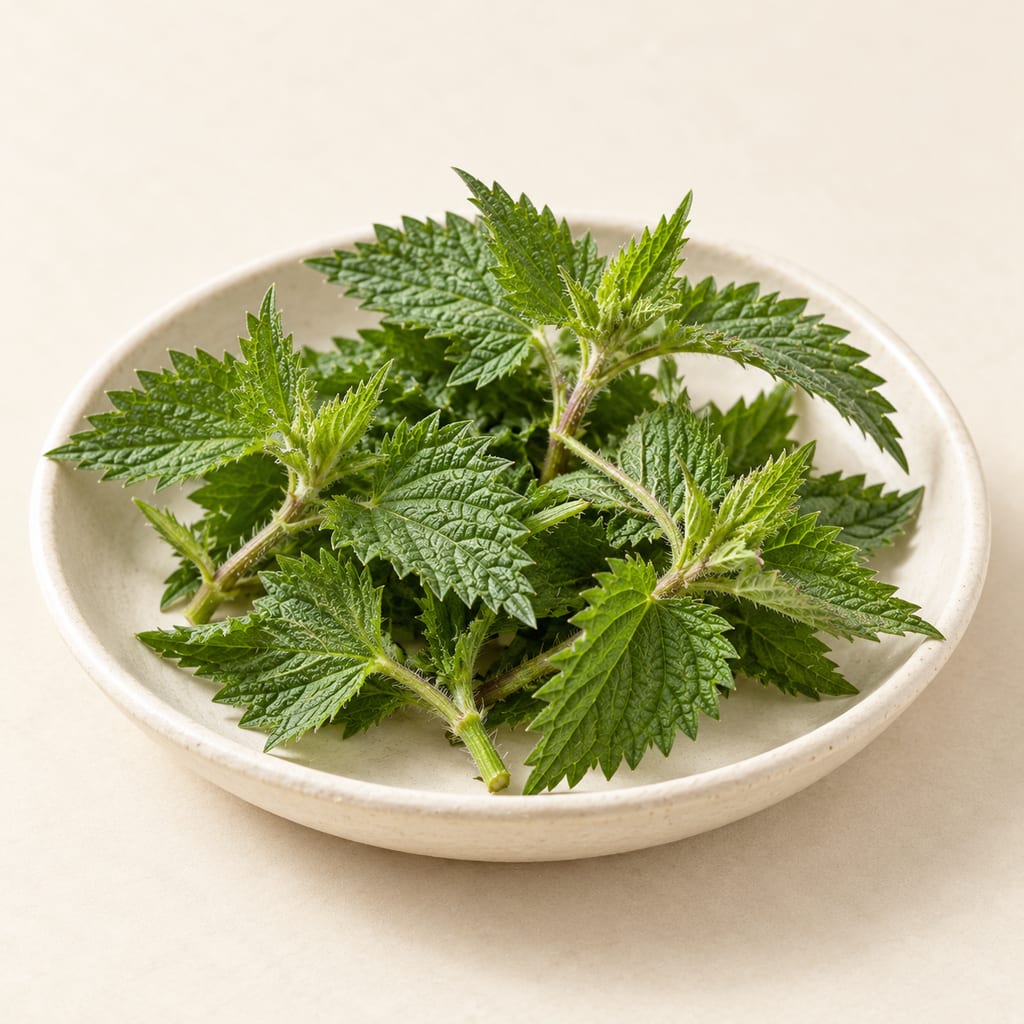
A source-linked account of common stinging nettle as a food plant and spreading perennial, with regional cooking reports, handling cautions and cultivation limits.
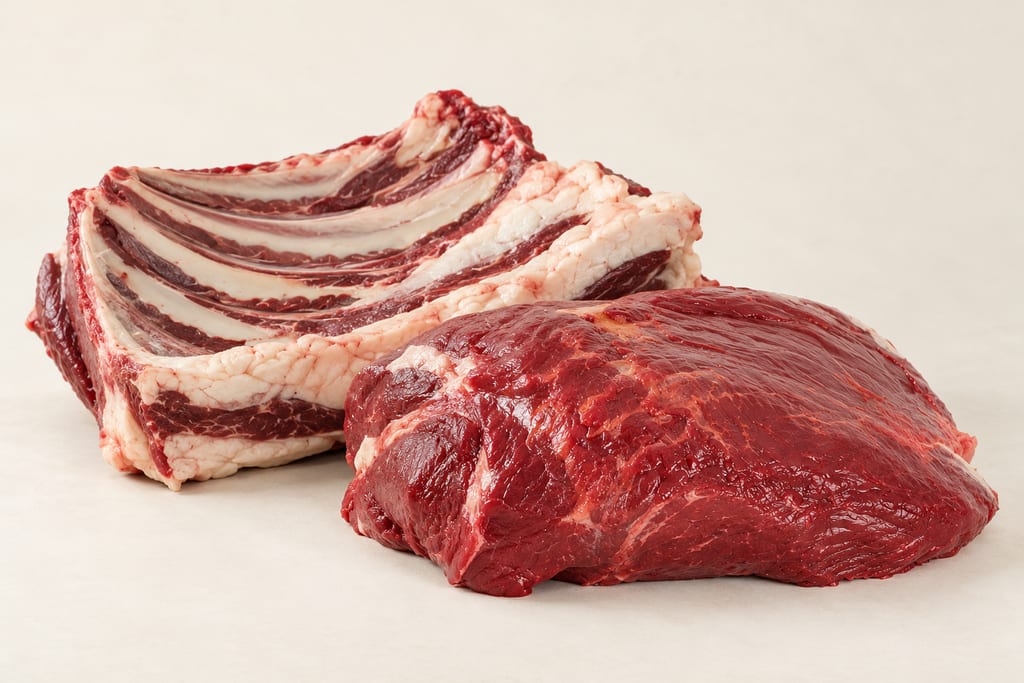
Horse meat is raw equine muscle and fat used fresh or in regionally distinct cooked and preserved foods; cuts and processes vary, and no single culinary origin is established.
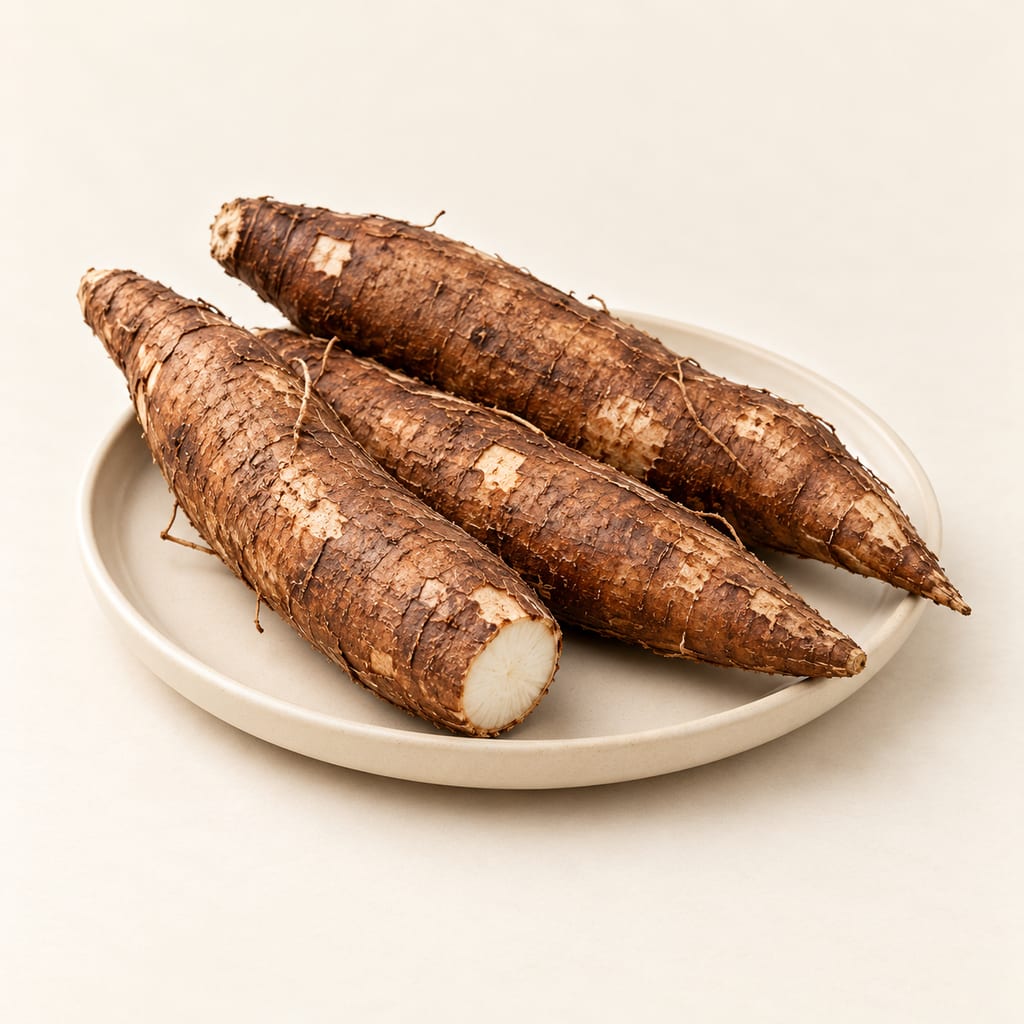
Cassava is the starchy root of Manihot esculenta, transformed across Africa into fermented doughs, granules and flours through distinct processes whose safety depends on thorough cyanogen removal.
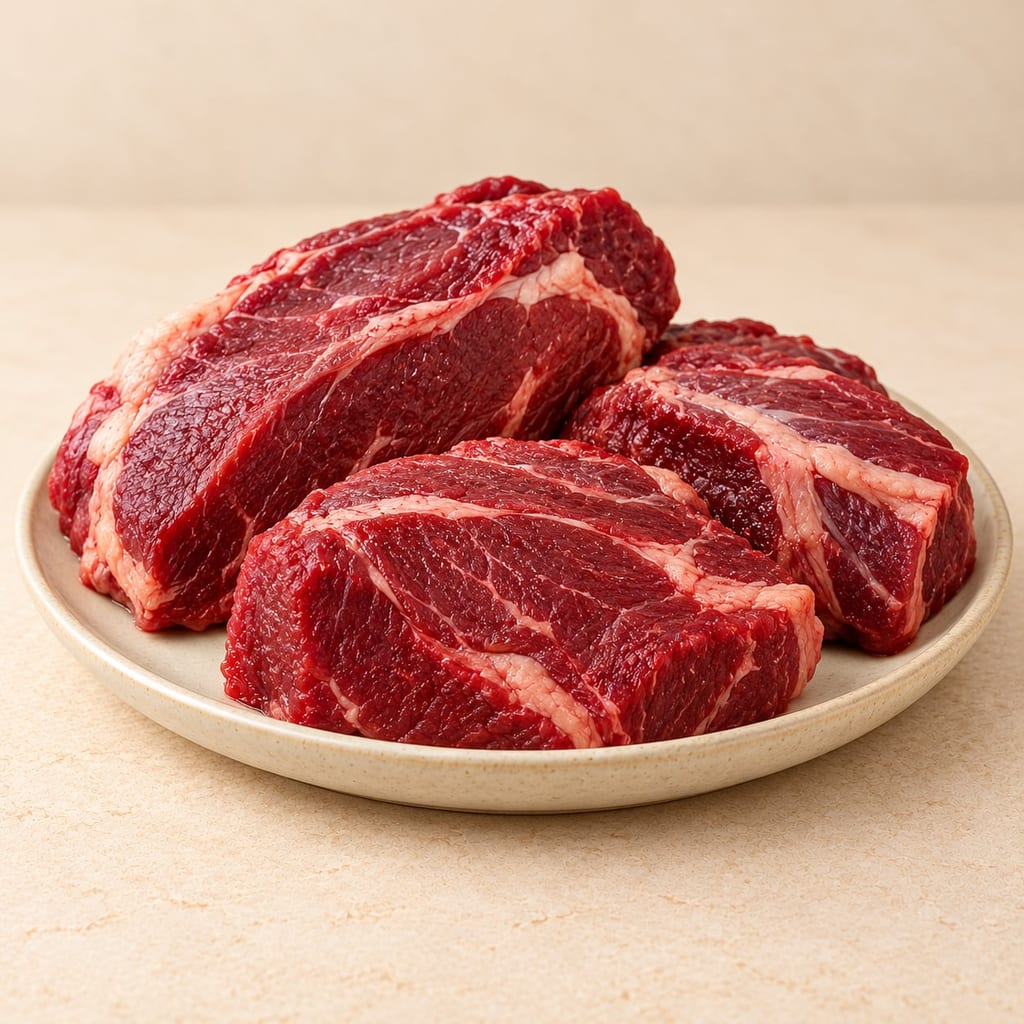
Yak meat is the flesh of domestic yak (Bos grunniens), eaten fresh and used in regional highland foods, including khyopeh, the fermented meat of Lachung, North Sikkim.
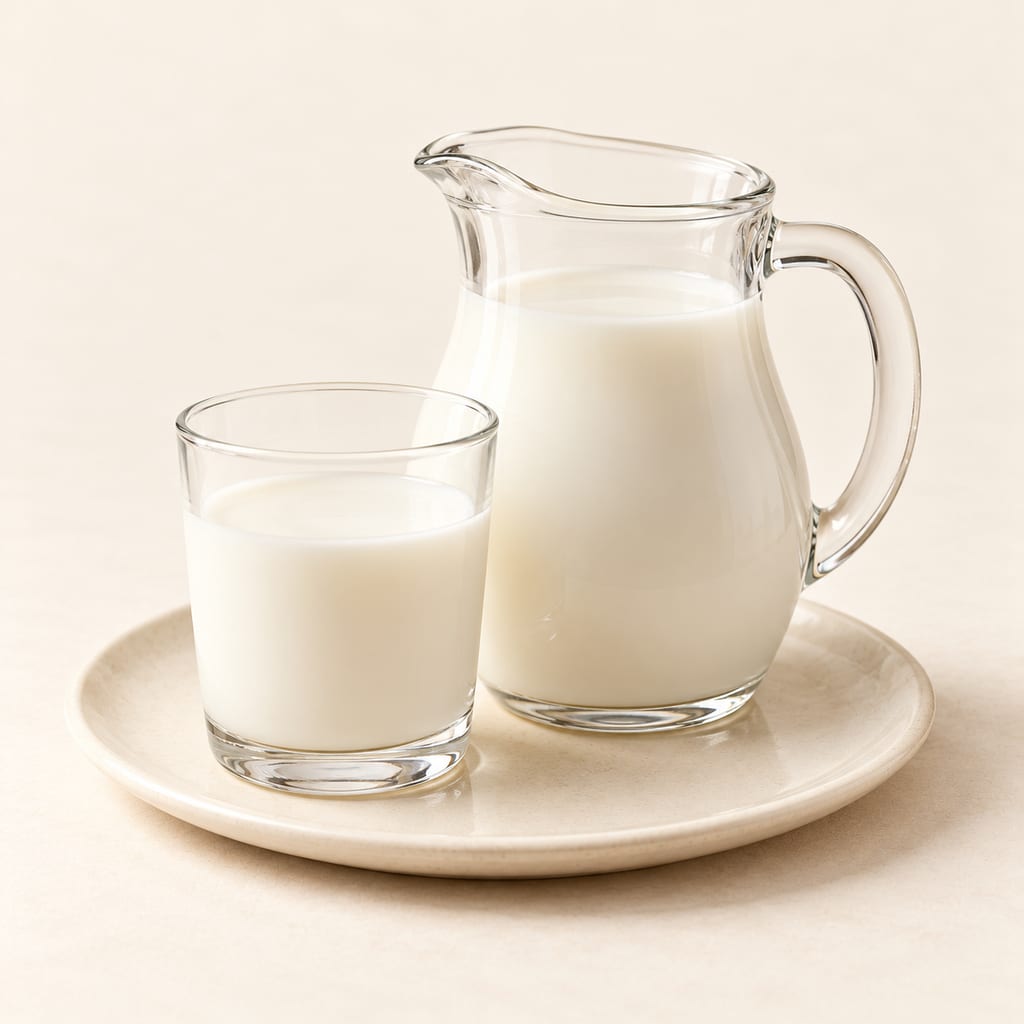
Camel milk from one- and two-humped camels supplies fresh drinks, fermented milks and specialised cheeses across pastoral food systems in Africa and Asia.
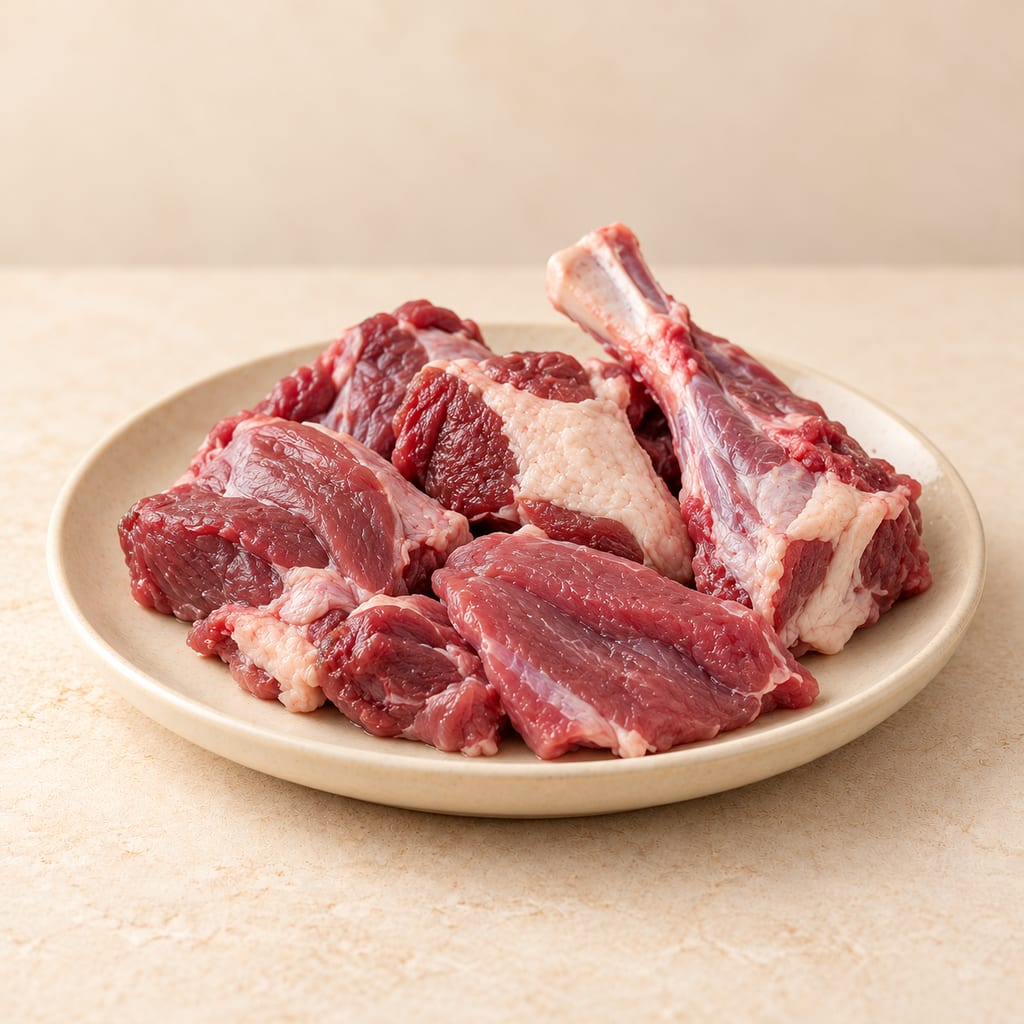
Goat meat is the edible flesh of domestic goats, traded as many cuts and forms whose character depends on the animal, the herd system and local butchery.
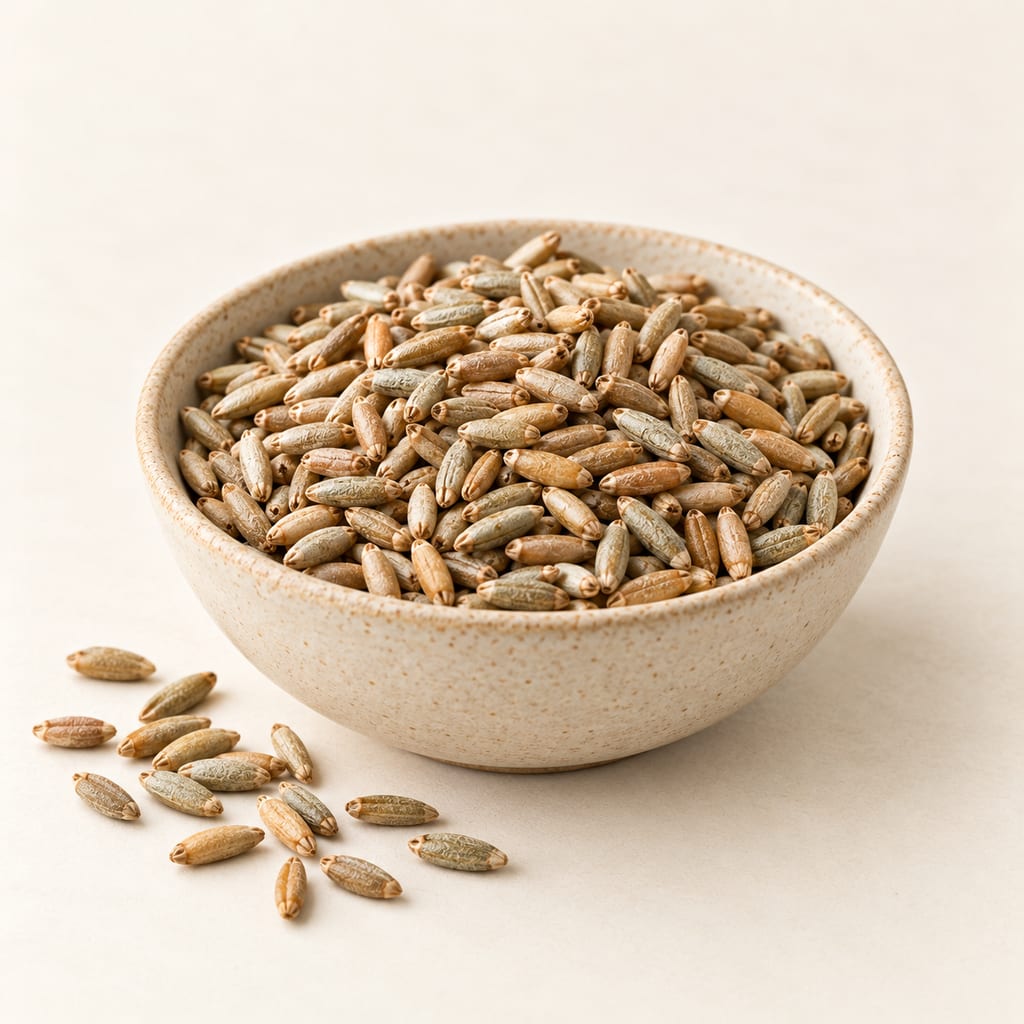
The grain of Secale cereale is milled whole or refined for breads whose crumb, flavour and fermentation differ from wheat loaves.
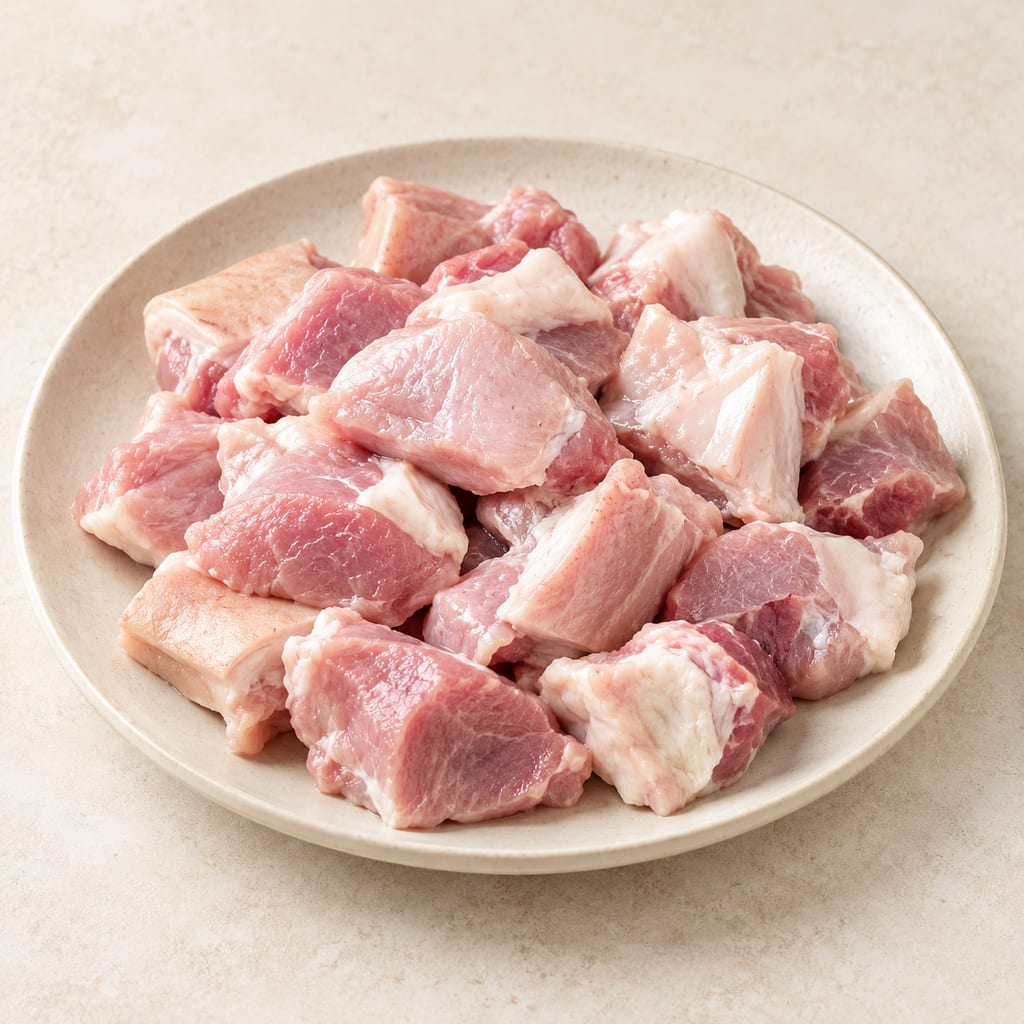
Pork is meat from domestic pigs, sold as distinct cuts, ground meat and fat; its form and composition shape its roles in fermented foods.
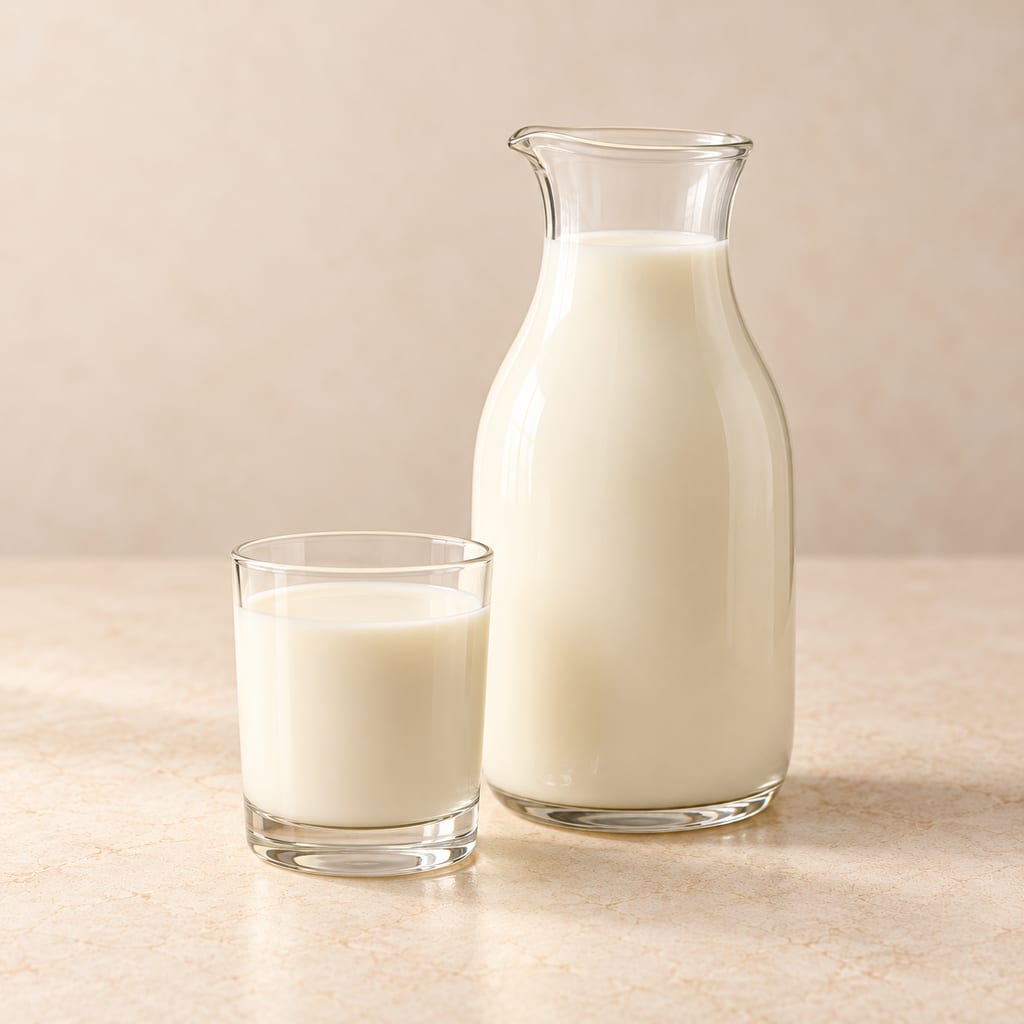
Full-fat fluid milk, available with different heat treatments and fat distributions; the linked Quark method permits homogenized or UHT forms.
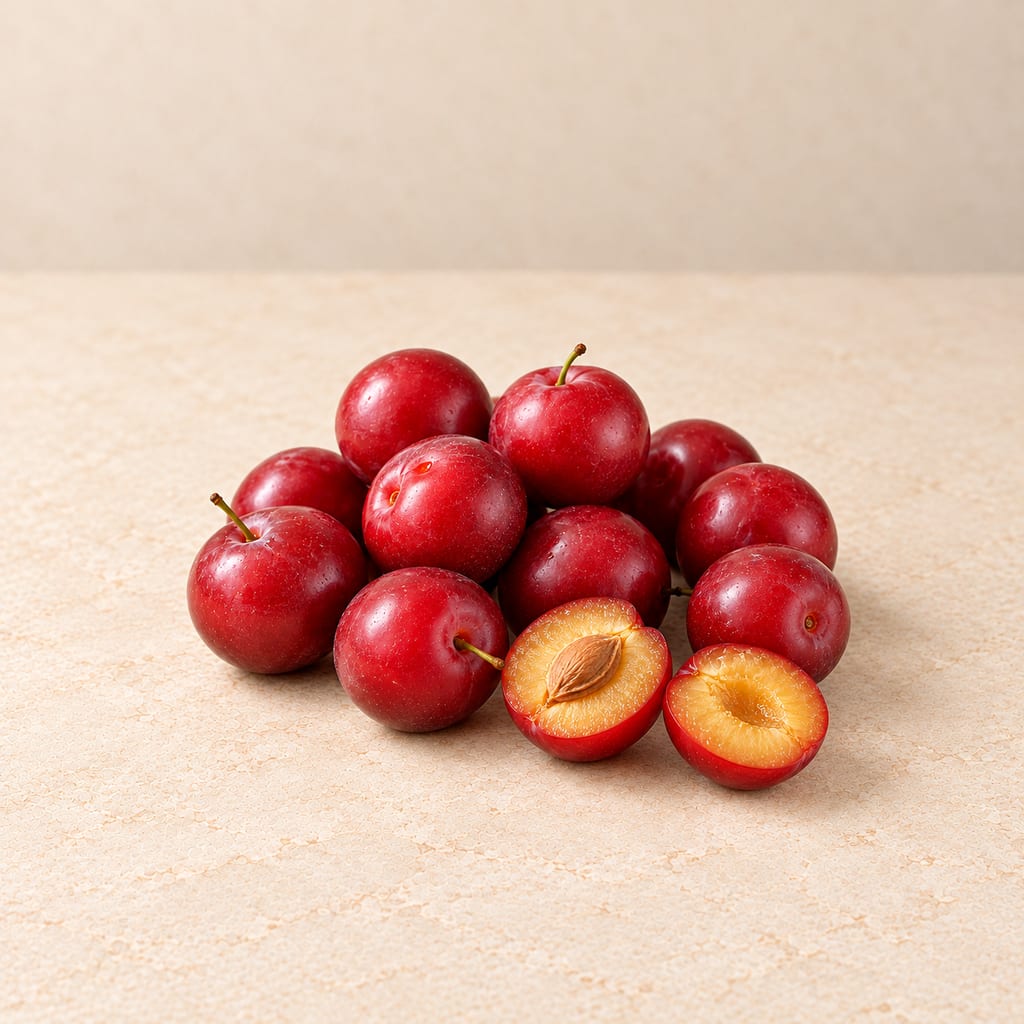
Cherry plums (Prunus cerasifera) are small, malic-acid-rich plums, red, yellow or green, that give Georgian tkemali sauce its sharp, fruity sourness.
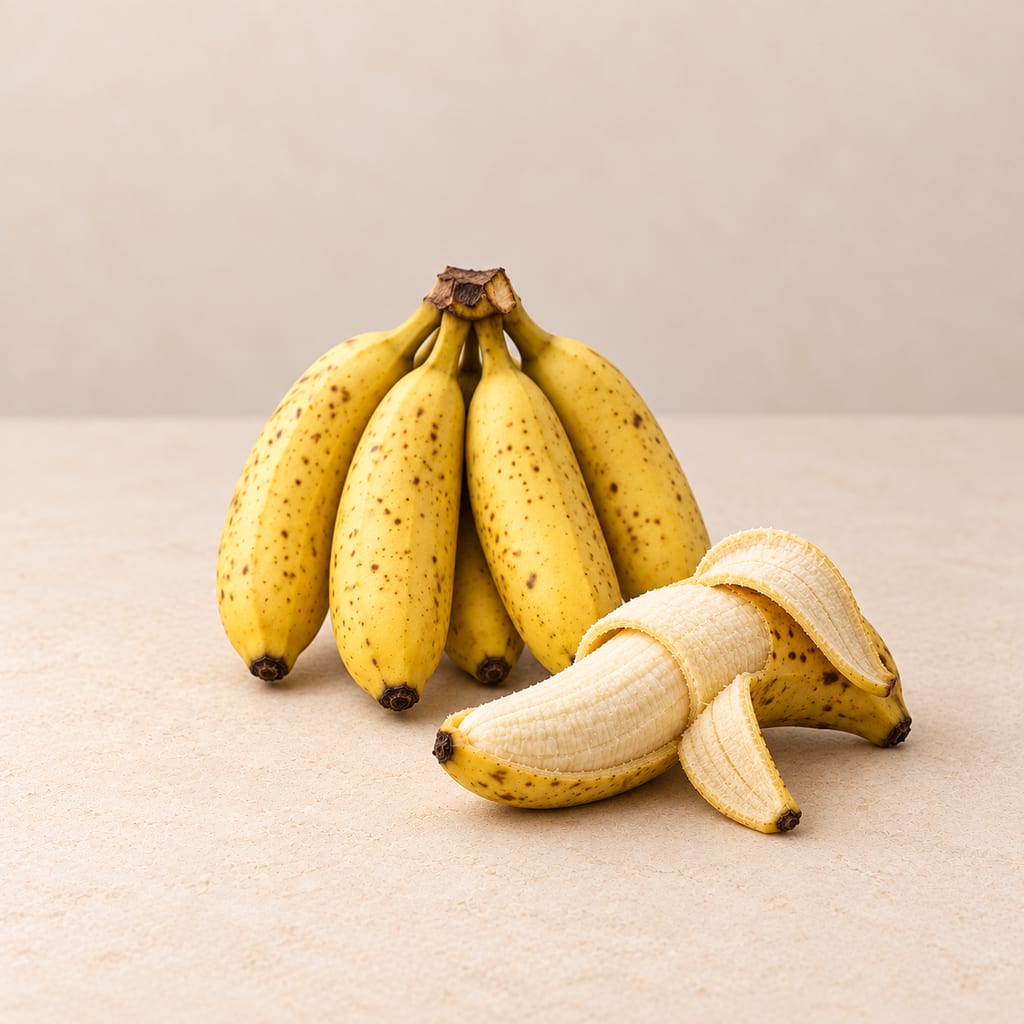
A ripe banana is sweet, soft pulp in which ripening has turned most of the starch into sugar. That sugar and softness make it a base for banana ketchup, beer, wine and vinegar.
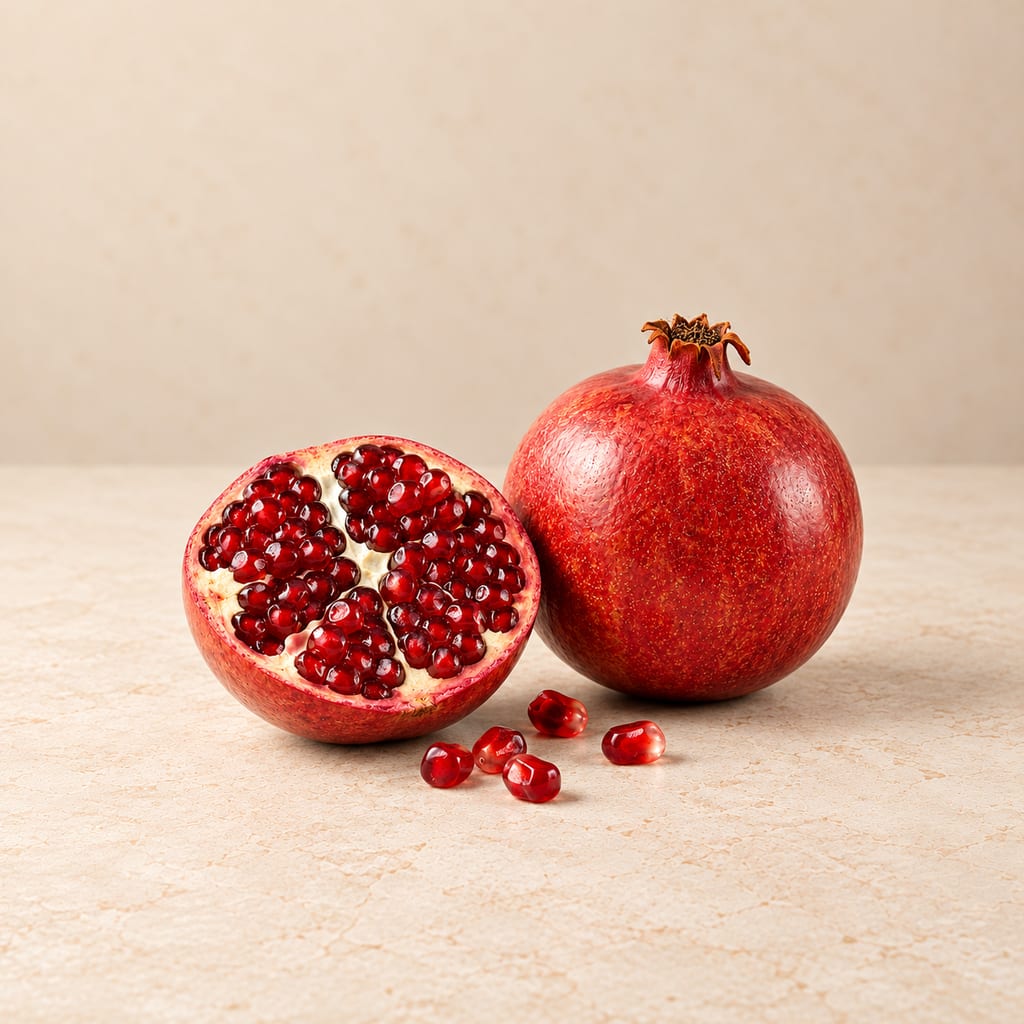
The pomegranate (Punica granatum) is a seed-filled fruit whose arils run from sweet to sharply sour, depending on citric acid. Sour fruit becomes juice, molasses and dried anardana.
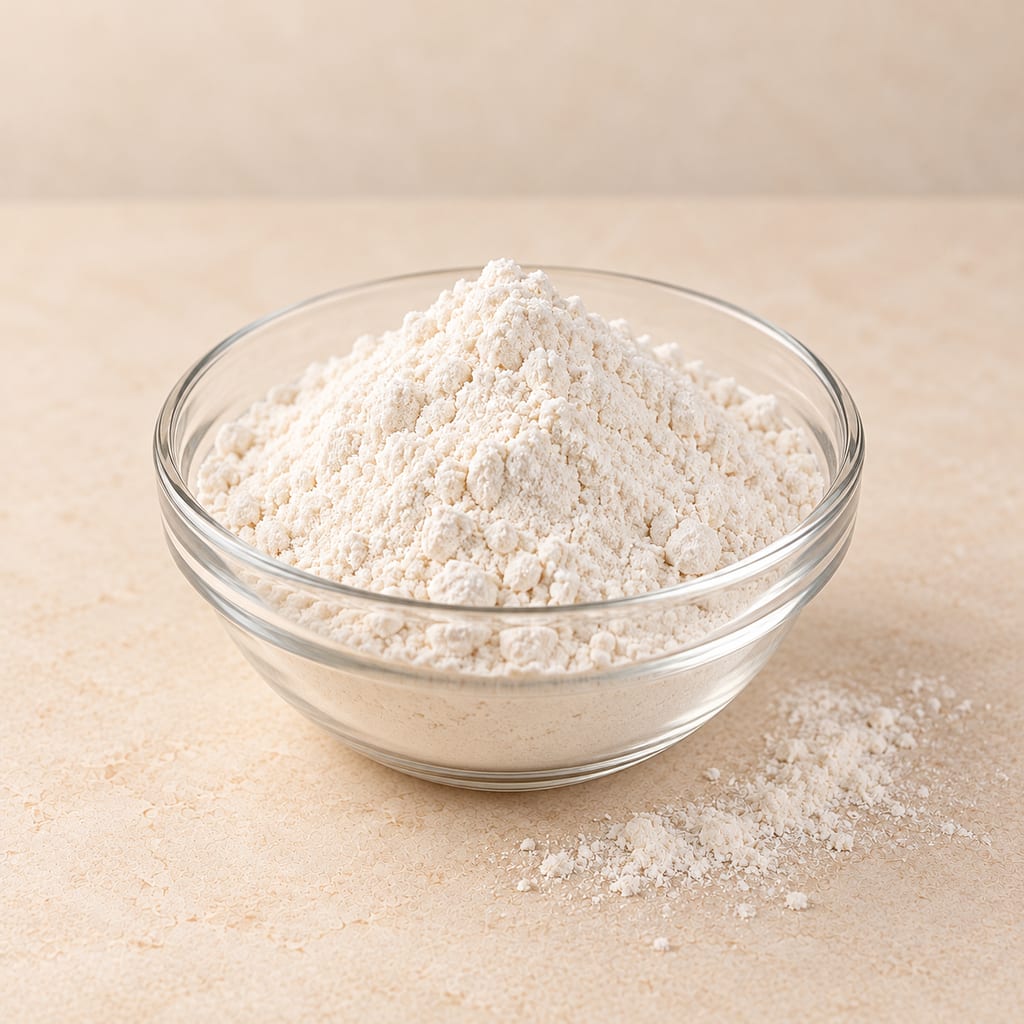
Bread flour and all-purpose flour give yeast dough its gluten network; pan de cristal and pain de mie use them in different ways.