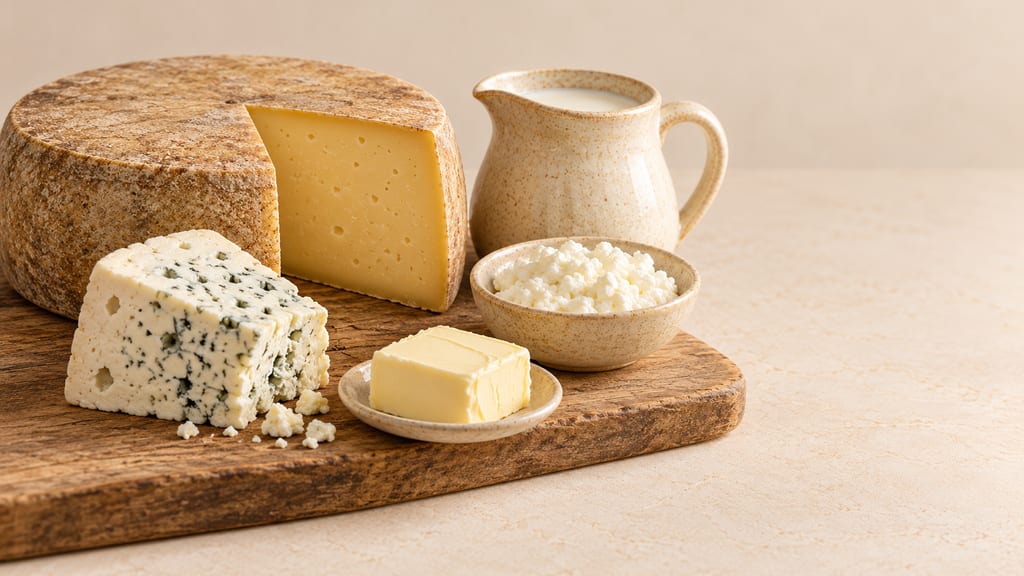
Milk, curd and the world's dairy stores
Follow milk into cheese, cultured drinks, butter, dried curds and sweets: a journey through the animals, seasons and household decisions behind the world's dairy foods.
 FermenteaWhere food goes to change
Substrates
Milk from female domestic yaks is a rich, seasonal ingredient for household tea, butter, curds, and cheeses across highland pastoral systems.
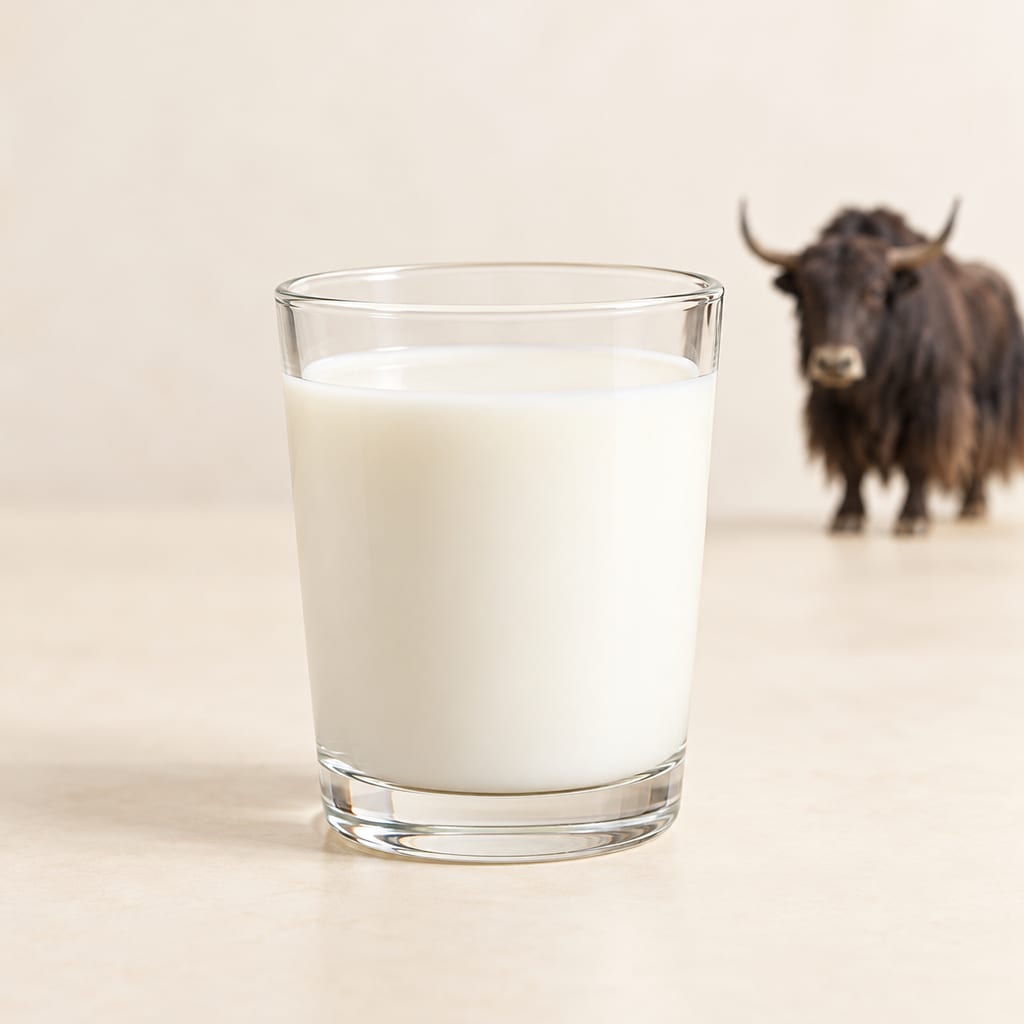
Yak milk is the milk of a female domestic yak, Bos grunniens. It is a raw dairy ingredient: its name identifies the animal that produced it, not a particular fat level, heat treatment, or recipe. The same milk may be drunk, churned, cultured, heated into a surface skin, or used for curd and cheese. What is sold or described as yak milk therefore needs to be read alongside any information about the animal, the place, and the way the milk was handled.
The domestic yak belongs to the cattle family, but its dairy role is shaped by a high-altitude pastoral system rather than by the volumes or routines of large dairy-cow farms. On the Qinghai–Tibetan Plateau and in surrounding mountain regions, yaks provide households with milk as well as meat, fibre, transport, hides, and fuel. The milk is especially important where other sources of food and income are difficult to secure. That practical setting explains why families value nearly every part of the animal and why milk has several uses instead of being reserved for one standardized cheese.
Names can blur animal identity. Nepalese accounts distinguish yak females from female cattle–yak hybrids, often called chauri, even though commercial discussion may place both under yak dairy. A source that says 'yak cheese' does not always mean the milk came only from a domestic yak. This page treats yak milk as the milk of female yaks and names mixed or hybrid supplies separately where a source does so. It does not assume that a label or a finished cheese reveals the animal species by itself.
Yak milk production follows the pasture and the animals' seasonal cycle. FAO describes it as a small-scale traditional activity strongly shaped by climate, feed, and season. Reported yields range from 150 to 500 litres, with differences by breed and location; there are no specialized dairy-yak breeds in the account. Those figures describe a varied production system, not a guaranteed yield for a single female or a household.
The calf remains central to that supply. The dam's milk is first the calf's food, and any milk taken for people changes how much the calf can suckle. FAO's production account reports that calf growth is affected more by twice-daily than by once-daily milking, while emphasizing the milk's importance to herders. This relationship is part of the ingredient's production context: milk availability cannot be separated from the seasonal care of the animal and its calf.
Pasture growth is a major influence on yield. In the Chinese yak systems described by FAO, milk production tends to peak in the warm season and often reaches a daily peak in August. Winter yields can fall sharply. A Maiwa-yak study likewise found that several milk components changed between warm and cold seasons. These reports explain why a cheesemaker or processor should not expect one fixed composition throughout a year, even when the milk comes from the same region and animal type.
The local supply may be used at home, sold, exchanged for grain, or sent to a processor, depending on distance and markets. FAO records milk as an important source of household income in yak areas. The same supply can first meet family needs and then provide butter, curds, or milk for industrial processing. These routes coexist; they should not be collapsed into a single modern dairy chain.
Yak milk is notable for its high proportion of solids. FAO gives a broad composition range of 15 to 18 percent total solids, 5.5 to 9 percent fat, and 4 to 5.9 percent protein. Its water content is therefore lower than in many other dairy milks. The figures are useful for describing the species, but they are not a specification for every batch: region, season, pasture, lactation, and processing all affect the milk that reaches a household or dairy.
Fat contributes much of the milk's richness and provides the material that can be separated and churned into butter. Proteins and other solids also help explain why yak milk can be directed into curd and cheese making. These components are not interchangeable: a milk's total solids number does not by itself predict how a particular curd will set, drain, or mature. A product method still has to account for its own milk, culture or coagulant, heating, and handling.
Research on Maiwa yak milk in China found higher protein, especially whey protein, fat, lactose, and several minerals than in the study's reference cow milk. It also reported seasonal differences in protein, lactose, essential amino acids, and casein. A later study compared 18 summer with 18 winter samples from the Qinghai–Tibet Plateau: winter milk had lower protein, lactose, and non-fat solids, but higher fat and several measured fatty acids. These are findings from named populations and sample sets, not universal values for every yak or place.
The seasonal studies caution against treating 'yak milk' as a fixed formula. A cream-rich batch and a protein-rich batch do not necessarily behave the same in a vat. A processor may standardize milk for a specific product, as in the documented Nepalese Swiss-style cheese method. Other household uses accept variation and work with the milk available at the time. Richness describes the starting material; it does not promise a particular yield or texture.
Milk tea is one of the best-documented ways households use yak milk. In the highland Chinese practices described by FAO, tea leaves are boiled in water, milk is added, and the drink is boiled again. The reported proportions vary with the occasion and the season: a light everyday tea may contain about five percent milk, while warm-season tea or tea served to guests may contain 20 percent or more. Some households add salt; the milk's mild sweetness means sugar is not necessary in the account.
Tibetan households may add zanba, also called tsampa, to the tea. That changes the drink into a more filling food. Yak butter can also be used in tea when fresh milk is scarce or according to local preference. The same ingredient therefore enters both a liquid beverage and a fat-rich household food system. The documented tea is a regional practice, not a universal formula for every Himalayan community.
FAO records yak butter as a major milk product in several pastoral areas. Milk may be churned after standing, or cream can be separated before churning; butter can then be eaten directly, salted, mixed into roasted flour, or used in drinks and cooked foods. Other parts of the milk supply are processed into curds, dried residue, or milk skin. Those products retain different proportions of fat and water, so 'yak dairy' names a group of related foods rather than one uniform preparation.
Fresh milk also has direct uses beyond human meals. The FAO account records milk fed to young animals that cannot suckle enough and, in some places, household pets. These uses underscore that the milk belongs to a mixed household economy. They do not mean that milk marketed for animal feed is suitable for people.
Yak milk can be consumed as sour milk or turned into several kinds of curd. In the Chinese practices described in FAO's yak volume, milk residue is often made from skimmed milk, heated and soured before the curd is drained. Fresh curds can be eaten with tea; drying produces a harder food that can travel with herders at pasture. Whole-milk residue differs in color and texture from skimmed-milk residue. The names and forms vary between communities, so a generic word such as 'cheese' can hide distinctions in milk choice and drying.
Sour milk is another preparation, distinct from fresh milk and from drained curd. The historical FAO description says households inoculate heated milk with some already soured milk and keep it warm until it thickens and sours. That account records a local practice; it is not a validated modern home process or a safe substitute for pasteurized milk. Fermentation changes lactose and milk proteins through microbial activity, but the recipe's safety cannot be inferred from sourness, smell, or a set appearance.
The word kurut illustrates how names can mislead. Central Asian qurt or kurut often refers to a dried sour curd, while research from Qinghai uses kurut for naturally fermented yak milk. A study of 43 Qinghai samples identified dominant lactic acid bacteria in that particular product. The same Romanized word can point to a dried food in one region and a cultured milk product in another; place and process are needed to identify it.
Cheese making also uses yak milk in distinct ways. Nepal developed a Swiss-style hard-cheese industry that uses milk from female yaks and, in some systems, chauri hybrids. FAO's technical account records cream separation and pasteurization for this factory-style product, while household cheeses elsewhere may use other methods. Such evidence belongs to the named cheese process. It does not make every yak-milk cheese identical or supply a home cheesemaking recipe.
Yak milk sits within a pastoral economy built around movement, seasonal grass, and family labor. The older FAO survey describes milk, butter, and soft cheese as foods and trade goods, with some products exchanged for necessities. It also records the different value placed on milk across regions and notes that yak herds near towns can reach a market. Such observations are specific to the systems the volume describes; they should not be projected unchanged onto all contemporary producers.
Factory production added another route for the milk. Nepal's Swiss-style cheese industry was an early example of a processed product intended for wider sale. Campbell and Sallis later examined a Nepalese yak-cheese transition and the links between cheese making, energy choices, and the social systems of Himalayan production. This modern industry does not replace household milk tea, butter, or dried curd. It represents a particular response to market access, local livelihoods, and the cost of supplying a factory in remote mountain areas.
Some commercial products are described as yak milk even when the source may include a cattle–yak hybrid. The FAO material explicitly distinguishes hybrid animals in its discussion of Nepalese cheese. A processor may also separate cream or standardize the milk before it enters a recipe. These choices alter the raw material and should be identified from the specific product source rather than inferred from the word 'yak'.
Modern markets can make a highland ingredient visible far from its production area, but retail availability does not define a single traditional use. A package may represent a factory cheese, a cultured product, or milk powder. Each one has a separate process history. The raw milk page connects them through the ingredient they share while leaving their individual methods to their own records.
Yak milk use is documented across long-standing highland pastoral systems, but the sources consulted here do not identify a first date for milking yaks or a single place where the practice began. A description of an inherited custom is evidence that people use the milk, not proof of when they first did so. The public record therefore leaves the period unknown instead of assigning an ancient century from the age of yak husbandry.
The available histories answer narrower questions. FAO's yak volume describes household products and a Swiss-style cheese industry in Nepal that was already established by the late twentieth century. Campbell and Sallis examine later developments in Nepalese cheese production and energy use. These dated industry accounts are not the date of yak-milk domestication, and they do not establish the origin of milk tea, butter making, or dried curds.
It is also useful to separate the history of yaks from the history of yak milk. The domestic animal's adaptation to high-altitude environments helps explain why it became valuable to pastoral households, but animal presence alone does not prove that a particular community was milking it at a particular time. A dated archaeological or written source would be needed to narrow that claim. Until then, a careful account can describe documented places and practices while leaving the first use open.
Freshly expressed yak milk can be raw, meaning it has not undergone pasteurization. Raw milk can carry Campylobacter, Cryptosporidium, E. coli, Listeria, Brucella, Salmonella, and other pathogens. Good handling and clean farm conditions can reduce contamination, but they cannot guarantee that raw milk is free from harmful germs. The CDC recommends choosing pasteurized dairy products; this public-health guidance applies to raw milk generally, and the sources here do not establish a separate safety status for yak milk.
Traditional accounts describe milk boiled in tea and heated in other preparations. Those records explain how people used the milk; they do not validate a complete home safety process. A traditional recipe's taste, smell, sourness, or appearance cannot show whether pathogens are present or whether a batch is safe. Use a properly pasteurized product for drinking and follow the food-safety instructions that apply where it is sold. Keep perishable milk refrigerated; CDC advises 40°F (4°C) or colder.
Yak milk is still mammalian milk. It contains milk proteins that can cause allergic reactions and lactose that can affect people with lactose intolerance. Pasteurization does not remove either the milk proteins or the lactose. Anyone with a milk allergy should follow medical guidance and not assume yak milk is a safe substitute for cow milk.
Milk proteins; lactose is present.
Yak pastoral households use milk in this highland region; this is a use association, not a claim of origin.
FAO documents milk tea, butter, sour milk, milk residue and milk skin in yak-producing areas of China.
Documented Swiss-style yak and hybrid-milk cheese production; not an origin claim for yak milk.
FAO documents yak butter and churpi in Indian yak-raising areas.
FAO documents yak-milk curd and dried-cheese preparations in Bhutan.
FAO identifies yak as a major milk source and records milk products in Mongolian pastoral systems.
Follow milk into cheese, cultured drinks, butter, dried curds and sweets: a journey through the animals, seasons and household decisions behind the world's dairy foods.
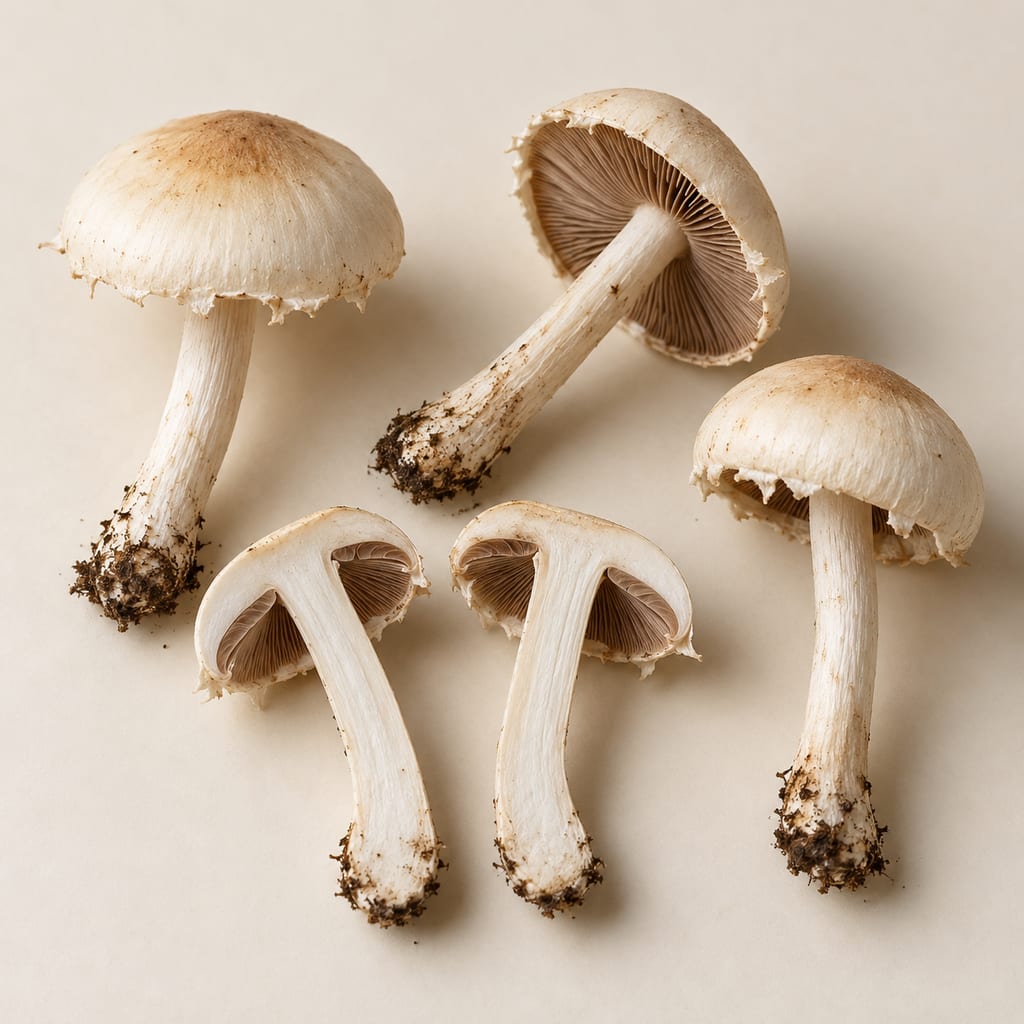
A grassland agaric listed as edible in historical and scientific catalogues for Hong Kong and China. Taxonomic concepts and practical food value vary; the listings do not establish safe identification or culinary practice.

Akahatsu, Lactarius akahatsu, is a wild milkcap of East Asian pine and mixed forests that is sold in Yunnan markets, with its edibility and identity still needing species-level review.
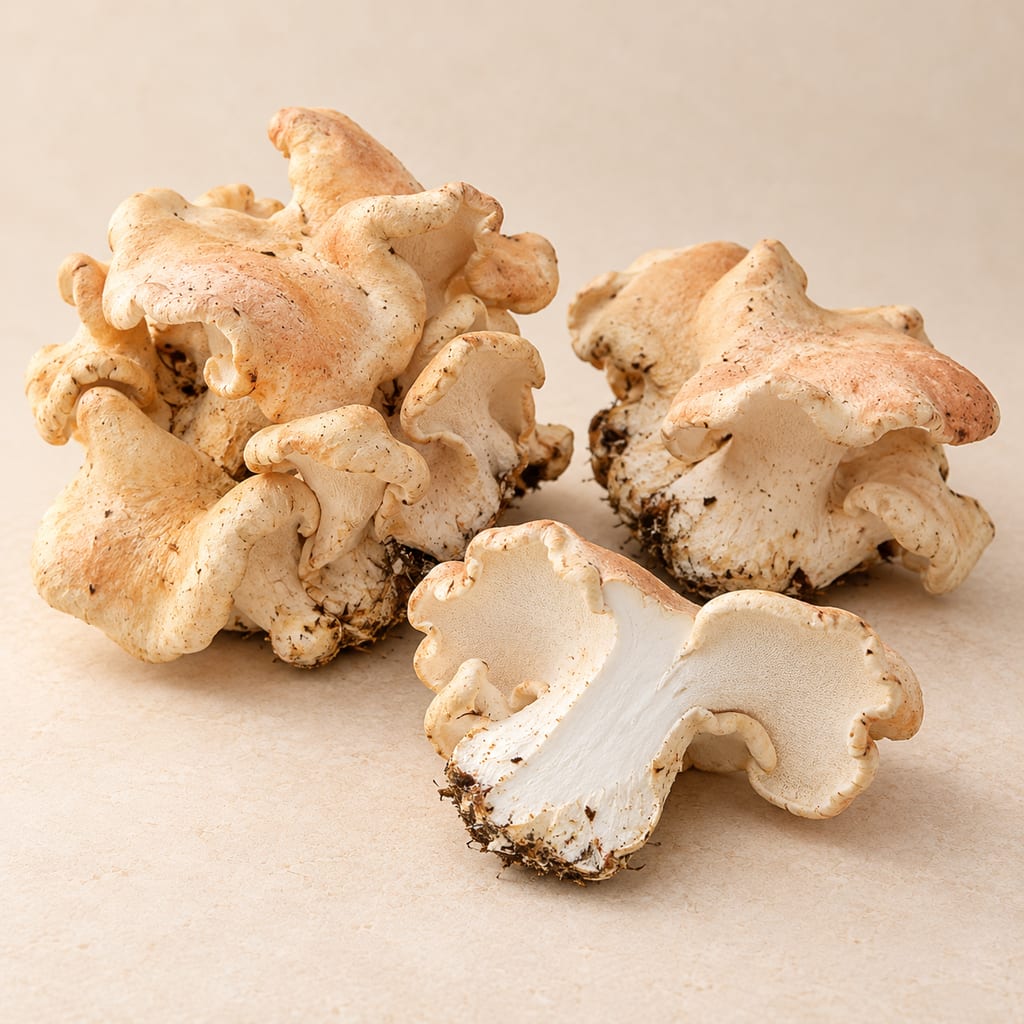
Albatrellus confluens is a ground-growing polypore with fused buff-orange caps. Sources document Chinese market use and regional edibility, but others reject it as too bitter; taxonomy also varies between Albatrellus and Albatrellopsis.
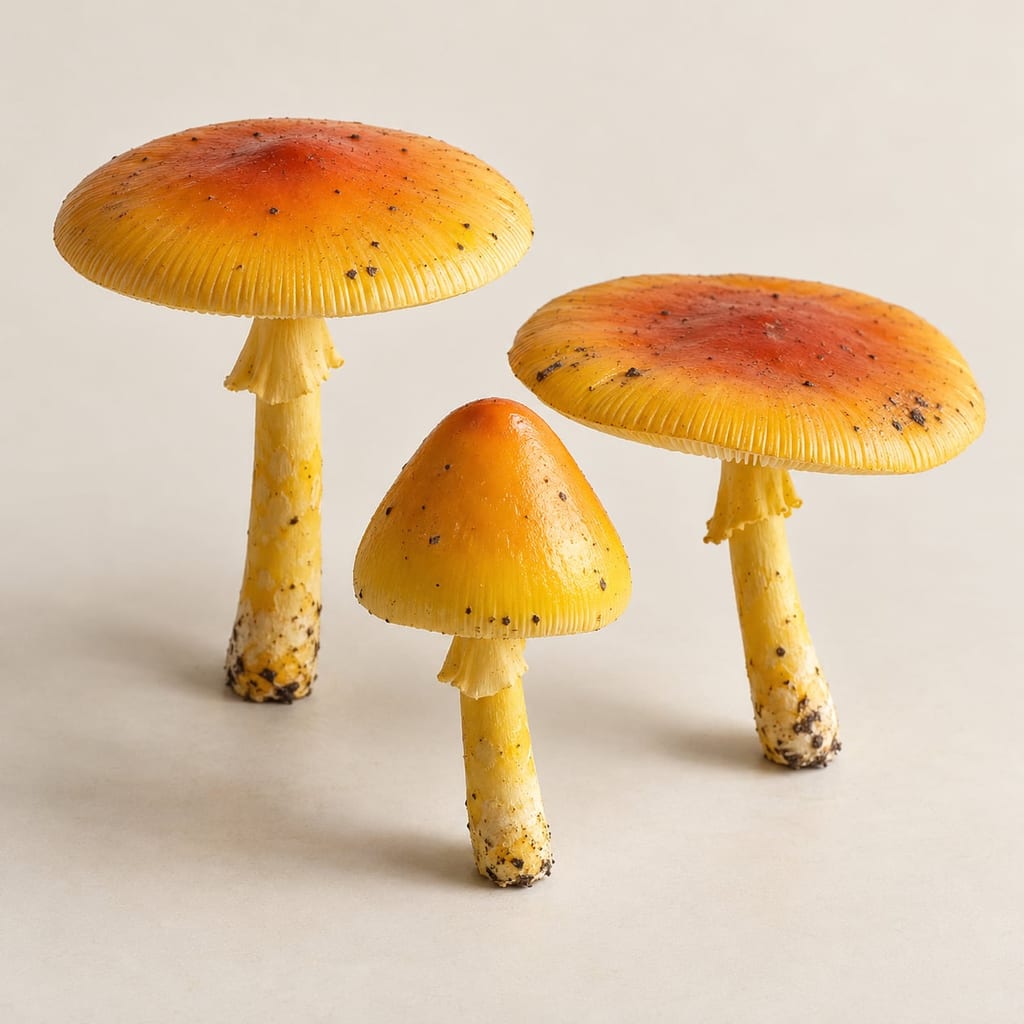
A wild Amanita recorded from China in a 2026 checklist of edible and medicinal fungi. The genus holds deadly species, so this page gives no identification or edibility verdict.
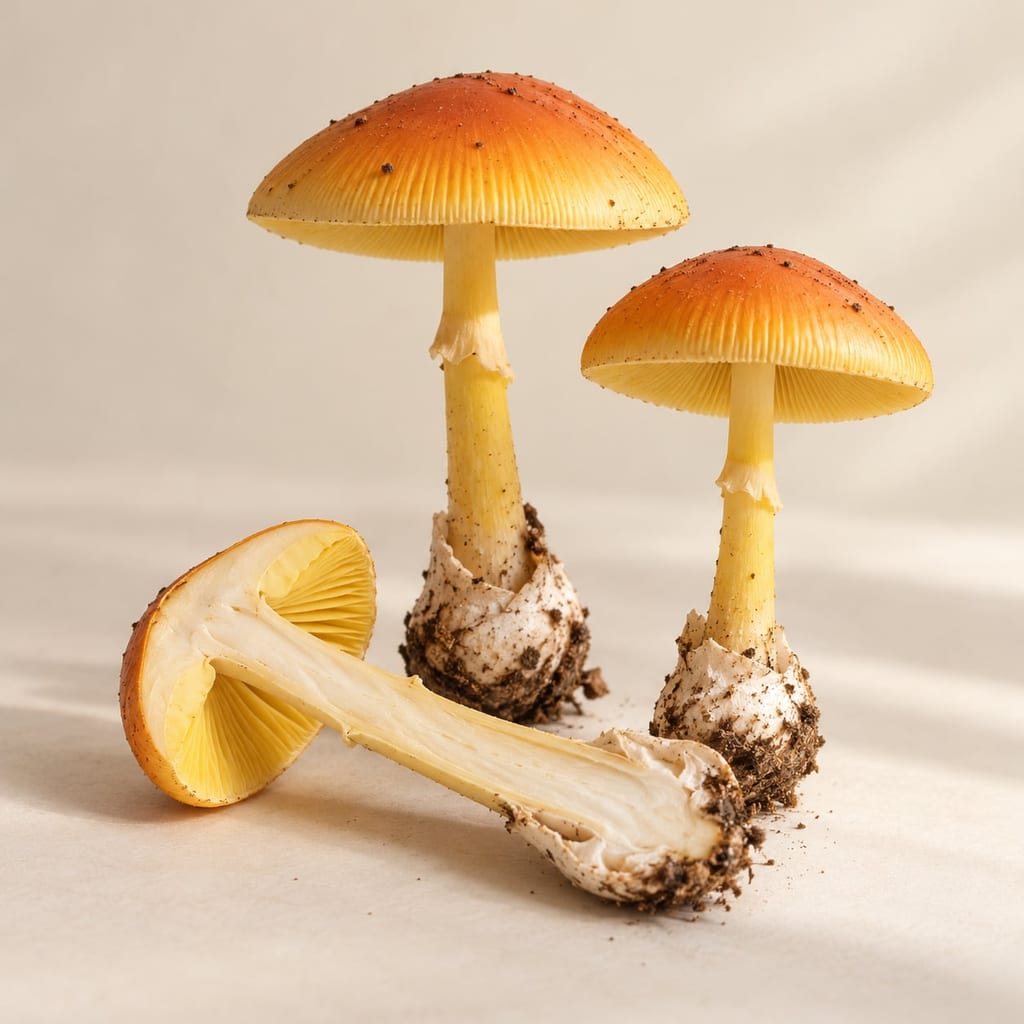
A wild Amanita of China, first reported there and listed as edible in a Yunnan ethnomycology study. The genus contains deadly species, so this page does not support identifying or eating it.
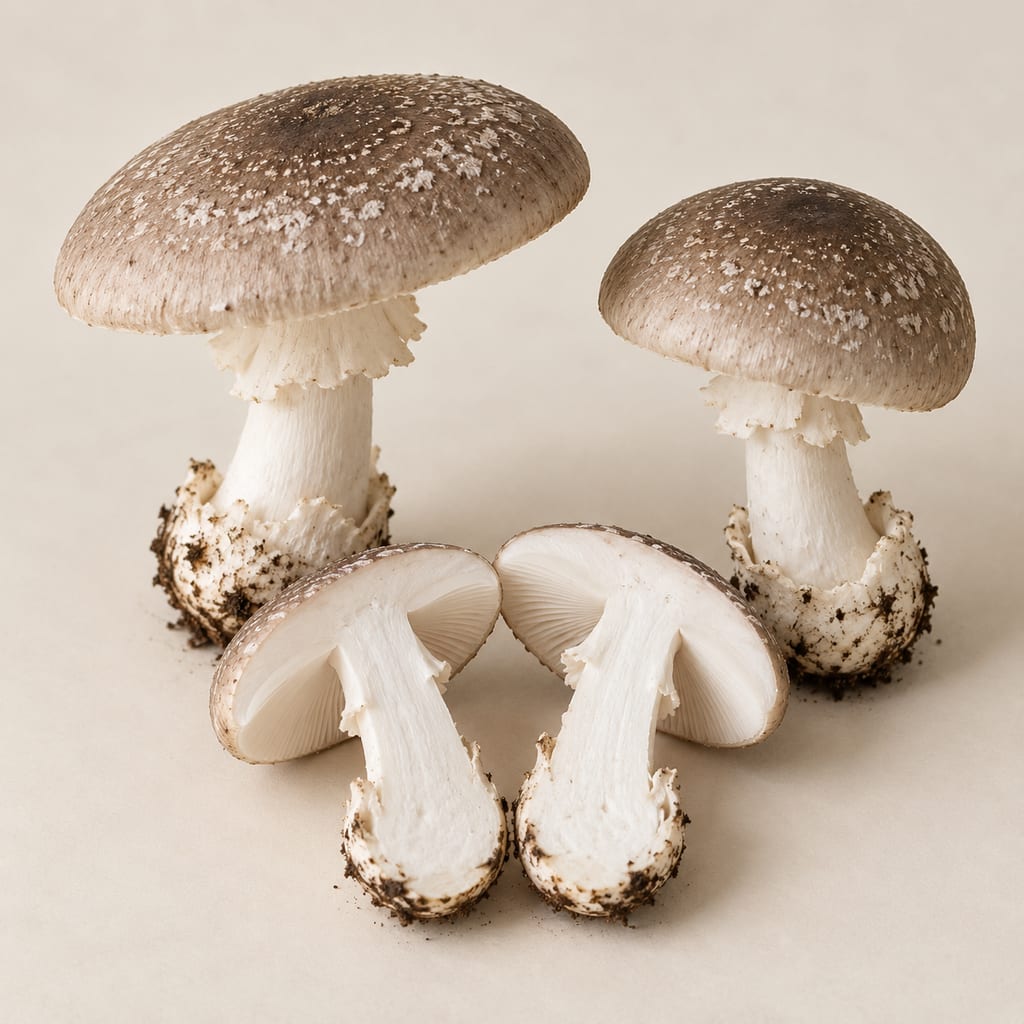
Amanita yuaniana is a Chinese Amanita that a 2023 Yanshan survey and a Yunnan ethnomycology survey list among edible species. No source tests it for safety, and the genus holds the most lethal mushrooms.
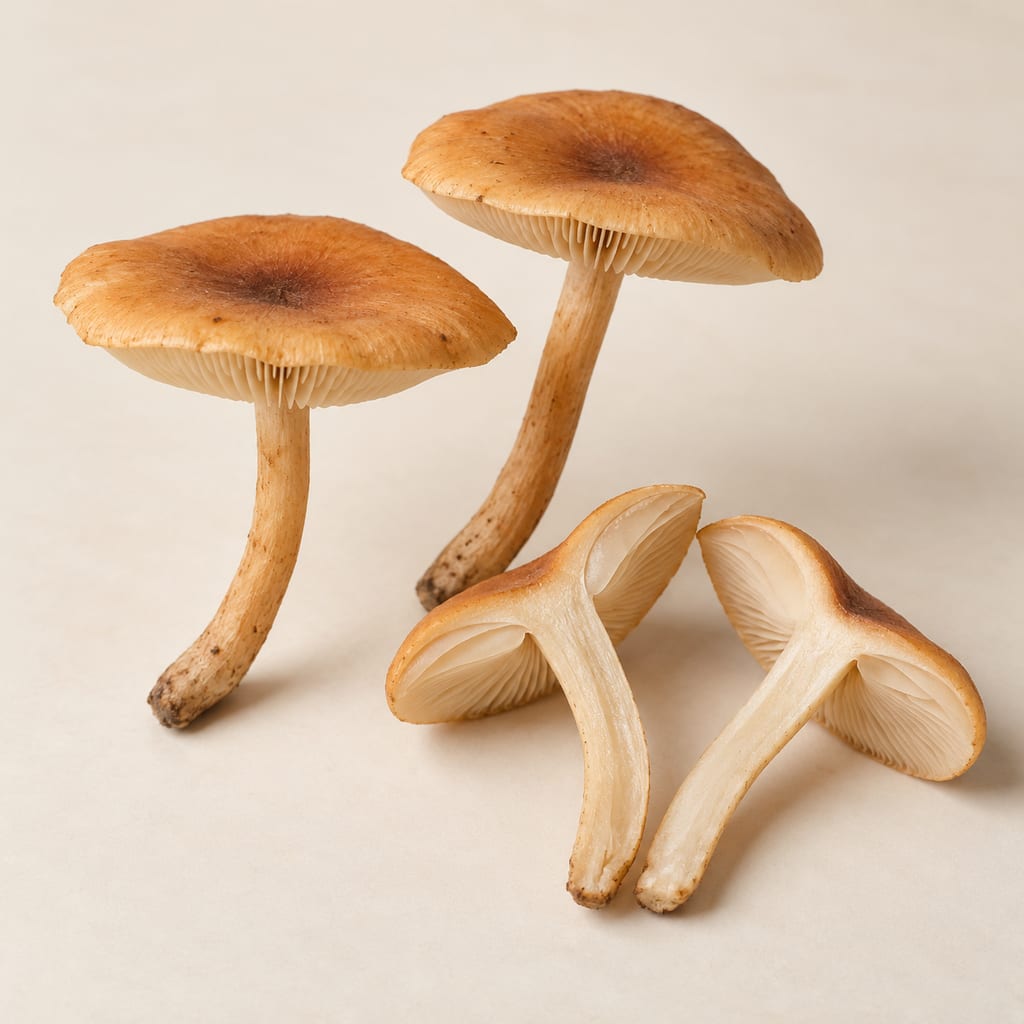
A wood-associated Armillaria recorded in Yunnan and Sichuan, China, and listed as edible in a 2026 Chinese catalogue.
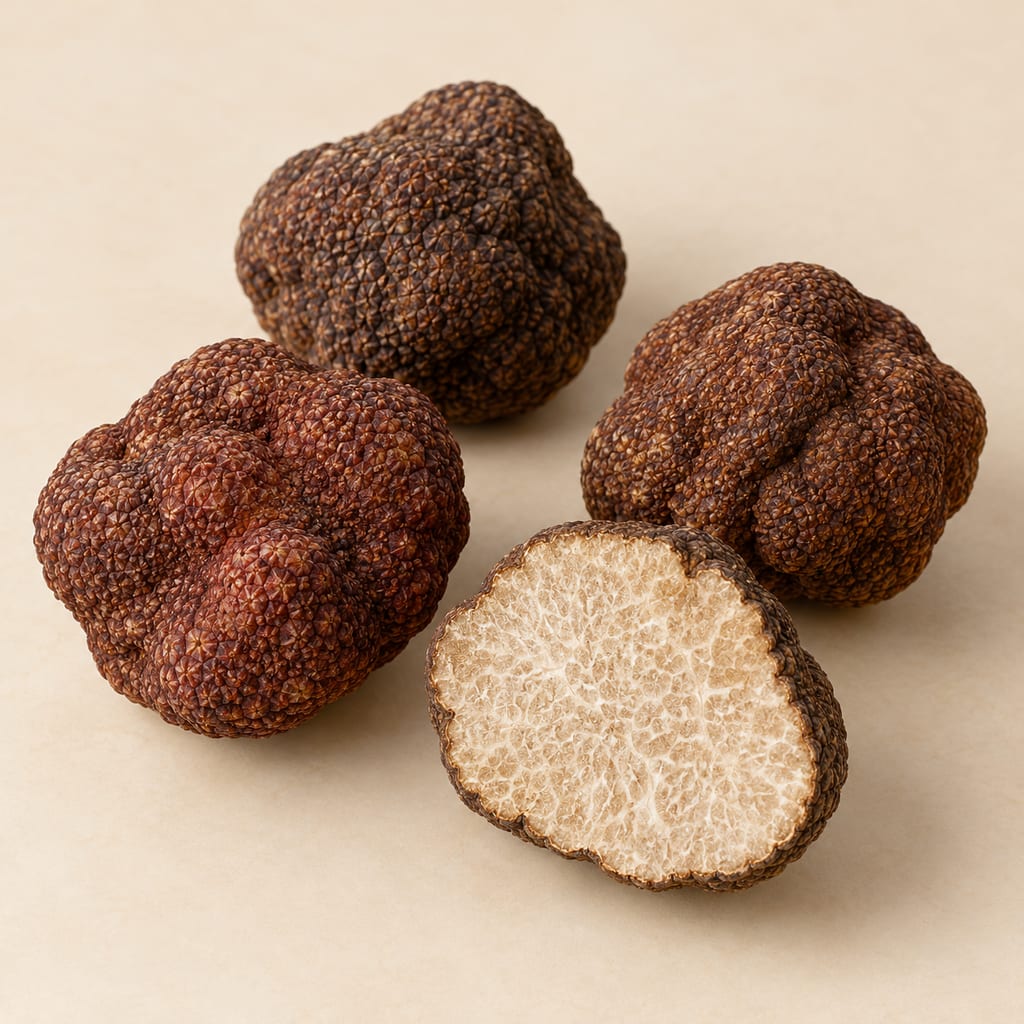
Tuber pseudohimalayense is a wild black truffle from Yunnan, China, listed as edible in a Chinese species catalogue. No independent assessment of its culinary use or safety is available.
No community contributions have been published for this entry yet.
Sign in to contribute. Published comments and photos are free to read.
NCBI Taxonomy
Bos grunniens (Taxonomy ID: 30521)NCBI Taxonomy lists Bos grunniens Linnaeus, 1766 as the domestic yak species.
Cited in: Milk from the domestic yak
Food and Agriculture Organization of the United Nations
Milk compositionFAO reports yak milk at 15–18% total solids, 5.5–9% fat and 4–5.9% protein; its composition is richer in these components than cow and goat milk.
Cited in: Rich solids, variable composition
Food and Agriculture Organization of the United Nations
Other animals: YaksYak milk production is seasonal and traditionally small-scale; FAO reports yields of 150–500 L with variation by breed and location and no specialized dairy yak breeds.
The yak is a major milk source on the Qinghai–Tibetan Plateau and in Mongolia.
Cited in: Milk from the domestic yak; A seasonal supply shared with calves; Milk tea and everyday uses; Pastoral production and later cheese industries; What the sources date, and what they do not
Food and Agriculture Organization of the United Nations
6 Production characteristics of yakMilk yield is low and seasonal, strongly affected by warm-season pasture; observed daily yields often peak in August in the Chinese systems described.
Calves depend on dam's milk; milking affects calf access, with less effect reported for once-daily than twice-daily milking.
Cited in: A seasonal supply shared with calves
Food and Agriculture Organization of the United Nations
10 Products from yak and their utilizationDescribes highland household uses of yak milk in milk tea and its transformation into butter, sour milk, milk skin, milk residue and cheese in regional systems.
Documents China-specific household methods and use, yak cheese manufacture in Nepal using milk from yak females and cattle–yak hybrids, and milk products in India and Bhutan.
The work records practices but does not establish the first date or birthplace of yak-milk use.
Cited in: Milk tea and everyday uses; Curds, cultured milk, and cheese; Pastoral production and later cheese industries; What the sources date, and what they do not; Raw milk safety and milk allergens
International Journal of Molecular Sciences
The chemical composition and nitrogen distribution of Chinese yak (Maiwa) milkThe study found Maiwa yak milk richer than reference cow milk in protein, especially whey protein, fat, lactose and several minerals; it also reported seasonal differences in protein, lactose, essential amino acids and casein.
Cited in: A seasonal supply shared with calves; Rich solids, variable composition
Journal of Dairy Science and Technology
Comparative study of nutrient composition of yak milk from Qinghai Plateau yak in different seasonsThe study compared 18 summer and 18 winter Qinghai–Tibet Plateau samples; winter samples had lower protein, lactose and non-fat solids but higher fat and several measured fatty acids.
Cited in: Rich solids, variable composition
Journal of General and Applied Microbiology
Identification and characterization of the dominant lactic acid bacteria from kurut: the naturally fermented yak milk in Qinghai, ChinaThe research studied Qinghai kurut as a fermented yak-milk product and characterized lactic acid bacteria from 43 samples; this is a specific fermented preparation, not a definition of all yak milk.
Cited in: Curds, cultured milk, and cheese
Interface Focus
Low-carbon yak cheese: transition to biogas in a Himalayan socio-technical nicheThe study discusses Himalayan cheese development, yak–cattle hybrids and the social and seasonal setting of cheese production in Nepal.
Cited in: Curds, cultured milk, and cheese; Pastoral production and later cheese industries; What the sources date, and what they do not
Centers for Disease Control and Prevention
Raw MilkRaw milk can carry Campylobacter, Cryptosporidium, E. coli, Listeria, Brucella and Salmonella; farm practices do not guarantee its safety.
CDC recommends pasteurized dairy and refrigeration of perishable foods at 40°F (4°C) or colder.
Cited in: Raw milk safety and milk allergens
U.S. Food and Drug Administration
Raw Milk Questions & AnswersRaw milk can contain disease-causing pathogens and is not made safe by smell or taste.
Milk proteins capable of causing allergy and lactose remain in both raw and pasteurized milk.
Cited in: Raw milk safety and milk allergens