
Kocho
Ethiopia's fermented enset staple: the scraped leaf sheaths and pounded corm of Ensete ventricosum packed into a leaf-lined pit, where lactic fermentation turns them into a sour mass that keeps and is later baked as flatbread.
 FermenteaWhere food goes to change
Substrates
Enset is an Ethiopian staple crop grown for its starchy corm and pseudostem. Fermented kocho, extracted bulla and boiled amicho are distinct foods from the plant.
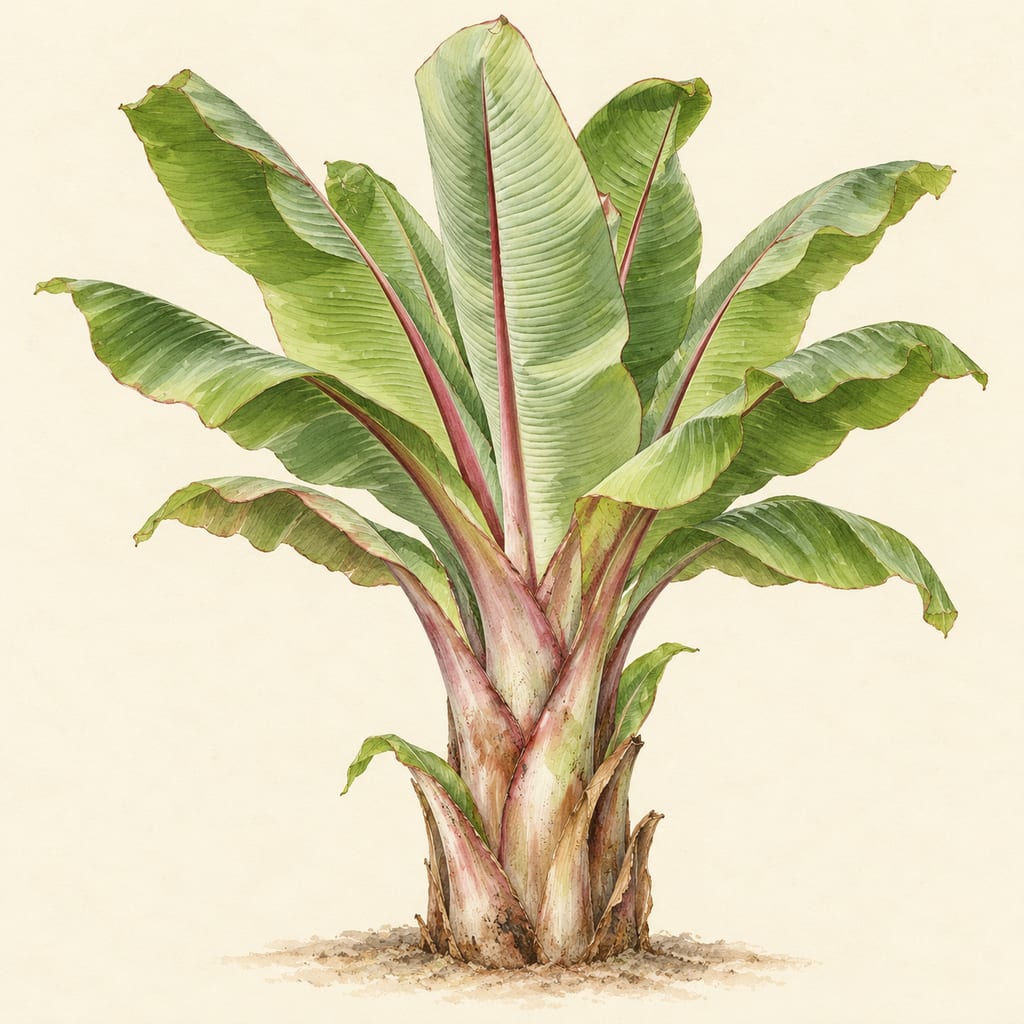
Enset is Ensete ventricosum (Welw.) Cheesman, a perennial herb in the banana family, Musaceae. It resembles a banana plant, with broad leaves held above a thick apparent trunk, but that trunk is a pseudostem formed by overlapping leaf sheaths. The useful storage organ is the corm below ground. Mature plants produce seeded fruit rather than the familiar edible bananas of many Musa cultivars; the crop is grown chiefly for its vegetative tissues, not a bunch of dessert fruit. “False banana” and “Abyssinian banana” are English common names that describe the resemblance but can mislead readers about what is harvested.
In food work, “enset” names both the species and, by extension, the harvested plant material. The processing terms identify distinct products: kocho is fermented scraped pseudostem and grated corm; bulla is a starch-rich fraction recovered from the liquid pressed from processed tissue and then concentrated or dried; amicho is generally the boiled corm of a younger plant. These are related foods, not interchangeable spellings or stages of one universal recipe. Kocho is the product in which fermentation is central.
Wild populations of Ensete ventricosum occur across parts of eastern, central and southern Africa, while cultivation as a staple crop is strongly associated with Ethiopia. The modern agricultural system is concentrated in the south and southwest, across several highland areas and many ethnolinguistic communities. Species range and crop domestication are different questions: a plant may occur wild across a large region while a particular cultivated food system remains geographically concentrated.
The sources reviewed here do not establish a precise date or single event for enset domestication. They describe it as a longstanding Ethiopian crop and document a large diversity of farmer-maintained landraces, but that is not a dated archaeological sequence. A 2020 review cites a Southeast Asian species-origin claim while also describing wild representatives in Africa and the crop’s Ethiopian domestication; other reviews emphasize Africa’s wild range. The evidence gathered for this page does not resolve that wider biogeographic question, so it does not turn a disputed species-origin claim into a date or birthplace for the food tradition.
Enset farming is more than the production of a ferment. A household may maintain plants at different stages, retain a standing food reserve in the field, and select clones for food, fiber, animal feed, or other uses. Its perennial habit and the ability to harvest plants at different ages help spread harvest decisions over time. Those features contribute to its role as a food reserve, but they do not mean every household or region grows or processes it in the same way.
Farmers generally propagate cultivated enset vegetatively from prepared corms rather than sowing seed. Propagation preserves selected traits in a clone and is adapted to a crop whose plants are often harvested before mature seed is available. Reviews describe a range of corm preparation practices: a growing point is removed or damaged to encourage sucker growth, and the parent corm may be retained whole or divided. Exact steps vary with local knowledge, cultivar and growing conditions; this account is not a nursery protocol.
A landrace is a locally maintained population or clone associated with repeated selection and exchange, not a standardized commercial cultivar with one universal specification. Studies report many named and unnamed farmer selections in southern Ethiopia, used differently for their corm, pseudostem, starch, fiber, yield, taste or adaptation. A clone preferred for one product need not be ideal for another. The exact landrace name matters when a study reports composition or sensory properties, and a value measured on one clone should not be presented as a fixed property of all enset.
Enset is a slow crop compared with annual grains. Published cultivation accounts report multi-year growth before harvest, with the period varying by environment and use; the systematic review gives a broad three-to-twelve-year range. Do not read that range as a target harvest schedule for a home garden. Farmers choose harvest timing in relation to the plant, household needs, food product and local practice. Propagation also has tradeoffs: vegetative multiplication keeps useful traits in circulation but can carry plant pathogens and may narrow some forms of diversity.
The usable pseudostem consists of overlapping leaf bases around the plant’s central growing axis. Traditional food processing peels back these sheaths and scrapes their soft parenchymatous tissue away from tougher fibers. The corm is cut or grated separately. The scraped pulp and corm are then combined according to the local preparation. Tools, division of labor and handling vary: sources describe hand scraping, grating or pulverizing, pressing, and the use of enset leaves as covers or wrappers.
This separation creates more than one useful material. The fibrous residue has uses including rope, mats, sacks and sieves; the softer starchy fraction is food. Fiber is not a contaminant to be intentionally retained in every product: some methods remove coarse fibers before fermentation or cooking, while residual texture may remain in the prepared pulp. The plant’s leaves can wrap food or line a fermentation pit, but that does not make the leaves an edible part of every recipe.
Kocho processing typically combines scraped pseudostem with grated corm and places the mash in a locally used fermentation system. An experiment compared a pit, bamboo basket and sauerkraut jar. The researchers processed material from nine plants and sampled at days 1, 7, 15, 31, 60 and 90. The vessels differed in moisture, pH, acidity and microbial patterns over time. This is useful evidence that vessel choice changes the process; it does not establish that the jar reproduced every household pit or that the study’s sampling schedule is a household completion timetable.
Enset tissues bring substantial starch and water, alongside smaller amounts of protein, fiber, sugars and minerals. Kocho fermentation is a solid or semi-solid plant-tissue fermentation rather than a banana-fruit wine. Microorganisms use available substrates and produce organic acids and other compounds; acidification changes the mash’s chemistry, flavor and texture. Studies describe lactic acid bacteria as important members of the fermentation community, with yeasts also present. These broad group names do not identify a single starter culture or a universal microbe sequence in every household.
In the pit, basket and jar comparison, early communities included Leuconostoc and Lactococcus, while later samples showed Lactobacillus, Weissella and Bifidobacterium among the abundant lactic-acid-bacteria genera reported by the researchers. The composition shifted with both time and fermentation system. A separate survey sampled traditional starters in eighteen districts across seven southern Ethiopian zones or ethnic groups. It found that starter ingredients tended to be similar within a zone but varied between zones; sampled starters contained LAB, while some also had Enterobacteriaceae. A starter is therefore a locally prepared material with its own history and ecology, not a generic “wild ferment” ingredient.
Researchers report decreases in pH and moisture and increases in titratable acidity during the fermentation they measured. Other studies describe changes in starch, sugars, protein, minerals and volatile compounds as the process proceeds. These measurements belong to the cited experiments and sampled products. They do not provide a universal acidity threshold, safe duration, temperature range or proof that a home batch is safe. Household practice is also not reduced to spontaneous microbiology: starter preparation, vessel, leaves, handling and inherited process knowledge all shape the conditions under which microbes act.
Kocho is the fermented product. It is stored in pit, basket or other locally used systems and then prepared for eating, commonly after cooking. Regional and household methods differ in how the pseudostem and corm are handled, whether surface fermentation precedes a covered or pit stage, how a starter is made, and when product is removed. The preparation may be baked as a flatbread or cooked in other forms. Kocho often accompanies legumes, dairy or meat, reflecting a meal rather than a nutritionally complete food on its own.
Bulla is a distinct starch-rich product separated during processing. Pressing a scraped-and-grated mixture yields a liquid; settling, decanting and drying or concentrating that fraction produces bulla. Some accounts describe it as extracted from unfermented material, and other reports discuss fermentation or fermented bulla. The word alone does not establish whether microbial fermentation occurred. A recent review specifically warns that literature can conflate ordinary extracted bulla with fermented bulla. That distinction should be stated whenever a recipe or nutritional study uses the name.
Amicho is commonly the boiled corm of a younger plant. It is a cooked food, not the name for fermented kocho and not a synonym for the whole crop. Some landraces are selected for corm use, while other forms are valued for their pseudostem or combined food products. These differences matter for how much material is fermented, how a study classifies the sample, and what a reader should expect from the finished food.
Enset is often called a food reserve crop because a living stand can remain in the field and plants can be harvested when household demand requires them. It is important in food security discussions, especially where land is limited, rainfall varies or annual cereal crops are vulnerable. Reviews report that it supports tens of millions of people as a staple or co-staple, but population estimates depend on the date and definition used. This page retains the broad importance rather than treating one estimate as a present-day census.
Processing requires considerable labor and skill. Ethnographic and agronomic accounts describe women’s central role in scraping, fermenting and managing food processing in studied communities. That division of work is evidence about particular settings, not a rule for every household. Mechanized graters and presses have been introduced in some locations to reduce the time and physical burden of processing. New machinery can change the handling and speed of the work; it does not make a machine-assisted output identical to every traditional method or resolve a fermentation safety question by itself.
The crop also contributes to animal feed and household materials. Leaves and residues can be fed to livestock; pseudostem fibers can be made into durable household goods. Plants may also supply materials for shelter or other local uses. These uses help explain why enset is managed as a multipurpose crop rather than a single-purpose starch source. They should not be collapsed into food uses or counted as additional fermented products.
A food record should identify which plant part and product it actually uses: scraped pseudostem, grated corm, both together, a pressed liquid fraction, or a young boiled corm. If the source names a landrace or clone, keep that name attached to the preparation. Where it does not, do not substitute a local cultivar name from another community. Descriptions such as “starchy” or “fibrous” vary by tissue, age and clone and are not quality grades.
Traditional processing separates edible pulp from coarse fiber and manages water through scraping, squeezing, covering, fermentation and later cooking. In bulla production, the expressed liquid is handled separately from the solids. In kocho, mash texture, moisture and the extent of fiber removal influence the resulting material. These are process choices documented in different sources, not interchangeable instructions. For a modern recipe, use the cited community or laboratory method as written and do not combine a local starter or vessel from one study with another study’s timing.
Enset foods are commonly described as carbohydrate- and starch-rich and relatively low in protein. Some sources report mineral, fiber and phenolic compounds, but measured composition differs with plant part, landrace, cultivation and processing. Meals often pair enset with protein-rich foods such as legumes, meat or dairy. A reader with dietary needs should assess the actual finished dish and its accompaniments rather than infer complete nutrition from the ingredient name. Enset itself is not a common regulated allergen in the sources reviewed here, but additional ingredients and cross-contact remain recipe-specific.
Enset storage claims need a product and method attached. Some studies describe kocho maturing over weeks or months and stored product lasting longer in traditional systems; a study of Gurage households reported pit storage for years. Those observations come from particular places and processes. They are not general shelf-life instructions for a mash without a documented method, a sealed jar or an unmonitored home fermentation.
Research reviews describe fermentation as reducing some toxic or anti-nutritional components in enset material, but the sources reviewed here do not supply a single critical limit or a validated household test that proves detoxification or safety. Raw scraped material should not be treated as a finished food, and fermentation should not be assumed to make it safe on taste, smell, bubbling or elapsed time alone. Kocho is prepared and cooked before eating in documented traditions. Follow an exact, credible local method and its cooking steps; when a source omits material safety conditions, that omission stays explicit.
The microbial data also argue against transferring a number between processes. One study found Enterobacteriaceae counts fell below detection at different sampling points in pits, jars and baskets, while the starter survey found them in some collected starter samples. Those findings do not certify any process, and “not detected” is limited by a study’s sampling and method. This ingredient page sets no salt, pH, temperature, time or storage limit because the cited evidence does not establish universal values.
Look for the plant part, the preparation stage and the food name. A line calling for “enset” may be too broad if the recipe really uses kocho, bulla or amicho. A line calling for false banana may obscure that the food comes from pseudostem and corm rather than edible banana fruit. A source that simply says “bulla” should be checked for whether it means extracted starch, a fermented intermediate, or a finished preparation.
When comparing regions, ask what the source identifies: the community or district, the starter, the vessel, the plant part and whether fermentation was measured or only described. Broad terms such as southern Ethiopia are appropriate for broad evidence; they do not name a specific village or a single origin. Enset is best understood as a cultivated crop and a family of related processing uses, with kocho as its major fermented food. The links on this page point to the preparations themselves so that their distinct methods can be read separately.
A broad documented cultivation and food-use area; this association does not identify a single domestication site or village.
Ethiopia's fermented enset staple: the scraped leaf sheaths and pounded corm of Ensete ventricosum packed into a leaf-lined pit, where lactic fermentation turns them into a sour mass that keeps and is later baked as flatbread.
From sour breads and milk to savoury seeds, cassava staples and living beers, African fermentation follows the crop, the community and the work of transformation.
Every preserved food is a stack of barriers against microbes, enzymes, air and time. This is how they work, what a recipe's numbers measure, and how cooks worldwide build them.
A tropical African puffball recorded in West African range accounts and Ethiopian edible-mushroom studies. Ethiopian use evidence is qualified; Benin identification and safety remain unresolved.

Camel milk from one- and two-humped camels supplies fresh drinks, fermented milks and specialised cheeses across pastoral food systems in Africa and Asia.
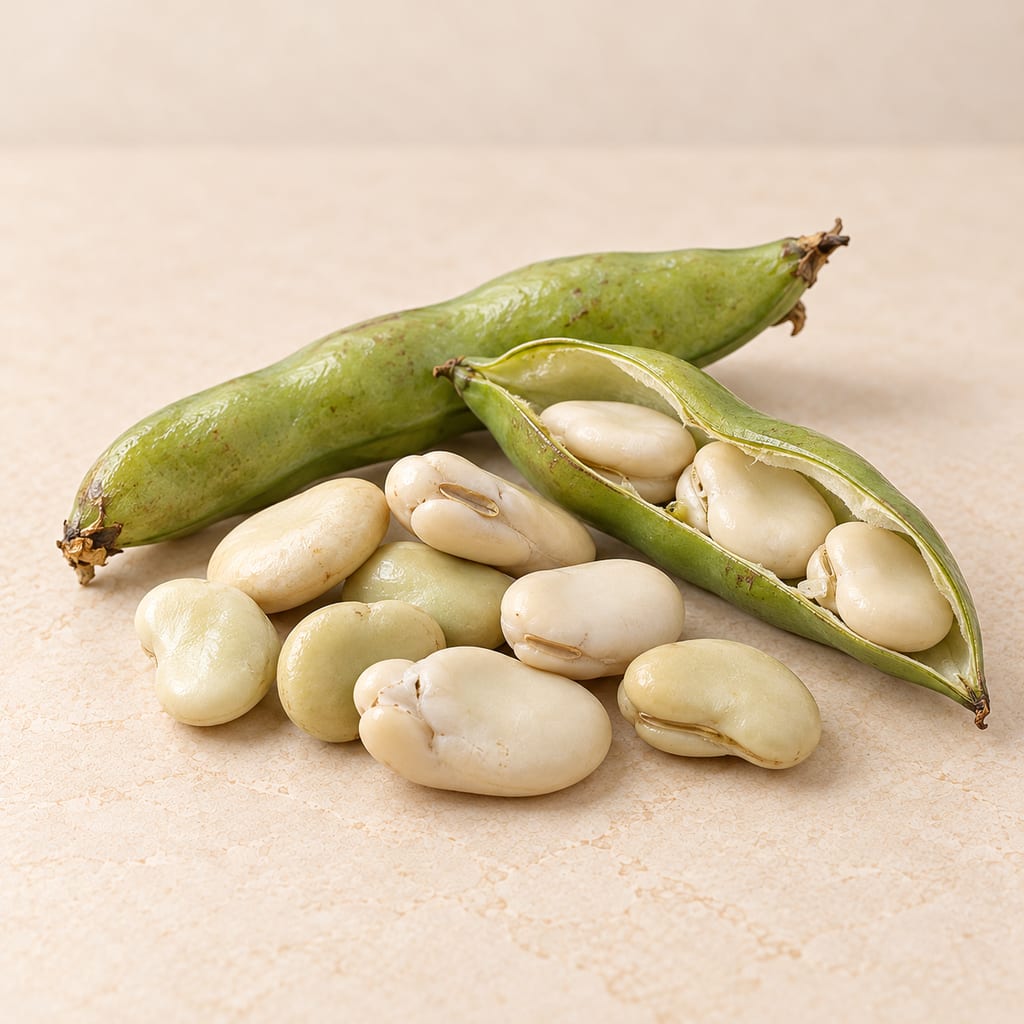
Faba beans are the seeds and edible pods of the cultivated legume Vicia faba L., also sold as broad beans or fava beans. They are eaten fresh or dried and provide the bean flour used in Ethiopian siljo, a sour fermented condiment.
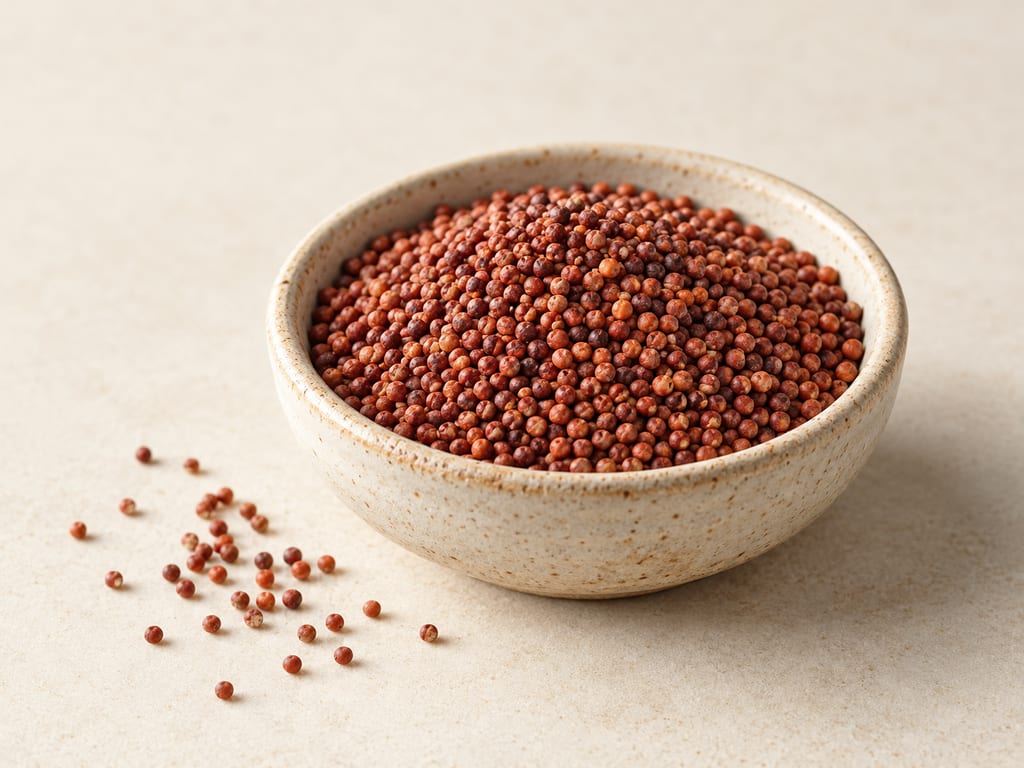
Finger millet (Eleusine coracana) is a small-grained cereal grown across parts of Africa and Asia. It is milled, cooked, malted and fermented in distinct food traditions.
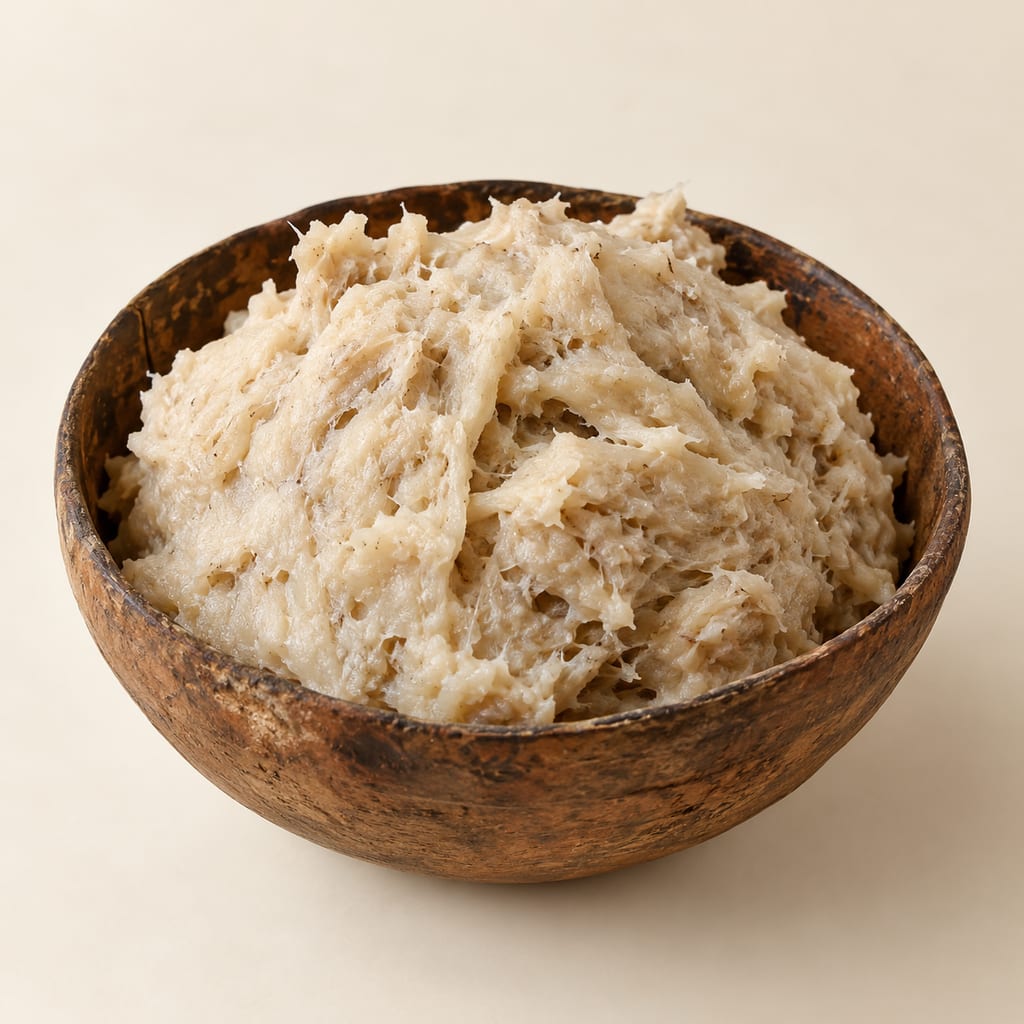
Gamma and gamancho are the names of the enset starter carried from one batch of kocho to the next in southern Ethiopia, made from enset material and dominated by lactic acid bacteria.
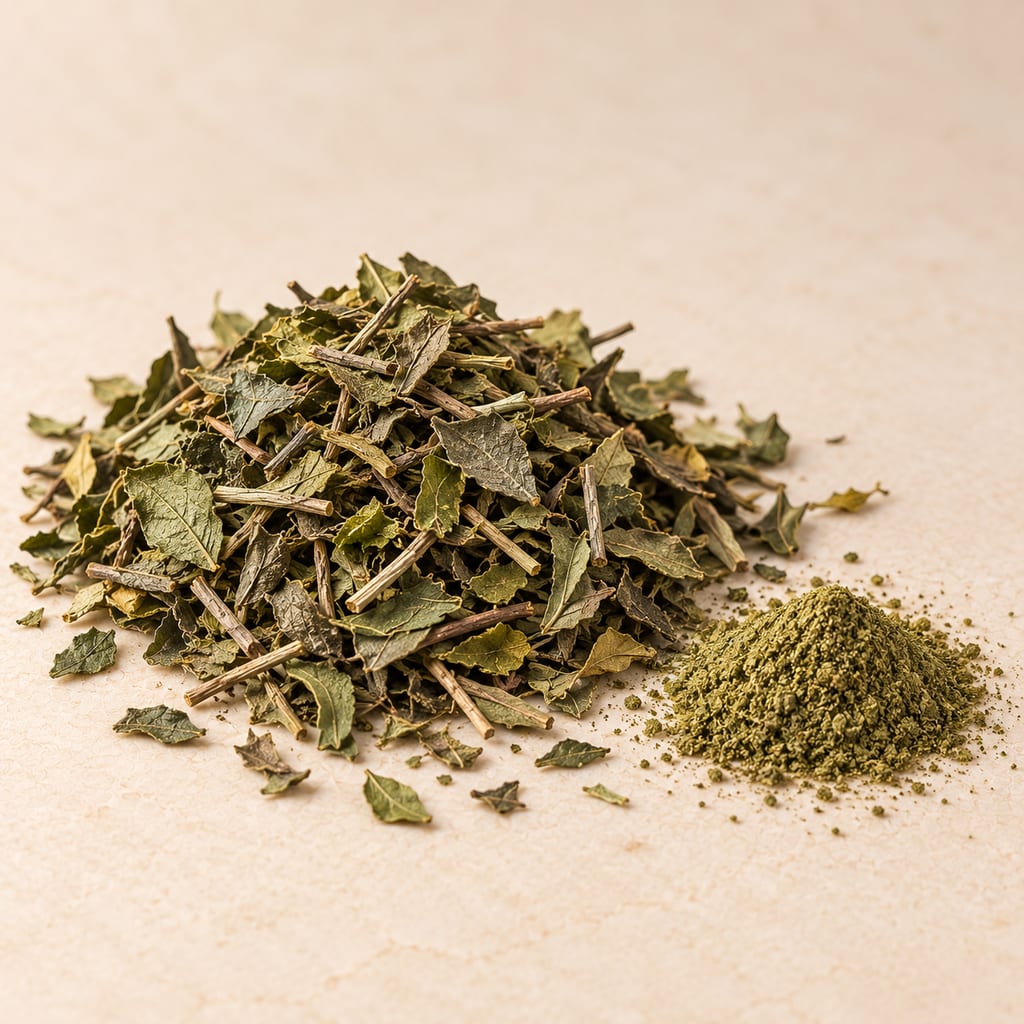
Gesho (Rhamnus prinoides) is used in Ethiopian cereal beers and honey wines for bitterness and flavour. Sources document regional cultivation and use but do not establish one origin, universal brewing measure, starter role or safety limit.
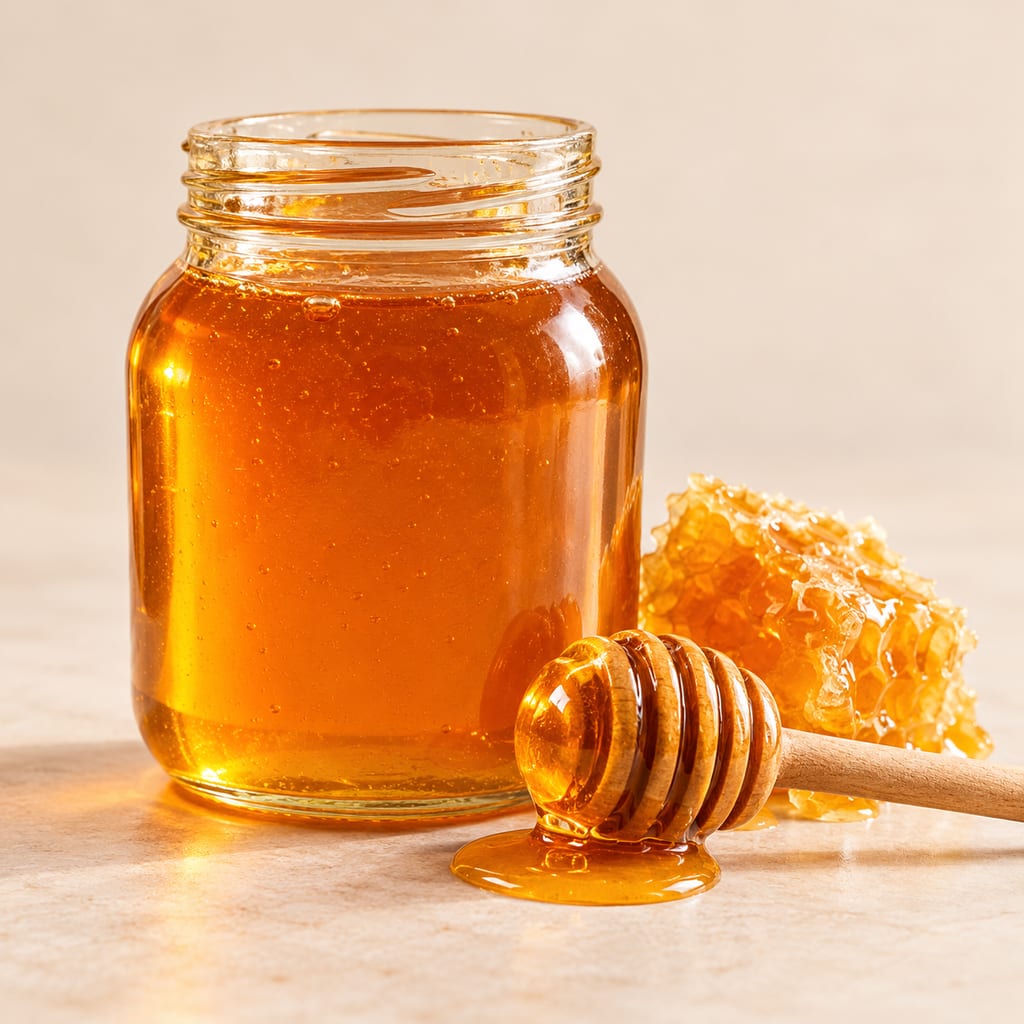
Honey is a bee-made food from floral nectar or honeydew; breads use it in dough or as a syrup served with cooked griddle breads.
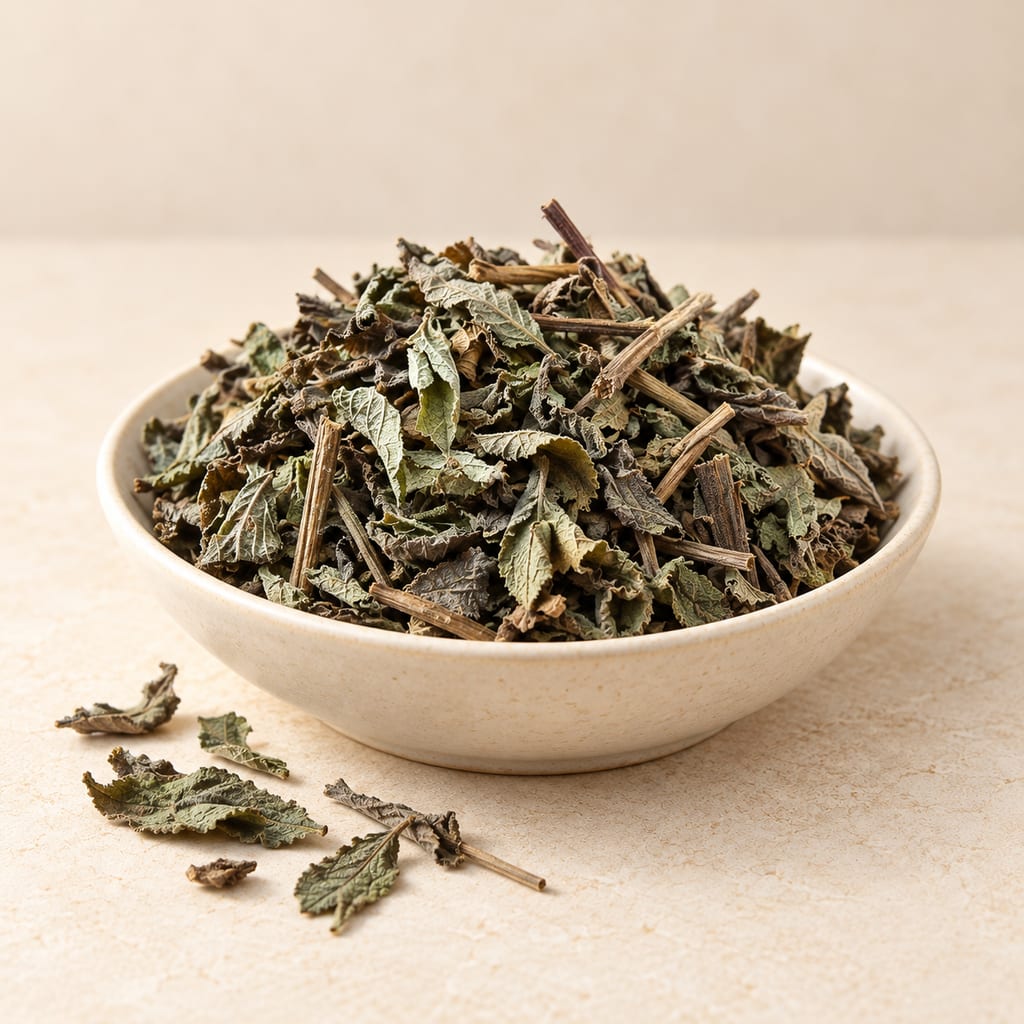
Koseret, Lippia abyssinica, is an Ethiopian aromatic herb used in spice blends, spiced butter, dairy and coffee-leaf drinks. Sources record local uses, not one method.
No community contributions have been published for this entry yet.
Sign in to contribute. Published comments and photos are free to read.
Plants, People, Planet / WileyIdentity · History · Geography · Cultivation · Processing
Enset-based agricultural systems in Ethiopia: A systematic review of production trends, agronomy, processing and the wider food security applications of a neglected banana relativewild and domesticated distributions; Ethiopian cultivation areas; taxonomy and crop differences from Musa; propagation; landraces; growing cycle; processing; food and nonfood uses
Cited in: The plant is the food, not its fruit; A crop with a narrow center of cultivation; Landraces, propagation and a long growing cycle; What harvest separates; Food security and cultural work; Choosing and handling enset; Storage, hazards and what the sources do not settle; How to read enset in recipes
The Scientific World Journal / WileyIdentity · History · Geography · Cultivation · Nutrition · Fermentation · Handling
Ensete ventricosum: A Multipurpose Crop against Hunger in Ethiopiataxonomy; cultivated range and Ethiopian domestication; propagation; kocho, bulla and amicho distinctions; nutritional profile; reported fermentation and product storage observations; livestock uses
Cited in: The plant is the food, not its fruit; A crop with a narrow center of cultivation; Landraces, propagation and a long growing cycle; Starch, acid and the changing kocho mash; Kocho, bulla and amicho; Food security and cultural work; Choosing and handling enset; How to read enset in recipes
Journal of Applied Microbiology / PubMedFermentation · Microbiology · Process variation
Effect of fermentation system on the physicochemical and microbial community dynamics during enset (Ensete ventricosum) fermentationnine plants processed across pit, bamboo basket and sauerkraut jar; six sample days; pH, moisture, acidity and microbial dynamics; early and later LAB genera; study-specific Enterobacteriaceae findings
Cited in: What harvest separates; Starch, acid and the changing kocho mash; Storage, hazards and what the sources do not settle
Food Bioscience / ScienceDirectFermentation · Culture · Geography · Safety
Traditional starter cultures for enset fermentation: Unravelling their production and microbial compositionsurvey in 18 districts and seven southern Ethiopian zones or ethnic groups; starter preparation differences; LAB and Enterobacteriaceae findings in sampled starters
Cited in: Starch, acid and the changing kocho mash; Storage, hazards and what the sources do not settle
International Journal of Food Microbiology / PubMed CentralFermentation · Microbiology · Flavour
Characterization of the microbiota and volatile components of kocho, a traditional fermented food of Ethiopiakocho made by solid-state fermentation of scraped pseudostem and corm; local variation in process and duration; LAB and yeasts are important microbial groups
Cited in: Starch, acid and the changing kocho mash
Journal of the Science of Food and Agriculture / WileyCultivation · Processing · History · Storage
Cultivation, preparation and consumption of ensete (Ensete ventricosum) in EthiopiaGurage household study; vegetative crop cycle; women’s role in studied processing; scraping and corm preparation; reported pit storage range
Cited in: Food security and cultural work; Storage, hazards and what the sources do not settle
Agriculture and Food Sciences ResearchGeography · Nutrition · Culture · Landraces
Enset (Ensete Ventricosum) Production in Ethiopia: Its Nutritional and Socio-Cultural Valuessouthern and southwestern highland cultivation; landraces grown for pseudostem starch or corm; kocho, bulla and amicho; starch-rich and low-protein characterization
Cited in: The plant is the food, not its fruit; A crop with a narrow center of cultivation; Kocho, bulla and amicho; Choosing and handling enset
International Journal of Food Science / PubMed CentralProcessing · Identity · History
Comprehensive Review on Bulla: Uses and Nutritional, Cultural, and Processing Perspectives of an Enset-Derived Food in Ethiopiabulla extracted from squeezed enset pulp and dried; distinction between ordinary extracted bulla and reports of fermented bulla; literature conflation warning
Cited in: Kocho, bulla and amicho; How to read enset in recipes
Plants / PubMed CentralCultivation · Landraces · Processing
The Neglected Traditional Enset (Ensete ventricosum) Crop Landraces for the Sustainable Livelihood of the Local People in Southern Ethiopialocal landrace diversity; kocho processing from scraped sheath and grated corm; bulla liquid extraction; food-use distinctions
Cited in: Landraces, propagation and a long growing cycle; What harvest separates
Plants of the World Online, Royal Botanic Gardens, KewIdentity · Taxonomy
Ensete ventricosum (Welw.) Cheesmanaccepted scientific name and taxonomic authority; genus and family
Food Research International / PubMedNutrition · Landraces
Nutritional and chemical properties of fermented food of wild and cultivated genotypes of enset (Ensete ventricosum)kocho is the main starch-rich fermented food from pseudostem and corm; cultivated genotypes and wild populations are distinct research material