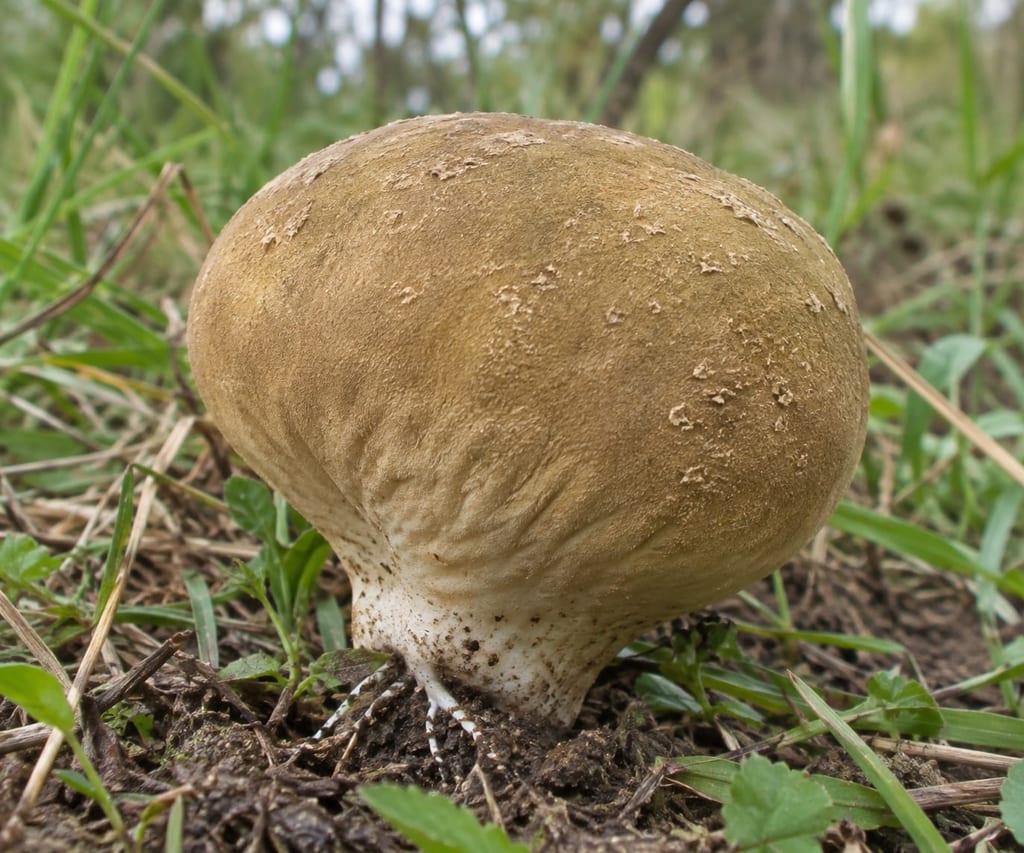
Calvatia subtomentosa
A tropical African puffball recorded in West African range accounts and Ethiopian edible-mushroom studies. Ethiopian use evidence is qualified; Benin identification and safety remain unresolved.
 FermenteaWhere food goes to change
Cultures
Gamma and gamancho are the names of the enset starter carried from one batch of kocho to the next in southern Ethiopia, made from enset material and dominated by lactic acid bacteria.
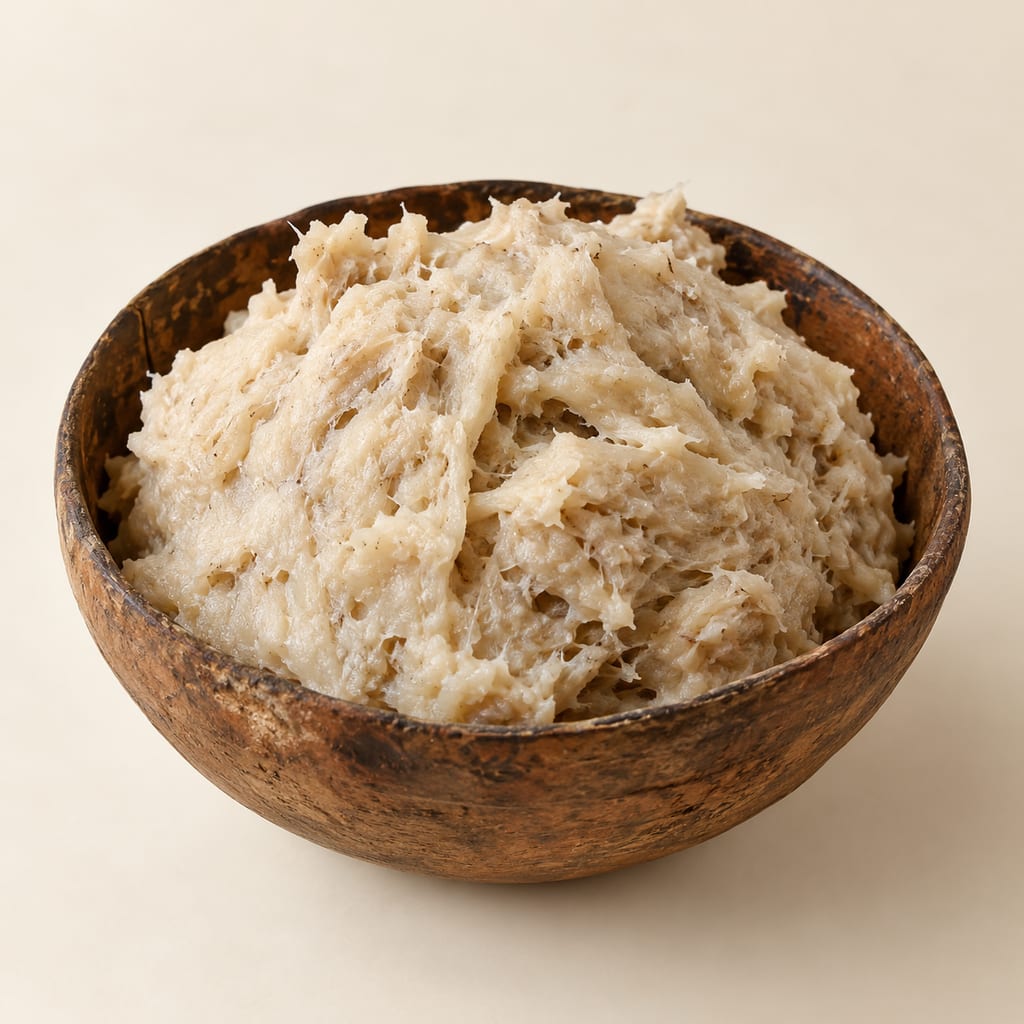
Gamma and gamancho are names for a starter used in the fermentation of enset, the false banana of the Ethiopian highlands. A source consulted for this page describes the corm of the enset plant as the fermenting agent, a locally prepared starter called gamma or gamancho, with no standard composition. Each community makes and keeps its own, so the names and recipes vary by region.
The starter is not a single purchased culture. It is material taken from enset itself and kept for the next batch, so its composition depends on the plant, the season, the handling and the people who keep it.
A survey of selected districts in southern Ethiopia reports Gamma in Dawro and Wolayita and Gamancho in Sidama. It also records other names, including Gamama, Gegema, Gemama and Gemma/File, in other surveyed zones. Materials and practices differ between these communities, so the names should not be treated as synonyms or as one standardized starter. The survey documents its surveyed communities; it does not establish an origin or the full distribution of each practice.
A separate Dawro study uses the name gammicho and mentions locally named herbs. The sources reviewed here do not show that gammicho is a general synonym for Gamma or Gamancho. Local spelling, pronunciation and boundaries need review with knowledge holders.
Kocho is the fermented food made from enset. It is described as a bread-like food and a staple in Ethiopian cuisine, made from the scraped leaf-sheath fibre and the pulverised corm, or from the pith of the pseudo-stem. It is eaten with kitfo, gomen and ayibe, and it is used to scoop up stews.
Kocho can be stored underground for three to twelve months, a reserve for lean periods. Traditional fermentation takes months, and the range given runs from several weeks to two years, depending on the account.
The plant, the starter, the fermenting mash and the finished food are four separate subjects. A 2024 Dawro study describes Gamma as material carried over from an earlier fermentation, but that account belongs to its sampled local process and should not be generalized to every enset tradition.
Fermenting enset is dominated by lactic acid bacteria, and the genera most often named are Leuconostoc, Lactobacillus and Weissella. A study of gamma reported that lactic acid bacterial counts rose until about day 30 of fermentation, as the pH fell and the bacteria tolerated the acid. The starter is therefore part of a lactic process that narrows the community as acid builds.
Isolates from Arba Minch University were characterised as Lactobacillus and Streptococcus, and the authors concluded they could be used to prepare a starter culture that would shorten fermentation. Their starter-fermented kocho scored higher than traditionally fermented kocho on nutritional content, colour, odour, texture and acceptability. A response-surface study reported the preferred sensory quality from 2 per cent Lactobacillus plantarum at six days.
Research on kocho separates two things. Studies of ordinary fermentations describe communities that change over time and differ between samples: in the Gamo highlands, Leuconostoc mesenteroides is described early in fermentation and other taxa in later samples, and another study cultured yeasts, lactic acid bacteria and aerobic bacteria from fresh, middle-aged and long-fermented kocho. These findings describe the sampled material. They do not identify one kocho community or show that an isolated organism should be added to food.
Separately, two research tracks test selected lactic acid bacteria as starter candidates. One characterised bacteria isolated from kocho and tried selected Lactobacillus strains with enset pulp at laboratory scale; another screened isolates from fermenting enset and from traditional starter material, then evaluated three chosen strains under field-study conditions. The results apply to those strains and batches. They do not show that households use the strains, or that they suit household use. A 2024 experiment on fermentation time and temperature, like the pit, basket and jar comparison, is tied to its own vessels and measurements and sets no household limits.
Microbial results are tied to particular samples. The 2019 survey reports Clostridium spores in its sampled traditional starters. The 2024 Dawro study reports no detected Clostridium in its Gamma sample. Different samples and methods may account for the difference, and neither result establishes the safety of all local starters or processes.
A separate study compares fermentation systems, including pits, bamboo baskets and a jar, but its abstract does not establish that one is a household substitute for a named Gamma or Gamancho practice. A Wikipedia article on kocho names yeast as the starter and does not mention gamma; the microbiological studies above describe lactic acid bacteria as the dominant organisms, so the sources differ on the leading organism and this page does not choose between them.
Studies report that there is no standardised starter in the highlands, which contributes to variable kocho quality and prices. Propagation and care vary regionally, and no source reviewed supplies one complete, locally validated household method, starter-storage guidance or a general safety endpoint.
Most starter studies are small theses or single trials. One Addis Ababa thesis reported good quality in 24 to 28 days with an inoculated starter, which it set against about six months for natural fermentation. No published comparison of gamma itself with defined lactic starters was found, so none is claimed here.
A district survey reports the name Gamma in Dawro and Wolayita. It does not establish an origin or the full distribution of the practice.
The same survey reports the name Gamancho in Sidama.
Kocho and its starter are documented in the Ethiopian highlands; the sources do not name a single community or locality.
A tropical African puffball recorded in West African range accounts and Ethiopian edible-mushroom studies. Ethiopian use evidence is qualified; Benin identification and safety remain unresolved.

Camel milk from one- and two-humped camels supplies fresh drinks, fermented milks and specialised cheeses across pastoral food systems in Africa and Asia.
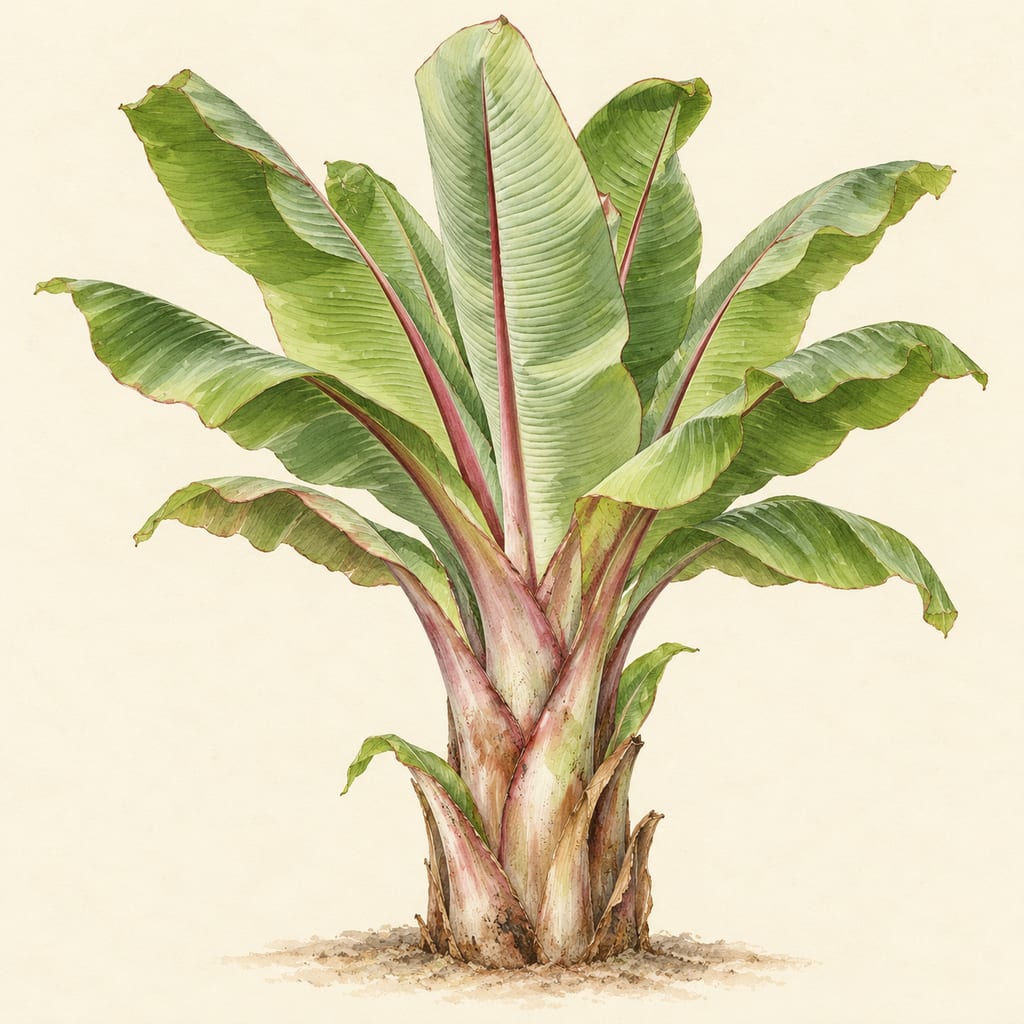
Enset is an Ethiopian staple crop grown for its starchy corm and pseudostem. Fermented kocho, extracted bulla and boiled amicho are distinct foods from the plant.
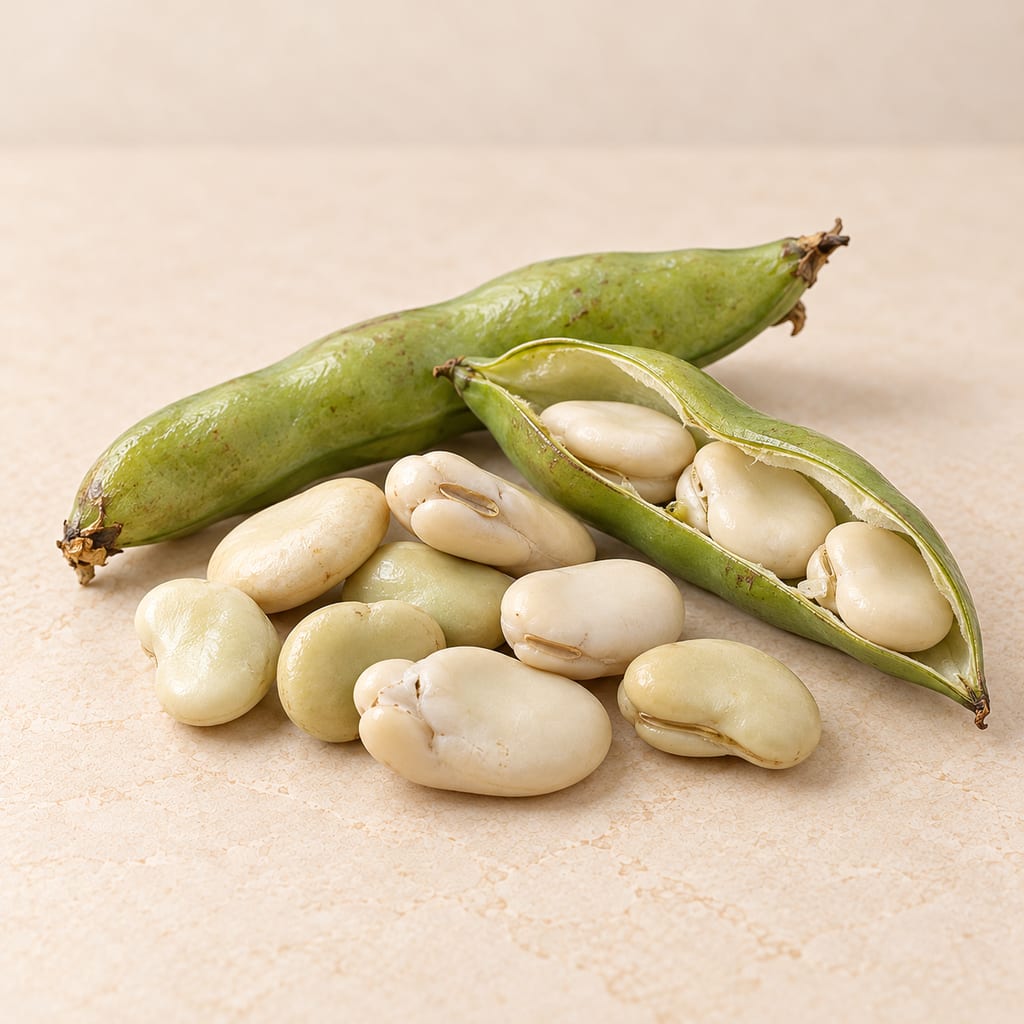
Faba beans are the seeds and edible pods of the cultivated legume Vicia faba L., also sold as broad beans or fava beans. They are eaten fresh or dried and provide the bean flour used in Ethiopian siljo, a sour fermented condiment.
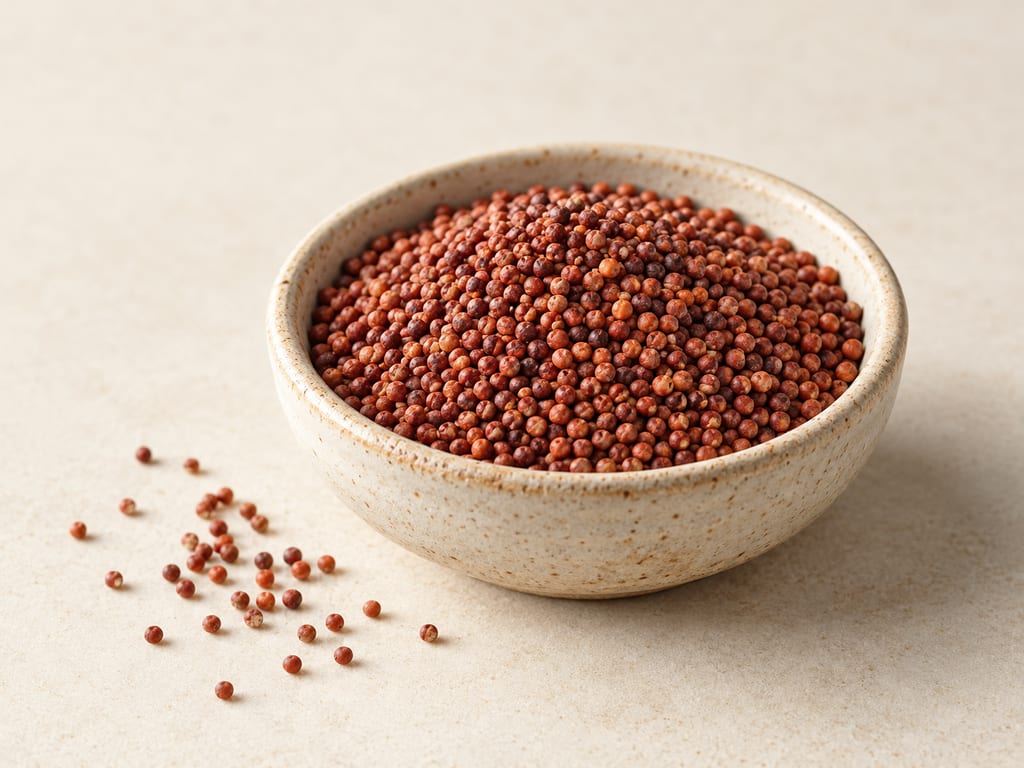
Finger millet (Eleusine coracana) is a small-grained cereal grown across parts of Africa and Asia. It is milled, cooked, malted and fermented in distinct food traditions.
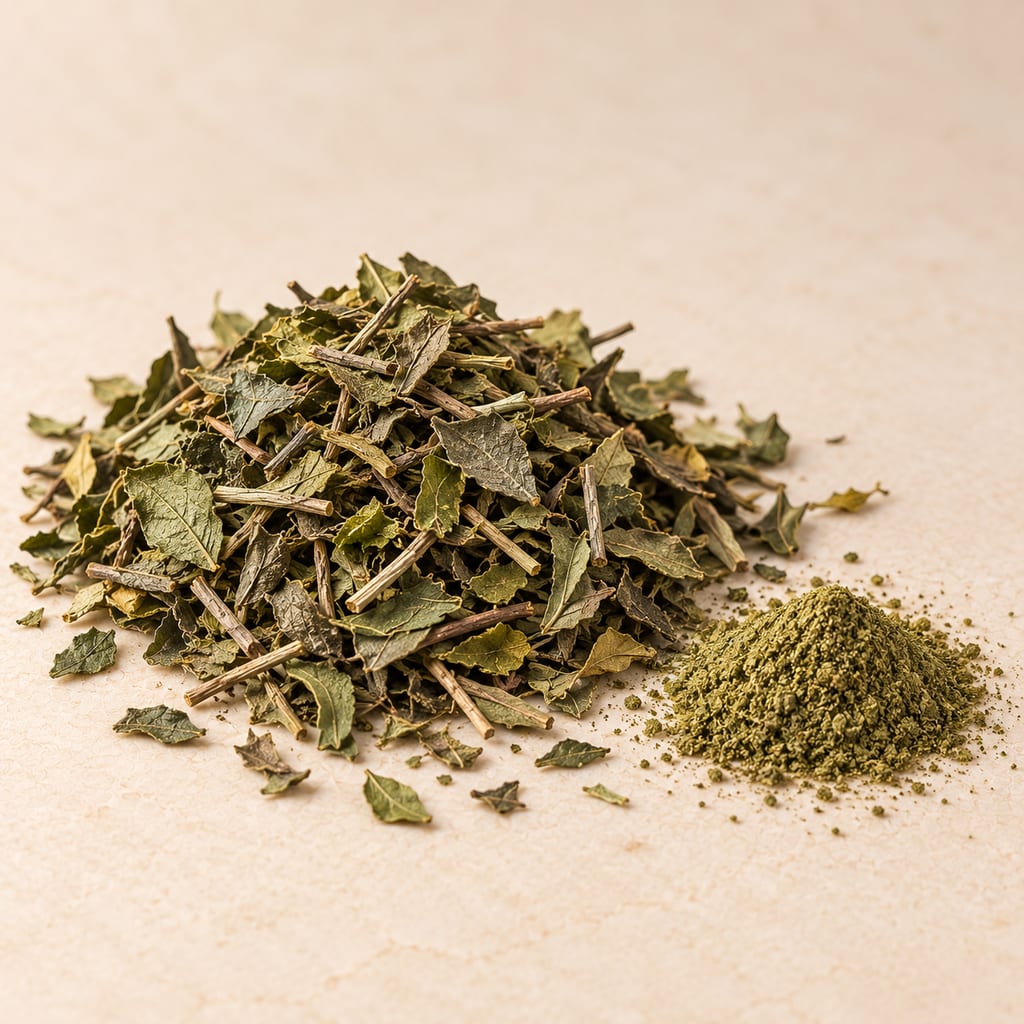
Gesho (Rhamnus prinoides) is used in Ethiopian cereal beers and honey wines for bitterness and flavour. Sources document regional cultivation and use but do not establish one origin, universal brewing measure, starter role or safety limit.
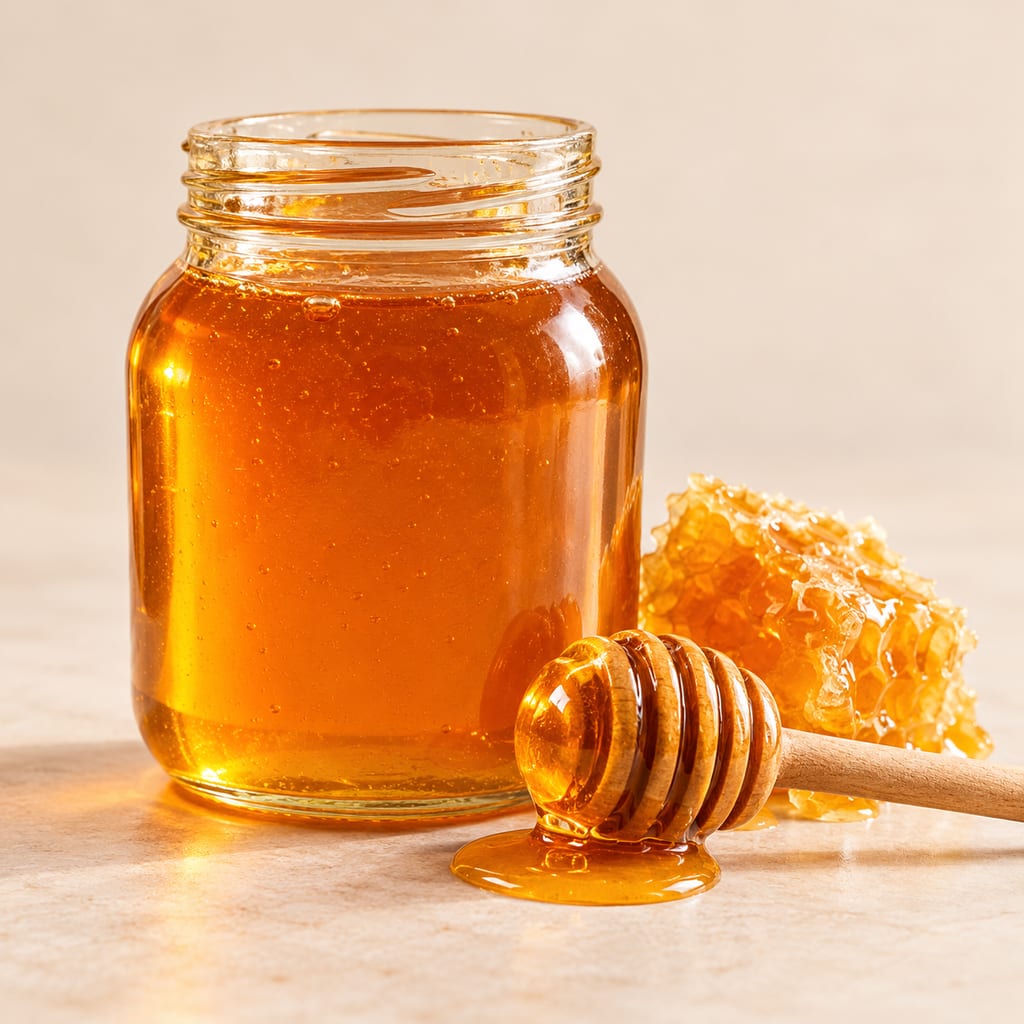
Honey is a bee-made food from floral nectar or honeydew; breads use it in dough or as a syrup served with cooked griddle breads.
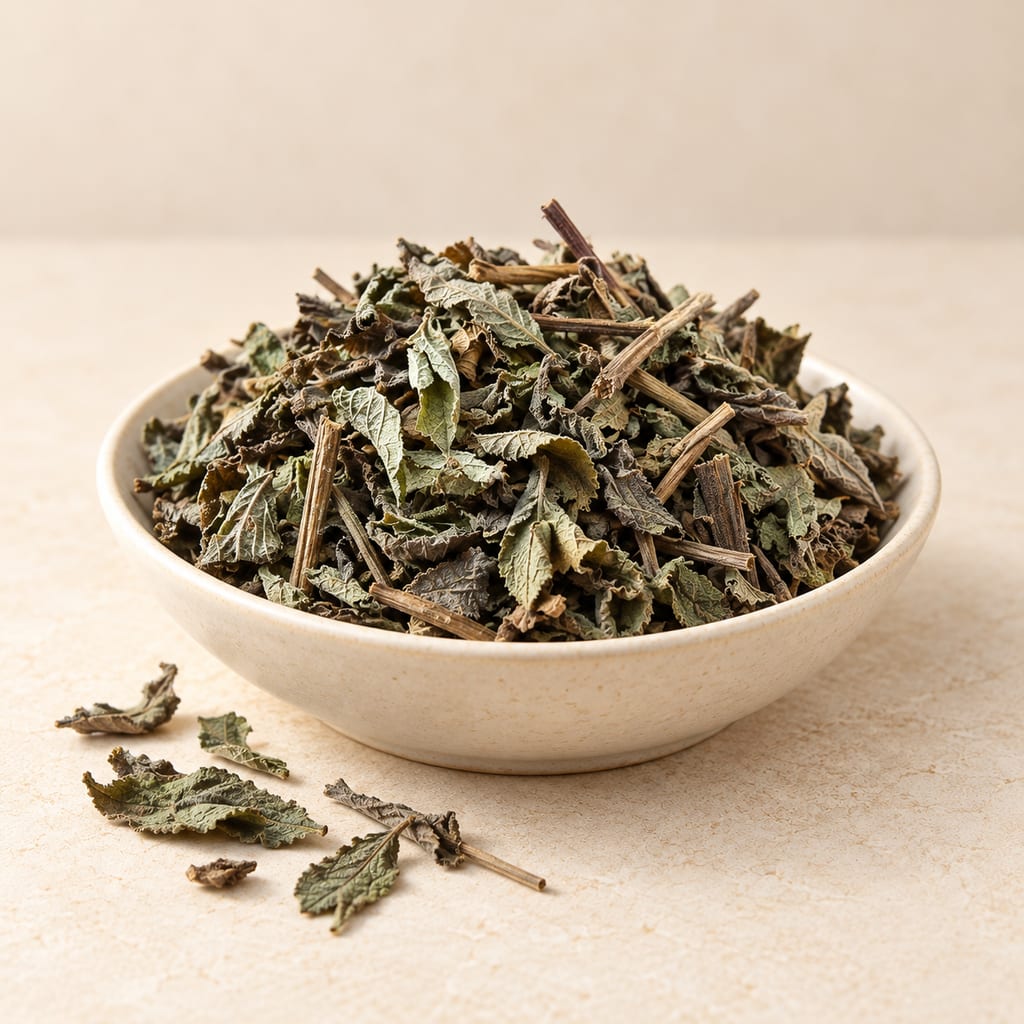
Koseret, Lippia abyssinica, is an Ethiopian aromatic herb used in spice blends, spiced butter, dairy and coffee-leaf drinks. Sources record local uses, not one method.
No community contributions have been published for this entry yet.
Sign in to contribute. Published comments and photos are free to read.
WikipediaLead · Food · Storage · Culinary
Kocho (food)Kocho made from enset leaf-sheath fibre and corm pulp; staple in Ethiopia
Named starter is yeast in this article; no mention of gamma or gamancho
Underground storage for three to twelve months; eaten with kitfo, gomen and ayibe
Cited in: The food it starts; What the studies do and do not show
Arba Minch University repositoryMicrobiology · Starter
Isolation and characterization of starter culture bacteria for enset (Ensete ventricosum) fermentationEnset fermentation dominated by LAB, including Leuconostoc, Lactobacillus and Weissella
Isolates characterised as Lactobacillus and Streptococcus; starter-fermented kocho scored higher
Cited in: What it is; What the starter contains; Variation and the limits of the evidence
Reference GlobalMicrobiology · Method
Acta Universitatis Cibiniensis, Food Technology, 2018 (enset kocho study)2 per cent Lactobacillus plantarum at six days preferred sensory quality in a response-surface study
Cited in: What the starter contains; Variation and the limits of the evidence
Food BioscienceIdentity · Geography · Microbiology
Traditional starter cultures for enset fermentation: Unravelling their production and microbial compositionSurvey of selected southern Ethiopian districts: Gamma in Dawro and Wolayita, Gamancho in Sidama, and other names (Gamama, Gegema, Gemama, Gemma/File) in other surveyed zones.
Materials and practices differ between the surveyed communities.
Clostridium spores reported in the sampled traditional starters.
Cited in: Different names in different places; What the studies do and do not show
Heliyon / PubMed CentralMicrobiology
Physicochemical and microbial community dynamics of Kocho fermented from different enset varieties in South West Ethiopia2024 Dawro study describes Gamma as material carried over from earlier fermentation; no Clostridium detected in its Gamma sample.
Cited in: The food it starts; What the studies do and do not show
International Journal of Food Science / PubMed CentralIdentity
Phytochemical Screening and Multivariate Analysis on Physicochemical and Nutraceutical Value of Kocho from False Banana (Enset)Dawro study using the name gammicho with locally named herbs.
Cited in: Different names in different places
International Journal of Food Microbiology / PubMedMicrobiology
Effect of fermentation system on the physicochemical and microbial community dynamics during enset (Ensete ventricosum) fermentationCompares fermentation systems including pits, bamboo baskets and a jar; the abstract does not make one a substitute for a named starter practice.
Cited in: What the studies do and do not show
Food Microbiology / PubMedMicrobiology
Fermentation of enset (Ensete ventricosum) in the Gamo highlands of Ethiopia: Physicochemical and microbial community dynamicsStudy of local kocho fermentation in the Gamo highlands; Leuconostoc mesenteroides described early in fermentation and other taxa in later samples.
Cited in: Spontaneous communities and selected-strain experiments
Antonie van Leeuwenhoek / PubMed CentralMicrobiology
Yeasts and bacteria associated with kocho, an Ethiopian fermented food produced from enset (Ensete ventricosum)Yeasts, lactic acid bacteria and aerobic bacteria cultured from fresh, middle and long-fermented kocho.
Cited in: Spontaneous communities and selected-strain experiments
Food Science and Biotechnology / PubMed CentralMicrobiology · Starter
Selection and characterisation of the predominant Lactobacillus species as a starter culture in the preparation of kocho, fermented food from ensetLactic acid bacteria isolated from kocho characterised; selected Lactobacillus strains tested with enset pulp at laboratory scale.
Cited in: Spontaneous communities and selected-strain experiments
LWTMicrobiology · Starter
Development and validation of lactic acid starter cultures for enset (Ensete ventricosum) fermentationIsolates from fermenting enset and traditional starter material screened; three selected strains evaluated under field-study conditions.
Cited in: Spontaneous communities and selected-strain experiments
Discover Food / Springer NatureMicrobiology
The effect of fermentation temperature and duration on the physicochemical, microbial, and sensory attributes of kocho2024 experiment on time and temperature effects in kocho fermentation.
Cited in: Spontaneous communities and selected-strain experiments