
African fermented foods, drinks and preservation
From sour breads and milk to savoury seeds, cassava staples and living beers, African fermentation follows the crop, the community and the work of transformation.
 FermenteaWhere food goes to change
Substrates
Camel milk from one- and two-humped camels supplies fresh drinks, fermented milks and specialised cheeses across pastoral food systems in Africa and Asia.
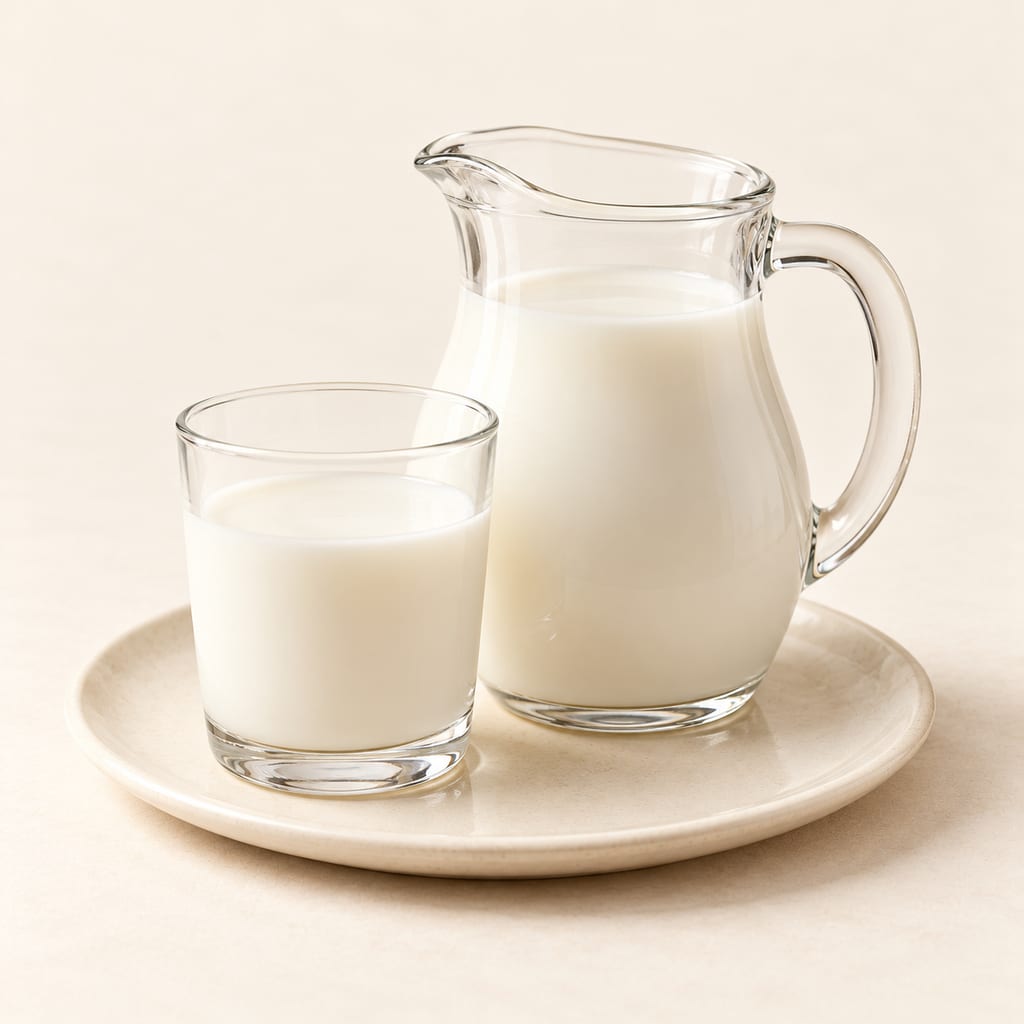
Camel milk is the milk of either a one-humped dromedary, Camelus dromedarius, or a two-humped Bactrian camel, Camelus bactrianus. The terms name different camel species, not different treatments of the milk. Fresh camel milk is a liquid dairy food; it may be consumed directly or become the starting material for sour milks, other fermented products and cheeses.
For many mobile pastoral communities across Africa and Asia, camels are raised for several things at once: milk, meat, fibre, transport and work. Milk can be especially important where dryland grasses and variable rainfall make other food sources less predictable. It is a staple in some pastoral food systems, but neither camel keeping nor camel-milk use belongs to one people or one national cuisine.
The date when people first milked camels is not settled by the evidence consulted here. Archaeological protein research identified camel-milk consumption in one person buried in the Gobi during the Mongol period, about 1206–1398 CE. This is a direct biomolecular attestation in that study and a meaningful record of camel dairying in medieval Mongolia. It is not proof that the practice began then, or that it was the earliest use elsewhere.
The milk supply also reflects the living herd. Dromedary and Bactrian systems, breeds, feed, water availability, season and stage of lactation can affect both yield and composition. Reported values therefore vary between studies and places. A country-level average or a single lab result cannot specify the milk in a particular container or predict every fermentation and cheesemaking result.
One-humped dromedaries and two-humped Bactrian camels occupy overlapping but different production landscapes. FAO's overview places camel dairying broadly across Africa and Asia and distinguishes the dromedary of plains from the Bactrian camel of mountain regions. This wide range is a useful map of the ingredient's reach, not a single shared husbandry system. A product made in one region cannot stand as evidence for how every camel is raised or milked.
Milk output changes through lactation and with pasture, water, season and management. FAO reports large differences among regions and production systems; its figures are not a promise for an individual animal or a modern retail carton. Milk from the same herd can shift as feed and water change. This variation helps explain why product descriptions that imply one fixed camel-milk composition or yield need a specific source and setting.
Pastoral production also connects food and mobility. In low-input settings, herders can move animals between grazing areas and use milk as a day-to-day food. In contemporary value chains, collectors and dairies add transport, quality checks and cooling to reach urban consumers. These systems can coexist. Industrial collection changes how milk is moved and processed, but it does not replace the social and ecological knowledge involved in herd care.
Like other mammalian milks, camel milk brings water, lactose, fat globules, casein proteins, whey proteins and minerals together in one fluid. Their proportions are variable. Lactose can be metabolised by suitable microbes during fermentation; casein particles and milk salts shape gels and curds; fat contributes to mouthfeel and can be retained differently as a product acidifies or drains.
Camel milk is not simply cow milk under another animal name. Its casein profile and micelle behaviour differ, and experimental comparisons report slower rennet coagulation or a weaker, softer curd in some conditions. The 2020 soft-cheese study still produced camel-milk cheeses by enzymatic or acid coagulation. The result is a processing challenge rather than a categorical inability to make cheese.
A cheesemaker cannot safely assume that a cow-milk recipe will give the same set, drainage or texture with camel milk. Coagulant choice, milk composition and the full processing method matter. Research has explored camel chymosin, acids and other approaches; trial results from a specific study are not universal home instructions. The Mauritanian Caravane cheese shows that specialised modern production can turn camel milk into a soft bloomy-rind cheese, while its producer describes an industrial dairy process rather than a tested household recipe.
The milk's proteins do not all behave alike. Casein particles carry a large share of the material that becomes a rennet curd, while whey proteins remain mostly in the liquid during ordinary cheese drainage. Camel milk's casein fractions and micelle properties differ from those of cow milk. A change in the milk's source or handling can therefore affect the way an enzyme destabilises the casein and the way the resulting particles join into a gel.
Rennet coagulation, acid coagulation and fermentation are related but distinct actions. A coagulant changes milk proteins so particles can aggregate; lactic cultures use lactose and produce acids; draining or pressing then removes water by physical means. A fermented milk can thicken as acidity changes casein interactions without undergoing the same curd cutting and drainage as a cheese. Treating each as simply 'soured milk' hides the separate controls that shape texture and moisture.
Laboratory cheese comparisons help explain the challenge, but they should be read within their own conditions. One soft-cheese study used specified enzymatic and acid treatments and found a softer camel-milk structure than in its bovine comparison. Other studies investigate particular coagulants and process settings. They do not establish a universal dose, temperature, yield or maturation schedule for milk from every camel, nor a safe home process. A home recipe needs evidence for its exact milk and method.
Commercial cheeses also show that milk composition is only one part of a successful make. Caravane is a soft bloomy-rind product associated with Tiviski's Mauritanian dairy. Its manufacturer describes a specific production model and product style. The case demonstrates a modern adaptation of camel milk for cheese, not an unbroken ancient tradition or a proof that a cow-milk Camembert method transfers unchanged.
Fresh camel milk is drunk as a beverage and enters several distinct regional dairy traditions. In Kenya, research on Somali-community suusac documents camel milk as the substrate for a spontaneously soured product. In Ethiopia, dhanaan is another named fermented camel milk with methods recorded among Somali-region communities. Sudanese gariss and Kazakhstan's shubat have their own histories and production settings; the names should not be collapsed into one universal recipe.
The differences matter. These preparations begin with fresh milk, but their vessels, retained previous batches, added ingredients and handling vary by place and method. Mongolian khoormog is also distinguished in microbial research as camel-milk fermentation, while airag is made from mare's milk. Fermented products are separate preparations, not interchangeable names for fresh camel milk.
Cheese is another route from the ingredient. Caravane, made by Tiviski in Mauritania, is a documented modern soft cheese from camel milk. Its existence does not mean that all camel milk sets like cow milk or that one cheese process fits every herd and milk batch. When a source identifies pasteurized milk, a selected coagulant or controlled dairy conditions, those are part of that product's method, not inherent properties of the raw ingredient.
Commercial supply now meets pastoral production in some places. Tiviski reports that it buys raw camel milk from pastoralists and transports collected milk through checking and chilling stages to its dairy. Those details describe one Mauritanian supply chain; they should not be generalized to small-scale or household handling everywhere. Product labels and the source-specific process matter when choosing milk for a make.
Some fermented-milk names are tied to particular communities and methods. Suusac is documented among Somali communities in Kenya; dhanaan is reported from Somali-region Ethiopia; gariss is associated with Sudanese camel pastoralism; and shubat is studied in Kazakhstan. Khoormog belongs to a Mongolian camel-milk context. Each name points to a preparation with its own history, vessel and handling. The raw ingredient page keeps these related products connected while leaving their recipes to those separate records.
Descriptions of gariss illustrate why regional process evidence matters. A North Darfur study examines milk from camel herders and traditional containers, while earlier documentation records repeated use of a retained fermented batch and the movement of a skin bag with a camel. These details describe a place-based system; they are not a general instruction to ferment milk in a skin vessel. The knowledge associated with that process belongs to the specific product and its community.
Shubat research gives a different kind of evidence. The Kazakhstan study examined five fermented samples made from dromedary milk and reported their composition and microbial isolates. Its laboratory results describe those samples, not every shubat recipe or every camel-milk fermentation. Likewise, research on Mongolian products distinguishes khoormog made from camel milk from airag made from mare's milk. Shared regional food cultures do not erase milk-species differences.
Beyond drinking and fermentation, camel milk can be a source for dairy processing and cooking. Which route is practical depends on the milk's condition and the target product: a drink remains liquid; fermented milk changes through microbial acidification; cheese separates and concentrates a protein-rich curd; concentrated or dried products remove water. These products are not equivalent substitutes by name or texture. Each requires its own sourced process and handling information.
A useful label distinguishes camel milk from milk of other species and states whether it is raw or pasteurized. Standardization, homogenization and other processing details can also affect a particular cheesemaking method. Freshness, colour or taste alone do not identify the camel species, establish treatment or show whether milk is free of harmful organisms.
Raw milk carries a foodborne-illness risk. Clean milking and careful handling can reduce contamination but cannot guarantee safety. WHO also advises against drinking raw camel milk because MERS-CoV is associated with dromedary camels and raw camel-milk exposure; heat treatment such as pasteurization reduces this risk. CDC's general raw-milk guidance identifies disease-causing germs as another reason to choose pasteurized milk. Handle pasteurized products hygienically and follow the package's refrigeration and use-by instructions.
Camel milk is still milk: it contains milk proteins and lactose. A different animal source does not make it suitable for someone with a milk allergy, and its lactose content should not be assumed to be absent or harmless to someone with lactose intolerance. Any dietary claim needs evidence for the specific product.
Keep unused milk cold as directed by its producer and prevent contact with raw milk, unclean equipment and ready-to-eat foods. No single storage duration or home heat-treatment limit applies to every source and package. Fermentation is not a substitute for a validated safety process, and sourness, separation, smell or visible activity cannot prove that a batch is safe.
Raw and pasteurized describe treatment, not the animal species or fat category. Milk sold as fresh may have received heat treatment, while milk collected directly from a herd may be unpasteurized. A seller's description and the package information are more useful than appearance. A white colour, creamy feel or mild salty note cannot verify that the milk is camel milk, distinguish a dromedary from a Bactrian source or establish its microbiological condition.
Milk can become contaminated during milking, collection, transport or later handling. Clean containers and careful handling reduce opportunities for contamination but do not make raw milk reliably pathogen-free. A fermented product can also carry hazards if the starting milk or handling is unsafe; sourness and gas are not safety tests. Keep the risk explanation distinct from the culinary history of traditional ferments, and use a process validated for its intended ingredients and conditions.
People with a milk allergy must consider camel milk a milk ingredient containing milk proteins. Lactose intolerance concerns the sugar lactose, not the milk proteins that trigger allergy. Camel milk still contains lactose; a lower or different reported level in a particular study would not establish that it is lactose-free or tolerated by everyone. Product-specific dietary claims need evidence from the formulation and applicable testing.
Storage depends on the milk's heat treatment, package, opening, handling and local product instructions. Follow the producer's refrigeration directions and date marking, and return unused milk to cold storage promptly. Do not apply one shelf-life figure to raw milk, pasteurized milk and processed products alike. In cheesemaking, the method may call for warming a measured amount, but that process step does not mean the remainder of a container can be left unrefrigerated.
Source information does not support a general home preparation sequence for raw camel milk, a single household pasteurization schedule, or a universal storage duration. Recipes for specific products carry their own quantities, temperatures and controls when sources provide them. Where those details remain uncertain, the page should leave them unresolved instead of filling the gap with a familiar cow-milk assumption.
Milk
Milk is documented as the raw material for Somali-community suusac, and FAO describes camel dairying in northern Kenya; neither source identifies a single origin for camel milk.
The cited field study documents camel-milk dhanaan in this Ethiopian region.
The cited study documents camel-milk gariss production in Al-Koma locality; this is a use association, not a birthplace claim.
The study analyses shubat made from camel milk in Kazakhstan.
Tiviski documents pastoral camel-milk sourcing and its modern Caravane cheese in Mauritania.
Protein evidence identifies camel-milk consumption in one studied Gobi-region individual; this attestation does not establish the earliest use worldwide.
The cited microbial study includes khoormog, a fermented camel-milk product from Mongolia.
From sour breads and milk to savoury seeds, cassava staples and living beers, African fermentation follows the crop, the community and the work of transformation.
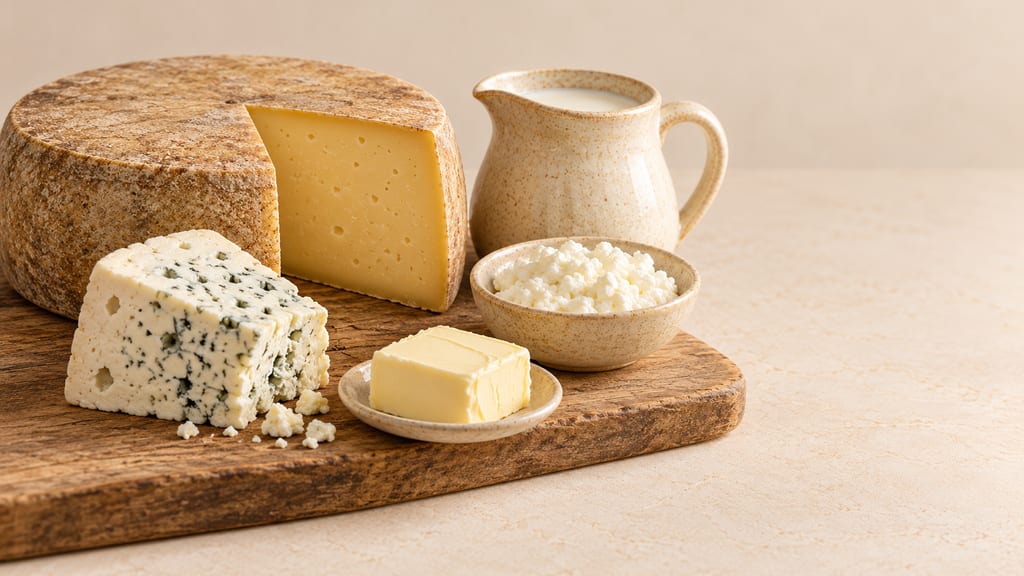
Follow milk into cheese, cultured drinks, butter, dried curds and sweets: a journey through the animals, seasons and household decisions behind the world's dairy foods.
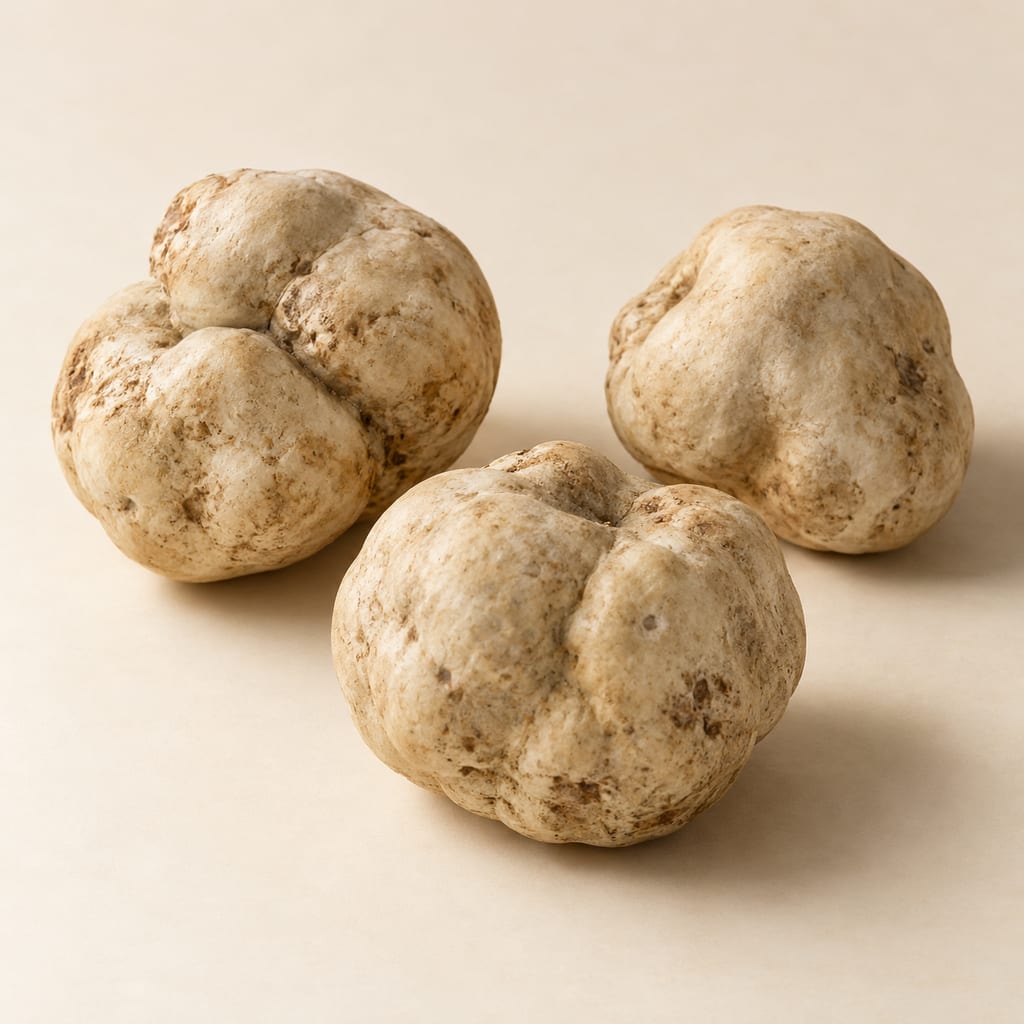
Afrocastellanoa ivoryana is a truffle-like false truffle of African woodlands, ectomycorrhizal with woodland trees and recorded as a regional wild food in West and Central Africa.
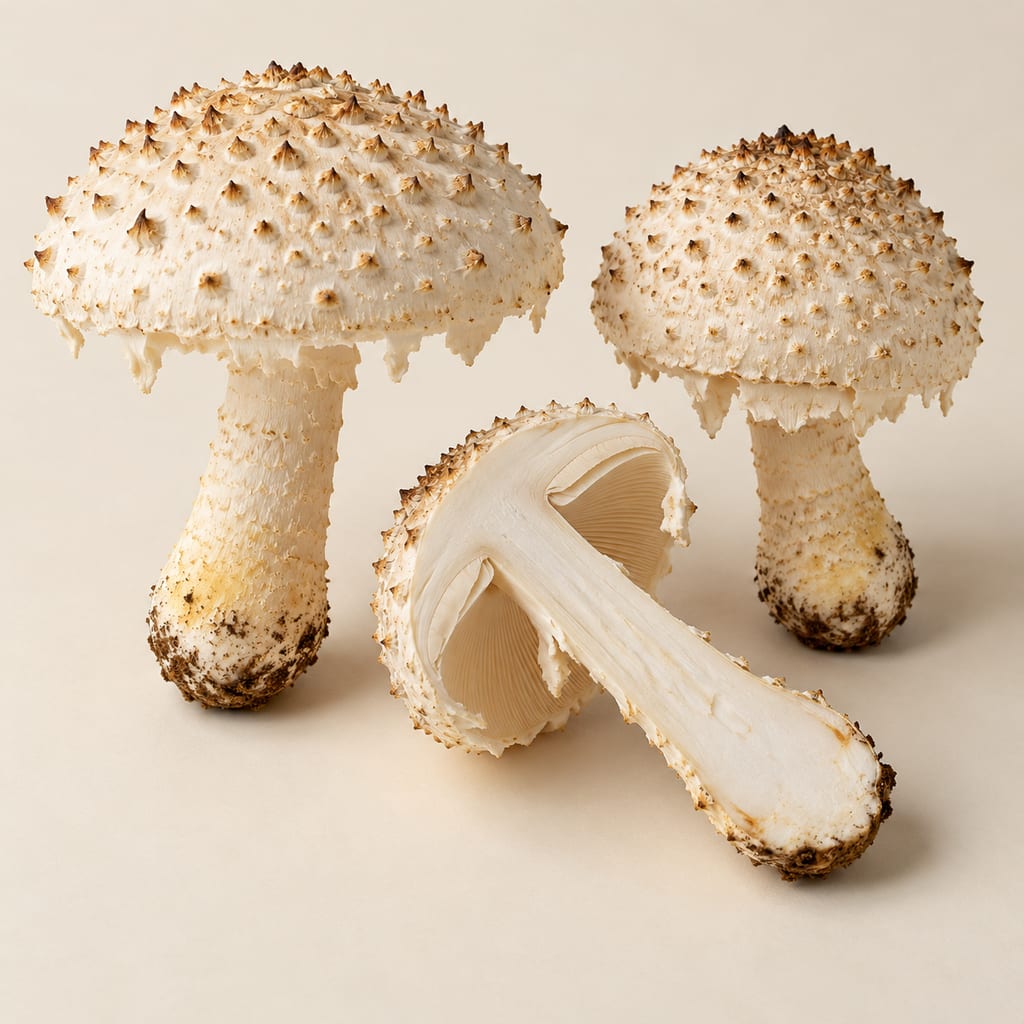
Amanita afrospinosa is a white, warted Amanita of miombo woodland in southern and central Africa. A regional food-use record exists, but the Amanita genus includes deadly species, so no safe use is established here.
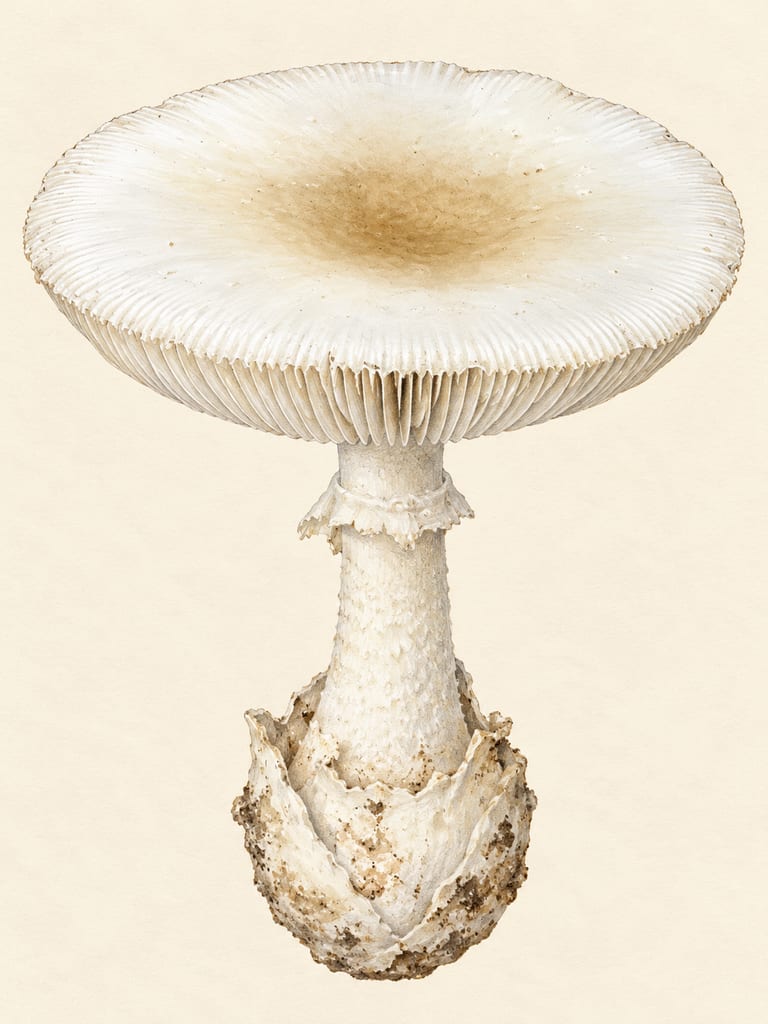
Amanita loosei is a large wild Amanita of tropical African miombo and open woodland, gathered and sold as a valued seasonal food. Regional food-use evidence is not a guide to identifying wild mushrooms.
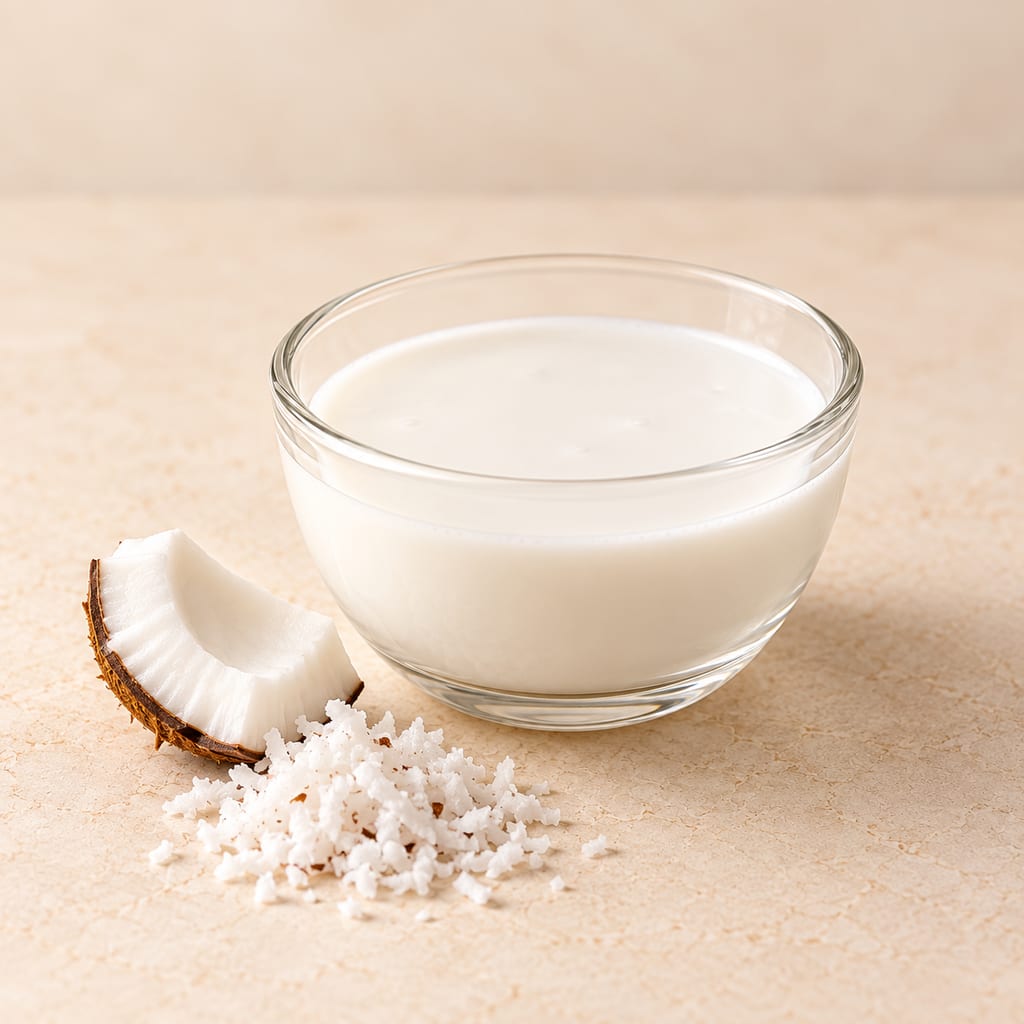
Coconut milk is an aqueous emulsion extracted from mature coconut kernel, sold fresh, packaged or reconstituted. It is distinct from the liquid naturally inside a coconut.
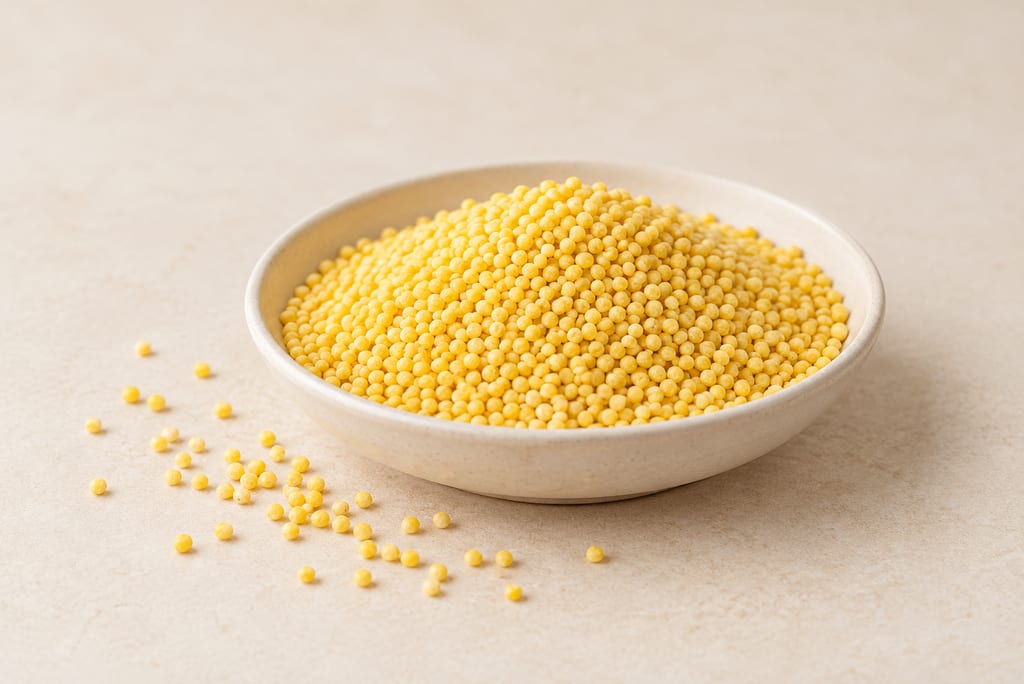
Millet names several small-seeded cereals. In African fermented foods, pearl millet and finger millet become sour gruels, doughs and drinks through distinct combinations of soaking, milling, cooking, malting and fermentation.
Sugar-rich liquid tapped from different palms, gathered fresh or transformed into local drinks and sweeteners; species and collection stage shape its composition.
A wild brittlegill of African miombo woodland listed in the EFTA edible-fungi inventory across eight countries. The inventory gives no preparation and no explicit edibility rating.
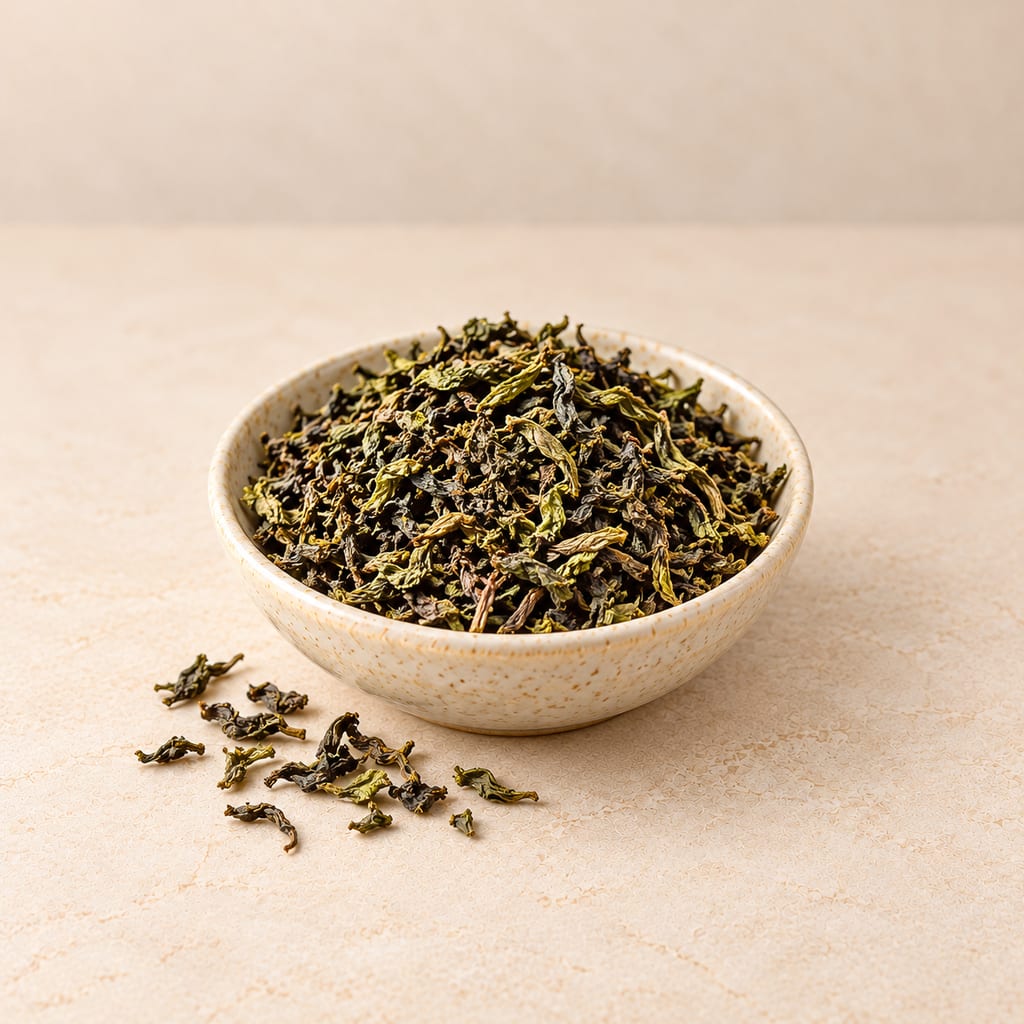
Tea is the processed leaf of Camellia sinensis, an evergreen shrub from the borderlands of south-western China. Steeped and sweetened, it is the base of kombucha and jun.

Protected Italian vinegar made only from cooked grape must, fermented and aged in a battery of wooden barrels for at least 12 years: sweet, sharp and syrupy.

Airag is Mongolia’s fermented mare’s-milk drink, traditionally churned with saved starter in a reusable cowhide khokhuur.

Appam, or hoppers, are South Indian and Sri Lankan rice pancakes made from a fermented coconut-and-rice batter and cooked in a curved pan to a crisp lacy rim and a soft, spongy centre.

Auricularia tremellosa is a wood ear fungus of the genus that supplies most dried wood ear sold in China; its own food record is thin, and the culinary practice described here comes from the closely related wood ear species.

Ayran is Turkey’s cold, savoury yogurt drink: plain yogurt is loosened with water and lightly salted, then whisked smooth or aerated into a soft cap of foam.
A thin stone griddle used over an open hearth. Norwegian archaeology documents the established tradition from the early Middle Ages; a Viking-period origin is only a cautious suggestion linked to Shetland.

Crushed or milled barley cooked in water until the starch softens and the mixture thickens, the plainest way a northern household turned stored grain into a meal, here with apple and hazelnut.

Black carrot is the anthocyanin-pigmented Eastern carrot (Daucus carota var. atrorubens), the purple root that preceded orange types and still colours kanji and şalgam.
No community contributions have been published for this entry yet.
Sign in to contribute. Published comments and photos are free to read.
Food and Agriculture Organization of the United NationsIdentity · History · Geography · Use
CamelsFAO distinguishes one-humped dromedaries (Camelus dromedarius) and two-humped Bactrian camels (Camelus bactrianus), documents milk use across Africa and Asia, and describes milk as central to many pastoral livelihoods.
Cited in: A camel milk tradition without a single origin
Food and Agriculture Organization of the United NationsIdentity · Science · Handling
Camels and camel milk: Composition of camel milkThe chapter compares reported camel-milk composition by region and source; reported values vary rather than defining one universal composition.
Cited in: How camel milk behaves in cultured milk and cheese
Cambridge University Press, The Cambridge World History of FoodHistory · Geography · Use
CamelsThe chapter surveys camel milk and meat as food resources in African and Asian pastoral settings and reviews limits in reconstructing early human use of camels.
Cited in: A camel milk tradition without a single origin
Nature Ecology & EvolutionHistory · Science · Geography
Dairy pastoralism sustained Eastern Eurasian Steppe populations for 5000 yearsProteomic analysis identifies camel-milk consumption in one Mongol-period individual buried in the Gobi region; the authors describe this as the first biomolecular evidence in their study, not the first use globally.
Cited in: A camel milk tradition without a single origin
University of NairobiHistory · Science · Geography · Use
Studies on the Microflora in Suusac, a Kenyan Traditional Fermented Camel Milk ProductThe thesis documents Somali-community suusac in Kenya and reports camel milk as its raw material; the work studies its fermentation and associated microorganisms.
Cited in: Fresh milk, fermented traditions and modern products
Food Science & NutritionScience · Geography · Use
Fermentation, Handling and Claimed Therapeutic Effects of Dhanaan: An Ethiopian Fermented Camel MilkA field survey reports dhanaan as spontaneously fermented camel milk used in the Somali Regional State of Ethiopia; the study's reported methods are specific to surveyed communities and are not a general home-safety validation.
Cited in: Fresh milk, fermented traditions and modern products
Journal of Ethnic FoodsScience · Geography · Use
Chemical composition of Gariss produced from milk of camels with different watering intervals using some traditional containers in Al-Koma Locality, North Darfur State, SudanThe study documents camel milk and gariss in North Darfur and investigates samples made by nomadic herders; it provides evidence for this place and use without establishing a universal milk composition.
Cited in: Fresh milk, fermented traditions and modern products
Milk ScienceScience · Geography · Use
Properties of camel milk liquor (“shubat”) in the Republic of KazakhstanThe primary study analyses five Kazakhstan-made shubat samples prepared from dromedary milk and distinguishes this fermented milk product from fresh camel milk.
Cited in: Fresh milk, fermented traditions and modern products
Bioscience of Microbiota, Food and HealthScience · Geography · Use
Pyrosequencing Analysis of Microbial Diversity of Airag, Khoormog and Tarag, Traditional Fermented Dairy Products of MongoliaThe study samples traditional Mongolian fermented milks, including camel-milk khoormog, as a product distinct from mare-milk airag.
Cited in: Fresh milk, fermented traditions and modern products
TiviskiGeography · Handling · Use
Where does Tiviski's milk come from?Tiviski describes buying raw camel milk from pastoralist suppliers in Mauritania and collecting, checking, chilling and transporting milk to its dairy.
Cited in: Fresh milk, fermented traditions and modern products; Choosing and handling camel milk
TiviskiHistory · Geography · Use
Tiviski products and company historyTiviski identifies Caravane as a soft bloomy-rind cheese made from camel milk and describes its dairy operating in Mauritania from 1989.
Cited in: Fresh milk, fermented traditions and modern products
NFS JournalScience · Use
Physicochemical properties, sensory quality, and coagulation behavior of camel versus bovine milk soft unripened cheesesA controlled study found longer coagulation and softer mechanical properties in its camel-milk cheeses than in the bovine-milk comparison; it produced soft fresh cheese and does not establish a universal recipe.
Cited in: How camel milk behaves in cultured milk and cheese
World Health OrganizationScience · Handling
MERS CoV: An overviewWHO advises avoiding raw camel milk and states that appropriately processed animal products, including camel milk, may be consumed after pasteurization, cooking or other heat treatment.
Cited in: Choosing and handling camel milk
Centers for Disease Control and PreventionScience · Handling
Raw MilkCDC explains that raw milk can carry disease-causing germs and recommends pasteurized milk; clean farm practices cannot guarantee raw milk safety.
Cited in: Choosing and handling camel milk