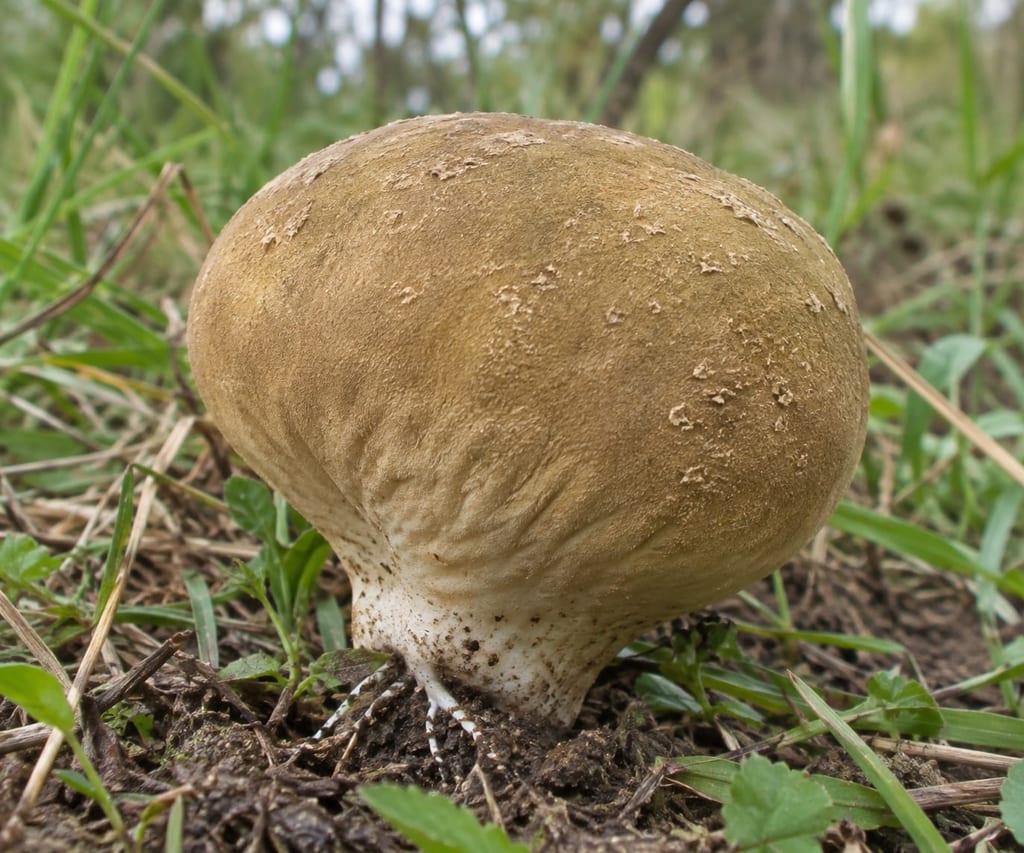
Calvatia subtomentosa
A tropical African puffball recorded in West African range accounts and Ethiopian edible-mushroom studies. Ethiopian use evidence is qualified; Benin identification and safety remain unresolved.
 FermenteaWhere food goes to change
Spices and aromatics
Koseret, Lippia abyssinica, is an Ethiopian aromatic herb used in spice blends, spiced butter, dairy and coffee-leaf drinks. Sources record local uses, not one method.
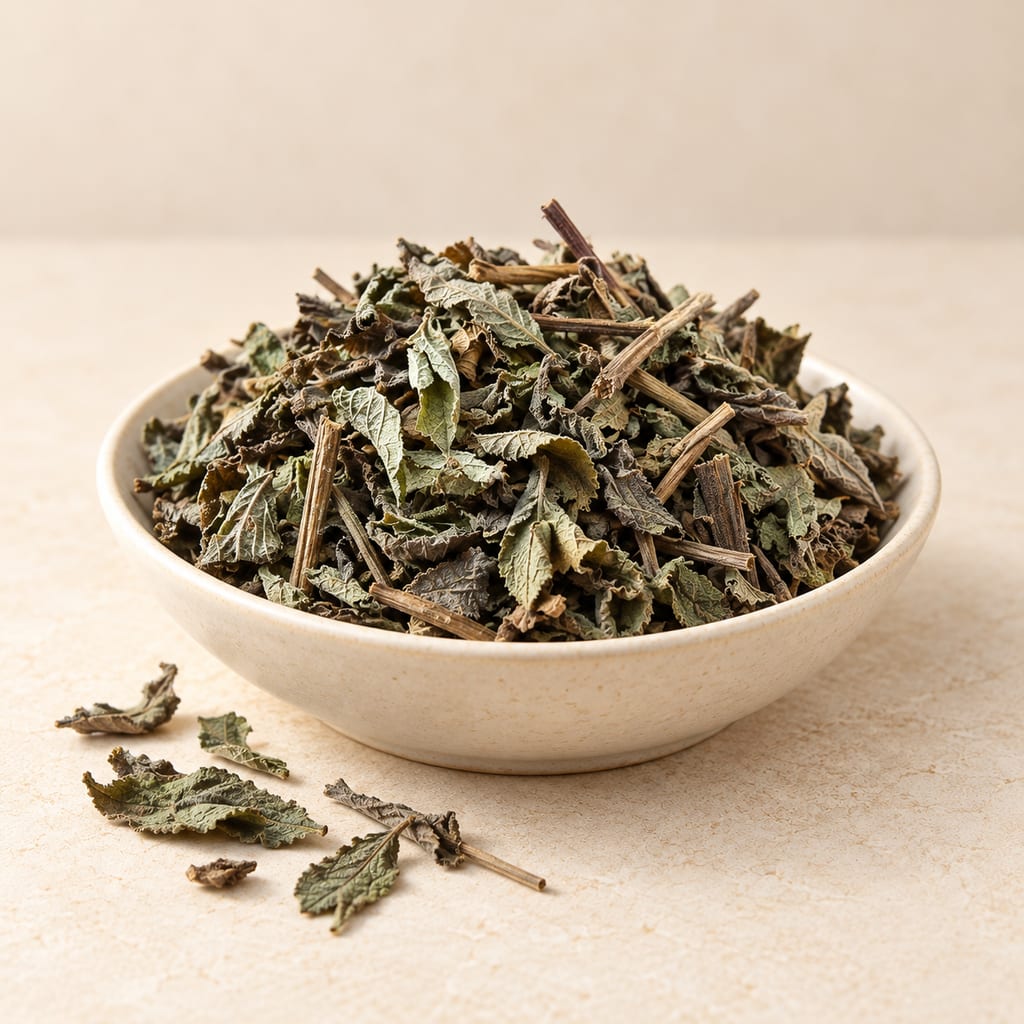
Koseret is an aromatic leaf used as a seasoning in Ethiopia. Kew accepts it as Lippia abyssinica (Otto & A.Dietr.) Cufod., a subshrub or shrub of seasonally dry tropical regions, and treats Lippia adoensis, including the named variety L. adoensis var. koseret, as synonyms. Older Ethiopian papers use those other names.
Kew lists Lippia multiflora as a separate accepted species. A shared local name or an older scientific name cannot identify a specimen, cultivar or market lot, so the studies cited here keep the names and vouchers they reported. Koseret is also spelled kosert, kusaye and kusaaye.
A 2025 review in the Journal of Ethnic Foods lists koseret among the indigenous and naturalized species used in Ethiopian spice blends, alongside korarima, tosign and ginger. Its supplementary table records the leaves flavouring cheese, seasoning butter and meat, and cleaning milk pots.
A survey of culinary plants around Fiche records koseret among the plants used to make niter kibbeh, the spiced clarified butter. The record names the use and gives no quantities or sequence. In Midakegn, a 2023 survey of wild edible plants records leaves and stems used for spicing in pepper powder and butter, and leaves used to scent or clean milk pots and kitchen tools.
A 2026 study of chemo, a coffee-leaf beverage, covers eight sites in the Tepi area of southwestern Ethiopia, with fieldwork from August to October 2025. Its ingredient table lists Lippia abyssinica under the name kosert among the plant additions that vary from household to household. The study shows variation. It does not establish one recipe or a validated beverage process.
Kew places the plant in seasonally dry tropical biomes. A leaflet from the Ethiopian Biodiversity Institute reports L. adoensis in home gardens at 1,600 to 2,200 metres, but it also conflates that species with the separate L. multiflora, so the altitude is not a verified growing threshold for koseret. A homegarden inventory in Sebeta-Awas records a voucher-linked L. abyssinica shrub kept as a spice and fragrant plant, without a growing protocol.
The sources give no cultivar-specific frost or heat limits, light, soil, irrigation, propagation, harvest, pest or container guidance. Biome, wild-range and homegarden observations are not production instructions.
The accounts describe place-specific use. They give no household recipe with quantities, steps, yield and storage, and no validated preservation effect, medical benefit or safety endpoint. The chemo paper spells the plant L. abyssinica in its ingredient table and L. adoensis elsewhere, and pairs no voucher with that row. No local collection-permission or conservation assessment was found.
Food-use records come from Ethiopian field studies and reviews; no single site is assigned and no origin is claimed.
A tropical African puffball recorded in West African range accounts and Ethiopian edible-mushroom studies. Ethiopian use evidence is qualified; Benin identification and safety remain unresolved.

Camel milk from one- and two-humped camels supplies fresh drinks, fermented milks and specialised cheeses across pastoral food systems in Africa and Asia.
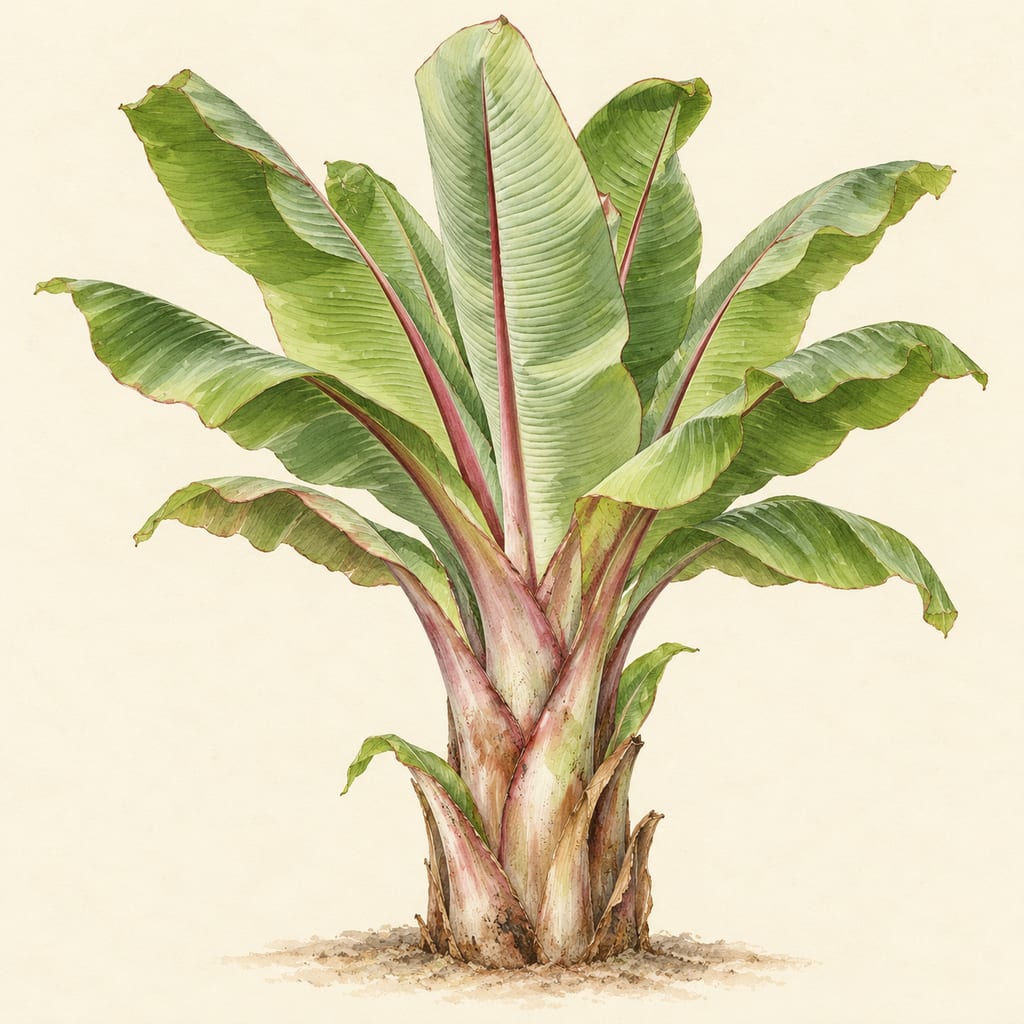
Enset is an Ethiopian staple crop grown for its starchy corm and pseudostem. Fermented kocho, extracted bulla and boiled amicho are distinct foods from the plant.
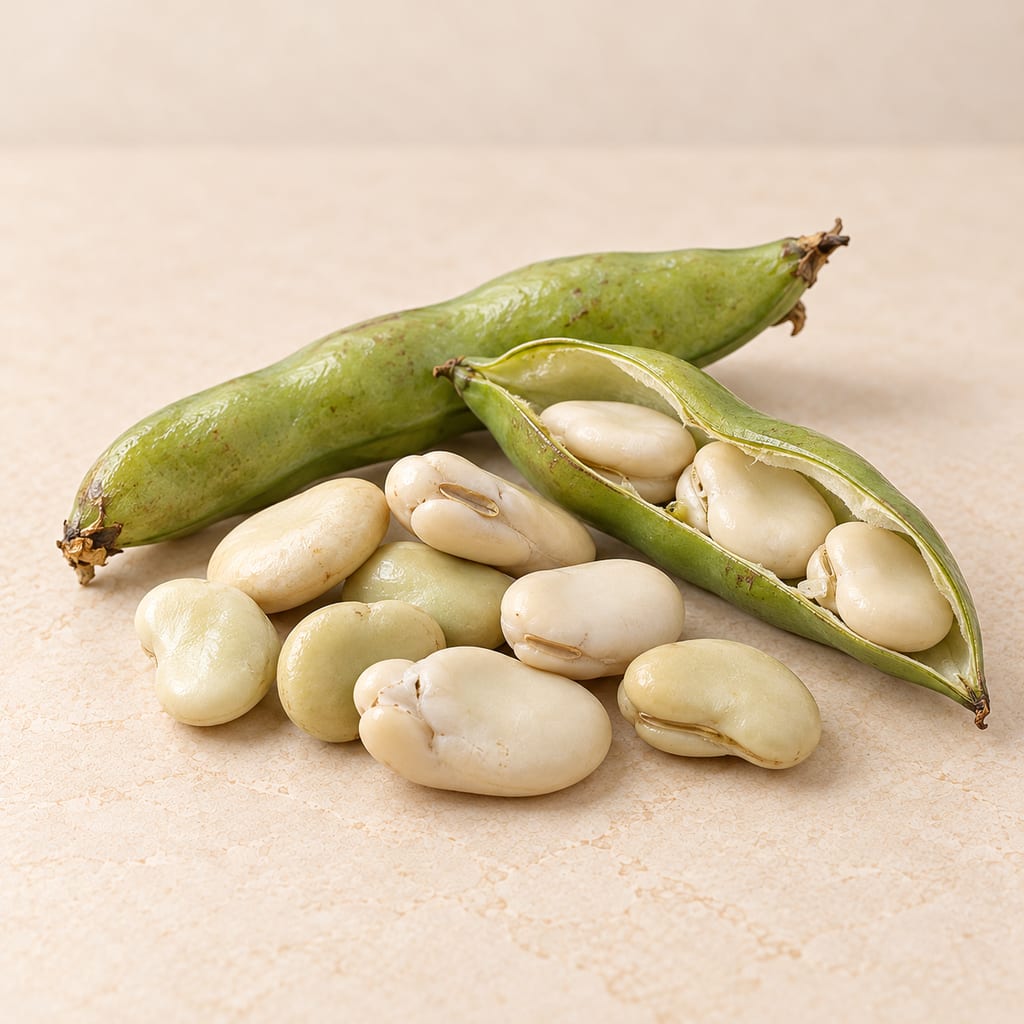
Faba beans are the seeds and edible pods of the cultivated legume Vicia faba L., also sold as broad beans or fava beans. They are eaten fresh or dried and provide the bean flour used in Ethiopian siljo, a sour fermented condiment.
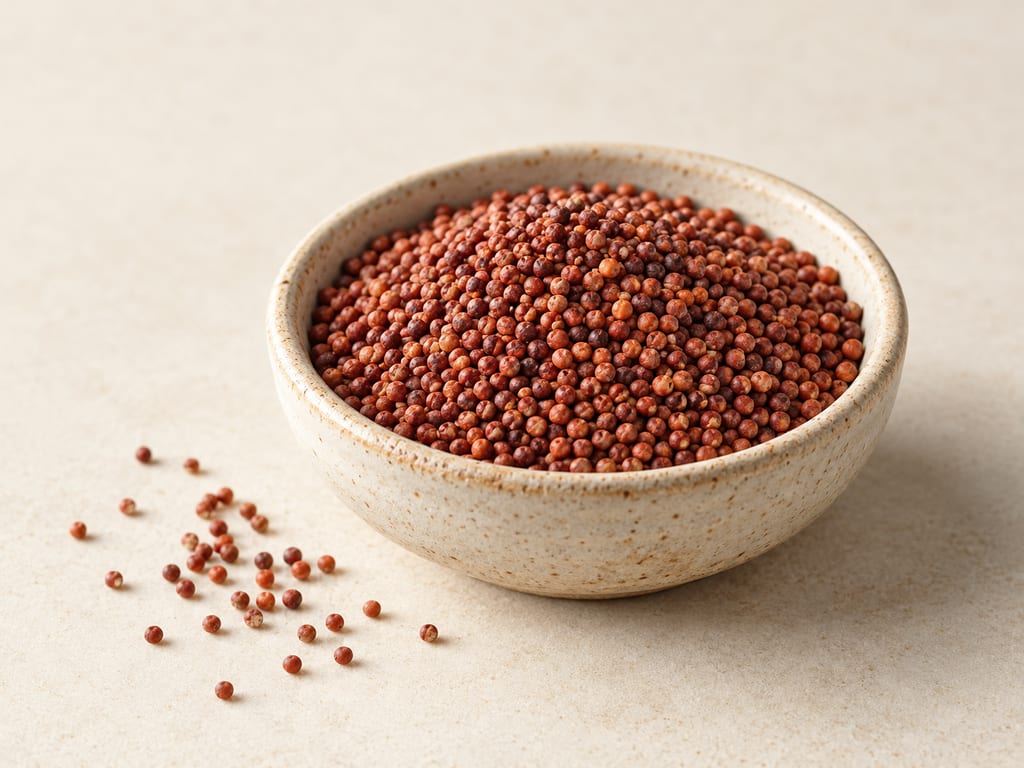
Finger millet (Eleusine coracana) is a small-grained cereal grown across parts of Africa and Asia. It is milled, cooked, malted and fermented in distinct food traditions.
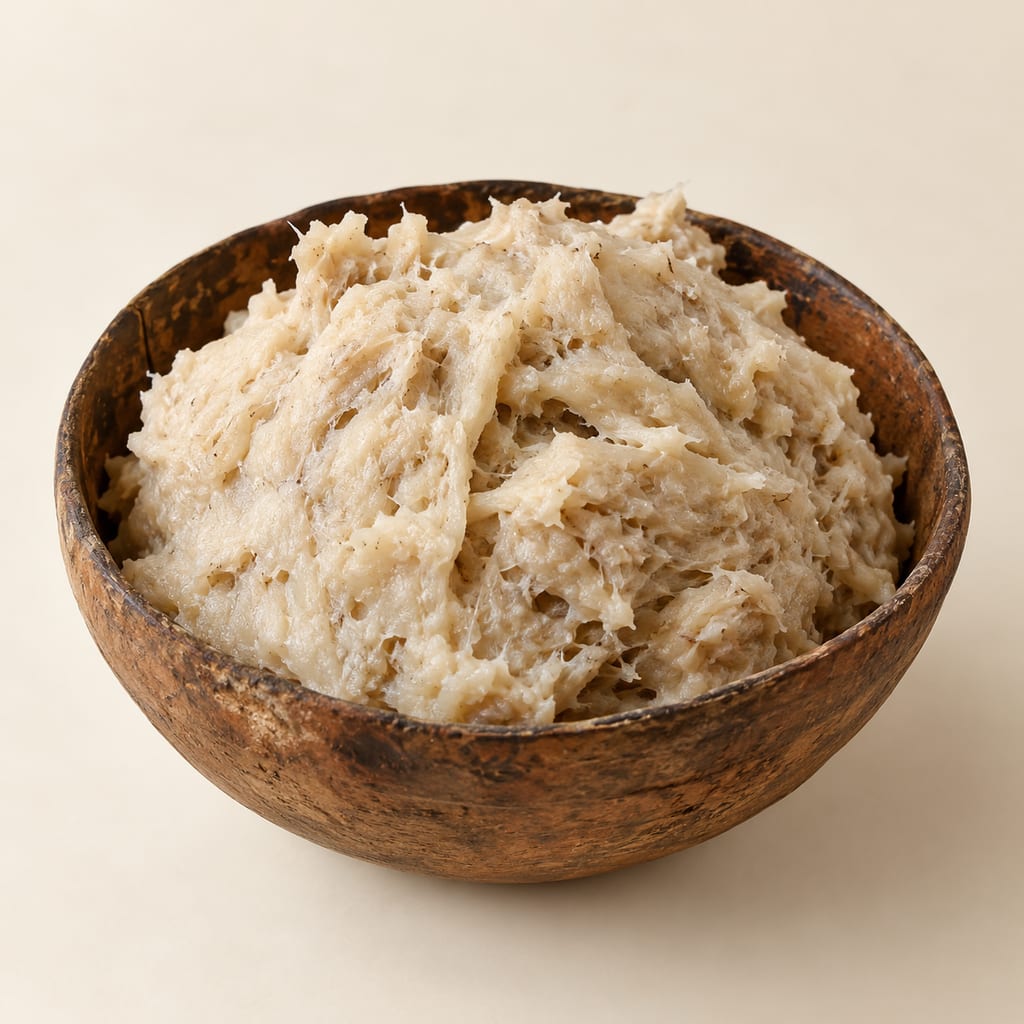
Gamma and gamancho are the names of the enset starter carried from one batch of kocho to the next in southern Ethiopia, made from enset material and dominated by lactic acid bacteria.
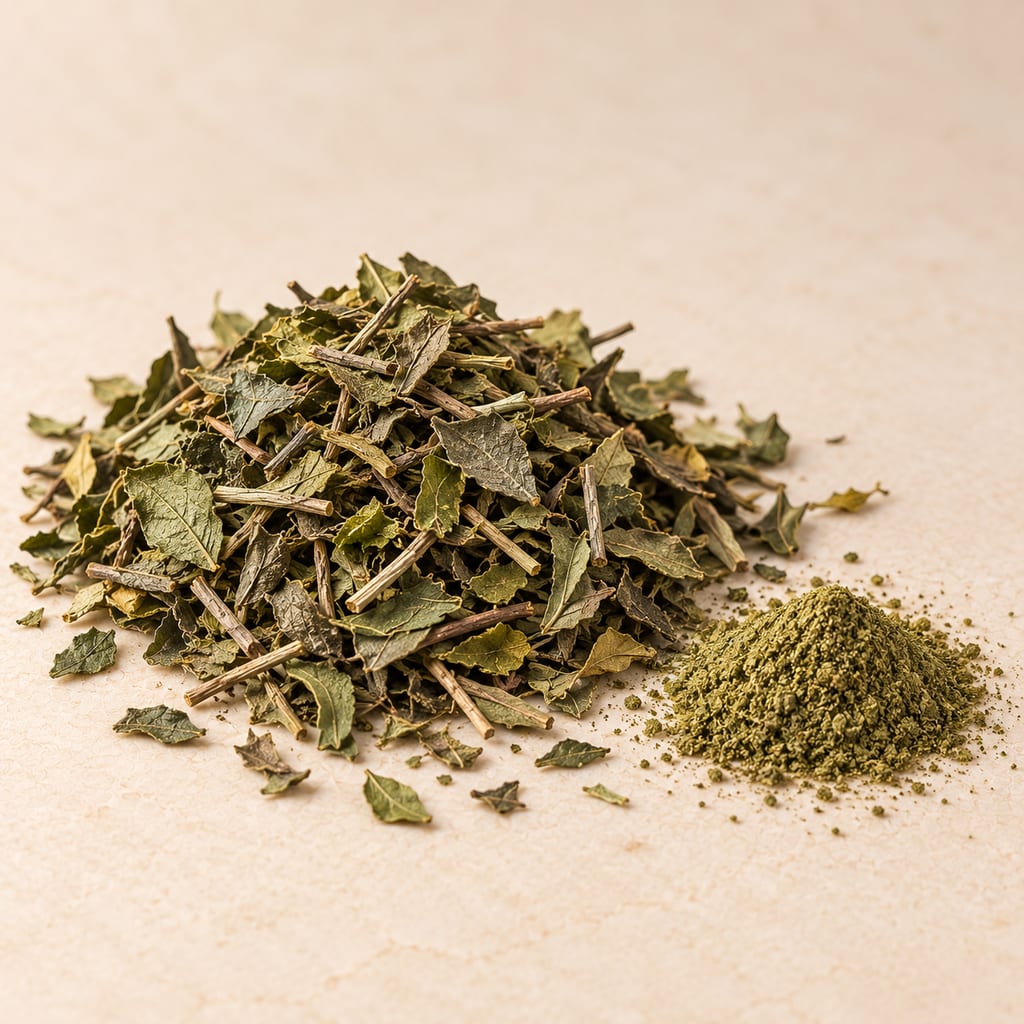
Gesho (Rhamnus prinoides) is used in Ethiopian cereal beers and honey wines for bitterness and flavour. Sources document regional cultivation and use but do not establish one origin, universal brewing measure, starter role or safety limit.
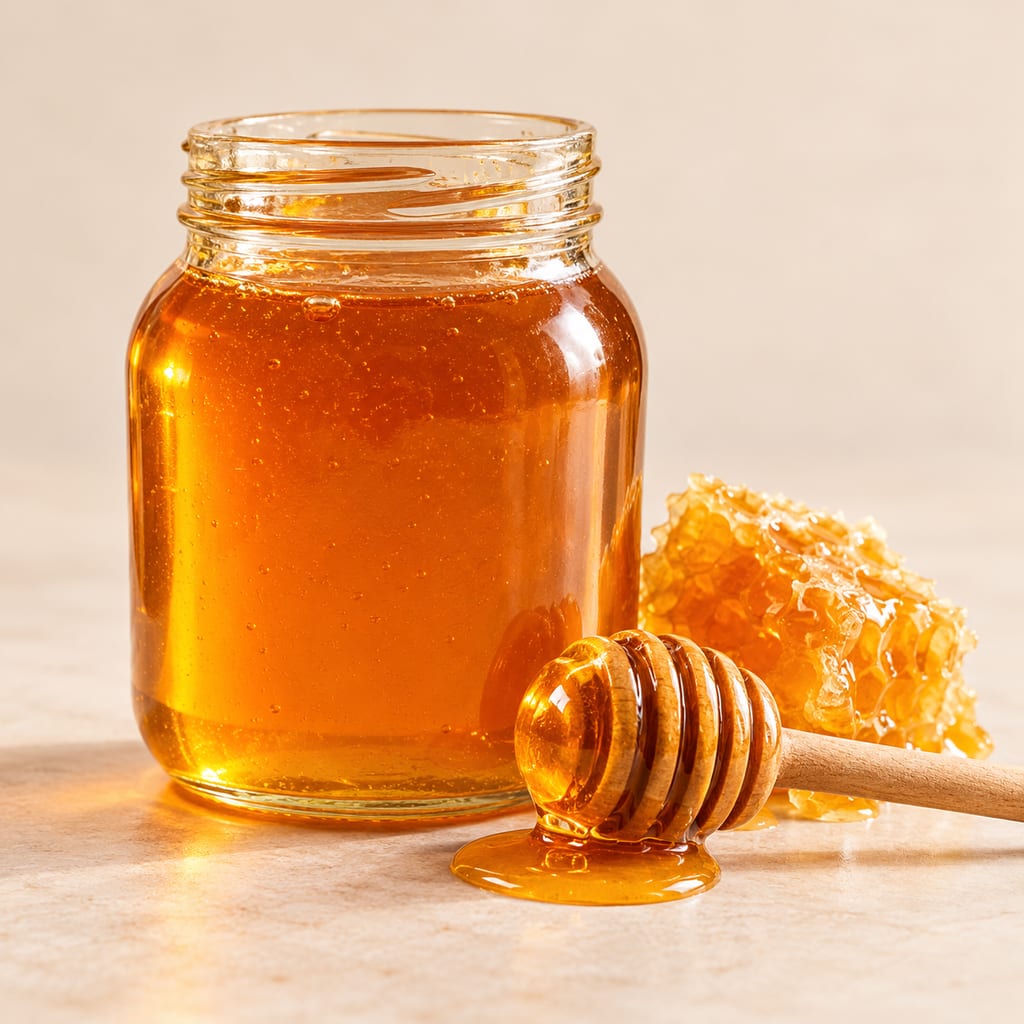
Honey is a bee-made food from floral nectar or honeydew; breads use it in dough or as a syrup served with cooked griddle breads.
No community contributions have been published for this entry yet.
Sign in to contribute. Published comments and photos are free to read.
Royal Botanic Gardens, KewIdentity
Lippia abyssinica (Otto & A.Dietr.) Cufod. | Plants of the World OnlineAccepted name and synonymy
Growth form and biome
Cited in: What koseret is; Growing context
Royal Botanic Gardens, KewIdentity
Lippia adoensis Hochst. | Plants of the World OnlineL. adoensis treated as a synonym
Cited in: What koseret is
Royal Botanic Gardens, KewIdentity
Lippia adoensis var. koseret Sebsebe | Plants of the World OnlineThe variety koseret treated as a synonym
Cited in: What koseret is
Royal Botanic Gardens, KewIdentity
Lippia multiflora Moldenke | Plants of the World OnlineL. multiflora is a separate accepted species
Cited in: What koseret is
Awoke, Gizaw & Tilahun; Journal of Ethnobiology and Ethnomedicine 22:25Use
Traditional preparation and cultural significance of chemo, an indigenous coffee-leaf beverage in Southwestern EthiopiaLippia abyssinica (kosert) among plant additions to chemo in eight Tepi-area sites, fieldwork August to October 2025
Cited in: Chemo, a coffee-leaf drink; What the records leave open
Guzo, Lulekal & Nemomissa; Journal of Ethnobiology and Ethnomedicine 19:30Use
Ethnobotanical study of underutilized wild edible plants and threats to their long-term existence in Midakegn District, West Shewa Zone, Central EthiopiaLeaves and stems used for spicing, pepper powder and butter; leaves used to scent or clean milk pots and tools
Cited in: Spice blends, butter and dairy; What the records leave open
Ethiopian Biodiversity InstituteCultivation
Identification of Lippia adoensis for Access and Benefit sharingHome gardens at 1,600 to 2,200 metres, with species conflation
Cited in: Growing context; What the records leave open
Mekonen, Giday & Kelbessa; Journal of Ethnobiology and Ethnomedicine 11:64Cultivation
Ethnobotanical study of homegarden plants in Sebeta-Awas District of the Oromia Region of Ethiopia to assess use, species diversity and management practicesVoucher-linked L. abyssinica shrub used as spice and fragrant plant
Cited in: Growing context
Journal of Ethnic Foods, BioMed Central / SpringerUse
Review of Ethiopian spices and condiments (Journal of Ethnic Foods, 2025)Koseret among species used in Ethiopian spice blends; leaves flavour cheese, season butter and meat, clean milk pots
Cited in: Spice blends, butter and dairy
Ethnobiology and Ethnomedicine (BioMed Central)Use
Culinary plants of the Fiche survey, table 6Koseret among culinary plants used to make niter kibbeh in Fiche
Cited in: Spice blends, butter and dairy