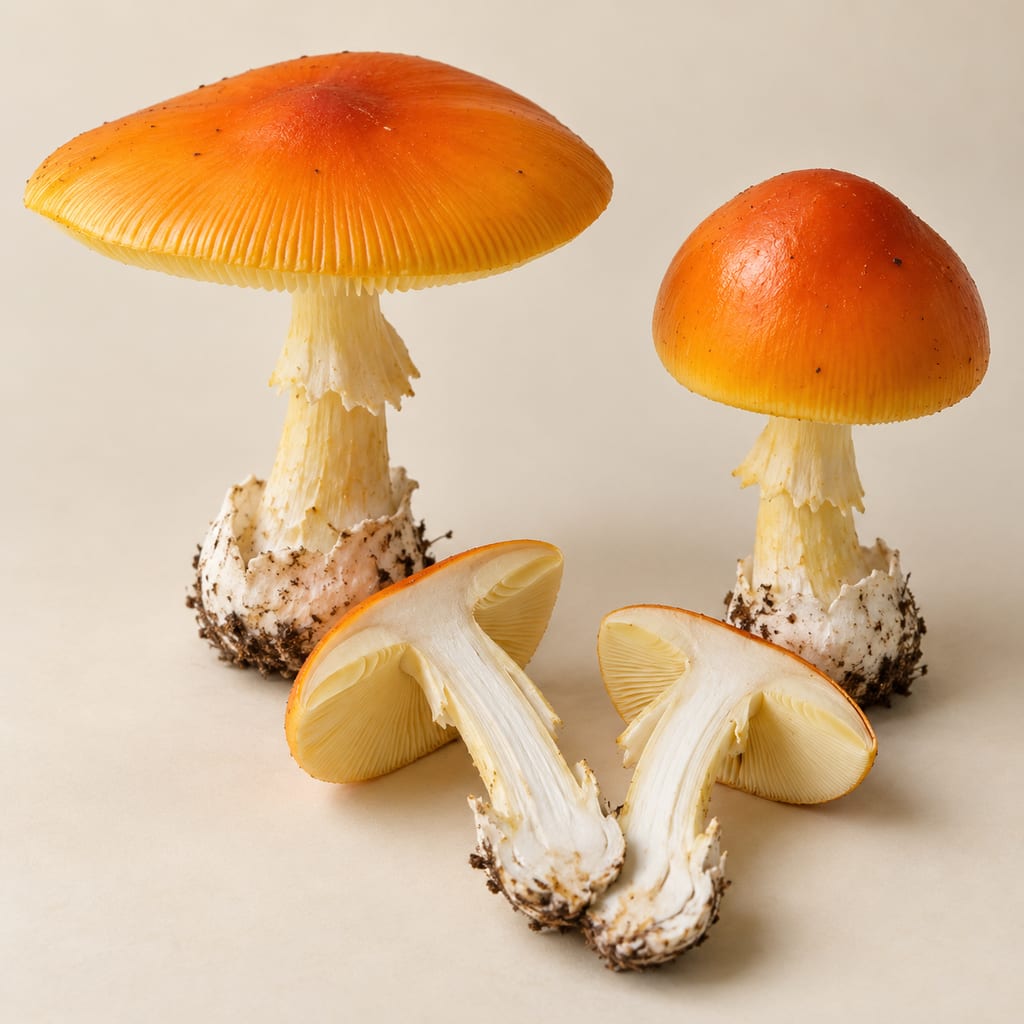

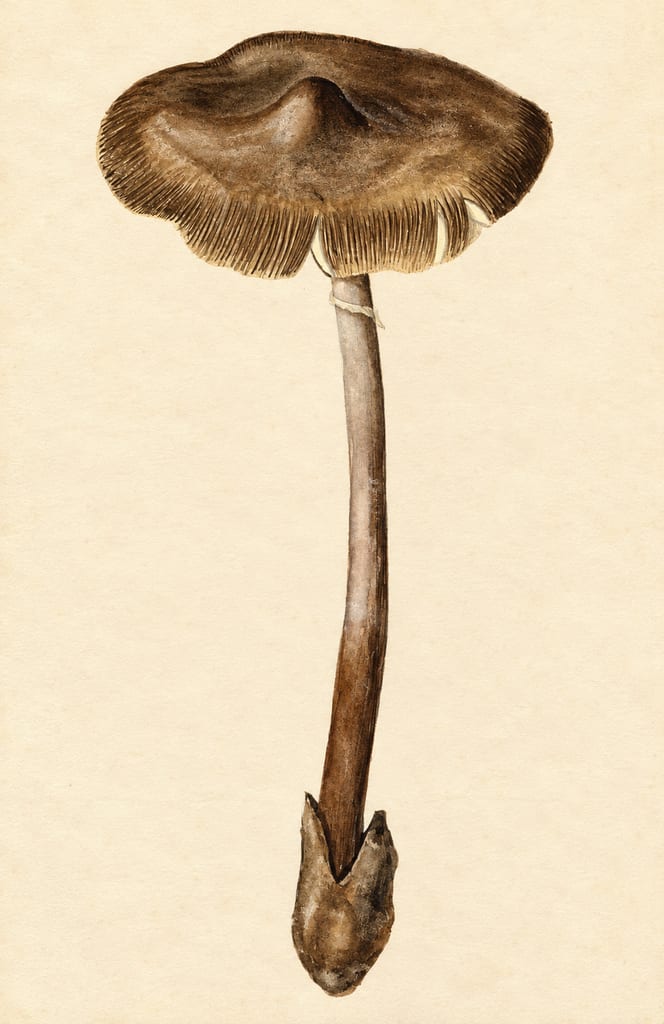
Amanita annulatovaginata
A wild ectomycorrhizal Amanita of the Congo rainforest, recorded as locally consumed in Tshopo province. Its preparation was not established, and the genus includes deadly species.
 FermenteaWhere food goes to change
1086 articles on substrates, cultures and additives.
A wild ectomycorrhizal Amanita of the Congo rainforest, recorded as locally consumed in Tshopo province. Its preparation was not established, and the genus includes deadly species.
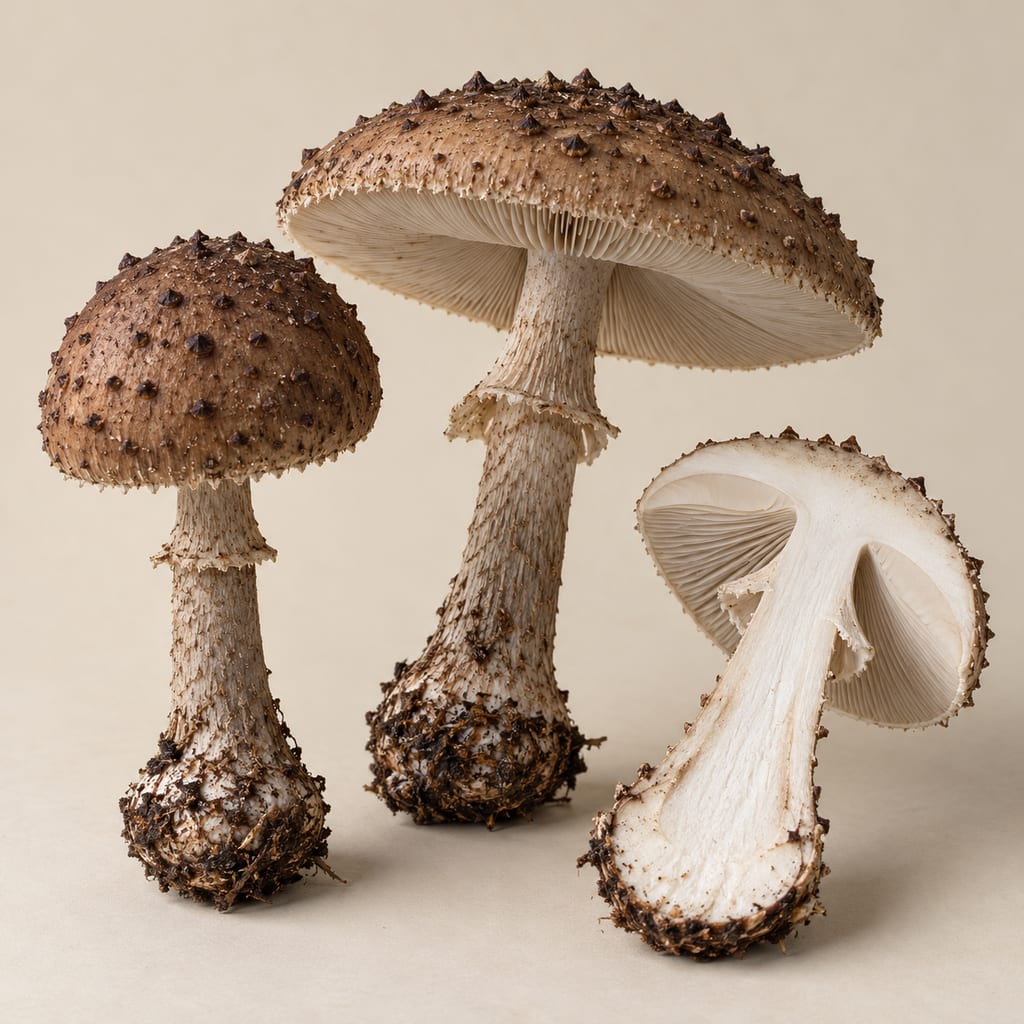
A wild ectomycorrhizal Amanita of the Congo rainforest, recorded as locally consumed in Tshopo province. Its preparation was not established, and the genus includes deadly species.
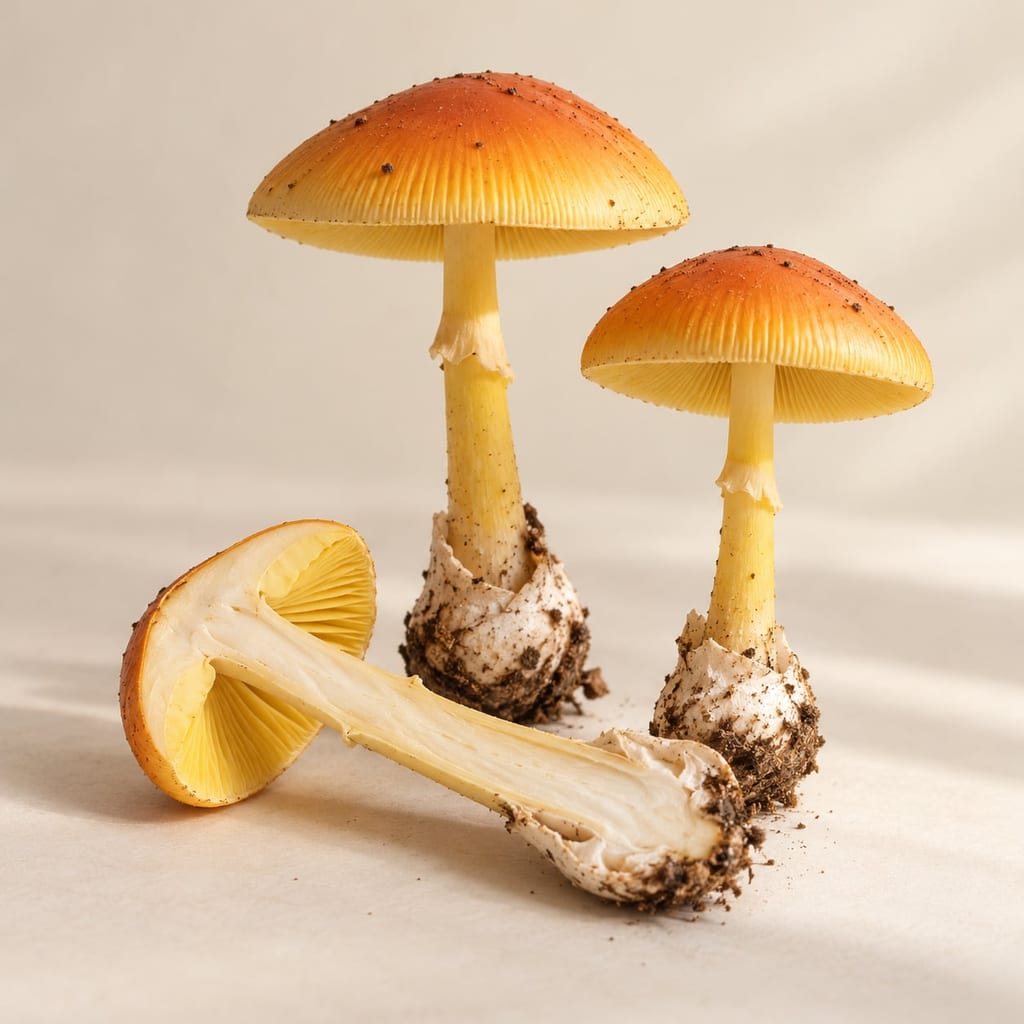
A wild Amanita of China, first reported there and listed as edible in a Yunnan ethnomycology study. The genus contains deadly species, so this page does not support identifying or eating it.
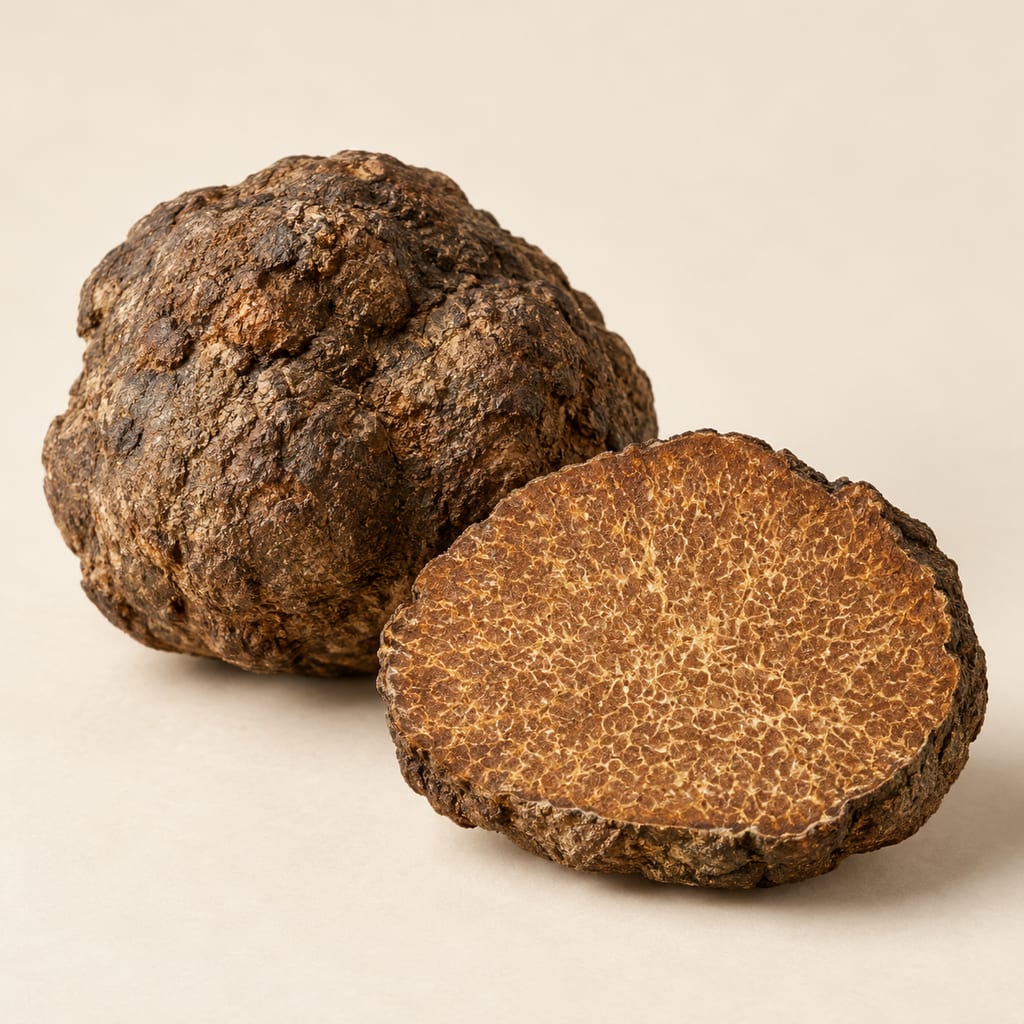
Polyporus indigenus, a polypore of the Brazilian Amazon. Its underground sclerotium, not the fruiting body, is the part people eat, and it is known locally as pão do índio.
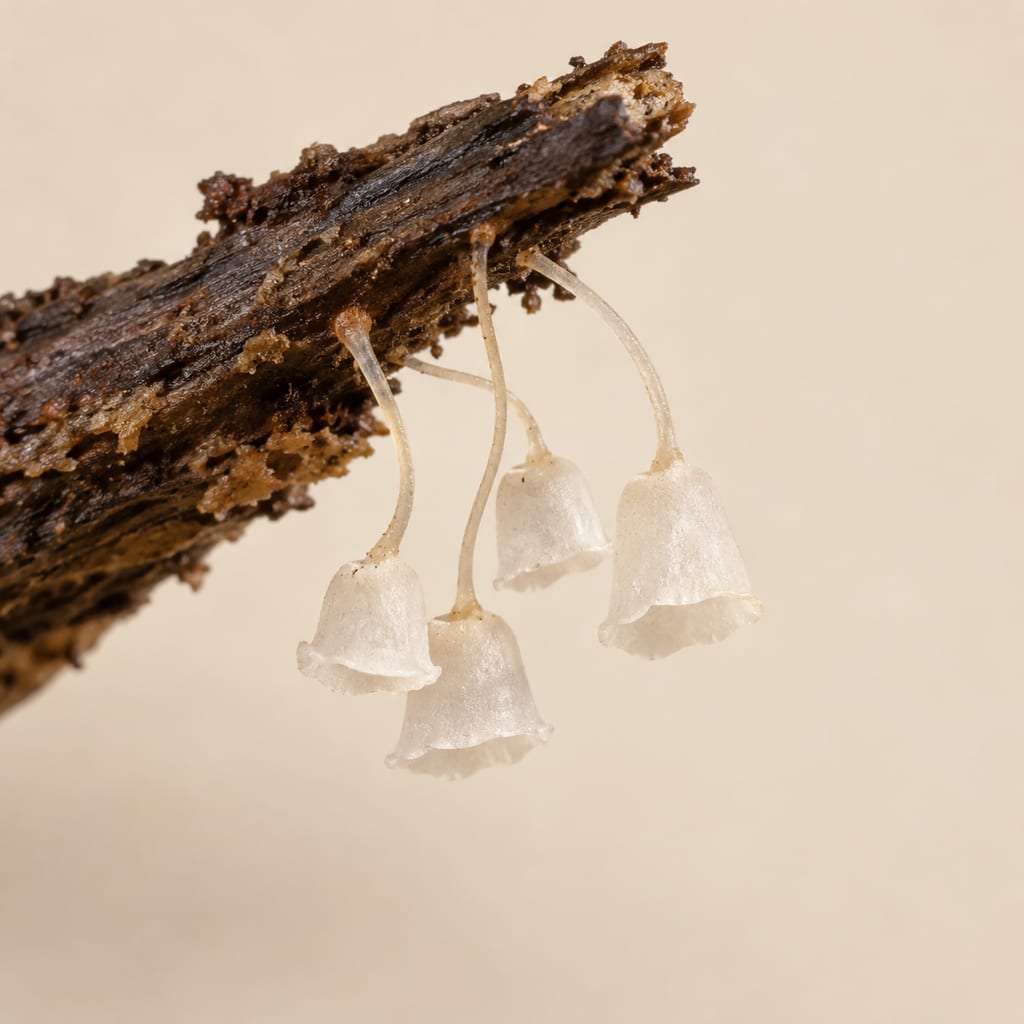
Calyptella longipes is a wood and litter decaying fungus of the rainforests of Tshopo province, DR Congo, where some ethnic groups in voucher-backed interviews eat it. Its preparation was not recorded.
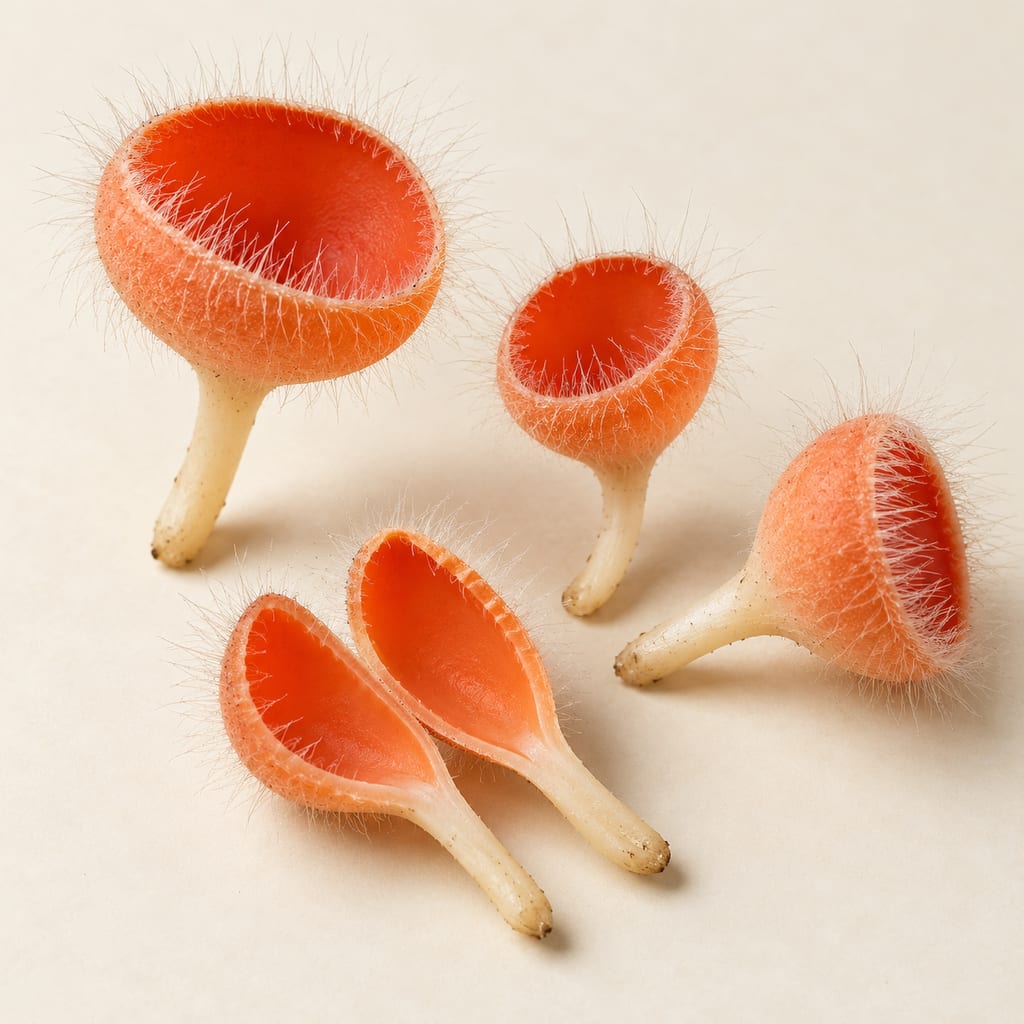
Cookeina tricholoma is a cup fungus of decaying wood, recorded as food in several tropical regions. Its food use is documented in ethnomycological reports, not established by a food-safety assessment.
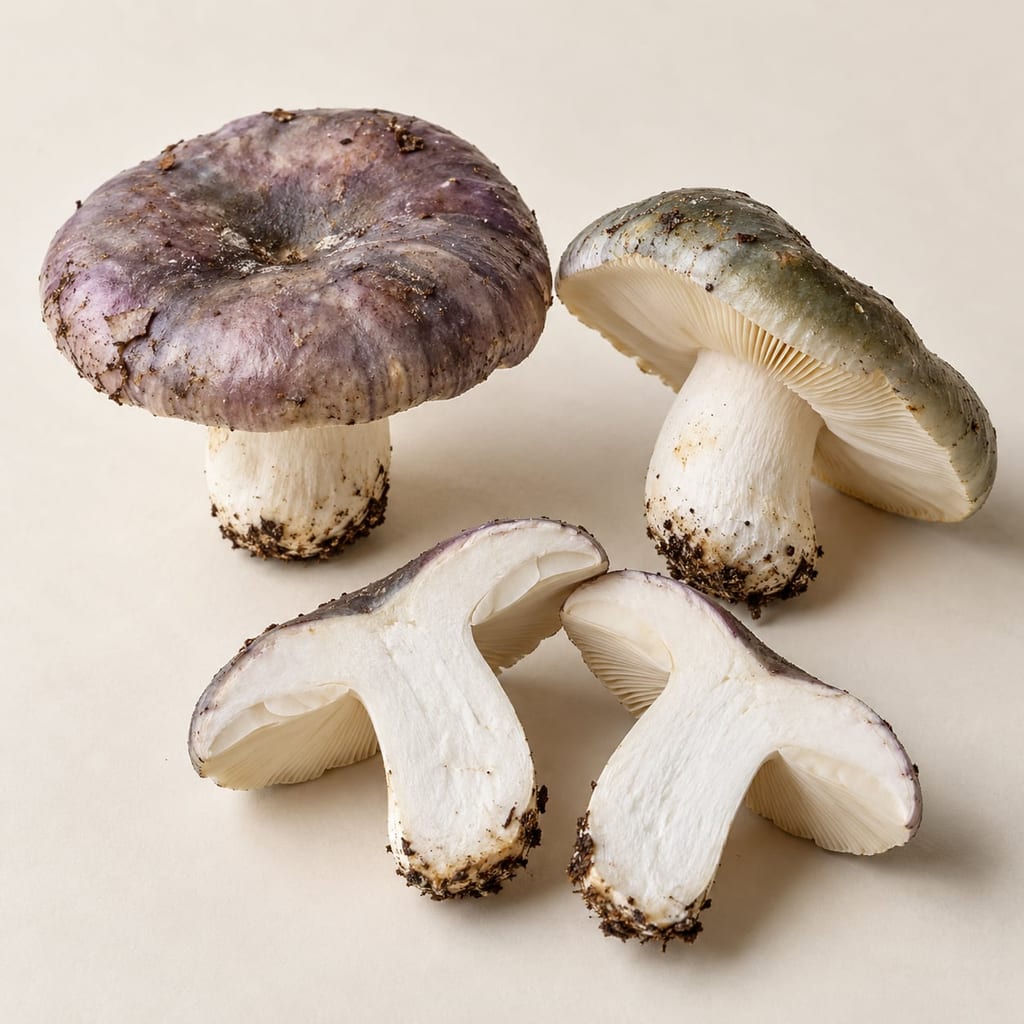
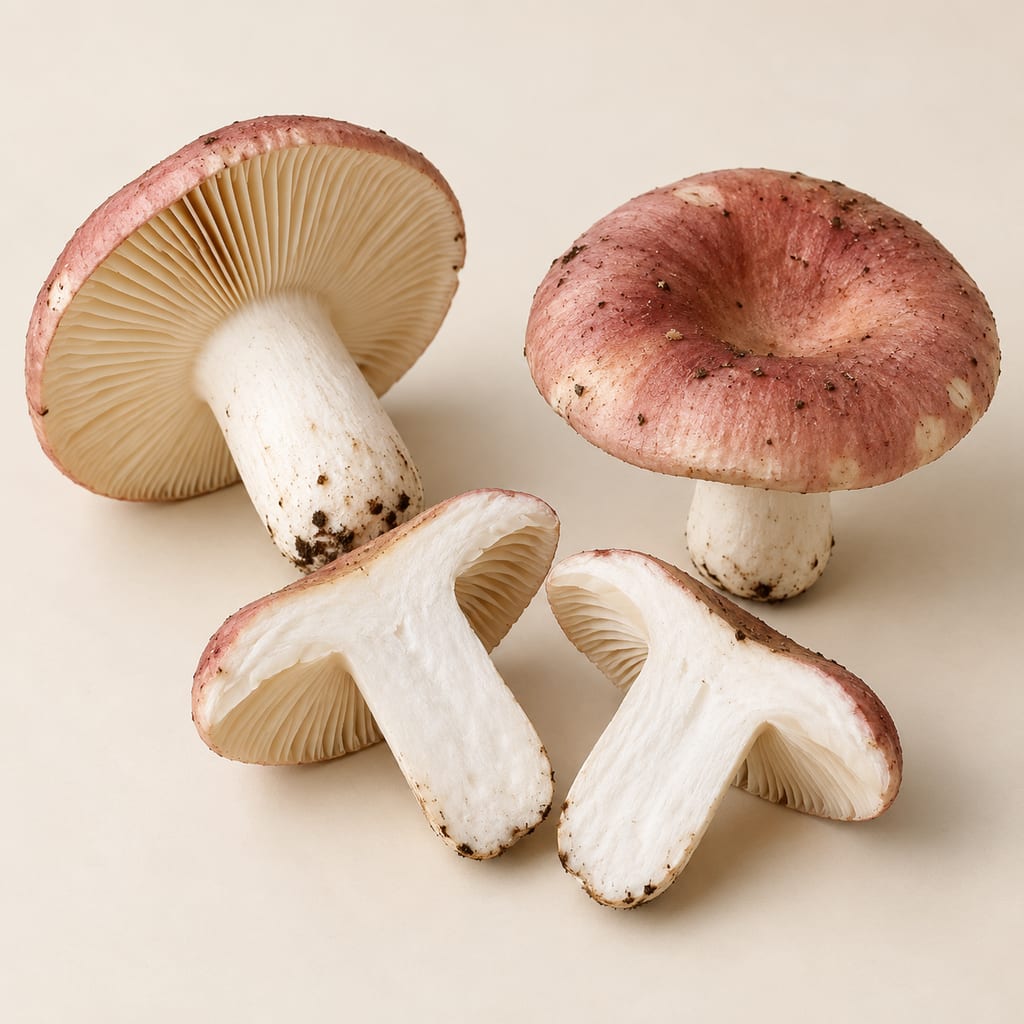
The charcoal burner, Russula cyanoxantha, is a wild brittlegill of European beech and mixed woods, eaten cooked; its greenish-to-brown colour is too variable to identify it by colour alone.
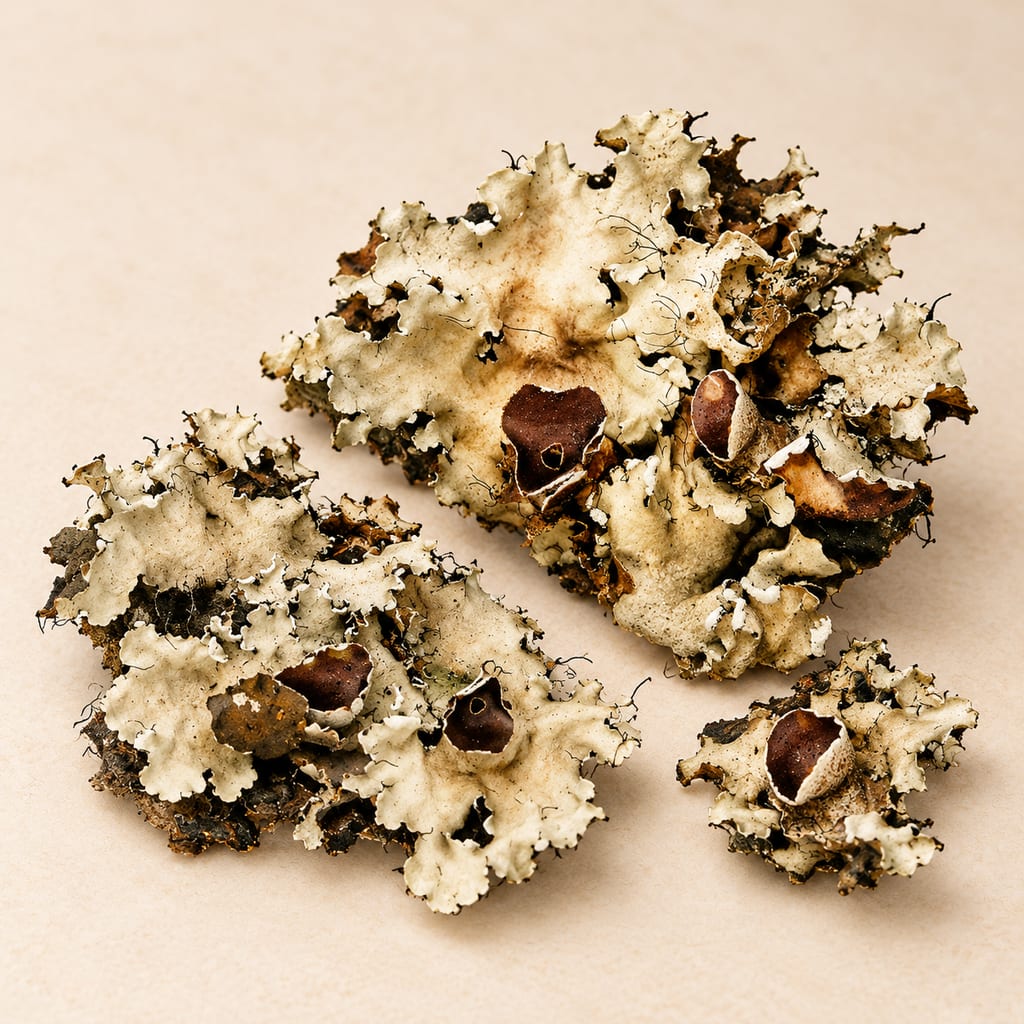
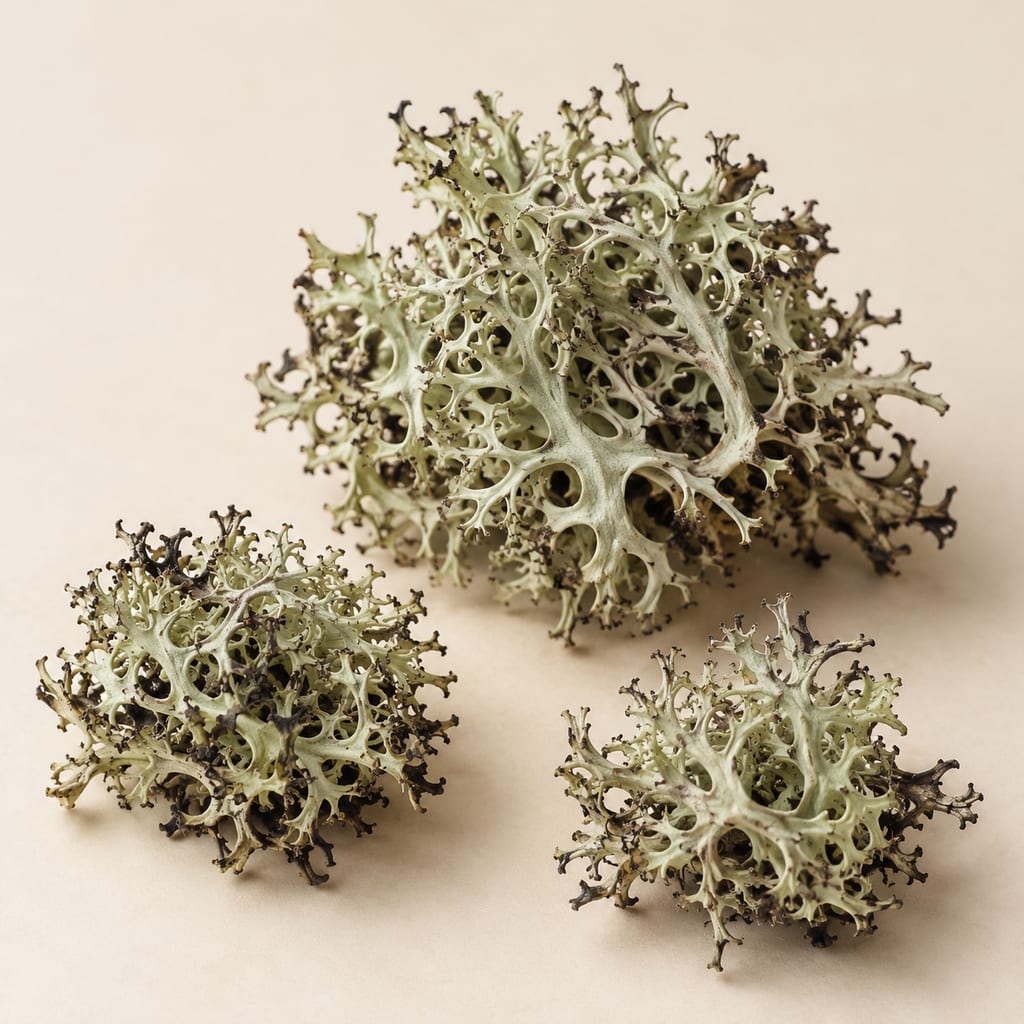
Parmotrema cetratum, a tree-dwelling lichen gathered in the Nepal Himalaya and cooked with pork as yangben by Limbu and Rai communities. It is wild-gathered and boiled with ash before use.
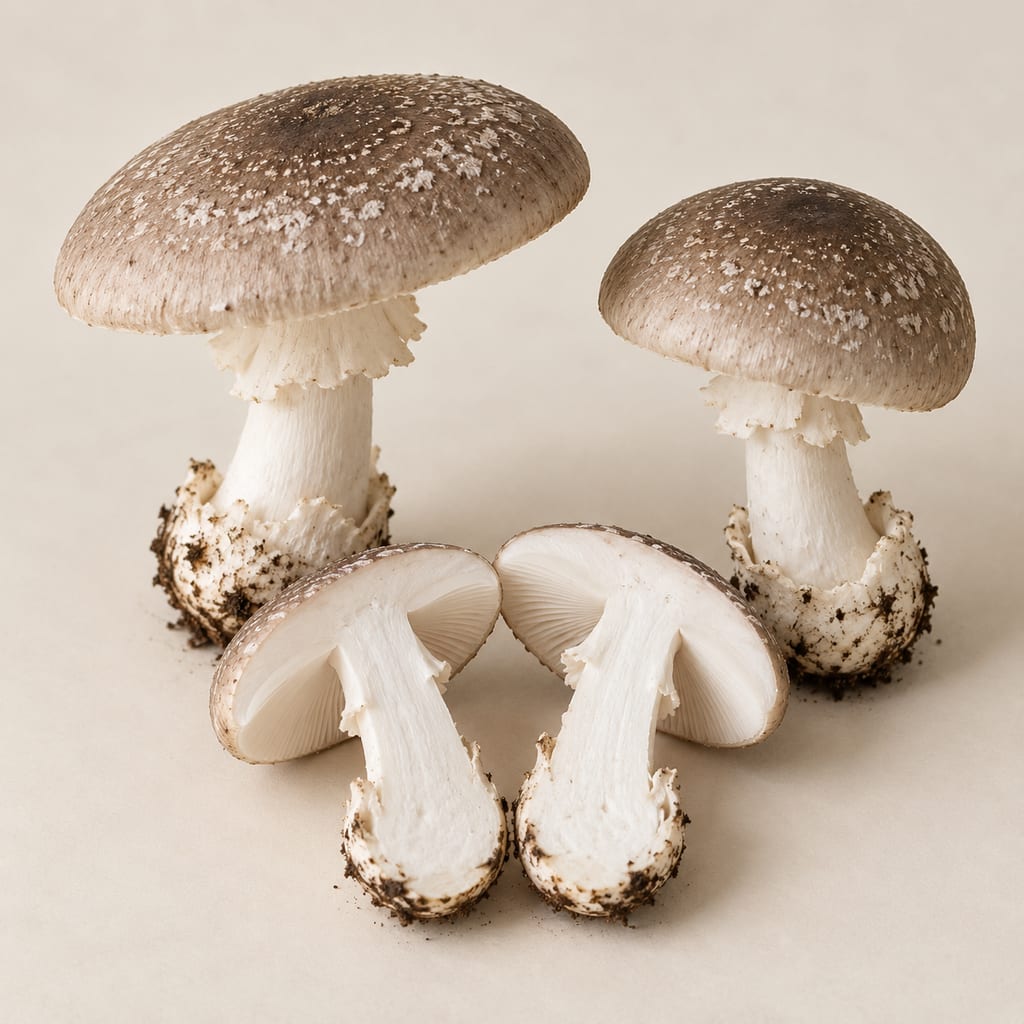
Amanita yuaniana is a Chinese Amanita that a 2023 Yanshan survey and a Yunnan ethnomycology survey list among edible species. No source tests it for safety, and the genus holds the most lethal mushrooms.
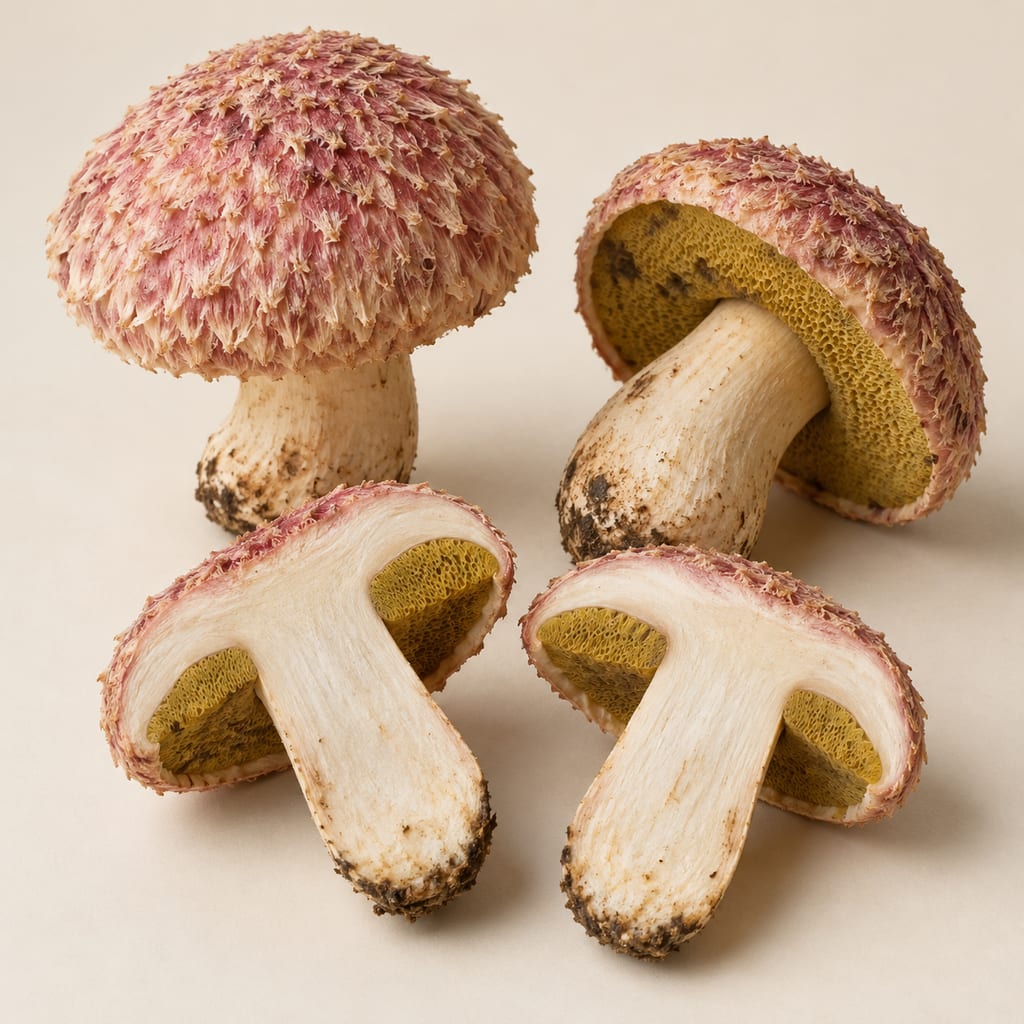
Boletellus ananas, the pineapple bolete, is a forest bolete of Guyana that one Patamona group eats and others avoid; a researcher reported mild stomach upset after eating it, so it is not a recommended edible.
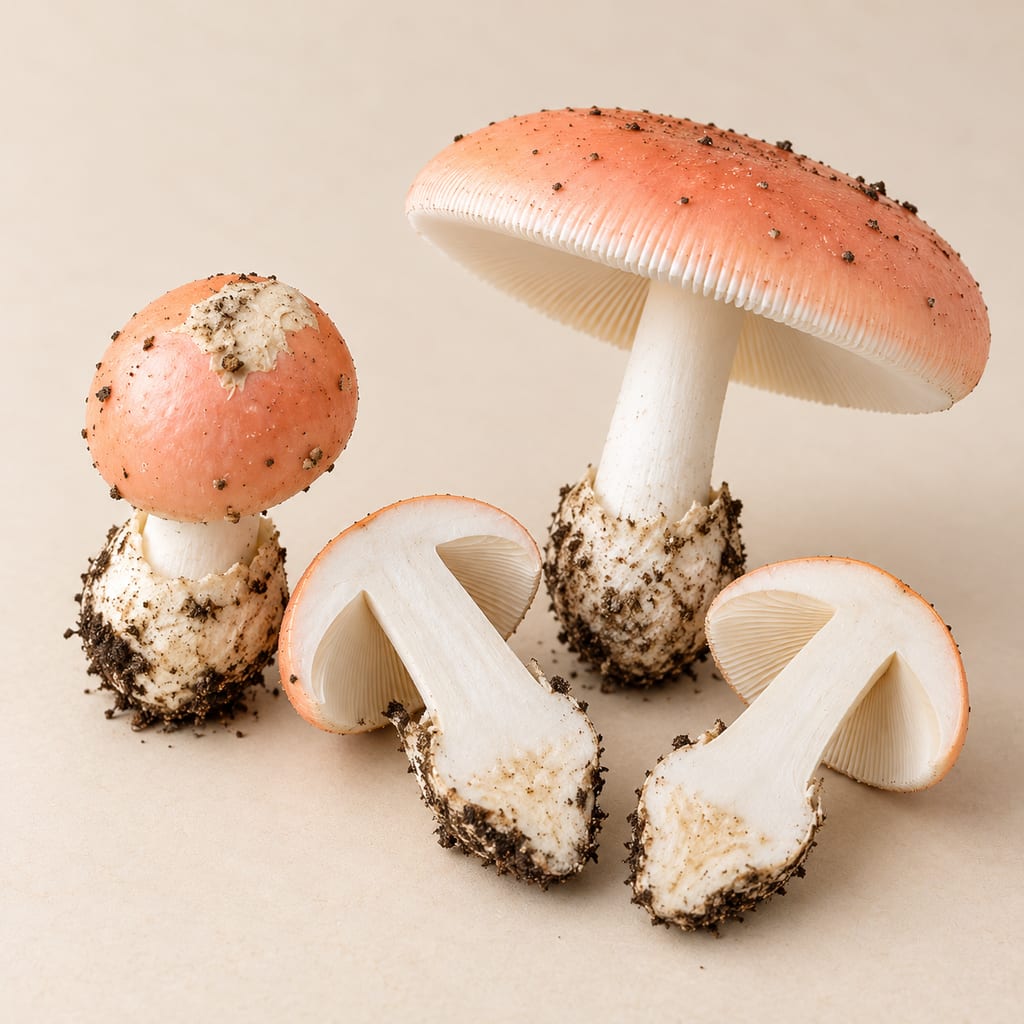
Amanita pudica is a wild rainforest fungus of Tshopo Province in the DR Congo, recorded as locally eaten in interviews. The genus contains deadly poisonous species, so identification by a specialist is essential.
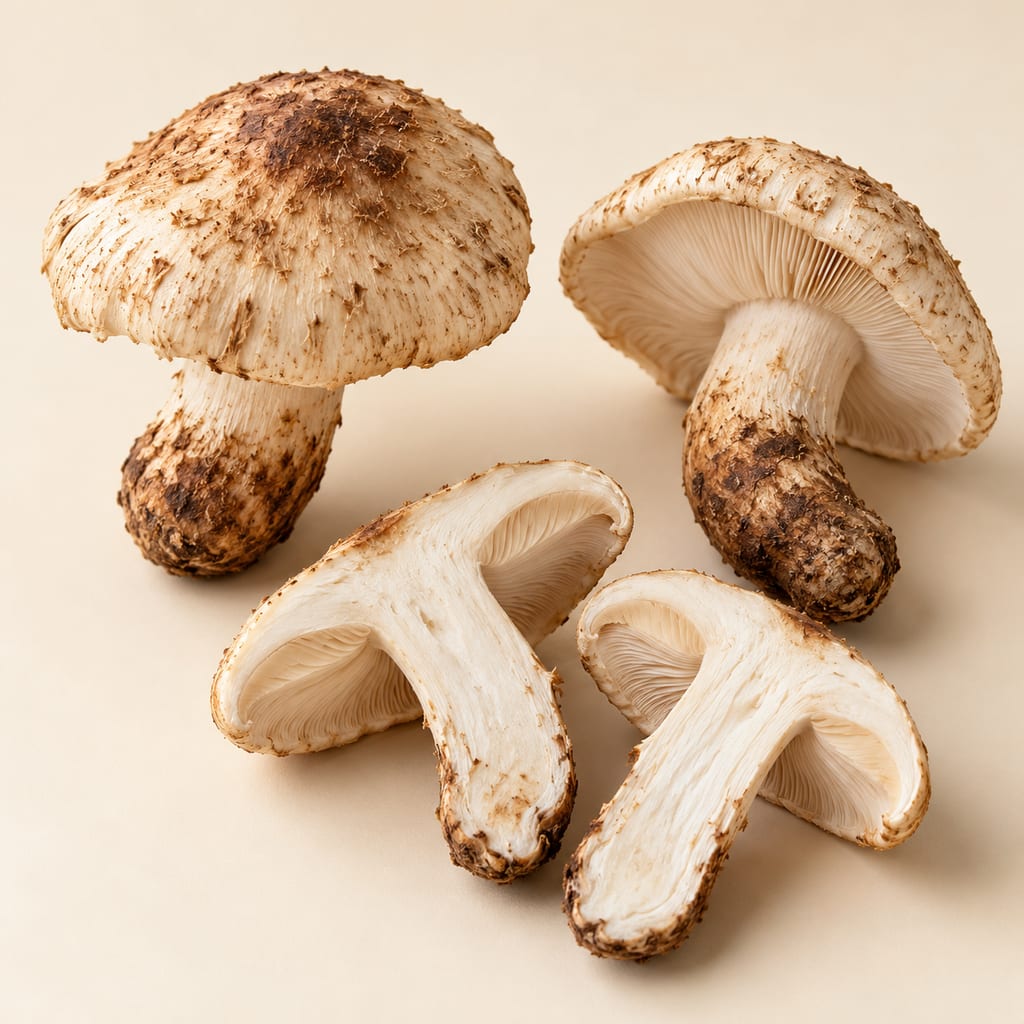
The Mesoamerican matsutake, Tricholoma mesoamericanum, is a wild mushroom of the highlands of central Mexico, prized in Oaxaca and now overharvested and declining.
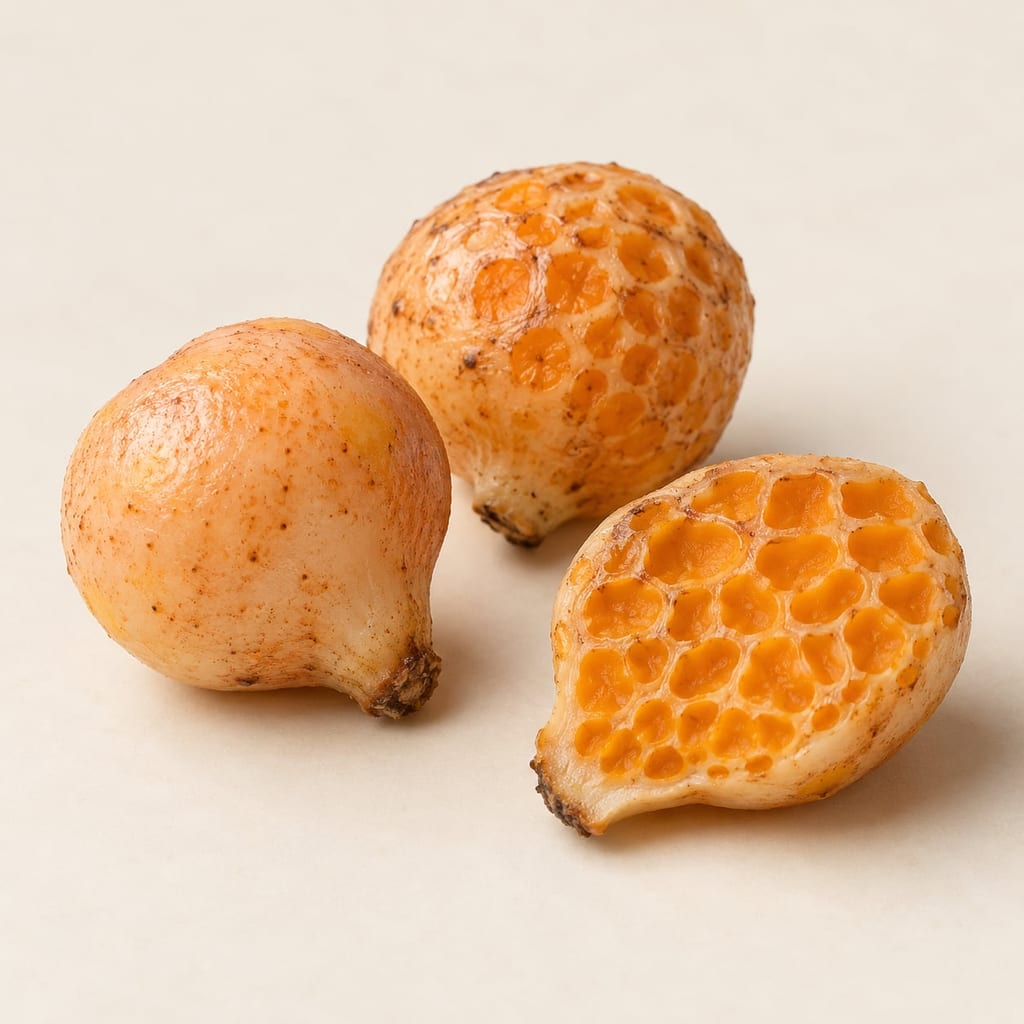
Cyttaria gunnii is a fungus that forms galls on southern beech in Tasmania and Victoria. Aboriginal Australians ate its fleshy fruiting bodies, and modern sources disagree on its safety.
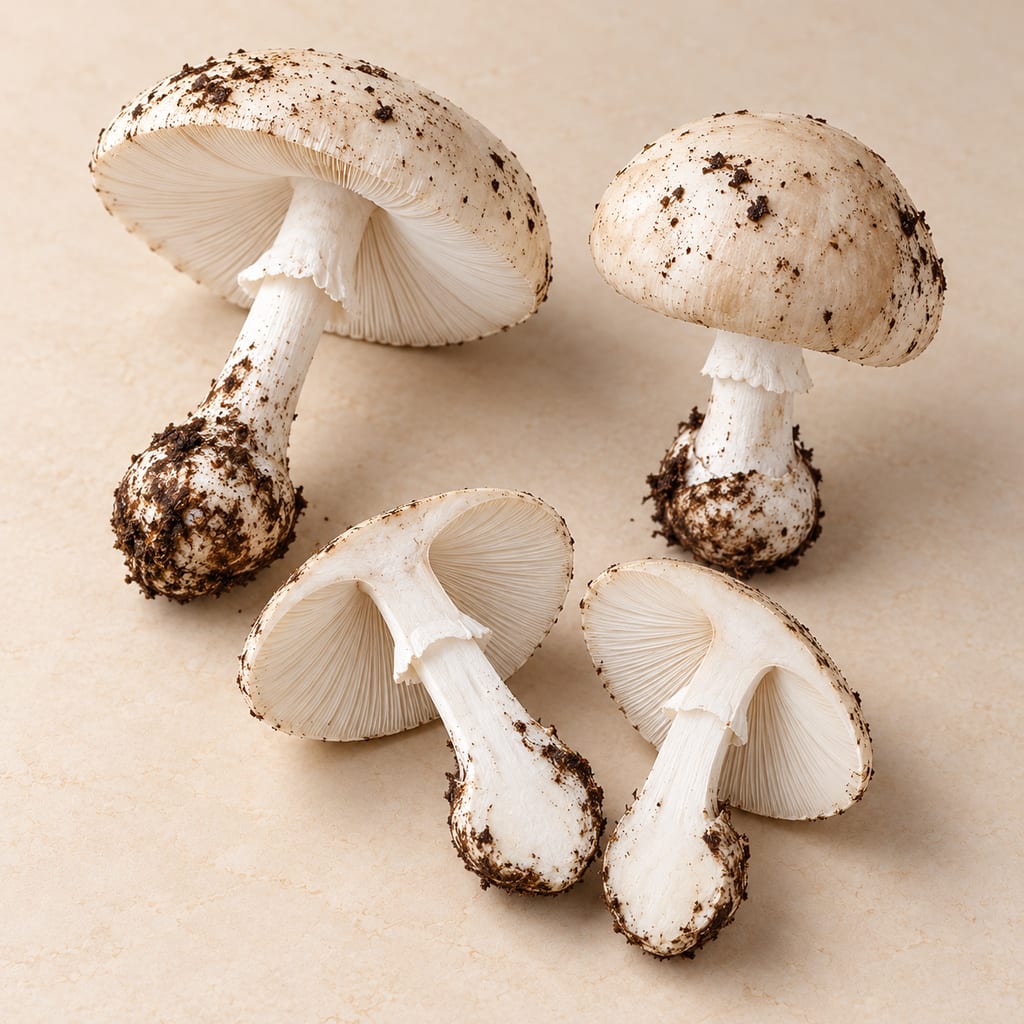
Amanita bweyeyensis is a Eucalyptus-associated Amanita in East and Central Africa, in section Phalloideae with the deadly A. phalloides. Sources call for extreme caution, and it is not recommended as food.
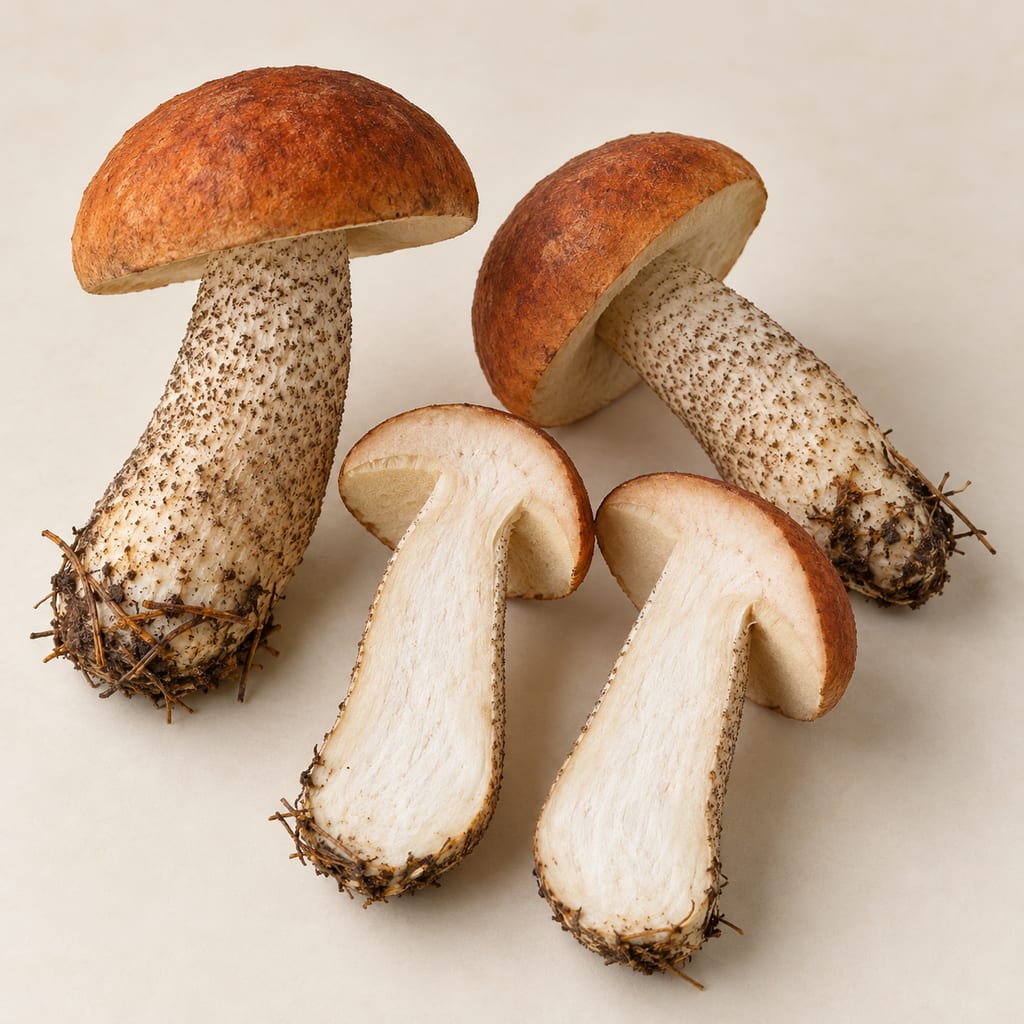
Leccinum vulpinum, the foxy bolete, is a red-brown bolete that grows with Scots pine. Sources describe it as edible, and advise careful identification because it has close relatives.
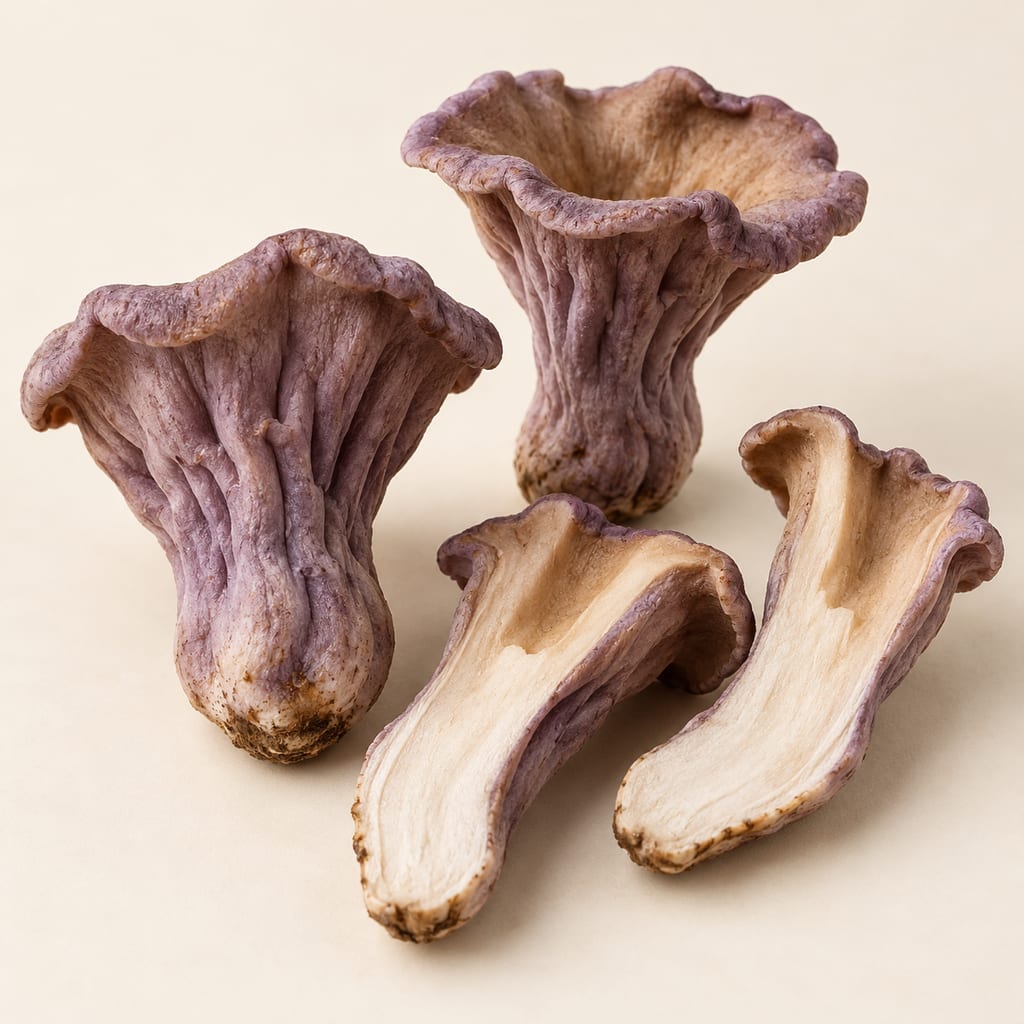
Gomphus clavatus, the pig's ear or violet chanterelle, is a club-shaped wild fungus of old spruce and beech forest. It is eaten in Europe and North America, and it is red-listed in parts of Europe.
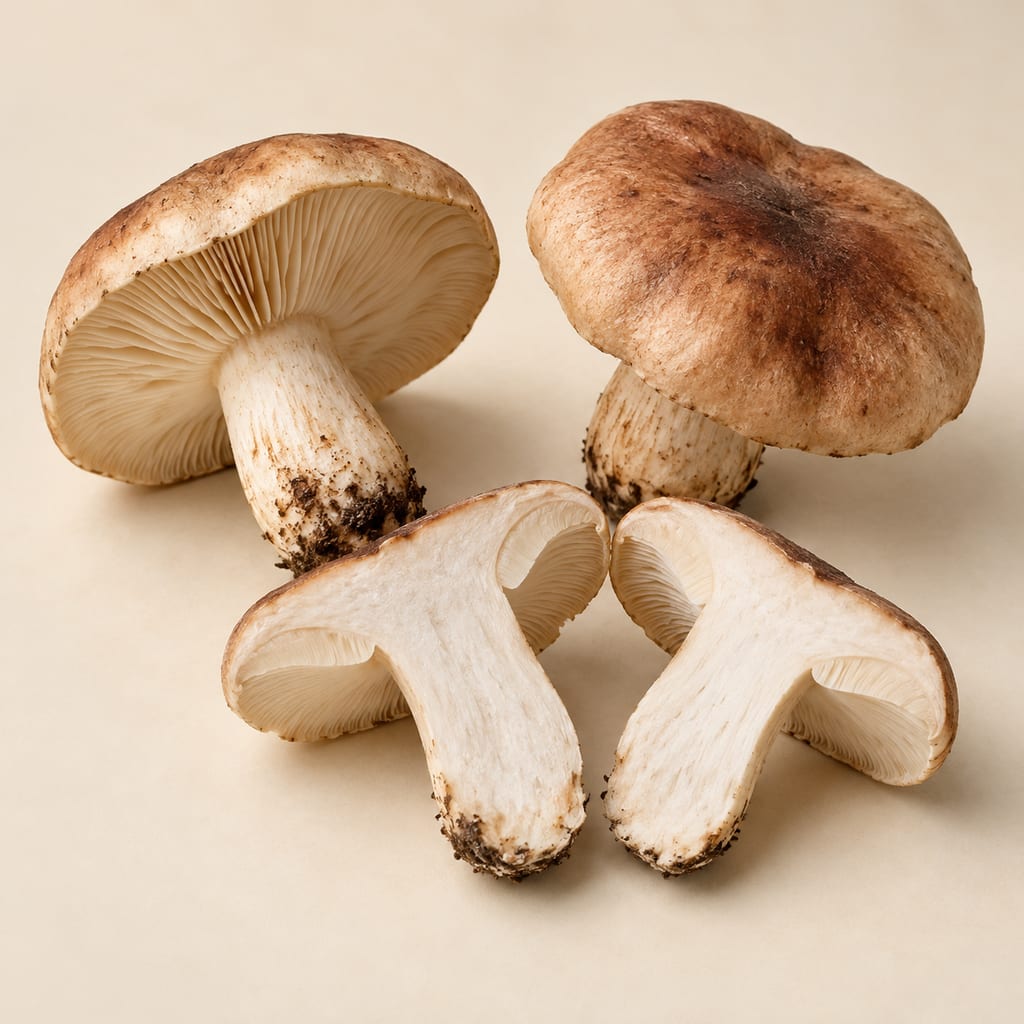
Tricholoma populinum, the cottonwood mushroom, grows under cottonwoods and poplars in western North America. Wikipedia records traditional eating by Salish peoples; other sources call its taste mediocre.
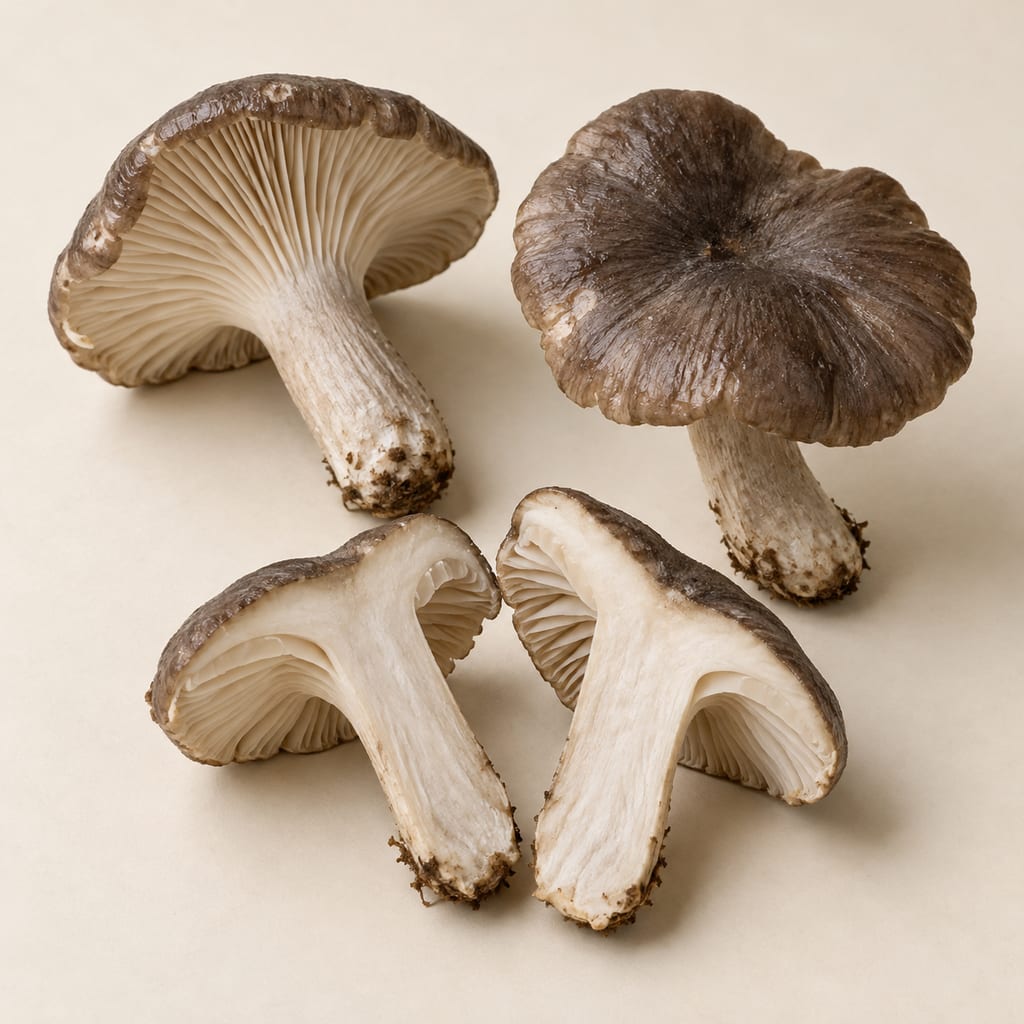
Hygrophorus camarophyllus, the arched woodwax, is a waxcap of northern conifer forests with a dark, soot-brown cap. Svampguiden lists it as edible with a mild, slightly sweet taste.
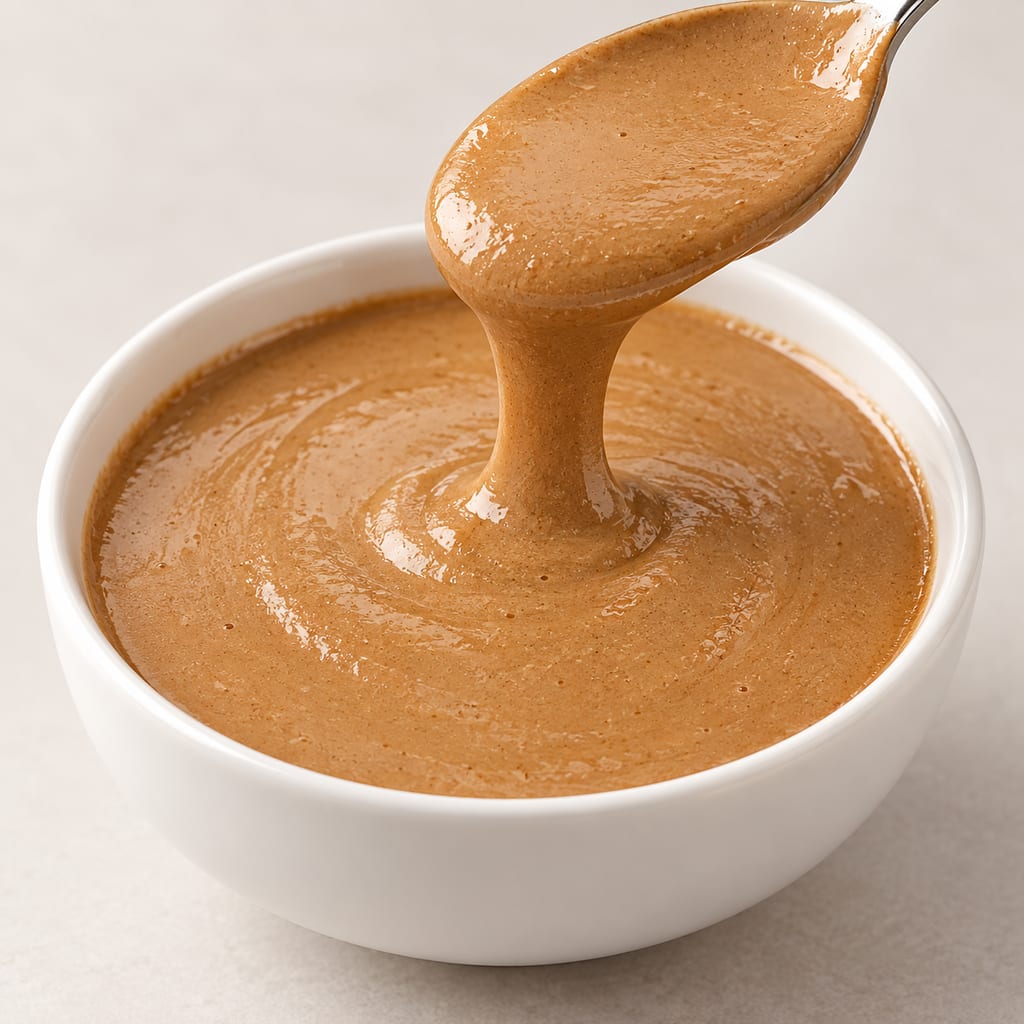
Chinese sesame paste (zhīma jiàng, 芝麻酱) is a thick paste ground from toasted sesame seeds. Roast, texture and added ingredients vary by product.

Cooking oil can coat a pan, carry heat around food, or contribute flavor and texture. The source and intended use matter because oils differ in flavor and heating behavior.
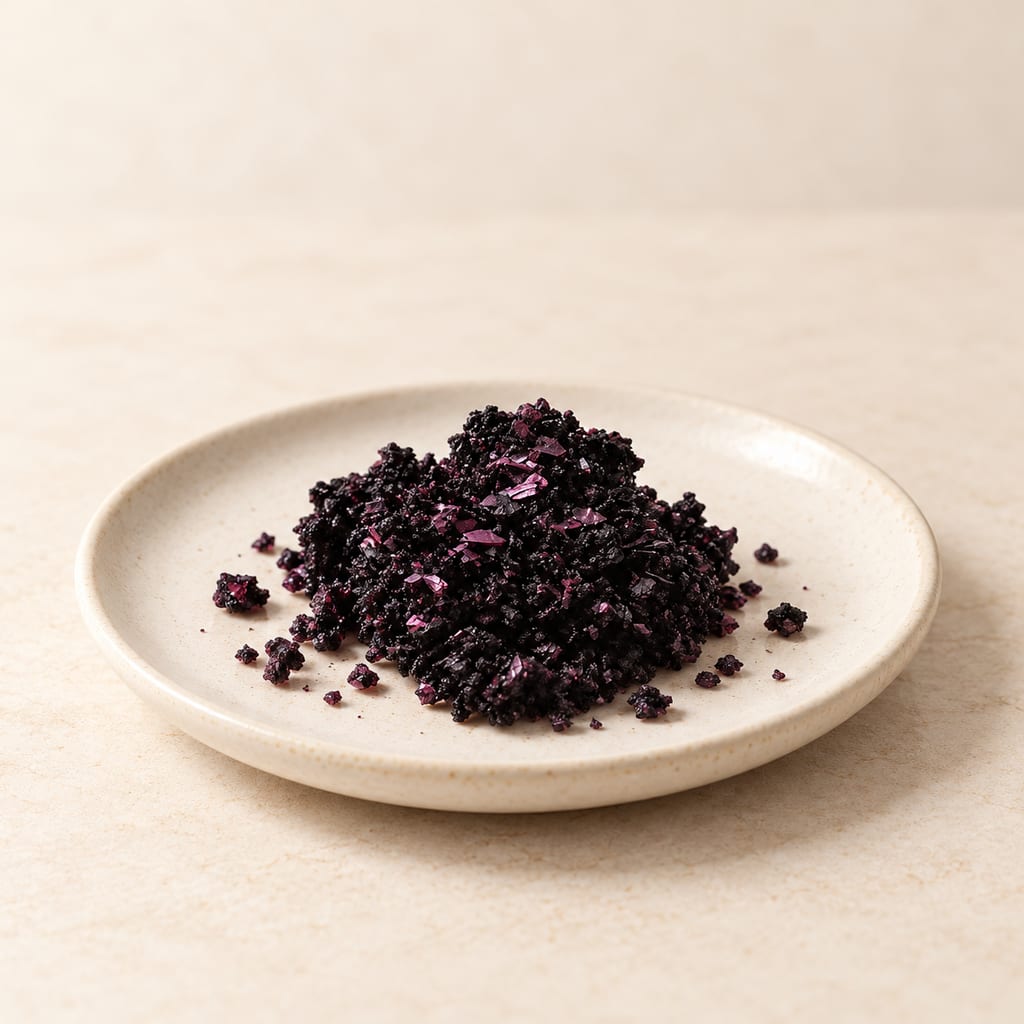
A mixed crystalline wine-vessel deposit, chiefly potassium hydrogen tartrate, used historically in wine recipes and recovered for refining into purer products.

Chicken eggs supply proteins and yolk fats that set and emulsify. Atlas breads use them in enriched doughs, surface washes and a sourdough pancake batter mixed after fermentation.