
All-purpose wheat flour
A refined common-wheat flour blended for a broad range of baking; its protein and behavior vary with wheat, milling and market.
 FermenteaWhere food goes to change
Other
Tricholoma populinum, the cottonwood mushroom, grows under cottonwoods and poplars in western North America. Wikipedia records traditional eating by Salish peoples; other sources call its taste mediocre.
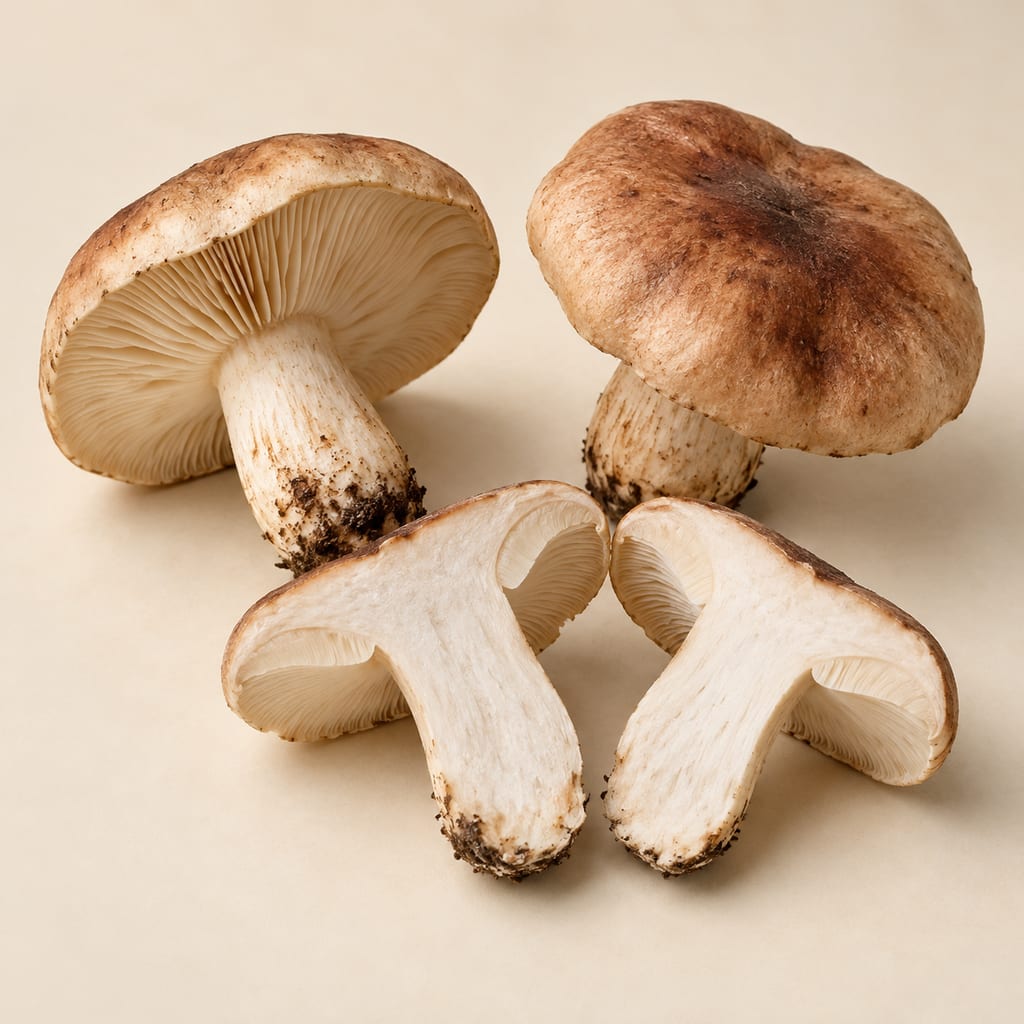
The cottonwood mushroom is a gilled fungus of the genus Tricholoma. It grows in western North America, typically under cottonwoods and poplars near rivers and on sandy soil. A Colorado mushroom site lists it among the last mushrooms of the year, often appearing around October.
MushroomExpert links the North American records to narrowleaf cottonwood and balsam poplar, and notes that the European species the name was first given to may not occur in North America. The name therefore covers a regional concept as well as a European type.
Wikipedia describes the species as edible and records that Salish peoples of British Columbia traditionally ate it.
The Spanish encyclopedia EcuRed calls it a mediocre food because of a bitter taste. That judgement conflicts with the traditional-use account and is best read as a regional or individual view. MushroomExpert gives no edibility information for the species.
This record is not a guide to identifying wild mushrooms. Tricholoma contains species that are not safe to eat, so identify any specimen with an expert before eating, and do not rely on the taste reports here.
Region-level record. Traditional eating is recorded for the Salish peoples of British Columbia; the habitat is wider western North America.
A refined common-wheat flour blended for a broad range of baking; its protein and behavior vary with wheat, milling and market.

Toasted almonds are whole sweet almond kernels dry-roasted until golden to brown. Heat replaces their marzipan note with a roasted, nutty one; they thicken and flavour romesco.
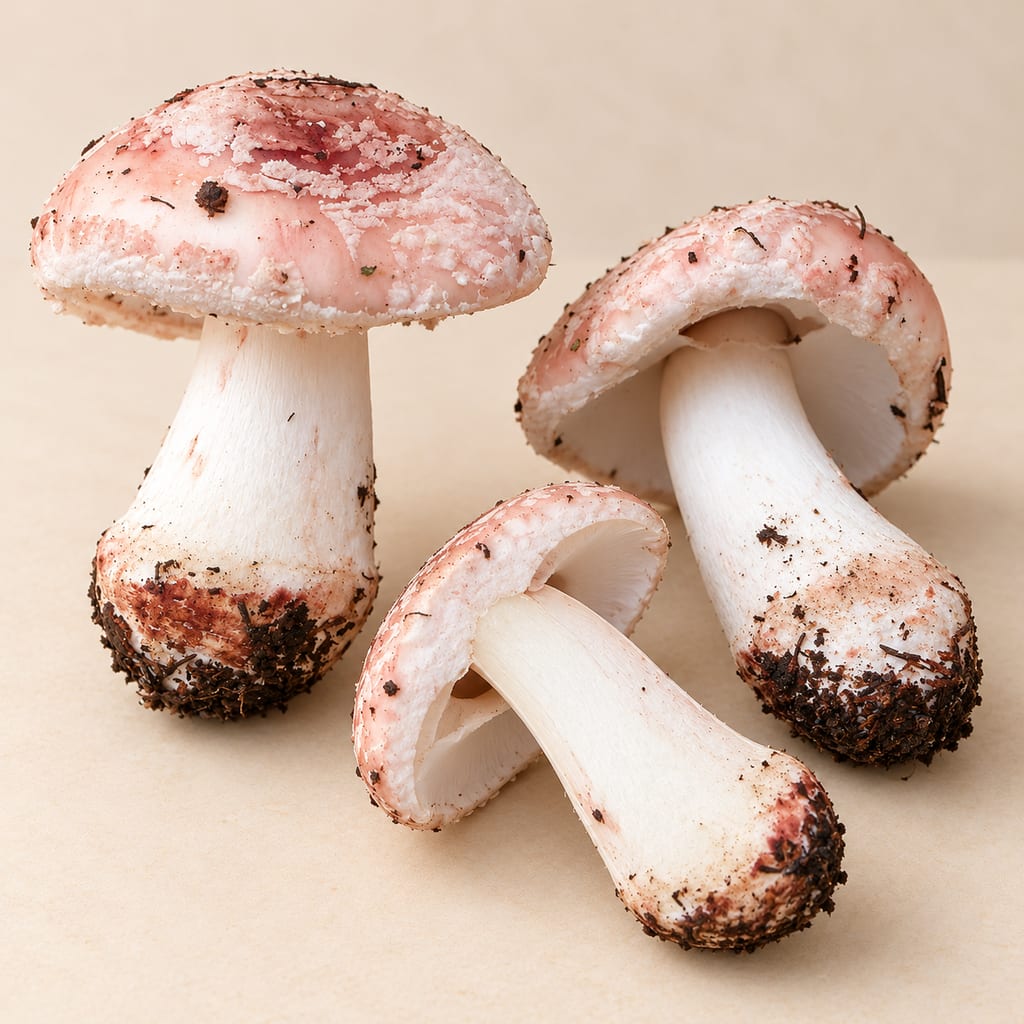
Amanita novinupta is a western North American blusher, a forest mushroom recorded as food in Mexico, and one that must be cooked because its raw flesh is toxic.
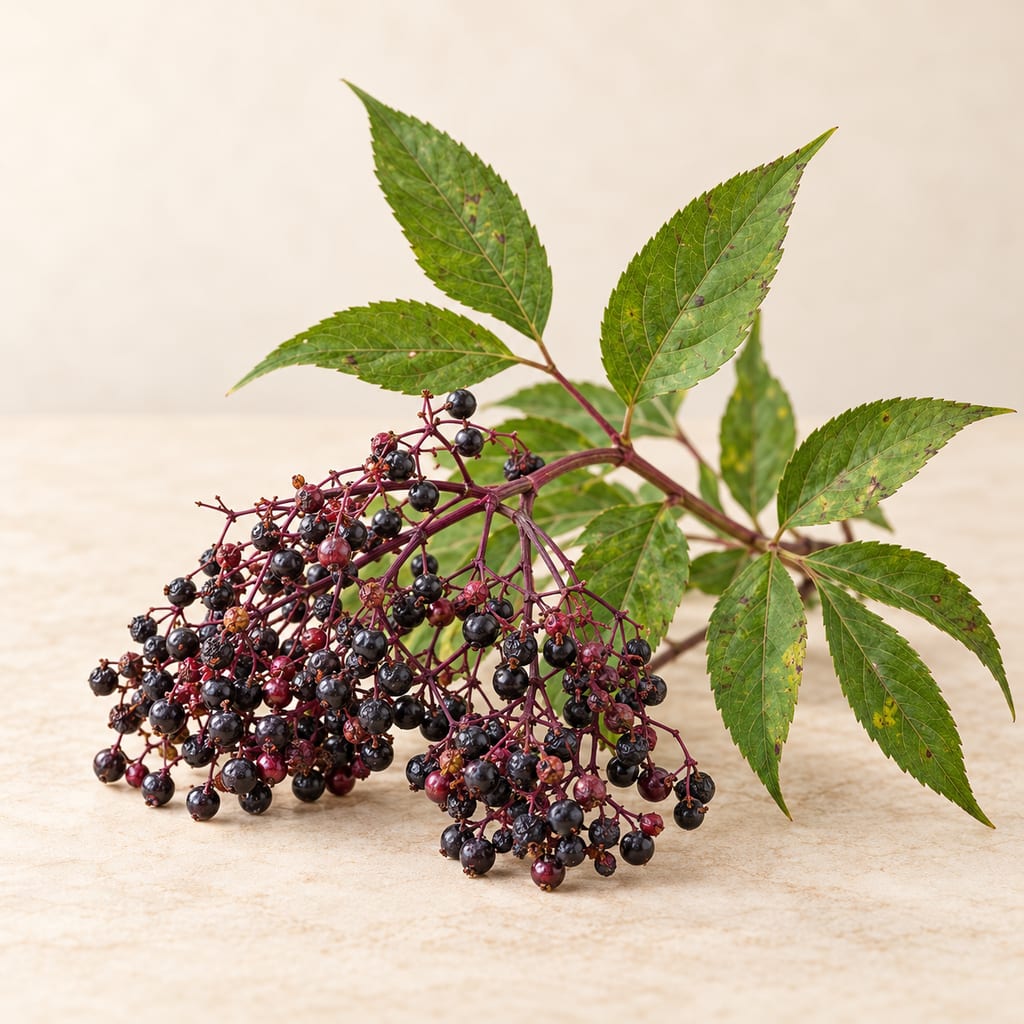
Sambucus canadensis is the accepted name used here for American elderberry. Missouri production guidance and named-cultivar studies give useful regional growing information, while food and analytical sources leave process questions open.
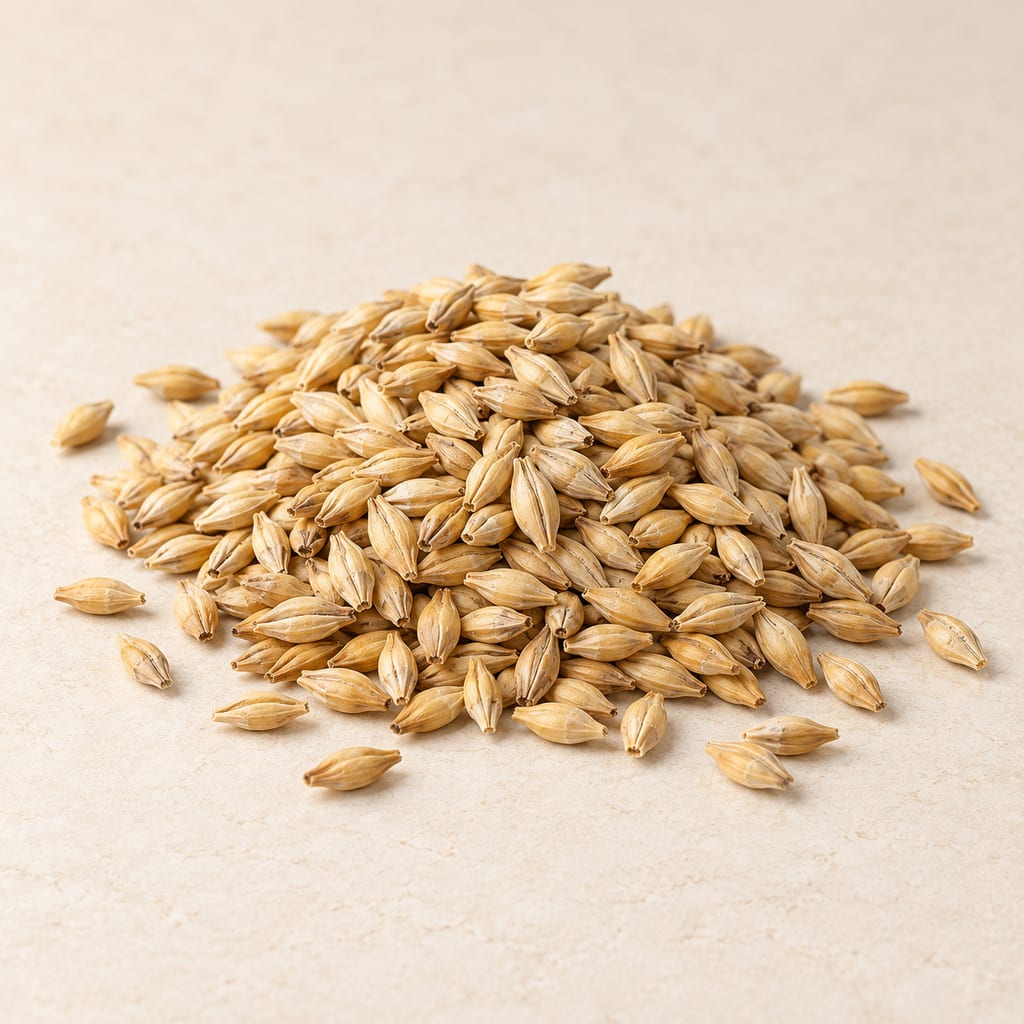
A lightly kilned brewing base made from two-row barley. It supplies starch and enzymes for the mash, with the maltster’s product and lot analysis defining its brewing properties.

Ripe avocado flesh is the soft, buttery, fat-rich pulp of Persea americana, eaten raw. It is low in acid, so it is a fresh ingredient that needs care in chilled dishes.
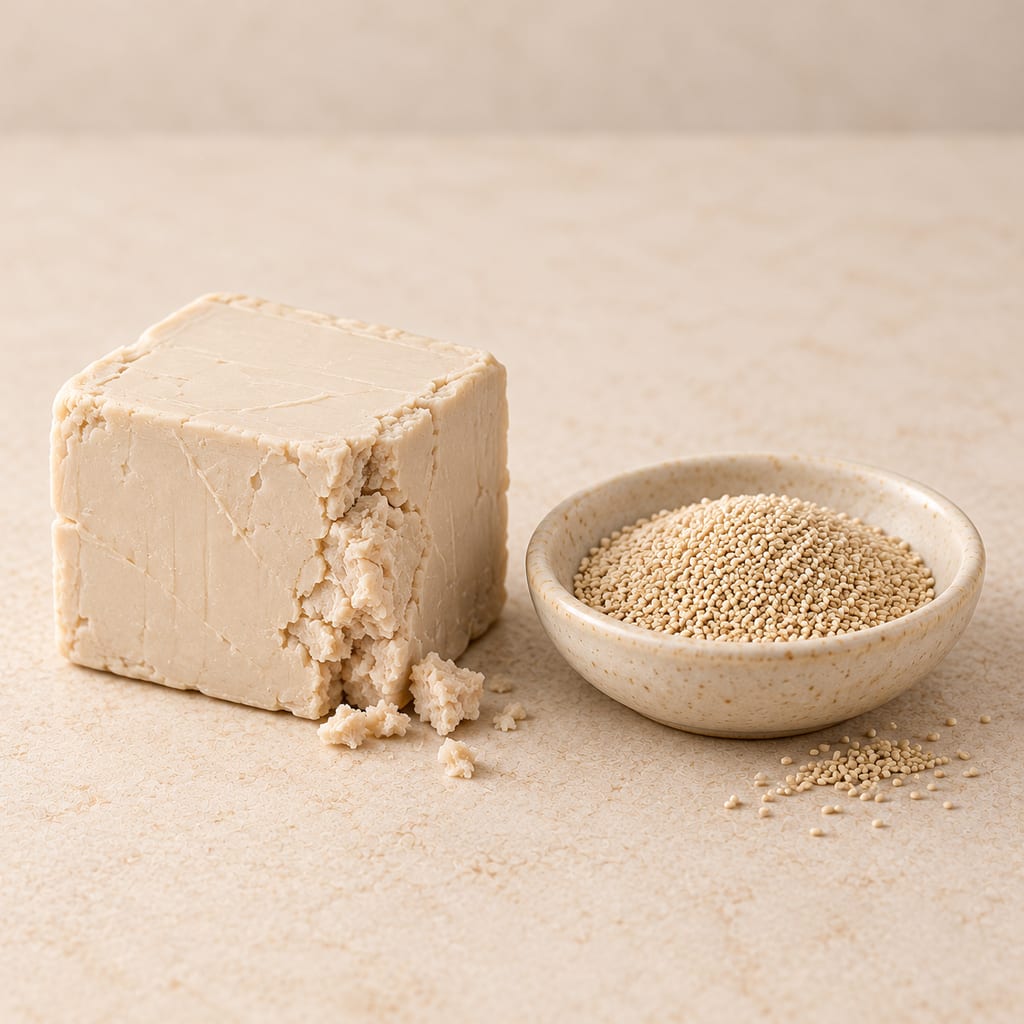
Baker's yeast is a cultivated living leavener, commonly sold fresh or dried. In dough, selected Saccharomyces cerevisiae cells make gas that can raise bread.
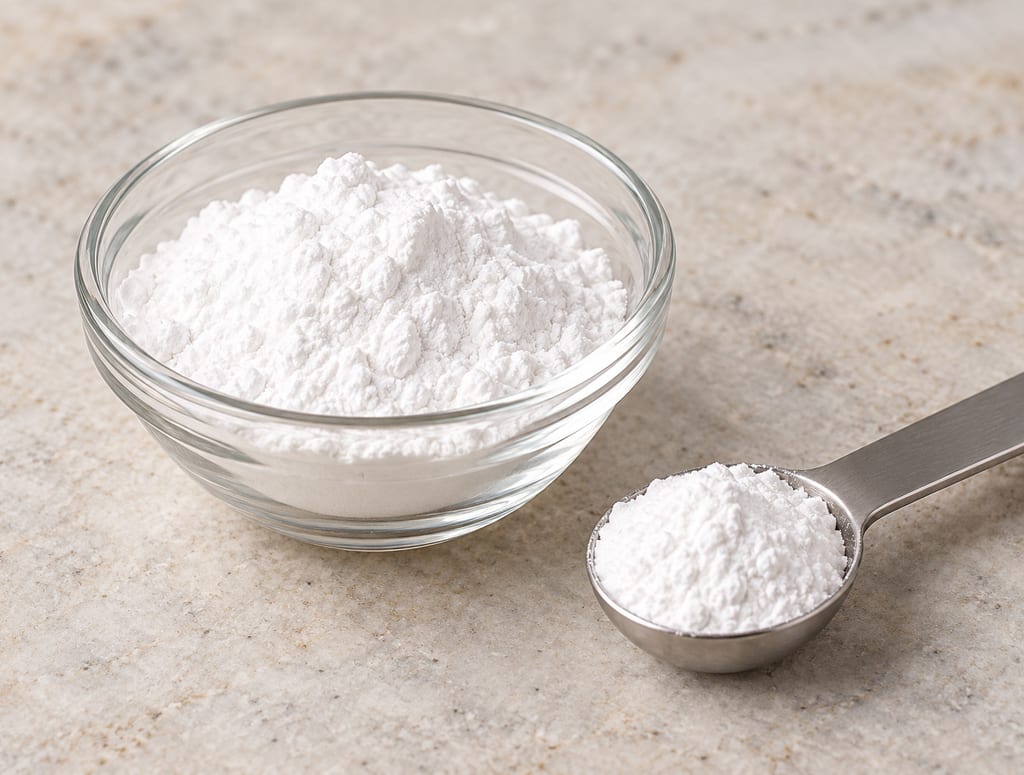
Baking powder is a dry chemical leavener that combines bicarbonate with acid-reacting ingredients and a carrier. Moisture and heat release carbon dioxide for quick breads, batters and griddle cakes.
No community contributions have been published for this entry yet.
Sign in to contribute. Published comments and photos are free to read.
WikipediaIdentity · Food · History
Tricholoma populinumEdible; traditionally eaten by Salish peoples of British Columbia; western North America habitat
Cited in: What it is; Traditional use and taste
Colorado MushroomsIdentity · Season
Tricholoma populinumUnder cottonwoods and poplars; late-season, around October
Cited in: What it is
EcuRedFood
Tricholoma populinumDescribed as a mediocre food because of a bitter taste
Cited in: Traditional use and taste
MushroomExpertIdentity · Safety
Tricholoma populinumLinked to narrowleaf cottonwood and balsam poplar in North America; no edibility information given
Cited in: What it is; Traditional use and taste; Safety