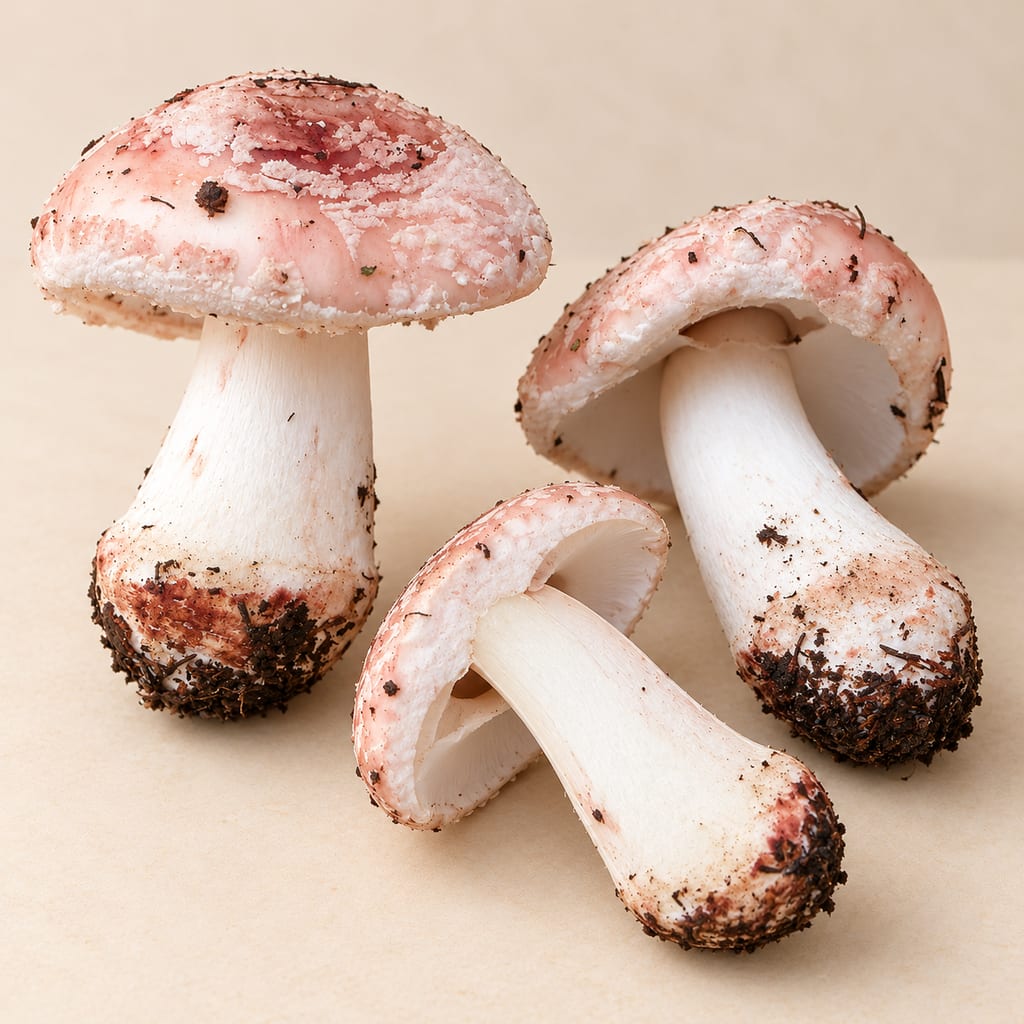
American blusher
Amanita novinupta is a western North American blusher, a forest mushroom recorded as food in Mexico, and one that must be cooked because its raw flesh is toxic.
 FermenteaWhere food goes to change
Other
The Mesoamerican matsutake, Tricholoma mesoamericanum, is a wild mushroom of the highlands of central Mexico, prized in Oaxaca and now overharvested and declining.
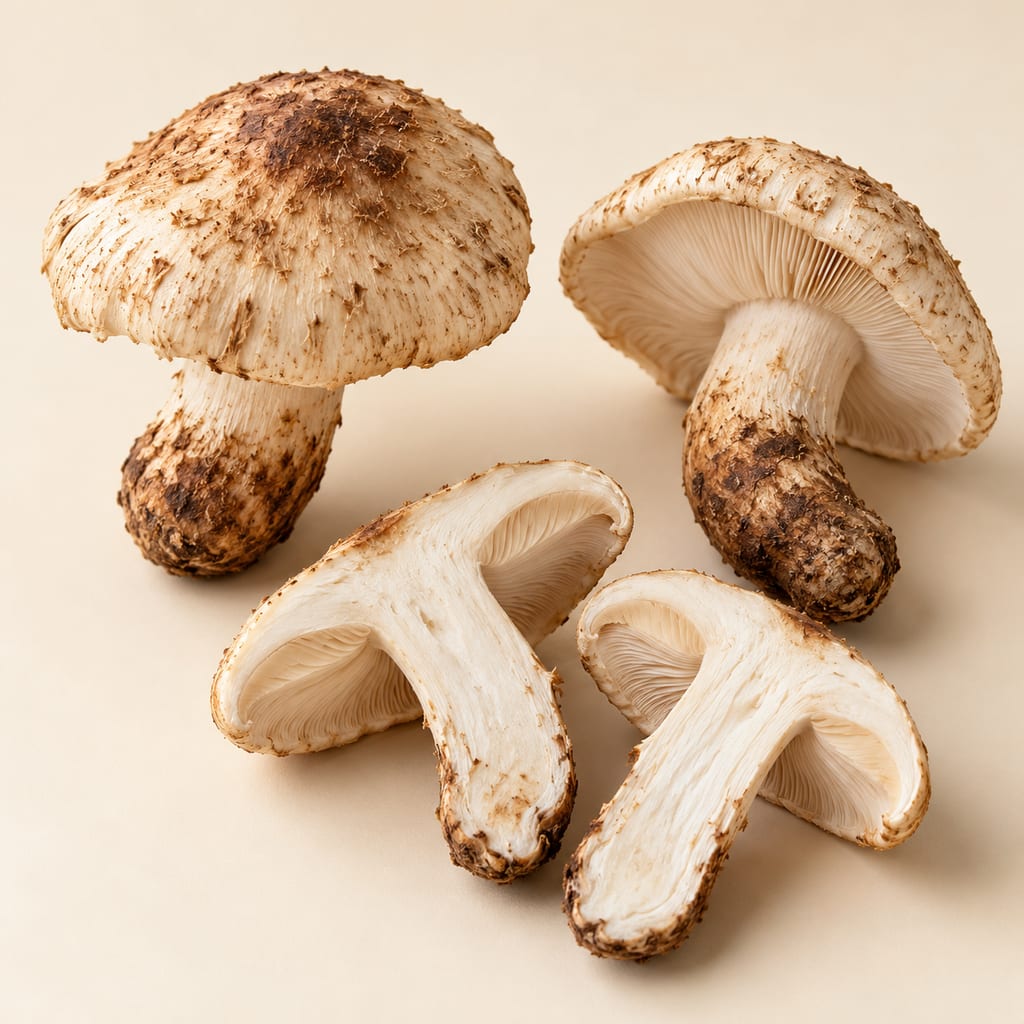
Tricholoma mesoamericanum is a matsutake, a member of the Tricholoma genus that includes the Japanese matsutake, Tricholoma matsutake, which is valued in Japan. This species is a separate Mexican highland mushroom. The name is still a species name in use, not a settled classification, and the catalogue records it as a research name.
It grows in highland central Mexico, including Oaxaca, Veracruz, the State of Mexico and Hidalgo, at about 2,000 to 3,000 metres. The field account used for this page describes it in conifer and oak-pine forests, where it forms a mycorrhizal partnership with pines, and notes summer rainfall in its habitat.
In Oaxaca the mushroom ranks among the most valued edible fungi, and it sells at high prices in markets. The field account lists it as the fifth most appreciated edible mushroom in the state. Its scarcity and the difficulty of finding it make it expensive.
It is used mainly in mole, a dark, thick sauce poured over rice, and it also appears in quesadillas and with cooked meat. The field account does not describe its flavour, so none is recorded here. Harvesters rake the soil to find young buttons, a practice the same account says destroys the mycelium that would produce later crops.
The field account reports that the Global Fungal Red List classifies the species as Endangered, citing a population decline of more than 50 per cent over thirty years. The author attributes the decline to overharvesting, which he says has not stopped. Pine-killing nematodes are reducing pine stands that the mushroom depends on, and drought and climate change add further pressure.
The catalogue records the species as wild, and its evidence as food use with stated conditions.
The sources read for this page do not give an identification guide or a safety protocol for this species. This page therefore records no edibility verdict beyond the field account's description of it as an edible mushroom used in local cooking. Anyone gathering it should confirm the identification with someone experienced with the matsutake group, and should not treat this page as a guide to safe harvest.
Traditional and market use in Oaxaca, including the Mixteca region, as the sources describe it.
Recorded in Oaxaca, Veracruz, the State of Mexico and Hidalgo in the field account, at roughly 2,000 to 3,000 metres.
Amanita novinupta is a western North American blusher, a forest mushroom recorded as food in Mexico, and one that must be cooked because its raw flesh is toxic.

Ripe avocado flesh is the soft, buttery, fat-rich pulp of Persea americana, eaten raw. It is low in acid, so it is a fresh ingredient that needs care in chilled dishes.
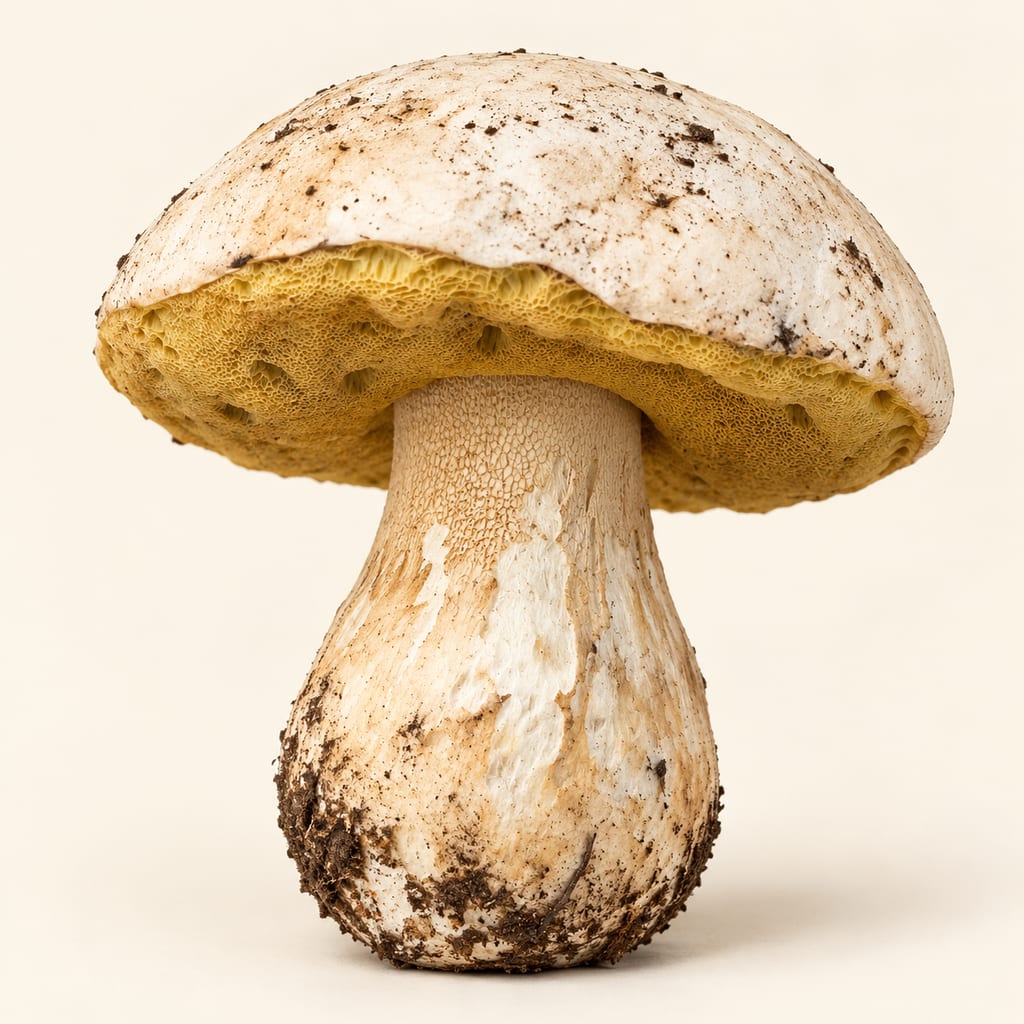
Boletus barrowsii, the white king bolete, is a western porcini relative with documented local food use in Mexico. Its pale cap and netted stem are not enough for field identification.
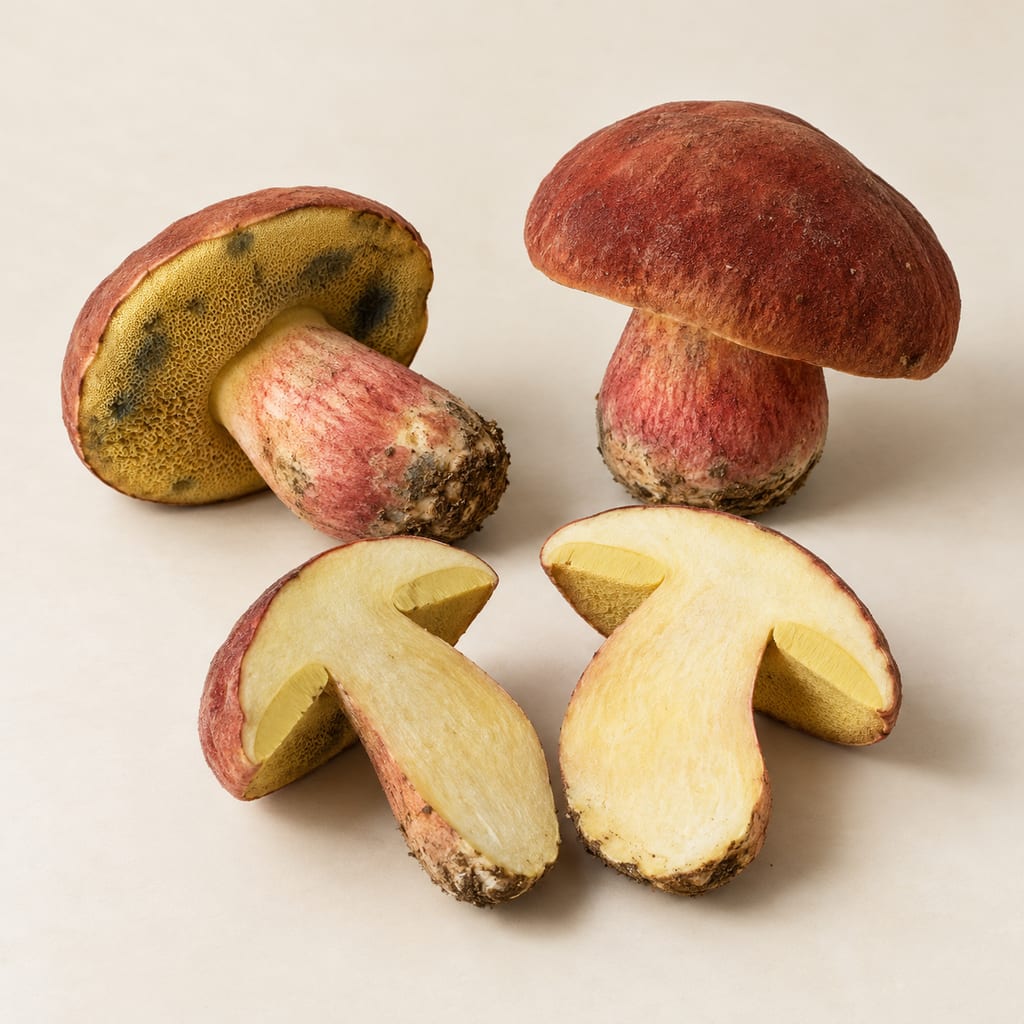
A red-and-yellow bolete described from Michigan and also listed in Mexican fungal records. Historical sources classify it as food, but its species limits, Mexican range and safe food use need careful qualification.
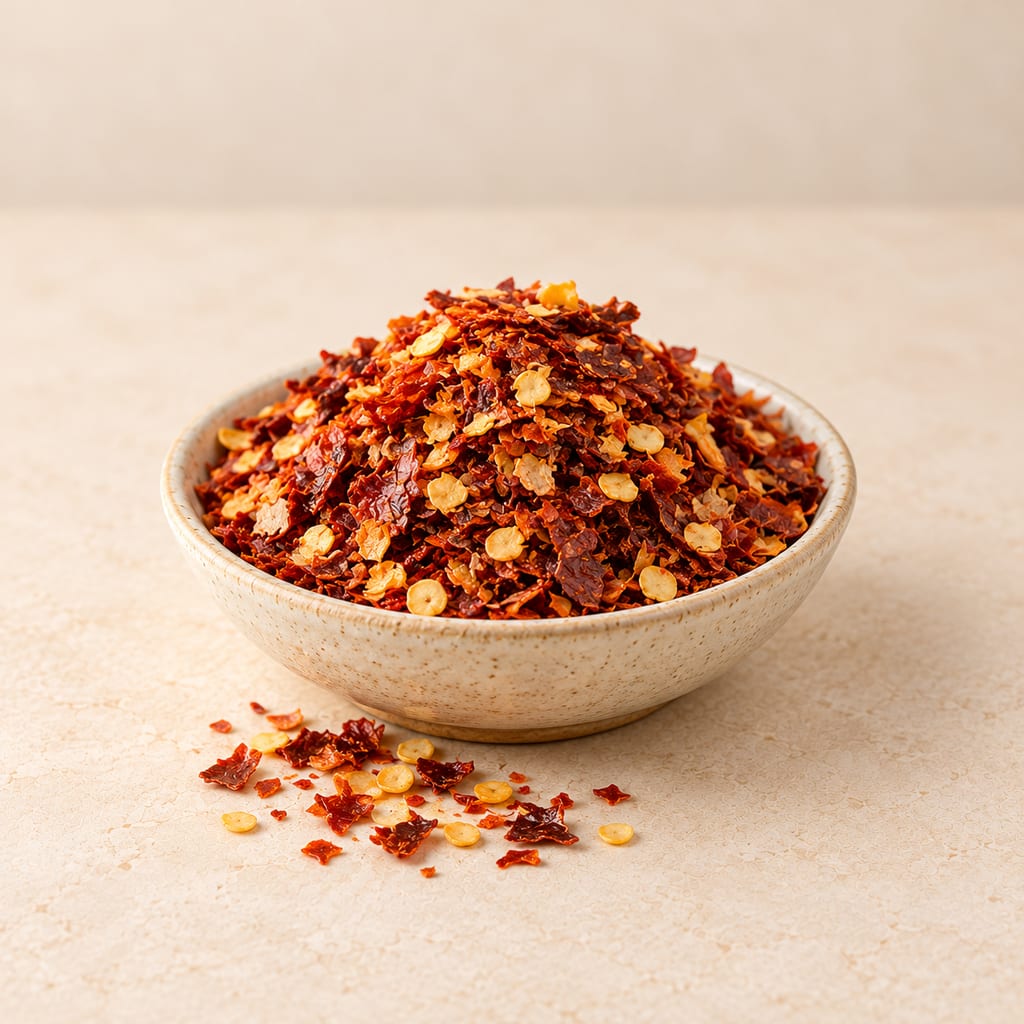
Calabrian pepper flakes are dried red Capsicum annuum from Calabria, crushed into coarse pieces; Peperoncino di Calabria is a protected geographical indication.
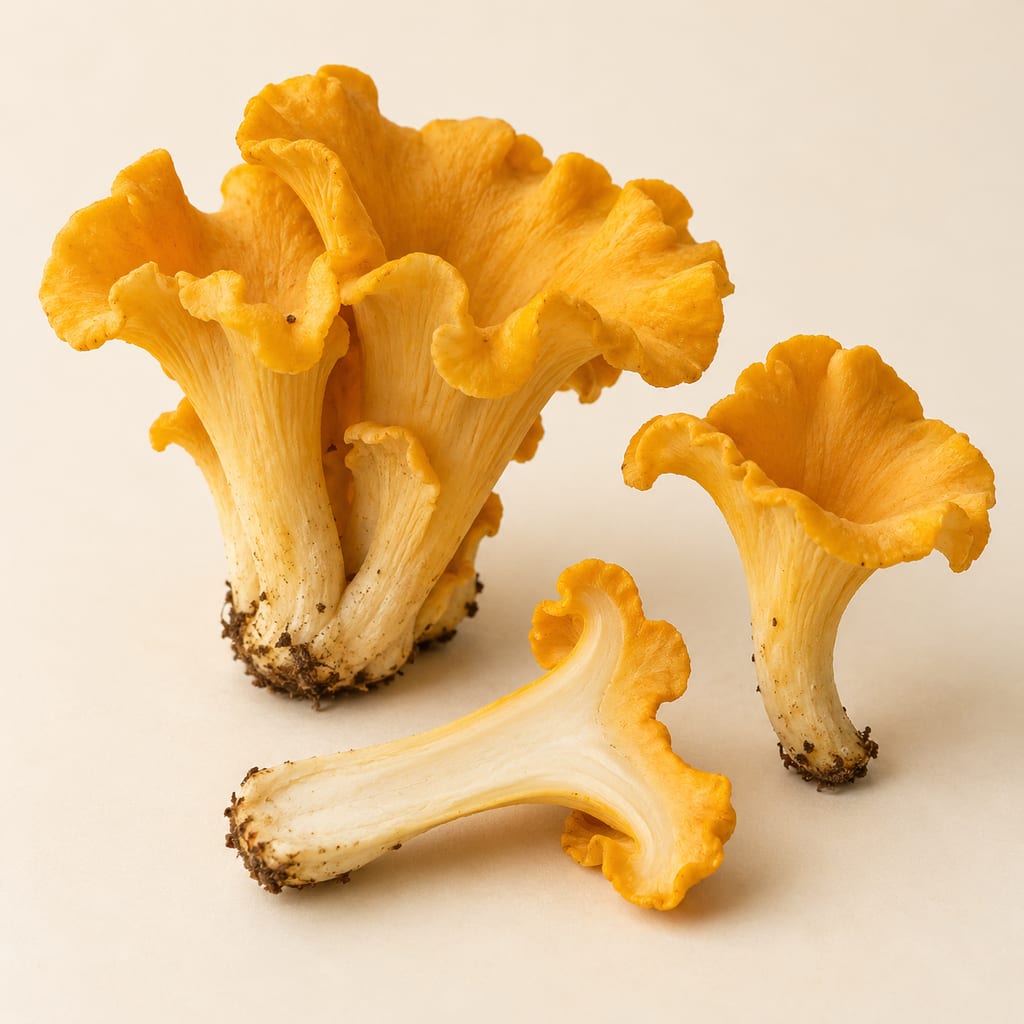
Cantharellus odoratus, the fragrant chanterelle, is a North American and Central American oak-woodland fungus. It was sold in a Veracruz market in the 1980s and in Guatemala in 2002, and its name is still disputed.
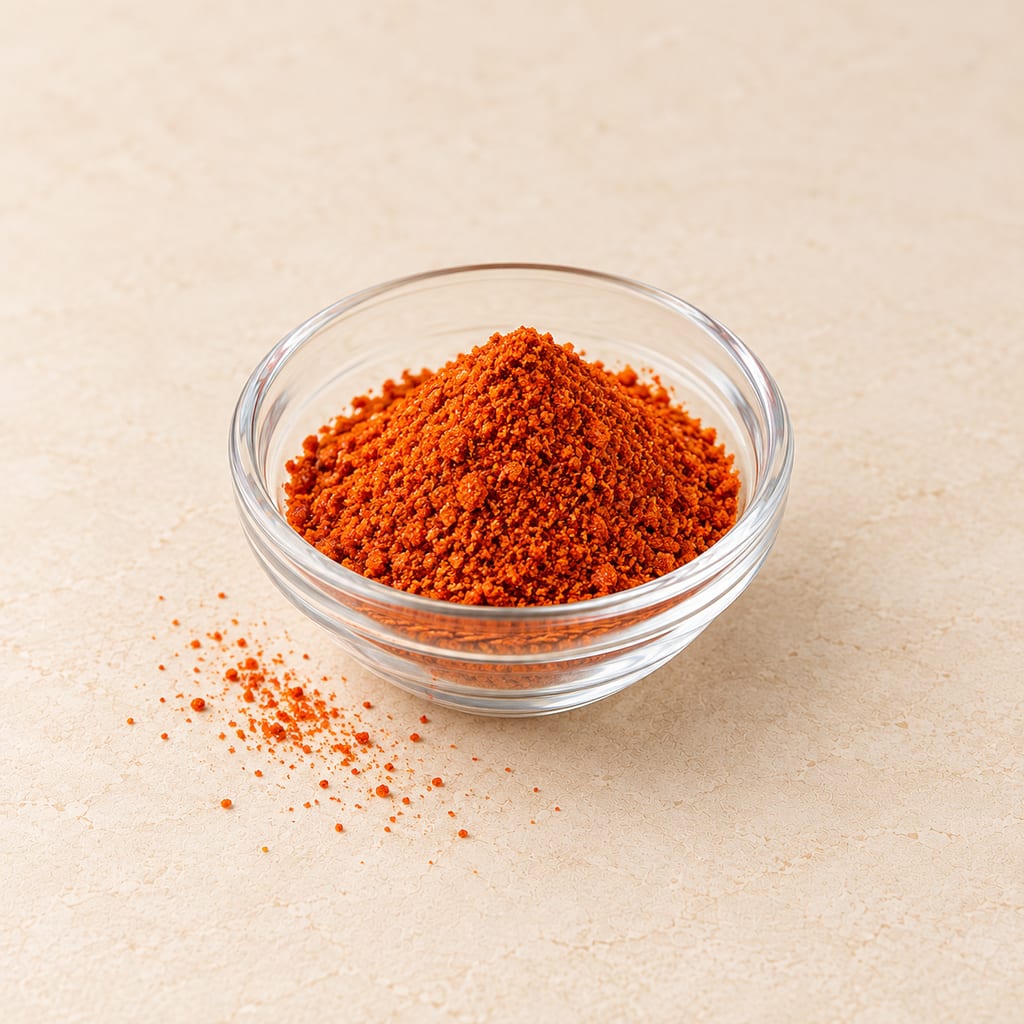
Cayenne is a very pungent red powder from dried, ground hot chilli pods, mostly Capsicum annuum, and the name of the long red peppers it comes from.
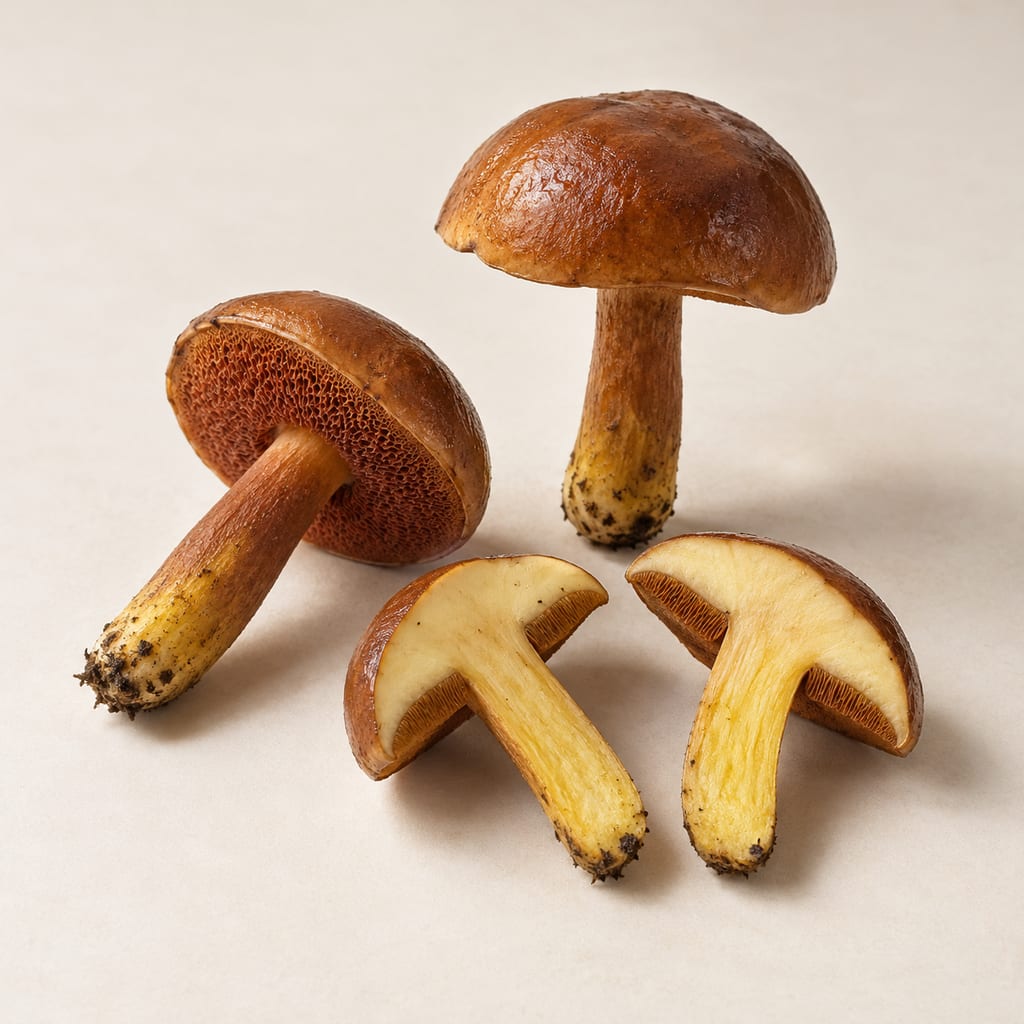
A peppery woodland bolete with historical edible labels and reported condiment use in Querétaro. Current mycological references call its edibility suspect or unestablished; this entry does not recommend consumption.
No community contributions have been published for this entry yet.
Sign in to contribute. Published comments and photos are free to read.
Backyard Nature, Jim ConradDistribution · Method · History · Safety
Mesoamerican Matsutake (Tricholoma mesoamericanum)Highland central Mexico, about 2,000 to 3,000 m, oak-pine forests, mycorrhizal with pines
Fifth most appreciated edible mushroom in Oaxaca; high market prices; used in mole, quesadillas and meat dishes
Rake soil to find buttons, which the account says destroys mycelium
Global Fungal Red List Endangered; decline over 50 per cent in 30 years; overharvesting, nematodes, drought
Cited in: A highland mushroom of pine and oak; Harvest, markets and the mole; Decline and conservation; Identification and caution
IUCN Red ListSafety
Tricholoma mesoamericanum, IUCN Red List entry (redlist.info)Listed in the research search results; not reread for this page