Hogweed
Hogweed, Heracleum sphondylium, is the meadow plant of the carrot family that gave barszcz its name. Its young leaves were soured into soup; its sap burns skin in sunlight.
 FermenteaWhere food goes to change
1086 articles on substrates, cultures and additives.
Hogweed, Heracleum sphondylium, is the meadow plant of the carrot family that gave barszcz its name. Its young leaves were soured into soup; its sap burns skin in sunlight.
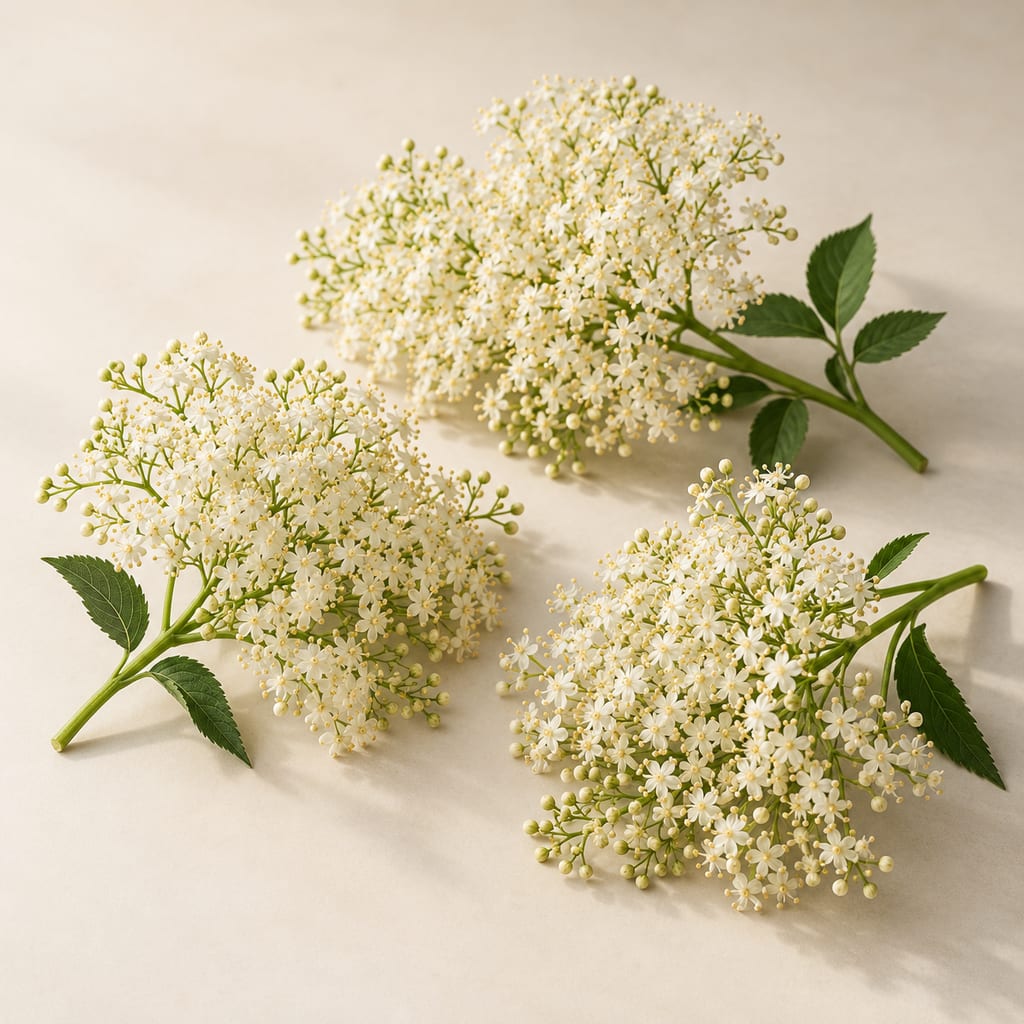
The flower clusters of black elder (Sambucus nigra), a food flower used in stewed fruit and fritters. The berries, leaves, stems and bark need separate evidence and separate care.
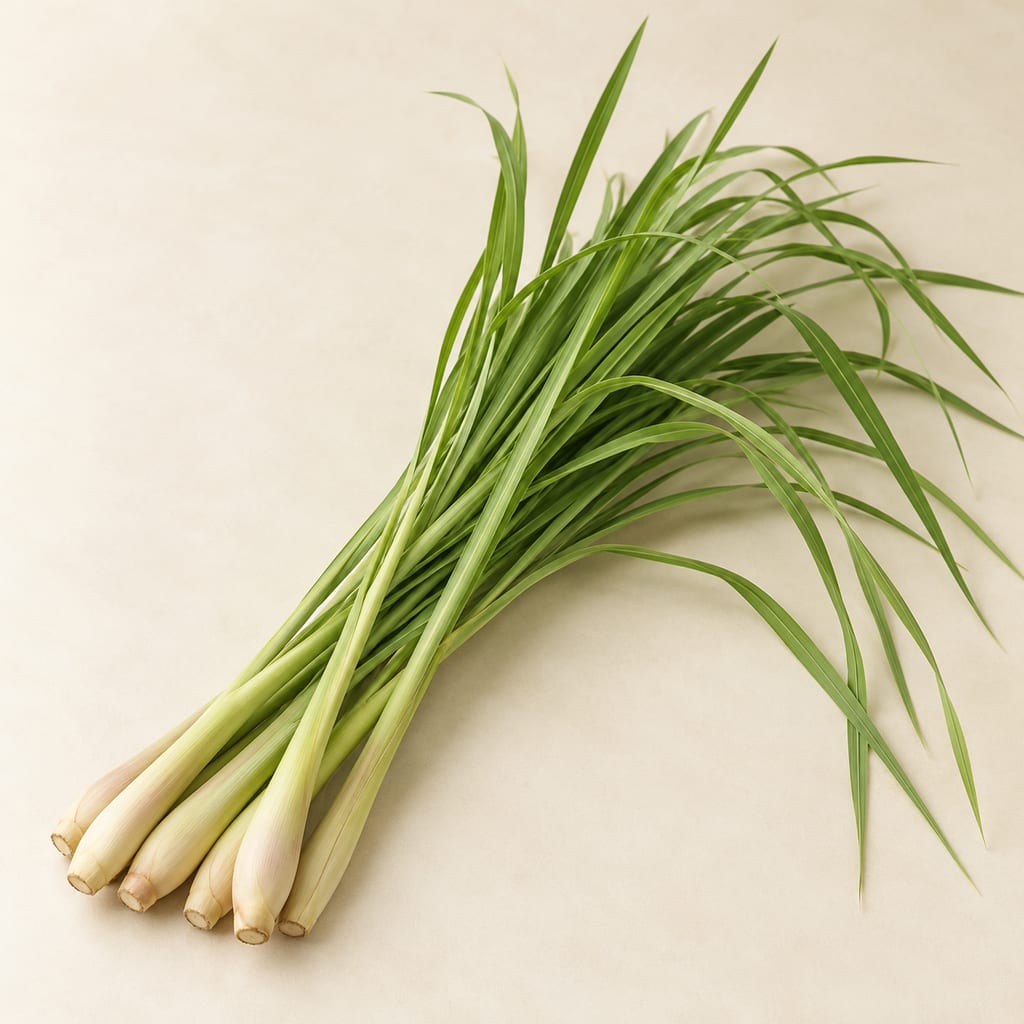
Lemongrass is Cymbopogon citratus, a tropical grass whose lemon-scented stalks and leaves flavour cooking across South and Southeast Asia. The common name also covers other Cymbopogon species.
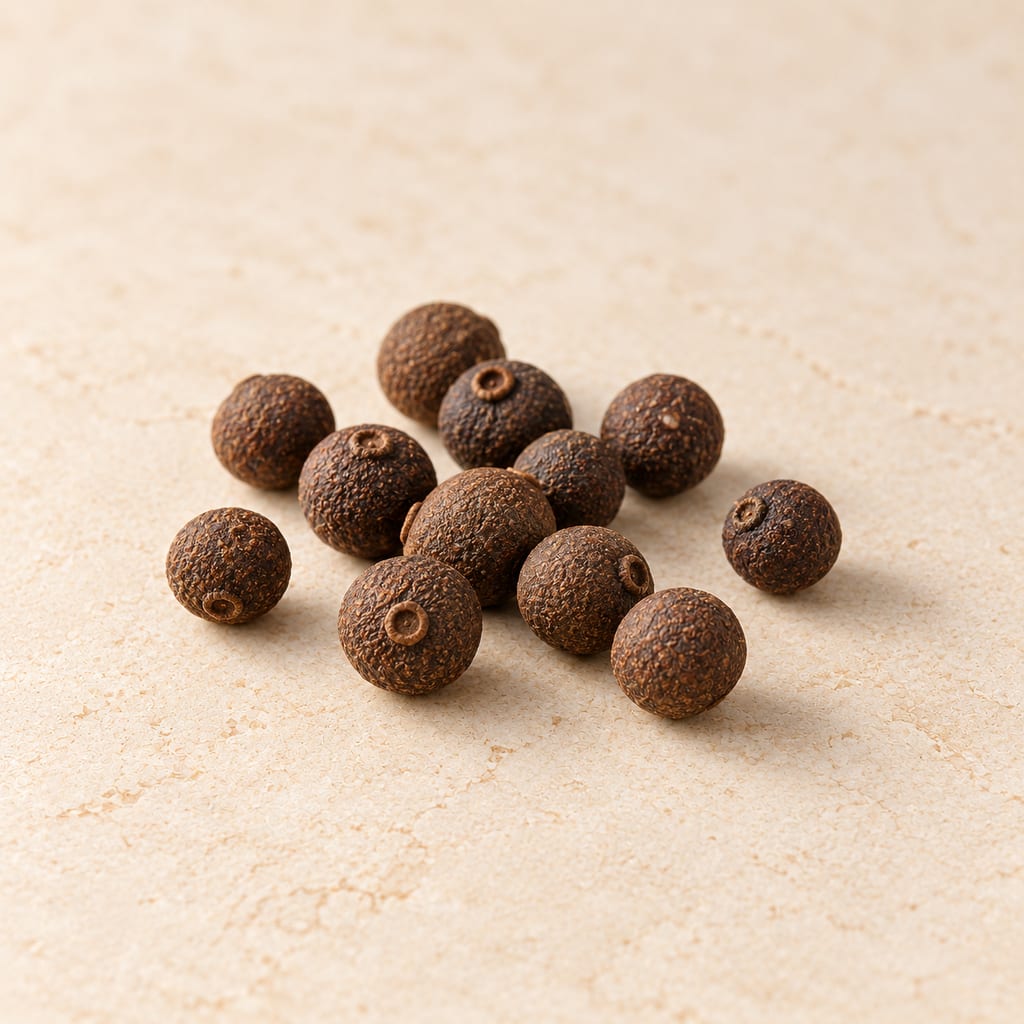
Allspice is the dried unripe berry of Pimenta dioica, a Caribbean and Central American tree, used whole or ground in jerk seasoning, sauces, pickles, sausages and baking.
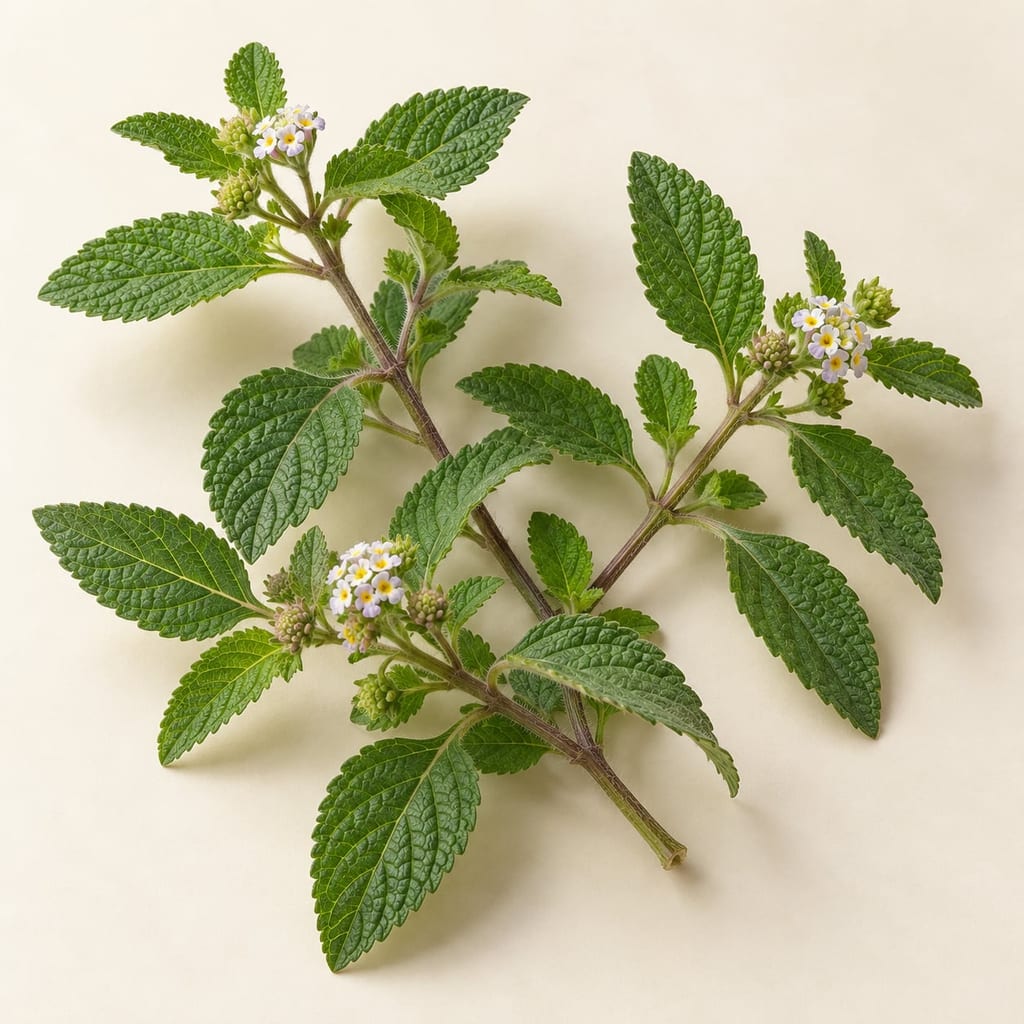
Lippia alba, bushy lippia, is an aromatic shrub of the Americas whose leaves are steeped as a tea, added to sauces in Mexico and used in folk medicine.
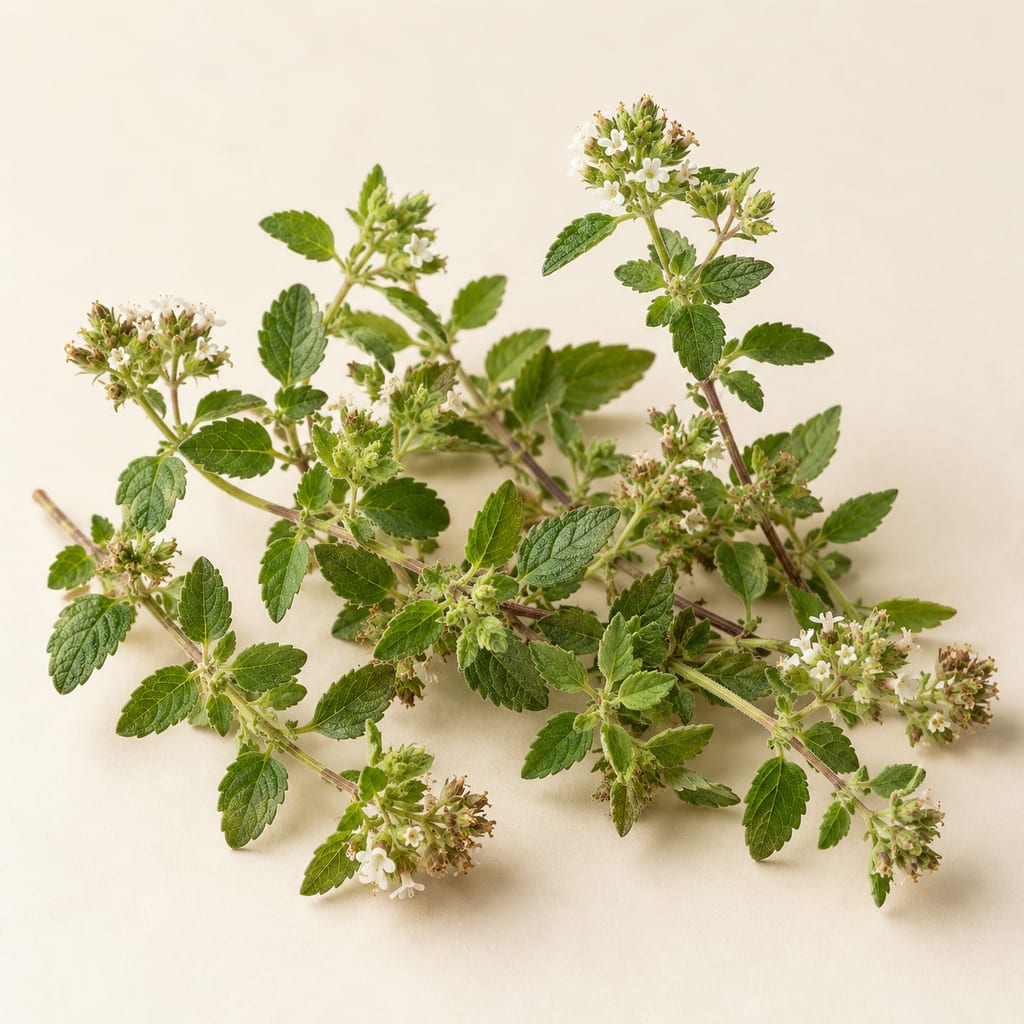
Oreganito, Lippia micromera, is a small aromatic shrub whose leaves the Flora de Cuba records as seasoning in place of oregano; no recipe, amount or method is documented.
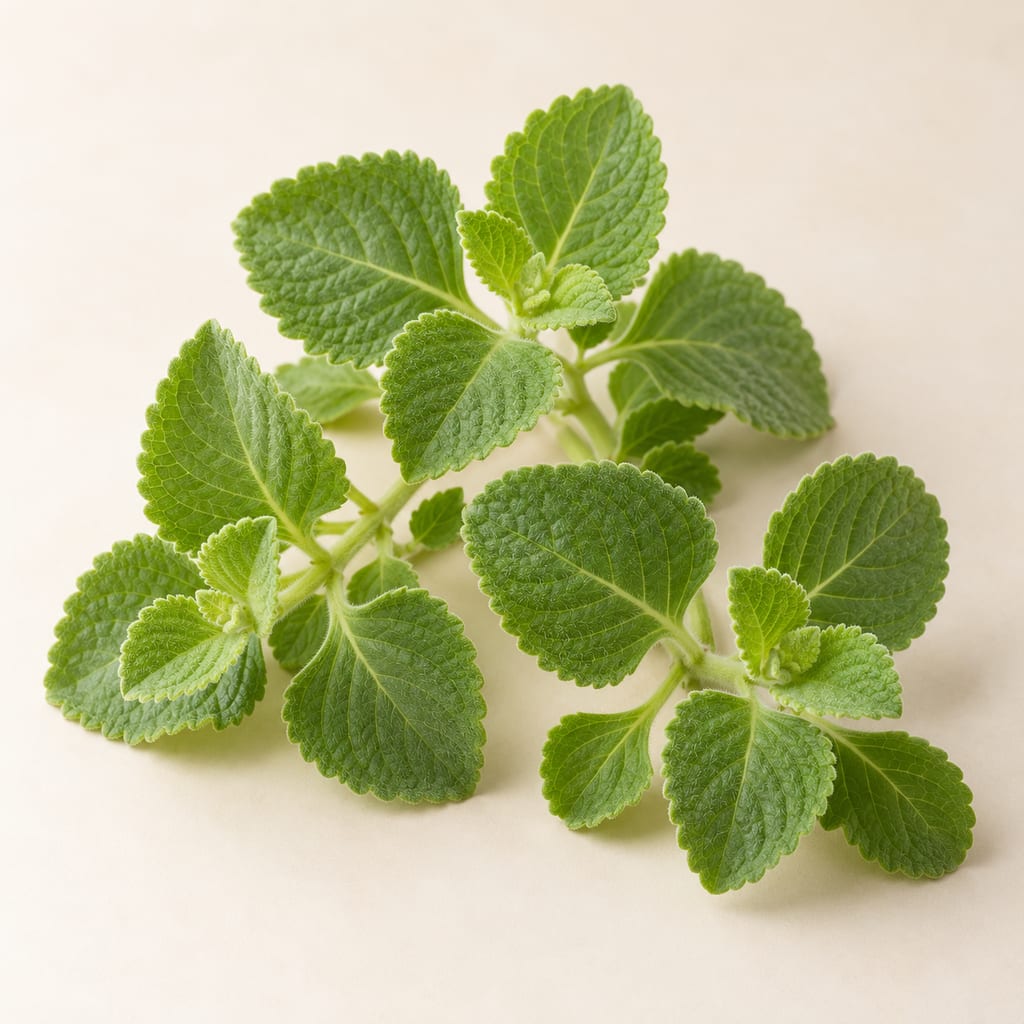
French oregano, Coleus amboinicus, is a fleshy, strongly aromatic mint-family herb used as a seasoning in Cuba, where it is called orégano francés, and across the tropics.
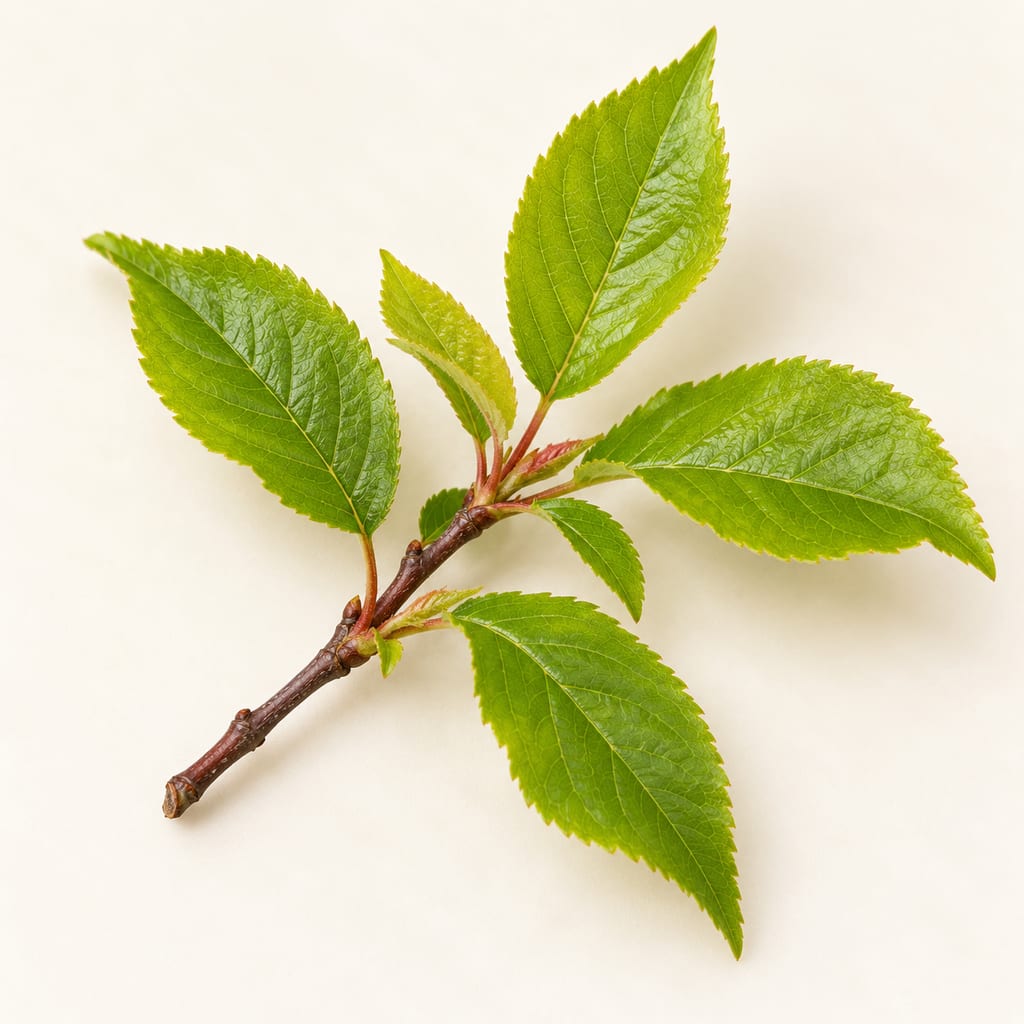
Sour-cherry leaves come from Prunus cerasus. They are documented as an aroma ingredient in Thracian hardaliye, but the sources do not establish a safe home preparation or dose.
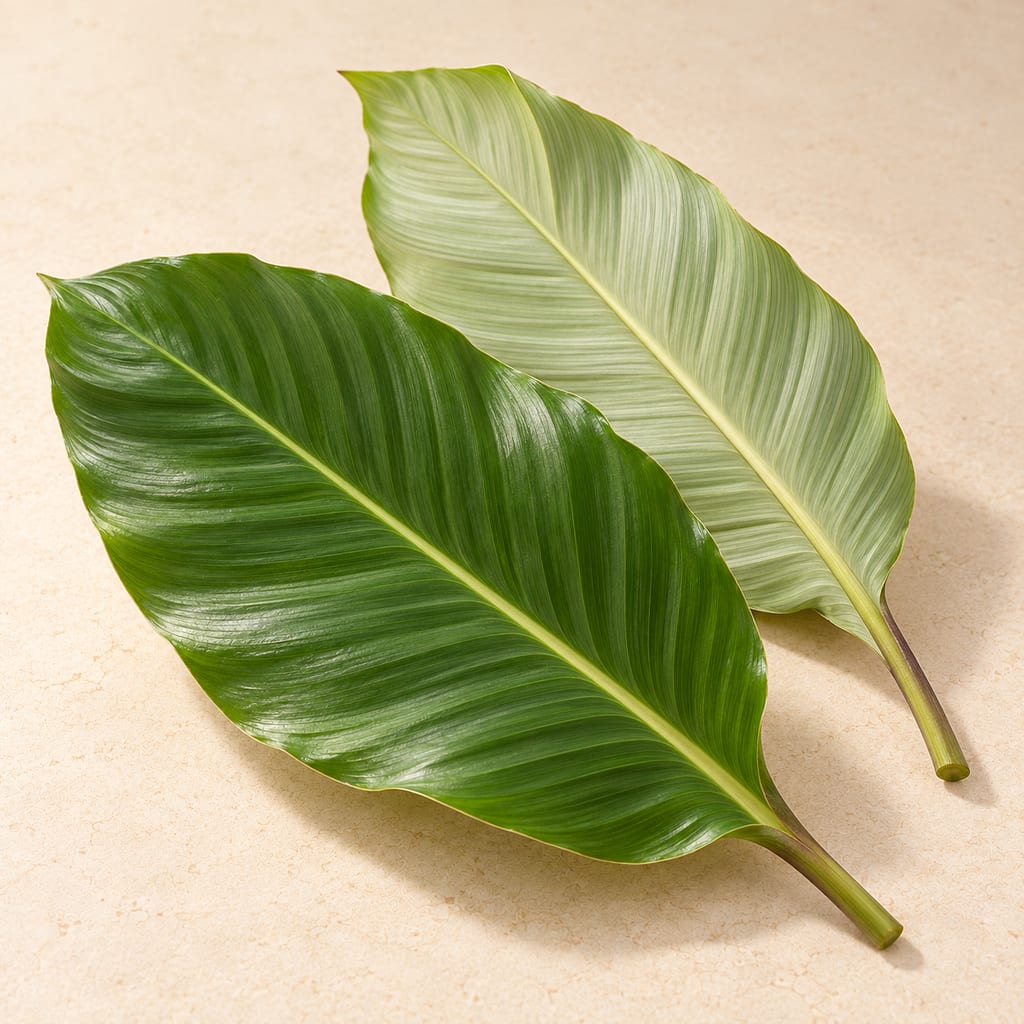
Bijao is the broad, durable leaf of Calathea lutea used in parts of Colombia as food-contact wrapping and lining. The common name also applies to other plants.
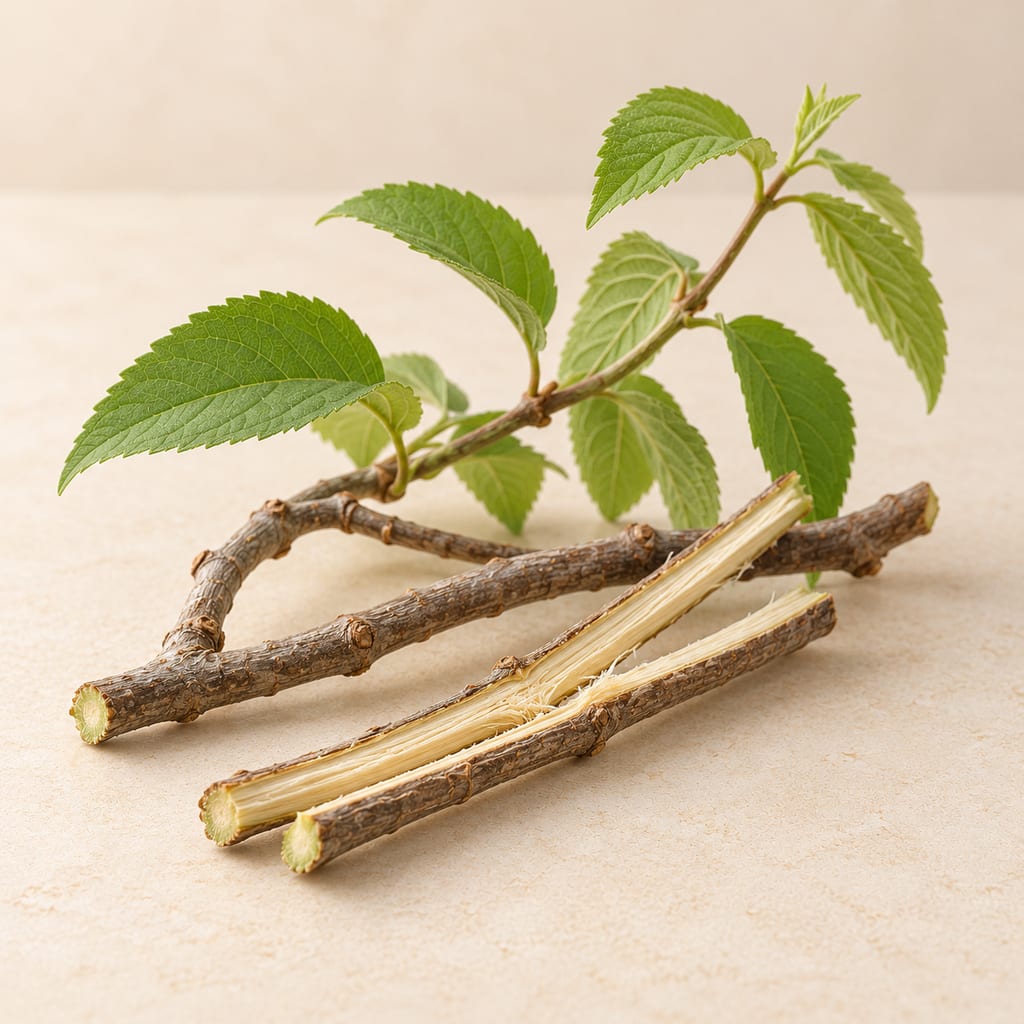
A woody climbing vine in the buckthorn family, Gouania polygama is gathered for fresh stems used in Cuban pru, where it helps give the fermented botanical drink its characteristic effervescence and taste.
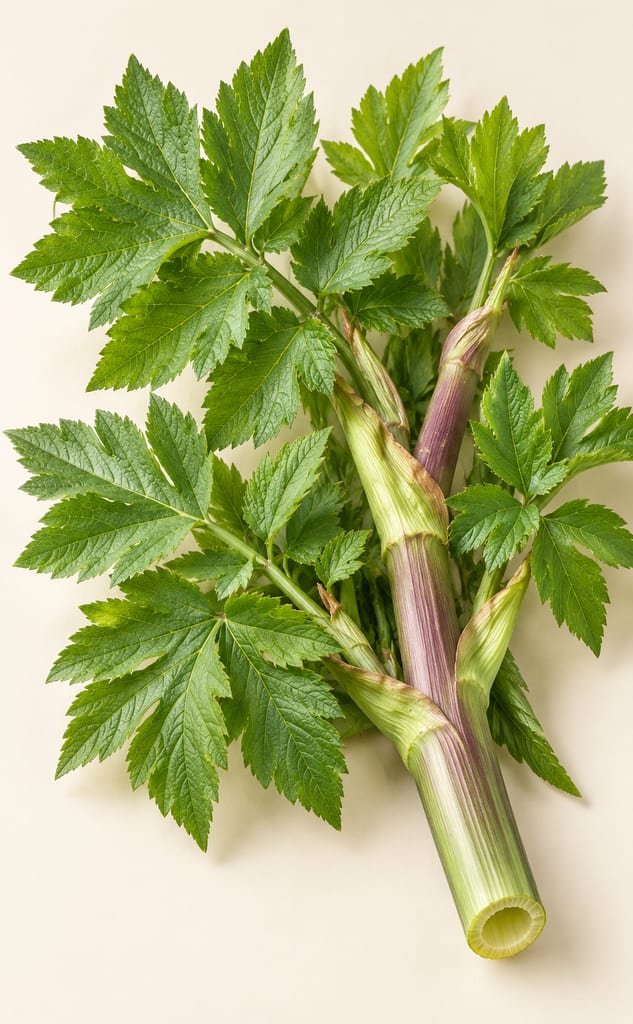
Angelica here means garden angelica (Angelica archangelica), an aromatic Apiaceae used as a vegetable, seasoning and candied stem, with Sámi food traditions linking it to preserved milk dishes.
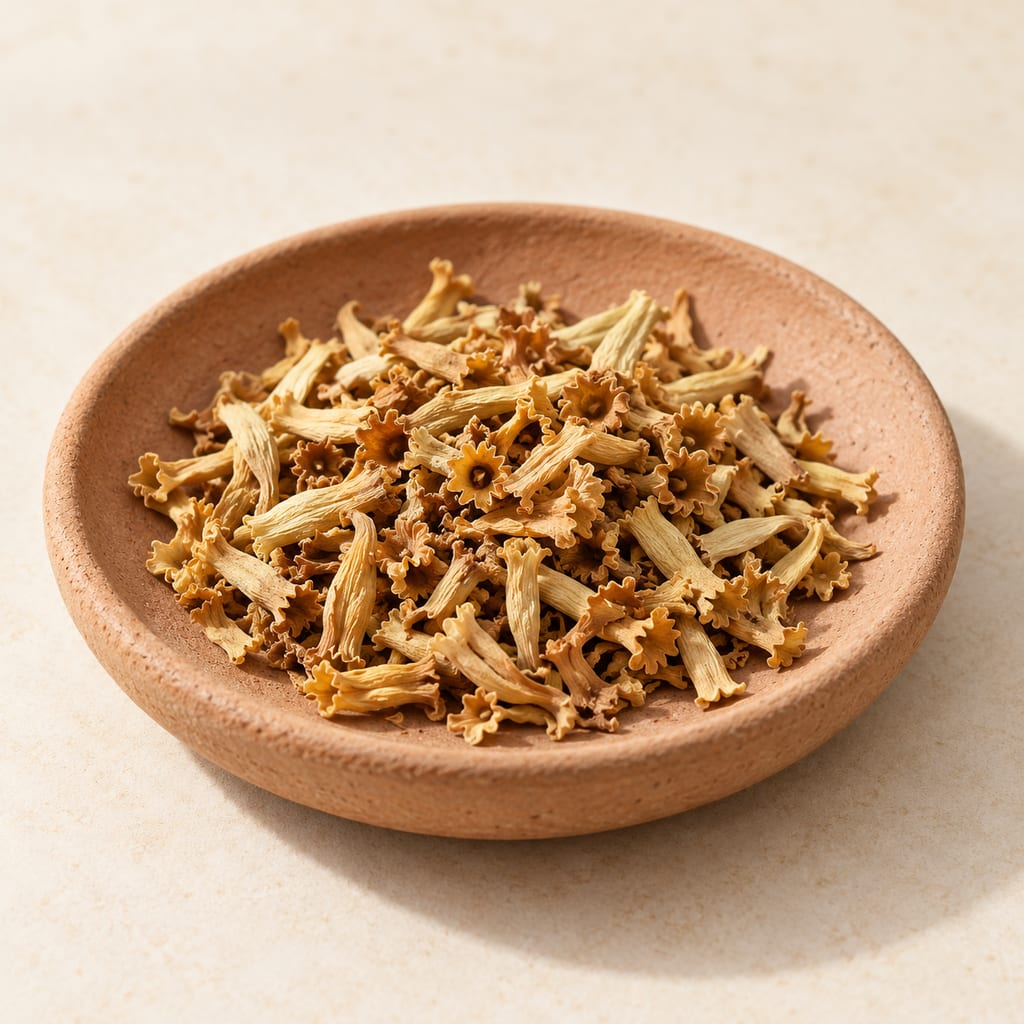
The aromatic flower of Quararibea funebris, dried and toasted for tejate in Oaxaca; despite its name, it is not cacao.
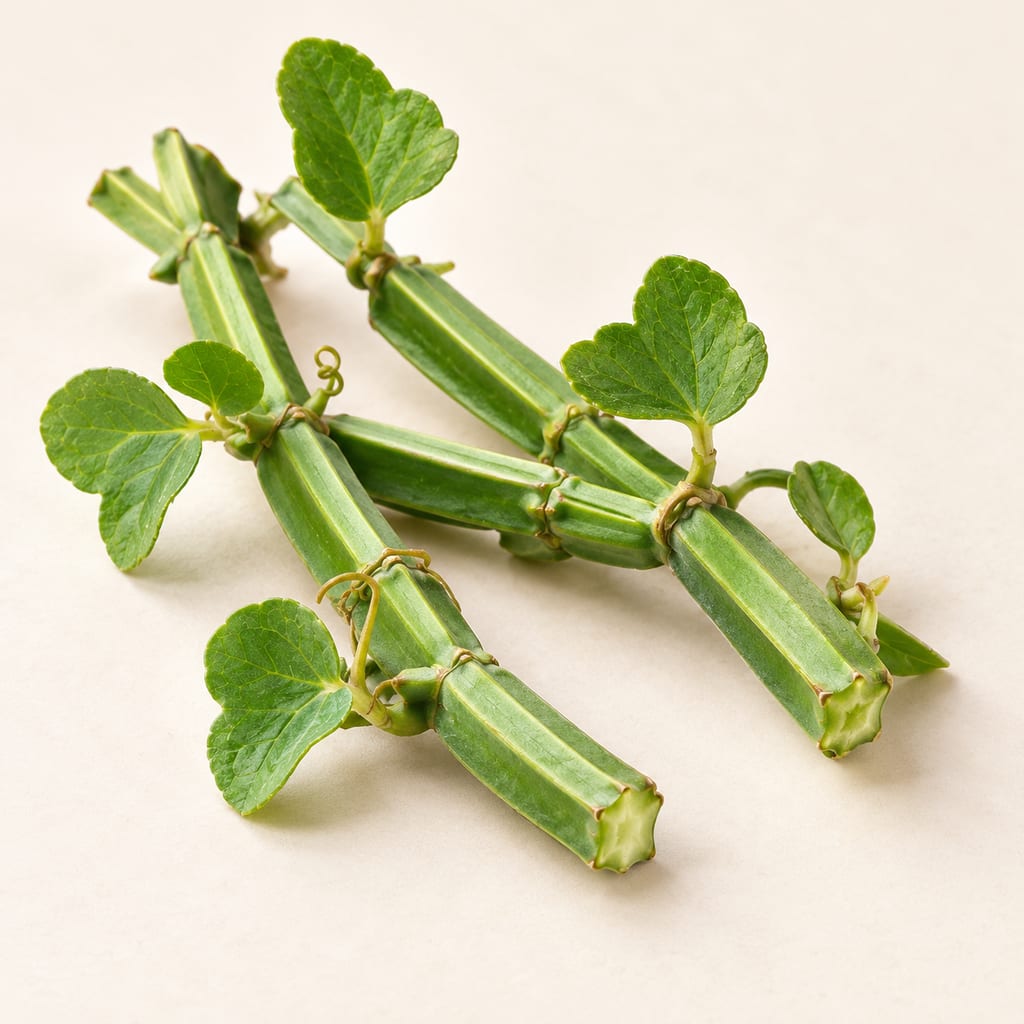
A succulent climbing vine recorded as a plant layer in Aseer haneeth; sources do not identify which part is used or say whether the plant layer is eaten.

Cicerbita alpina is an alpine perennial whose tender shoots and leaves have been eaten raw or cooked. Sámi milk preparations and modern Carnian dishes are distinct uses, with serious identification and preservation limits.
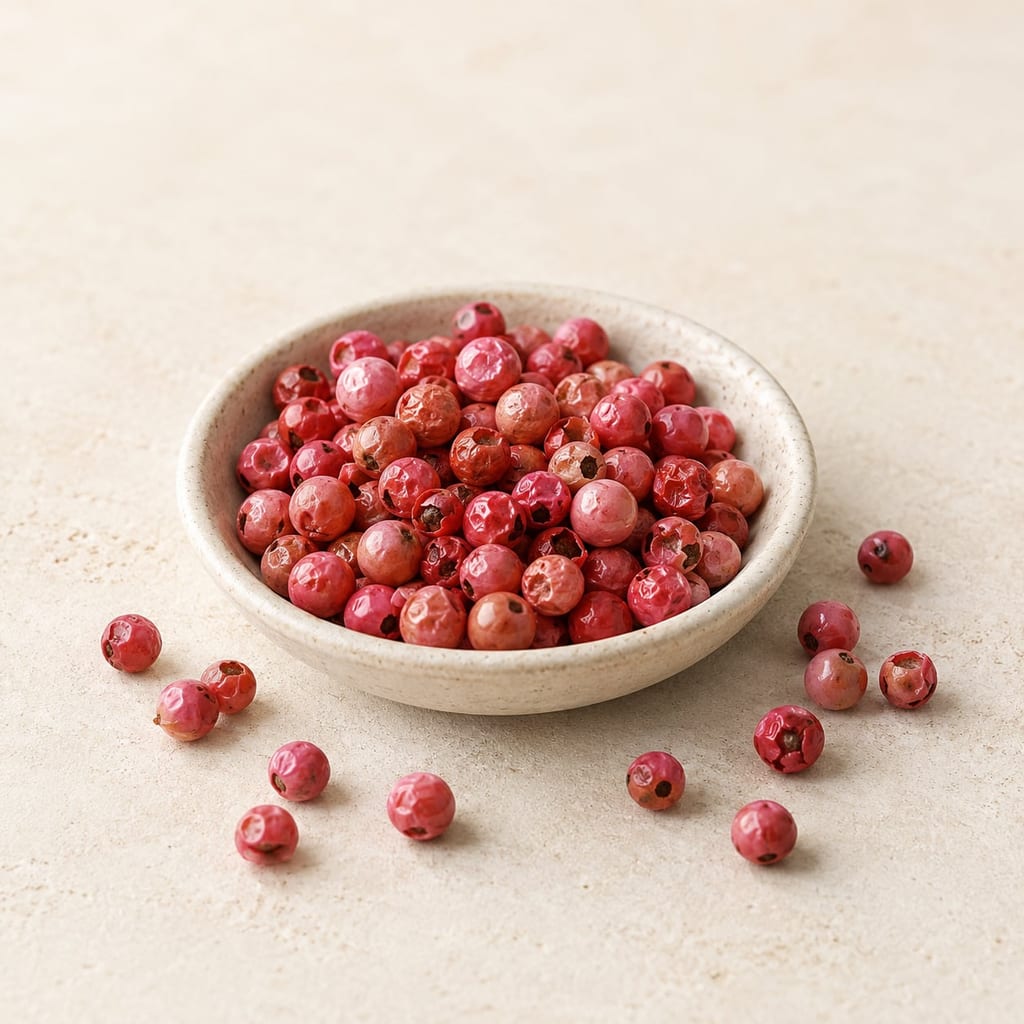
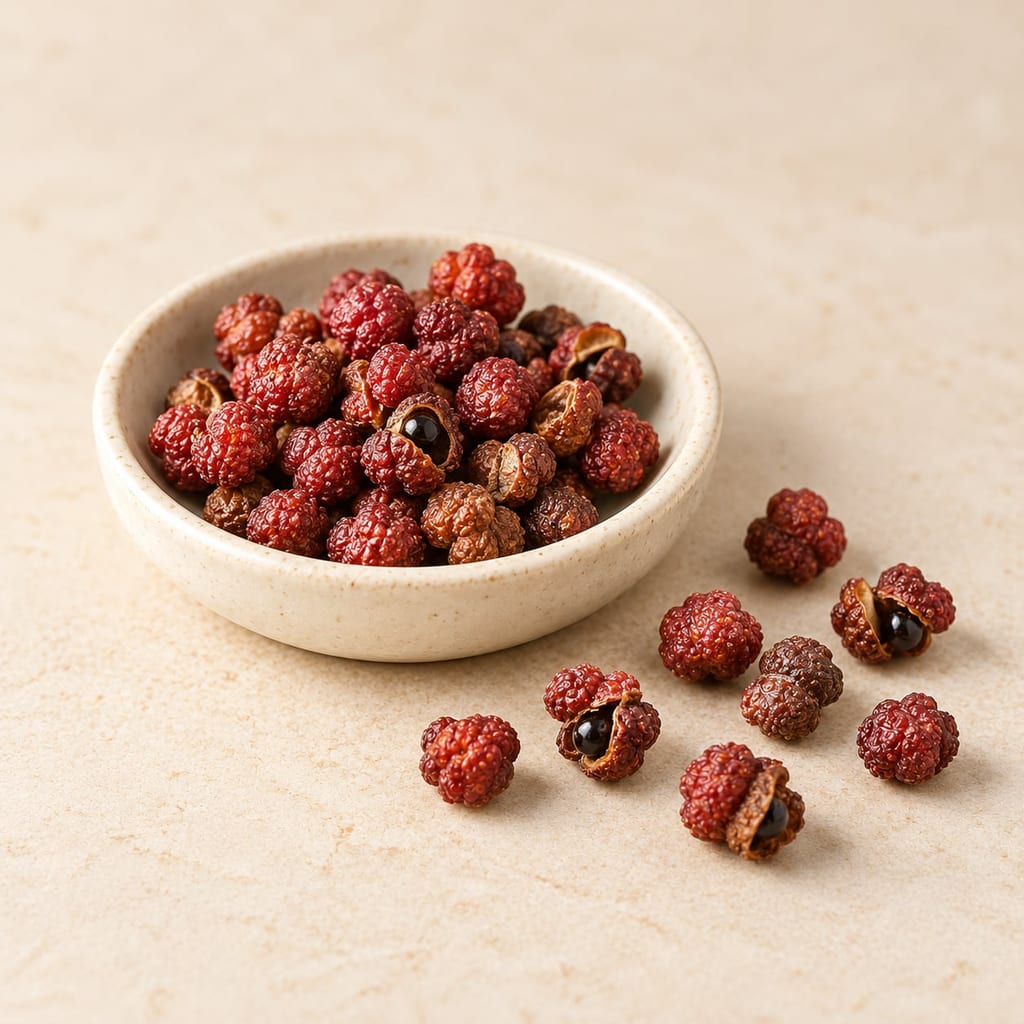
Pink peppercorn is a shared name for dried fruits of several plants, not true Piper nigrum pepper. MURI documents one fermented use but does not identify its species; allergy evidence is limited and species-specific.
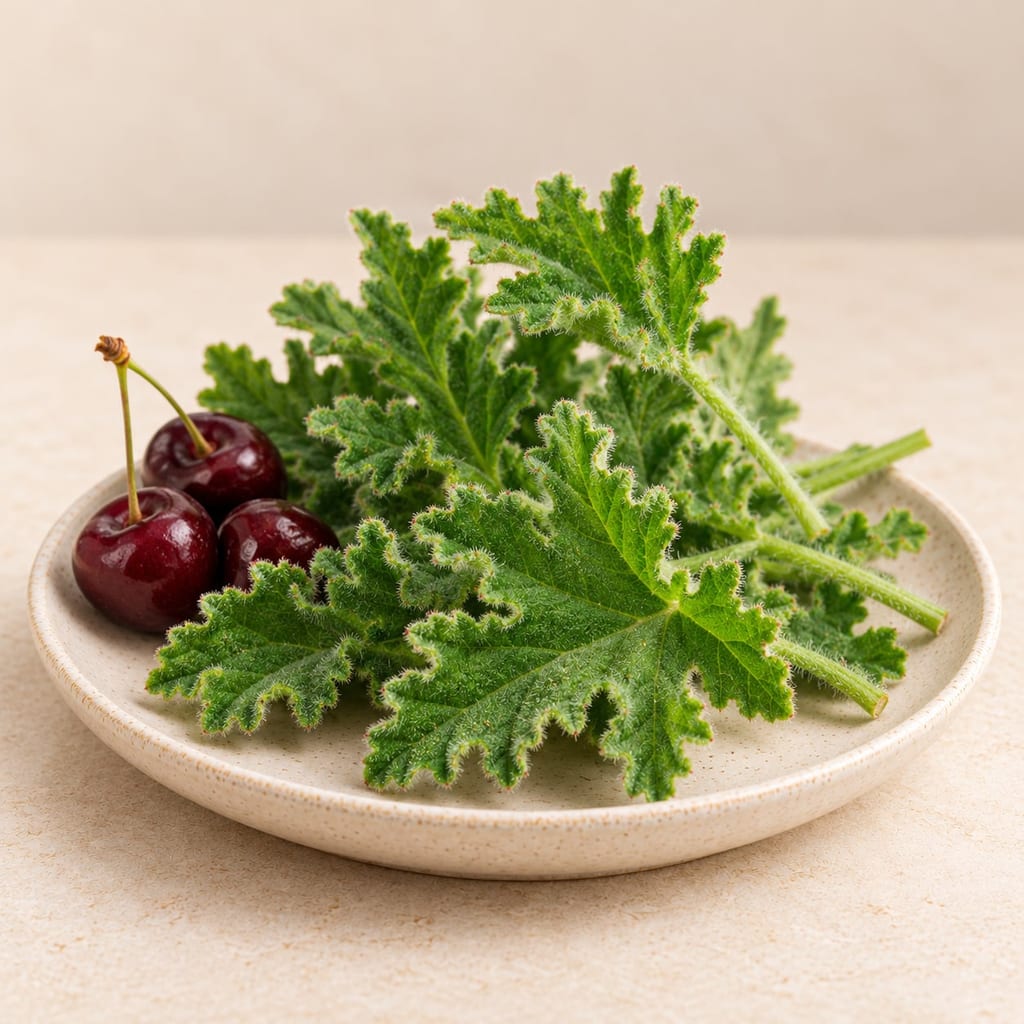
Fresh scented-leaf Pelargonium leaves bring rose, lemon, mint, or fruit-like aromas to selected sweets, sugars, and infusions; the plant type determines the flavor and food-use evidence.
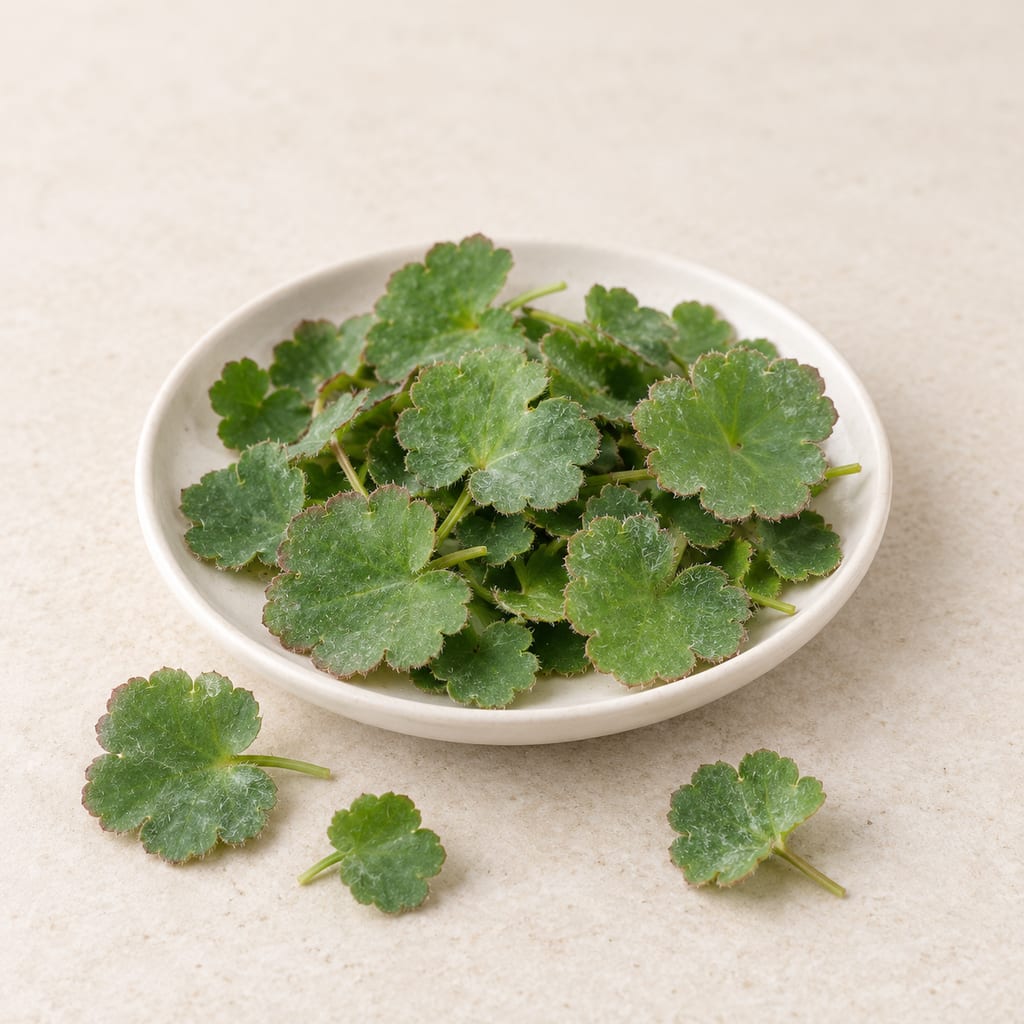
Heartleaf saxifrage is a small Arctic perennial whose soft, toothed leaves are recorded as food among Naukan and Chukchi communities. The botanical name appears as Micranthes nelsoniana and Saxifraga nelsoniana in different references.
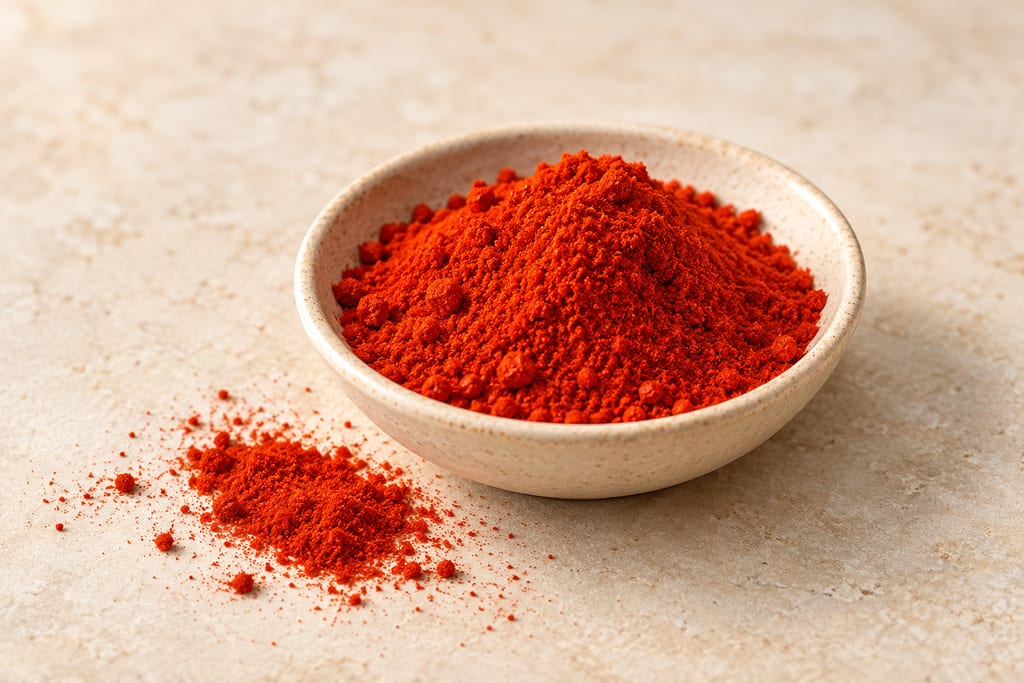
Paprika is ground, dried Capsicum fruit used for red color and pepper flavor; the name alone does not specify its heat, smoke, cultivar or origin.
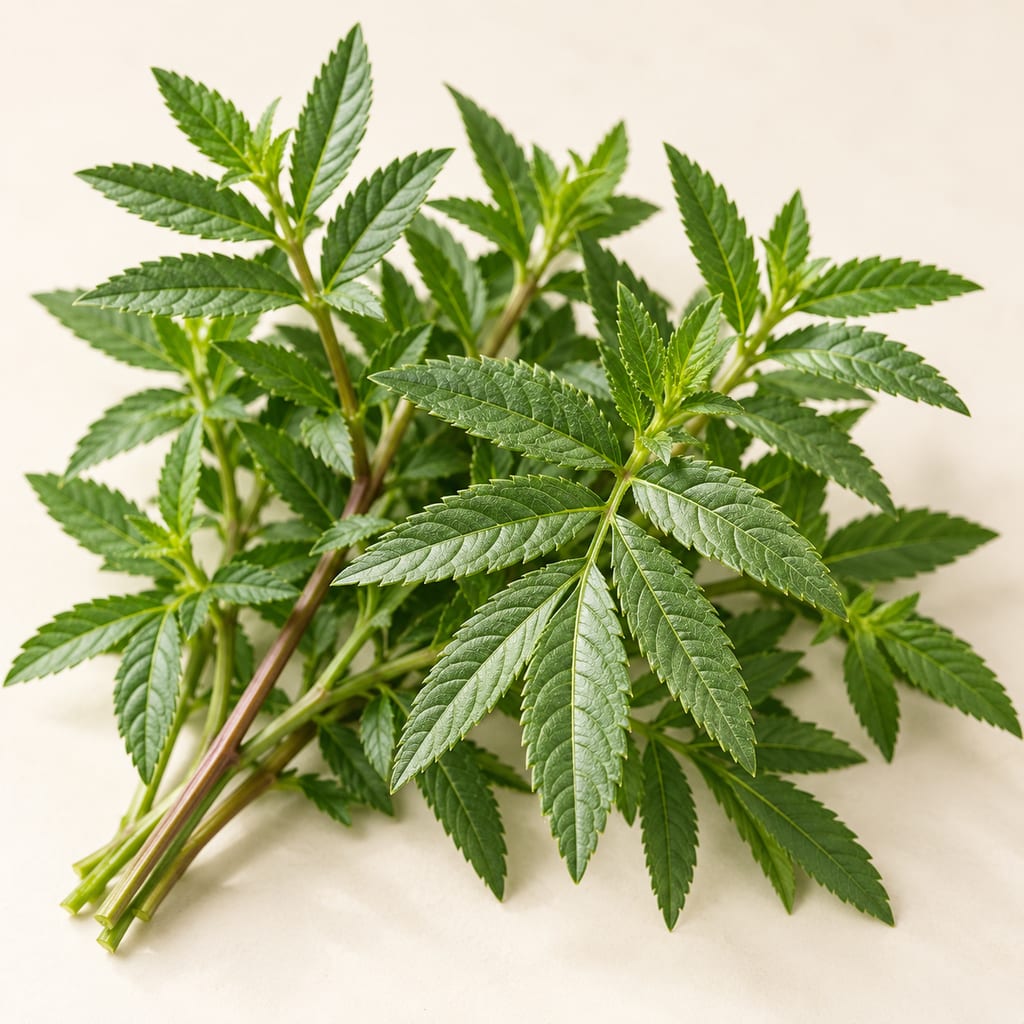
Chincho is the aromatic leaf of Tagetes elliptica, a perennial Andean herb used especially to season pachamanca in Peru's central highlands.
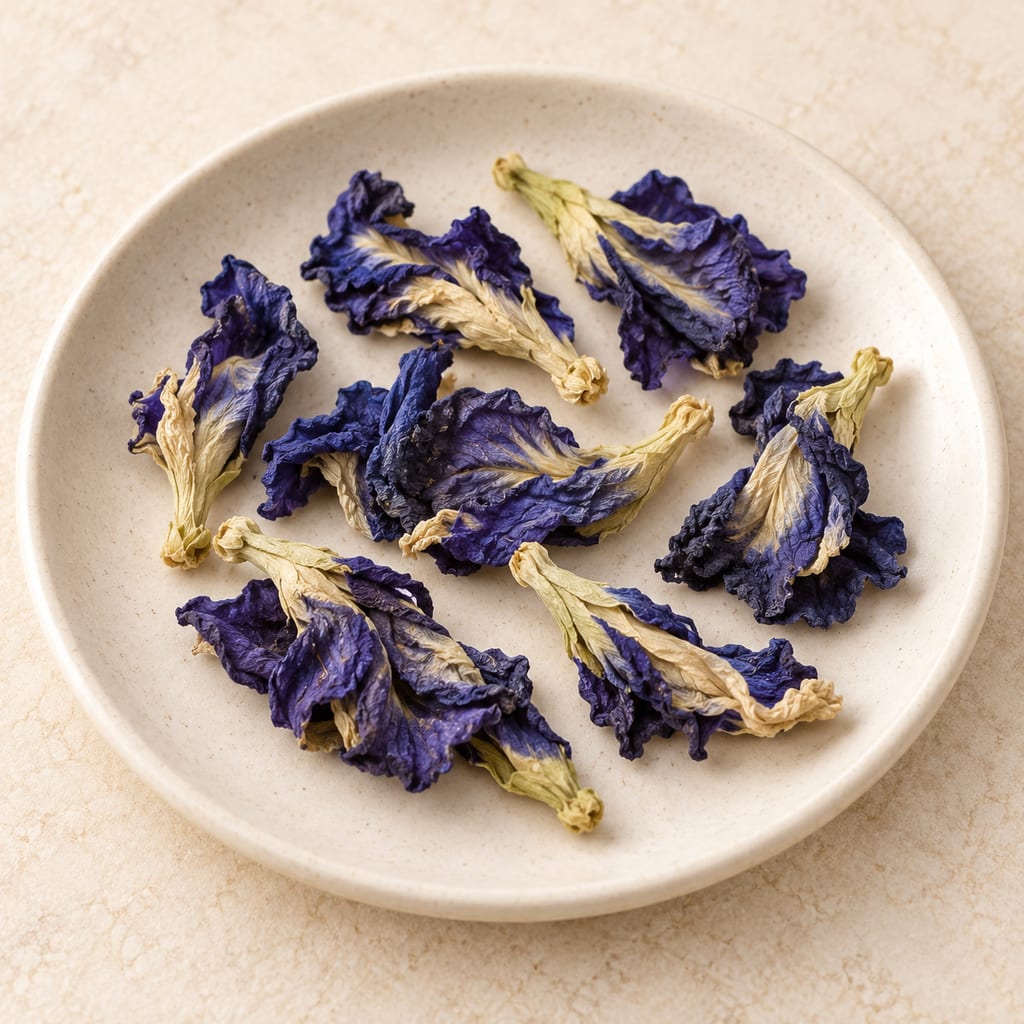
Clitoria ternatea's blue flower is used as a colourant and appears in a Thai dried-flower tea product. Food use is preparation-specific; EFSA raised safety objections to a dried-flower traditional-food notification.
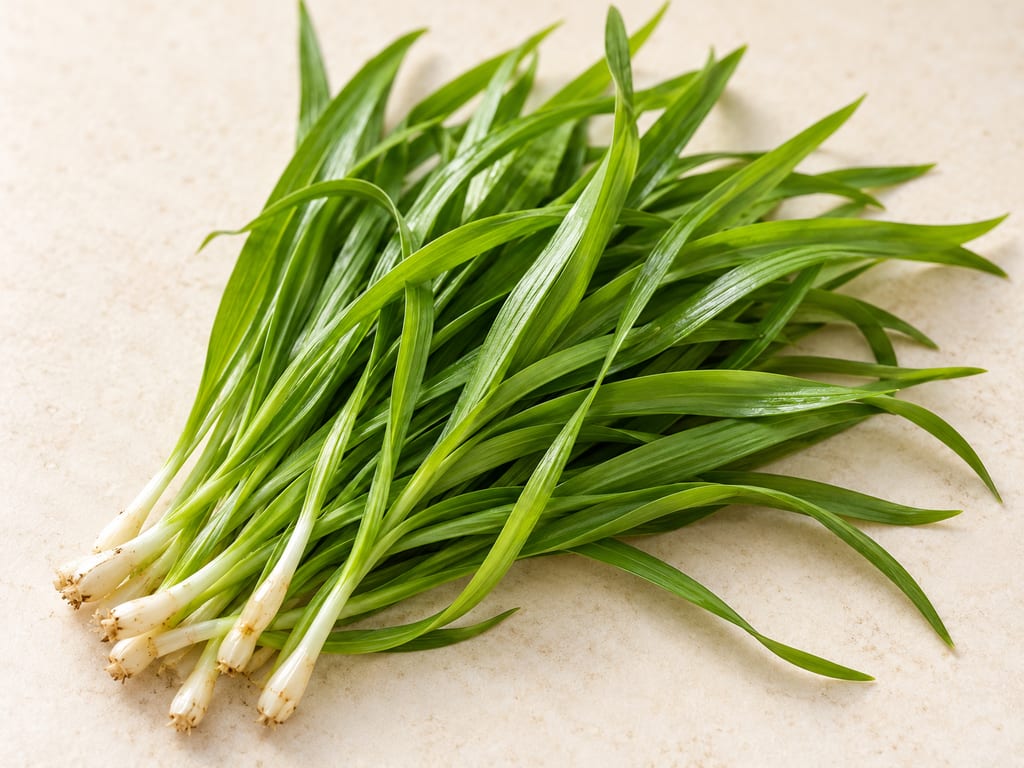
Few-flowered garlic (Allium paradoxum) is a bulbous perennial native from eastern Ukraine through the Caucasus to Iran. Its leaves and, in some documented traditions, stems, bulbs or bulbils are eaten fresh, cooked or preserved.
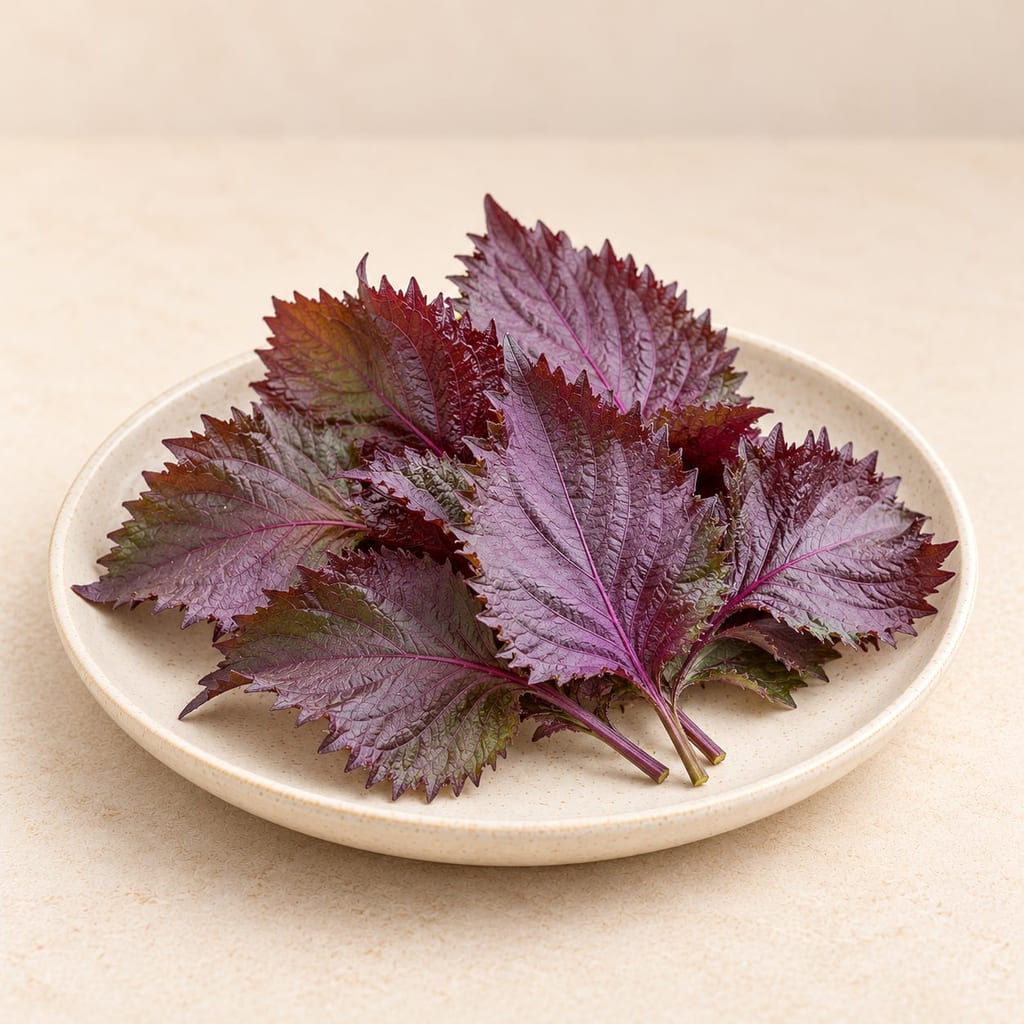
Red perilla is the purple-leaved form of Perilla frutescens used as a fresh aromatic leaf and as a color-giving herb in some East Asian foods. This page distinguishes that form from green perilla leaves and from perilla seed.
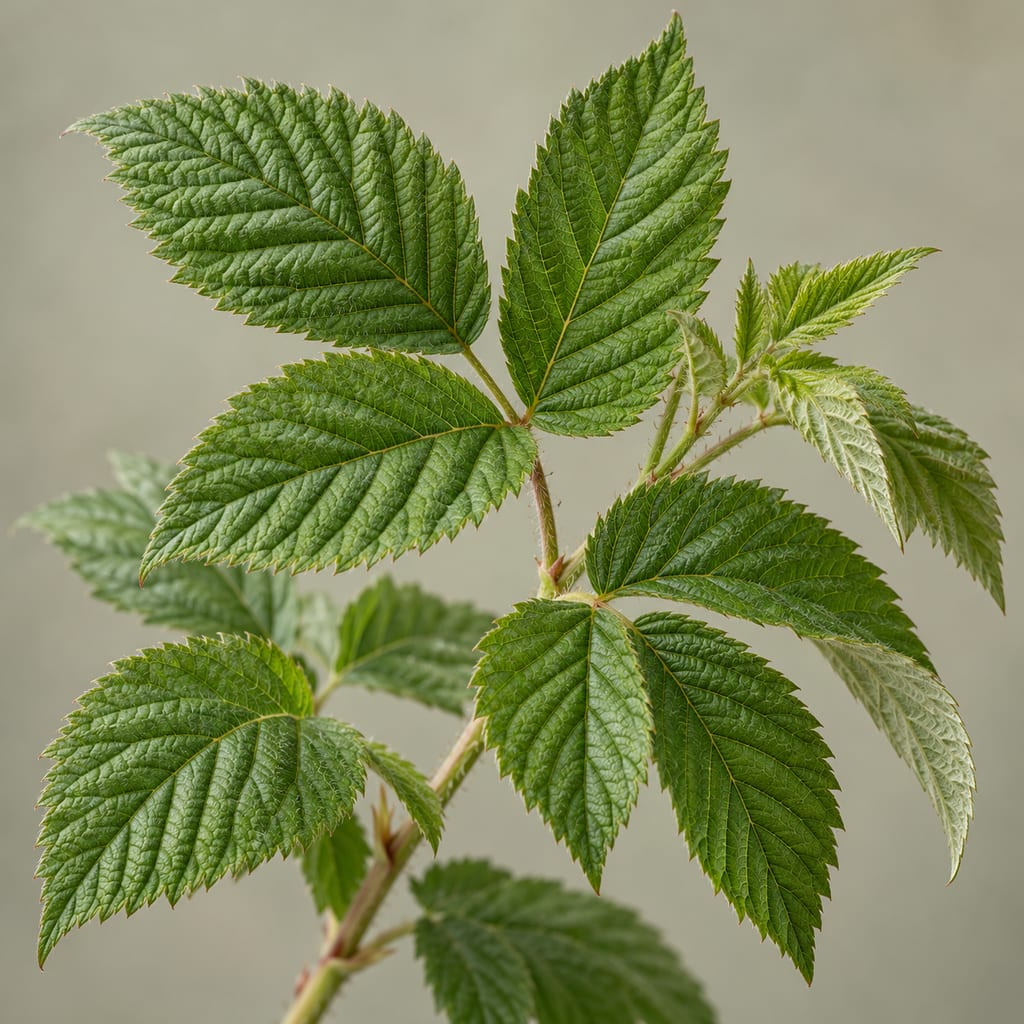
Fresh raspberry leaves are reported as a colour-giving material in Phongsaly lao-lao distillation. The account does not identify the plant species.
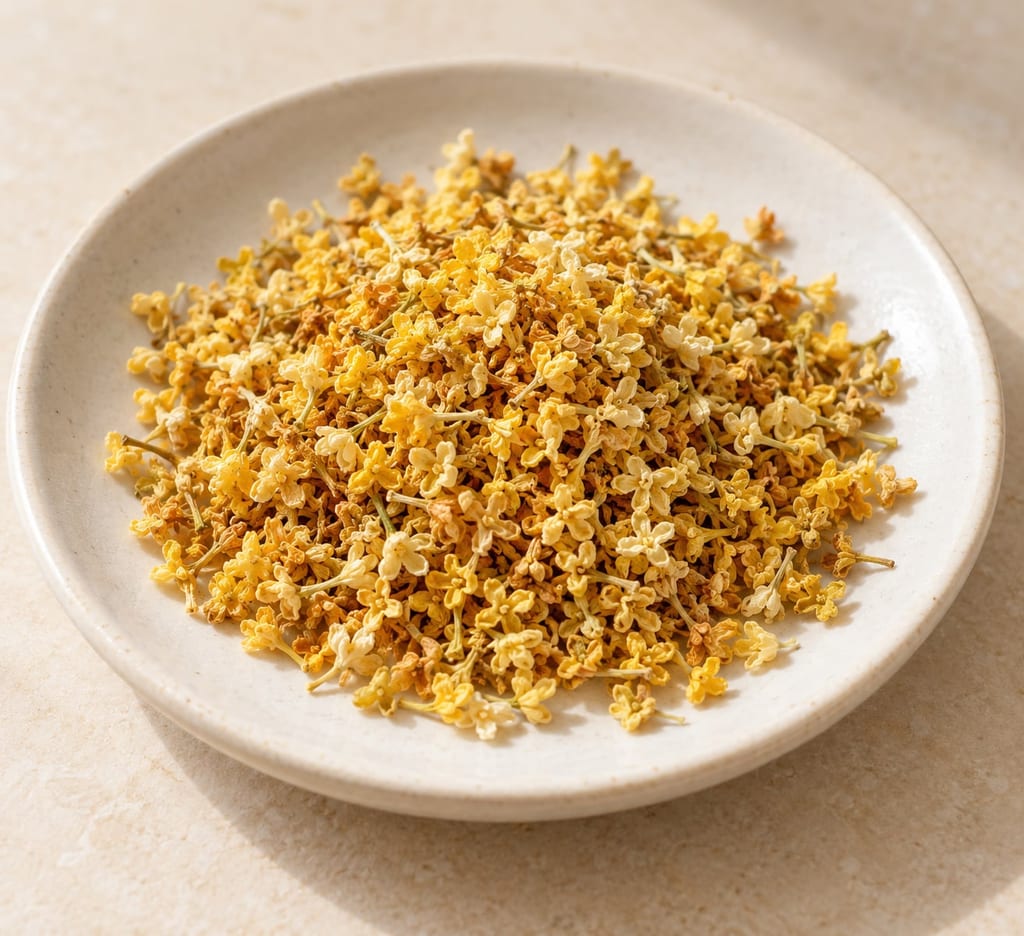
The fragrant flowers of Osmanthus fragrans are used as an aromatic food in East Asian teas, sweets and drinks; species identification and food-grade sourcing matter.
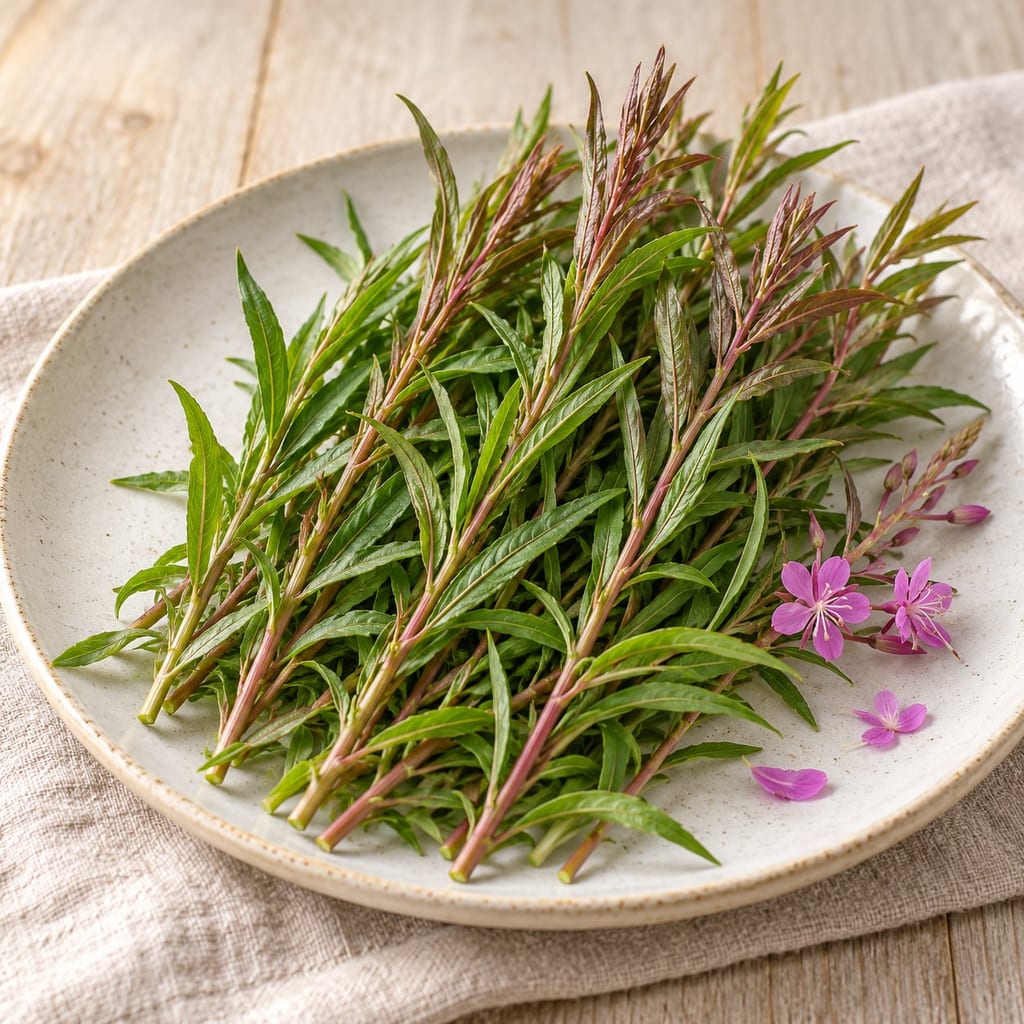
Rosebay willowherb (fireweed) is a widespread northern perennial whose tender shoots, young leaves and pink petals have distinct seasonal uses. Mature leaves become tougher and stronger in flavor; its leaf tea may be mildly laxative.
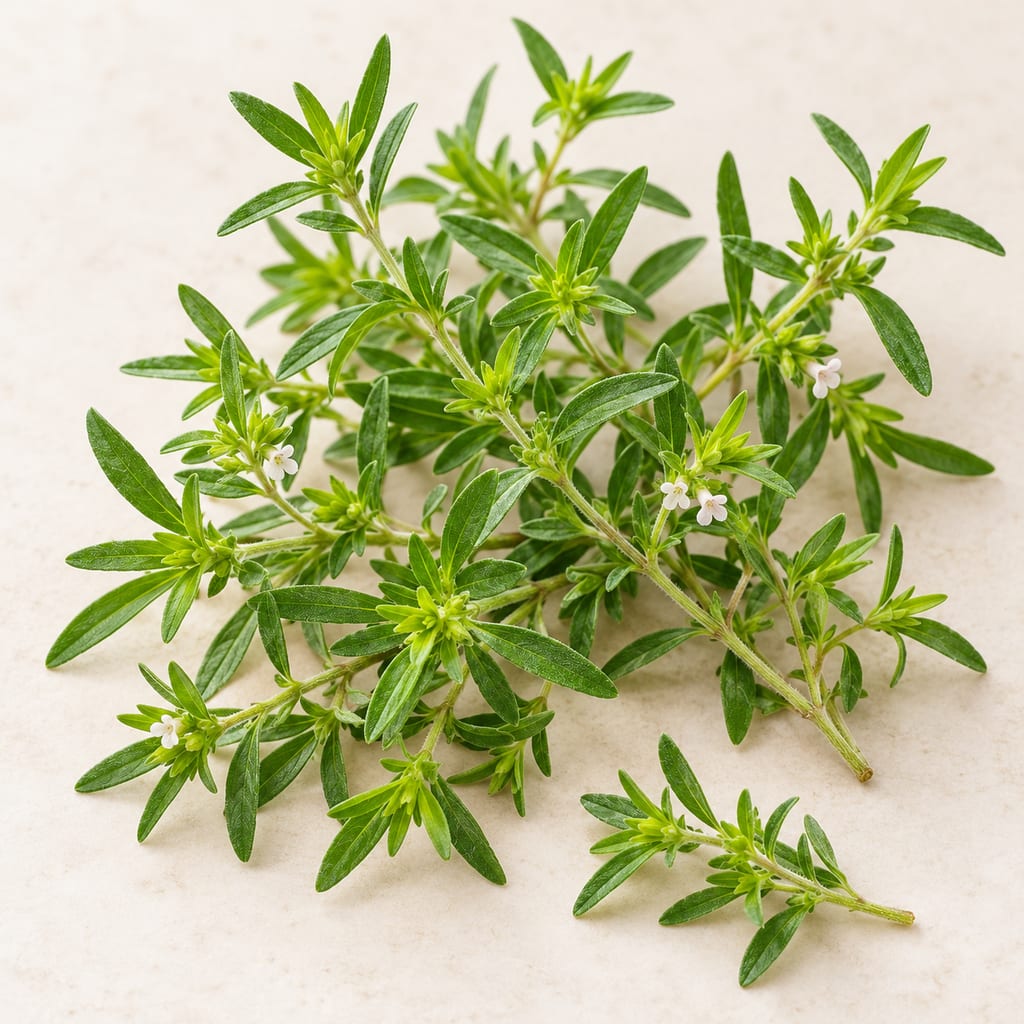
Summer savory (Satureja hortensis) is an annual aromatic herb whose fresh or dried leaves season beans, vegetables and other foods.
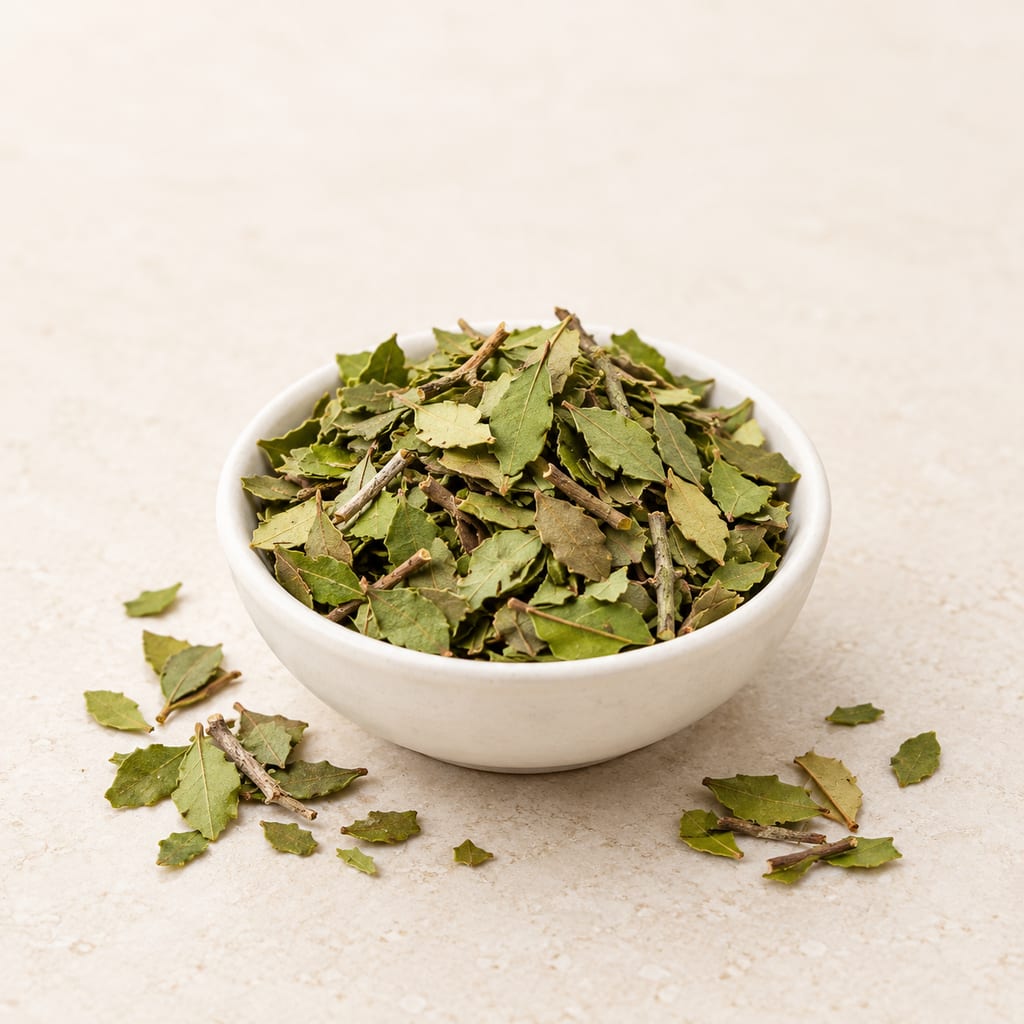
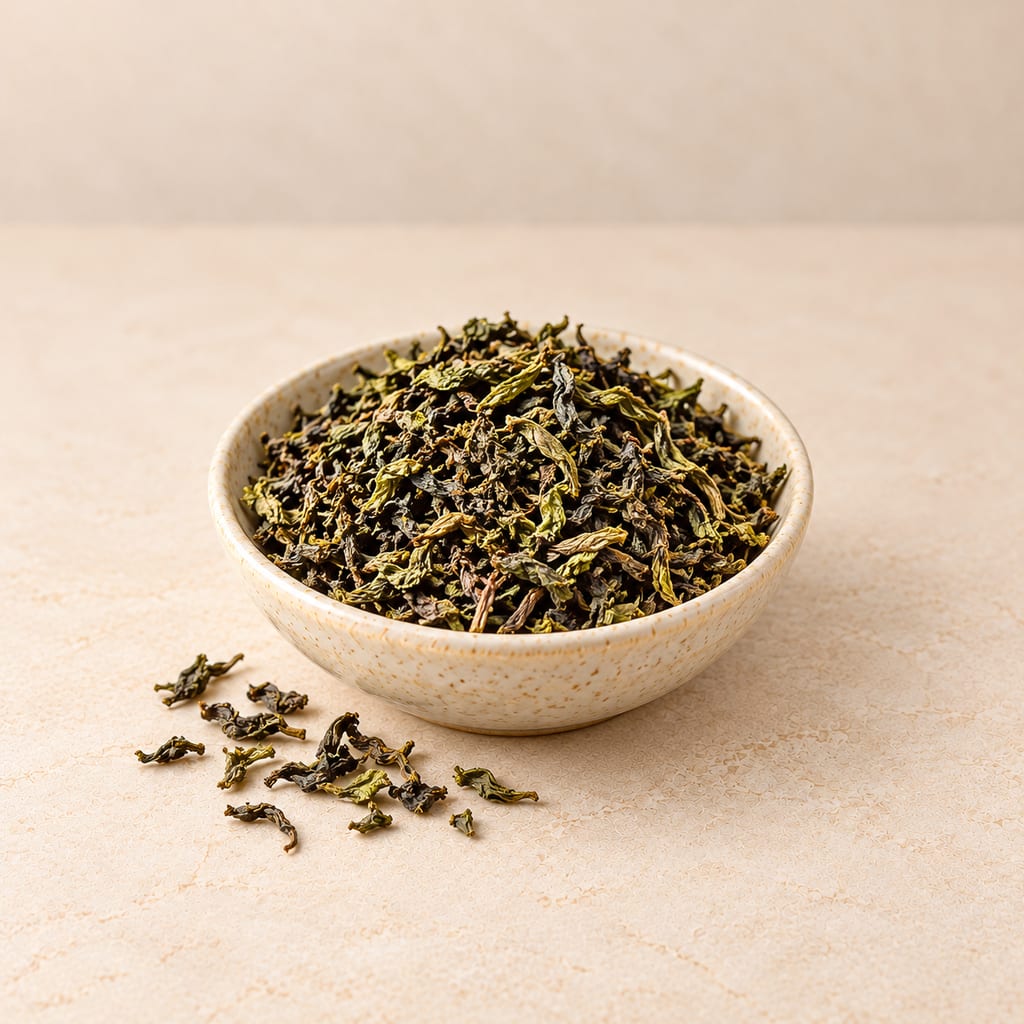
Yaupon is the caffeinated leaf of the southeastern North American holly Ilex vomitoria, dried and sometimes roasted for infusions. Its identity and cultural history differ from other hollies.
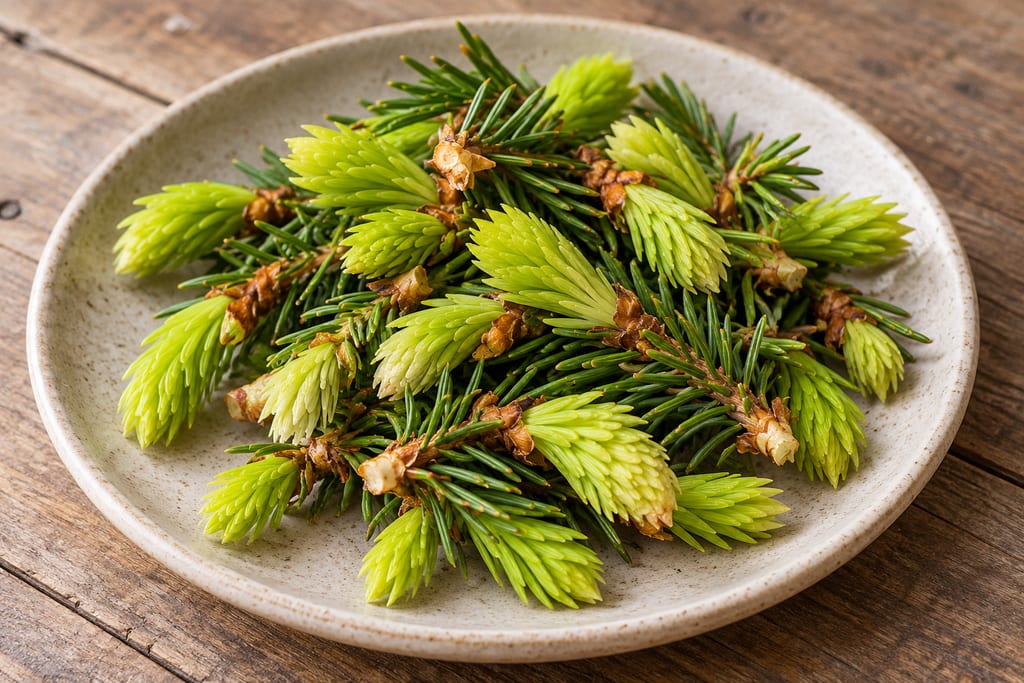
Spruce tips are the soft, light-green new shoots at spruce twig ends, used as a seasonal aromatic in some regional foods. The Jezersko preserves record does not identify its spruce species.
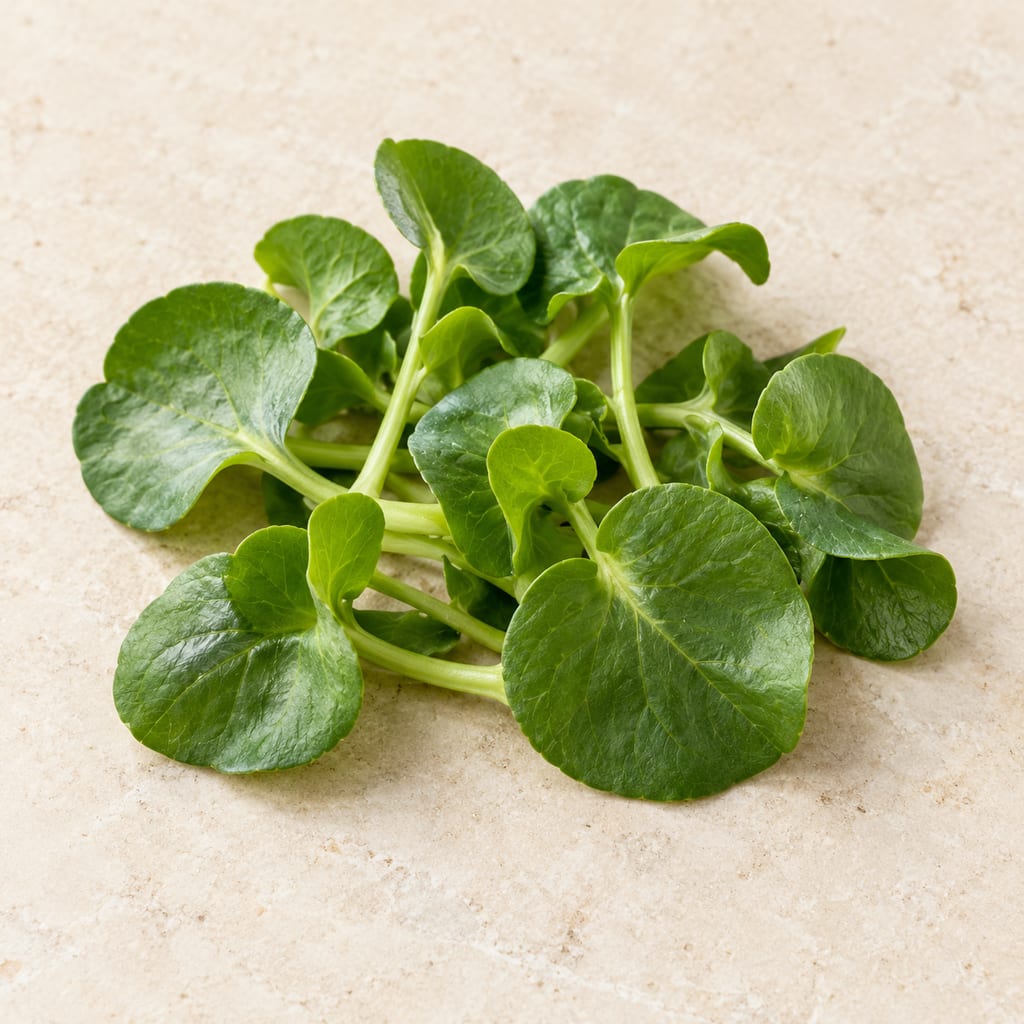
Scurvygrass is Cochlearia officinalis, a fleshy-leaved coastal herb whose leaves have been eaten raw or boiled. Svalbard Museum records Norwegian trappers consuming it historically; that account does not give a preparation method.

Aniseed is the dried ripe fruit of Pimpinella anisum, an aromatic Apiaceae spice commonly called a seed. It adds a sweet, warm aroma to breads such as Moroccan krachel and South African mosbolletjies, and is distinct from star anise.
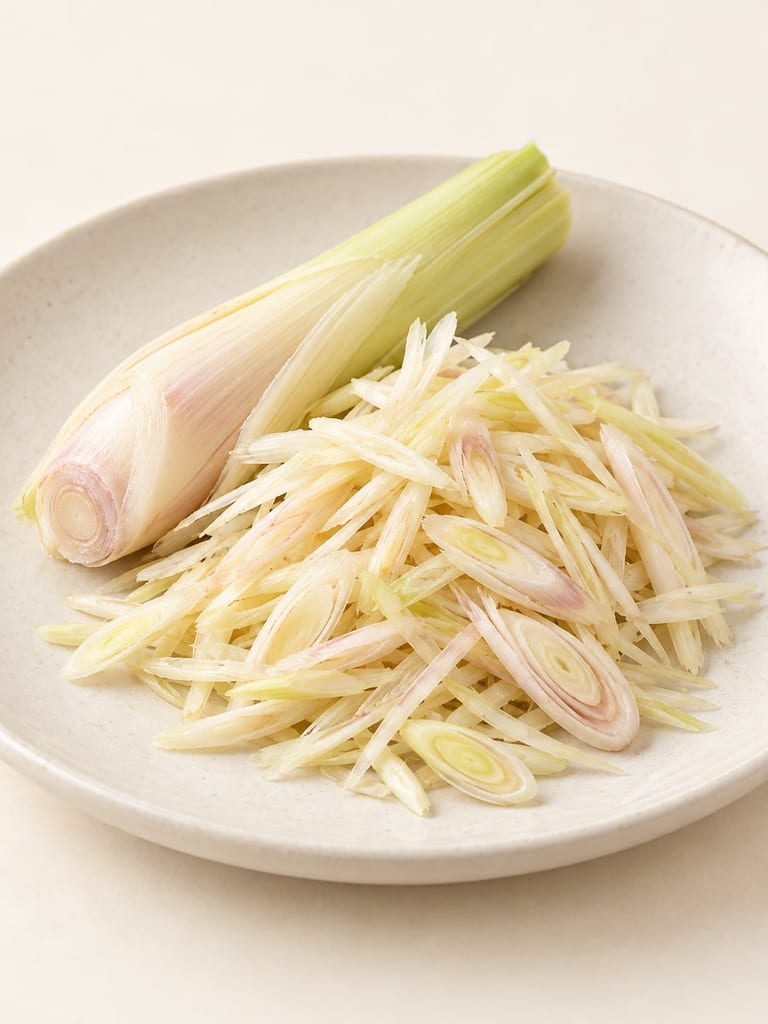
Food uses and cultivation reports for Cymbopogon citratus, with regional limits and a clear distinction between fresh culinary plant material and traded essential oil.
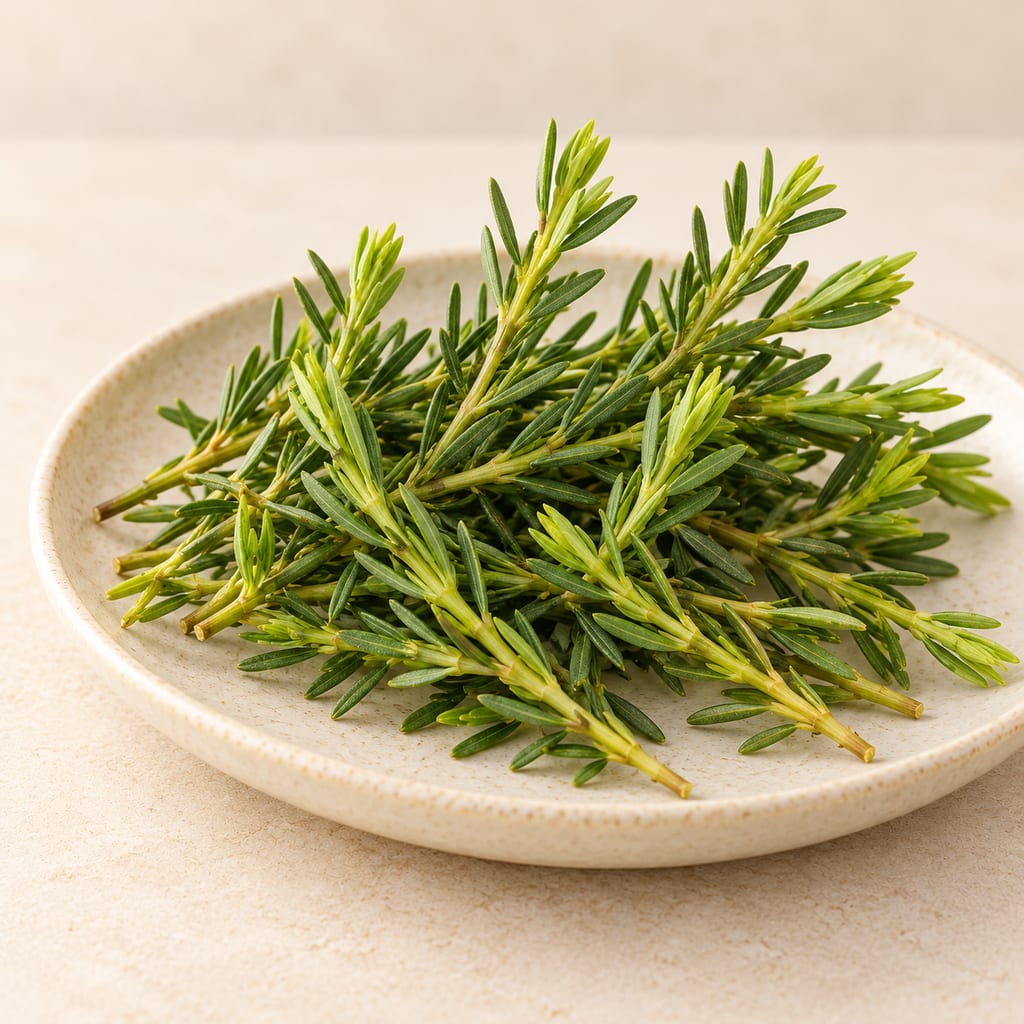
C. genistoides has a species-specific Cape tea history and cultivation evidence, alongside broader genus-level honeybush accounts. Propagation and crop observations vary by source, setting and plant material.
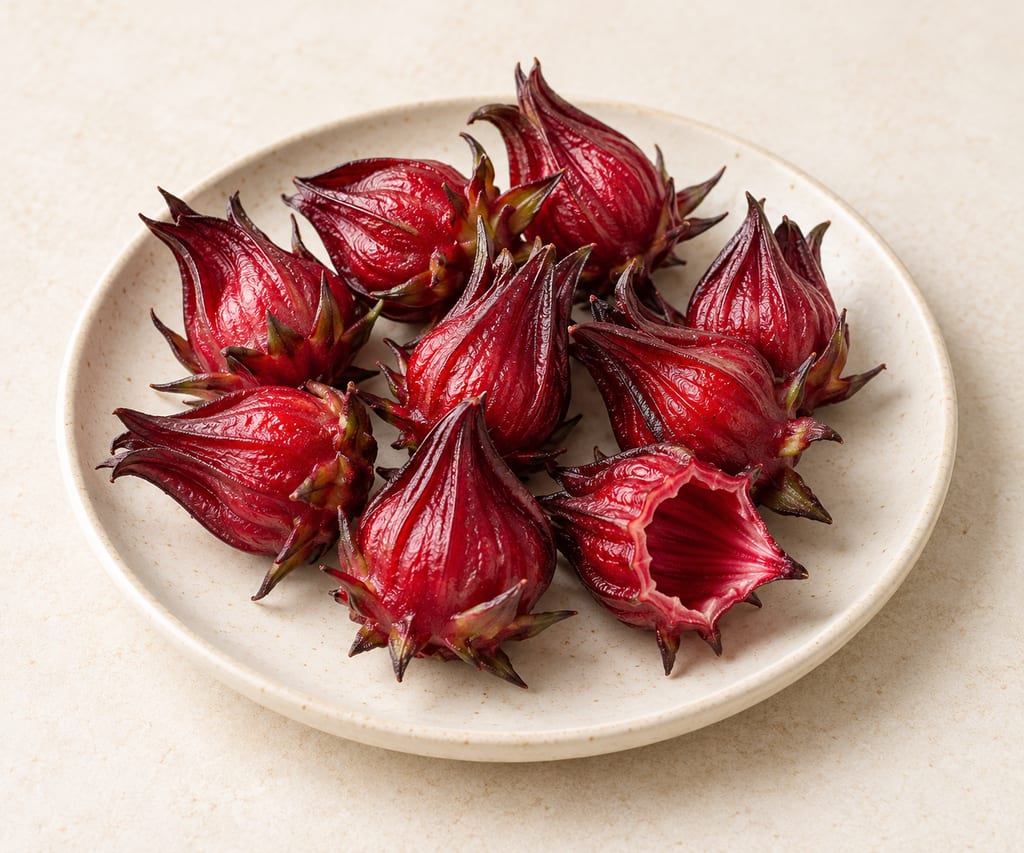
A source-linked account of roselle's leafy and calyx uses, with Kew's updated name treatment and region-specific growing observations kept visible.
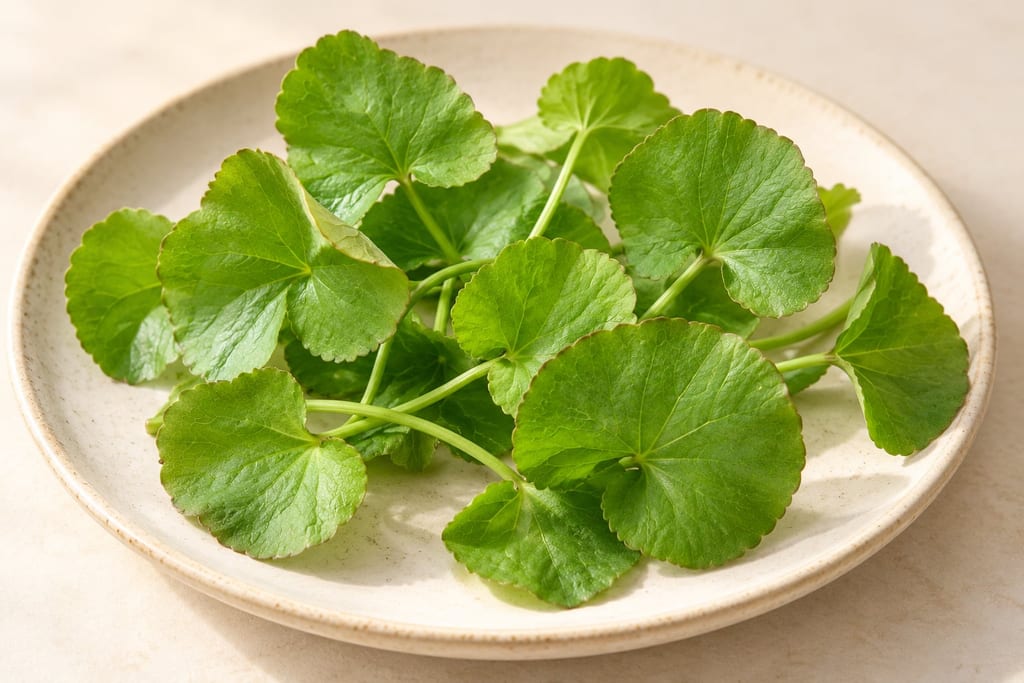
A guide to Centella food reports from Thai, Sri Lankan and Taishan sources, with Thai and Sri Lankan cultivation guidance and common-name, plant-part and local-status uncertainties preserved.
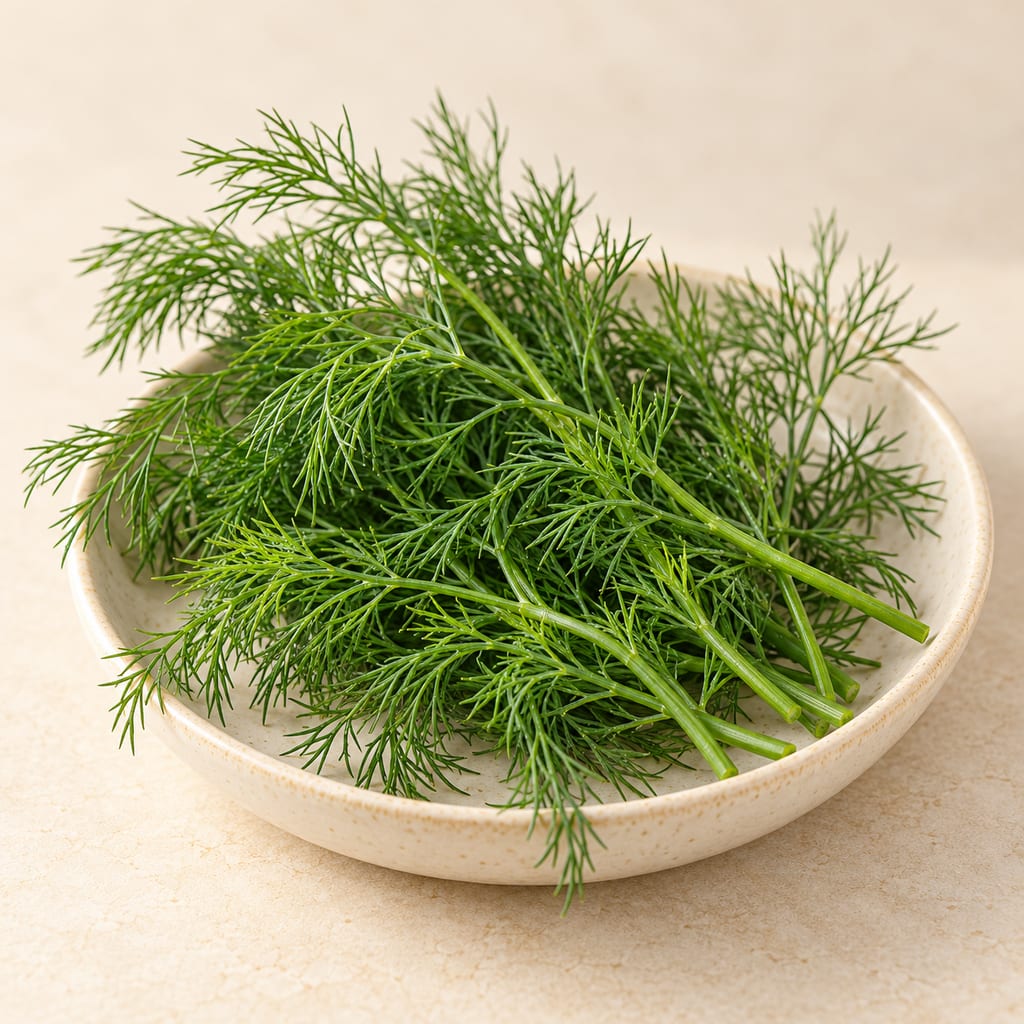
Dill is an annual culinary herb grown for its leaves, flowers and seeds. Garden guidance and regional food sources describe different harvest stages and dishes, with cultivation advice that varies by climate and intended crop.
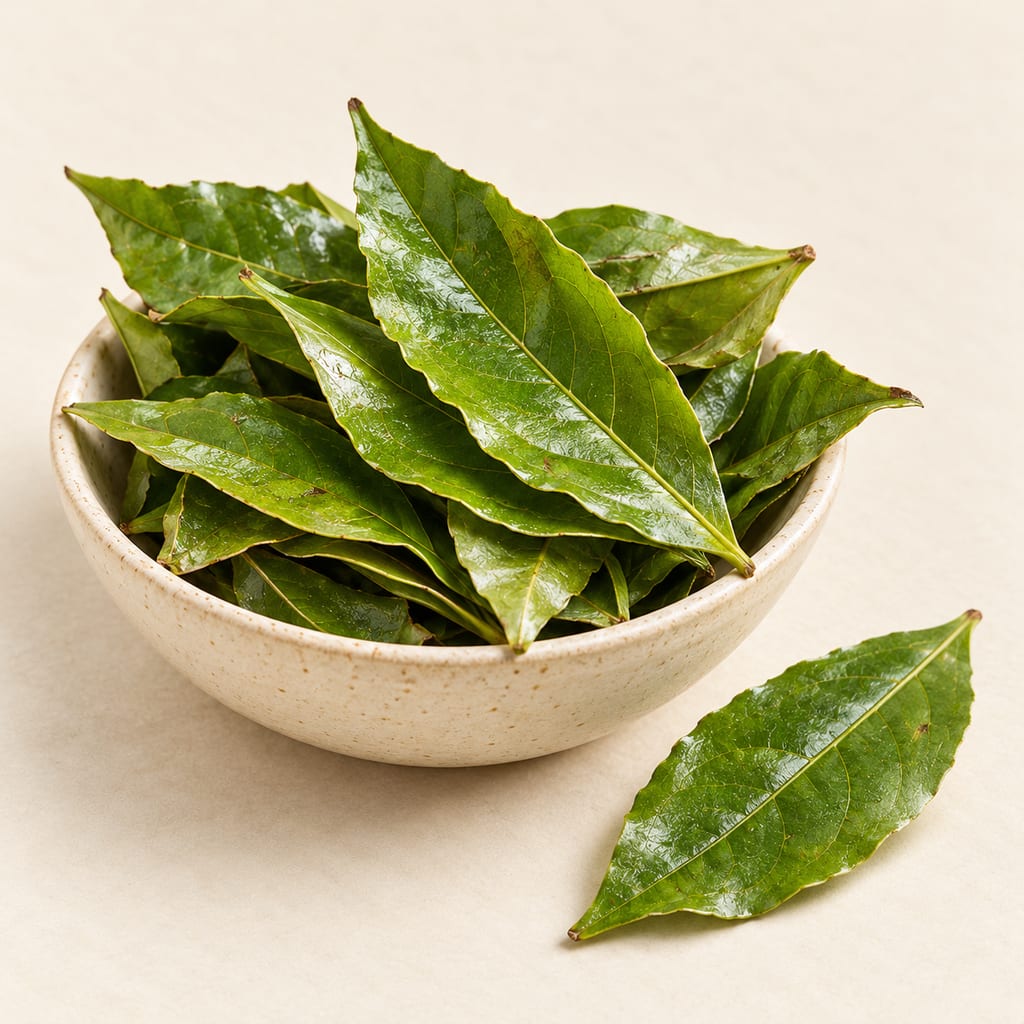
Kew accepts Ilex guayusa. A qualitative study documents leaf-infusion and chakra accounts from a bounded group of Kichwa producers connected to Napo; its variable reports are not a standardized beverage method or measured crop guide.
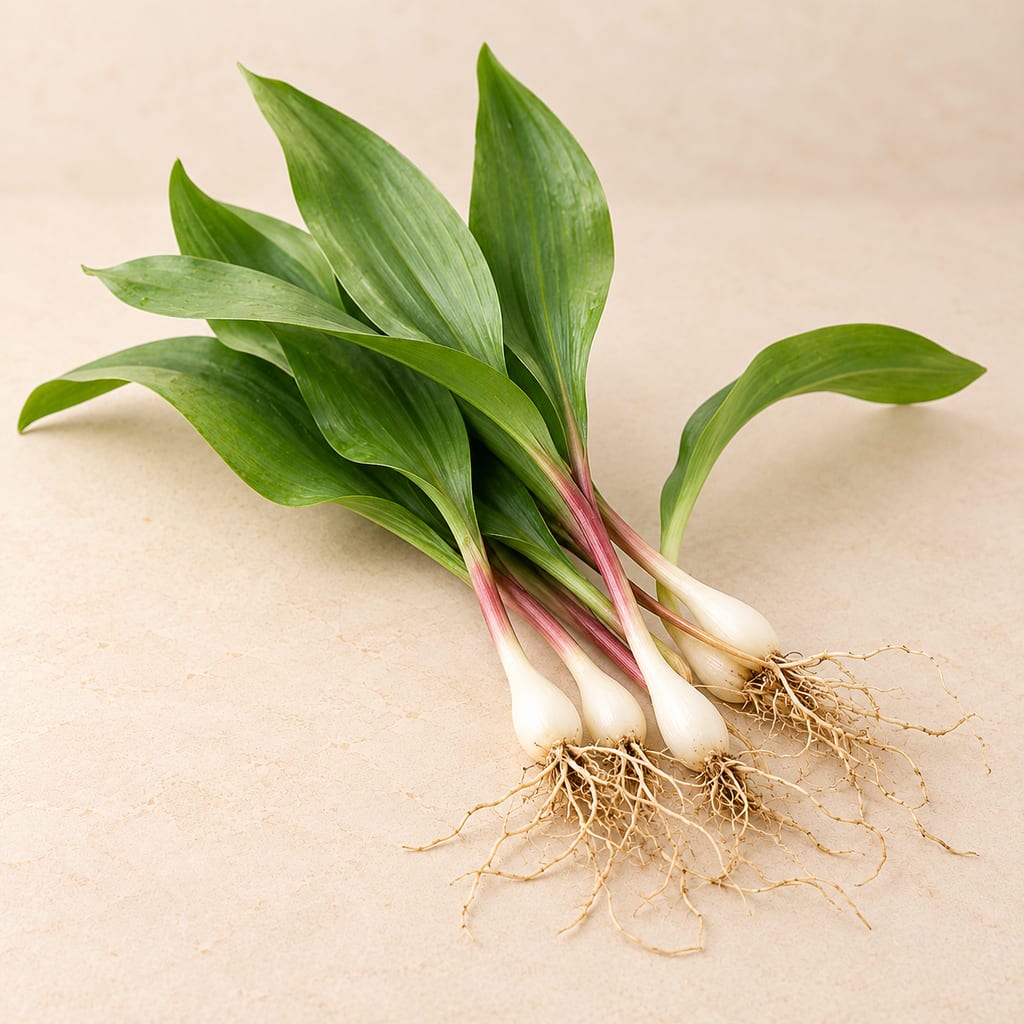
Allium tricoccum is a North American spring ephemeral documented in Appalachian food and cultivation sources. Older ramp studies may combine it with Allium burdickii or use a broader variety concept.
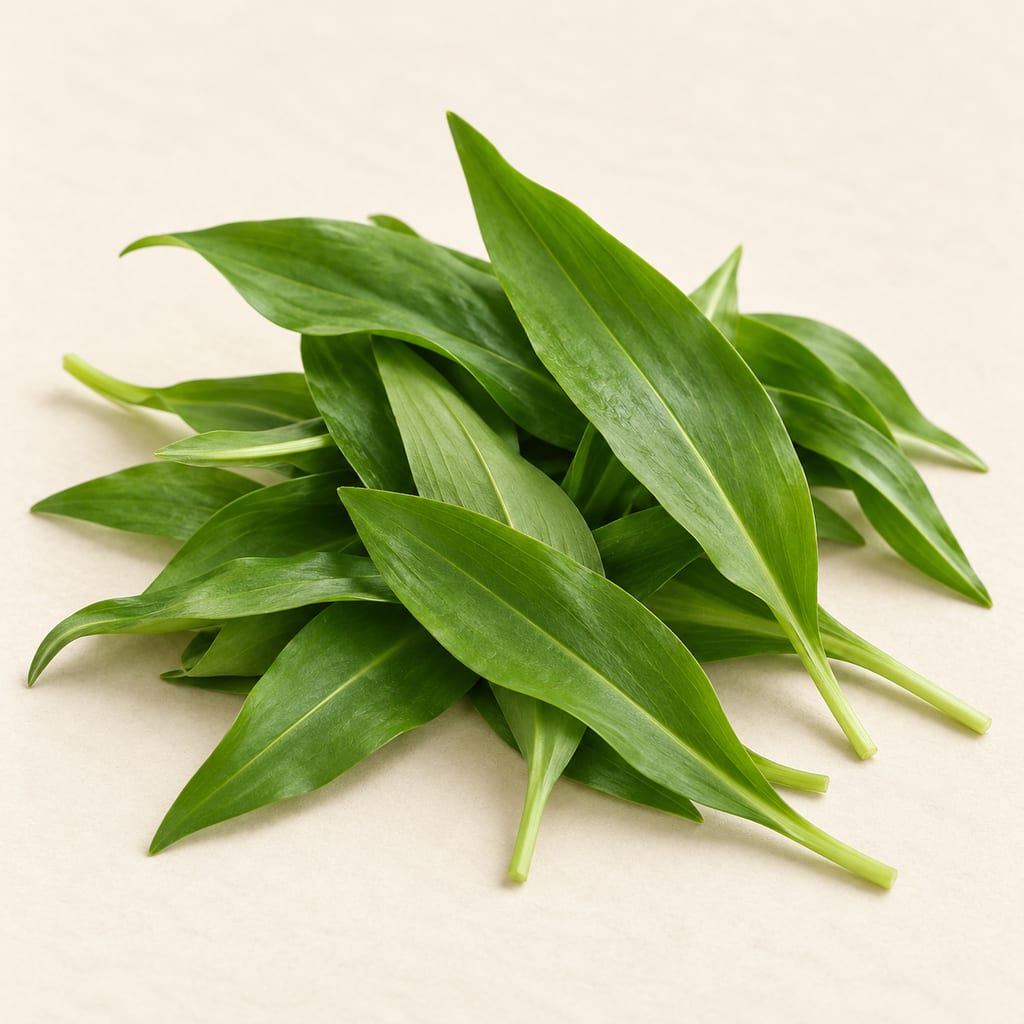
A source-linked account of ramsons as a European spring woodland plant and culinary leaf, with cultivation limits and serious wild-harvest lookalike warnings.
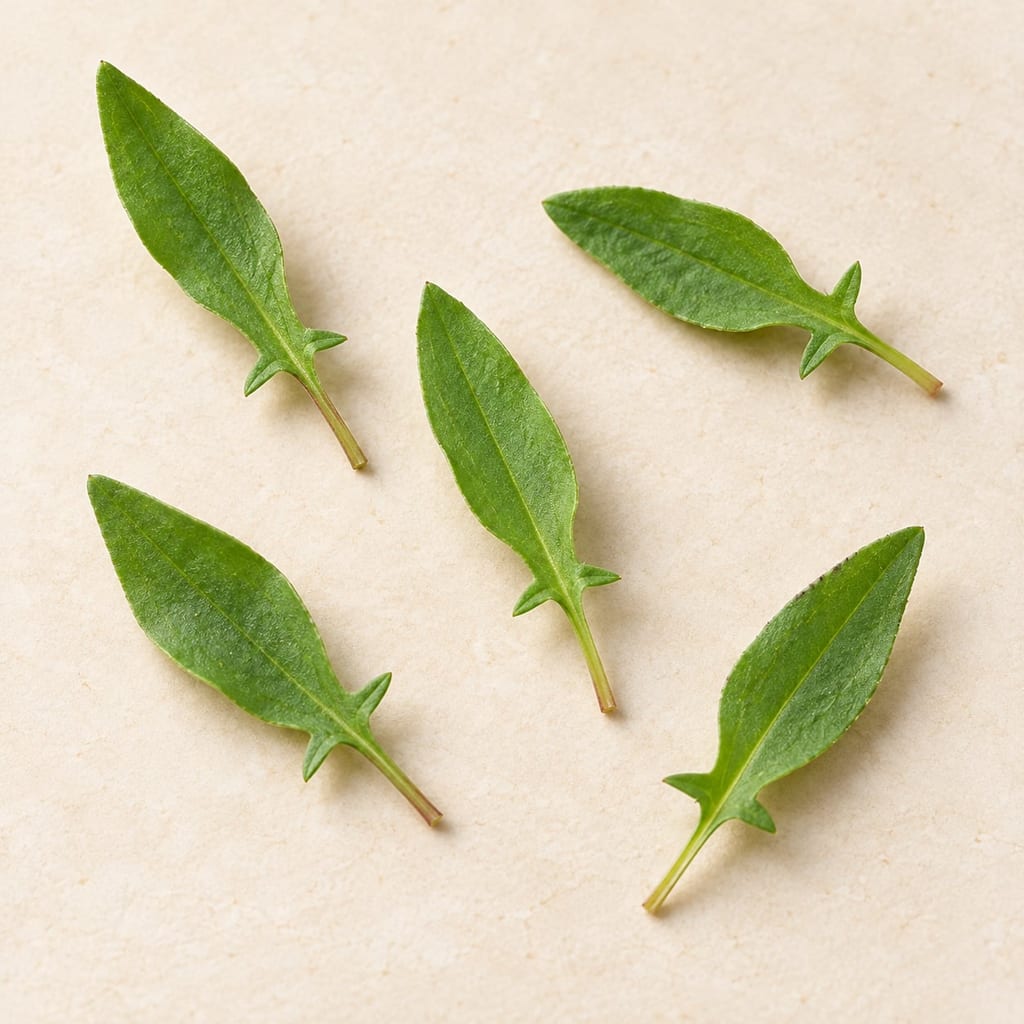
Rumex acetosella is a small perennial distinct from common sorrel and from Oxalis plants also called wood sorrel. RHS sources report edible leaves but also warn against eating large quantities; they do not provide a safe amount or a complete species-specific recipe.
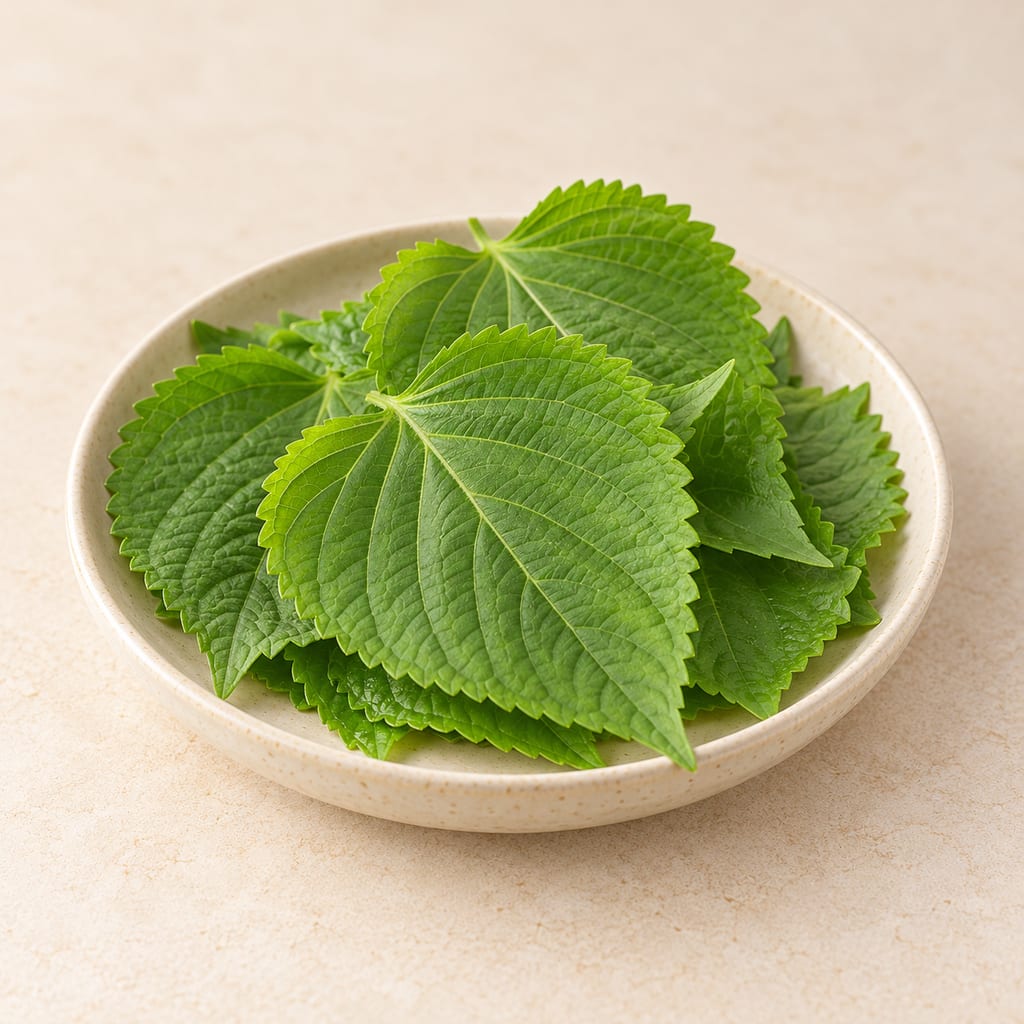
A guide to Perilla names, food uses and regional cultivation reports, with cultivar and plant-part boundaries kept visible.
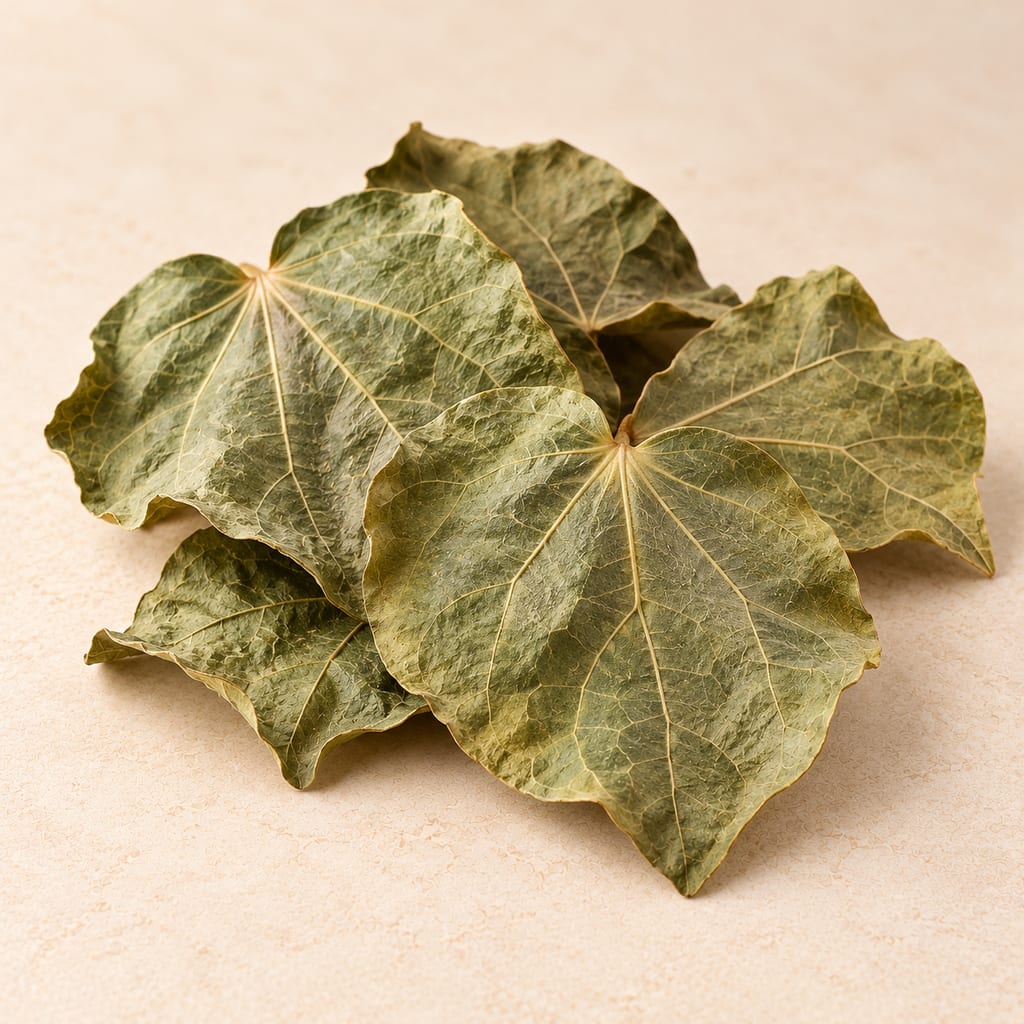
Kawakawa is a New Zealand pepper-family plant with source-specific Māori food knowledge, dated regulatory views for dried leaves and cultivation advice that varies by taxonomic and regional scope.
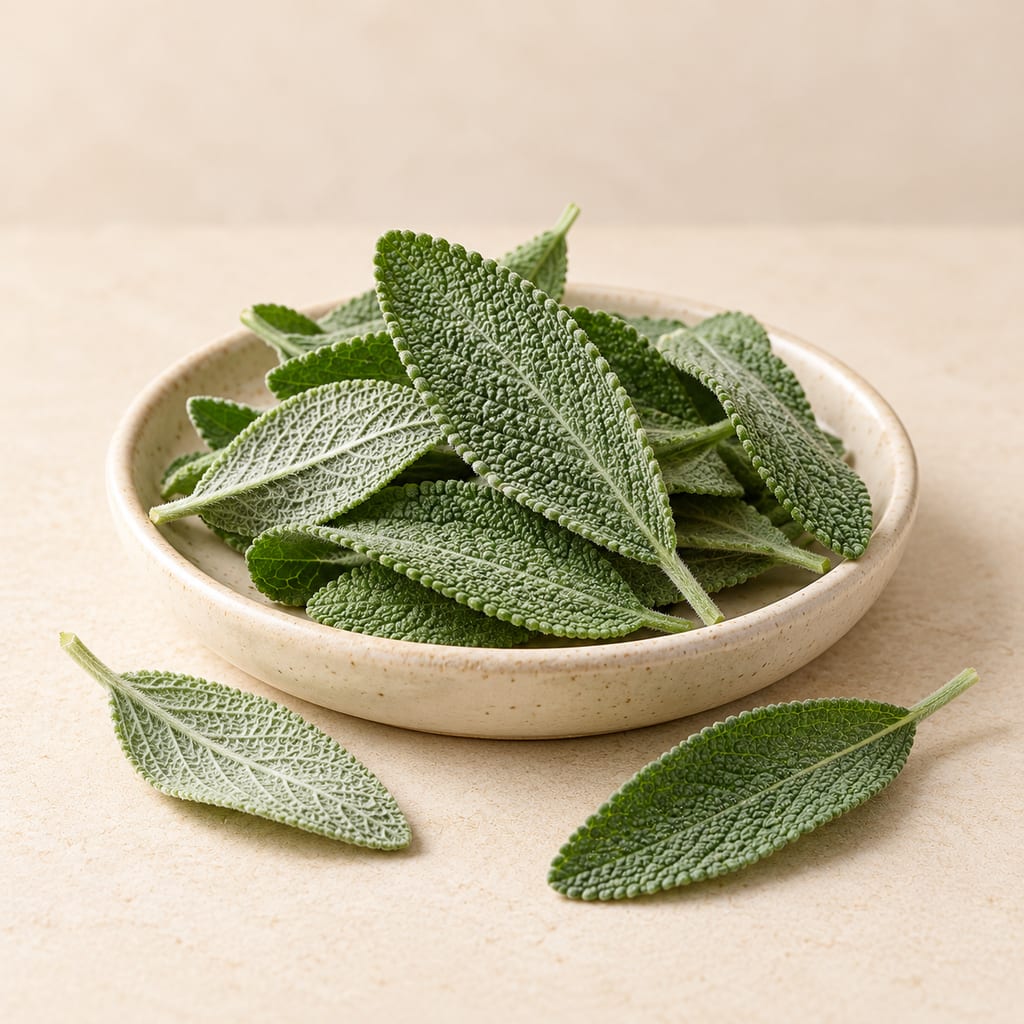
Common or culinary sage, Salvia officinalis: a perennial subshrub of southern Europe whose aromatic leaves season stuffings and meat, used fresh, dried or frozen.
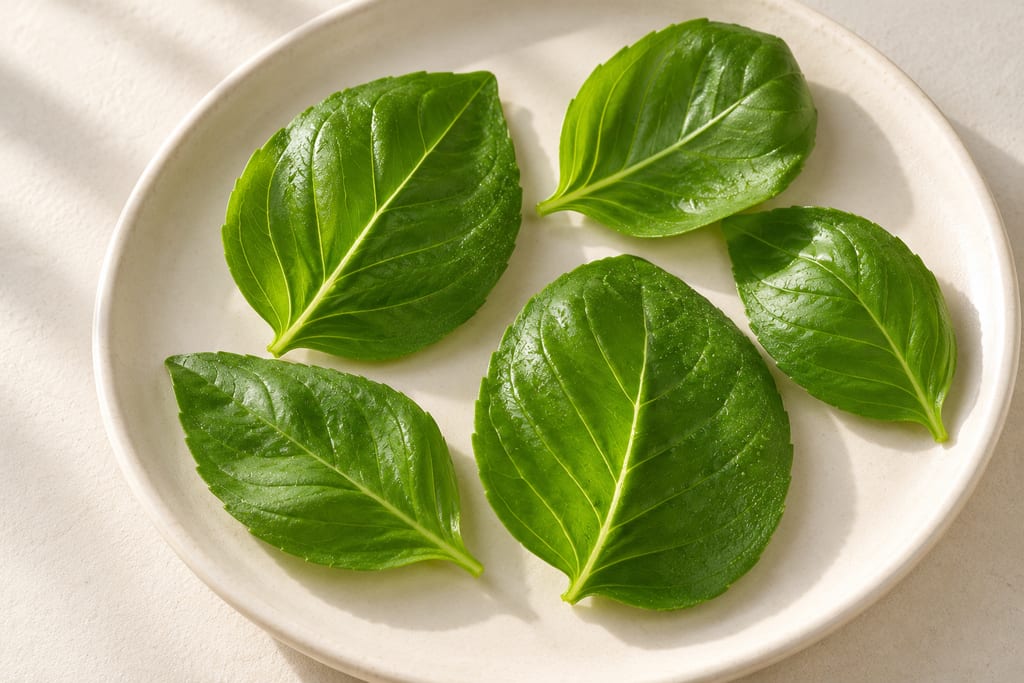
A source-linked overview of sweet basil's culinary names, one Ligurian pesto account, and the limits of UK and Maryland growing advice.
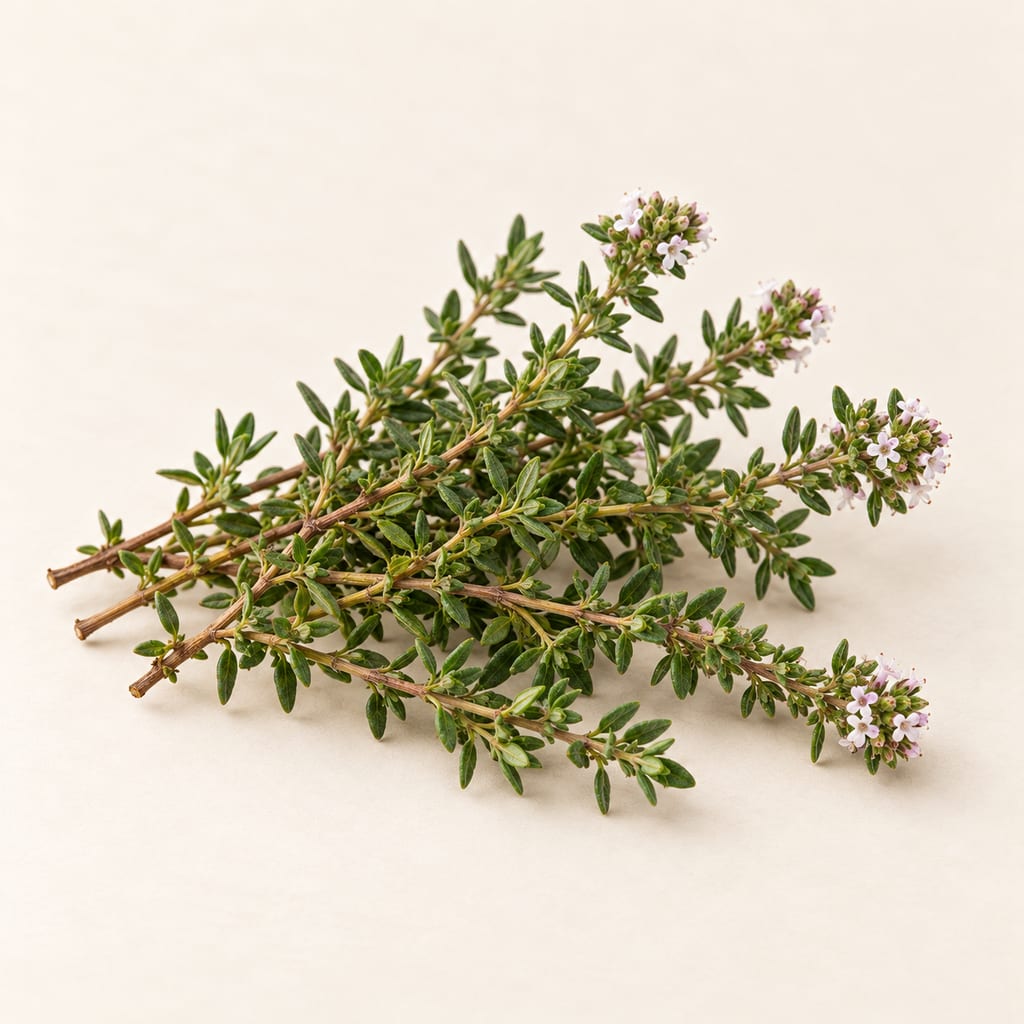
A culinary thyme with source-specific garden guidance and a regional Italian record of seasoning and tisane use.
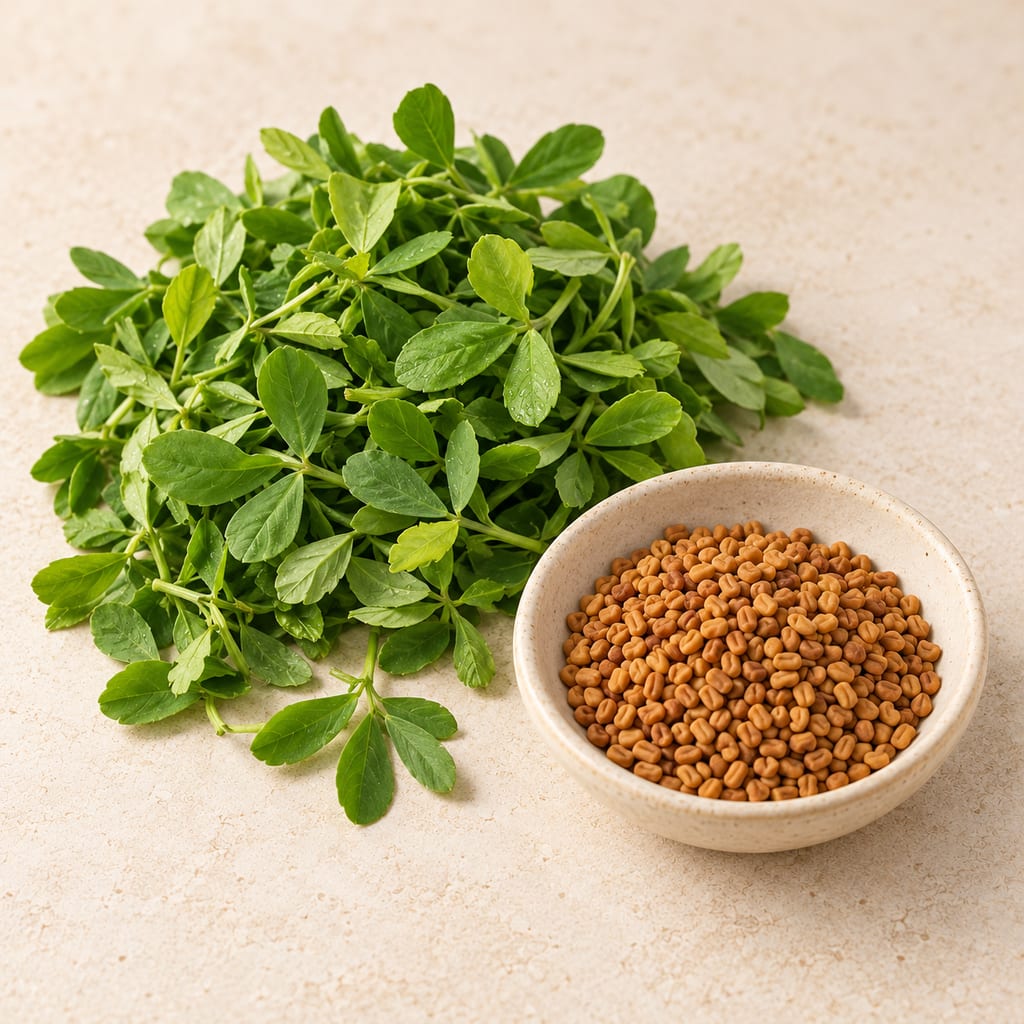
Fenugreek has separate leaf and seed food uses. This account distinguishes Tamil Nadu field guidance and a Gujarat protected-crop trial from two Egyptian station experiments, regional food reports and untested household container growing.
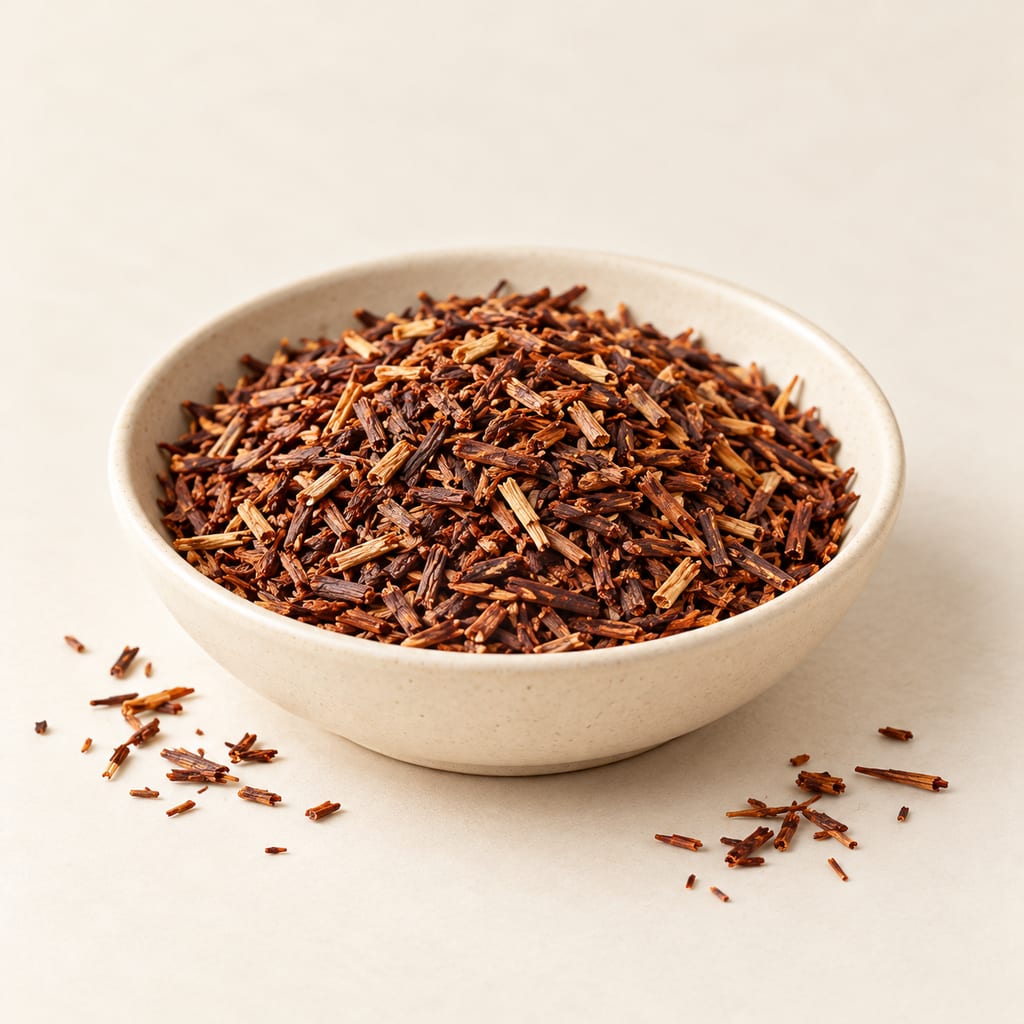
South African tea use and crop reports describe A. linearis, while cultivar, wild ecotype and regional growing observations remain distinct. No complete consumer recipe or universal growing threshold was established.
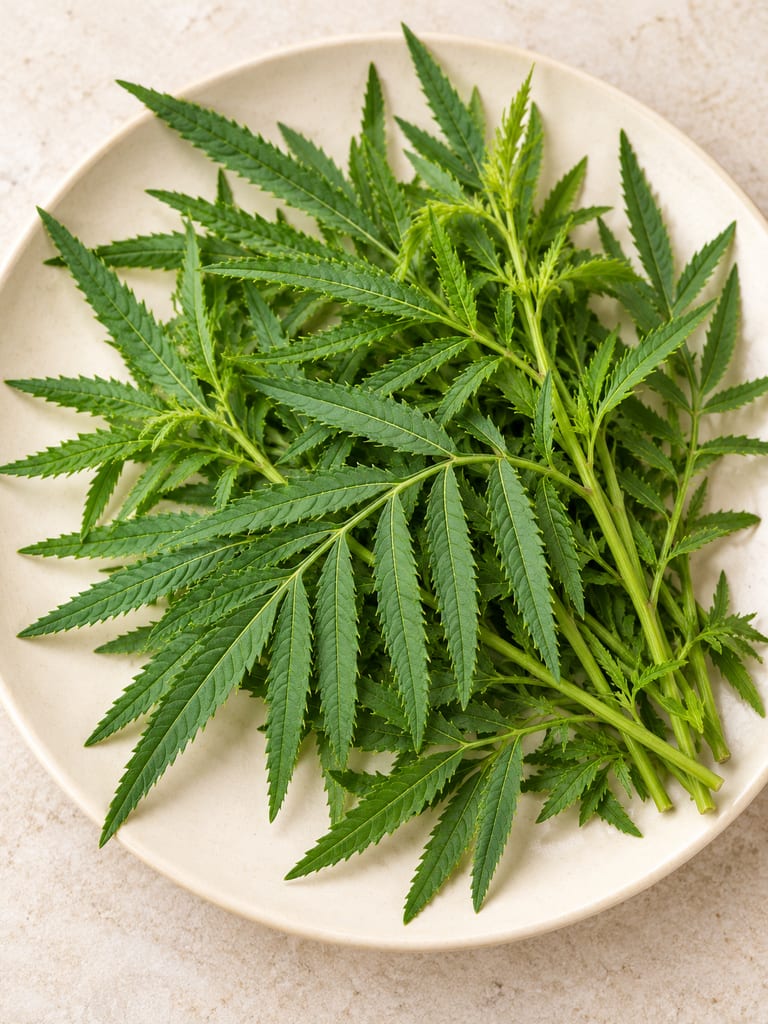
A source-bounded account of Tagetes minuta in Peruvian food and cultivation records, including the limits of the shared name huacatay.
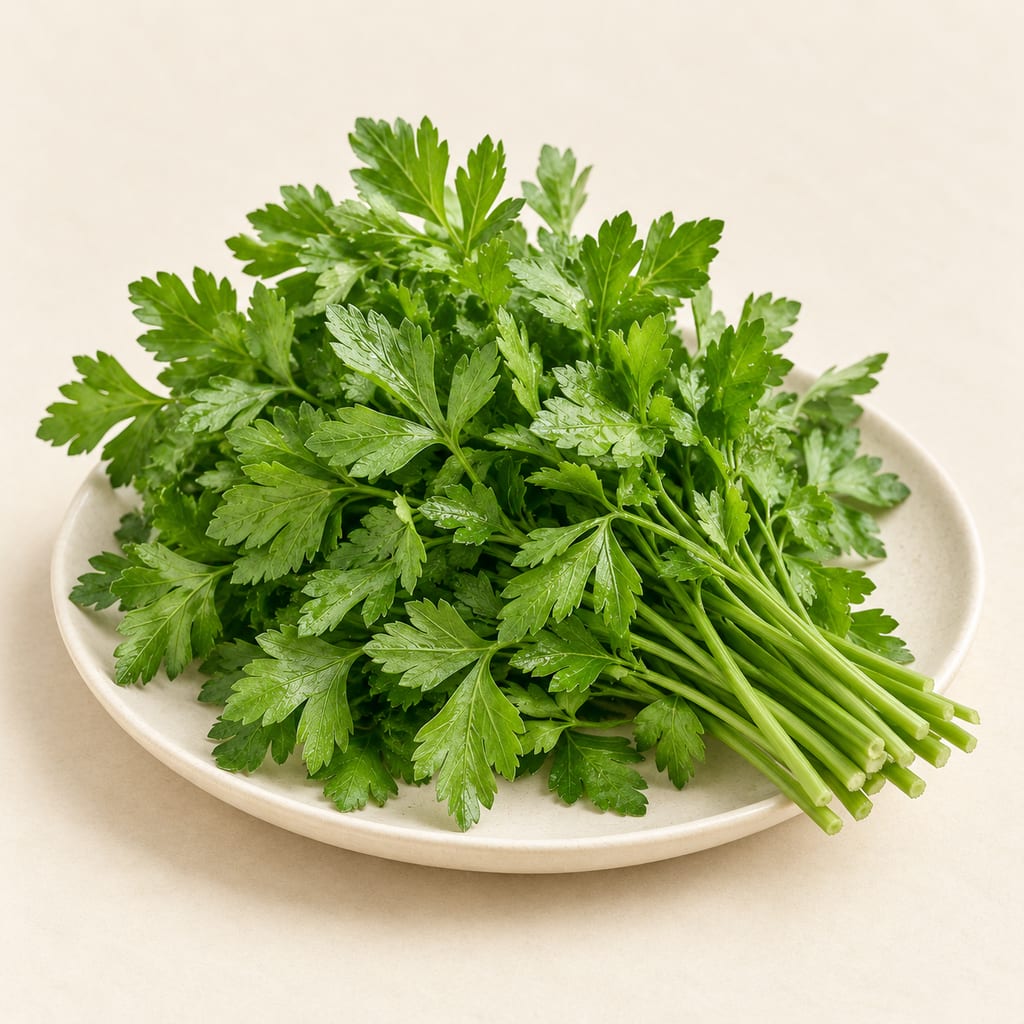
Parsley (Petroselinum crispum) is a cultivated Apiaceae herb grown mainly for its fresh leaves, though root parsley is a separate crop form. Flat-leaf and curly-leaf parsley differ in leaf shape and reported flavour.
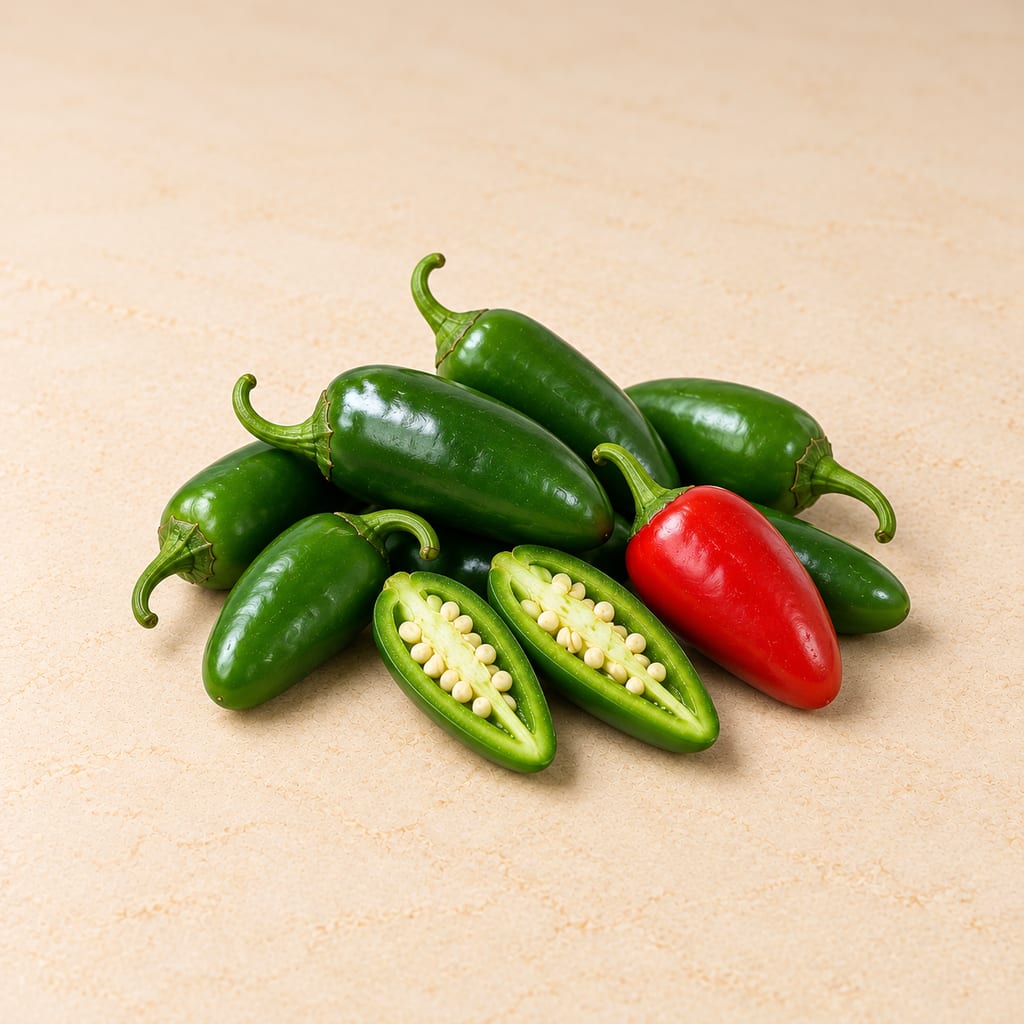
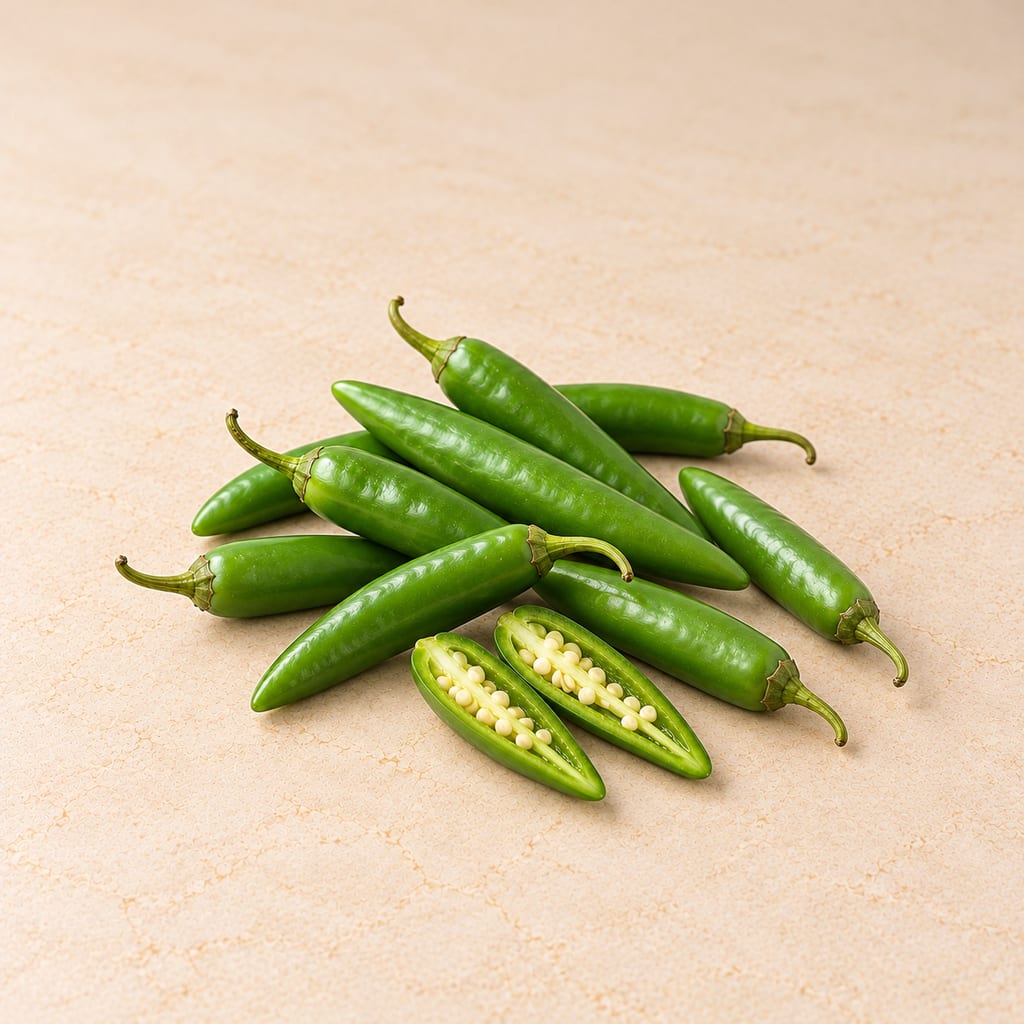
Jalapeño is a named type of Capsicum annuum, usually sold green and also eaten red when ripe. It has a fresh green aroma and a reported heat range of about 2,000–8,000 Scoville units.
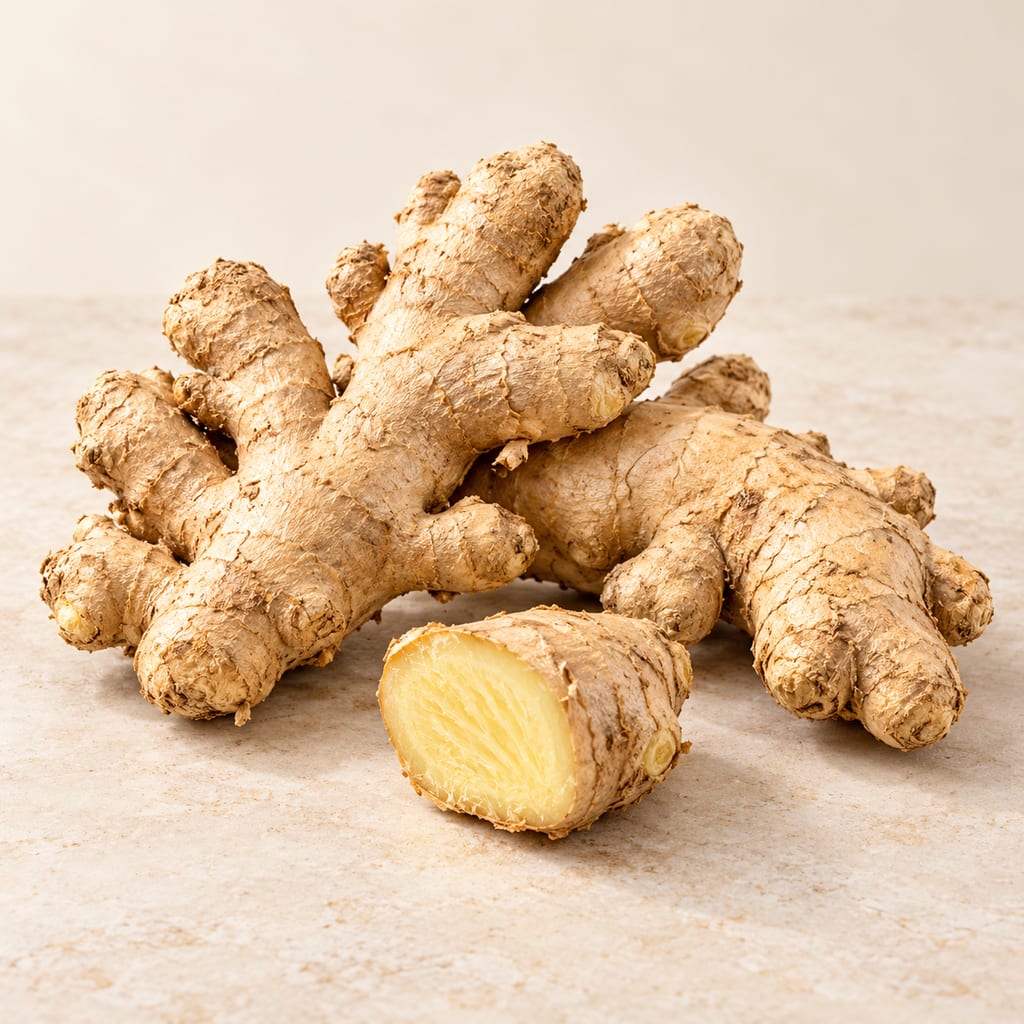
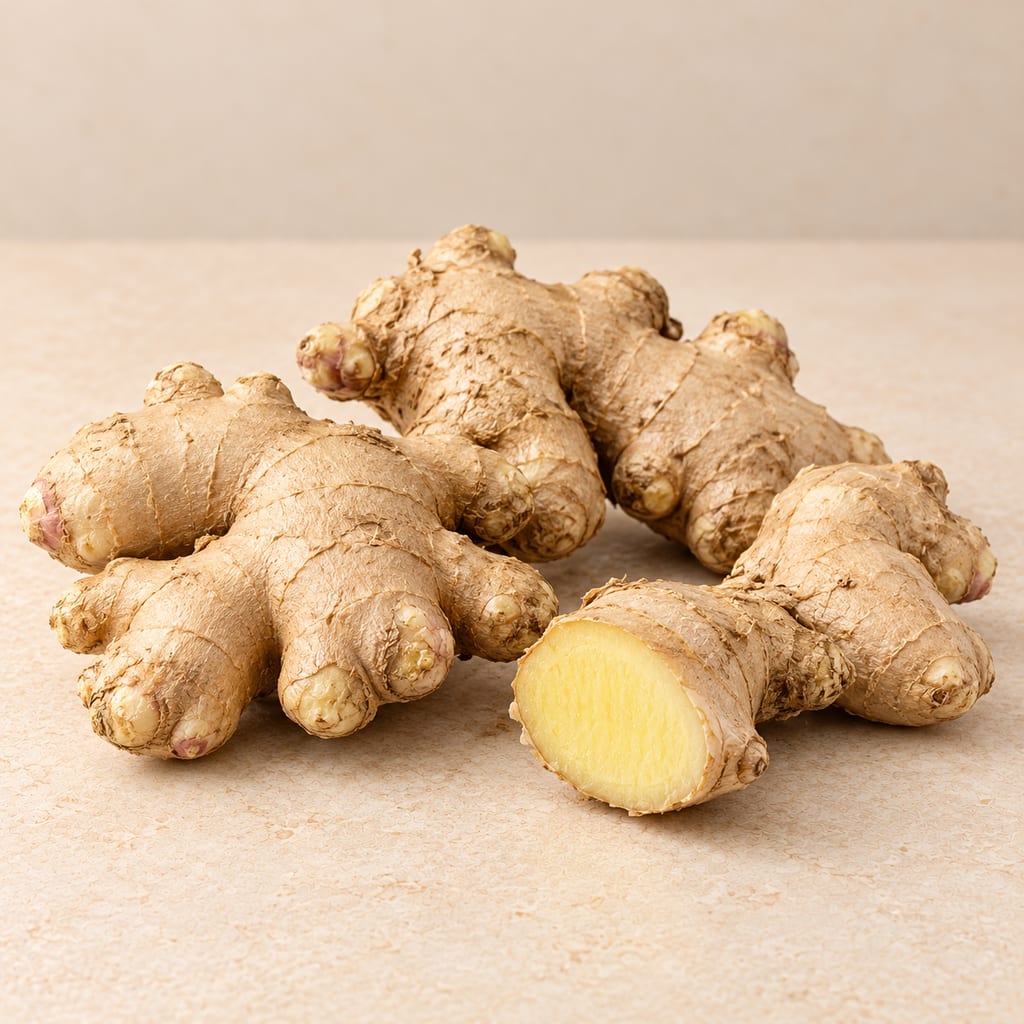
Fresh ginger is the aromatic underground stem of Zingiber officinale, used as a pungent ingredient in sauces, preserves, fermented foods and drinks.