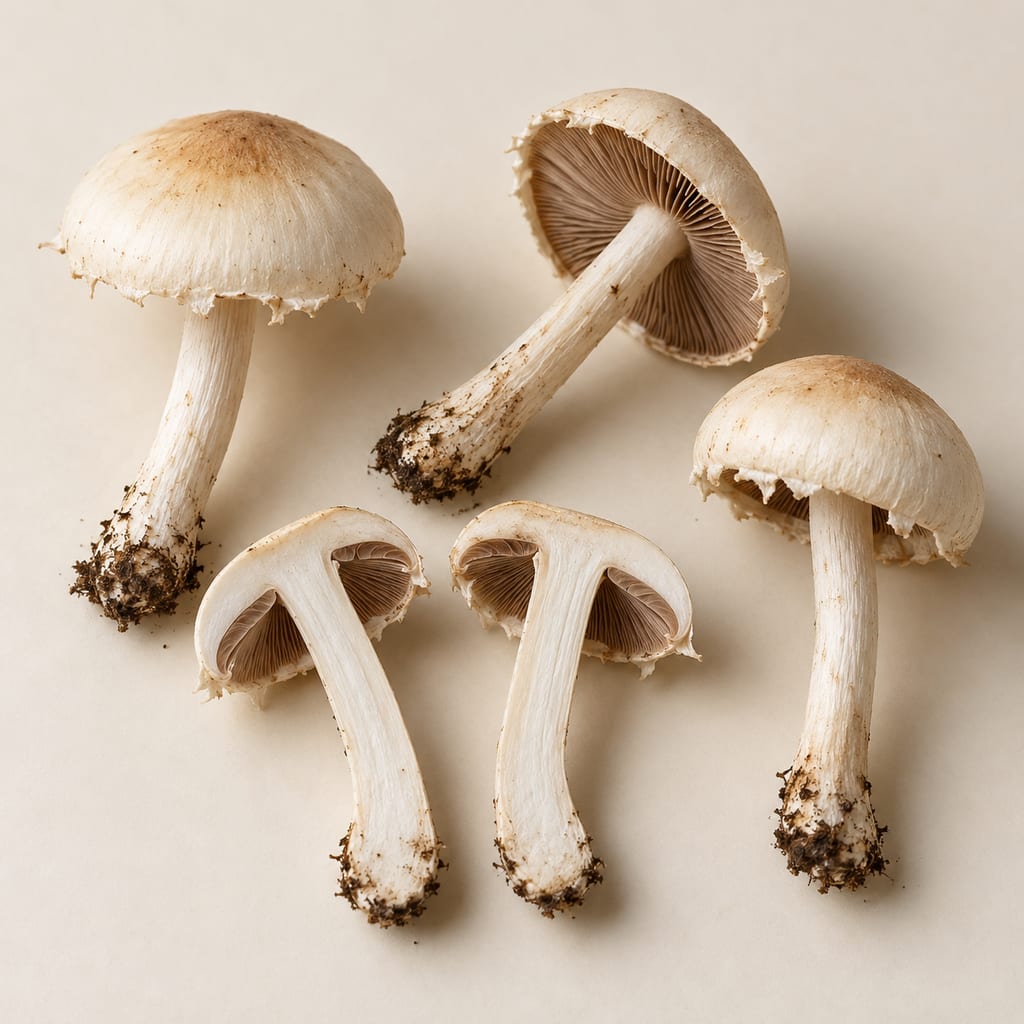
Agrocybe dura
A grassland agaric listed as edible in historical and scientific catalogues for Hong Kong and China. Taxonomic concepts and practical food value vary; the listings do not establish safe identification or culinary practice.
 FermenteaWhere food goes to change
Spices and aromatics
The fragrant flowers of Osmanthus fragrans are used as an aromatic food in East Asian teas, sweets and drinks; species identification and food-grade sourcing matter.
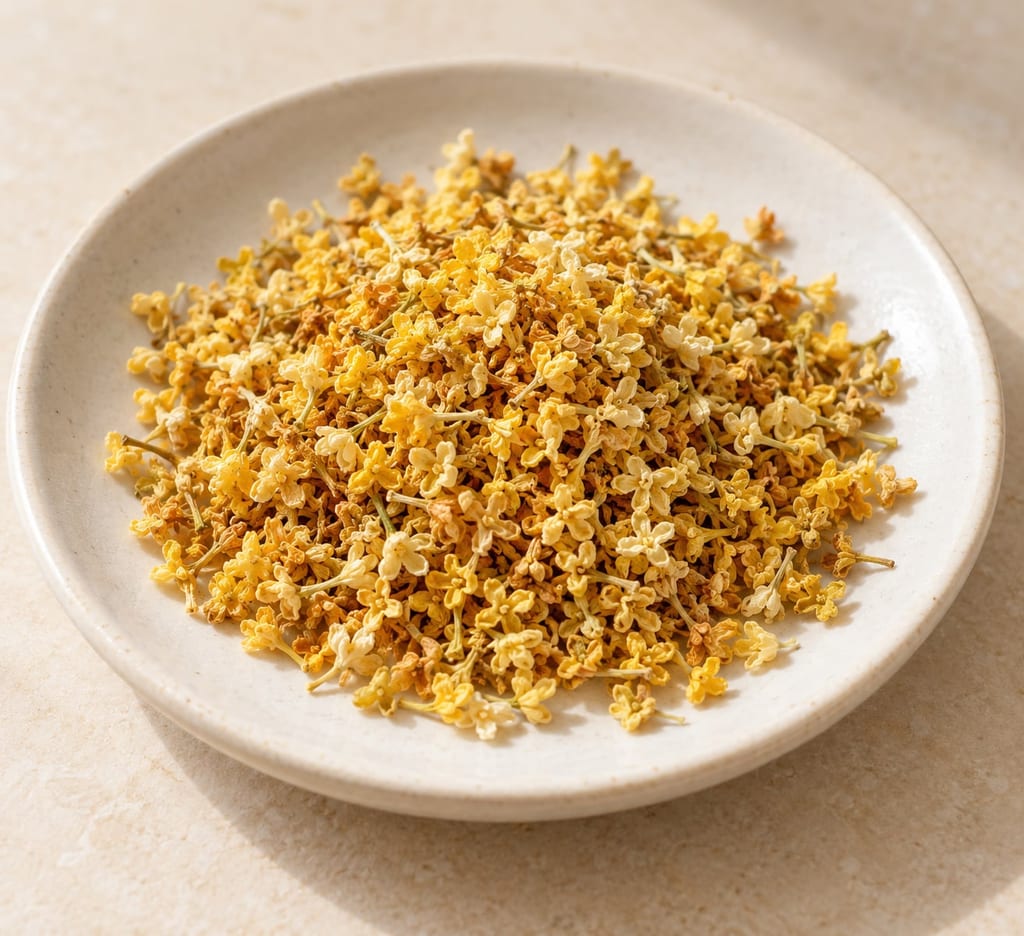
Osmanthus flower is the small, strongly scented flower of Osmanthus fragrans Lour. (Oleaceae), an evergreen shrub or small tree. Kew describes cream-white flowers and an orange-flowered variety; cultivated forms differ in flower colour. The food ingredient is the flower, commonly used fresh or dried. It is not cinnamon, despite occasional common-name confusion, and it should not be identified from scent alone. This entry is not a foraging key.
Kew records flowers used to flavour tea, wine and sweets and to make scented jam. Singapore’s NParks profile describes the flowers as edible and records their use to scent black or green tea in China. The supplied Fermenta Suanmeitang record names osmanthus as an aromatic addition with hawthorn and sugar. This supports a flavouring role in that beverage, not a claim that osmanthus drives fermentation or preserves the drink. No universal recipe, quantity or fermentation method is established here.
Use only flowers positively identified as Osmanthus fragrans and sold or prepared for food. Ornamental flowers may have been treated with garden chemicals, and a common name alone cannot confirm species or food suitability. The sources reviewed do not establish a validated home drying, storage or microbial-control procedure. The literature includes animal testing of a particular concentrated flower extract, but that does not define a safe human dose for whole flowers or products. A serving limit, specific allergen profile, and safety in pregnancy, childhood, medication use or particular medical conditions were not established in the consulted sources; these details remain unknown.
No specimen or commercial batch was examined, so cultivar and product identity were not checked.
The consulted references give no measured recipe quantity or standardized preparation for this ingredient.
No validated household drying, storage, shelf-life or microbial-safety protocol was located.
Human safety data and a food-specific serving limit were not established; concentrated-extract animal findings do not fill that gap.
The earliest dated culinary use was not established.
Food use is documented in China; this records a documented tradition, not an exclusive origin or present-day production map.
A grassland agaric listed as edible in historical and scientific catalogues for Hong Kong and China. Taxonomic concepts and practical food value vary; the listings do not establish safe identification or culinary practice.
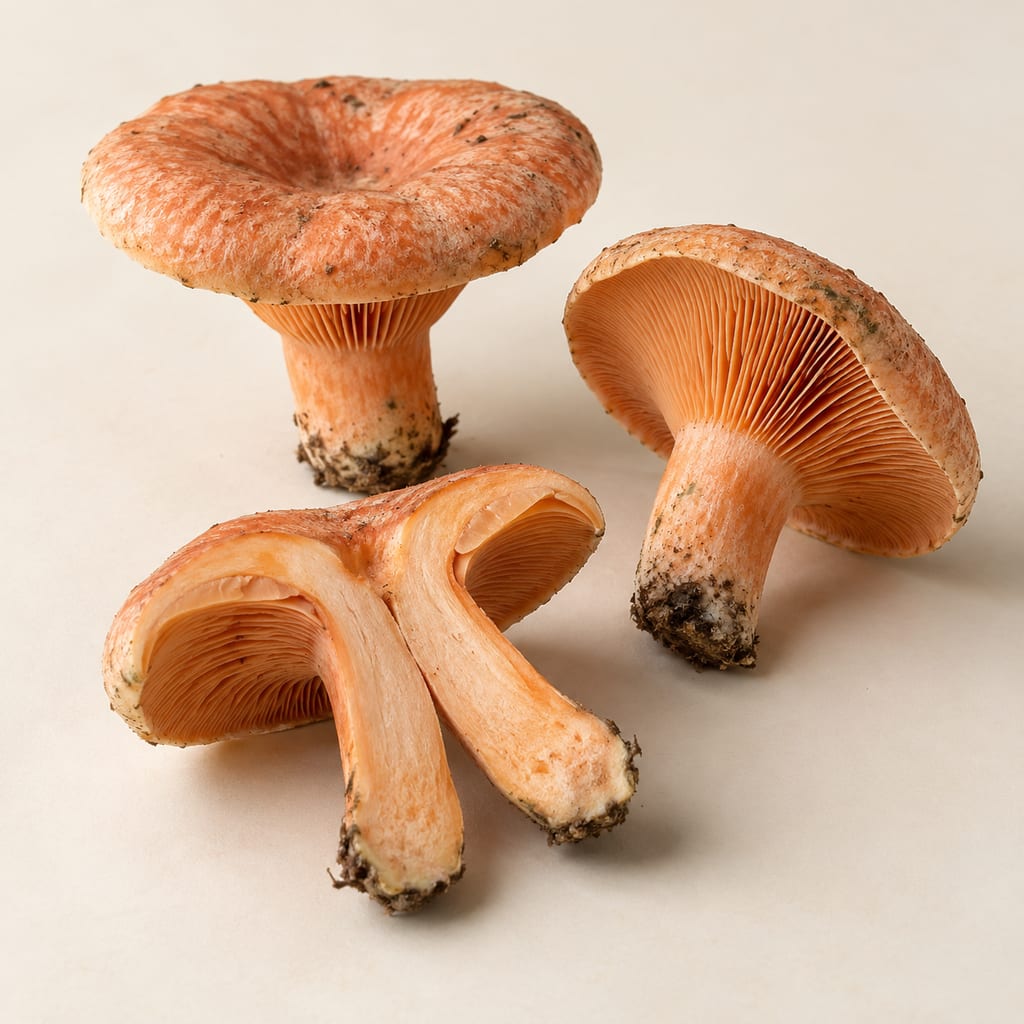
Akahatsu, Lactarius akahatsu, is a wild milkcap of East Asian pine and mixed forests that is sold in Yunnan markets, with its edibility and identity still needing species-level review.
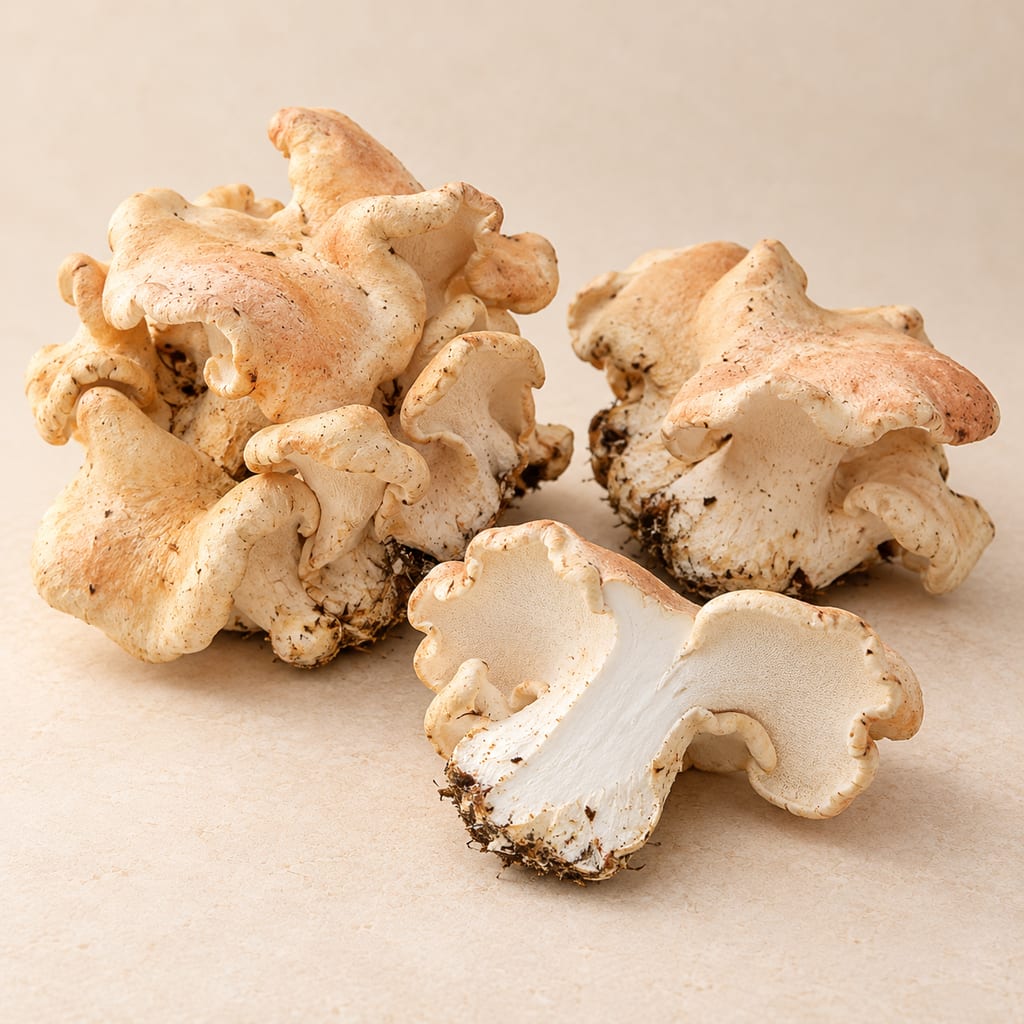
Albatrellus confluens is a ground-growing polypore with fused buff-orange caps. Sources document Chinese market use and regional edibility, but others reject it as too bitter; taxonomy also varies between Albatrellus and Albatrellopsis.
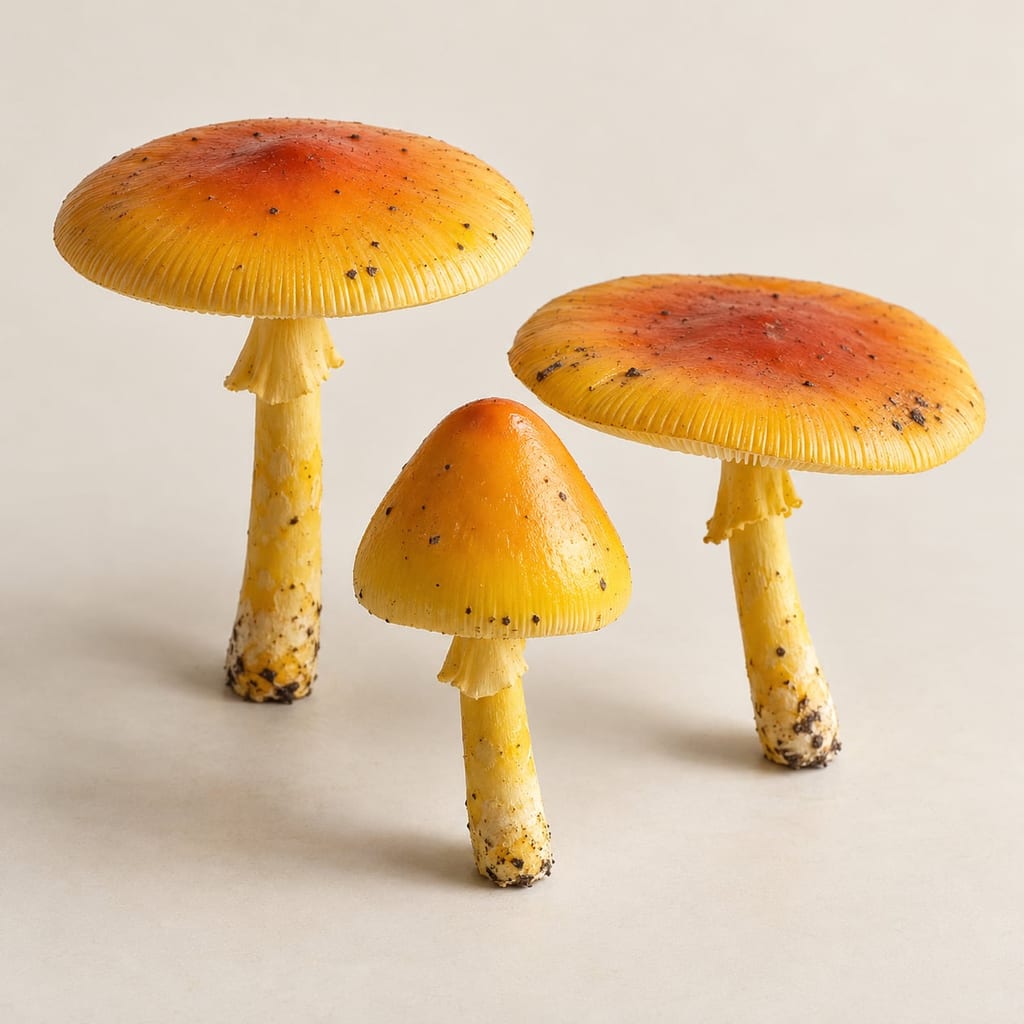
A wild Amanita recorded from China in a 2026 checklist of edible and medicinal fungi. The genus holds deadly species, so this page gives no identification or edibility verdict.
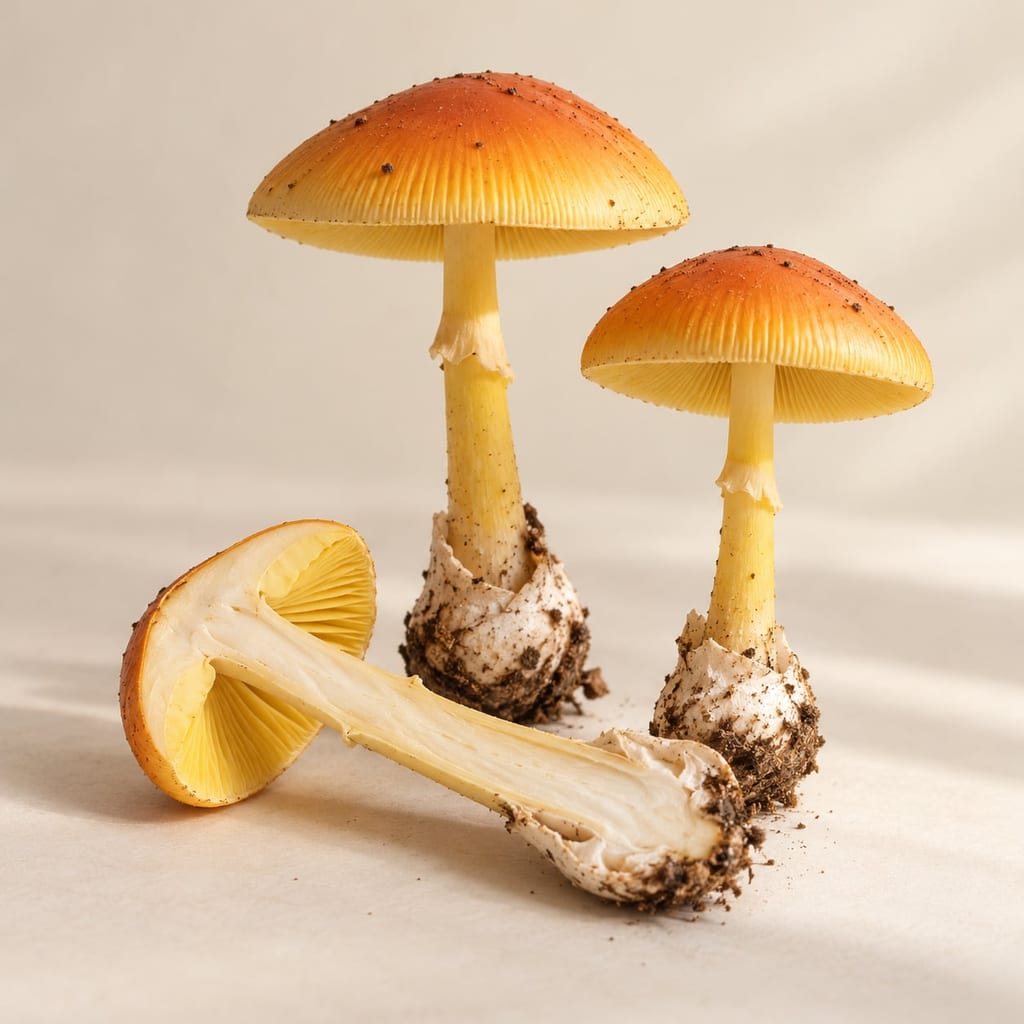
A wild Amanita of China, first reported there and listed as edible in a Yunnan ethnomycology study. The genus contains deadly species, so this page does not support identifying or eating it.
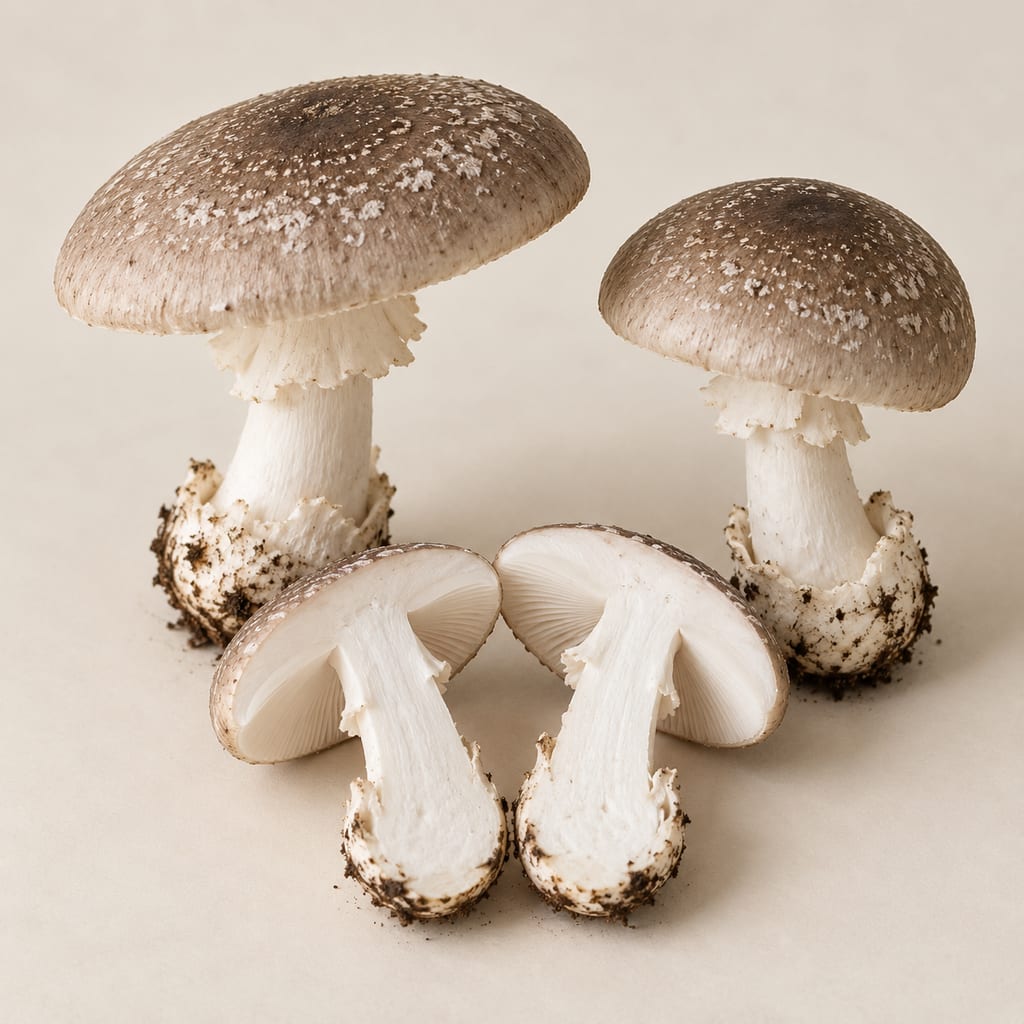
Amanita yuaniana is a Chinese Amanita that a 2023 Yanshan survey and a Yunnan ethnomycology survey list among edible species. No source tests it for safety, and the genus holds the most lethal mushrooms.
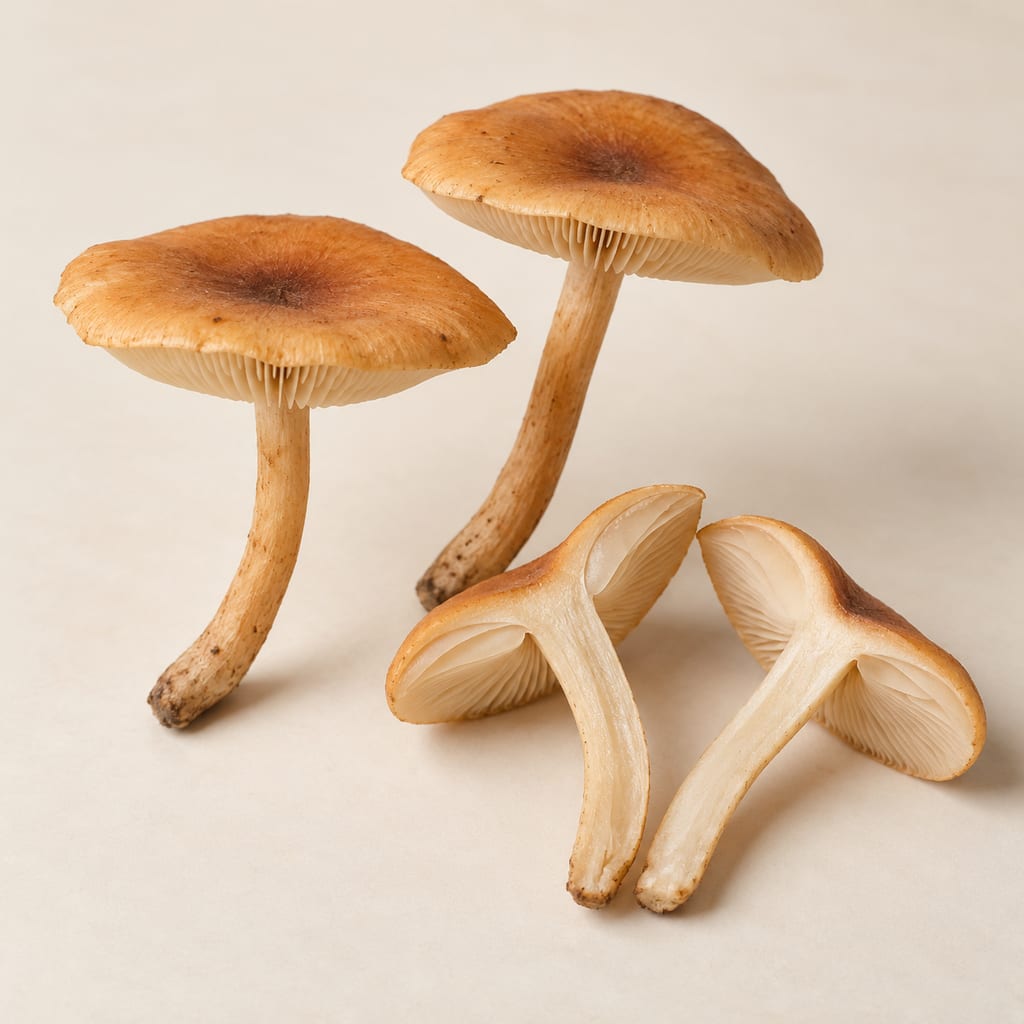
A wood-associated Armillaria recorded in Yunnan and Sichuan, China, and listed as edible in a 2026 Chinese catalogue.
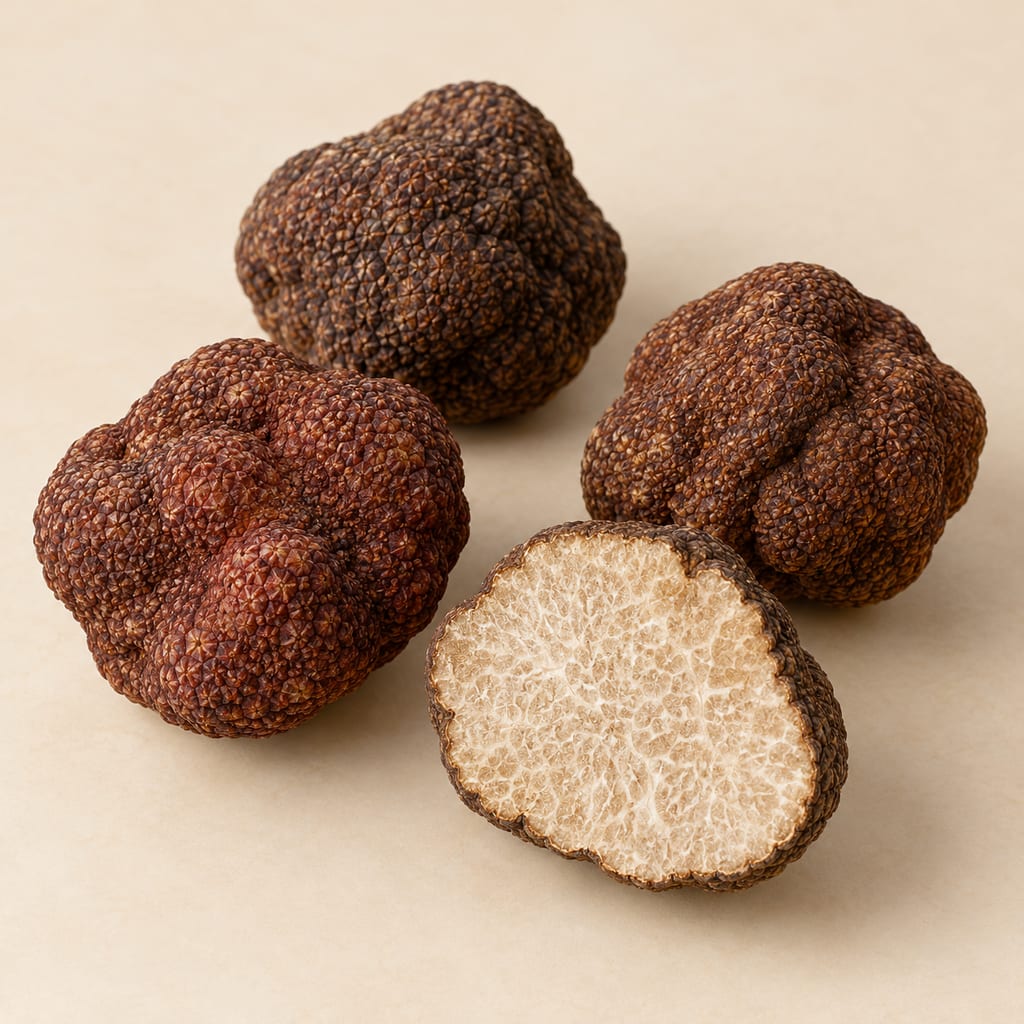
Tuber pseudohimalayense is a wild black truffle from Yunnan, China, listed as edible in a Chinese species catalogue. No independent assessment of its culinary use or safety is available.
No community contributions have been published for this entry yet.
Sign in to contribute. Published comments and photos are free to read.
Royal Botanic Gardens, Kew, Plants of the World OnlineIdentity · Culinary use · Distribution
Osmanthus fragrans Lour.Cited in: Identity and forms; Food use and fermentation context; Research gaps
National Parks Board Singapore, Flora and Fauna WebIdentity · Food use
Osmanthus fragransCited in: Identity and forms; Food use and fermentation context; Research gaps
Journal of Ethnopharmacology via PubMedSafety evidence
The Osmanthus fragrans flower phenylethanoid glycoside-rich extract: Acute and subchronic toxicity studiesCited in: Handling and safety; Research gaps
Journal of EthnopharmacologySafety gaps
Traditional uses, phytochemical constituents and pharmacological properties of Osmanthus fragrans: A reviewCited in: Handling and safety; Research gaps