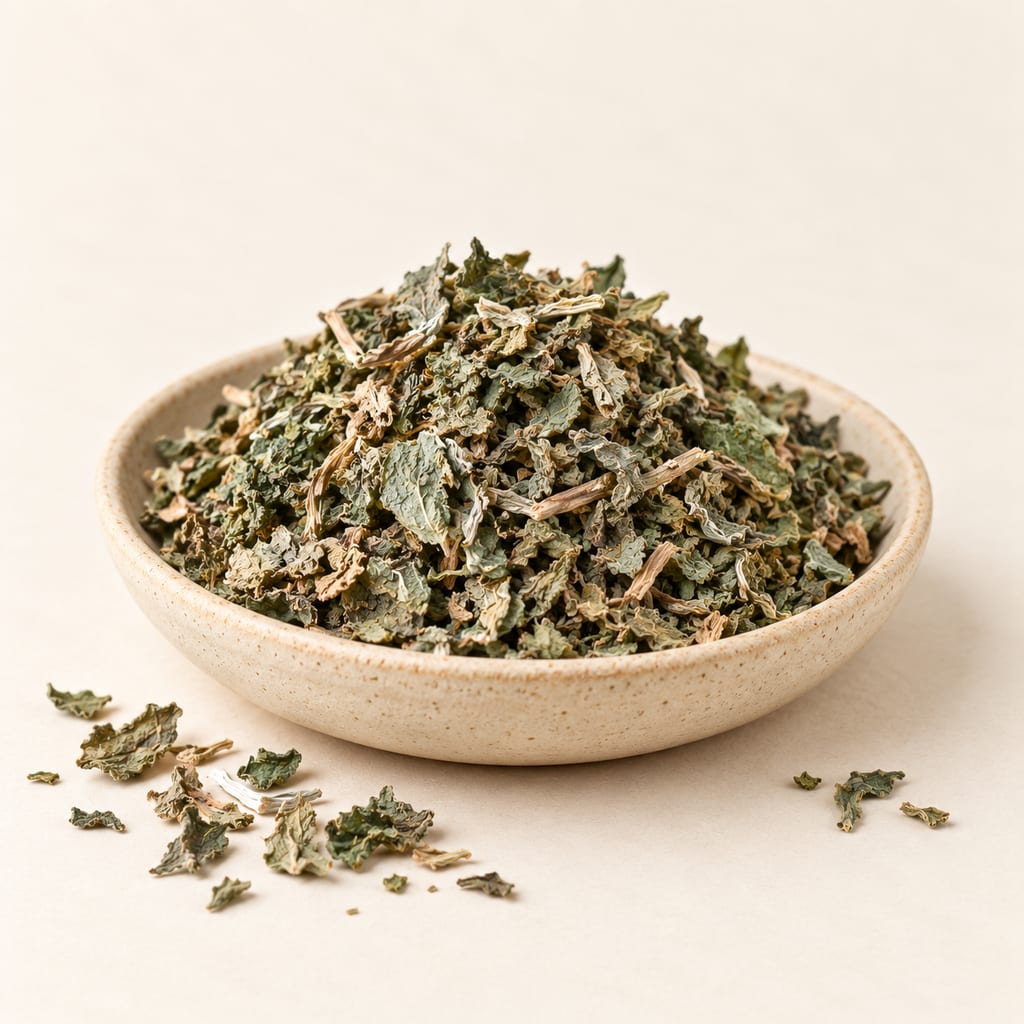
Dried mint
Dried mint is the leaf of a Mentha plant after moisture has been removed. The exact species varies by product; the linked Halloumi recipe specifies only optional dried mint, while separate standards distinguish spearmint from peppermint.
 FermenteaWhere food goes to change
Spices and aromatics
Fresh scented-leaf Pelargonium leaves bring rose, lemon, mint, or fruit-like aromas to selected sweets, sugars, and infusions; the plant type determines the flavor and food-use evidence.
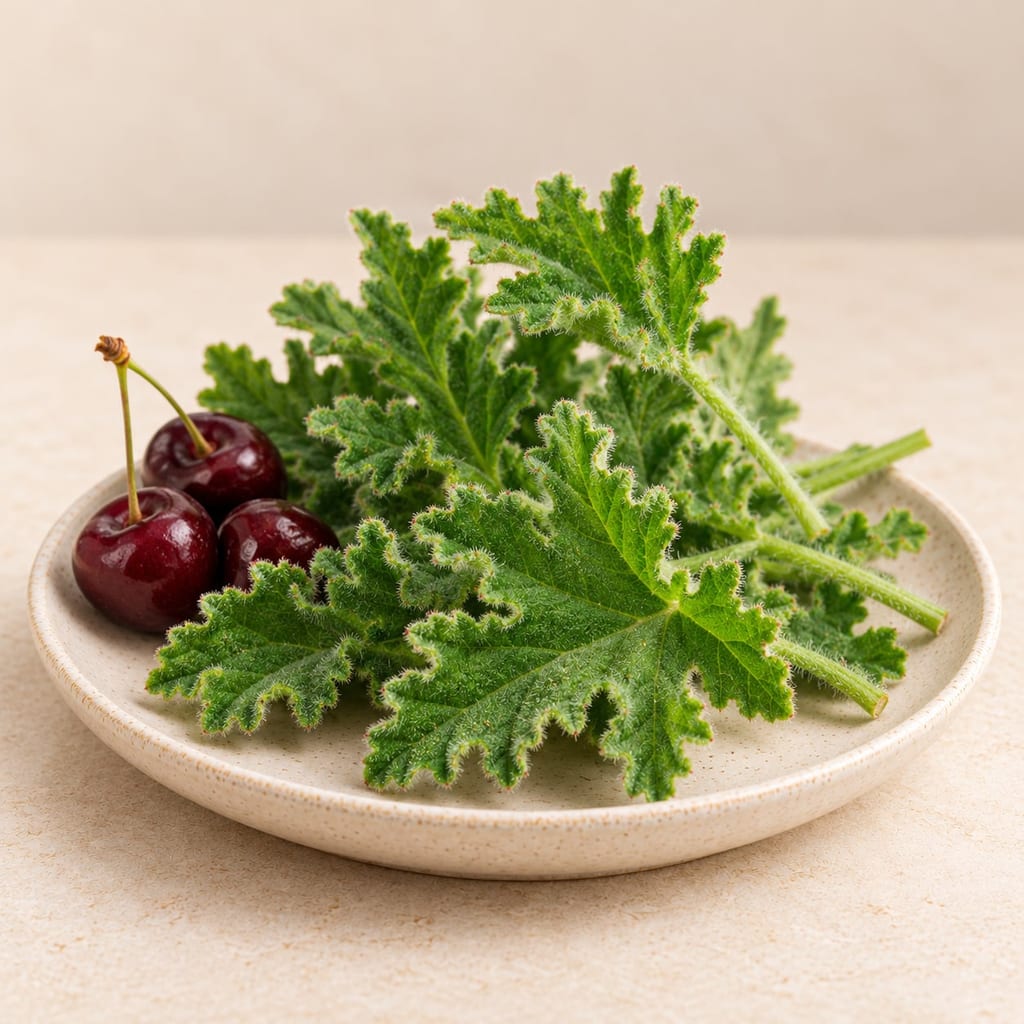
Scented geranium is a common name for scented-leaf pelargoniums, a group grown for aromatic foliage. The leaves can smell of rose, lemon, peppermint, apple and other notes; the common name does not identify one species. Kew records both Pelargonium graveolens and P. radens under the common name scented geranium, while P. graveolens itself is an accepted species with a documented food use. That taxonomy does not identify every plant sold under the common name.
For food, the ingredient is the aromatic leaf of an identified culinary Pelargonium, fresh or dried as the cited use allows. A Cyprus Food Museum recipe for cherry spoon sweet names rose geranium leaves or a sprig as an alternative to vanilla and adds it during cooking. The recipe names rose geranium, but gives no scientific name; it is not evidence that the exact plant was P. graveolens. The same museum source records a second cherry-sweet version with rose geranium or vanilla near the end of cooking.
The Cyprus recipe is a specific example of leaves scenting a fruit sweet, not a general recipe for every scented-leaf type. The Royal Horticultural Society also describes scented pelargonium leaves being used to flavour sugars and tisanes. The Herb Society of America guide records additional culinary examples for particular rose-, lemon- and peppermint-scented types, including preserves and infusions; these are reports about selected plants, not a blanket endorsement of the genus.
Keep the plant identity with the food record wherever possible. Rose-scented, lemon-scented and other selections are not interchangeable flavorings, and the finished aroma depends on the type used. The cited Cyprus recipe supplies its own use context; it does not establish a universal quantity, substitution ratio or preservation process.
Geranium is often used casually for plants in Pelargonium, but the names are botanically distinct. The Cyprus source identifies the culinary name rose geranium without a species, and the broader name scented geranium can refer to more than one accepted species. This entry therefore describes the scented-leaf ingredient group; it does not collapse the separate rose-geranium candidate into this broader record.
Do not assume that an ornamental pelargonium is food-grade because its leaves smell pleasant. The Herb Society of America cautions that not all pelargoniums are suitable for cooking and identifies P. grossularioides as one not to use. Use only correctly identified culinary material sold or grown for food, and follow the source-specific food use. These references do not establish a general safe dose, cover all cultivars, or support use of concentrated essential oil as a food substitute.
The museum documents rose geranium leaves in a Cypriot cherry spoon-sweet recipe; this records a culinary-use association, not the plant’s botanical origin.
Dried mint is the leaf of a Mentha plant after moisture has been removed. The exact species varies by product; the linked Halloumi recipe specifies only optional dried mint, while separate standards distinguish spearmint from peppermint.
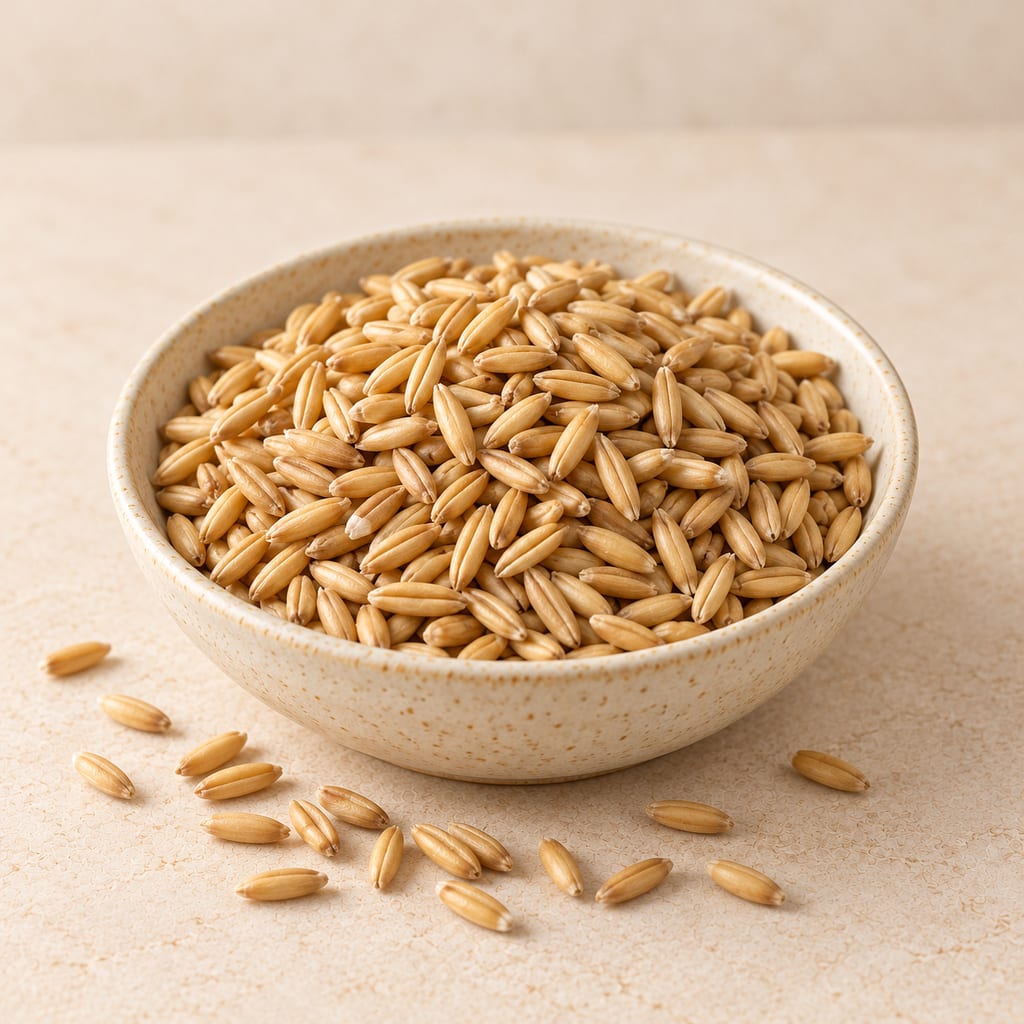
A cereal grain sold as groats, cut pieces, flakes, flour and malt. Oats shape porridge, bread and brewing differently as processing changes hydration, texture, starch, beta-glucan, protein and oil.
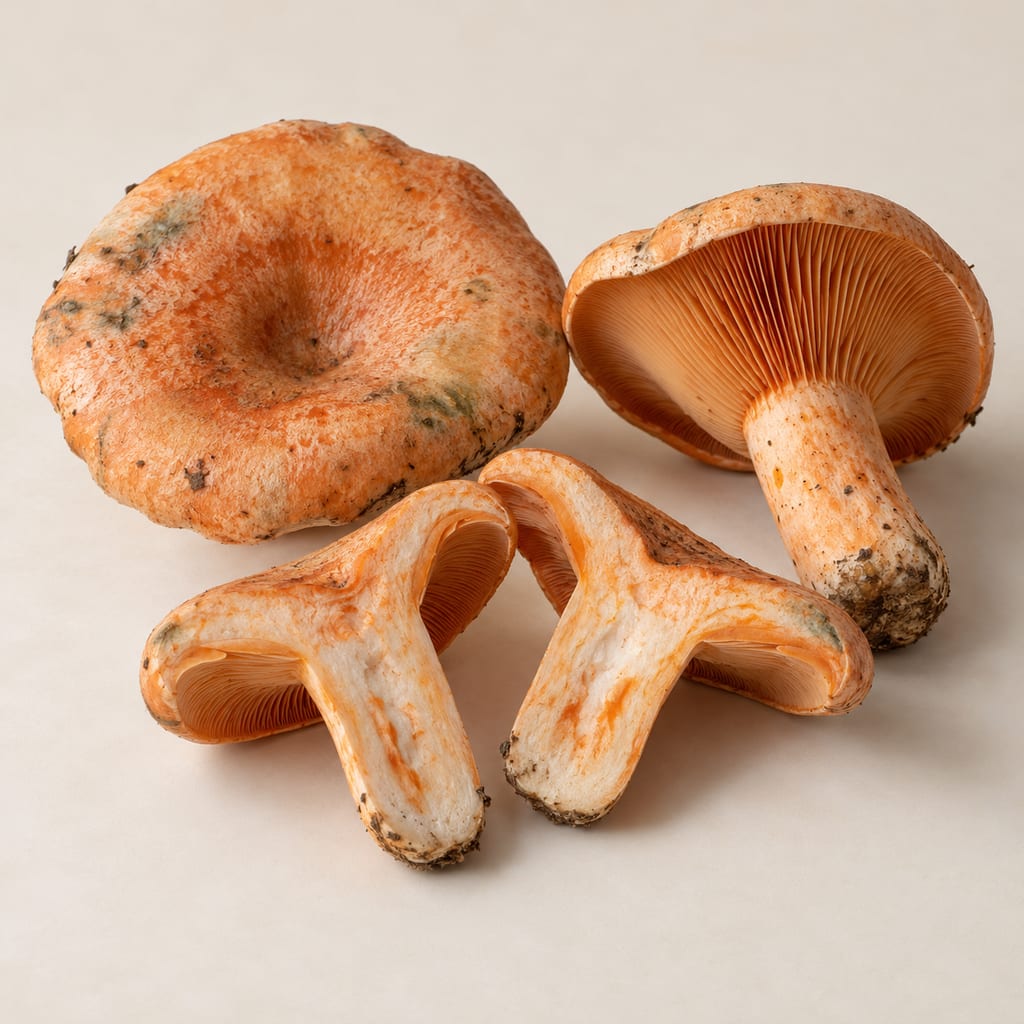
The saffron milkcap, Lactarius deliciosus, is a pine-associated wild mushroom native to Europe, fried, grilled, salted or pickled in several regional kitchens.
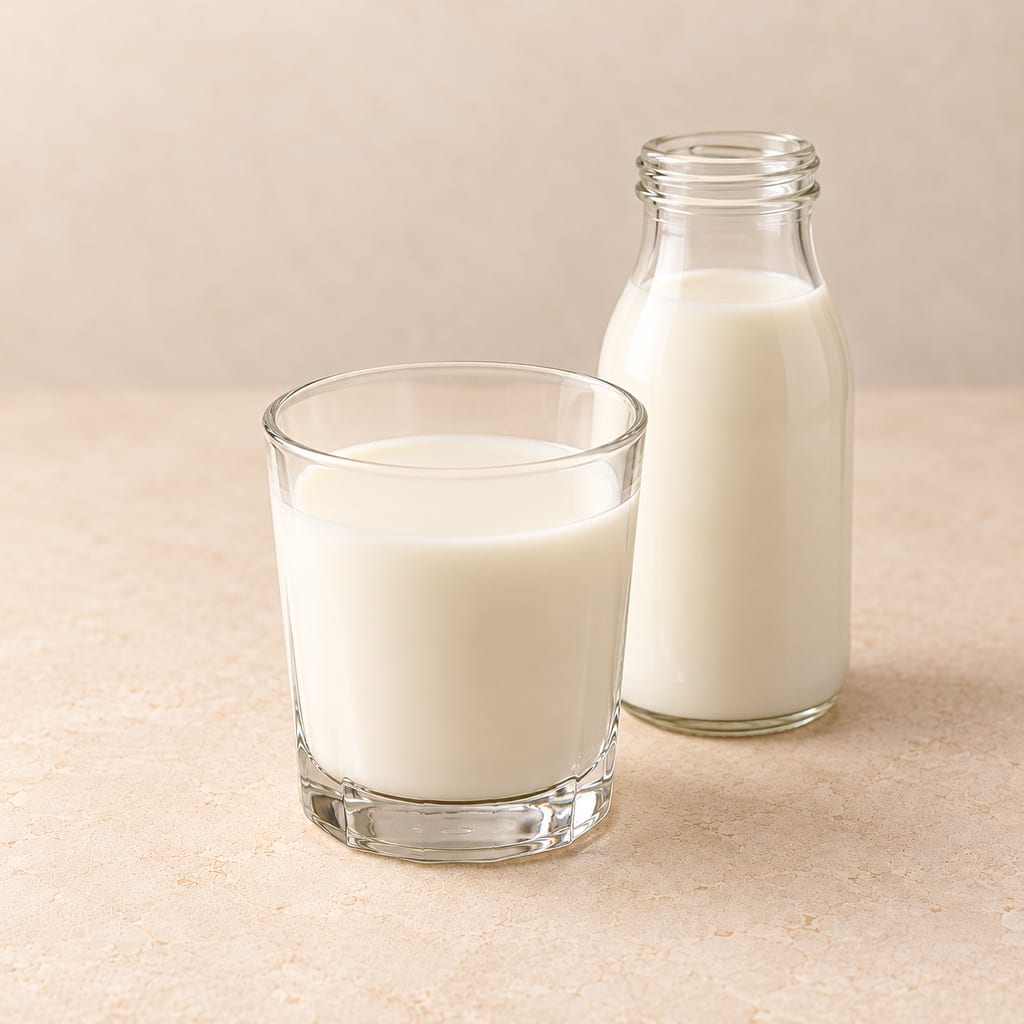
Milk from a ewe, used in cheese and cultured dairy foods. Its protein, fat and solids vary with the animal and season; it contains lactose and milk allergens.
No community contributions have been published for this entry yet.
Sign in to contribute. Published comments and photos are free to read.
Cyprus Food MuseumCulinary use · Method context
Spoon sweets - CherryTwo cherry spoon-sweet versions name rose geranium leaves or a sprig as an alternative to vanilla.
One method adds rose geranium while boiling the cherries; another adds it near the end of cooking.
The recipe does not identify the botanical species.
Cited in: What the name covers; Culinary use; Identity and food-use limits
Royal Botanic Gardens, Kew, Medicinal Plant Names ServicesIdentity
Non-scientific name details for scented geraniumKew MPNS lists Pelargonium graveolens and Pelargonium radens as accepted names associated with the common name scented geranium.
Rose geranium is also listed as a non-scientific name associated with scented geranium.
Cited in: What the name covers; Identity and food-use limits
Royal Botanic Gardens, Kew, Plants of the World OnlineTaxonomy
Pelargonium graveolens L’Hér.Pelargonium graveolens is an accepted species; Kew records food among its uses.
Kew gives its native range as eastern Zimbabwe to the Eastern Cape Province.
Cited in: What the name covers
Royal Horticultural SocietyCulinary use
Scented-leaf pelargoniumsScented-leaf pelargoniums include rose, eucalyptus, peppermint, lemon, orange, balsam and apple scents.
The RHS says leaves can be used to flavour sugars and tisanes.
Cited in: Culinary use
The Herb Society of AmericaCulinary use · Safety boundary
Pelargoniums: An Herb Society of America GuideThe guide describes culinary uses for selected rose-, lemon- and peppermint-scented Pelargonium types.
The guide cautions that not all pelargoniums are appropriate for cooking and says Pelargonium grossularioides should not be used in cooking.
Cited in: Culinary use; Identity and food-use limits