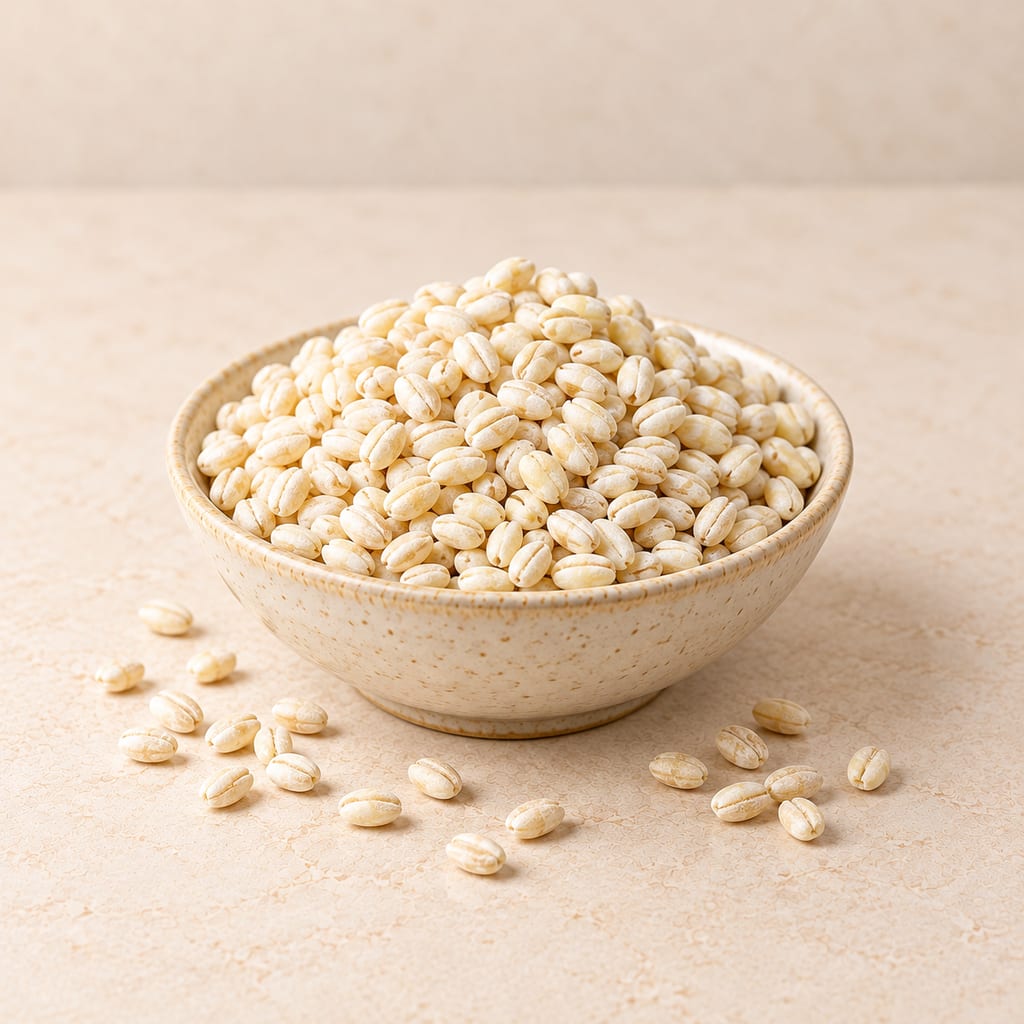
Barley
Barley is a hardy cereal, domesticated in the Middle East over 10,000 years ago, eaten whole, pearled or milled, malted for brewing, and grown with koji mold for barley miso.
 FermenteaWhere food goes to change
Spices and aromatics
The flower clusters of black elder (Sambucus nigra), a food flower used in stewed fruit and fritters. The berries, leaves, stems and bark need separate evidence and separate care.
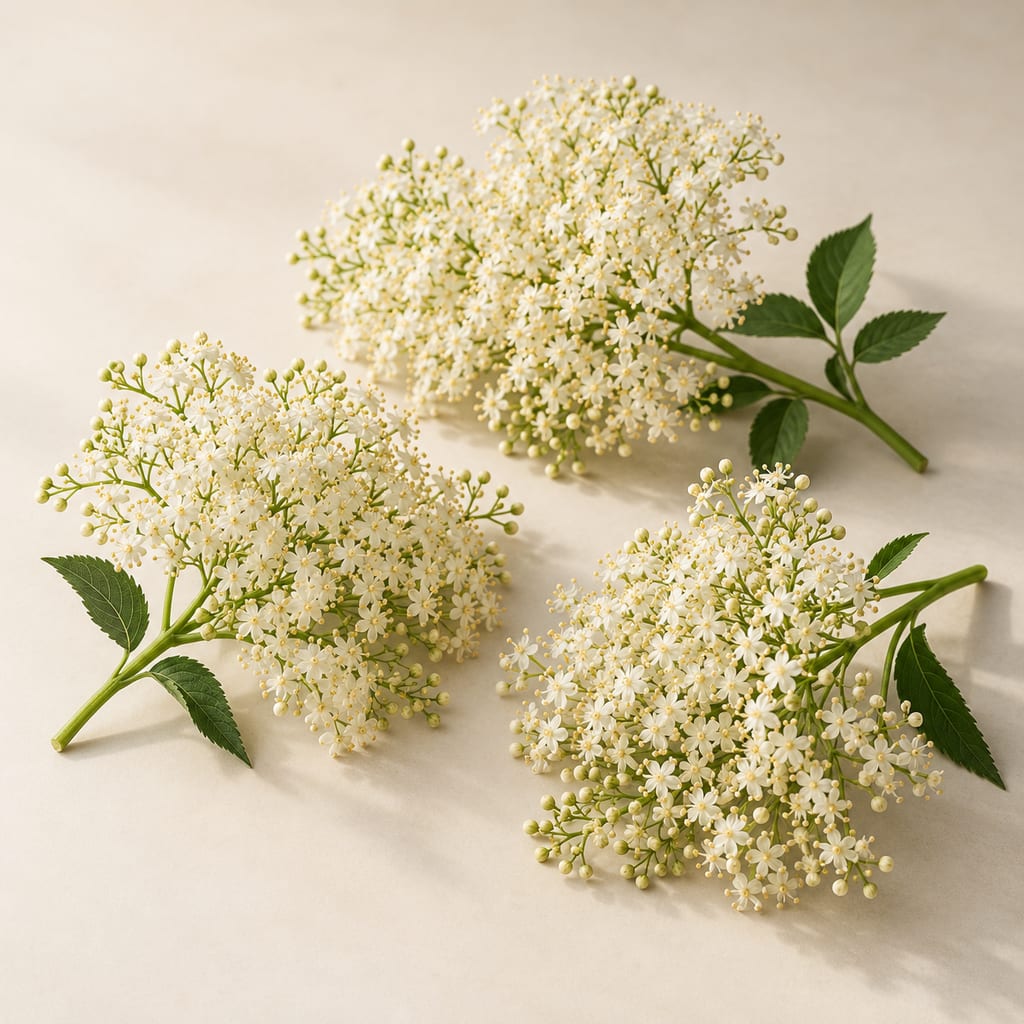
Elderflower here means the flower clusters of Sambucus nigra L., the black elder, a member of the Adoxaceae. Plant Kew's Plants of the World Online accepts the name and lists its distribution, which is the taxonomic basis for this page.
The record that supplies this page treats elder as an edible native plant in the United Kingdom, with flowers as the only part the reviewed sources support for culinary use. Berries, leaves and bark are not covered by that evidence and are not described here.
The Royal Horticultural Society describes two uses for the flowers. They add a muscat flavour to stewed fruit, and the page gives gooseberries as an example. They can also be dipped in batter and fried as fritters.
The RHS guidance is general. It does not give quantities, washing steps, infusion or storage times, or a yield, so a recipe needs its own tested source.
The Missouri Department of Conservation field guide describes the flowers and ripe, cooked fruit of the closely related American elderberry (Sambucus canadensis) as edible after proper preparation. The same guide warns that stems, leaves and roots are poisonous.
Those statements concern American elderberry. The UK sources for black elder do not establish the same parts, preparation or limits, so the Missouri warning is a caution about the genus-level plant material, not a verdict on this flower.
Reference and research only. Fermenta cannot identify a gathered specimen or guarantee that it is safe to eat. Competent local identification is needed before eating any wild plant.
The inspected sources do not supply poisonous lookalikes, diagnostic field characters or a collection rule for this species. A common name or a photograph is not an identification, and a food report is not permission to collect from any site.
No preparation-specific safety review was located for the flowers beyond the RHS culinary descriptions. Berries, leaves, seeds and bark for black elder are unresearched in this record. The UK wild status, local abundance and collection restrictions are not established by the sources used here.
Country-level culinary description. It does not establish where any particular flower was gathered or whether it grows wild there.
Barley is a hardy cereal, domesticated in the Middle East over 10,000 years ago, eaten whole, pearled or milled, malted for brewing, and grown with koji mold for barley miso.
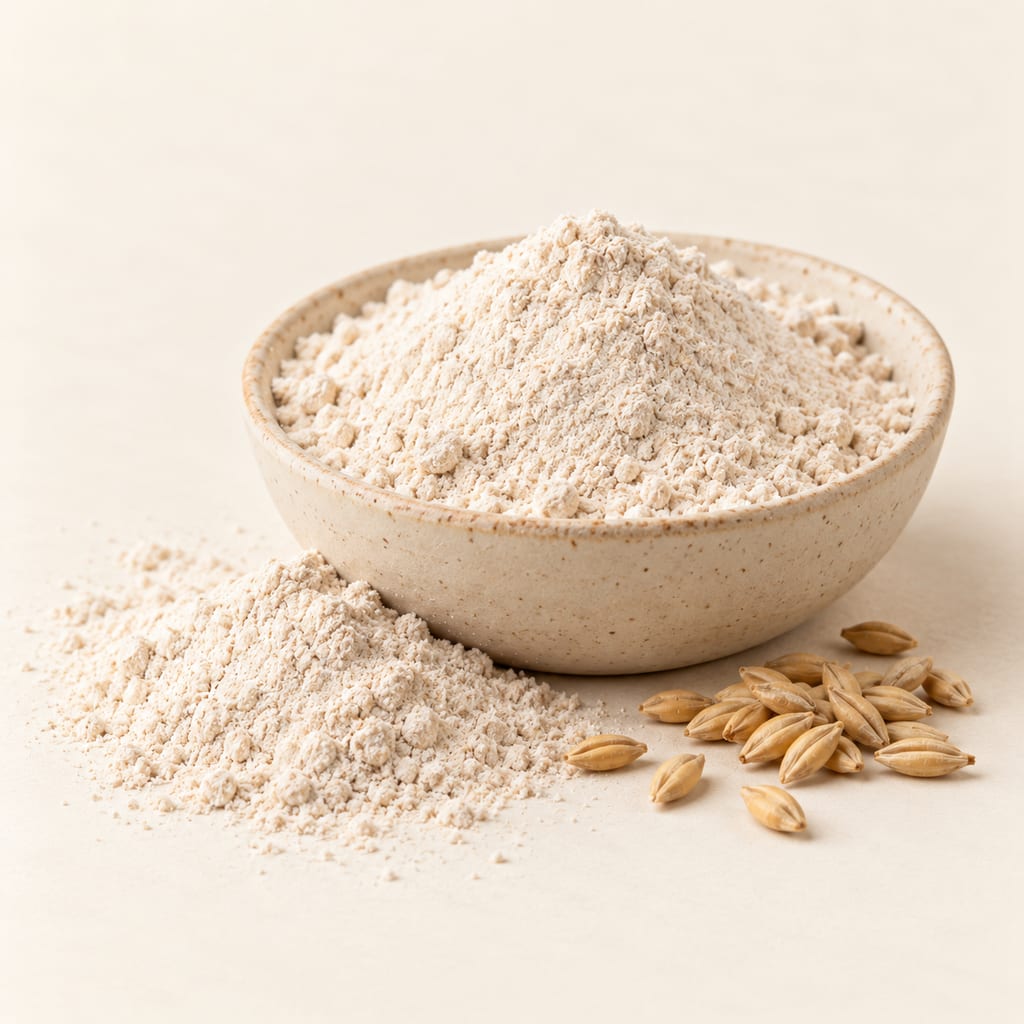
Barley flour is ground barley grain; whether it comes from pearled or hulless kernels, its milling and limited wheat-like gluten-forming ability shape the doughs and foods it can make.
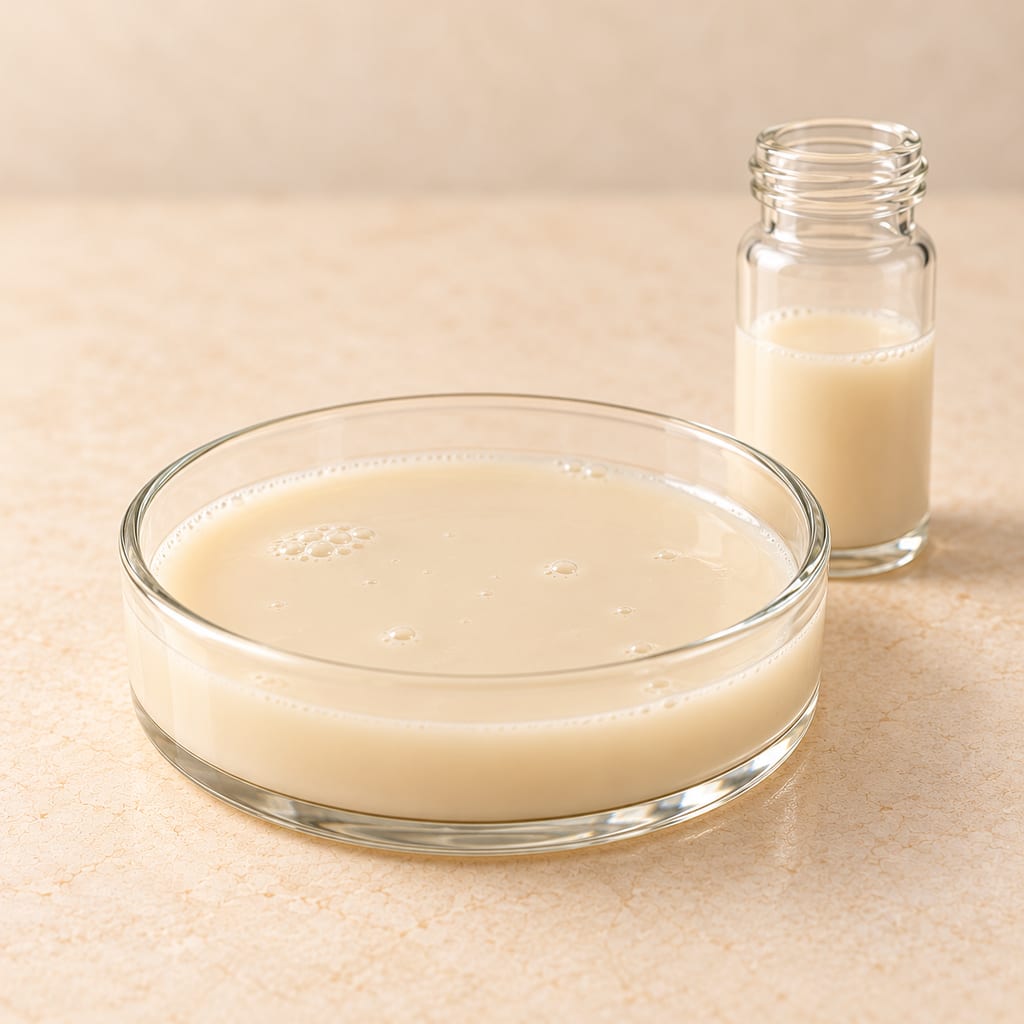
Brewer’s yeast is a working name for living cultures selected for brewing, not one strain or always one species. Ale and lager cultures differ, and older household books may use the term for foam or sediment from brewery beer.
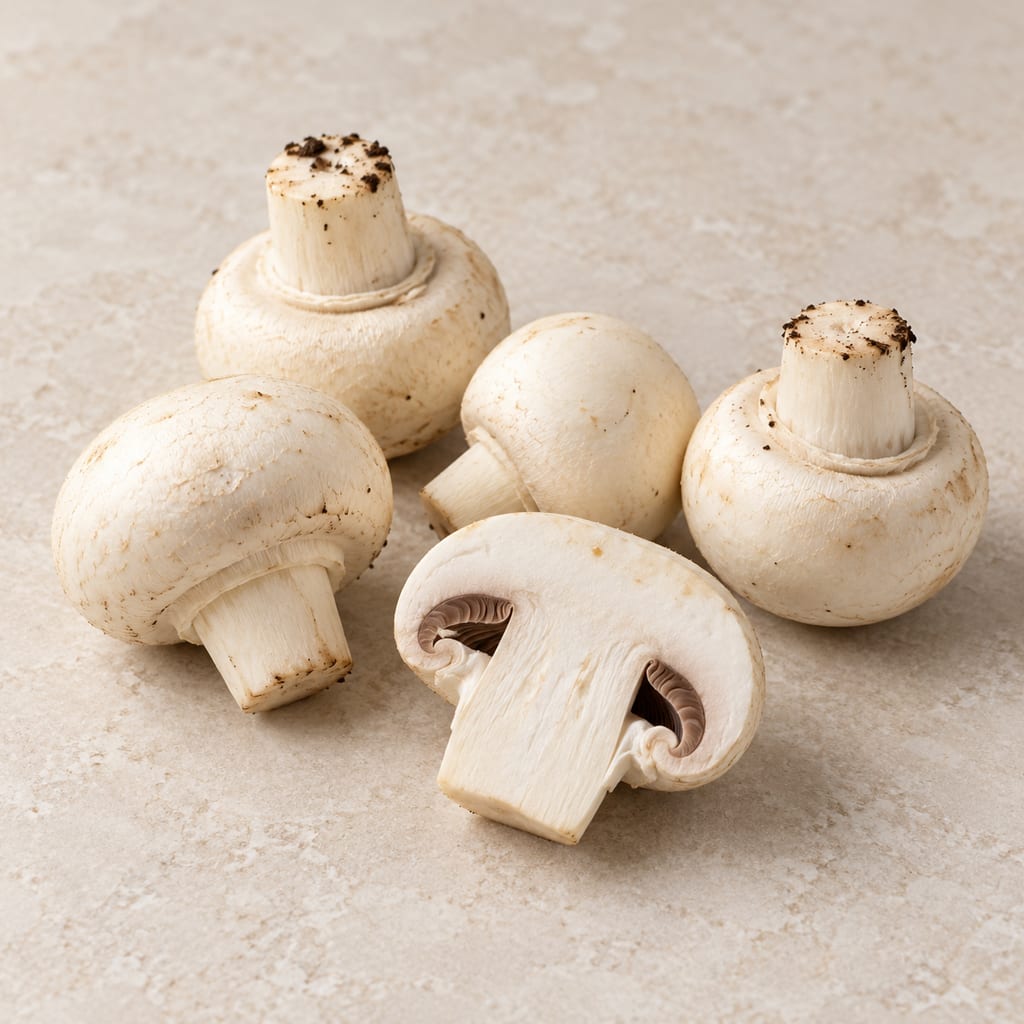
A cultivated form of Agaricus bisporus sold young as a button and at more mature stages as cremini or portobello, used fresh or preserved in everyday cooking.
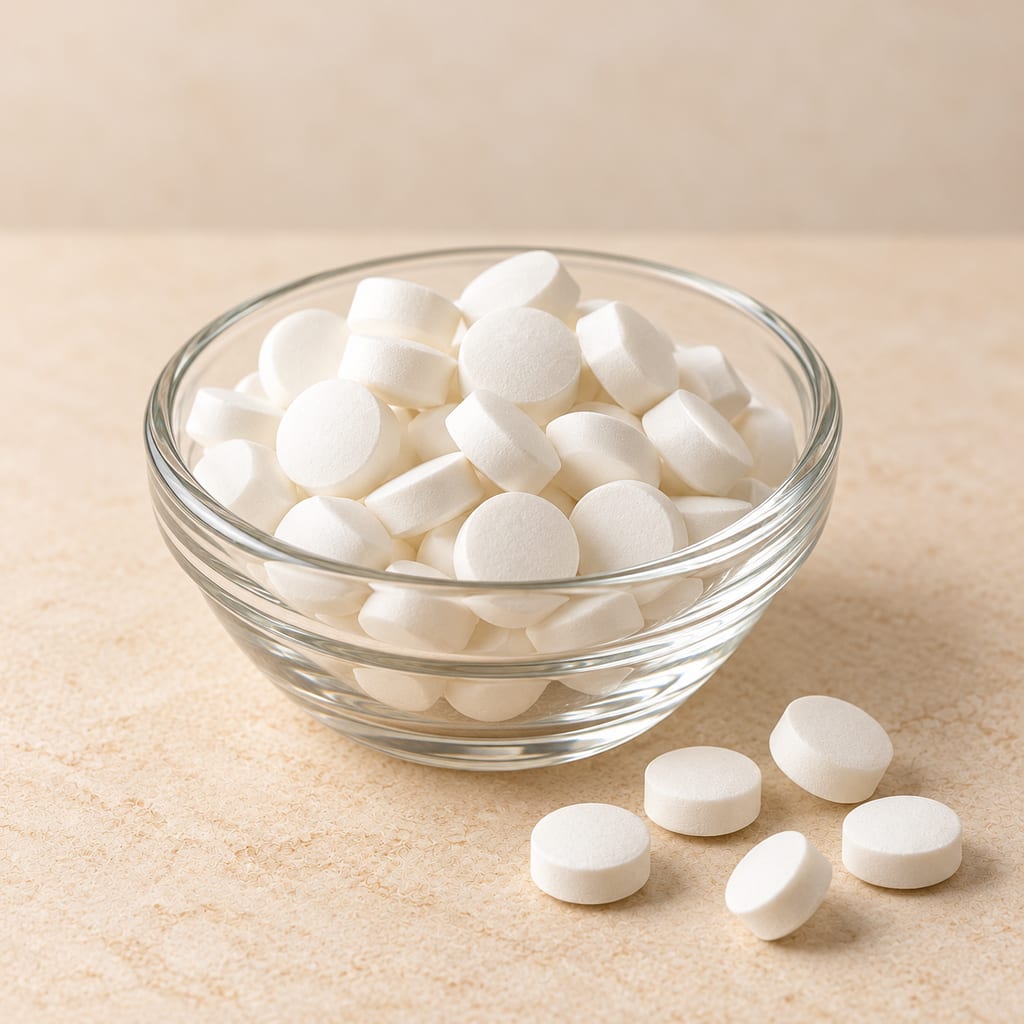
Campden tablets portion a metabisulfite salt for particular wine, cider or other fermentation uses. Tablet strength and the resulting free sulfur dioxide depend on the product and liquid.
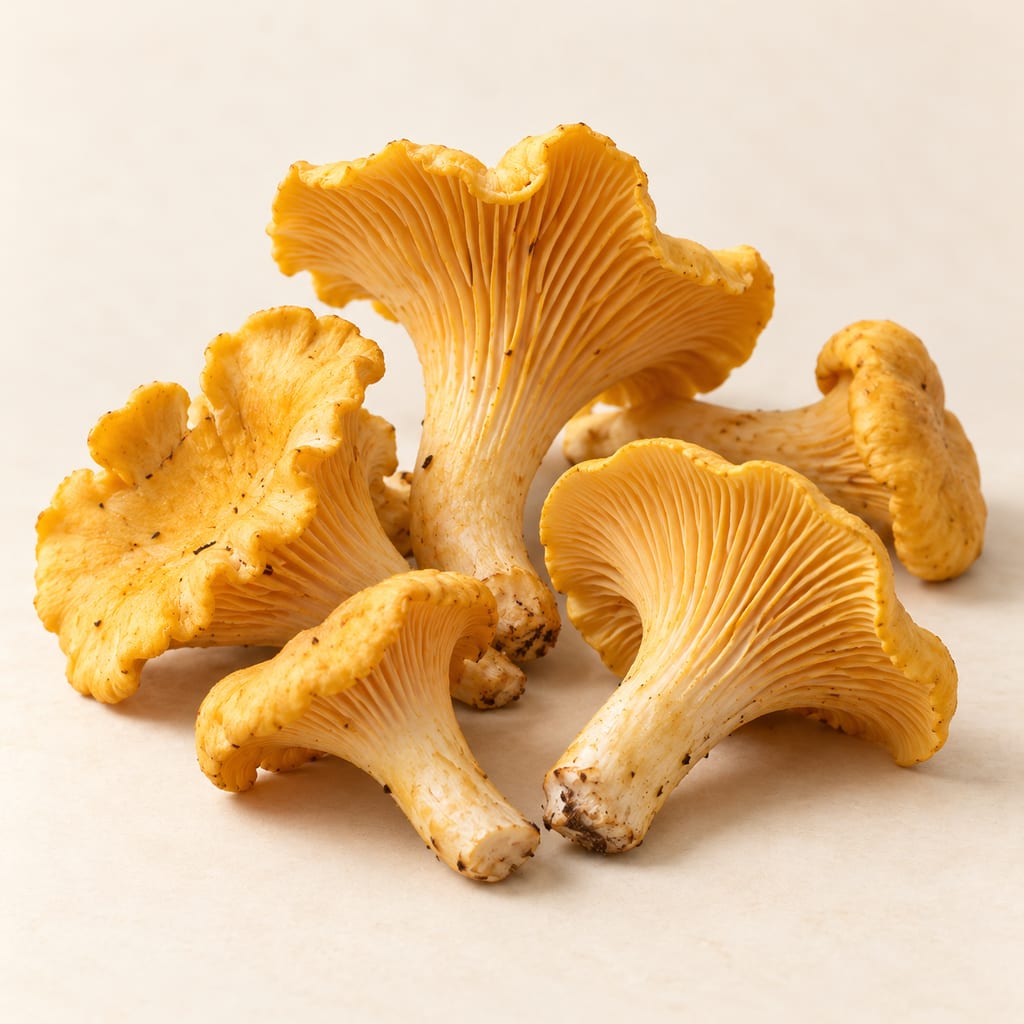
Chanterelles are wild, tree-associated edible mushrooms, particularly the European golden chanterelle Cantharellus cibarius, prized for their firm flesh, fruity aroma and use fresh, frozen, dried or pickled.
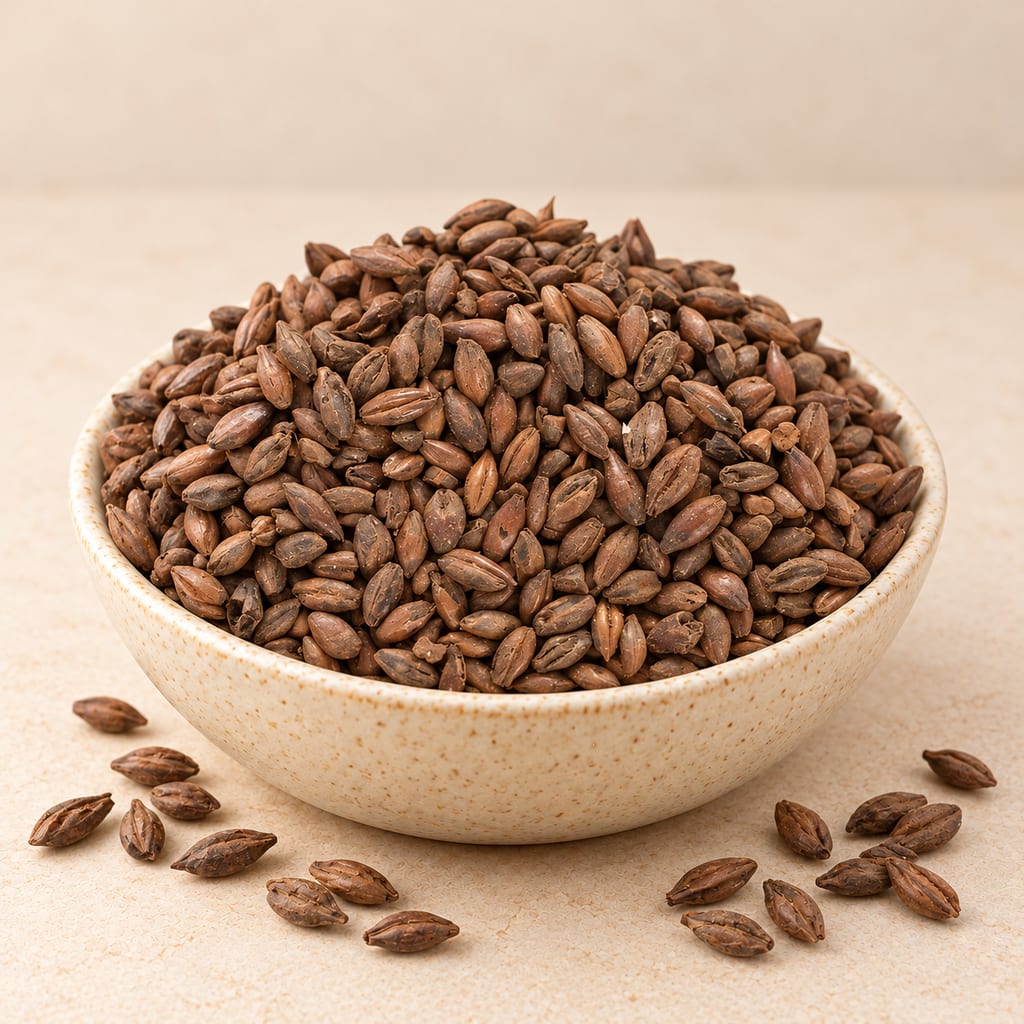
Chocolate malt is barley that has been malted and then roasted to a dark brown, used in porters, stouts and brown ales for colour and a bitter-cocoa, roasted-coffee flavour. It contains no cocoa.
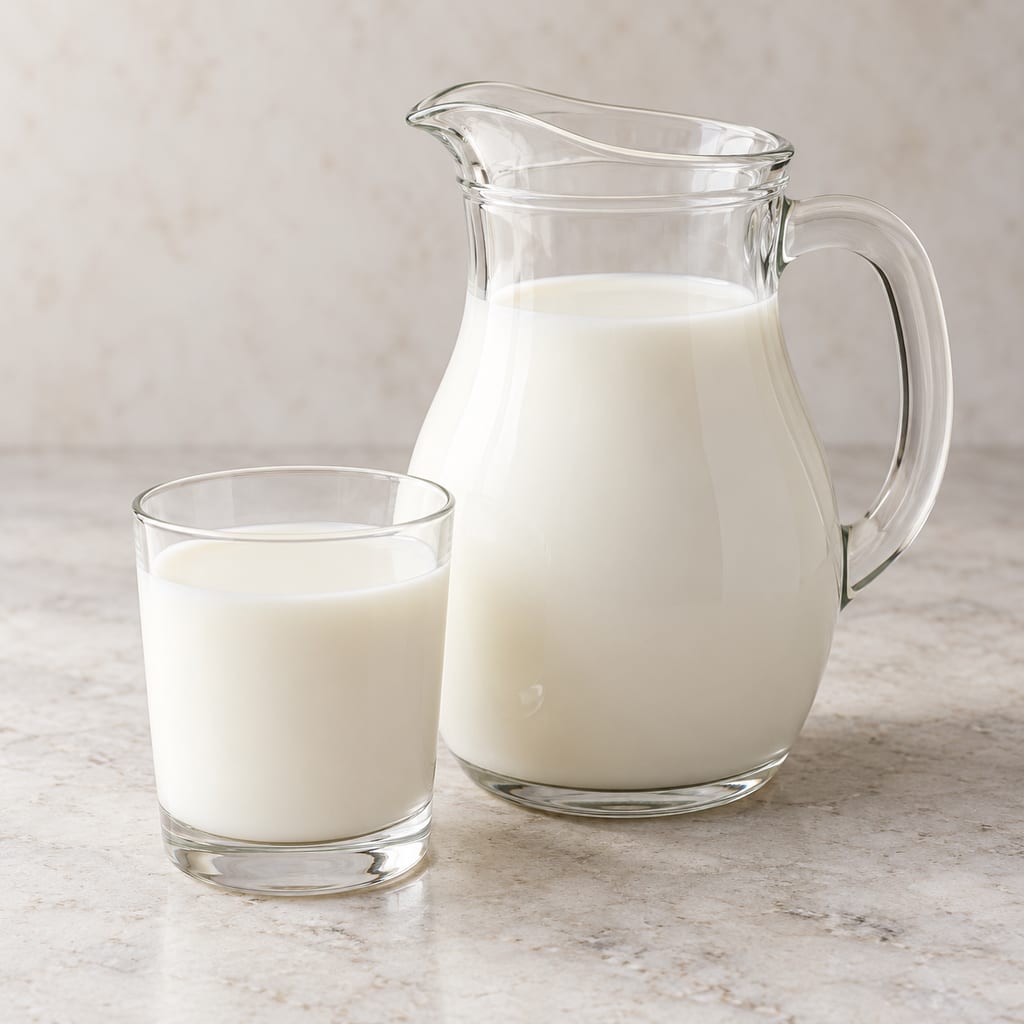
Cow milk and water-buffalo milk are distinct dairy substrates whose fat, protein and mineral balance affects cheese; this ingredient name preserves a choice rather than defining a blend.
No community contributions have been published for this entry yet.
Sign in to contribute. Published comments and photos are free to read.
Royal Botanic Gardens, Kew (POWO)Accepted name · Taxonomy
Sambucus nigra | Plants of the World OnlineAccepted name Sambucus nigra L.
Cited in: What the ingredient is
Royal Botanic Gardens, Kew (Grow Wild)Native status · Edible native list
Sensory and edible native plantsElder listed among edible native UK plants
Cited in: What the ingredient is
Royal Horticultural SocietyCulinary use · Flower uses
Edible flowersMuscat flavour in stewed fruit such as gooseberries
Fritters dipped in batter and fried
General advice to check that food is safe to eat
Cited in: Culinary use; Identification and safety limits; Research gaps
Missouri Department of ConservationSafety · Plant parts · Identification
Common elderberryFlowers and ripe cooked fruit edible after proper preparation of American elderberry
Stems, leaves and roots poisonous
Describes American elderberry, Sambucus canadensis, not black elder
Cited in: Other parts and the cautions attached to them; Identification and safety limits