
Black carrot
Black carrot is the anthocyanin-pigmented Eastern carrot (Daucus carota var. atrorubens), the purple root that preceded orange types and still colours kanji and şalgam.
 FermenteaWhere food goes to change
Spices and aromatics
Sour-cherry leaves come from Prunus cerasus. They are documented as an aroma ingredient in Thracian hardaliye, but the sources do not establish a safe home preparation or dose.
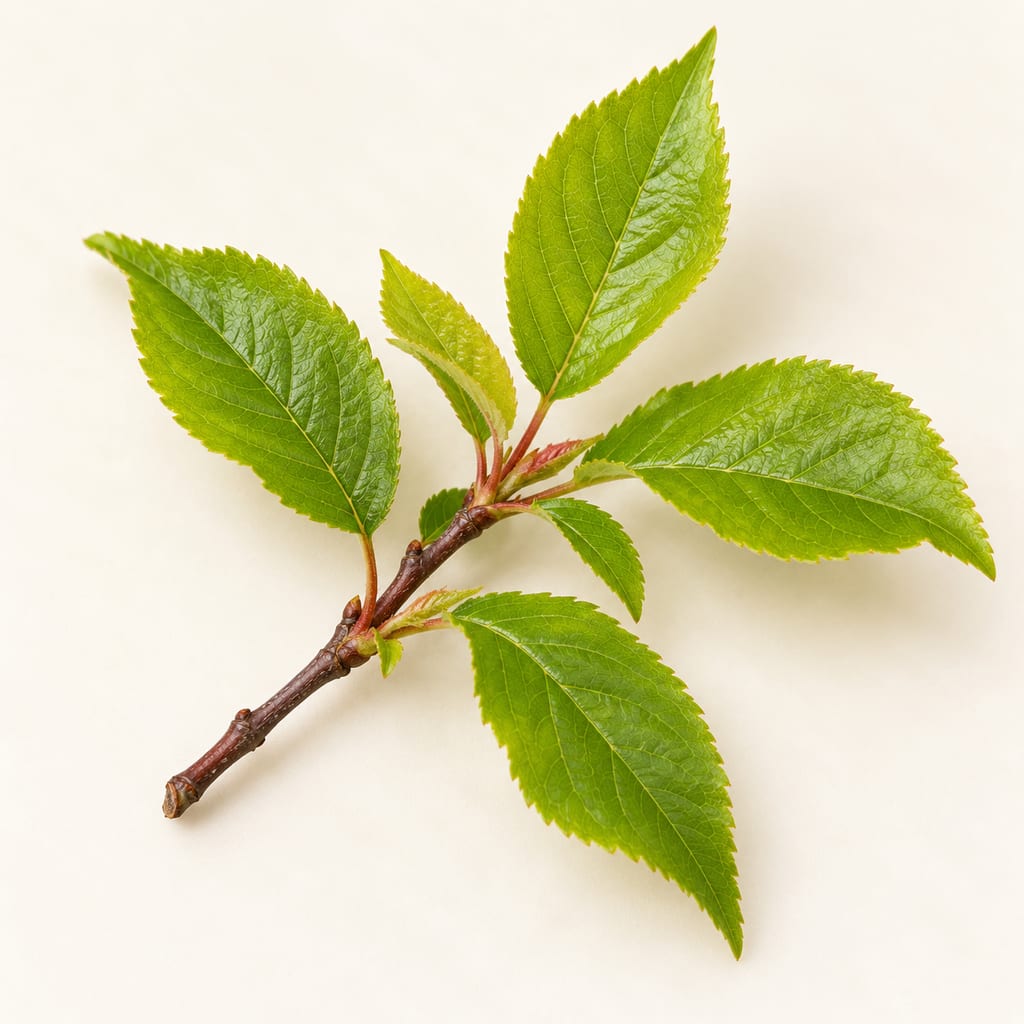
Sour-cherry leaves come from Prunus cerasus L. (Rosaceae), the accepted name used by Kew. The tree is deciduous; its simple leaves are arranged alternately and are green, smooth, elliptic to ovate, and serrated. Some leaves have small glands near the base. These features describe the species, but a photograph or common name alone is not a reliable way to identify a gathered leaf.
The geographic account is not fully settled in the sources inspected: Kew gives the Caucasus as the species’ native range, while North Carolina State Extension describes Europe to southwest Asia. Neither source establishes where the tree was first domesticated or when its leaves entered food use. The leaf’s best-documented culinary role in the sources here is much narrower than the fruit’s familiar use.
In Thrace, sour-cherry leaves are used with grapes and mustard in hardaliye, a fermented grape beverage. A 2014 laboratory study identified the leaves as Prunus cerasus and added them for aroma. Its Alphonse Lavallée trial used 25 g of leaves in a 10 L vessel alongside grape juice, pomace, mustard and preservatives. A separate 2023 study also named the species and used freshly picked leaves in laboratory hardaliye. These are records of particular research batches, not a universal household formula.
The leaves are described as an aromatic addition, while grape juice and crushed grapes supply the fermenting medium. The 2023 study found changing bacterial communities and a falling pH in its hardaliye batches, but it did not isolate the leaves’ contribution to fermentation or aroma. The sources therefore support the leaf as a documented flavoring component; they do not show that it is a starter culture, a reliable acidifier, or necessary to make the beverage.
North Carolina State Extension rates the species as having medium-severity poison characteristics and lists leaves, seeds and stems among the poisonous parts. Its specific explanation of cyanide compounds focuses on the pits and chewed or crushed seeds; it does not give a leaf-specific human dose or treatment. This distinction matters: the source flags the leaves, but its pit discussion cannot quantify the risk from leaves.
The 2014 hardaliye study reported microbiological results for its complete experimental beverage; it did not assay cyanogenic compounds in the leaves or establish a general human-safety rule. The 2023 fermentation study likewise did not evaluate leaf toxicity. No inspected source establishes a safe quantity, preparation, extraction, fermentation condition, or removal method for sour-cherry leaves. The traditional use can be documented without turning those research batches into a home-use recommendation.
The sources document sour-cherry leaves in hardaliye associated with Thrace; this records the beverage use, not the species’ place of origin.
Black carrot is the anthocyanin-pigmented Eastern carrot (Daucus carota var. atrorubens), the purple root that preceded orange types and still colours kanji and şalgam.
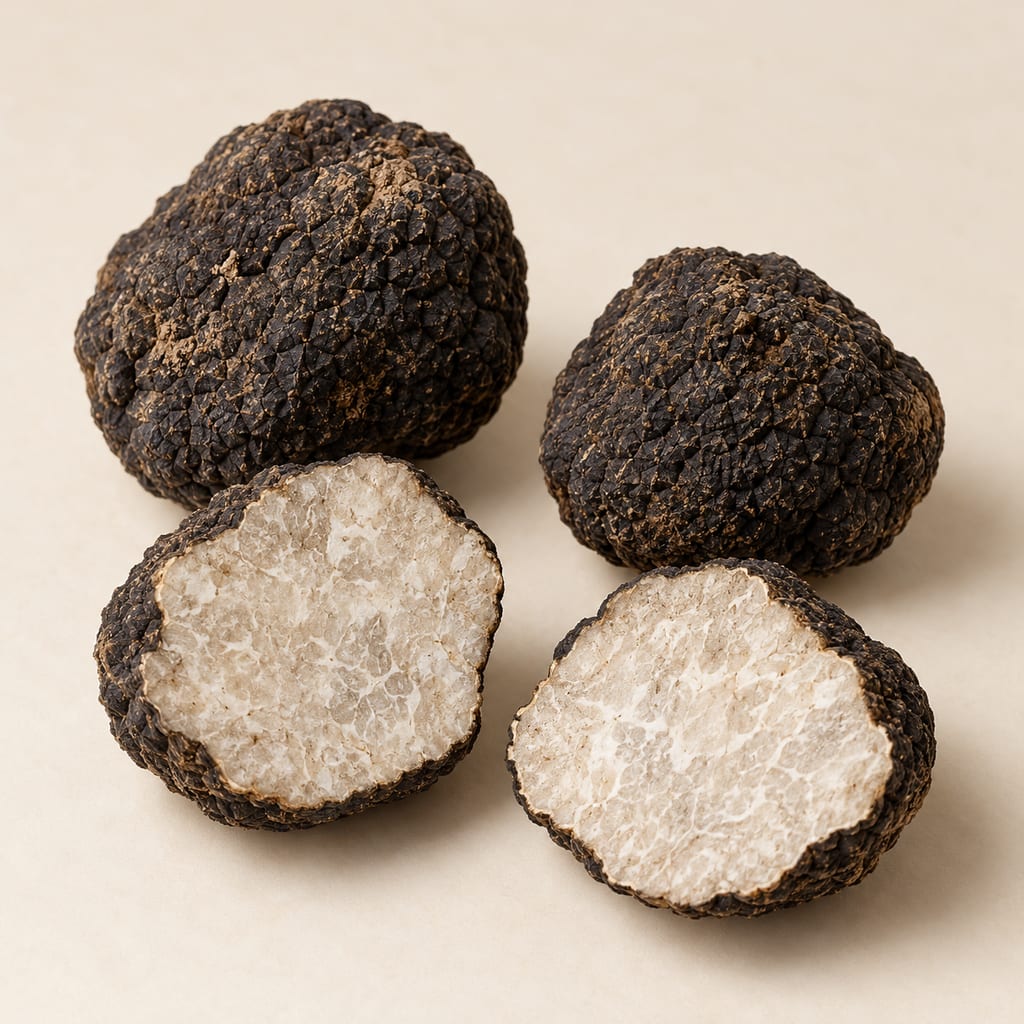
The black desert truffle, catalogued as Picoa juniperi, is a subterranean fungus gathered wild in arid and semi-arid lands. Eastern Anatolian households eat it, usually fried with eggs.
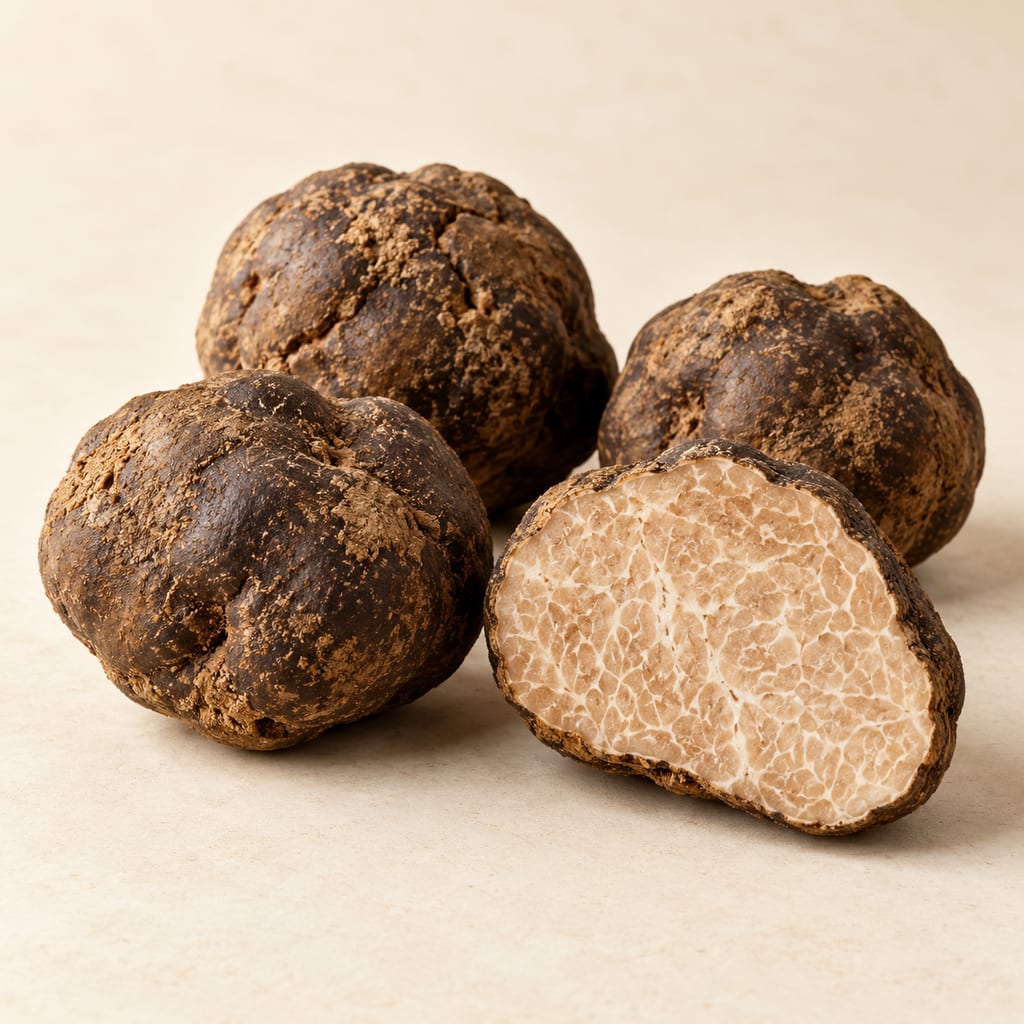
The brown desert truffle, Terfezia boudieri, is an underground fungus of arid soils around the eastern Mediterranean and North Africa, gathered and sold in Turkey and eaten fried with eggs.
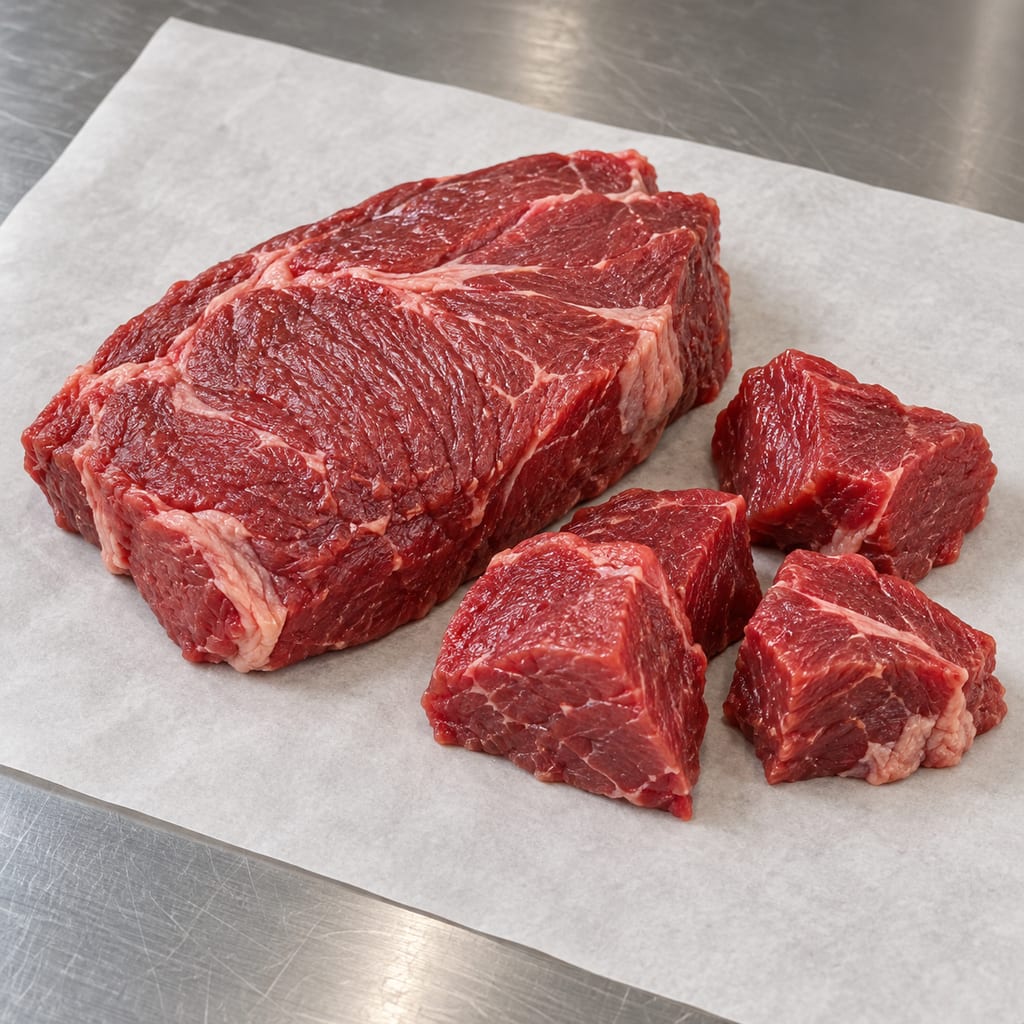
Water-buffalo meat, often called carabeef, is the flesh of Bubalus bubalis; its colour, texture and fat vary with animal, cut and production system. “Buffalo” can also mean bison or African buffalo in other contexts.
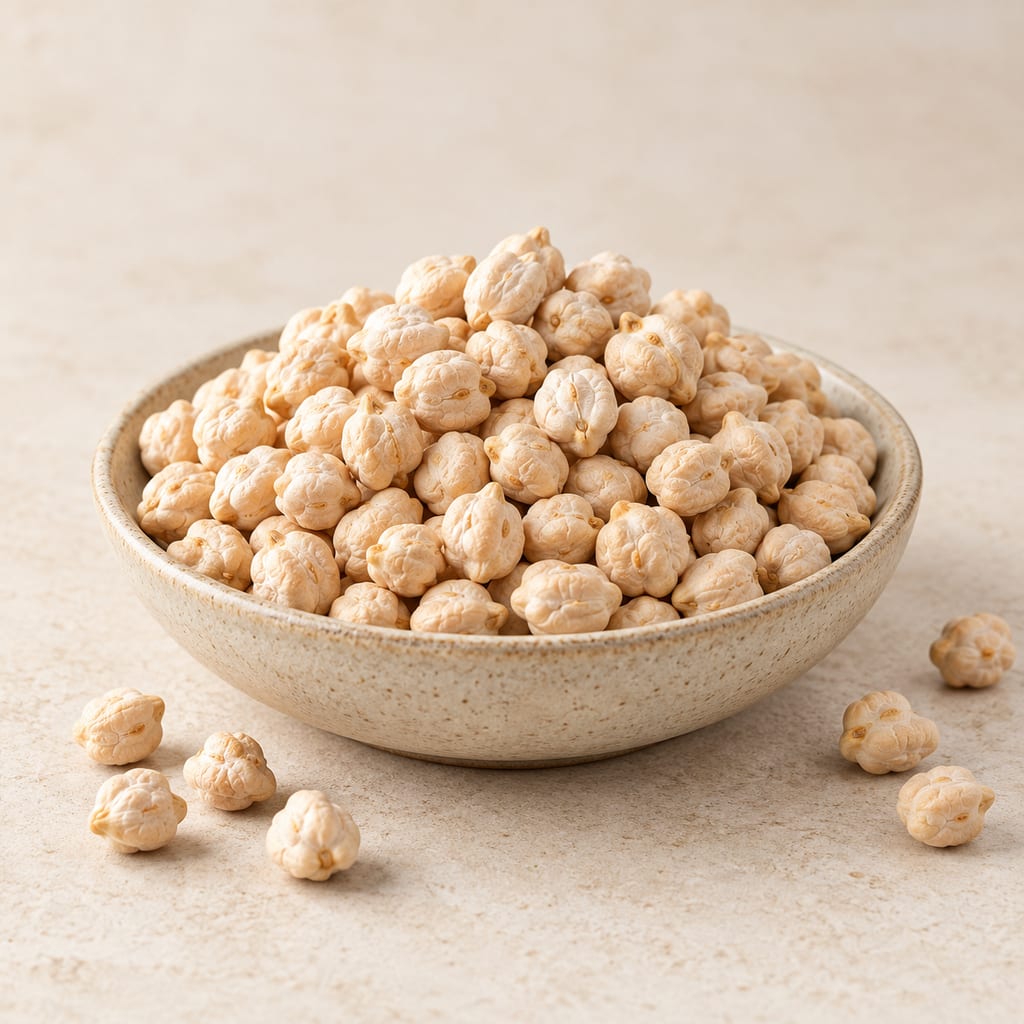
Chickpeas (Cicer arietinum) are dry pulses eaten whole or milled into flour, which gives socca, farinata and other breads a dense, nutty batter or dough.
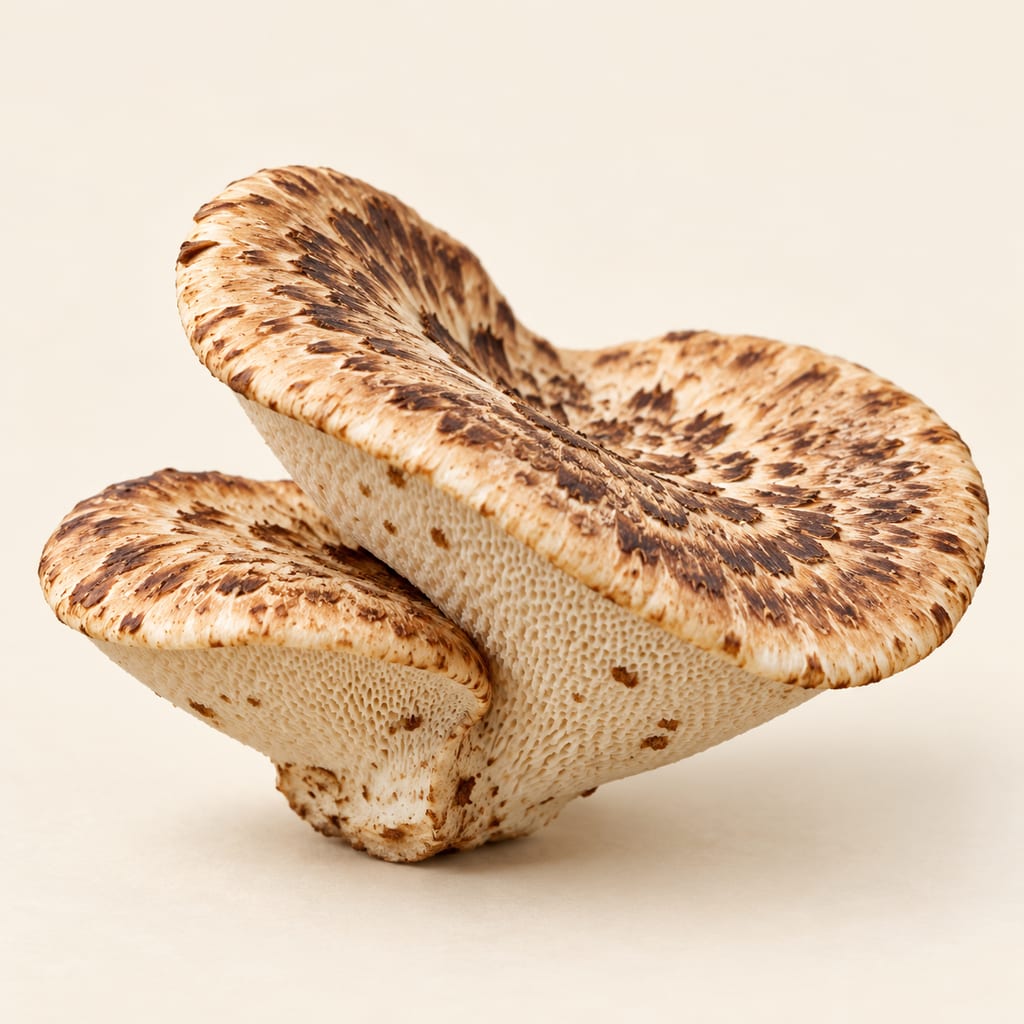
Dryad’s saddle is a wild hardwood polypore whose young tender margins are cooked in some regional food traditions; mature brackets quickly become tough.
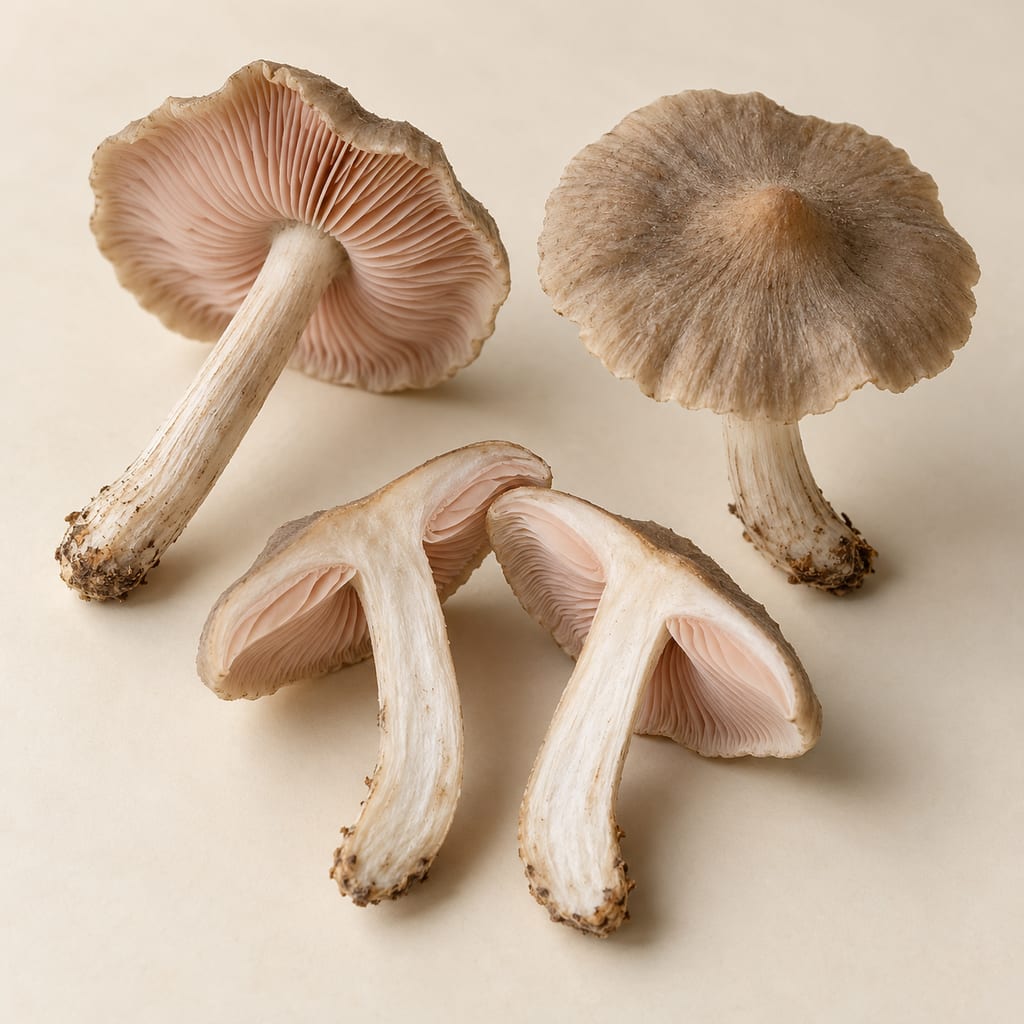
A spring pink-spored mushroom associated with Rosaceae. European food use is documented, alongside a Turkish poisoning report and unresolved species-complex records in Mexico.
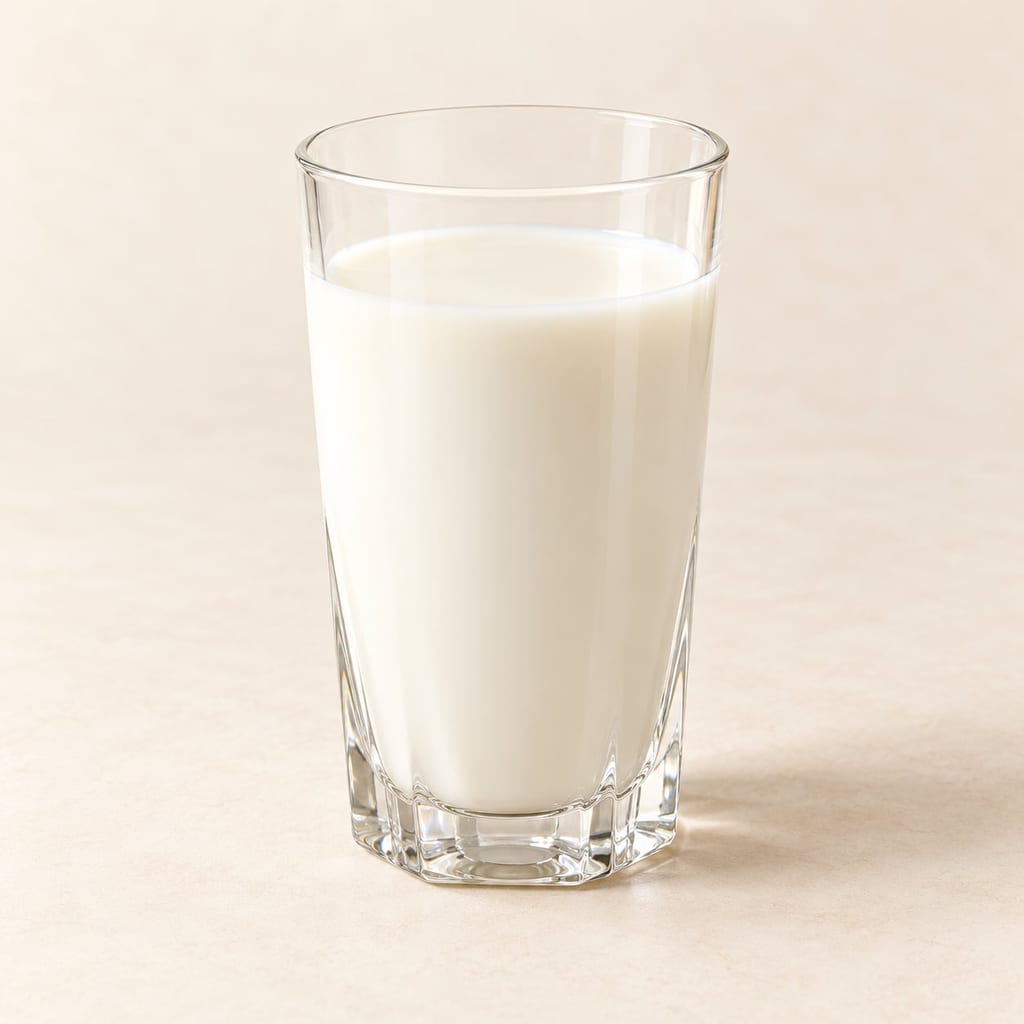
Milk is the fluid produced by dairy animals. Its species, fat level, heat treatment and handling shape the way it can be drunk, cultured or turned into curd.
No community contributions have been published for this entry yet.
Sign in to contribute. Published comments and photos are free to read.
Royal Botanic Gardens, Kew, Plants of the World OnlineBotanical identity · Distribution
Prunus cerasus L.Accepted name Prunus cerasus L.; family Rosaceae; tree; native range recorded as Caucasus.
Cited in: Identity and leaf form
North Carolina State Extension, Gardener Plant ToolboxBotanical identity · Cultivation · Safety
Prunus cerasus (Sour Cherry, Tart Cherry)Deciduous tree and leaf morphology; native range described as Europe to southwest Asia; leaves, seeds and stems listed among poisonous parts; cyanide discussion specifically describes pits.
Cited in: Identity and leaf form; Toxicity and limits of use
Gıda, 39(3), 139–145Culinary use · Fermentation context · Safety context
A Study on Production and Quality Criteria of Hardaliye; A Traditional Drink from Thrace Region of TurkeyIdentifies sour-cherry leaves as Prunus cerasus; describes them as aroma ingredient in laboratory hardaliye; Alphonse Lavallée batch used 25 g leaves in 10 L with grape materials, mustard and preservatives; study conclusion applies to its tested beverage, not leaf-specific toxicity.
Cited in: Aromatic leaves in hardaliye; Toxicity and limits of use
Journal of Agricultural Sciences (Tarım Bilimleri Dergisi)Culinary use · Fermentation context
Bacterial Dynamics of Hardaliye, a Fermented Grape Beverage, Determined by High-Throughput SequencingDescribes hardaliye as a Thracian fermented red-grape beverage made with sour-cherry leaves; identifies leaves as Prunus cerasus in its method; study’s microbiological analysis did not assess leaf toxicity or isolate the leaves’ functional effect.
Cited in: Aromatic leaves in hardaliye; Toxicity and limits of use