
Abalone mushroom
Pleurotus cystidiosus is the abalone mushroom, a cultivated oyster-type fungus with dark brown caps that grows more slowly and is more demanding than other Pleurotus species.
 FermenteaWhere food goes to change
Spices and aromatics
Clitoria ternatea's blue flower is used as a colourant and appears in a Thai dried-flower tea product. Food use is preparation-specific; EFSA raised safety objections to a dried-flower traditional-food notification.
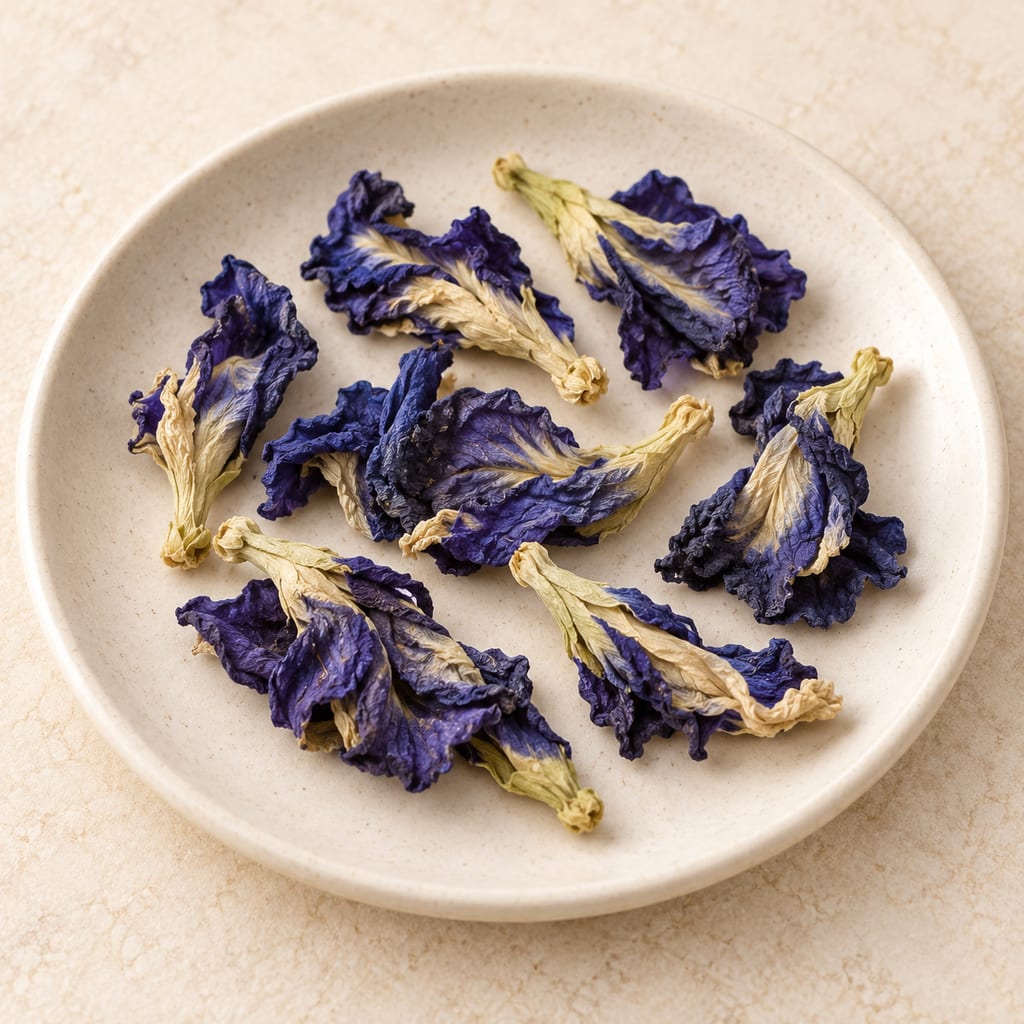
Thailand's Food and Drug Administration profiles a producer's dried butterfly-pea flower tea. The product page is dated 2025 and describes fresh flowers being harvested and dried for tea and culinary colouring; it records that product, not when the drink first appeared. The earliest dated culinary use is not established by the sources reviewed here.
Mahidol University's pharmacy information centre describes dried flowers brewed as a beverage and flower colour used in food and drinks in Thailand. These sources establish food and beverage uses, but they do not provide a complete, standardized household recipe with quantities, yield or storage limits.
Butterfly pea is Clitoria ternatea L., an accepted species in Fabaceae, the legume family. Kew describes it as a climbing perennial and records a native range including Cape Verde, tropical and southern Africa, and the Arabian Peninsula; Thailand is among its introduced range. The Thai name อัญชัน (anchan) is recorded for this species by Thai botanical and pharmacy sources. The ingredient here is the flower, not the plant's seeds, roots or medicinal extracts.
The flowers are blue to violet and may be used fresh or dried. Thailand's FDA describes dried whole flowers as the starting material for the named tea product. Flowers and extracts are not interchangeable: this page does not extend flower-food evidence to concentrated extracts, other plant parts or supplements.
Flower pigments give butterfly-pea preparations an intense blue colour. The 2025 food review describes the pigments as pH-responsive; a colour shift with acidity is a colour response, not evidence of fermentation, preservation or a health effect.
The inspected product sources document use in drinks and culinary colouring. The flower is an aromatic and colour ingredient, not a fermenting culture or an established preservative. The linked nam dok anchan preparation record is a drink; the reviewed evidence does not establish that the flower ferments or preserves it.
Safety findings depend on the material and intended use. In its 2022 assessment of a notification for dried Clitoria ternatea flowers as a traditional food from a third country, EFSA raised safety objections. It noted reported traditional food-colouring use in Asian countries, but said a traditional history of herbal infusions had not been established and the available information did not exclude risk from cyclotides whose toxicological profile was insufficiently known. This was an assessment of the notified dried-flower material and proposed uses; it does not establish that all flower foods are harmful or that every preparation is safe.
Mahidol University's pharmacy information centre advises caution with strongly concentrated flower drinks for people taking medicines that affect blood clotting, citing a reported antiplatelet effect of the flower constituent ternatin D1. The source does not provide a clinical interaction trial or validated dose, so the clinical significance is uncertain; this is a reported precaution, not proof of an interaction at ordinary food exposure.
A 2025 review says most proposed health effects are supported mainly by preclinical research and calls for further human study to establish efficacy and safety. Antioxidant assays and medicinal claims do not demonstrate clinical benefit. Long-term safety, vulnerable populations and standardized preparation remain unresolved.
The reviewed sources do not establish a single earliest dated culinary use, a complete traditional preparation, serving amounts or home storage instructions.
Safety evidence remains preparation- and dose-specific. The cited EFSA objection concerns a notification for dried flowers and proposed use as an infusion; current authorization in any particular jurisdiction was not independently checked.
No clinical benefit, therapeutic dose, long-term safety profile, food-preservation function or comprehensive allergen profile is established here.
Kew records a broad native range, but the inspected sources do not establish a single original domestication area.
Thailand's FDA documents a named dried-flower tea product and culinary colouring use, not a universal tradition or a safety determination.
Thailand's FDA says the named product supports growers in Sisaket Province, particularly Huai Thap Than District; this is a product-sourcing context, not native origin.
Pleurotus cystidiosus is the abalone mushroom, a cultivated oyster-type fungus with dark brown caps that grows more slowly and is more demanding than other Pleurotus species.
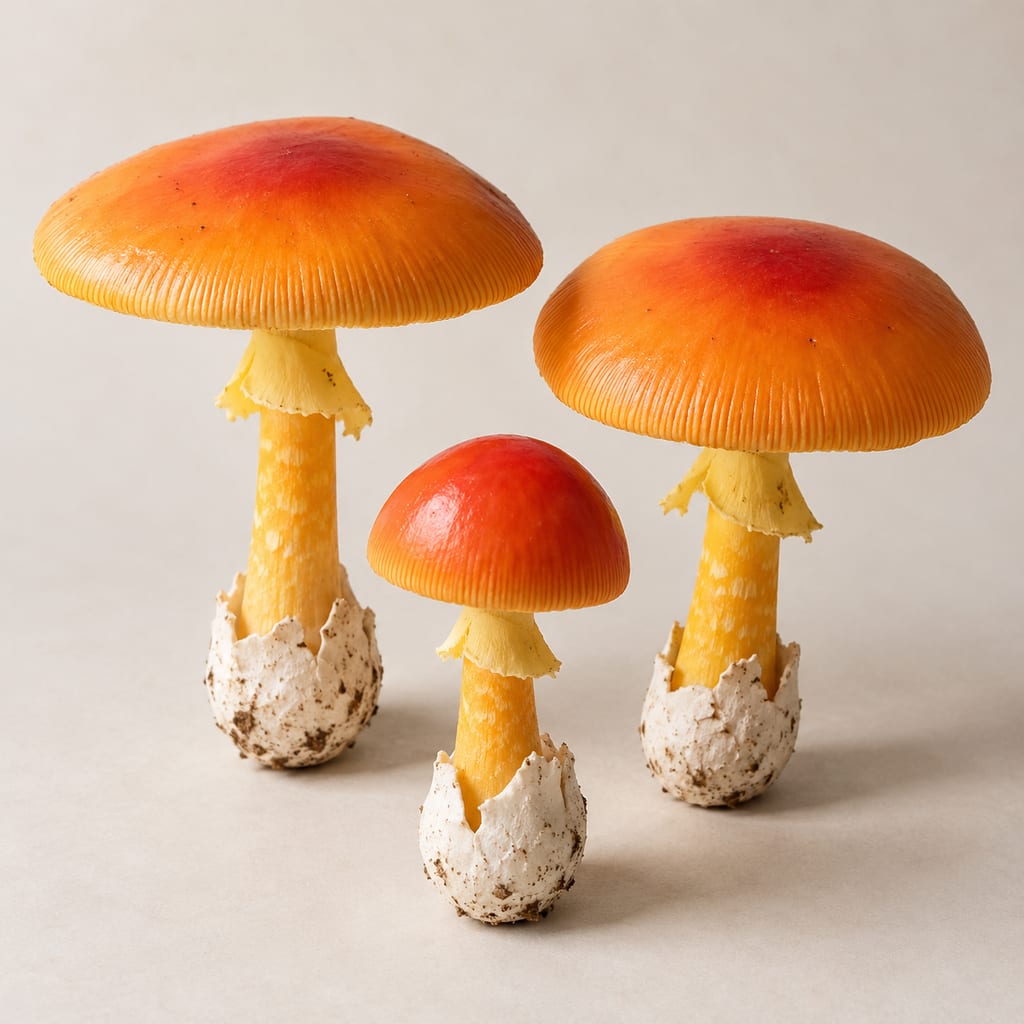
A wild Asian Amanita reported as food in regional literature and listed in China’s edible-fungi catalogue. Lookalikes include lethal species; this record is not a guide to identifying wild mushrooms.
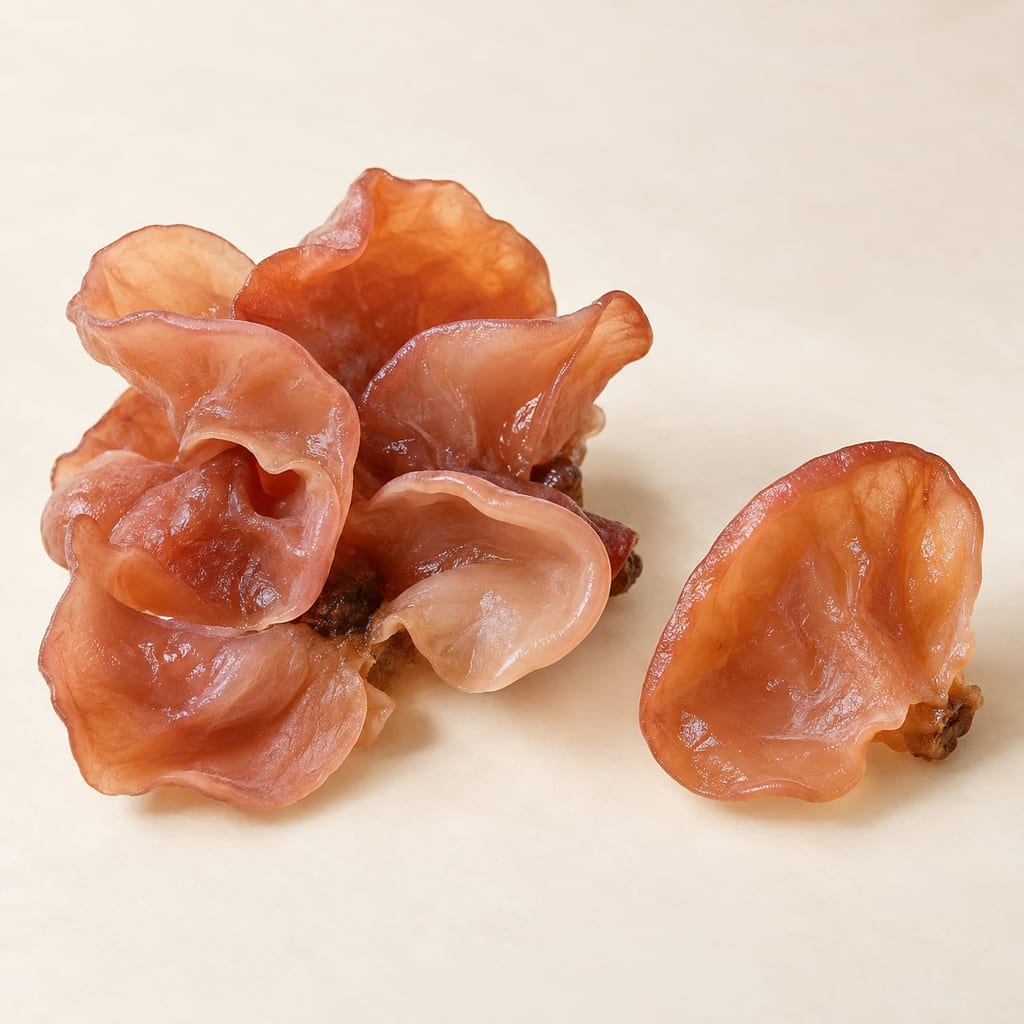
Auricularia thailandica is a thin, gelatinous wood ear described from Southeast Asian collections. Research reports it edible and experimentally cultivable, but species-specific recipes and everyday handling guidance are scarce.
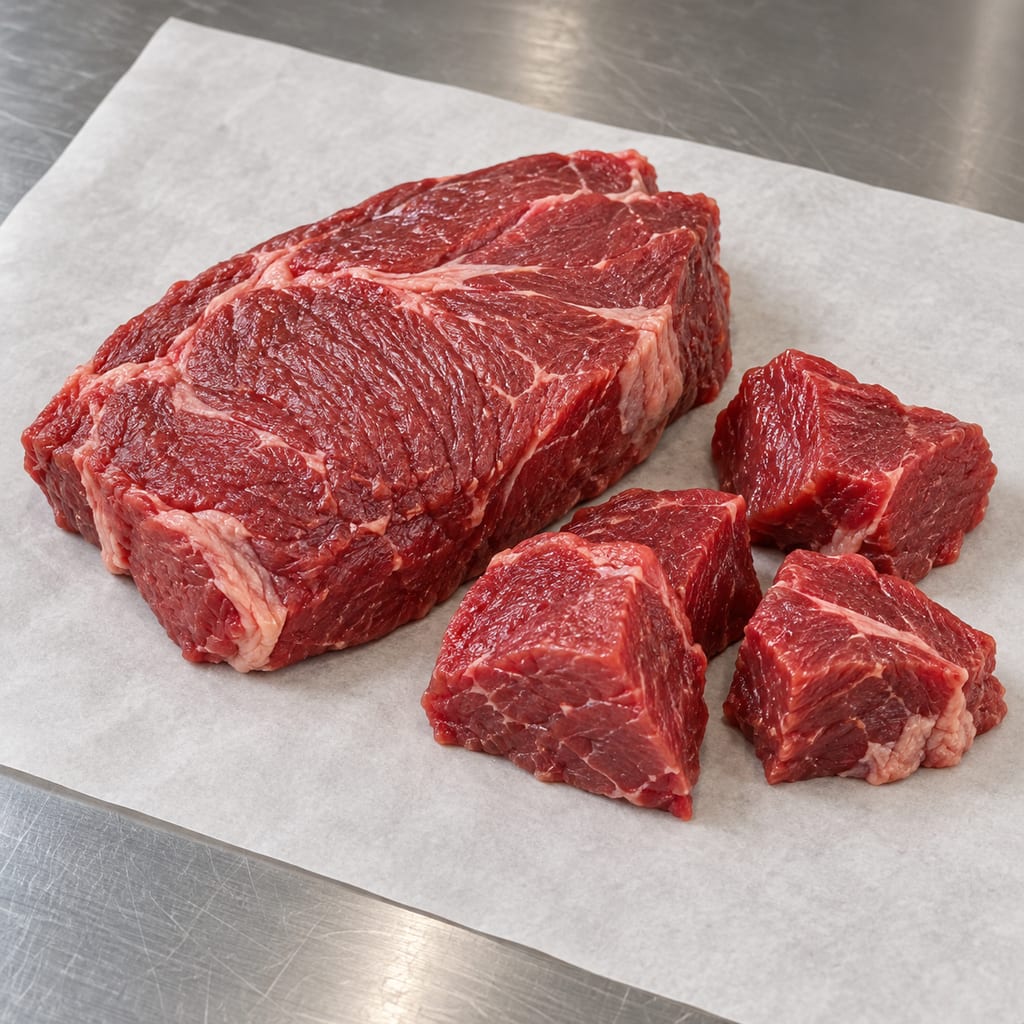
Water-buffalo meat, often called carabeef, is the flesh of Bubalus bubalis; its colour, texture and fat vary with animal, cut and production system. “Buffalo” can also mean bison or African buffalo in other contexts.
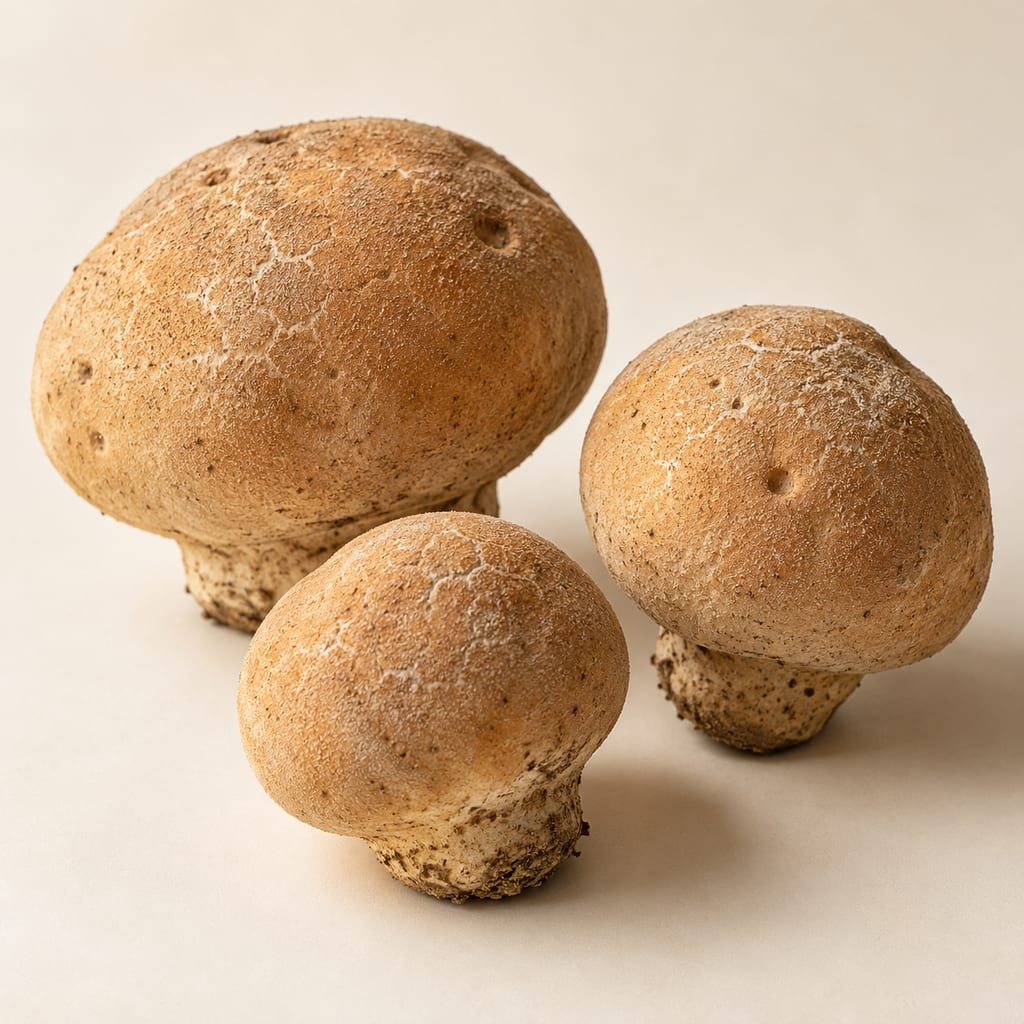
Calvatia boninensis is a large puffball described from the Bonin (Ogasawara) Islands of Japan, reported as edible in some catalogues and local accounts, with no species-specific safety or preparation study.
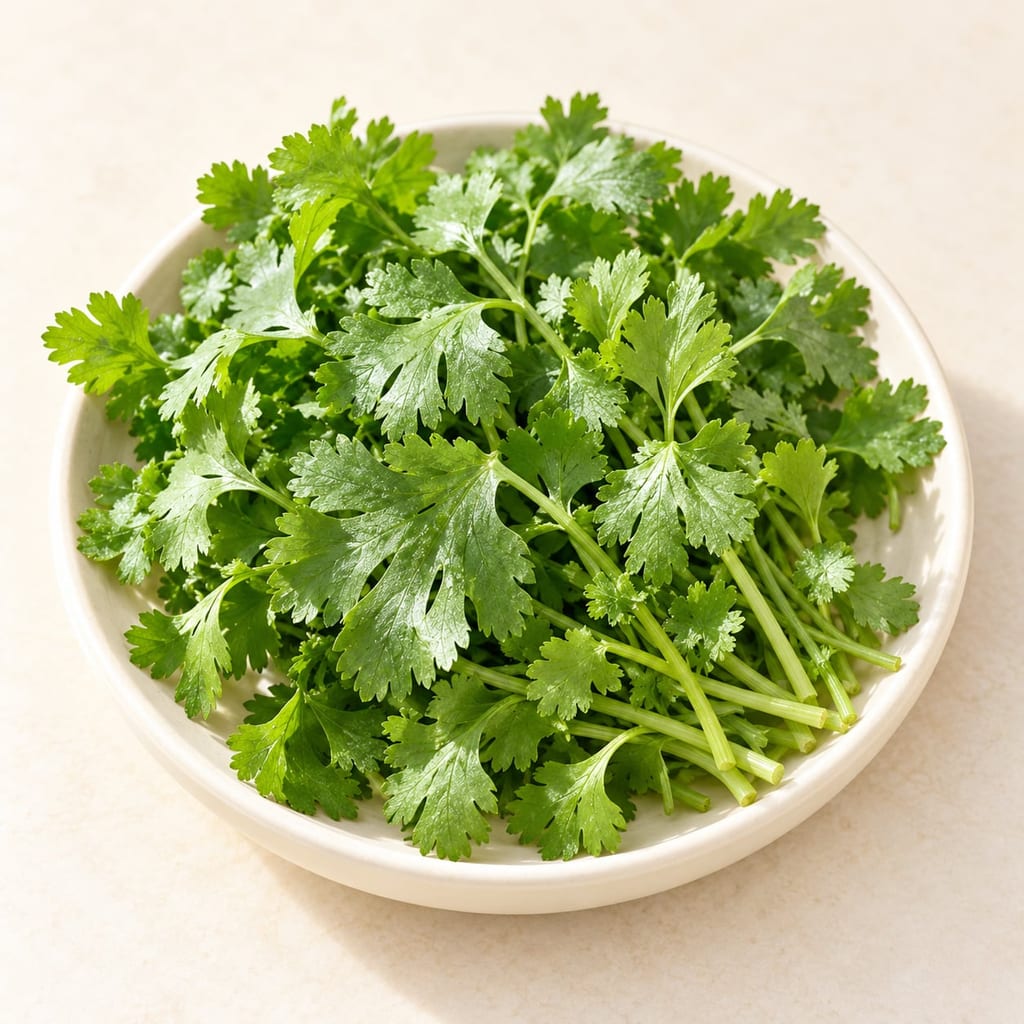
Cilantro is the fresh leafy herb of Coriandrum sativum, the same annual plant that produces coriander spice. Its green, aromatic leaves and fine stems bring a vivid herbal note to foods such as sai krok Isan.
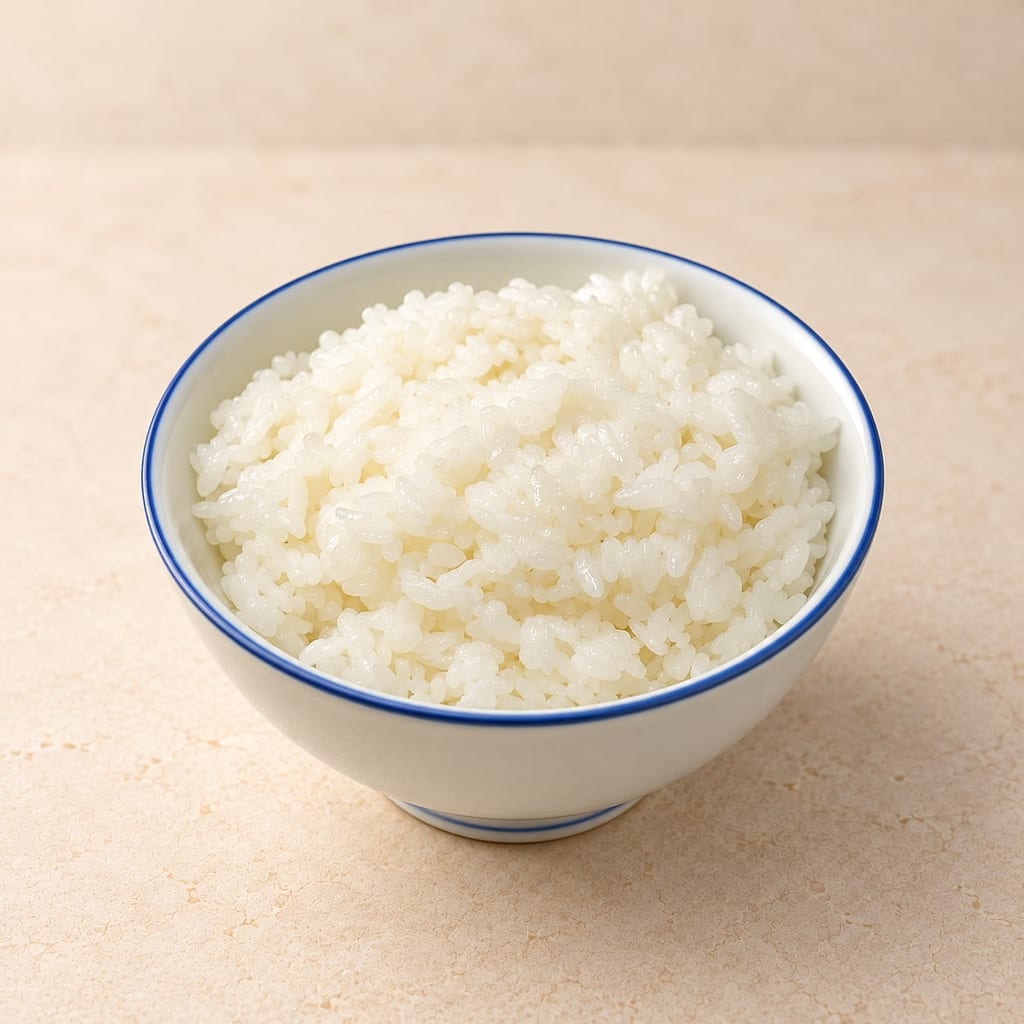
Cooked rice is rice grain heated in water until its starch gelatinizes; in Thai sour sausage it feeds the bacteria that acidify the meat.
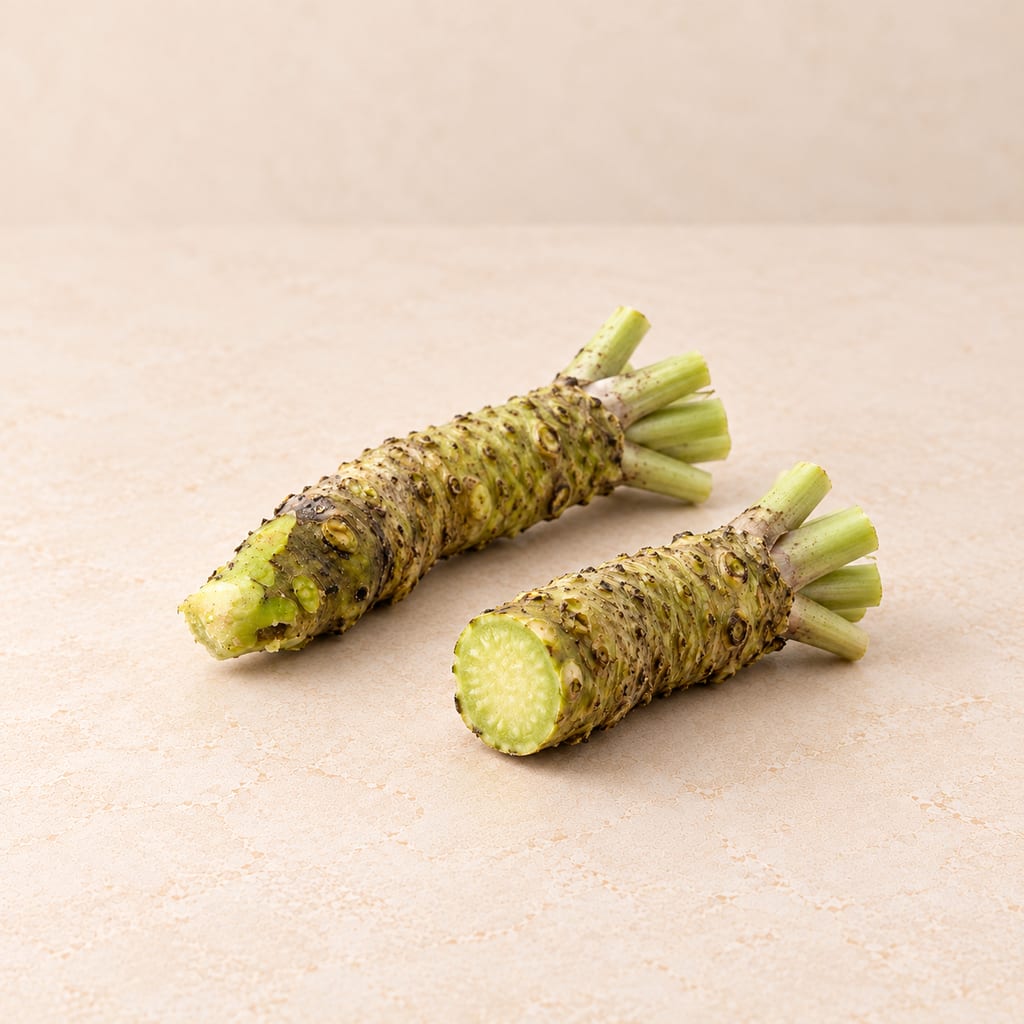
Wasabi is the enlarged stem of Eutrema japonicum, a pungent perennial in the mustard family. Fresh rhizome is grated as a Japanese condiment; powder and prepared paste are separate products.
No community contributions have been published for this entry yet.
Sign in to contribute. Published comments and photos are free to read.
Royal Botanic Gardens, Kew, Plants of the World OnlineBotanical identity · Classification · Distribution
Clitoria ternatea L.Cited in: Botanical identity and ingredient form
Food and Drug Administration, ThailandDocumented food product · Preparation context · Product sourcing
Butterfly Pea Flower TeaCited in: Food history and product evidence; Botanical identity and ingredient form; Colour and culinary role; Research gaps
European Food Safety Authority (EFSA) Supporting PublicationsSafety assessment
Notification of dried flowers of Clitoria ternatea L. as a traditional food from a third country pursuant to Article 14 of Regulation (EU) 2015/2283Cited in: Safety and evidence limits; Research gaps
Plants (Basel), 2025;14(21):3322Food applications · Evidence limitations
Clitoria ternatea: Perspectives on Its Application in Foods and Potential Health BenefitsCited in: Colour and culinary role; Safety and evidence limits; Research gaps
Department of Agriculture, ThailandThai common name · Botanical identity
การผลิตอัญชัน (Butterfly pea production guide)Cited in: Botanical identity and ingredient form
Mahidol University, Faculty of Pharmacy, Medicinal Plant Information CenterFood and beverage use · Safety context
“อัญชัน” ประโยชน์ที่ควรรู้Cited in: Food history and product evidence; Botanical identity and ingredient form; Colour and culinary role; Safety and evidence limits; Research gaps