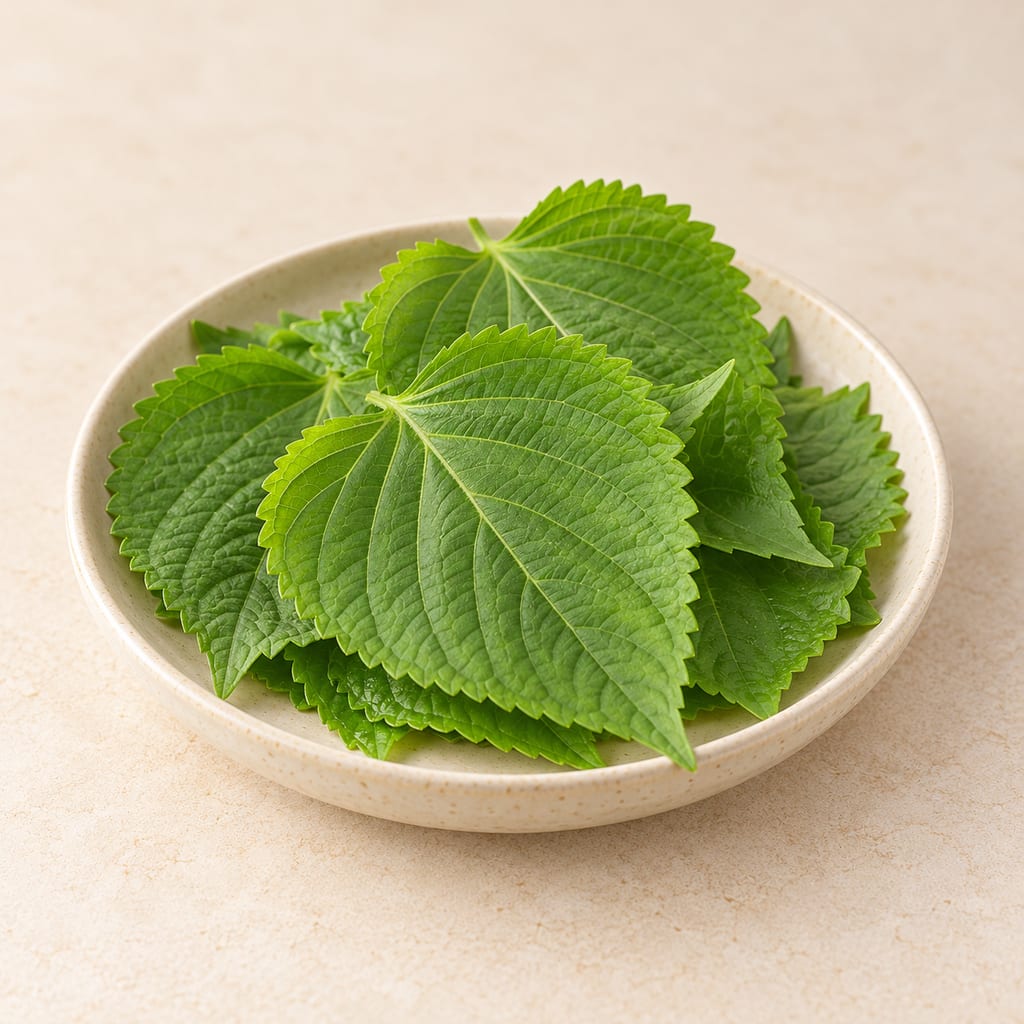
Perilla leaf
A guide to Perilla names, food uses and regional cultivation reports, with cultivar and plant-part boundaries kept visible.
 FermenteaWhere food goes to change
Spices and aromatics
Red perilla is the purple-leaved form of Perilla frutescens used as a fresh aromatic leaf and as a color-giving herb in some East Asian foods. This page distinguishes that form from green perilla leaves and from perilla seed.
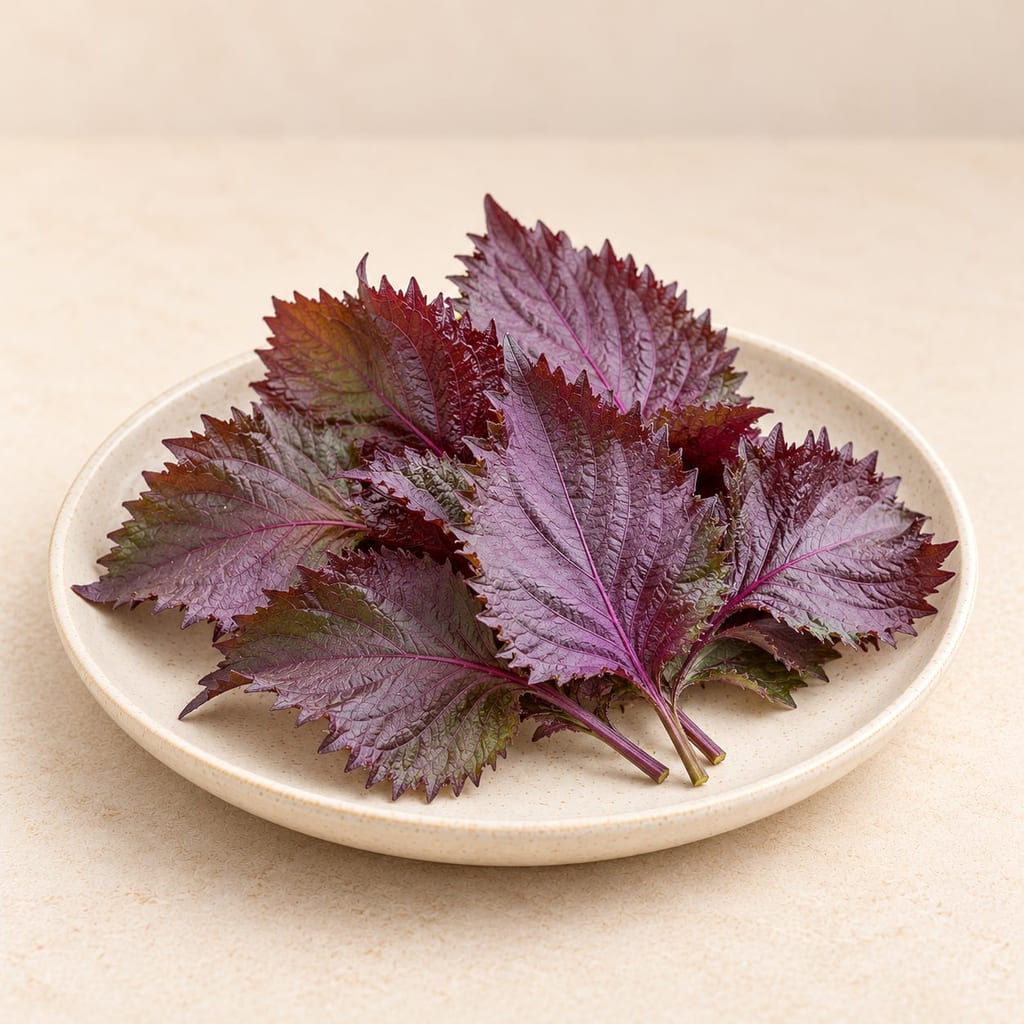
Red perilla is not a separate species: Kew accepts Perilla frutescens (L.) Britton and describes the annual herb as green or purple, with broadly ovate leaves that can be deeply toothed, laciniate or crisped. The ingredient here is the fresh, purple-leaved foliage, commonly called red shiso or akajiso; the name does not identify a particular cultivar. Perilla seed and seed oil are separate ingredients.
Singapore’s National Parks Board lists leaves among the edible parts of P. frutescens and reports its use as a flavoring in Korean, Japanese and Vietnamese dishes. Japan’s Ministry of Agriculture, Forestry and Fisheries records shiso leaves salted with vegetables in Kyoto shibazuke and identifies the Ohara district as a known red-shiso growing area, valued for color and aroma. Those are regional examples, not a universal preparation or a guarantee that every dish called shiso uses the red form.
The source atlas also names red perilla (zisu) with Chinese plum preservation and Japanese umeboshi. That use is consistent with red foliage serving as an aromatic and color-giving ingredient, but it does not make the leaf synonymous with the finished pickle.
Use a reliably identified culinary perilla product; common names alone do not establish cultivar or species. The sources here support a leafy aromatic ingredient and documented regional food contexts, not a universal flavor profile, storage life, medicinal effect or safety claim.
The Japanese Ministry of Agriculture, Forestry and Fisheries documents shiso leaves in Kyoto shibazuke and identifies Ohara as a red-shiso growing area; this is a regional use association, not a claim of origin.
A guide to Perilla names, food uses and regional cultivation reports, with cultivar and plant-part boundaries kept visible.

A gelling polysaccharide extracted from red seaweeds, sold as kanten strips or powder; it sets firm at a low concentration and stays solid until about 85 °C.

Akahatsu, Lactarius akahatsu, is a wild milkcap of East Asian pine and mixed forests that is sold in Yunnan markets, with its edibility and identity still needing species-level review.

The almond mushroom, Agaricus subrufescens, was cultivated in eastern North America in the 1800s, lost its market, and returned as a cultivated mushroom from Brazil, where it is grown under several names.
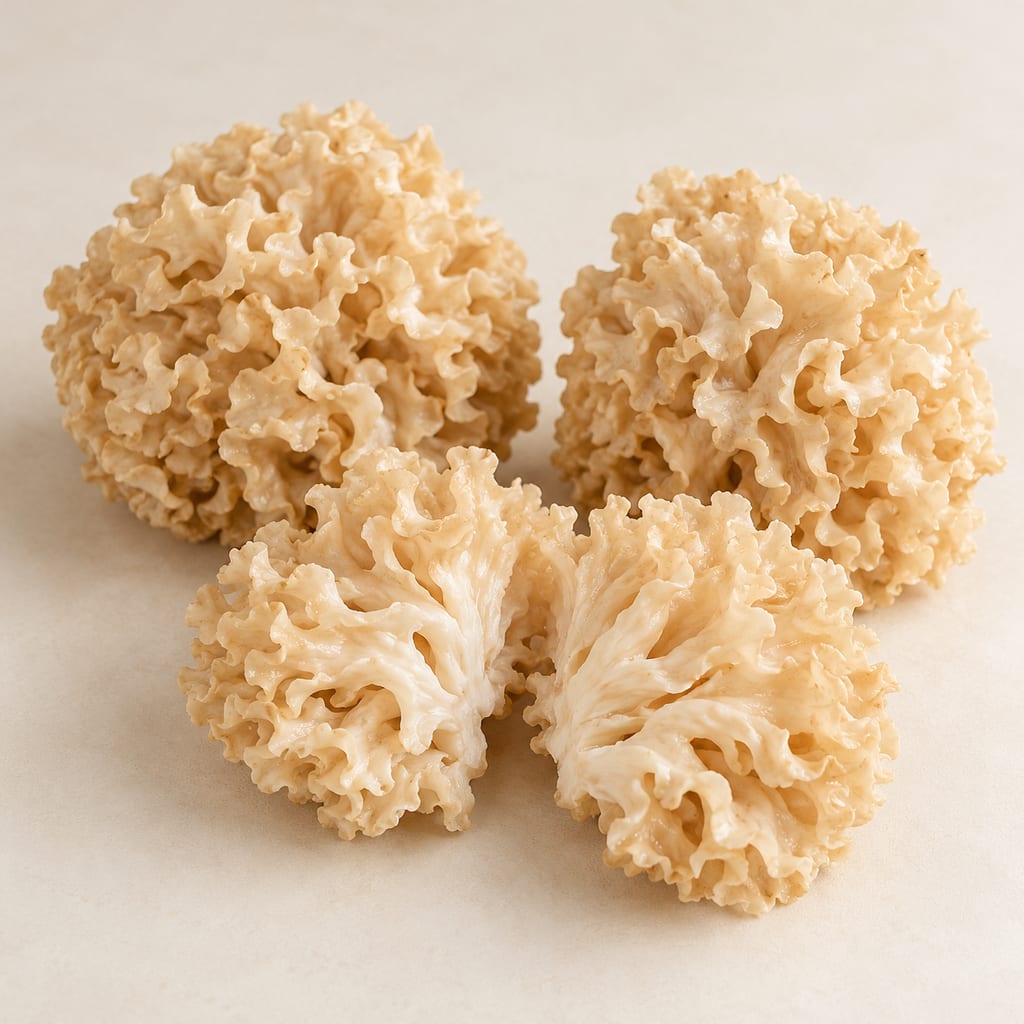
The Asian cauliflower mushroom, Sparassis latifolia, is a cultivated fungus with a frilled, fronded form that is eaten in China, Japan and Korea. Many Asian records under the name Sparassis crispa refer to this species.
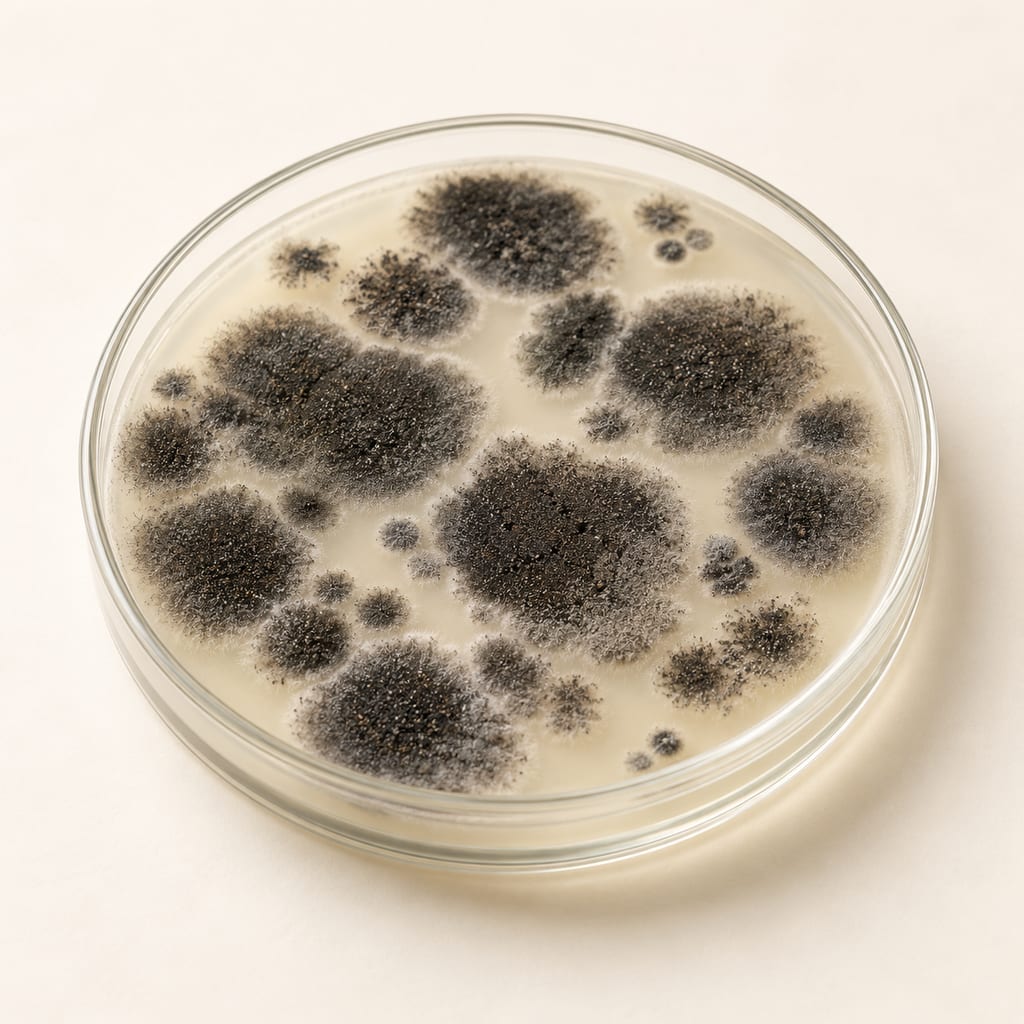
Aspergillus luchuensis is the black koji mould used in Japanese shochu and awamori, valued for the citric acid it makes alongside the starch-converting enzymes of koji.
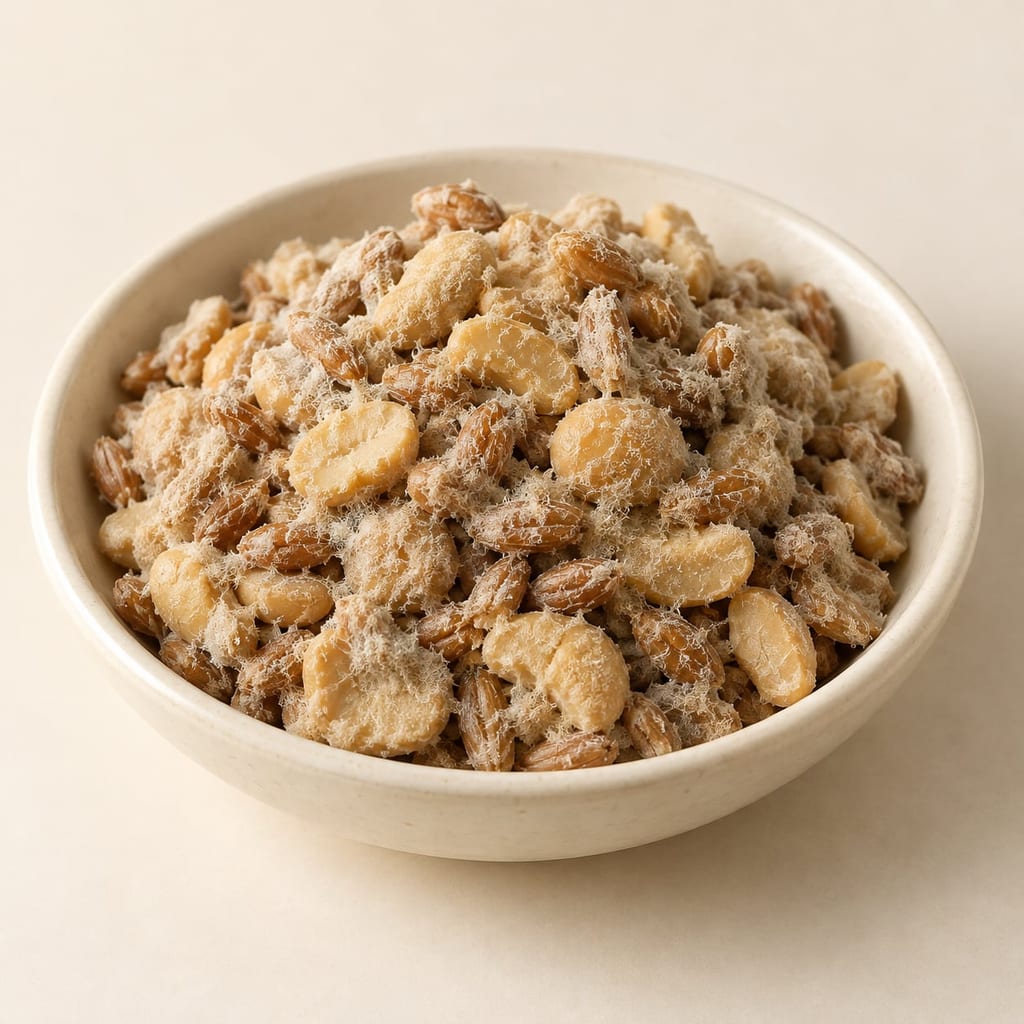
Aspergillus sojae is a koji mould of the Aspergillus flavus group, closely related to A. oryzae, used as a starter in soybean fermentations such as Korean meju, doenjang and ganjang.
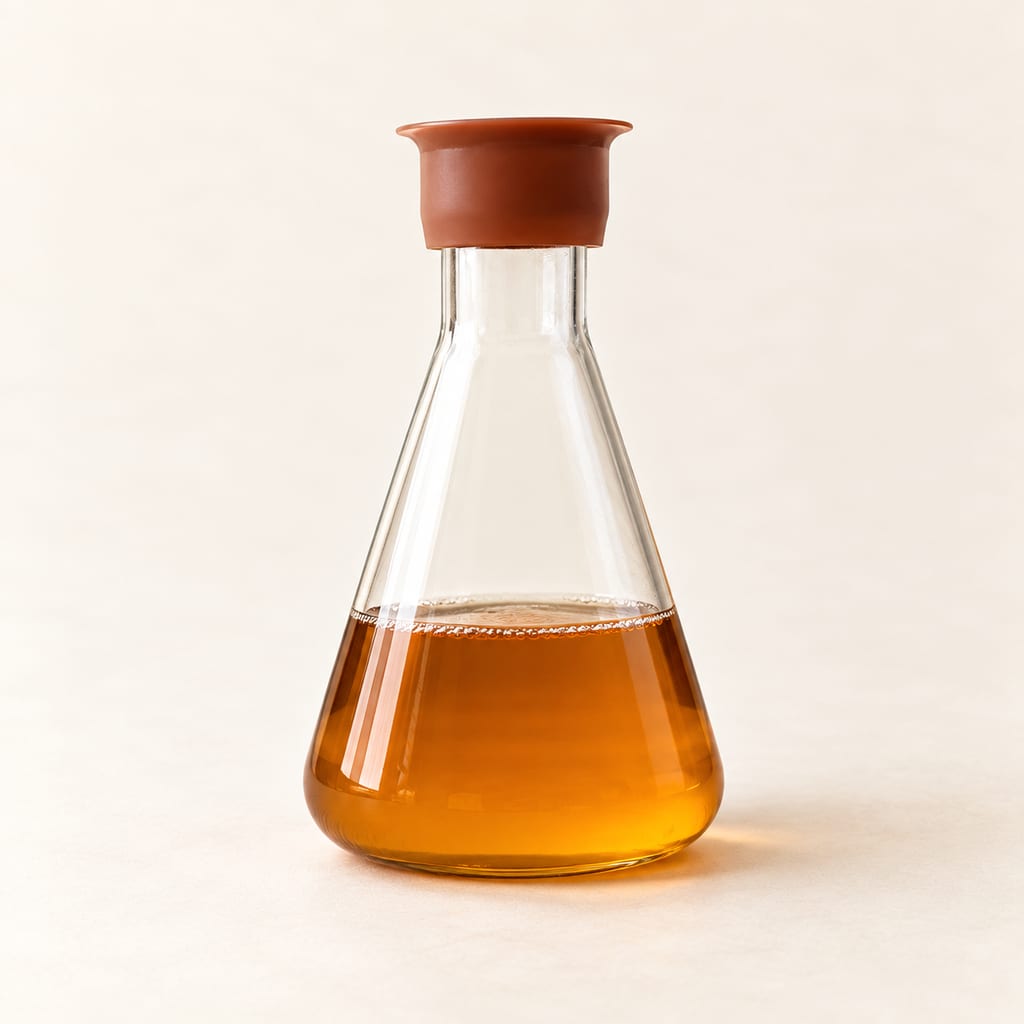
Awamori yeast ferments sugar released from rice koji in the Okinawan spirit’s mash. Sakimoto names the ingredient but gives no strain, form, supplier or dose.

Bamboo shoots are the young culms of many bamboo species, eaten after boiling or leaching in Asia, and fermented into sour and preserved foods in the Himalayas, northeast India and Burma.
No community contributions have been published for this entry yet.
Sign in to contribute. Published comments and photos are free to read.
Royal Botanic Gardens, Kew, Plants of the World OnlineBotanical identity · Botanical description
Perilla frutescens (L.) BrittonAccepted species name; annual green or purple herb; broad toothed, laciniate or crisped leaves.
Cited in: Plant and ingredient form; Scope and limits
National Parks Board, SingaporeIngredient identity · Culinary use
Perilla frutescensLists leaves among edible plant parts and reports use of the plant in Korean, Japanese and Vietnamese food.
Cited in: Food use; Scope and limits
Ministry of Agriculture, Forestry and Fisheries, JapanRegional use · Culinary context
しば漬け(しばづけ)京都府 — Our Regional CuisineDescribes shiso leaves salted with vegetables in Kyoto shibazuke and identifies Ohara as a red-shiso production area valued for color and aroma.
Cited in: Food use; Scope and limits