
Agar / kanten
A gelling polysaccharide extracted from red seaweeds, sold as kanten strips or powder; it sets firm at a low concentration and stays solid until about 85 °C.
 FermenteaWhere food goes to change
Cultures
Aspergillus luchuensis is the black koji mould used in Japanese shochu and awamori, valued for the citric acid it makes alongside the starch-converting enzymes of koji.
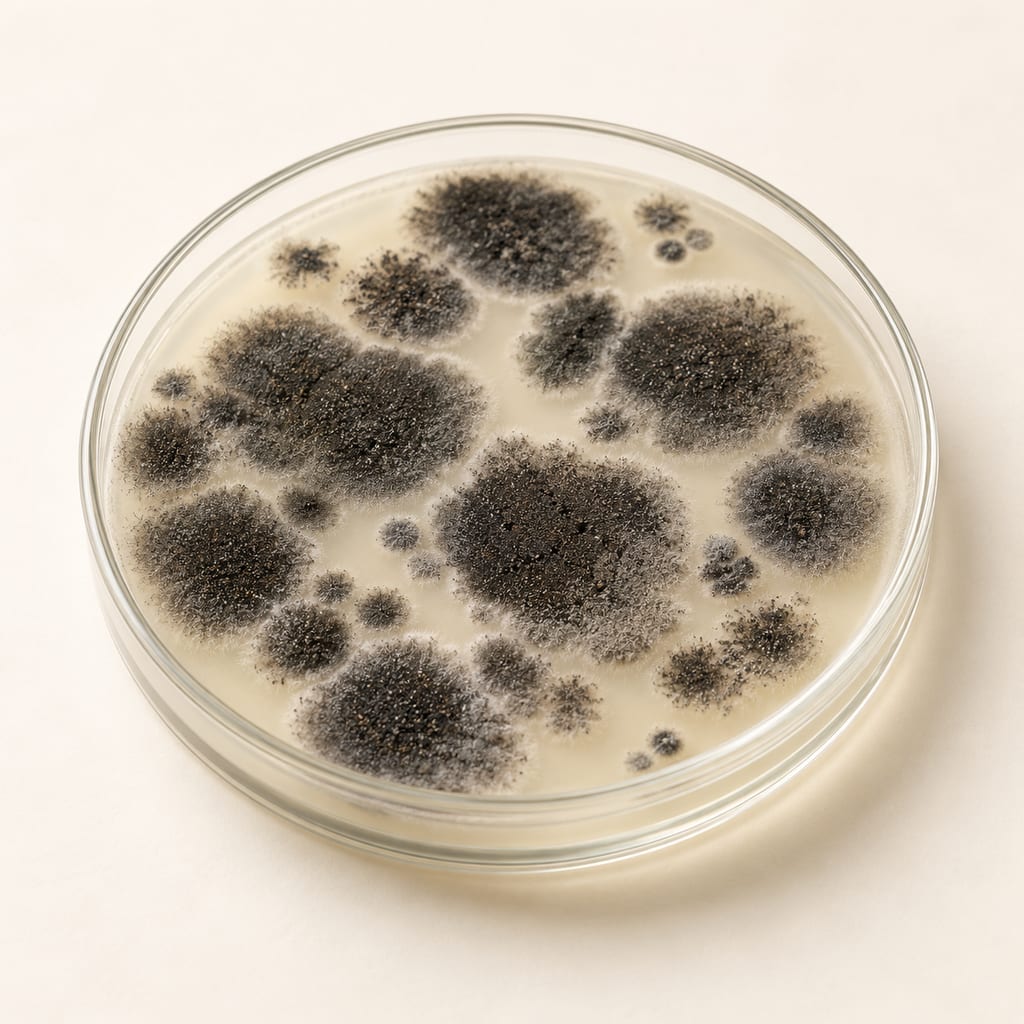
Aspergillus luchuensis is a filamentous mould that is grown as black koji. Its spores are dark, which gives the koji its name. It is the species used in Japanese shochu and awamori, the distilled spirits of the Ryukyu islands, and it sits in the same group of Aspergillus species as the industrial citric acid fungus Aspergillus niger.
A closely related white-koji strain, Aspergillus luchuensis mut. kawachii, is a mutant that lost its dark spore colour. The two are treated as separate in the sources reviewed here: the white strain is named as a distinct organism in the shochu literature, and the naming is not settled by species name alone.
In shochu and awamori, the koji mould does two jobs. It secretes amylolytic enzymes that break starch into sugars for the yeast, and it produces citric acid. Citric acid lowers the pH of the mash, called moromi, to about 3 to 3.5. At that acidity contaminating microbes struggle to grow, so the mash is protected while the yeast ferments it.
This is the main reason black and white koji are used in spirits rather than in soy sauce or miso, where the koji mould is chosen for protease and other enzymes. Citric acid production by A. kawachii is described as distinctive among koji moulds, and the sources note that A. oryzae does not make it in the same way.
The sources describe a temperature programme in shochu koji making, rising gradually to about 40 C and then lowered to about 30 C, because the lower temperature is needed for citric acid production. Regulation of citric acid output involves the LaeA regulator and the citrate exporter cexA in the white-koji mutant, and mitochondrial citrate transporters contribute to extracellular citric acid.
These controls are specific to the strain and to the process. A species name does not establish which strain a producer uses, or whether its koji will reach the same acidity.
The sources read for this page are a preprint on citrate transport in the white-koji mutant and a related title. The black-koji citric acid data in the text read was thin, and a 2021 review of black and white koji for shochu and awamori is listed as a route to fill that gap but was not read. Safety and handling of this mould in koji making are not covered beyond the species-level caveats of the wider Aspergillus group.
Documented use in shochu making, as the sources describe it; the source does not give a single regional origin for the species.
A gelling polysaccharide extracted from red seaweeds, sold as kanten strips or powder; it sets firm at a low concentration and stays solid until about 85 °C.

Akahatsu, Lactarius akahatsu, is a wild milkcap of East Asian pine and mixed forests that is sold in Yunnan markets, with its edibility and identity still needing species-level review.

The almond mushroom, Agaricus subrufescens, was cultivated in eastern North America in the 1800s, lost its market, and returned as a cultivated mushroom from Brazil, where it is grown under several names.
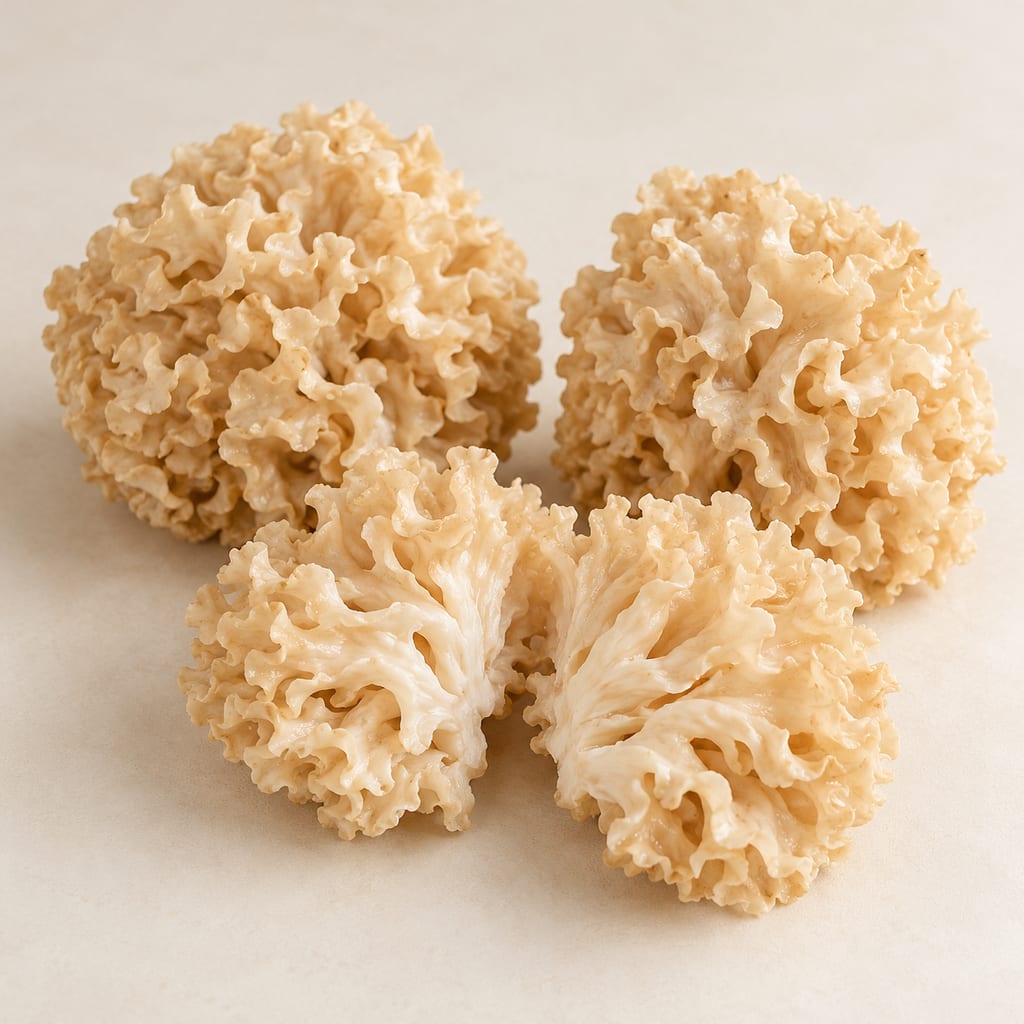
The Asian cauliflower mushroom, Sparassis latifolia, is a cultivated fungus with a frilled, fronded form that is eaten in China, Japan and Korea. Many Asian records under the name Sparassis crispa refer to this species.
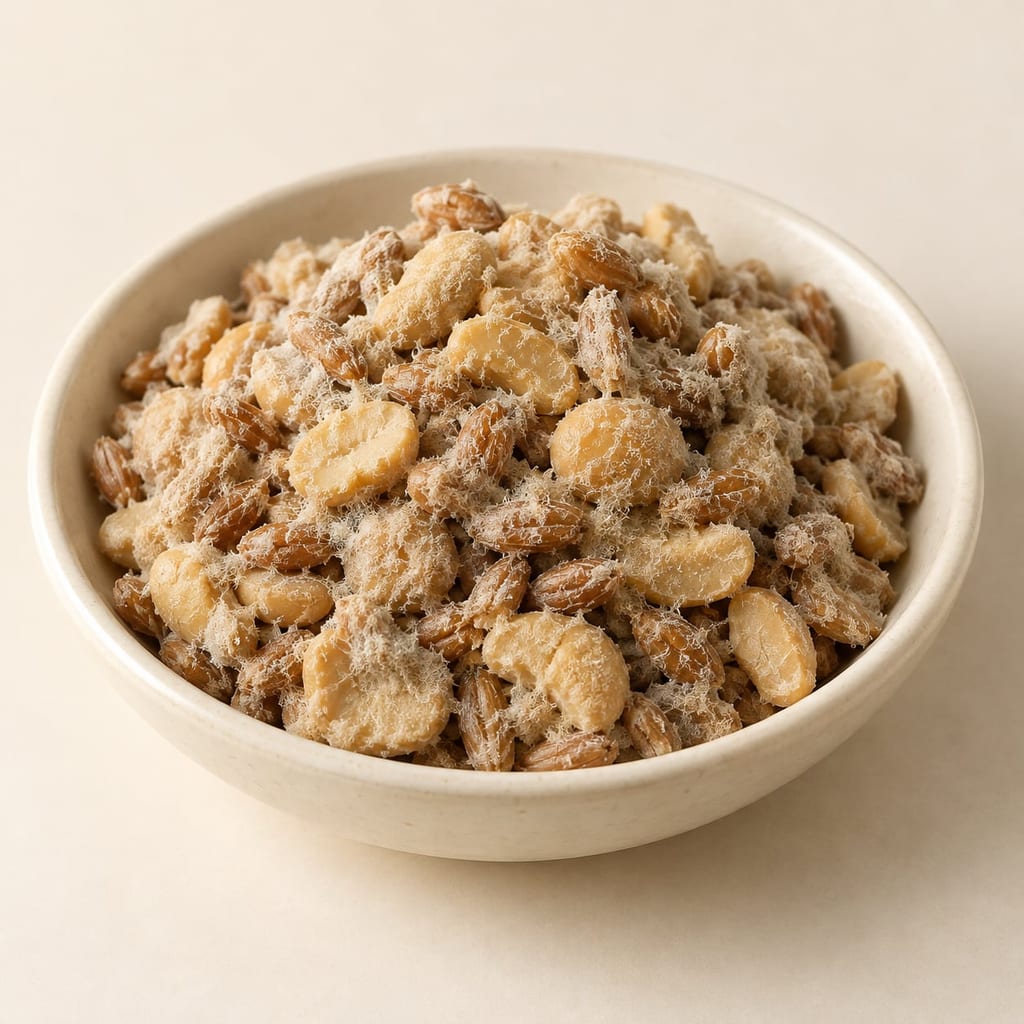
Aspergillus sojae is a koji mould of the Aspergillus flavus group, closely related to A. oryzae, used as a starter in soybean fermentations such as Korean meju, doenjang and ganjang.
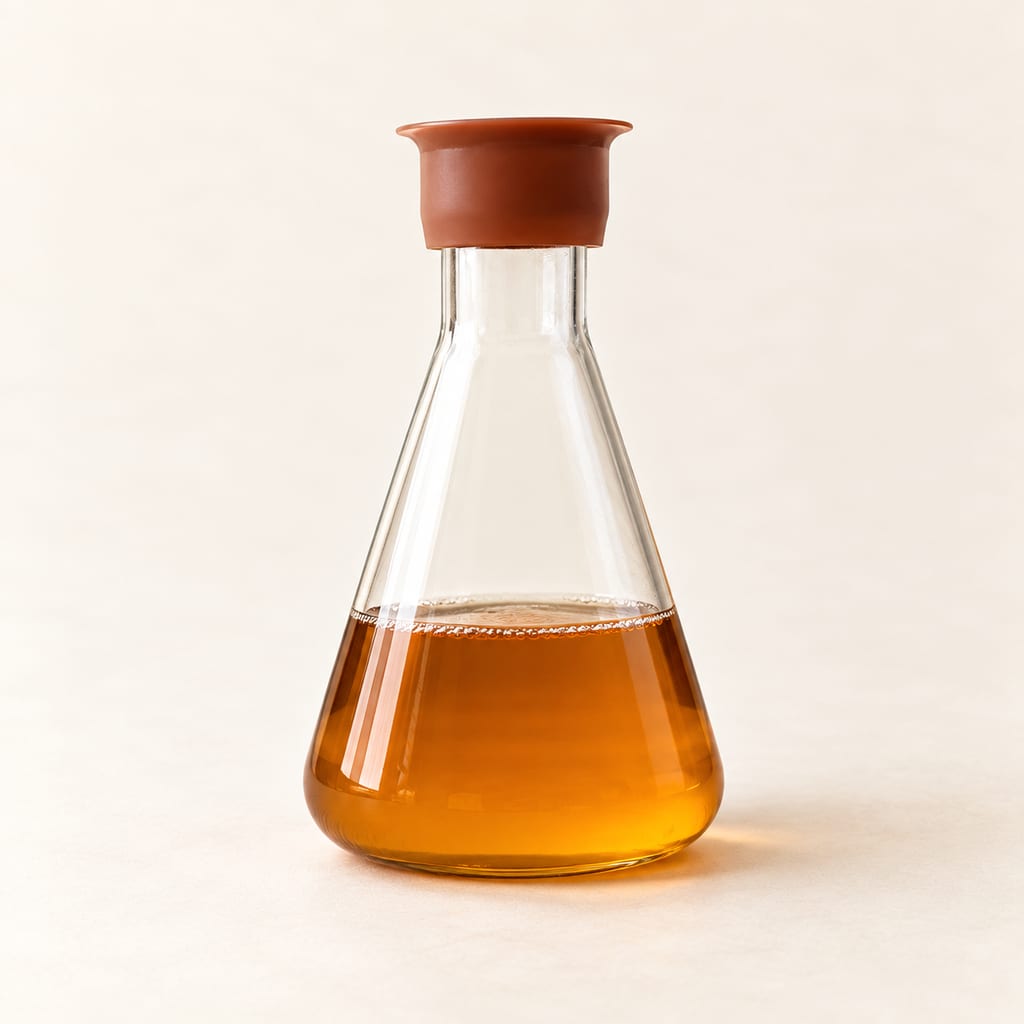
Awamori yeast ferments sugar released from rice koji in the Okinawan spirit’s mash. Sakimoto names the ingredient but gives no strain, form, supplier or dose.

Bamboo shoots are the young culms of many bamboo species, eaten after boiling or leaching in Asia, and fermented into sour and preserved foods in the Himalayas, northeast India and Burma.
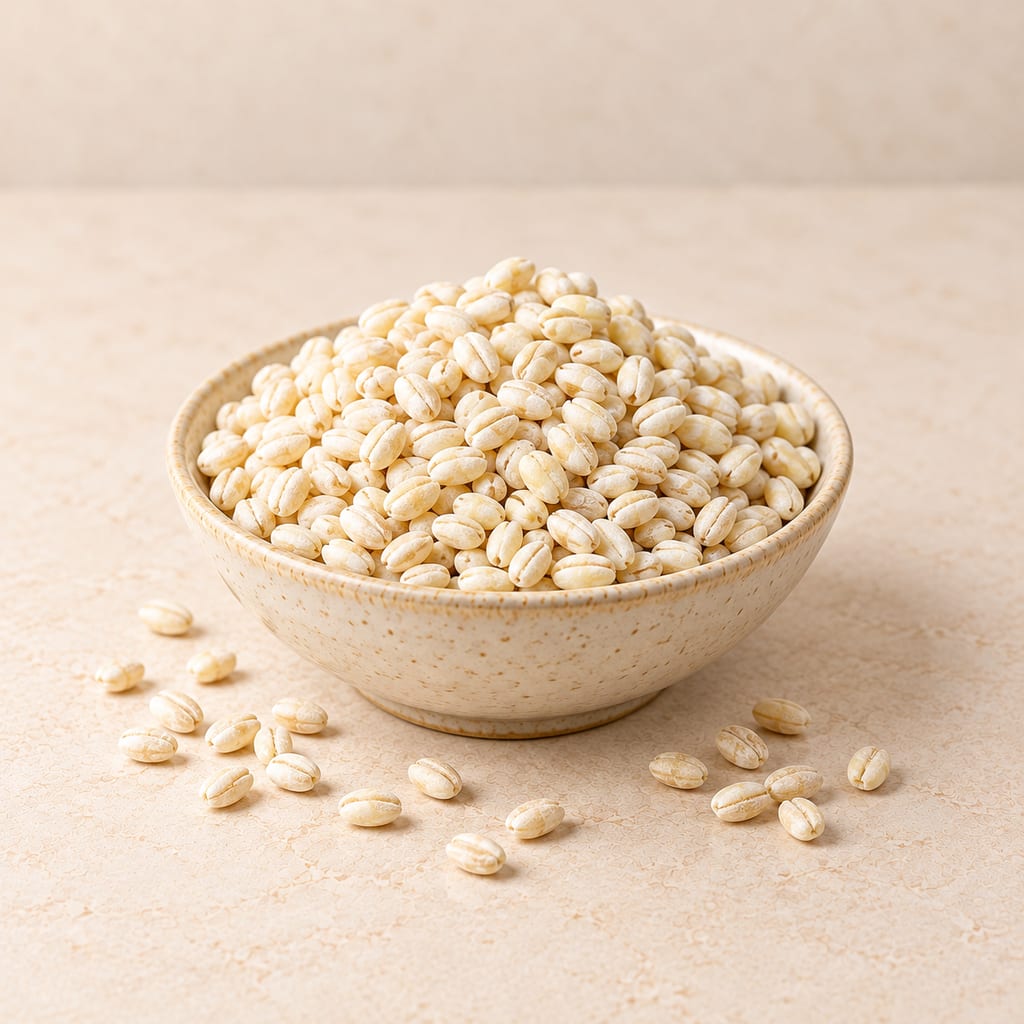
Barley is a hardy cereal, domesticated in the Middle East over 10,000 years ago, eaten whole, pearled or milled, malted for brewing, and grown with koji mold for barley miso.
No community contributions have been published for this entry yet.
Sign in to contribute. Published comments and photos are free to read.
bioRxivIdentity · Science · Method
Mitochondrial citrate transporters CtpA and YhmA are involved in lysine biosynthesis in the white koji fungus Aspergillus luchuensis mut. kawachiiA. kawachii is a white-koji mutant used in shochu and produces a large amount of citric acid
Citric acid lowers shochu moromi pH to about 3 to 3.5, limiting contaminant microbes
A. kawachii is phylogenetically closely related to Aspergillus niger, a citric acid fermentation organism
Cited in: What the mould is; Starch and citric acid in shochu; Process control and genetics; Notes
bioRxivScience
LaeA controls citric acid production through regulation of a citrate exporter encoding cexA in Aspergillus luchuensis mut. kawachiiCitric acid production in A. kawachii is regulated by LaeA and cexA (title only; text not read)
Cited in: Process control and genetics
Taylor and Francis OnlineIdentity
Supplied catalogue source (Aspergillus luchuensis)Supplied catalogue source; not independently revalidated