
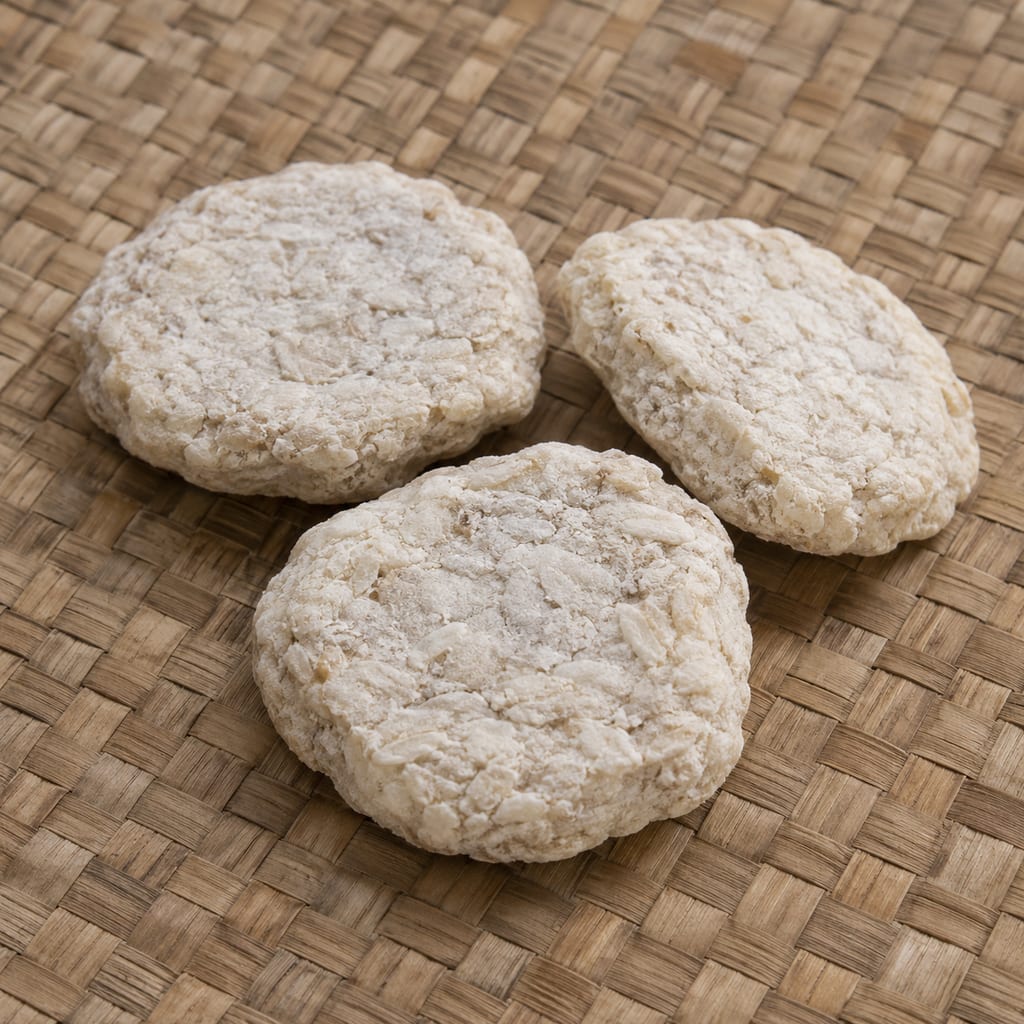
Dawdim
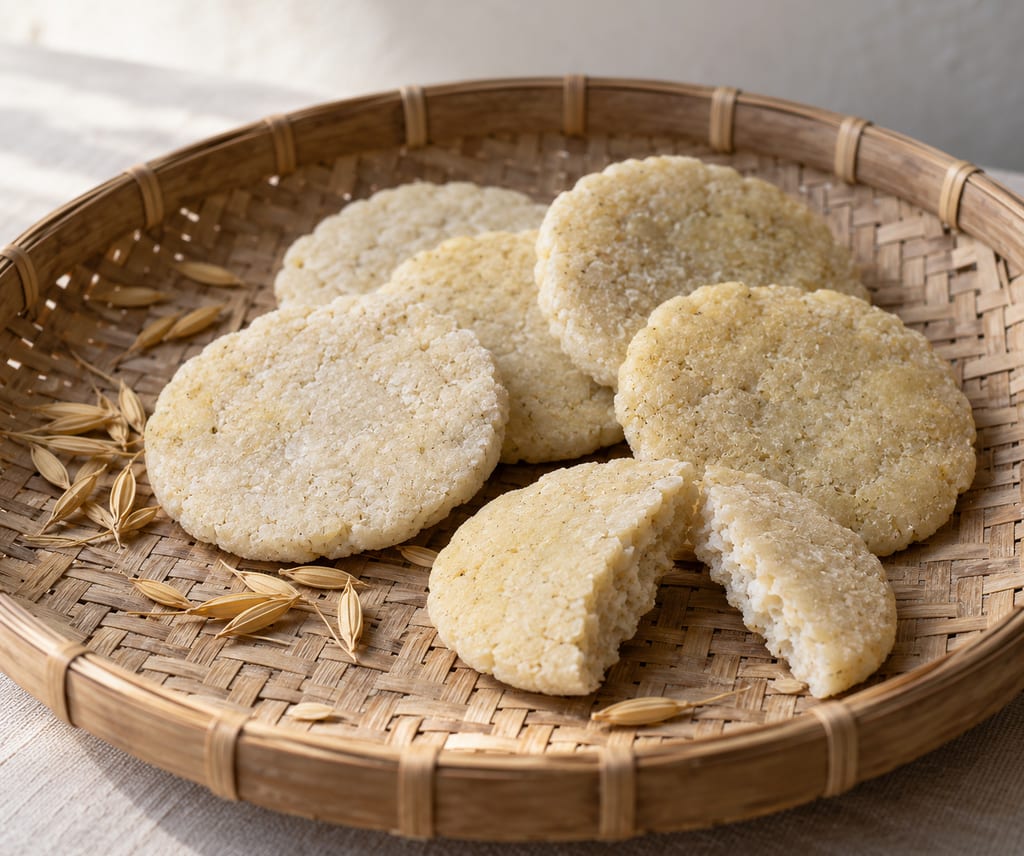
Dawdim is a dried rice-beer starter cake from Mizoram. Laboratories have listed its yeasts and moulds; no source gives how it is made, kept or used safely.
 FermenteaWhere food goes to change
1086 articles on substrates, cultures and additives.
Dawdim is a dried rice-beer starter cake from Mizoram. Laboratories have listed its yeasts and moulds; no source gives how it is made, kept or used safely.
The Rhizopus starter for tempeh is a fungal culture, labelled Rhizopus oligosporus or R. microsporus var. oligosporus. Its growth binds prepared soybeans into a firm cake.
Pee is a sun-dried rice starter from Arunachal Pradesh, India, made like other Eastern Himalayan dry starters. Its recorded bacterial population was high, and its named beverages are opo and apong.
Paa is a sun-dried rice starter from Arunachal Pradesh, India, made from soaked rice flour and wild herbs. Families use it as the culture for mildly alcoholic rice drinks.
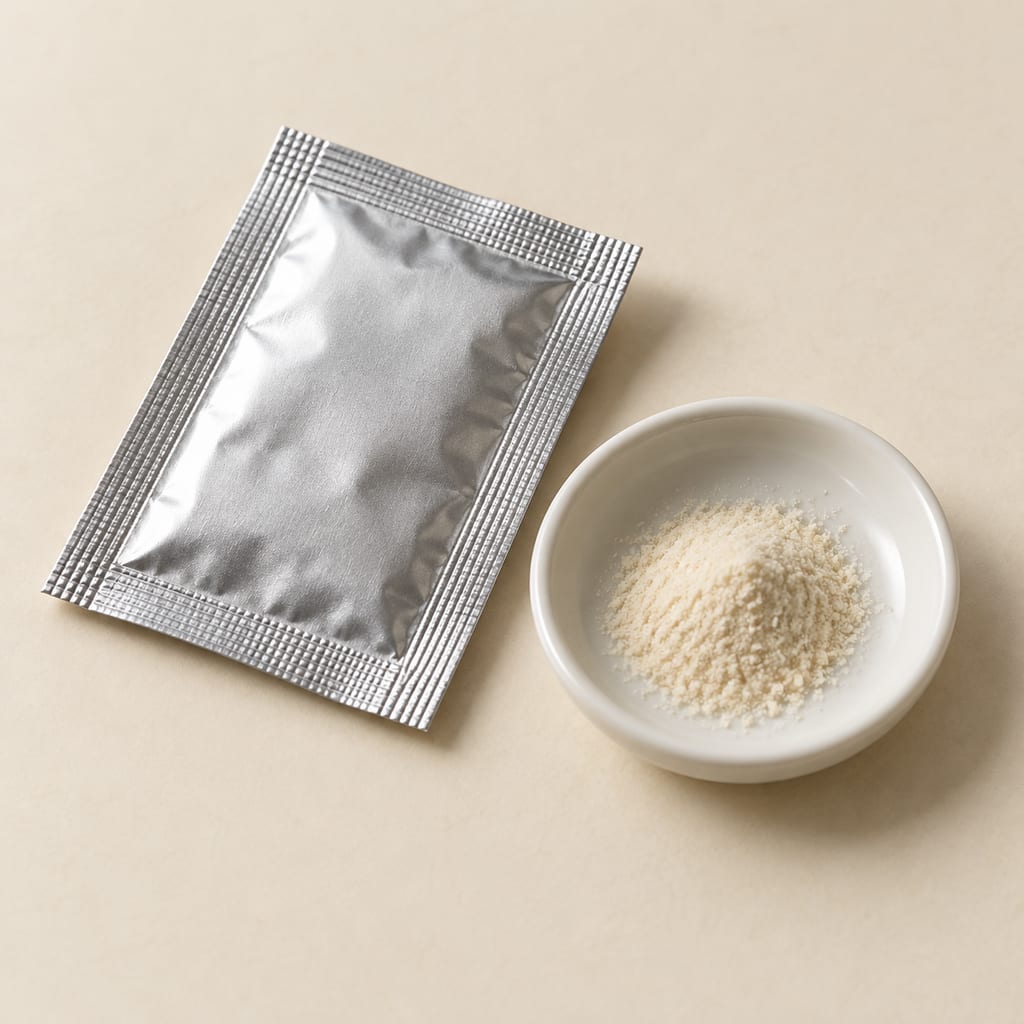
A defined vegetable lactic acid bacteria culture is a chosen strain or blend added to a vegetable ferment. Its effect depends on the strain, the vegetable, the salt level and the process.
A defined Saccharomyces cerevisiae strain, 2Y48P22, was screened in 2010 for softening cassava in lafun experiments. It is an experimental candidate, not a household starter with a verified method.
A Rhizopus mould stage converts starch in cassava for the Wapishana drink parakari. The published abstracts name the mould and its role but not the full culture method.
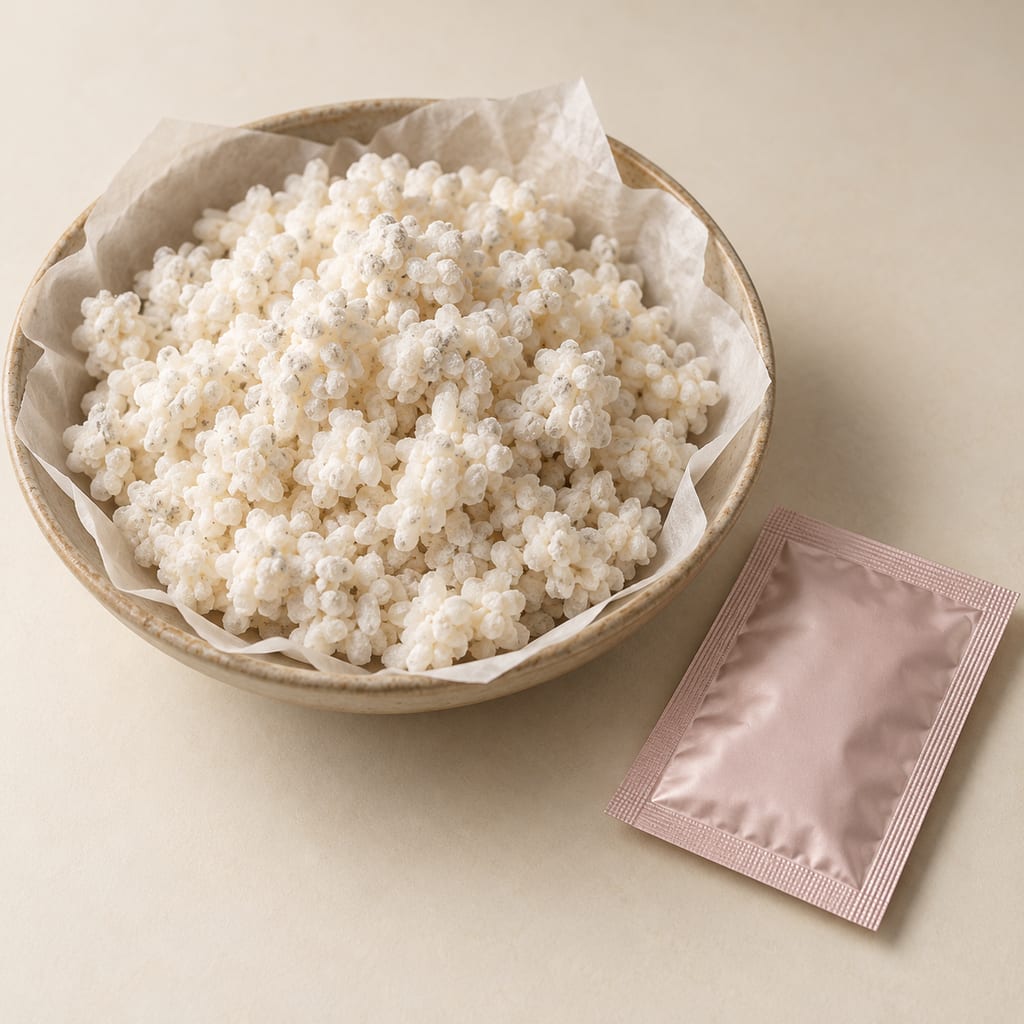
A seed culture of a white-spored Aspergillus koji mould, used to make the koji that starts Japanese shōchū mash, and named in the literature as Aspergillus luchuensis mut. kawachii.
A yeast named in soy-sauce research for its contribution to aroma, especially in early moromi, where the strain and the product decide what it does.
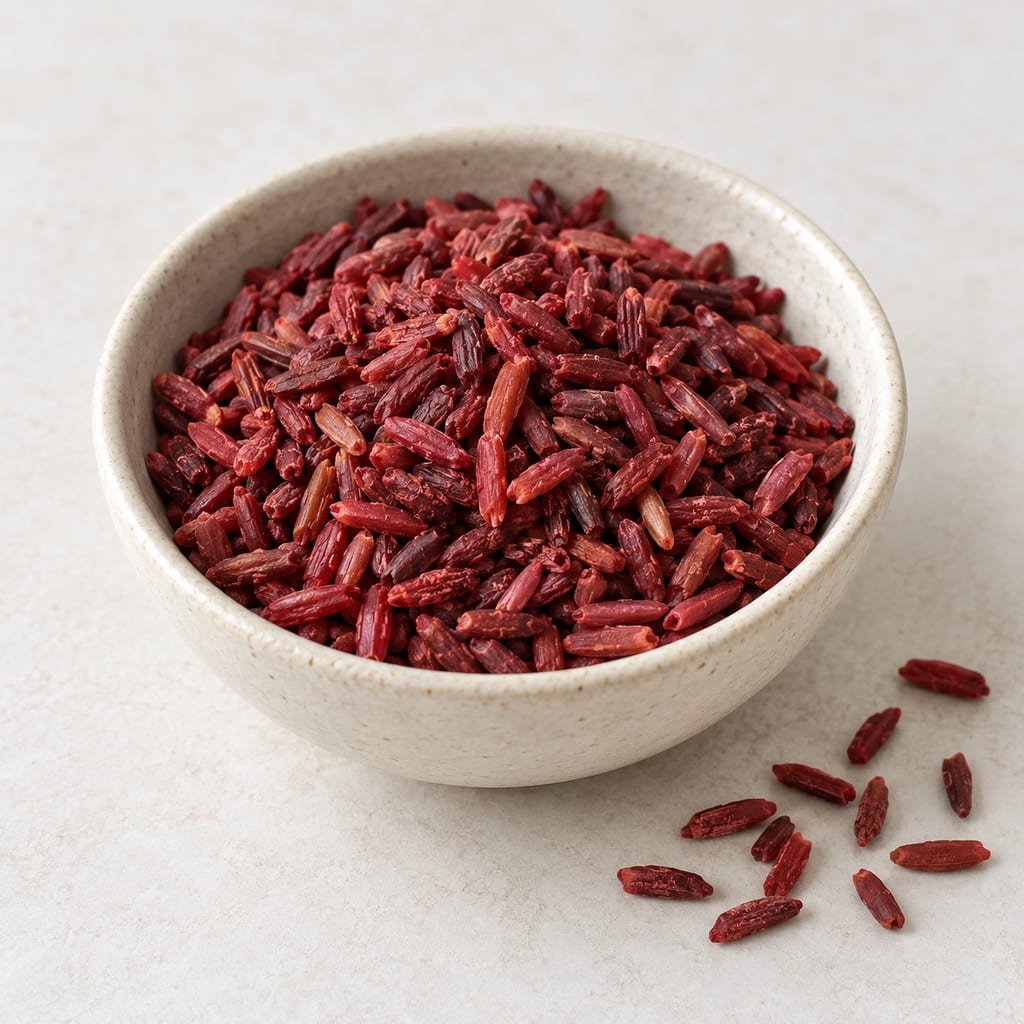
A regional form of hongqu, the red rice starter of southeastern China, named for Gutian and distinguished in Fujian studies from Wuyi hongqu. Documented only through modern regional comparisons.
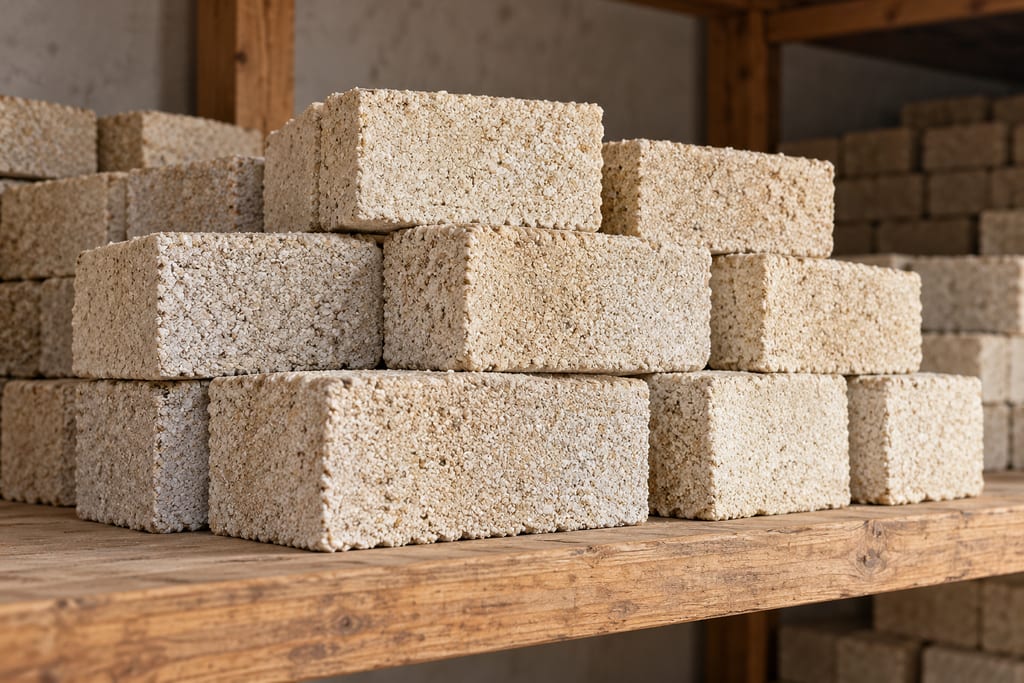
A shaped grain starter (daqu) from Chinese baijiu production, classed as low-temperature because its bricks reach the lowest peak temperatures of the three daqu types; used mainly for light-flavor baijiu.
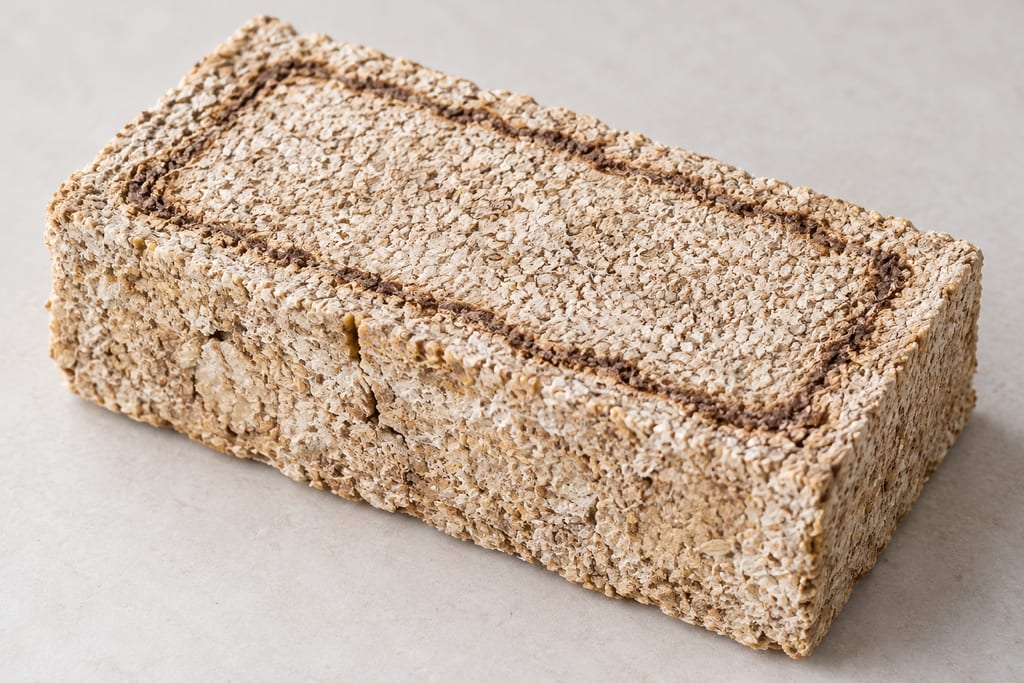
A formed grain starter (daqu) for Chinese baijiu, classed as medium-temperature because its bricks reach a higher peak than low-temperature daqu; used mainly for strong-flavor baijiu.
A salt-tolerant lactic acid bacterium that works in soy-sauce moromi and is also recorded in miso, where strain differences decide how it behaves.
A salt-tolerant yeast that works in soy-sauce moromi after koji has supplied fermentable sugars, and that the sources link to alcohol and aroma formation.
Bhutanese Phab, called Pho in a 2018 study, is a Drukpa starter associated with Ara. Bhutan sample studies document it separately from Ladakhi phabs; matching names elsewhere do not establish one culture.
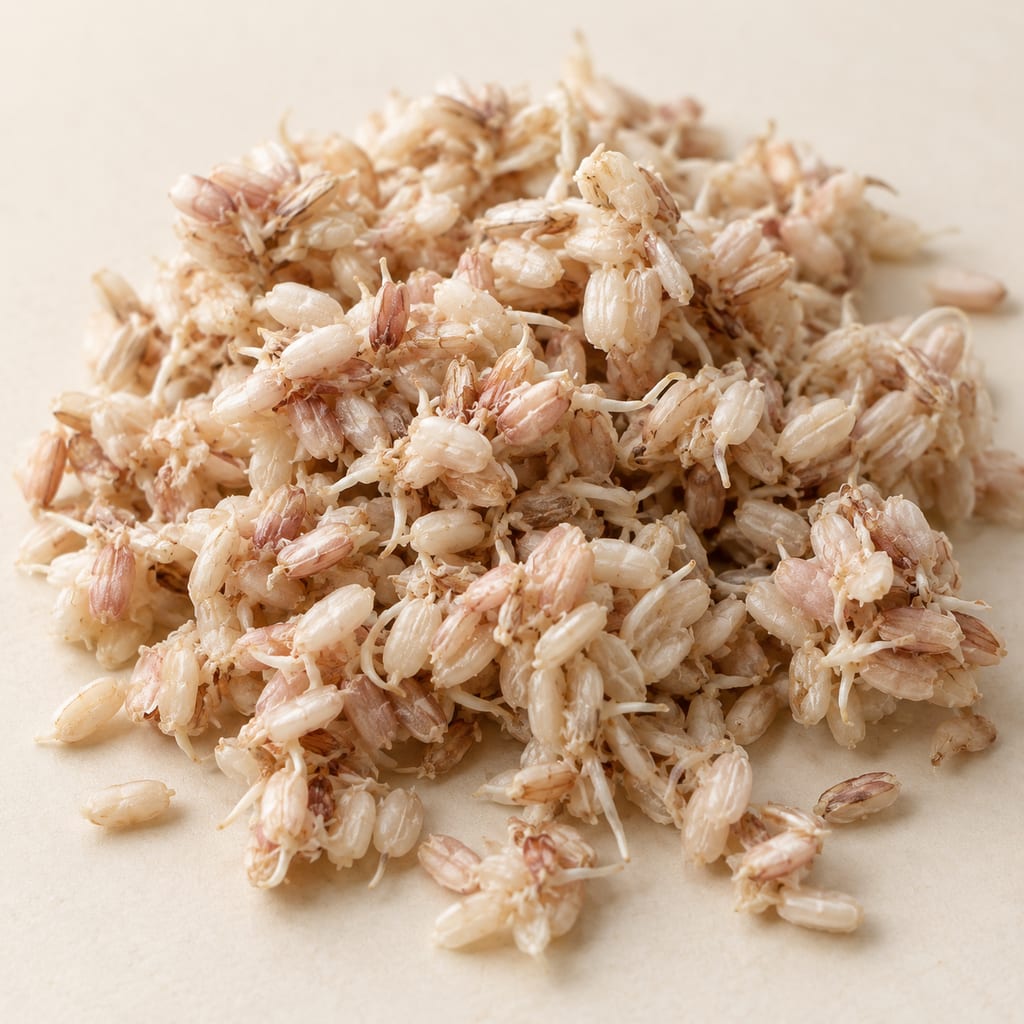
Khekhrii is a dried starter reported from Nagaland, made from naturally fermented sprouted rice and used for zutho. A 2018 study sampled five Khekhrii preparations but does not define every producer's practice.
Phut is a dry rice starter cake made by the Monpa (Mongpa) community of Arunachal Pradesh, India, and used to start rice beverage fermentations. Published sources describe its making only in outline.
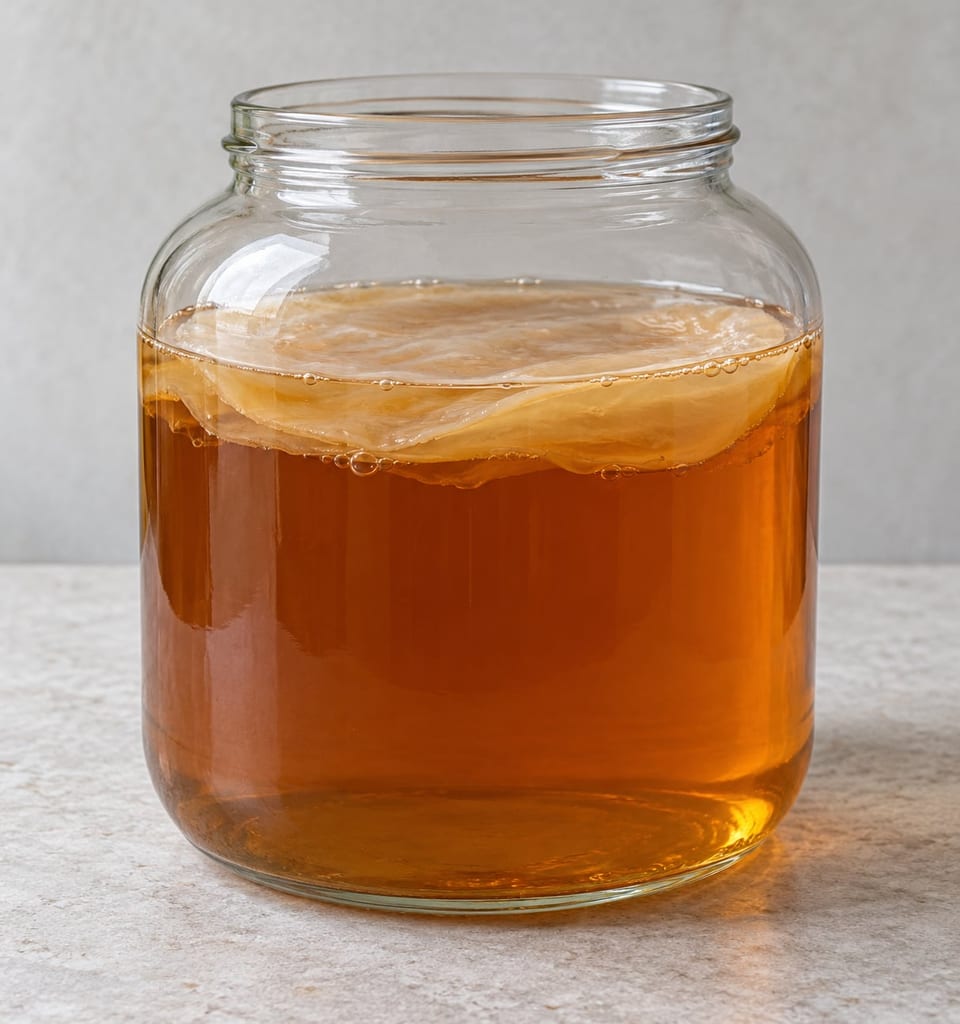
Kombucha culture is the mixed starter, a retained liquid with a cellulose pellicle, that ferments sweetened tea into kombucha. Its organisms vary between samples, and a visible mat does not identify them.
Farmhouse brewing cultures are retained yeast populations used in farm and home beer in the Baltic region and northern Europe. Sampled cultures differ widely and share no single method.
Seed Pei is a retained solid starter from the acetic-acid stage of some Chinese solid-state vinegar processes, carried from one batch to the next.
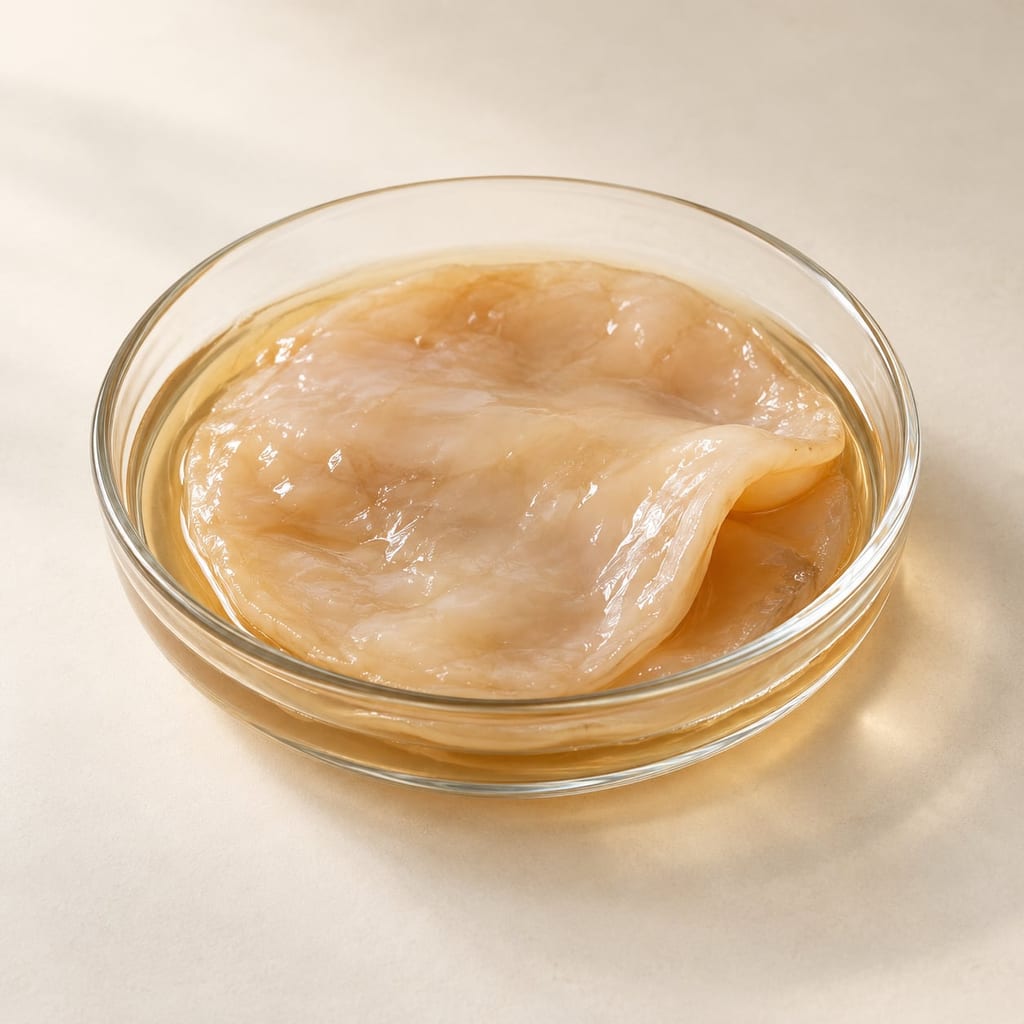
Vinegar mother is the acetic-acid-bacteria culture, often seen as a gelatinous film, that turns alcohol to vinegar; it is carried over from one batch of vinegar to the next.
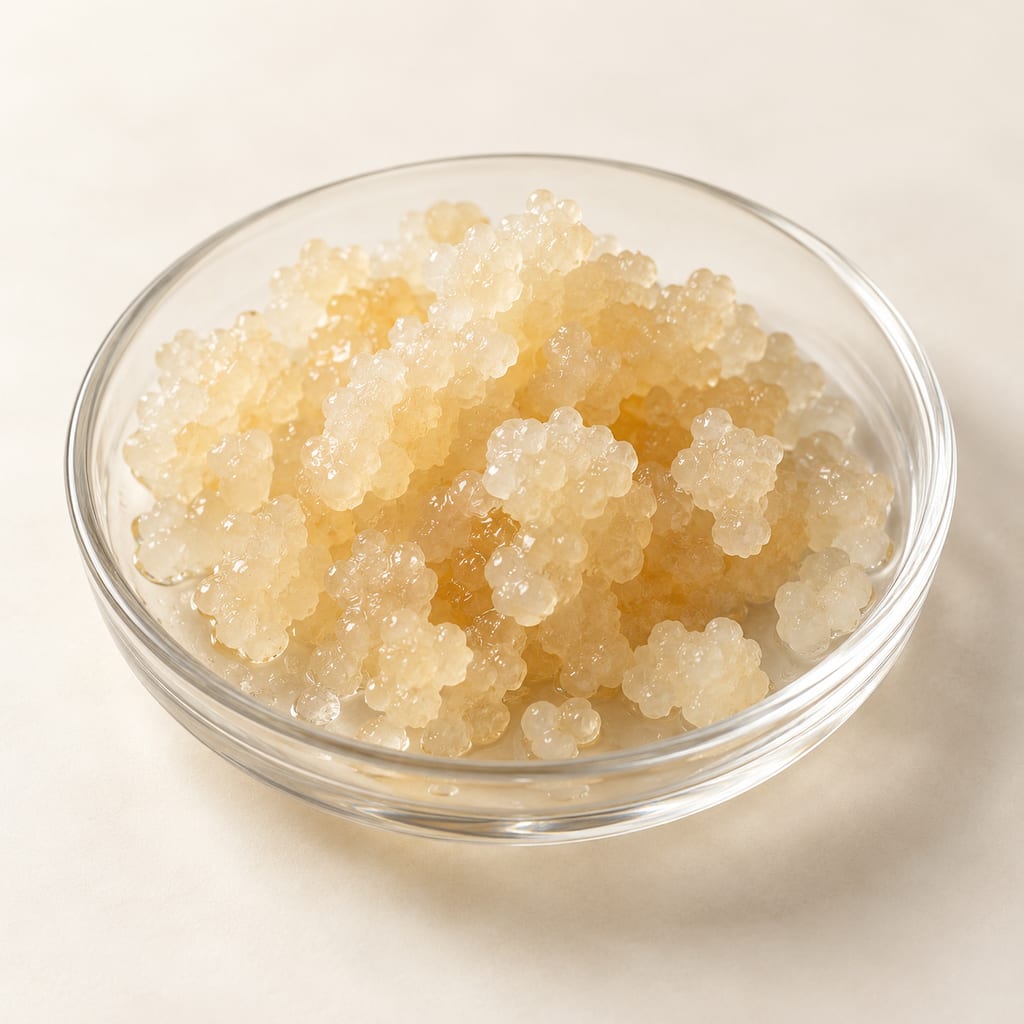
Water kefir grains are gelatinous polysaccharide aggregates that carry a mixed community of lactic-acid bacteria and yeasts, used to ferment sugar water into a lightly sparkling drink.
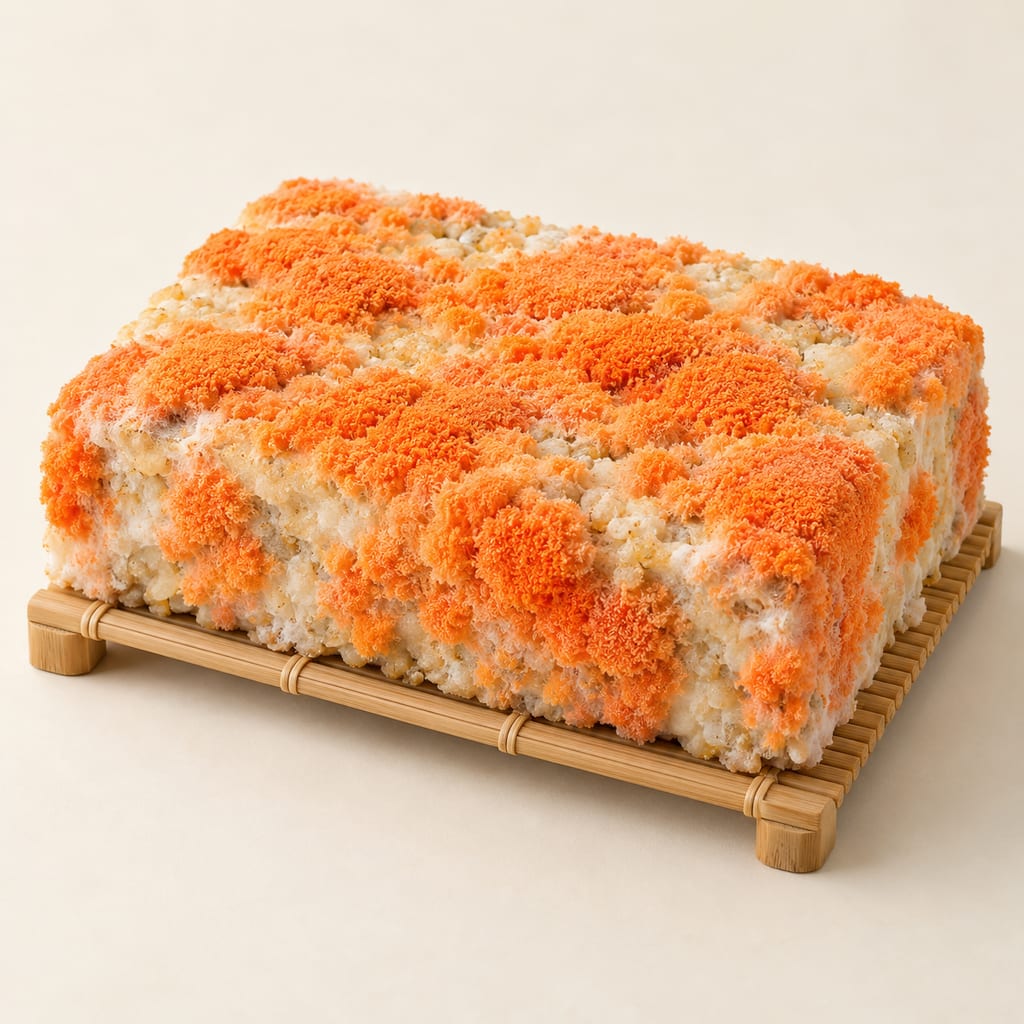
Neurospora intermedia is the orange-red mould that ferments the okara of red oncom, an Indonesian soy-pulp cake, and the culture used to start it.
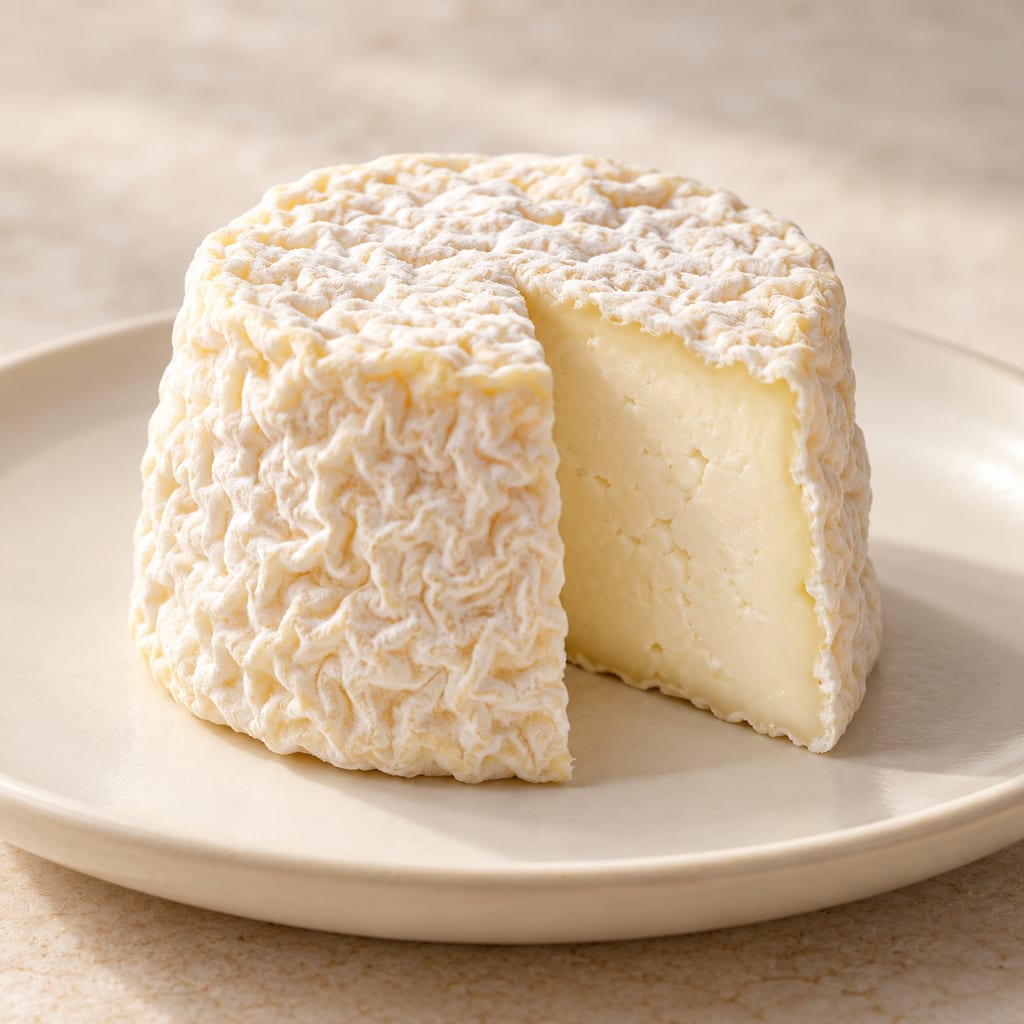
Geotrichum candidum is the yeast-like fungus that forms the pale, velvety coat on many soft-ripened cheeses and lowers the rind's acidity so that other ripening microbes can grow.
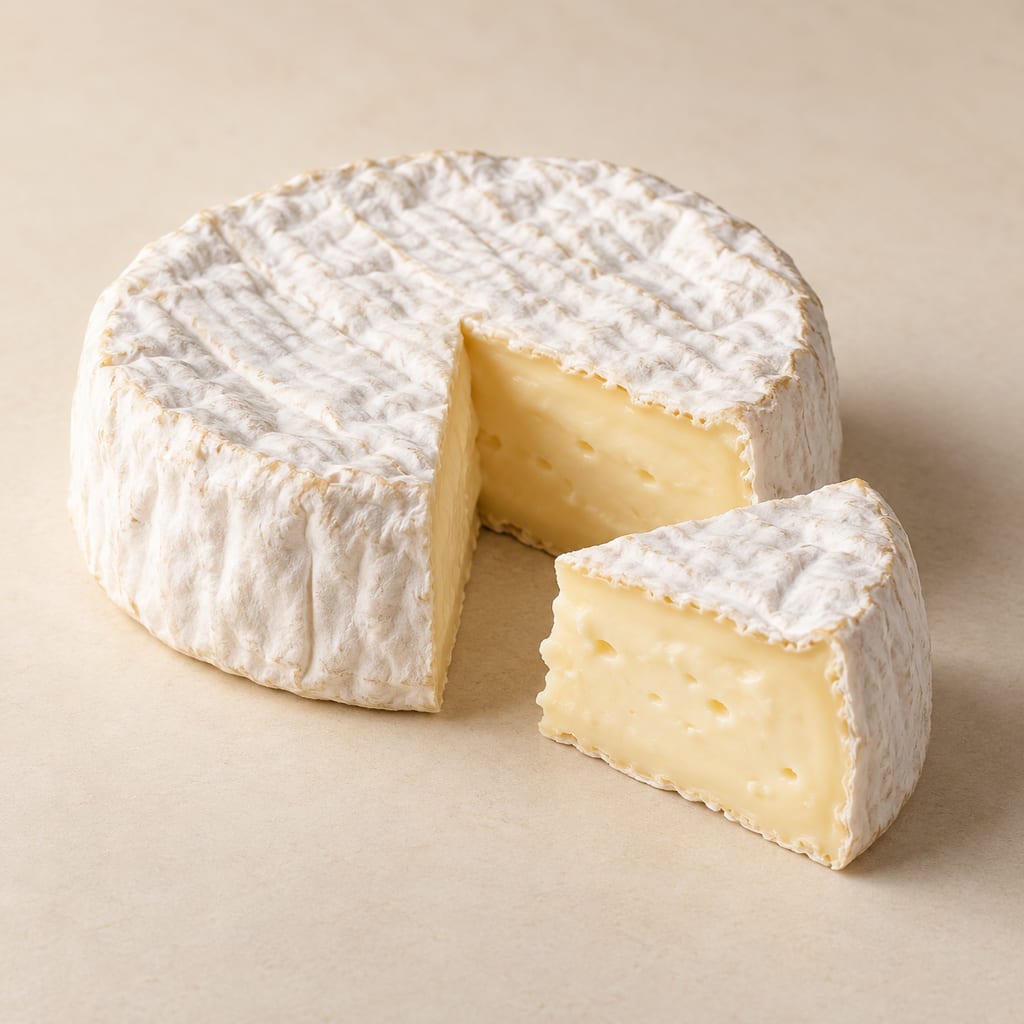
Penicillium camemberti is the white mould of Camembert and Brie, a domesticated fungus whose white, fluffy coat ripens soft cheese from the outside in.
Rhizopus microsporus is a fast-growing mould of the Rhizopus group, found in fresh Indonesian tempeh, where it is the species that most tempeh strains belong to.
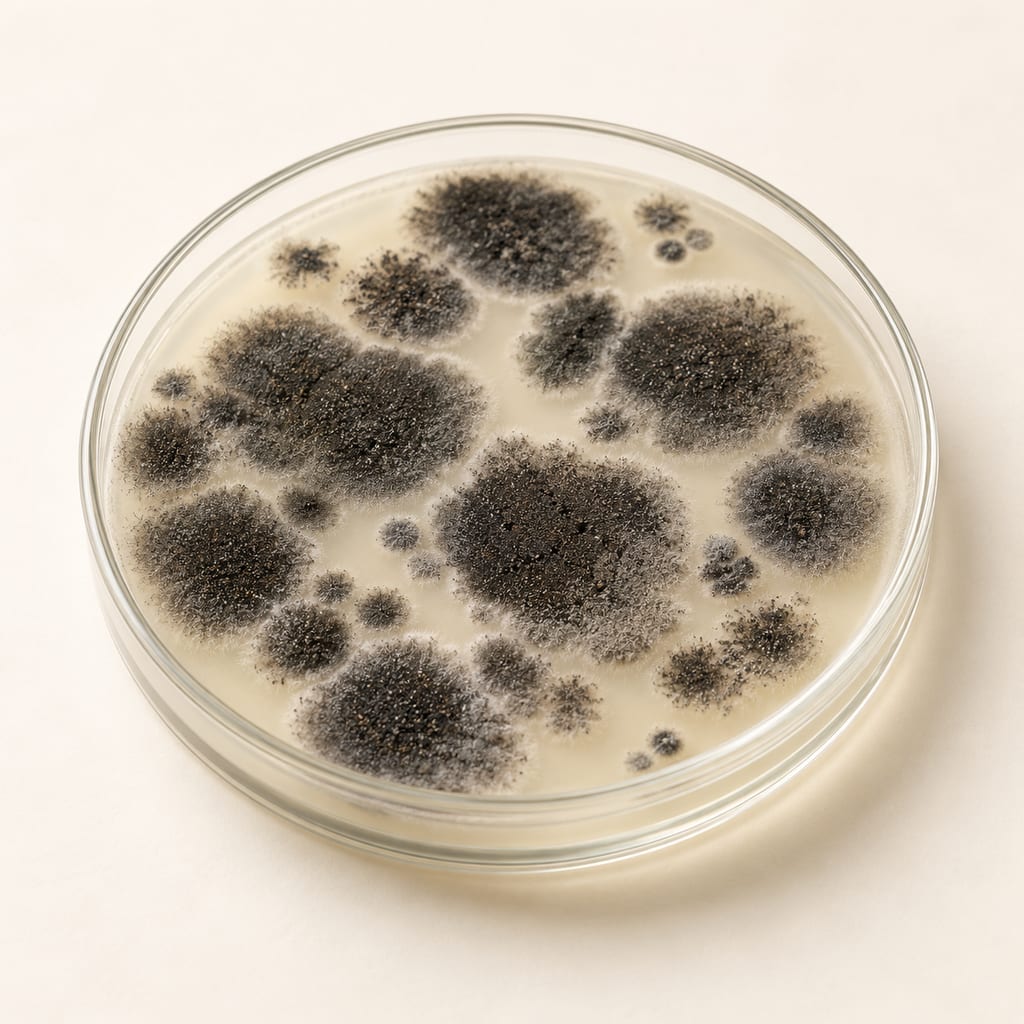
Aspergillus luchuensis is the black koji mould used in Japanese shochu and awamori, valued for the citric acid it makes alongside the starch-converting enzymes of koji.
Saccharomyces pastorianus is the hybrid lager yeast, a cross of the ale yeast S. cerevisiae and the cold-tolerant S. eubayanus, that ferments beer at cool temperatures from the bottom of the tank.
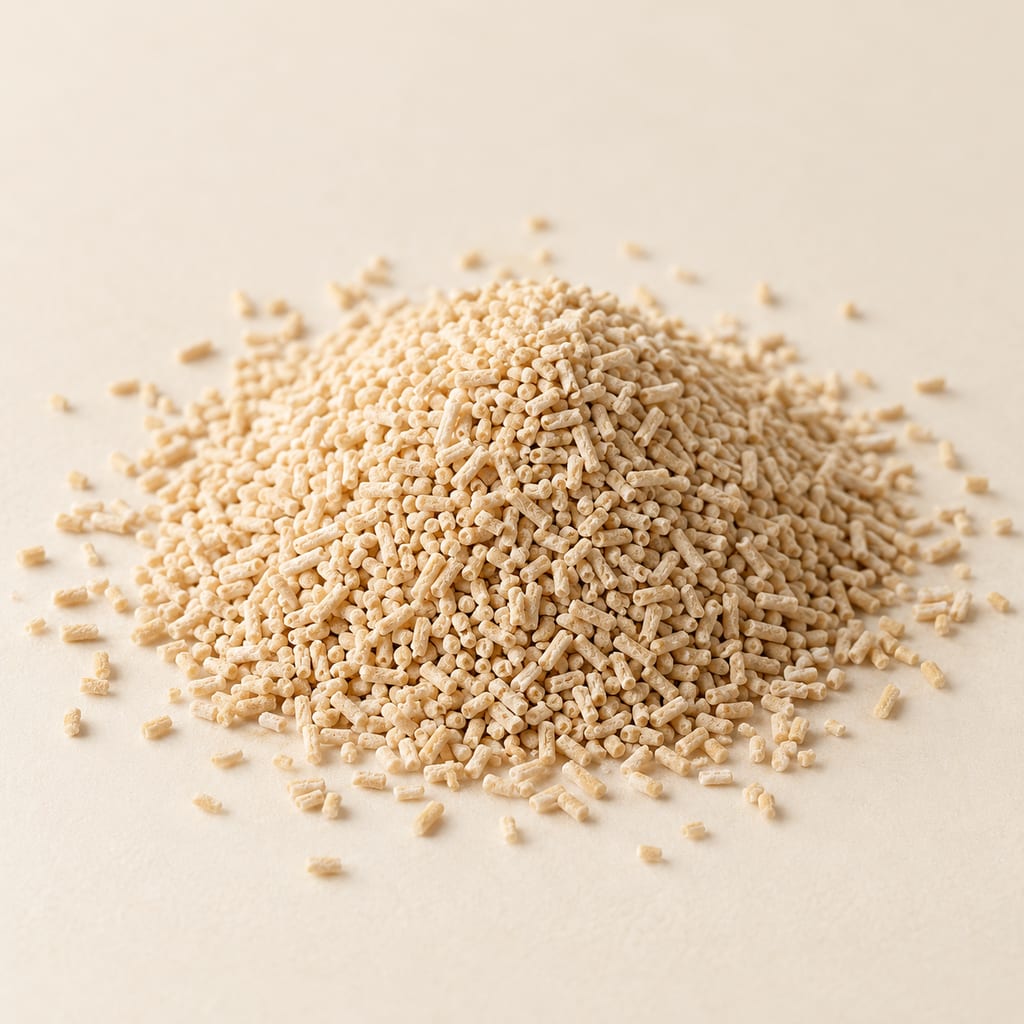
Saccharomyces cerevisiae is the budding yeast that raises bread, ferments most wine and ale, and is sold as named strains whose behaviour in dough or wort differs.
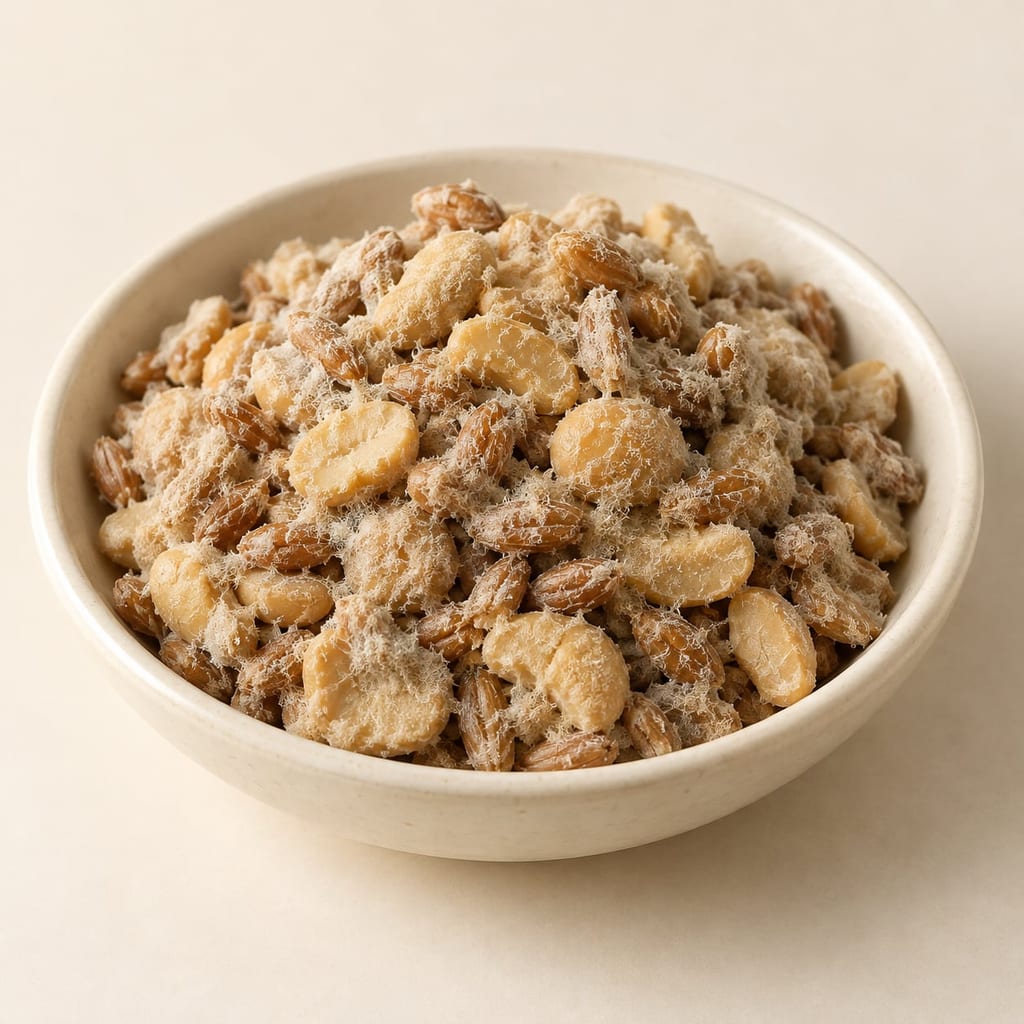
Aspergillus sojae is a koji mould of the Aspergillus flavus group, closely related to A. oryzae, used as a starter in soybean fermentations such as Korean meju, doenjang and ganjang.
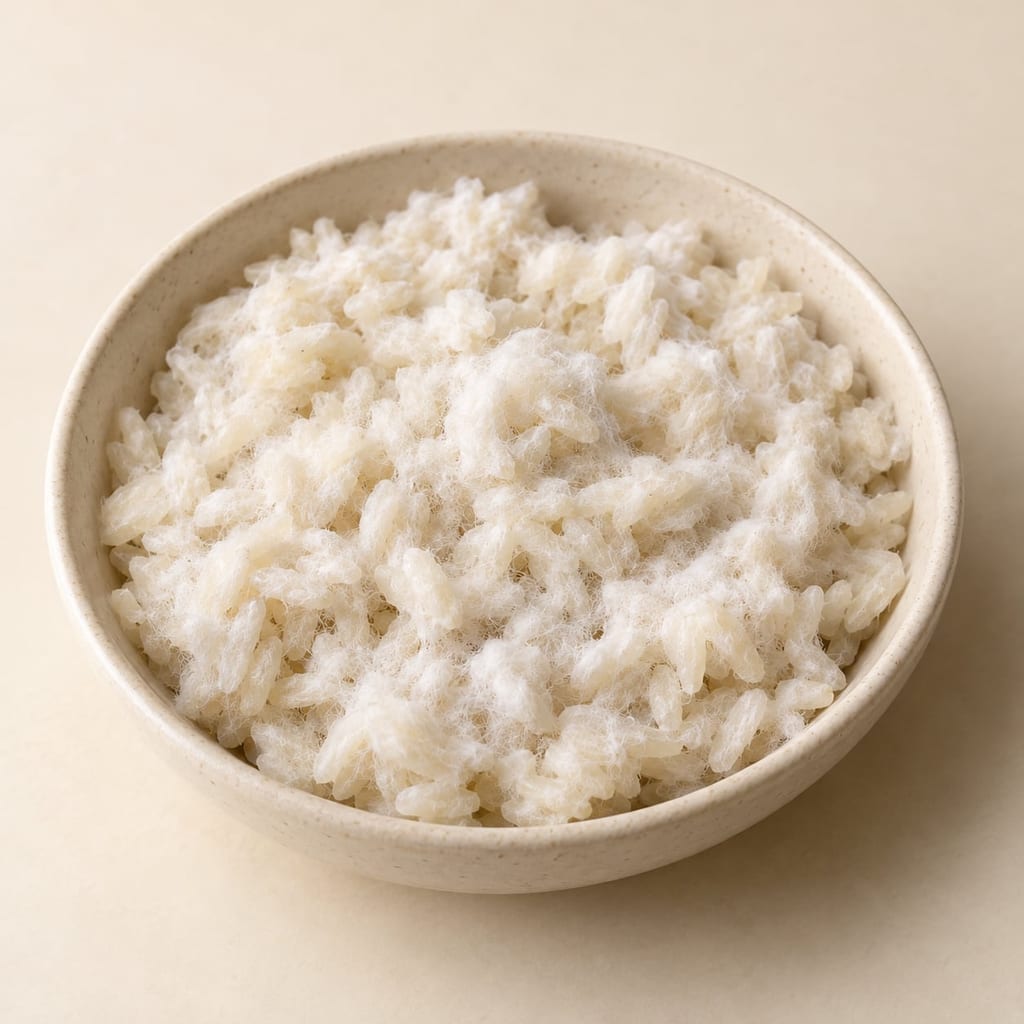
Aspergillus oryzae is the koji mould, a domesticated filamentous fungus grown on steamed grain or soybeans to make the enzyme-rich starter behind sake, soy sauce, miso and shochu.
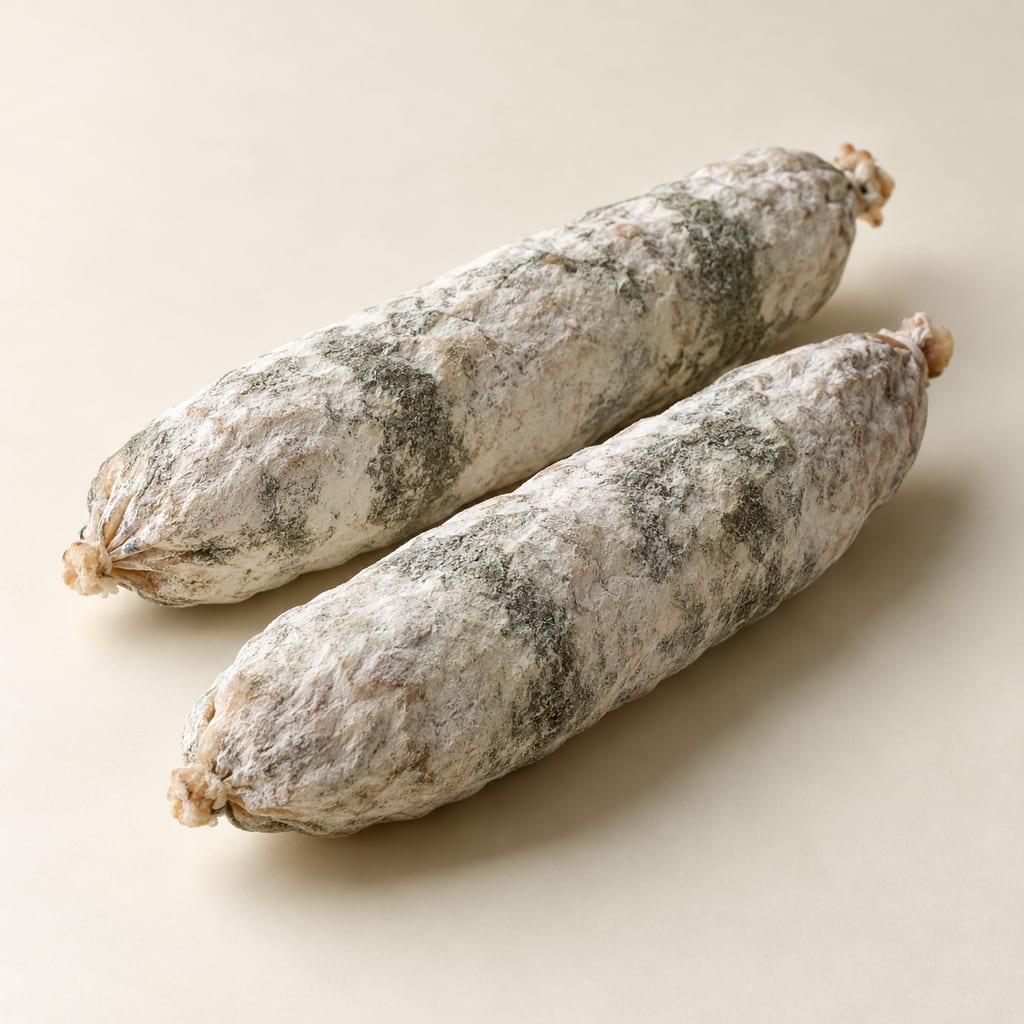
Penicillium nalgiovense is a mould sold as a selected starter culture for ripened foods, most often dry sausage, and tested in laboratory and cheese starter studies.
The ginger beer plant is a retained, grain-like mixed culture of yeasts and bacteria in a polysaccharide gel, used to ferment a ginger-flavoured sugary drink; it is not a ginger bug.
Meat starter cultures are blends of selected lactic acid bacteria, often with staphylococci, added to fermented sausage to drive acidification in a controlled way. Blends differ by product.
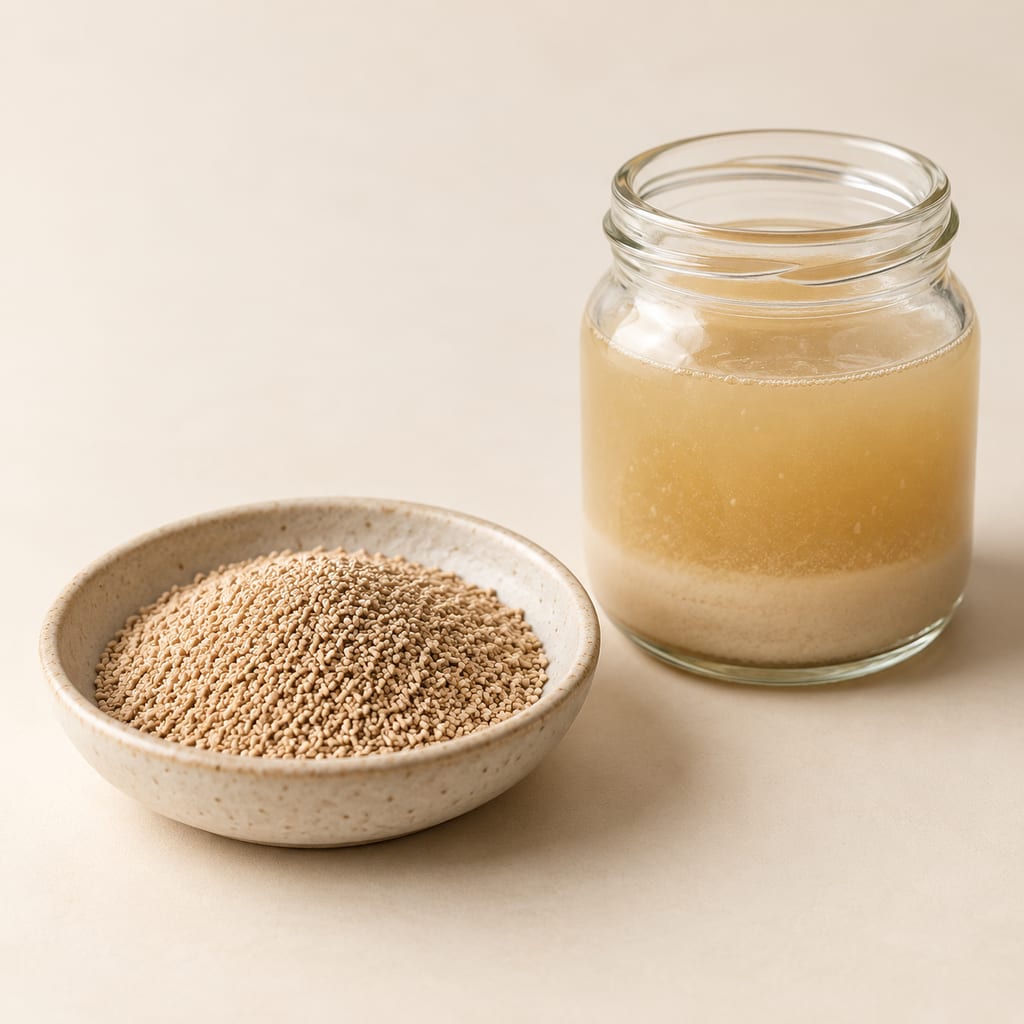
Ale yeast is a broad group of Saccharomyces cerevisiae brewing cultures, not one strain. Style labels such as English, American, Belgian or wheat beer do not identify an interchangeable culture.
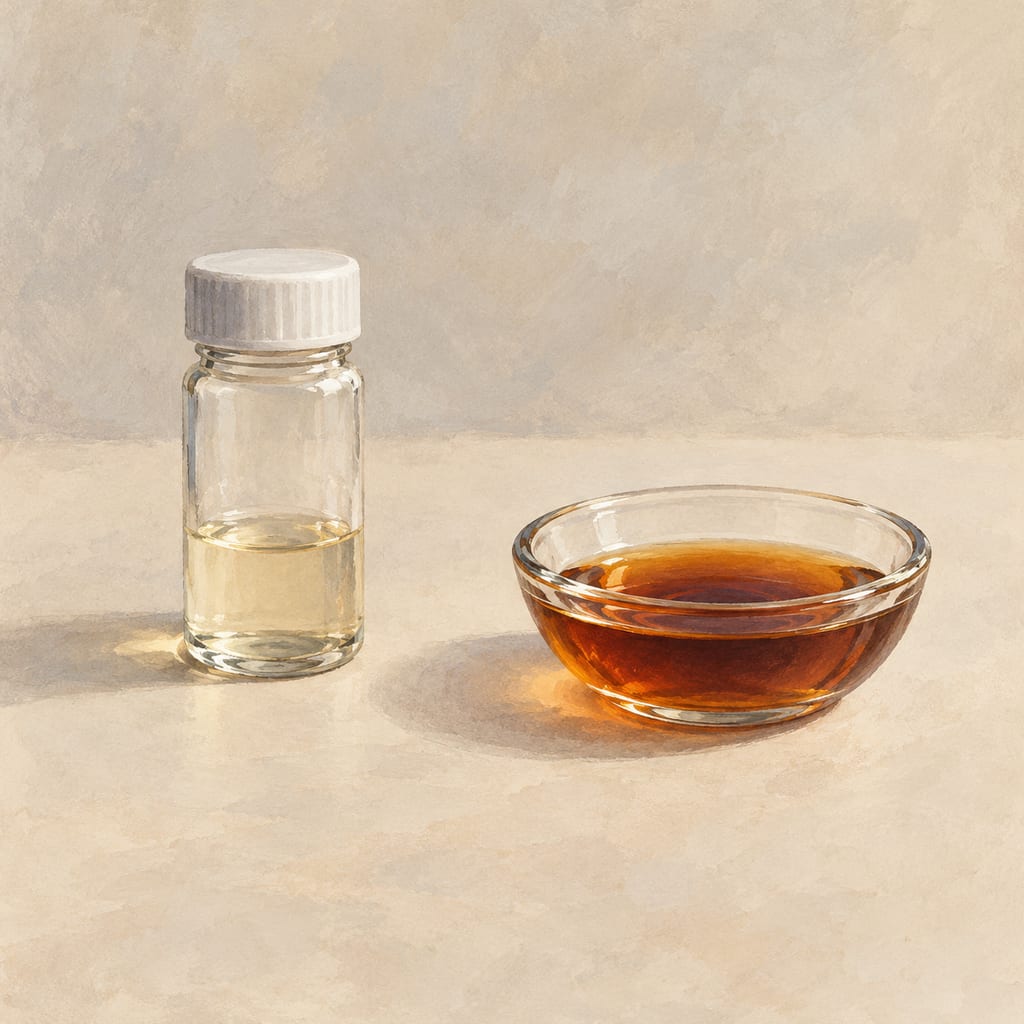
Fish-sauce starters are salt-tolerant bacteria, chiefly Tetragenococcus halophilus strains, tested for flavour and for holding down histamine in fish-sauce mash. Results differ strain by strain.
Selected mould cultures, often Penicillium, are applied to the casing of some dry-fermented sausages to grow a white surface cover. A white surface alone does not identify the organism or show safety.
Selected coagulase-negative staphylococci, mainly Staphylococcus carnosus and S. xylosus, are added to fermented sausage for colour and flavour, usually inside a blend with acidifying bacteria.
Ragi tapé, also ragi tapai, is a dried mixed starter cake from Indonesia and Malay traditions, used to ferment sweet rice, cassava and related starchy foods.
Kudeme is described in research as a traditional Ghanaian inoculant for fermenting cassava dough into Agbelima. Its exact microbial composition and a single canonical preparation are not established by the sources reviewed.
A rye sourdough starter is a refreshed flour-and-water culture used to ferment rye dough. Its microbial community shifts with the flour, feeding routine and bakery environment.
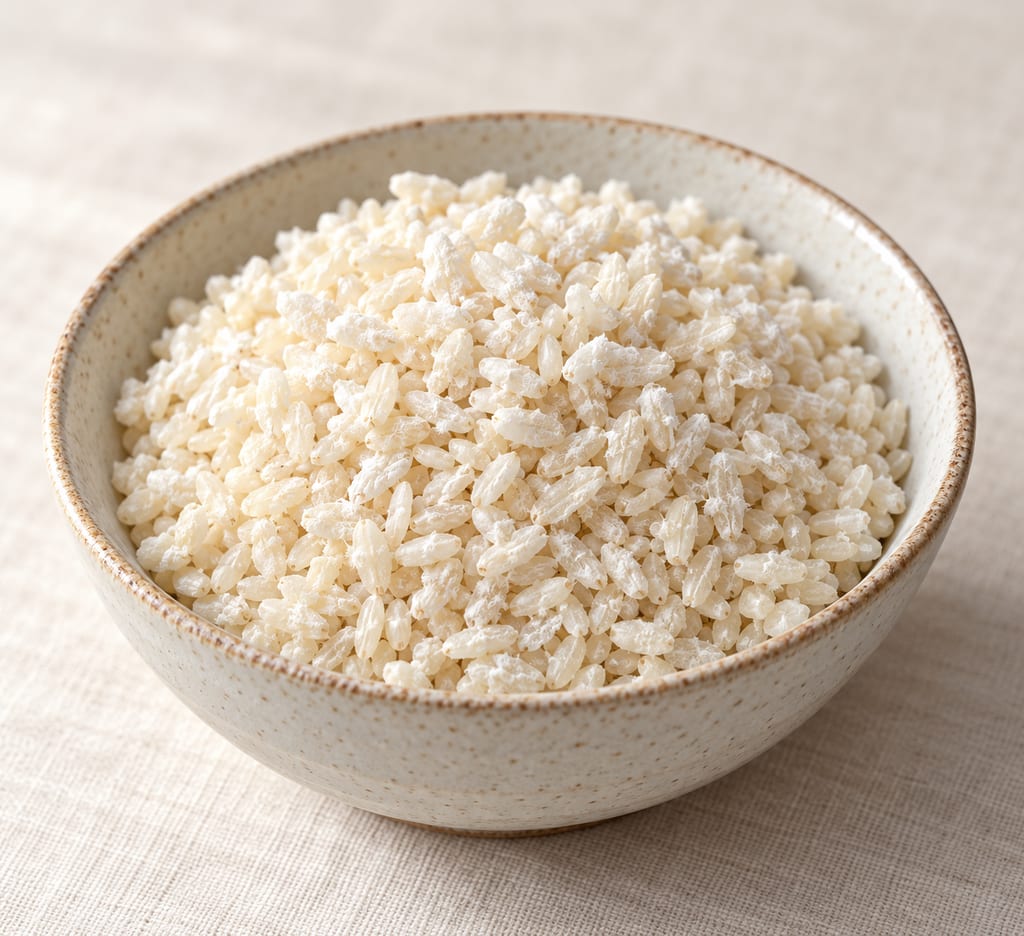
Ipguk (입국) is Korean steamed rice grown with a selected koji mould, used as an enzyme-rich starter in makgeolli and yakju. It is not the same product as traditional nuruk.
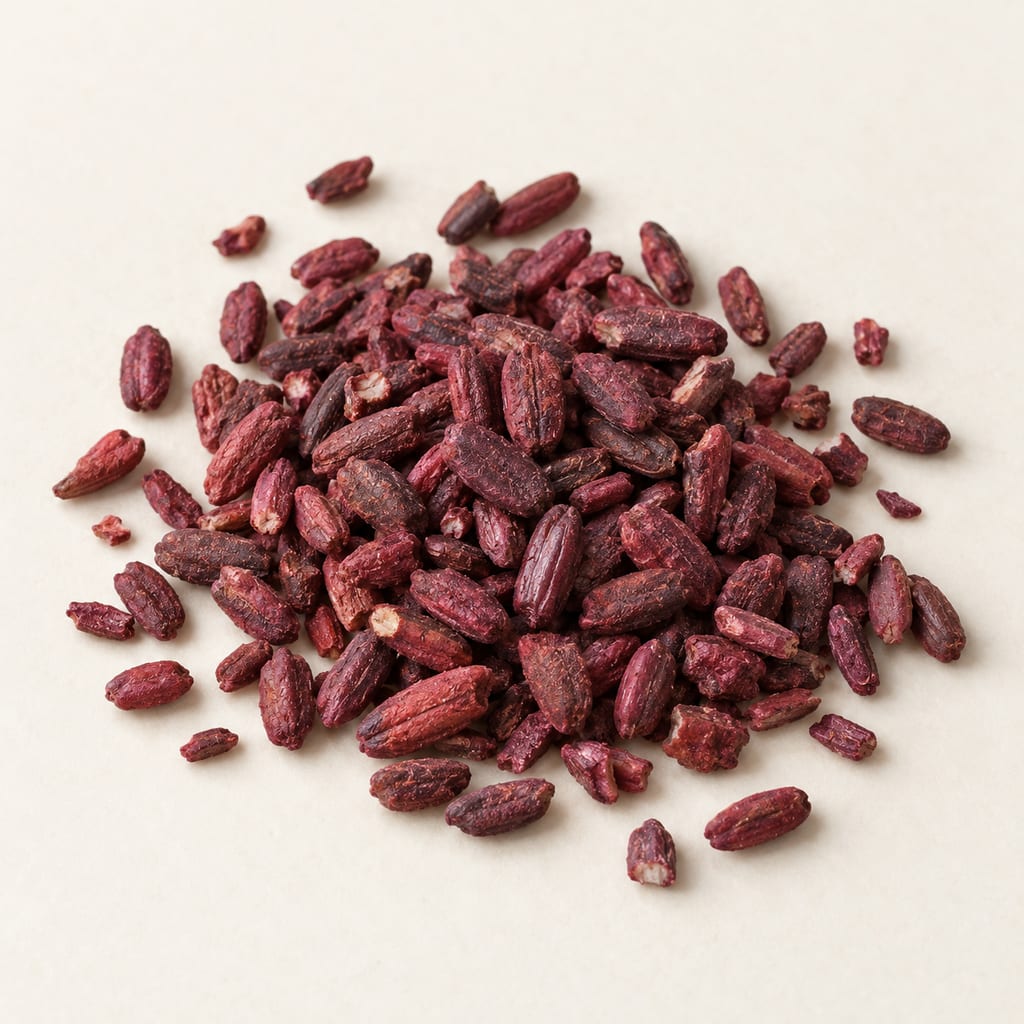
Wuyi hongqu is a regional red rice starter from the Wuyi area of Fujian, described as a mixed Monascus and Aspergillus culture used in rice wine and, in one report, cereal vinegar.
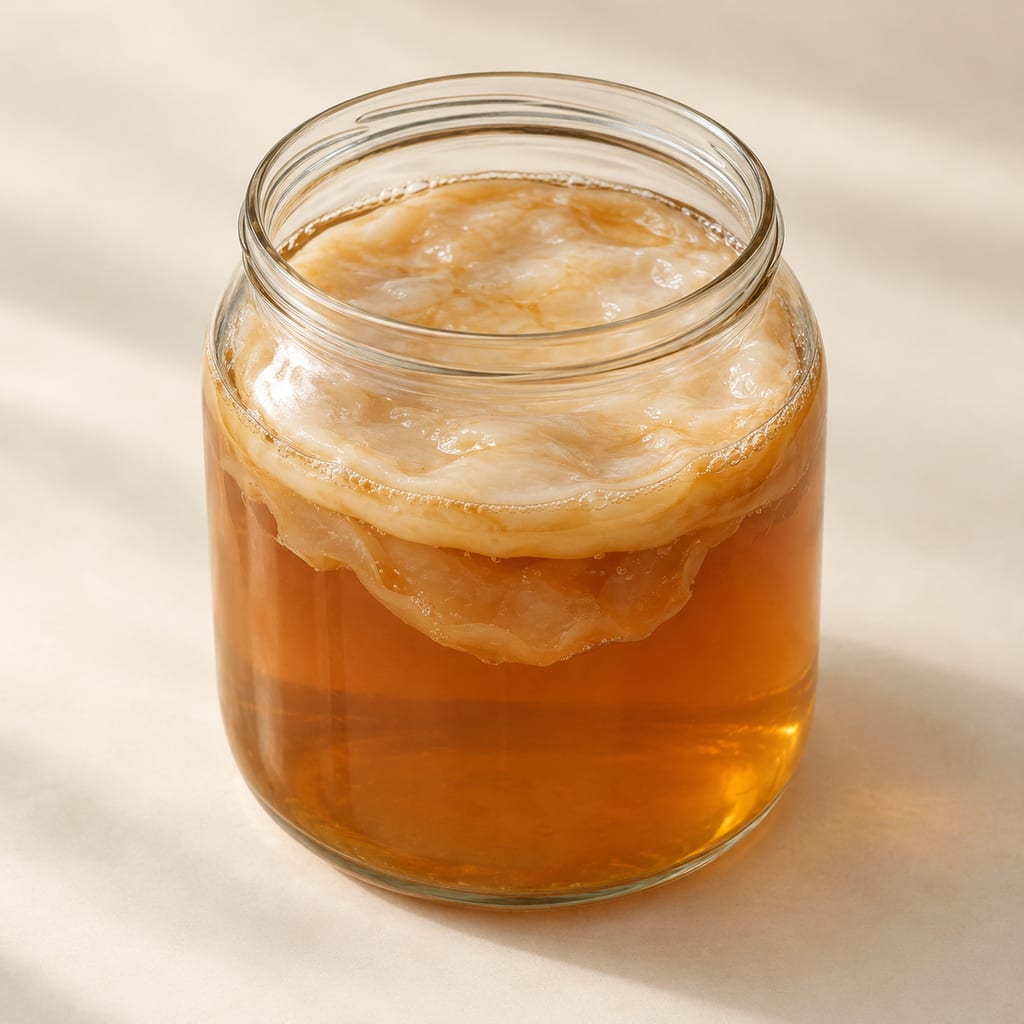
The kombucha culture is a mixed community of yeasts and bacteria carried in an acidic starter liquid and a floating cellulose pellicle, used to turn sweetened tea into kombucha.
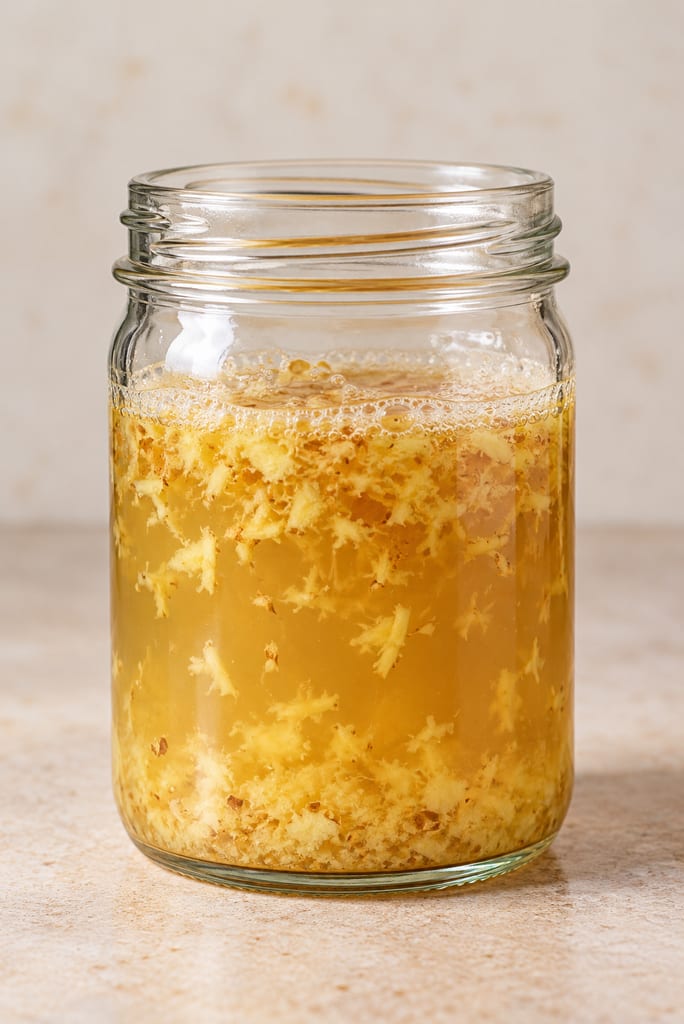
Ginger bug is a liquid starter of ginger and sugar kept going by feeding and used to start ginger beer and other drinks; the name does not fix one microbial community.
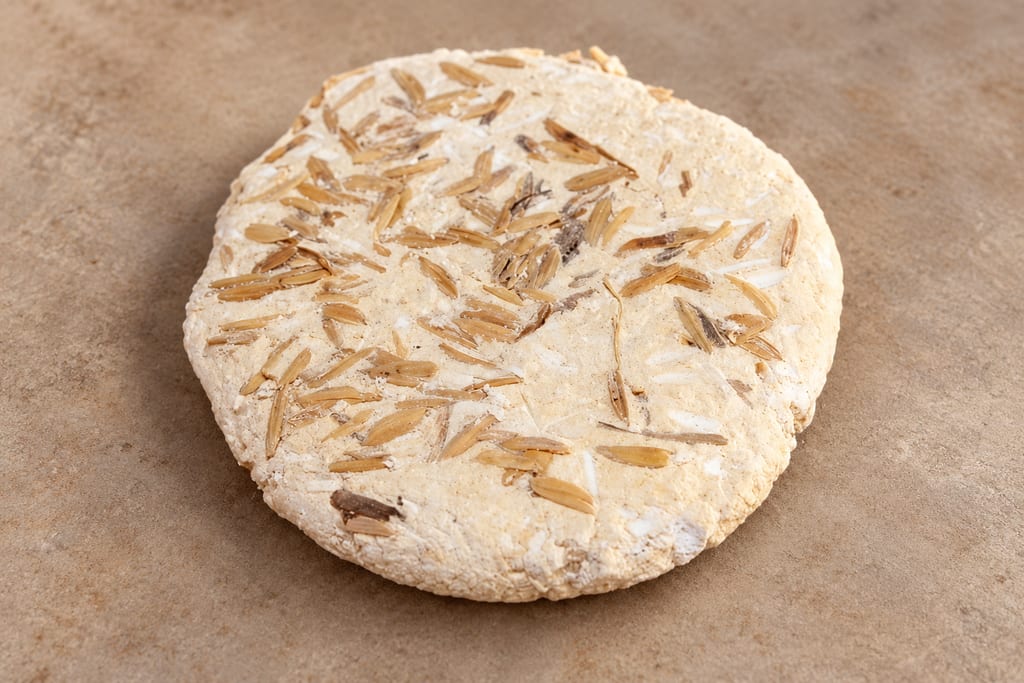
Dombae (dombea, medombae) is a Cambodian dried mixed starter for rice fermentation; studied samples differ, so the names do not specify one formula.
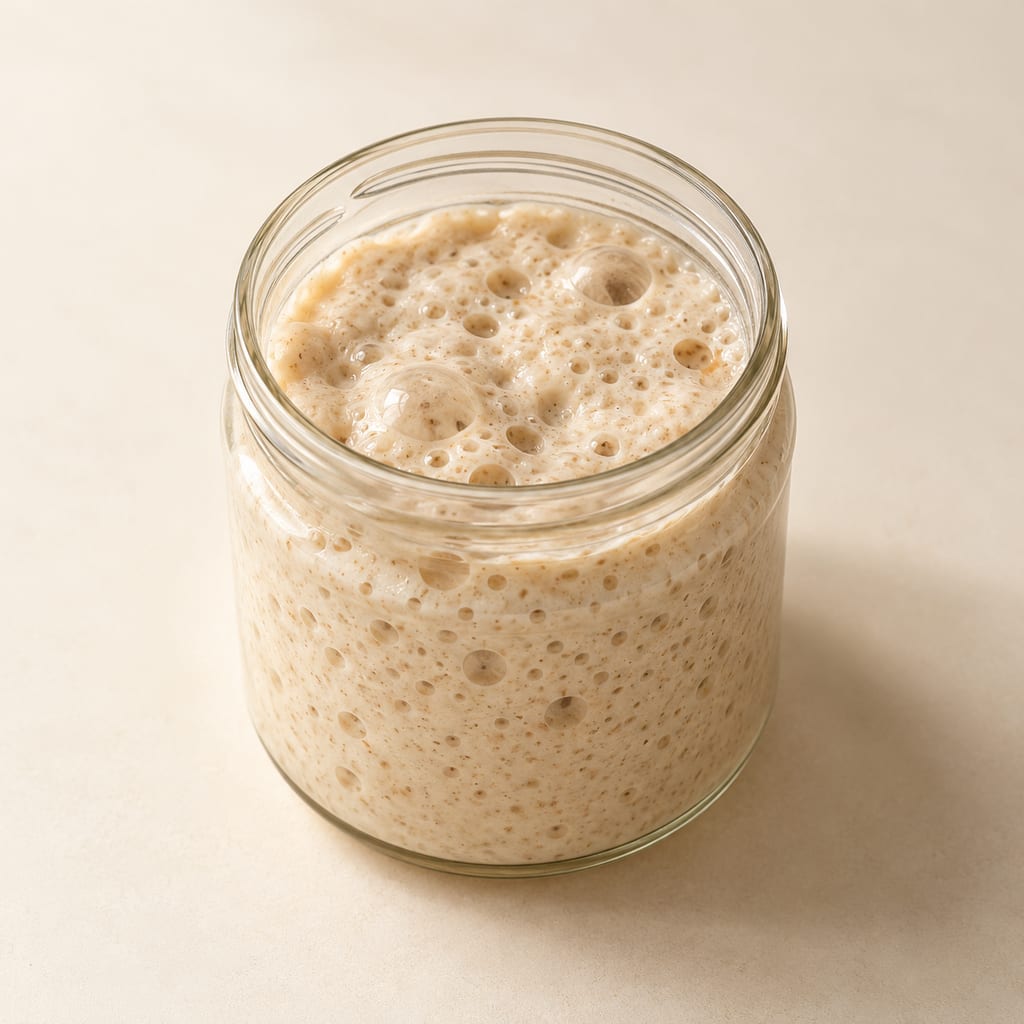
Lievito madre, or pasta madre, is the maintained Italian sourdough culture used to raise panettone and other rich festive doughs; names alone do not fix its strains or its routine.
Men or bánh men is a mixed Vietnamese starch-based rice fermentation starter. Published samples vary; their isolates and performance do not define a standard culture or household formula.
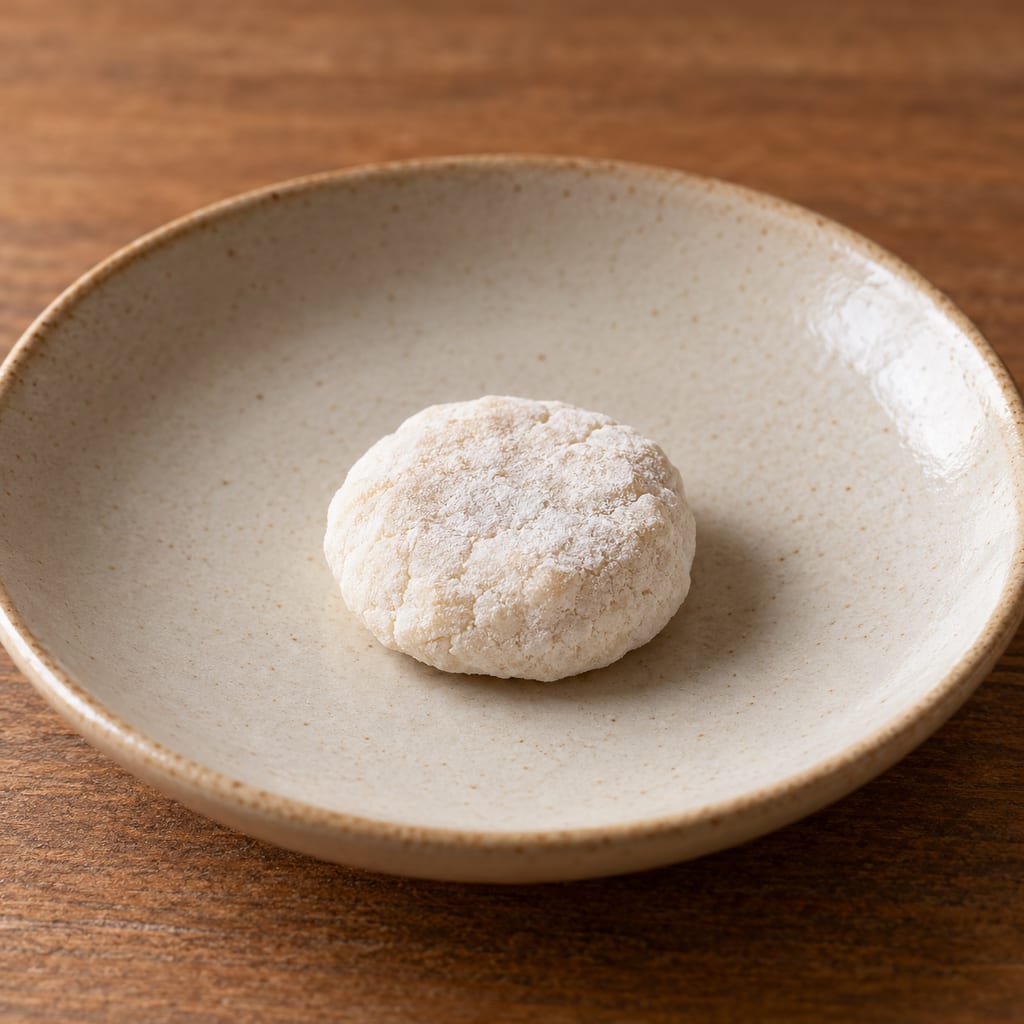
Loog-pang (luk paeng/look-pang) is a Thai mixed starter used with rice in distinct foods and drinks, including sato and khao mak. Studies describe different samples and one reported cake-making account, not a universal formula.
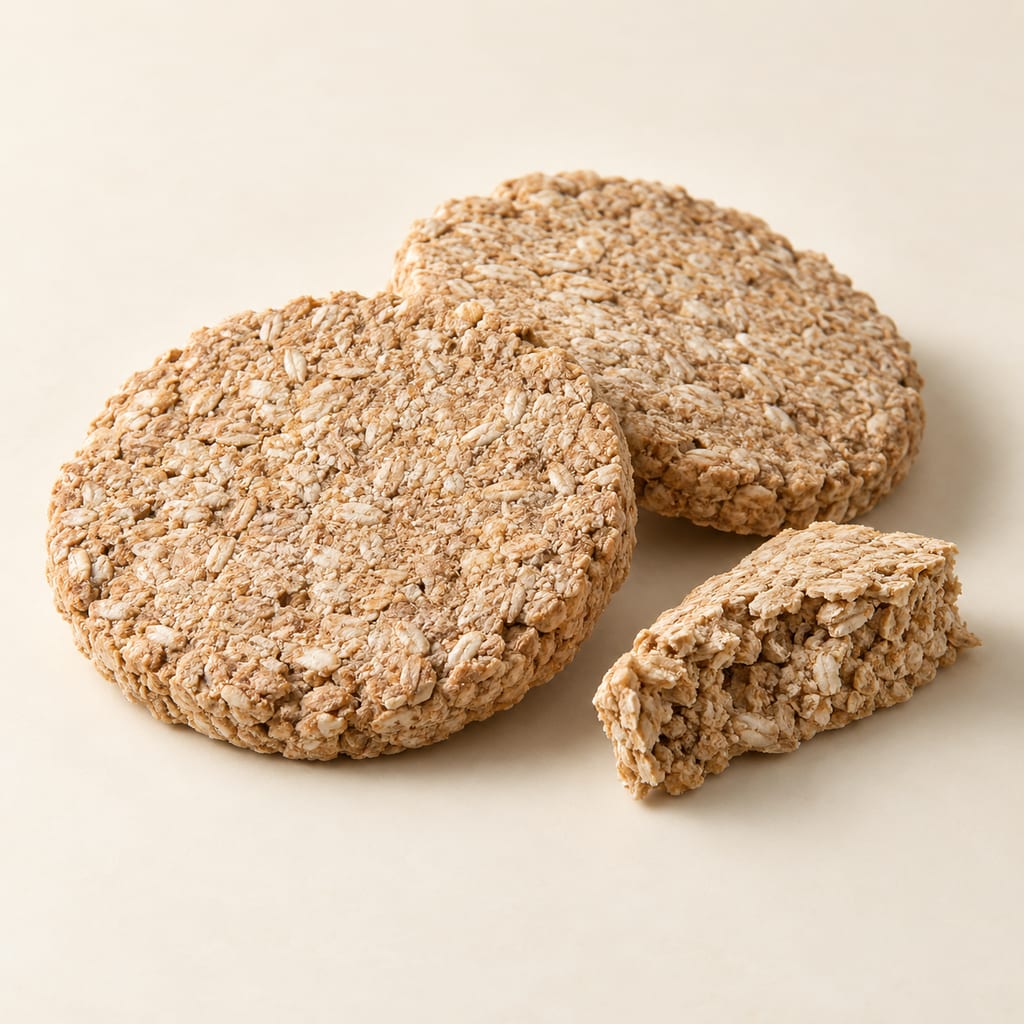
Korean nuruk is a grain-based starter used to ferment traditional Korean alcoholic drinks. Its microbial communities vary among samples, so the name does not specify one organism or standardized culture.