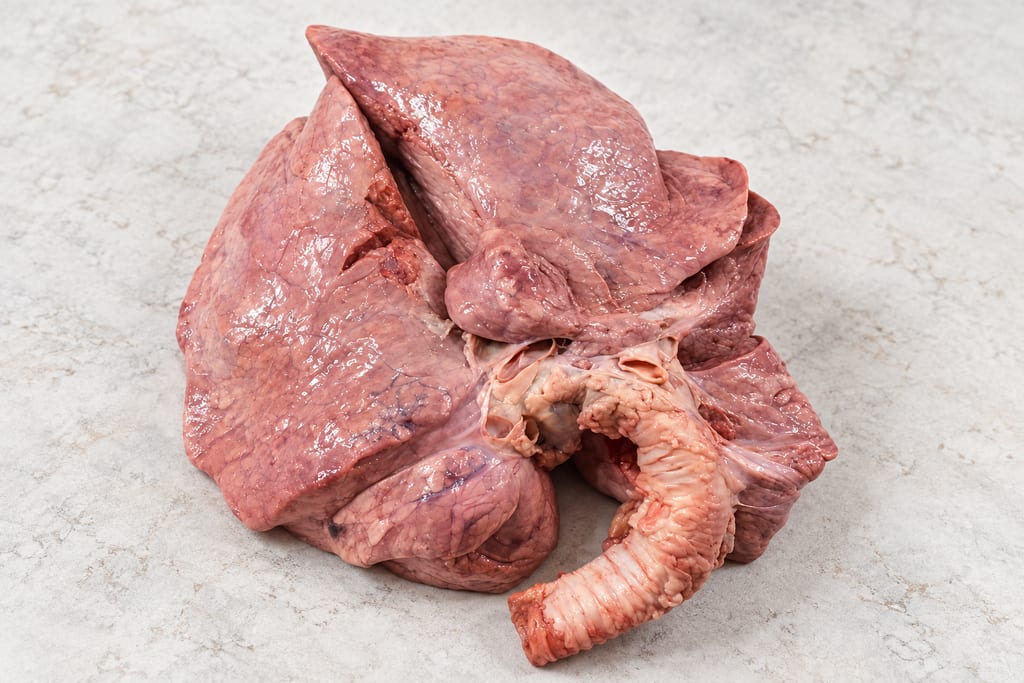
Beef lung
Beef lung is cattle offal used in regional Indonesian dishes and studied as a substrate for a modern fermented-sauce proof of concept. Culinary, regulatory and experimental uses vary; the sources support no universal process.
 FermenteaWhere food goes to change
Cultures
Ragi tapé, also ragi tapai, is a dried mixed starter cake from Indonesia and Malay traditions, used to ferment sweet rice, cassava and related starchy foods.
Ragi tapé (ragi tapai in Malay) is a dried starter cake used for fermented starchy foods, above all the sweet fermented glutinous rice called tape ketan and fermented cassava. It is a mixed culture, not one organism, and it is separate from ragi tempe, the starter for tempeh. Research on the cakes finds starch-degrading moulds such as Amylomyces and Rhizopus together with yeasts such as Saccharomycopsis and other yeasts and bacteria.
Because the cakes are a community, they differ from market to market. One study collected cakes from six markets across West, Central and East Java and examined the Amylomyces rouxii in them. Other work examines specific Indonesian or Malaysian commercial samples. None of this establishes one composition for everything sold as ragi.
The moulds break starch down to sugars and the yeasts turn those sugars to alcohol, which is why the same cake can make a sweet, lightly alcoholic rice or cassava and, with further work, related drinks. Baker's yeast alone cannot take its place, because it lacks the starch-degrading part.
In a potato-pulp experiment with Indonesian ragi tapé, researchers detected several fungi and measured lactic acid and ethanol in that batch. They also noted that the marker used could not cleanly tell two mould names apart. These results describe that sample and experiment and are not a universal ingredient list.
Indonesian research documents ragi tape in connection with tape ketan, fermented glutinous rice. A West Java review describes peuyeum as a fermented cassava food associated with Bandung and lists fried peuyeum, colenak and cakes among its uses; those are uses of the finished cassava food and not of the starter.
In Sabah, Malaysia, a traditional rice-wine starter called sasad has been examined for its microbiota. It is a useful regional comparison, but the sources do not establish that sasad and Indonesian ragi tapai are the same product.
The catalogue advice for purchased cakes is to keep them dry and to use them in the food process they are meant for. Renewing or propagating a ragi cake is a separate activity from making tapai, and no validated household method for making the starter, no general dry-starter storage period and no safety limit for a particular cassava or rice batch has been established in the sources. For cassava especially, process and safety need authoritative evidence for the exact product.
The sources give no earliest origin, no seasonal calendar and no single microbial formula for ragi tapé. Local naming, history and use would need Indonesian-language historical and producer sources, which this page does not have.
Cakes sampled in Java markets; tape ketan and peuyeum are Indonesian uses. Country-level only.
Malaysian ragi samples and the Sabah starter sasad have been examined; the sources do not equate sasad with ragi tapai.
Beef lung is cattle offal used in regional Indonesian dishes and studied as a substrate for a modern fermented-sauce proof of concept. Culinary, regulatory and experimental uses vary; the sources support no universal process.
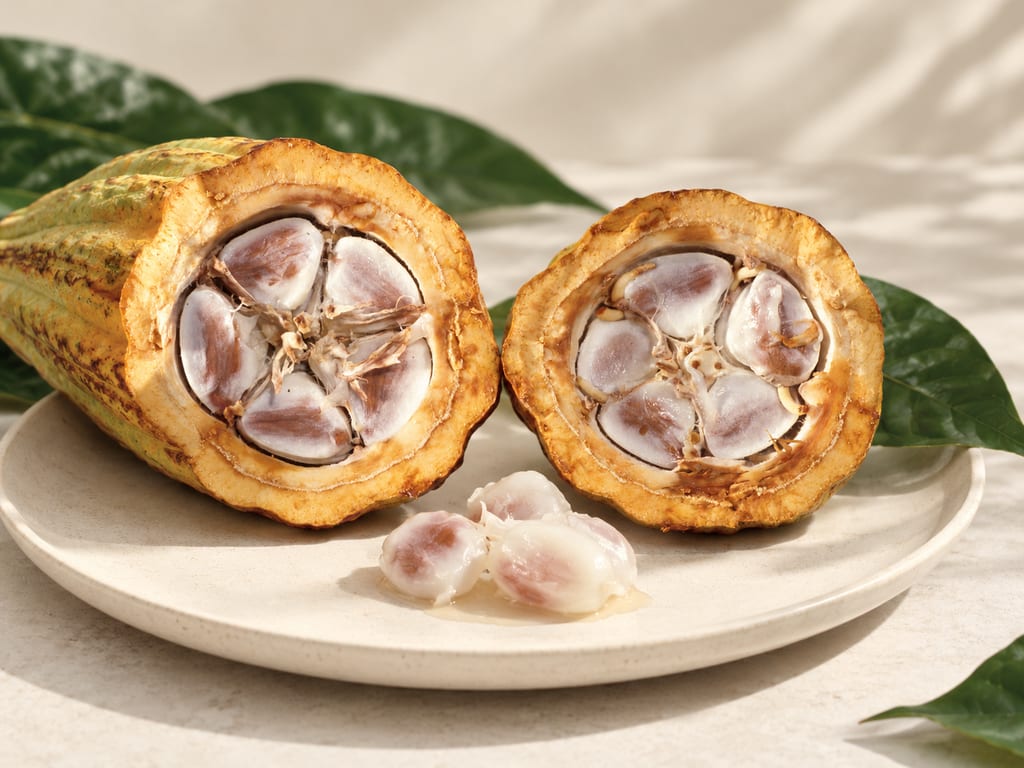
Cacao pulp is the moist, sweet-acid mucilage around cacao seeds. It fuels bean fermentation and can be extracted for fruit drinks, wine and vinegar.
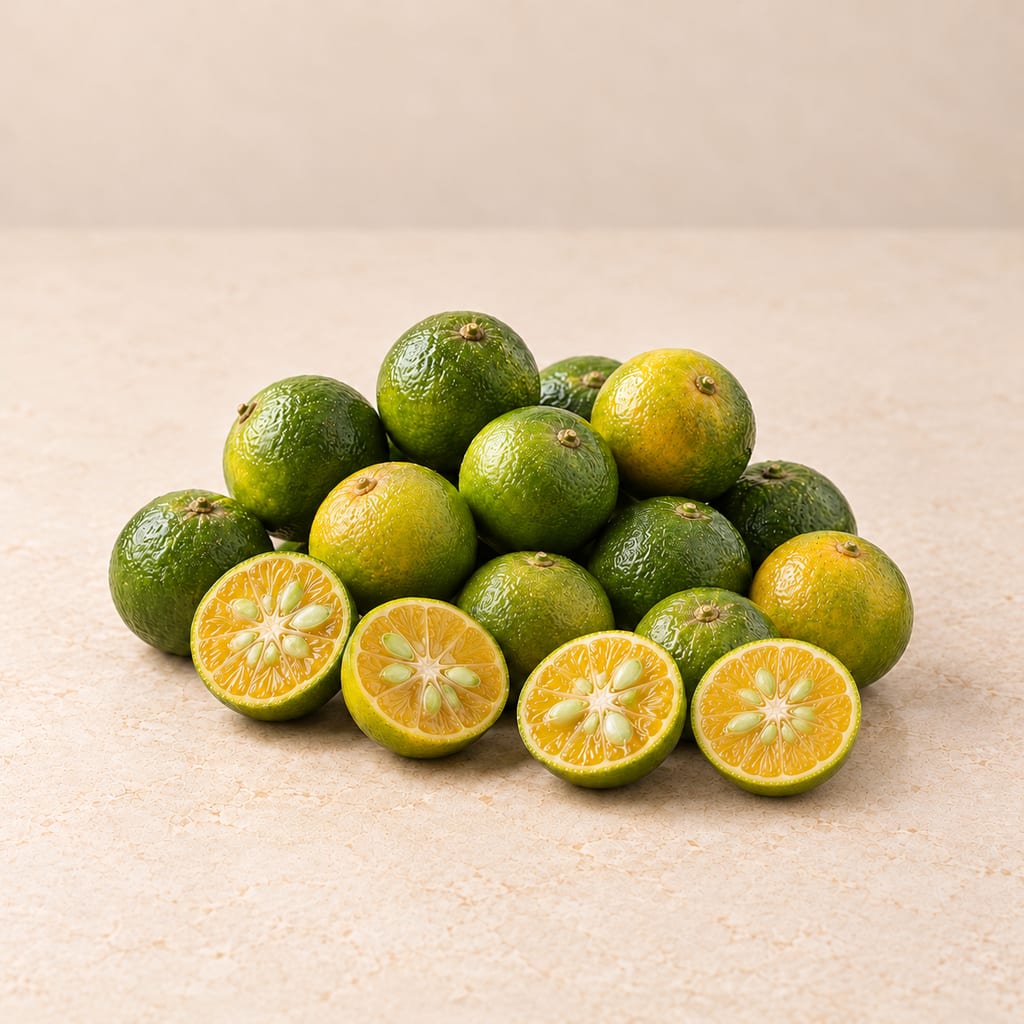
Calamansi is a small, very sour kumquat-mandarin hybrid, Philippine cooking’s all-purpose citrus, squeezed into soy sauce, fish sauce, broths and dips.

Fat pressed or separated from the kernel of a mature coconut: solid below about 25 °C, mostly saturated and half lauric acid, sold virgin, refined or hydrogenated.
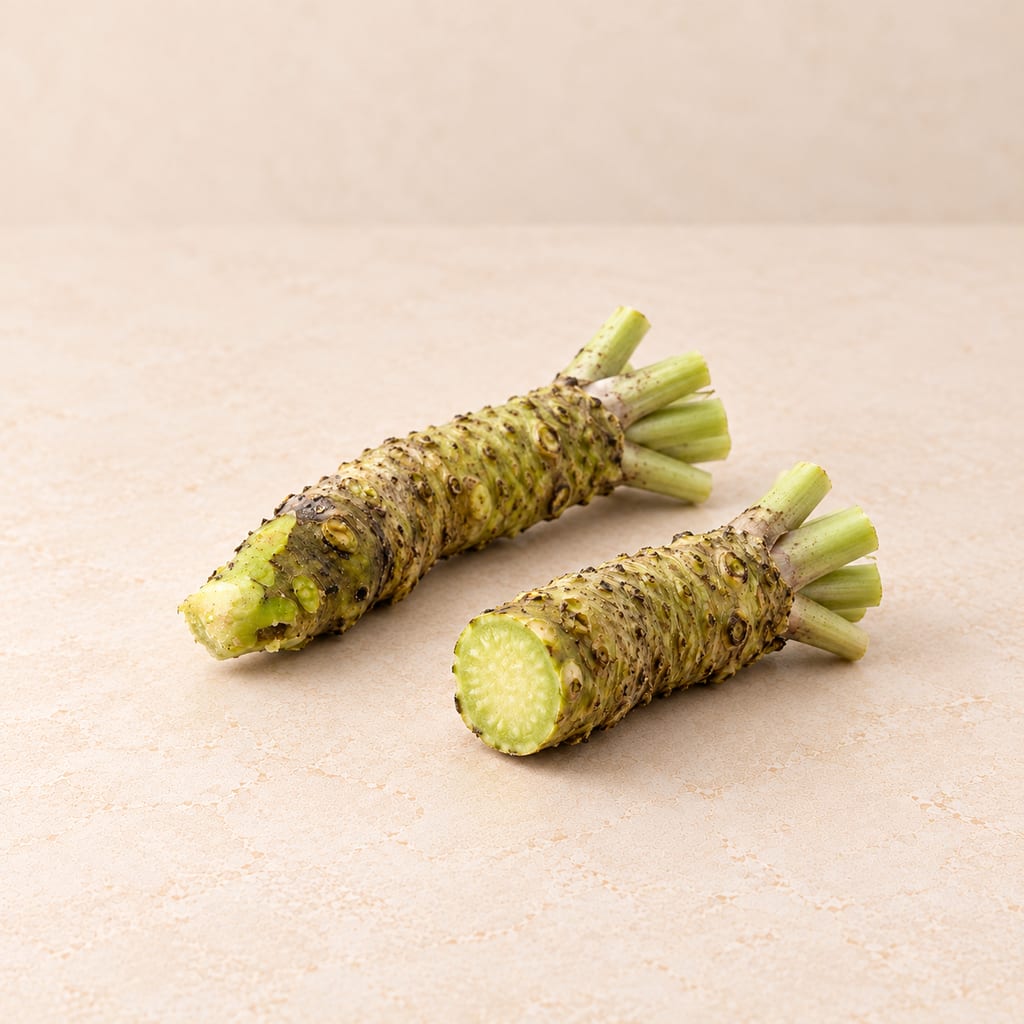
Wasabi is the enlarged stem of Eutrema japonicum, a pungent perennial in the mustard family. Fresh rhizome is grated as a Japanese condiment; powder and prepared paste are separate products.
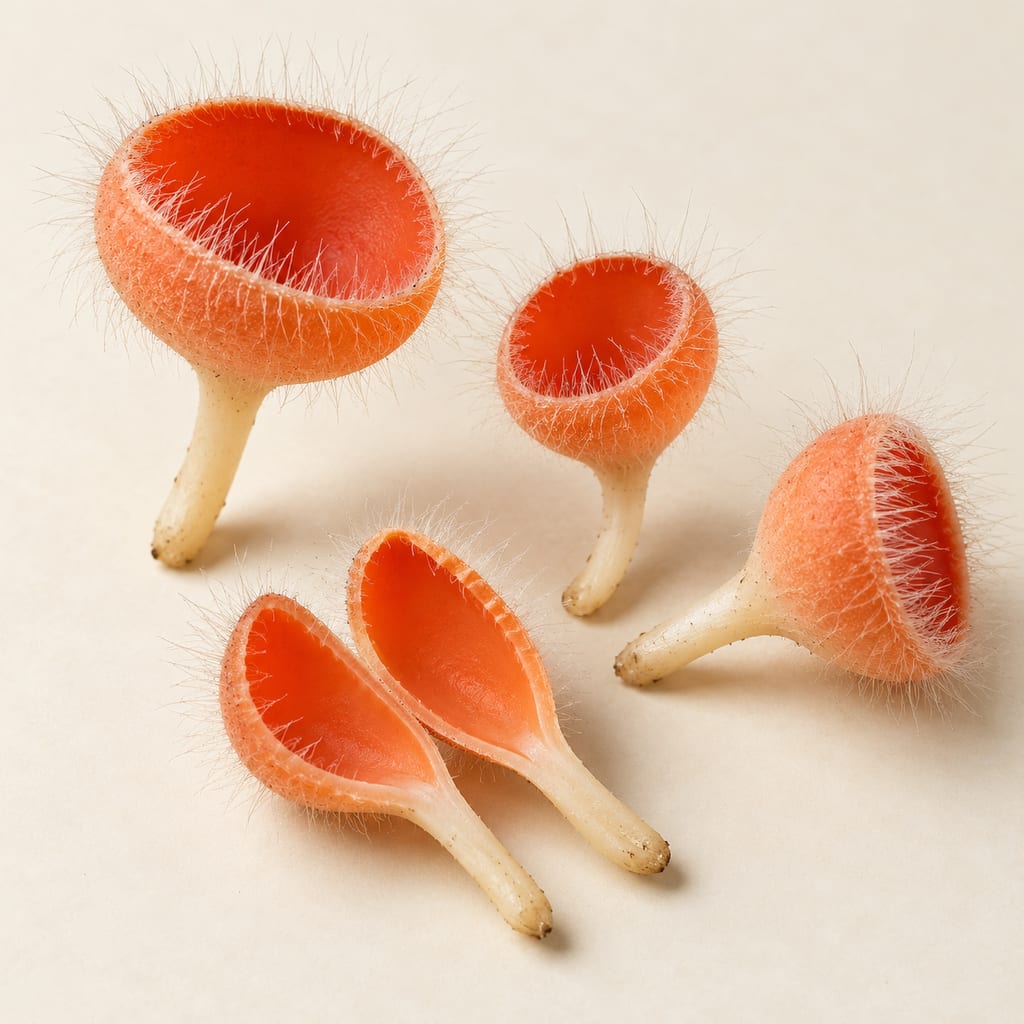
Cookeina tricholoma is a cup fungus of decaying wood, recorded as food in several tropical regions. Its food use is documented in ethnomycological reports, not established by a food-safety assessment.
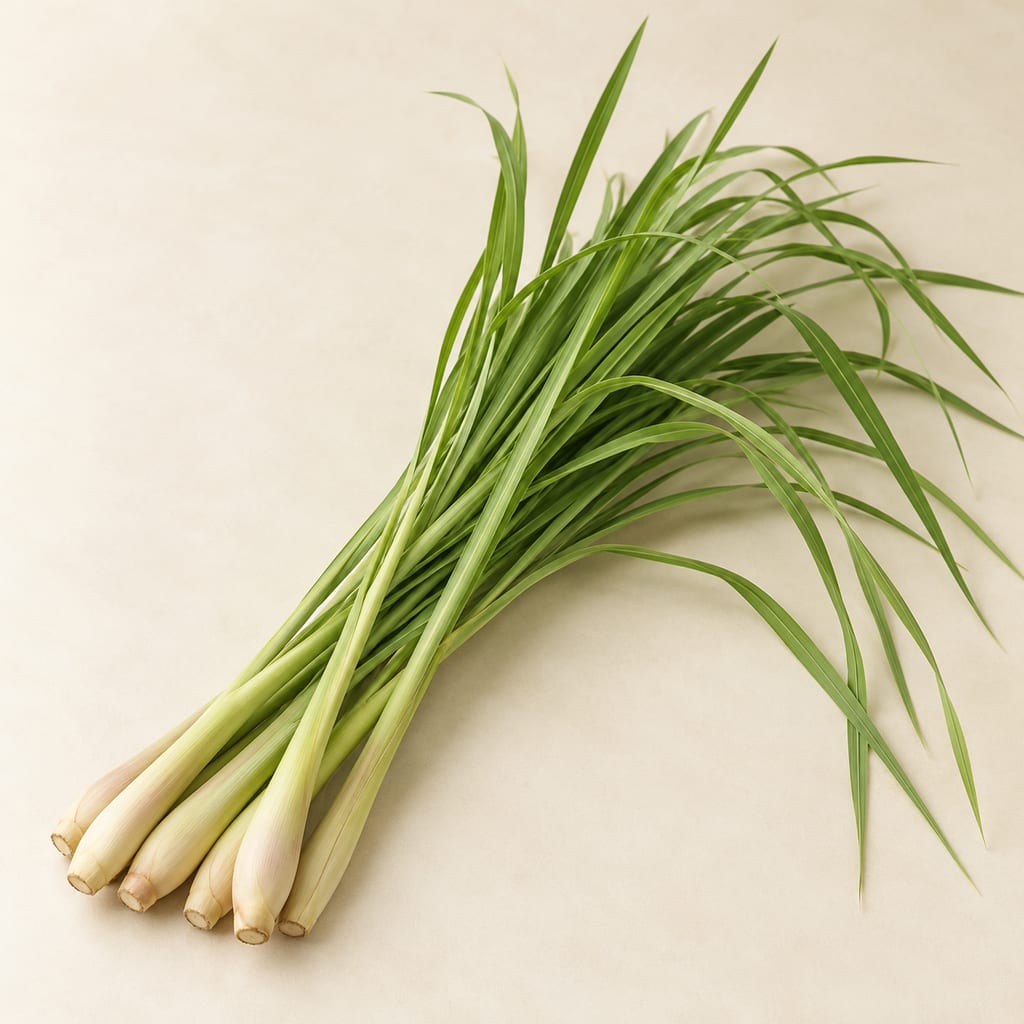
Lemongrass is Cymbopogon citratus, a tropical grass whose lemon-scented stalks and leaves flavour cooking across South and Southeast Asia. The common name also covers other Cymbopogon species.
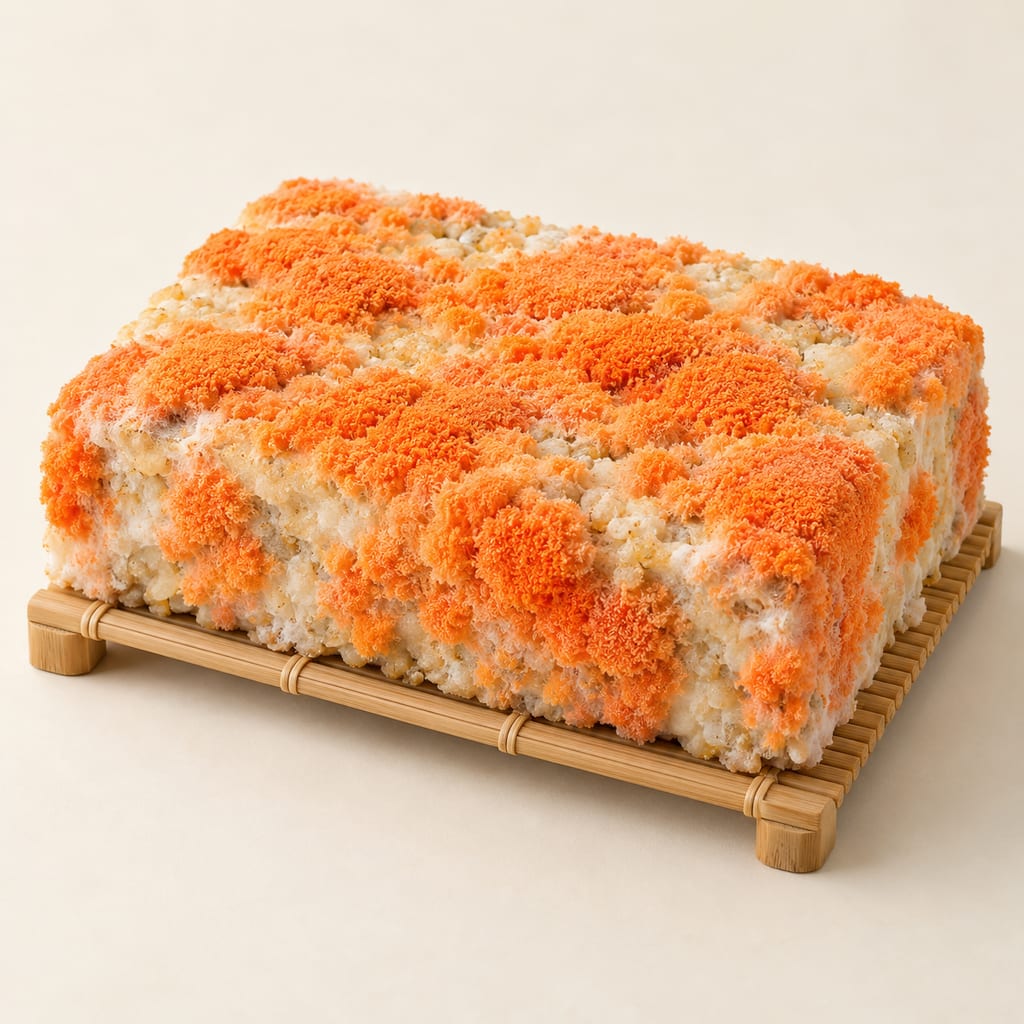
Neurospora intermedia is the orange-red mould that ferments the okara of red oncom, an Indonesian soy-pulp cake, and the culture used to start it.
No community contributions have been published for this entry yet.
Sign in to contribute. Published comments and photos are free to read.
Food Technology and Biotechnology / Hrčak portalMicrobiology
Microflora and Selected Metabolites of Potato Pulp Fermented with an Indonesian Starter Ragi TapéSeveral fungi detected in a potato-pulp batch; lactic acid and ethanol reported; the marker did not distinguish two mould names.
Cited in: What ragi tapé is; What it does
PubMed CentralMicrobiology · Geography
Genetic Diversity of Amylomyces rouxii from Ragi tapai in Java Island Based on Ribosomal Regions ITS1/ITS2 and D1/D2Cakes collected from six markets across West, Central and East Java.
Cited in: What ragi tapé is; What it does; History and what is unknown
Journal of Ethnic Foods / Springer NatureUse
Peuyeum: fermented cassava from Bandung, West Java, IndonesiaPeuyeum is fermented cassava associated with Bandung; fried peuyeum, colenak and cakes are uses of the finished food.
Cited in: Rice, cassava and Sabah; Buying and keeping it
Malaysian Applied Biology / Universiti Sains Islam Malaysia repositoryMicrobiology · Geography
Isolation and identification of amylolytic bacteria from ragiAmylolytic bacteria isolated from Malaysian ragi samples.
Cited in: What ragi tapé is
Sains MalaysianaComparison
The Common and Unique Microbiota in Sabah’s Traditional Rice Wine Starter Cultures (Sasad)Sasad is a Sabah rice-wine starter whose microbiota has been examined.
Cited in: Rice, cassava and Sabah
International Journal of Food Sciences and Nutrition / PubMed recordUse
Studies on tape ketan—an Indonesian fermented rice foodRagi tape is used for tape ketan, fermented glutinous rice.
Cited in: Rice, cassava and Sabah; History and what is unknown