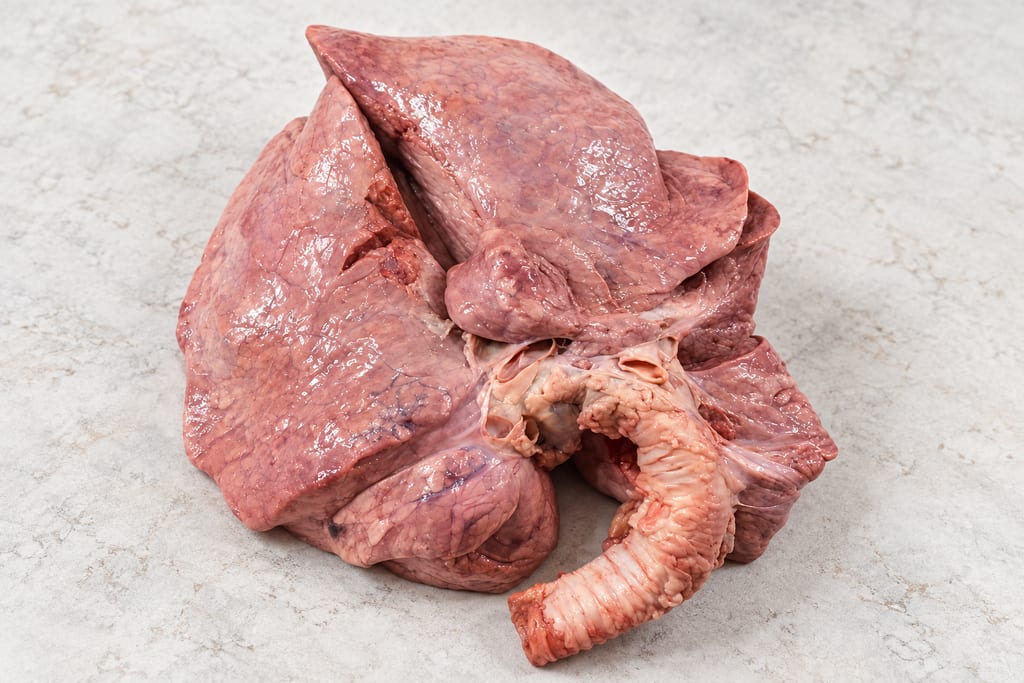
Beef lung
Beef lung is cattle offal used in regional Indonesian dishes and studied as a substrate for a modern fermented-sauce proof of concept. Culinary, regulatory and experimental uses vary; the sources support no universal process.
 FermenteaWhere food goes to change
Cultures
Neurospora intermedia is the orange-red mould that ferments the okara of red oncom, an Indonesian soy-pulp cake, and the culture used to start it.
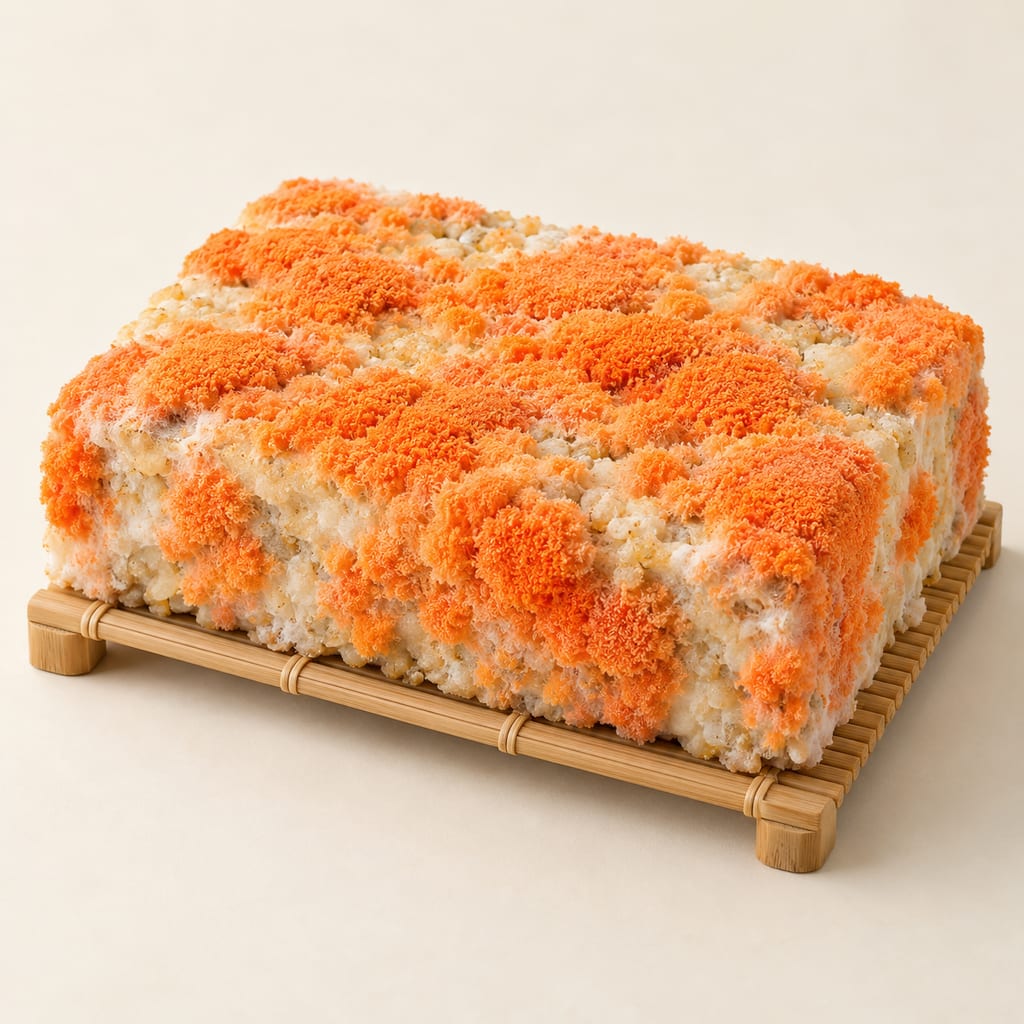
Neurospora intermedia is a filamentous fungus that forms an orange-red mycelium on moist, carbohydrate-rich substrates. It is a close relative of the bread mould Neurospora and is studied as a model fungus, which is one reason its genome and growth are well documented.
The culture used for oncom is identified by sequencing and morphology, not by colour alone. An earlier attribution of oncom to N. sitophila was corrected when a 2010 study of a Bandung isolate identified it as N. intermedia.
Red oncom is traditionally made from okara, the soy pulp left after soymilk production. The sources read through search summaries describe backslopping from a previous batch to start the fermentation, followed by roughly 36 to 48 hours of growth, which turns the pulp into a firm block.
A 2024 metagenomic study of small producers in West Java found that N. intermedia made up more than 95 per cent of the microbial population in red oncom. Older records describe Bandung oncom made from peanut residues, which is a separate preparation.
The 2024 study reports that the species grew on 30 different agricultural sidestreams without producing toxins, and its authors present it as a candidate for waste-to-food upcycling. That is a laboratory finding about the species and its growth, not a safety verdict for home oncom.
Older Wikipedia-derived material links red oncom with cholesterol and aflatoxin findings. Those were not verified against primary studies for this page and are left out.
The main source for this page was not fully read: the PMC full text returned a verification page, and the facts above come from search summaries of it. The specifics need checking against the full paper before a producer relies on them.
Red oncom and its Neurospora identity are documented from West Java producers; the sources do not date the practice.
Beef lung is cattle offal used in regional Indonesian dishes and studied as a substrate for a modern fermented-sauce proof of concept. Culinary, regulatory and experimental uses vary; the sources support no universal process.
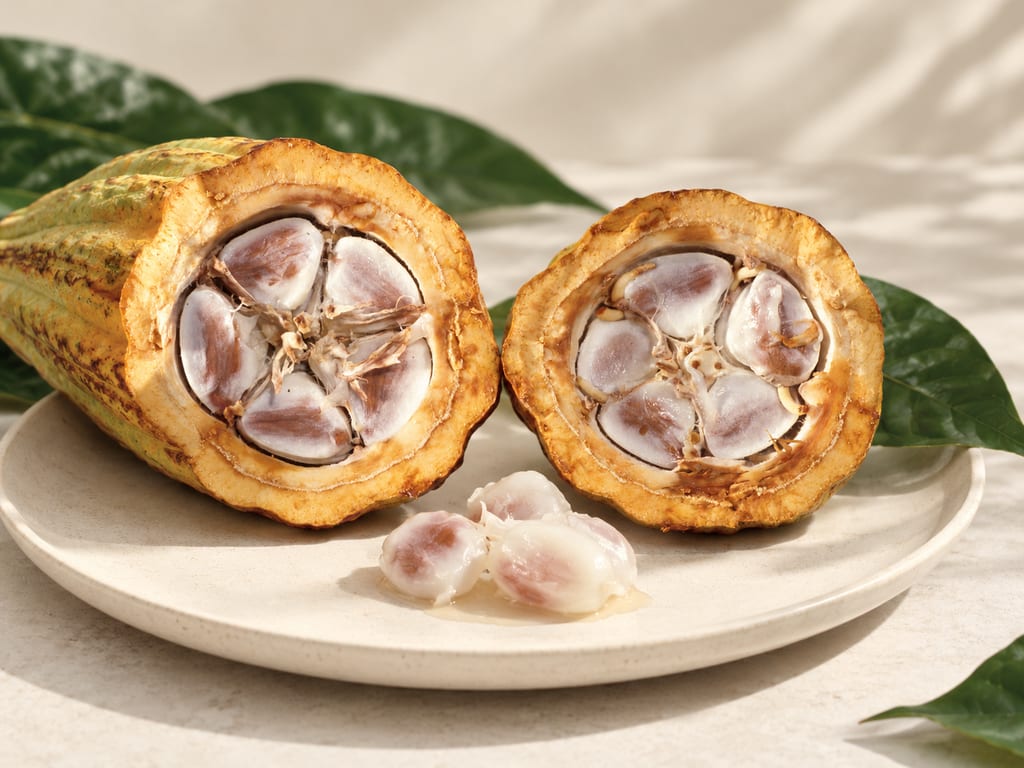
Cacao pulp is the moist, sweet-acid mucilage around cacao seeds. It fuels bean fermentation and can be extracted for fruit drinks, wine and vinegar.
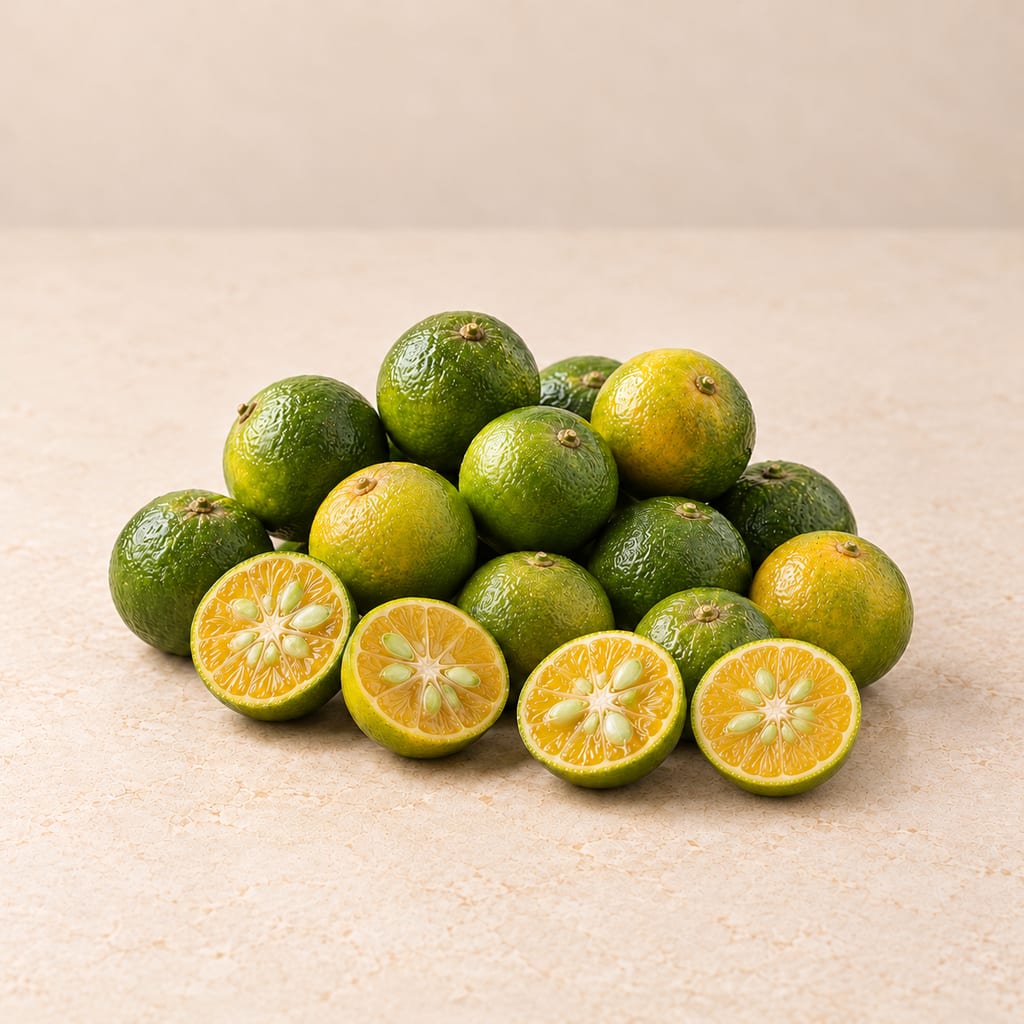
Calamansi is a small, very sour kumquat-mandarin hybrid, Philippine cooking’s all-purpose citrus, squeezed into soy sauce, fish sauce, broths and dips.
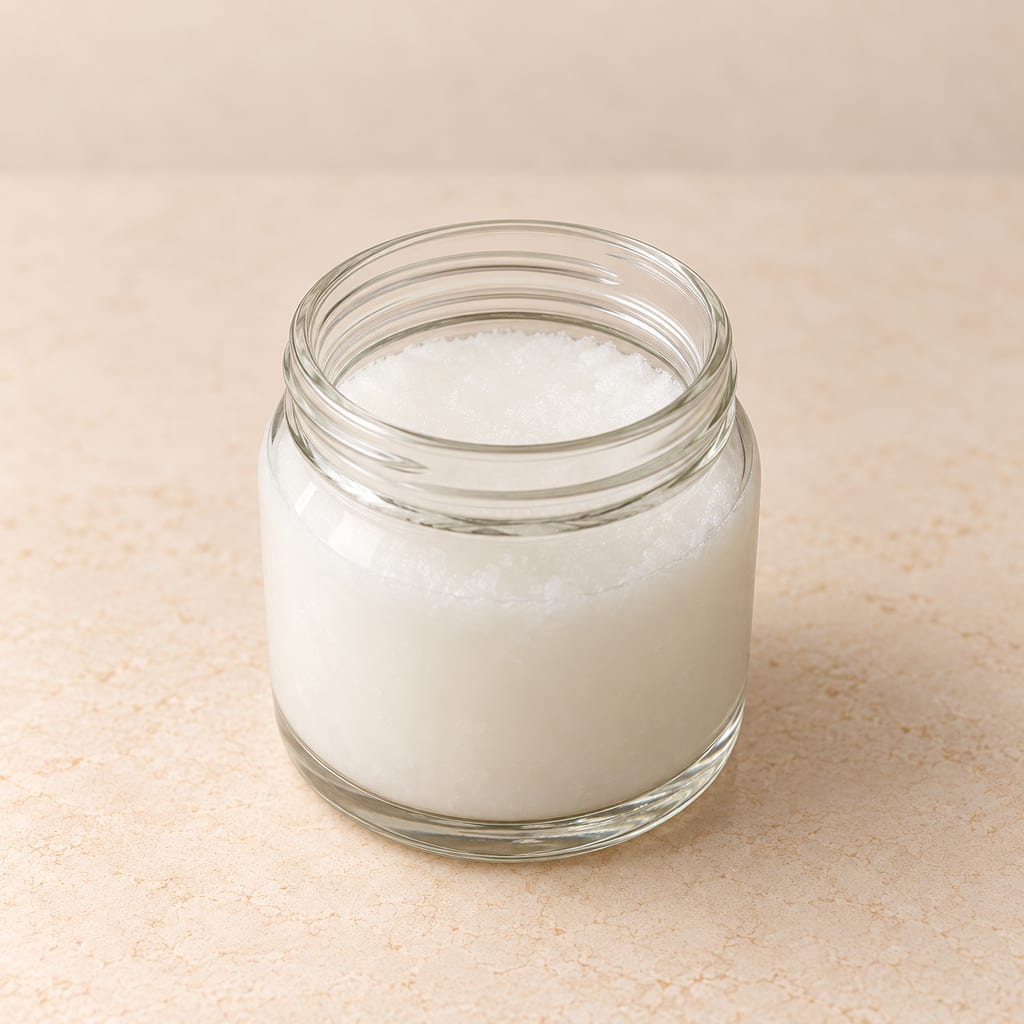
Fat pressed or separated from the kernel of a mature coconut: solid below about 25 °C, mostly saturated and half lauric acid, sold virgin, refined or hydrogenated.
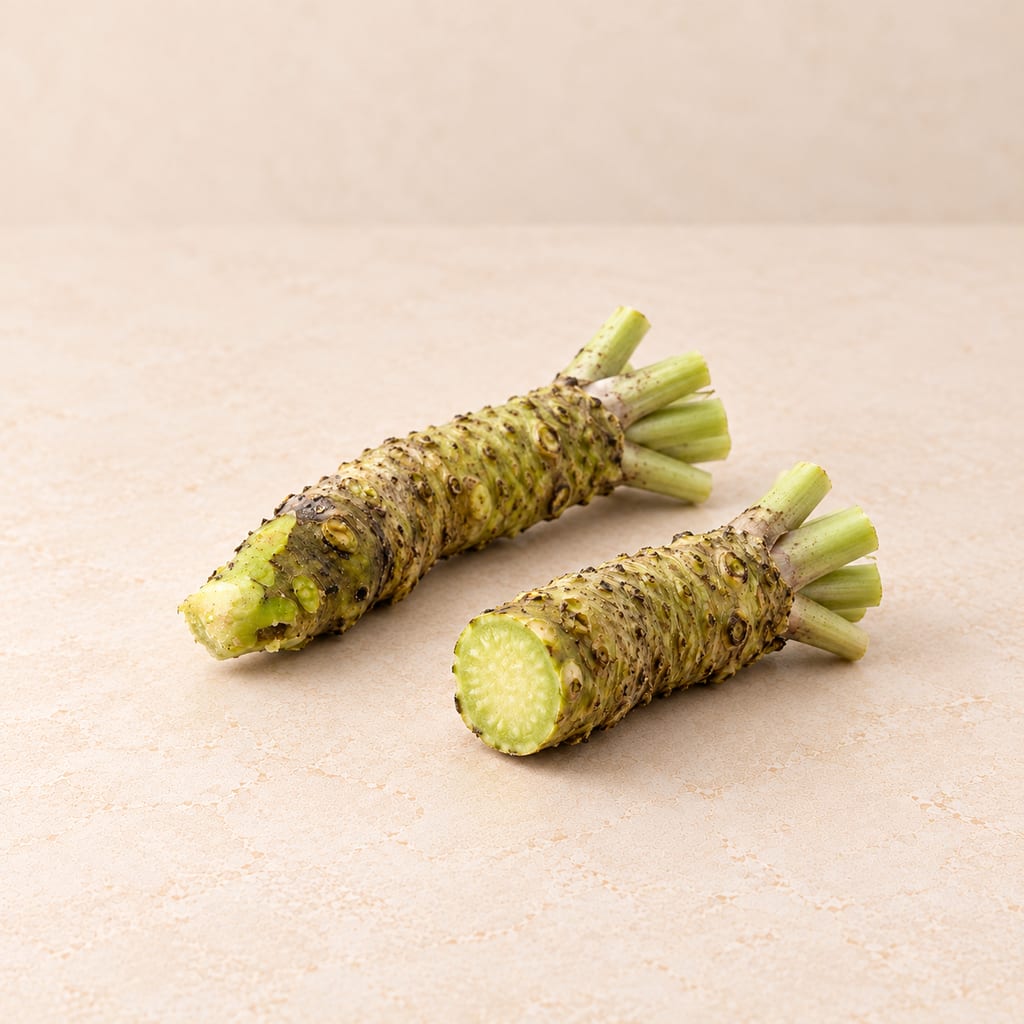
Wasabi is the enlarged stem of Eutrema japonicum, a pungent perennial in the mustard family. Fresh rhizome is grated as a Japanese condiment; powder and prepared paste are separate products.
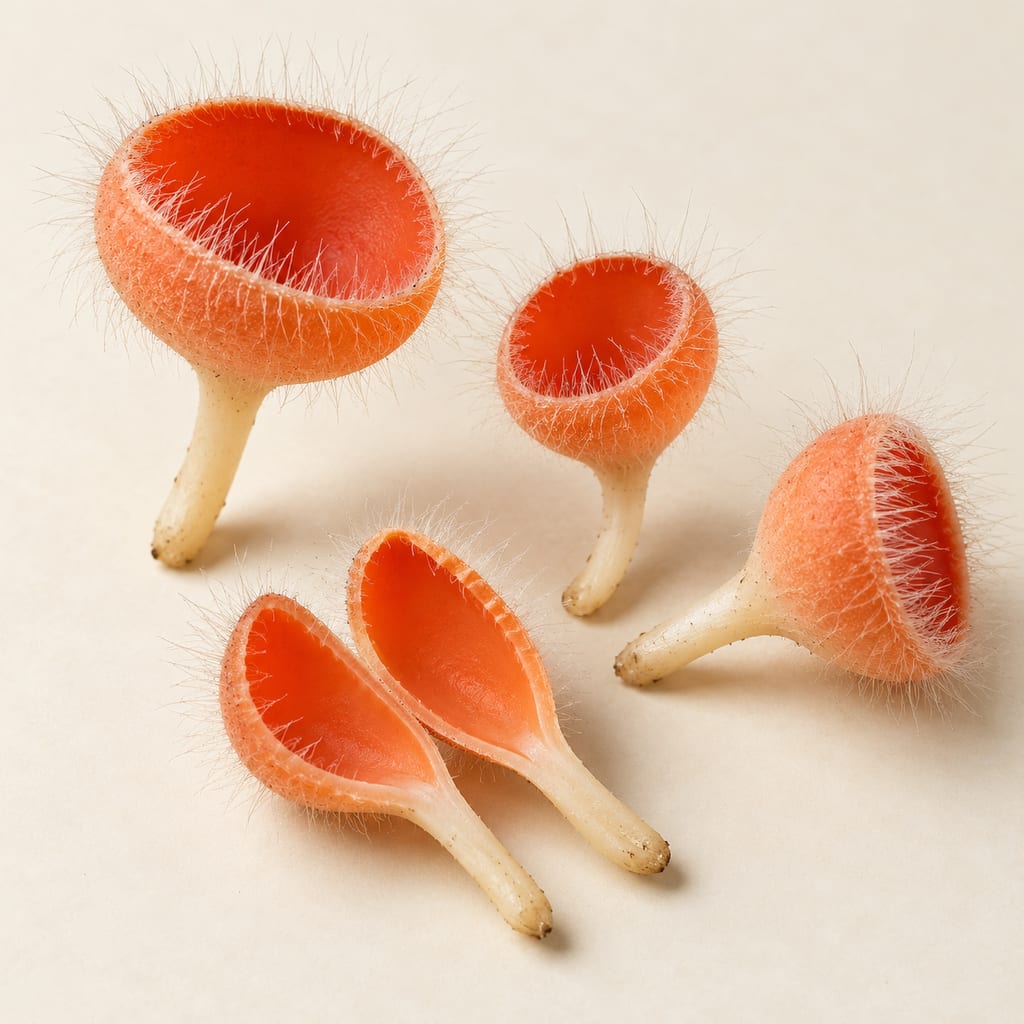
Cookeina tricholoma is a cup fungus of decaying wood, recorded as food in several tropical regions. Its food use is documented in ethnomycological reports, not established by a food-safety assessment.
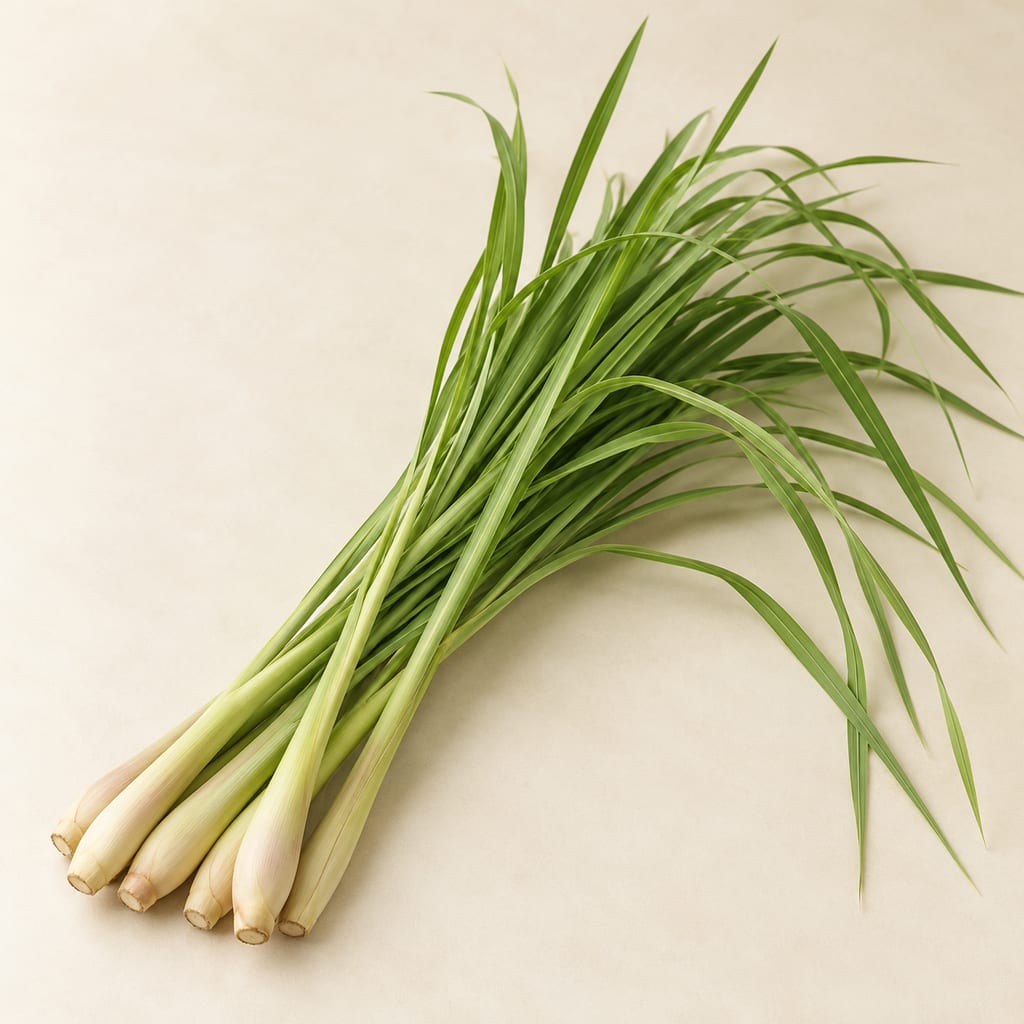
Lemongrass is Cymbopogon citratus, a tropical grass whose lemon-scented stalks and leaves flavour cooking across South and Southeast Asia. The common name also covers other Cymbopogon species.
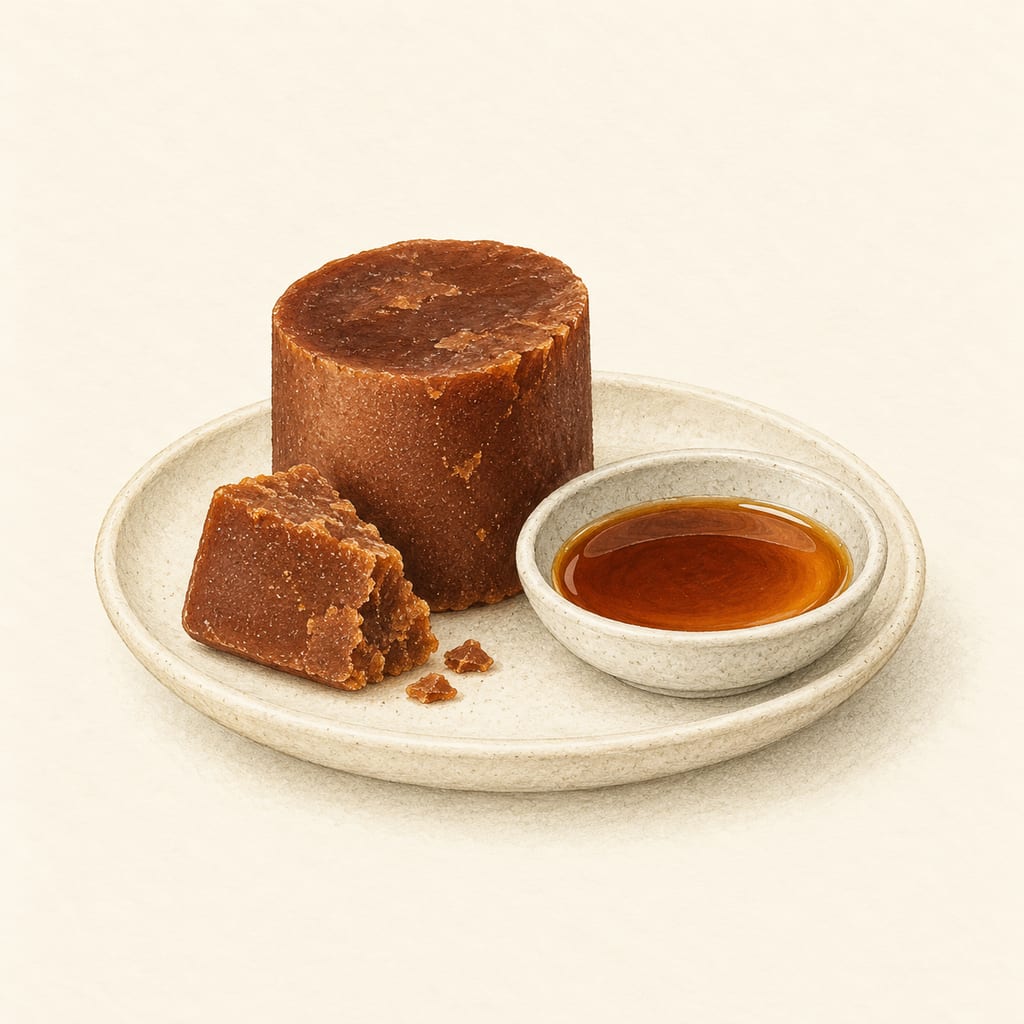
Palm sugar is made by concentrating sap from several palm species. The plant and the finished form shape its aroma, flavour and use.
No community contributions have been published for this entry yet.
Sign in to contribute. Published comments and photos are free to read.
PubMed CentralIdentity · Method · Science
Neurospora intermedia from a traditional fermented food enables waste-to-food conversionN. intermedia dominates red oncom made by small producers in West Java (search summary; full text not read; blocked by a verification page)
Red oncom is made from okara; fermentation starts by backslopping and runs about 36 to 48 hours (search summary)
N. intermedia grew on 30 agricultural sidestreams without toxin production in the 2024 study (search summary)
Cited in: What the mould is; Red oncom and its substrate; Waste and safety; Notes
bioRxivScience
Multi-omics analysis of a traditional fermented food reveals a byproduct-associated subpopulation of Neurospora intermedia for waste-to-food upcyclingPreprint of the 2024 multi-omics study (listed; PDF fetch rate-limited, not read)
Taylor and Francis OnlineIdentity
Supplied catalogue source (Neurospora intermedia)Supplied catalogue source; not independently revalidated