Dawdim
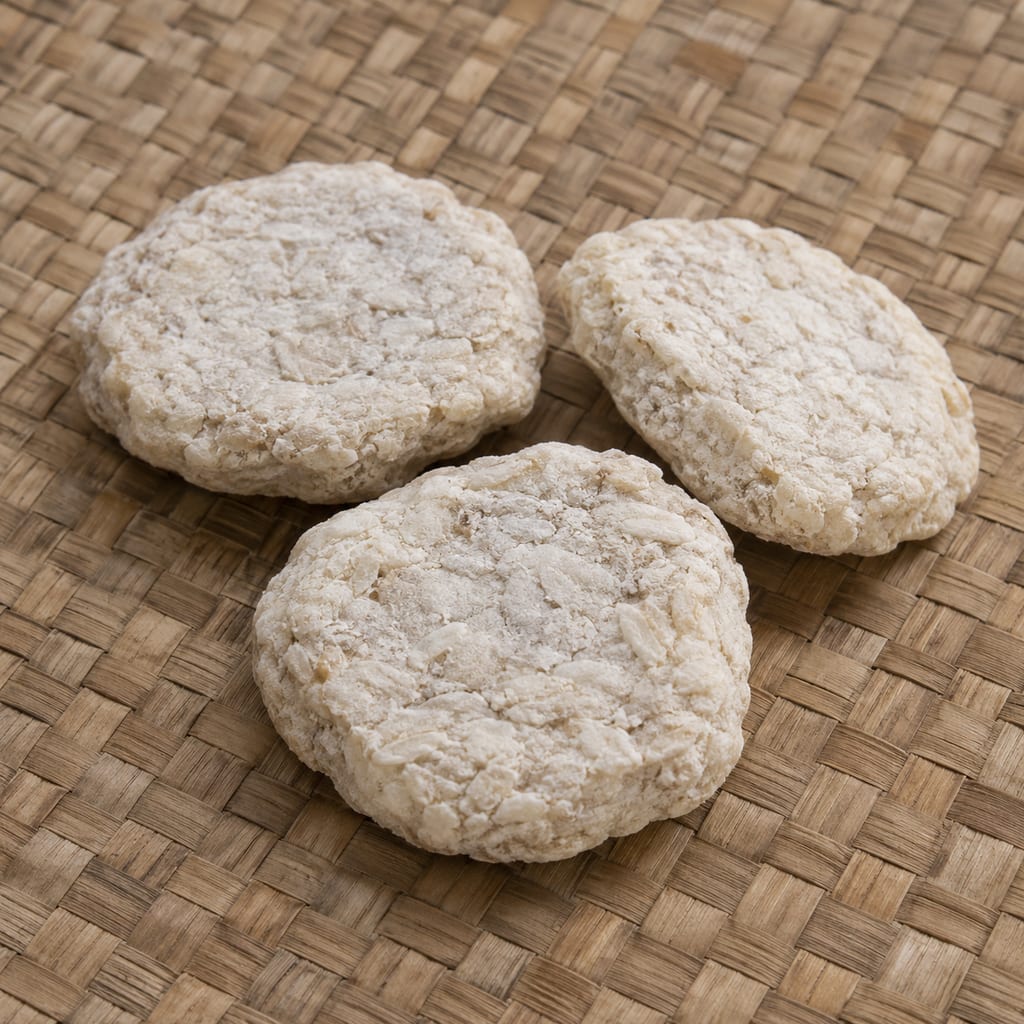
Dawdim is a dried rice-beer starter cake from Mizoram. Laboratories have listed its yeasts and moulds; no source gives how it is made, kept or used safely.
 FermenteaWhere food goes to change
1086 articles on substrates, cultures and additives.
 Koji and amylolytic starters31
 Yeasts18
 Dairy starter cultures15
 Ripening moulds and yeasts11
 Meat starter cultures8
 SCOBYs and grain cultures6
 Back-slopped and retained starters5
 Leavens and sourdough starters3
 Lactic cultures2Legume mould starters1
Dawdim is a dried rice-beer starter cake from Mizoram. Laboratories have listed its yeasts and moulds; no source gives how it is made, kept or used safely.
Pee is a sun-dried rice starter from Arunachal Pradesh, India, made like other Eastern Himalayan dry starters. Its recorded bacterial population was high, and its named beverages are opo and apong.
Paa is a sun-dried rice starter from Arunachal Pradesh, India, made from soaked rice flour and wild herbs. Families use it as the culture for mildly alcoholic rice drinks.
A Rhizopus mould stage converts starch in cassava for the Wapishana drink parakari. The published abstracts name the mould and its role but not the full culture method.
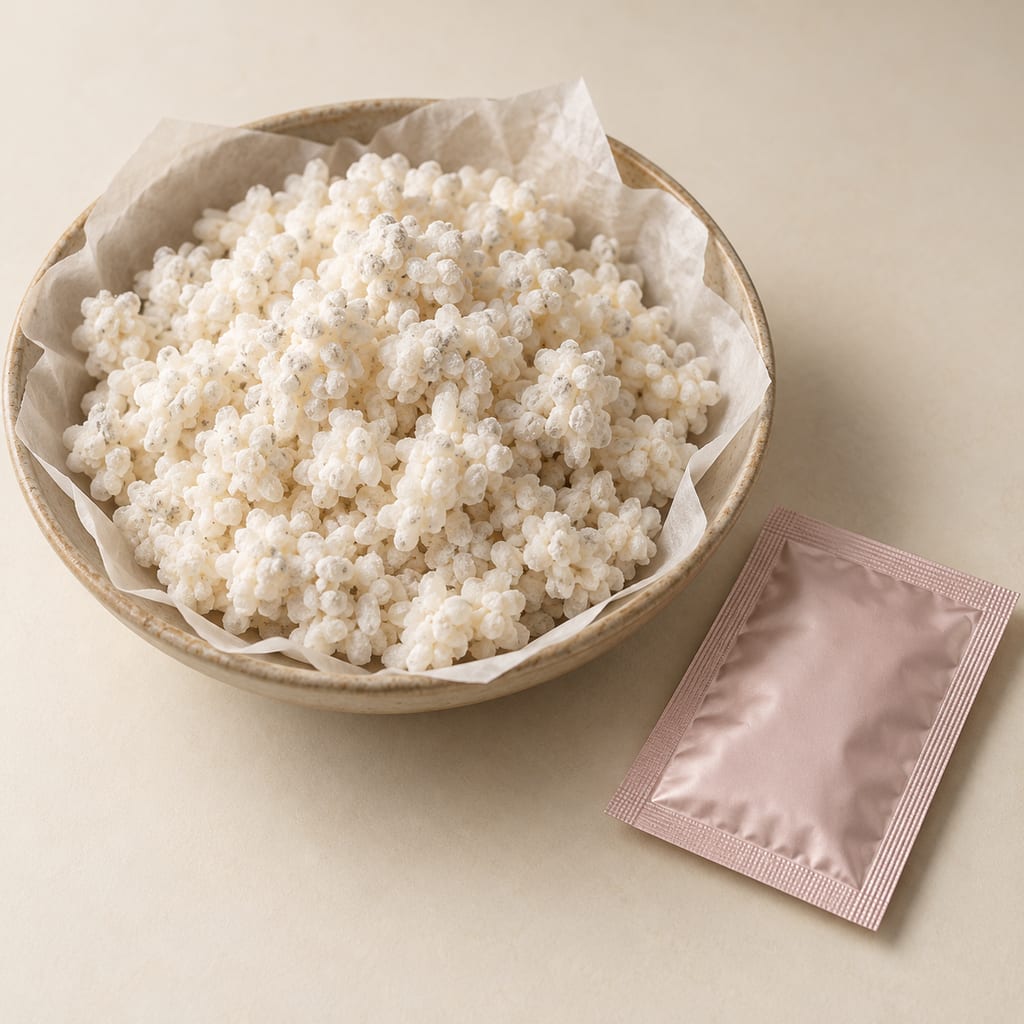
A seed culture of a white-spored Aspergillus koji mould, used to make the koji that starts Japanese shōchū mash, and named in the literature as Aspergillus luchuensis mut. kawachii.
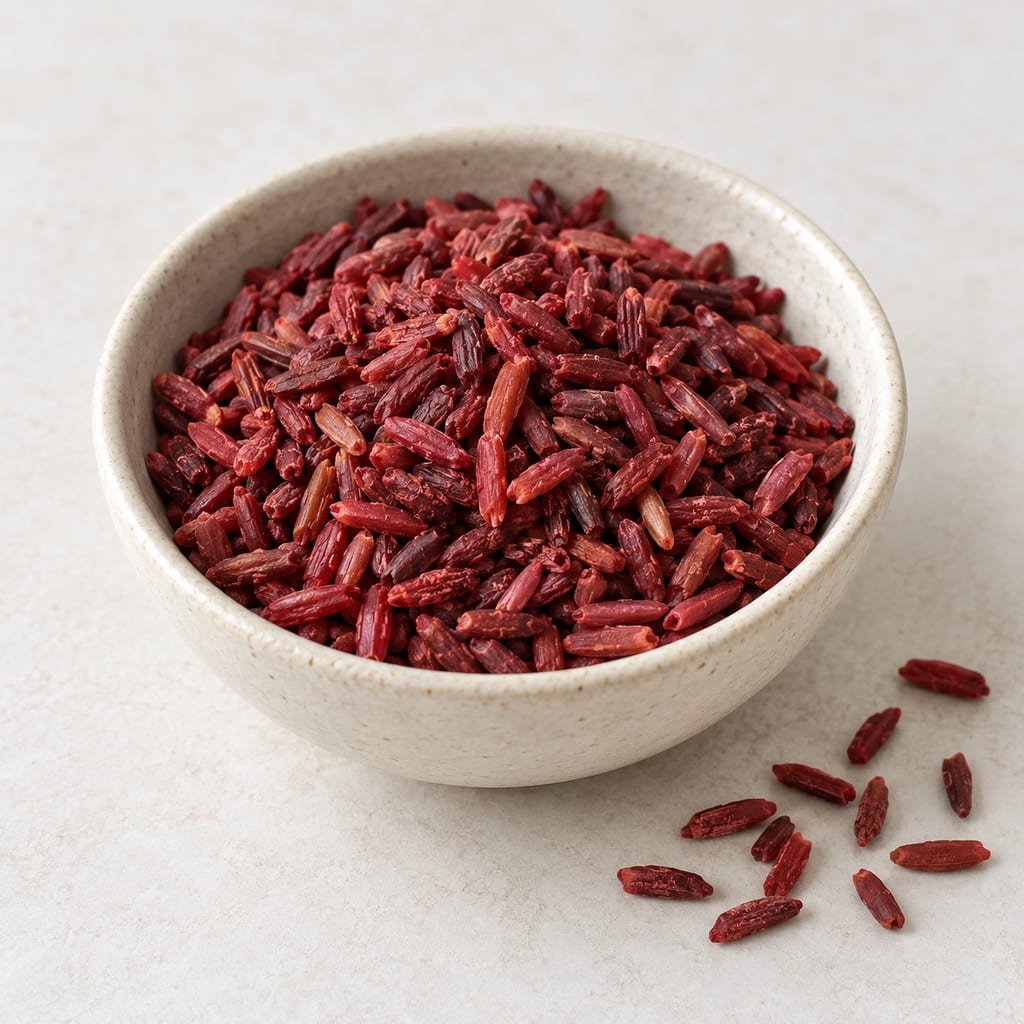
A regional form of hongqu, the red rice starter of southeastern China, named for Gutian and distinguished in Fujian studies from Wuyi hongqu. Documented only through modern regional comparisons.
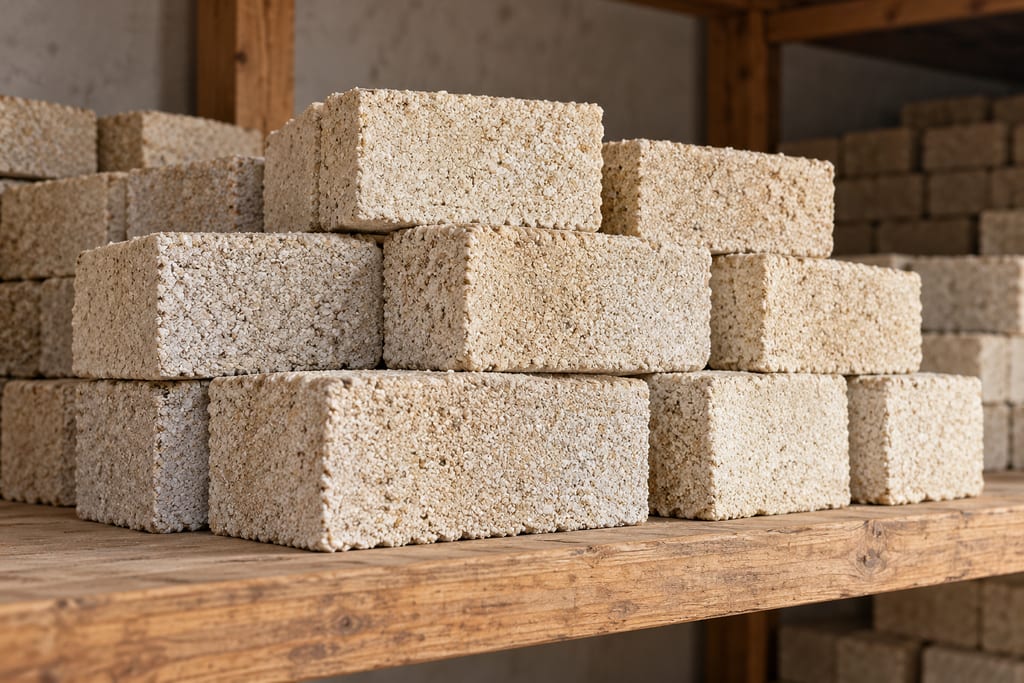
A shaped grain starter (daqu) from Chinese baijiu production, classed as low-temperature because its bricks reach the lowest peak temperatures of the three daqu types; used mainly for light-flavor baijiu.
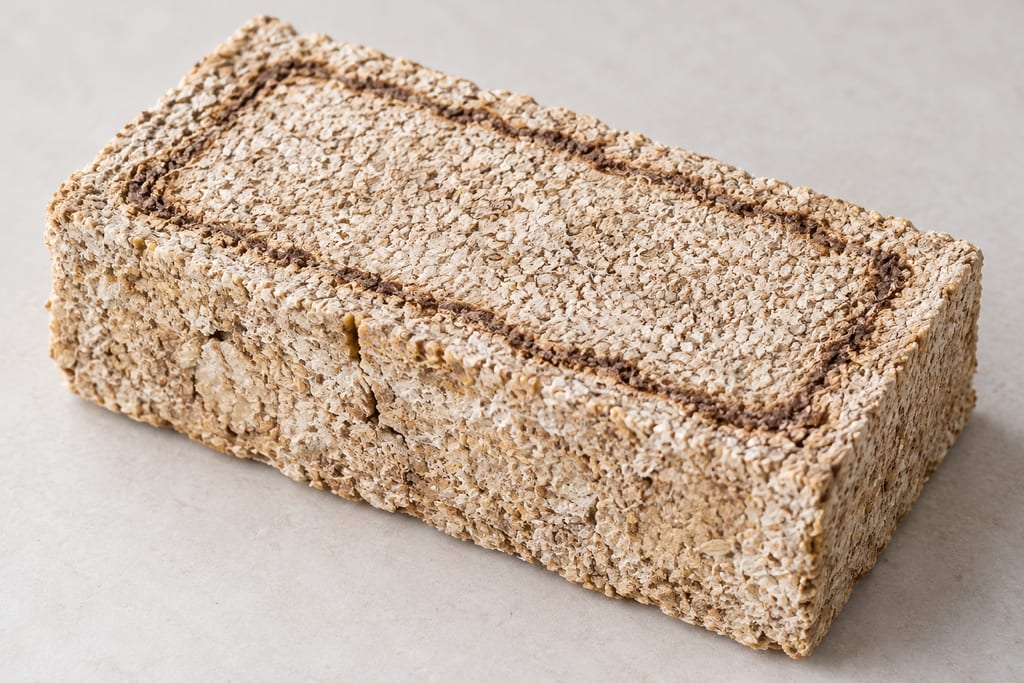
A formed grain starter (daqu) for Chinese baijiu, classed as medium-temperature because its bricks reach a higher peak than low-temperature daqu; used mainly for strong-flavor baijiu.
Bhutanese Phab, called Pho in a 2018 study, is a Drukpa starter associated with Ara. Bhutan sample studies document it separately from Ladakhi phabs; matching names elsewhere do not establish one culture.
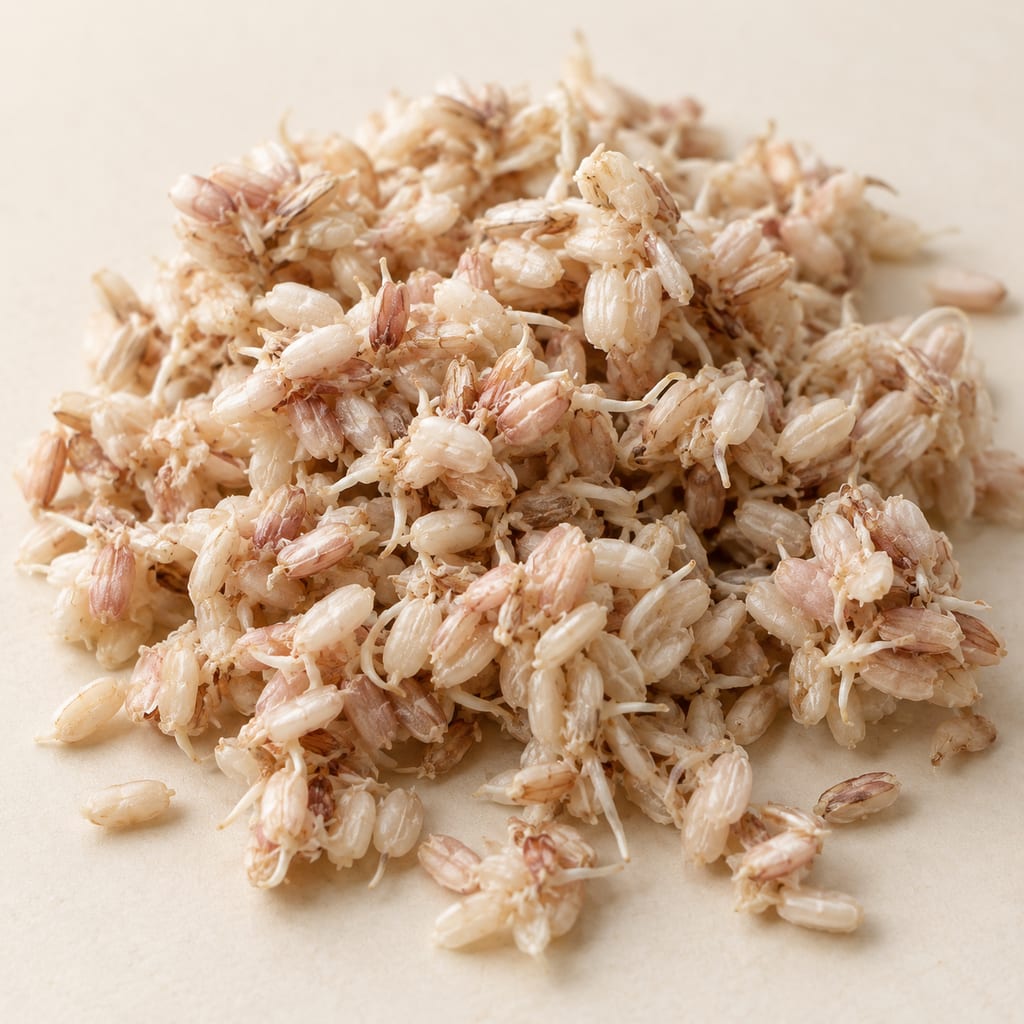
Khekhrii is a dried starter reported from Nagaland, made from naturally fermented sprouted rice and used for zutho. A 2018 study sampled five Khekhrii preparations but does not define every producer's practice.
Phut is a dry rice starter cake made by the Monpa (Mongpa) community of Arunachal Pradesh, India, and used to start rice beverage fermentations. Published sources describe its making only in outline.
Rhizopus microsporus is a fast-growing mould of the Rhizopus group, found in fresh Indonesian tempeh, where it is the species that most tempeh strains belong to.
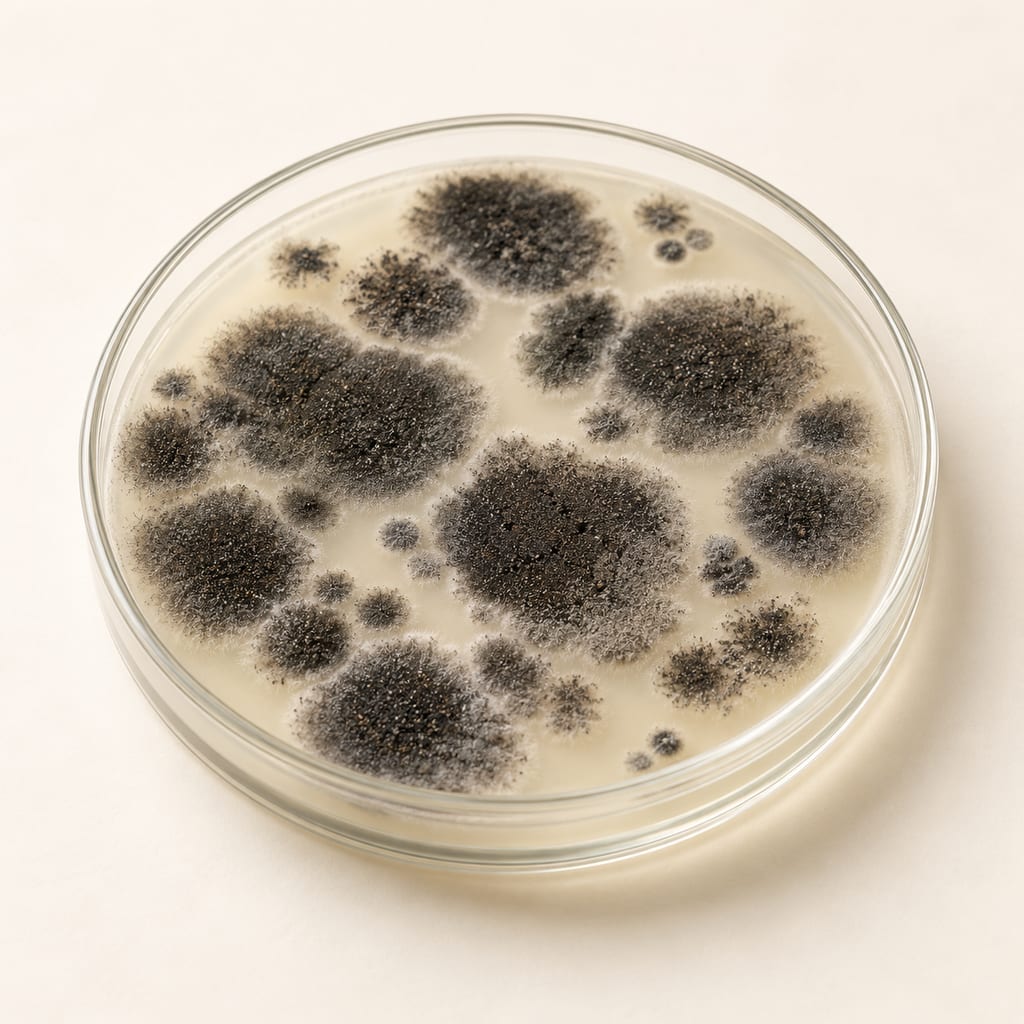
Aspergillus luchuensis is the black koji mould used in Japanese shochu and awamori, valued for the citric acid it makes alongside the starch-converting enzymes of koji.
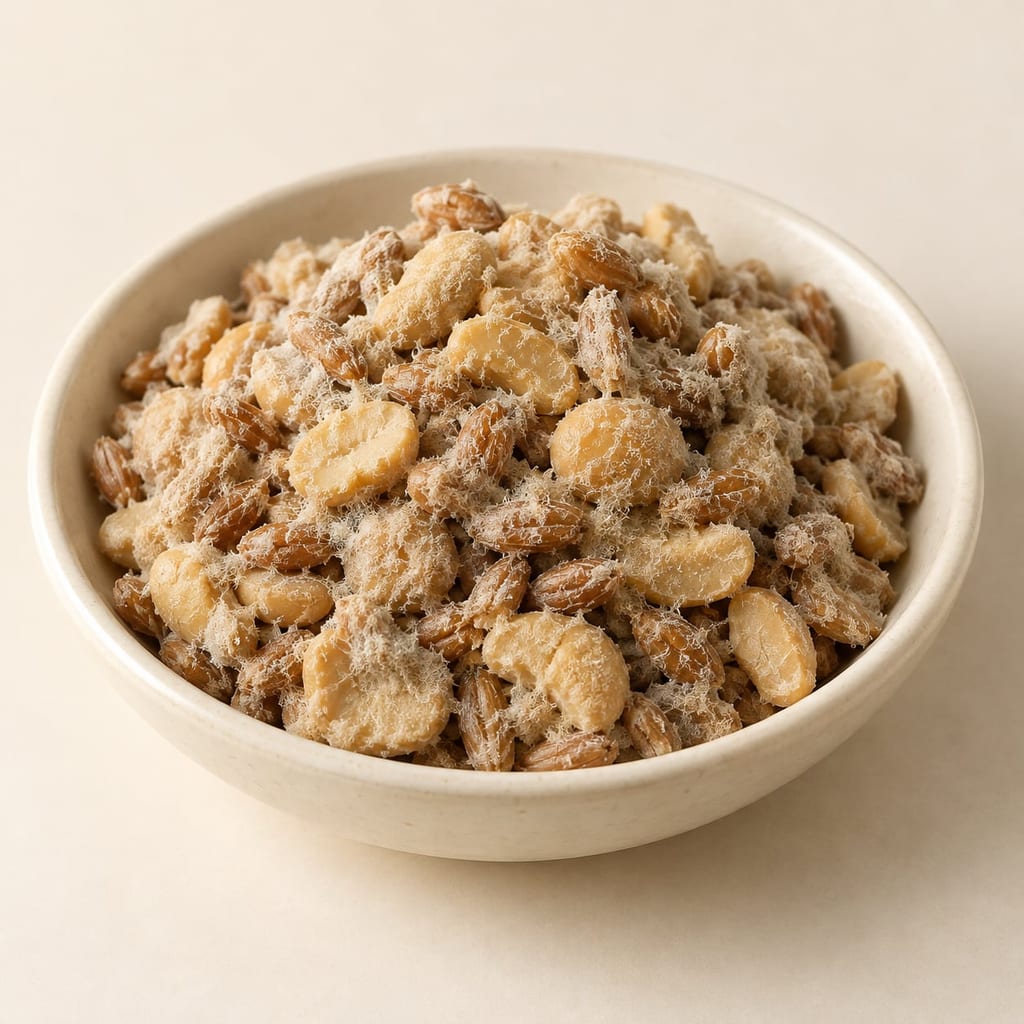
Aspergillus sojae is a koji mould of the Aspergillus flavus group, closely related to A. oryzae, used as a starter in soybean fermentations such as Korean meju, doenjang and ganjang.
Ragi tapé, also ragi tapai, is a dried mixed starter cake from Indonesia and Malay traditions, used to ferment sweet rice, cassava and related starchy foods.
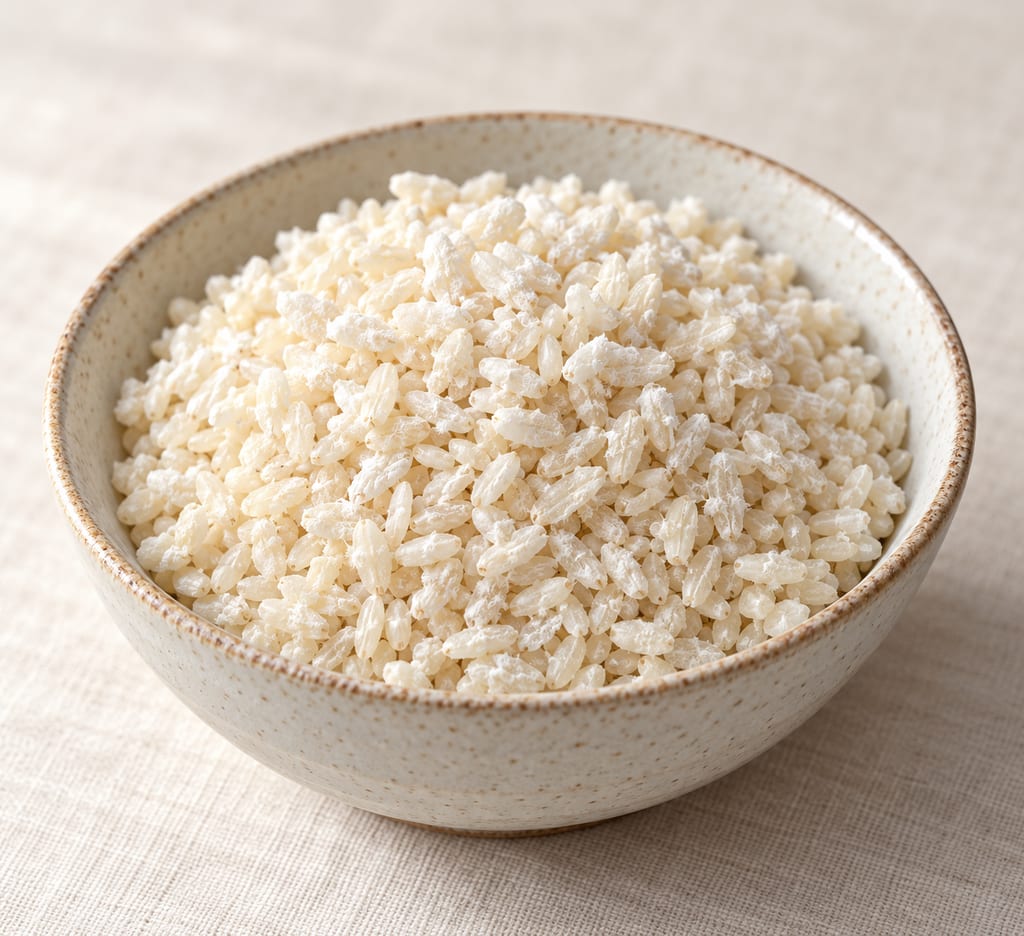
Ipguk (입국) is Korean steamed rice grown with a selected koji mould, used as an enzyme-rich starter in makgeolli and yakju. It is not the same product as traditional nuruk.
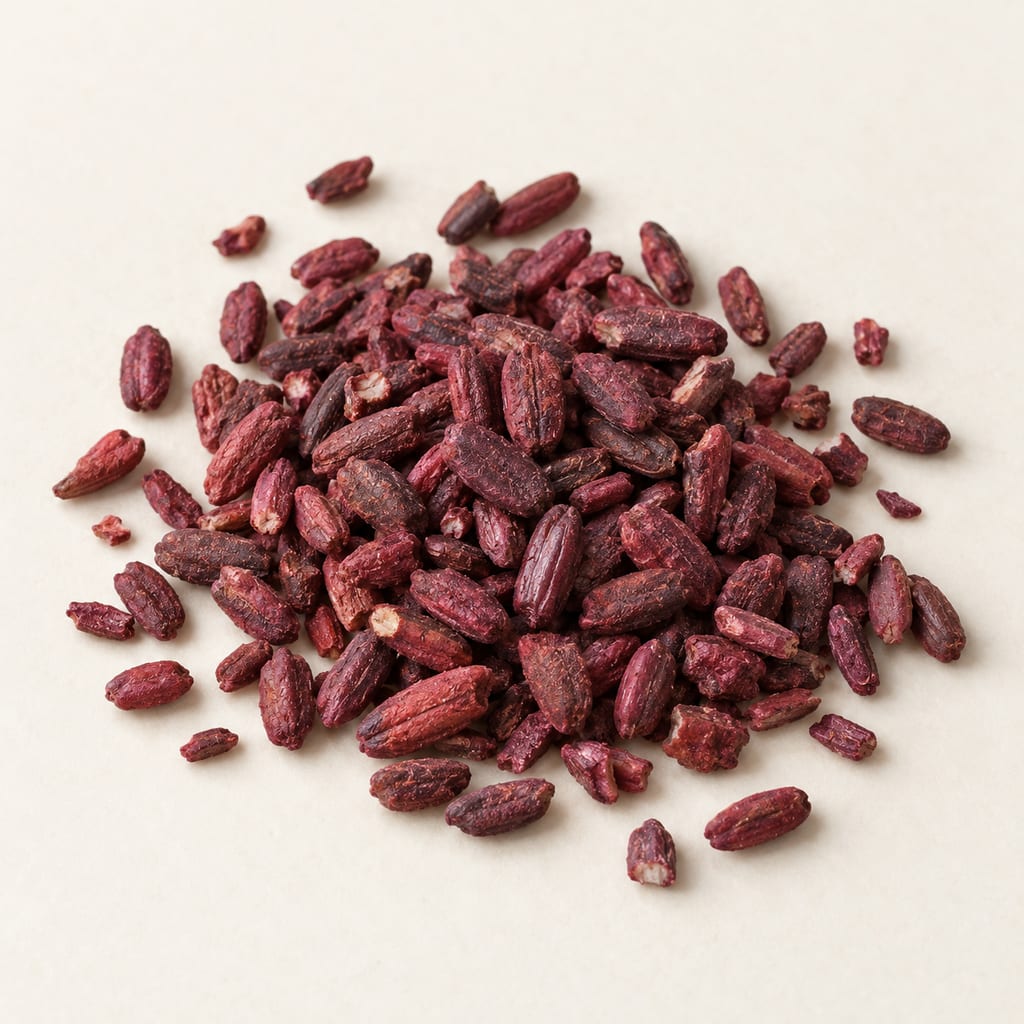
Wuyi hongqu is a regional red rice starter from the Wuyi area of Fujian, described as a mixed Monascus and Aspergillus culture used in rice wine and, in one report, cereal vinegar.
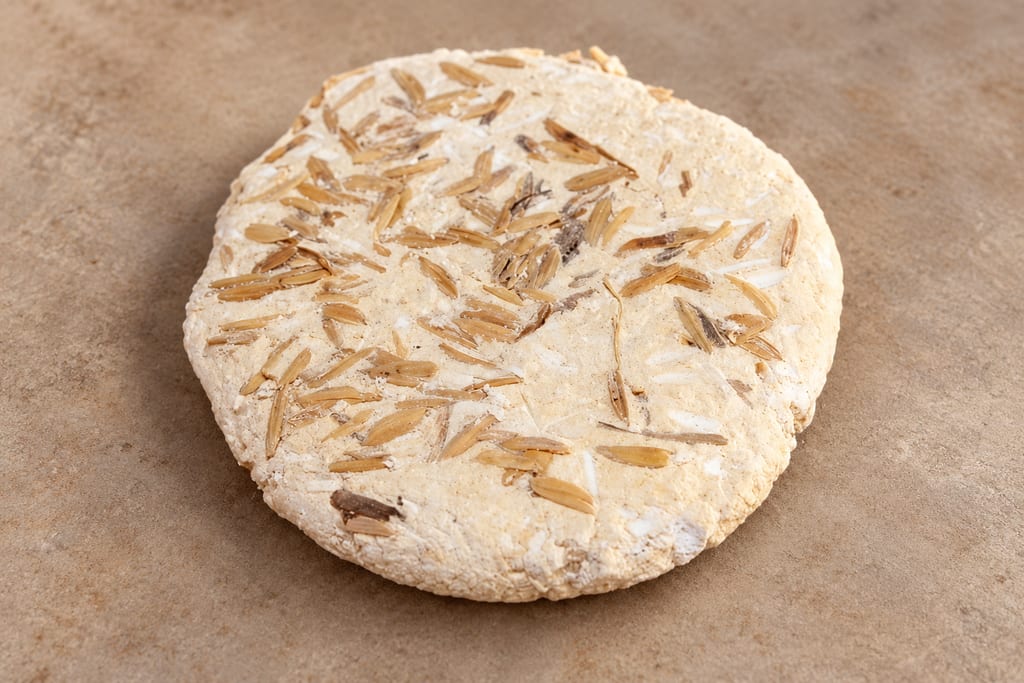
Dombae (dombea, medombae) is a Cambodian dried mixed starter for rice fermentation; studied samples differ, so the names do not specify one formula.
Men or bánh men is a mixed Vietnamese starch-based rice fermentation starter. Published samples vary; their isolates and performance do not define a standard culture or household formula.
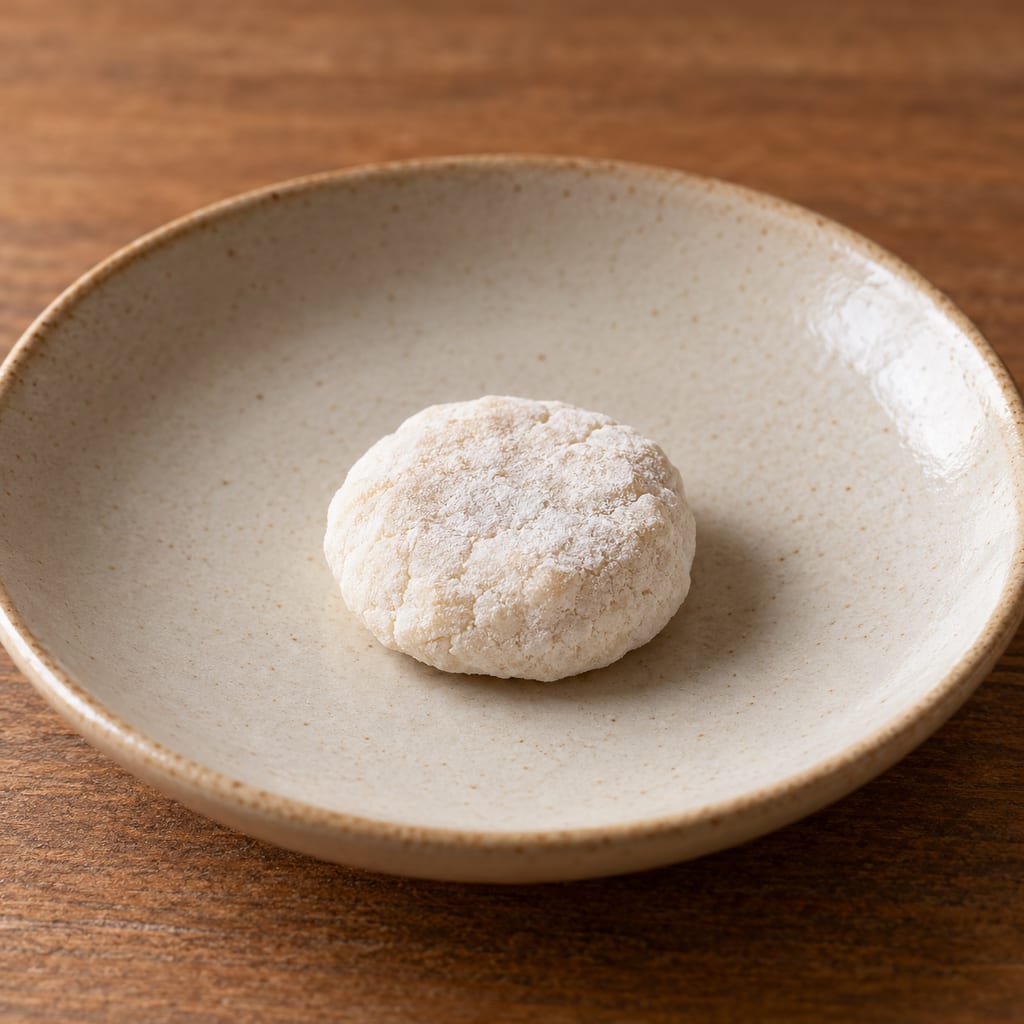
Loog-pang (luk paeng/look-pang) is a Thai mixed starter used with rice in distinct foods and drinks, including sato and khao mak. Studies describe different samples and one reported cake-making account, not a universal formula.
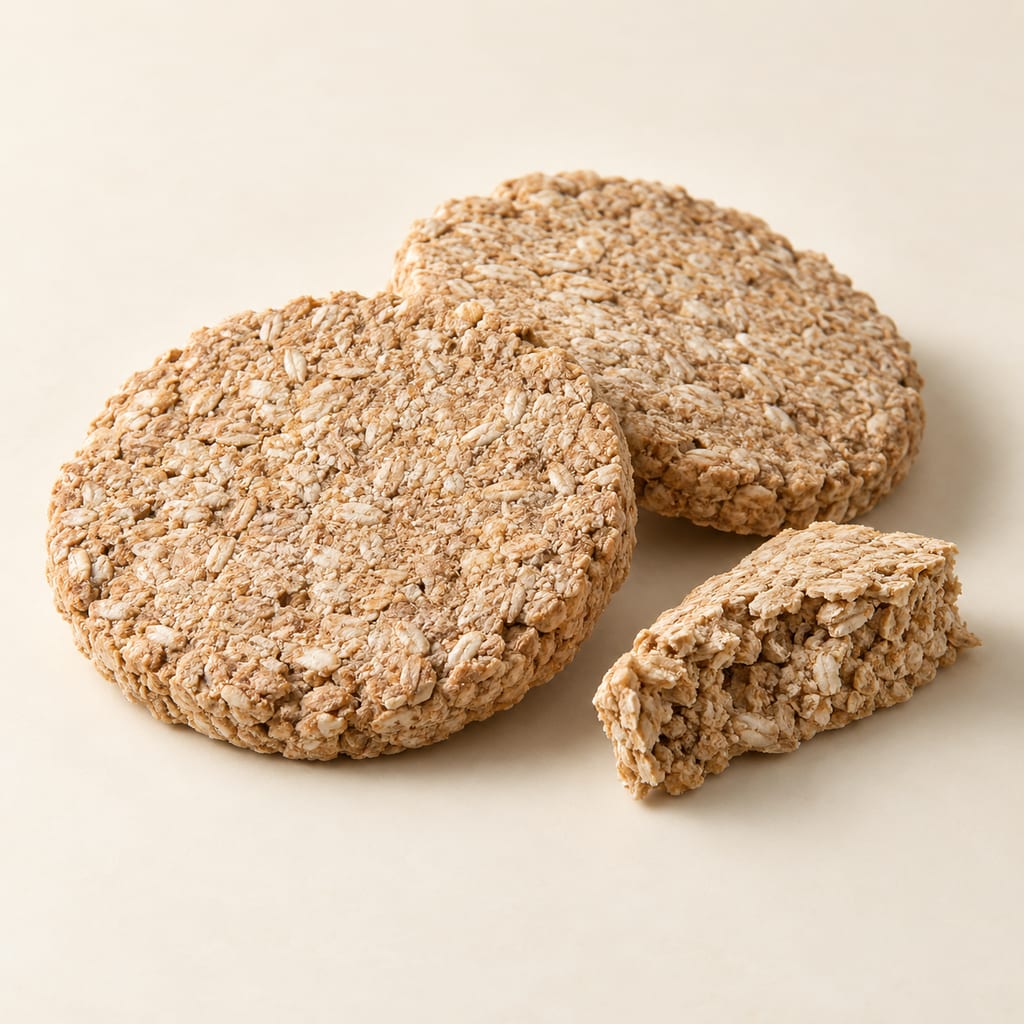
Korean nuruk is a grain-based starter used to ferment traditional Korean alcoholic drinks. Its microbial communities vary among samples, so the name does not specify one organism or standardized culture.
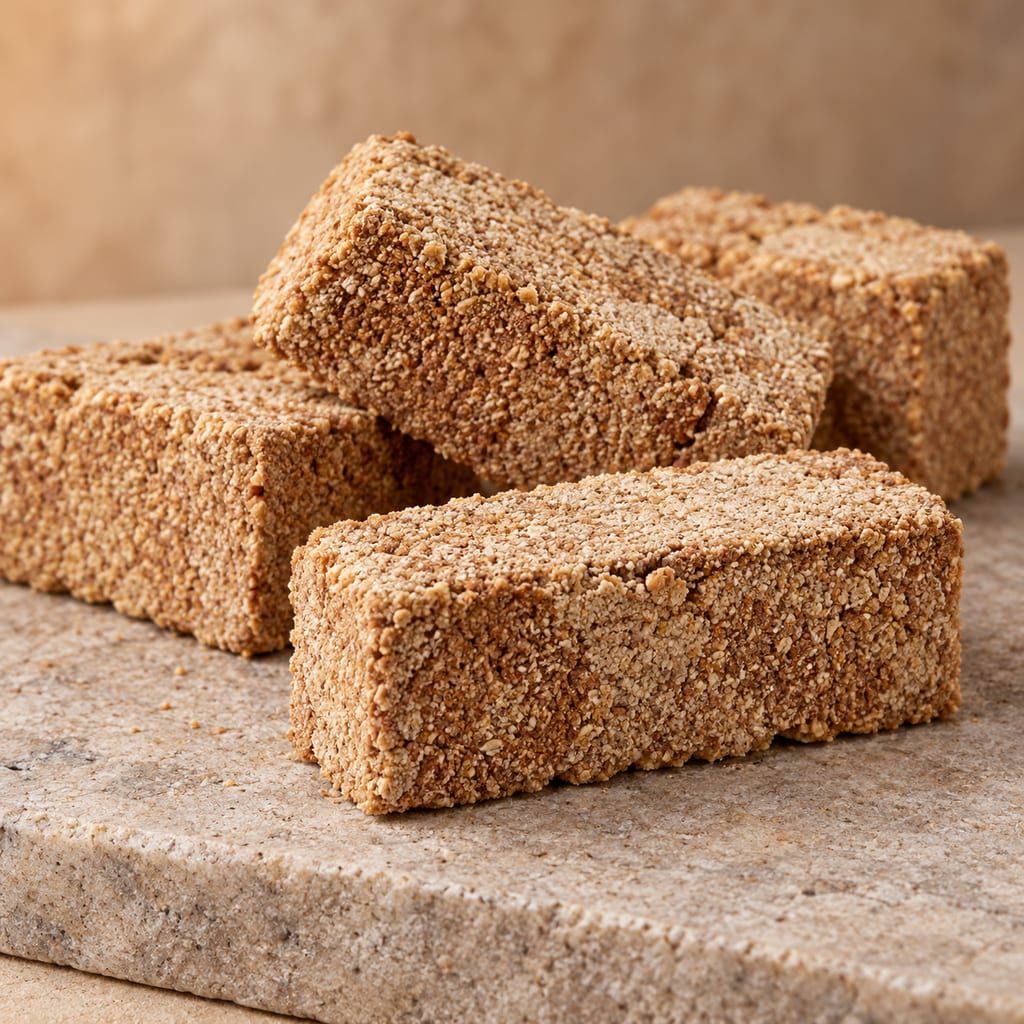
Maiqu (麦曲, wheat qu) is a wheat-based enzyme starter used in Chinese huangjiu such as Shaoxing wine; it is a starter category, not one defined strain.
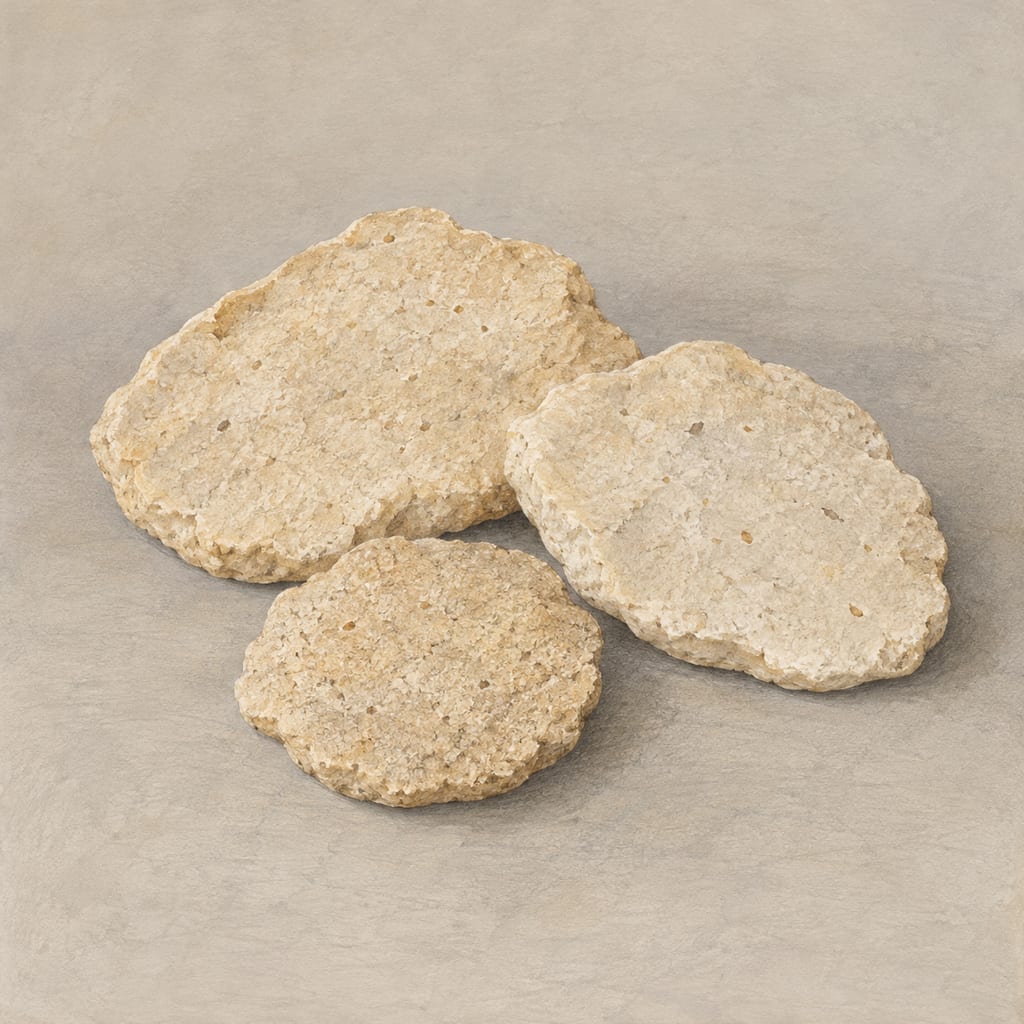
Chowan is a dried cereal starter associated with Tripura. Published accounts differ on its local names, and microbial findings come from sampled cakes; no single origin, method or culture is established.
Thiat is a dried mixed starter used for alcoholic beverages in Meghalaya. Field accounts differ and laboratory studies describe particular samples; none gives a universal recipe or validated household method.
Fuqu (鹸曲, bran qu) is a bran-based starter format used in Chinese liquor production; it is a production format, not one fixed species or formula.
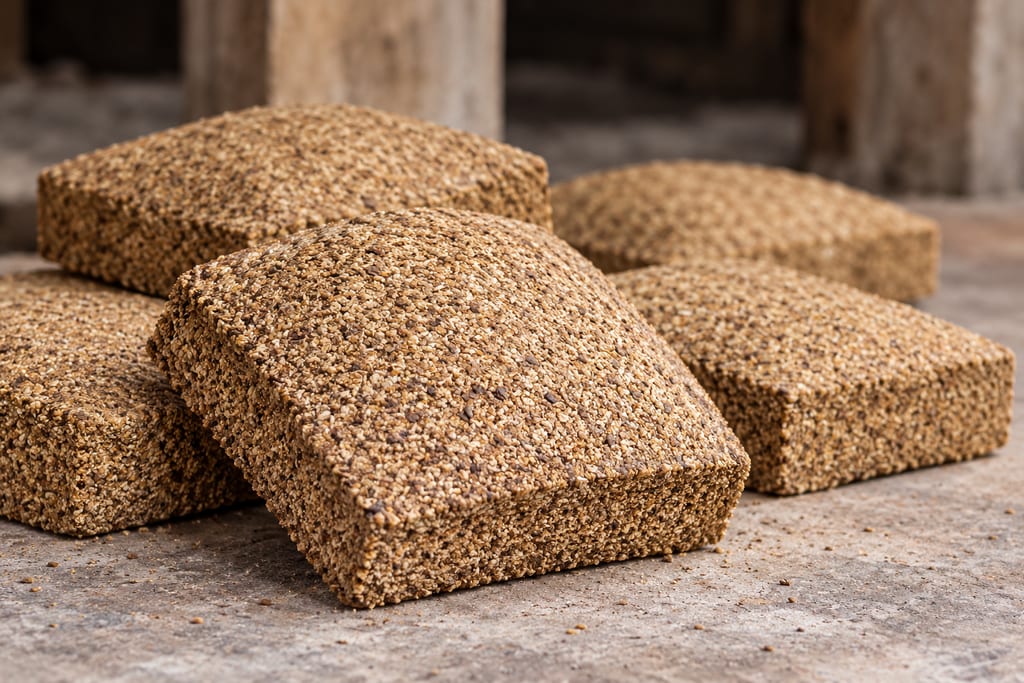
High-temperature daqu is a formed, mixed-community grain starter used for sauce-aroma (Maotai-flavor) baijiu, made by a separate heat-driven process and sold or kept as dry bricks.
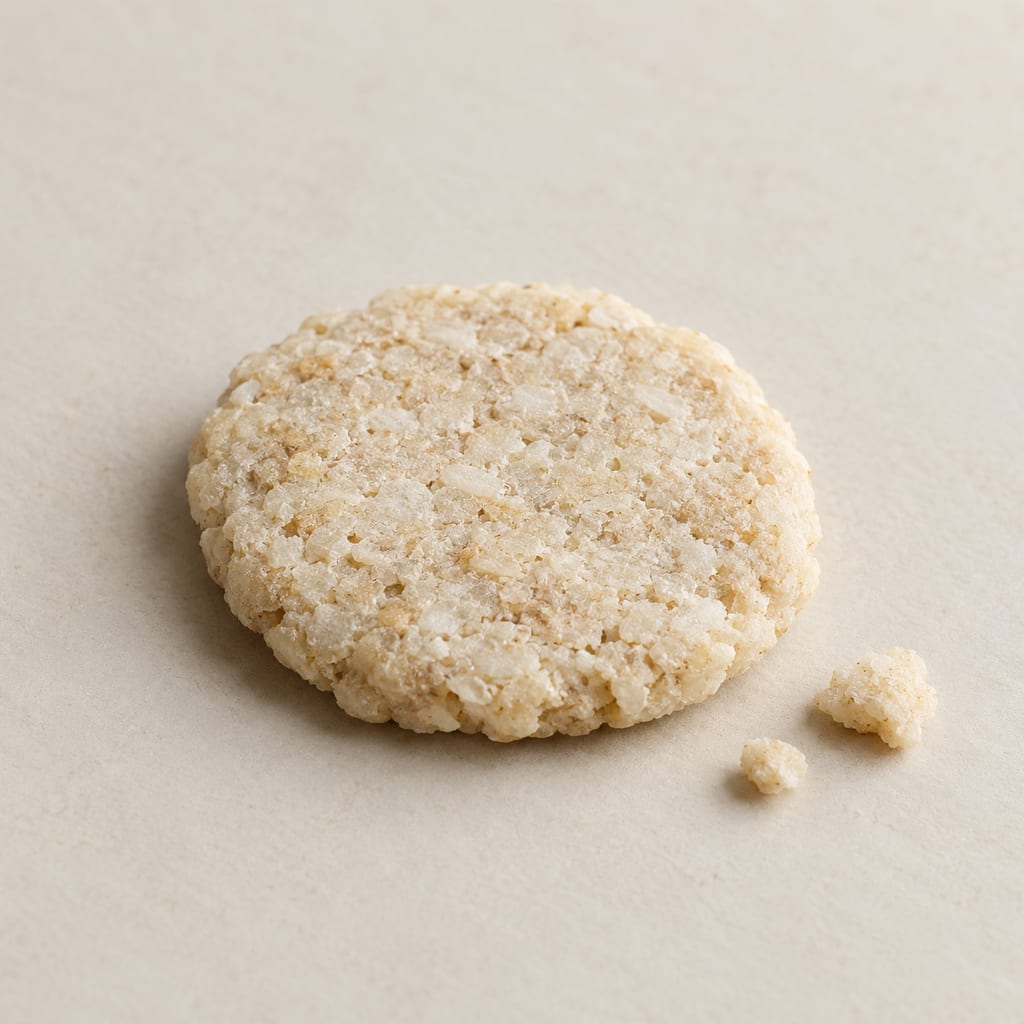
Humao is a sun-dried cereal starter of the Dimasa in Assam, used for Judima rice beer. Accounts of its making are single-household reports and microbial studies describe single sample sets, not a standard.
Hamei is a Manipur rice-cake starter used for Atingba. Accounts of how the cakes are made differ, and microbial studies describe particular samples; none defines a universal formula or safety standard.
A shaped, inoculated white-rice-flour starter prepared by Han and colleagues for a 2021 yakju comparison; the commercial baekguk strain was not identified.
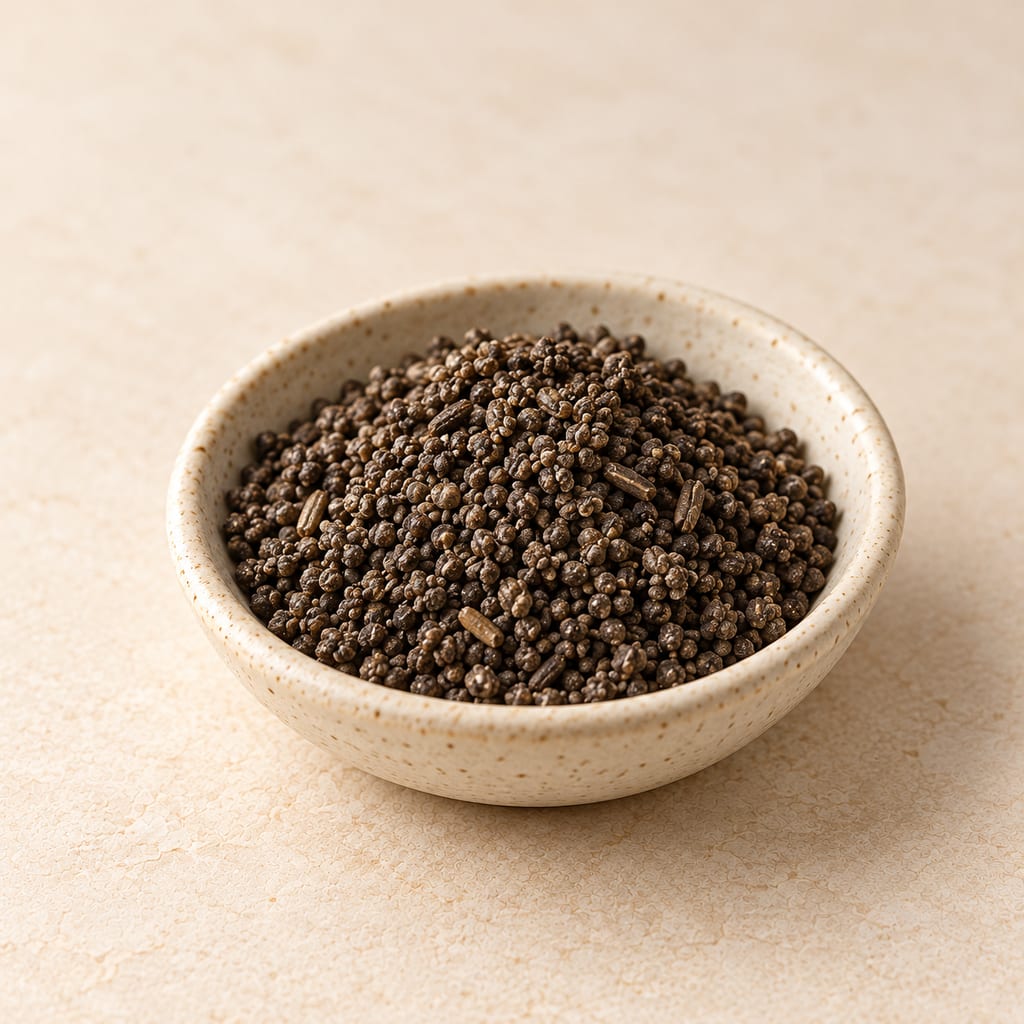
Tane-koji is the mold inoculum Sakimoto plants on steamed rice to make rice koji for Yonaguni awamori; its exact strain and supplier are unpublished.
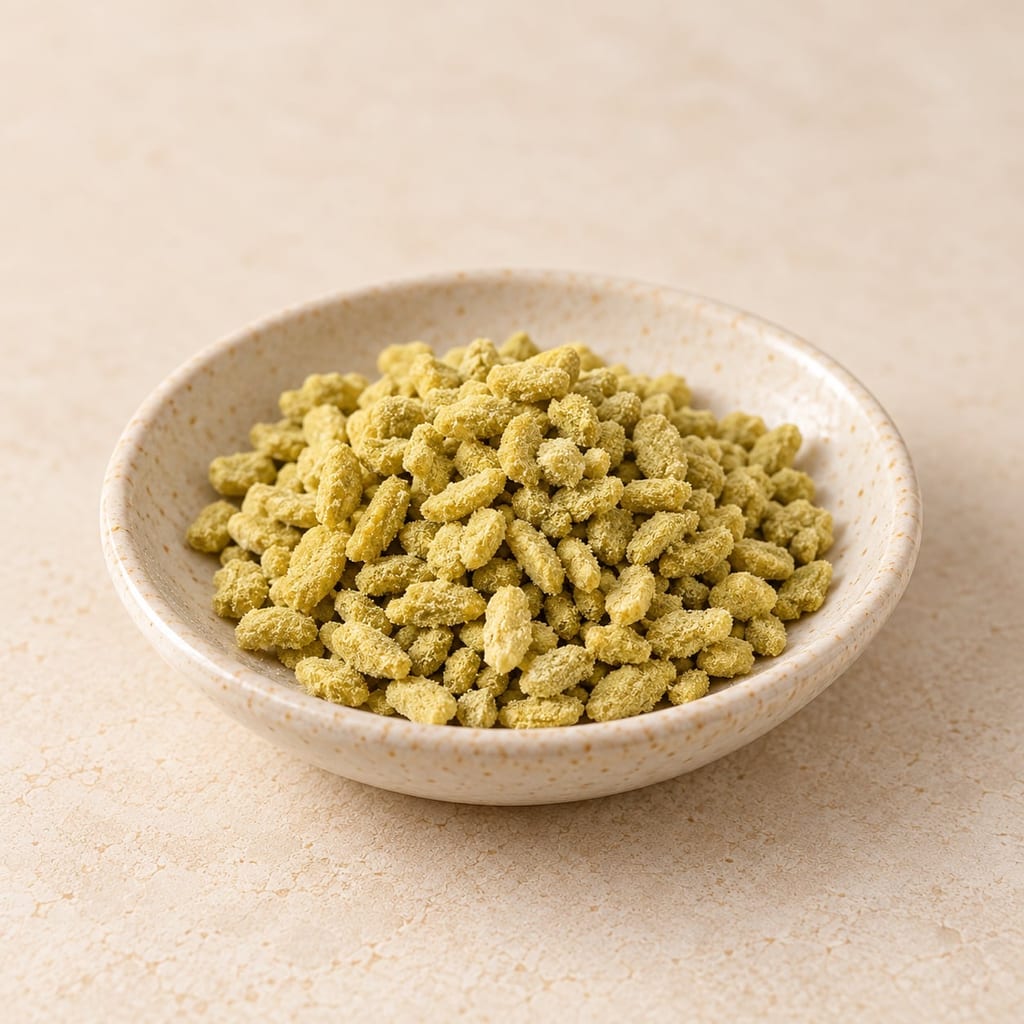
Yellow-koji starter is the spore inoculum of the yellow koji mold — Aspergillus oryzae and the related A. sojae — sold by specialist tane-kōji houses to grow koji for sake, miso and soy sauce.