Cantharellus magnus
Cantharellus magnus is a large Chinese chanterelle recorded in five provinces. A national scientific catalogue lists it as edible, but evidence here does not establish preparation or local food traditions.
 FermenteaWhere food goes to change
Cultures
Maiqu (麦曲, wheat qu) is a wheat-based enzyme starter used in Chinese huangjiu such as Shaoxing wine; it is a starter category, not one defined strain.
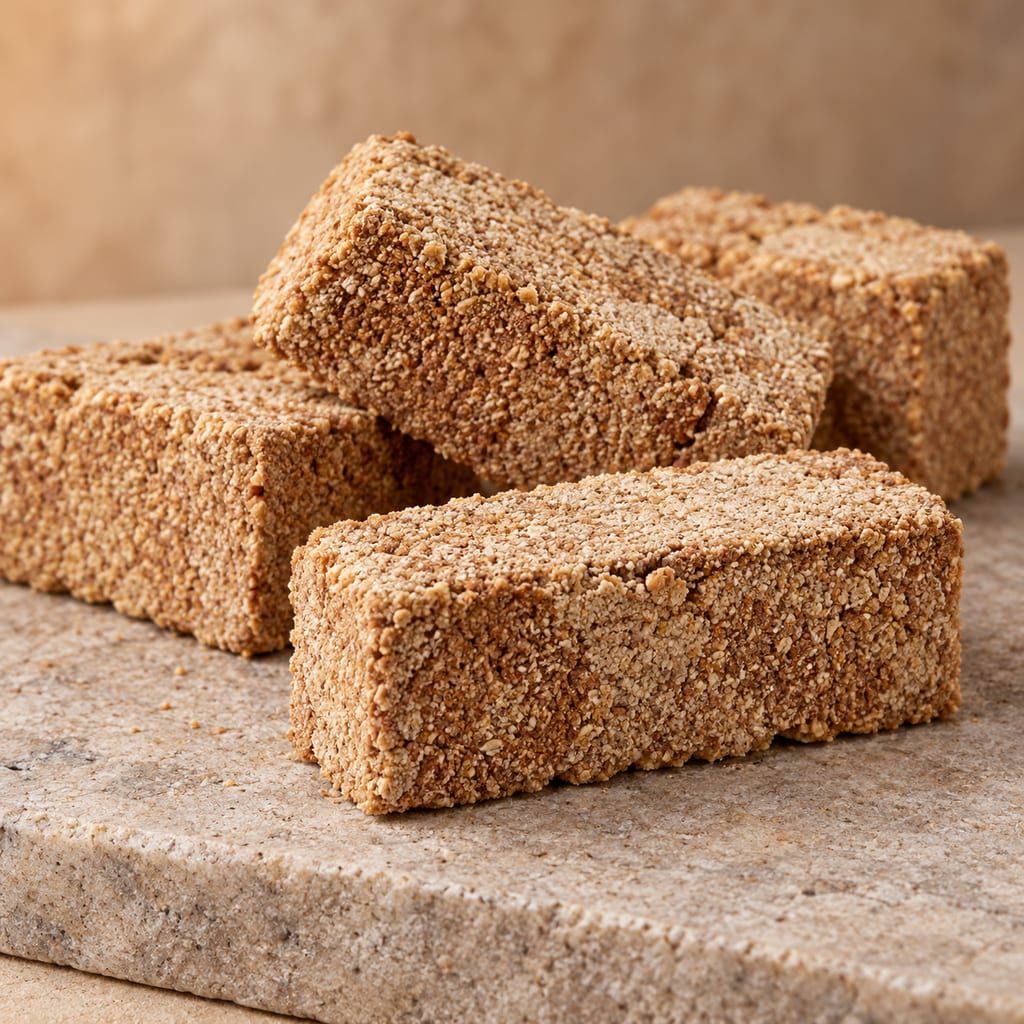
Maiqu (麦曲), also written wheat qu, is a wheat-based starter used in some huangjiu production, most prominently in Shaoxing. One full-text study describes traditional wheat qu as crushed wheat mixed with water and naturally fermented in an open environment. The term names a starter category, not one defined microbial strain and not the finished rice wine.
The catalogue behind this page describes it as a wheat-based enzyme starter. Its job in the brew is to break down starch into fermentable sugar, so saccharification alone should not be taken to mean the alcoholic fermentation is also supplied. Whether a separate yeast starter is needed has to be documented for each process.
In a Shaoxing study of traditional huangjiu, Aspergillus was the dominant fungal genus reported in maiqu samples, while Saccharomyces dominated a separately sampled yeast starter called Linfanjiumu. Researchers also found both genera among the dominant fungi in the sampled rice-wine mash. These are results from one study's samples, not a formula for every producer's starter. The pairing does show the division of labour: a mould-rich wheat starter for enzymes and a yeast-rich starter for alcohol.
A separate paper tested raw wheat qu inoculated with selected Saccharopolyspora strains and used the experimental material in mechanised huangjiu research. That selected, inoculated preparation is distinct from the same paper's description of spontaneous traditional wheat qu. The study does not establish a universal culture or a validated way to make maiqu at home.
A comparative metagenomic study reported different microbial and chemical profiles in rice wines fermented with hongqu and with maiqu as the starter. That finding applies to the tested batches. It does not describe all maiqu products and it sets no food-safety limit.
No inspected historical source establishes that older references to 麥麴 name the same product as modern brewing maiqu. Shaoxing is a documented modern research setting, not a demonstrated exclusive origin. The sources give no validated household method, dry-starter storage guidance or safety endpoint, so the page offers none; the catalogue only notes that dry starter should be kept under its producer's conditions. Uses of maiqu beyond the named rice-wine studies are not documented here.
gluten
Shaoxing is a documented modern research setting for maiqu, not a demonstrated exclusive origin.
Cantharellus magnus is a large Chinese chanterelle recorded in five provinces. A national scientific catalogue lists it as edible, but evidence here does not establish preparation or local food traditions.
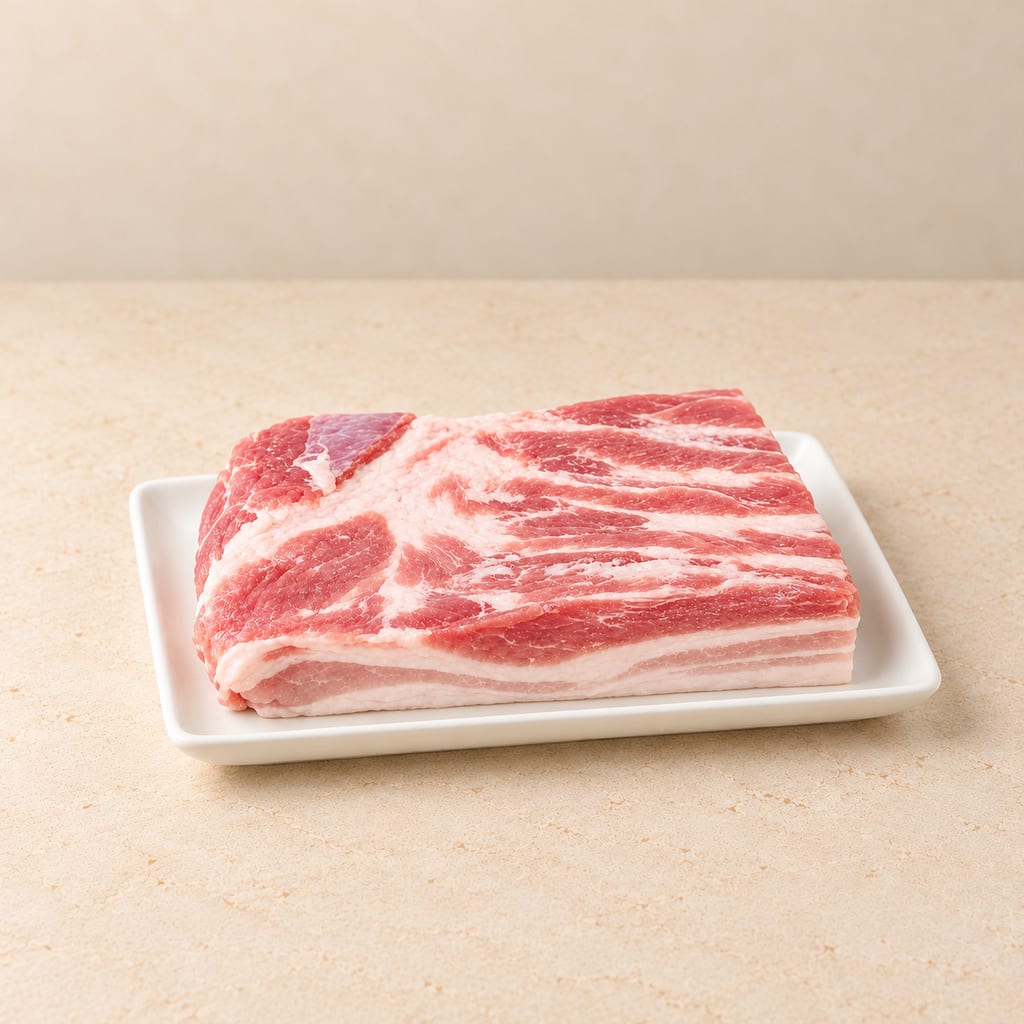
Raw pork belly combines muscle and adipose tissue in layers. Its fat content varies, and a recipe weight of belly is not a measured weight of pure fat.
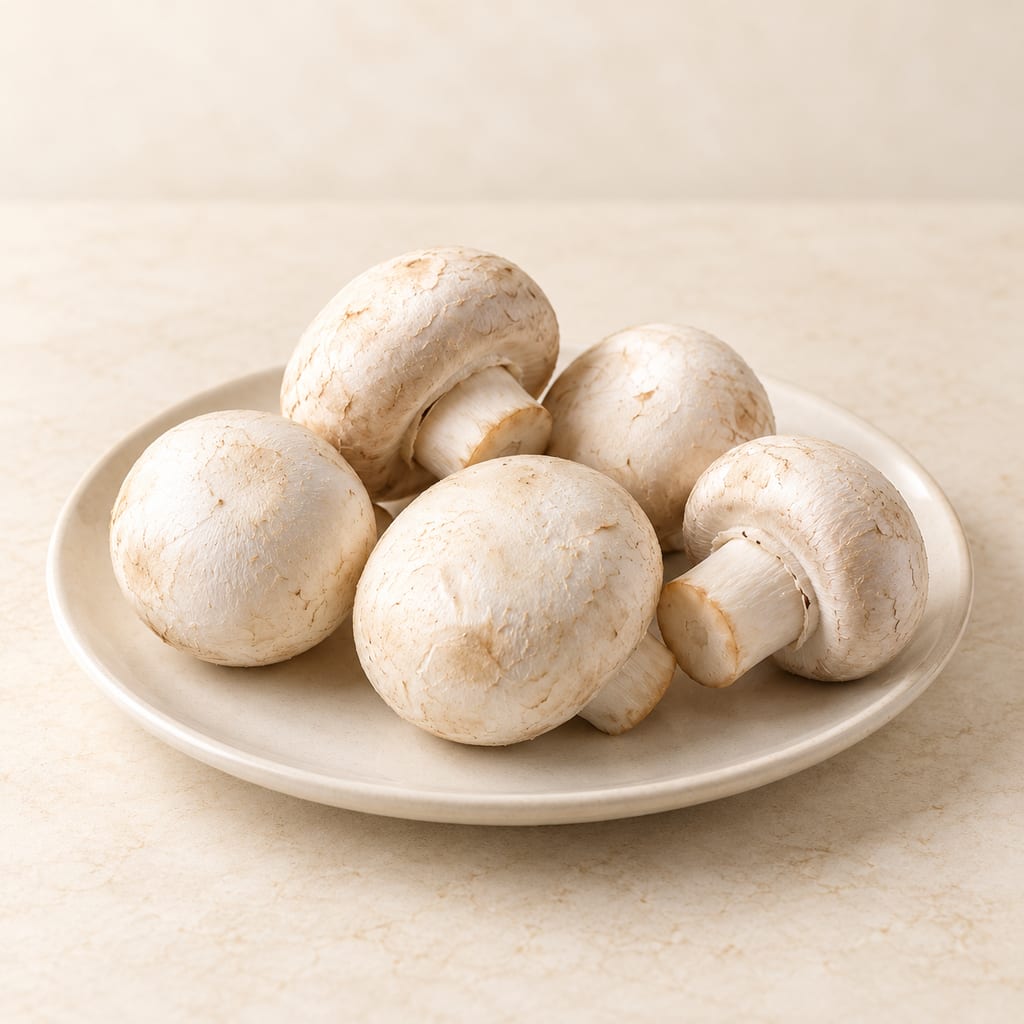
Mushrooms are the edible fruiting bodies of fungi, cultivated or gathered, and each species has its own texture, aroma and handling needs. Fresh, dried and roasted forms differ in water and in flavour compounds.
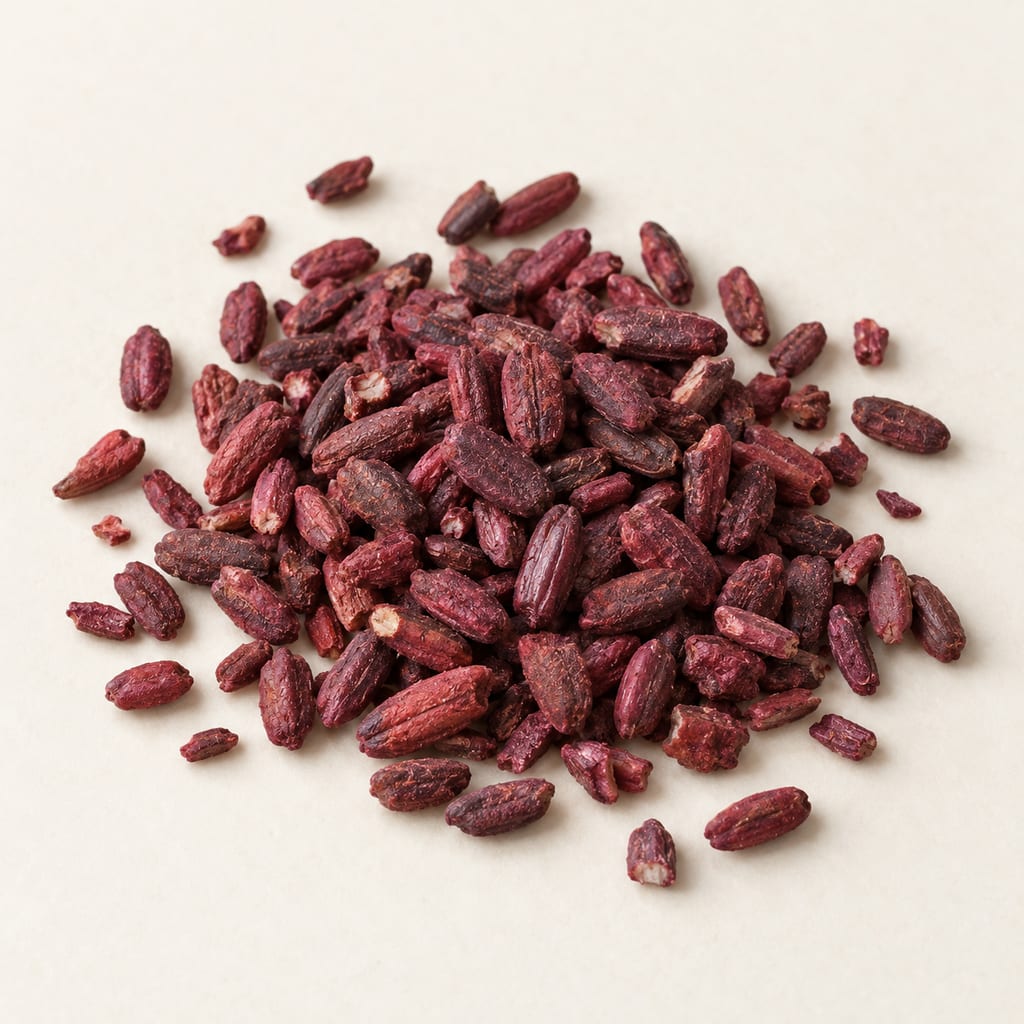
Wuyi hongqu is a regional red rice starter from the Wuyi area of Fujian, described as a mixed Monascus and Aspergillus culture used in rice wine and, in one report, cereal vinegar.
No community contributions have been published for this entry yet.
Sign in to contribute. Published comments and photos are free to read.
Ying Yong Sheng Tai Xue Bao; PubMedScience
Community structure and diversity formation of fermentation fungi in traditional Shaoxing HuangjiuAspergillus dominant in maiqu samples, Saccharomyces dominant in Linfanjiumu yeast starter; both genera among dominant fungi in the mash
Cited in: Different starters play different roles; What remains uncertain
Journal of the Science of Food and AgricultureScience · Identity
Developing an innovative raw wheat Qu inoculated with Saccharopolyspora and its application in HuangjiuTraditional wheat qu is crushed wheat with water, naturally fermented in the open; raw wheat qu inoculated with selected Saccharopolyspora strains in mechanised huangjiu
Cited in: A wheat-based starter category; Experimental variants are not a household formula; What remains uncertain
Food Microbiology; PubMedScience
Metagenomics reveals the differences in flavor quality of rice wines with Hongqu and Maiqu as the fermentation startersDifferent microbial and chemical profiles in hongqu- and maiqu-fermented rice wines
Cited in: Compared with hongqu
Jiangnan University Research Center of Traditional Fermented FoodsIdentity · Culture
传统酱造小科普|黄酒用曲解读Explainer of the starters used in huangjiu
Cited in: A wheat-based starter category; What remains uncertain