
Abalone mushroom
Pleurotus cystidiosus is the abalone mushroom, a cultivated oyster-type fungus with dark brown caps that grows more slowly and is more demanding than other Pleurotus species.
 FermenteaWhere food goes to change
Cultures
Loog-pang (luk paeng/look-pang) is a Thai mixed starter used with rice in distinct foods and drinks, including sato and khao mak. Studies describe different samples and one reported cake-making account, not a universal formula.
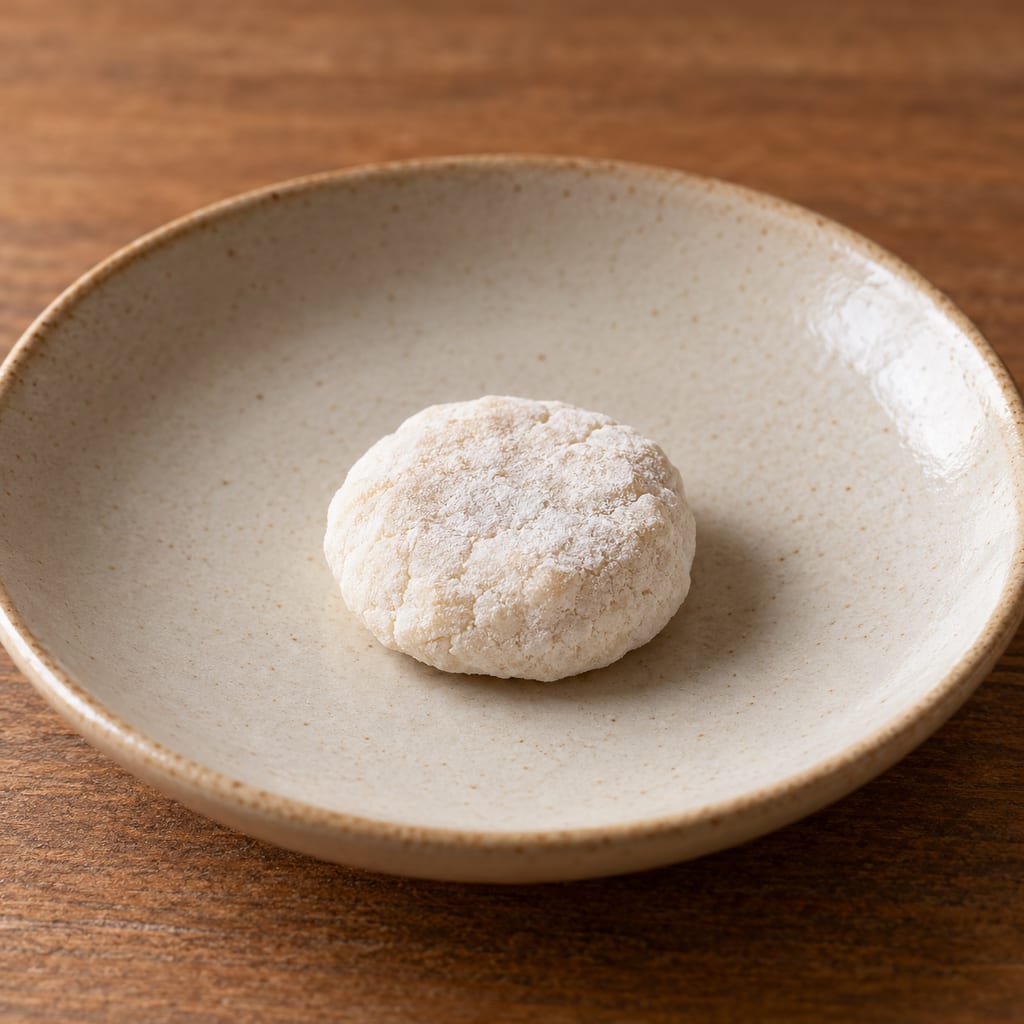
Loog-pang, also rendered luk paeng or look-pang, is a starter culture used with rice in Thai fermented foods and drinks. The sources distinguish products made with it: sato is an alcoholic rice beverage, while khao mak is sweet fermented rice eaten as a food. Their shared starter name does not make the products or their methods interchangeable.
The available studies examine samples and selected cultures rather than defining a single national starter formula. A 2020 investigation sampled loog-pang-khao-mak from 12 Thai provinces. Its sample frame supports a broad Thai association, but it does not show that every region uses the same ingredients or organisms.
Research separates cakes sampled for khao mak from cakes sampled for rice wine. In a 2005 survey of moulds in Thai starter cakes, mould frequencies differed between those two groups. The survey describes its collected cakes; it does not define every product sold under the name, and a label alone cannot establish a cake's culture composition or its suitability for a given product.
Khao mak and sato studies also describe separate finished foods and separate starter samples. One khao mak study compared cakes sourced from four provinces, while the sato study used a selected sample collected in Nakhon Phanom. Researchers have also reported starch-degrading activity in fungi isolated from khao mak starter cakes; an isolate or assay result does not define the composition of a retail cake.
Yongsmith and Malaphan describe one Loog-Paeng preparation made from ground rice and Thai spices, shaped into small flattened balls, then sprinkled with older Loog-Paeng. In that account, the cakes are left until fungi grow over their surface, then sun-dried and refrigerated until used as starter for Khao-Maak fermentation. The passage does not give a general formula or the detailed controls needed to reproduce the account safely; these observations are not a validated household procedure.
The account also identifies a bamboo tray in a figure about Loog-Paeng. This is evidence for that illustrated example, not a requirement for every starter-making practice. It does not establish that tray dimensions or materials are interchangeable with Japanese koji equipment.
The 2020 study isolated fungi from its sampled starter cakes and screened isolates for starch hydrolysis, glucoamylase activity and alcohol production. It identified selected high-activity yeasts as Saccharomycopsis fibuligera and selected molds as Aspergillus niger, Aspergillus oryzae and Amylomyces rouxii. These are reported isolates, not a complete inventory of every loog-pang cake or a formula for reproducing one.
A separate 2014 sato study selected an NP1 starter from a survey of 114 Thai starters and tested a defined mixture in laboratory fermentation. Its selection and laboratory protocol answer a research question; they do not validate a household preparation or show that the selected mixture replaces every local loog-pang. The sources reviewed here do not provide a validated general dosage, storage life or safety controls, so this page does not prescribe them.
In that 2014 experiment, the natural NP1 starter and a defined mixture based on it had similar microbial population dynamics and similar organic-acid, glycerol and volatile-compound profiles. Sensory panels gave the Sato produced with them similarly high scores. The comparison applies to those two starters and that laboratory process; it does not establish that the defined mixture can replace other Loog-pang cultures or that all Loog-pang produces the same result.
A 2020 study analyzed loog-pang-khao-mak starter samples from 12 Thai provinces. The study frame does not establish a birthplace or uniform practice across the country.
The 2014 sato study selected its NP1 starter from a sample collected in Nakhon Phanom; this locates one research sample, not an origin.
Pleurotus cystidiosus is the abalone mushroom, a cultivated oyster-type fungus with dark brown caps that grows more slowly and is more demanding than other Pleurotus species.
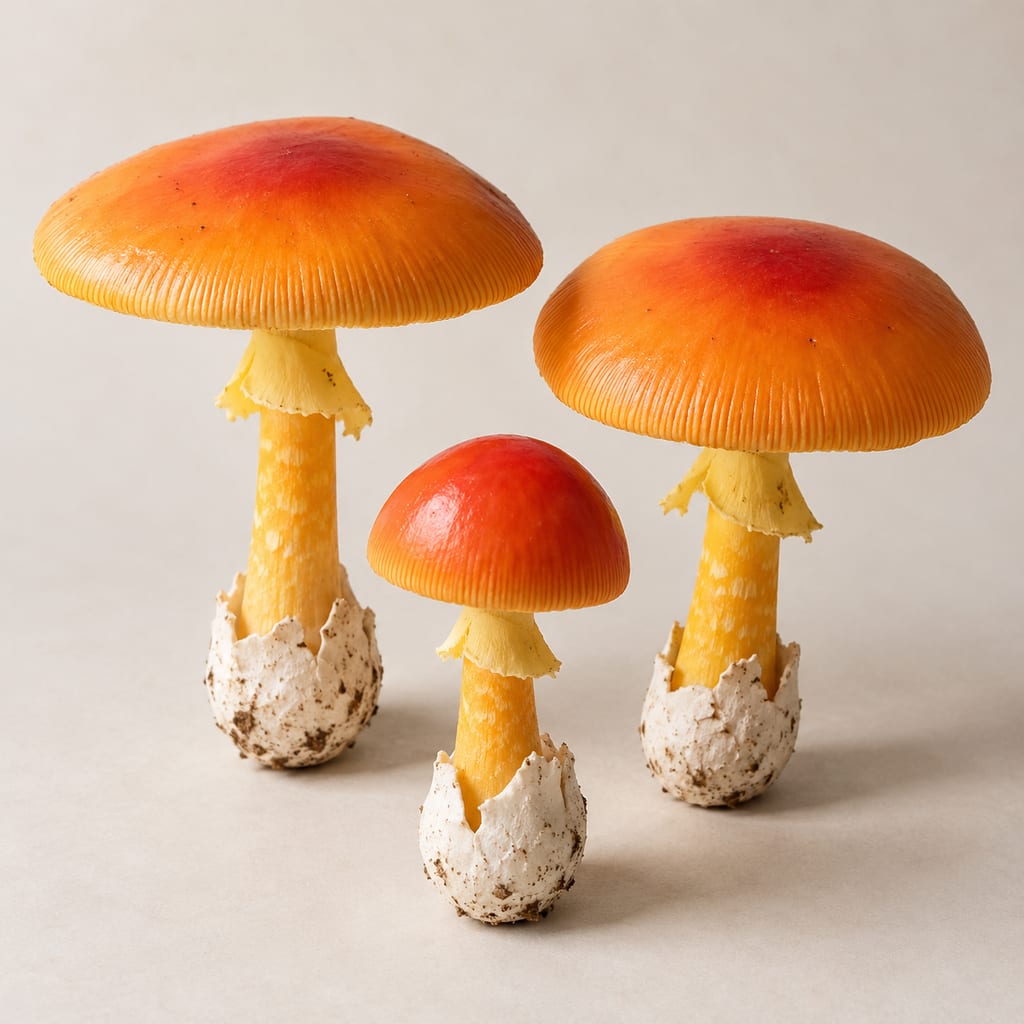
A wild Asian Amanita reported as food in regional literature and listed in China’s edible-fungi catalogue. Lookalikes include lethal species; this record is not a guide to identifying wild mushrooms.
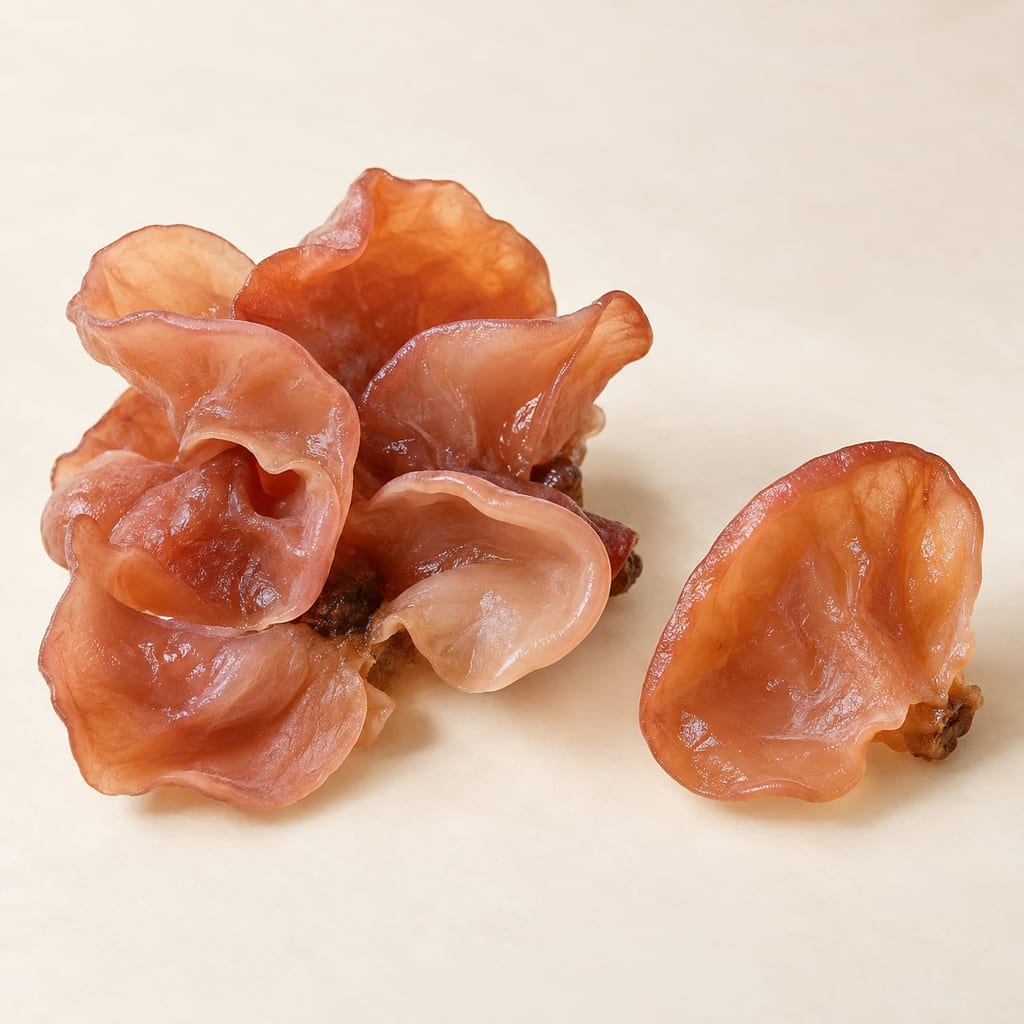
Auricularia thailandica is a thin, gelatinous wood ear described from Southeast Asian collections. Research reports it edible and experimentally cultivable, but species-specific recipes and everyday handling guidance are scarce.
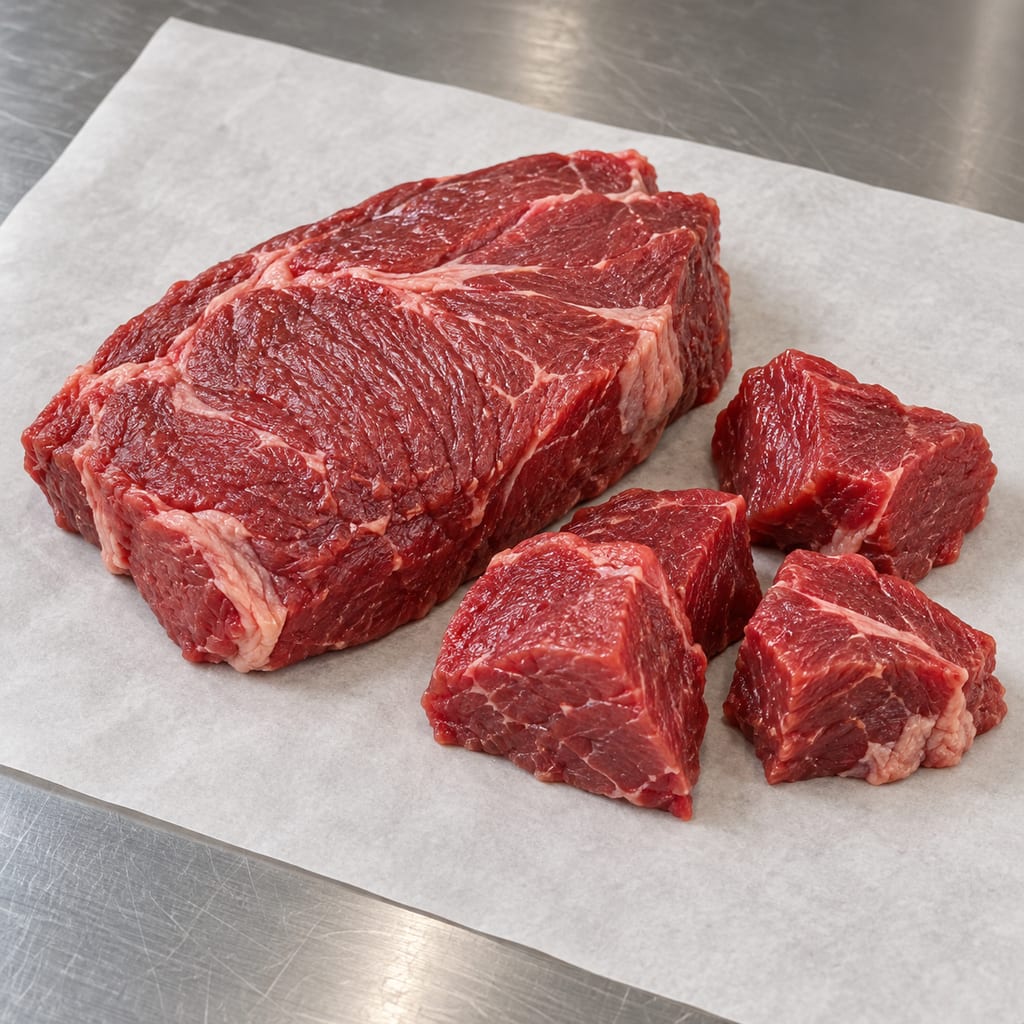
Water-buffalo meat, often called carabeef, is the flesh of Bubalus bubalis; its colour, texture and fat vary with animal, cut and production system. “Buffalo” can also mean bison or African buffalo in other contexts.
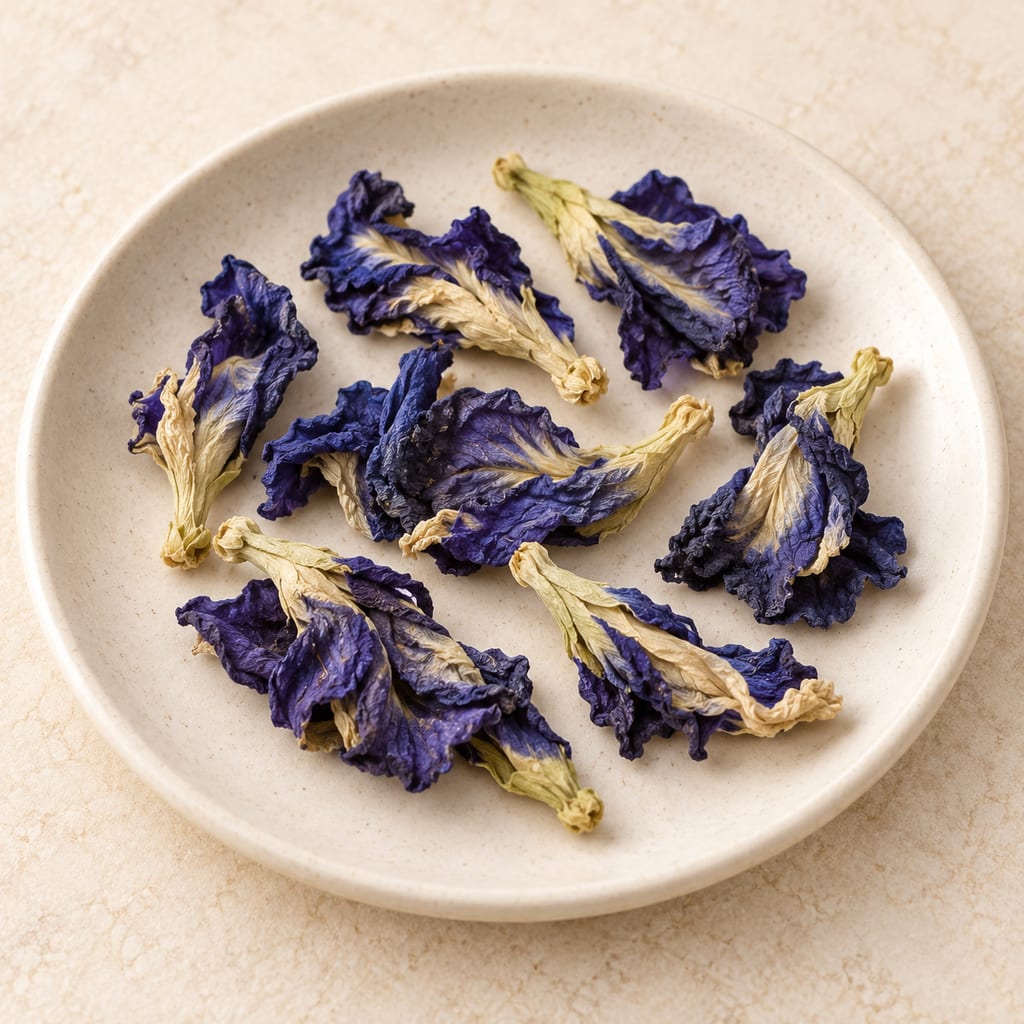
Clitoria ternatea's blue flower is used as a colourant and appears in a Thai dried-flower tea product. Food use is preparation-specific; EFSA raised safety objections to a dried-flower traditional-food notification.
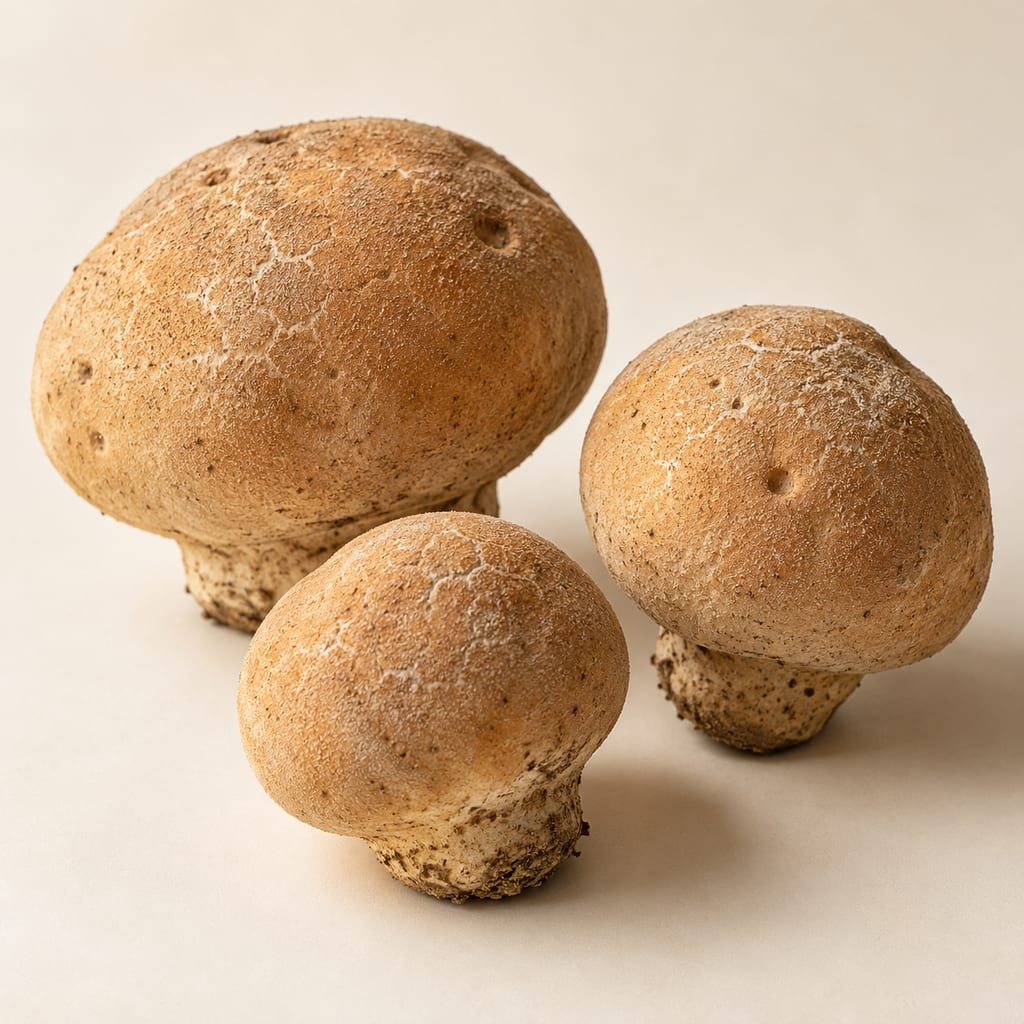
Calvatia boninensis is a large puffball described from the Bonin (Ogasawara) Islands of Japan, reported as edible in some catalogues and local accounts, with no species-specific safety or preparation study.
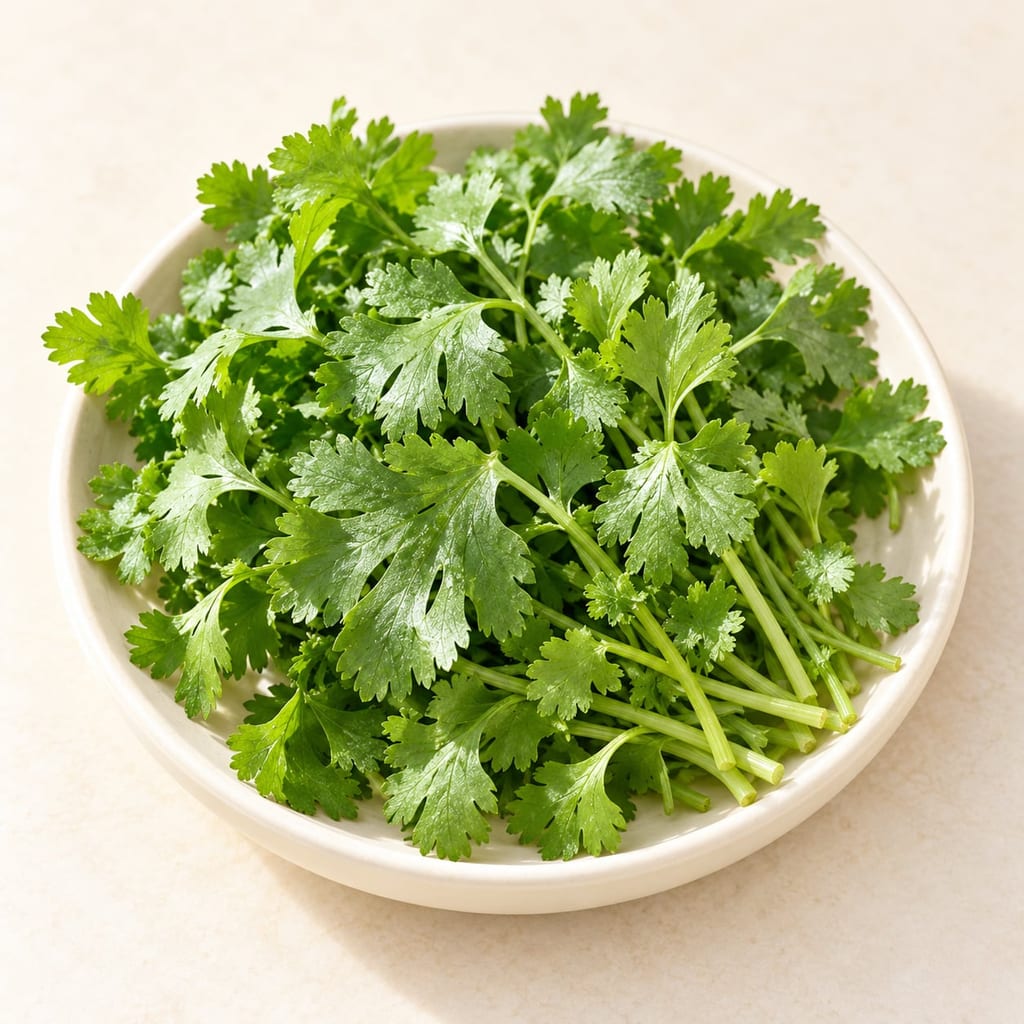
Cilantro is the fresh leafy herb of Coriandrum sativum, the same annual plant that produces coriander spice. Its green, aromatic leaves and fine stems bring a vivid herbal note to foods such as sai krok Isan.
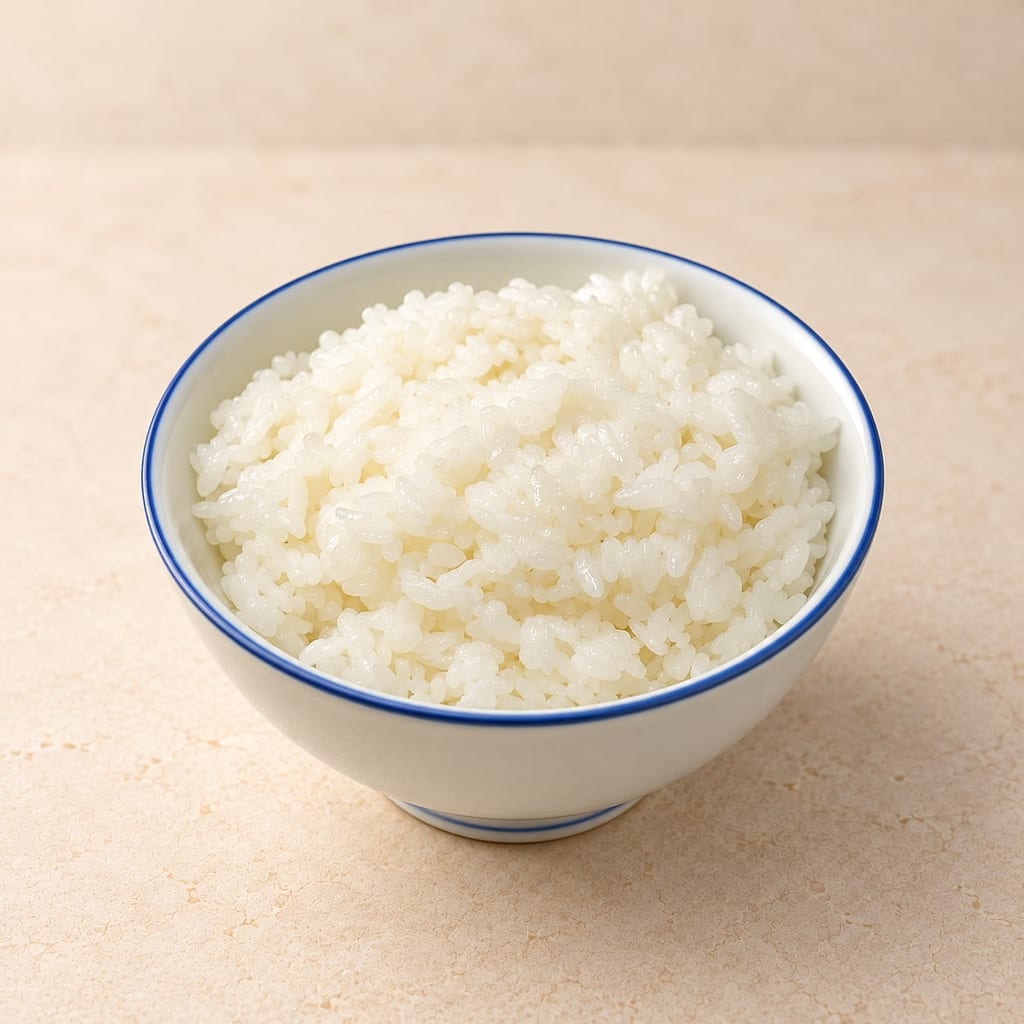
Cooked rice is rice grain heated in water until its starch gelatinizes; in Thai sour sausage it feeds the bacteria that acidify the meat.
No community contributions have been published for this entry yet.
Sign in to contribute. Published comments and photos are free to read.
Journal of Pure and Applied MicrobiologyIdentity · History · Microbiology · Geography
Isolation and identification of fungi with glucoamylase activity from loog-pang-khao-mak (A Thai Traditional Fermentation Starter)Identifies loog-pang-khao-mak as a Thai traditional fermentation starter used for Thai fermented foods for decades.
Reports 12 starter samples from 12 provinces in Thailand.
Reports selected glucoamylase-active yeast isolates identified as Saccharomycopsis fibuligera and mold isolates identified as Aspergillus niger, Aspergillus oryzae and Amylomyces rouxii; these are selected isolates, not a full universal starter composition.
Cited in: A starter, not one fixed recipe; Cakes for sweet rice and cakes for rice wine; Mixed organisms and limits of laboratory findings
ScienceAsiaIdentity · Method · Microbiology
Development of a defined starter culture mixture for the fermentation of sato, a Thai rice-based alcoholic beverageDescribes steamed glutinous rice fermented with traditional loogpang starter and a mixed microbial culture.
Selected NP1 from Nakhon Phanom among a survey of 114 starters across Thailand.
Reports a defined starter-mixture laboratory experiment; it is not a universal formula, household method or safety validation.
In the study's comparison, the natural NP1 starter and a defined culture mixture based on it had similar microbial population dynamics and similar organic-acid, glycerol and volatile-compound profiles; sensory panels gave the resulting Sato similarly high scores. This result applies to those two starters and the laboratory process, not to all Loog-pang products.
Cited in: A starter, not one fixed recipe; Cakes for sweet rice and cakes for rice wine; Mixed organisms and limits of laboratory findings
SpringerIdentity · Method · Equipment
Traditional Fermented Foods in ThailandOne chapter account describes Loog-Paeng made from ground rice and Thai spices, shaped into small flattened balls and inoculated with older starter.
In the described account, after fungal growth covers the cakes, they are sun-dried and refrigerated until used as starter for Khao-Maak fermentation.
The account is one documented preparation; no generalizable quantities or validated safety controls are established here.
Cited in: One documented cake-making account
Kasetsart Journal (Natural Science)Microbiology · Variation
Species Diversity of Molds in Thai Traditional Fermentation Starters (Loog-Pang)2005 survey: mould frequencies differed between cakes sampled for Khao-Mak (sweet fermented rice) and cakes sampled for rice wine.
Cited in: Cakes for sweet rice and cakes for rice wine
International Journal of Agricultural TechnologyUse · Variation
Product Development of Sweet Fermented Rice (Khoa-Mak) Supplemented with Red Yeast RiceA Khao-Mak study compared starter cakes sourced from four provinces.
Cited in: Cakes for sweet rice and cakes for rice wine