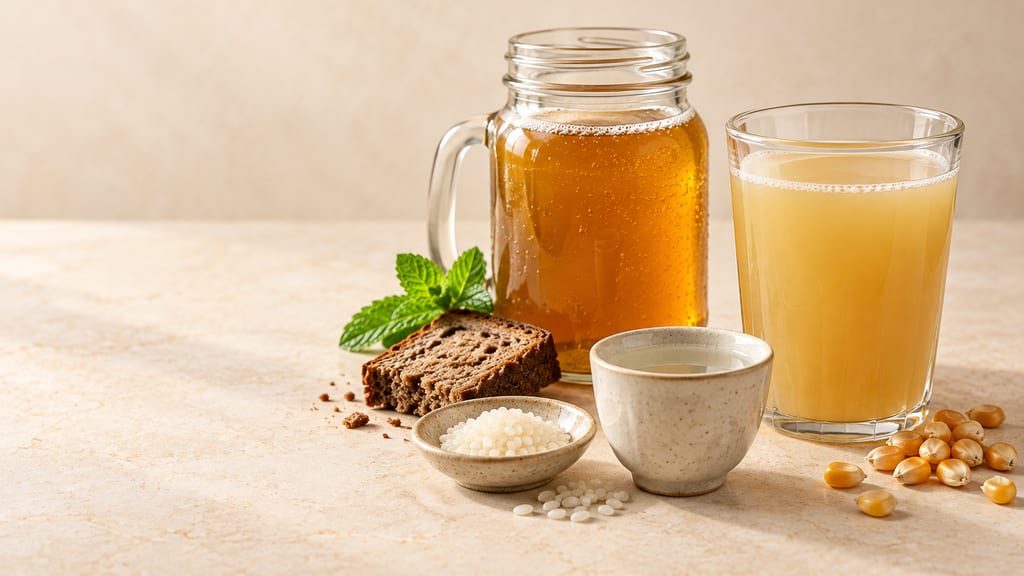
Yeast and the world's fermented drinks
People kept, traded and steered living ferments for thousands of years before anyone saw a yeast cell. This is that history, region by region, and a guide to what a yeast strain is today.
 FermenteaWhere food goes to change
Cultures
A Rhizopus mould stage converts starch in cassava for the Wapishana drink parakari. The published abstracts name the mould and its role but not the full culture method.
In parakari, the mould stage is the first step that turns the starch of cassava into sugars that a yeast can then ferment. The mould is a Rhizopus species, a filamentous fungus. The published study names it as an amylolytic Rhizopus, meaning one that breaks starch down, and it is kept on this page as the mould that makes that step possible in parakari.
The page covers the mould as it is used in this one drink. It does not present a general Rhizopus culture for other foods, which are covered on their own pages.
The Mycologia abstract describes parakari as an alcoholic drink made by cassava fermentation. The mould stage comes first and is followed by a second, solid-substrate ethanol fermentation. The mould makes sugars available from the starch, and the yeast then ferments those sugars to alcohol.
The abstract reports two things that shape the mould stage: the choice of cassava variety, and control of the culture temperature. It also reports that purified starch was added to raise the inoculum potential of the Rhizopus. These are features of the reported practice, not measured limits.
Cassava starch is not sugar, so something has to break it down before alcoholic fermentation can run. In this practice that work is done by the mould rather than by added enzyme. The source does not measure the starch breakdown, the sugar levels reached or the time the stage takes, so the page does not give those figures.
The mould stage and the yeast stage run in sequence, so the conditions of the first affect the second. The abstract says that temperature is controlled, but it gives no range, which is why no temperature is stated here.
The abstracts do not say where the mould culture was obtained, how it was carried from one batch to the next, or how it was stored. The carrier used for the inoculum is not named. A home version would need that information and a qualified review before it could be attempted, so none is proposed here.
Fungal saccharification of starch is described as a practice across parts of Amazonia. The ethnohistoric review by Goeldi Museum researchers treats amylolytic fermentation as a broad regional pattern, so the parakari culture belongs to a wider family of methods. The review does not establish that every such method uses the same mould.
The full article was not read in this record, so the exact Rhizopus species, the inoculum carrier and the full sequence of the mould stage are not stated. No safety control for the mould stage is established by these sources. A future page should take those details from the full study and from community sources in Guyana, and should be reviewed before any home use is described.
The study documents two Wapishana women in Aishalton in the 1990s, published 2005. It does not describe the mould across other communities.
People kept, traded and steered living ferments for thousands of years before anyone saw a yeast cell. This is that history, region by region, and a guide to what a yeast strain is today.
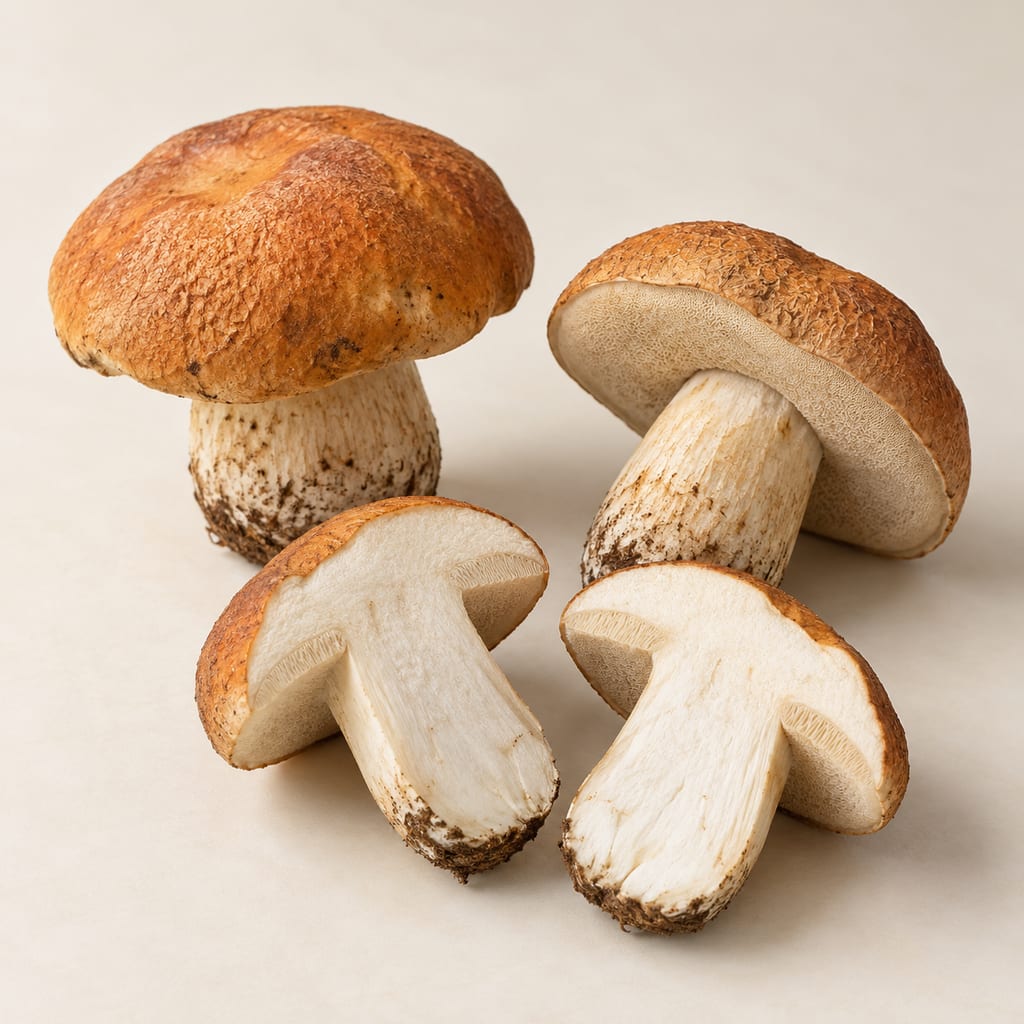
Tylopilus balloui, the burnt orange bolete, is a tropical bolete recorded as food in Guyana. Sources disagree on whether it is worth eating, and its species concept needs checking.
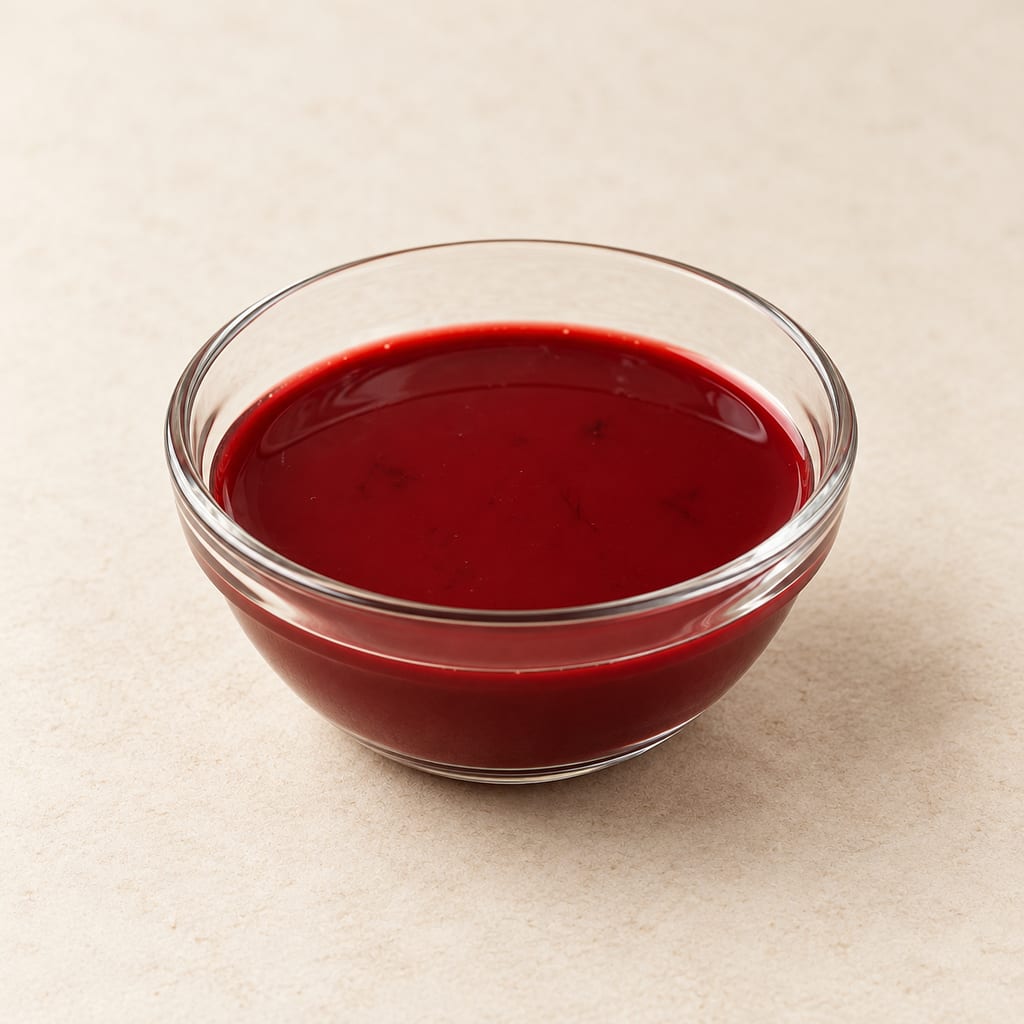
Animal blood is a perishable food material used fresh, coagulated, cooked, dried or processed into ingredients. Its uses range from grain-filled puddings to functional protein ingredients, each with distinct history and handling needs.
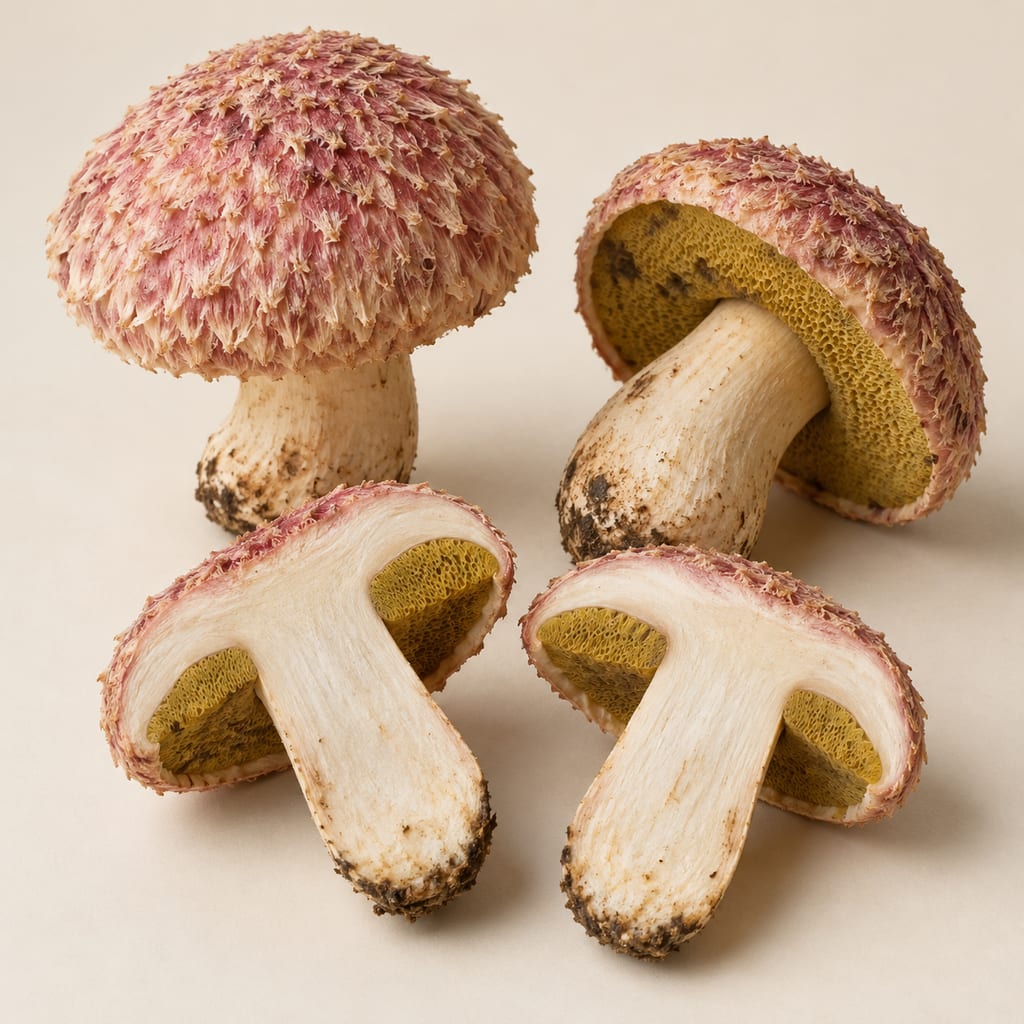
Boletellus ananas, the pineapple bolete, is a forest bolete of Guyana that one Patamona group eats and others avoid; a researcher reported mild stomach upset after eating it, so it is not a recommended edible.
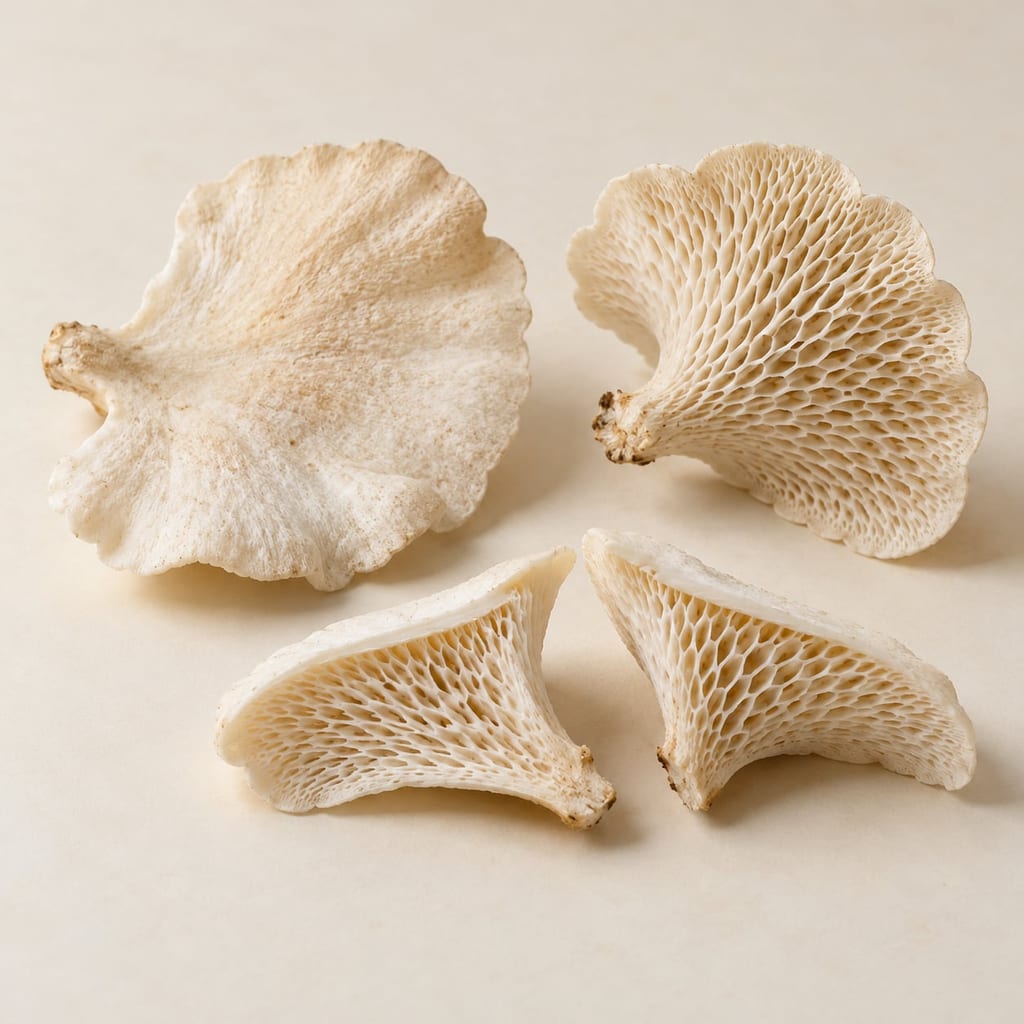
Brazilian honeycomb polypore, Favolus brasiliensis, is a wood-growing fungus of tropical forests recorded as food in Brazil and Guyana. It has no standardized food-safety assessment.
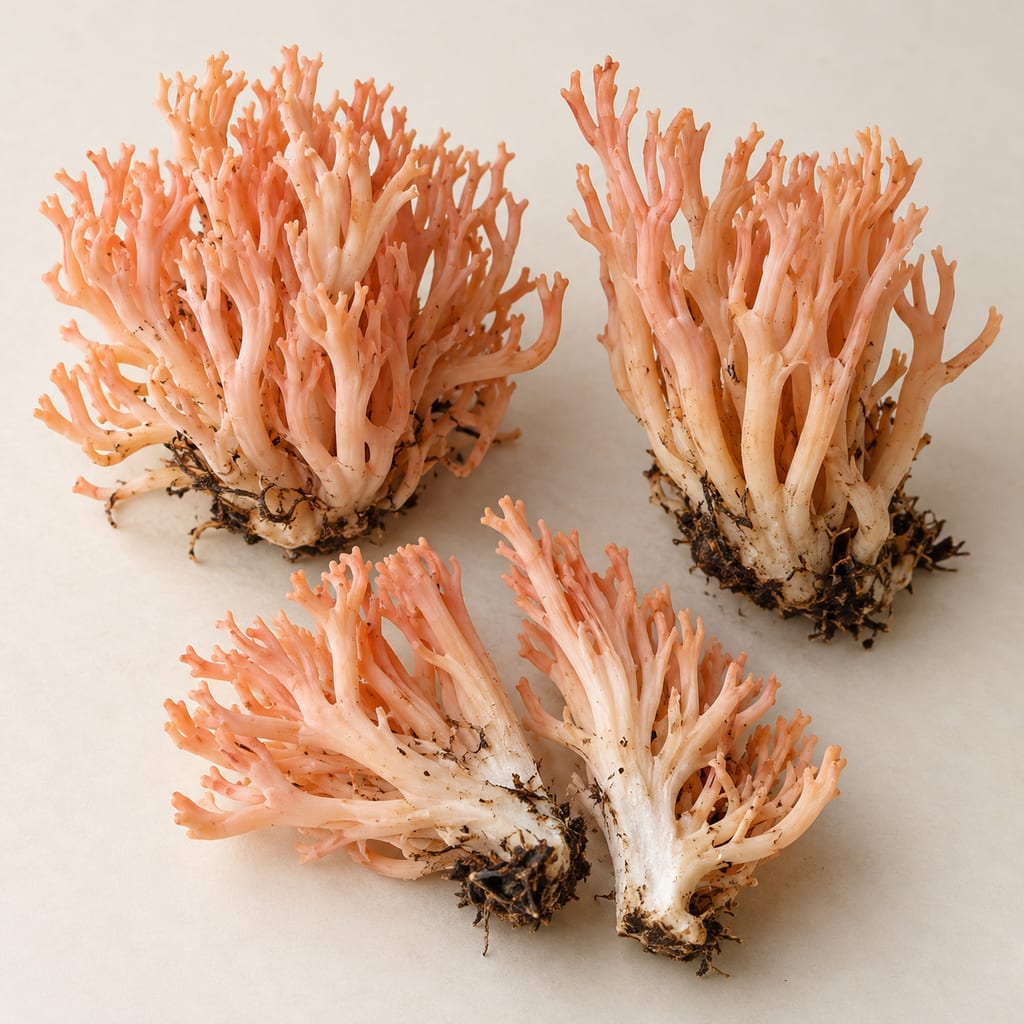
Clavulina kunmudlutsa is a coral fungus of white-sand forest in the Pakaraima Mountains of Guyana. The Patamona people, who give it the local name kunmudlutse, eat it; its preparation is not recorded in the sources read.
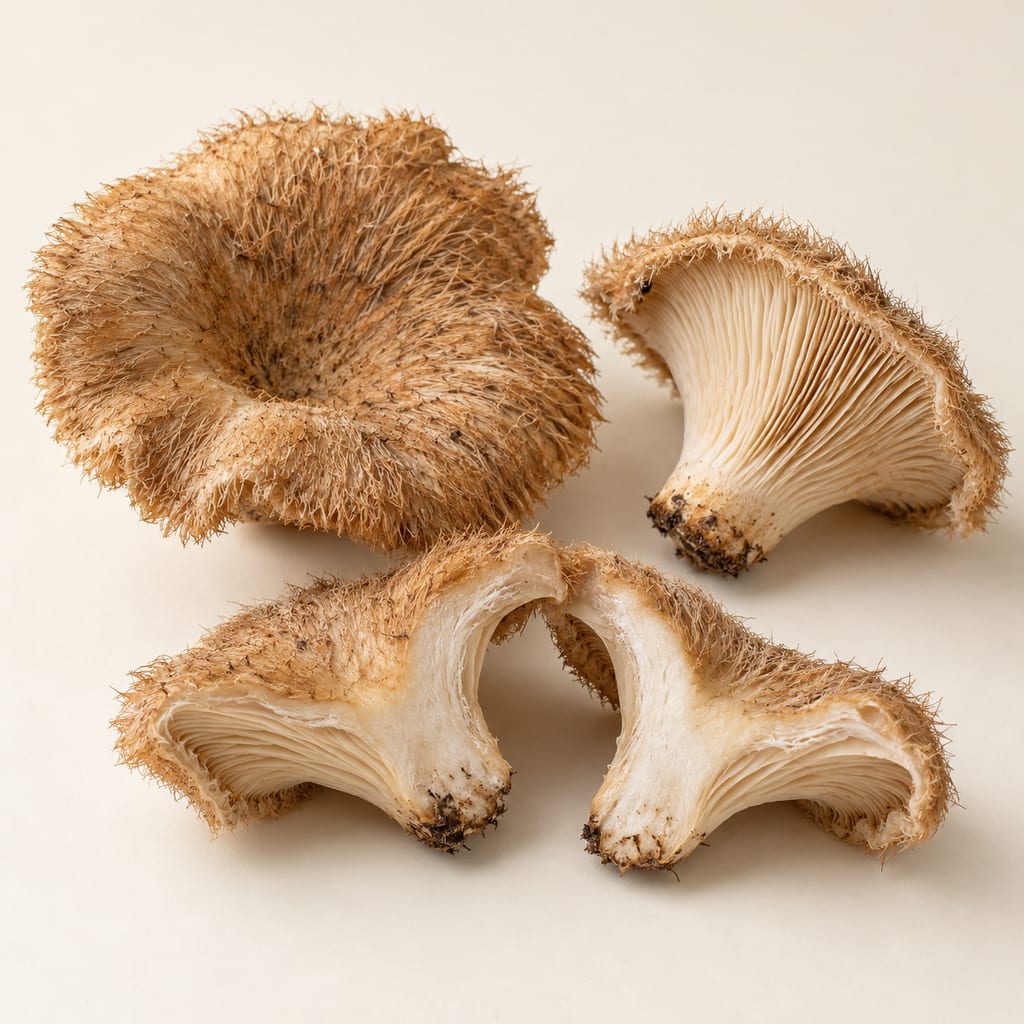
A wood-rotting bracket fungus of Brazil and Guyana that Indigenous Amazonian communities eat as a staple. Its edibility is contested in some field guides, and no standardised food-safety assessment exists.
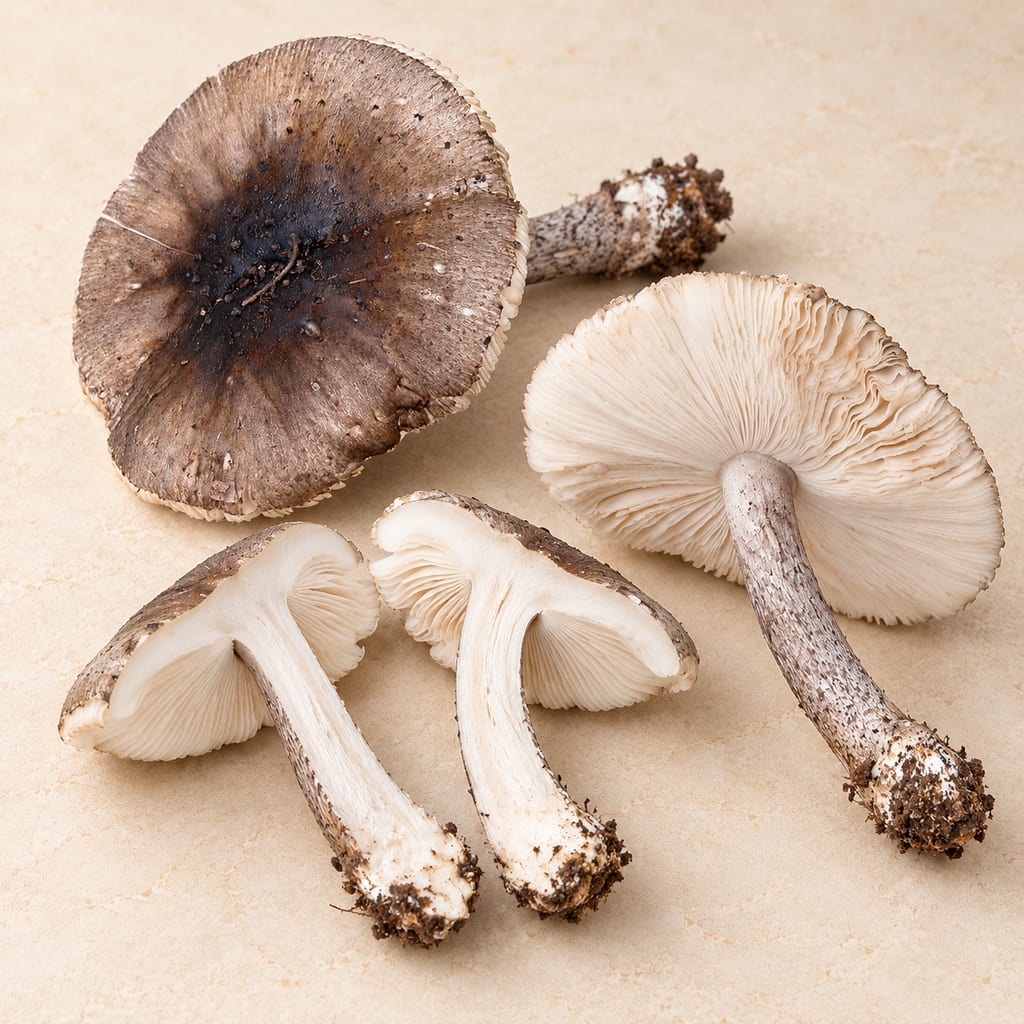
Pulutukwe is the Patamona name for Amanita perphaea, a wild Amanita of the Pakaraima Mountains of Guyana that the Patamona people value as food. Its identity is not established for other Amanitas.
No community contributions have been published for this entry yet.
Sign in to contribute. Published comments and photos are free to read.
Mycologia 97(1)Method · History
Parakari, an indigenous fermented beverage using amylolytic Rhizopus in GuyanaParakari is made with an amylolytic Rhizopus stage followed by solid-substrate ethanol fermentation.
The studied process was documented with two Wapishana women at Aishalton, South Rupununi.
Cited in: What it is; Its role in parakari; Sourcing and handling; Limits and open questions
PubMedMethod
Parakari, an indigenous fermented beverage using amylolytic Rhizopus in Guyana (PubMed abstract)The abstract reports selected cassava varieties, culture-temperature control and purified-starch additions that raise the Rhizopus inoculum potential.
Cited in: Its role in parakari; Why the stage matters; Limits and open questions
Boletim do Museu Paraense Emílio GoeldiHistory
Ethnohistoric review of amylolytic fermentation in AmazoniaAmylolytic fermentation with fungal saccharification is discussed as a broad Amazonian practice.
Cited in: Context across the Amazon