
Almond mushroom
The almond mushroom, Agaricus subrufescens, was cultivated in eastern North America in the 1800s, lost its market, and returned as a cultivated mushroom from Brazil, where it is grown under several names.
 FermenteaWhere food goes to change
Mushrooms
Brazilian honeycomb polypore, Favolus brasiliensis, is a wood-growing fungus of tropical forests recorded as food in Brazil and Guyana. It has no standardized food-safety assessment.
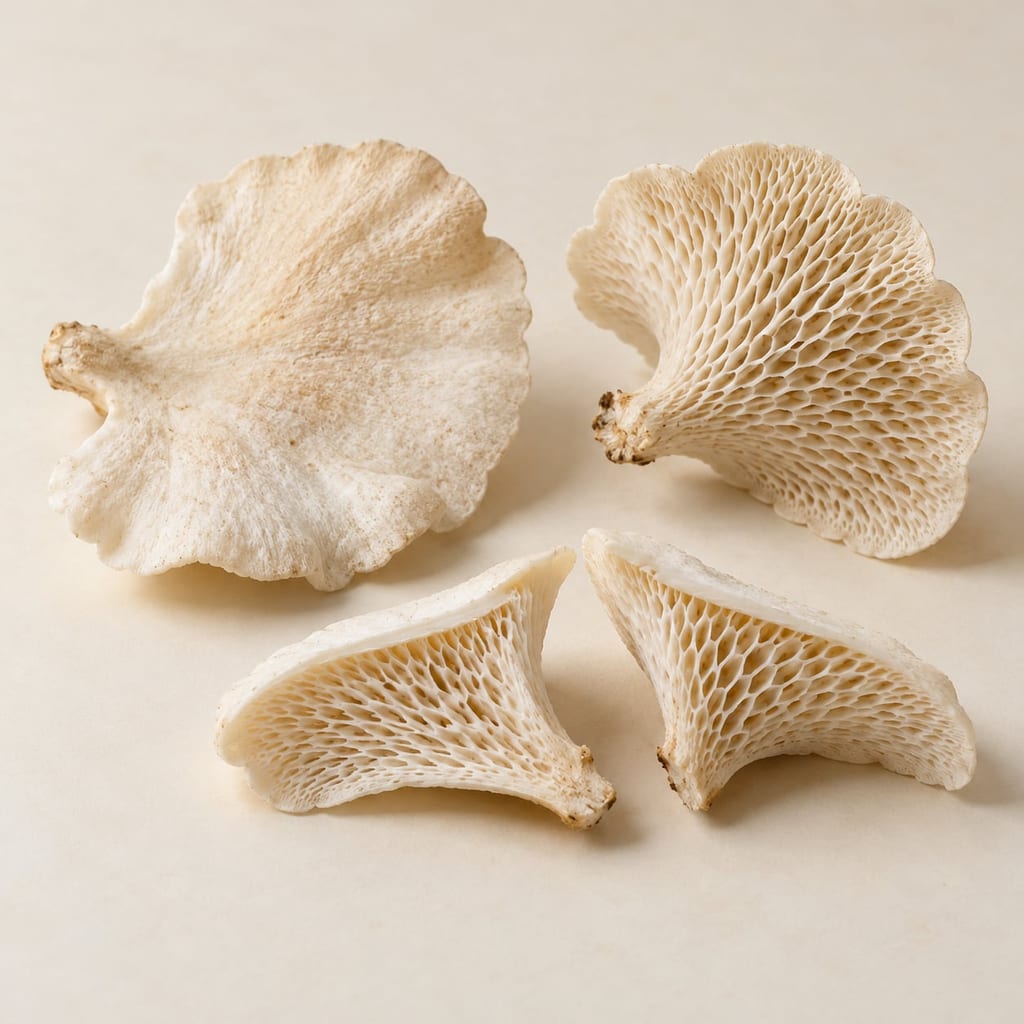
Brazilian honeycomb polypore is the common name the catalogue gives to Favolus brasiliensis, a bracket-forming wood fungus of the Polyporaceae. Its common name refers to the honeycomb-like pores on the underside of the fruiting body.
The catalogue records the scientific name as a research label and does not validate the current accepted name, so a collection named this way should be checked against current taxonomy.
The catalogue places the food-use record in Brazil and Guyana and describes the fungus as growing on wood in tropical forests. The SciELO study describes it as an indigenous food and reports that the Yanomami collect and eat it. The study's mushrooms came from the Cerrado in Goias, not the Amazon, so its nutritional figures describe those specimens and should not be applied to every population.
The sources do not give the preparation or the seasons in which the fungus is eaten.
The SciELO study reports an average of about 27% crude protein in the specimens it analysed and judged the species usable in human food. This is a laboratory figure for one set of specimens, not a general claim about the fungus.
The catalogue states that documented occurrence and consumption do not establish a standardized food-safety assessment. No preparation is validated here, and the sources read for this page do not establish a safe method of preparation or an edibility verdict for every collection.
Full texts of the Guyana and Brazil records were not read for this page, and the supplied source list gives no local names beyond the common name. Those points are open rather than filled.
Indigenous food use recorded for Brazilian specimens; the Cerrado study used specimens from Goias.
Listed among edible mushrooms of Guyana in the supplied catalogue source.
The almond mushroom, Agaricus subrufescens, was cultivated in eastern North America in the 1800s, lost its market, and returned as a cultivated mushroom from Brazil, where it is grown under several names.
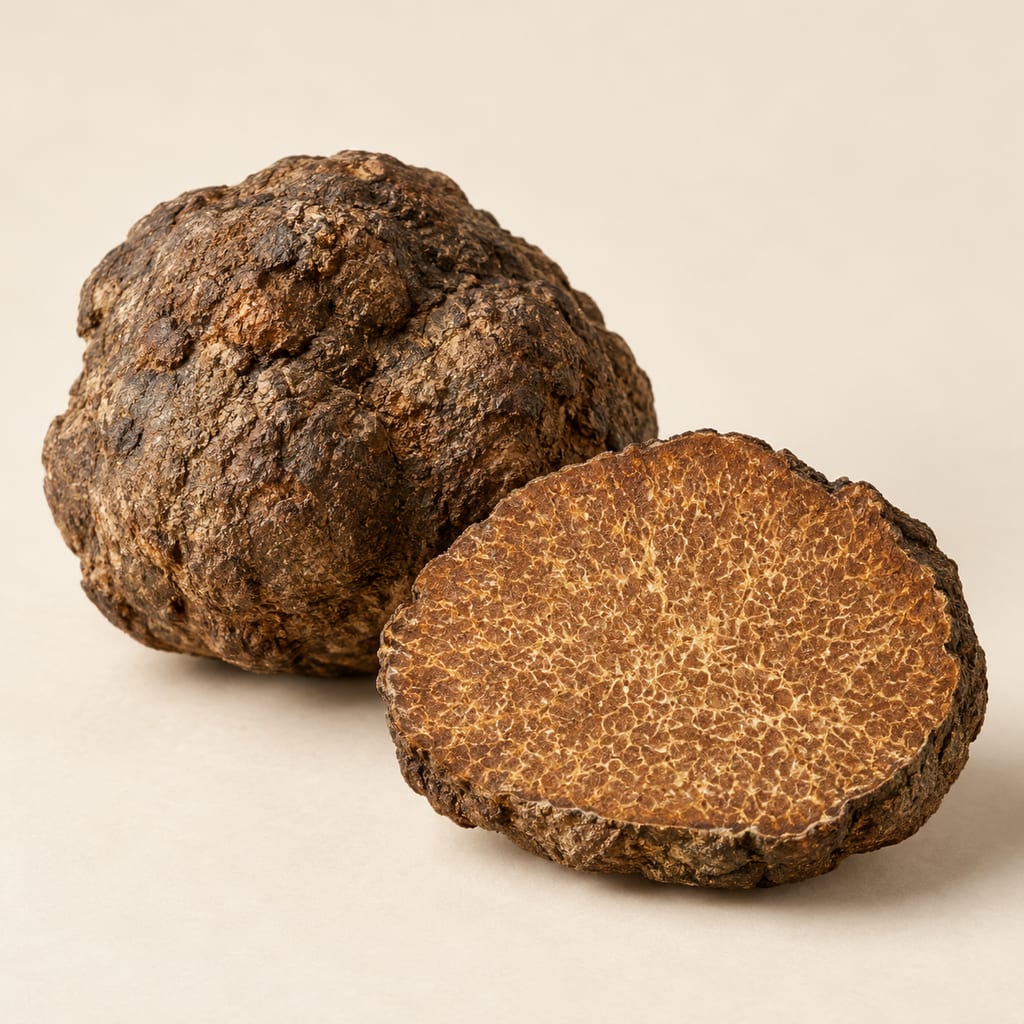
Polyporus indigenus, a polypore of the Brazilian Amazon. Its underground sclerotium, not the fruiting body, is the part people eat, and it is known locally as pão do índio.
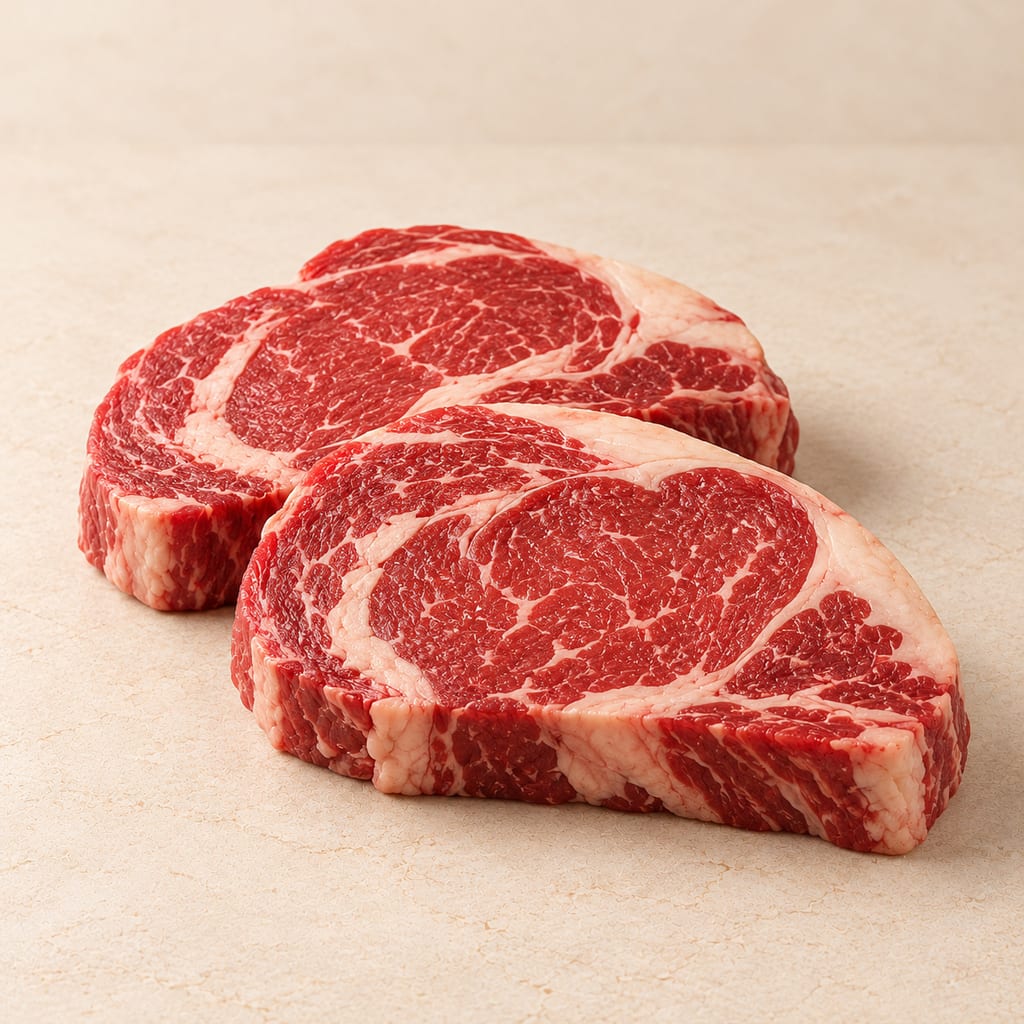
Beef is the meat of domestic cattle, Bos taurus and Bos indicus, sold as steaks, roasts, ground meat and cured products, and used in broths, salami and koji seasonings.
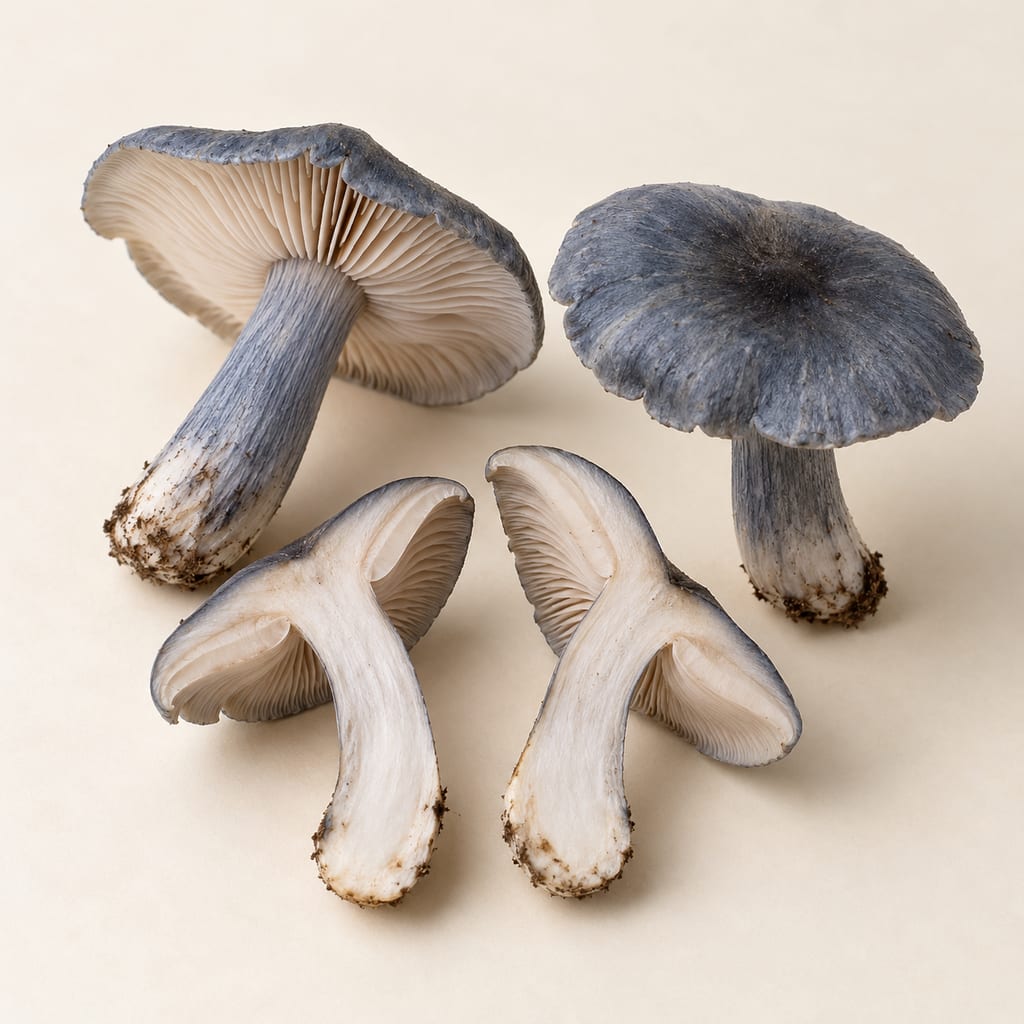
Bloxam's entoloma is a rare pink-gilled mushroom of old grasslands. Historical sources call it edible, but food-use evidence and older identifications remain uncertain; this does not recommend gathering or eating it.
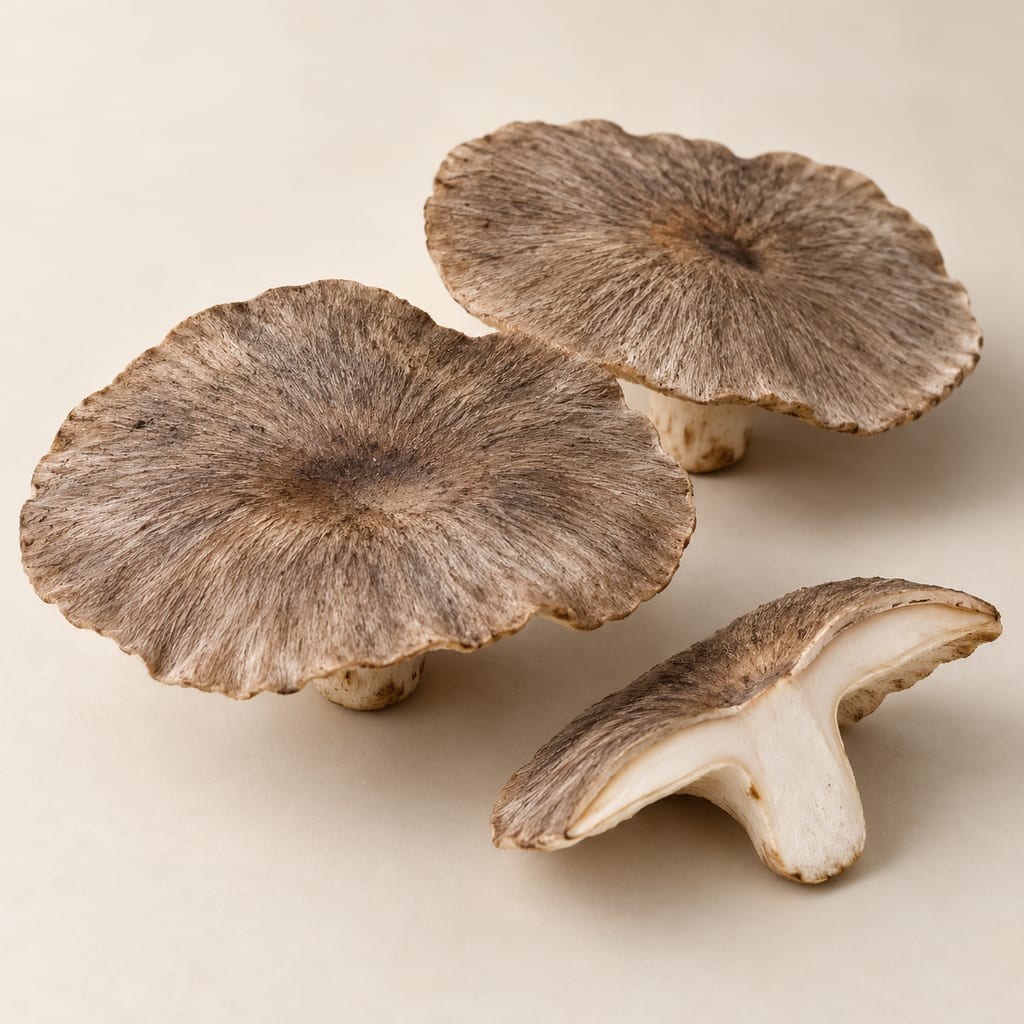
Bresadolia paradoxa is a large fungus of dead hardwood logs in Amazon and Atlantic Forest sites in Brazil and Colombia. Its only edibility source is a conservation assessment, so the claim is lightly documented.
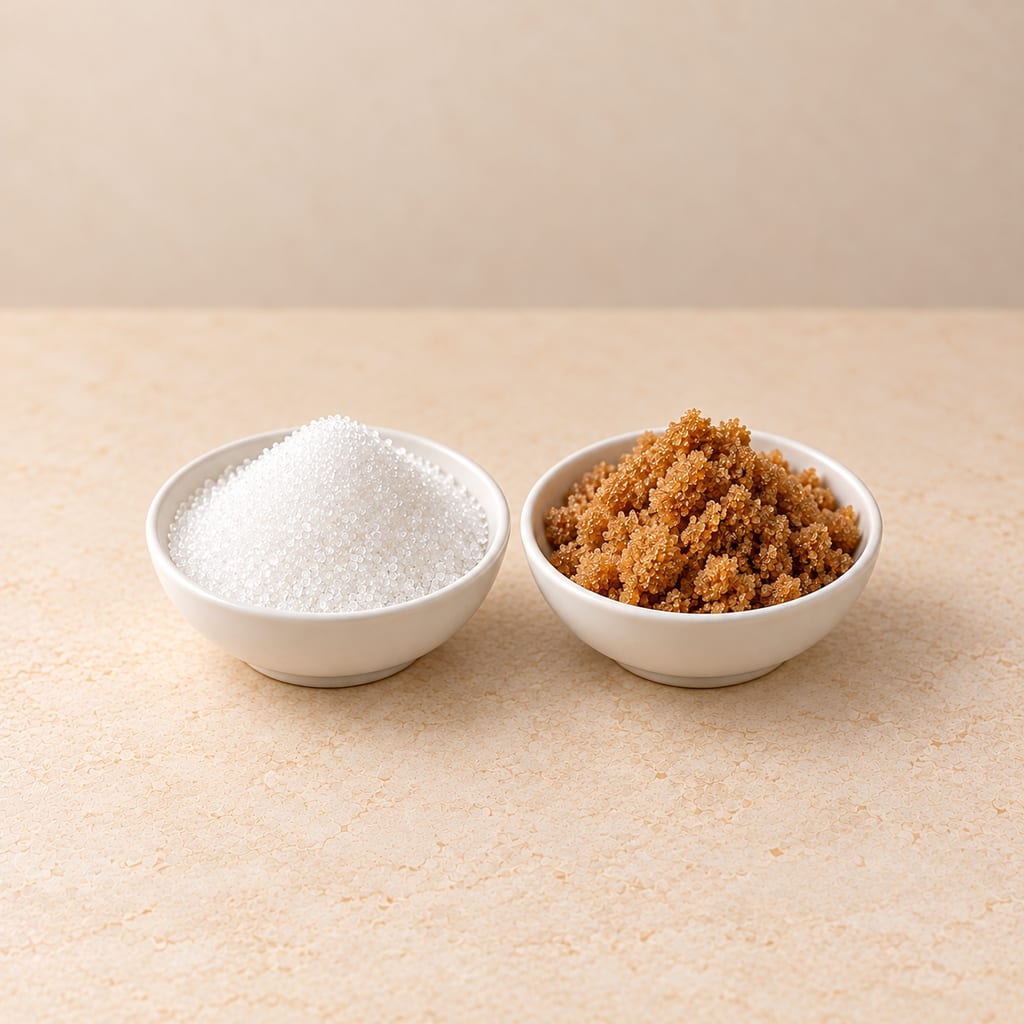
White sugar is refined sucrose, almost pure; brown sugar is sucrose with molasses, left in or added back. Molasses makes brown sugar moister, darker and more strongly flavoured.
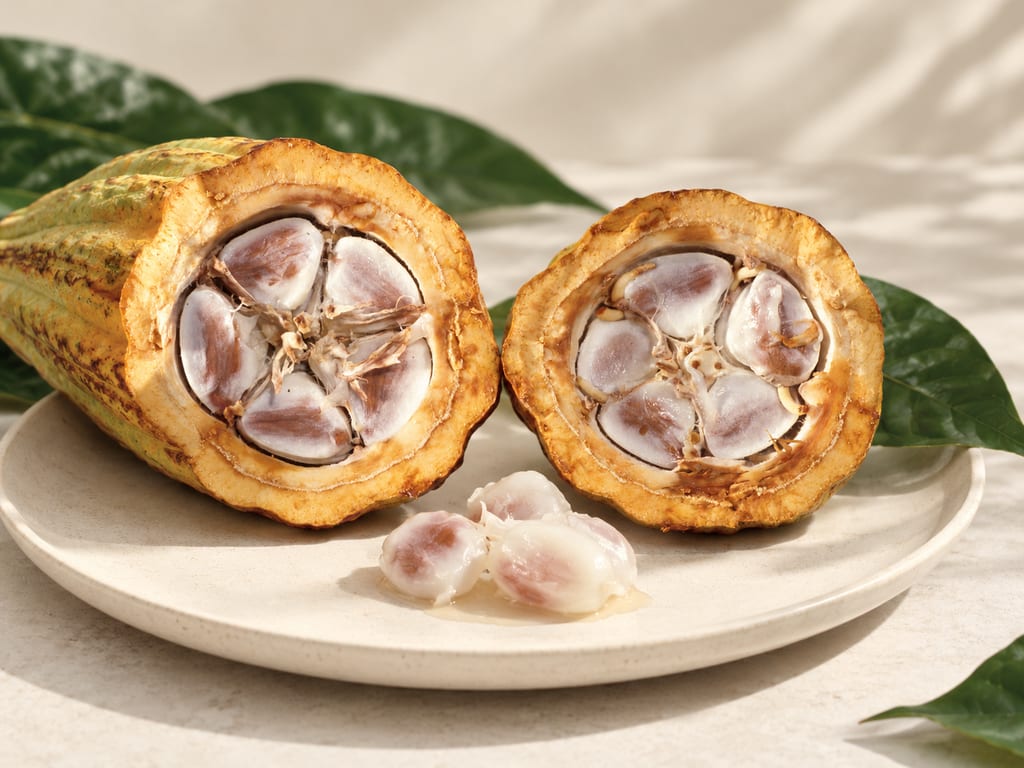
Cacao pulp is the moist, sweet-acid mucilage around cacao seeds. It fuels bean fermentation and can be extracted for fruit drinks, wine and vinegar.
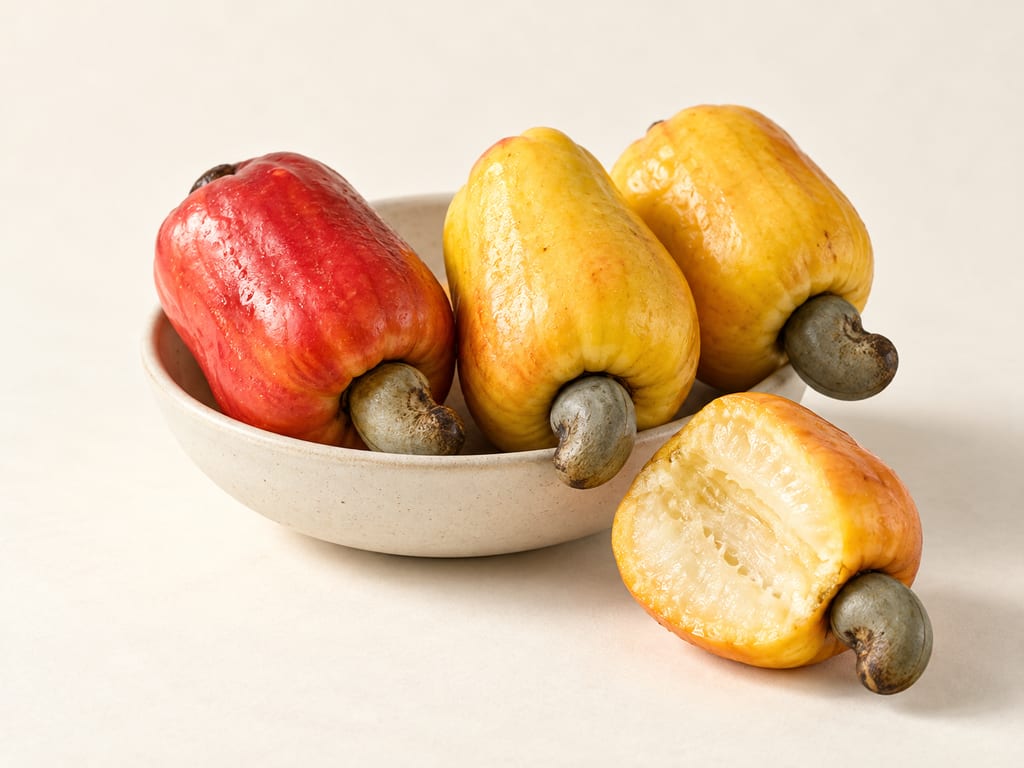
Cashew apple is the juicy swollen flower stalk attached to the cashew nut. Its fresh juice, cajuína, alcoholic ferments and vinegar are distinct products; the nut and its shell are separate materials.
No community contributions have been published for this entry yet.
Sign in to contribute. Published comments and photos are free to read.
Ciencia e Tecnologia de Alimentos (SciELO Brazil)Food use · Nutrition
Food production potential of Favolus brasiliensis (Basidiomycota: Polyporaceae), an indigenous foodIndigenous food with commercial potential; Yanomami collect and eat it
Average about 27% crude protein in the Cerrado specimens studied
Cited in: Where it is eaten; Nutrition and use potential
Springer (IMA Fungus)Reference
Supplied catalogue source for Favolus brasiliensis and Panus strigellus (Brazil)Brazilian food-use record for Favolus brasiliensis, catalogued as food, market or specialist evidence
Cited in: What it is; Safety
The MycologistReference
Edible Mushrooms of Guyana (Henkel et al., 2004)Guyana edible mushroom record cited in the supplied catalogue
Cited in: Where it is eaten; Notes and gaps