
Almond mushroom
The almond mushroom, Agaricus subrufescens, was cultivated in eastern North America in the 1800s, lost its market, and returned as a cultivated mushroom from Brazil, where it is grown under several names.
 FermenteaWhere food goes to change
Other
Polyporus indigenus, a polypore of the Brazilian Amazon. Its underground sclerotium, not the fruiting body, is the part people eat, and it is known locally as pão do índio.
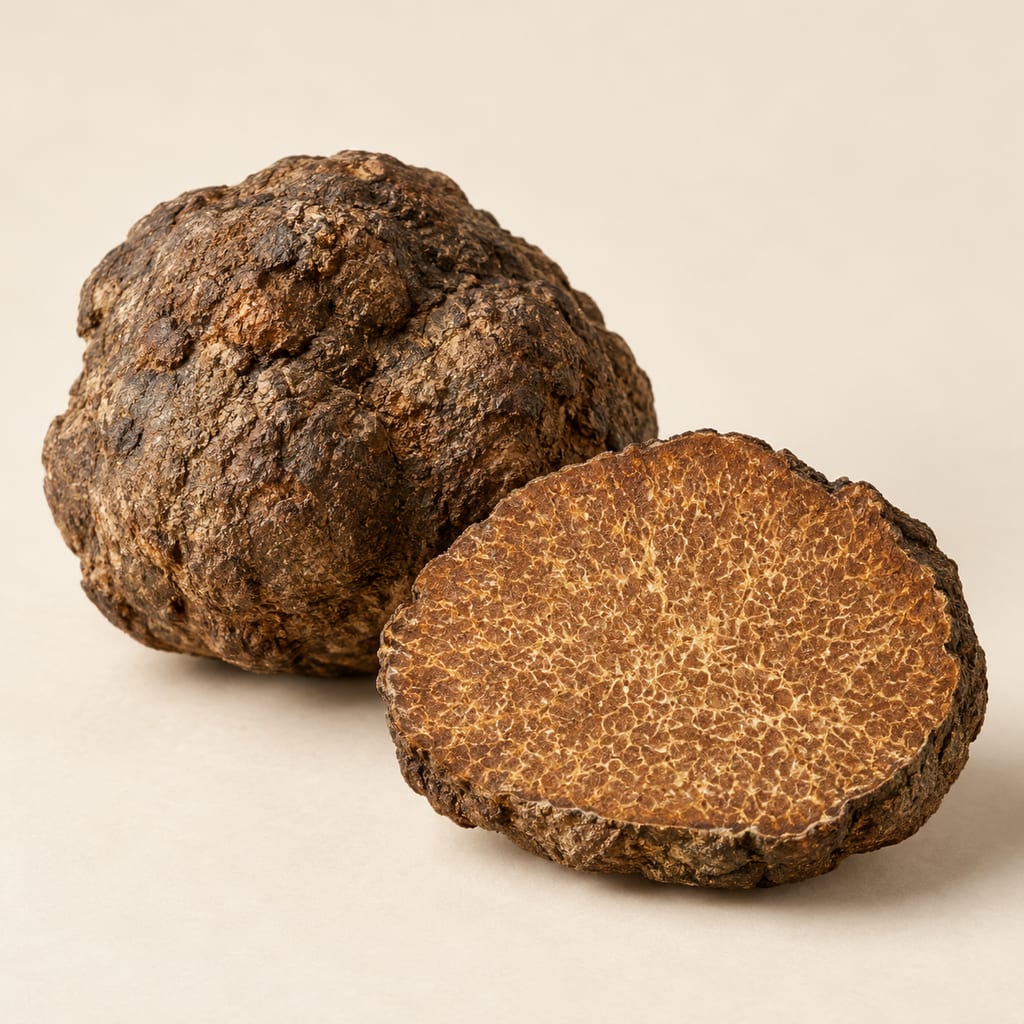
Polyporus indigenus was described as a new species from the Brazilian Amazon in a 1981 paper in Acta Amazonica, which also examined its economic importance and use. Its underground sclerotium, a hard mass formed below ground, is the part used as food, not the fruiting body.
The Amazonian form is known as pão do índio, or Indian bread. Caboclo populations have used it as food for a long time. Knowledge of it reached researchers when people dug up sclerotia during road, house and farm construction.
Early researchers took the Amazonian fungus to be Polyporus sapurema, which also forms a pseudosclerotium and is also called Indian bread. A later review states that the two are morphologically and phylogenetically distinct and can be separated in the field.
Because two species share the local name, the page uses the scientific name for this item.
A 2012 review of Brazilian Amazonian Polyporus species in Nova Hedwigia and a 2021 paper in Agricultura Familiar discuss the potential for commercial cultivation, with emphasis on P. indigenus and P. sapurema.
The sources reviewed do not give a cultivation method, yield or storage behaviour for this species, and no current commercial data was found.
The Yanomami people reportedly sell more than ten Amazonian mushroom species, according to an IFG food-science paper on a related polypore. The Brazil de Fato report on a Yanomami cookbook describes mushrooms from Yanomami territory used in recipes.
The sources reviewed give no toxicity assessment for P. indigenus. This page does not establish that the sclerotium is safe to eat as a general matter, and no preparation is given here.
Identify the species with a specialist before any use. Look-alike species such as P. sapurema are named in the literature.
Regional record from the Amazonian literature; no locality is given.
The almond mushroom, Agaricus subrufescens, was cultivated in eastern North America in the 1800s, lost its market, and returned as a cultivated mushroom from Brazil, where it is grown under several names.
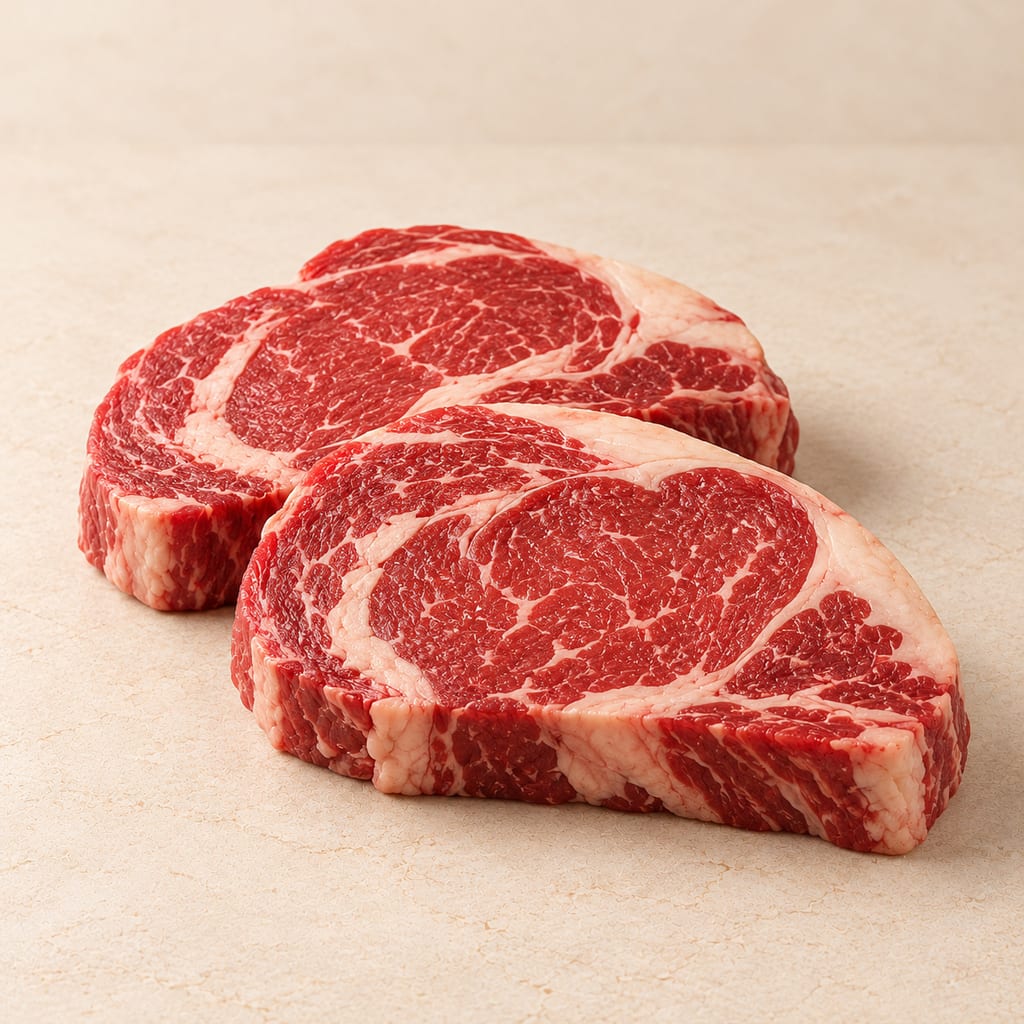
Beef is the meat of domestic cattle, Bos taurus and Bos indicus, sold as steaks, roasts, ground meat and cured products, and used in broths, salami and koji seasonings.
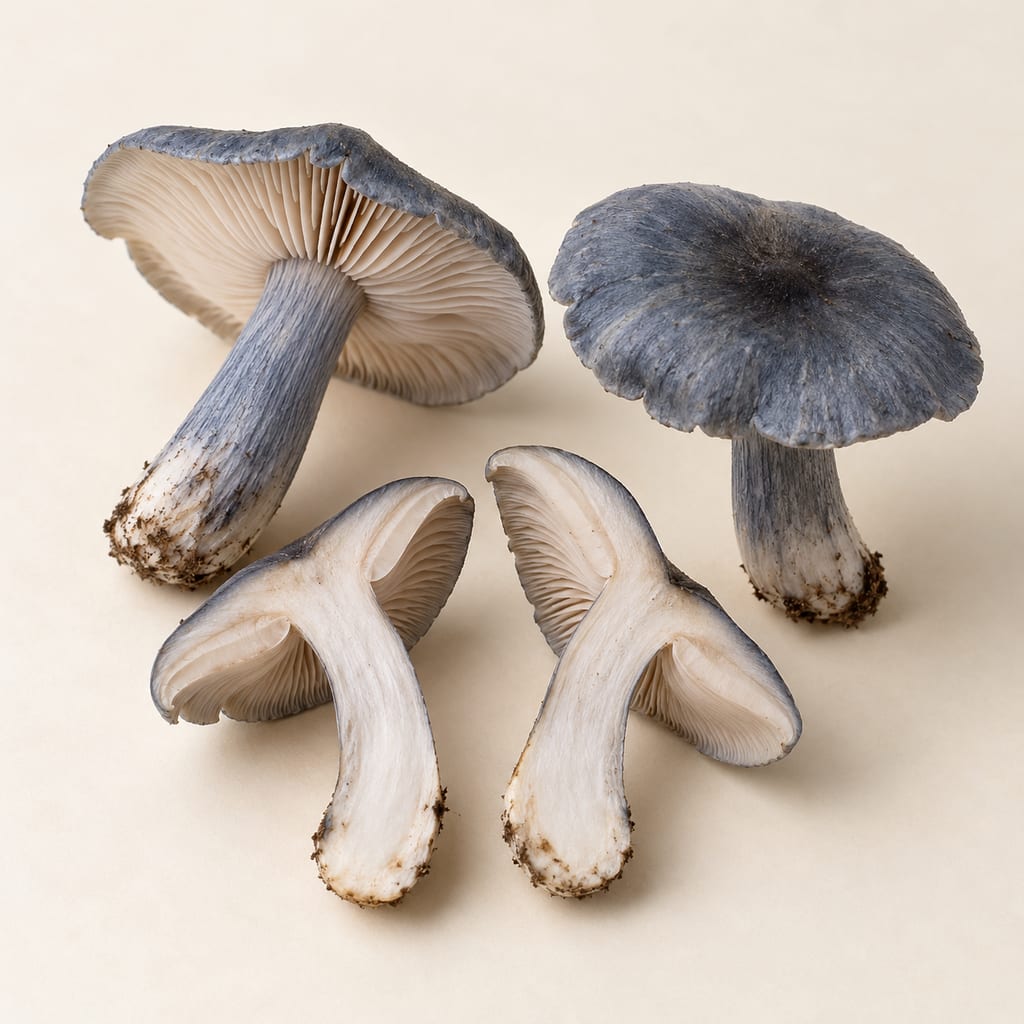
Bloxam's entoloma is a rare pink-gilled mushroom of old grasslands. Historical sources call it edible, but food-use evidence and older identifications remain uncertain; this does not recommend gathering or eating it.
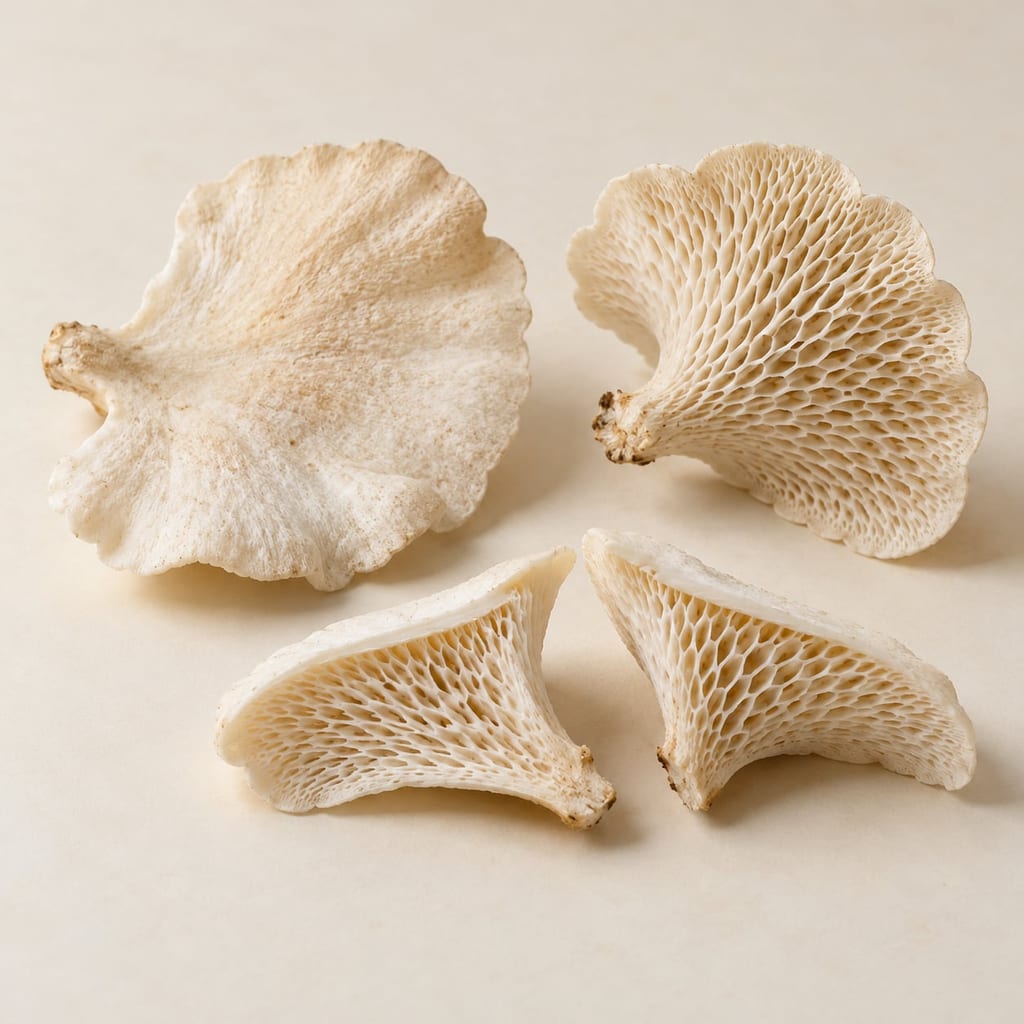
Brazilian honeycomb polypore, Favolus brasiliensis, is a wood-growing fungus of tropical forests recorded as food in Brazil and Guyana. It has no standardized food-safety assessment.
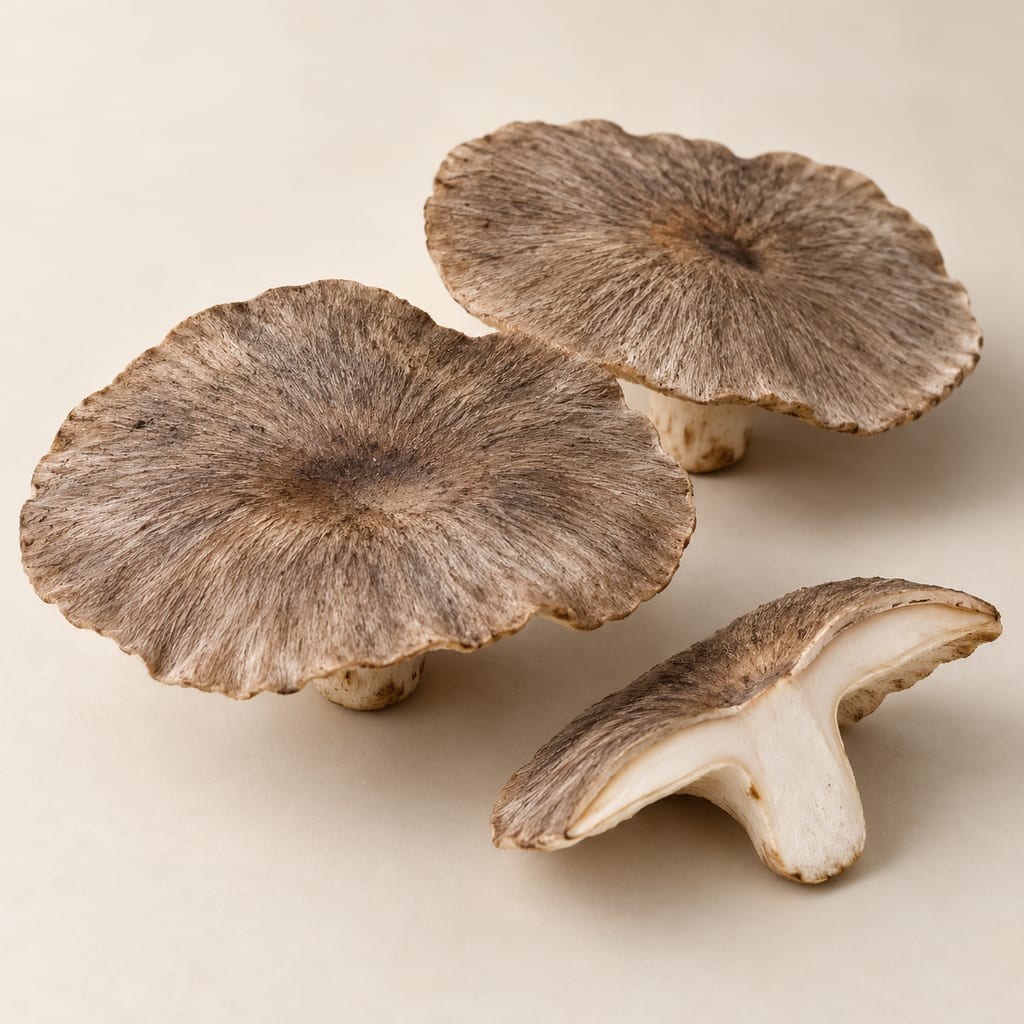
Bresadolia paradoxa is a large fungus of dead hardwood logs in Amazon and Atlantic Forest sites in Brazil and Colombia. Its only edibility source is a conservation assessment, so the claim is lightly documented.
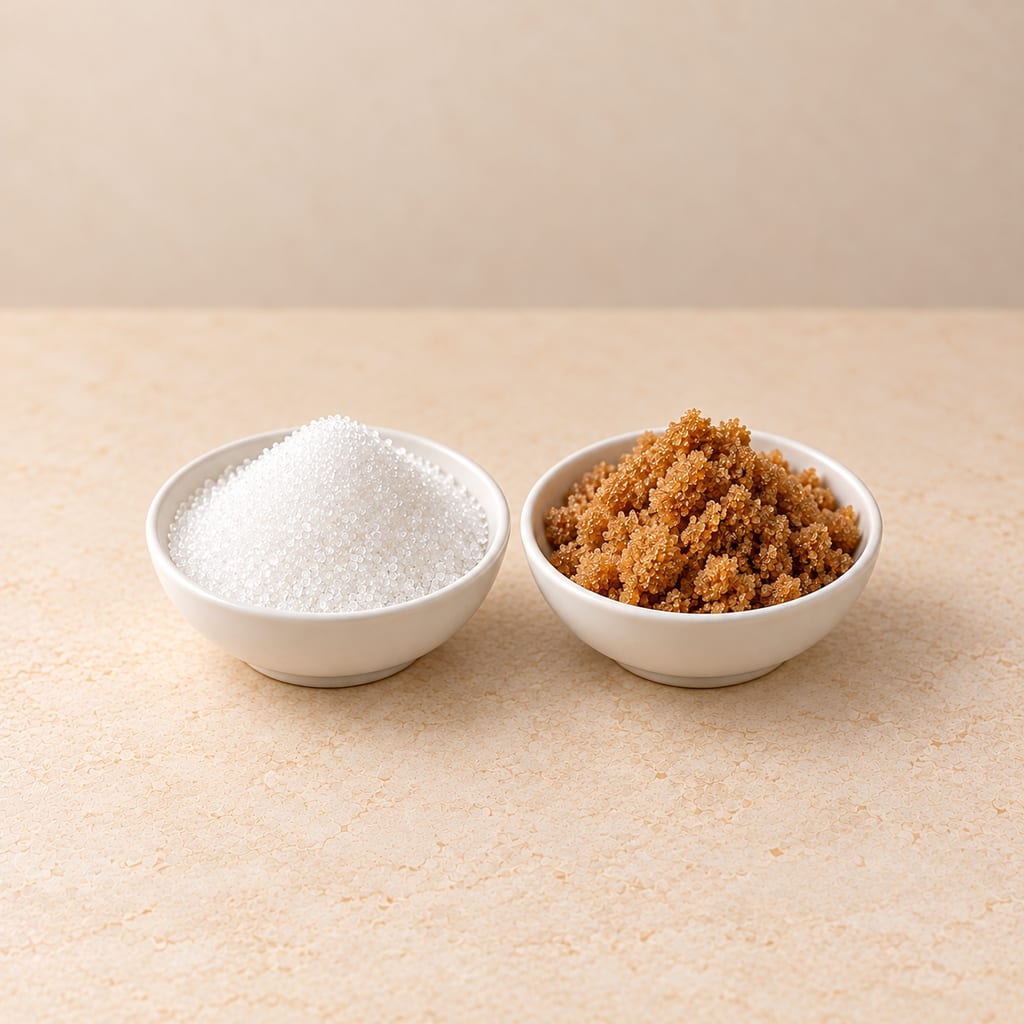
White sugar is refined sucrose, almost pure; brown sugar is sucrose with molasses, left in or added back. Molasses makes brown sugar moister, darker and more strongly flavoured.
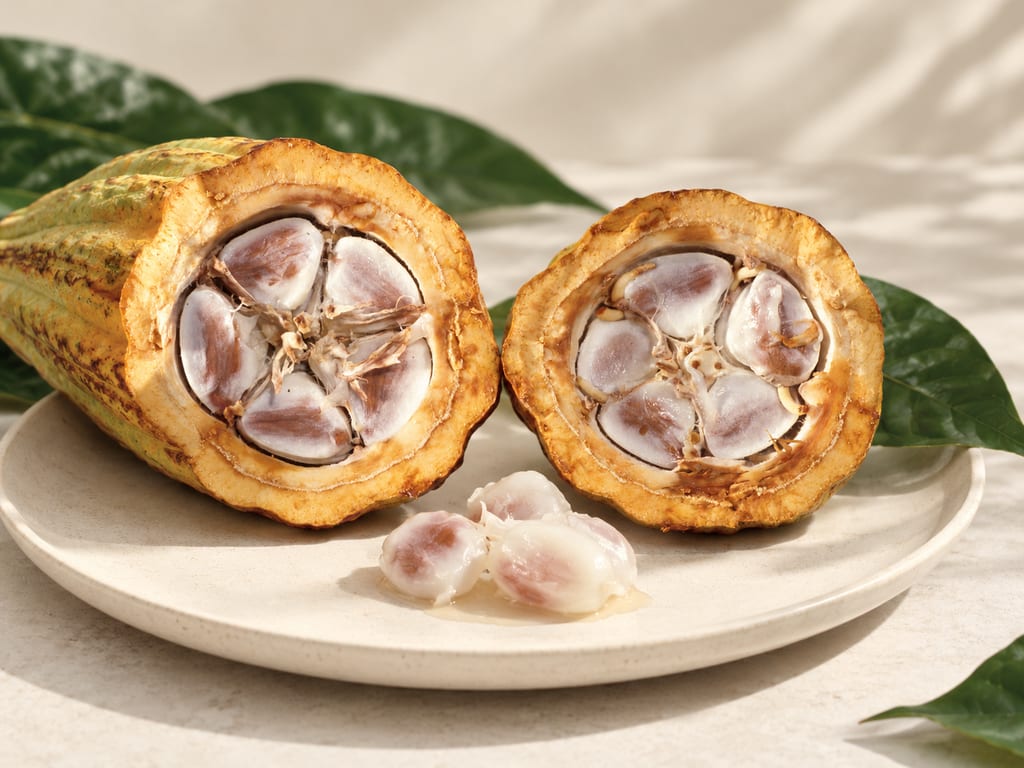
Cacao pulp is the moist, sweet-acid mucilage around cacao seeds. It fuels bean fermentation and can be extracted for fruit drinks, wine and vinegar.
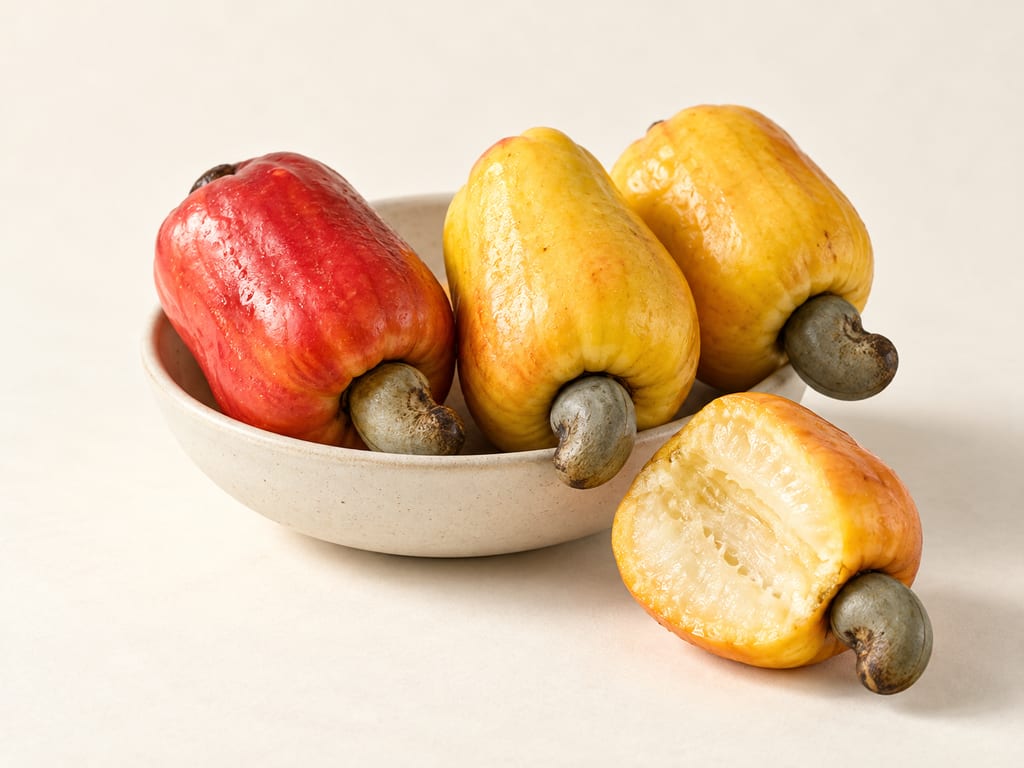
Cashew apple is the juicy swollen flower stalk attached to the cashew nut. Its fresh juice, cajuína, alcoholic ferments and vinegar are distinct products; the nut and its shell are separate materials.
No community contributions have been published for this entry yet.
Sign in to contribute. Published comments and photos are free to read.
Universidade Federal do ParáIdentity · Food use · Cultivation · History
Agricultura Familiar: Pesquisa, Formação e DesenvolvimentoPão do índio: sclerotium eaten by caboclo populations
Discovery through construction digging
Confusion with P. sapurema; cultivation interest for P. indigenus and P. sapurema
Cited in: What is eaten; Confusion with a related species; Cultivation interest; Safety and identification
Instituto Federal de GoiásFood use
IFG repository record on a related Amazonian polyporeYanomami people reportedly sell more than ten Amazonian mushroom species
Cited in: Wider food context
Brasil de FatoFood use
Do nhoque de macaxeira ao kibe: livro traz receitas com cogumelos da Terra Indígena YanomamiYanomami territory mushrooms used in recipes
Cited in: Wider food context