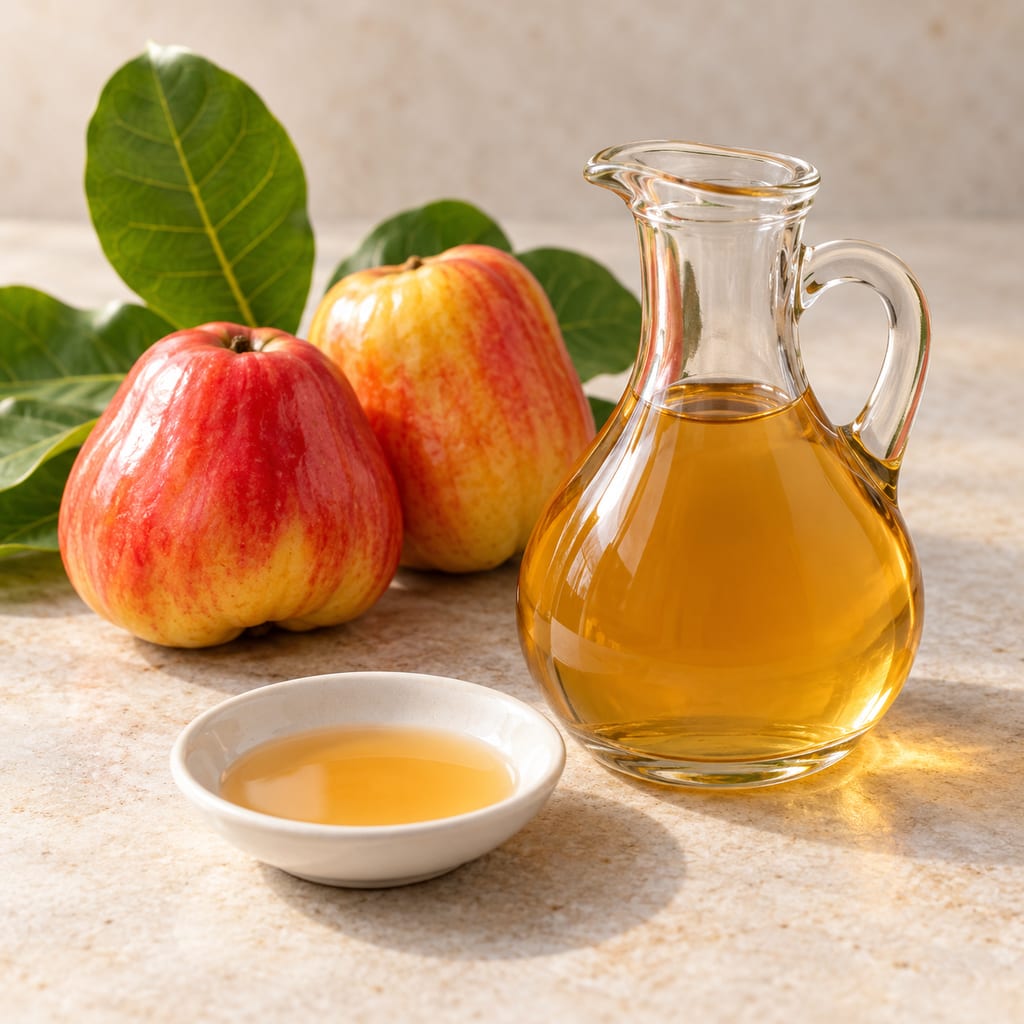
Cashew-apple vinegar
Vinagre de caju is made by fermenting cashew-apple juice into an alcoholic base, then aerating it so acetic bacteria can convert ethanol into acid. Brazilian guidance records the sequence, but not a complete home-scale formula.
 FermenteaWhere food goes to change
Cashew apple is the juicy swollen flower stalk attached to the cashew nut. Its fresh juice, cajuína, alcoholic ferments and vinegar are distinct products; the nut and its shell are separate materials.
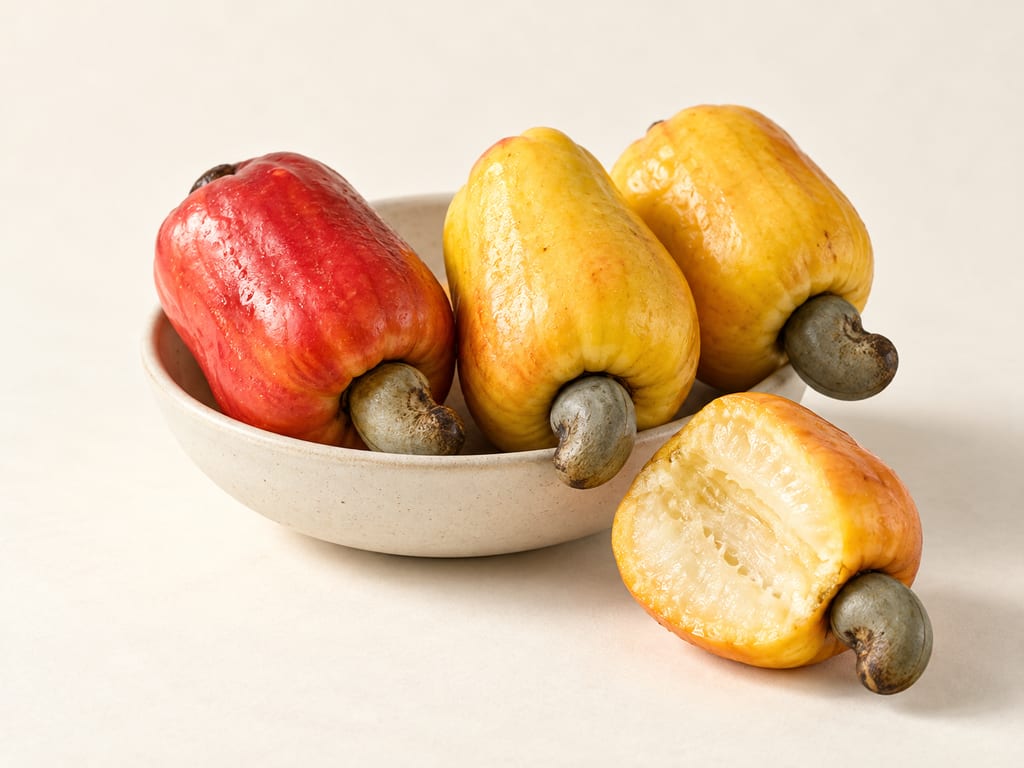
Cashew apple is the fleshy, swollen flower stalk of the cashew tree, Anacardium occidentale L., in the Anacardiaceae. Botanists call it a pseudofruit or accessory fruit because it grows from the peduncle rather than the ovary. The kidney-shaped structure attached to its end is the true fruit: a drupe whose shell encloses the kernel commonly sold as a cashew nut. In Portuguese, caju can refer broadly to the fruit and its attached parts; context matters.
That distinction changes how a food record should read. Cashew apple juice comes from the fleshy peduncle. It is not cashew milk, nut butter, kernel paste or cashew-shell liquid. The edible kernel is a different ingredient, and the shell around it contains an oily, irritating material that is removed in processing. A recipe that calls for “cashew fruit” should clarify whether it means the stalk, the attached nut, or both.
The cashew tree is native to Brazil and was spread through tropical regions. Its cultivated range now includes West and southeastern Africa as well as South and Southeast Asia. The tree's global range does not establish a single birthplace for every cashew drink; local names and methods belong to their own documented communities.
The cashew apple ripens beneath a small nut that first develops on the same flower stalk. The stalk then swells, usually into a red, yellow or mixed-colour shape. Both colour and size vary among cultivars. Embrapa notes that a redder skin is not a dependable measure of sweetness: a yellow apple can be sweeter than a red one. Firmness, juice yield, acidity and astringency matter too.
The ripe stalk is juicy and fibrous, with sugars, organic acids, vitamin C and phenolic compounds. Tannins contribute to the dry, puckering sensation that limits some fresh uses. Their concentration varies with genotype, ripeness and processing, so a single value should not be applied to all cashews. Processing can press out juice, retain a cloudy pulp or leave a fibrous pomace; those materials have different texture and uses.
The fruit bruises and deteriorates quickly after harvest. In Guinea-Bissau, one agricultural study reports that juice can begin fermenting within hours under local conditions and that limited juice storage constrains its wider use. This observation describes a place and harvest context, not a universal number of hours. It explains why harvest, separation, pressing, cooling or processing may happen close together.
Cashew is an important smallholder crop in Guinea-Bissau. Its nut is a major cash export, while the fleshy apple often remains in the producing area. Catarino, Menezes and Sardinha describe the apple as a locally eaten seasonal food and note that most interior fruit and its derivatives are consumed rather than sold. A juice plant established on Bolama Island in the late 1970s later ceased operating; artisanal production of cajuína was reported in Bissau, Canchungo, Ingoré and Quinhamel.
Fresh juice and alcoholic drink are not interchangeable labels. In the same account, some communities make and sell cashew-apple wine or distil spirit, while other communities avoid alcohol and may leave the apples unused or use them as fodder. These observations describe the places and groups covered by that study. They should not be turned into a claim about every household, ethnic group or present-day practice in Guinea-Bissau.
The atlas source also records a local account of crushing and straining fruit for a seasonal ferment, with roughly three days reported in one setting. That is a description of one practice, not a reliable fermentation schedule, alcohol-strength estimate or safety rule. The study emphasizes rapid fermentation after harvest and local differences in use; it does not validate a uniform household process.
Agronomist José E. M. Ferrão describes cashew cultivation along most of Mozambique's coastline, extending inland around the Zambezi Basin. In his 2013 overview, he says local people valued the sugar-rich pseudofruit for a popular drink, and that fermented juice was used to prepare vinho de caju and aguardente de caju. His account supports a broad regional association, not a single village recipe or a current production survey.
The Portuguese names distinguish stages and products. A sweet fresh drink made from the peduncle is not the same as vinho de caju after alcoholic fermentation. Aguardente is a distilled product made from ferment, not a synonym for the fruit or its unfermented juice. The distillation step introduces equipment, fire and alcohol-concentration hazards and needs its own documented method and legal context.
These African records show why an ingredient page should link the crop to separately named preparations. The fruit supplies fermentable juice, but the names, cultural settings and processes belong to particular recipes. Fermentation time and alcohol content should not be inferred from another country or another cultivar.
Cashew juice can be drunk fresh, clarified, concentrated, frozen as pulp or cooked into sweets and preserves. In Brazil, cajuína is clarified cashew-apple juice. Embrapa describes it as non-alcoholic juice without pulp, clarified by a physical process and sterilized in its bottle; the amber colour comes from heating sugars in the juice. It is not a fermented wine.
Fermentado de caju is juice after alcoholic fermentation. Embrapa separates that beverage from grape wine in Brazilian legal language and describes an industrial route using prepared juice, yeast fermentation and later stabilization. The same book explains that cashew vinegar is made from the alcoholic ferment through a second, acetic fermentation. Its production account cites roughly four percent acidity for its own route before filtration and pasteurization; those values are not general instructions for a home batch.
Pressed cashew pomace is the fibrous residue remaining after juice extraction. It may be dried or used in other foods, but it is not whole cashew apple, juice or ferment. Ingredient lists should name the material actually used. This prevents a reader from replacing juice with pomace or assuming cajuína already contains alcohol.
Cashew apple is often described as sweet, sour and astringent at once. Its sugar and acidity balance differs across clones, color, maturity and location. Tannins and other phenolics contribute to mouth-drying sensation; pressing, clarification, dilution, cooking or fermentation changes which parts of the fruit remain in the finished food. Astringency is a flavour property, not a spoilage test.
Vitamin C is one reason the fruit matters in juice production, but heat, air exposure and storage affect it. Embrapa documents industrial treatment for clarified and packaged juice and notes hygiene requirements for limiting thermoresistant fungi. It also cautions that ordinary pasteurization temperatures may not inactivate all thermoresistant fungi. This technical note is a warning about industrial processing; it is not a substitute recipe or a home-safety limit.
Nutrition and product quality cannot be read from skin colour alone. Embrapa recommends attention to firmness, acidity, astringency and intended use. Studies of pomace measure a different material after pressing. Numbers from juice, fresh peduncle and dried pomace should remain attached to the sample and processing method that produced them.
The apple, kernel and shell are adjacent parts of one harvested unit, but they have different food uses and hazards. Cashew nut shell liquid is an irritant and can cause skin injury. The nut kernel is also a major food allergen. If a preparation uses only cashew-apple juice, the source material and handling should make clear that the nut and shell are separated rather than crushed into the juice.
Cashew-nut allergy research documents strong clinical concern about the kernel and cross-sensitization to pistachio; studies of other Anacardiaceae report uncertain clinical relevance. The available sources do not establish that cashew apple is safe for someone with cashew allergy. A botanical distinction between stalk and kernel is not enough to make that claim. Anyone managing cashew allergy should follow clinical advice and consider cross-contact in processing.
Fruit juice can ferment rapidly, but speed, smell, foam or taste does not establish that an unmonitored drink is safe or finished. Fermented juice, vinegar and distilled spirit require distinct controlled methods. The sources gathered here do not establish one universal home temperature, time, alcohol level, acidity threshold or storage period for every cashew apple variety and region.
Portuguese-speaking sources use caju for the plant and its edible peduncle, while vinho de caju, fermentado de caju and aguardente de caju name beverages at different stages. Cajuína is a clarified, heat-treated juice in Embrapa's Brazilian description. In Guinea-Bissau, a 2015 study uses cajuína for artisanal juice and distinguishes it from fermented wine and distilled spirit. The same word can travel across regions while the preparation changes.
Cashew apples are seasonal and can support household food and income as well as nut production. Catarino and colleagues describe women and children as key harvesters and marketers in the Guinea-Bissau setting they studied. Ferrão records the fruit's local value in Mozambique. These sources make clear that the stalk has economic and culinary uses of its own; it is not merely factory waste left after a nut harvest.
Plantations of Anacardium occidentale occur across tropical Africa, but this page maps only the documented food associations in the cited African sources and Brazil. It does not assign the crop one African birthplace or treat its range as evidence that every region makes fermented drink.
Harvesting the fruit can follow the nut economy rather than the fruit's own food value. Catarino and colleagues describe orchards in which hired workers collect nuts but leave much of the apple uncollected; short juice-storage life further limits sale. The same study notes that interior households eat the fruit and its derivatives during the dry season, when rice stocks run low. These are observations about Guinea-Bissau, not an estimate for every region or household.
Ferrão describes many Mozambican cashew plantings as spontaneous and says fruit was sometimes gathered freely from common holdings. He recounts that when there was little trade in nuts, local people ate the peduncle and discarded the nut; later nut markets changed the crop's commercial balance. That historical description helps explain why nut-processing statistics can miss a fruit that has its own local uses. It should not be read as a claim about present-day harvest rights or practice across Mozambique.
Check whether the recipe names fresh apple, juice, clarified cajuína, alcoholic ferment, vinegar, distilled spirit, pomace or kernel. These ingredients cannot be substituted for one another by name alone. A source that says “cashew” without naming the part needs closer reading before it can be adapted.
Then record the place, harvest season, plant part, fermentation stage and source method. A country-level account supports a broad association; it does not identify one village or universal family practice. Keep a local name such as cajuína attached to the specific source that uses it.
Finally, separate tradition evidence from process validation. A regional description can establish that people prepare a drink from cashew-apple juice; it does not provide a reliable safety test or transfer a number to a different fruit, vessel or climate. The linked preparations carry their own methods and evidence.
Embrapa documents the cashew peduncle as an edible fruit used fresh and for juice and sweets in Brazil; this country-level row does not identify a single origin for every cashew preparation.
Sources document seasonal cajuína, cashew-apple wine and distilled spirit in named communities and towns; the row is country-level and does not generalize the practices to every group.
A 2013 agronomic overview describes cashew cultivation along much of the coast and inland around the Zambezi Basin, and records local drinks, vinho de caju and aguardente; it does not supply a village-specific recipe.
Vinagre de caju is made by fermenting cashew-apple juice into an alcoholic base, then aerating it so acetic bacteria can convert ethanol into acid. Brazilian guidance records the sequence, but not a complete home-scale formula.
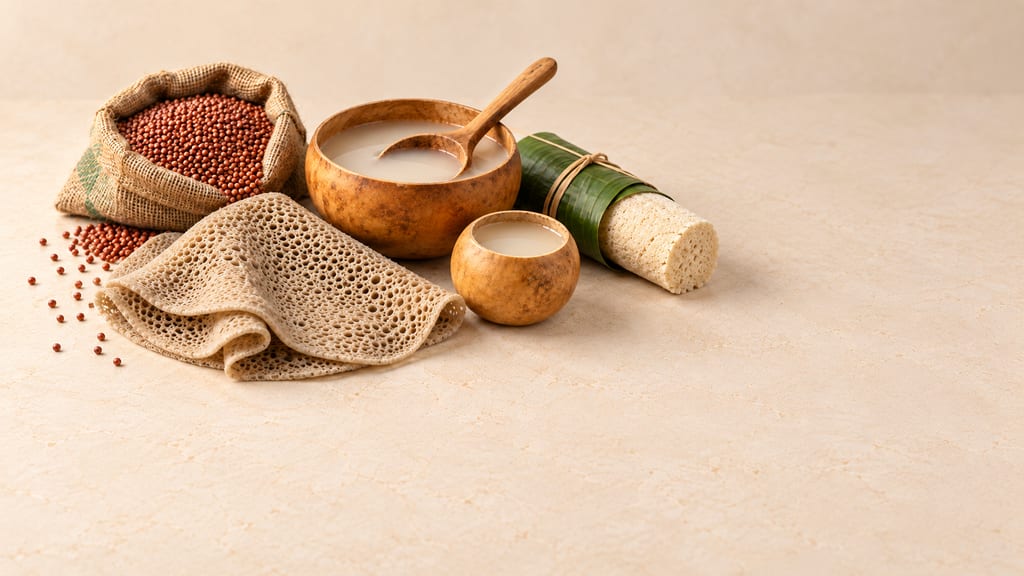
From sour breads and milk to savoury seeds, cassava staples and living beers, African fermentation follows the crop, the community and the work of transformation.

The almond mushroom, Agaricus subrufescens, was cultivated in eastern North America in the 1800s, lost its market, and returned as a cultivated mushroom from Brazil, where it is grown under several names.
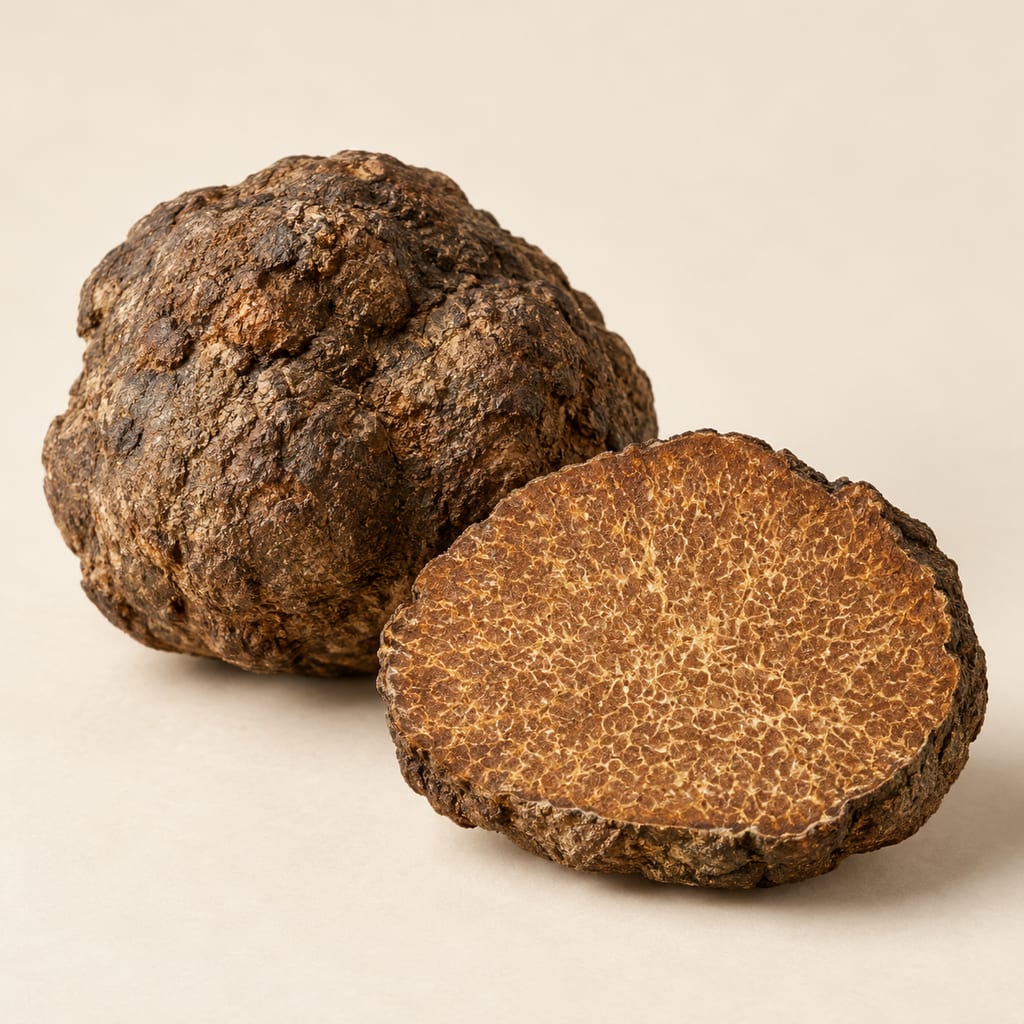
Polyporus indigenus, a polypore of the Brazilian Amazon. Its underground sclerotium, not the fruiting body, is the part people eat, and it is known locally as pão do índio.
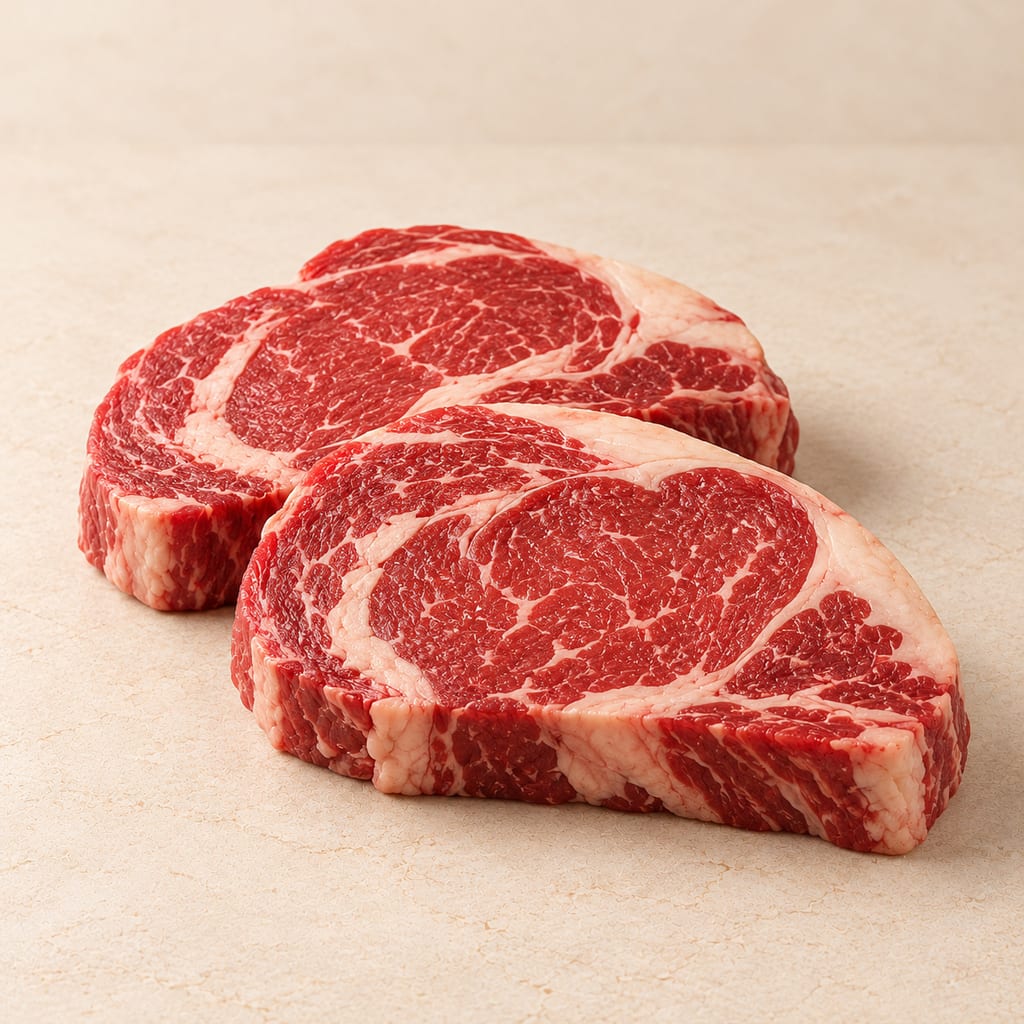
Beef is the meat of domestic cattle, Bos taurus and Bos indicus, sold as steaks, roasts, ground meat and cured products, and used in broths, salami and koji seasonings.
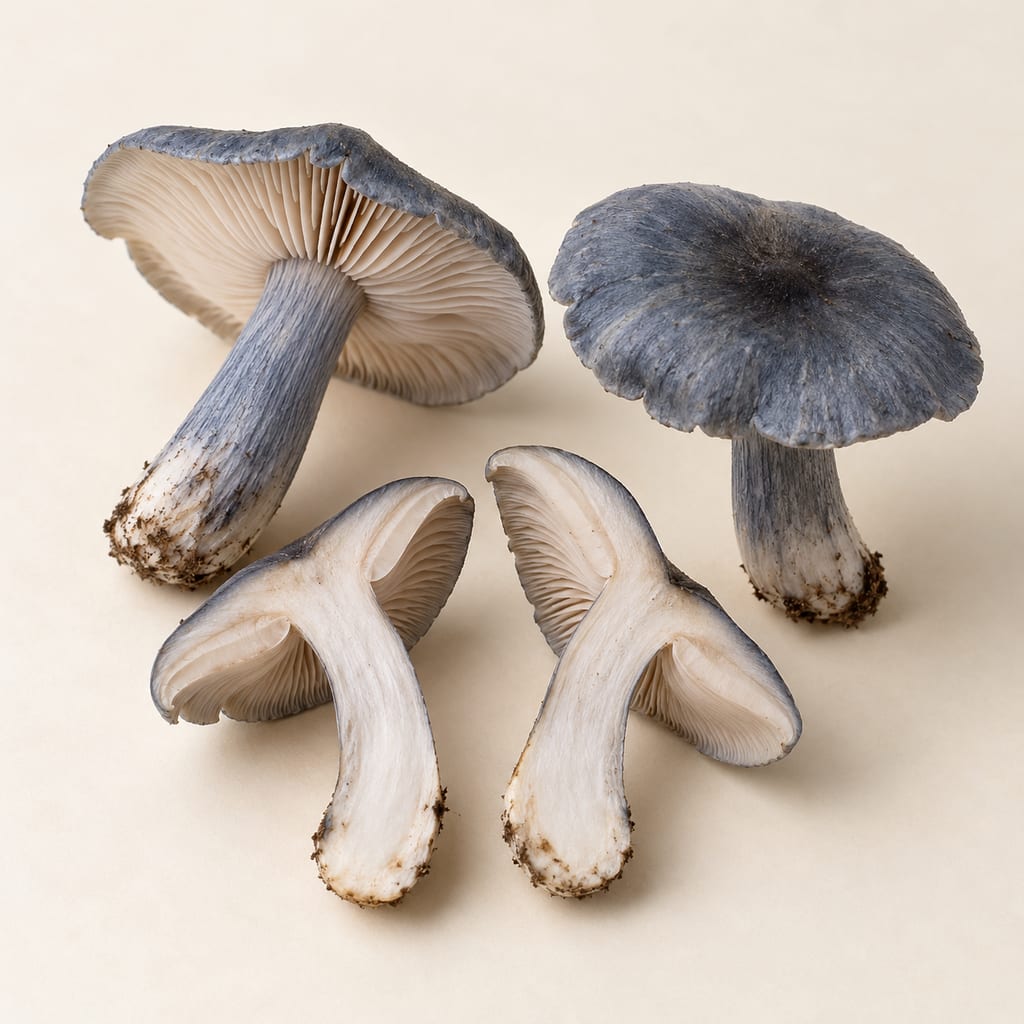
Bloxam's entoloma is a rare pink-gilled mushroom of old grasslands. Historical sources call it edible, but food-use evidence and older identifications remain uncertain; this does not recommend gathering or eating it.
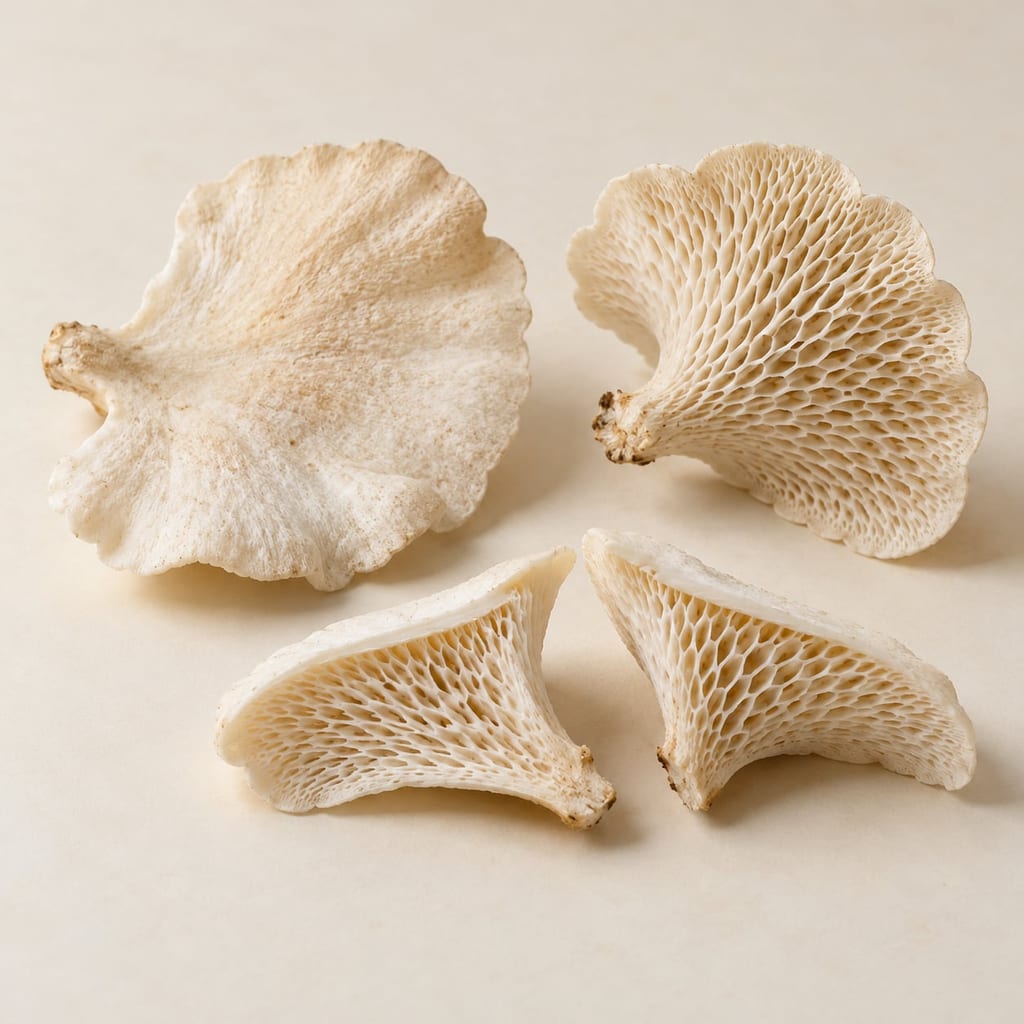
Brazilian honeycomb polypore, Favolus brasiliensis, is a wood-growing fungus of tropical forests recorded as food in Brazil and Guyana. It has no standardized food-safety assessment.
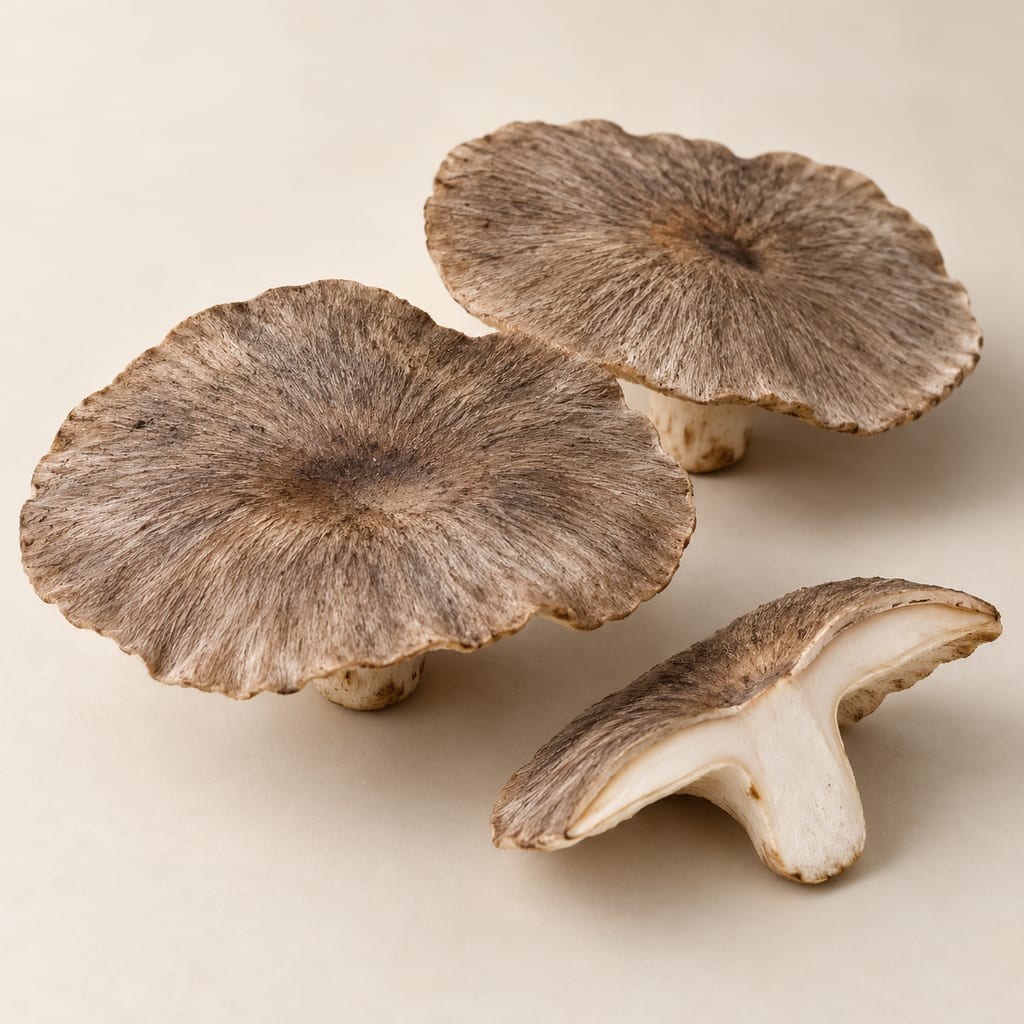
Bresadolia paradoxa is a large fungus of dead hardwood logs in Amazon and Atlantic Forest sites in Brazil and Colombia. Its only edibility source is a conservation assessment, so the claim is lightly documented.
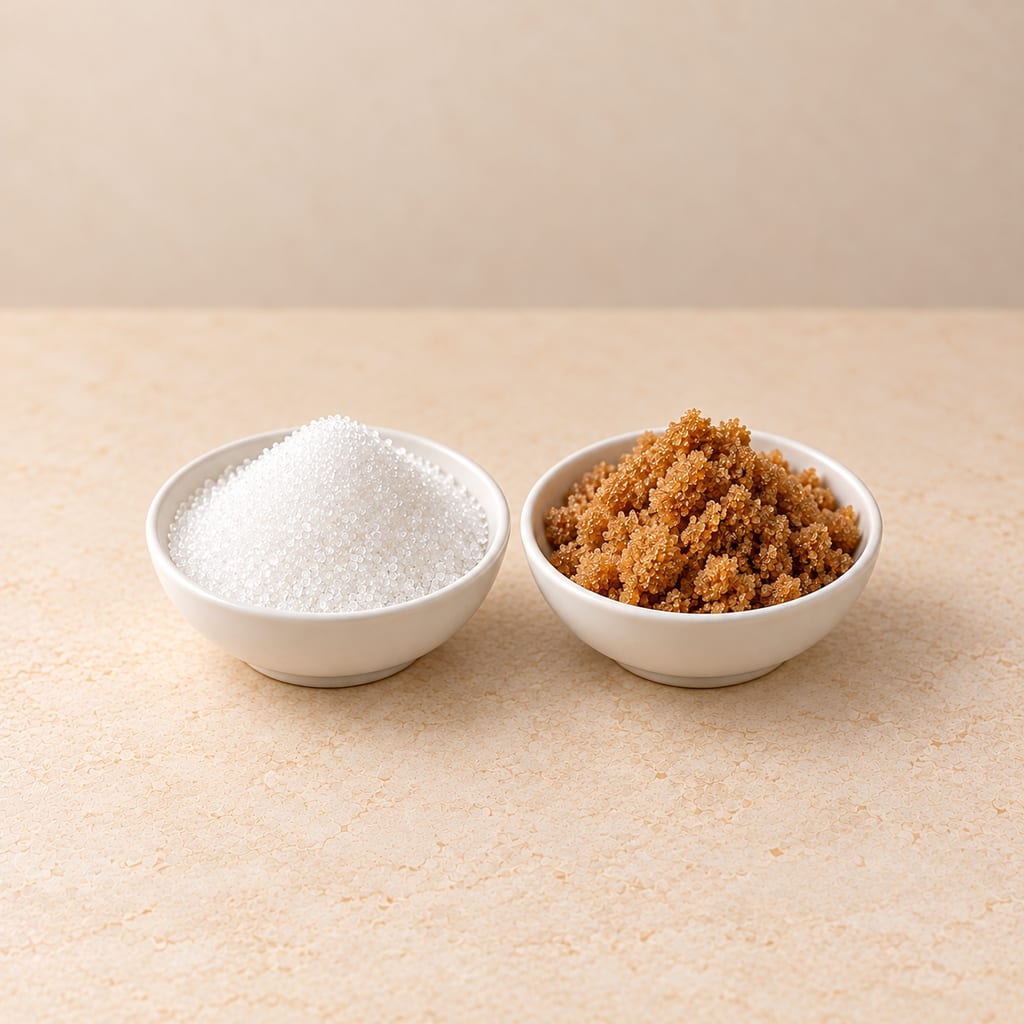
White sugar is refined sucrose, almost pure; brown sugar is sucrose with molasses, left in or added back. Molasses makes brown sugar moister, darker and more strongly flavoured.
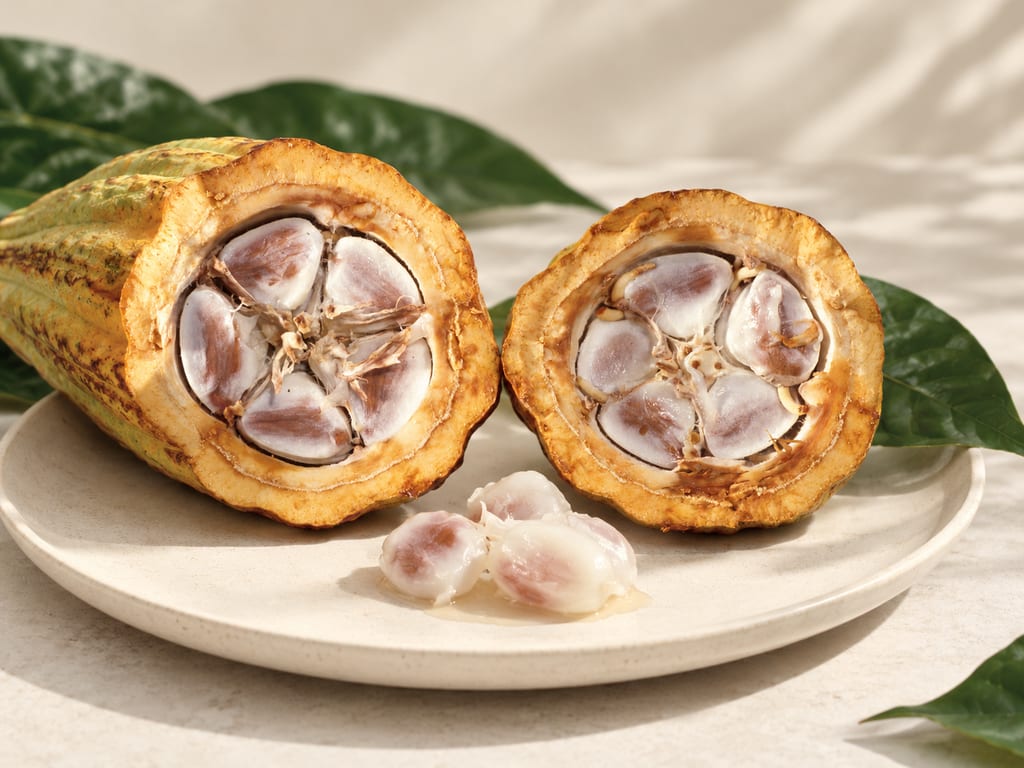
Cacao pulp is the moist, sweet-acid mucilage around cacao seeds. It fuels bean fermentation and can be extracted for fruit drinks, wine and vinegar.
No community contributions have been published for this entry yet.
Sign in to contribute. Published comments and photos are free to read.
Embrapa Ater+ DigitalIdentity · Taxonomy · Geography · Uses
O Cajueiro — CajuAnacardium occidentale is native to Brazil and cultivated widely in tropical regions; the cashew apple is the swollen edible peduncle or pseudofruit, while the nut is the true fruit; red and yellow forms are used fresh and in juices and sweets.
Cited in: The apple is a stalk, the nut is a fruit; A juicy, short-lived harvest; A seasonal crop with different local names
Scientia AgricolaGeography · Culture · Uses · Processing · Perishability
Cashew cultivation in Guinea-Bissau – risks and challenges of the success of a cash cropCashew cultivation expanded in Guinea-Bissau after Portuguese introduction; artisanal cajuína is made in Bissau, Canchungo, Ingoré and Quinhamel; juice may begin fermenting within hours in local conditions; some communities ferment juice as wine or distill spirit; fruit and juice are locally consumed and storage constraints limit marketing.
Cited in: The apple is a stalk, the nut is a fruit; A juicy, short-lived harvest; Uses in Guinea-Bissau; Mozambique's vinho de caju; Keep the kernel and shell out of fruit-only assumptions; A seasonal crop with different local names; How to read cashew in recipes
Université LilleGeography · Culture · Processing
These Brandon LundyA field account on cashew processing and drink traditions in Guinea-Bissau; used only as historical context, not a universal recipe or safety limit.
Cited in: Uses in Guinea-Bissau
Atas do Congresso Internacional Saber Tropical em MoçambiqueGeography · Culture · Uses
Potencialidades agropecuárias de Moçambique. Uma súmulaThe author describes cashew trees along most of Mozambique's coast and into the Zambezi basin; local populations value the sugar-rich pseudofruit for a drink, wine after fermentation, and cashew spirit.
Cited in: Mozambique's vinho de caju; A seasonal crop with different local names; How to read cashew in recipes
EmbrapaProcessing · Fermentation · Safety · Product distinction
Caju: o produtor pergunta, a Embrapa respondeQuestions 470–472 distinguish non-grape cashew ferment from grape wine, outline an industrially controlled alcoholic fermentation, and describe vinegar from fermented cashew juice through acetic fermentation; the vinegar route describes about 4% acidity before filtration and pasteurization, as a source-specific technical route rather than a home limit. Questions 438–439 discuss thermoresistant fungi, hygiene and sulfite sensitivity in processed cashew juice.
Cited in: Fresh juice, cajuína and ferment are different foods; Flavor and composition change with cultivar and handling; Keep the kernel and shell out of fruit-only assumptions; How to read cashew in recipes
Journal of Food Science and TechnologyIdentity · Anatomy · Nutrition · Processing
Cashew nut and cashew apple: a scientific and technological monitoring worldwide reviewThe cashew apple is the swollen peduncle or pseudofruit; the cashew nut is the true drupe containing a kernel; the apple is perishable, juicy, and astringent, with processing uses distinct from the kernel.
Cited in: The apple is a stalk, the nut is a fruit; Fresh juice, cajuína and ferment are different foods; Keep the kernel and shell out of fruit-only assumptions
Food Science & NutritionIdentity · Composition · Processing · Safety
Cashew Apple Pomace: Chemical Composition and Applications in Functional Food Product Development—A ReviewThe cashew apple is a swollen peduncle/pseudofruit; pomace, the pressed residue, differs from the fresh apple; tannins contribute to astringency and measured composition varies by cultivar and processing.
Cited in: A juicy, short-lived harvest; Fresh juice, cajuína and ferment are different foods; Flavor and composition change with cultivar and handling
International Archives of Allergy and ImmunologySafety · Allergen caution
IgE Cross-Reactivity of Cashew Nut AllergensStudy of cashew-nut sensitisation identifies in-vitro cross-sensitisation among some Anacardiaceae; clinical relevance for several related fruits is uncertain, so it does not establish the cashew apple as safe for people with cashew allergy.
Cited in: Keep the kernel and shell out of fruit-only assumptions
Embrapa Ater+ DigitalIdentity · Quality · Handling
Pós-colheita e conservação do pedúnculo do caju: Perguntas 348–349Embrapa describes the edible peduncle as the pseudofruit and notes that colour alone does not establish sweetness; quality depends on firmness, astringency, acidity and intended market.
Cited in: A juicy, short-lived harvest; Flavor and composition change with cultivar and handling
