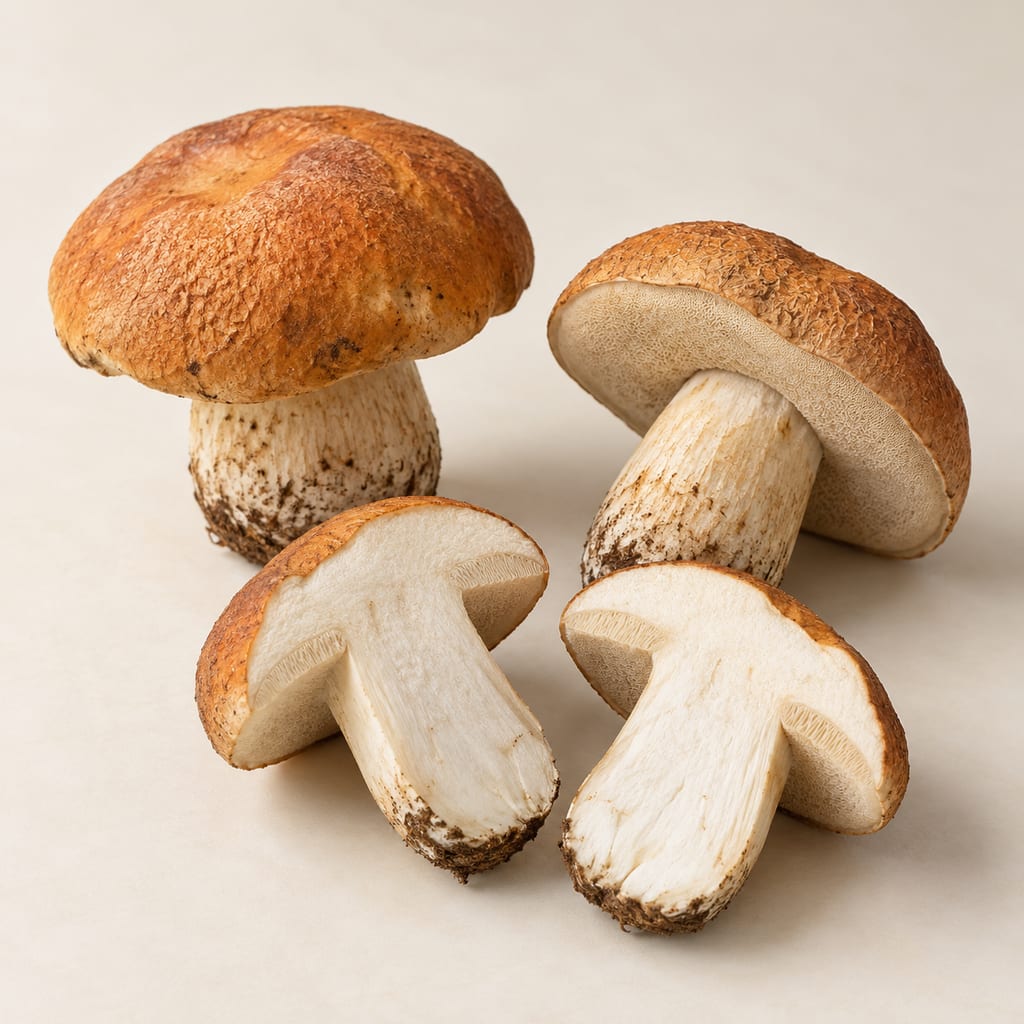
Ballou's bolete
Tylopilus balloui, the burnt orange bolete, is a tropical bolete recorded as food in Guyana. Sources disagree on whether it is worth eating, and its species concept needs checking.
 FermenteaWhere food goes to change
Mushrooms
Pulutukwe is the Patamona name for Amanita perphaea, a wild Amanita of the Pakaraima Mountains of Guyana that the Patamona people value as food. Its identity is not established for other Amanitas.
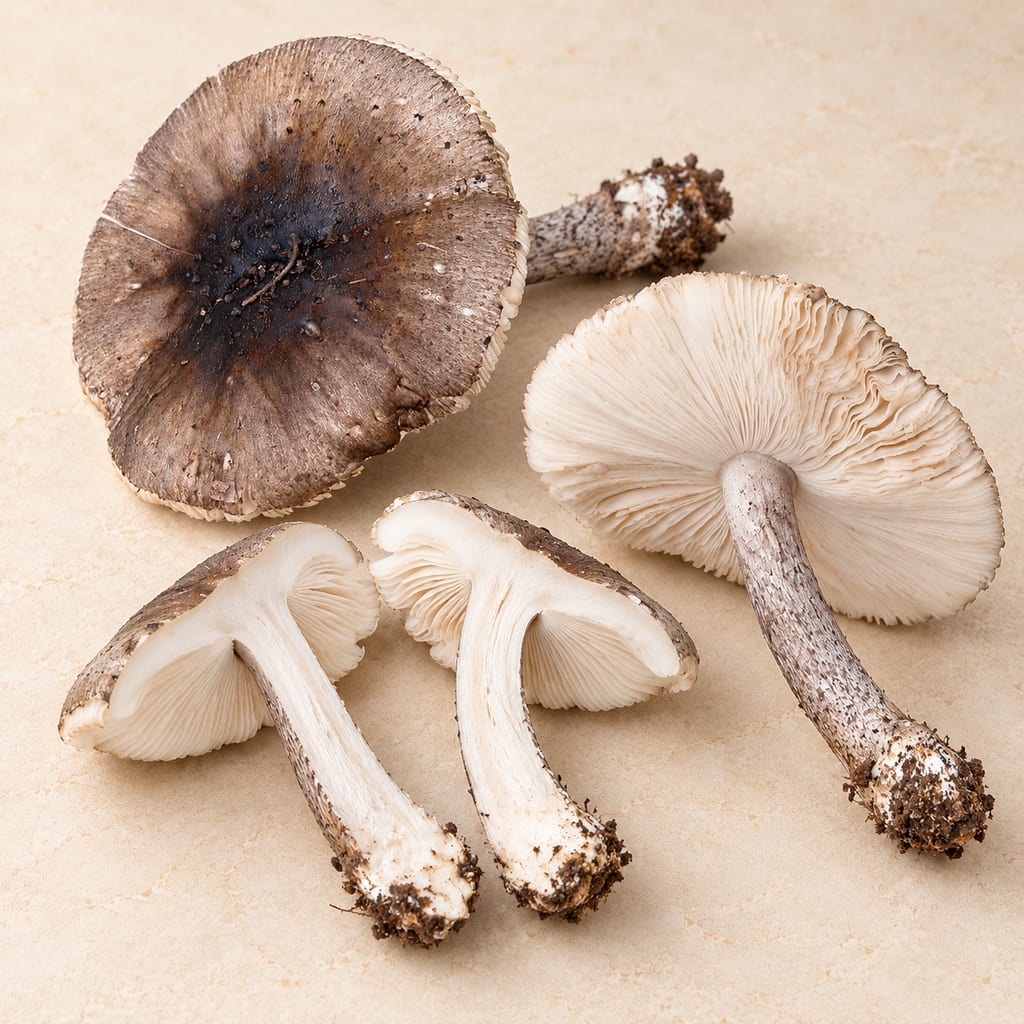
Pulutukwe is the local name used by the Patamona Amerindians for Amanita perphaea. The species was described by Simmons, Henkel and Bas in 2002 from a holotype collected near Kurutuik Falls in the Pakaraima Mountains. The catalogue treats the name as a research label rather than a reconciled accepted name, and this page does not establish current taxonomy.
The genus Amanita includes some of the most toxic mushrooms known, and several edible species are hard to tell apart from deadly ones by appearance. A Patamona name for one species therefore identifies a food tradition in one place. It does not identify other specimens, other Amanitas or the same species elsewhere.
Henkel and colleagues reported in 2004 that the Patamona of the rain-forested Pakaraima Mountains use a number of wild mushrooms as food, most of them undescribed species. Pulutukwe is recorded as one of the valued foods of the Patamona. The counts differ between sources: the 2004 paper's abstract gives eleven species, and a later review of the same study cites seventeen taxa.
A mushroom-society page describes pulutukwe as gathered mainly by men and given to their wives as a gift, wrapped in leaves. The same page notes that women are the usual mushroom gatherers in the community. The sources do not give a recipe, a cooking method, a storage method or a quantity, so none is recorded here.
The catalogue places the species in Dicymbe forest, and records it as ectomycorrhizal, meaning it forms a partnership with the roots of forest trees. It is recorded as a wild fungus. The sources read for this page give no fruiting season and no locality beyond the Pakaraima Mountains.
Safety wording: this page describes what the sources record. It is not an identification guide and it gives no verdict that any Amanita is safe to eat. The catalogue states that Amanita includes deadly poisonous species and that this food tradition cannot identify other specimens.
The edibility of pulutukwe rests on ethnomycological reports from the Patamona. No toxicity testing or clinical data for this species is given in the sources read. Anyone who finds an Amanita must have it identified by a qualified mycologist before eating it, and this page is not a basis for doing so.
Region where the Patamona use the fungus; the holotype was collected near Kurutuik Falls. No further locality is recorded.
Country-level record of traditional food use in the catalogue.
Tylopilus balloui, the burnt orange bolete, is a tropical bolete recorded as food in Guyana. Sources disagree on whether it is worth eating, and its species concept needs checking.
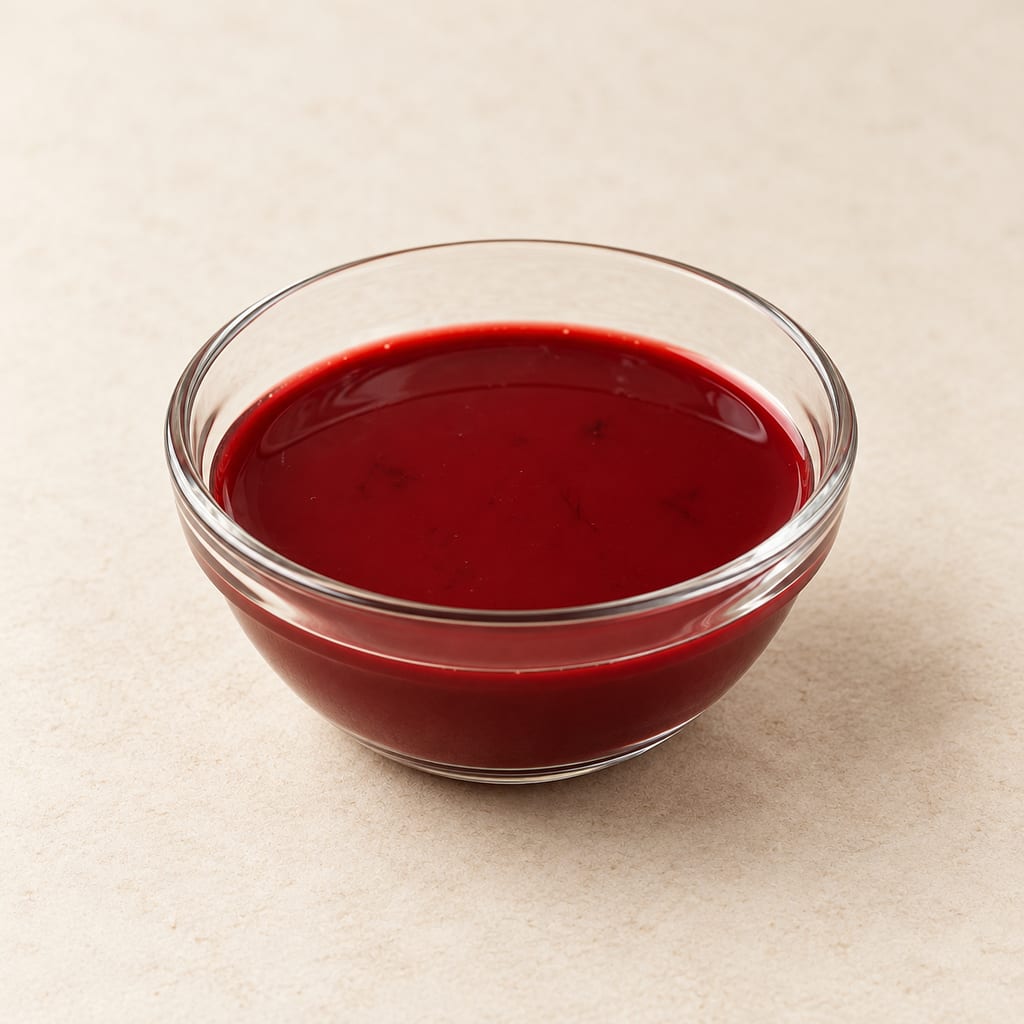
Animal blood is a perishable food material used fresh, coagulated, cooked, dried or processed into ingredients. Its uses range from grain-filled puddings to functional protein ingredients, each with distinct history and handling needs.
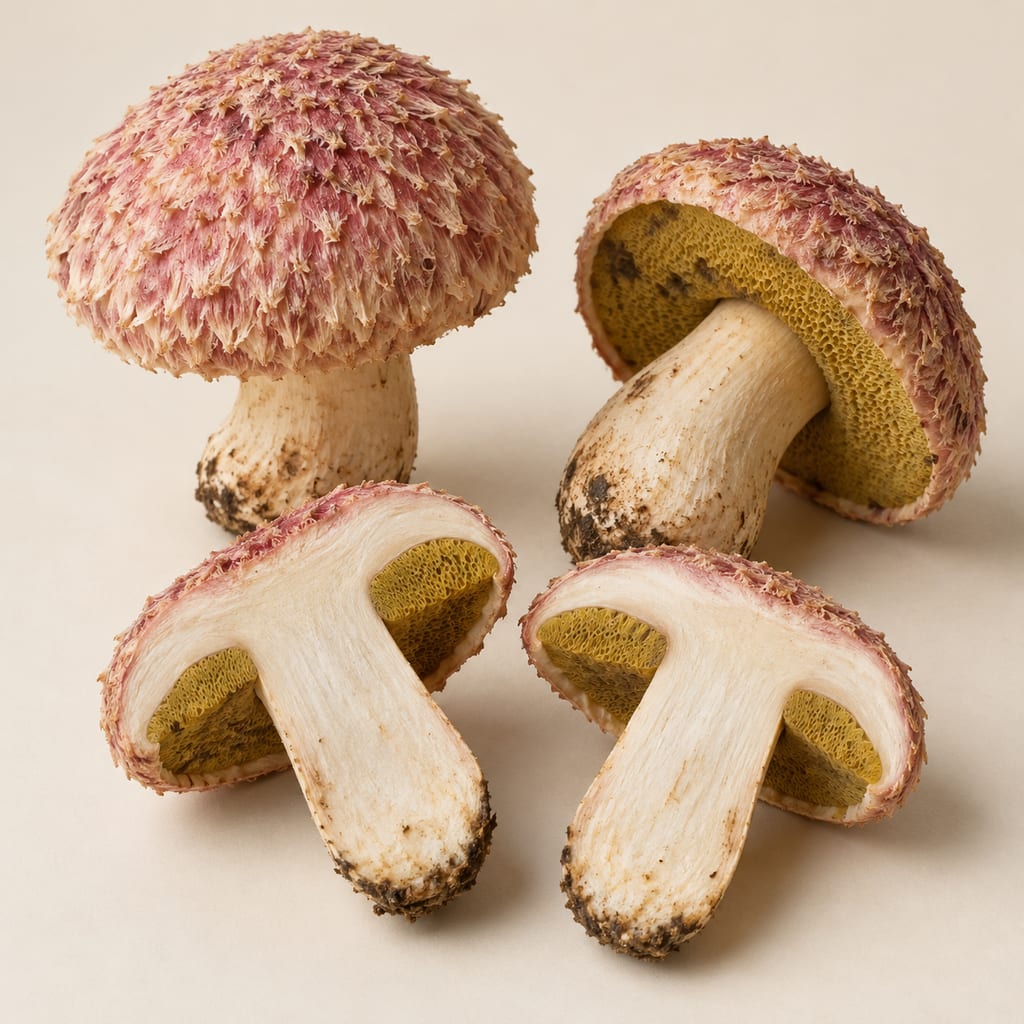
Boletellus ananas, the pineapple bolete, is a forest bolete of Guyana that one Patamona group eats and others avoid; a researcher reported mild stomach upset after eating it, so it is not a recommended edible.
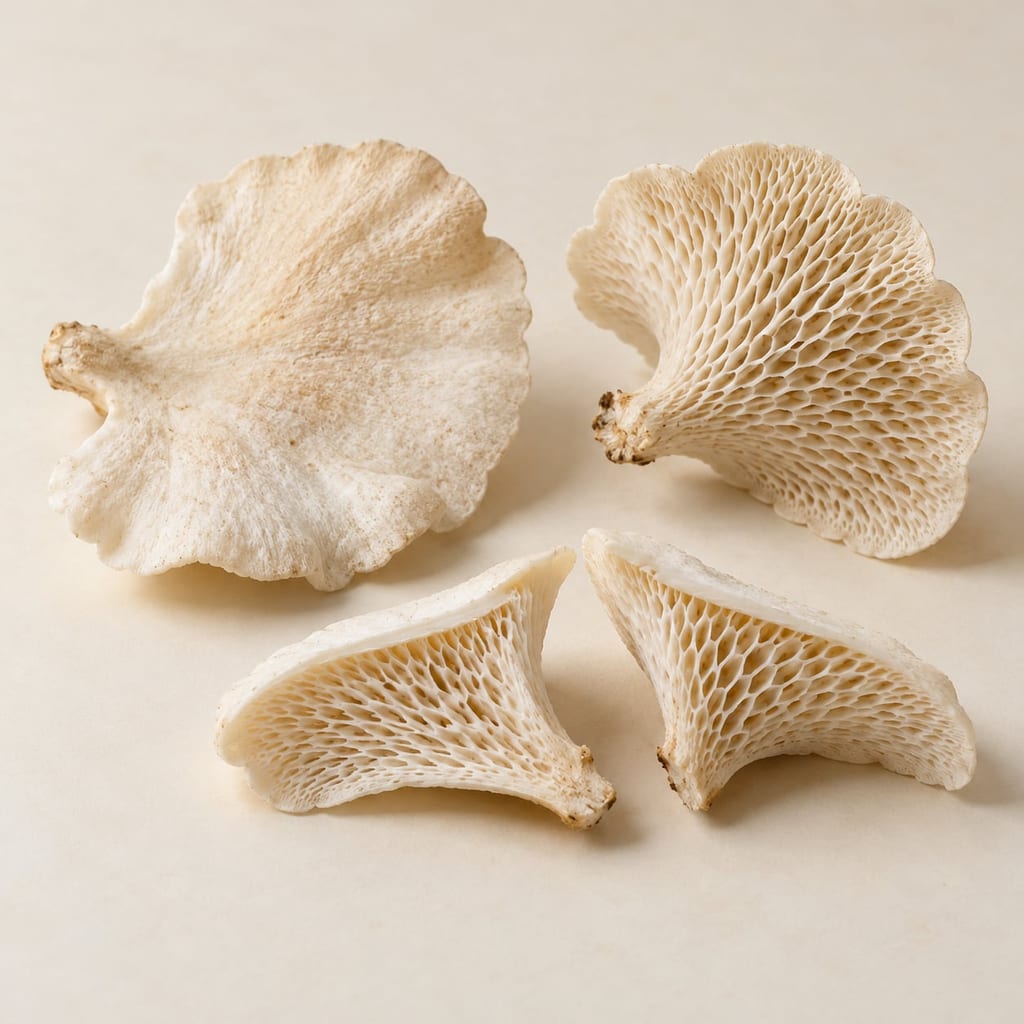
Brazilian honeycomb polypore, Favolus brasiliensis, is a wood-growing fungus of tropical forests recorded as food in Brazil and Guyana. It has no standardized food-safety assessment.
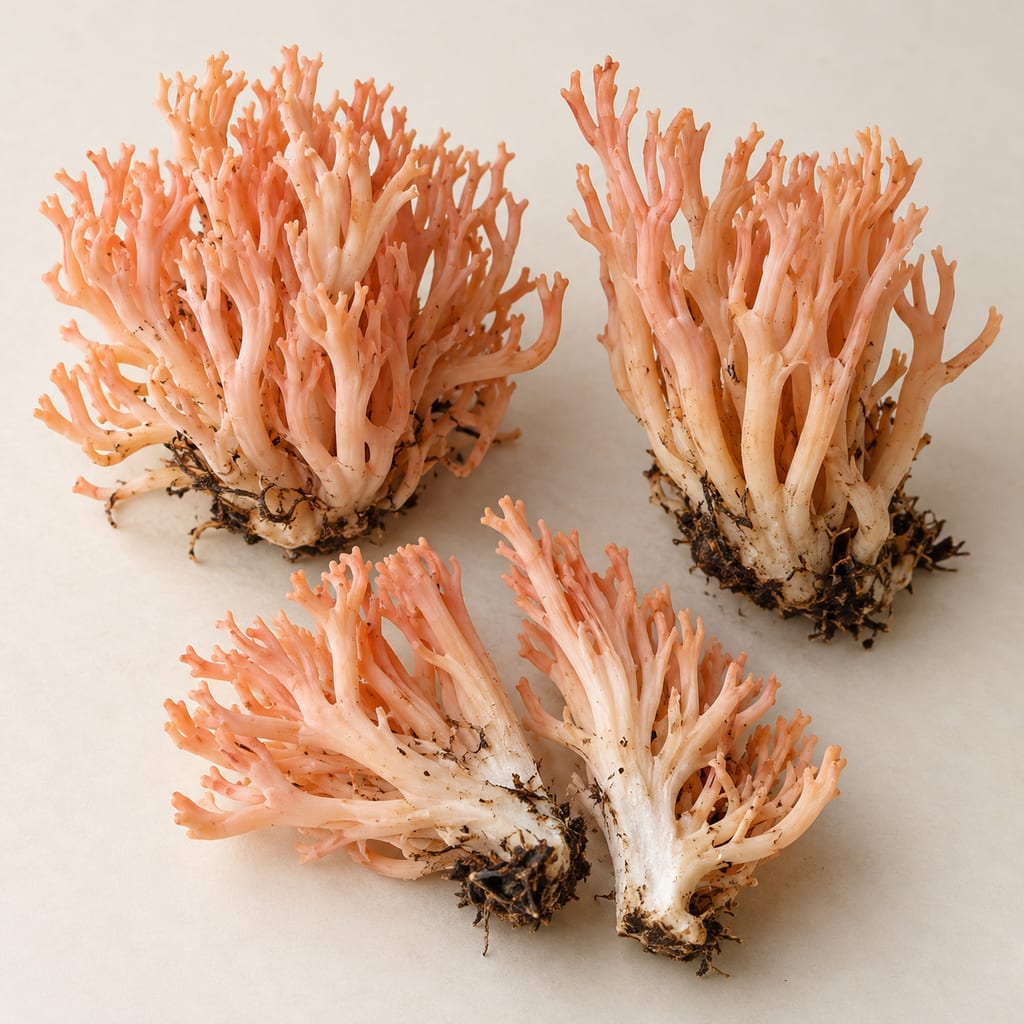
Clavulina kunmudlutsa is a coral fungus of white-sand forest in the Pakaraima Mountains of Guyana. The Patamona people, who give it the local name kunmudlutse, eat it; its preparation is not recorded in the sources read.
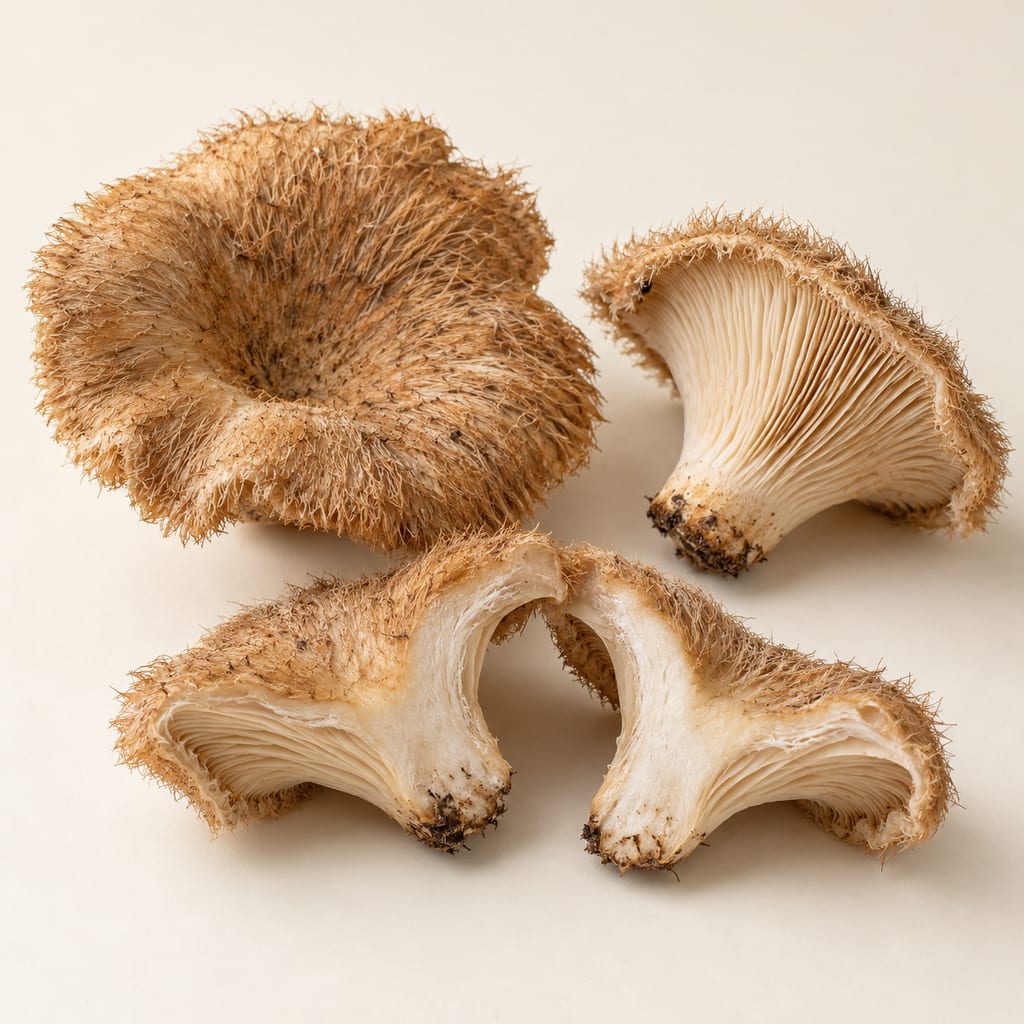
A wood-rotting bracket fungus of Brazil and Guyana that Indigenous Amazonian communities eat as a staple. Its edibility is contested in some field guides, and no standardised food-safety assessment exists.
A Rhizopus mould stage converts starch in cassava for the Wapishana drink parakari. The published abstracts name the mould and its role but not the full culture method.
No community contributions have been published for this entry yet.
Sign in to contribute. Published comments and photos are free to read.
The MycologistUse · Identification · Safety
Edible Mushrooms of Guyana (Henkel et al. 2004, The Mycologist)Patamona use of wild mushrooms; pulutukwe among valued foods
Count of species differs between the abstract and later review
Ectomycorrhizal forest habit as recorded in the catalogue
Cited in: Identity and naming; Food use among the Patamona; Habitat and ecology; Safety and identification
Amanitaceae.orgIdentification
Amanita perphaeaTaxonomy entry for the species
Cited in: Identity and naming; Safety and identification
Bay Area Mushroom SocietyUse
Amanita augusta: the Blushing Yellow Veil AmanitaGathering by men and gifting to wives, with local name pulutukwe
Cited in: Food use among the Patamona