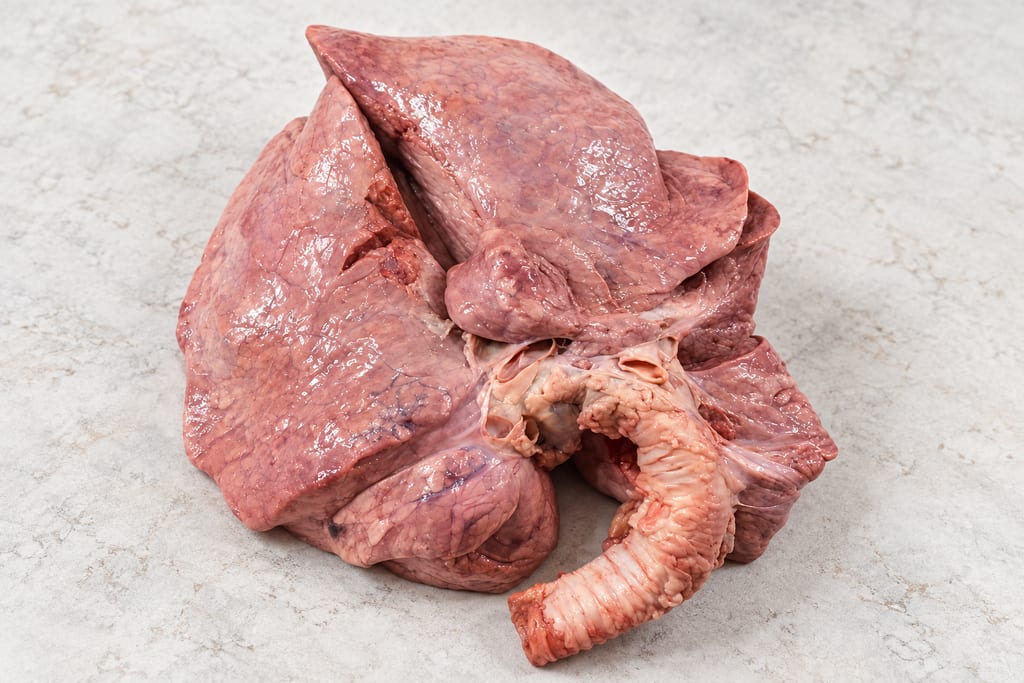
Beef lung
Beef lung is cattle offal used in regional Indonesian dishes and studied as a substrate for a modern fermented-sauce proof of concept. Culinary, regulatory and experimental uses vary; the sources support no universal process.
 FermenteaWhere food goes to change
Cultures
Rhizopus microsporus is a fast-growing mould of the Rhizopus group, found in fresh Indonesian tempeh, where it is the species that most tempeh strains belong to.
Rhizopus microsporus is a filamentous mould in the Rhizopus group. It grows as a white, cottony mat over moist food, forming the dense mycelium that binds soybeans into a cake in tempeh. Its name in the literature is shared by a complex of closely related strains, so a single name on a label does not establish which strain a producer uses.
Species identity in the group is established by molecular sequencing, not by appearance. Rhizopus strains from tempeh are typically identified by sequencing the internal transcribed spacer region of ribosomal DNA, together with growth and morphology checks.
Tempeh is made by fermenting cooked soybeans with a Rhizopus culture, and the culture determines the fungal growth that holds the cake together. A 2015 study sampled fresh tempeh from 26 locations across Indonesia and identified 36 Rhizopus strains by sequencing, physiology and morphology.
Most of the strains belonged to the R. microsporus complex. A single strain belonged to R. delemar. The authors found that morphological variation within R. microsporus was not enough to separate subspecies under their approach, so the group is treated as one complex in that study.
The name of the species has been applied to strains used in fermented foods, and the sources differ on how the closely related fermentation fungus R. oligosporus should be classed. The study read for this page did not identify R. oligosporus in its sample, so this page does not claim that the two are the same thing.
Naming matters for a producer, because the same food can be made with strains named differently, and a strain collection record is the place to check which organism a culture actually is.
Rhizopus species are not all the same in their metabolic output. The sources the search returned mention toxic metabolites in some R. microsporus strains, but those claims were not verified in the study read here, so this page does not make a safety verdict for the species. Tempeh safety depends on the whole process and the culture, and the producer's source should be consulted for any specific food.
Oncom and other Rhizopus-led foods are not covered by the source read for this page, and they are separate pages on this site. The scope of this page is the species as identified in Indonesian tempeh.
Fresh tempeh from 26 Indonesian locations was sampled in a 2015 study; the study does not name the regions and does not establish a single origin for the species.
Beef lung is cattle offal used in regional Indonesian dishes and studied as a substrate for a modern fermented-sauce proof of concept. Culinary, regulatory and experimental uses vary; the sources support no universal process.
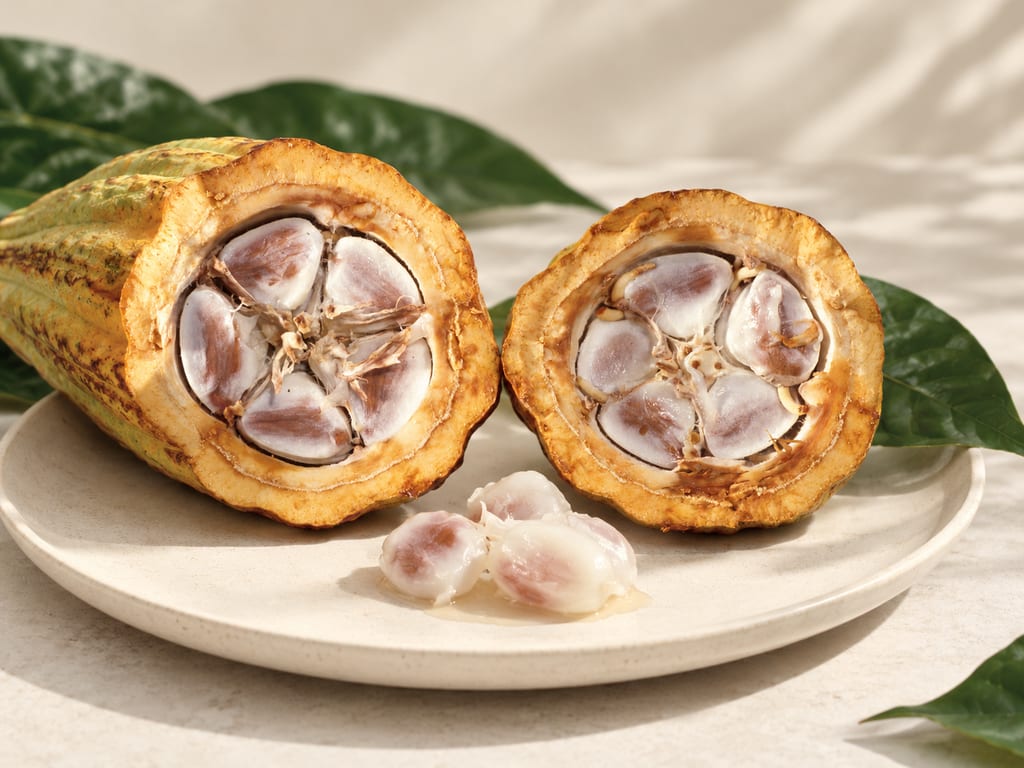
Cacao pulp is the moist, sweet-acid mucilage around cacao seeds. It fuels bean fermentation and can be extracted for fruit drinks, wine and vinegar.
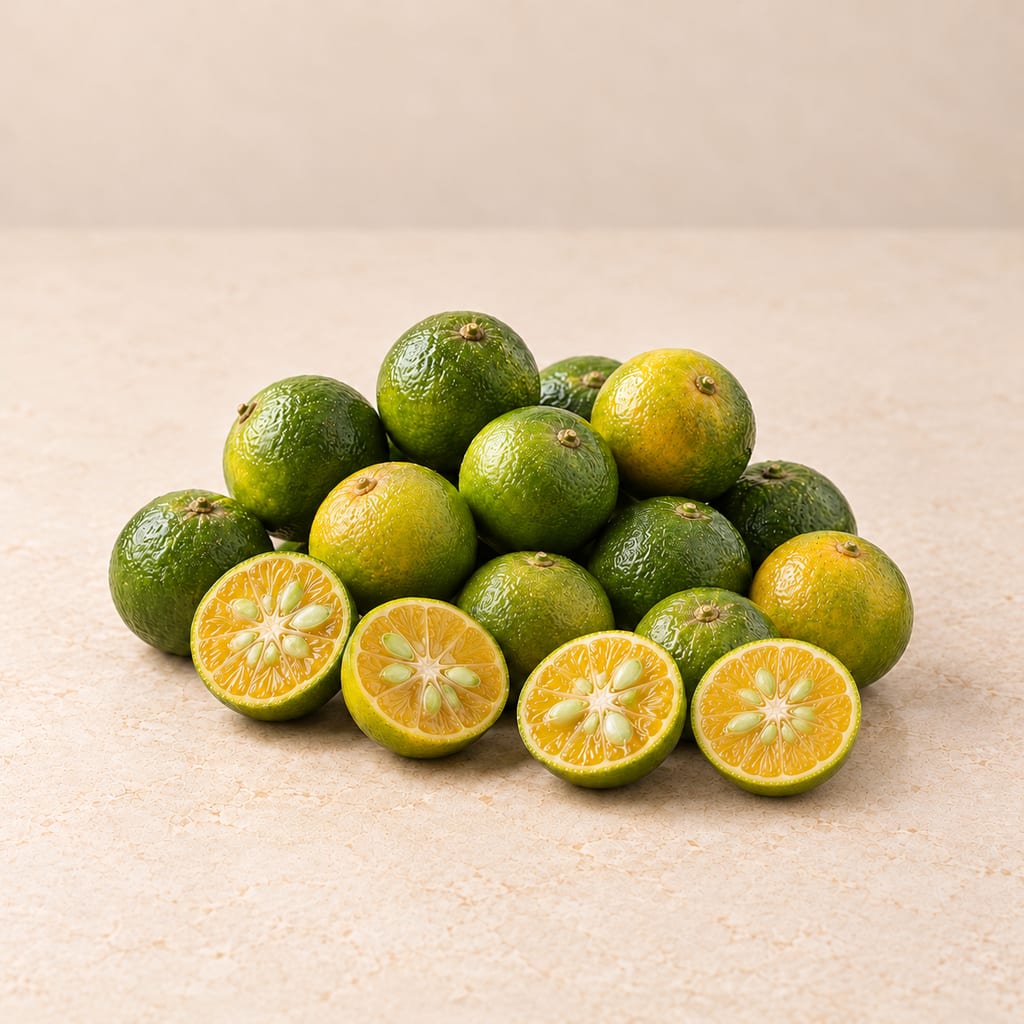
Calamansi is a small, very sour kumquat-mandarin hybrid, Philippine cooking’s all-purpose citrus, squeezed into soy sauce, fish sauce, broths and dips.

Fat pressed or separated from the kernel of a mature coconut: solid below about 25 °C, mostly saturated and half lauric acid, sold virgin, refined or hydrogenated.
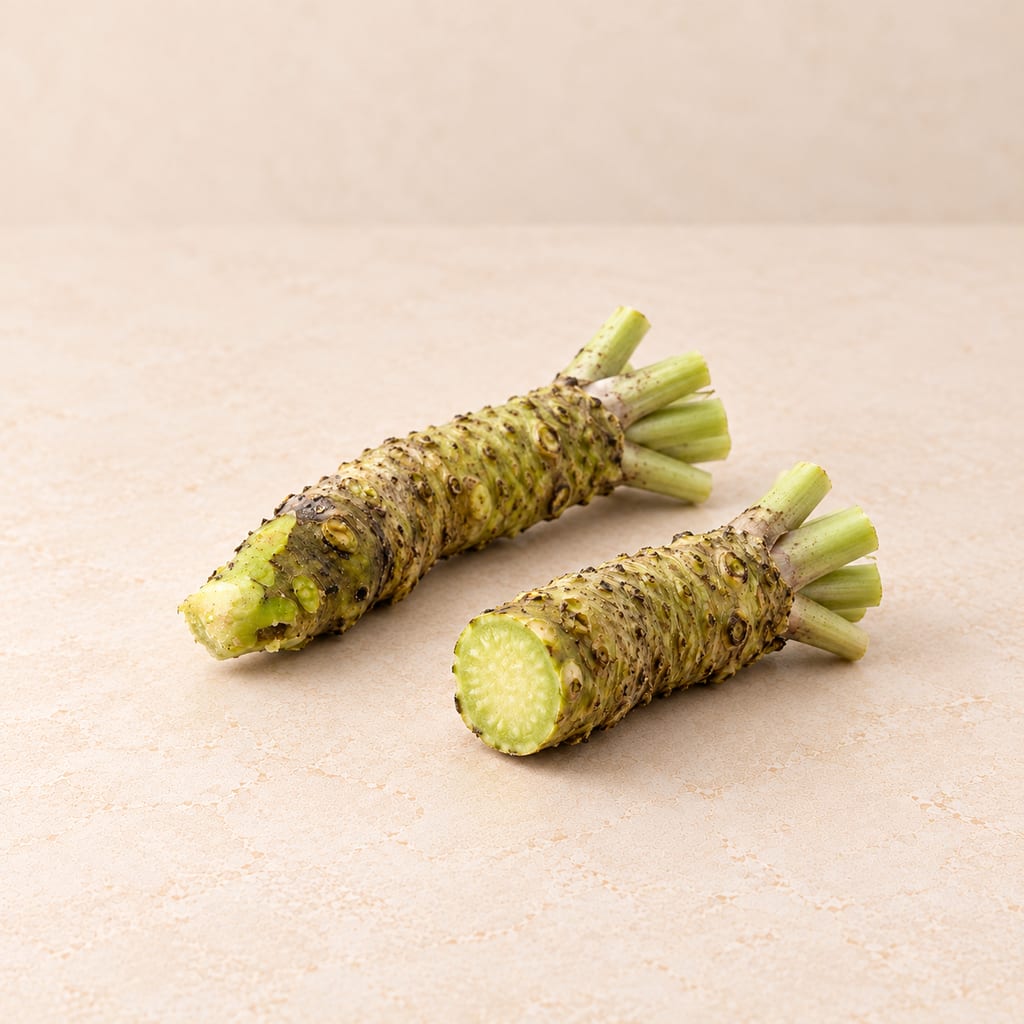
Wasabi is the enlarged stem of Eutrema japonicum, a pungent perennial in the mustard family. Fresh rhizome is grated as a Japanese condiment; powder and prepared paste are separate products.
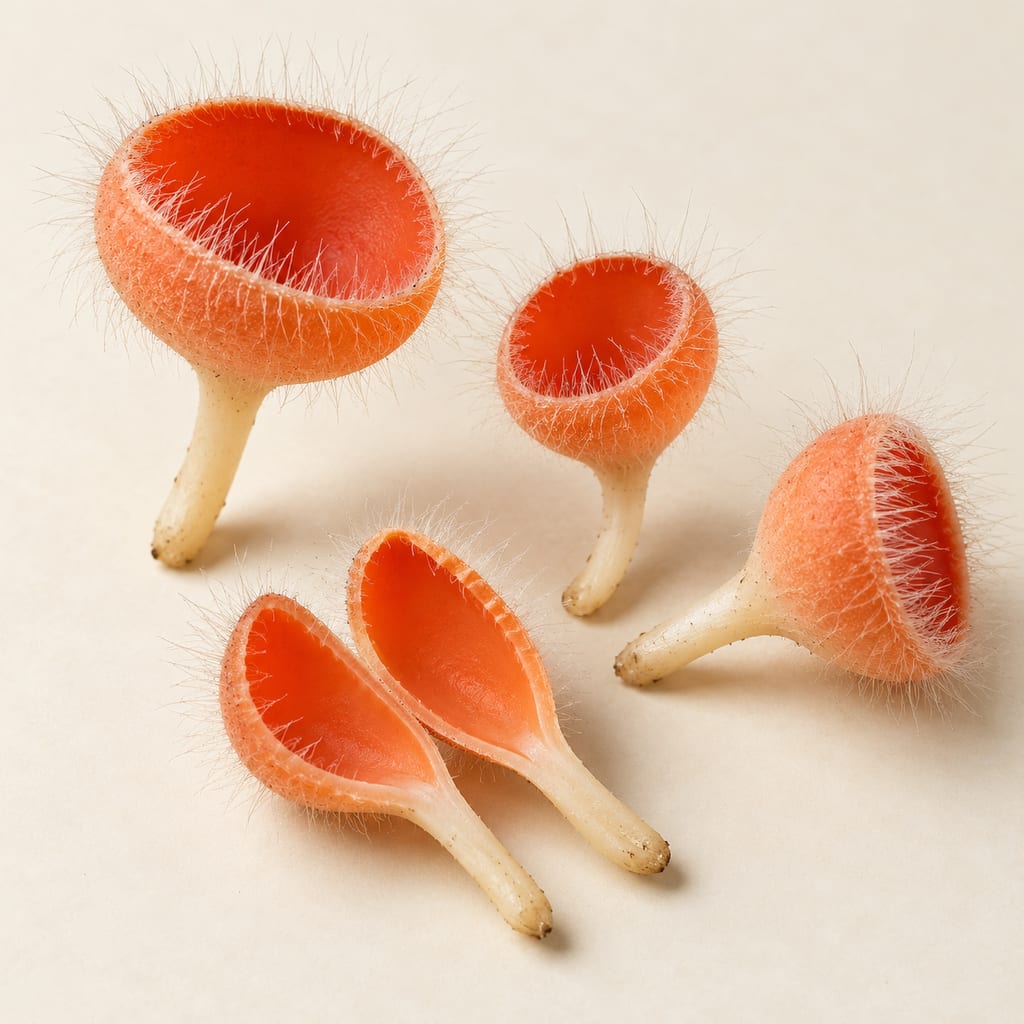
Cookeina tricholoma is a cup fungus of decaying wood, recorded as food in several tropical regions. Its food use is documented in ethnomycological reports, not established by a food-safety assessment.
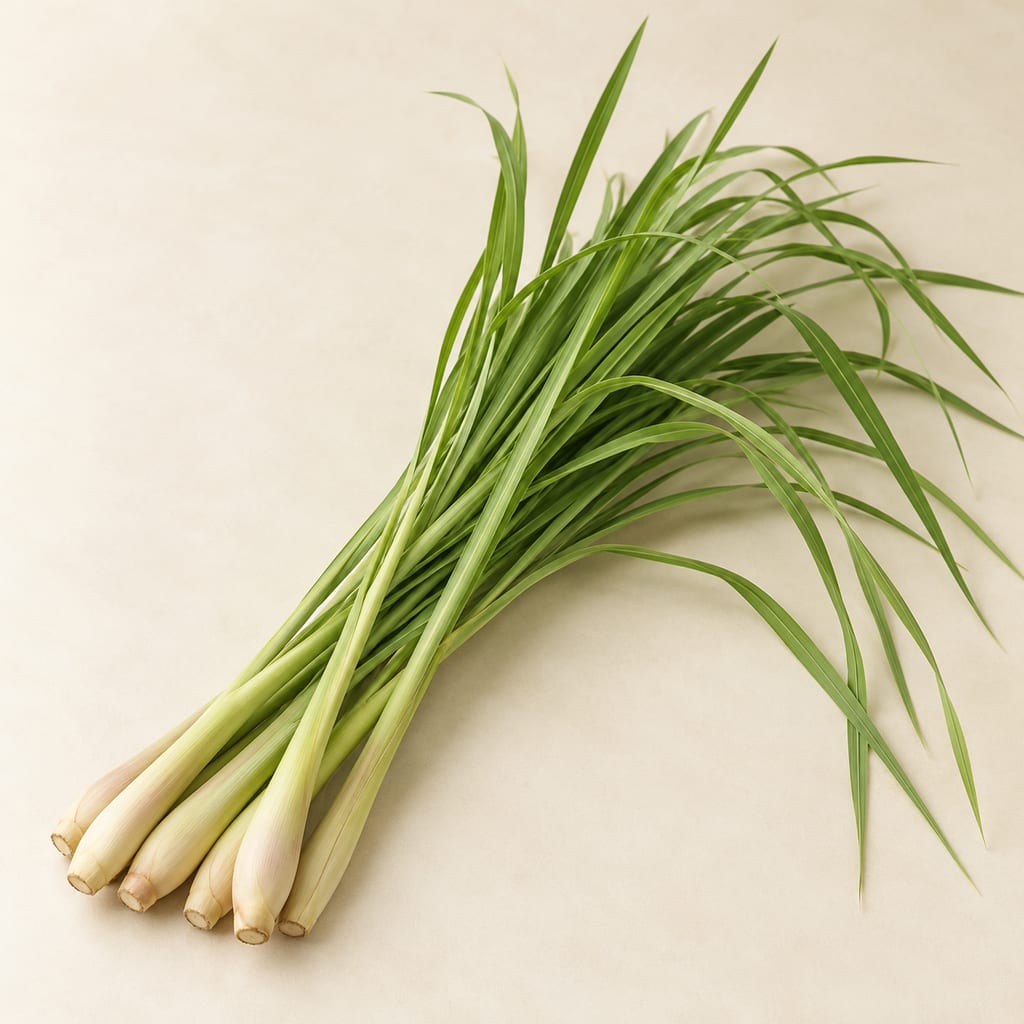
Lemongrass is Cymbopogon citratus, a tropical grass whose lemon-scented stalks and leaves flavour cooking across South and Southeast Asia. The common name also covers other Cymbopogon species.
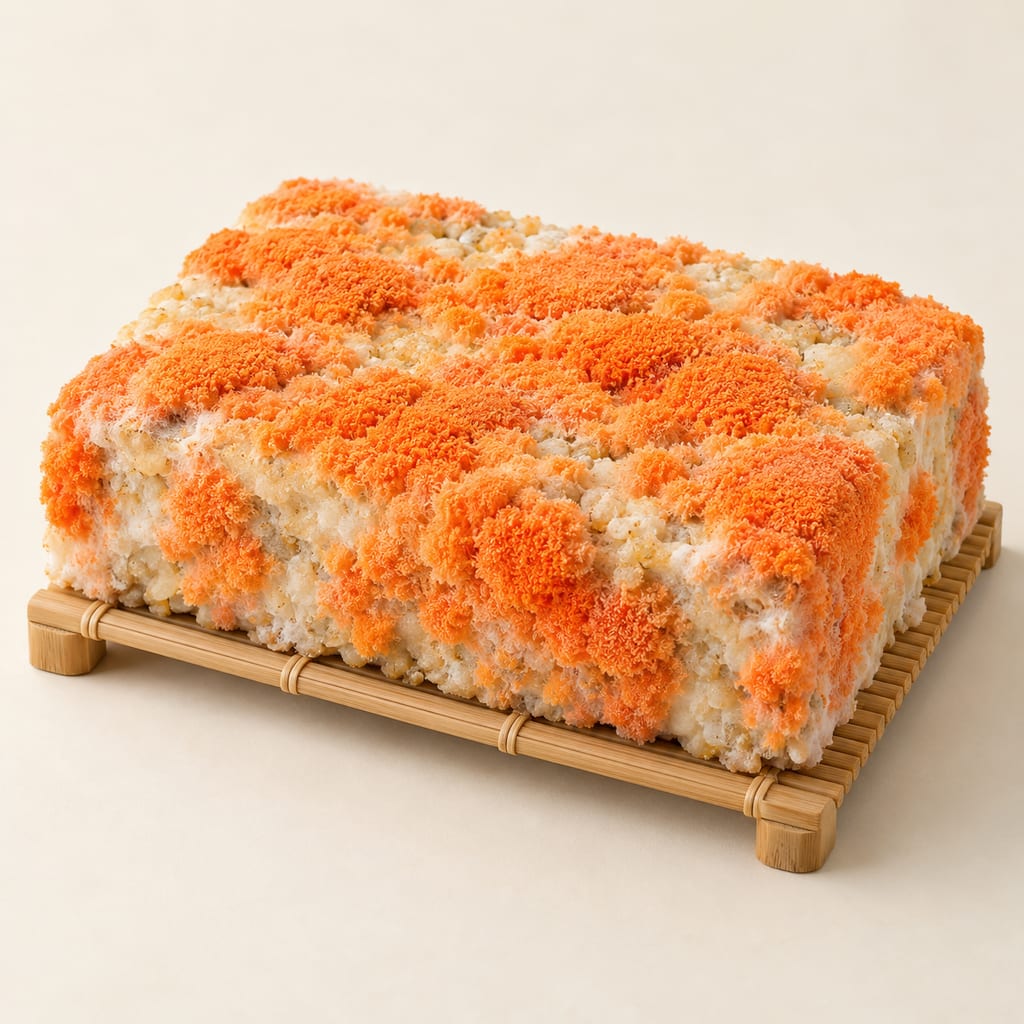
Neurospora intermedia is the orange-red mould that ferments the okara of red oncom, an Indonesian soy-pulp cake, and the culture used to start it.
No community contributions have been published for this entry yet.
Sign in to contribute. Published comments and photos are free to read.
HAYATI Journal of BiosciencesIdentity · Method · Safety
Rhizopus Species from Fresh Tempeh Collected from Several Regions in Indonesia36 Rhizopus strains isolated from tempeh from 26 locations in Indonesia were identified down to species level
Molecular identity by ITS rDNA sequencing with physiological and morphological characterisation
Most strains belong to the R. microsporus complex; one strain belongs to R. delemar
Morphological variation within R. microsporus was not sufficient for infraspecific delimitation under the authors' approach
Cited in: What the mould is; Tempeh and the Indonesian strains; Taxonomy and naming; Safety notes; Notes
Taylor and Francis OnlineIdentity
Supplied catalogue source (Rhizopus microsporus)Supplied catalogue source; not independently revalidated