Defined lafun starter cultures
A defined Saccharomyces cerevisiae strain, 2Y48P22, was screened in 2010 for softening cassava in lafun experiments. It is an experimental candidate, not a household starter with a verified method.
 FermenteaWhere food goes to change
1086 articles on substrates, cultures and additives.
 Koji and amylolytic starters31
 Yeasts18
 Dairy starter cultures15
 Ripening moulds and yeasts11
 Meat starter cultures8
 SCOBYs and grain cultures6
 Back-slopped and retained starters5
 Leavens and sourdough starters3
 Lactic cultures2Legume mould starters1
A defined Saccharomyces cerevisiae strain, 2Y48P22, was screened in 2010 for softening cassava in lafun experiments. It is an experimental candidate, not a household starter with a verified method.
A yeast named in soy-sauce research for its contribution to aroma, especially in early moromi, where the strain and the product decide what it does.
A salt-tolerant yeast that works in soy-sauce moromi after koji has supplied fermentable sugars, and that the sources link to alcohol and aroma formation.
Farmhouse brewing cultures are retained yeast populations used in farm and home beer in the Baltic region and northern Europe. Sampled cultures differ widely and share no single method.
Saccharomyces pastorianus is the hybrid lager yeast, a cross of the ale yeast S. cerevisiae and the cold-tolerant S. eubayanus, that ferments beer at cool temperatures from the bottom of the tank.
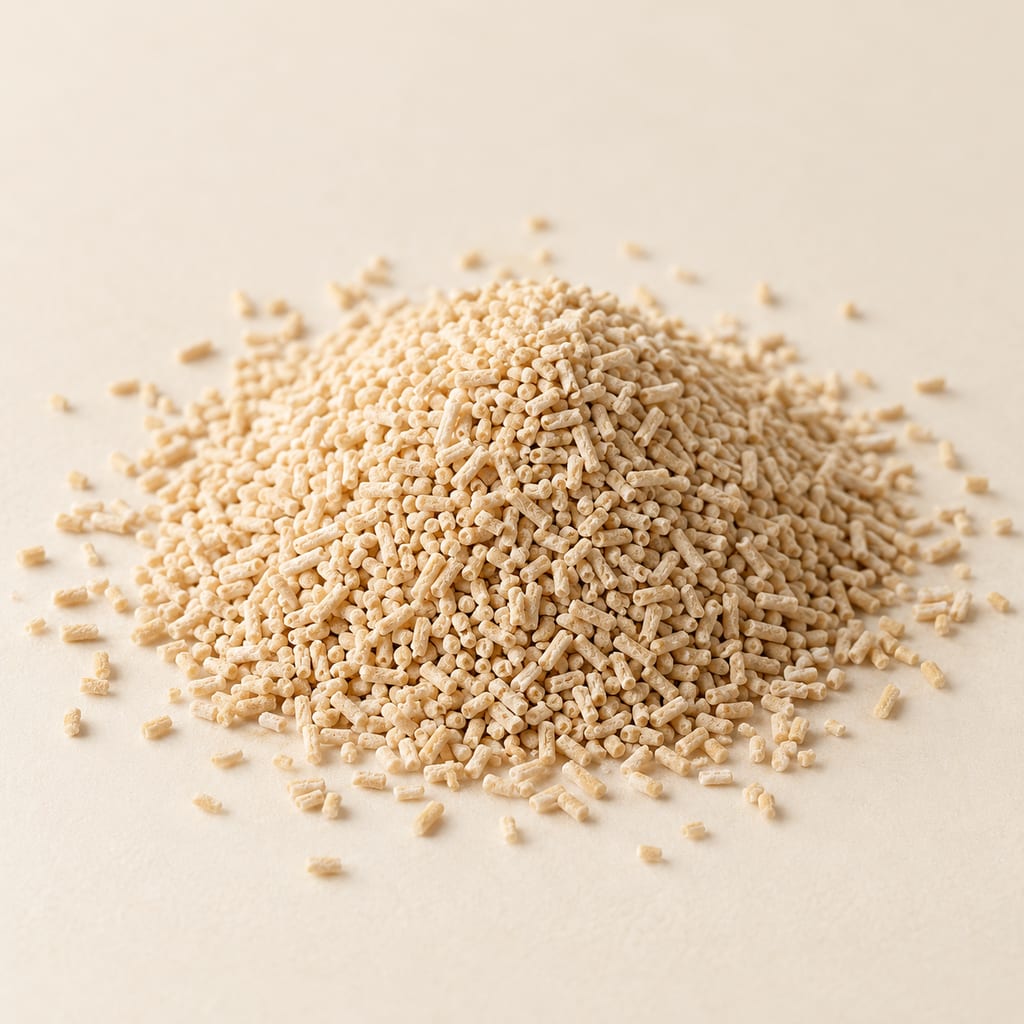
Saccharomyces cerevisiae is the budding yeast that raises bread, ferments most wine and ale, and is sold as named strains whose behaviour in dough or wort differs.
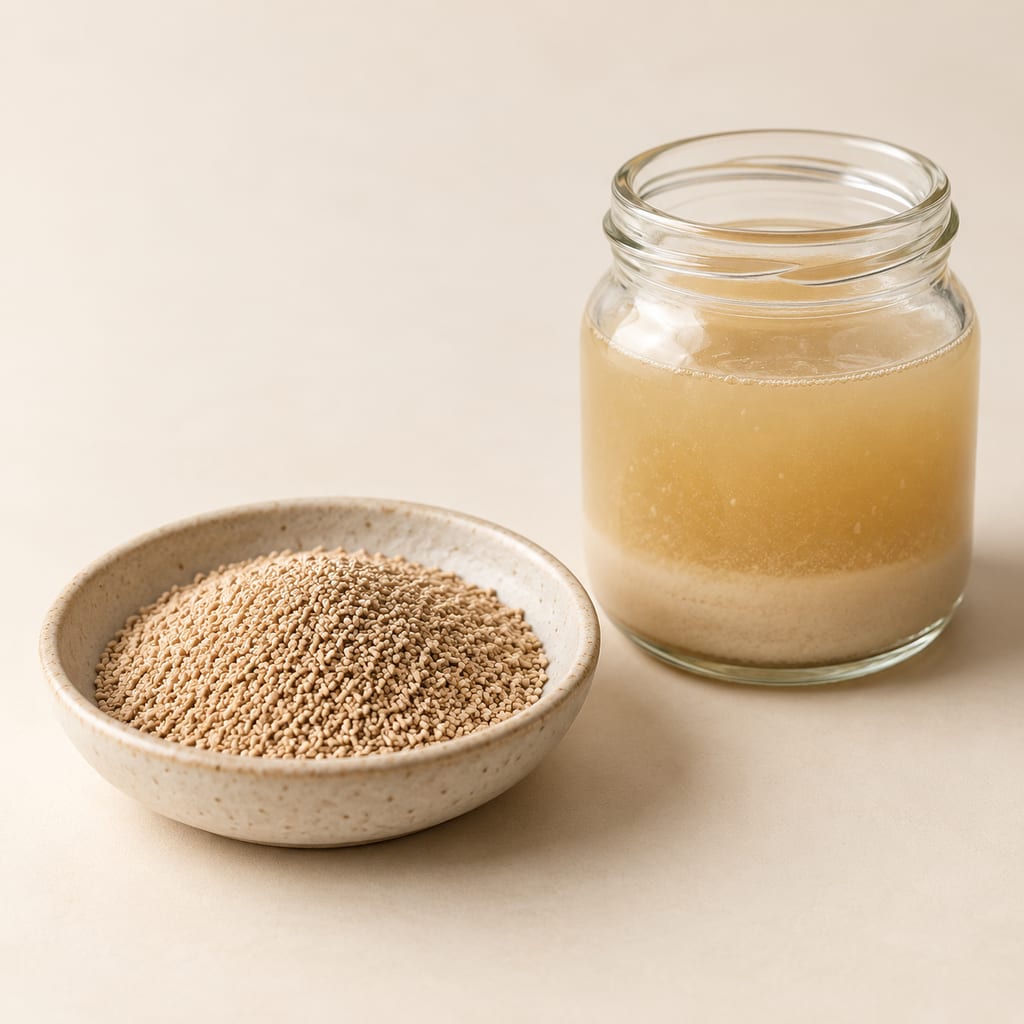
Ale yeast is a broad group of Saccharomyces cerevisiae brewing cultures, not one strain. Style labels such as English, American, Belgian or wheat beer do not identify an interchangeable culture.
Kveik is a name for traditional Norwegian farm-brewing yeast cultures, especially associated with western Norway. It refers to locally maintained cultures rather than one uniform strain or starter product.
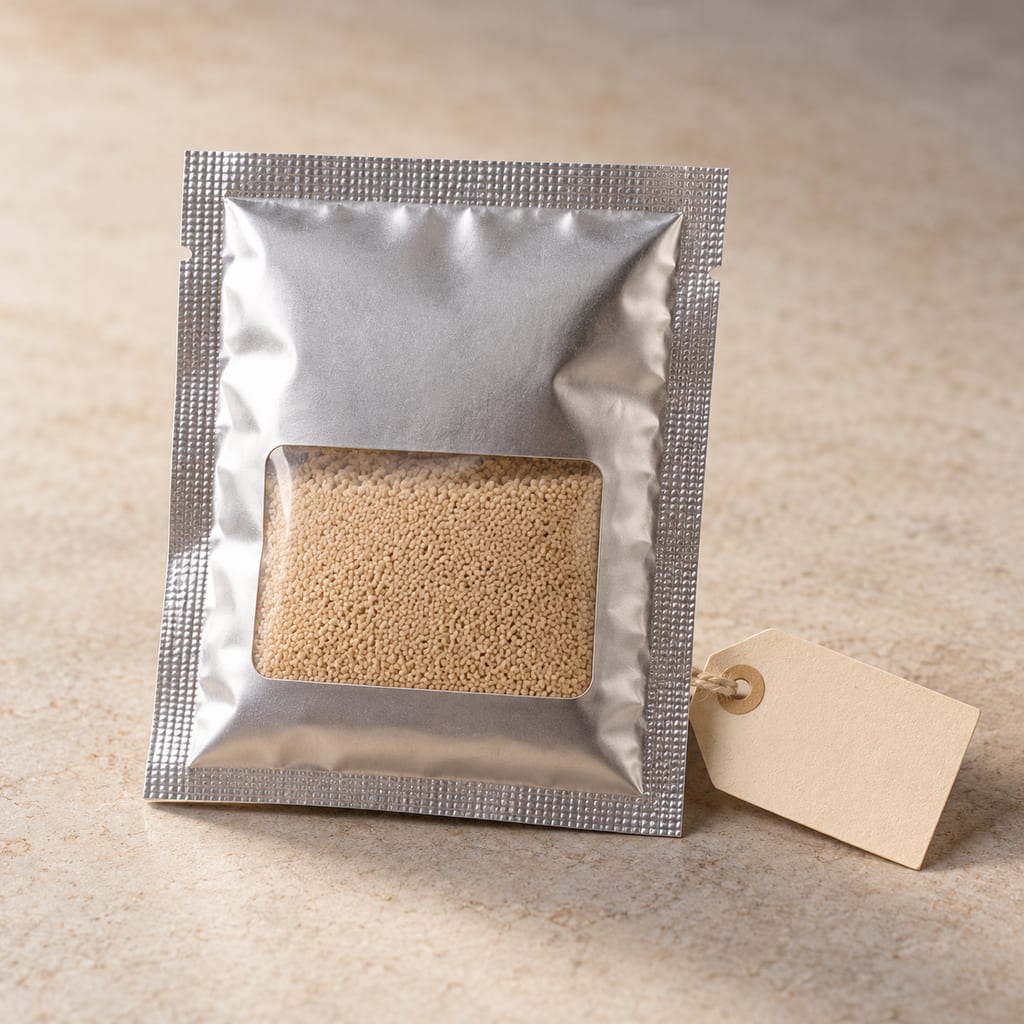
Lager yeast is the bottom-fermenting brewing yeast Saccharomyces pastorianus, a hybrid of S. cerevisiae and S. eubayanus, sold and kept as named strains that are not interchangeable.
A named liquid Saccharomyces cerevisiae culture used for restrained, malt- and hop-forward ale fermentation; its living cells and package format require product-specific handling.
WLP300 is a commercial brewing yeast culture selected for German-style wheat beer, with banana-like ester and clove-like phenolic character. Its performance depends on the wort, culture condition and fermentation process.
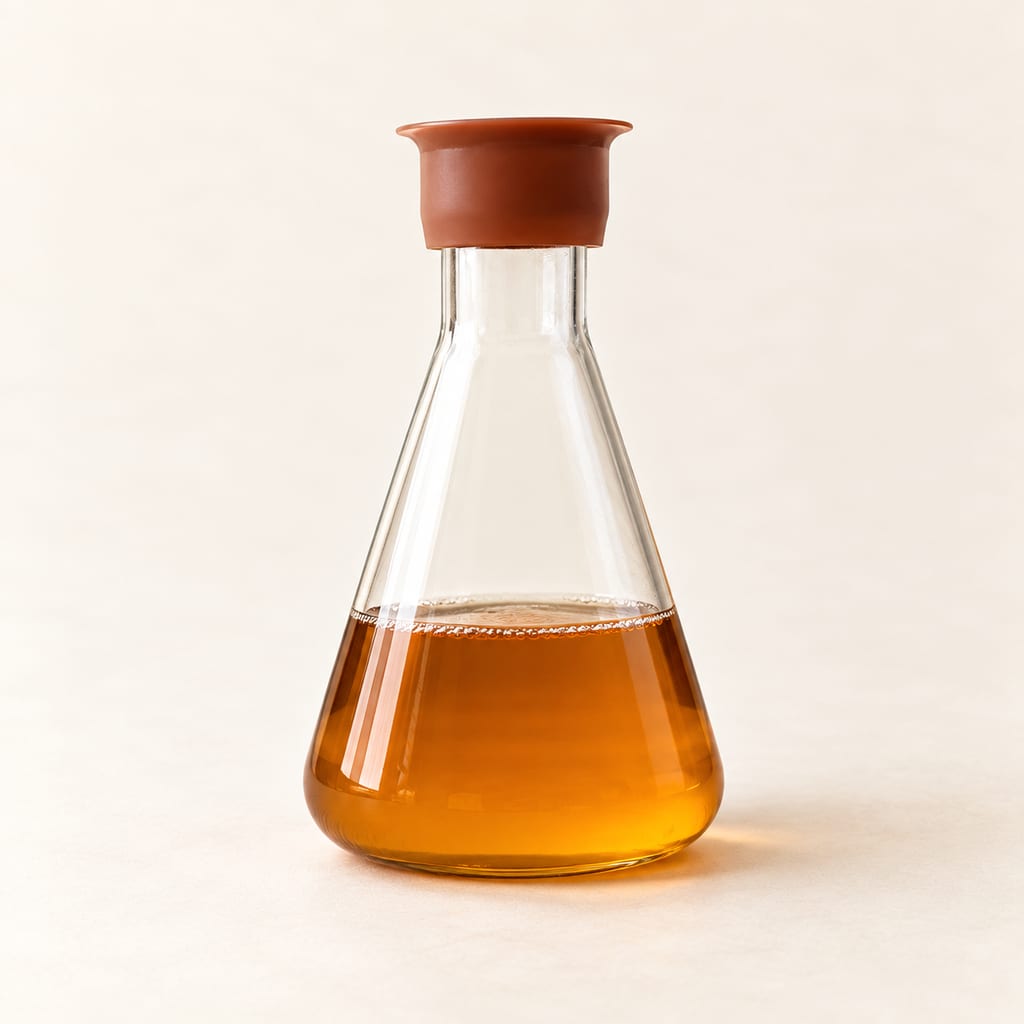
Awamori yeast ferments sugar released from rice koji in the Okinawan spirit’s mash. Sakimoto names the ingredient but gives no strain, form, supplier or dose.
Nottingham is a selected dry Saccharomyces cerevisiae culture for English-style ales, also documented in cider recipes and research. Its brewing profile does not predict a cider’s sweetness or fermentation schedule.
An active dry wine yeast selected in Narbonne, France, with documented partial malic-acid consumption and producer-described fruity ester production. Its effects depend on the must and fermentation.
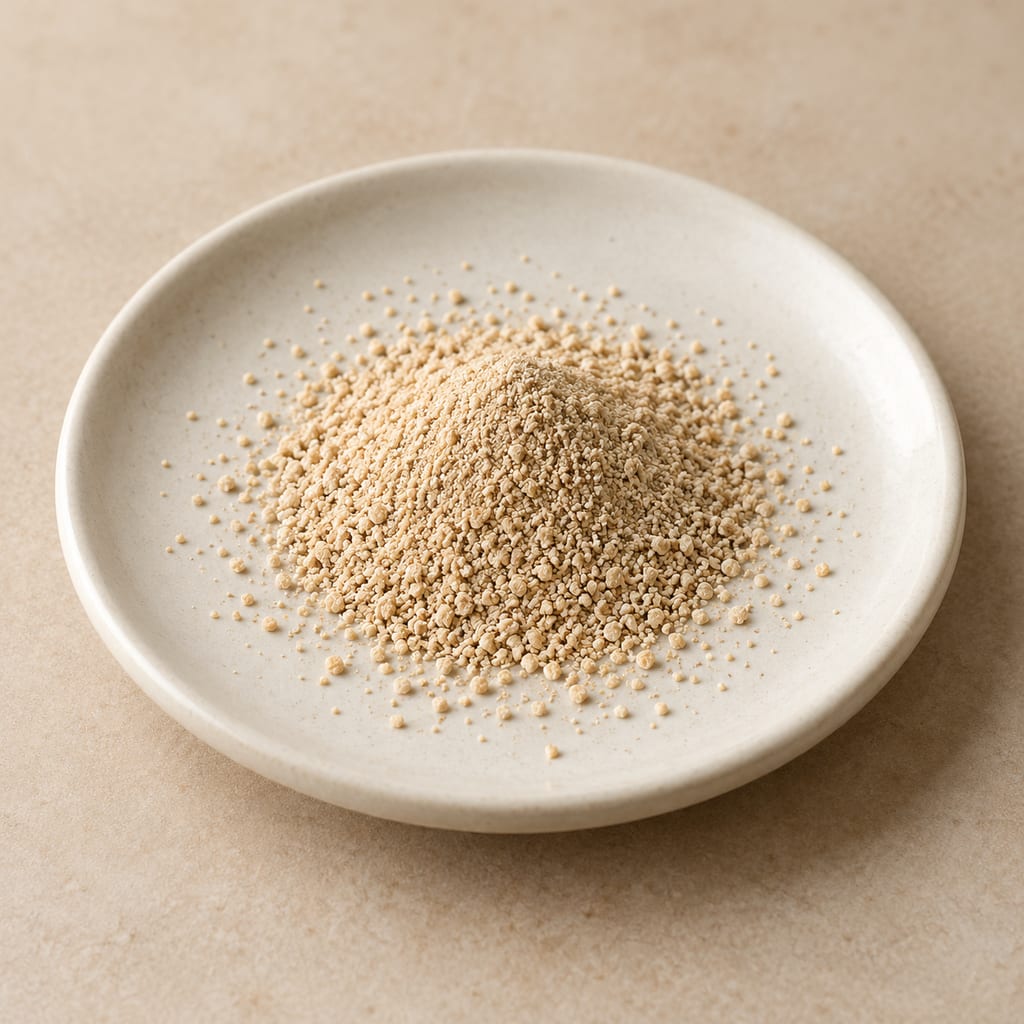
Lallemand Abbaye is a dried Saccharomyces cerevisiae brewing culture for fruity, spicy Belgian-style ales. Its published Belgian-origin claim does not identify a monastery or donor brewery.
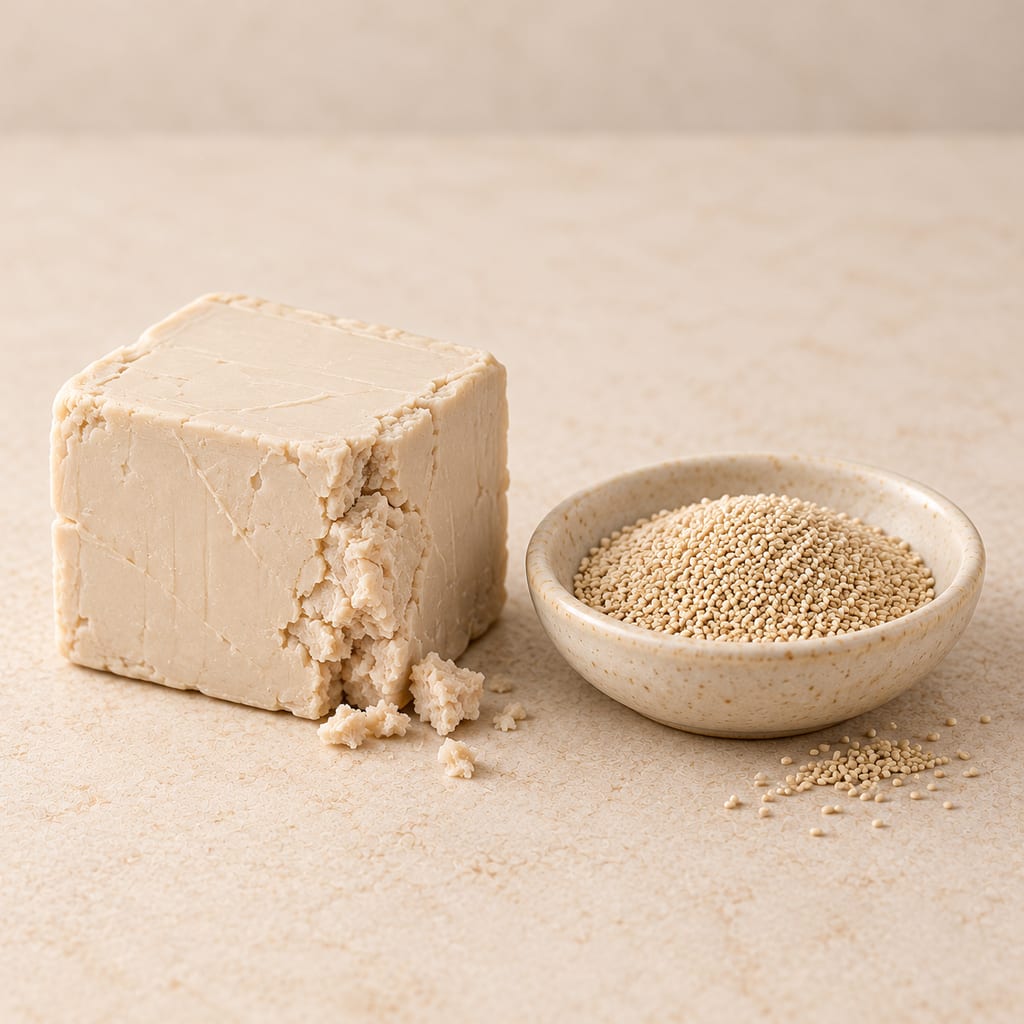
Baker's yeast is a cultivated living leavener, commonly sold fresh or dried. In dough, selected Saccharomyces cerevisiae cells make gas that can raise bread.
Yeast named by a recipe without an identified species, strain or commercial form, used to begin a fermentation.
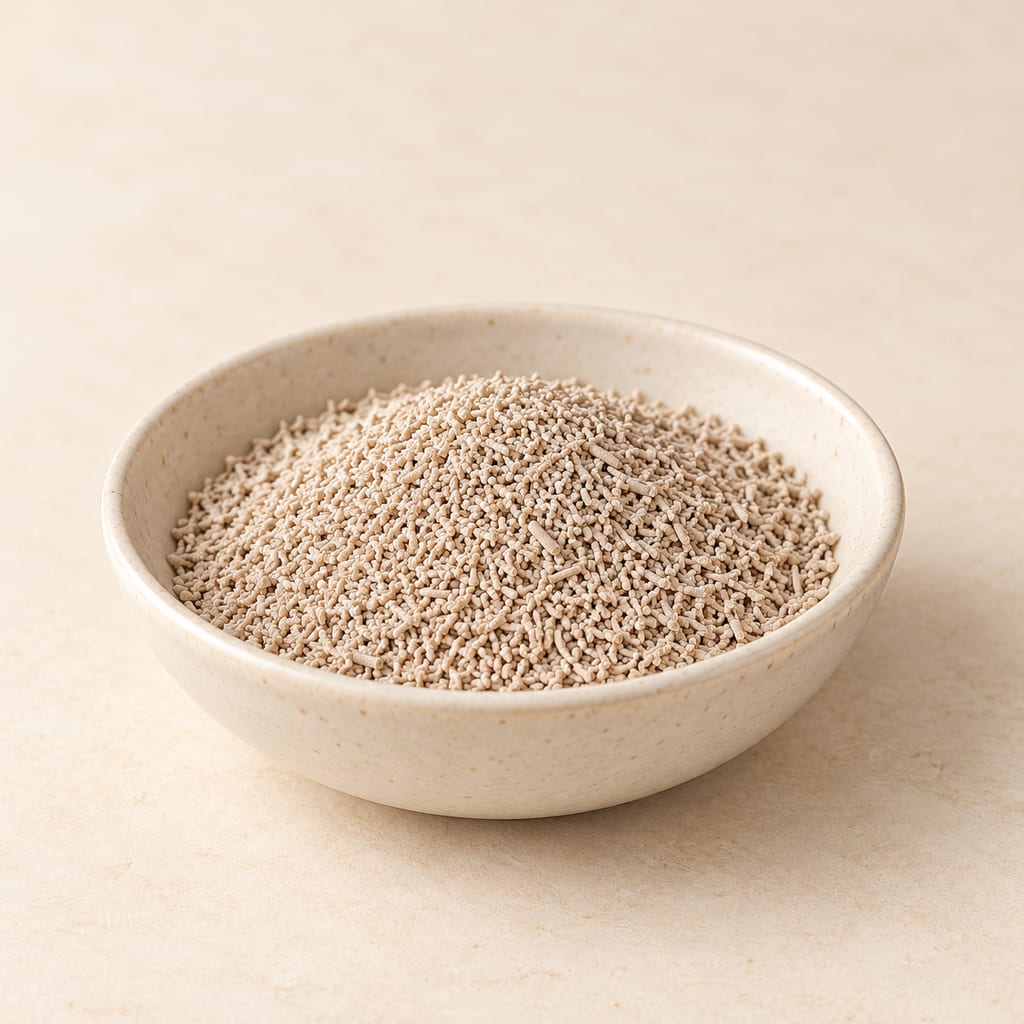
A living culture selected to ferment fruit sugars into alcohol, sold in forms whose strain, handling and flavour contribution depend on the product.