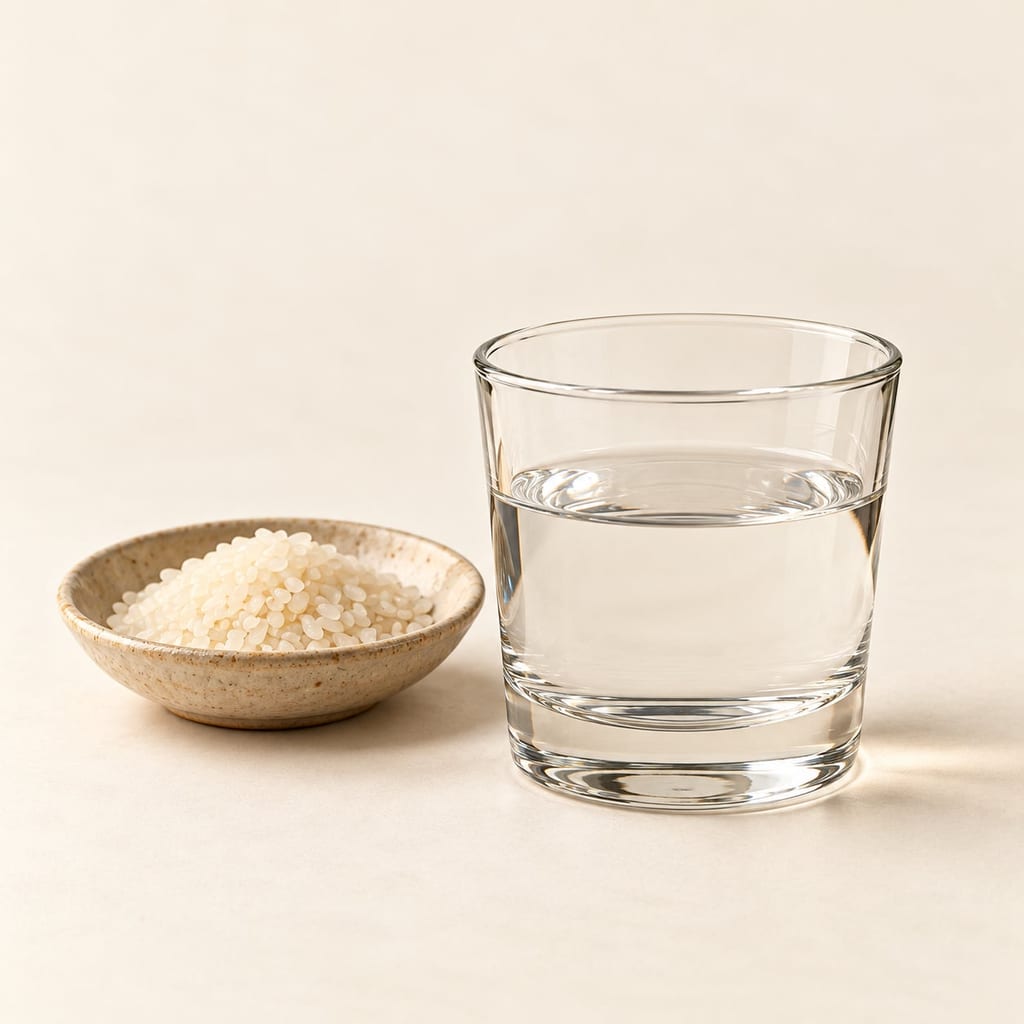
Awamori
An Okinawan rice spirit made by turning all the rice into black koji, fermenting it with water and yeast, then pot-distilling and maturing the spirit.
 FermenteaWhere food goes to change
Cultures
Yeast named by a recipe without an identified species, strain or commercial form, used to begin a fermentation.
Yeast enters a household wine as a fermenting ingredient, often after the liquor has been cooked, sweetened and cooled. Nineteenth-century instructions could describe its thickness or freshness without naming a species or a supplier. In that setting, yeast was a material obtained and handled in the kitchen before it became a culture identified in a laboratory.
Anne Cobbett's parsnip wine and Isabella Beeton's ginger wine both use the simple name. Their kitchens worked with liquids that had been cooked and sweetened before yeast entered. A cook could know the ingredient through its handling and its effects without having a culture number or a scientific species name for it.
A thick liquid preparation could contain yeast cells together with material from the liquid in which they had grown. Other household instructions called for solid brewer’s yeast or German yeast. The cook therefore encountered yeast in different physical forms, each requiring its own measuring, mixing or settling work.
In the first parsnip wine in Cobbett's English Housekeeper of 1851, the roots are sliced and boiled in water. The liquid is strained, sugar is added, and the sweetened liquor receives another boil. Yeast enters after the liquor has cooled. Brandy belongs to a later stage, after the fermentation.
The sequence gives the ingredients separate jobs. Cooking extracts material from the roots; straining removes the root solids; sugar adds a measured sweetening material to the liquid. Introducing yeast begins a different kind of change, carried out by a living culture rather than by a knife, a strainer or the heat under the pot.
Cobbett’s other parsnip wine passes through a tub stage in a warm room before moving to a cask. The yeast is introduced to the cooled, sweetened liquor; the cask then becomes the vessel for extended keeping. These stages place the culture within successive changes of temperature, vessel and handling. The roots and sugar prepare its liquid surroundings, while the yeast supplies the fermenting activity.
Beeton's ginger-wine instruction is more descriptive about the material's condition. The yeast is to be thick and very fresh. It is added when a boiled mixture of water, sugar, lemon rind and bruised ginger is nearly cold, before the contents move into a cask with lemon juice and chopped raisins.
The same book sometimes names yeast more specifically. A bread recipe attributed to Miss Acton offers solid brewer's yeast or fresh German yeast. Its accompanying directions describe settling brewer's yeast with water and preparing the material for the dough. A quantity and a name belong together in that particular bread instruction; they do not establish the form meant by the separate ginger wine.
Thickness, freshness, settling and mixing were practical features of the ingredient. In the bread directions, settling brewer’s yeast in water produced a more solid material, which was mixed smooth with liquid before entering flour. The ginger wine instead began with yeast described as thick and fresh. The physical consistency of these supplies shaped how the cook could measure them and distribute them through a dish or drink.
Beeton included preparations intended to provide yeast for bread, rather than only recipes that consumed it. One combined hops and bruised malt with a yeast addition; the separately named Kirkleatham yeast used hops, flour and yeast. The book then brought these preparations into another stage involving potatoes and flour before breadmaking.
This is yeast-bearing material kept within a household sequence of work. The added culture and the food in which it is maintained are related but different parts of the preparation. Calling the contents of a bottle yeast did not mean the bottle contained nothing except isolated cells. The flour, malt or potato preparation belonged to its physical form and history of use.
These preparations gave yeast-bearing material a place among stored household provisions. Hops were boiled in water before the malt or flour preparation was assembled; an existing yeast addition supplied the fermenting culture. Potatoes and flour entered a further breadmaking stage when that supply was used. Culture maintenance, preparation of a sponge and mixing the final dough were successive tasks, with different mixtures being handled at each point.
Louis Pasteur's Studies on Fermentation, published in English in 1879, described brewery practice in which yeast was taken from one operation to begin another. In his discussion of alcoholic ferments, different brewing yeasts were treated as subjects for comparison rather than as one invariant material. He distinguished the high and low ferments of brewing from forms associated with fruit and other settings.
His questions concerned what these differences meant. Could one form become another simply through a change of surroundings, or did the cultures have persistent characteristics? He reconsidered an earlier assumption that high and low brewing yeasts were identical and discussed observations that suggested differences between them.
Brewing practice and microscopy met in this work. A culture had a history before it entered a test: the brewery from which it came, the fermentation in which it had grown and the way it had been collected. Pasteur compared those materials through cultivation as well as appearance. The practical movement of yeast from one brew to another became part of an investigation of persistent differences between ferments.
A thick yeast preparation is visible to the cook, while its individual cells require another scale of observation. In the familiar wine species Saccharomyces cerevisiae, cells are spherical to ovoid and reproduce by budding. A new bud grows from an existing cell. Those features describe this named species; the word yeast in a recipe reaches beyond it.
Pasteur's drawings and descriptions compared the appearance of cells and their budding arrangements. He examined yeast during growth as well as in deposits after fermentation. Looking at a settled material and looking at cells actively multiplying could give different impressions of the same culture.
At the scale of the vessel, cells form part of a liquid, foam or deposit. At the microscopic scale, individual cells and their budding arrangements become visible. Active multiplication and a settled preparation can present different distributions and groupings. Pasteur followed cultures through these changes, connecting what could be seen in a fermentation vessel with observations of the living material within it.
For Saccharomyces cerevisiae, sucrose use can involve the enzyme invertase splitting sucrose outside the cell into glucose and fructose. The resulting sugars can then be taken up. Work on a sucrose-adapted culture also found evidence supporting direct sucrose uptake during active growth, alongside the better-known route through external hydrolysis.
These are different ways of moving from a dissolved ingredient toward cellular metabolism. Dissolution alone does not break sucrose into its two component sugars, and an ingredient disappearing into a liquid is not the same event as a yeast cell using it.
The adapted culture in the sucrose study had access to more than one route for using the dissolved sugar. External splitting and uptake place different steps between the liquid around a cell and the metabolism inside it. A sweetened wine liquor supplies the medium in which such activity can occur. Cooking and dissolving sugar prepare that medium; the subsequent biological changes depend on the organisms growing in it.
Some yeasts can produce alcohol even while oxygen is available. The short-term Crabtree effect describes a particular response: alcoholic fermentation appears when an excess sugar pulse is supplied to a previously sugar-limited, respiring culture.
A comparative experiment with ten identified yeast species found different responses under the same controlled conditions. The Saccharomyces culture accumulated ethanol rapidly; several other tested yeasts formed no significant ethanol in that experiment, while others showed intermediate or weaker responses. The researchers measured sugar use, oxygen consumption, carbon dioxide and ethanol rather than inferring the whole process from visible activity.
Oxygen supply and sugar supply interact with the culture’s metabolism. In the studied Saccharomyces culture, abundant glucose could accompany alcohol production even while respiration was possible. Very low glucose supply under controlled aerobic cultivation supported a different pattern. The transition concerns how cells use available carbon, rather than a simple division between an open vessel that respires and a closed vessel that ferments.
The gas and liquid measurements also describe different parts of the change. Carbon dioxide can leave a growing culture, while ethanol accumulates in its surrounding liquid and some consumed sugar supports new cell material. Measuring those quantities separately made the species comparison possible. Visible movement or foam shows neither the amount of ethanol present nor how much sugar remains. The study followed identified laboratory cultures, so its measured rates and glucose conditions remain specific to that experiment.
An active preparation can contain more than the organism doing most of the visible work. Pasteur devoted attention to foreign ferments that could remain in a culture even when they were difficult to see. He warned against assuming that the disappearance of an organism from the microscopic field proved it had disappeared from the material.
The problem mattered when investigators tried to explain one fermentation as a transformation of another. If an unwanted organism had been present all along, its later growth could give the appearance that the original yeast had changed into something else. Separating organisms and testing cultures were therefore part of interpreting the experiment, rather than optional refinements after the main observation.
A yeast preparation and the organisms accompanying it could therefore change the course of a brew together. An organism present in small numbers might become conspicuous later, when its conditions for growth improved. In Pasteur’s experiments, separating organisms and following their growth helped distinguish a mixed culture from a supposed transformation of one ferment into another. His discussion concerns the interpretation of historical fermentation experiments, not a household purity or safety test.
Modern culture collections retain information that a bare ingredient name cannot carry. The National Collection of Yeast Cultures lists individual brewing and baking holdings with species names, collection numbers, depositors and deposit dates. Even entries within Saccharomyces cerevisiae have separate records and different histories.
Its identification service uses DNA sequencing or phenotypic and chemotaxonomic characterization. These are investigations of actual cultures. The label attached to a sample and the history of that sample matter alongside the organism's name.
A species name groups related organisms, while a collection number follows a particular maintained culture. A brewing holding and a baking holding can share a species name yet retain different deposit histories. These records connect a culture’s biological identification with the material that has been preserved and supplied. The collection number is consequently part of the culture’s provenance, rather than a synonym for yeast used in every kitchen or brewery.
In Beeton's breadmaking, yeast is mixed into flour and liquid before the dough is allowed to rise. The preparation passes from a small mixture toward a larger body of dough, with the baker watching and handling a material whose texture changes as the method proceeds. The bread recipes distinguish the yeast preparation from the flour, liquid and later baking.
A beverage and a loaf use related biological activity in different physical settings. The wine instruction works with a liquid in a pan and then a cask. Breadmaking works with a dough that is mixed, rested, shaped and baked. The form of the food determines what the cook does with the fermenting material.
Beeton’s sponge method begins with yeast dispersed in liquid and mixed with part of the flour into a thick batter. More flour and liquid enter when the dough is made up. Kneading and a further rise follow before the loaf is shaped and baked. She also describes a direct-dough alternative in which the flour is wetted at once instead of beginning with a separate sponge. Yeast is thus handled within two different sequences even within one breadmaking account.
The contrast with ginger wine is physical as well as culinary. In the wine, yeast is distributed through a cooked liquid with dissolved sugar, ginger and fruit ingredients. In bread, it enters a flour mixture that is worked into dough. Stirring a liquor, mixing a batter and kneading a dough bring the culture into contact with different materials and require different tools. The same household’s fermenting supplies moved through these varied forms of food preparation.
Cobbett and Beeton do not identify the species, strain or commercial form of the yeasts in these wine instructions. Their particular cultures cannot be recovered from a shared ingredient name, a modern culture collection or a laboratory study of Saccharomyces cerevisiae. Beeton’s separate brewer’s-yeast, German-yeast and household-supply preparations do not establish which was used in her ginger wine.
Modern product doses, carriers, allergen declarations and storage limits apply to the identified products that supply them. None is established for these unnamed historical materials. The historical quantities and sequence remain with each preparation; no universal substitution or storage schedule follows from the word yeast.
Species, carrier ingredients and product-specific allergen information are unspecified.
Printed household wine use of yeast; not biological origin or culture sourcing.
The cultures and supply origins behind the unnamed recipe yeasts are not identified.
An Okinawan rice spirit made by turning all the rice into black koji, fermenting it with water and yeast, then pot-distilling and maturing the spirit.
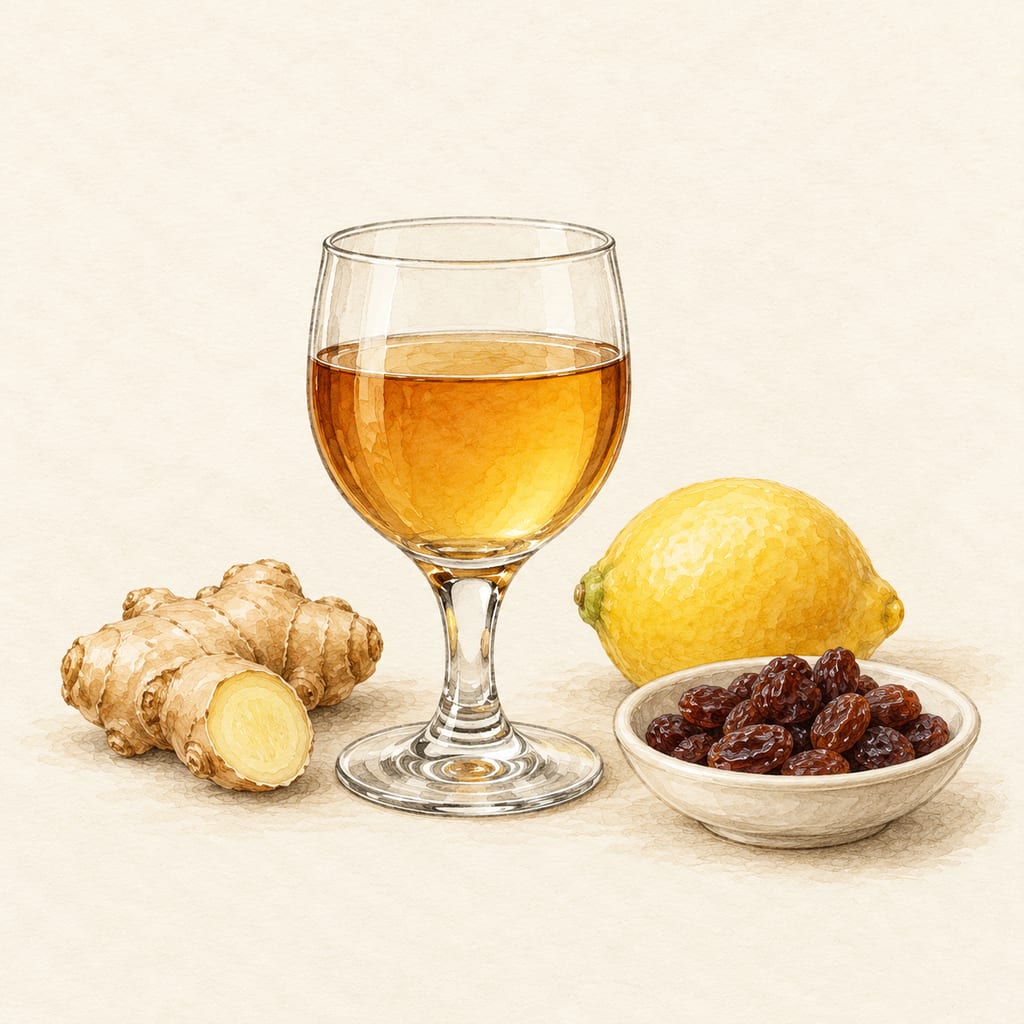
A Victorian household wine of boiled sugar, lemon and bruised ginger, worked on raisins in a cask for a fortnight and finished with brandy, made nine gallons at a time.
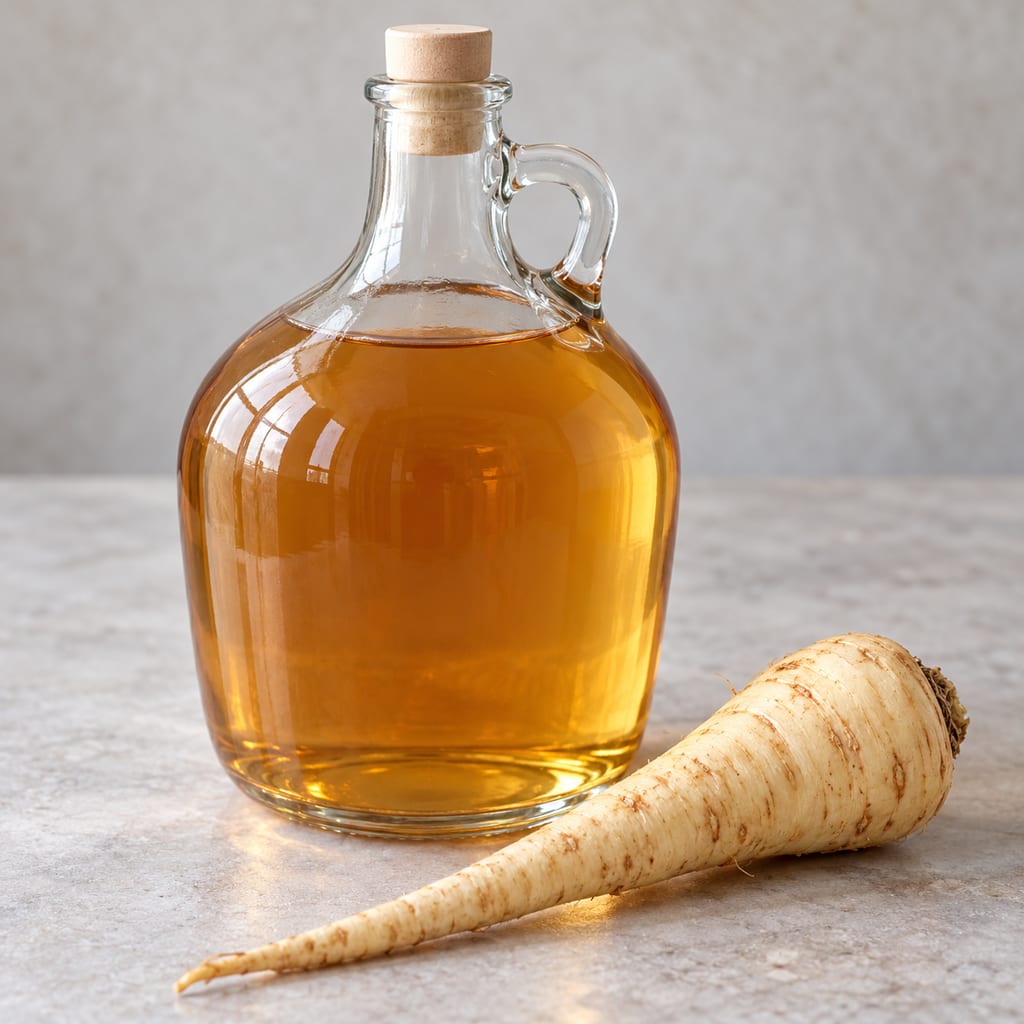
A root wine made from boiled parsnip liquor and lump sugar, fermented with yeast and finished with brandy before bottling.
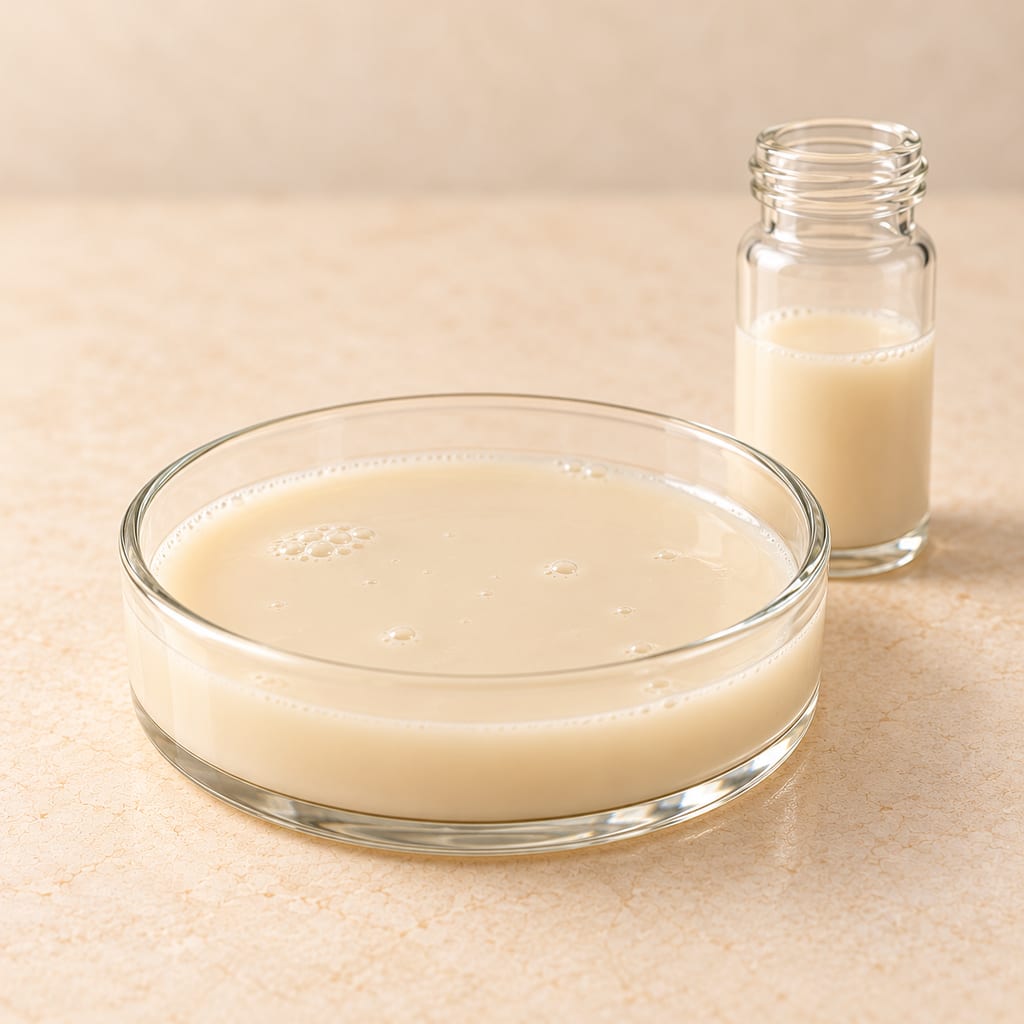
Brewer’s yeast is a working name for living cultures selected for brewing, not one strain or always one species. Ale and lager cultures differ, and older household books may use the term for foam or sediment from brewery beer.
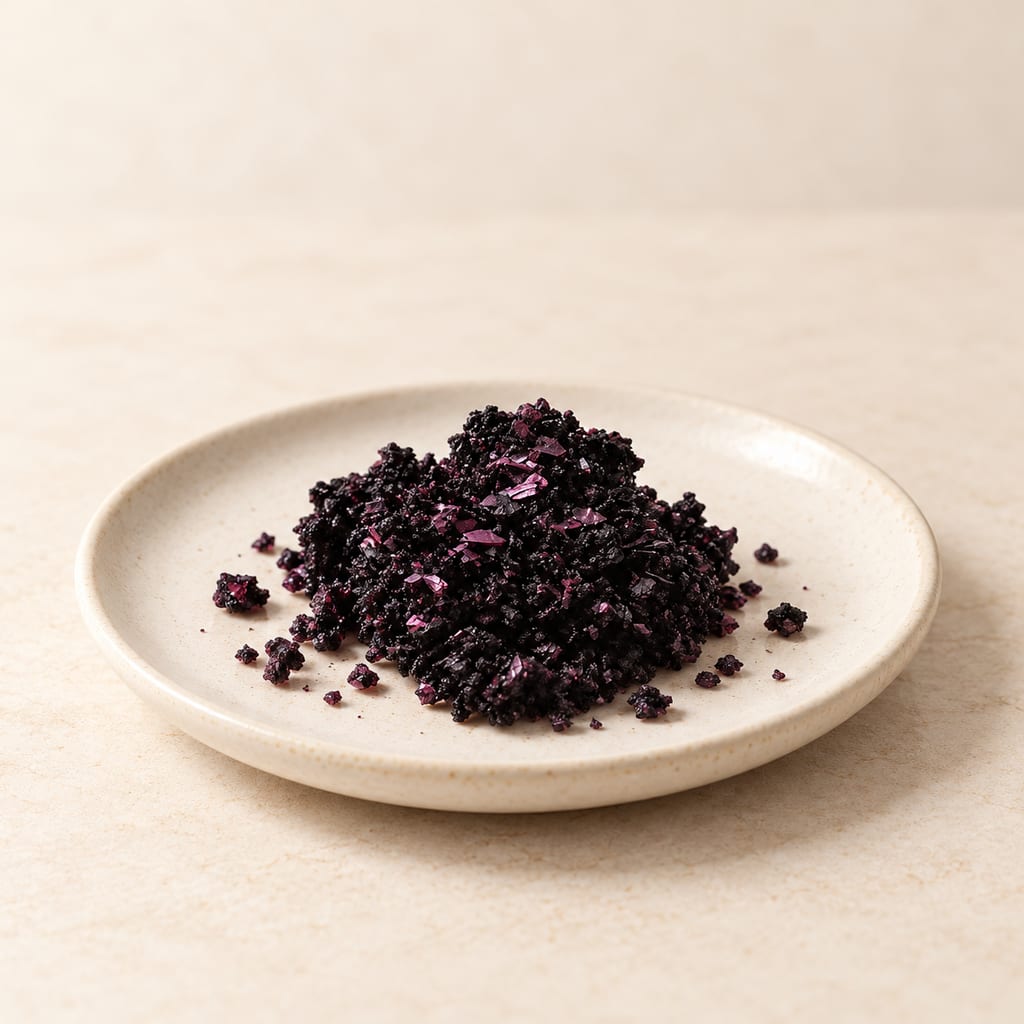
A mixed crystalline wine-vessel deposit, chiefly potassium hydrogen tartrate, used historically in wine recipes and recovered for refining into purer products.
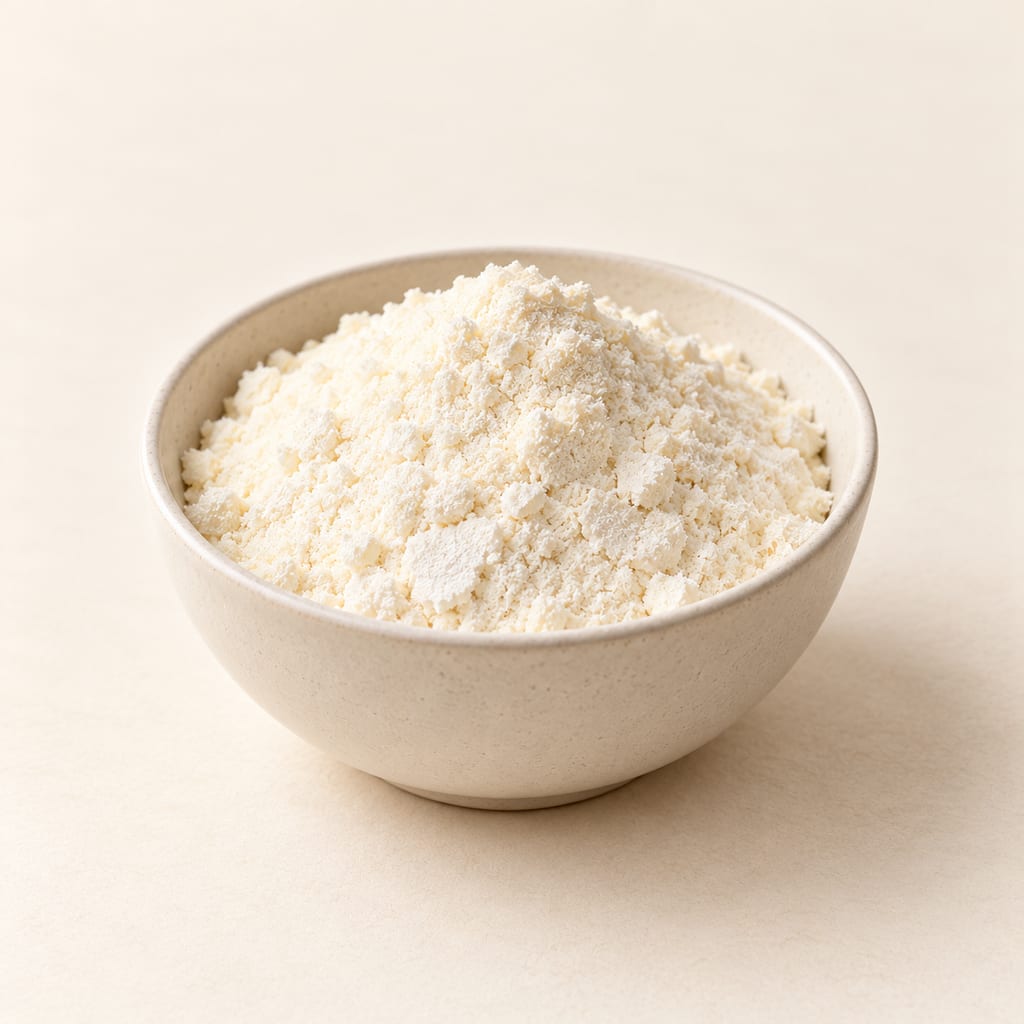
Dry milk is a family of dairy ingredients made by removing most water from milk or cream. The name includes distinct whole, partly skimmed and nonfat powders; fat level, heat treatment and particle form determine handling and use.
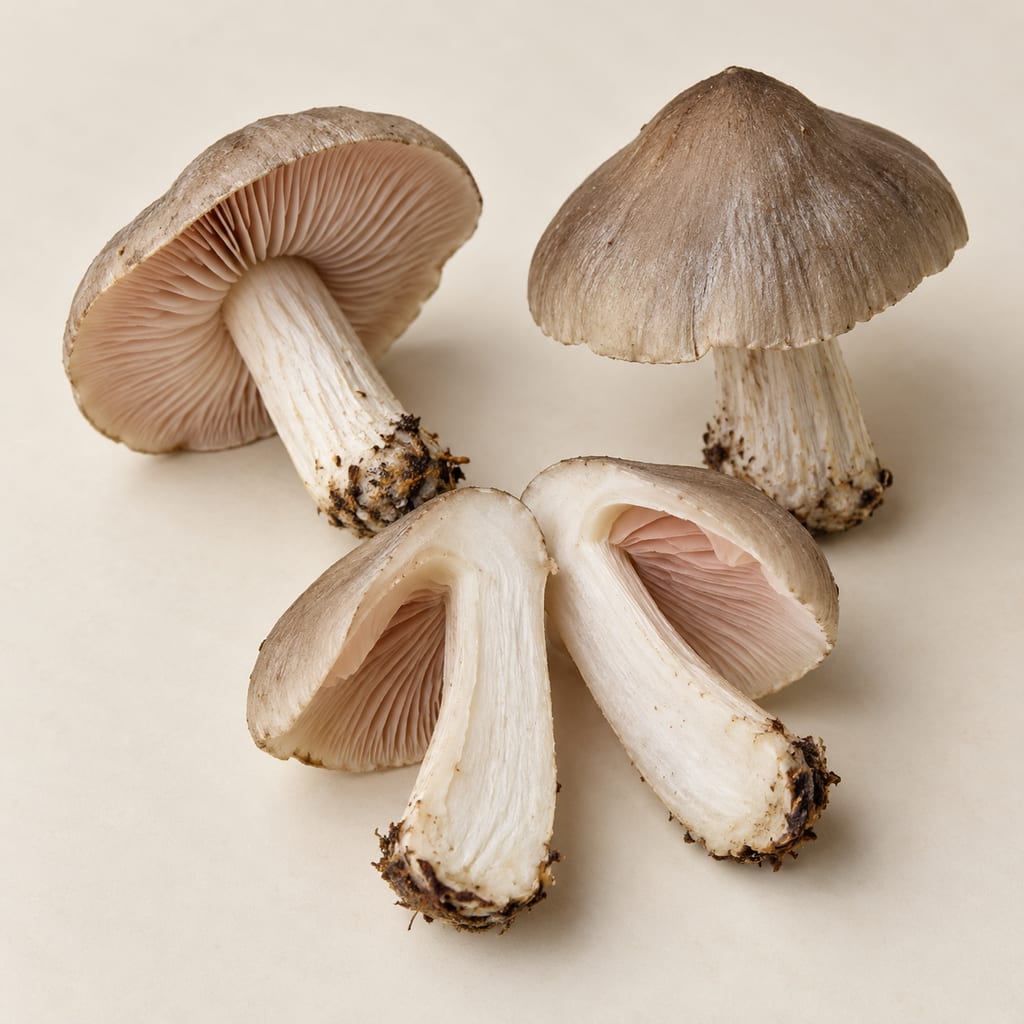
A woodland pinkgill reported as local food in Sikkim and parts of Italy, but difficult to identify and subject to strong regional warnings about confusion with toxic Entoloma species.
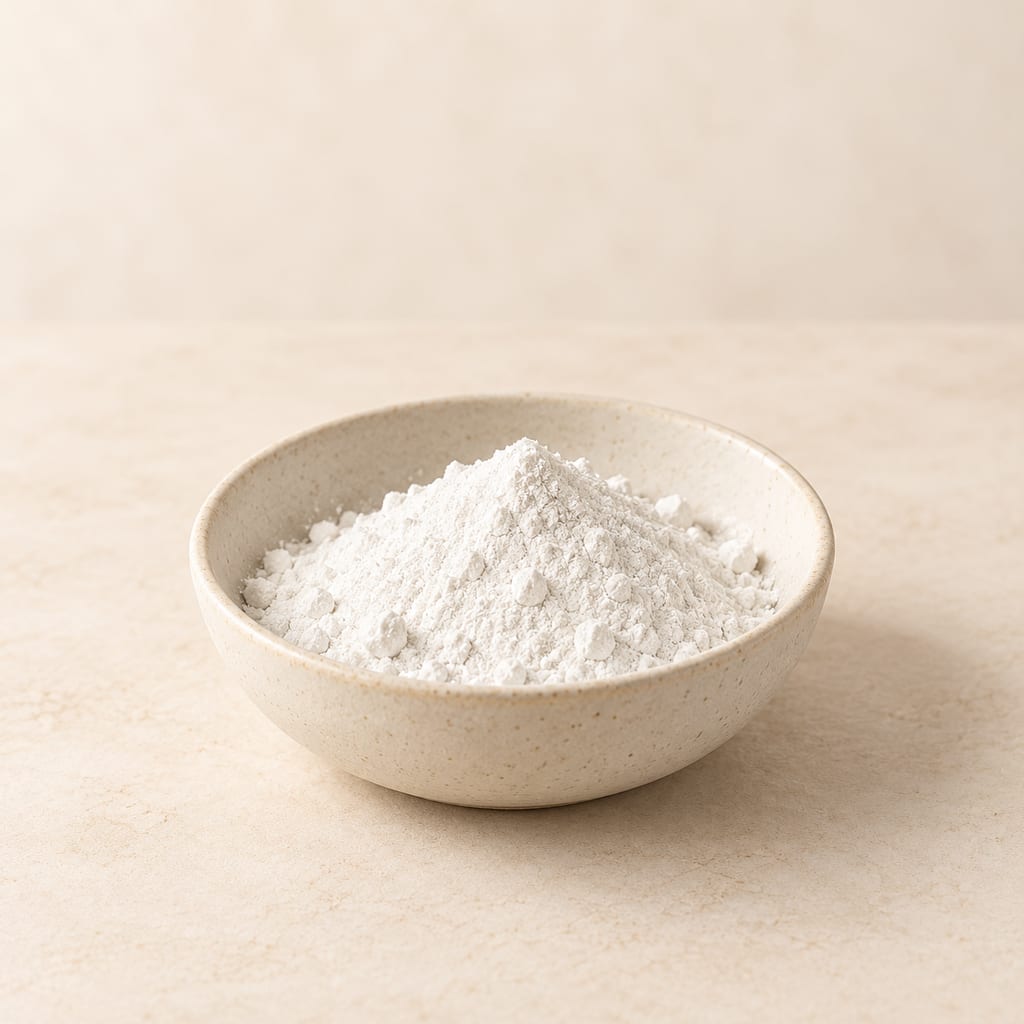
Gypsum is calcium sulfate dihydrate, a mineral salt that brewers dissolve in water for its calcium and sulfate and that tofu makers use to set soy curd.
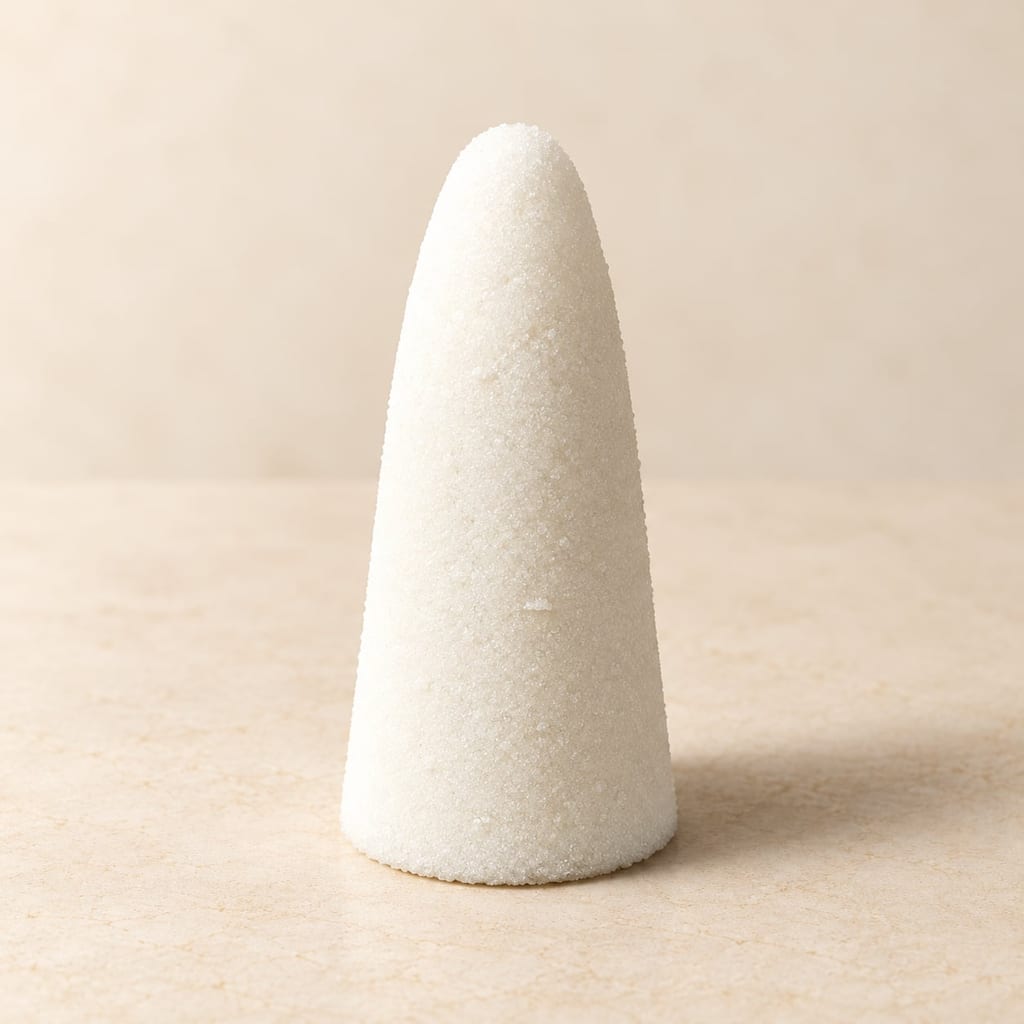
Refined sugar formed into a solid cone, historically cut or powdered for kitchen use and dissolved into wine liquor.
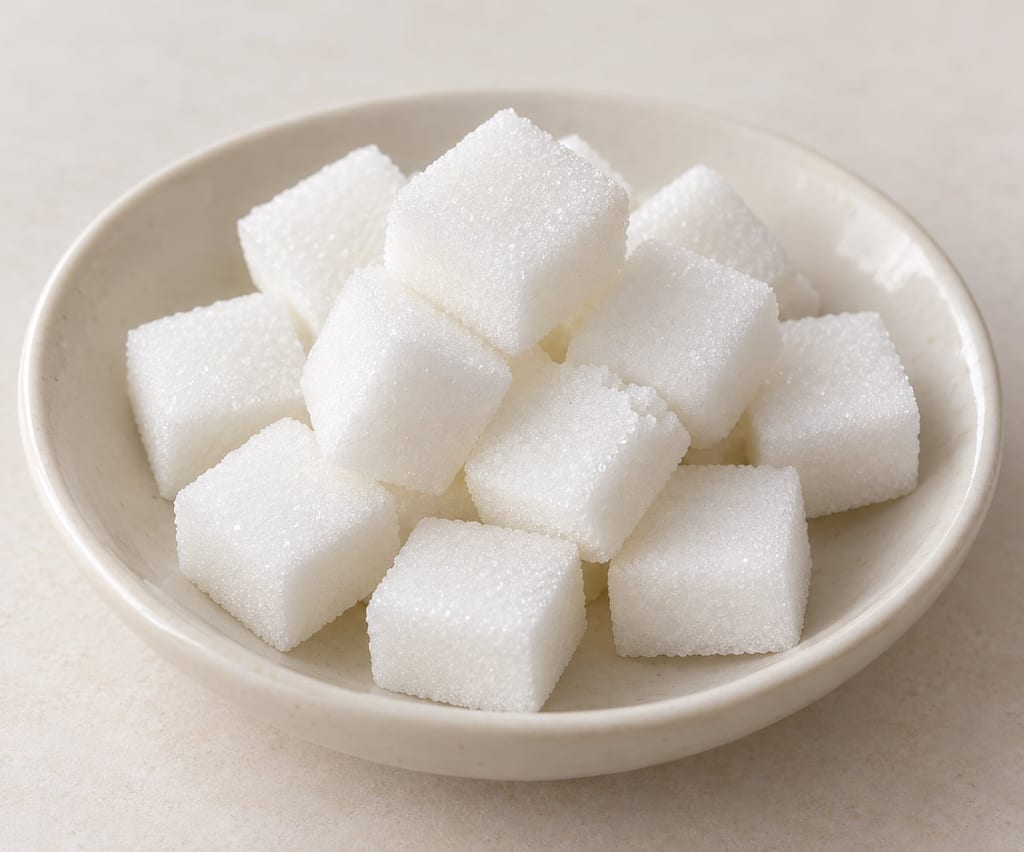
A historical refined-sugar form whose name has covered truncated cones and, in later usage, smaller pressed or cast pieces.
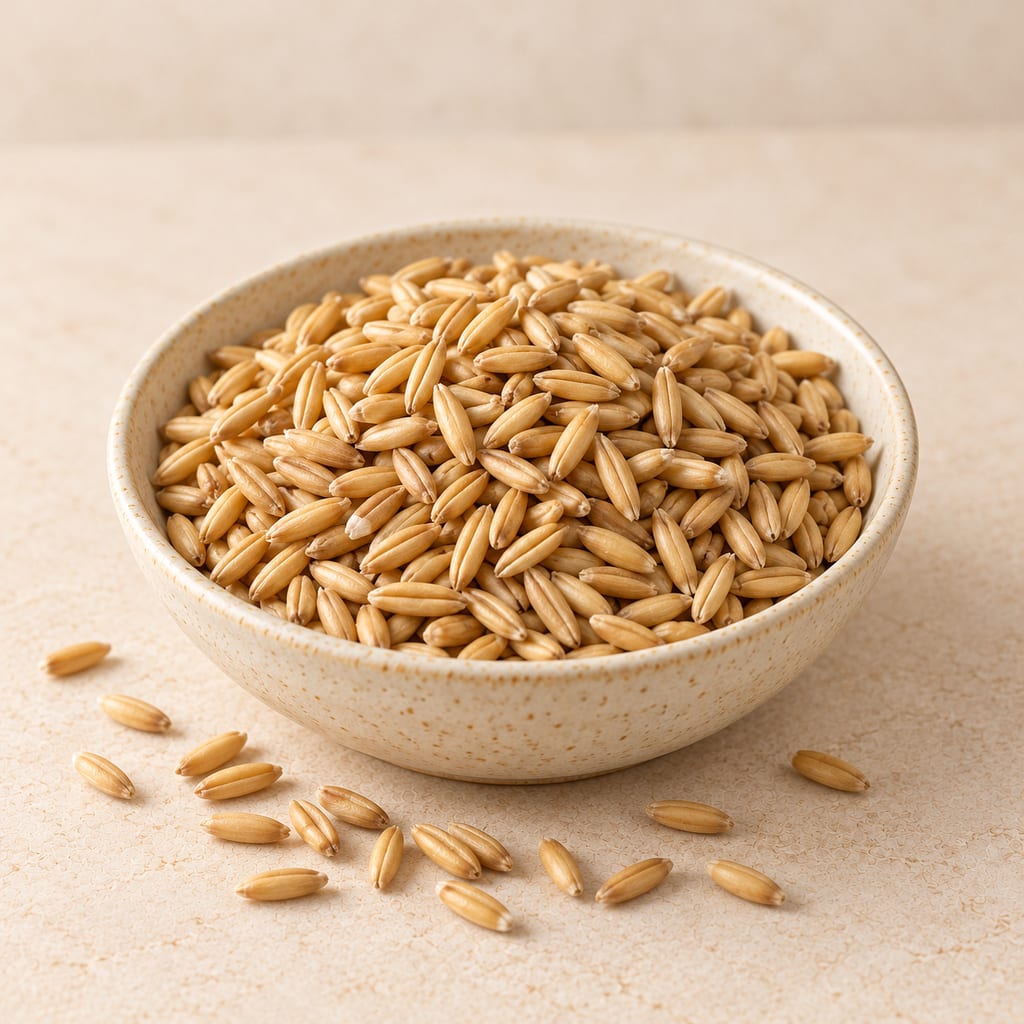
A cereal grain sold as groats, cut pieces, flakes, flour and malt. Oats shape porridge, bread and brewing differently as processing changes hydration, texture, starch, beta-glucan, protein and oil.
No community contributions have been published for this entry yet.
Sign in to contribute. Published comments and photos are free to read.
A. Cobbett, London
The English Housekeeper, sixth editionYeast wording and the order of extraction, sweetening, cooling, fermentation and later brandy addition in parsnip wine. The culture’s species, strain and commercial form are unspecified.
Cited in: A familiar ingredient before the strain number; From boiled roots to a fermenting liquor; What remains unknown about the unnamed yeasts
S. O. Beeton, London
The Book of Household ManagementRecipe 1819 describes thick, very fresh yeast for ginger wine. Recipes 1716–1717 prepare yeast with hops, malt or flour; recipe 1718 distinguishes brewer’s and German yeast for bread. Historical practice does not supply current product doses or storage advice.
Cited in: A familiar ingredient before the strain number; Thick, fresh yeast in a household book; A household could prepare its next supply; Bread gave the same household another use for yeast; What remains unknown about the unnamed yeasts
Macmillan and Co., London
Studies on Fermentation: The Diseases of Beer, Their Causes, and the Means of Preventing ThemHistorical distinctions among brewing and fruit ferments, microscopic culture comparisons, and contamination as a source of experimental error. Period categories do not identify modern strains.
Cited in: Brewers kept cultures moving between batches; A microscope changed the scale of the question; Pasteur also had to separate the culture from its companions
UC Davis Viticulture and Enology
Saccharomyces cerevisiaeBudding, spherical to ovoid cells in the named species Saccharomyces cerevisiae; an example rather than an identification of the recipe ingredient.
Cited in: A microscope changed the scale of the question
Journal of General and Applied Microbiology 39, 389–394
Further Evidence of Direct Uptake of Sucrose by Saccharomyces cerevisiae in Batch CultureExternal sucrose hydrolysis by invertase and evidence for direct sucrose uptake in an adapted culture. Experimental rates and doses are not transferred to a historical recipe.
Cited in: Sugar must become available to the cell
FEBS Journal 281, 4805–4814
Analysis of the yeast short-term Crabtree effect and its originTen-species comparison after a glucose pulse in aerobic, sugar-limited cultures. Ethanol responses varied; measured sugar and gas data concern the tested strains and conditions.
Cited in: Air does not divide every yeast into a simple rule
National Collection of Yeast Cultures
Brewing StrainsSeparate brewing-culture holdings carry collection numbers, species names, depositors and deposit dates.
Cited in: A collection number records a particular culture
National Collection of Yeast Cultures
Baking StrainsIndividual baking-culture records preserve provenance rather than defining a universal yeast ingredient.
Cited in: A collection number records a particular culture
National Collection of Yeast Cultures
Yeast Identification ServicesIdentification examines actual cultures through DNA sequencing or phenotypic and chemotaxonomic characterization.
Cited in: A collection number records a particular culture; What remains unknown about the unnamed yeasts