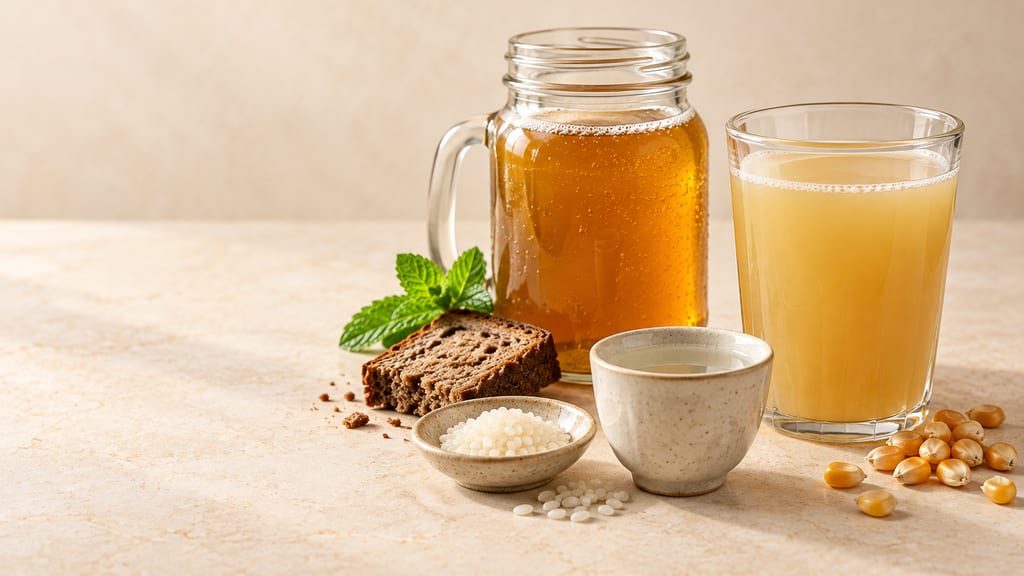
Yeast and the world's fermented drinks
People kept, traded and steered living ferments for thousands of years before anyone saw a yeast cell. This is that history, region by region, and a guide to what a yeast strain is today.
 FermenteaWhere food goes to change
Cultures
Men or bánh men is a mixed Vietnamese starch-based rice fermentation starter. Published samples vary; their isolates and performance do not define a standard culture or household formula.
Men or bánh men names Vietnamese starch-based fermentation starters used in rice products; related names include men rượu and bánh men lá. The studies considered here do not describe one defined strain or one uniform national culture. One study describes 29 commercial men samples used in Mekong Delta rice-wine research; a separate diversity study examines Vietnamese banh men and reports variation among sampled starter communities. The sources document a family of starter products, not a standardized inoculant.
Dung, Rombouts and Nout selected commercial starter samples for measured performance in their study. They report starch-degrading moulds including Amylomyces and Rhizopus, and identify Saccharomyces cerevisiae among yeasts with strong fermentation performance in their tests. Those observations help explain why a mixed starter can support starch breakdown and alcoholic fermentation, but they do not prescribe an organism list or formulation for every cake.
A separate survey reports variable bacterial and fungal communities among sampled banh men, with lactic-acid bacteria common and opportunistic contaminants detected in the samples. This is a sample-specific microbiological observation. It does not show that all Vietnamese starters are contaminated, nor does it establish the status of a starter not tested in that study.
A 2016 study followed microbial changes during one rice fermentation and described different roles for starch breakdown and for ethanol production in that process. A 2025 study sampled sweet banh men used for cơm rượu in An Giang, isolated moulds and measured starch-degrading activity in selected strains, including a high-amylase Rhizopus arrhizus. In Central Vietnam, studies of banh men lá tablets isolated yeasts and tested their amylase activity, and a Hue University study tested yeast strains isolated from a Van Kieu leaf starter at Ba Nang at different addition ratios. These findings belong to the sampled cakes and methods of each paper, not to a universal ingredient list.
A separate local account describes Mạ rượu cần in Lâm Đồng. Its community context should not be collapsed into the Mekong commercial or An Giang sweet-rice studies.
The 2007 paper's detailed men analysis concerns a Mekong Delta purple glutinous-rice wine that is not distilled in the studied account. Other Vietnamese products in the live catalogue include Cơm rượu, a fermented glutinous-rice food, and Rượu đế, a fermented base followed by distillation. A separate Van Kieu men la account documents its locally named Ba Nang starter and leaf tradition in Quảng Trị. These product and community records do not establish that all starters called men or bánh men are interchangeable or share one process.
The consulted sources do not supply one starter formula, ingredient ratios, a home manufacturing method, a propagation schedule, a storage limit or a release test for all men/bánh men, and they give no single historical origin or seasonal calendar. Performance measurements and organisms found in study samples cannot be converted into a recommended culture, a safe-use threshold or a process instruction. No standardized dose or safety claim is provided here.
The studies document Vietnamese men or bánh men in different products and sampling contexts, including Mekong Delta commercial starters and a Van Kieu Ba Nang process in Quảng Trị. They do not establish one birthplace, nationwide uniformity or one interchangeable starter.
A 2025 study sampled sweet Banh men used for Com Ruou in An Giang; it locates that sample, not an origin.
A local news account describes Mạ community rượu cần in Lâm Đồng; it does not make that practice equivalent to the Mekong studies.
People kept, traded and steered living ferments for thousands of years before anyone saw a yeast cell. This is that history, region by region, and a guide to what a yeast strain is today.
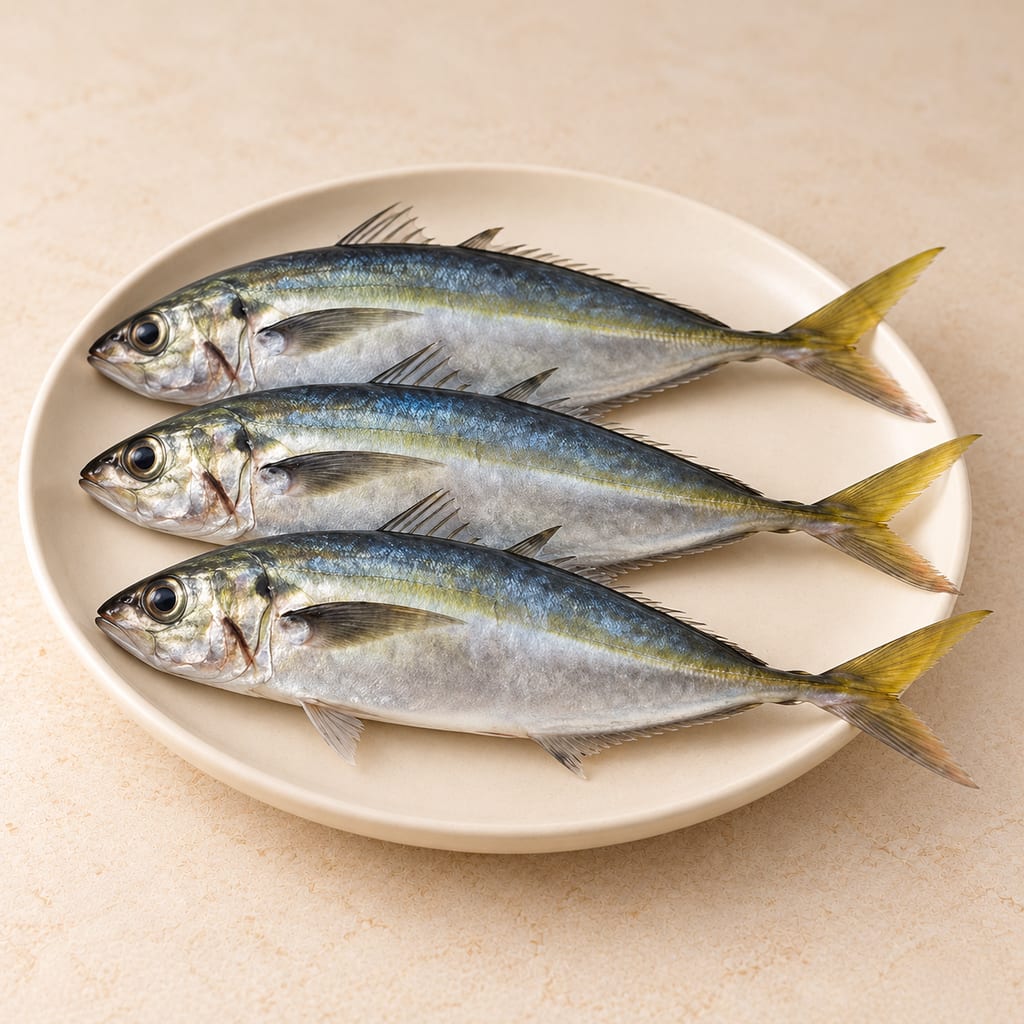
A marine scad named in a Vietnamese fish-sauce account as a whole-fish substrate; the account gives a 4:1 fish-to-salt example but no species-level voucher.
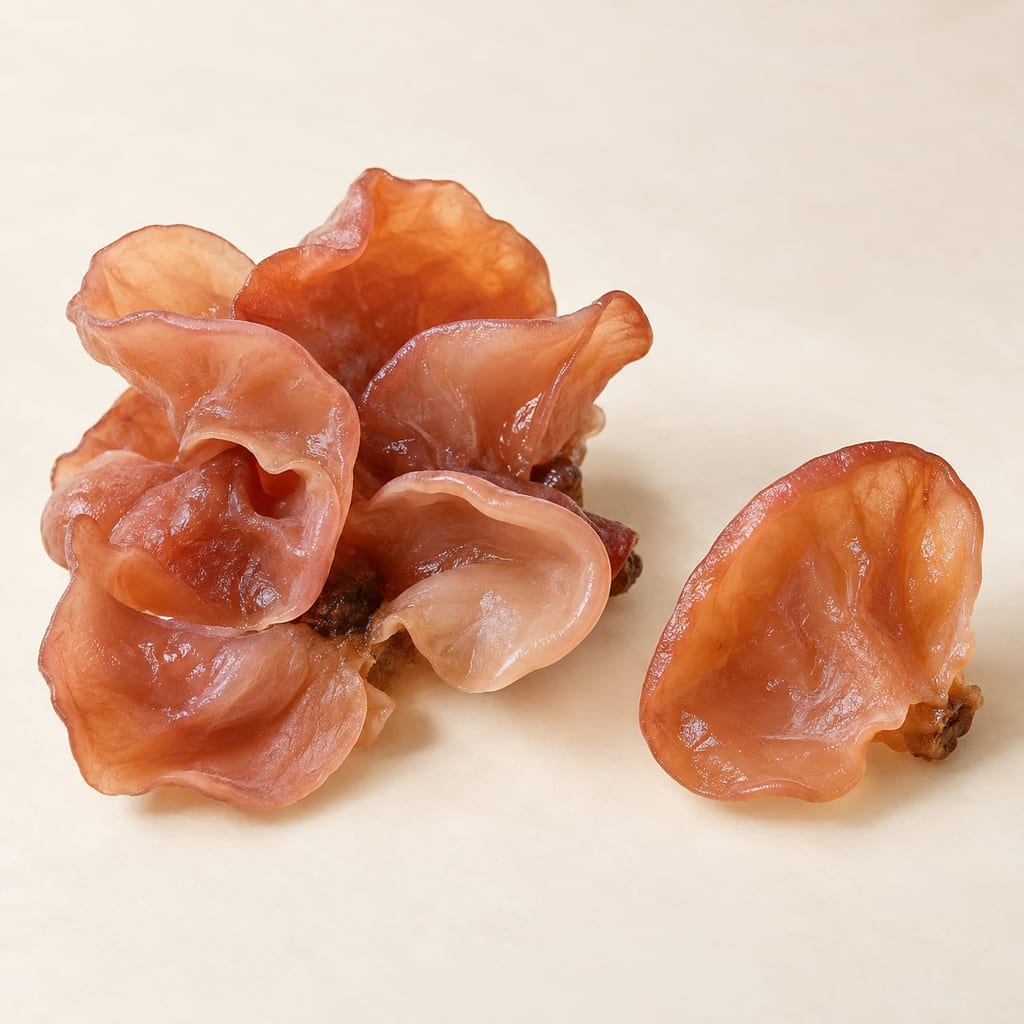
Auricularia thailandica is a thin, gelatinous wood ear described from Southeast Asian collections. Research reports it edible and experimentally cultivable, but species-specific recipes and everyday handling guidance are scarce.
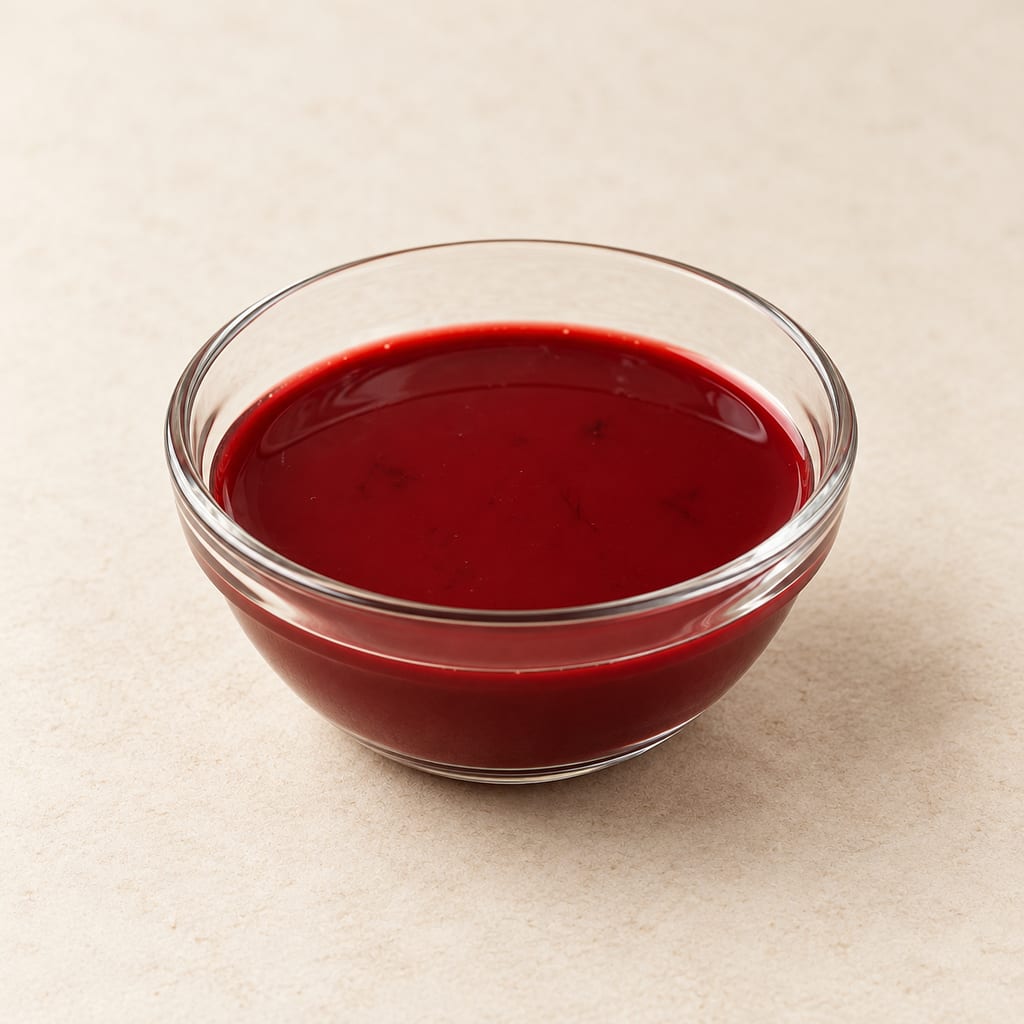
Animal blood is a perishable food material used fresh, coagulated, cooked, dried or processed into ingredients. Its uses range from grain-filled puddings to functional protein ingredients, each with distinct history and handling needs.
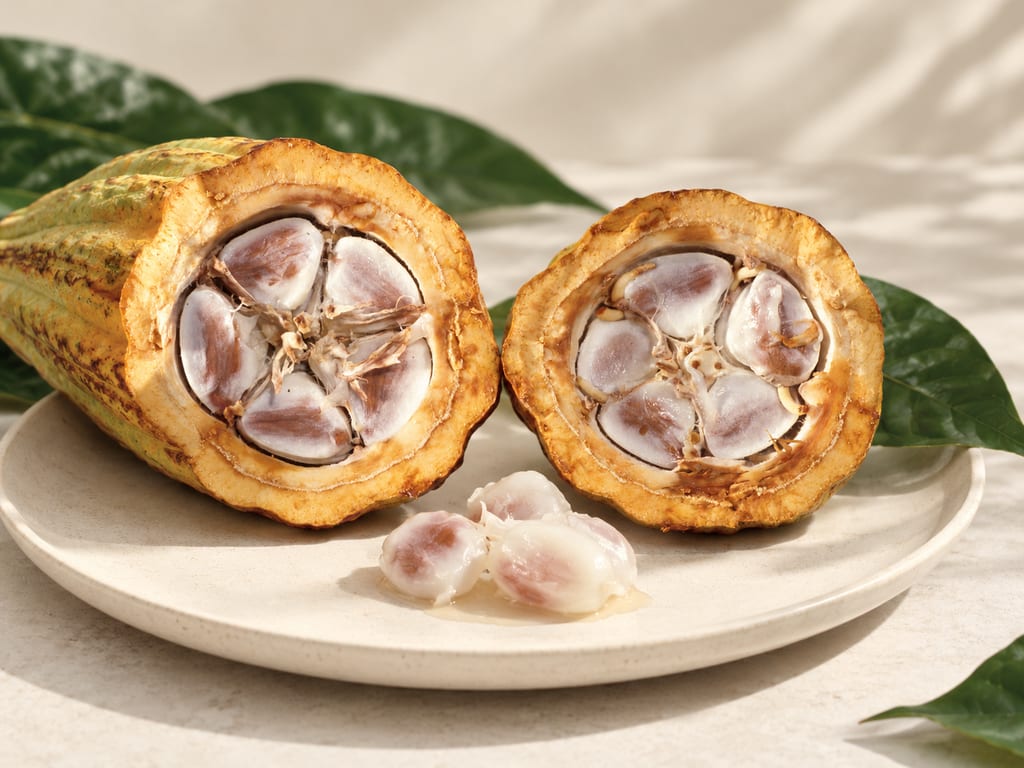
Cacao pulp is the moist, sweet-acid mucilage around cacao seeds. It fuels bean fermentation and can be extracted for fruit drinks, wine and vinegar.
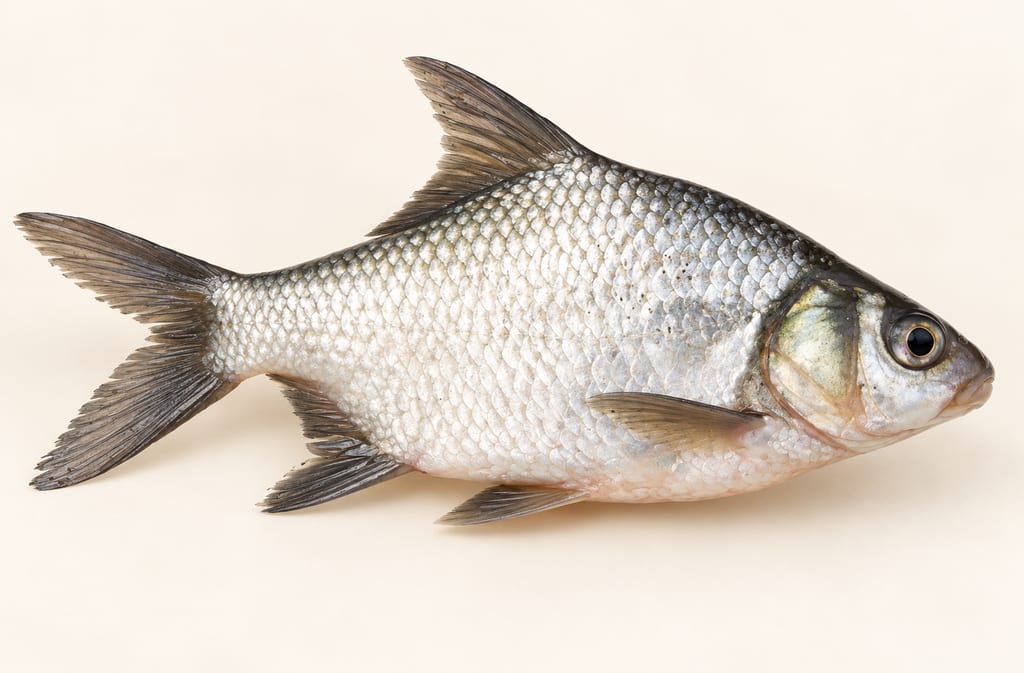
Freshwater fish substrate in a Vietnamese fish-sauce account, which particularly names Mekong cá dánh (*Puntioplites falcifer*) as a prized household sauce fish.
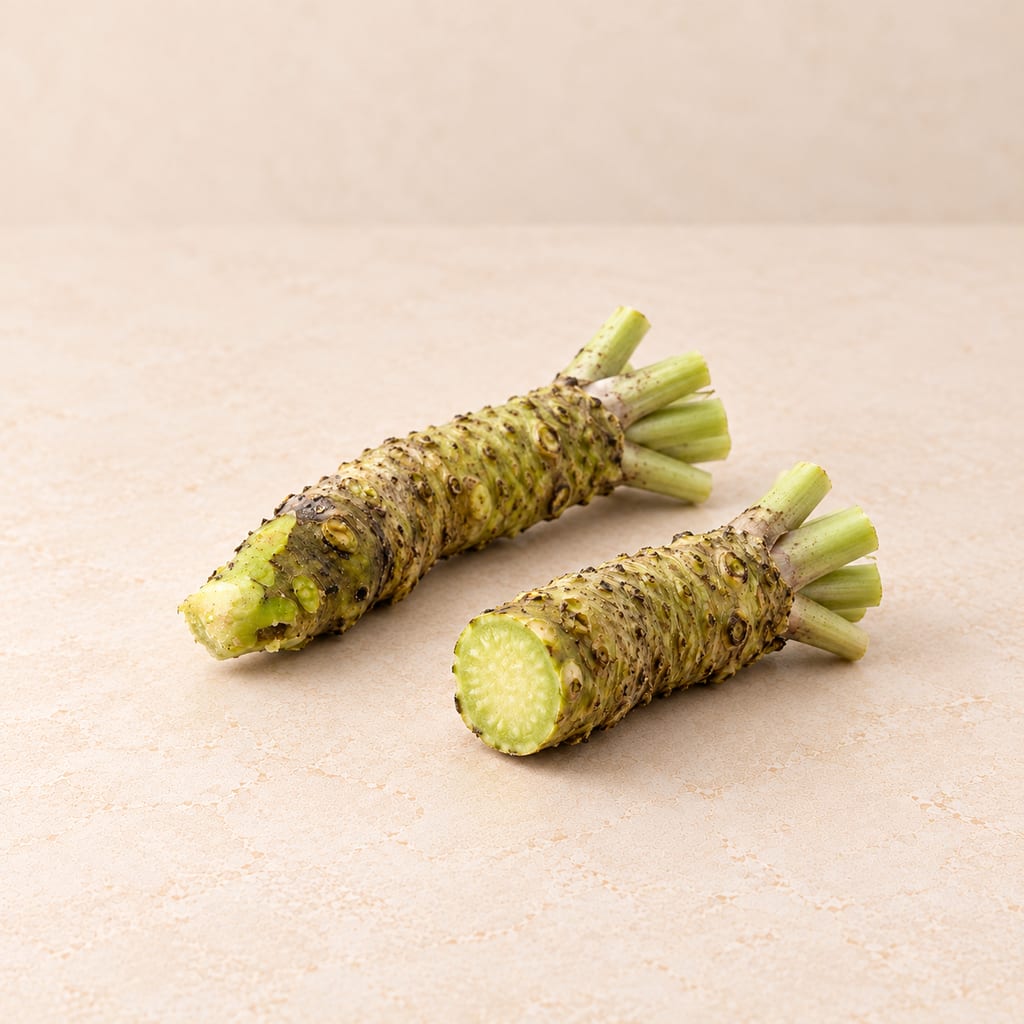
Wasabi is the enlarged stem of Eutrema japonicum, a pungent perennial in the mustard family. Fresh rhizome is grated as a Japanese condiment; powder and prepared paste are separate products.
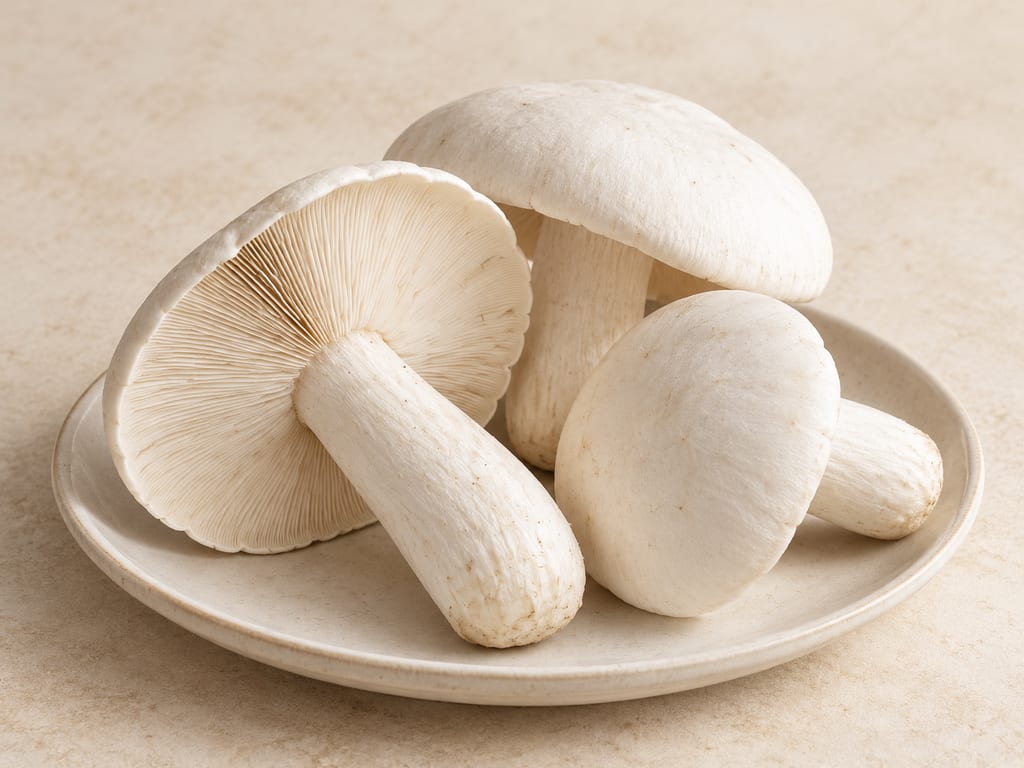
The milky mushroom is a warm-climate cultivated edible, historically named Calocybe indica and now listed by Species Fungorum as Macrocybe indica. Indian cultivation research centres on straw substrates and a separate casing layer.
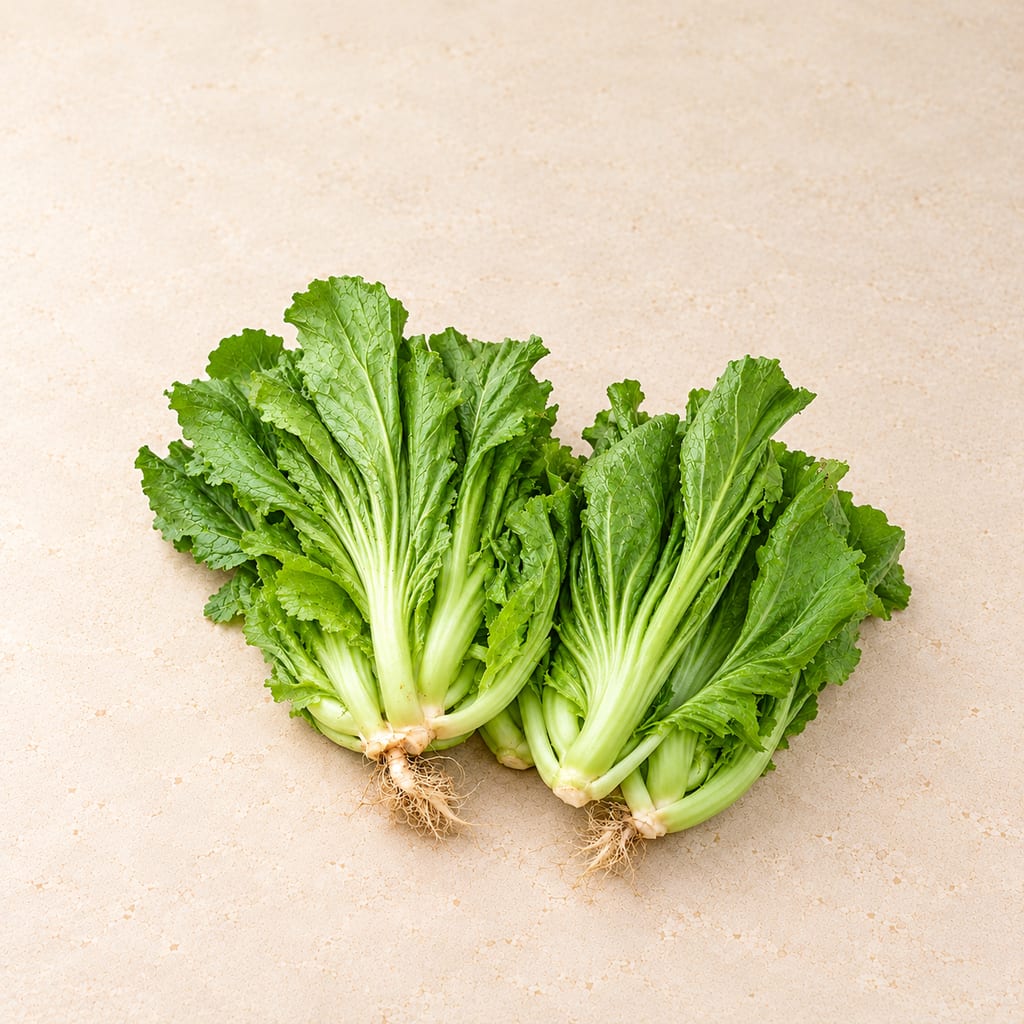
The leaves of Brassica juncea, a hardy cool-season crop with a sharp, sulfurous bite, eaten fresh and cooked and fermented across Asia as pickled greens, kimchi and gundruk.
No community contributions have been published for this entry yet.
Sign in to contribute. Published comments and photos are free to read.
N. T. P. Dung, F. M. Rombouts and M. J. R. Nout; LWT - Food Science and Technology 40 (2007)Identity · Function · Microbiology
Characteristics of some traditional Vietnamese starch-based rice wine fermentation starters (men)The study examined 29 commercial Vietnamese men starter samples, focusing on Mekong Delta rice-wine production; it selected samples for measured fermentation performance.
The study reports starch-degrading moulds including Amylomyces and Rhizopus and identifies Saccharomyces cerevisiae among the strong-performing yeasts in its tests.
Its results describe sampled starters and a specific purple glutinous-rice wine study, not one standardized formulation or a household starter-care protocol.
Cited in: A Vietnamese mixed rice starter; Study findings belong to their samples; Vietnamese rice products remain distinct; What the studies do not establish
International Journal of Food Microbiology / ElsevierIdentity · Microbiology · Variation
Microbial diversity of traditional Vietnamese alcohol fermentation starters (banh men) as determined by PCR-mediated DGGEThe study examined Vietnamese banh men samples and reported varied fungal and bacterial profiles, including common lactic-acid bacteria and opportunistic contaminants in the samples studied.
The source describes dried starter tablets or balls and a geographically broad sampling context; these observations do not define every men starter or give transferable storage and safety instructions.
Cited in: A Vietnamese mixed rice starter; Study findings belong to their samples; What the studies do not establish
African Journal of Food, Agriculture, Nutrition and DevelopmentRegional variation · Identity
Factors affecting the fermentation process of Vietnamese traditional wine (“men la” wine) using “ba nang” wine starterThe source describes a Van Kieu men la process in Quảng Trị using a locally named Ba Nang starter, with a tradition involving eleven locally gathered leaves.
This is a source-specific starter and process account; it does not establish equivalence with the commercial Mekong Delta men samples or a national starter formula.
Cited in: Vietnamese rice products remain distinct; What the studies do not establish
Asian Journal of Dairy and Food ResearchDocumented use · Variation
Metabarcoding Insights into Microbial Community Dynamics during Traditional Vietnamese Rice Fermentation (Com Ruou)The study follows one Cơm rượu producer in Cần Thơ using artisanal bánh men and samples starter, 36-hour and 72-hour stages.
The source is one producer's batch and does not define all bánh men or establish a universal fermentation schedule or safety endpoint.
Cited in: Vietnamese rice products remain distinct; What the studies do not establish
International Journal of Food Microbiology / PubMed recordMicrobiology · Science
New insight into microbial diversity and functions in traditional Vietnamese alcoholic fermentation2016 study followed microbial changes during one rice fermentation and described different roles for starch breakdown and ethanol production in that process.
Cited in: Later studies of particular cakes
Agriculture and Natural Resources / Kasetsart University Research and Development InstituteMicrobiology · Use
Isolation of high-amylase Rhizopus arrhizus from Vietnamese 'Banh men' for efficient hydrolysis of glutinous rice (Oryza sativa var. glutinosa)2025 study sampled sweet Banh men used for Com Ruou in An Giang, isolated moulds and measured starch-degrading activity in selected strains, including Rhizopus arrhizus.
Cited in: Later studies of particular cakes
Hue University Journal of Agriculture and Rural DevelopmentMicrobiology · Regional variation
Nghiên cứu ảnh hưởng của tỷ lệ bổ sung chủng nấm men NML04 và NML02 phân lập được từ bánh men lá 'Ba Nang' đến khả năng lên men và chất lượng rượu thành phẩmStudy of yeast strains NML04 and NML02 isolated from a Van Kieu leaf starter ('banh men la Ba Nang') in Ba Nang, Quang Tri, added at different ratios.
Cited in: Later studies of particular cakes
Plant Cell Biotechnology and Molecular Biology / I.K. PressMicrobiology · Regional variation
Characteristic and amylase activity of yeasts isolated from Banh men la starter tablets in Central VietnamYeasts isolated from banh men la starter tablets in Central Vietnam and their amylase activity.
Cited in: Later studies of particular cakes
Người Lao Động / Tuổi Trẻ hosted republicationCulture
'Say' trong văn hóa rượu cần người MạLocal account of Mạ rượu cần in Lâm Đồng.
Cited in: Later studies of particular cakes