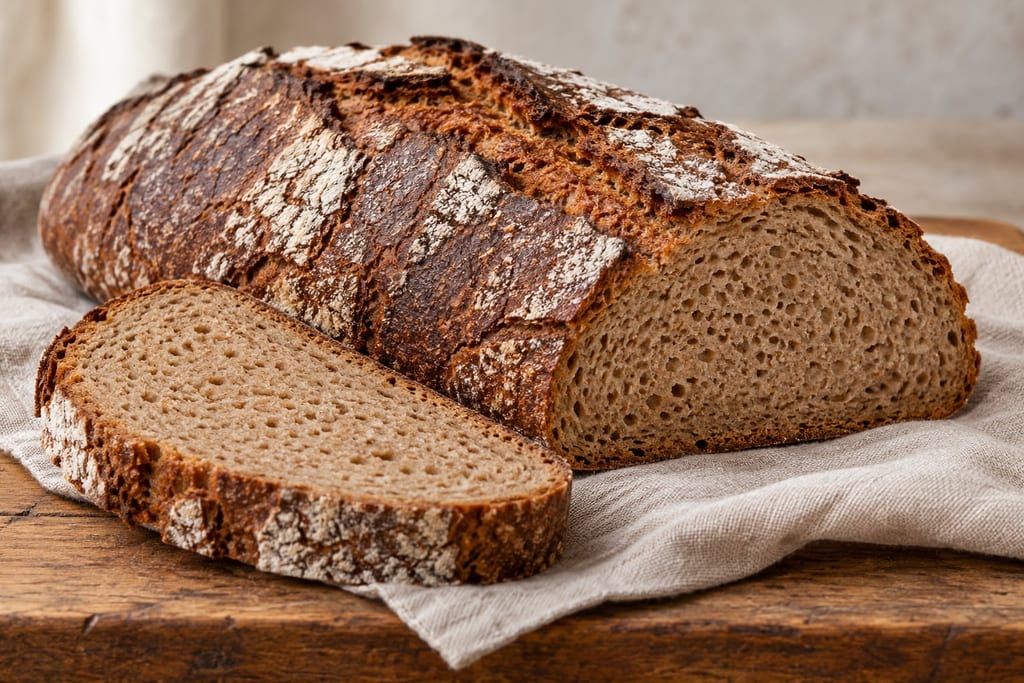
Roggenmischbrot 70/30
A rye-rich sourdough loaf with wheat flour, a dried-bread soaker and a small addition of baker’s yeast.
 FermenteaWhere food goes to change
Cultures
A rye sourdough starter is a refreshed flour-and-water culture used to ferment rye dough. Its microbial community shifts with the flour, feeding routine and bakery environment.
A rye sourdough starter is a fermenting portion of flour and water kept for use in later dough. Bakers refresh it with new flour and water, then reserve some again after fermentation. This repeated transfer carries a living community forward; a starter is defined by that practice as well as by its ingredients.
Rye flour supplies starch, sugars, proteins, minerals and the microorganisms that arrive with grain and the bakery environment. In a mature sourdough, lactic acid bacteria (LAB) are prominent, and yeasts may share the culture. The balance varies from one starter to another. A starter is not a fixed list of species, nor does a rye label guarantee one uniform taste or strength.
The term also does not mean every rye bread uses the same culture. The Baltic review describes multiple rye bread processes, including differences in scalding flour, fermentation, mixing and proofing. Rye starter belongs to the ingredient side of that chain: the baker uses it to ferment dough, then shapes and bakes the bread.
A culture remains useful because a portion is carried into fresh flour and water. The new dough supplies substrates for microorganisms, while acidity and other metabolites change the conditions for the next stage. Each refreshment is therefore a small ecological reset: the baker dilutes some accumulated acids and metabolites, adds fresh grain material, and lets the community grow again.
The routine matters. Studies describe differences in refreshment frequency, temperature, hydration and fermentation time; those process choices affect which organisms grow and how the starter behaves. One Estonian rye-bread bakery's starter was created more than forty years before a 2024 study using an unknown commercial LAB culture, then refreshed daily. The study's rye starter fermented at 30°C for 6 hours and was fed at 24-hour intervals. These figures describe that operation's sampled process and are not instructions for a household culture.
A starter's age is not proof that its microbes have remained unchanged. The Estonian study found LAB genotypes and communities in a production environment where the starter, flour, workers and bakery conditions interact. It shows how a long-maintained starter can be studied; it does not identify a single strain responsible for the bread or establish that the same culture has persisted without change.
LAB and yeasts contribute different, overlapping functions. Yeasts can release carbon dioxide that expands dough. LAB form organic acids and other metabolites, shaping acidity and aroma. The result depends on the organisms present, their access to nutrients, and how the baker maintains and uses the culture. A starter's bubbles or smell show visible activity or aroma, but they do not identify its microbes or establish a food-safety endpoint.
Rye flour is not passive food for the culture. Its enzymes release sugars and other compounds from grain material, while microbial acidification changes the activity of those enzymes. The chemistry affects dough's structure, flavor and transformations during fermentation. A research study of dense and liquid spontaneous rye sourdoughs prepared with the same rye flour shows why hydration and propagation conditions must be recorded with results instead of treating all rye starters as one standardized object.
Rye starter should also be distinguished from baker's yeast. A packet of commercial baker's yeast is a prepared leavening culture with a more narrowly specified commercial identity. A rye sourdough is a flour-based culture maintained through fermentation and refreshment; its bacterial community contributes acidification alongside any yeast activity. Some recipes use both kinds of leavening, but one does not become the other when they appear in the same dough. Likewise, a rye bread leavened with a wheat levain or with commercial yeast is not evidence of a rye sourdough starter.
Rye sourdough bread is a documented part of food traditions in Estonia, Latvia and Lithuania. A 2023 peer-reviewed chapter compares histories and technological schemes across the three countries, and discusses LAB associated with both industrial and spontaneous rye sourdoughs. The shared regional category does not erase local methods: recipes may differ in scalding, dough preparation and fermentation.
A Finnish ethnographic account describes one family's way of keeping culture in wooden tubs called tiinu or juurisaavi, or in a long trough called kaukalo. The baker left crusts of dough on the vessel after baking; those dried remnants acted as a carried starter when flour and water were added for the next bake. The same account describes a family vat that had been unused for decades and raises the question of what might survive in old residue, but it reports no viability test and no validated way to restart such a vessel. This account makes the vessel and retained dough part of a particular household practice, not a universal Finnish rule and not a recovery recommendation.
The recipe's flour and the culture's history are separate claims. These sources document rye sourdough traditions and particular maintained cultures, but they do not establish a single birthplace or earliest use for rye starter worldwide. The page therefore records country-level associations where sources support them and leaves a global first date unknown.
A study of 17 backslopped sourdoughs from household and artisan-bakery settings in Belgium, France, the United Kingdom and the United States found varied microbial profiles. It was not a representative survey and does not describe a typical rye community, but it shows why the label sourdough, or rye sourdough, does not name one microbial lineage.
Industrial work asks a different question. A PLOS ONE study tested selected lactic-acid-bacteria cultures in wholemeal rye sourdough for industrial bread, controlling the culture and the process and monitoring acidification in an industrial fermentor. Its differences between cultures show that results depend on the chosen starter and process. They say nothing about how a household rye culture is composed or kept.
The reviewed sources show cultures refreshed with flour and water, including one long-running bakery process and a Finnish family practice, but they do not establish a universal home feeding ratio, storage period or safe temperature range. Those limits depend on the culture and method. Follow a tested bread formula or the culture keeper's documented routine; do not infer safety from bubbles, smell, or taste.
A rye starter is an ingredient only while it remains part of an ongoing refreshment practice. A dried commercial starter, a fresh portion held for a recipe, and a household culture carried between bakes may share a name while differing in state and handling. The sources here focus on rye sourdough cultures as maintained by repeated fermentation; they do not supply a standard for commercial dried starter products.
A study of one Estonian bakery documents a rye starter used for rye bread; its maintenance history is not a national origin claim.
The regional review includes Estonia in its account of Baltic rye sourdough bread; this associates the preparation with the country, not a precise birthplace.
The regional review includes Latvia in its account of Baltic rye sourdough bread; this associates the preparation with the country, not a precise birthplace.
The regional review includes Lithuania in its account of Baltic rye sourdough bread; this associates the preparation with the country, not a precise birthplace.
One ethnographic account records Finnish family rye-baking practices and retained starter; it does not claim all Finnish starters use the same vessel or routine.
A rye-rich sourdough loaf with wheat flour, a dried-bread soaker and a small addition of baker’s yeast.
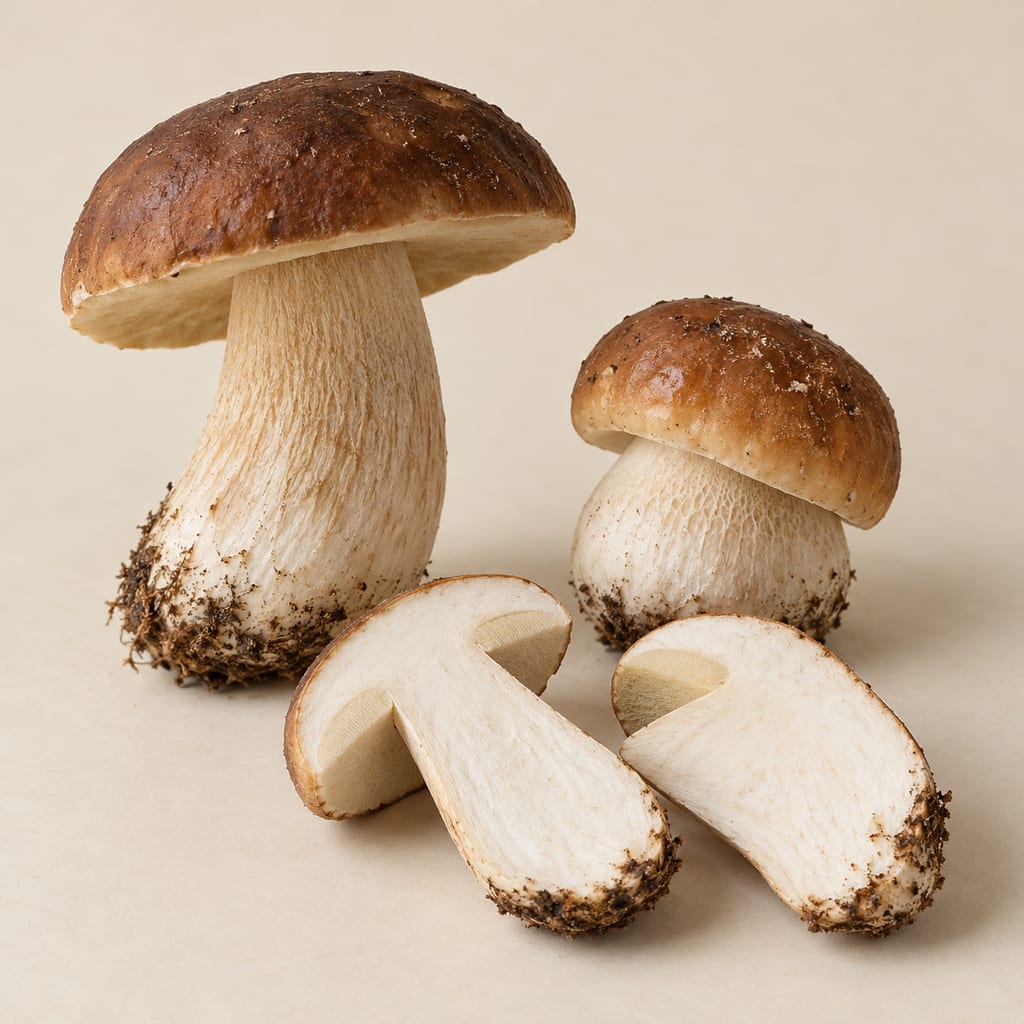
Boletus pinetorum is a greyish-brown penny bun relative that grows with Scots pine on dry sandy heaths in Fennoscandia and Estonia, described as a new species in 2009.
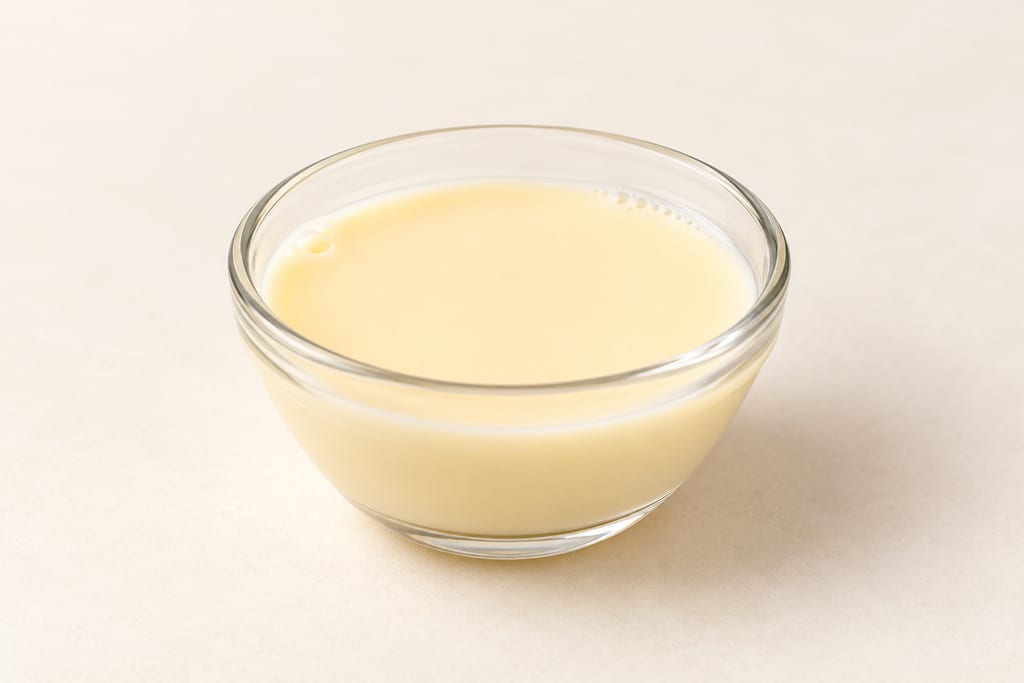
Bovine colostrum is the changing first secretion around calving, concentrated in proteins and maternal immune components; it feeds newborn calves and appears in seasonal foods and processed products.
Farmhouse brewing cultures are retained yeast populations used in farm and home beer in the Baltic region and northern Europe. Sampled cultures differ widely and share no single method.
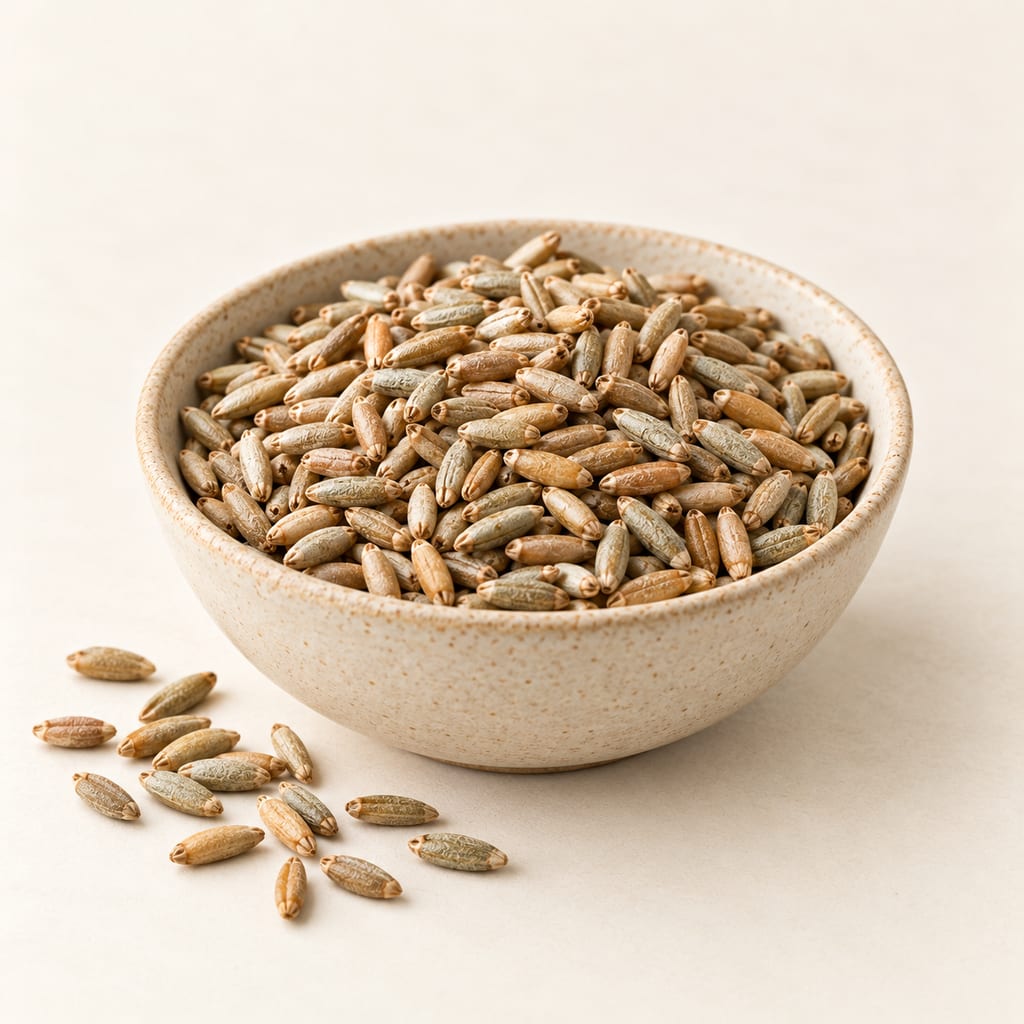
The grain of Secale cereale is milled whole or refined for breads whose crumb, flavour and fermentation differ from wheat loaves.
No community contributions have been published for this entry yet.
Sign in to contribute. Published comments and photos are free to read.
University of Latvia; Springer International PublishingHistory · Geography · Use
Traditional Breads from the Baltic Countries (Estonia, Latvia, Lithuania)Peer-reviewed chapter surveys rye sourdough breadmaking histories and process schemes in Estonia, Latvia and Lithuania, including regional variation and distinct industrial and spontaneous starters.
Cited in: A living culture carried in rye dough; Baltic and Finnish traditions
MicroorganismsMicrobiology · Production · Geography
Genotypic Stability of Lactic Acid Bacteria in Industrial Rye Bread Sourdoughs Assessed by ITS-PCR AnalysisAn Estonian bakery's rye starter was initiated more than 40 years before the study with an unknown commercial LAB culture and refreshed daily; it was fermented at 30°C for 6 hours and fed at 24-hour intervals in the studied process. Its results describe that bakery, not a universal home method.
The study describes rye and wheat sourdoughs and finds microbial composition shaped by flour, process parameters, interactions and the bakery environment.
Cited in: A living culture carried in rye dough; Refreshment keeps the process going; Acidity, gas and rye flour; What can be said about care
Current Anthropology / University of Chicago PressHistory · Use · Equipment
Fermentation in Post-antibiotic Worlds: Tuning In to Sourdough Workshops in FinlandThe ethnographic account describes Finnish family practice in which rye sourdough culture was retained as dough crust on wooden vessels and refreshed with rye flour and water; it names tiinu or juurisaavi tubs and kaukalo troughs. It is a situated account, not a claim for all Finnish households.
Cited in: Baltic and Finnish traditions; What can be said about care
Vavilov Journal of Genetics and BreedingMicrobiology
Taxonomic structure of bacterial communities in sourdoughs of spontaneous fermentationA study compared dense and liquid spontaneous rye sourdoughs made with the same batch of peeled rye flour, documenting that flour, hydration and propagation conditions belong to a particular starter's process description.
Cited in: Acidity, gas and rye flour
Food MicrobiologyMicrobiology
Enzymatic and bacterial conversions during sourdough fermentationReview describes interactions between cereal enzymes and sourdough microorganisms as they transform carbohydrates, proteins, phenolic compounds and lipids; rye flour enzymes supply substrates and microbial acidification affects cereal enzyme activity.
Cited in: Acidity, gas and rye flour
Frontiers in MicrobiologyMicrobiology
Diverse Microbial Composition of Sourdoughs From Different OriginsA study of 17 backslopped sourdoughs from household and artisan-bakery settings in Belgium, France, the United Kingdom and the United States found varied microbial profiles; it was not a representative survey.
Cited in: One name, many cultures
PLOS ONEMicrobiology · Production
Developing lactic acid bacteria starter cultures for wholemeal rye flour bread with improved functionality, nutritional value, taste, appearance and safetySelected lactic-acid-bacteria cultures were tested in wholemeal rye sourdough for industrial bread production in a controlled process with acidification monitored in an industrial fermentor; results depended on the selected starter and process.
Cited in: One name, many cultures