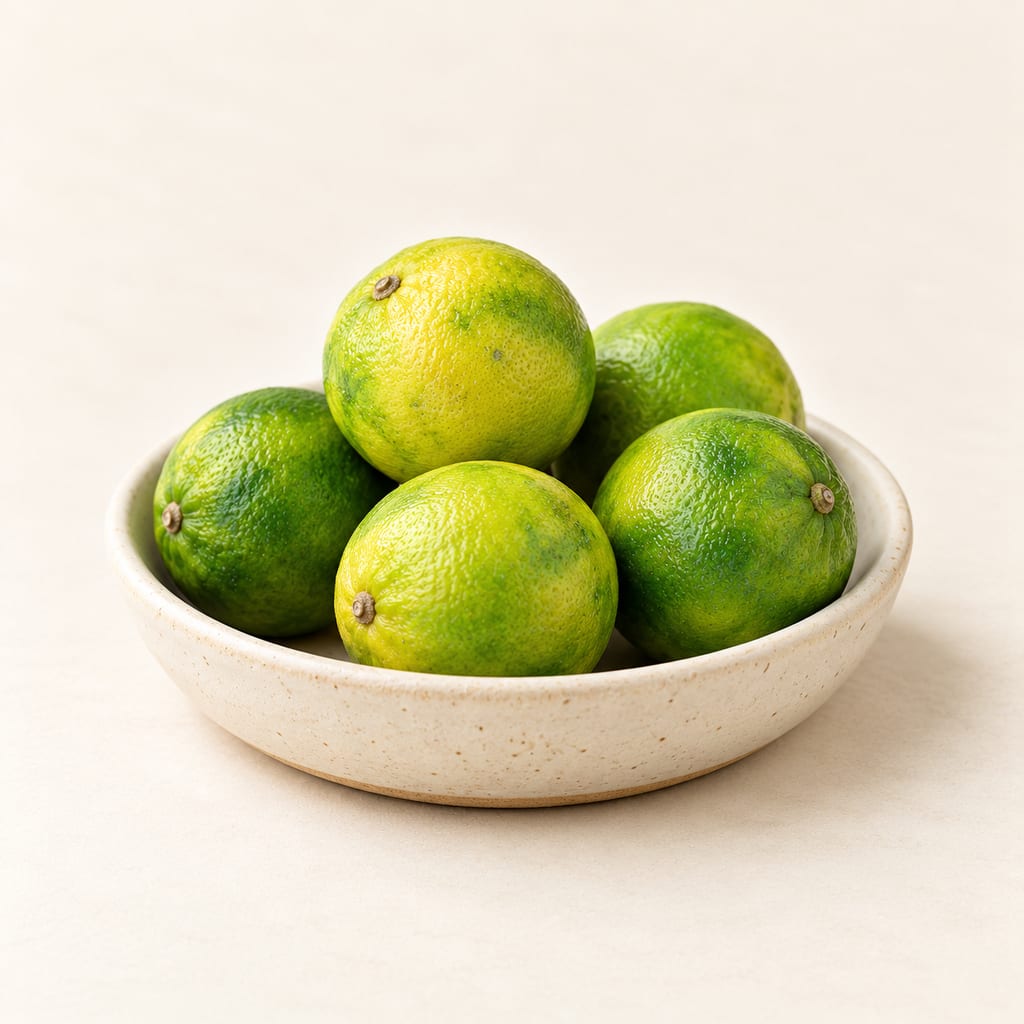
Verjuice
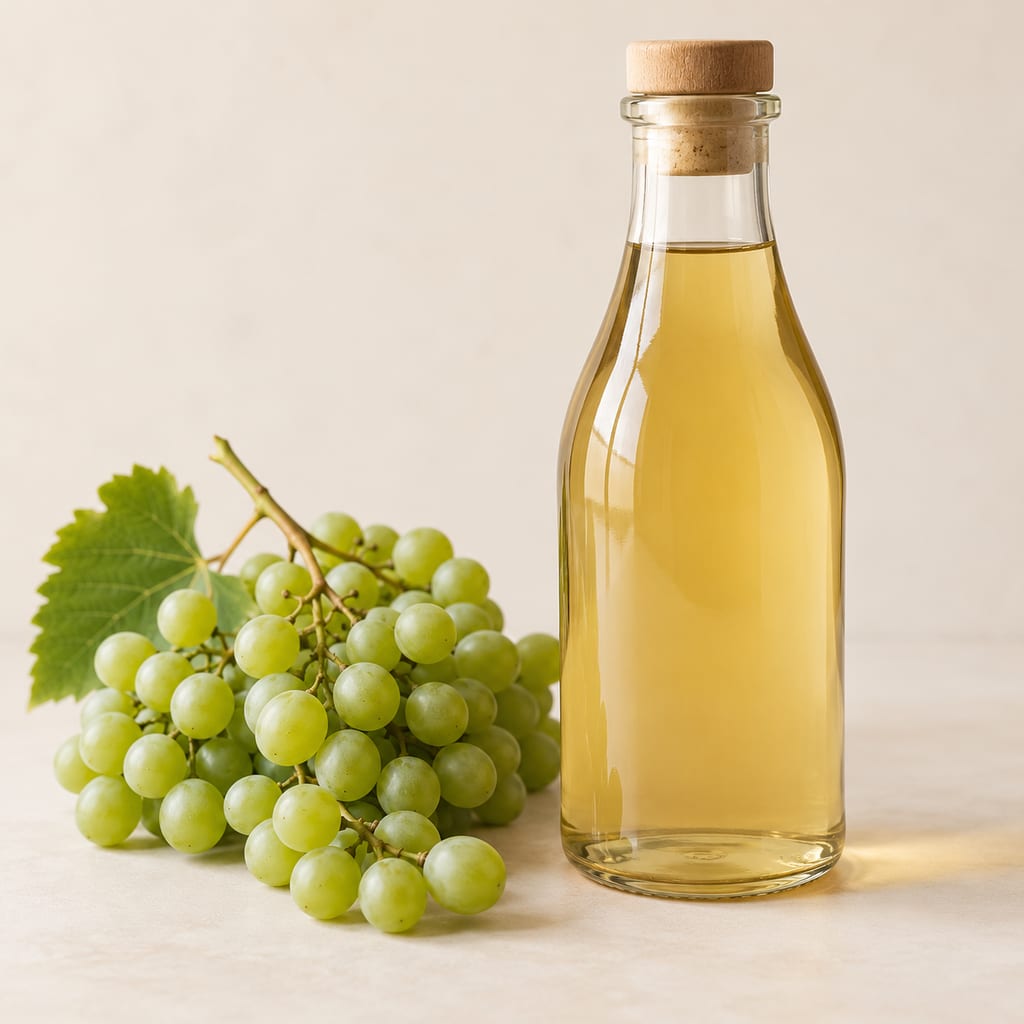
Verjuice is the sharp juice pressed from unripe grapes, and sometimes from crab apples or other sour fruit. Medieval cooks used it where later kitchens reached for vinegar or lemon.
 FermenteaWhere food goes to change
1086 articles on substrates, cultures and additives.
Verjuice is the sharp juice pressed from unripe grapes, and sometimes from crab apples or other sour fruit. Medieval cooks used it where later kitchens reached for vinegar or lemon.
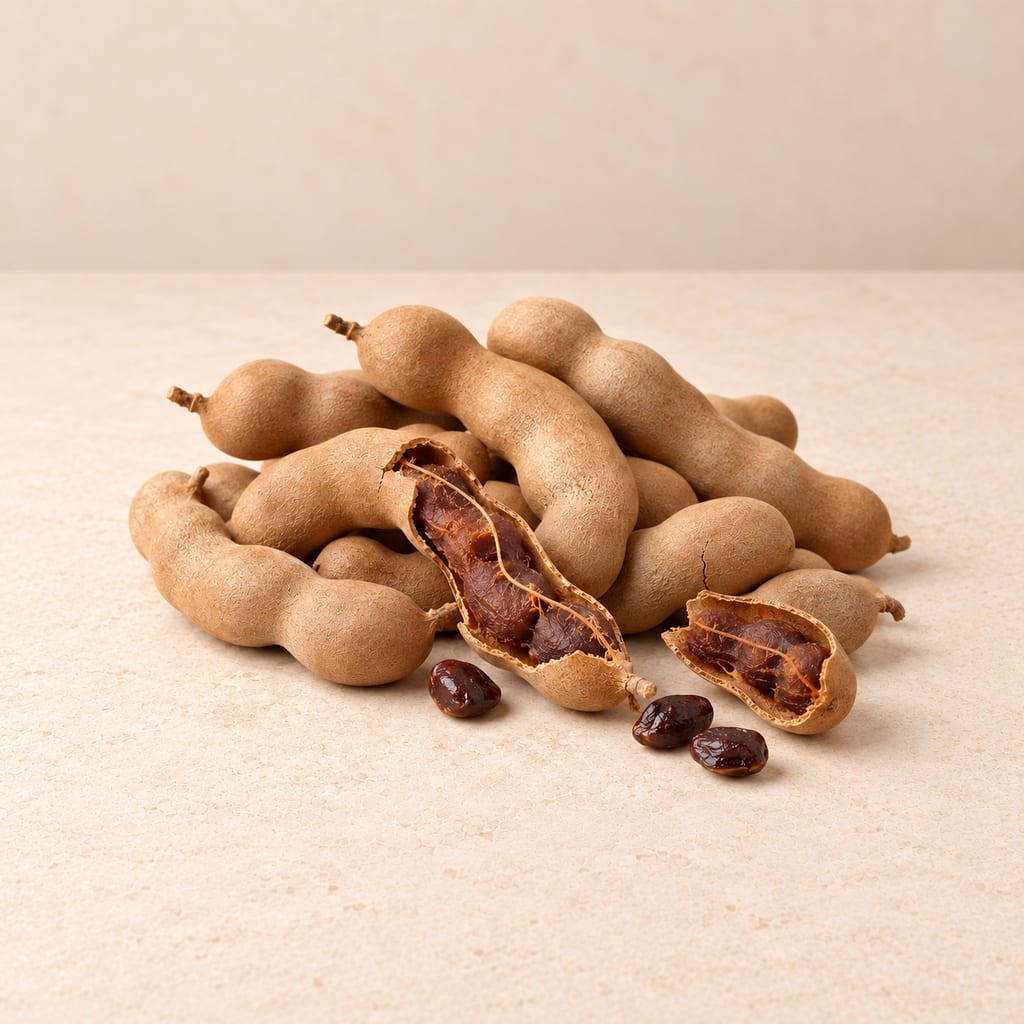
Tamarind pulp is the sweet-sour flesh of Tamarindus indica. It brings a tartaric-acid-led fruit flavour to chutneys, sauces and drinks; water content and sourness vary across forms and brands.
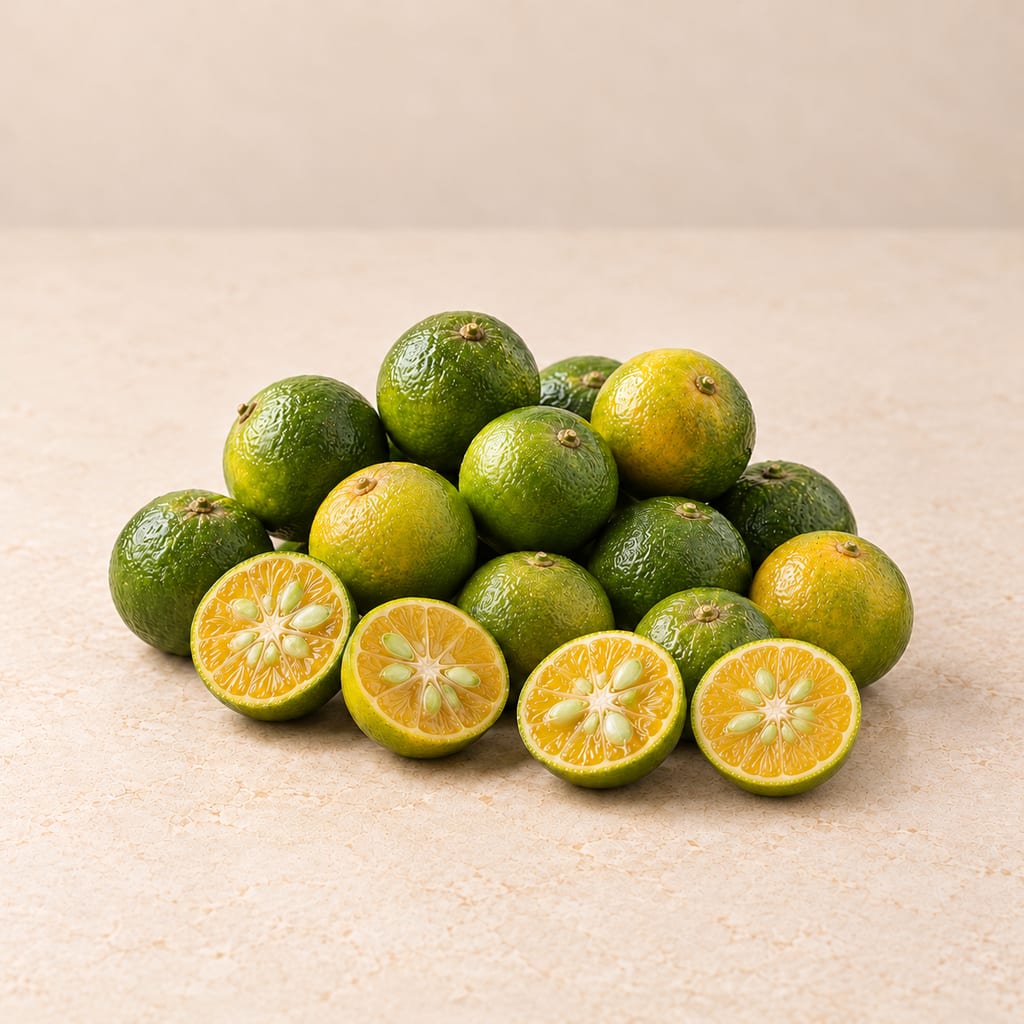
Calamansi is a small, very sour kumquat-mandarin hybrid, Philippine cooking’s all-purpose citrus, squeezed into soy sauce, fish sauce, broths and dips.
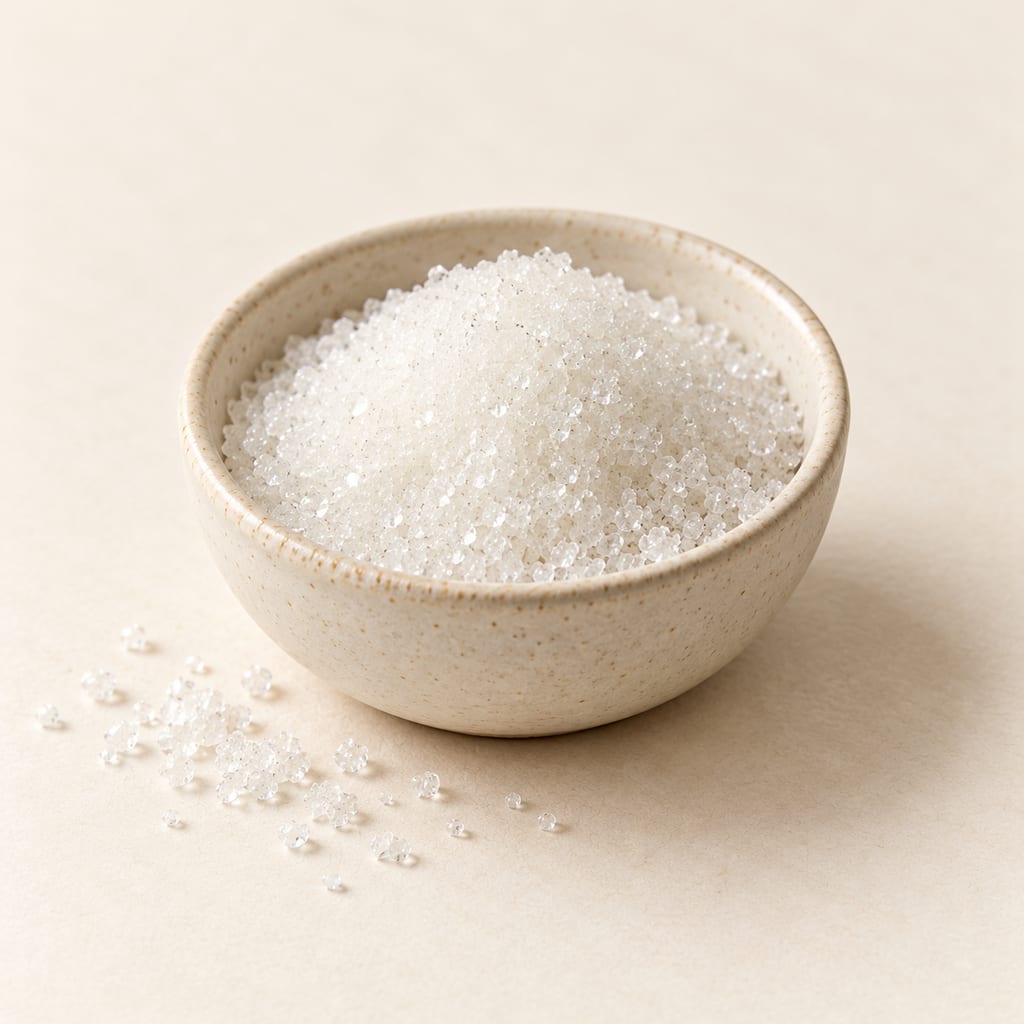
Tartaric acid is a crystalline food acid associated with grapes and wine; it gives sourness and is distinct from its potassium salt, cream of tartar.
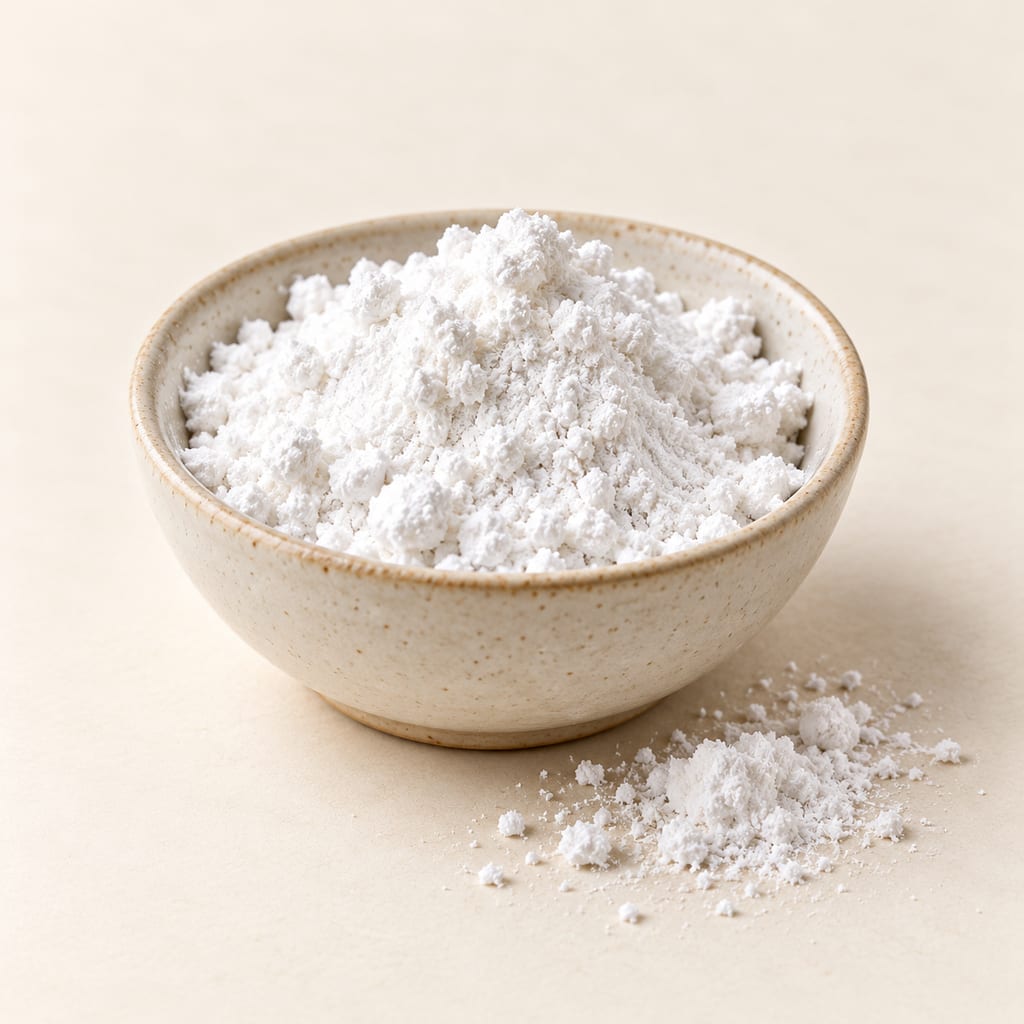
Cream of tartar is a grape-derived potassium tartrate salt used as a dry baking acid, foam aid and measured syrup ingredient.
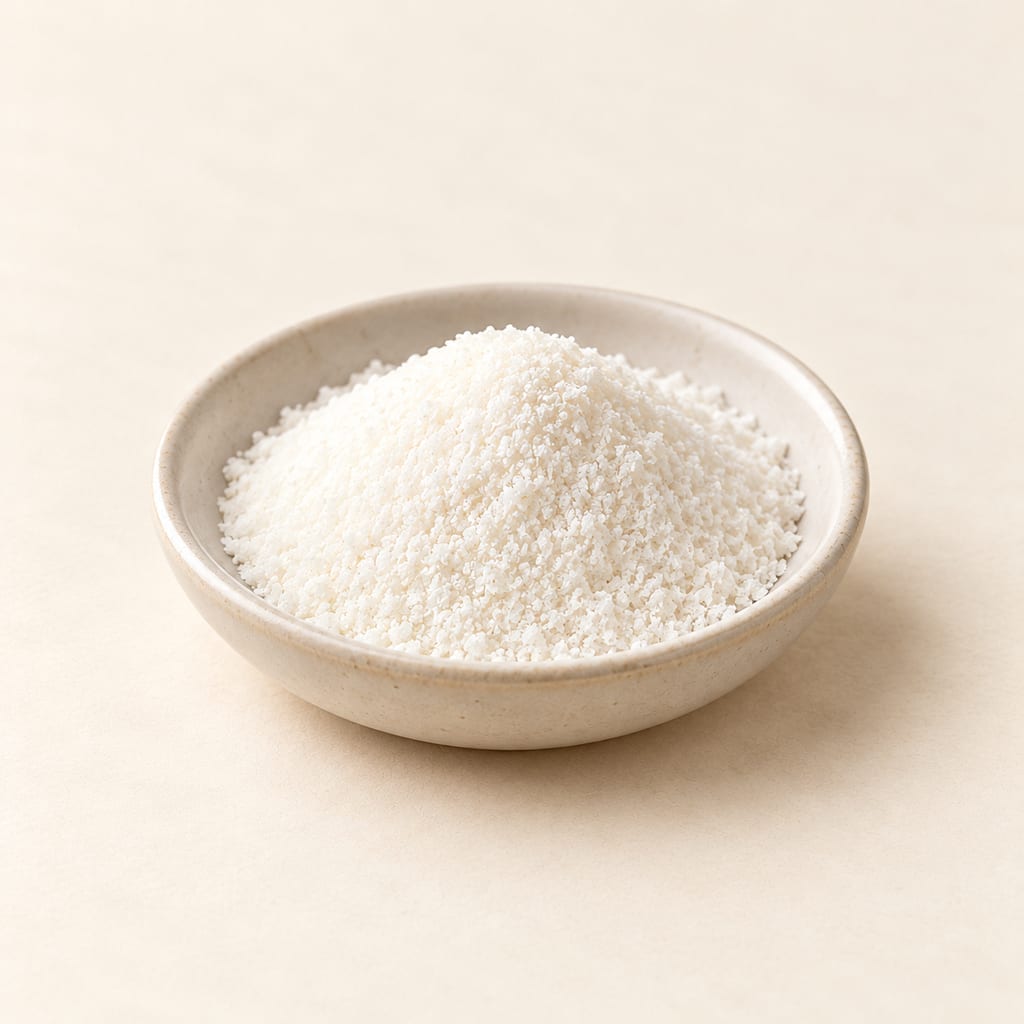
Acid blend is a commercial mixture of food acids for winemaking. Supplier formulas differ, and pH, titratable acidity and tartness describe different effects of an addition.
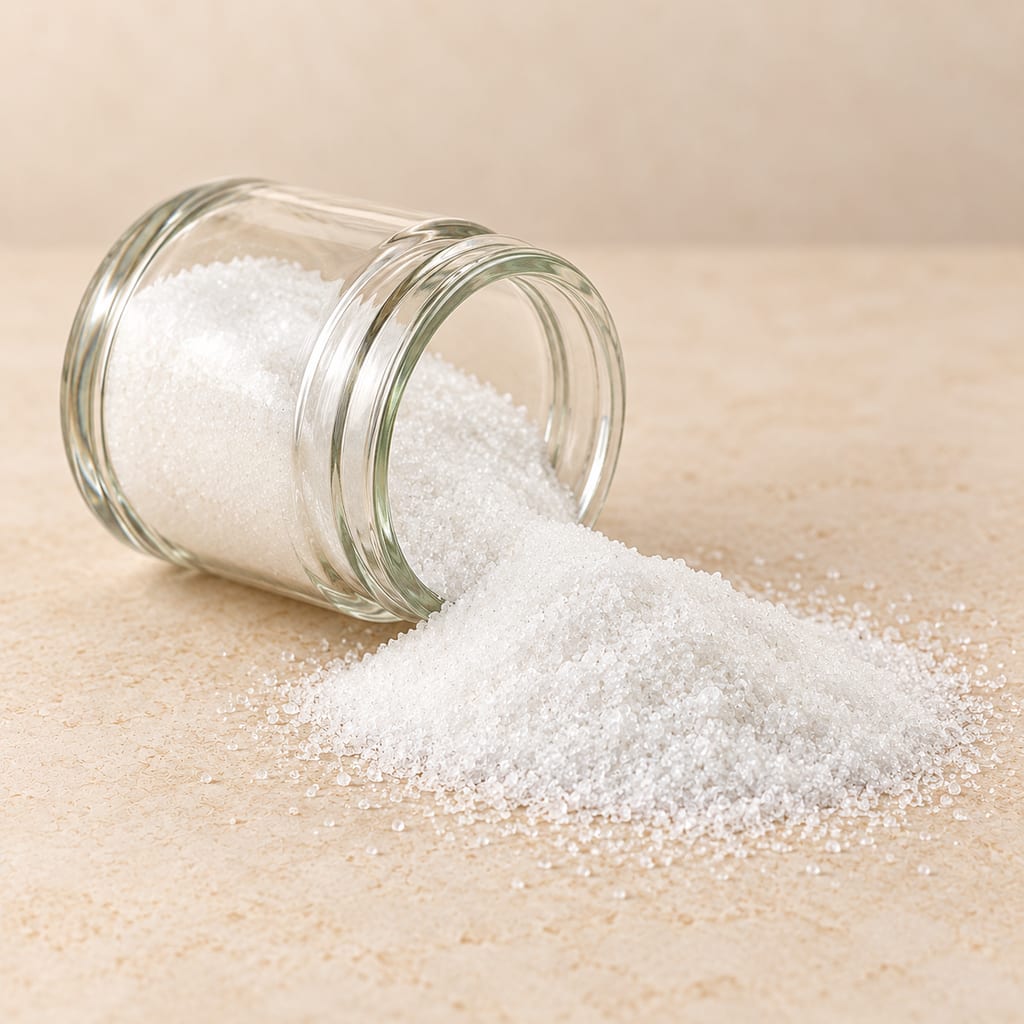
Citric acid is a sour, crystalline food acid found in fruit and made industrially by fermentation. In quick mozzarella it directly acidifies milk before the rennet set.