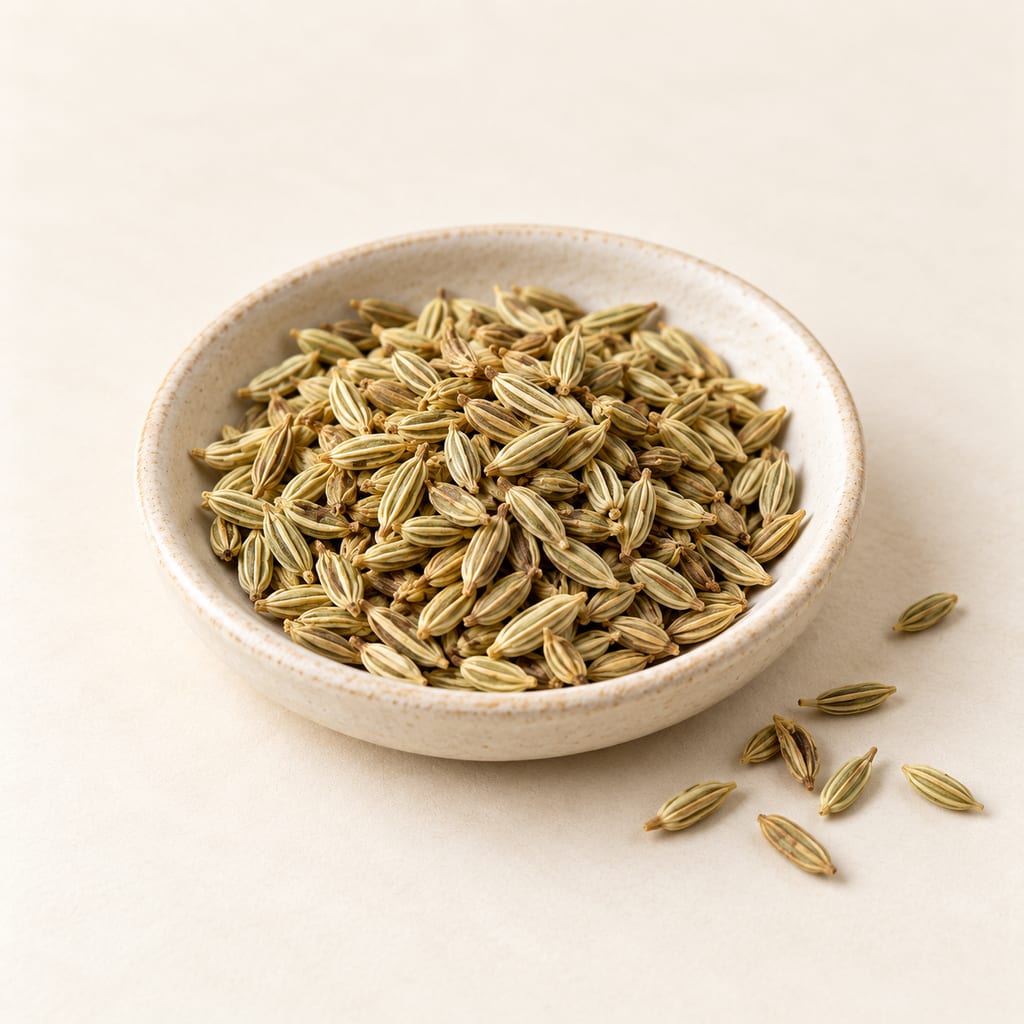
Fennel seed
Fennel seed is the dried aromatic fruit of Foeniculum vulgare; a Himachal Pradesh survey records it among the seasonings of Galgal pickle.
 FermenteaWhere food goes to change
1086 articles on substrates, cultures and additives.
Fennel seed is the dried aromatic fruit of Foeniculum vulgare; a Himachal Pradesh survey records it among the seasonings of Galgal pickle.
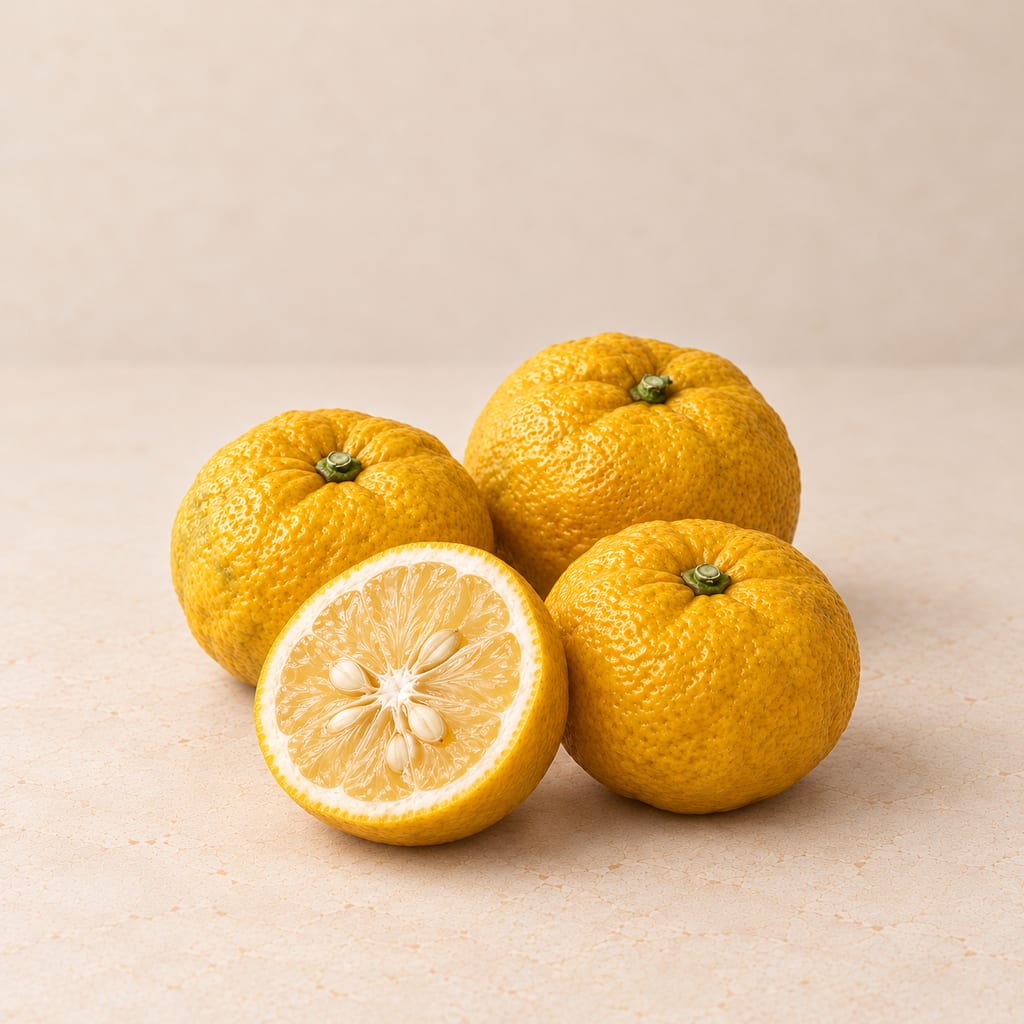
Yuzu (Citrus junos) is a hardy, thorny East Asian citrus whose sour juice and intensely scented peel flavour ponzu, yuzu kosho and preserves.
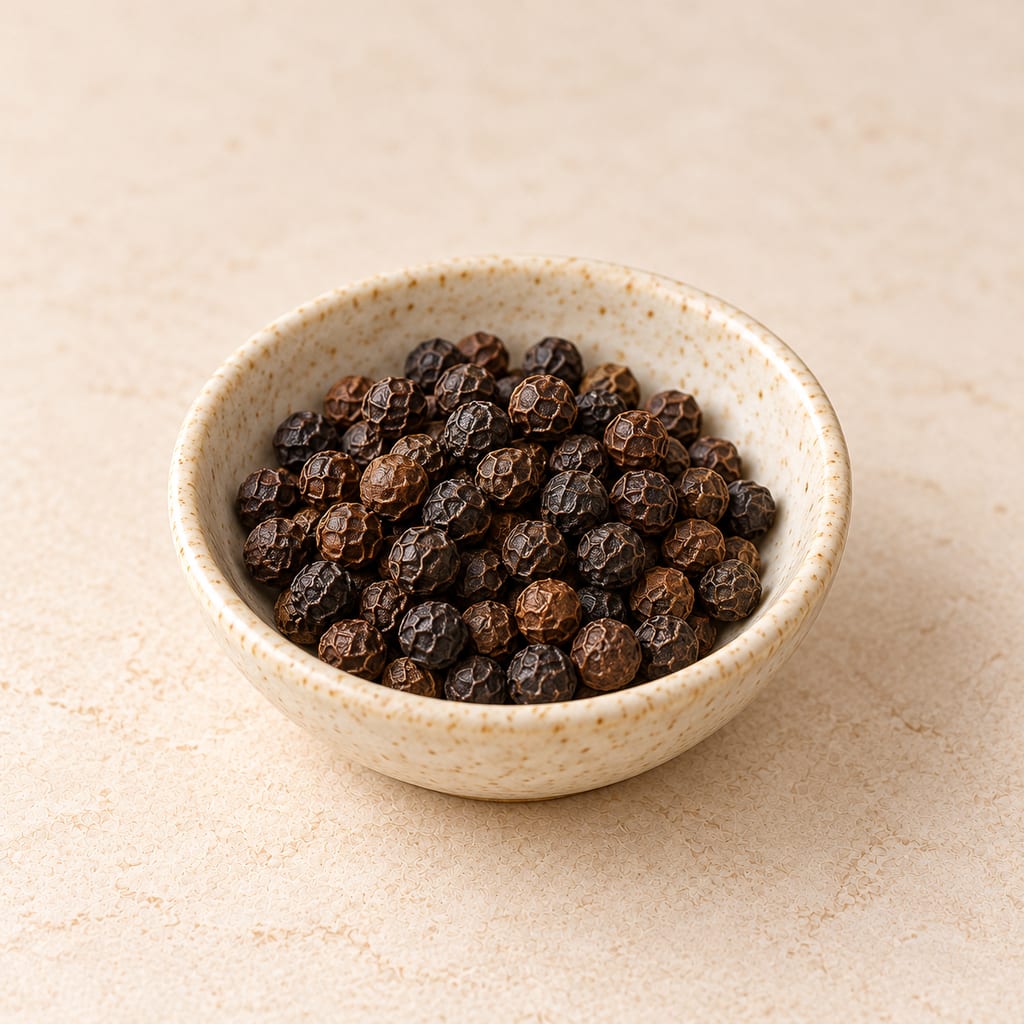
Whole peppercorns are the dried, uncracked berries of Piper nigrum, sold with their pungent seed intact. They season cured sausages such as Genoa-style salami and soppressata di Calabria beside a ground pepper.
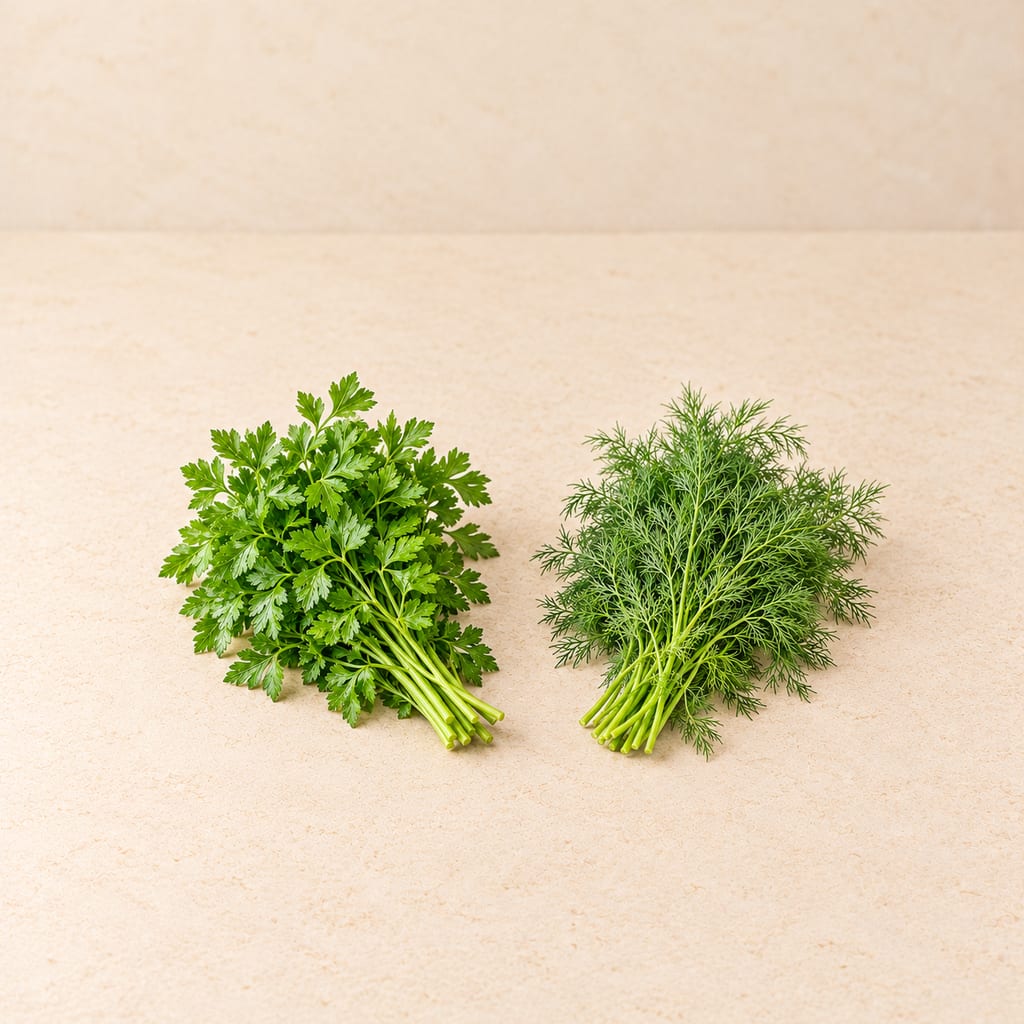
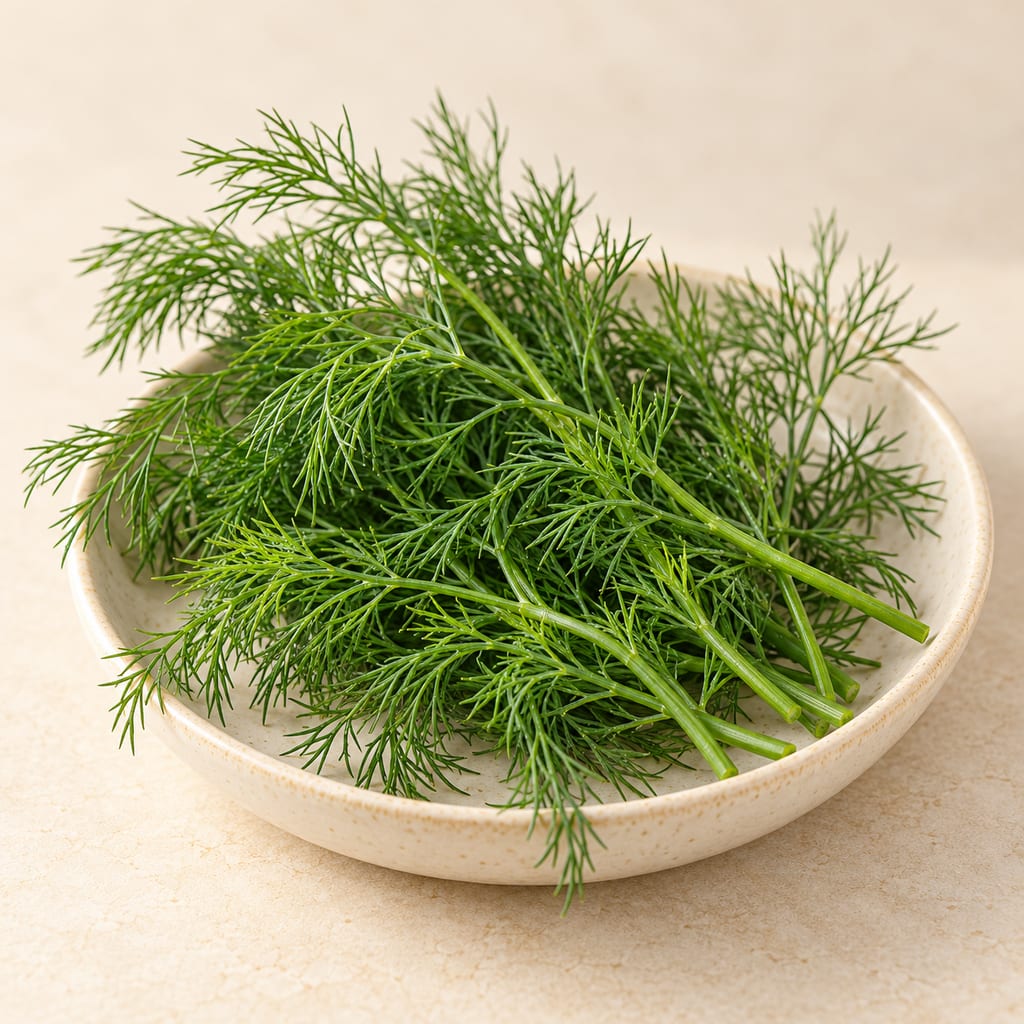
Parsley and dill are two leafy herbs of the carrot family, used fresh for their green, clean flavour. Dill also gives its name to dill pickles, the best-known cucumber ferment.
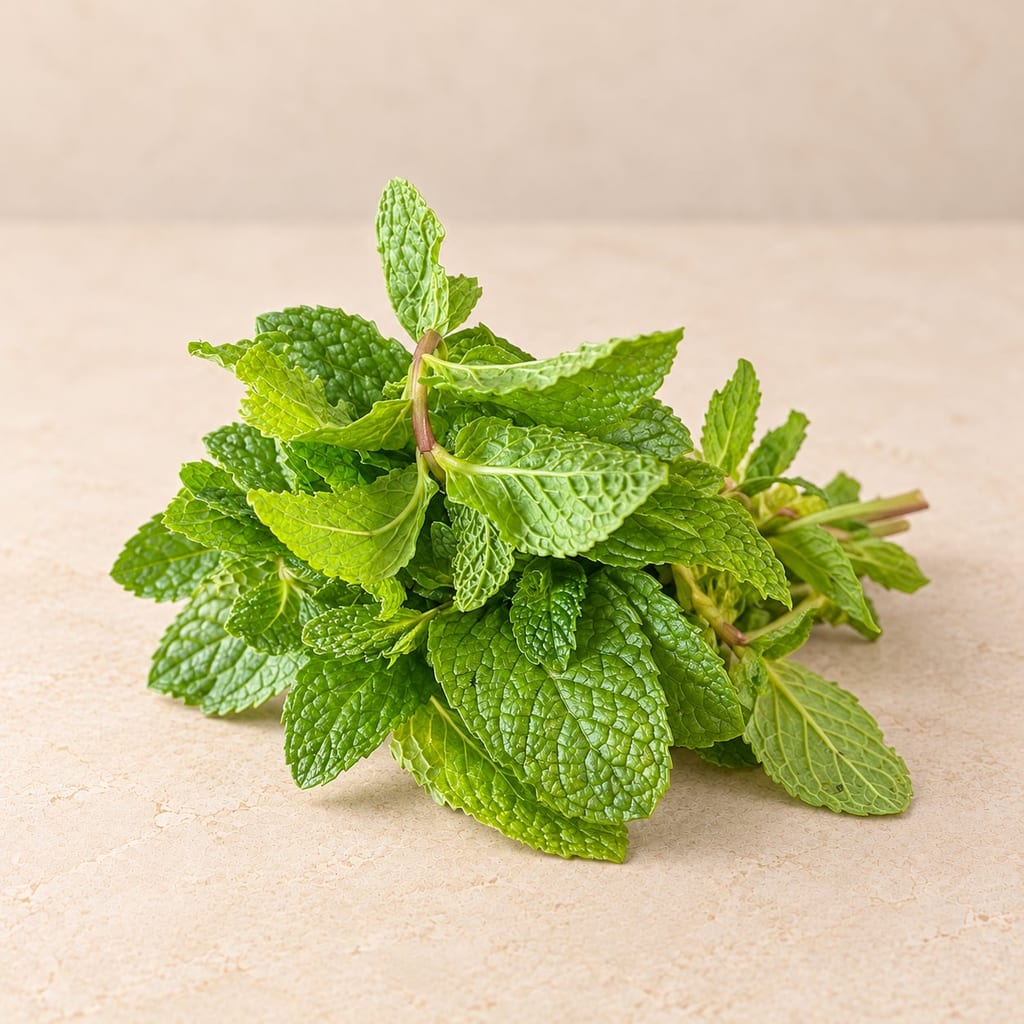
Mint is the fresh leaf of aromatic Mentha plants, chiefly spearmint and peppermint. It gives chutneys, yoghurt sauces and fermented drinks a cool, sweet, green note.
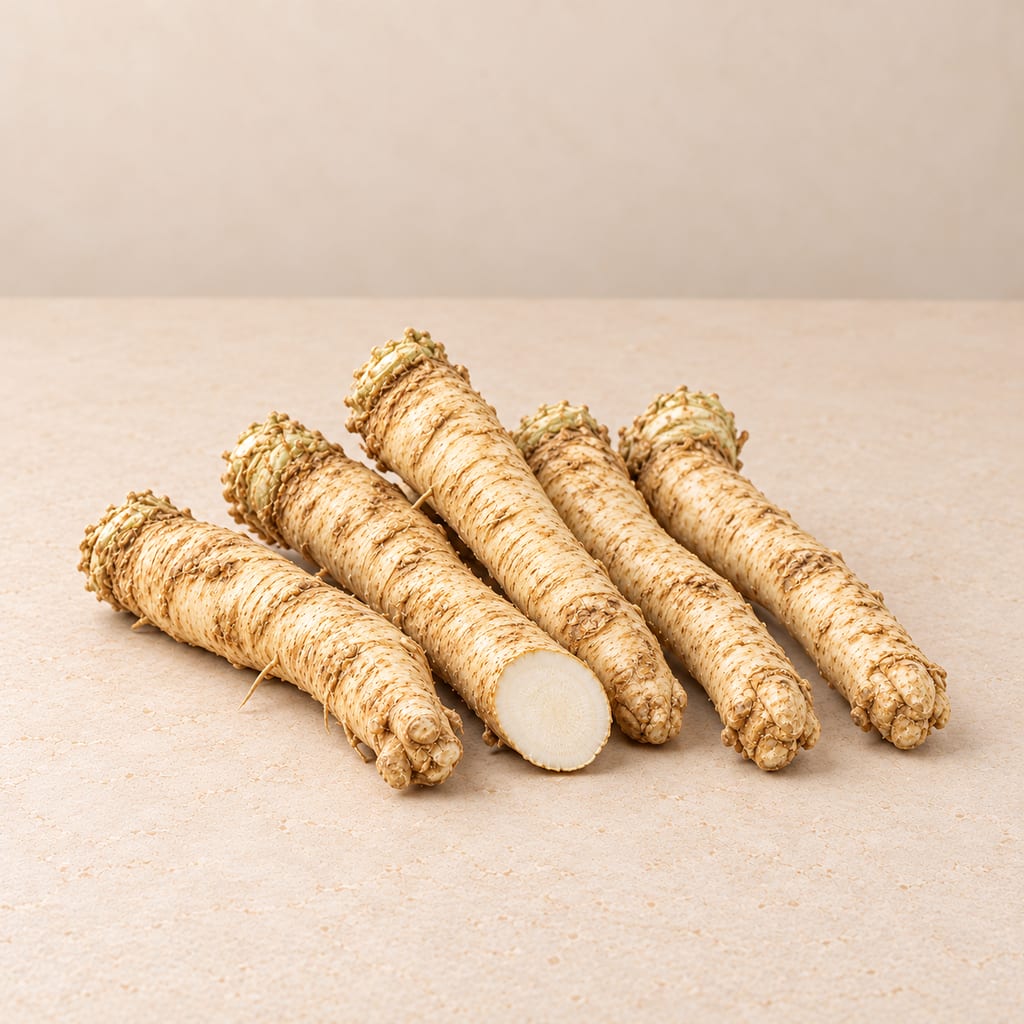
Horseradish is the long white root of Armoracia rusticana, a perennial of the mustard family. Grated, it releases a sharp, nose-clearing heat that vinegar fixes in the sauce.
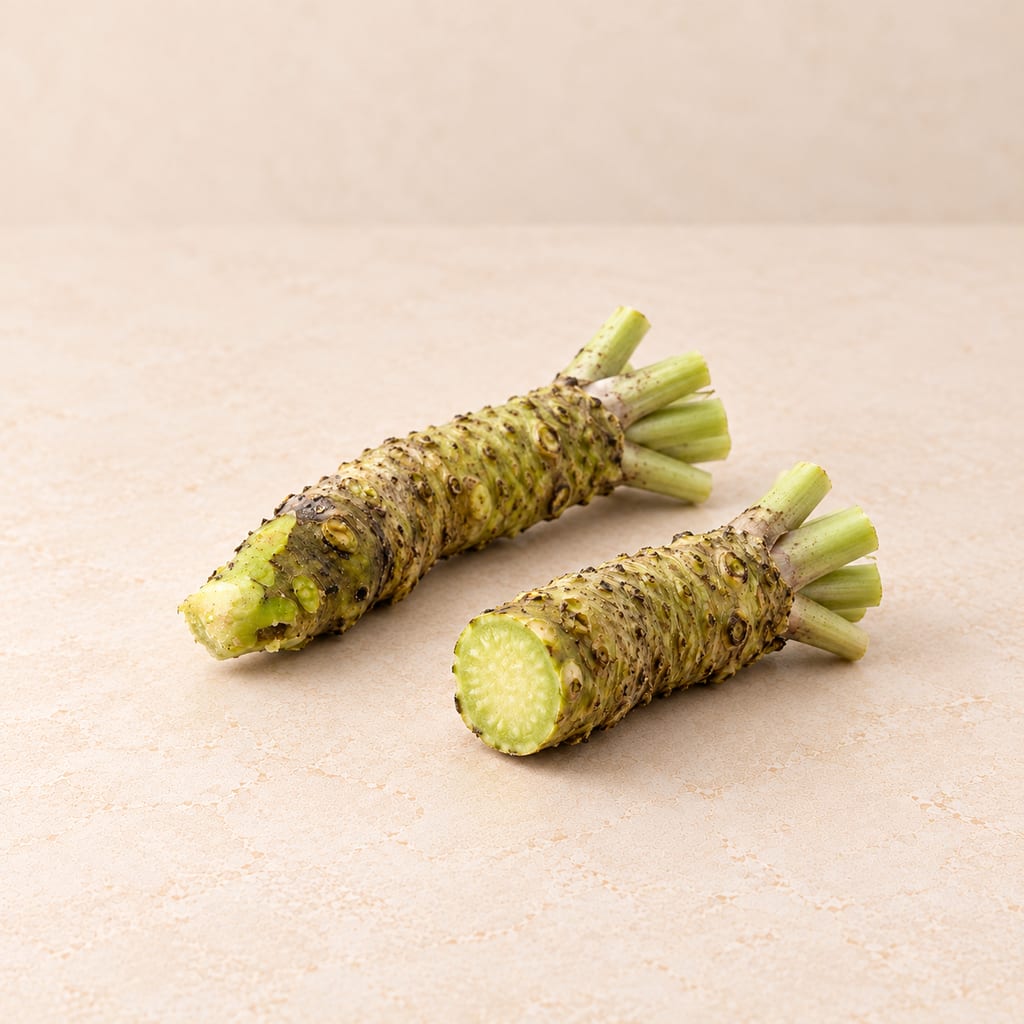
Wasabi is the enlarged stem of Eutrema japonicum, a pungent perennial in the mustard family. Fresh rhizome is grated as a Japanese condiment; powder and prepared paste are separate products.
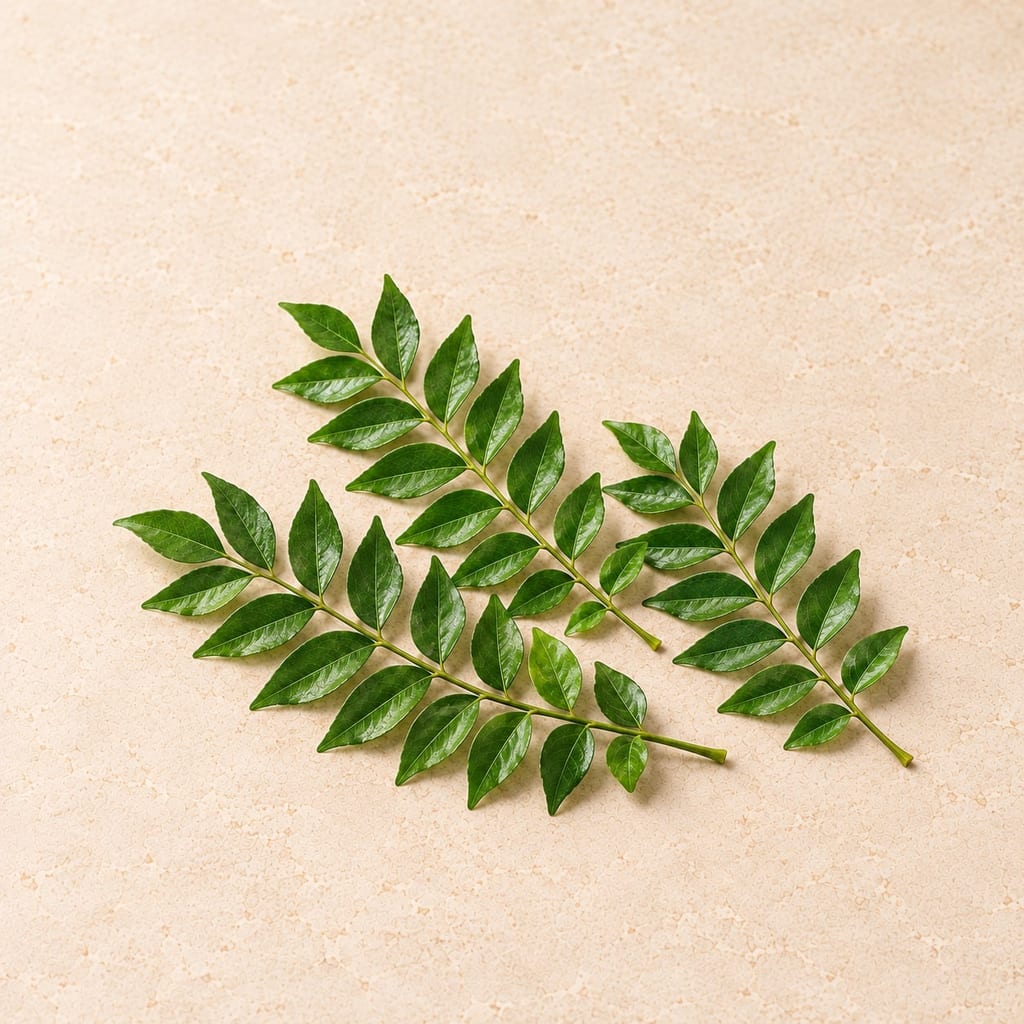
Curry leaves are the glossy compound leaves of the curry tree, Bergera koenigii, used fresh across southern India and Sri Lanka. Fried in hot oil they give a citrusy, nutty, faintly smoky note.
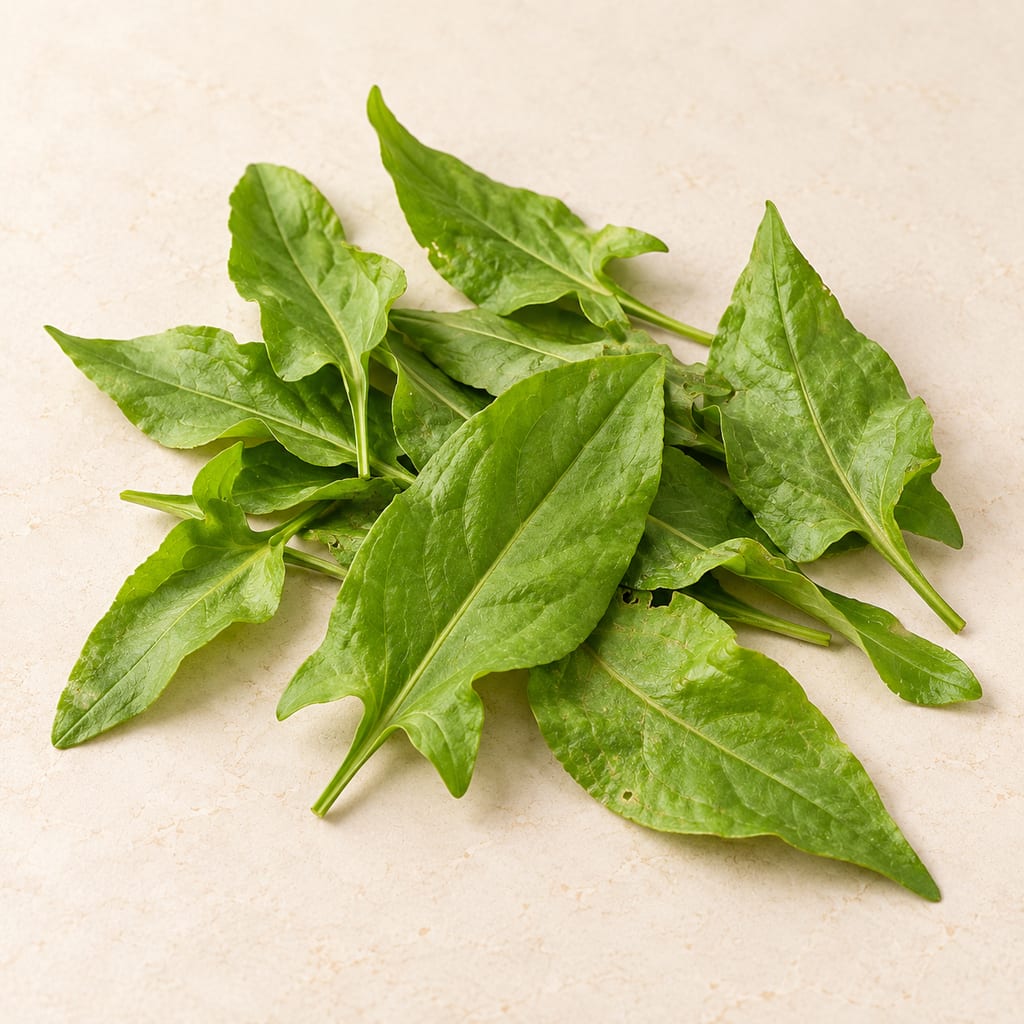
Common sorrel (Rumex acetosa) has a tart leaf used in salads and cooked dishes. UK growing guidance covers outdoor beds and containers, while the source does not give a numeric cold limit or a complete recipe or food-safety threshold.
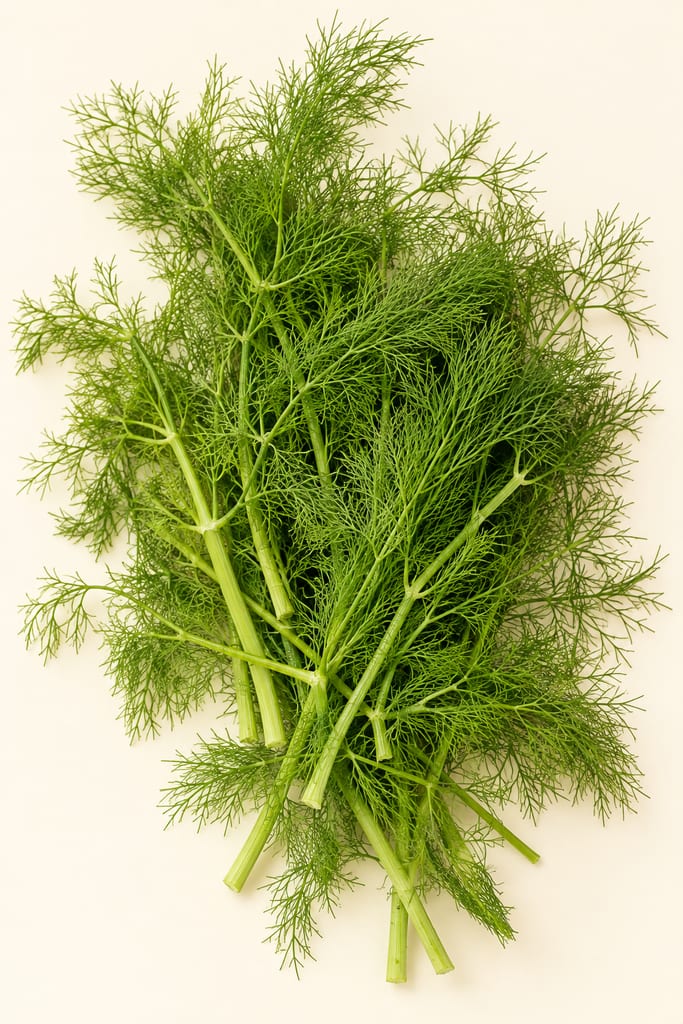
Moroccan and Tunisian sources describe fennel leaves, stems, fruits and bulb forms in different food contexts; one Tunisian folk label also pools fennel with dill.
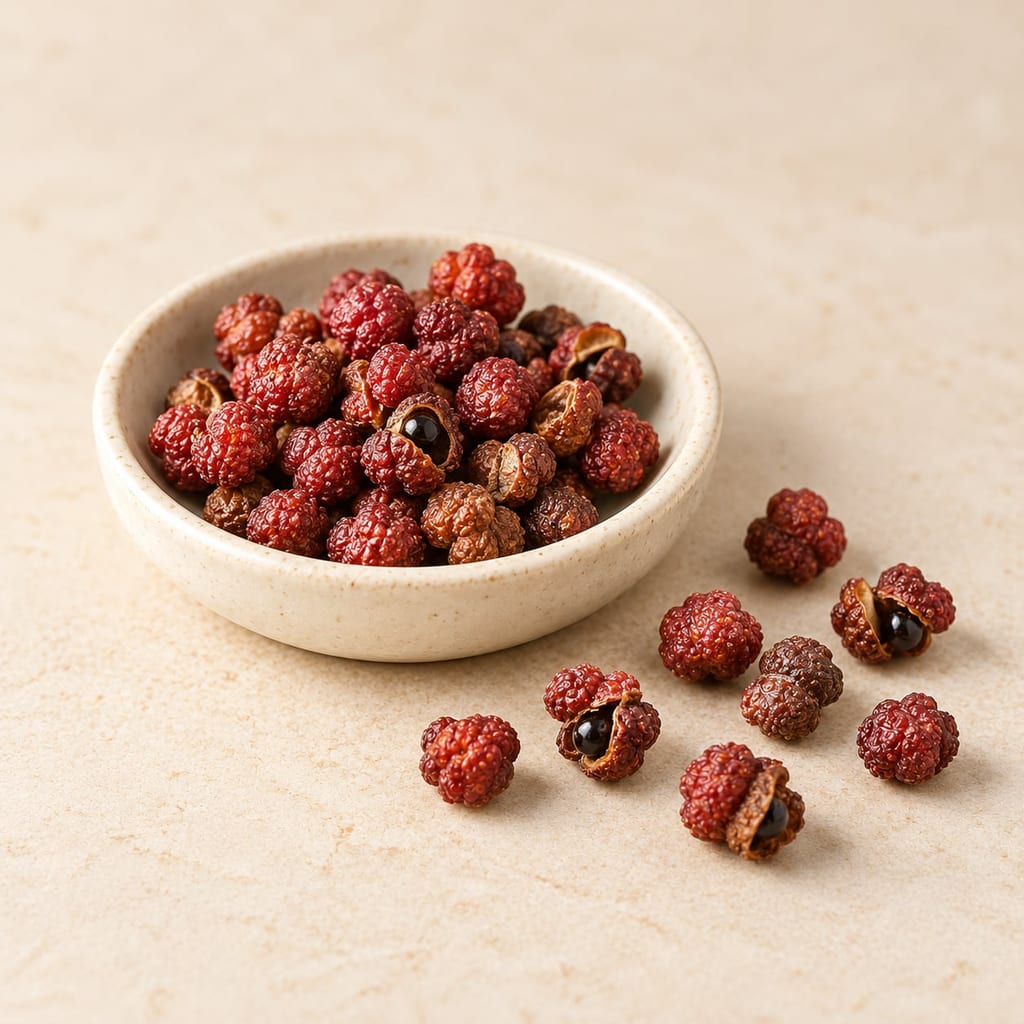
Timur is recorded as a spice made from fruit in a Nepal study and government growing guide. Sources describe regional cultivation and nursery guidance, but their flowering and planting calendars conflict and do not validate a household food process.
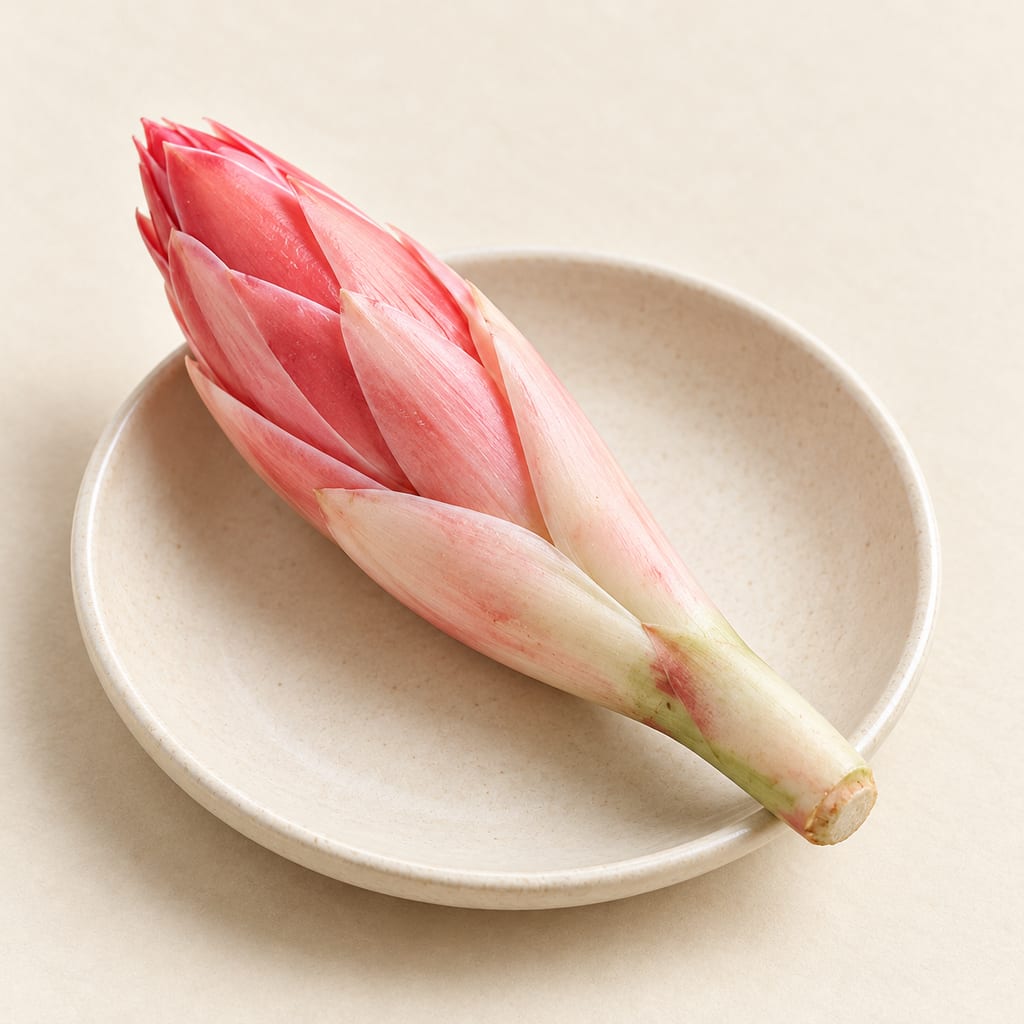
A two-site MARDI trial compared 15 Etlingera elatior accessions in Negeri Sembilan and Terengganu and found yield traits varied by genotype and location.
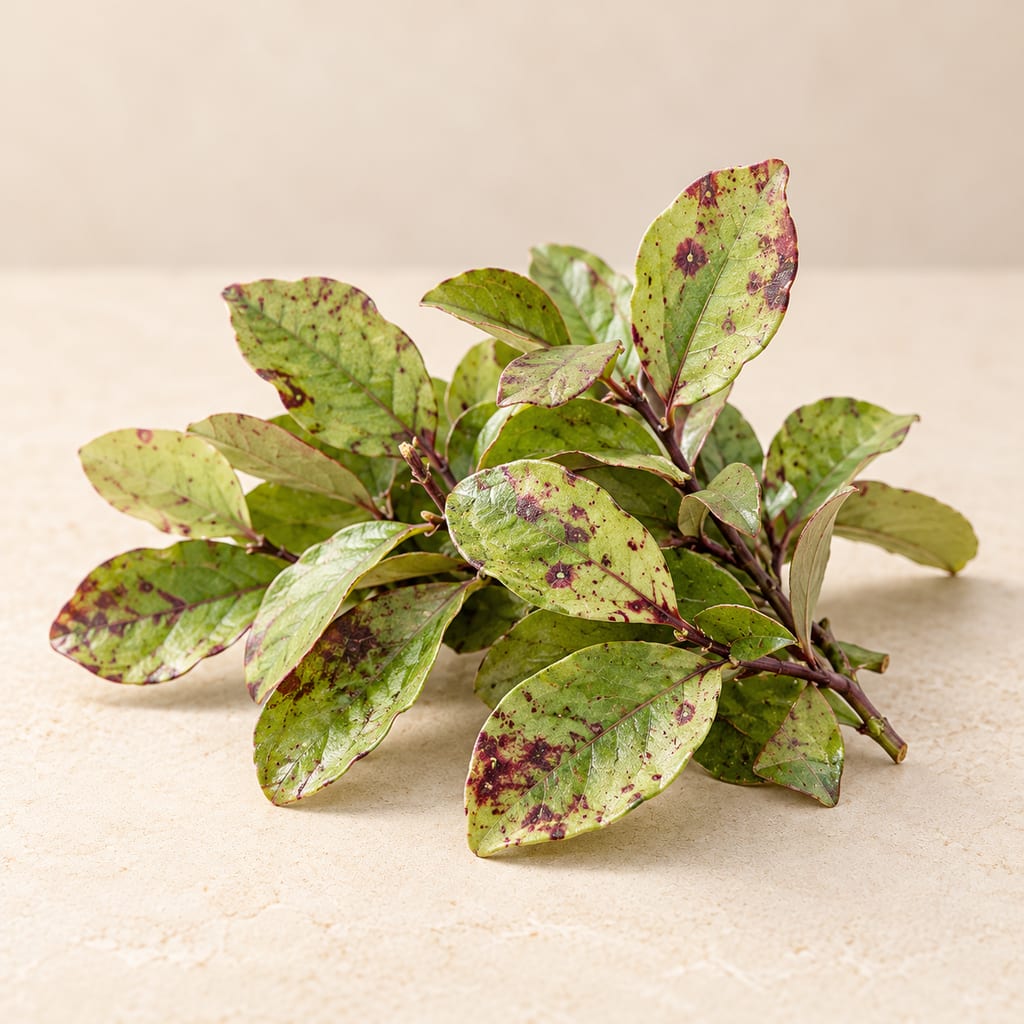
Horopito is a New Zealand endemic whose peppery leaves are described as a culinary flavouring; garden advice is qualitative and household preparation evidence remains incomplete.
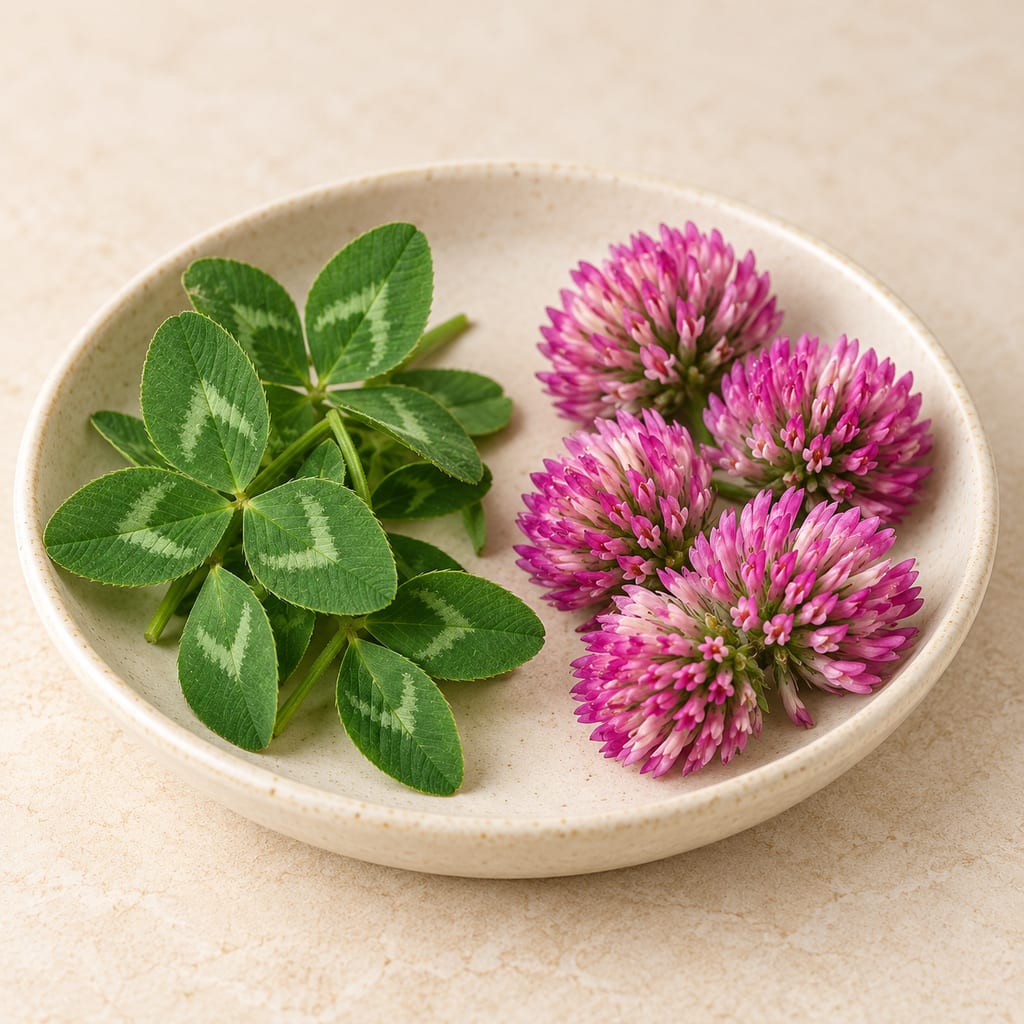
Trifolium pratense is used as a forage crop and has separate human food reports for leaves and flowers. NCSU Extension describes salads, soups and cooked greens; a Mediterranean review summarizes flower uses in several countries. The growing evidence differs by region and purpose, and the available sources do not provide a complete food recipe.
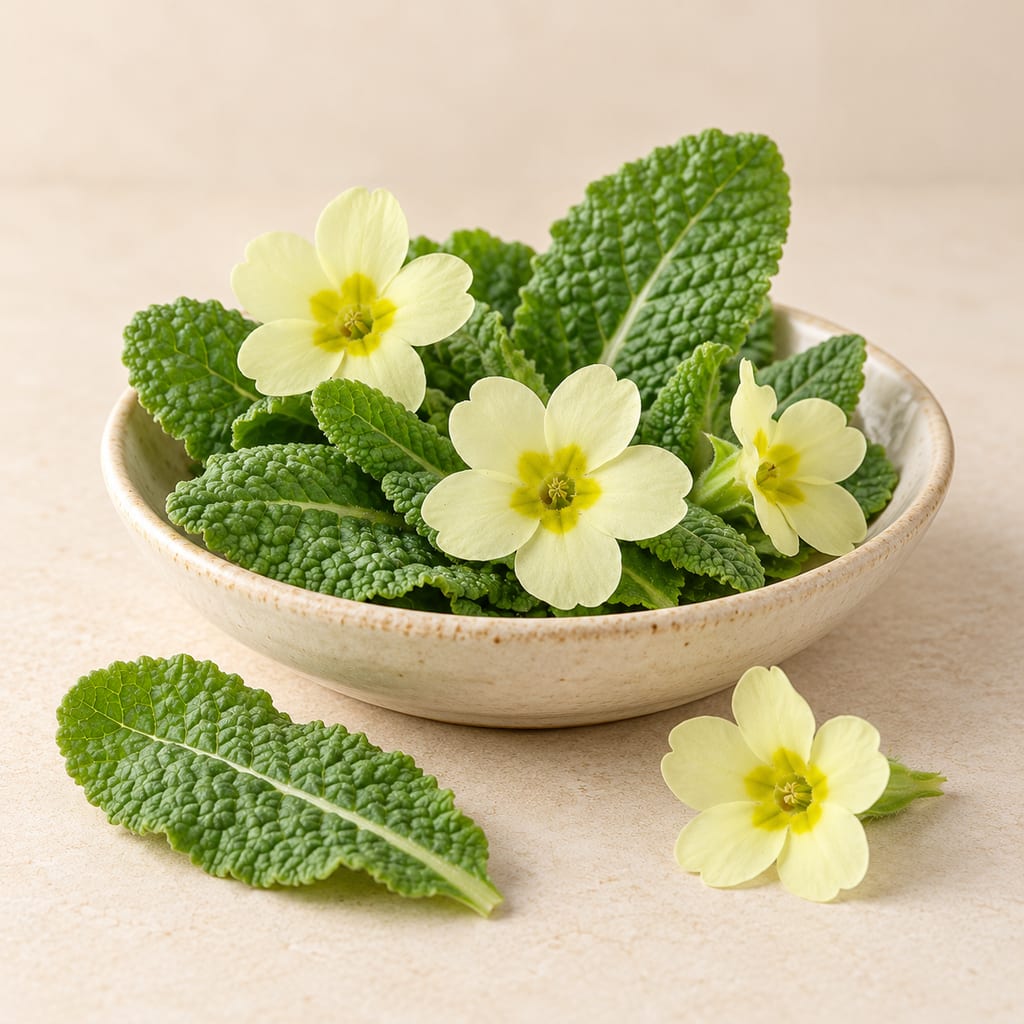
Primula vulgaris is a spring-flowering European perennial with documented flower-garnish and leaf-use notes, alongside regional garden guidance that does not define a household crop protocol.

Bellis perennis has Danish reports of leaves in salads and flowers used candied, as garnish and in cabbage dishes. A Colorado extension list names the petals as a garnish or salad ingredient. The accounts differ on heating and do not provide a complete recipe or safety limit.
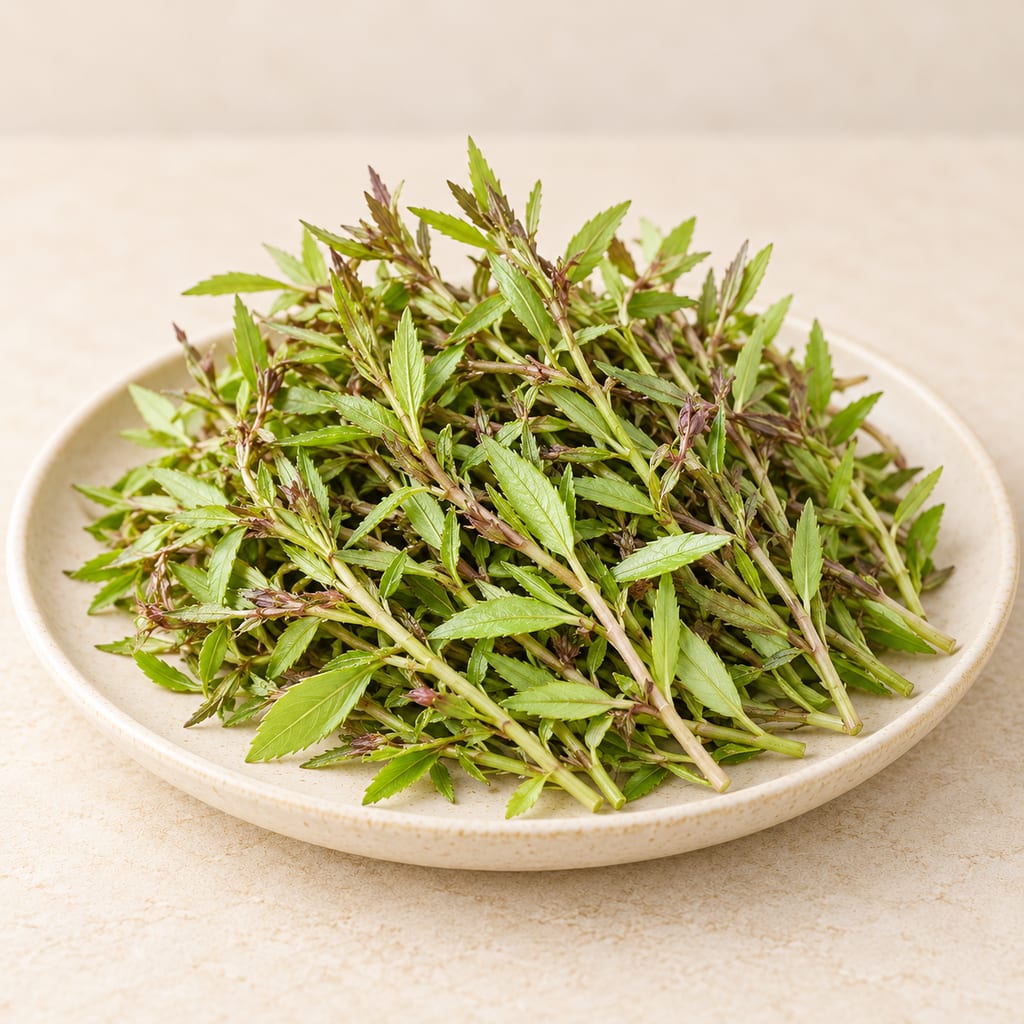
Lao field and ethnobotanical accounts describe young shoots used to flavor bamboo-shoot soup, alongside paddy-field and limited garden-growing records.
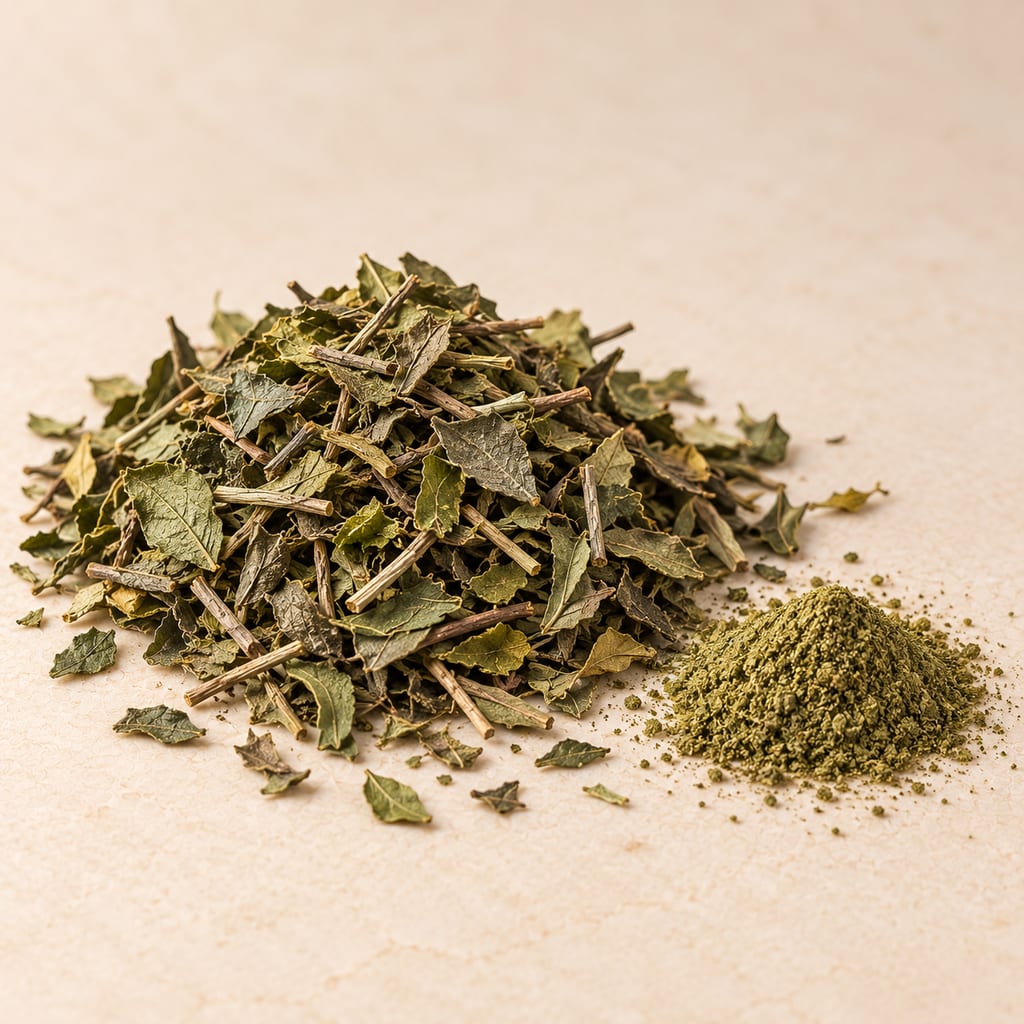
Gesho (Rhamnus prinoides) is used in Ethiopian cereal beers and honey wines for bitterness and flavour. Sources document regional cultivation and use but do not establish one origin, universal brewing measure, starter role or safety limit.
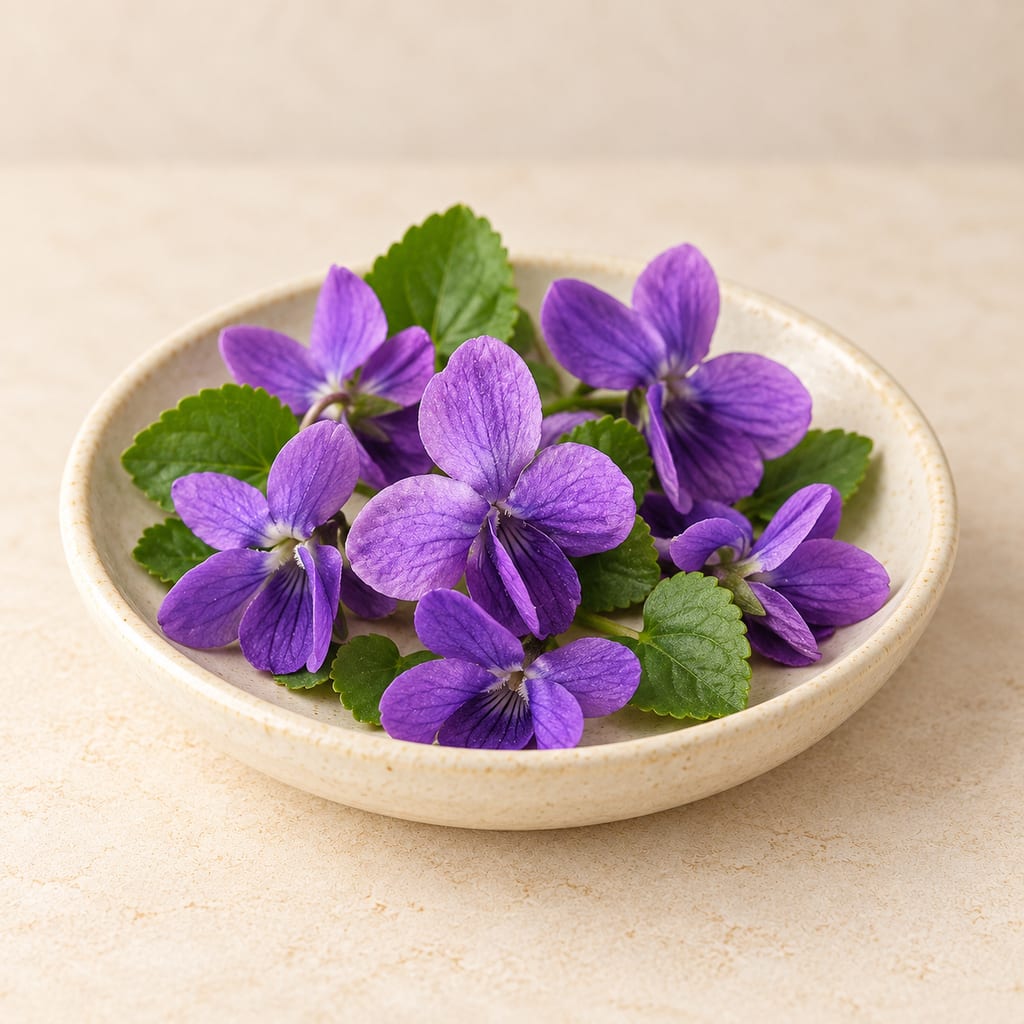
Viola odorata is a temperate, mat-forming perennial with UK flower-garnish uses and an interview-reported Moldovan fermented-flower drink whose method is not specified.
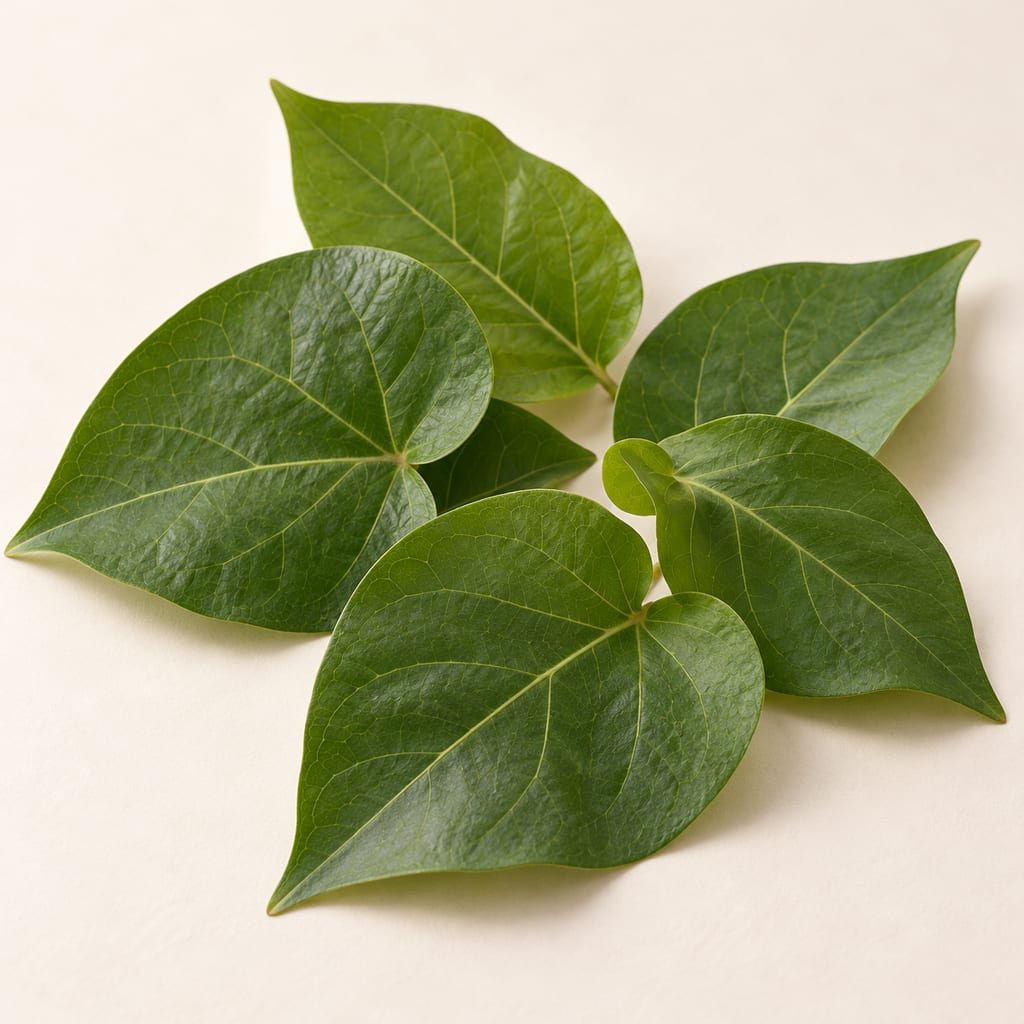
Kew accepts Gongronemopsis latifolia and lists Gongronema latifolium as a synonym. Nigerian sources report Utazi leaf use and several context-specific propagation experiments; one recent polyhouse study contains unresolved reporting conflicts.
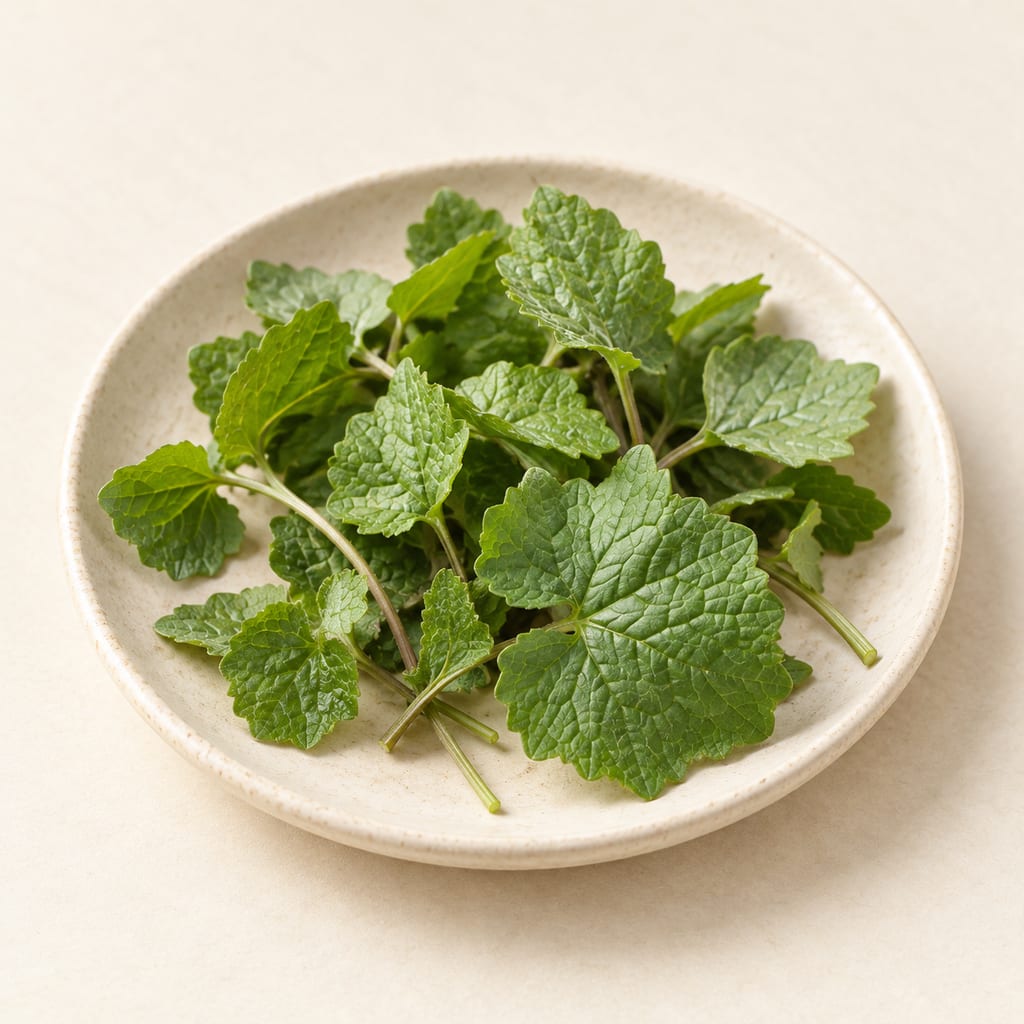
Alliaria petiolata is a European and Eurasian mustard with UK spring food-use descriptions and RHS garden guidance. The available sources do not establish a complete recipe, a safe quantity, or a general permission to forage.
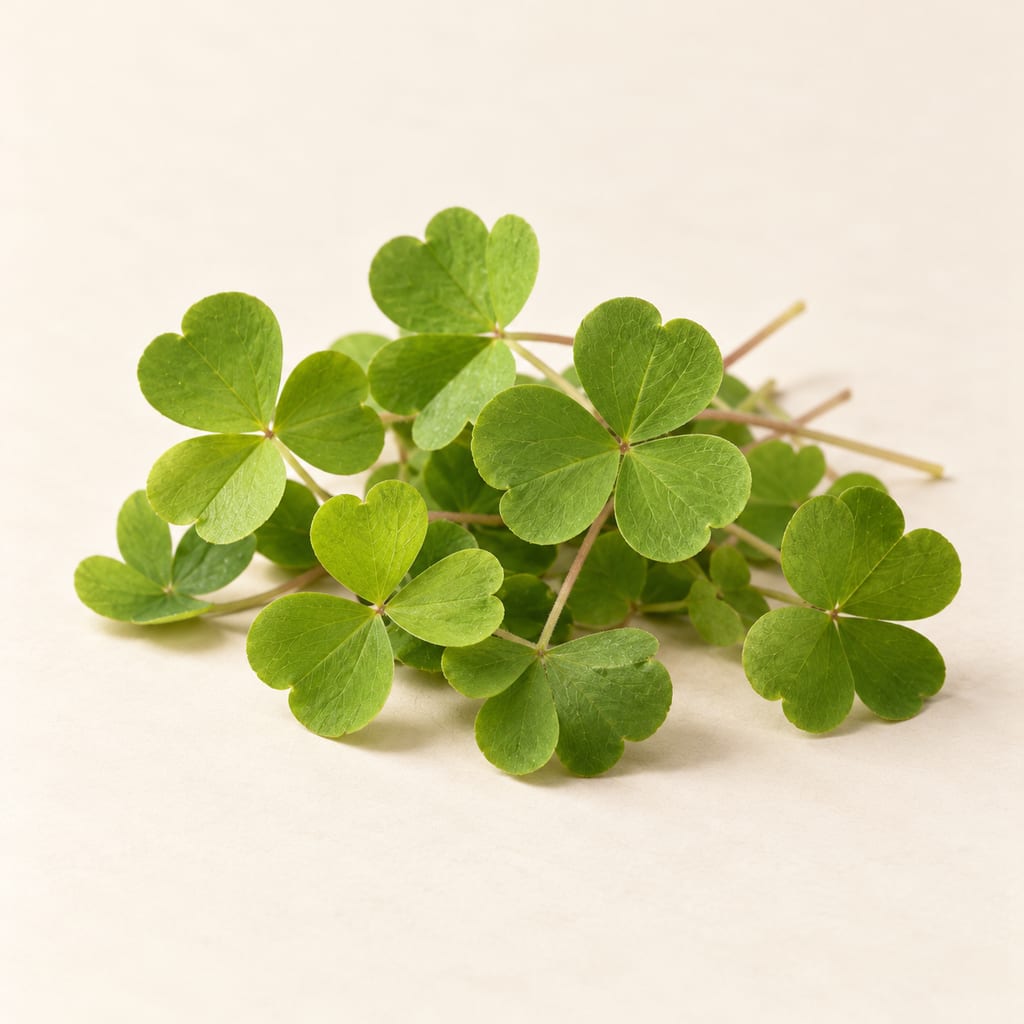
Oxalis acetosella is a small perennial of shaded woodland. Danish sources describe its sour leaves in salads and herb preparations, while Denmark’s food authority advises only limited garnish or herb use and gives a specific authority context for its intake figures.
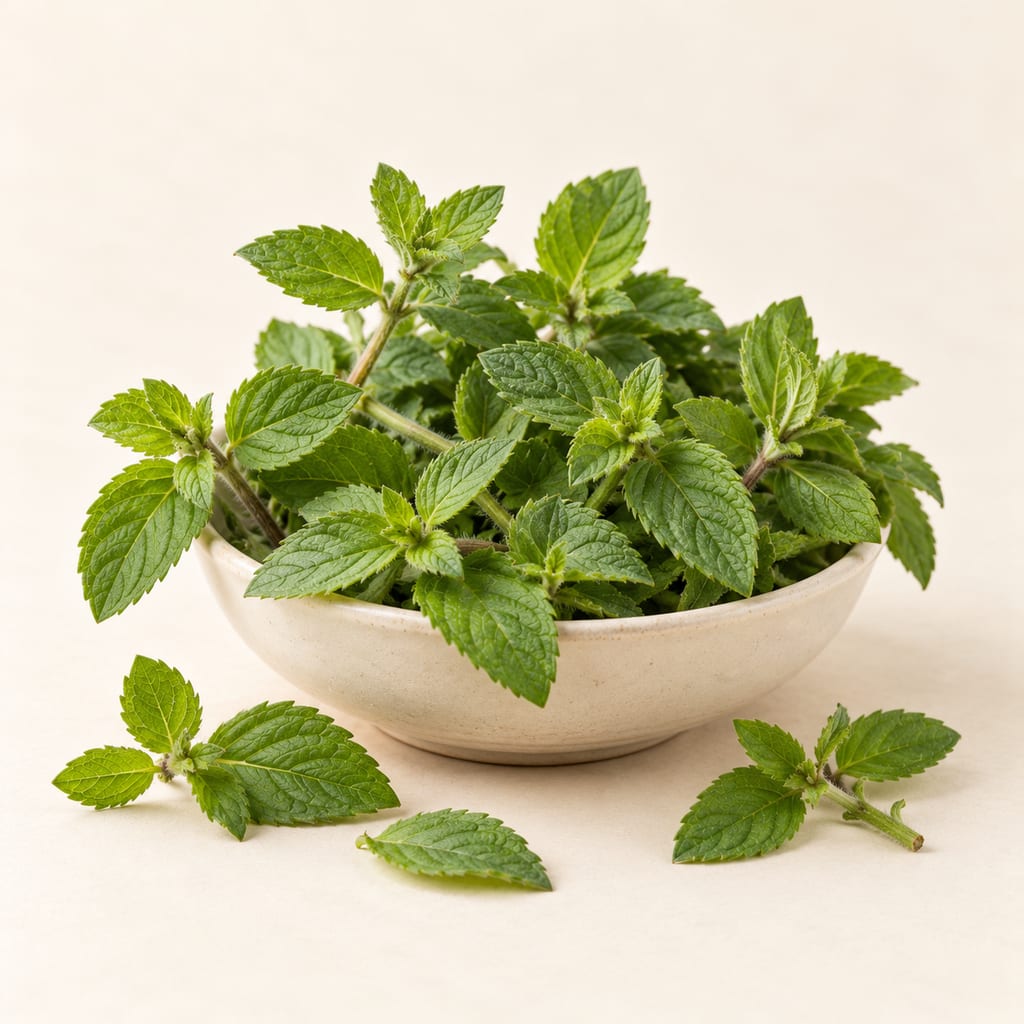
A Gumare study reports a Kwena leaf beverage and seasonal availability; Botswana flora and a UK gardening profile provide different kinds of context, not a local crop protocol.
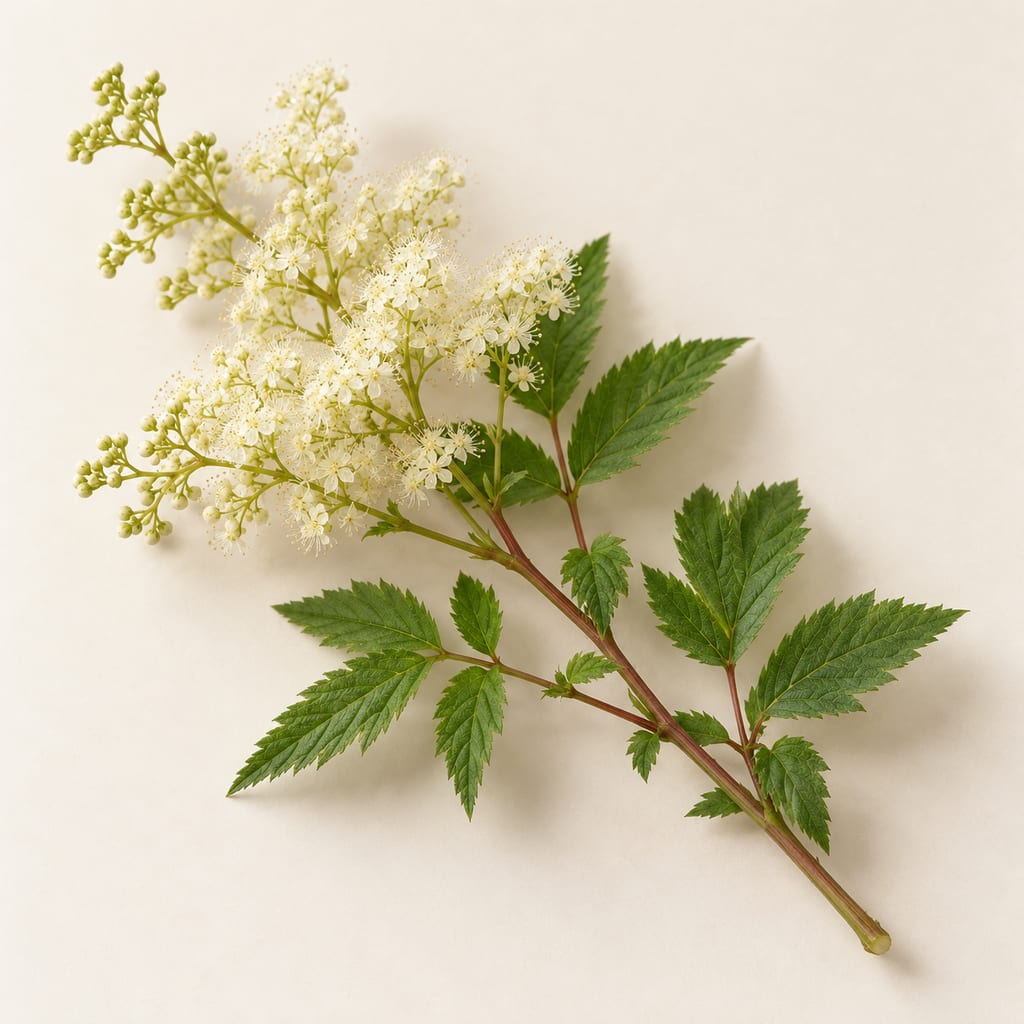
Filipendula ulmaria is a rhizomatous perennial associated with damp European habitats. A UK account reports mead flavouring; a literature review attributes soup flavouring to leaves and wine or beer flavouring to flowers, without a complete household recipe or culinary amount.
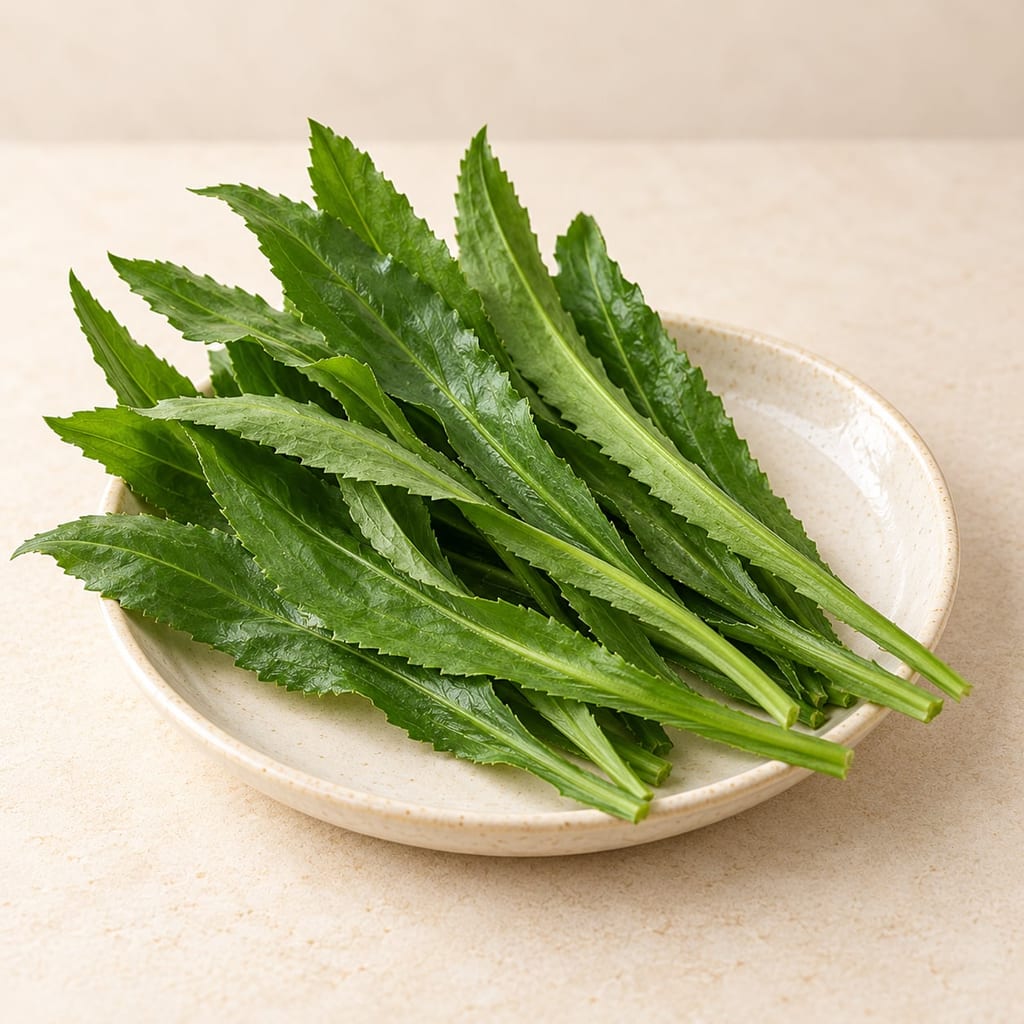
A source-linked account of Eryngium foetidum as a culinary leaf in Trinidad and Pará, alongside distinct Peru and Brazil cultivation reports and unresolved home-use limits.
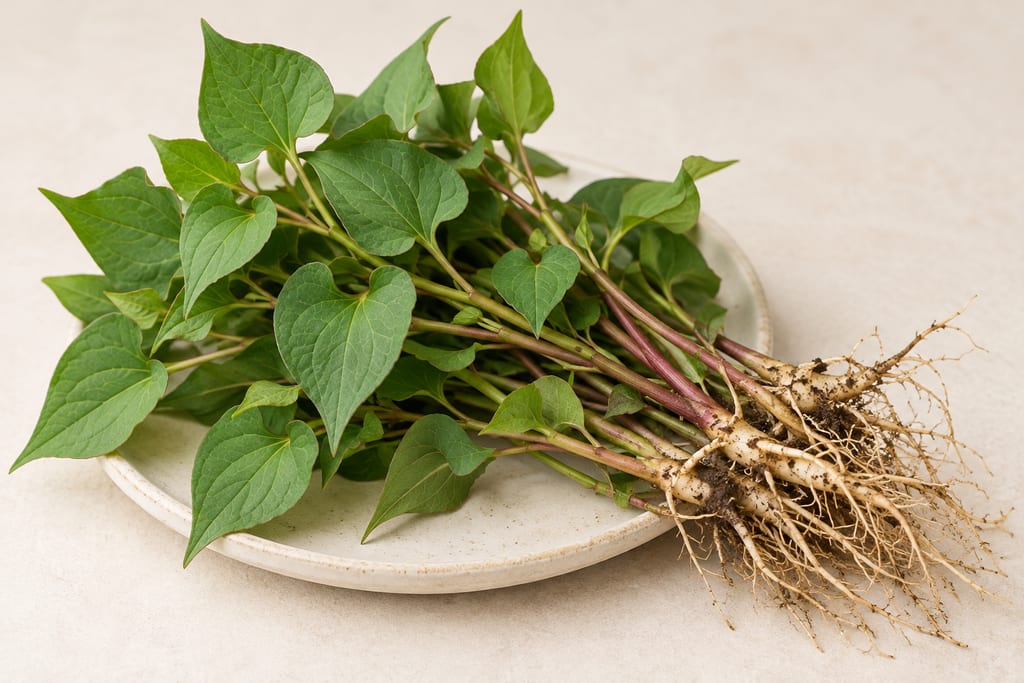
A rhizomatous perennial with regional Chinese food records and separate UK, US and Japanese cultivation accounts. Reported parts and methods vary by source; the account is not a plant-identification or food-safety approval.
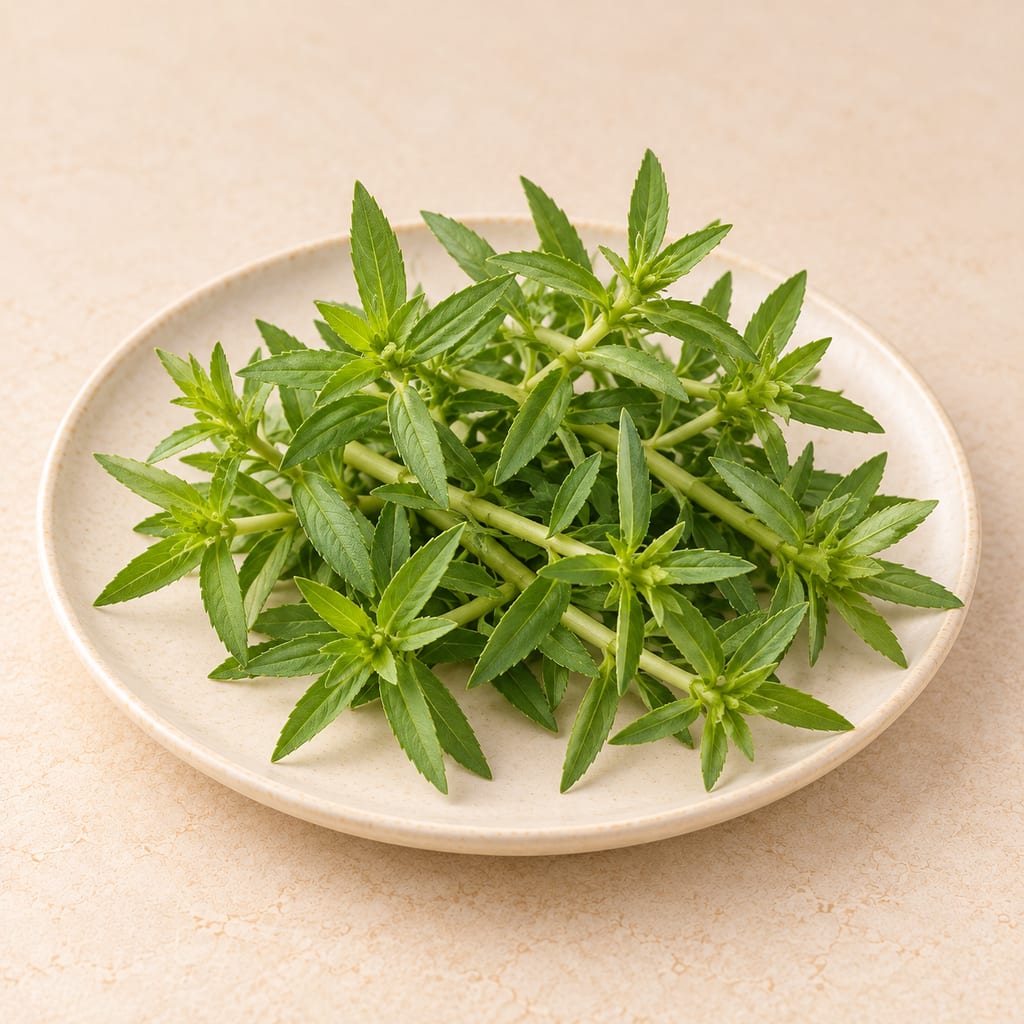
Kew accepts Limnophila aromatica and includes Cambodia in its range. A northwestern Cambodian market study records leaves; regional sources describe condiment use and aquatic habitat, while one Siem Reap press account gives conflicting season statements.
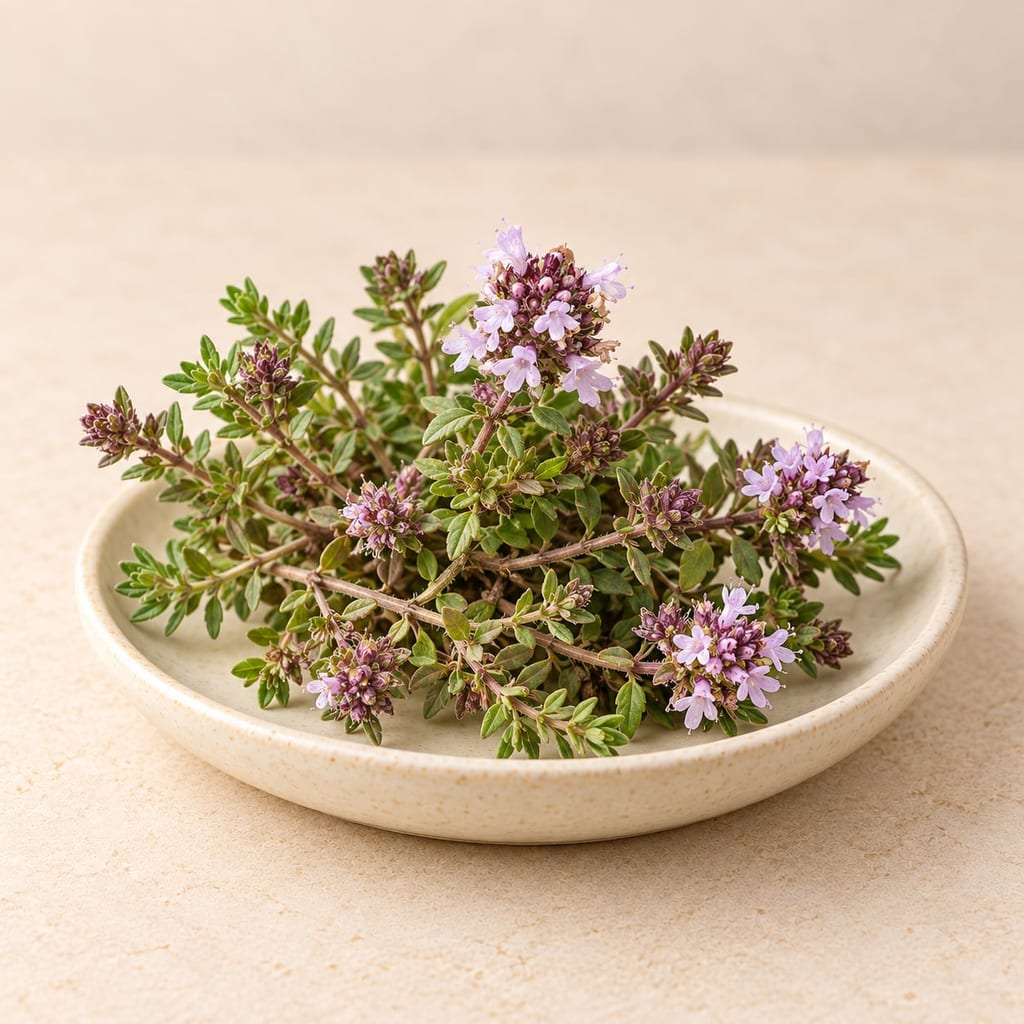
Tosign, the leaves of Ethiopian thyme (Thymus schimperi): a wild-harvested herb recorded in tea and in berbere-style spice blends, with a name shared by another thyme.
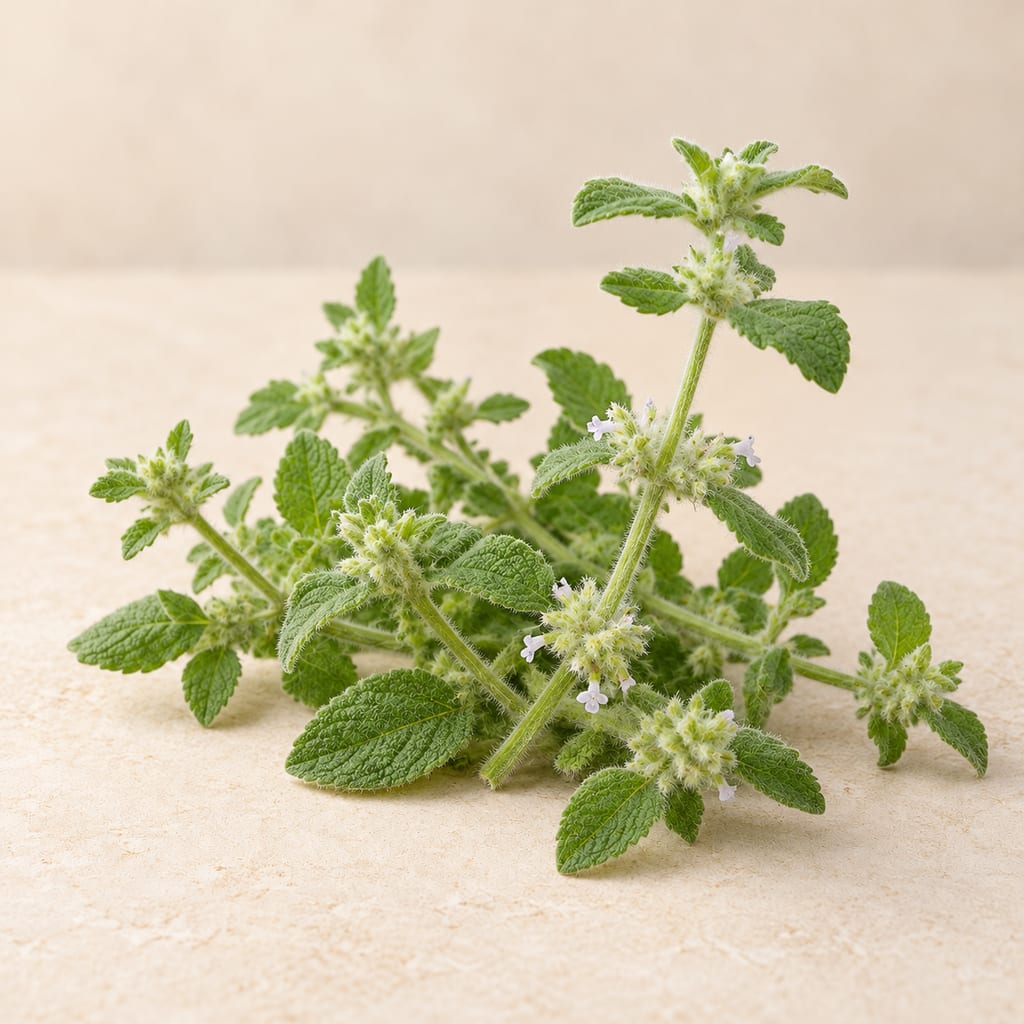
A source-bounded account of muña food uses in the Peruvian Andes and the limited evidence available for cultivation and household preparation.
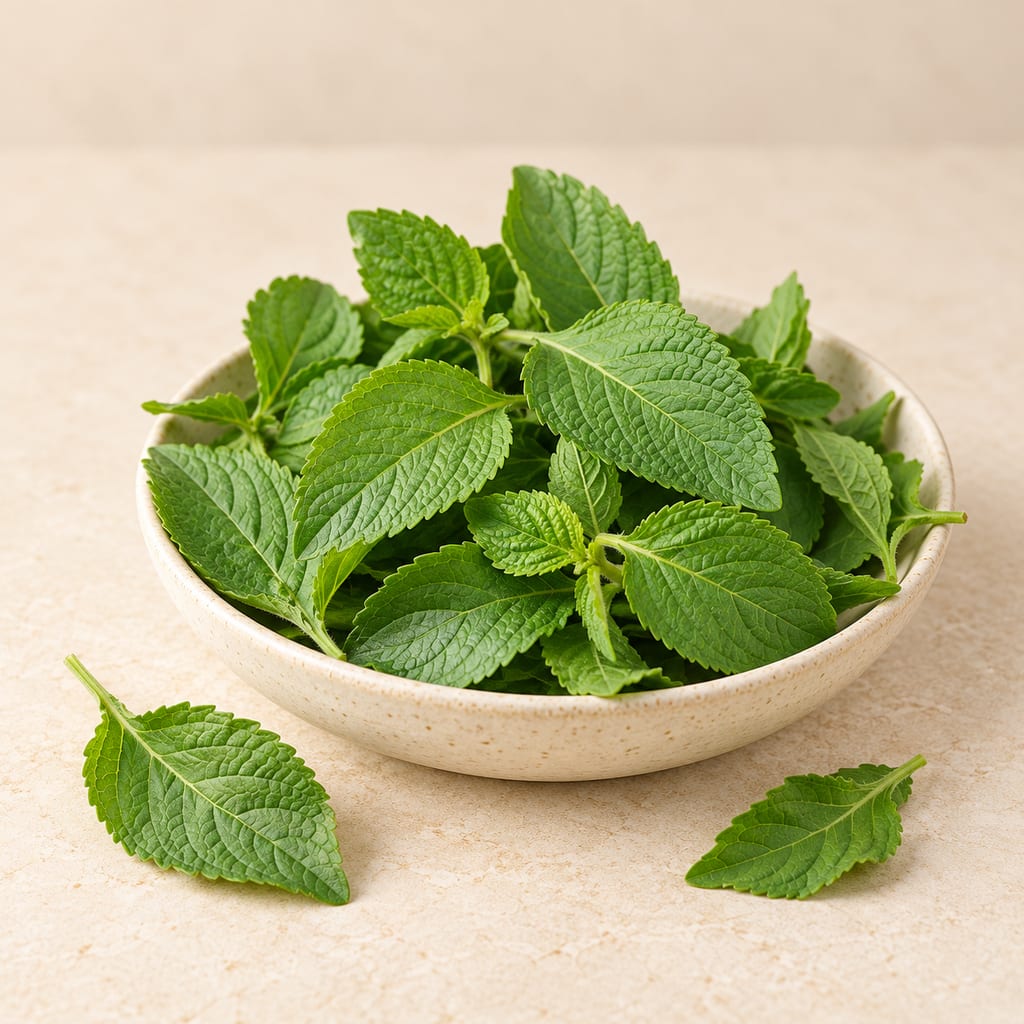
A source-linked account of Ocimum gratissimum food use in Benin, Thailand and southern Nigeria, with regional growing reports and unresolved home-method details.
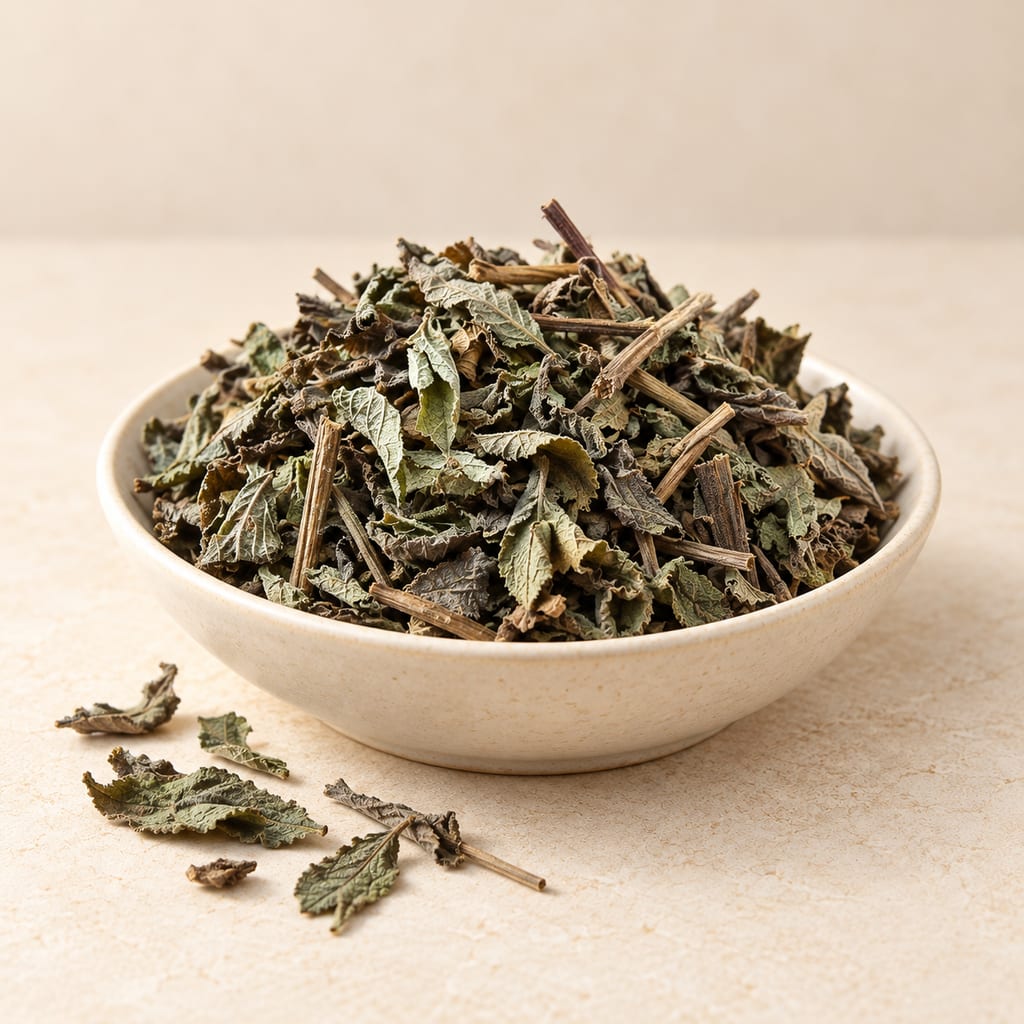
Koseret, Lippia abyssinica, is an Ethiopian aromatic herb used in spice blends, spiced butter, dairy and coffee-leaf drinks. Sources record local uses, not one method.
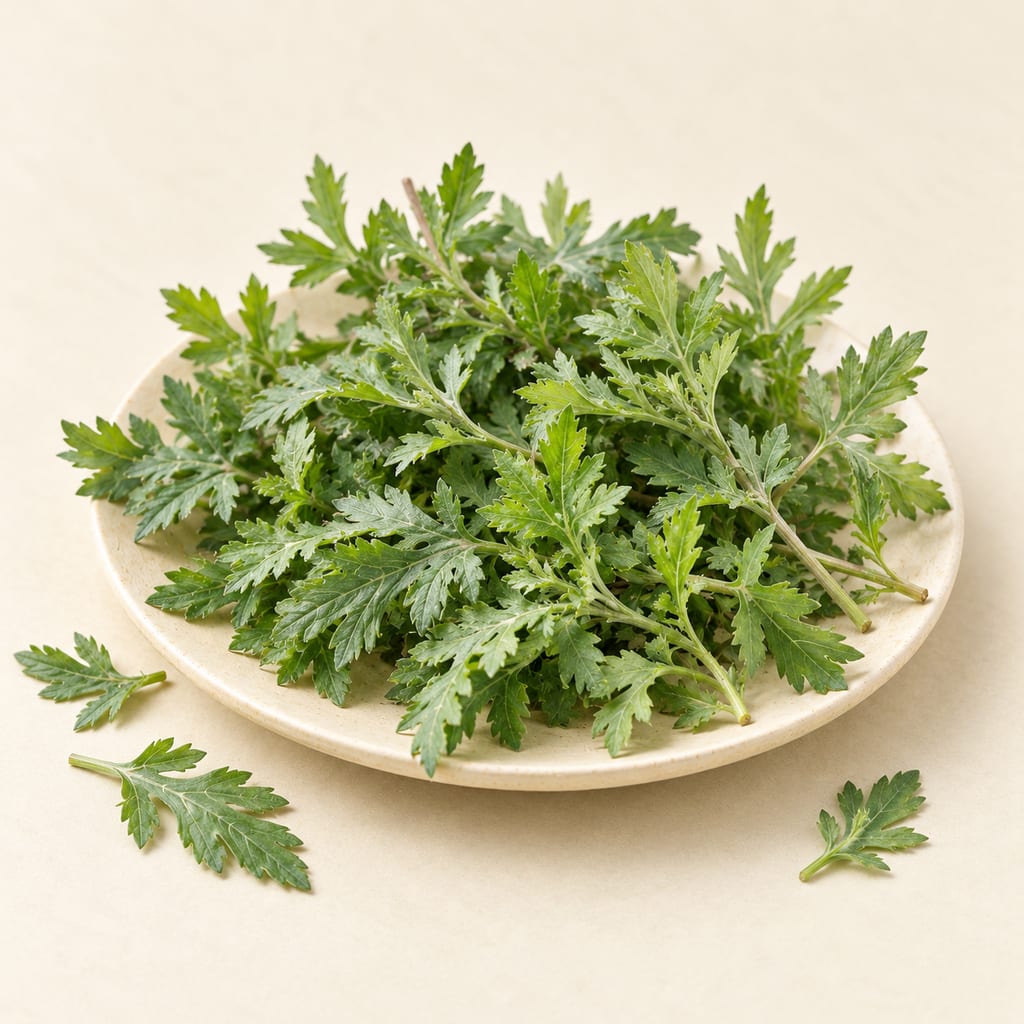
Food reports and naming limits for Artemisia princeps, set beside Japanese yomogi food traditions whose species identity is not always specified.
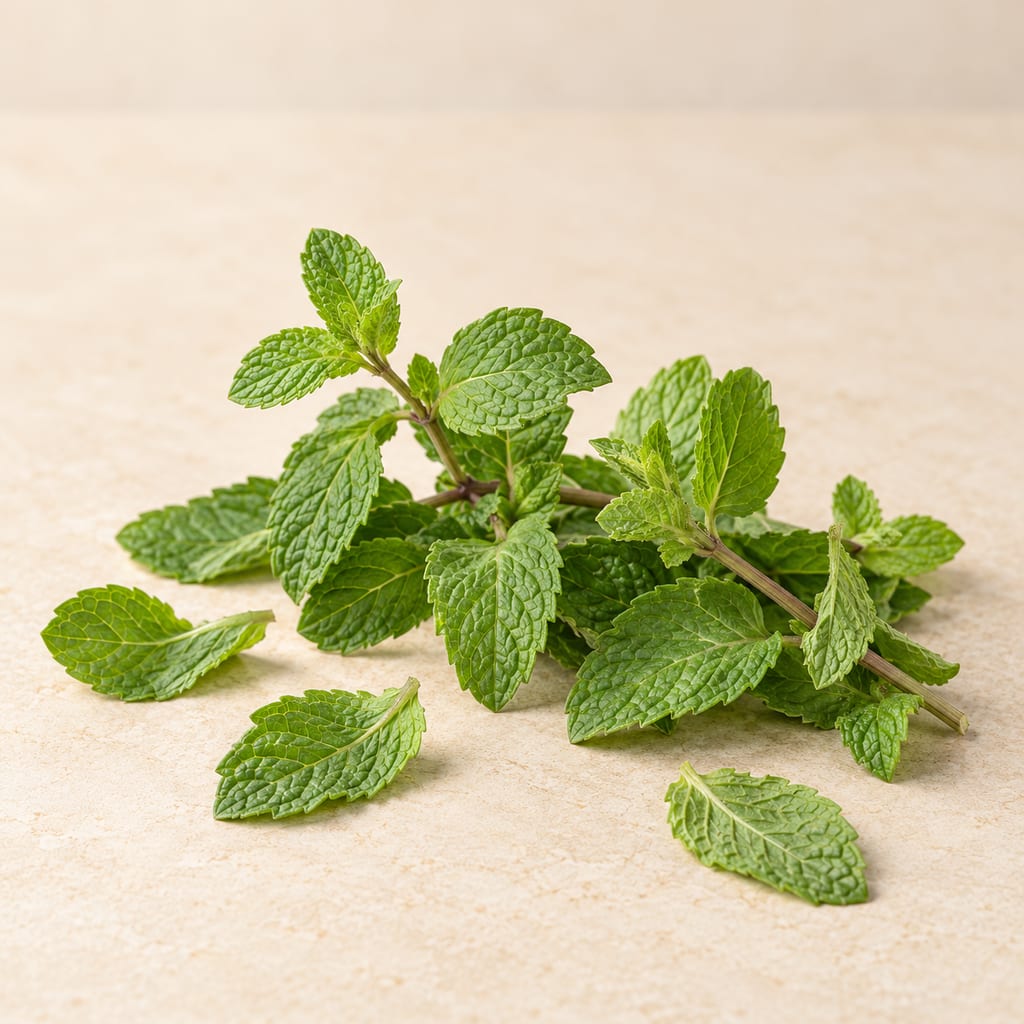
A spreading mint with documented leaf uses and contrasting source-specific moisture descriptions.
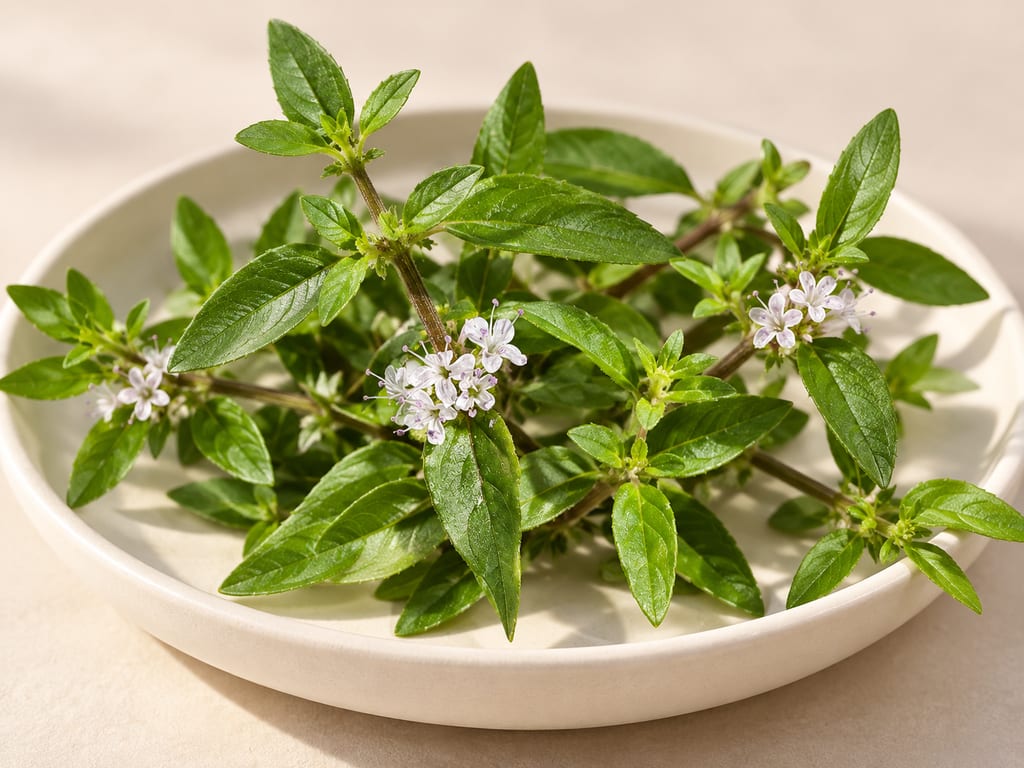
An Australian culinary mint for moist garden settings, with container-growing guidance and distinct regional conservation considerations.
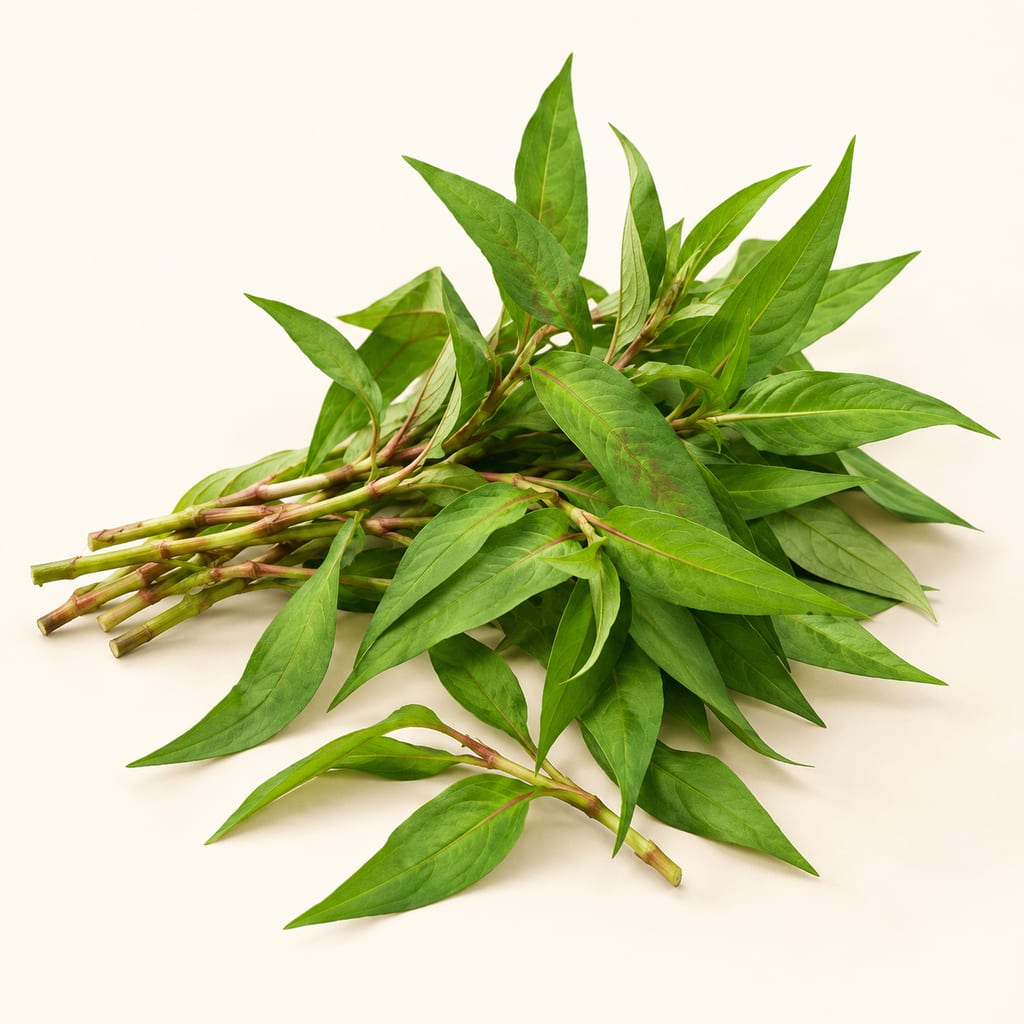
Vietnamese food-use and regional cultivation reports for rau răm, with distinct field methods and limits kept in view.
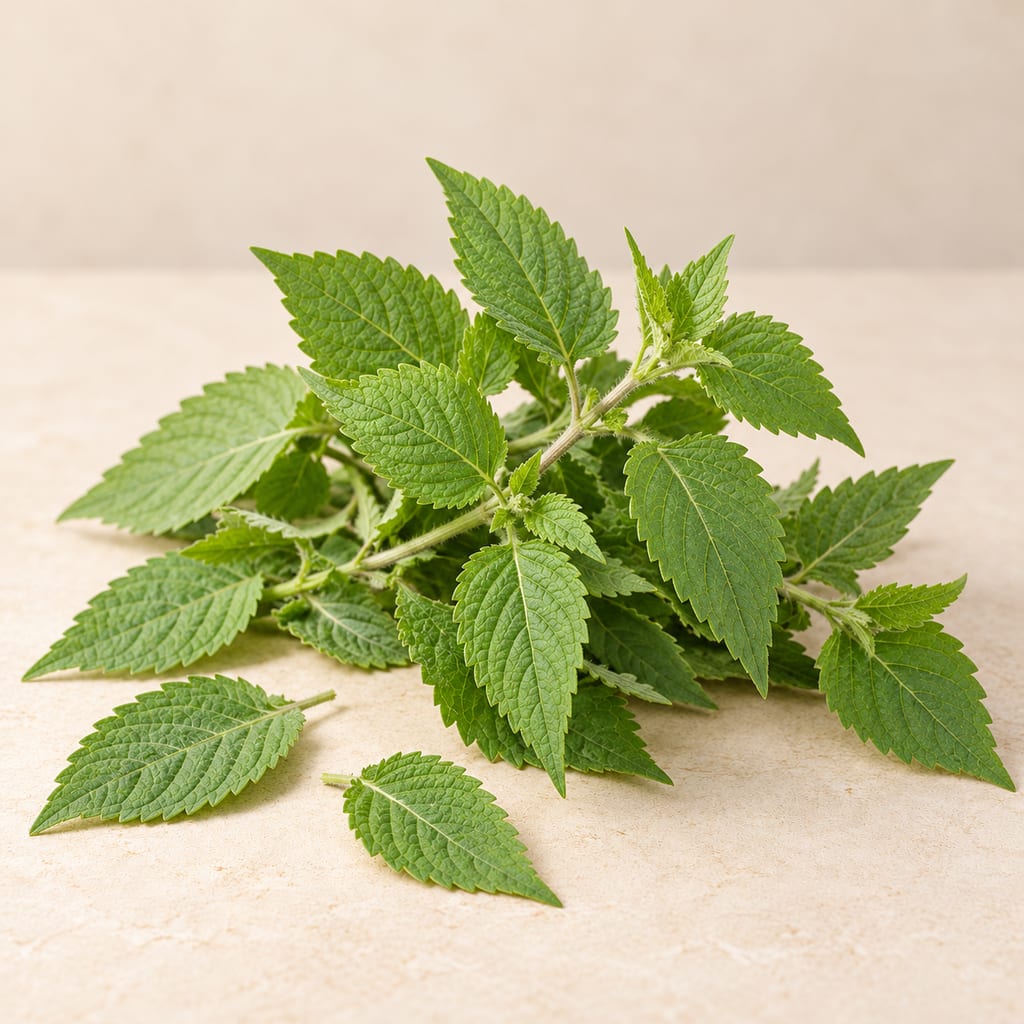
Vietnamese food and cultivation reports for kinh giới, with the limits of the inspected regional sources made explicit.
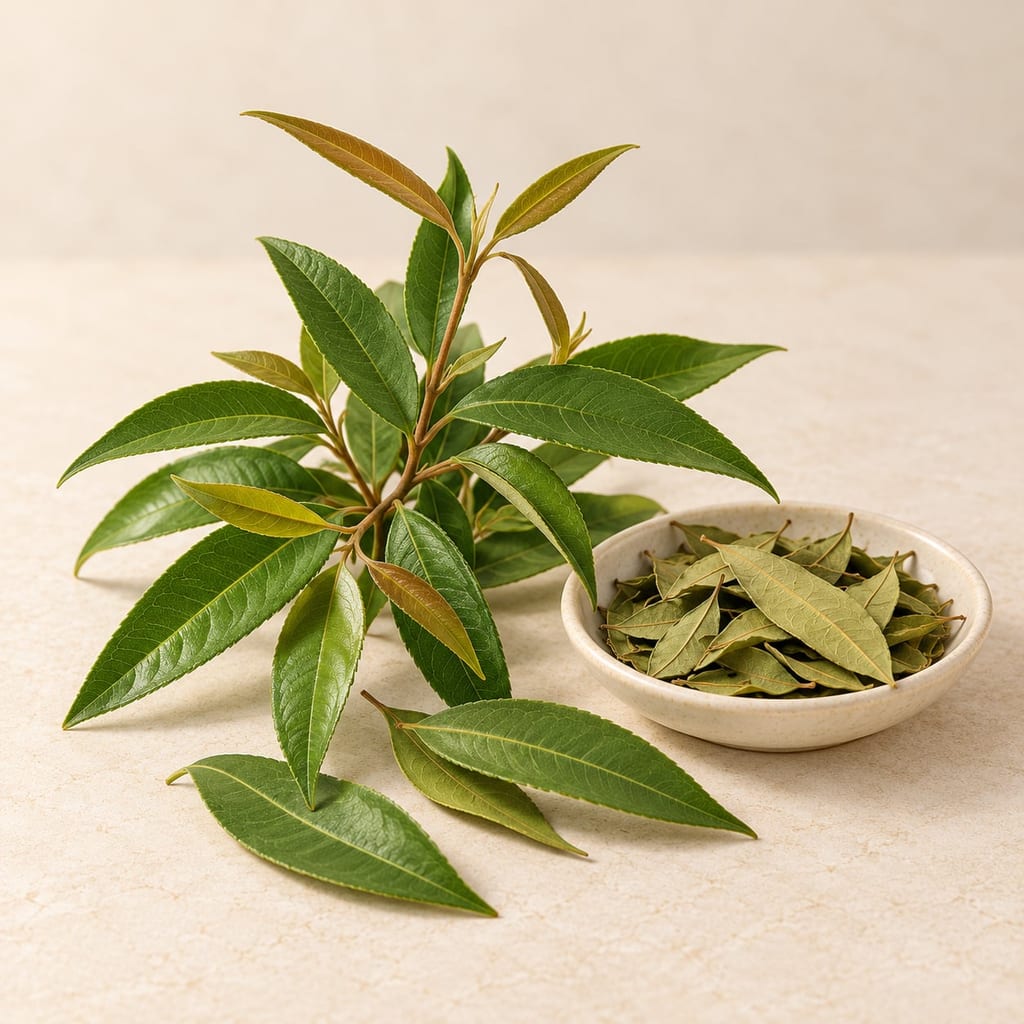
A lemon-scented Queensland shrub or tree with culinary leaf uses and source-specific guidance for sheltered gardens and containers.
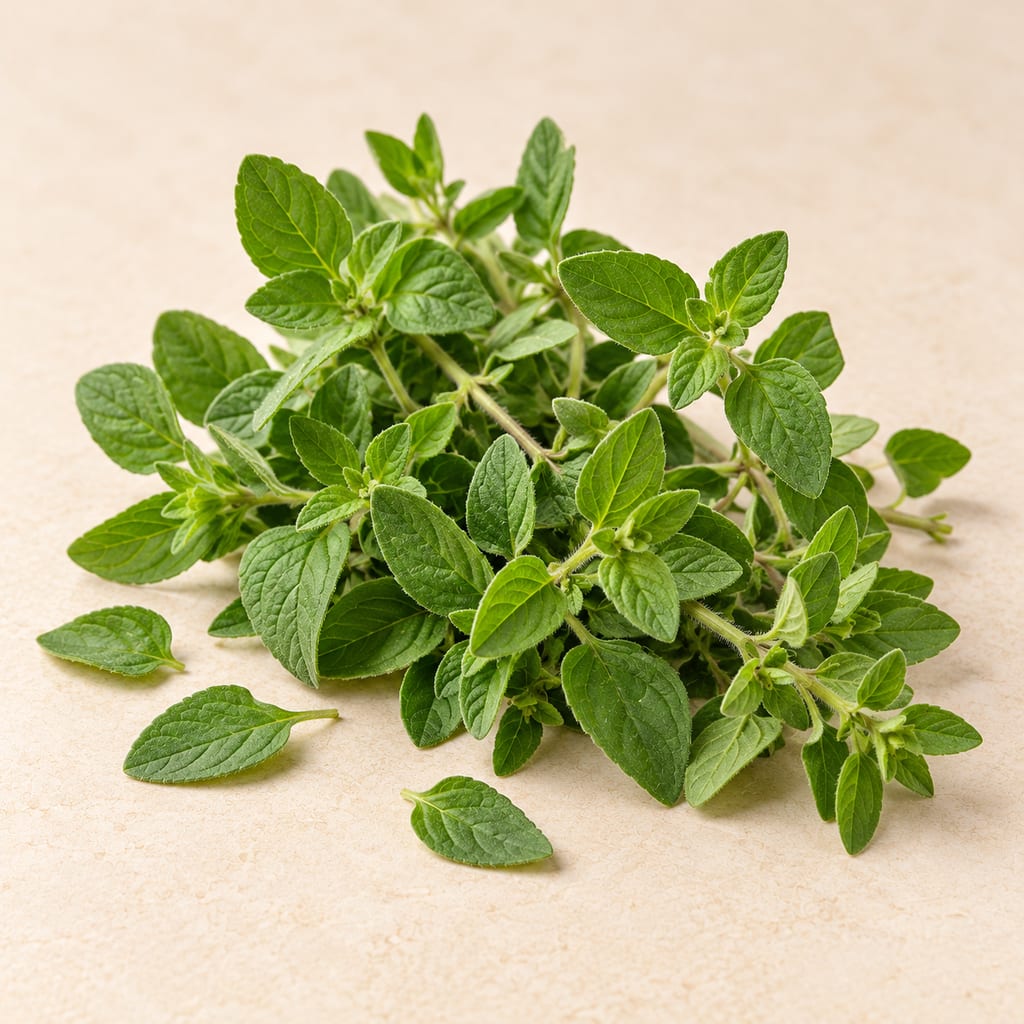
A source-scoped guide to culinary oregano leaves, UK garden growing and the limits of household drying evidence.
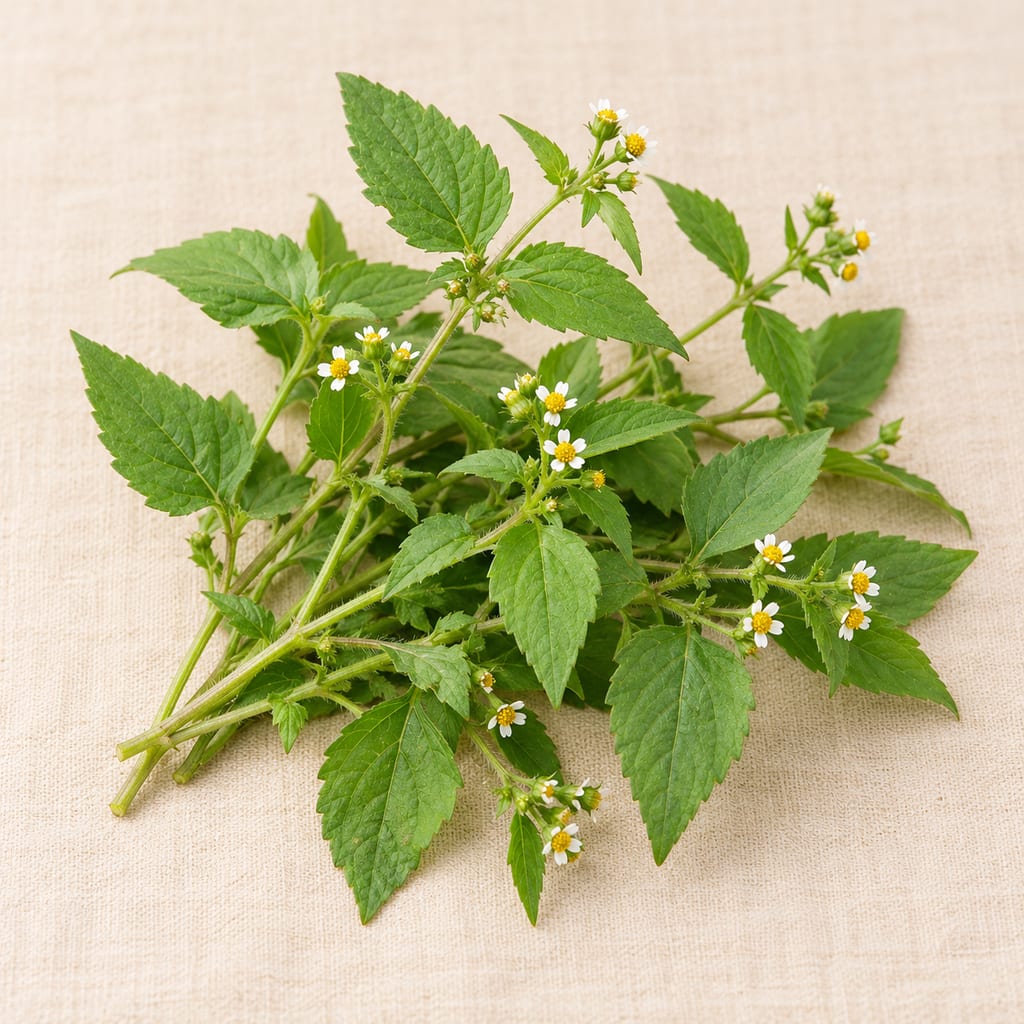
Bogotá-area community and botanical sources document Galinsoga parviflora as guascas and describe its use as an ajiaco seasoning. The plant’s common names, reported etymology and spontaneous growth are locally situated; the sources do not provide a complete recipe or a home-cultivation protocol.
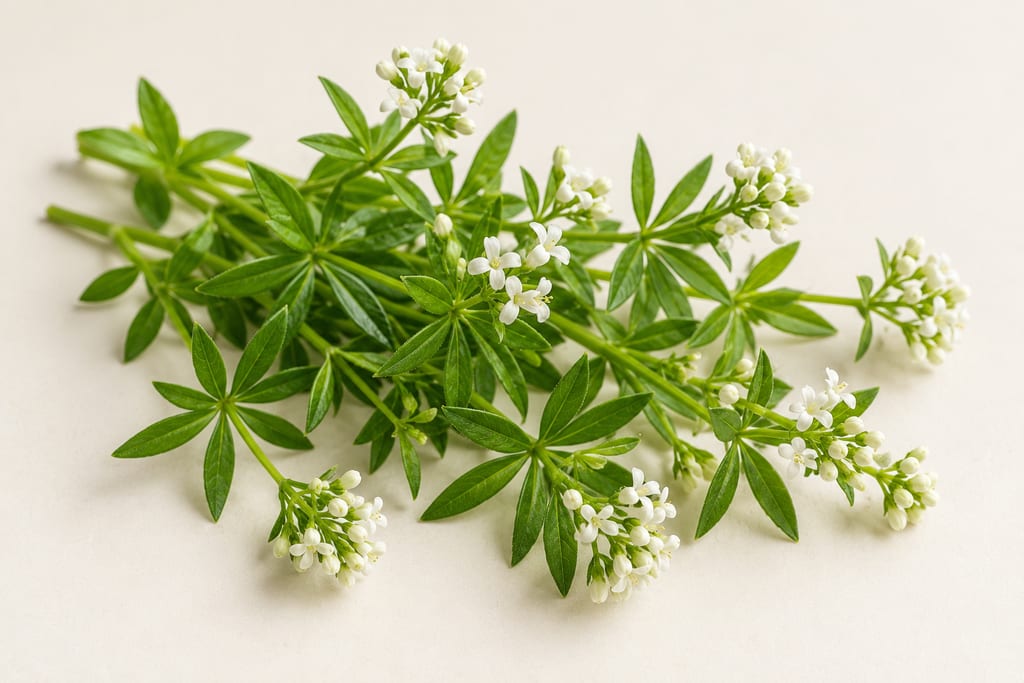
Sweet woodruff (Galium odoratum), called Waldmeister in German, is described by BZfE as an aromatic herb for Maibowle, sauces, syrup and herb butter. Its coumarin content and growing conditions are not a validated recipe or universal safety limit.
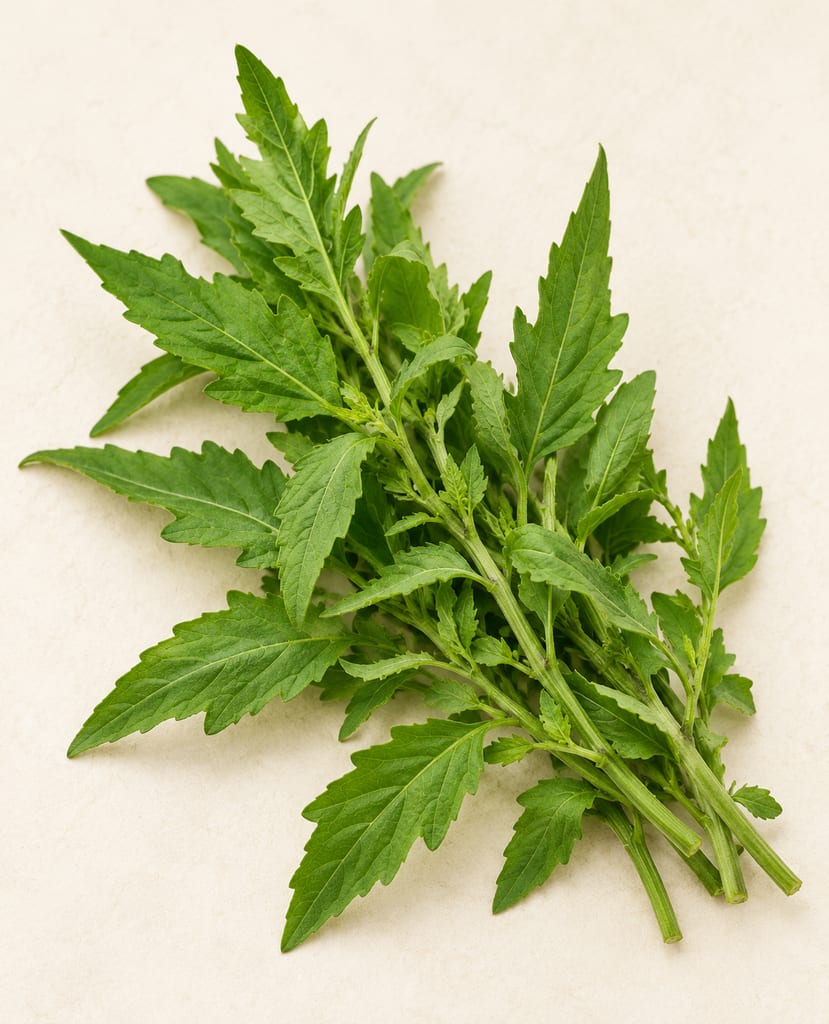
Mexican food records describe epazote leaves and stems used as a seasoning during cooking. Current taxonomy separates Dysphania ambrosioides from D. anthelmintica, while an older Mexican sheet maps some historical names differently; the culinary records do not support medicinal use, an oil dose or a universal recipe.
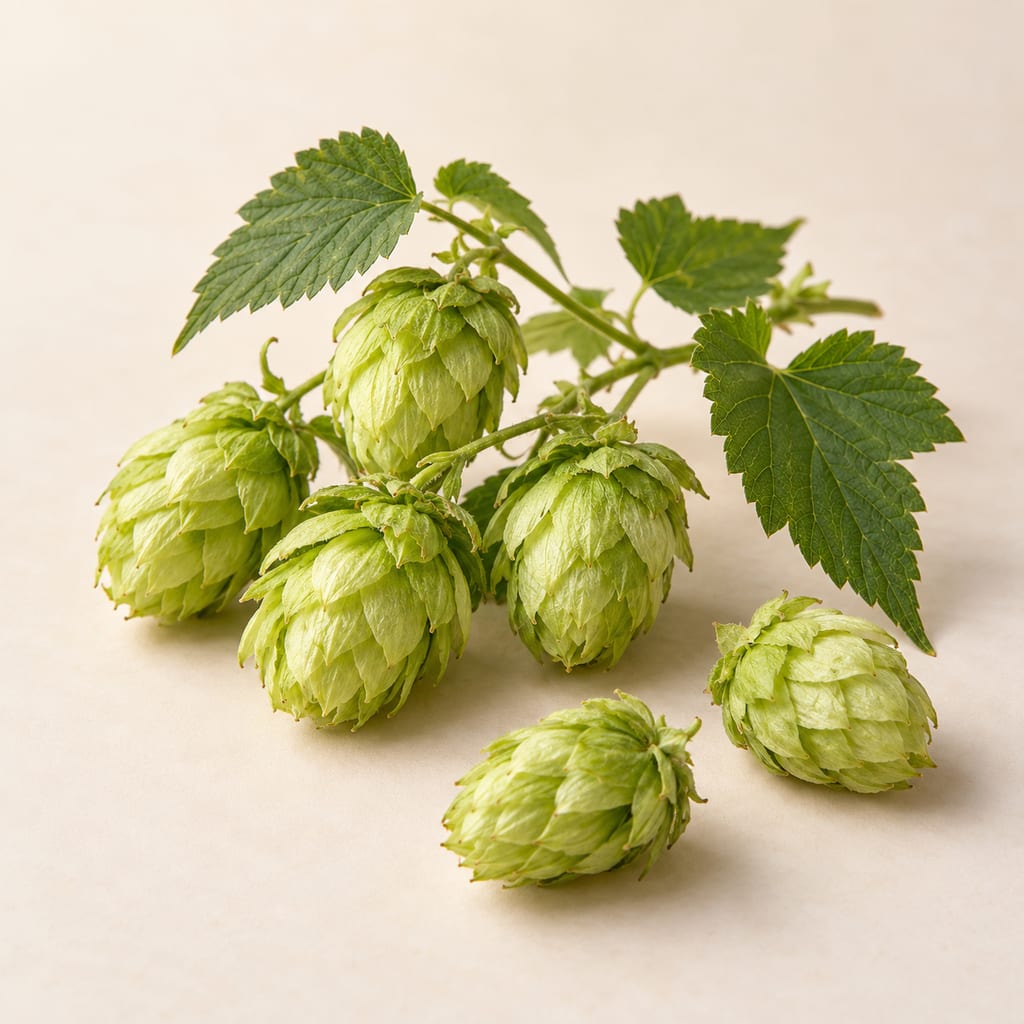
Warrior is a named American hop cultivar, YCR 5, used for measured bitterness in beer. Its current form and lot analysis determine how a brewer uses it.
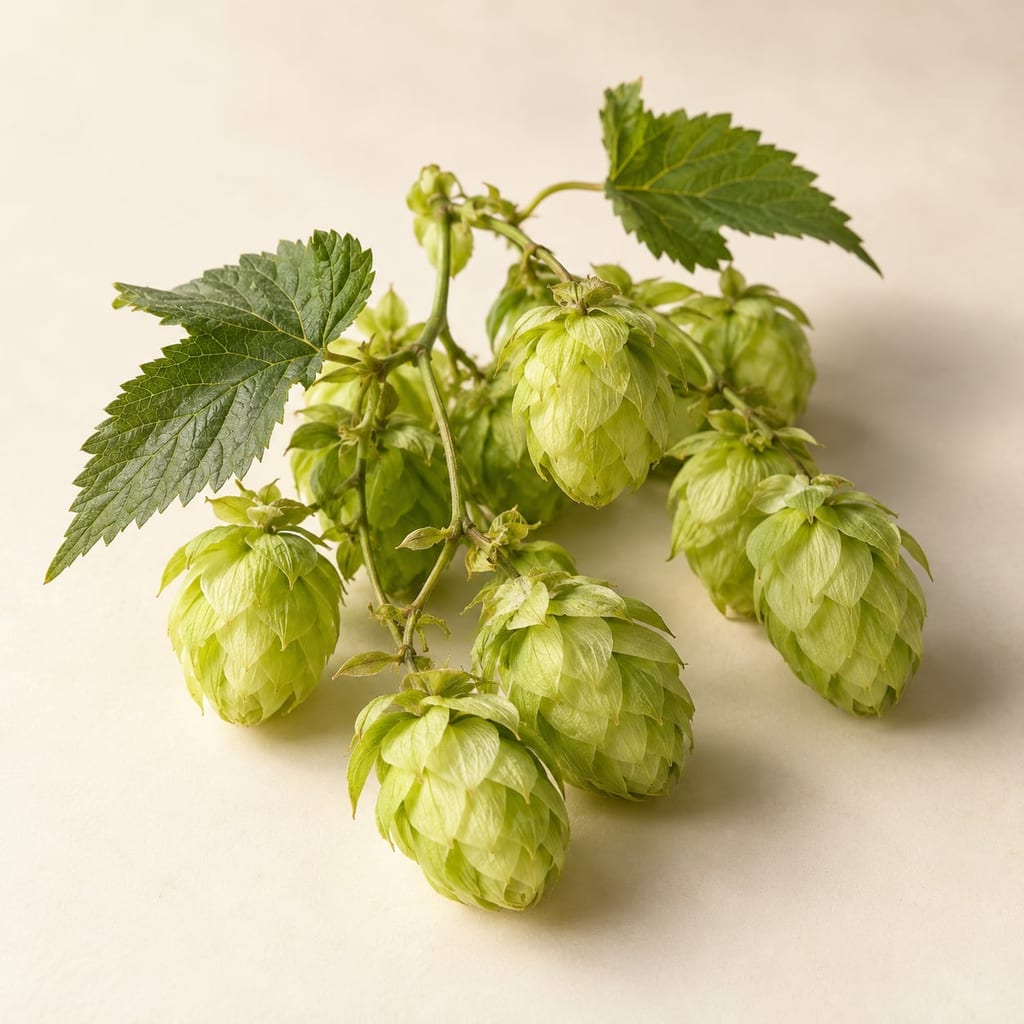
A brewing-hop name associated with the Tettnang district and the Tettnanger landrace. Regional designation, cultivar and historically confused US trade names need to be distinguished when identifying a lot.
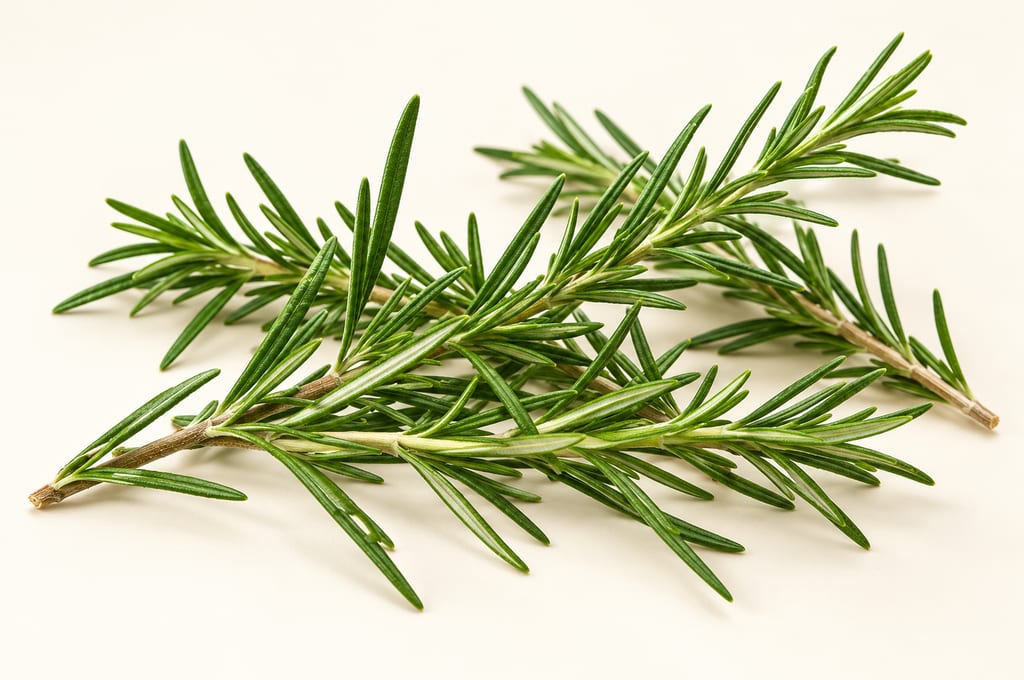
An aromatic Mediterranean shrub for seasoning, with UK garden guidance for outdoor, container and sheltered winter growing.
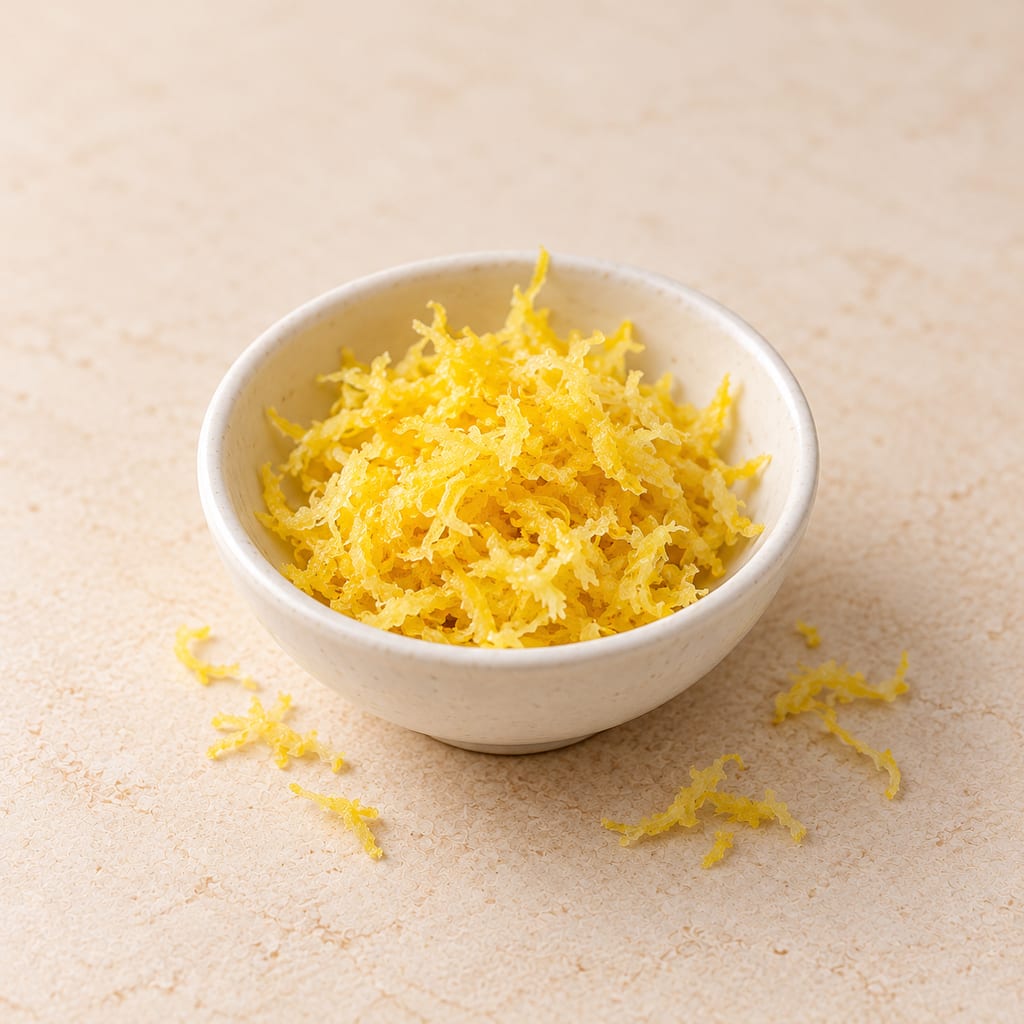
Citrus zest is the aromatic outer rind, taken separately from the white pith and juice. Its fruit type, cut and fresh or dried form shape its use in food.
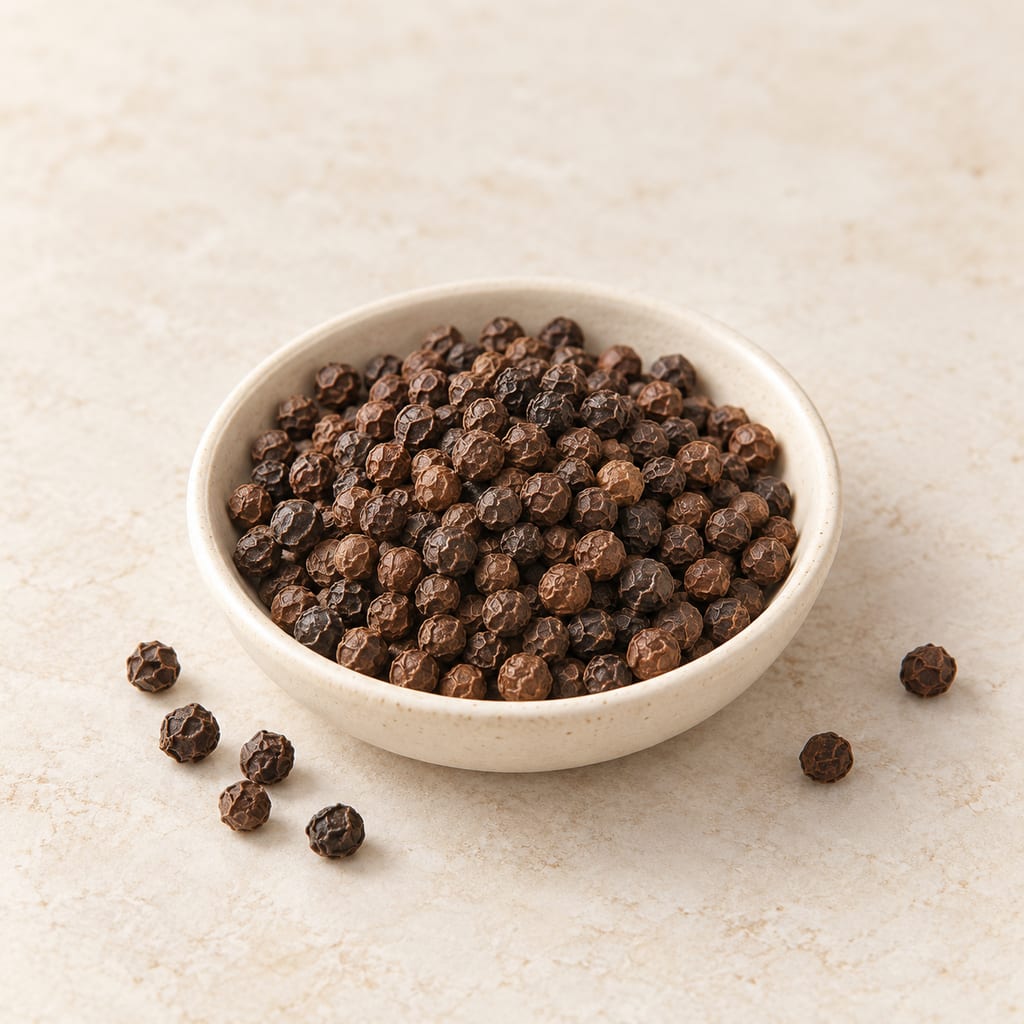
Whole peppercorns are crushed for their texture, aroma and pungency. A recipe that leaves their type unnamed does not establish a species, colour or growing origin.
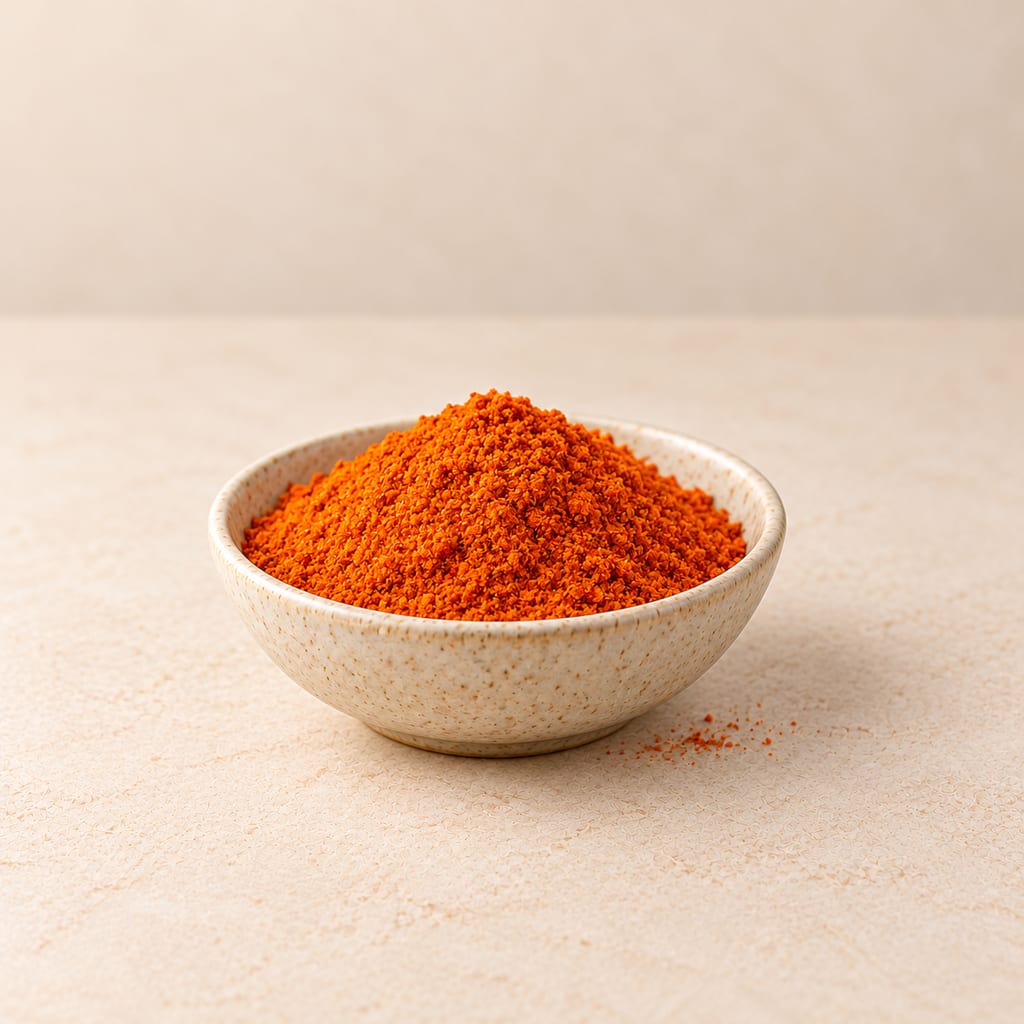
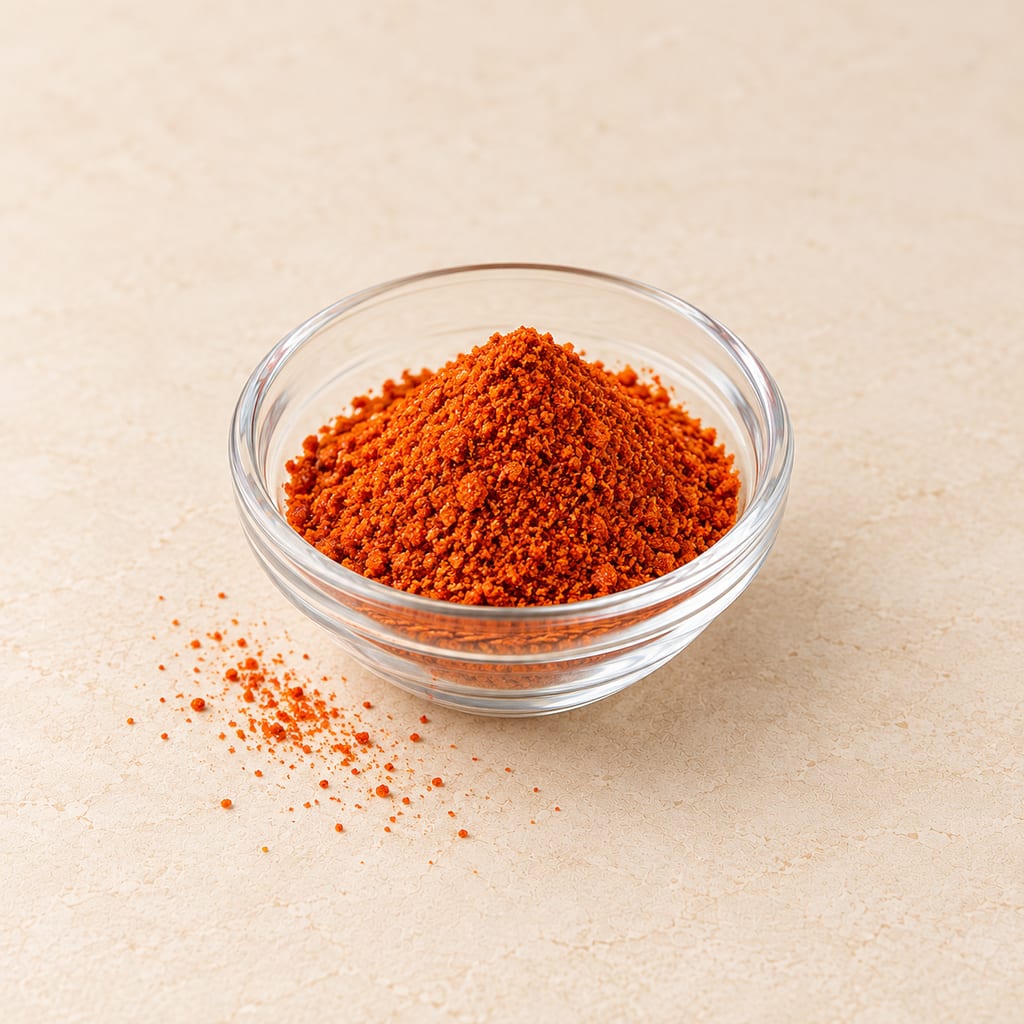
Red chilli powder is ripe red chilli pods dried and ground, sold pure or blended, and used for heat and red colour in pickles, chutneys, pastes and spice mixes.
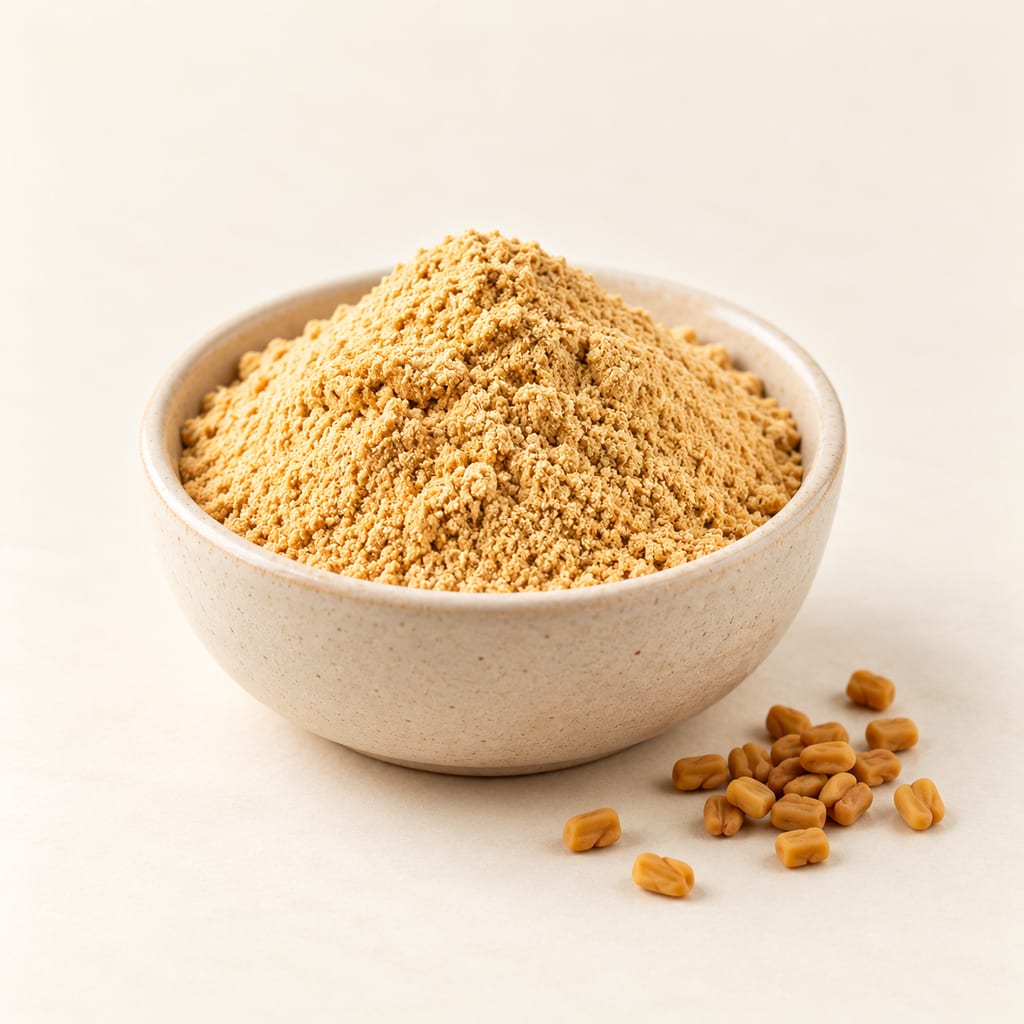
Ground fenugreek seed is a bitter, aromatic spice used in pickles and seasoning mixtures. It differs from dried fenugreek leaf powder in both material and culinary use.
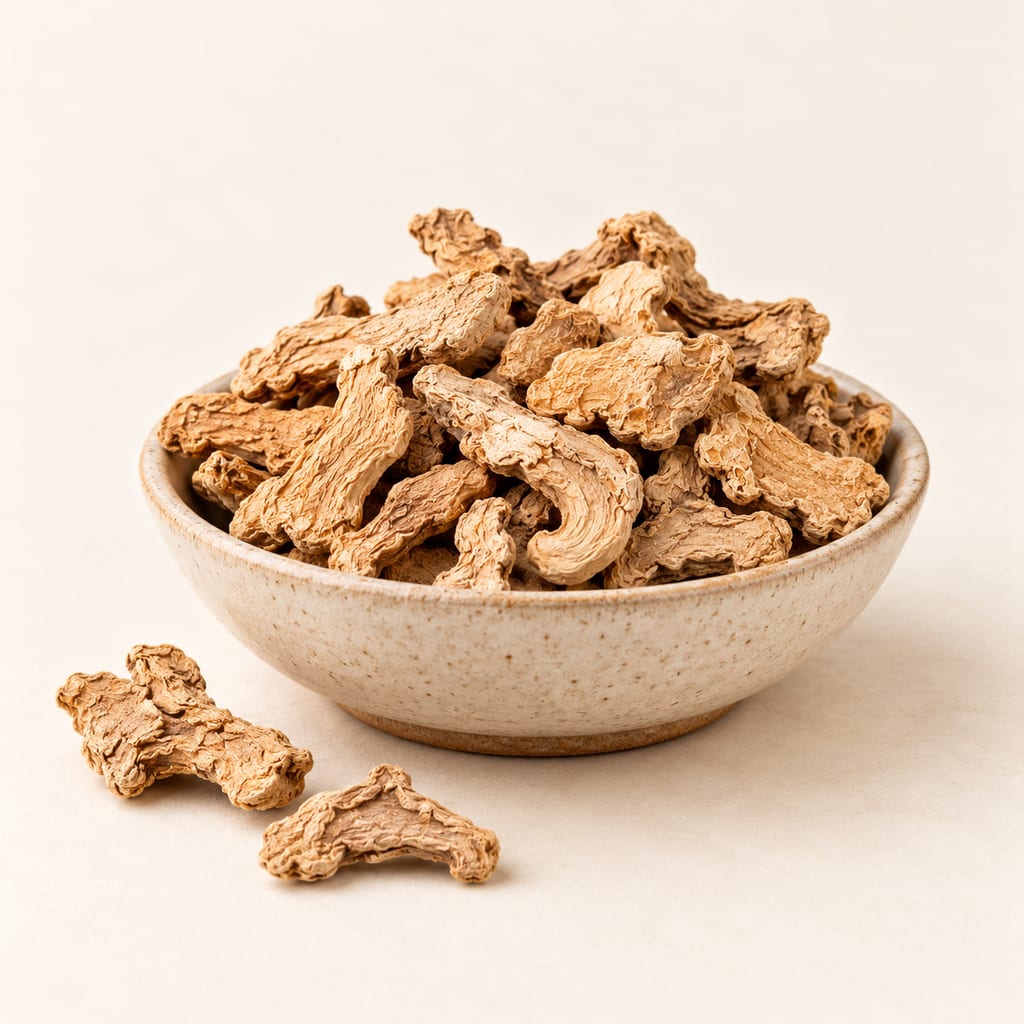
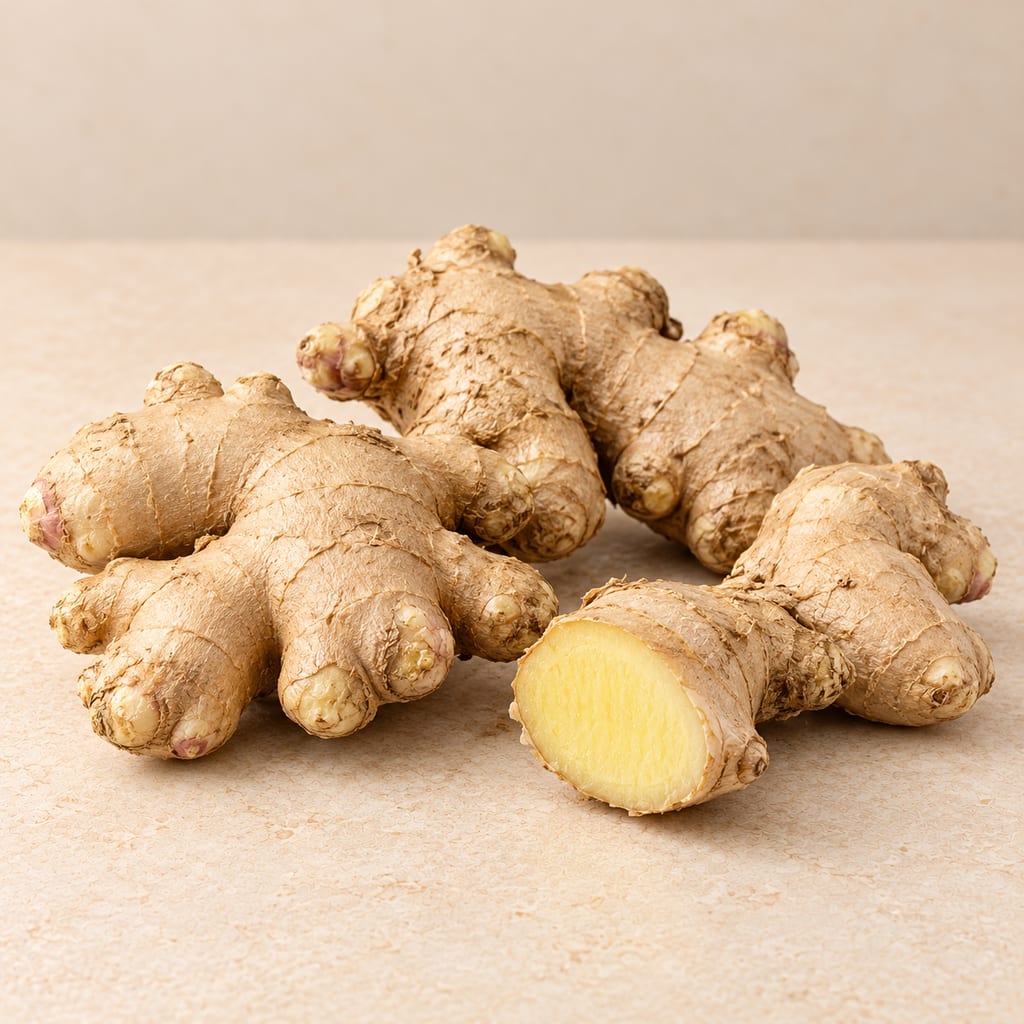
Dried ginger is the mature, dried rhizome of Zingiber officinale; its warm flavor and whole, sliced or ground forms serve different kinds of cooking.
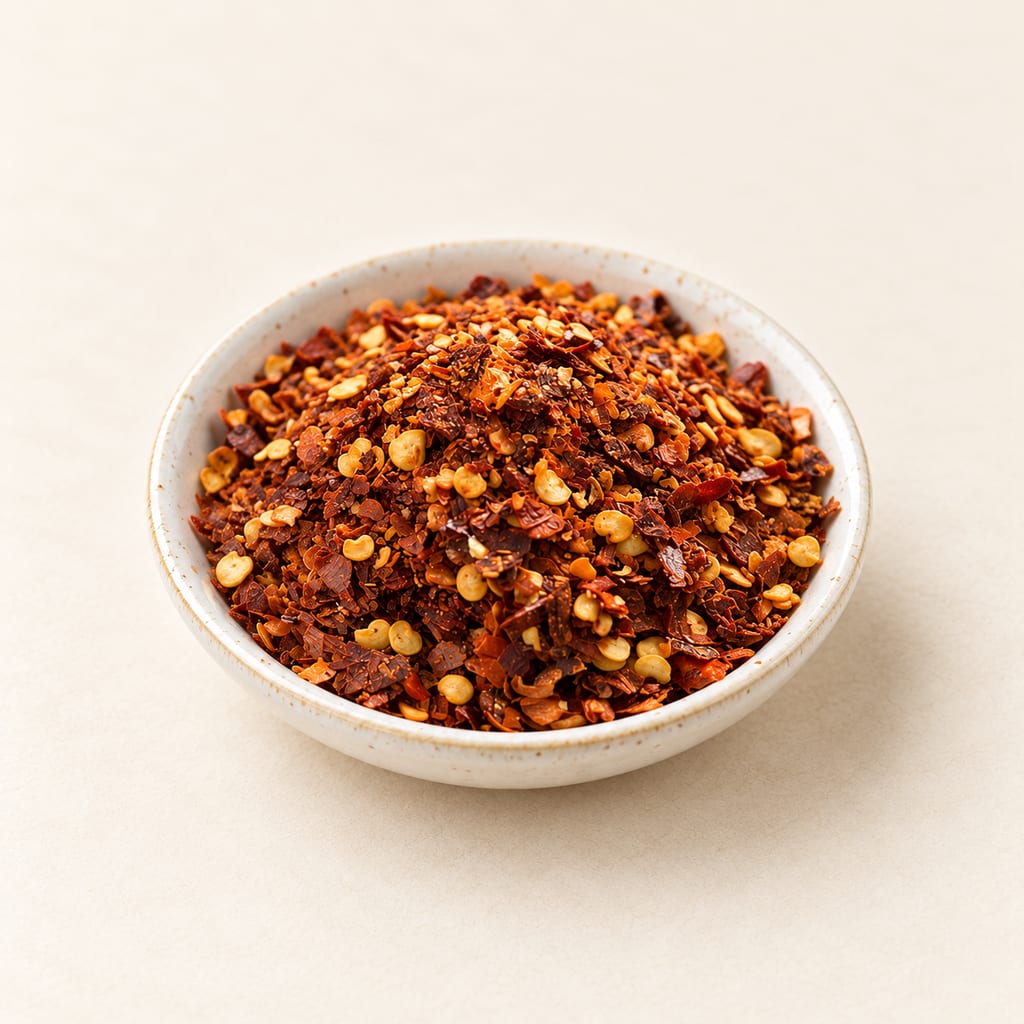
Dried chilli flakes are broken dried Capsicum fruit used for dispersed heat, colour and flavour; Peter Kuruvita's lime pickle includes one teaspoon.