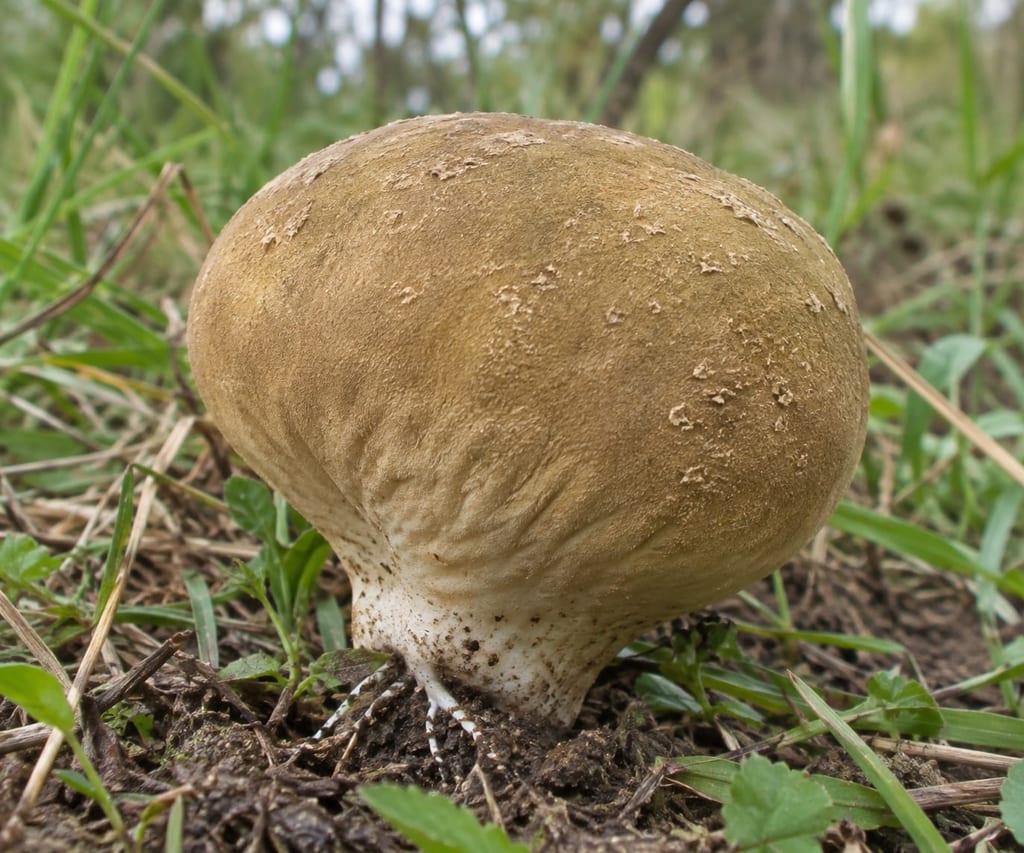
Calvatia subtomentosa
A tropical African puffball recorded in West African range accounts and Ethiopian edible-mushroom studies. Ethiopian use evidence is qualified; Benin identification and safety remain unresolved.
 FermenteaWhere food goes to change
Spices and aromatics
Tosign, the leaves of Ethiopian thyme (Thymus schimperi): a wild-harvested herb recorded in tea and in berbere-style spice blends, with a name shared by another thyme.
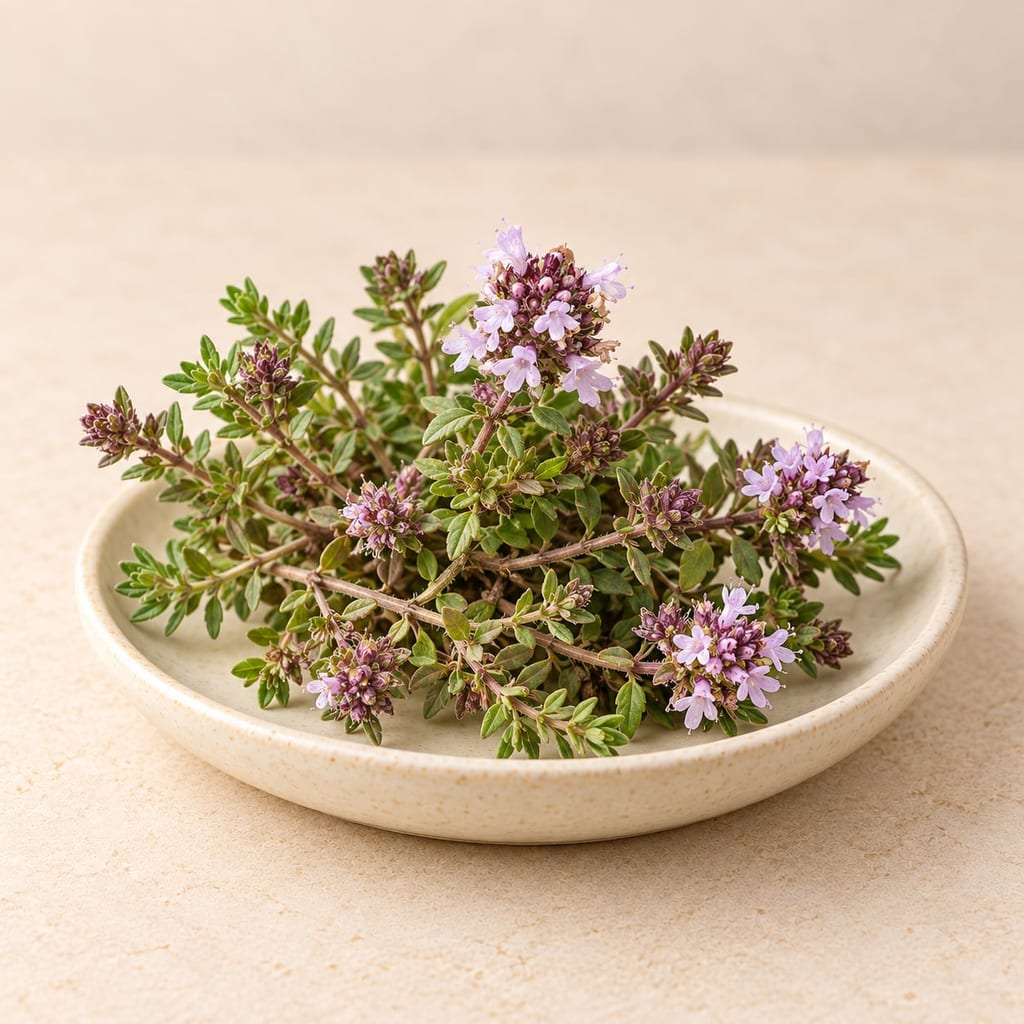
Kew accepts Thymus schimperi Ronniger, native to Eritrea and Ethiopia, and recognizes two subspecies. The food studies identify the species but do not resolve subspecies, cultivar or chemotype. The Ethiopian Biodiversity Institute leaflet reports that Tosign is also used for the separate species T. serrulatus; vernacular spelling alone is not enough to identify a specimen or transfer a use between species.
In a 2023 Tach Gayint study, a voucher-linked Table 1 entry for T. schimperi (MA015), called Tosign, says leaves are powdered and mixed with tea. The study is an ethnobotanical survey in five selected kebeles; it does not give quantities, a complete tea preparation sequence or storage advice.
A separate 2023 Midakegn survey lists T. schimperi voucher Mk049 as Tosegn, with leaves and the preparation description "boiled." Its discussion also calls the plant a tea flavoring but does not clarify whether that table wording means boiling the leaves alone or the tea mixture. The two studies describe distinct local accounts and do not combine into a single standardized method.
A 2025 review in the Journal of Ethnic Foods lists tosign among indigenous spices in blends such as berbere, mitmita and awaze, and records its leaves in aromatic teas and mixed spices. The same review marks Thymus schimperi as endemic to Ethiopia, which differs from Kew's record of Eritrea and Ethiopia; the discrepancy is left open here.
A 2025 study by Damtie and Mekonnen in the Ethiopian Journal of Science and Technology covers six localities. Informants reported declines, most often attributed to overgrazing and agricultural expansion. This is a conservation signal for a wild-harvested spice, not a harvest permission or a population estimate.
Kew assigns T. schimperi to a montane tropical biome. The EBI leaflet describes wild populations at high elevations and in open grassland, rocky slopes and road-edge habitats. Those descriptions concern reported range and habitat, not measured crop performance or universal growing limits.
The inspected sources do not establish a species-specific frost or heat threshold, humidity response, light or photoperiod requirement, soil or pH target, irrigation, propagation method, planting calendar, cultivated harvest or regrowth schedule, pest management, container guidance, or heated and unheated greenhouse regime.
Neither tea study gives complete batch quantities, yield, storage interval or a validated safety endpoint. These are records of reported food use, not medical claims or instructions for identifying or collecting wild plants. No botanical identification key, local collection permission or food-safety endpoint was established.
Tea records from the Tach Gayint (Amhara) and Midakegn (West Shewa) surveys; spice-blend use from a 2025 review.
Native range per Kew only; no food-use record for Eritrea was reviewed, and one review calls the species endemic to Ethiopia.
A tropical African puffball recorded in West African range accounts and Ethiopian edible-mushroom studies. Ethiopian use evidence is qualified; Benin identification and safety remain unresolved.

Camel milk from one- and two-humped camels supplies fresh drinks, fermented milks and specialised cheeses across pastoral food systems in Africa and Asia.
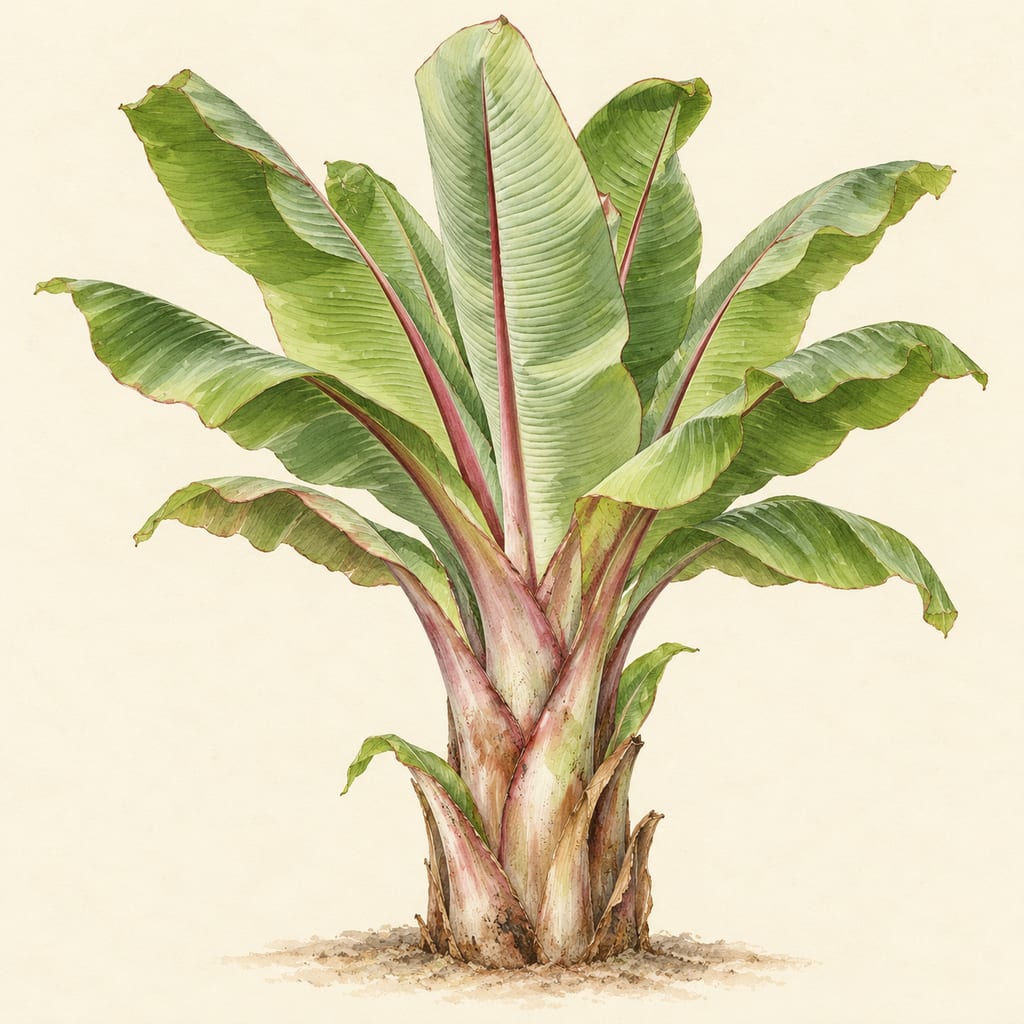
Enset is an Ethiopian staple crop grown for its starchy corm and pseudostem. Fermented kocho, extracted bulla and boiled amicho are distinct foods from the plant.
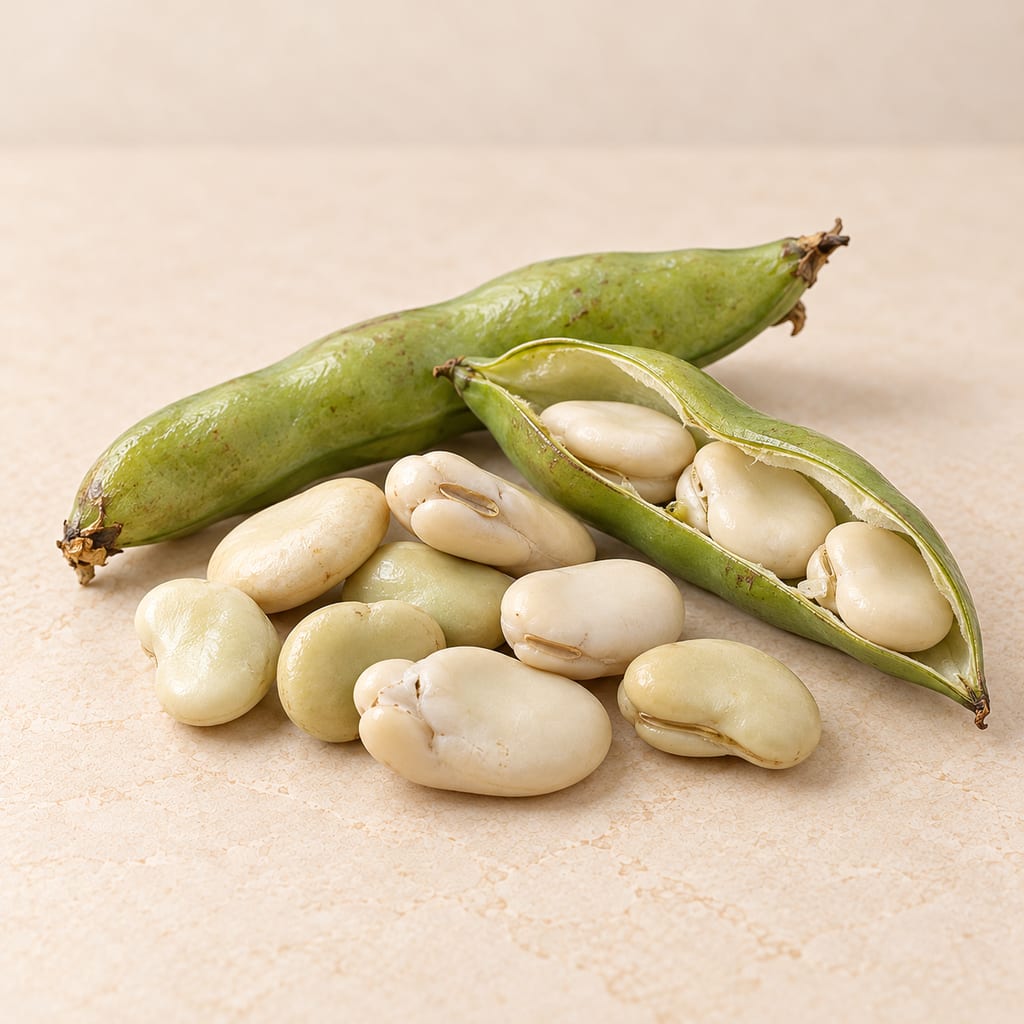
Faba beans are the seeds and edible pods of the cultivated legume Vicia faba L., also sold as broad beans or fava beans. They are eaten fresh or dried and provide the bean flour used in Ethiopian siljo, a sour fermented condiment.
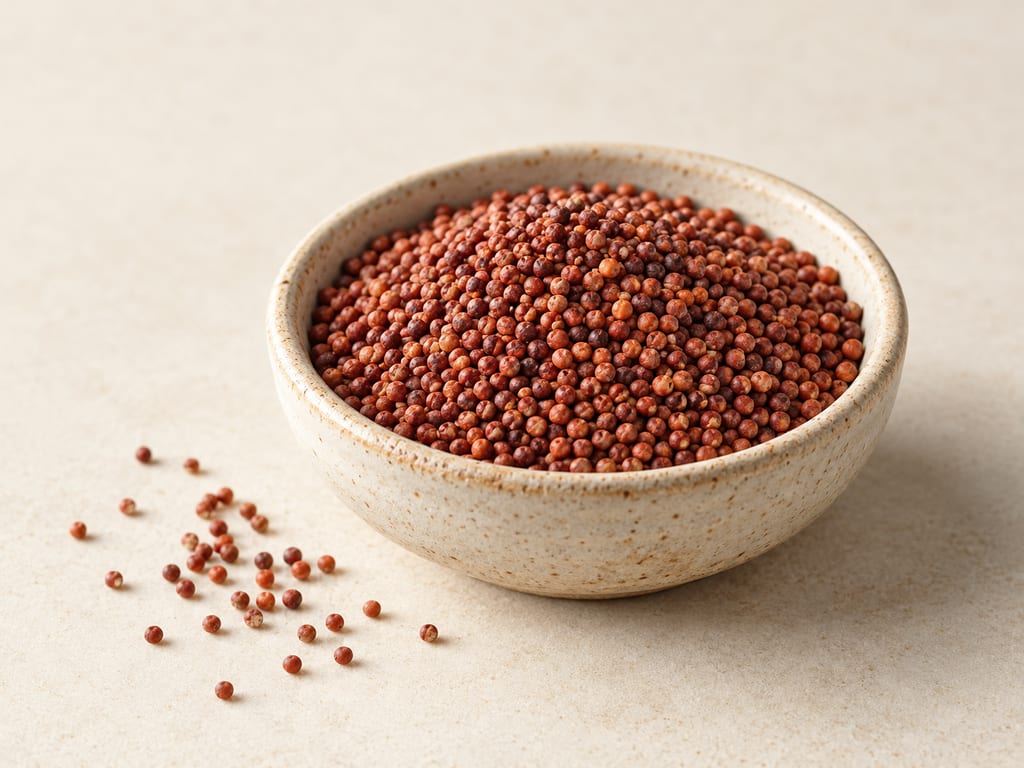
Finger millet (Eleusine coracana) is a small-grained cereal grown across parts of Africa and Asia. It is milled, cooked, malted and fermented in distinct food traditions.
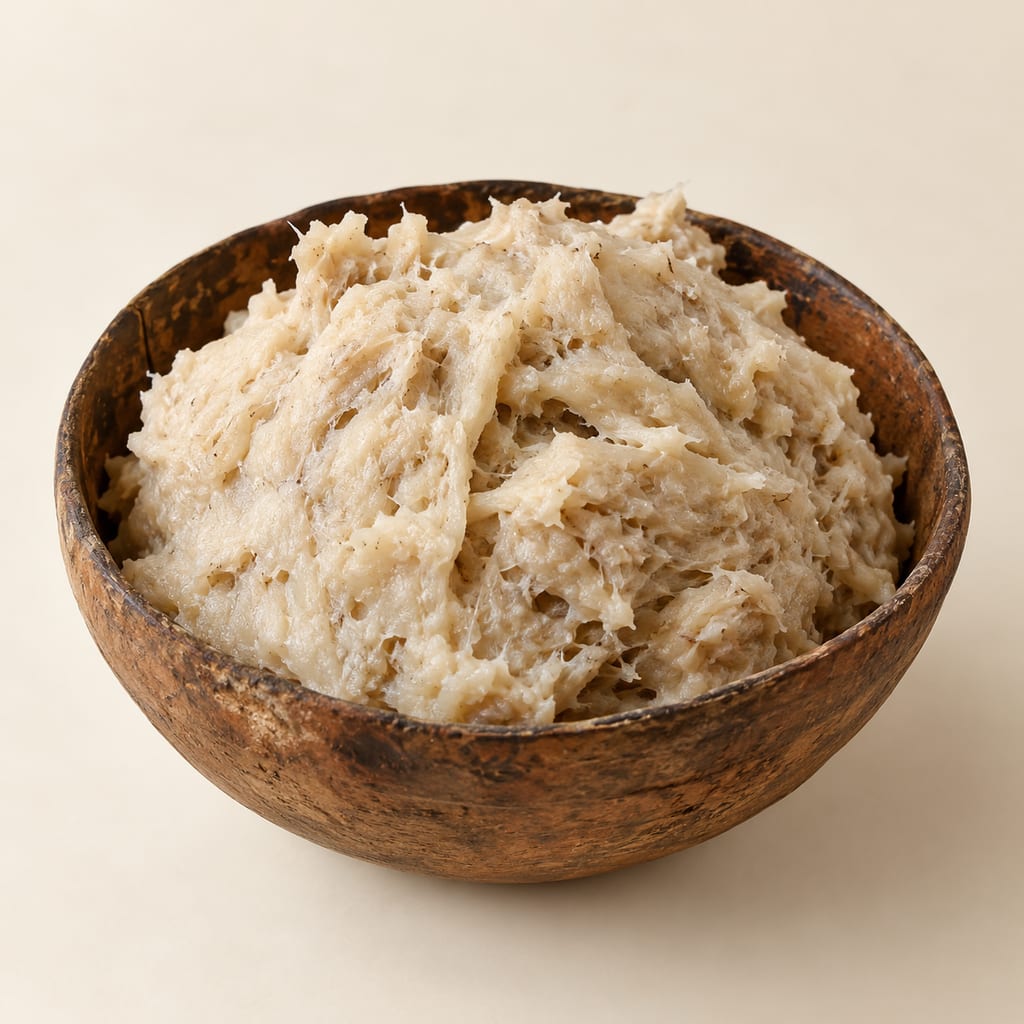
Gamma and gamancho are the names of the enset starter carried from one batch of kocho to the next in southern Ethiopia, made from enset material and dominated by lactic acid bacteria.
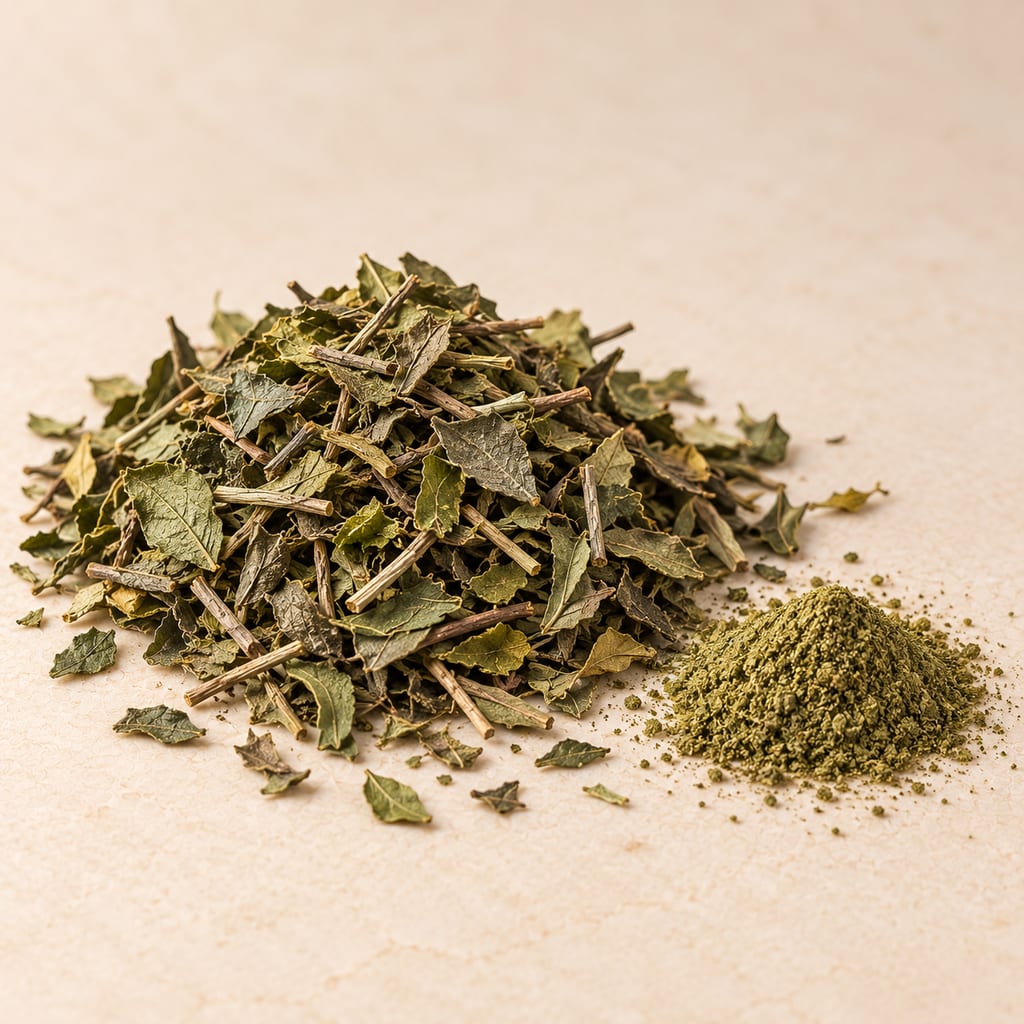
Gesho (Rhamnus prinoides) is used in Ethiopian cereal beers and honey wines for bitterness and flavour. Sources document regional cultivation and use but do not establish one origin, universal brewing measure, starter role or safety limit.

Honey is a bee-made food from floral nectar or honeydew; breads use it in dough or as a syrup served with cooked griddle breads.
No community contributions have been published for this entry yet.
Sign in to contribute. Published comments and photos are free to read.
Royal Botanic Gardens, KewIdentity · Geography
Thymus schimperi Ronniger | Plants of the World OnlineAccepted name, native range Eritrea and Ethiopia, montane tropical biome
Cited in: Names and scope; Habitat and growing evidence
Royal Botanic Gardens, KewIdentity
Thymus schimperi subsp. schimperi | Plants of the World OnlineTwo accepted subspecies
Cited in: Names and scope
Yalew Yiblet & Endale Adamu; Evidence-Based Complementary and Alternative MedicineUse
An Ethnobotanical Study of Wild Edible Plants in Tach Gayint District, South Gondar Zone, Amhara Region, Northwestern EthiopiaT. schimperi (MA015), Tosign: leaves powdered and mixed with tea
Cited in: Two separate tea records; Limits of the food records
Guzo, Lulekal & Nemomissa; Journal of Ethnobiology and Ethnomedicine 19:30Use
Ethnobotanical study of underutilized wild edible plants and threats to their long-term existence in Midakegn District, West Shewa Zone, Central EthiopiaT. schimperi (Mk049), Tosegn: leaves, boiled; tea flavouring
Cited in: Names and scope; Two separate tea records; Limits of the food records
Ethiopian Biodiversity InstituteIdentity · Habitat
Bioprospecting Potential of Thymus schimperi for Access and Benefit SharingTosign also used for T. serrulatus
Wild populations at high elevation in grassland, rocky slopes and road edges
Cited in: Names and scope; Habitat and growing evidence
Journal of Ethnic Foods, BioMed Central / SpringerUse
Journal of Ethnic Foods review of Ethiopian spices and condiments (2025)Tosign among indigenous spices in berbere, mitmita and awaze; aromatic teas
Described as endemic to Ethiopia
Cited in: Spice blends and conservation status
Ethiopian Journal of Science and Technology, Bahir Dar UniversityConservation
Thymus species in Ethiopia: distribution, medicinal value, economic benefit, current status and threatening factorsInformants in six localities report declines attributed to overgrazing and agricultural expansion
Cited in: Spice blends and conservation status