




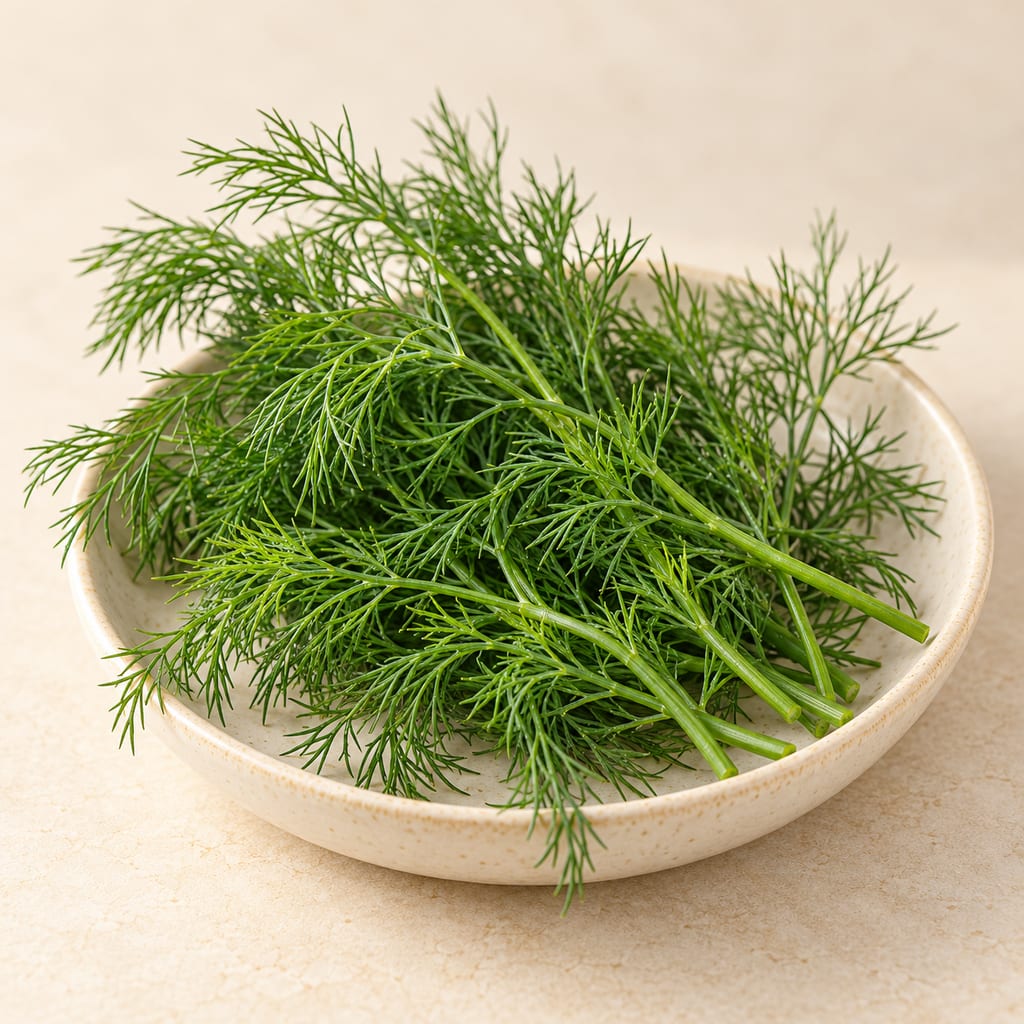
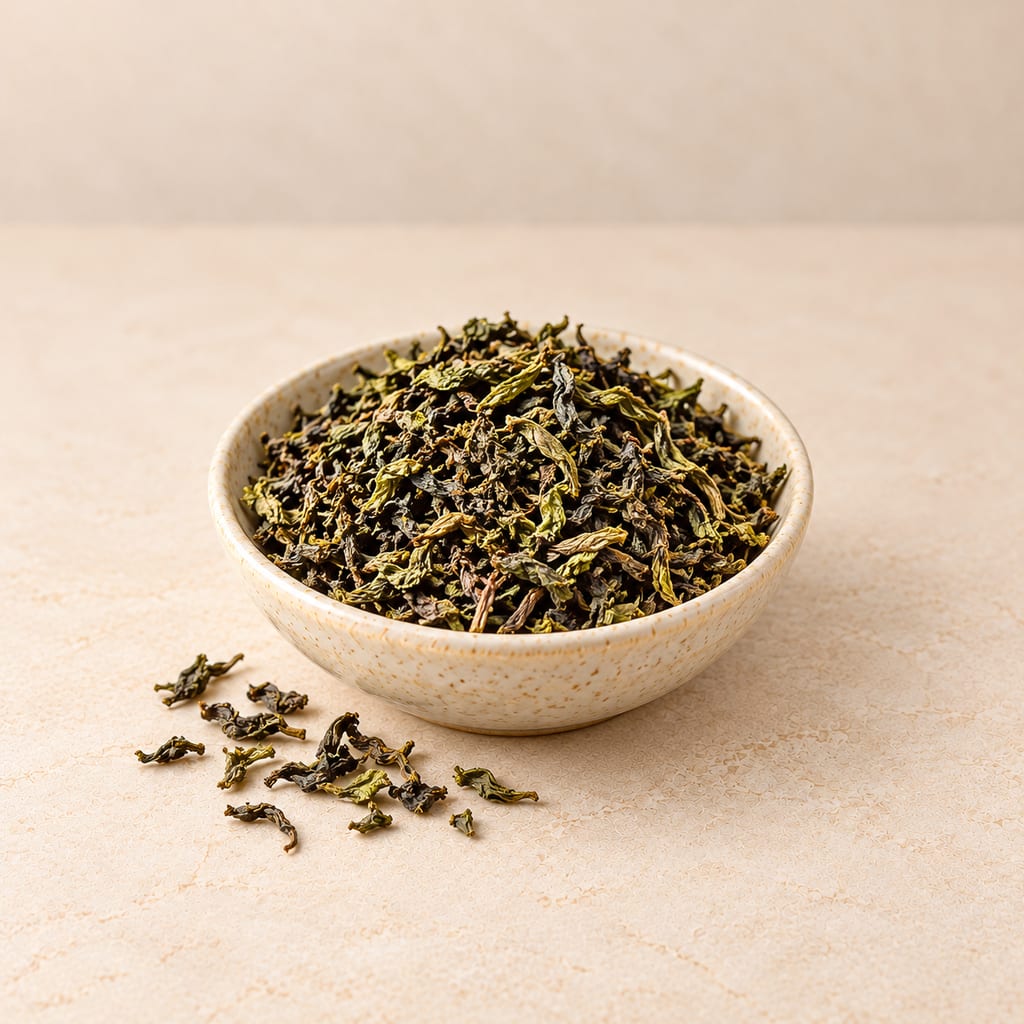
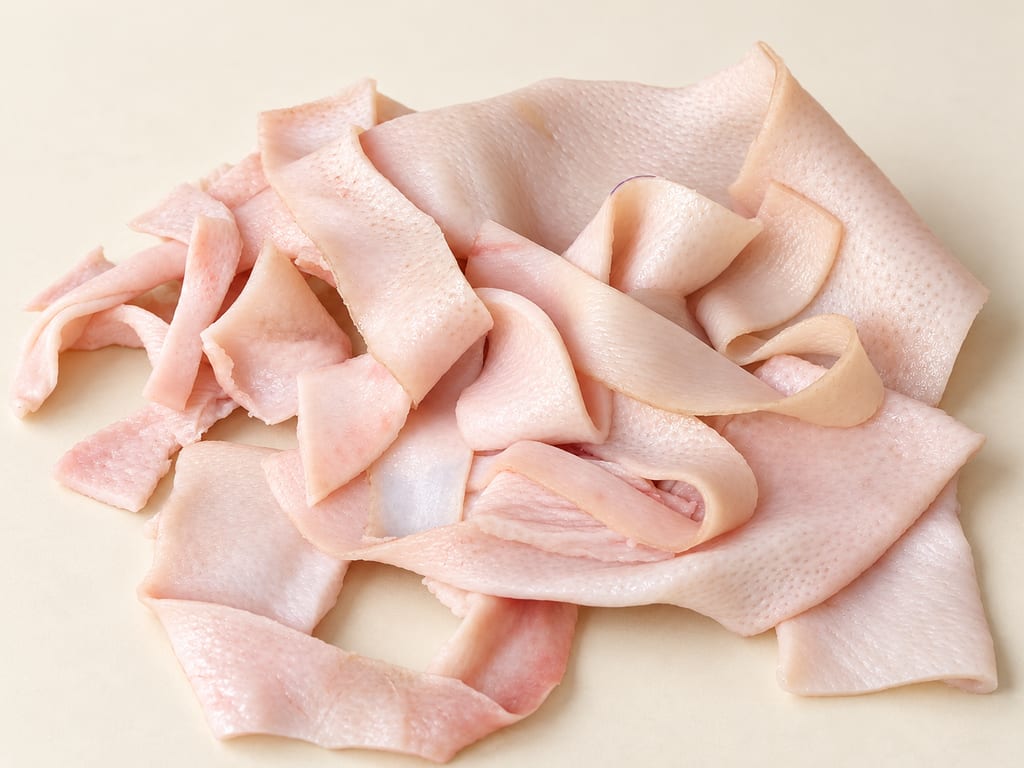
Pork skin
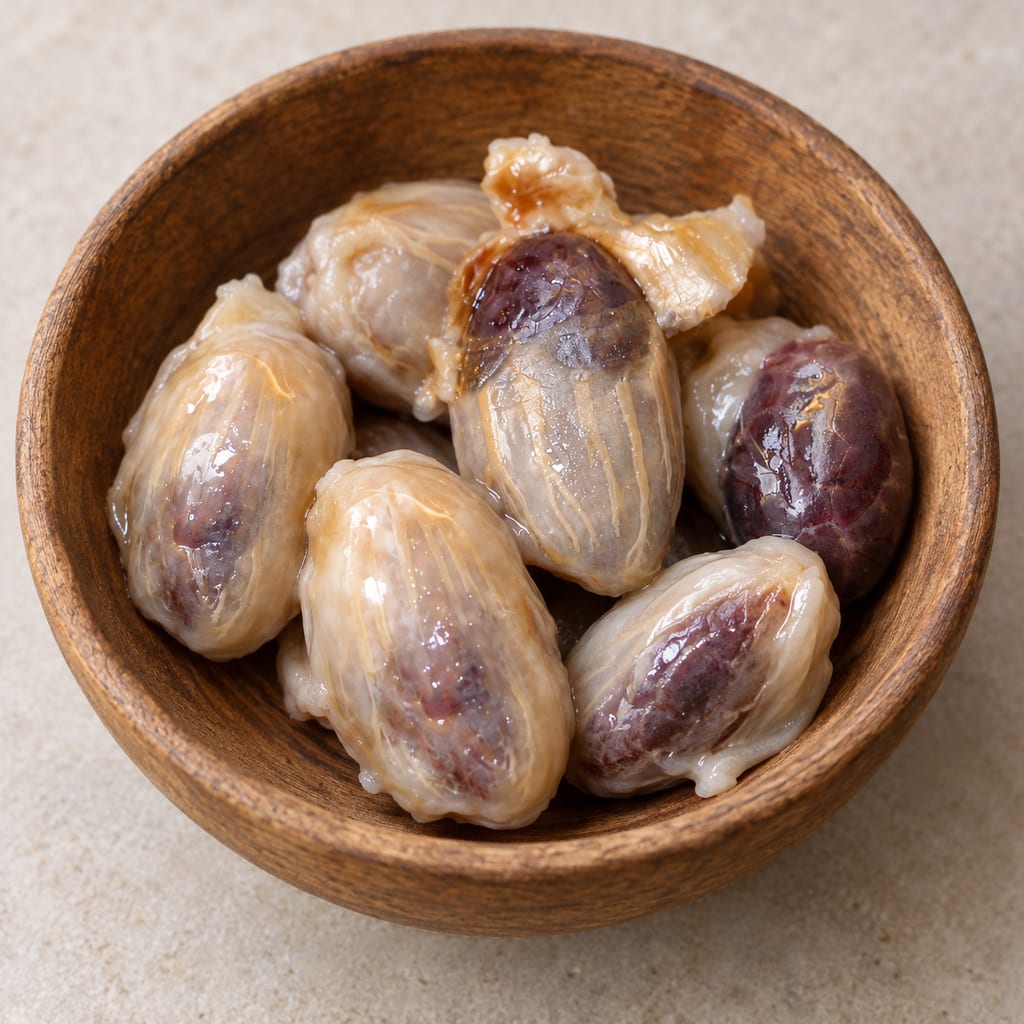
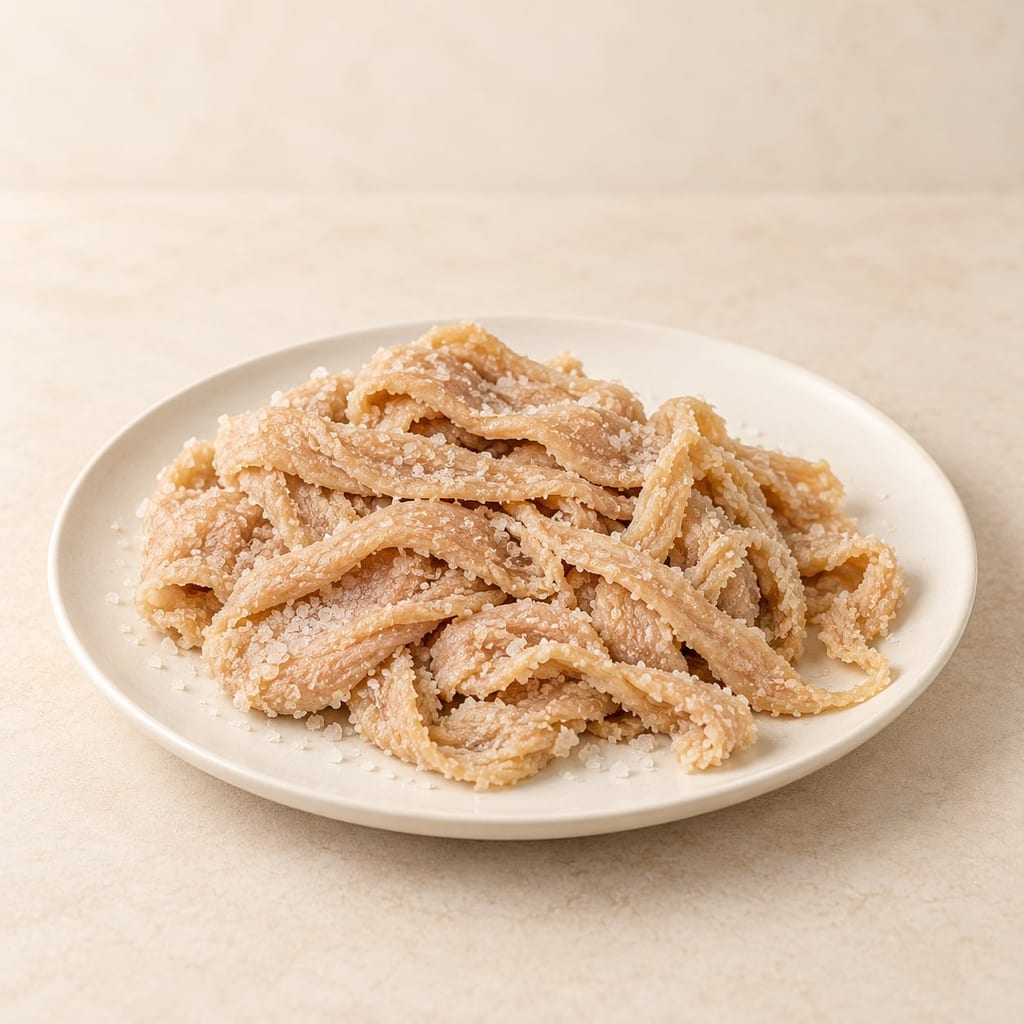
Pork skin is collagen-rich pig skin used fresh or cooked; in documented Southeast Asian meat ferments it is usually prepared separately before it joins the pork.
 FermenteaWhere food goes to change
1086 articles on substrates, cultures and additives.
Pork skin is collagen-rich pig skin used fresh or cooked; in documented Southeast Asian meat ferments it is usually prepared separately before it joins the pork.
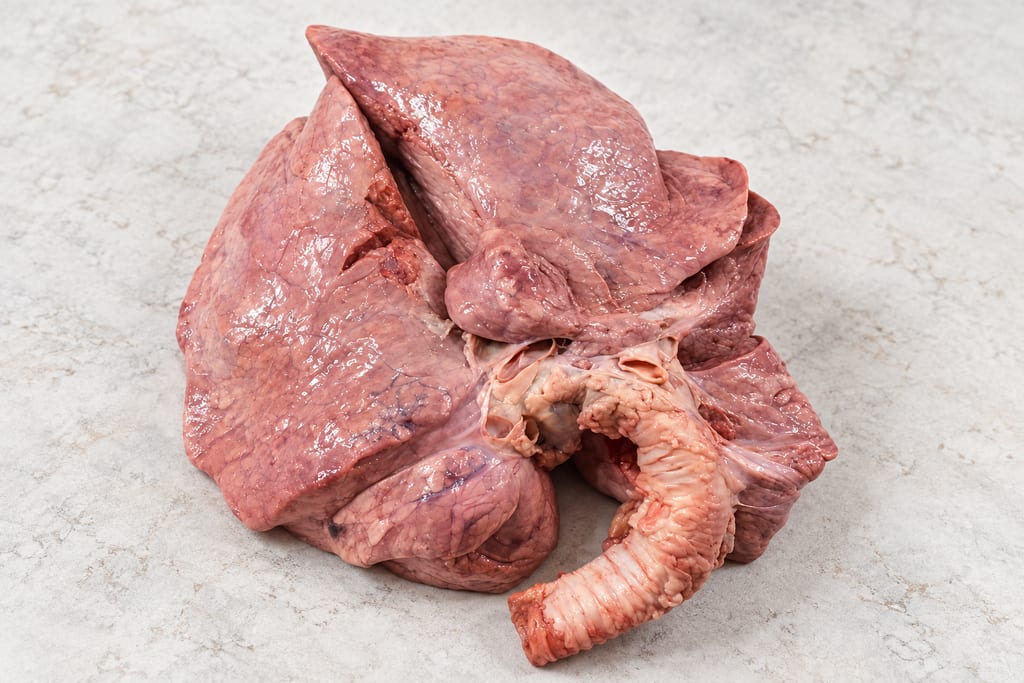
Beef lung is cattle offal used in regional Indonesian dishes and studied as a substrate for a modern fermented-sauce proof of concept. Culinary, regulatory and experimental uses vary; the sources support no universal process.
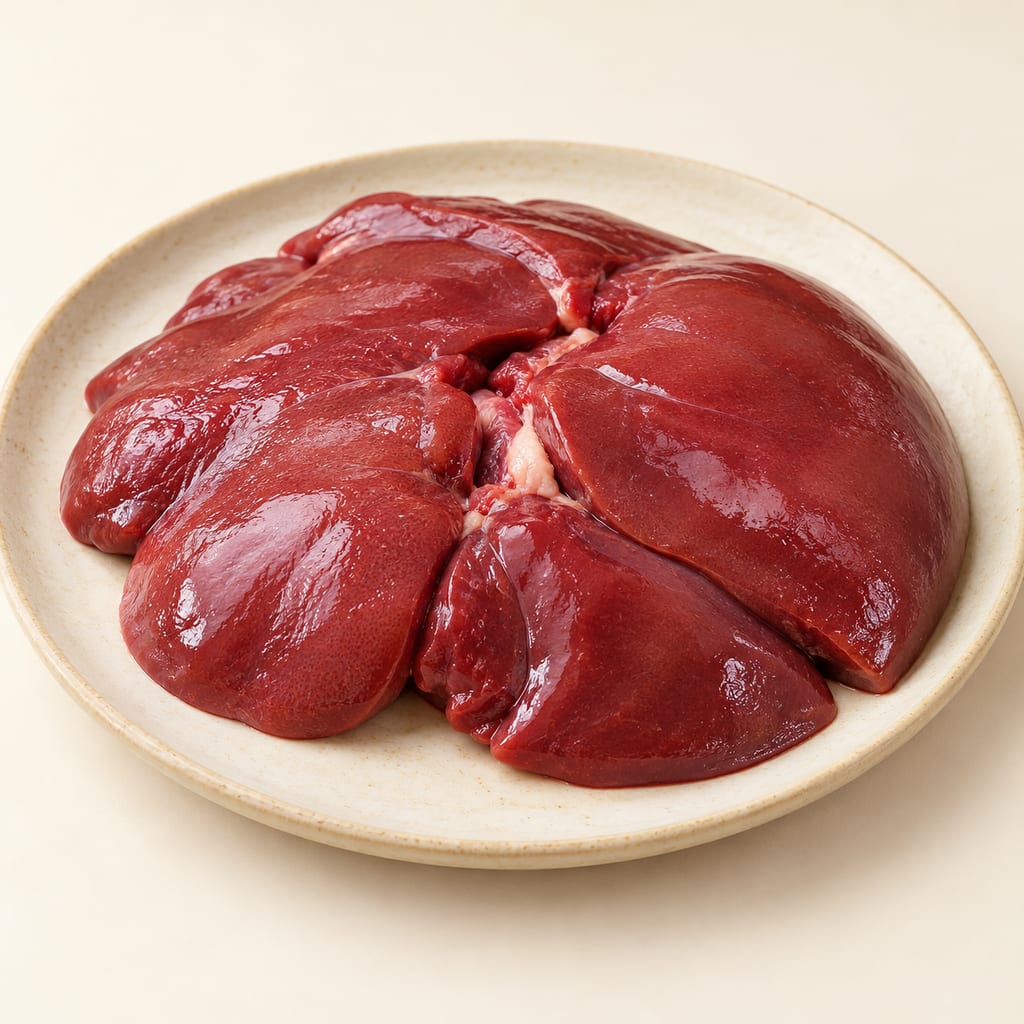
Pork liver is a richly flavoured pig organ used fresh, in cooked sausages and pâtés, and in several preserved meat traditions. Its documented uses differ in process and place; it is not one finished product.
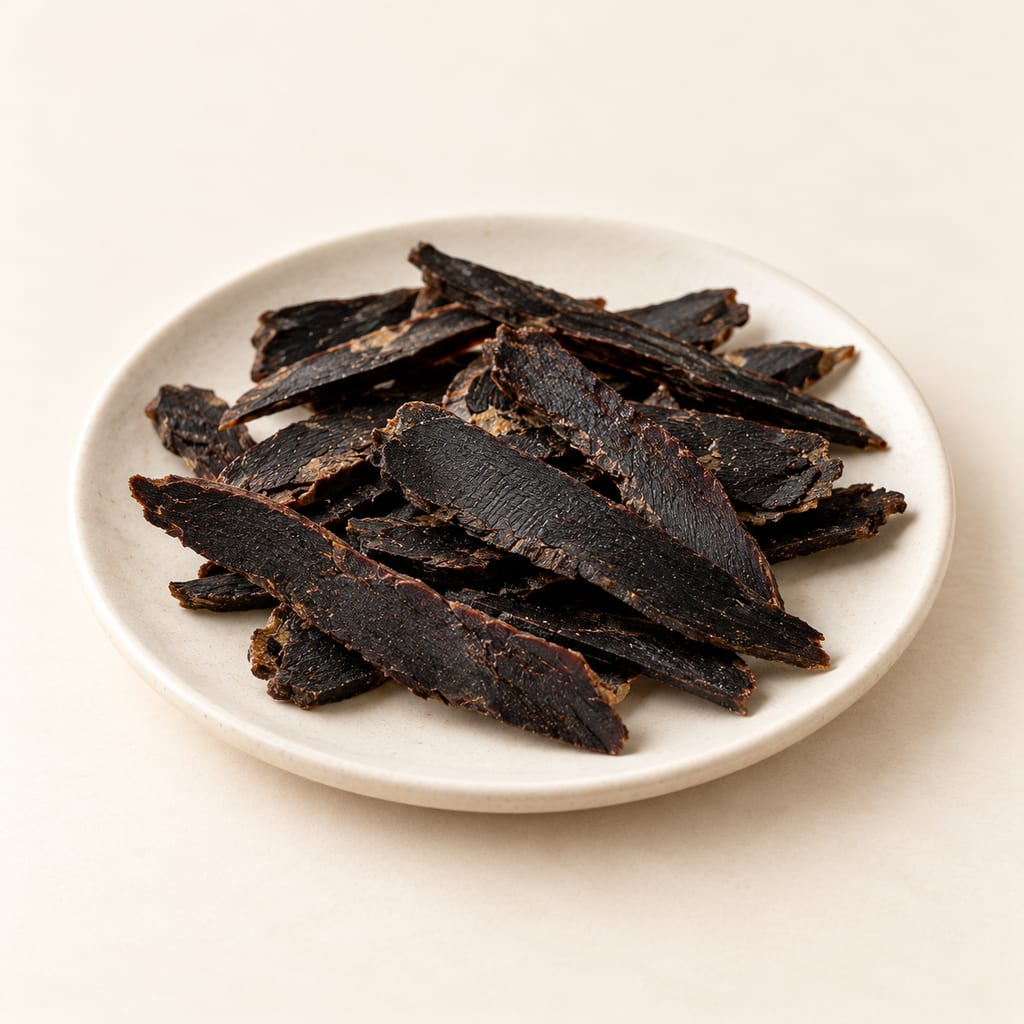
Long-finned pilot-whale meat, called Faroese tvøst, is eaten fresh and preserved in the Faroe Islands. Historical accounts place it among the meats hung to dry and pass through the ræst stage, distinct from blubber and other whale foods.
Reindeer meat is the flesh of Rangifer tarandus, used fresh and preserved across northern foodways; animal populations, cuts, and regional practices differ, and no single culinary origin is established.

Animal blood is a perishable food material used fresh, coagulated, cooked, dried or processed into ingredients. Its uses range from grain-filled puddings to functional protein ingredients, each with distinct history and handling needs.
Seal meat is the flesh of hunted seals, eaten fresh, frozen, boiled, dried and, in distinct preparations, aged or fermented. Species and community practices vary; the name describes neither one recipe nor one place of origin.
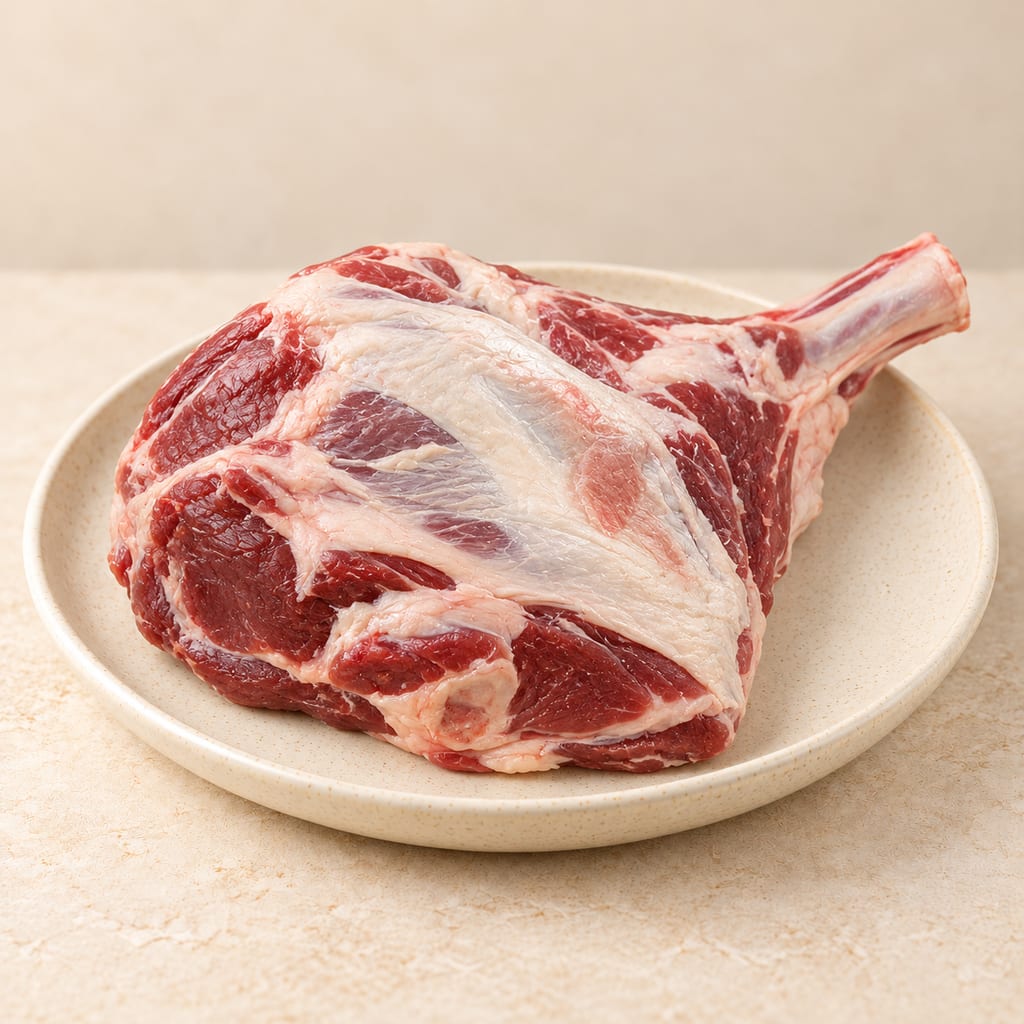
Sheep meat spans lamb from younger animals and mutton from mature sheep; age, breed, diet, cut and fat cover shape its texture and how it behaves in curing and fermentation.
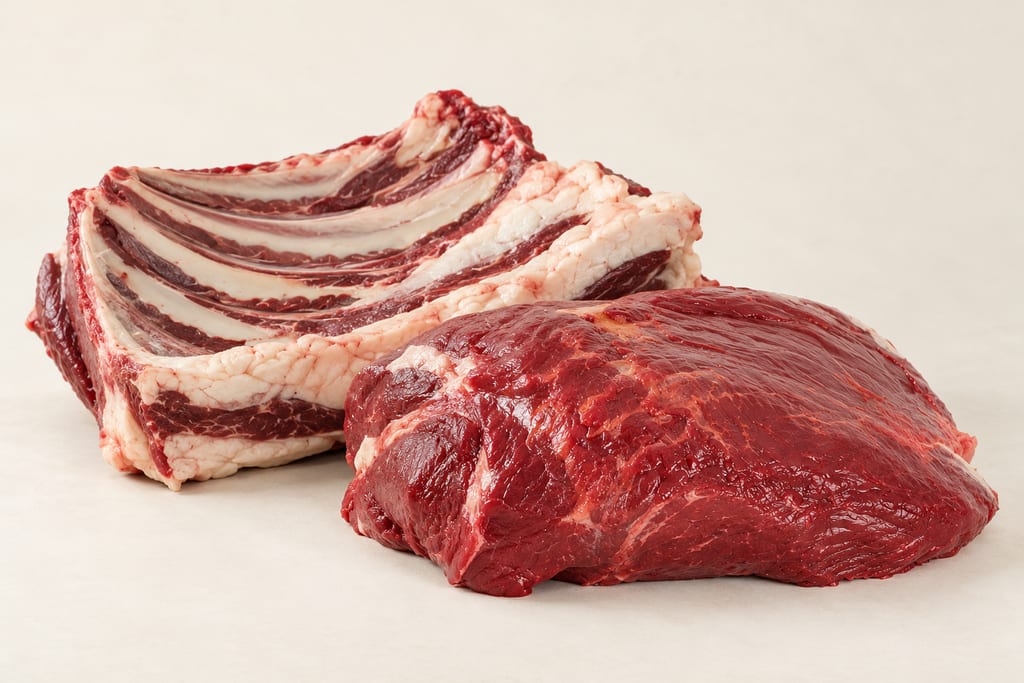
Horse meat is raw equine muscle and fat used fresh or in regionally distinct cooked and preserved foods; cuts and processes vary, and no single culinary origin is established.
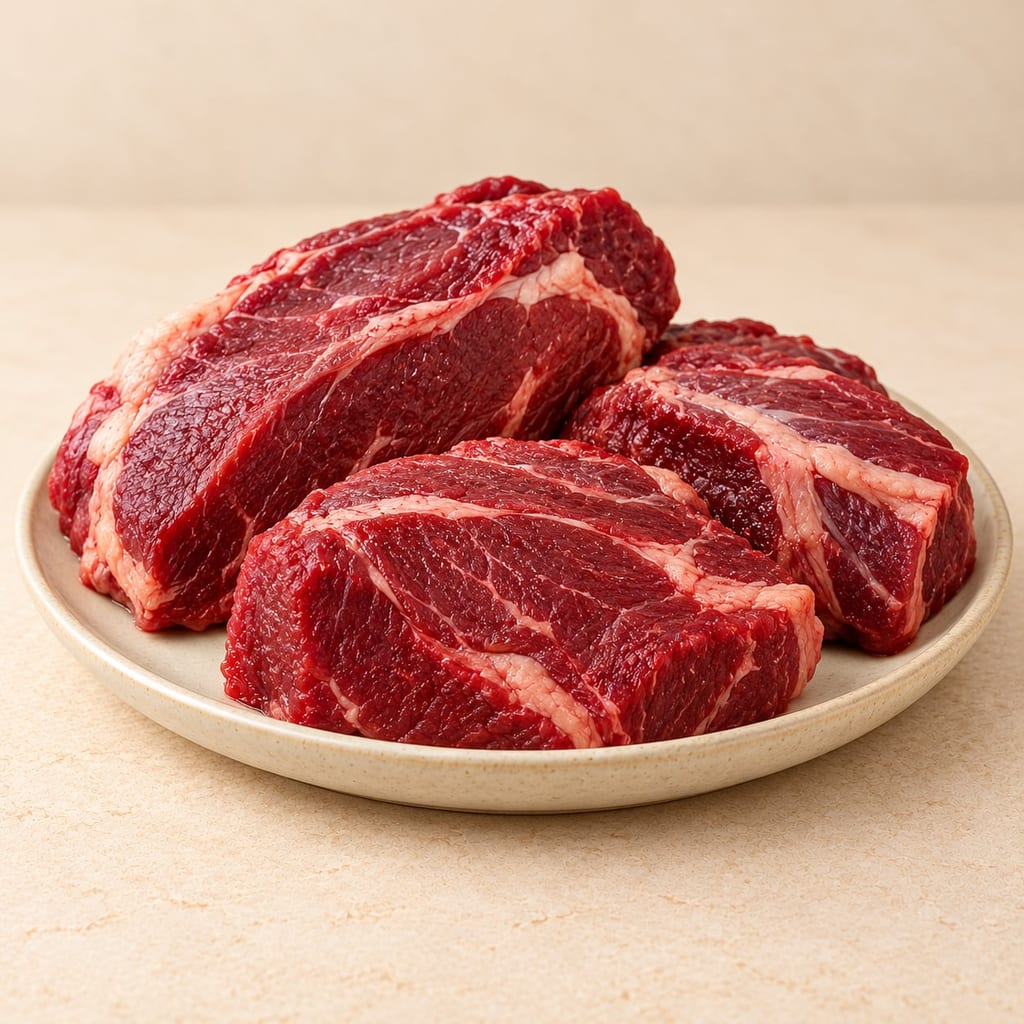
Yak meat is the flesh of domestic yak (Bos grunniens), eaten fresh and used in regional highland foods, including khyopeh, the fermented meat of Lachung, North Sikkim.
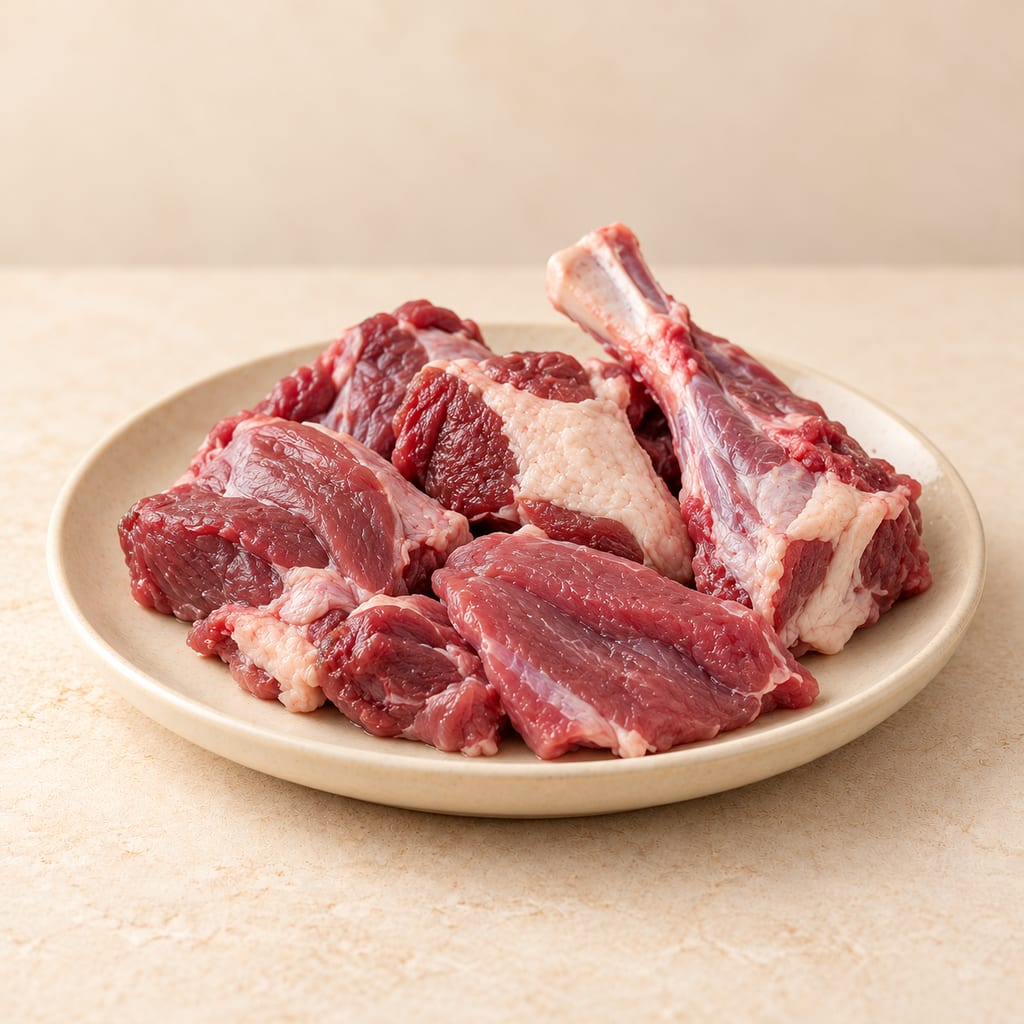
Goat meat is the edible flesh of domestic goats, traded as many cuts and forms whose character depends on the animal, the herd system and local butchery.
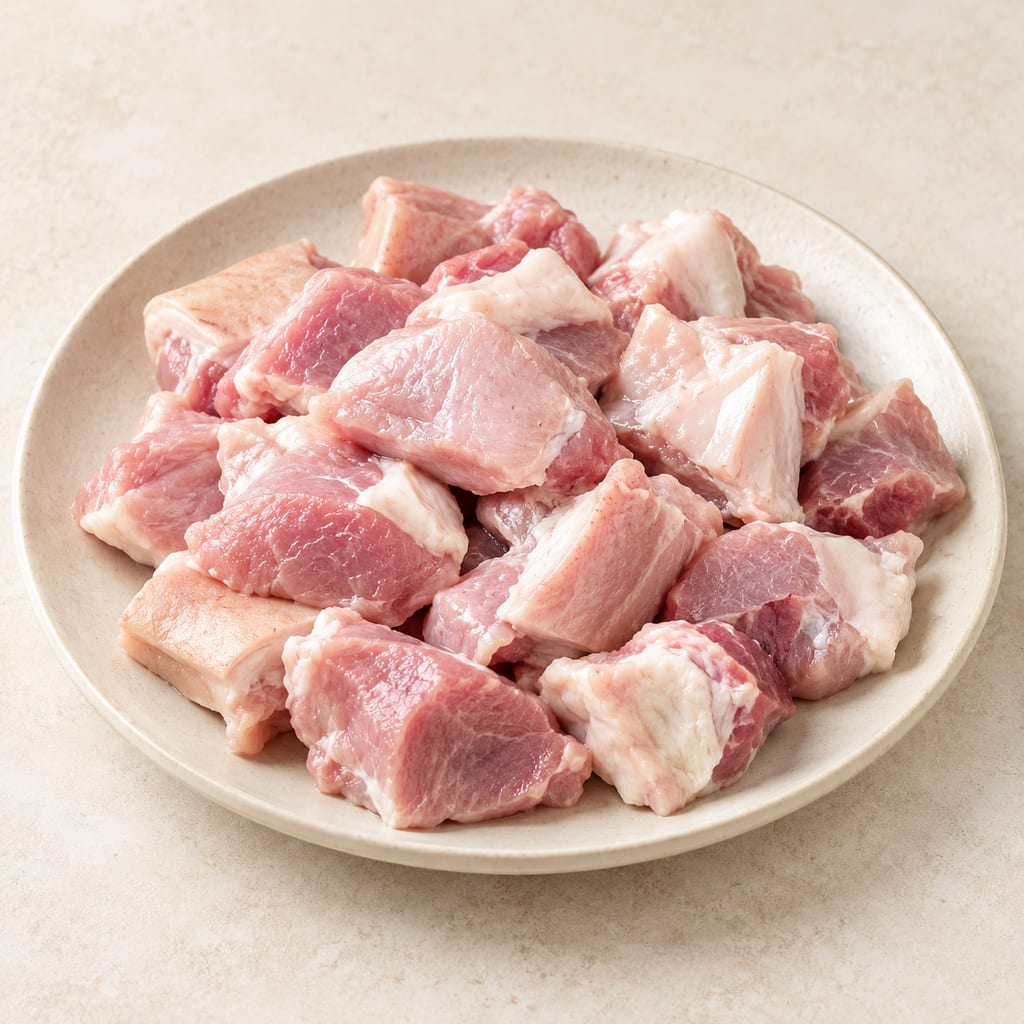
Pork is meat from domestic pigs, sold as distinct cuts, ground meat and fat; its form and composition shape its roles in fermented foods.
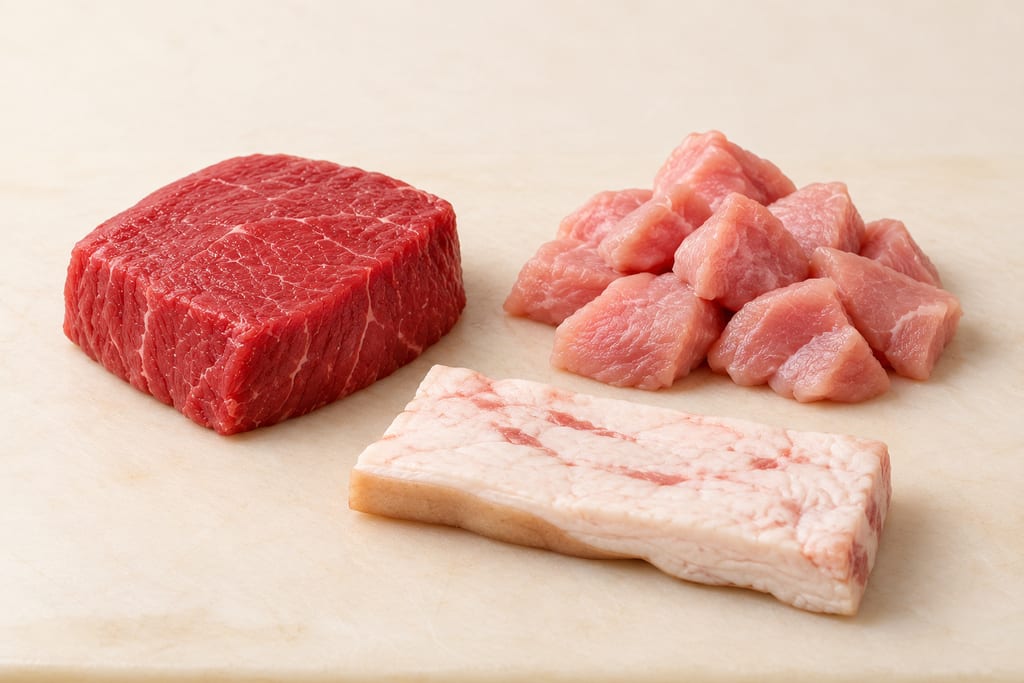
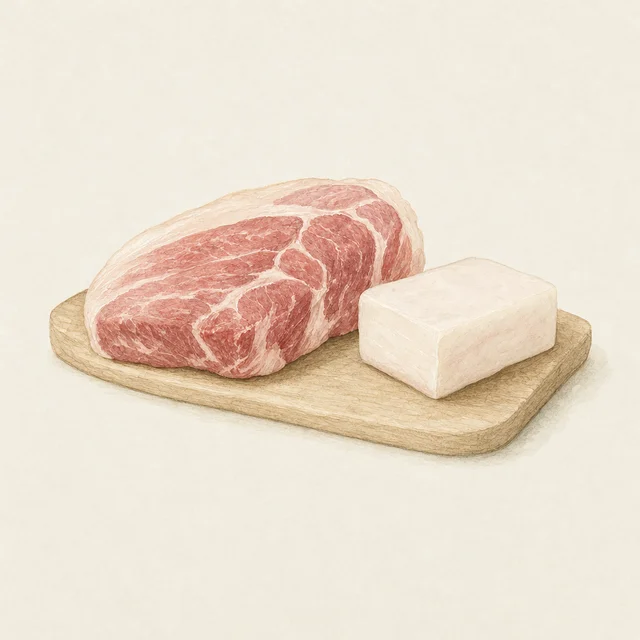
Dry sausage recipes depend on the chosen lean meat, fat source, particle size, temperature, and process. A percentage from one recipe should not be generalized to every salami.
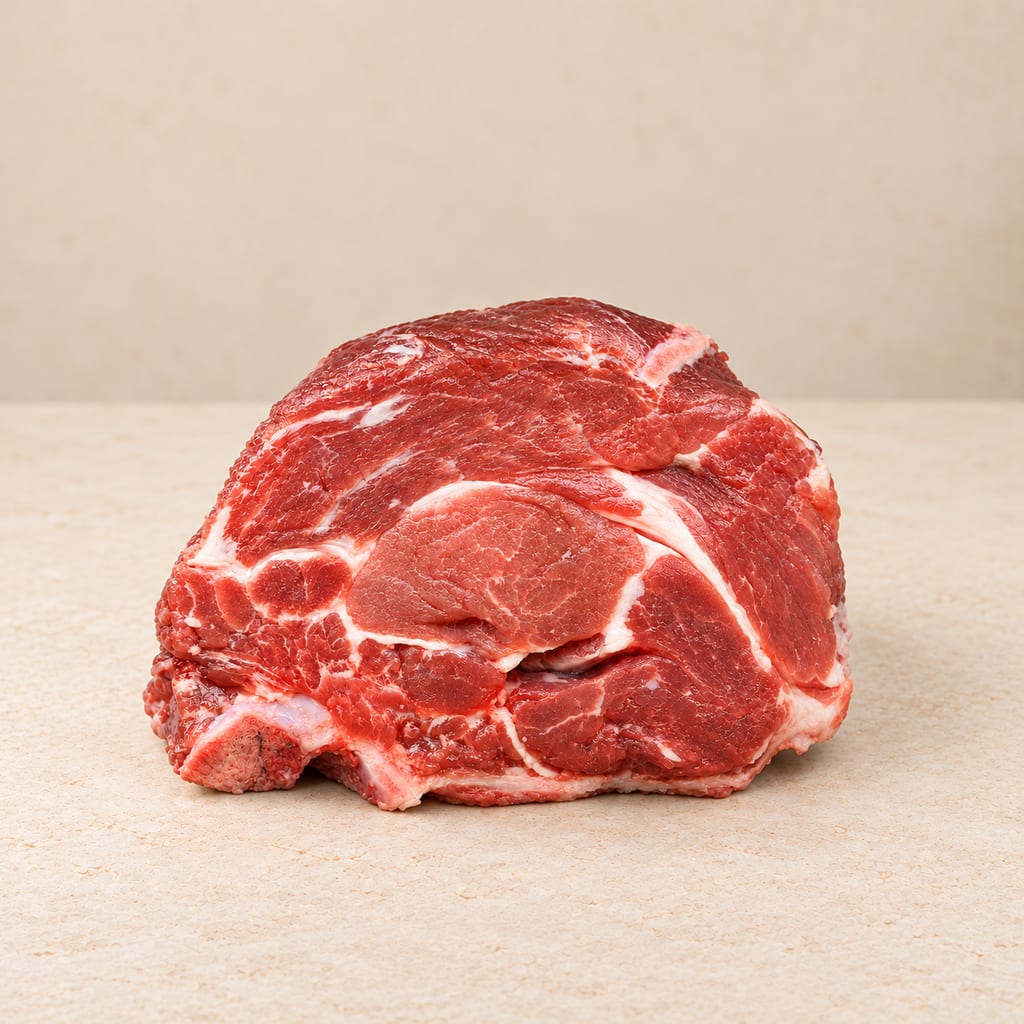
Pork shoulder is the forequarter of the pig, divided into the upper Boston butt and the lower picnic. It is a working muscle group with connective tissue and fat, and it is the usual lean meat for sausage.
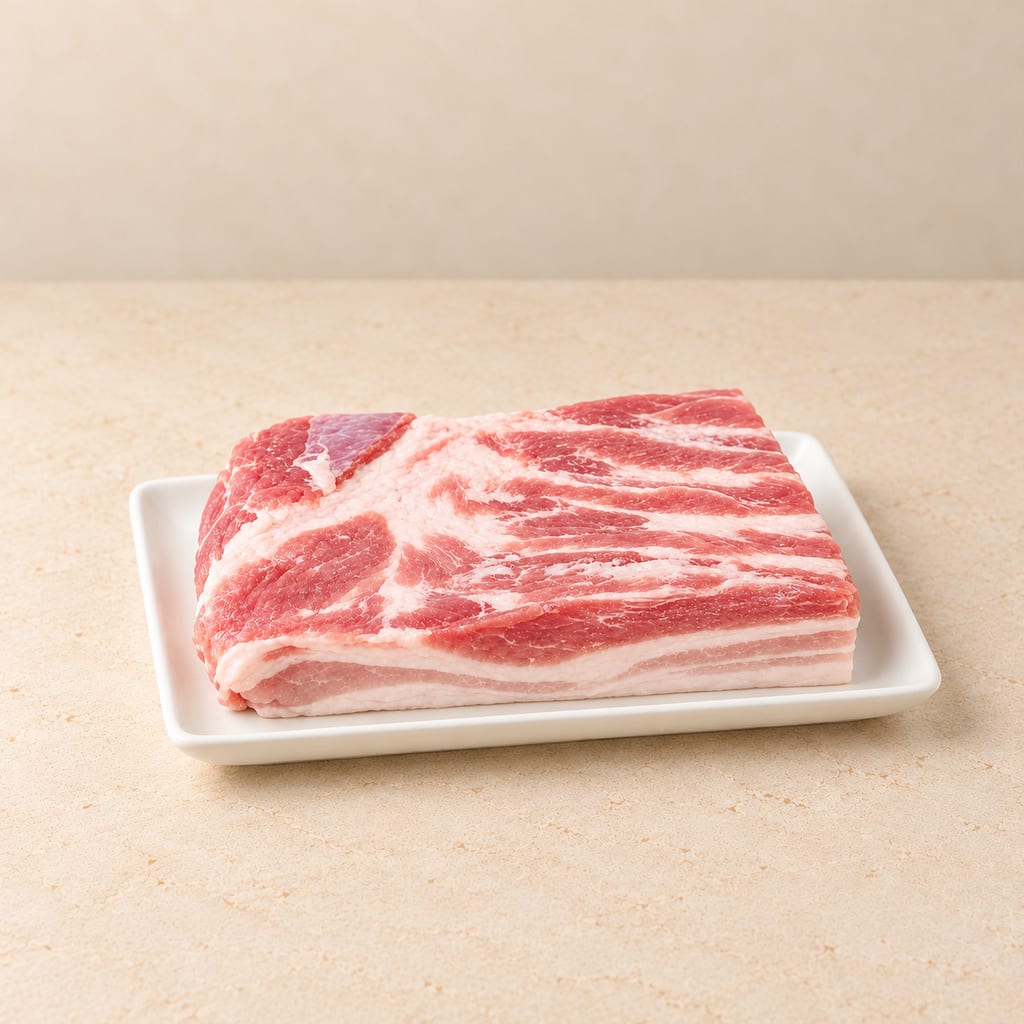
Raw pork belly combines muscle and adipose tissue in layers. Its fat content varies, and a recipe weight of belly is not a measured weight of pure fat.
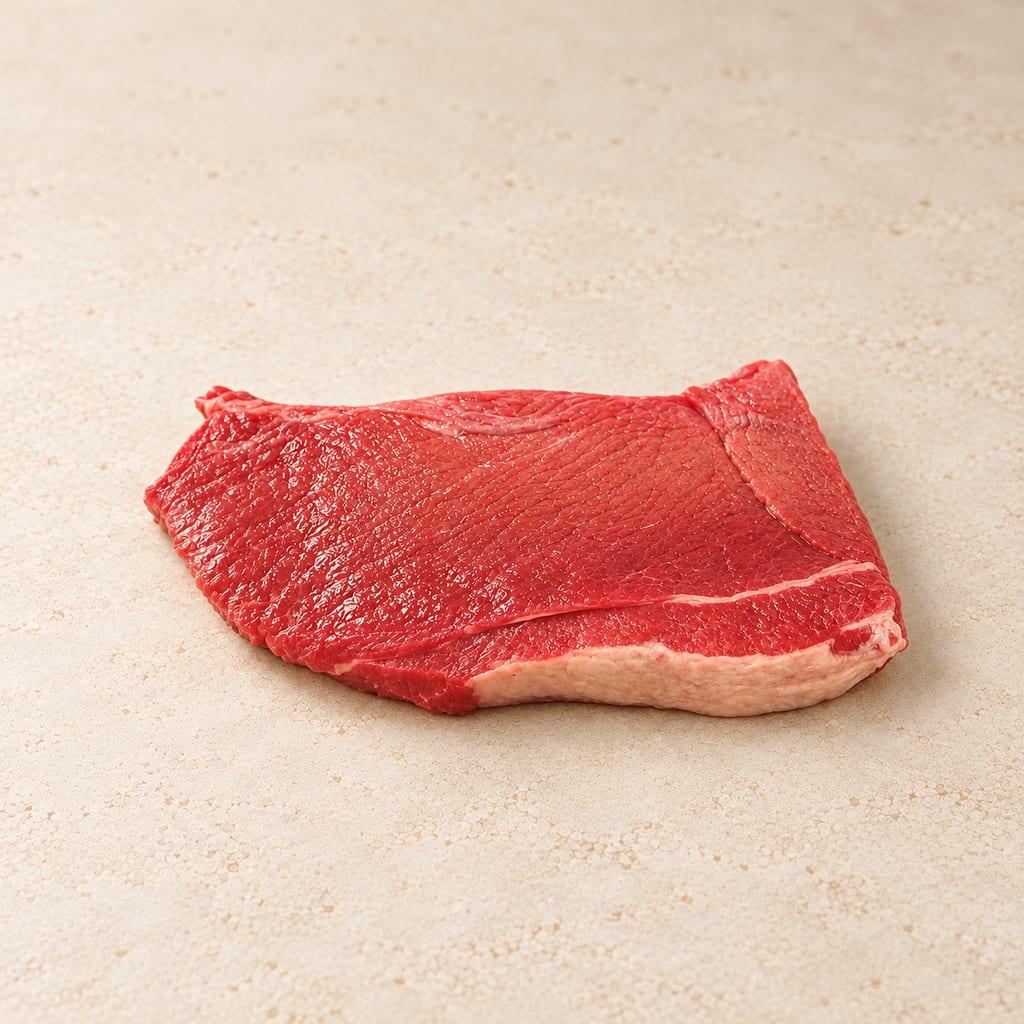
Lean beef is the trimmed muscle of cattle, Bos taurus and Bos indicus. In Genoa-style salami it is the second lean meat beside pork, ground fine, with pork back fat added separately.
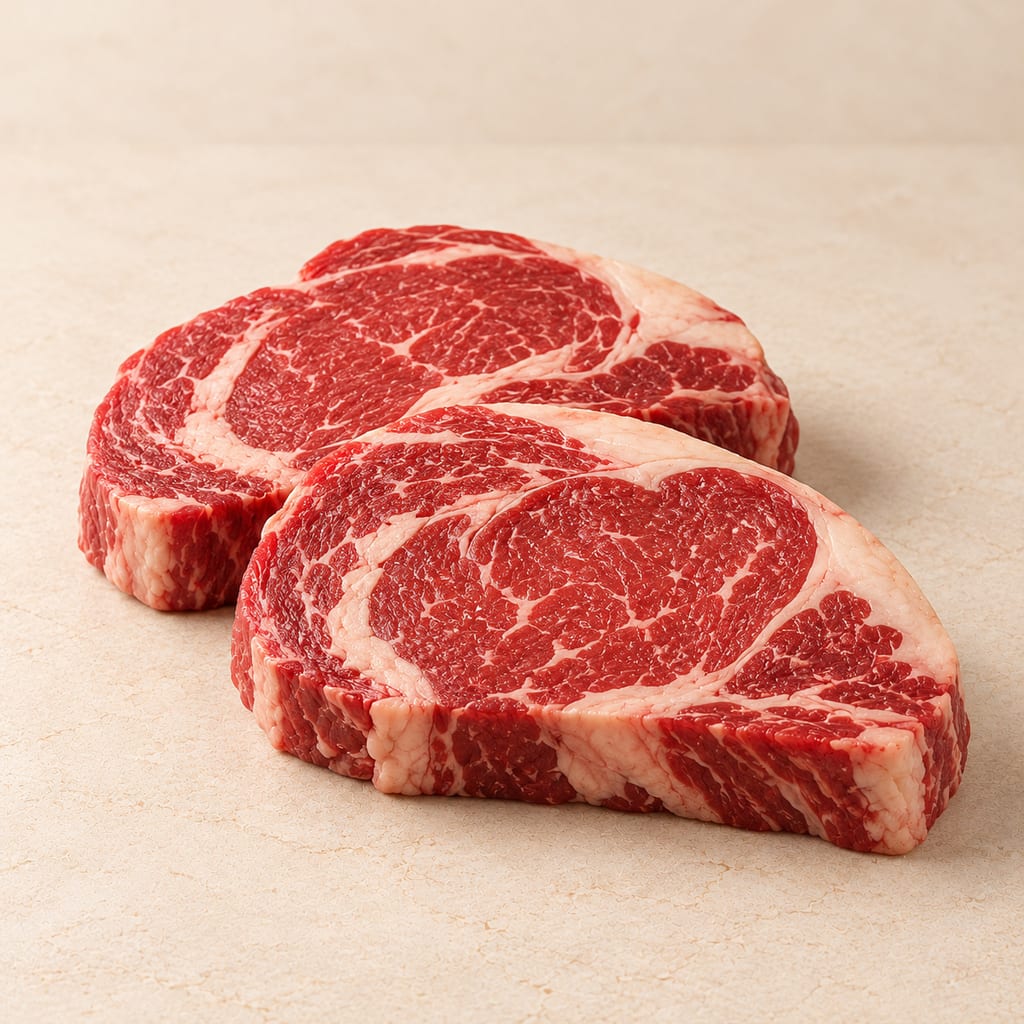
Beef is the meat of domestic cattle, Bos taurus and Bos indicus, sold as steaks, roasts, ground meat and cured products, and used in broths, salami and koji seasonings.
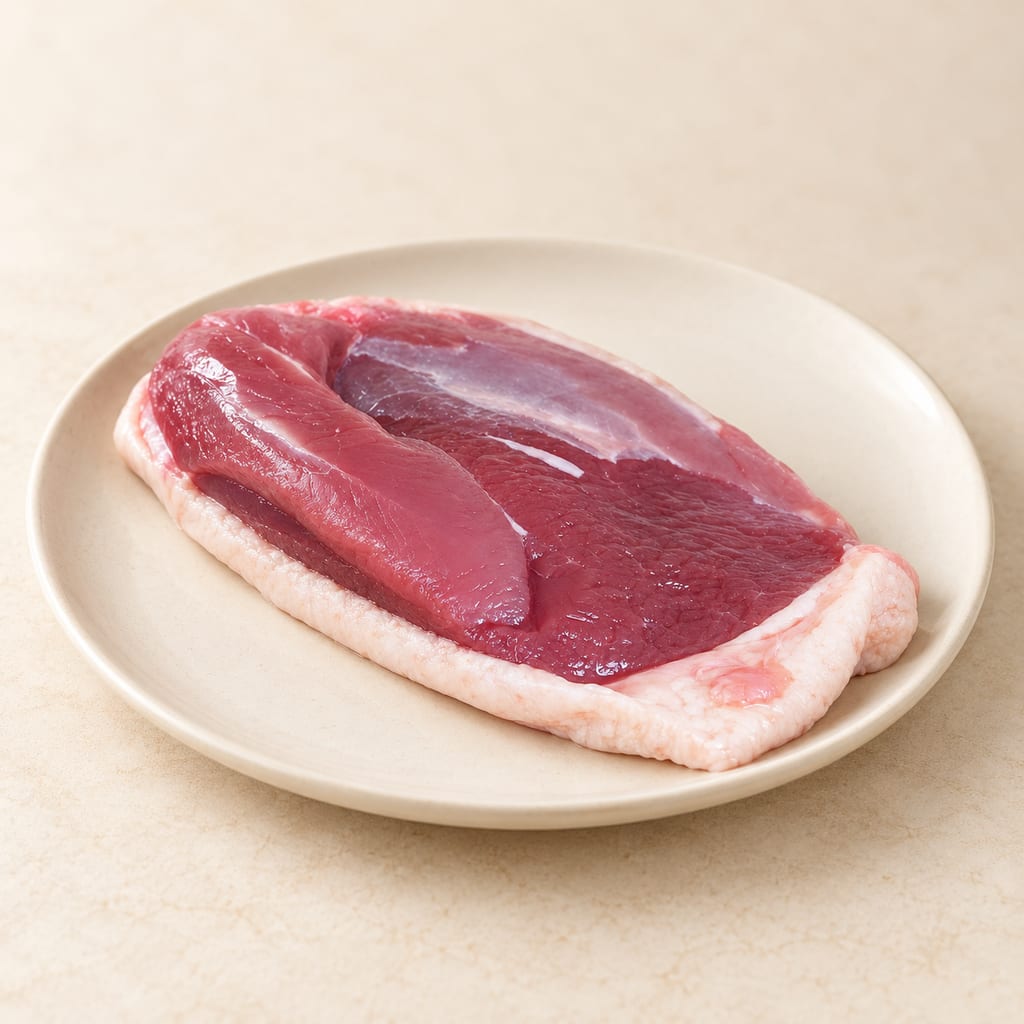
Duck is the dark, rich meat of a domesticated water bird, sold whole or as breast, leg, skin, fat, giblets, bones and trimmings, each with its own use in the kitchen.
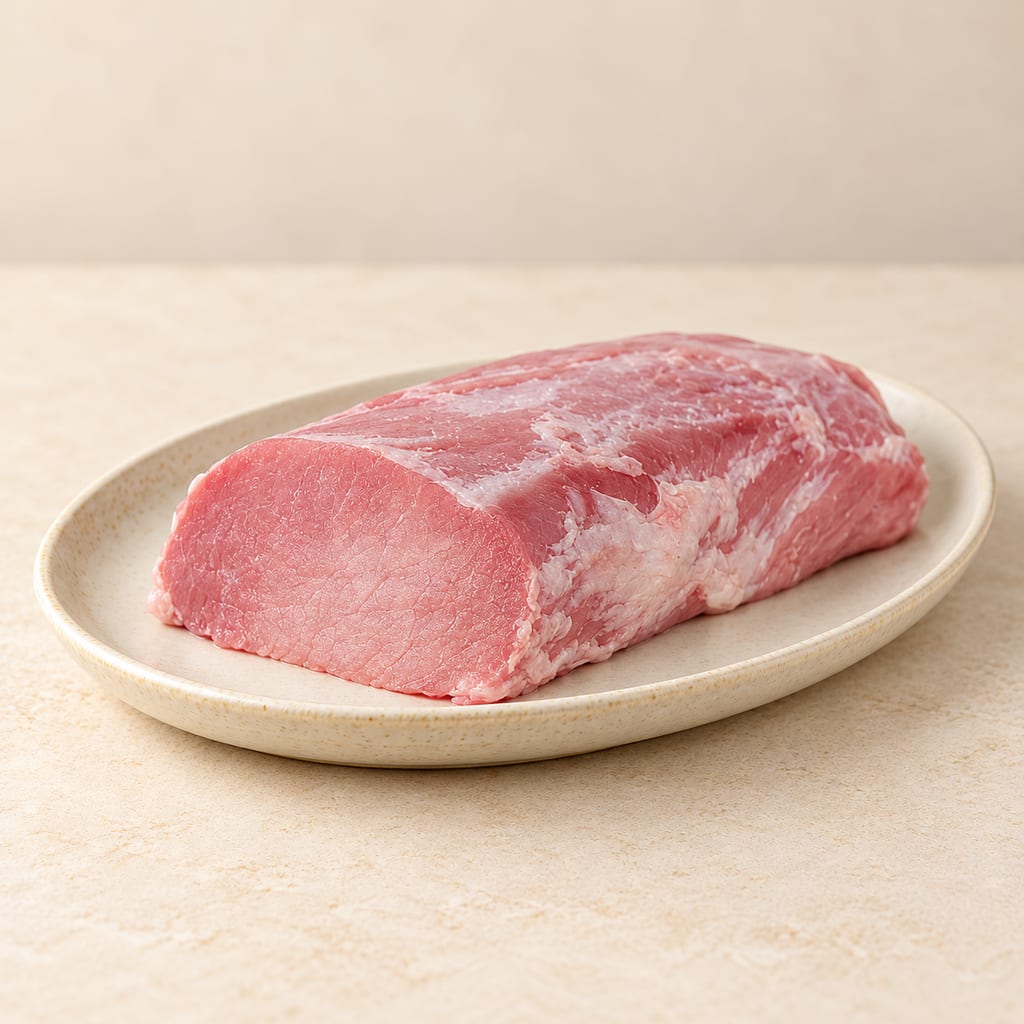
Trimmed domestic-pig muscle supplies the protein framework, water and meat flavor in fermented sausages; cut, condition and handling affect how it binds and ripens.