








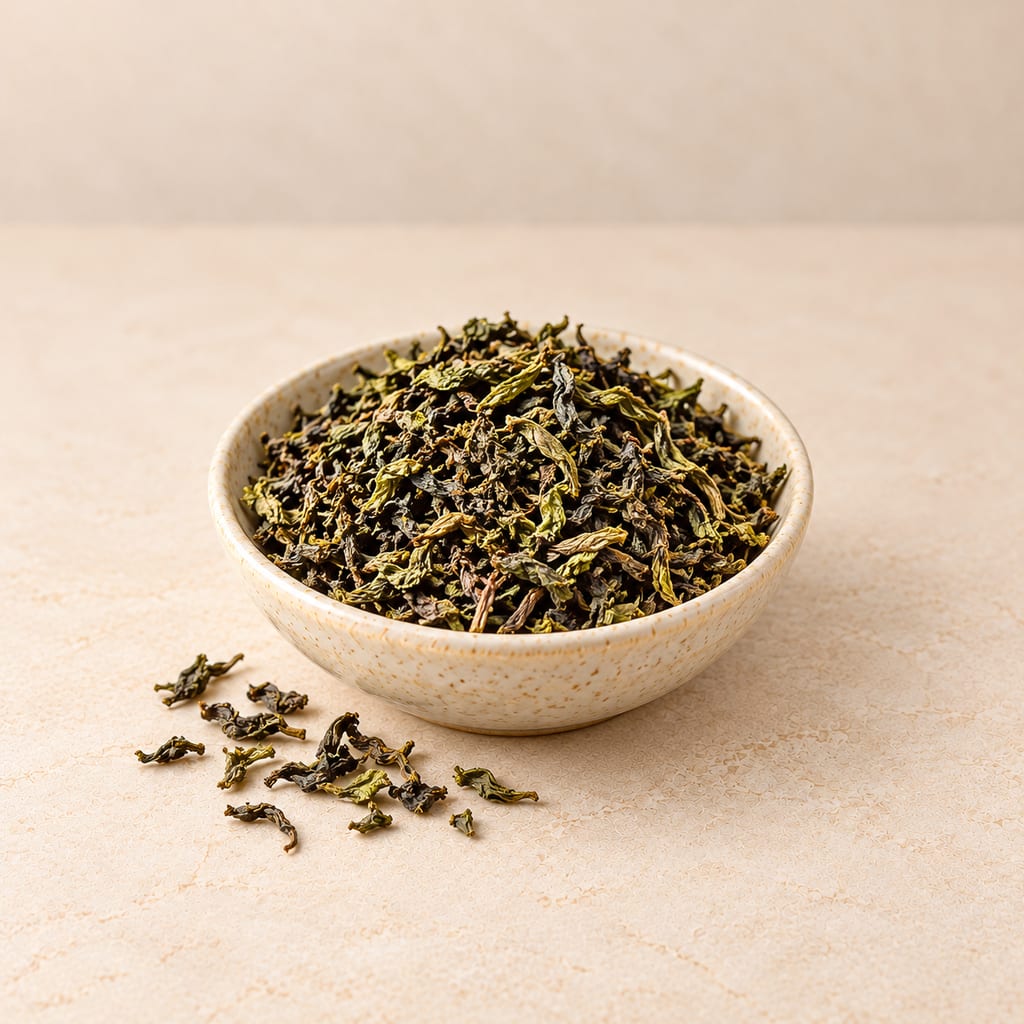
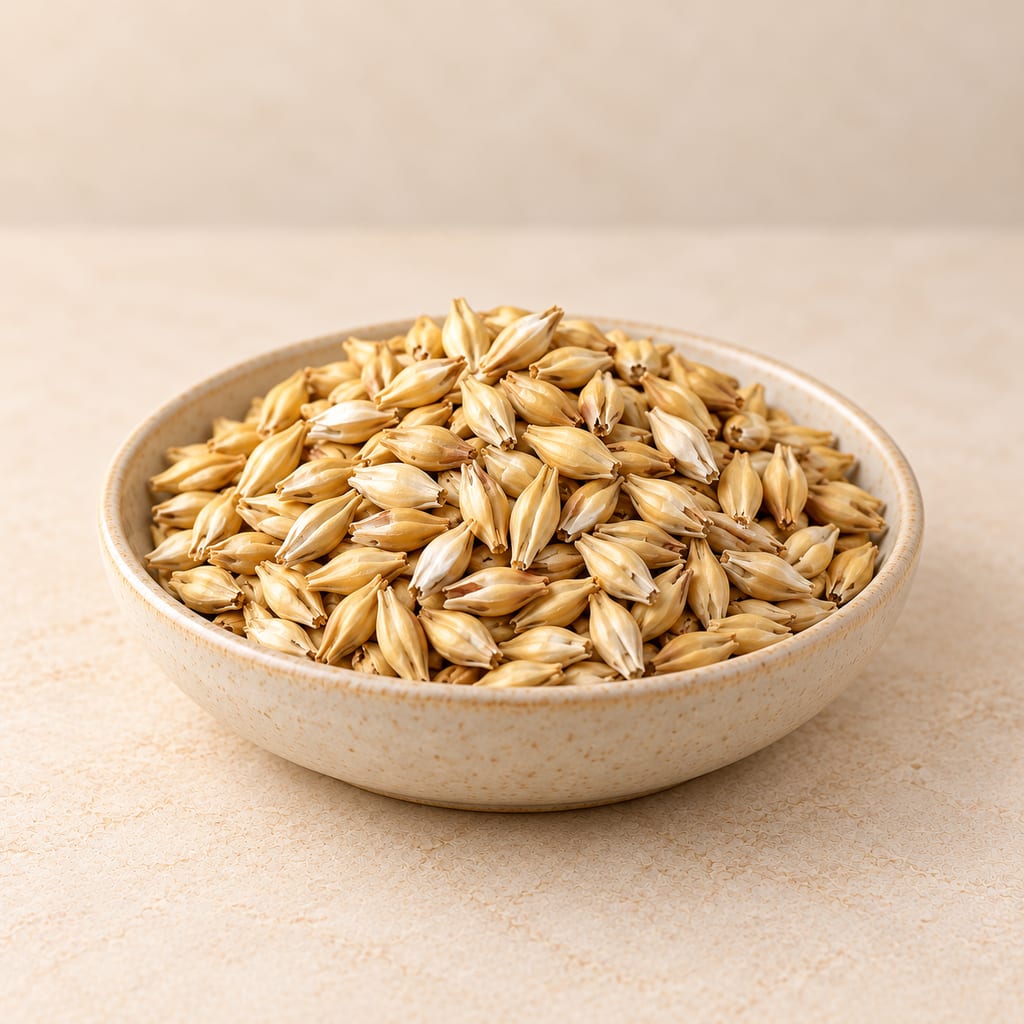
Root Shoot Pilsner malt
Root Shoot Pilsner malt is a pale barley base malt named in Monk’s Ration. Root Shoot currently lists several pale Pilsner products; the recipe does not identify which one or a lot specification.
 FermenteaWhere food goes to change
1086 articles on substrates, cultures and additives.
 Grains, flours and brans30
 Malts and malt extracts13
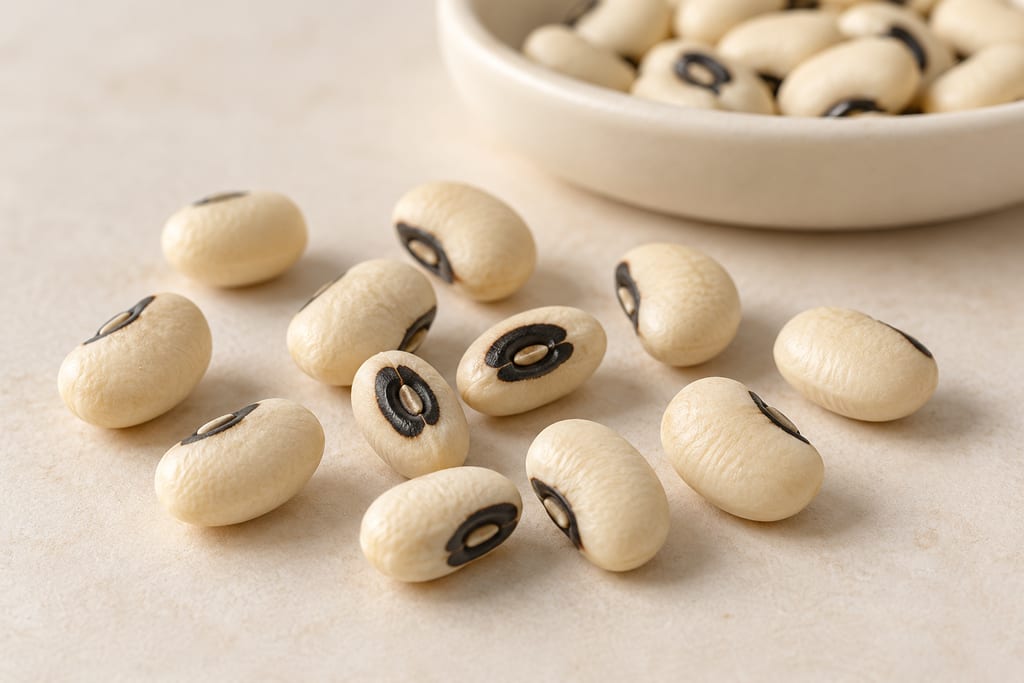 Legumes and pulses9
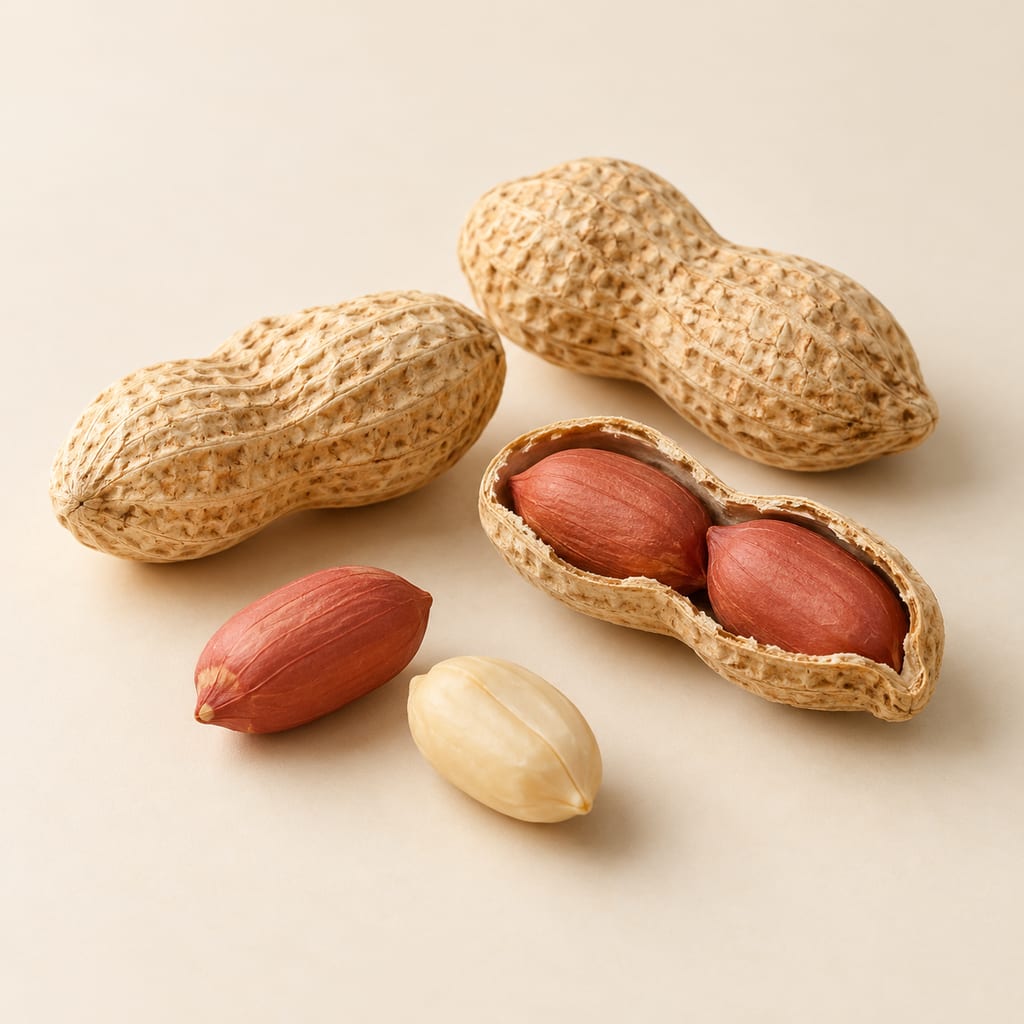 Nuts and oilseeds9
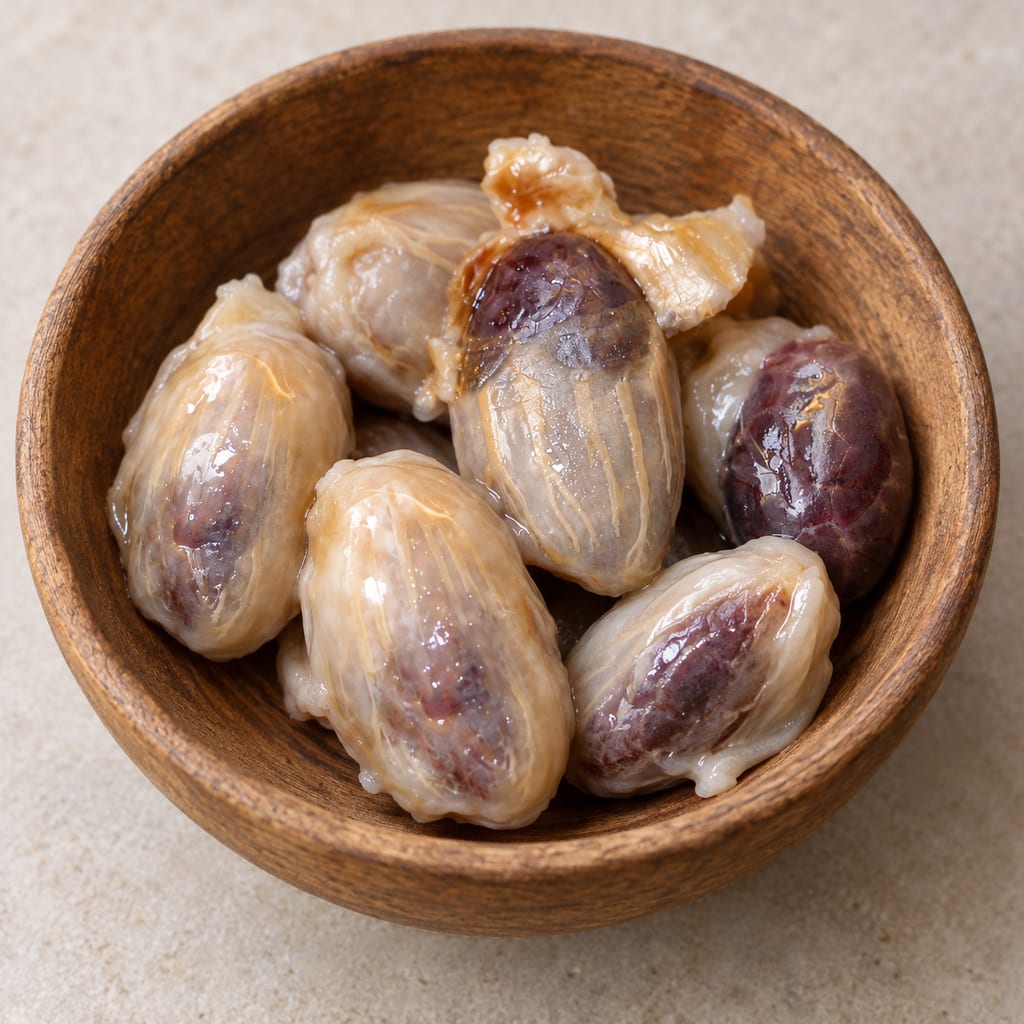 Coffee, cocoa and tea crops1
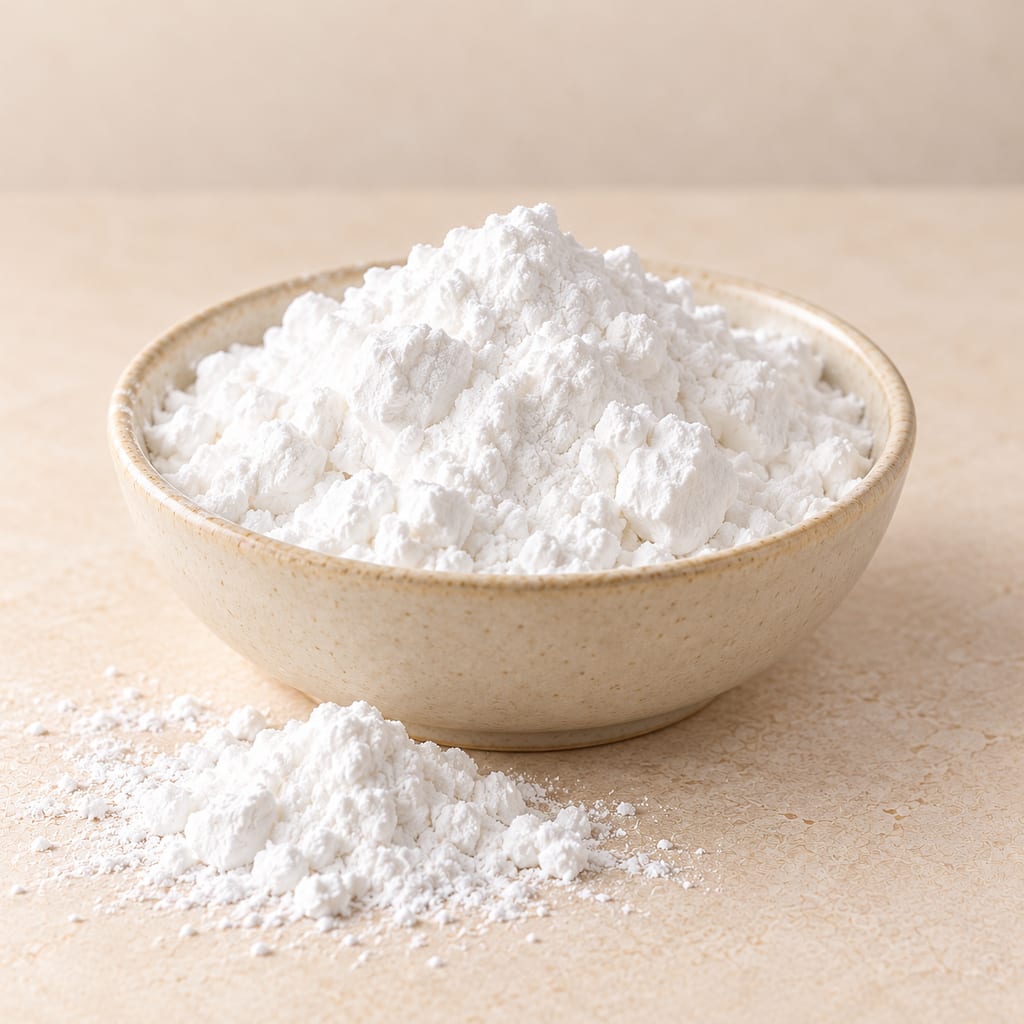 Starches1
Root Shoot Pilsner malt is a pale barley base malt named in Monk’s Ration. Root Shoot currently lists several pale Pilsner products; the recipe does not identify which one or a lot specification.
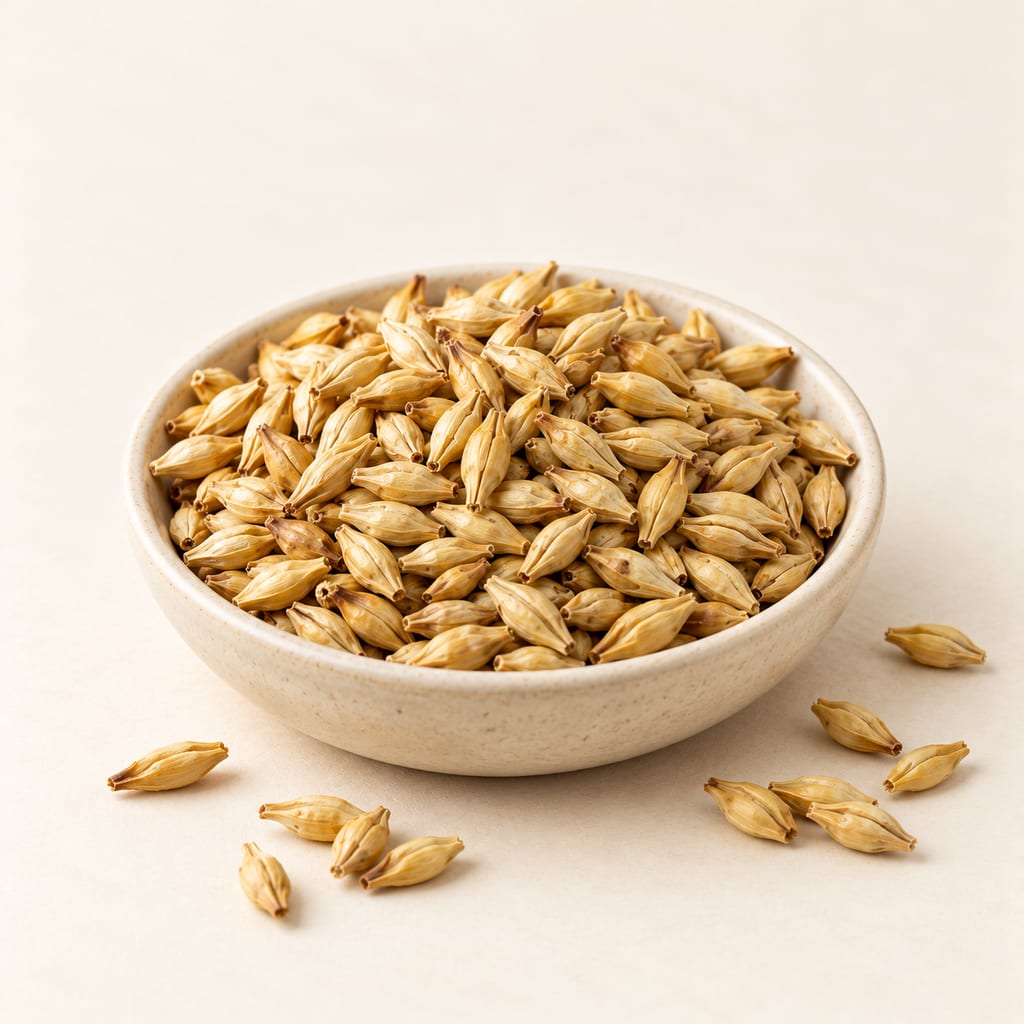
A pale specialty-malt name used for different commercial products. Briess Carapils and Weyermann CARAPILS have distinct specifications; an unbranded recipe does not identify either one.
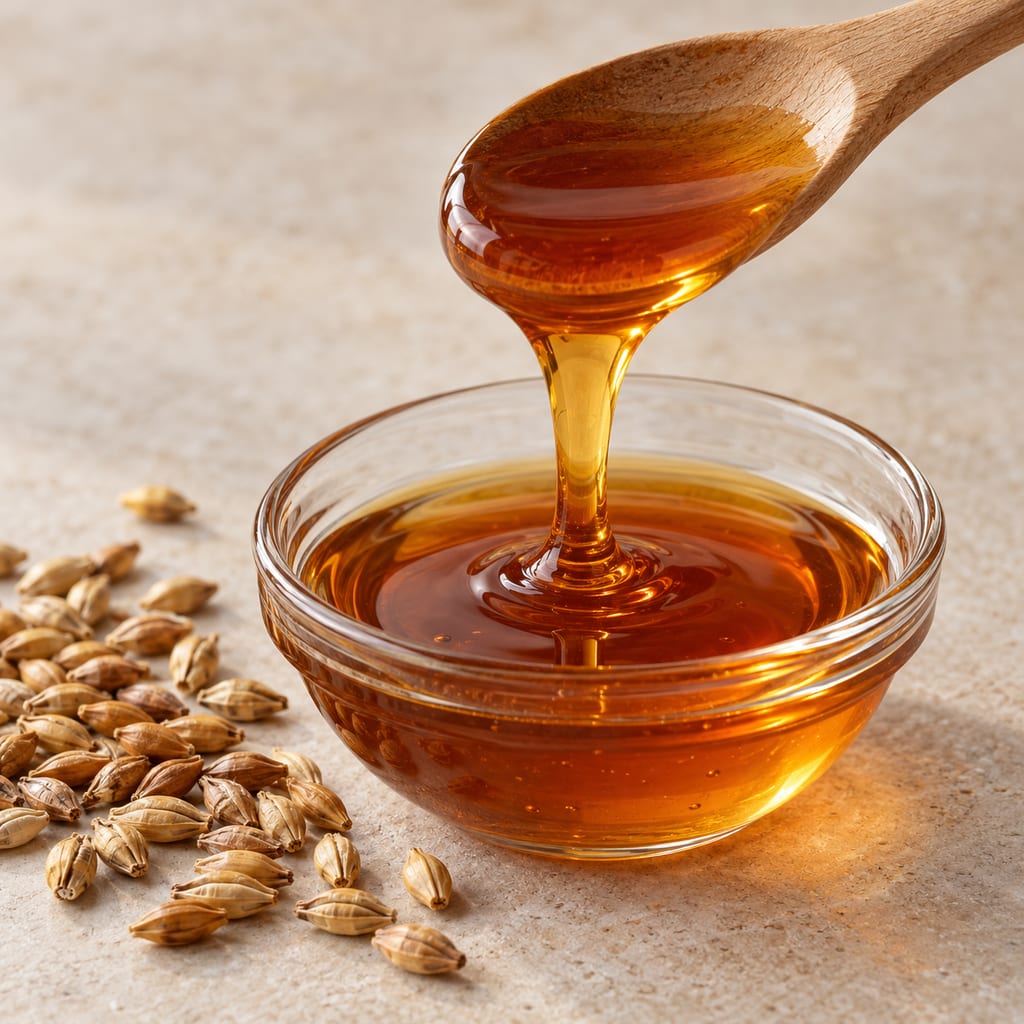
Briess wheat extract is prepared wheat-and-barley malt wort sold in concentrated form for brewing. The linked Weizen recipe uses two cans, 6.6 lb total, without naming a specific Briess wheat-extract variant.
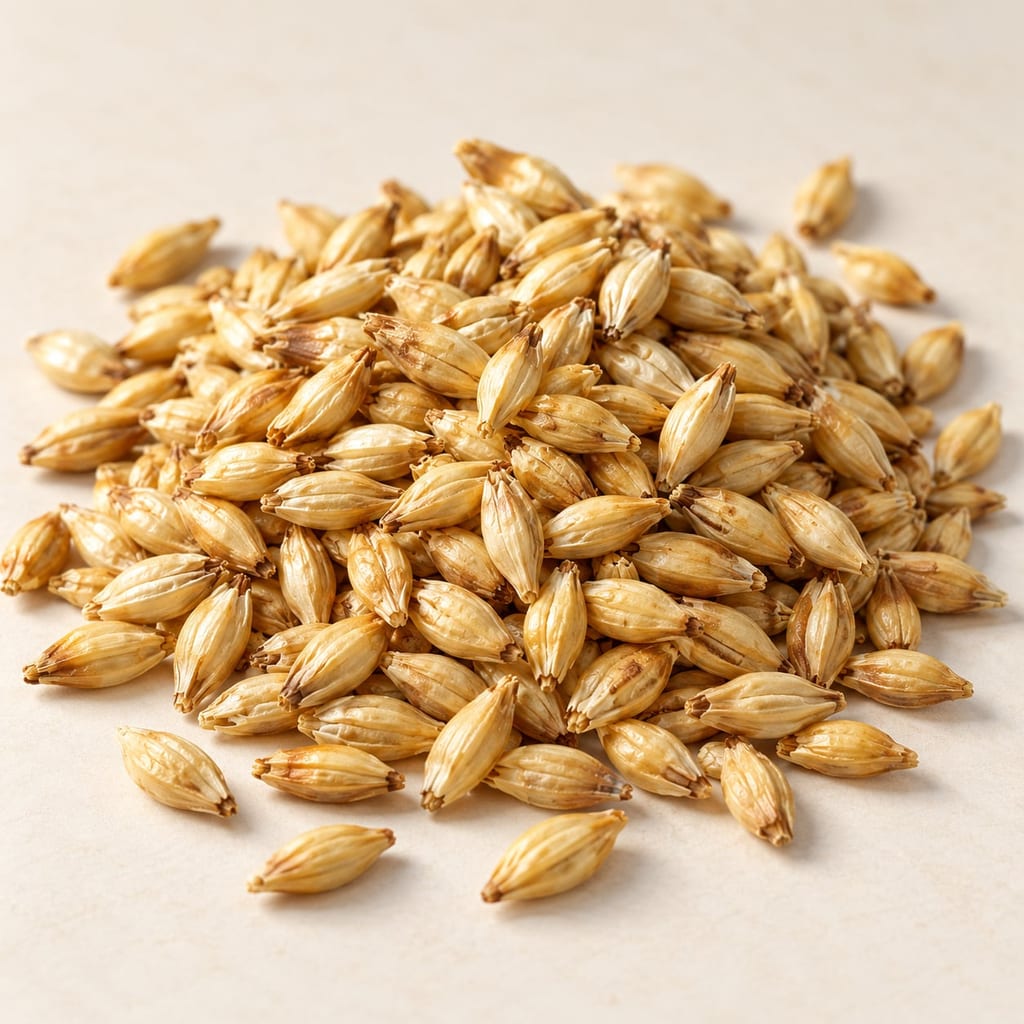
A pale, enzyme-free barley malt made by Briess for use alongside other brewing malts, with intended contributions to beer body and foam.
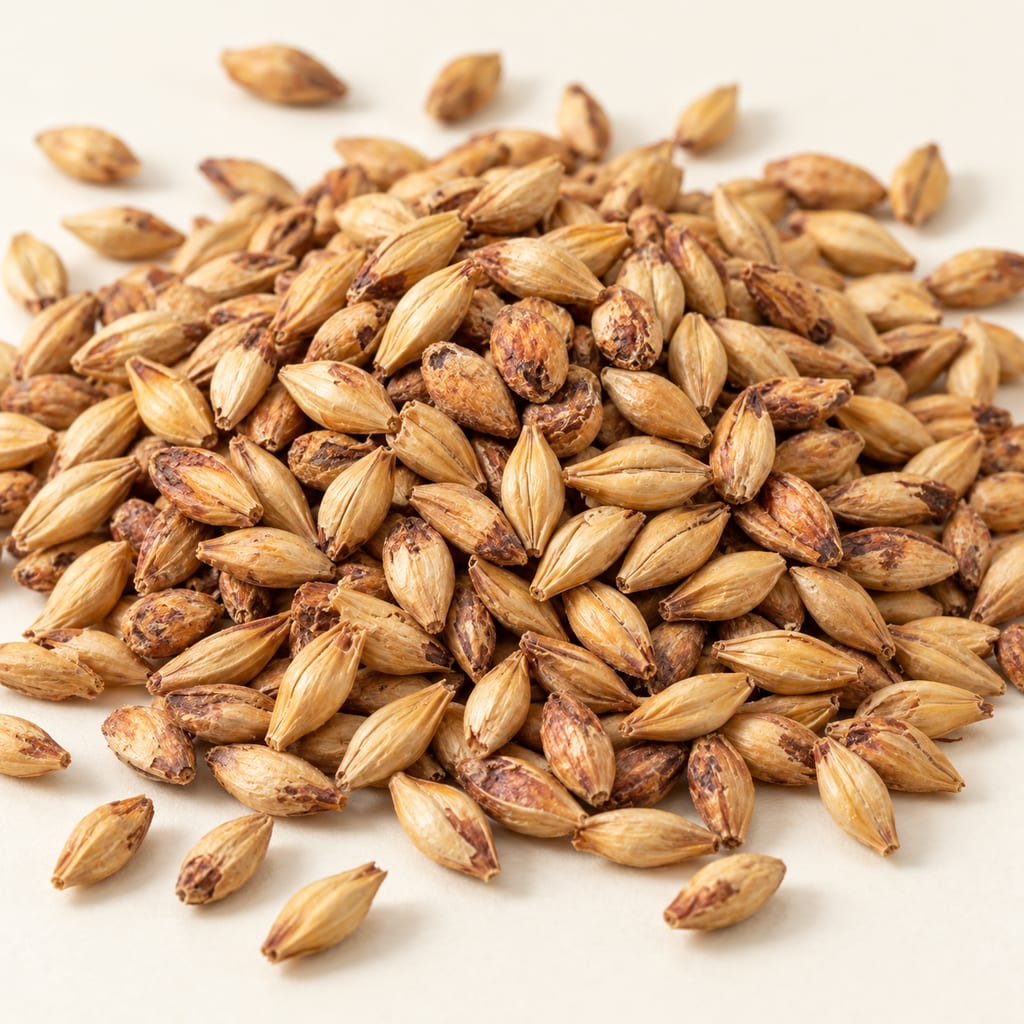
Briess Aromatic Munich Malt 20L is a deeply kilned two-row barley malt used in small measure to lend malt aroma and colour. Monk’s Ration lists three ounces alongside four pounds of pale base malt.
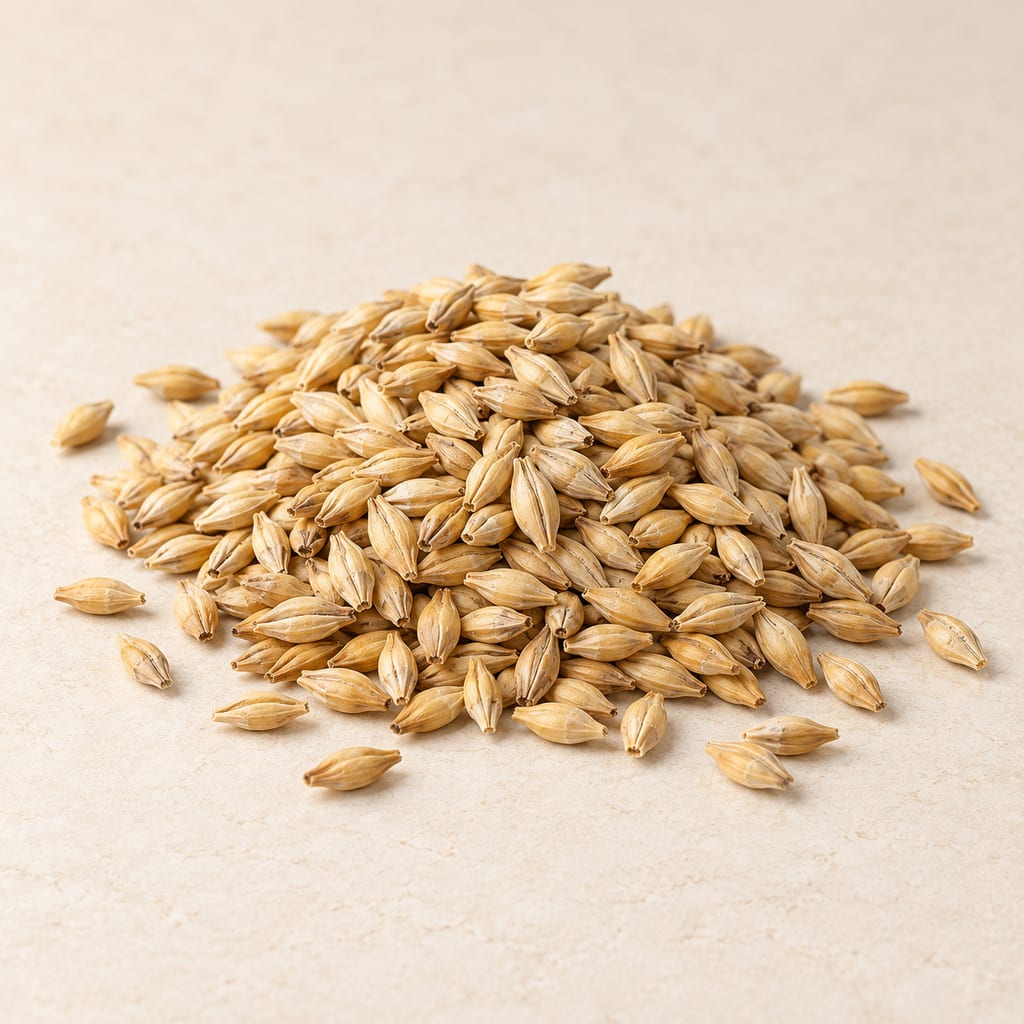
A lightly kilned brewing base made from two-row barley. It supplies starch and enzymes for the mash, with the maltster’s product and lot analysis defining its brewing properties.
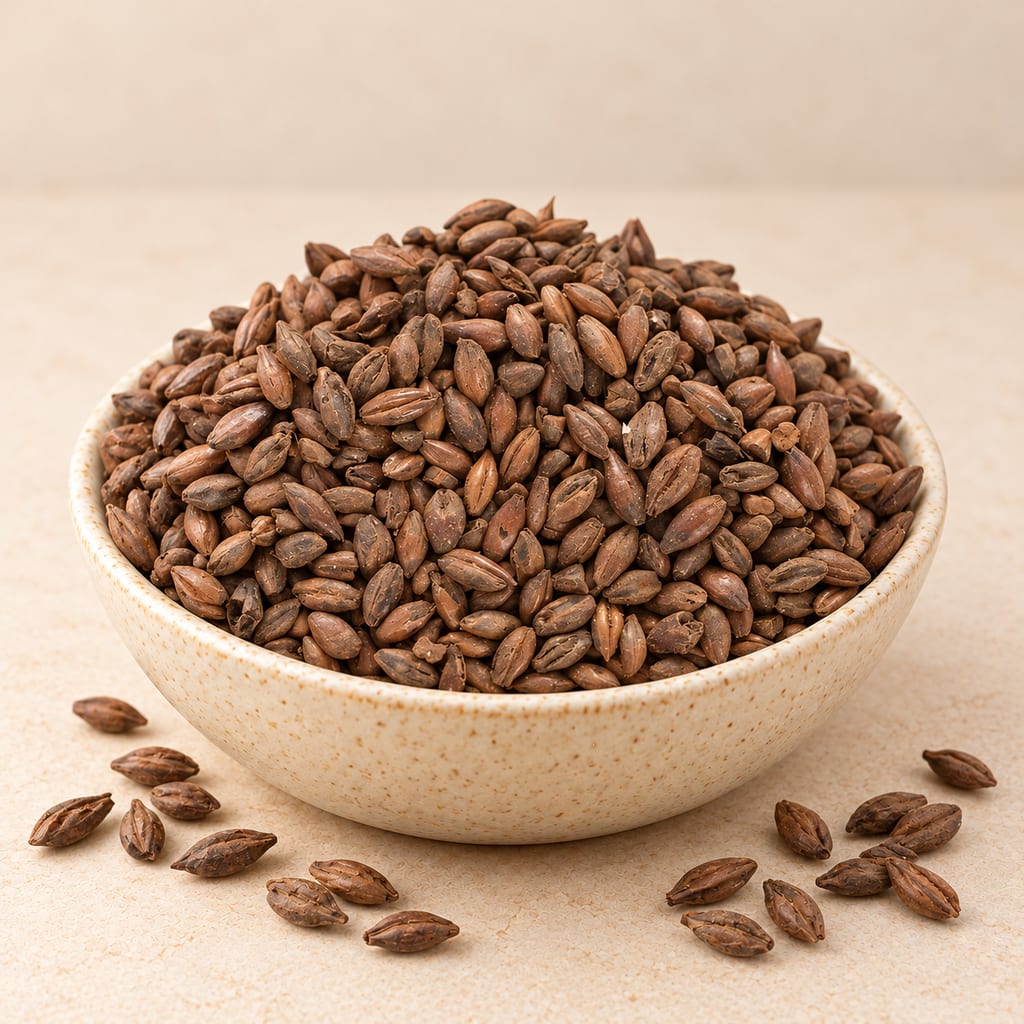
Chocolate malt is barley that has been malted and then roasted to a dark brown, used in porters, stouts and brown ales for colour and a bitter-cocoa, roasted-coffee flavour. It contains no cocoa.
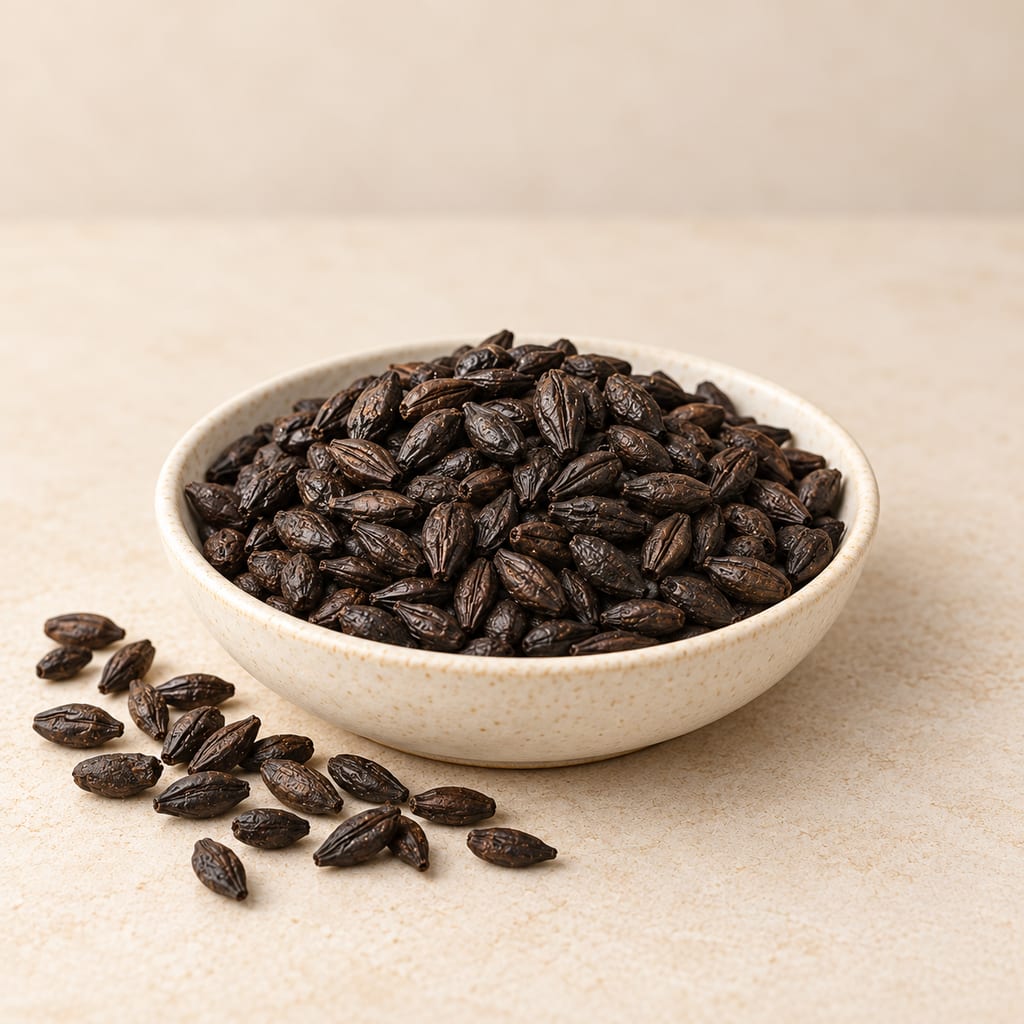
Roasted specialty malt named for coffee-like aroma, with the exact roast grade and colour varying by maltster; it is distinct from added coffee beans.
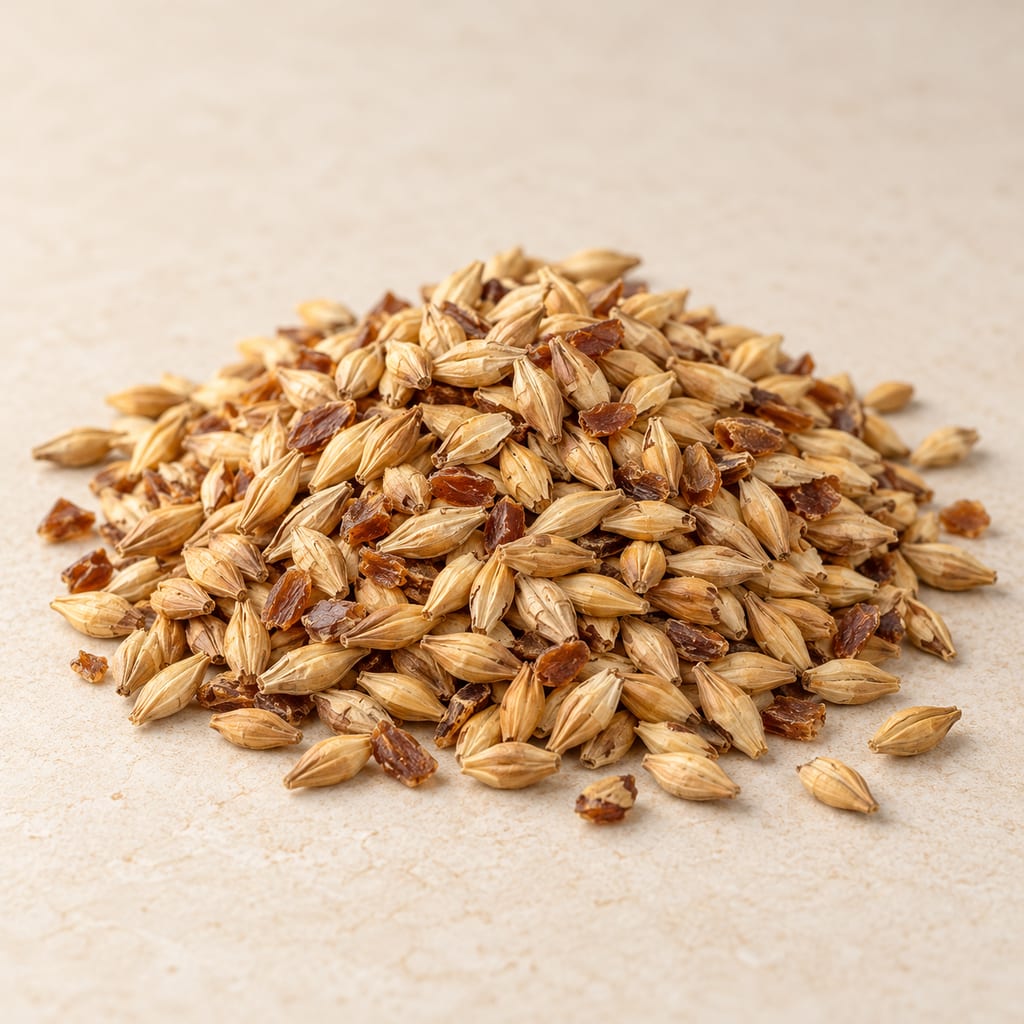
A caramel/crystal barley malt colour grade that supplies caramel-like flavour, colour and extract; producer and process refine what the 60 label means.
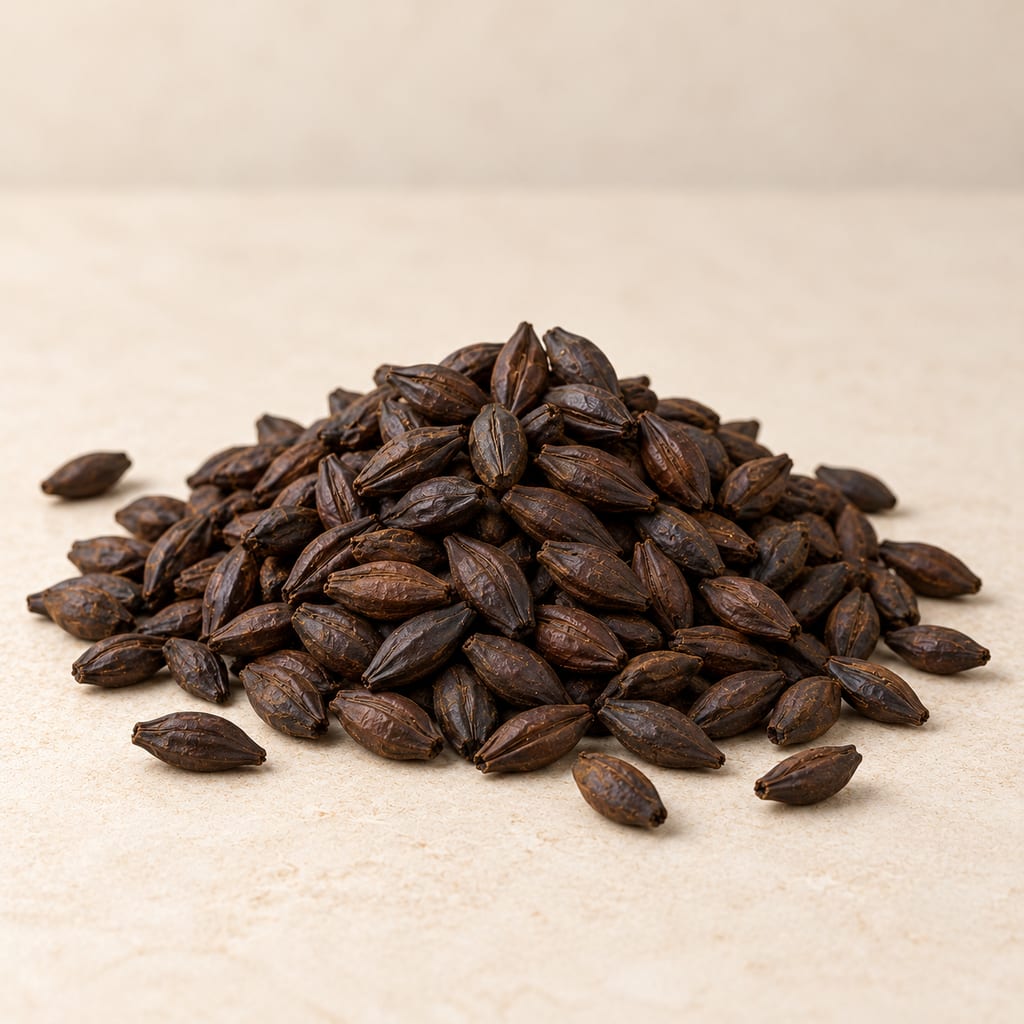
An intensely roasted malt used for dark colour and dry roasted flavour in beer, with a nineteenth-century patent name and distinct whole, milled and flour forms.
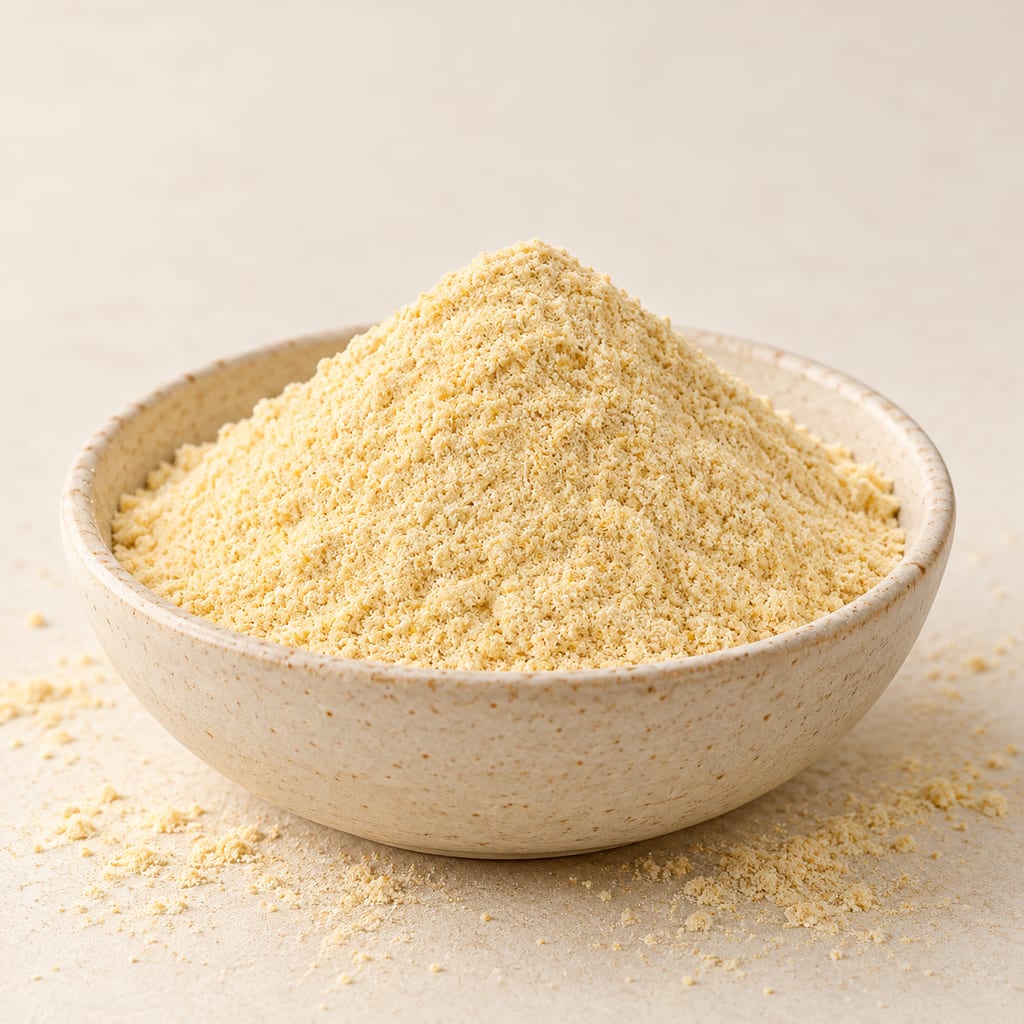
Jora flour is ground malted maize, produced by germinating, drying and milling corn kernels. It provides the enzymatic starch breakdown essential for chicha de jora.
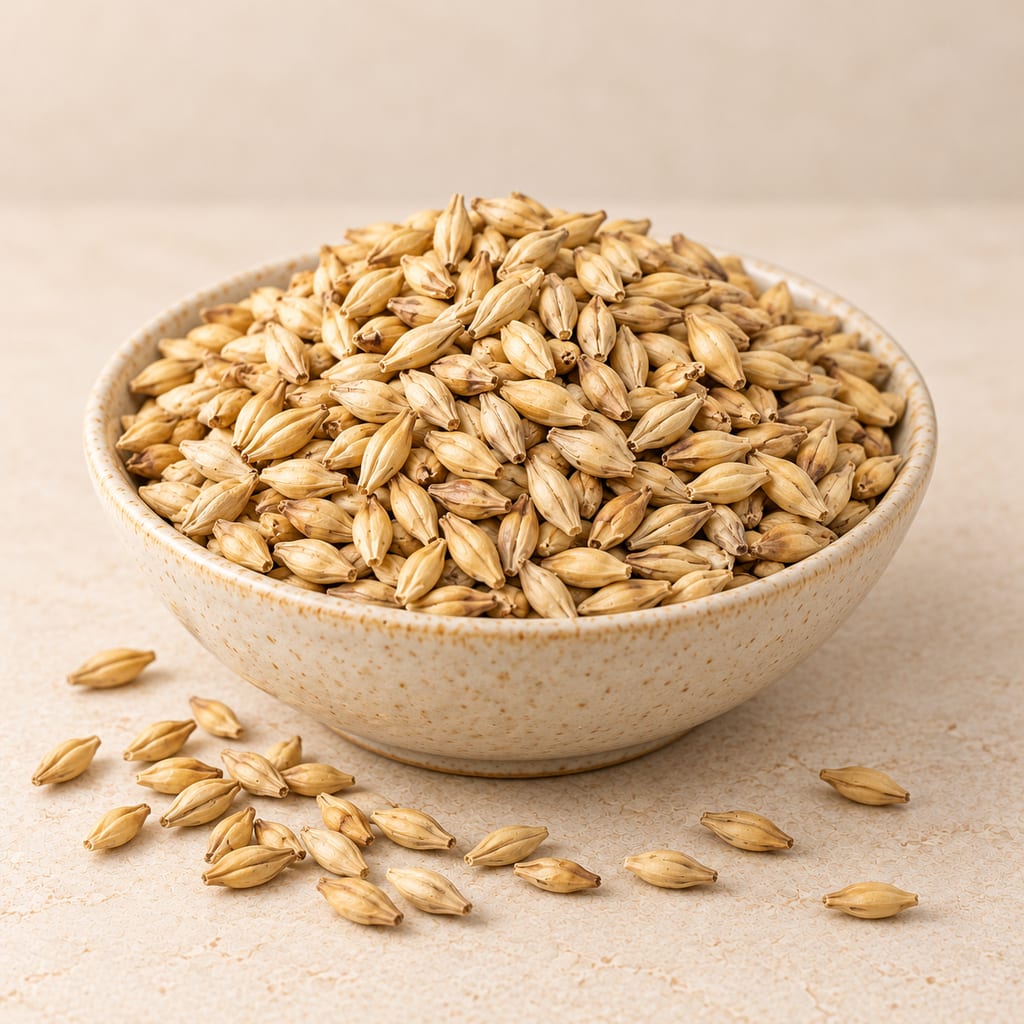
A pale, lightly kilned barley base malt that supplies wort material and brewing enzymes, with product-specific flavour, analysis and handling requirements.
A dark roasted barley malt grade used for strong colour and coffee-to-chocolate roast character; standard Type3 differs from the husk-reduced Special line.