
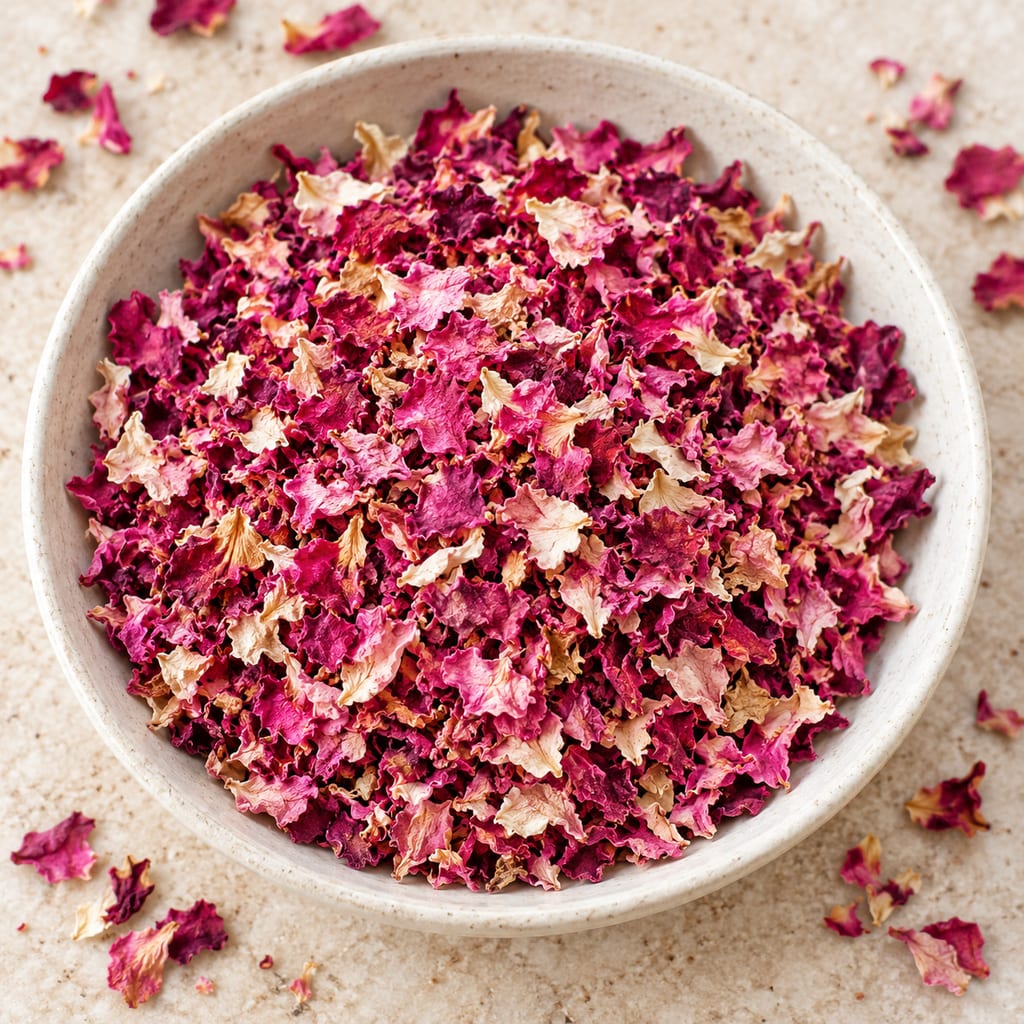
Rose petals
Rose petals are fragrant floral ingredients used fresh or dried in syrups, jams, jellies, drinks and desserts; culinary use depends on correct identification and food-safe growing.
 FermenteaWhere food goes to change
1086 articles on substrates, cultures and additives.
Rose petals are fragrant floral ingredients used fresh or dried in syrups, jams, jellies, drinks and desserts; culinary use depends on correct identification and food-safe growing.
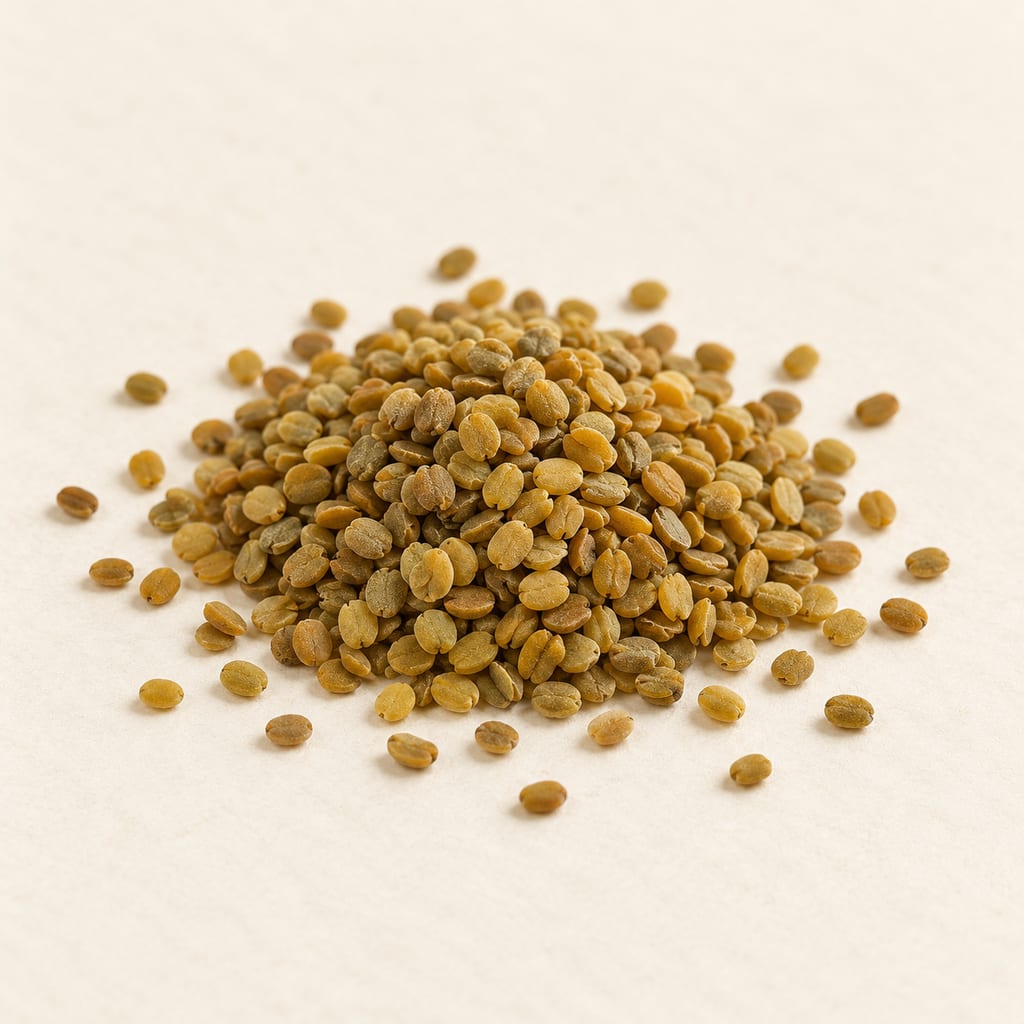
Blue fenugreek (Trigonella caerulea) is an aromatic annual used as an herb in Alpine cheese and bread and as a seed spice in Georgian cooking; its identity differs from common fenugreek.
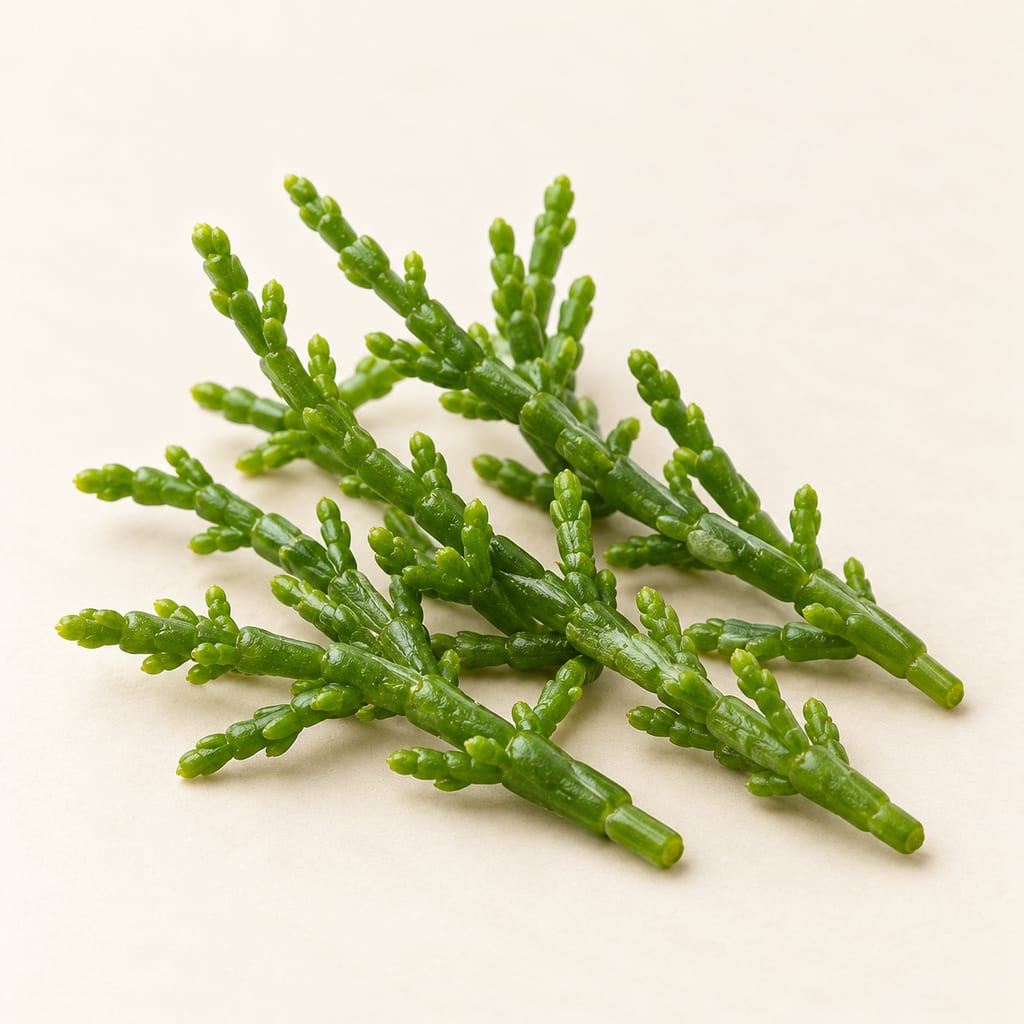
Kew accepts Salicornia europaea, while older glasswort names can cover broader groups. French sources report food uses; one study tested S. europaea var. aprica under controlled salt treatments.
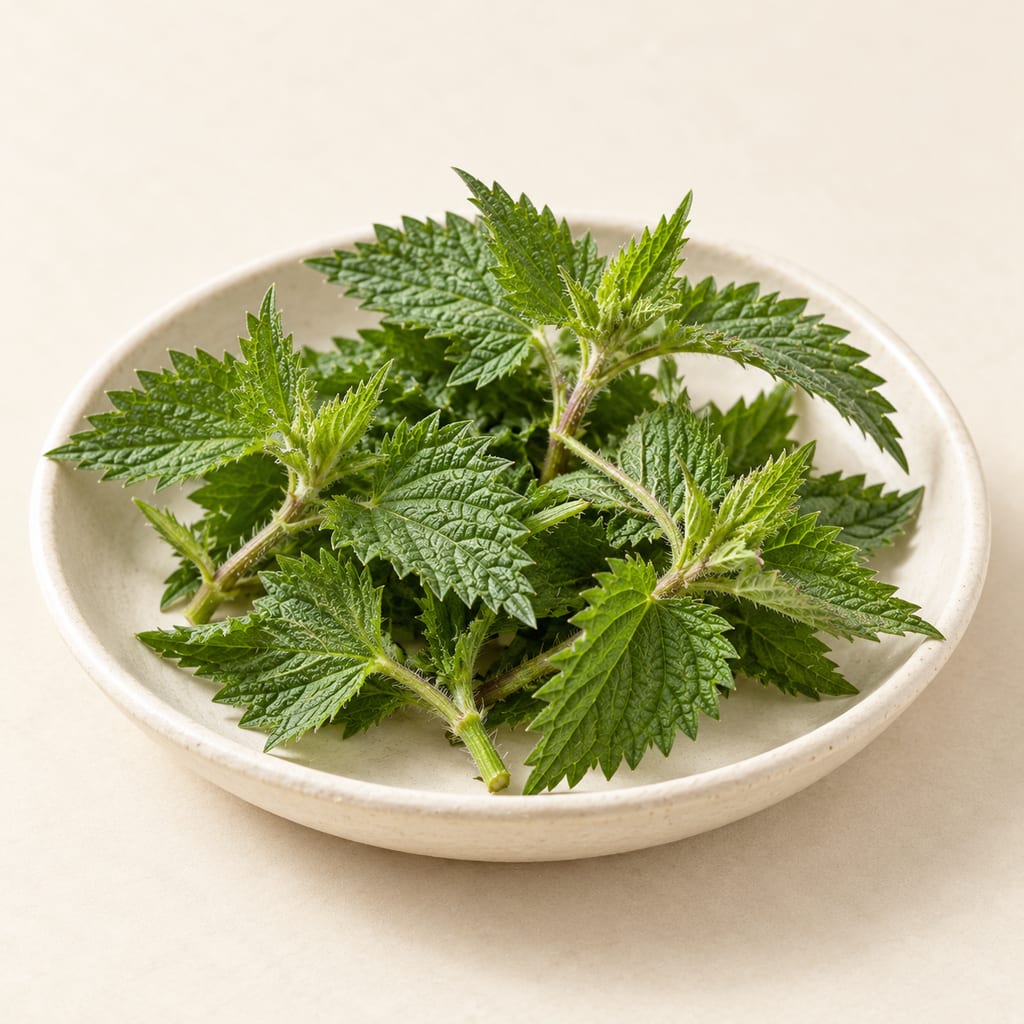
A source-linked account of common stinging nettle as a food plant and spreading perennial, with regional cooking reports, handling cautions and cultivation limits.
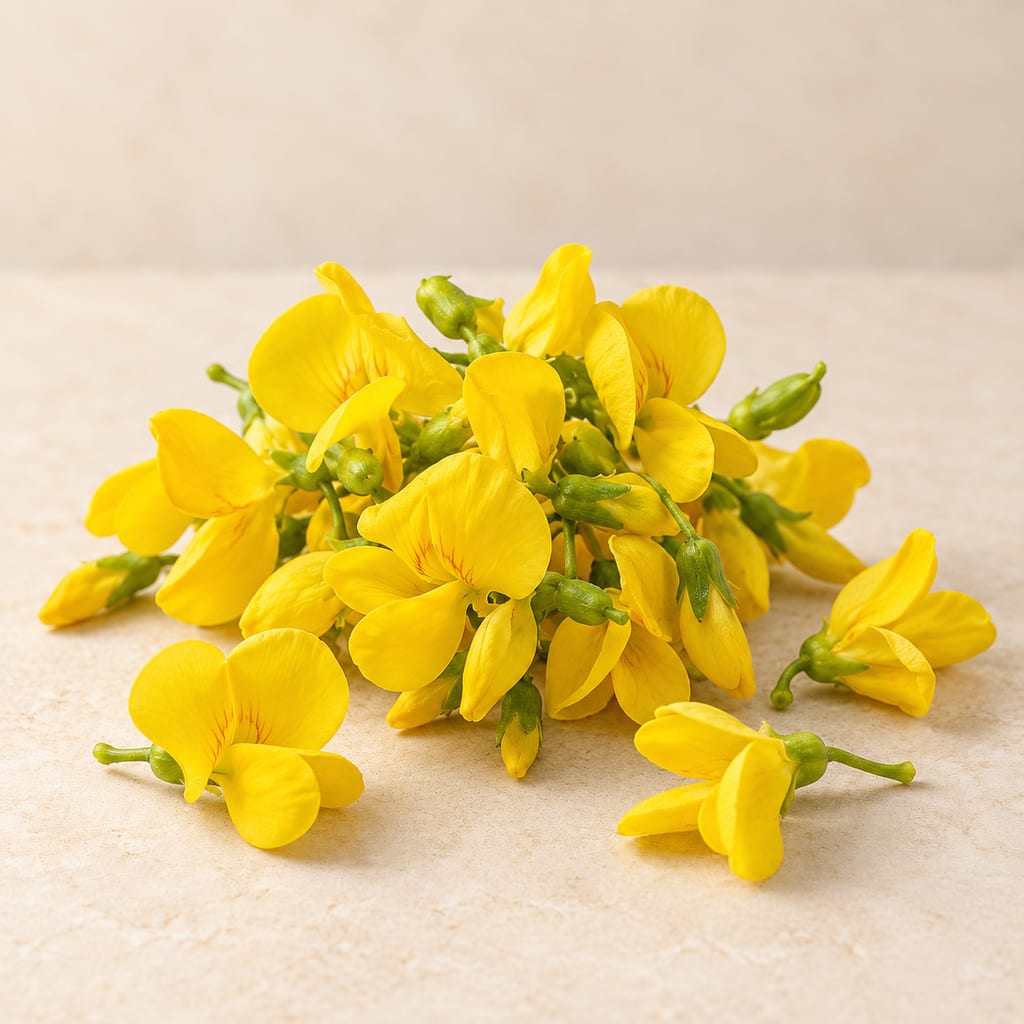
Oaxaca market research documents food uses of Diphysa americana flowers. A separate Honduran Lenca table contains an unvouchered “Diphysa robiniodes” leaf row that remains a provisional crosswalk; forestry observations from Honduras and Guatemala do not confirm that food identity.
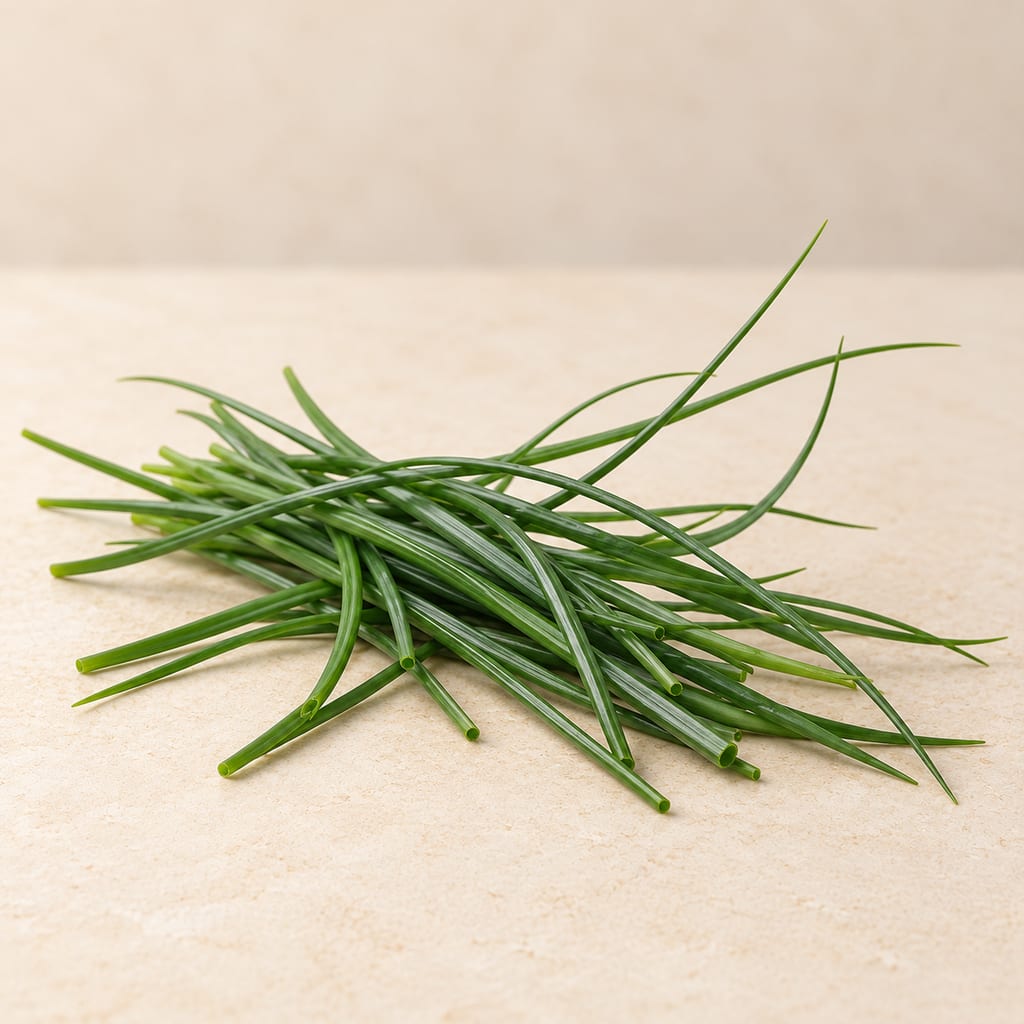
Allium vineale is a widespread European allium with hollow leaves and bulbil-bearing flowerheads. A White Carpathian ethnobotany study records a narrow, source-specific leaf-use tradition; it does not provide a complete recipe or gathering guidance.
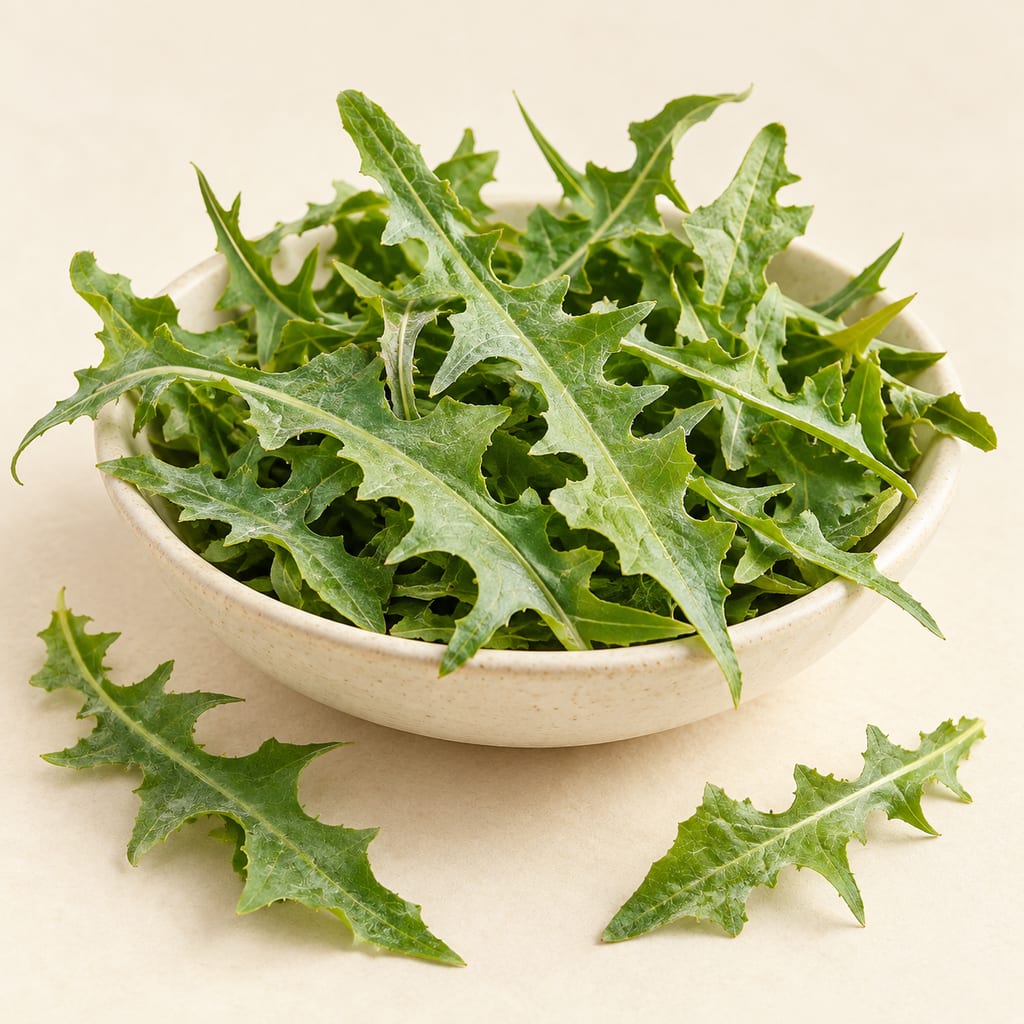
One 2017 Mostaganem thesis reports young leaves, later shoot tips and capitula as food. The Algerian food attribution is provisional: the entry has no inspected voucher or informant-level record, and no independent Algerian food source was found.
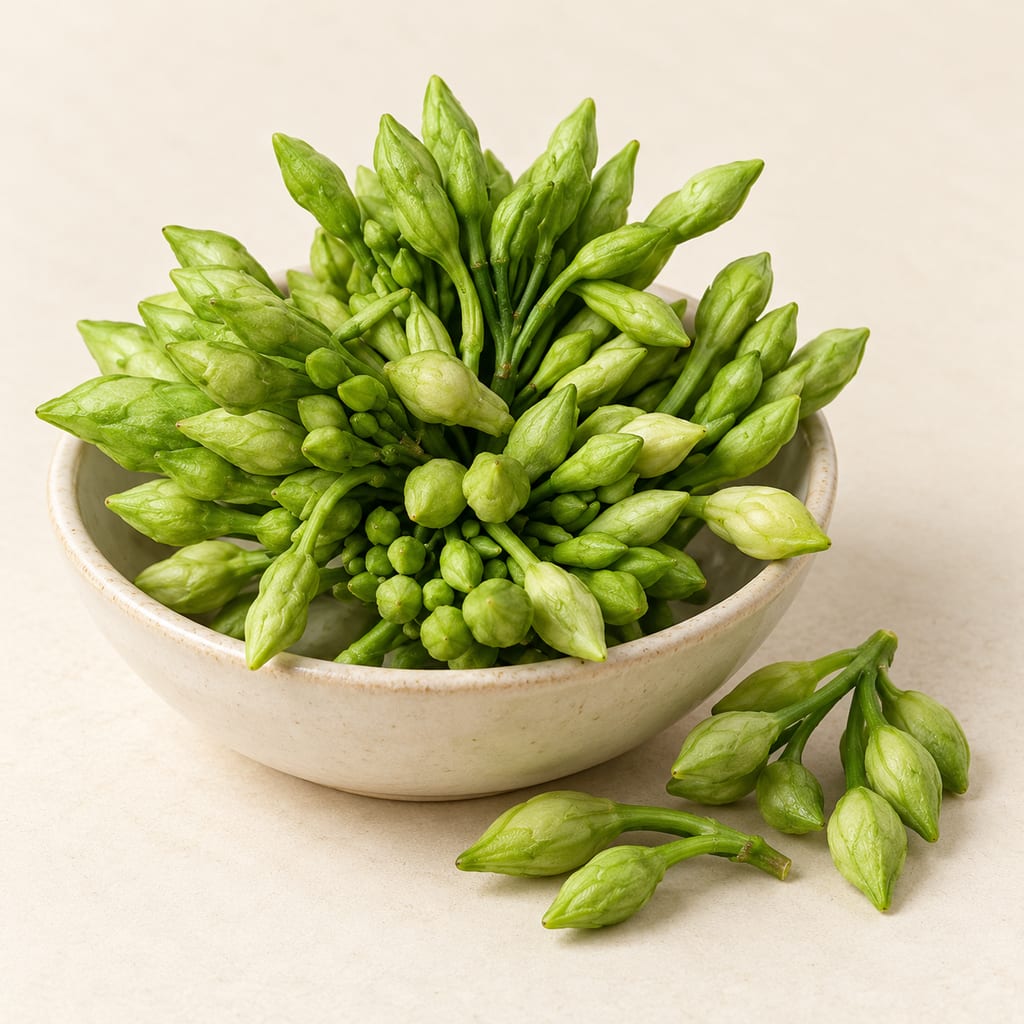
Loroco is the edible flower bud of Echites panduratus (syn. Fernaldia pandurata), eaten in Guatemalan dips, pupusas, soups and rice; local growing and preservation studies leave household production open.
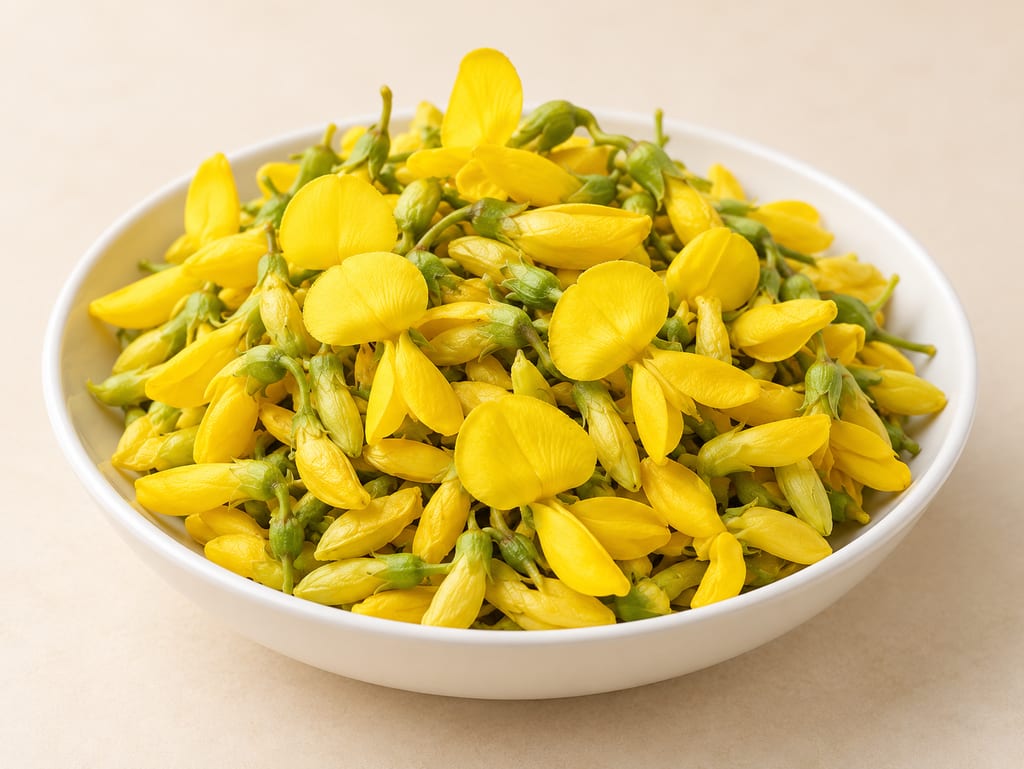
Cambodian accounts describe Sesbania javanica flowers as food, with separate reports of leaves. PROSEA records wetland habitat; a 2003 home-gardening handbook preserves a historical sowing row whose continuation cells cannot be reliably assigned.
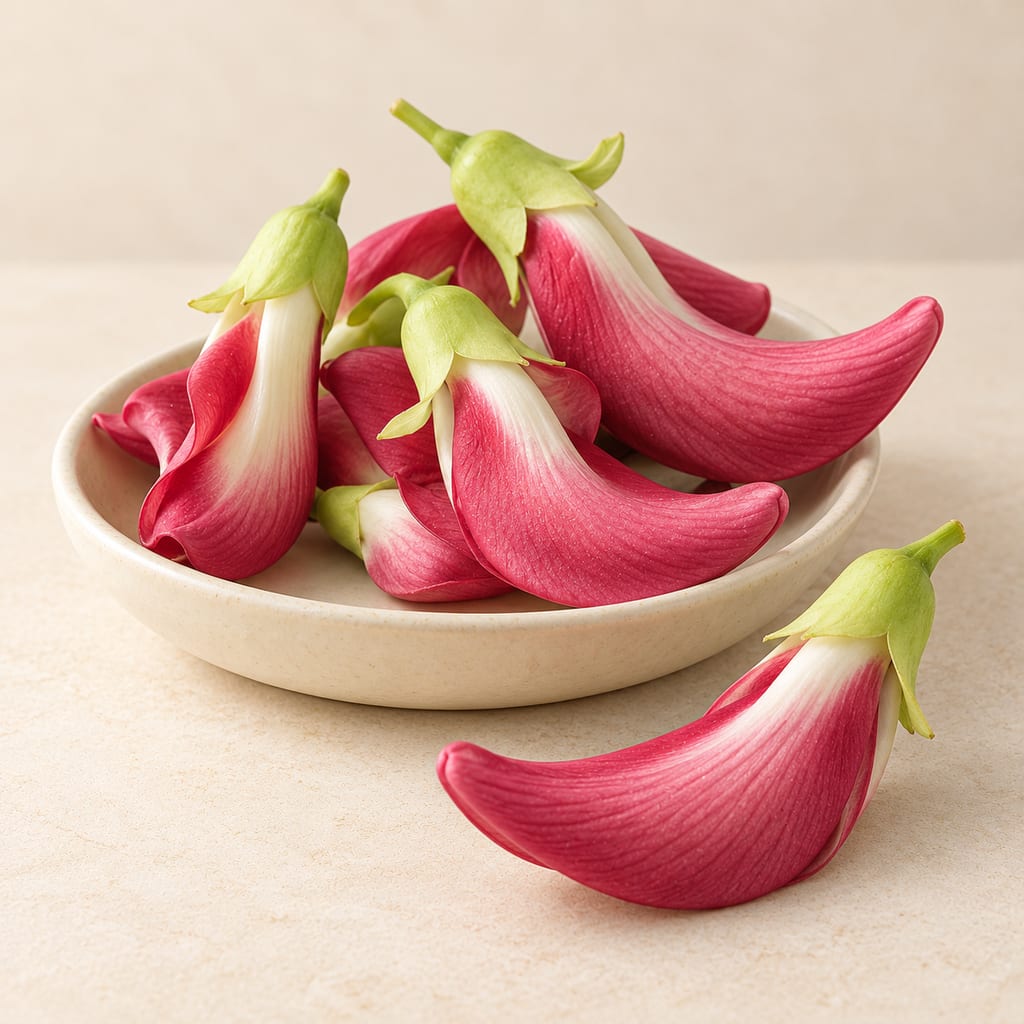
A source-linked account of katuray food uses in Philippine crop guides and an abstract-level regional survey, with conflicting field-spacing figures and incomplete household growing evidence.
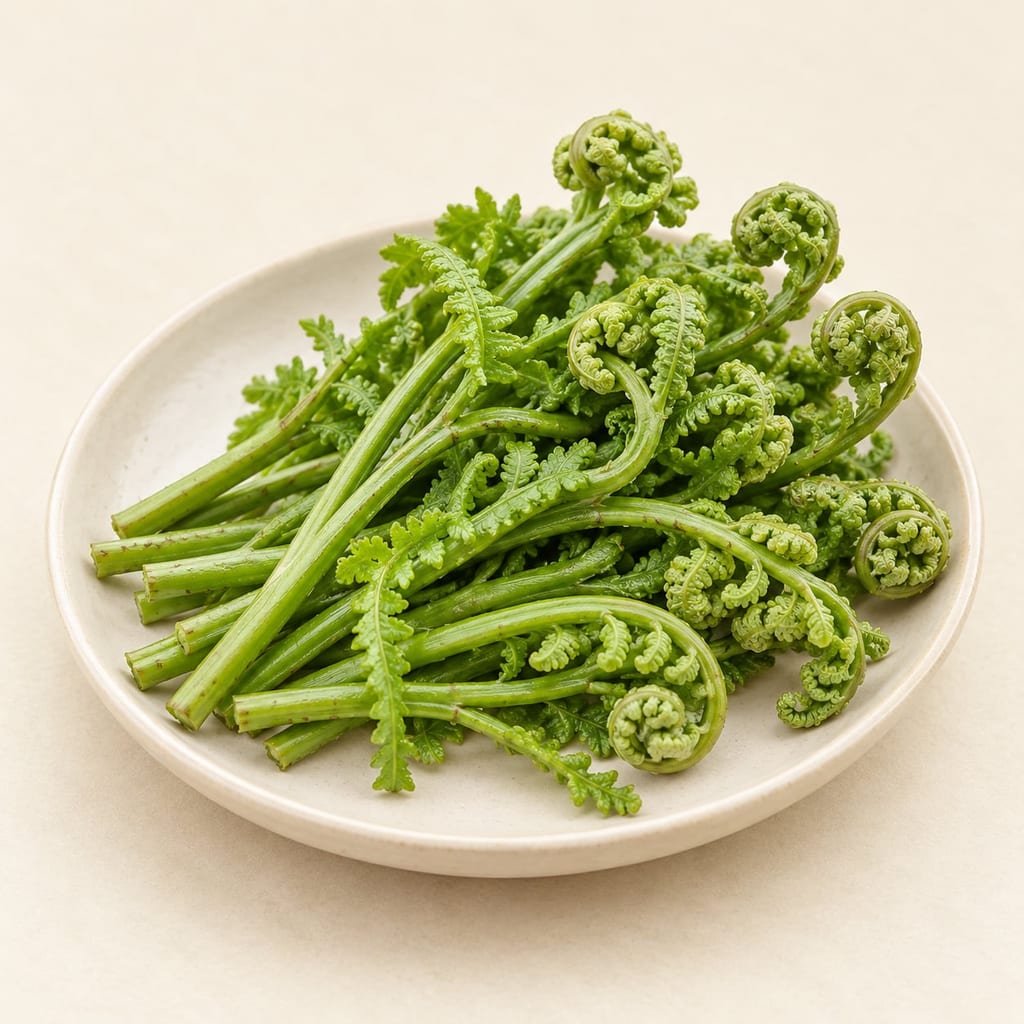
A wild fern recorded as a cooked young-shoot vegetable in one Gurung study in Nepal. Source-specific growing accounts describe wet, partly shaded habitats and propagation, but do not establish a household crop method.
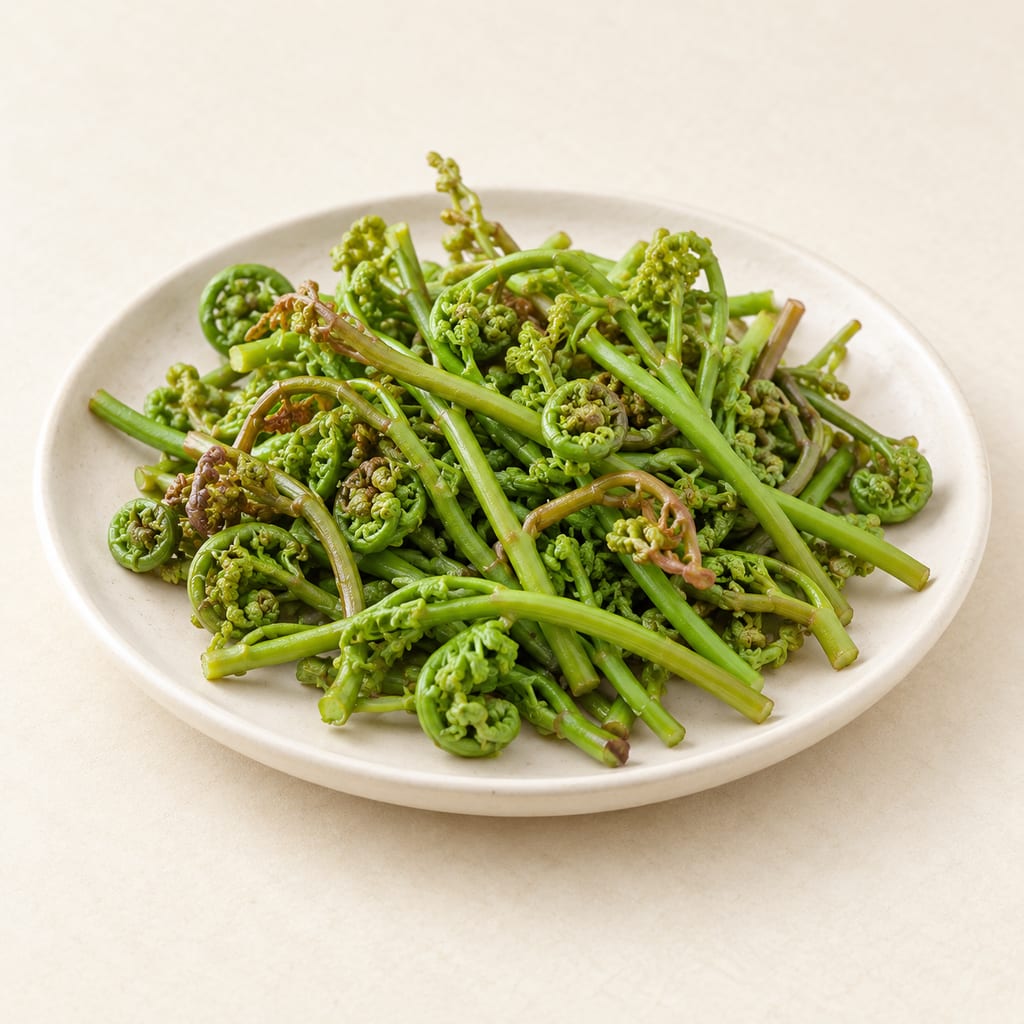
Sarawak sources describe young Stenochlaena palustris fronds as a vegetable and give regional cultivation guidance for nursery propagation, wet field sites and harvest.
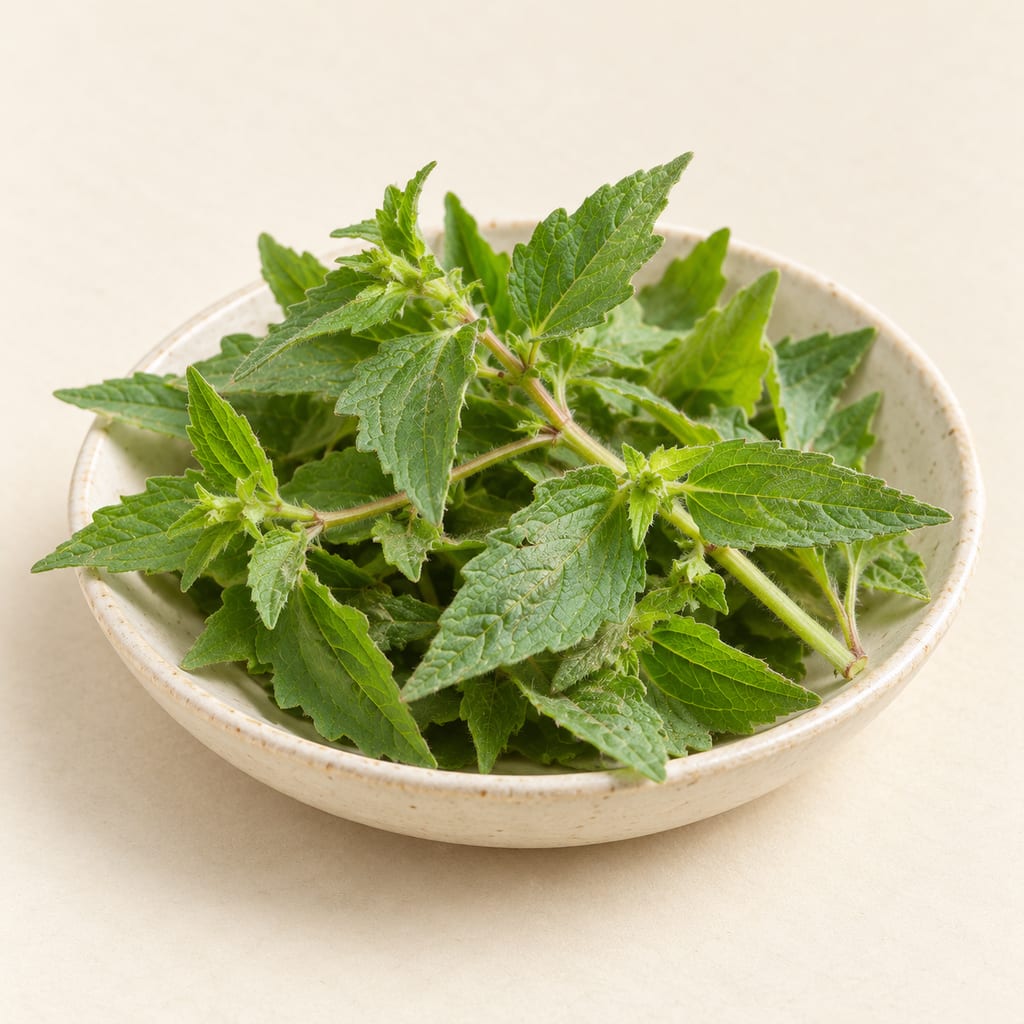
Tanzanian sources document false sesame in distinct leafy-green traditions. The name mlenda also covers other plants, and reported cooking and growing details remain tied to their source communities and studies.
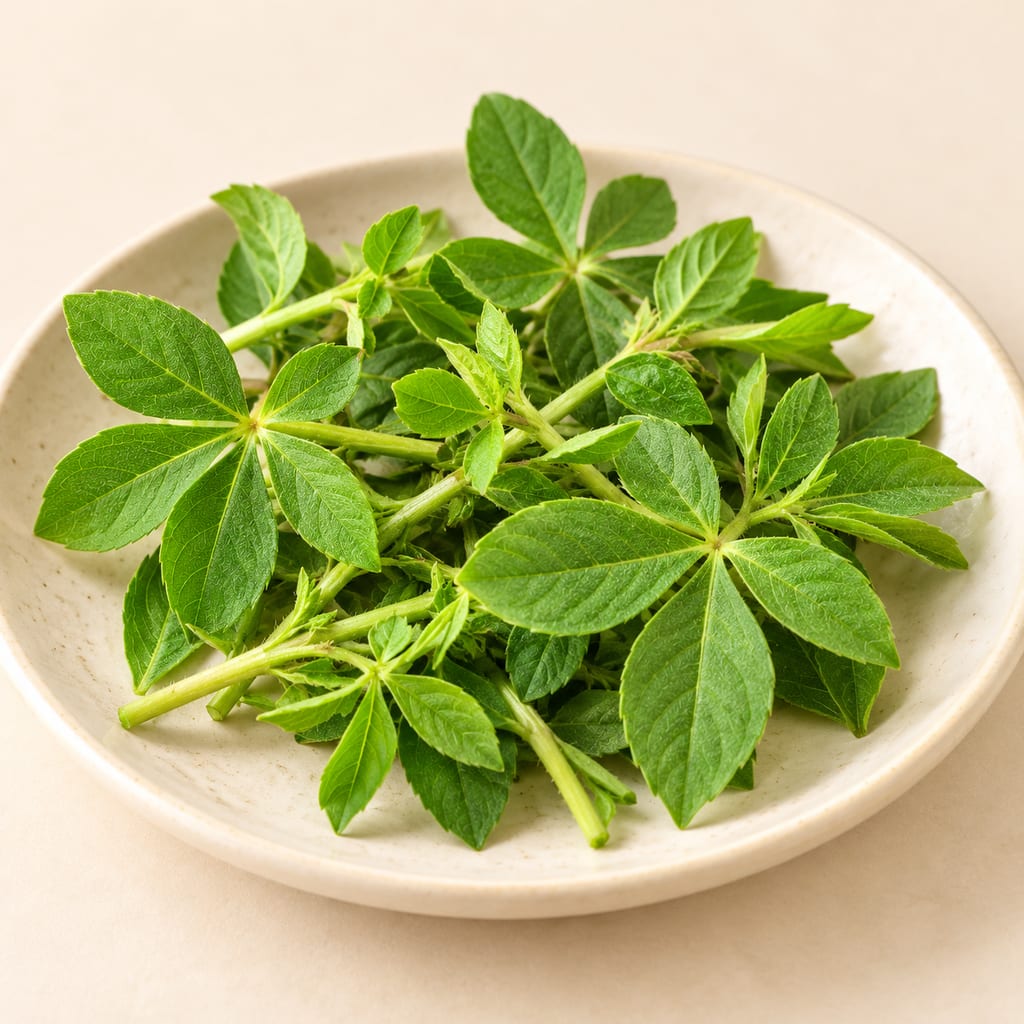
Cleome gynandra is documented in Kenyan growing guides and regional food and crop records from Zambia, Malawi and Zimbabwe. Zimbabwe sources add local leaf uses, seasonal observations and one Marondera manure trial whose published spacing and plant-density figures conflict. These records remain tied to their settings and do not establish a universal recipe or home-production prescription.
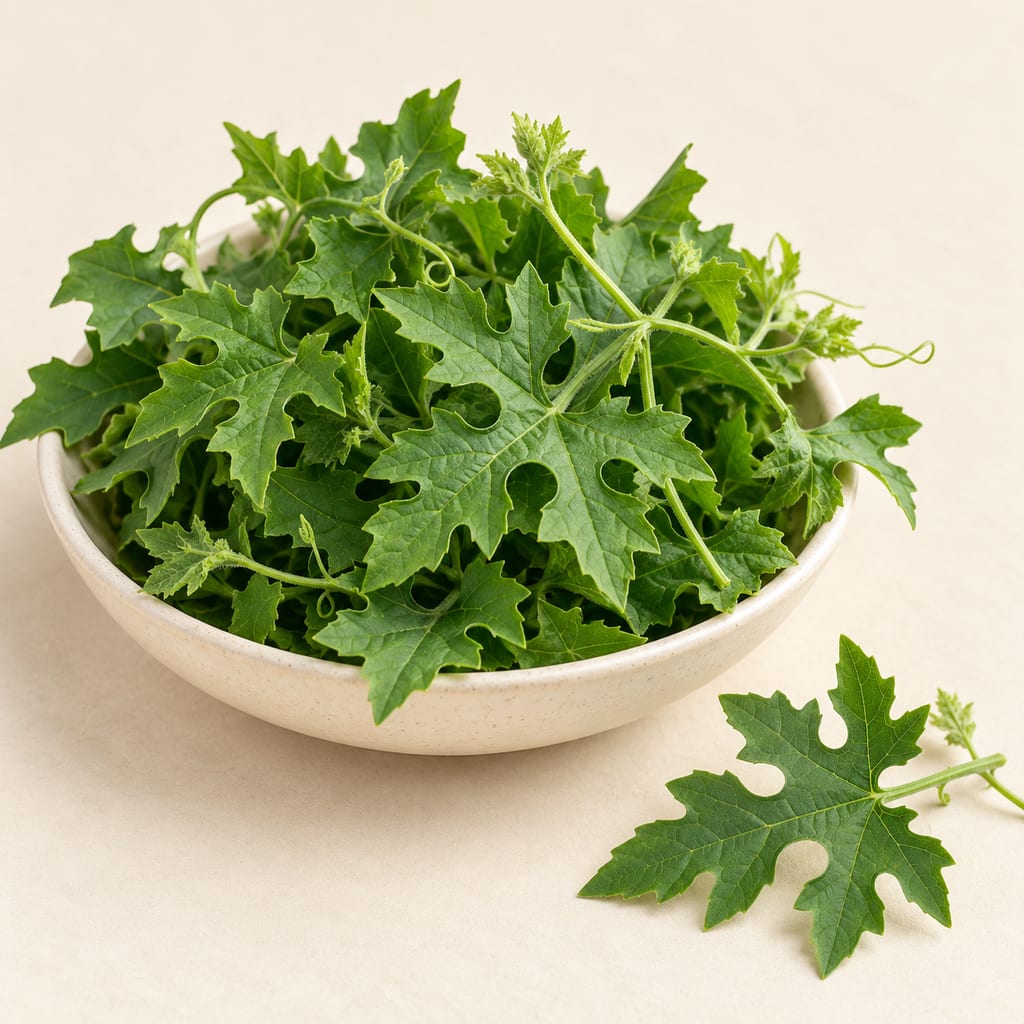
A Muda food-use study identifies nkakana as Momordica balsamina. A separate UEM abstract uses cacana for the same printed name but calls the plant introduced; another crop overview prints Momordica indica, a different current taxonomic concept. The source records remain distinct.
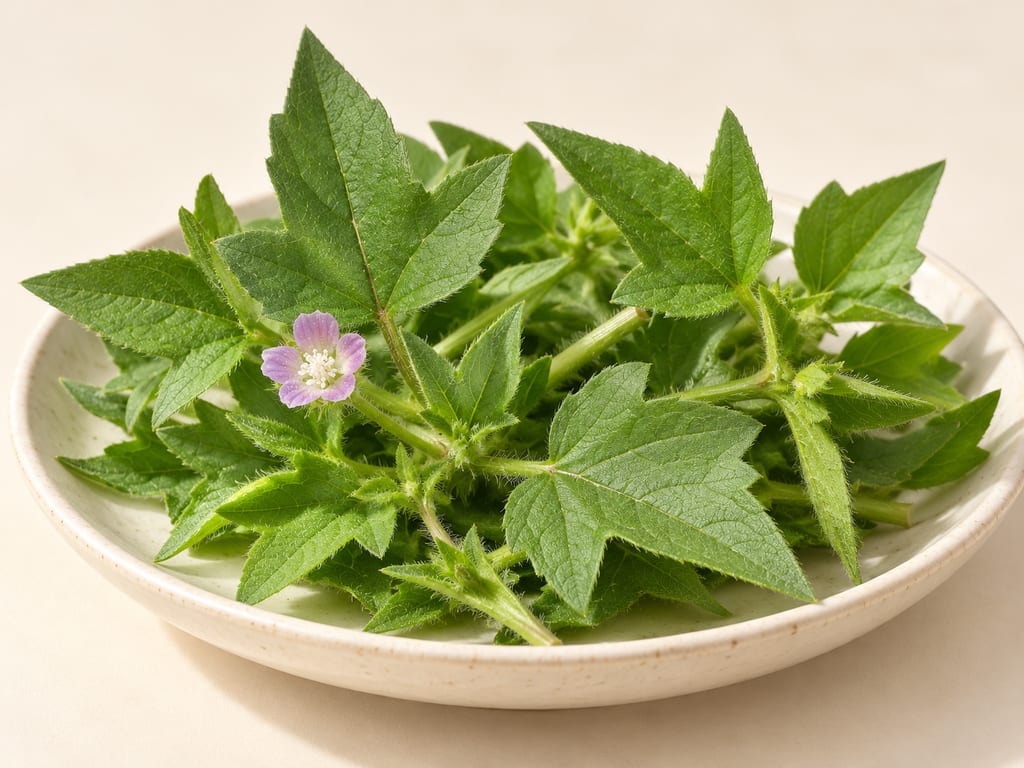
Regional Mexican food accounts and a Guerrero common-garden study document Anoda cristata names, dishes and growing observations, with identification and safety limits kept explicit.
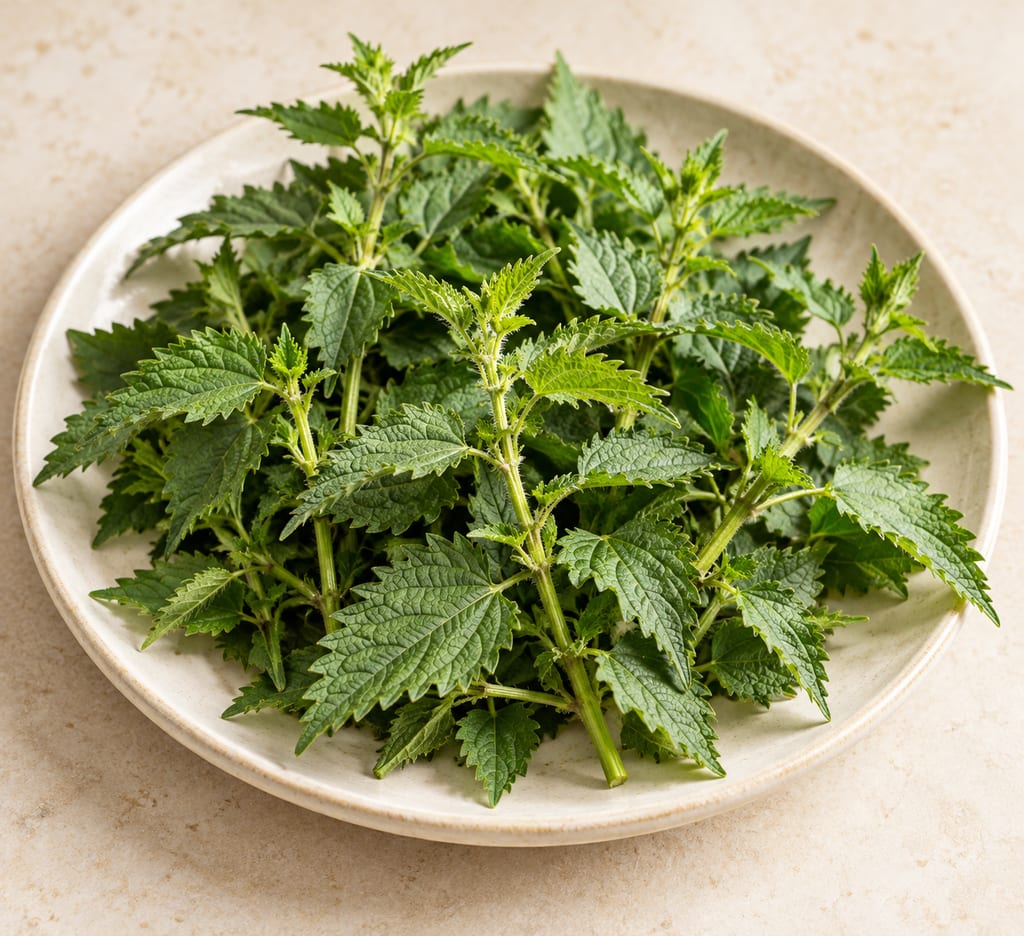
Ethiopian ethnobotanical studies describe regional use of Urtica simensis leaves and young shoots. A separate four-site study reports outdoor livestock-forage cultivation; those yields and methods are not human-food production guidance.
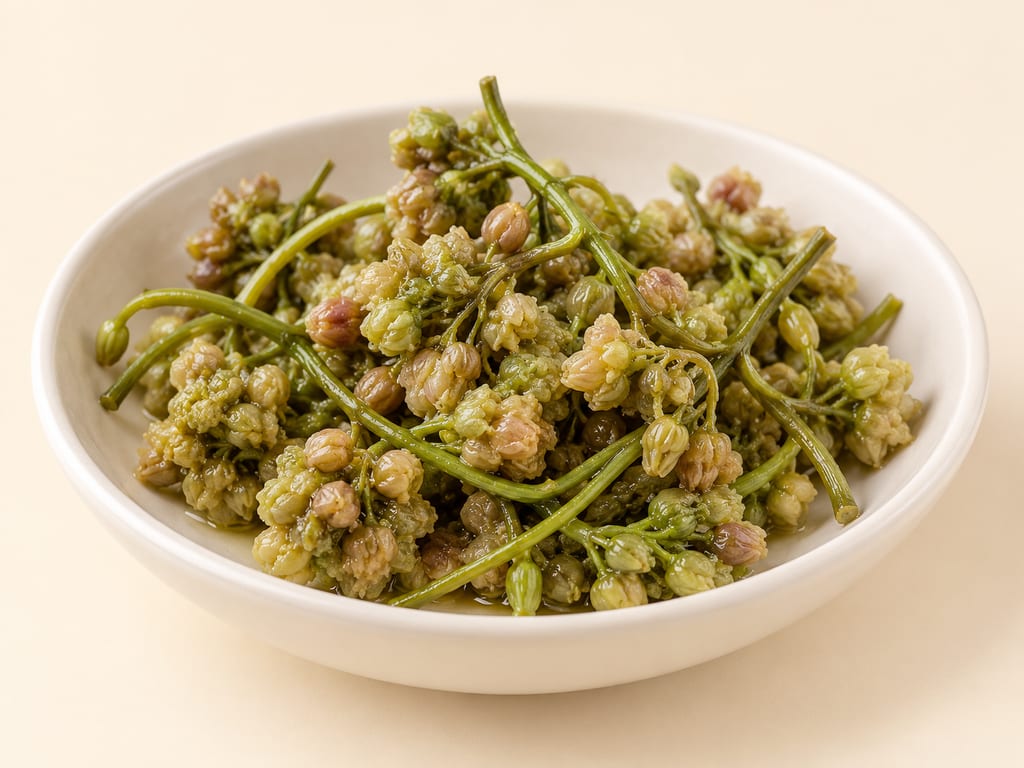
Colchic jonjoli is a Georgian food plant whose unopened flower clusters are reported pickled. Sources also use jonjoli for the distinct species Staphylea pinnata, leaving some food reports taxonomically mixed.
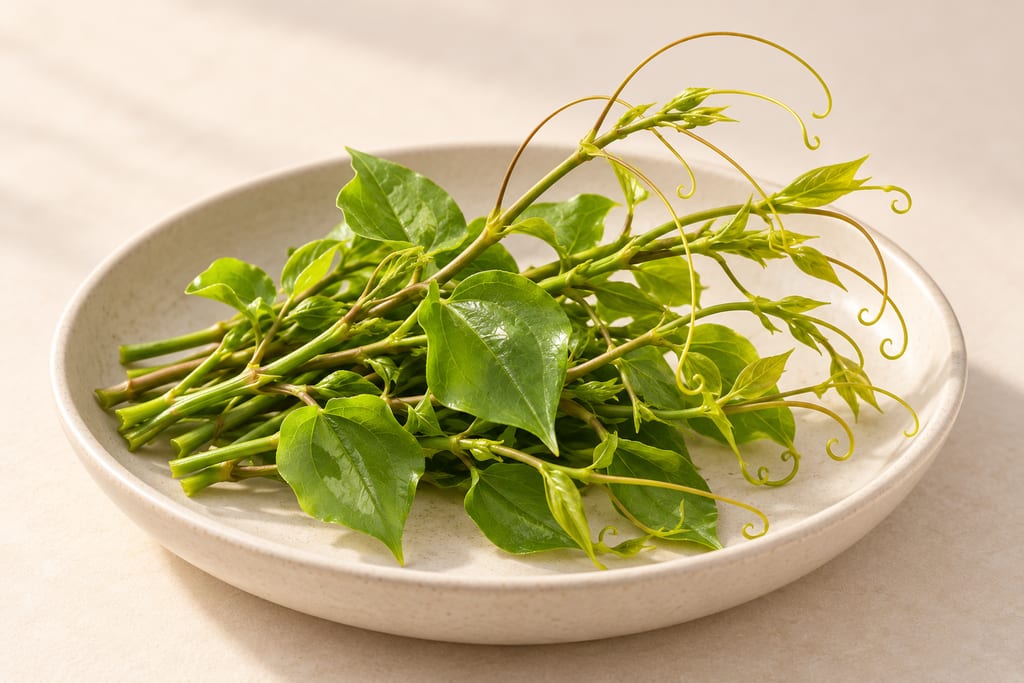
Georgian sources describe ekala as a wild food plant used in pkhali and report brine preparations. Names and plant-part labels vary by source; the food accounts do not establish a field identification or a productive growing method.
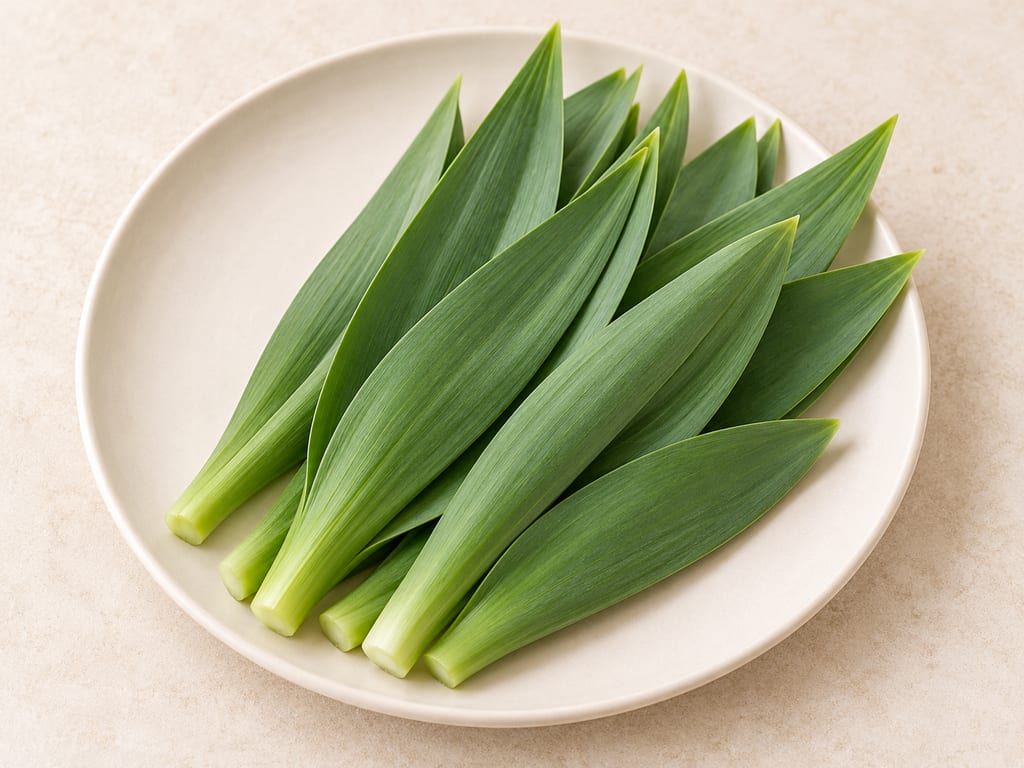
A source-bounded account of reported young-leaf uses in Ağrı and separate Turkish seed and laboratory studies. The evidence does not establish a home-growing method or identify a plant gathered under a shared local name.
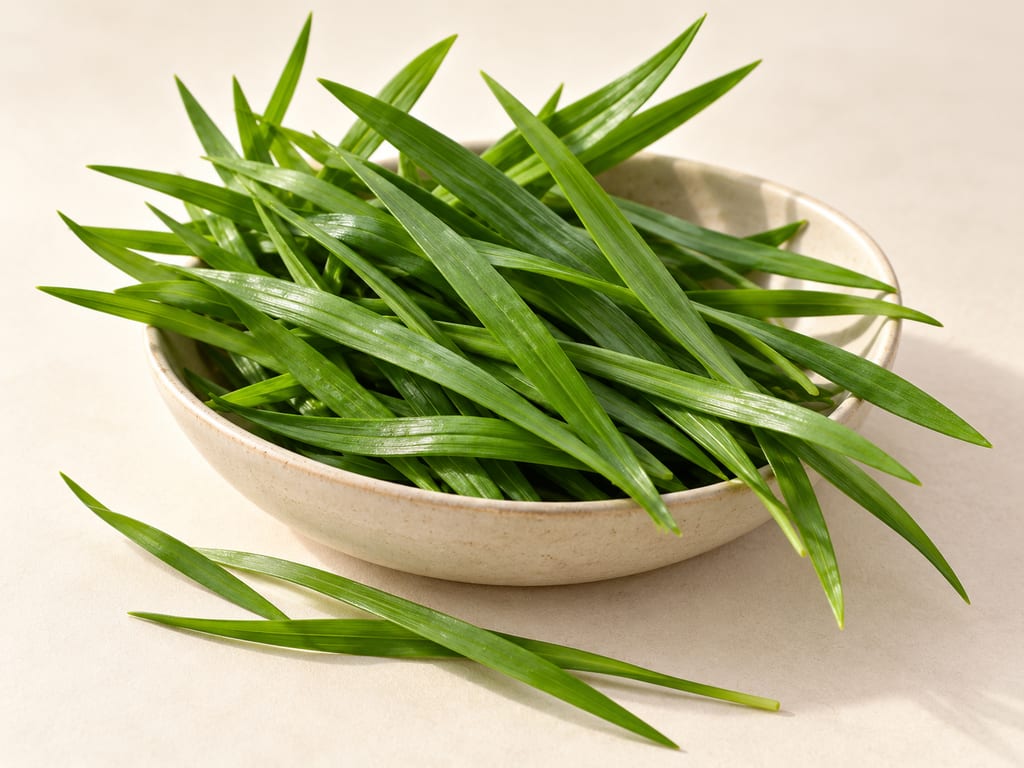
Allium triquetrum is a Mediterranean bulbous allium with a three-angled flowering stalk. An Australian gardening handout reports culinary uses for its leaves, bulbs and flowers, while separate sources document invasive spread and jurisdiction-specific restrictions.
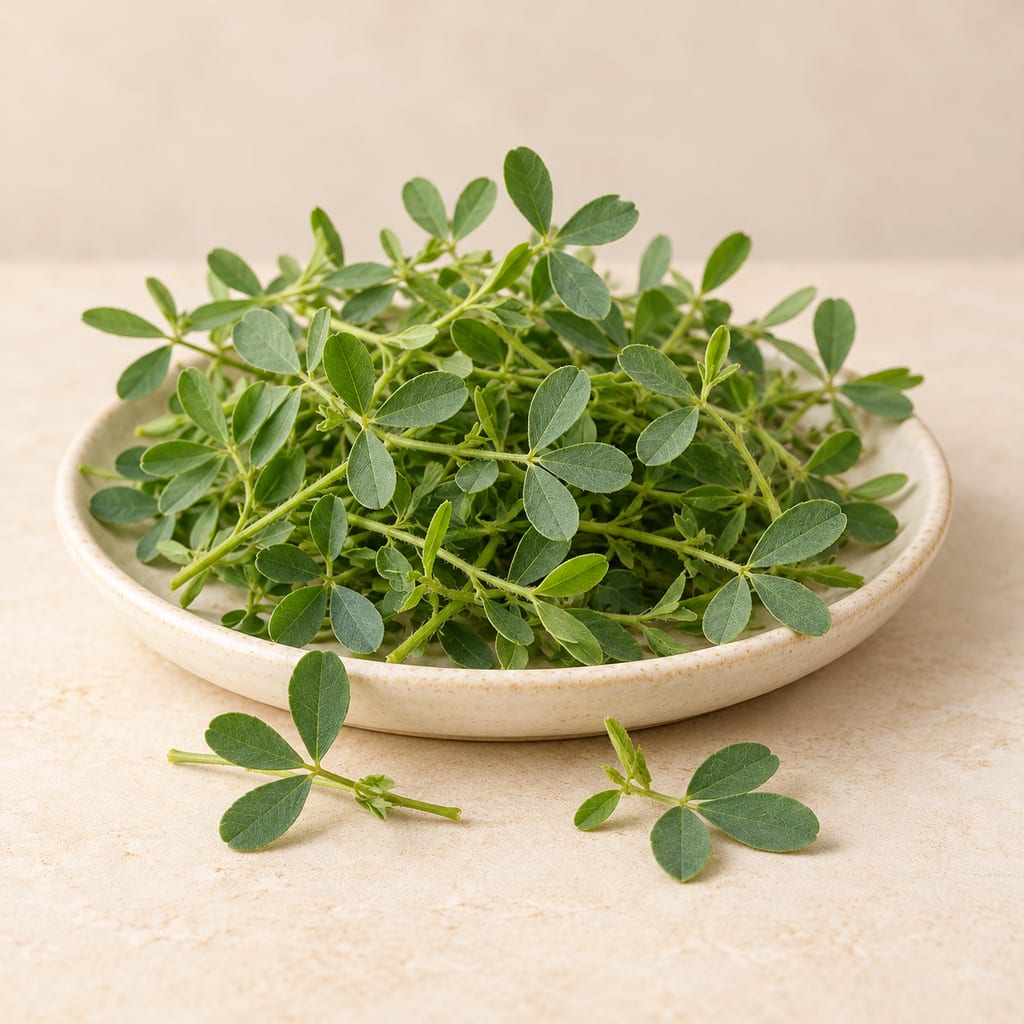
Oaxaca market and cultivation studies document chepil food uses and regional field growing practices. Other Crotalaria names and research contexts remain distinct.
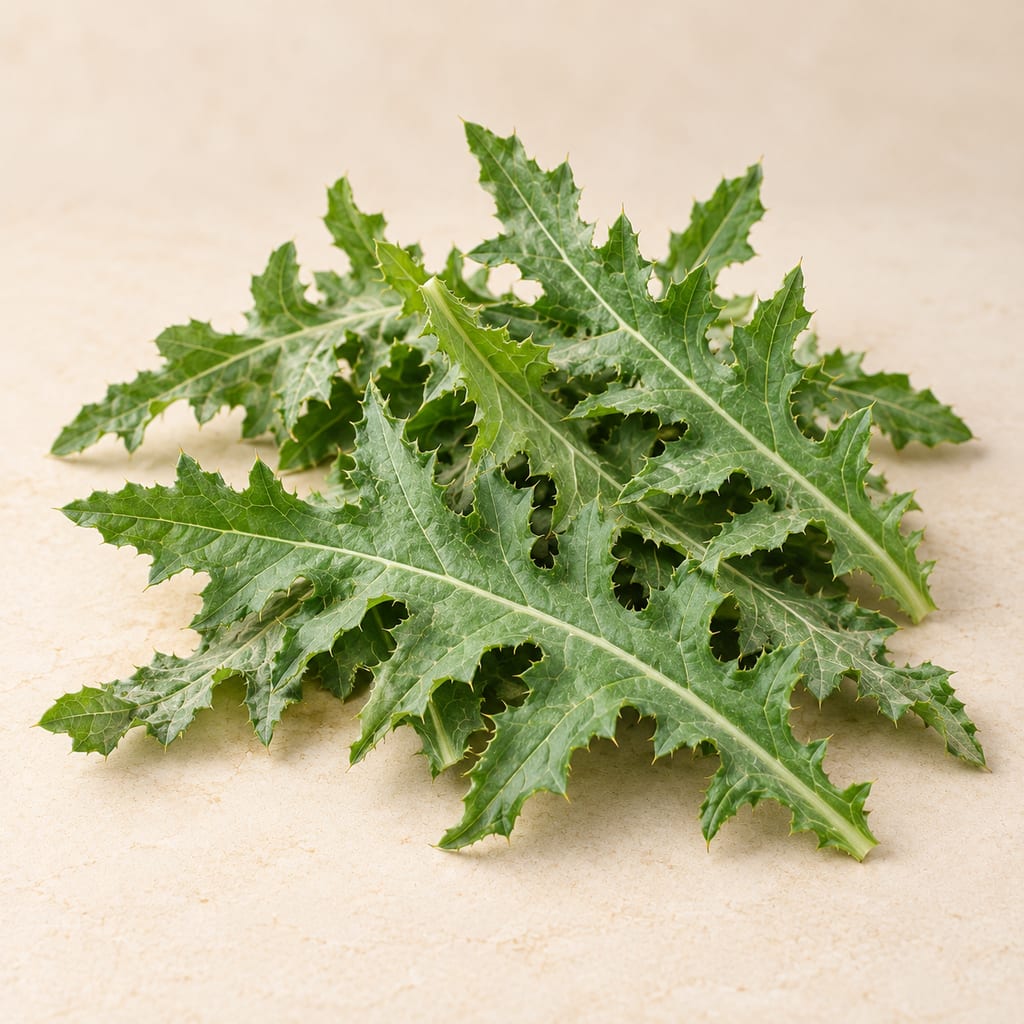
Creeping thistle is a widespread, spreading perennial with one detailed Alberta leaf-puree account and older food reports summarized by a U.S. Forest Service review.
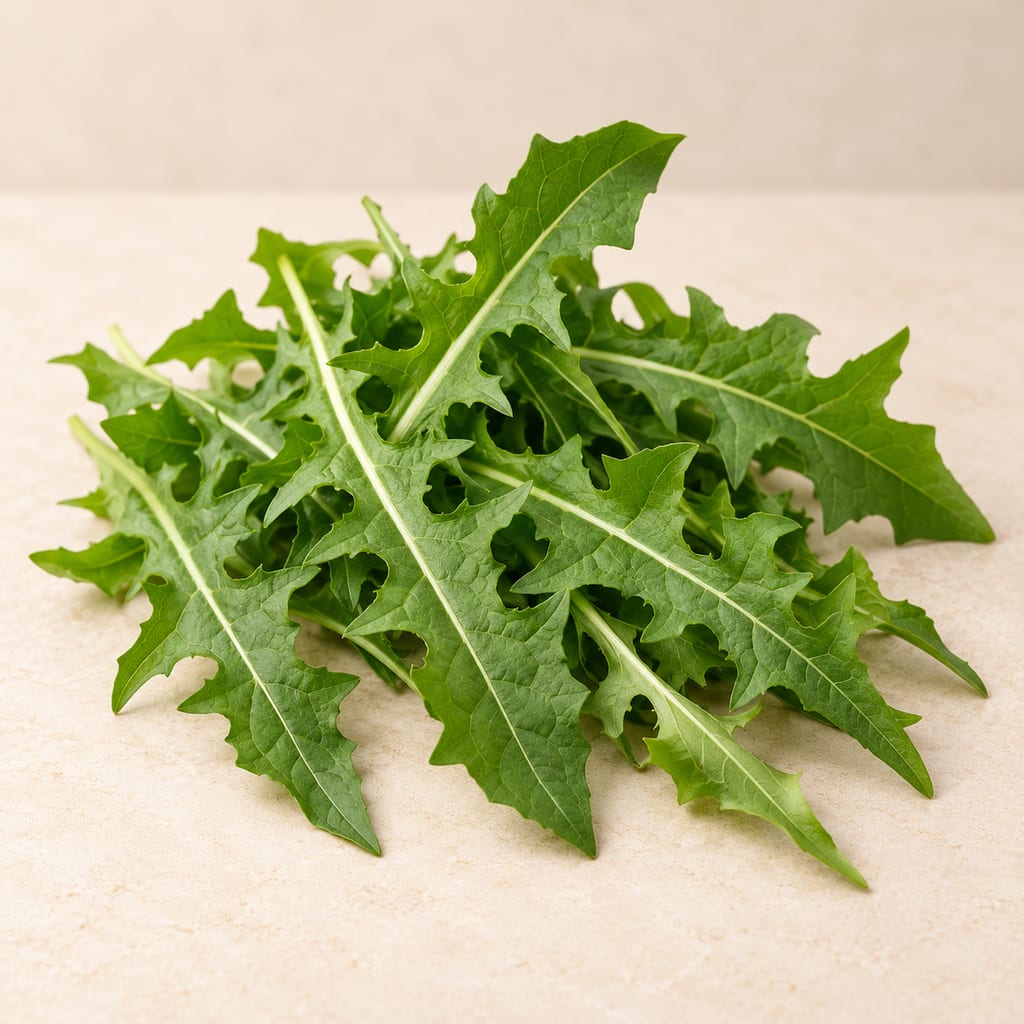
POWO accepts Taraxacum sect. Taraxacum and places Taraxacum officinale in its synonymy; Kew describes the common British dandelion as an aggregate of many apomictic microspecies. Food and growing sources use dandelion names at different levels, so this article keeps each report within its source's scope.
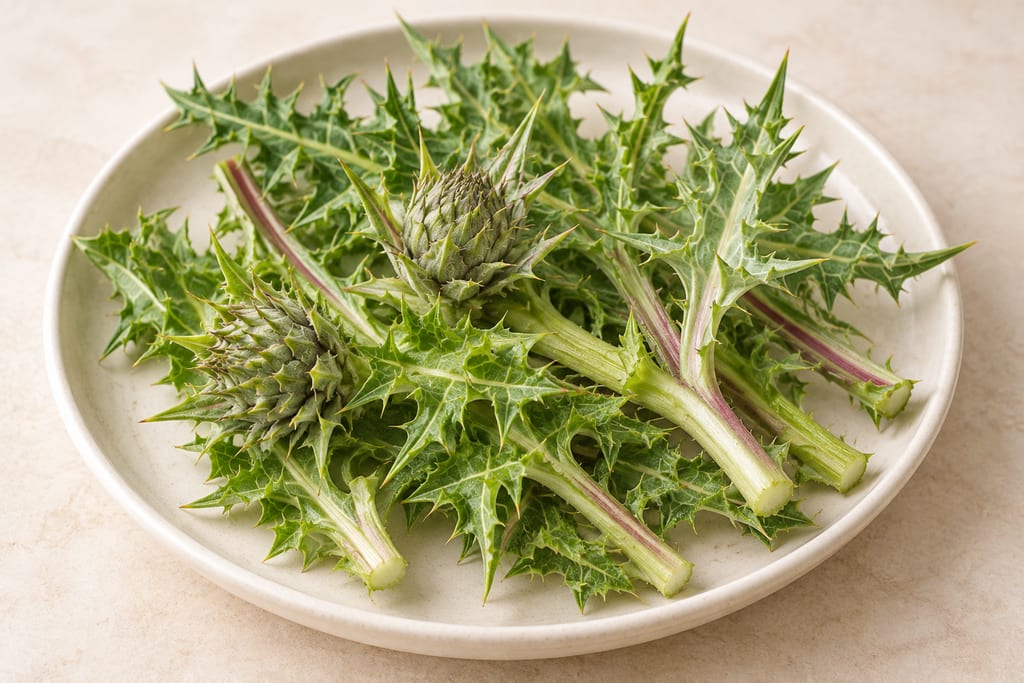
A descriptive account of several regional reports that use the name Kenger and related forms for Gundelia tournefortii, alongside changing taxonomy and limited cultivation evidence. The reports do not independently confirm every historical specimen or establish a Turkish growing method.
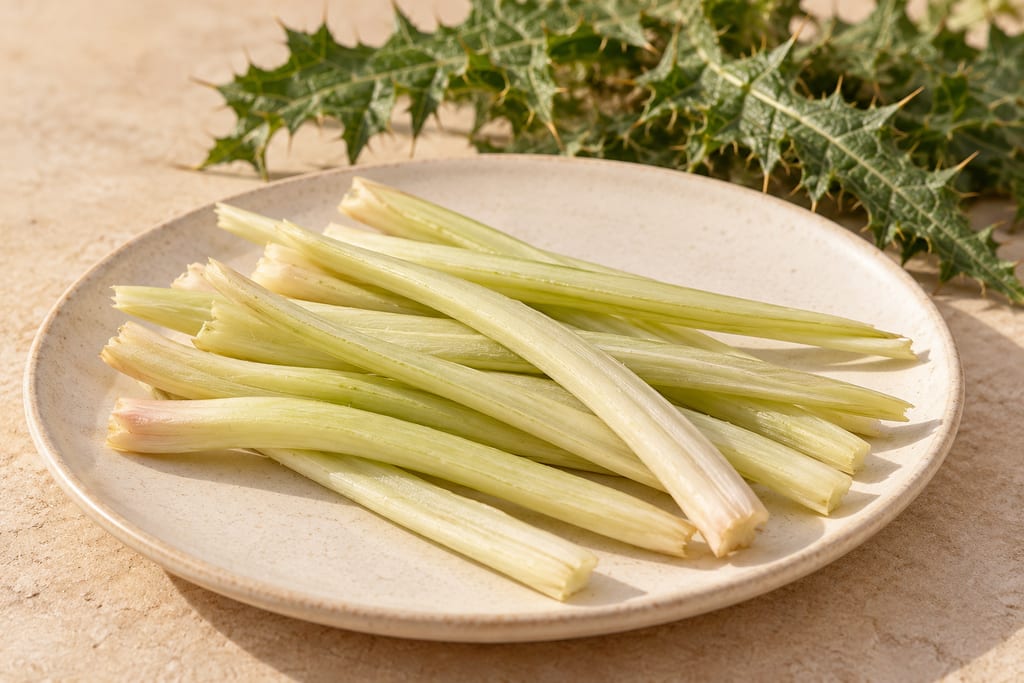
Algerian and Spanish sources report leaves, central leaf ribs and other regional food contexts. Historical gardens, weed observations, preliminary Spanish cultivation work and compiled cultivation reports are not a modern crop protocol or an identification or food-safety guide.
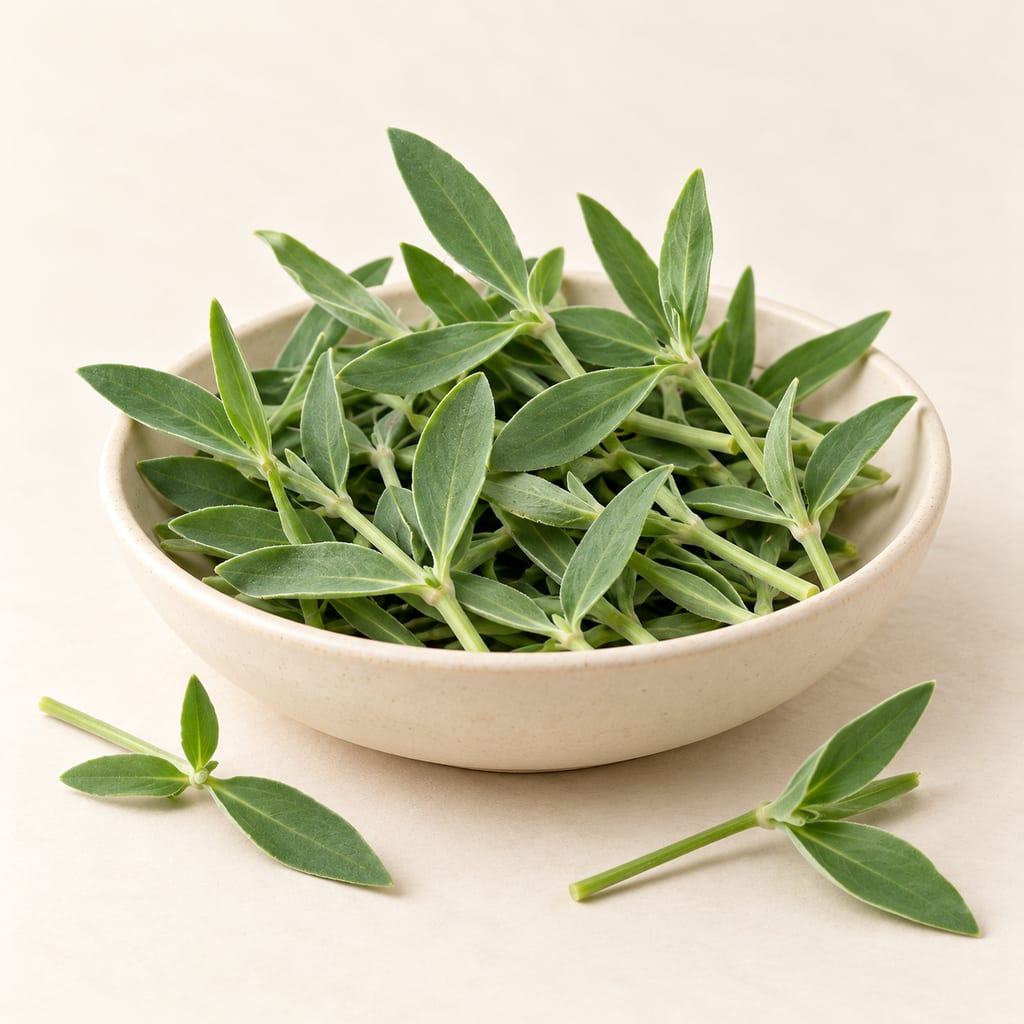
Spanish sources report young leaves and stems in cooked dishes and some salads. A Murcia field study measured one regional seed lot under fertiliser treatments, but its dates conflict and do not establish home-growing or food-safety guidance.
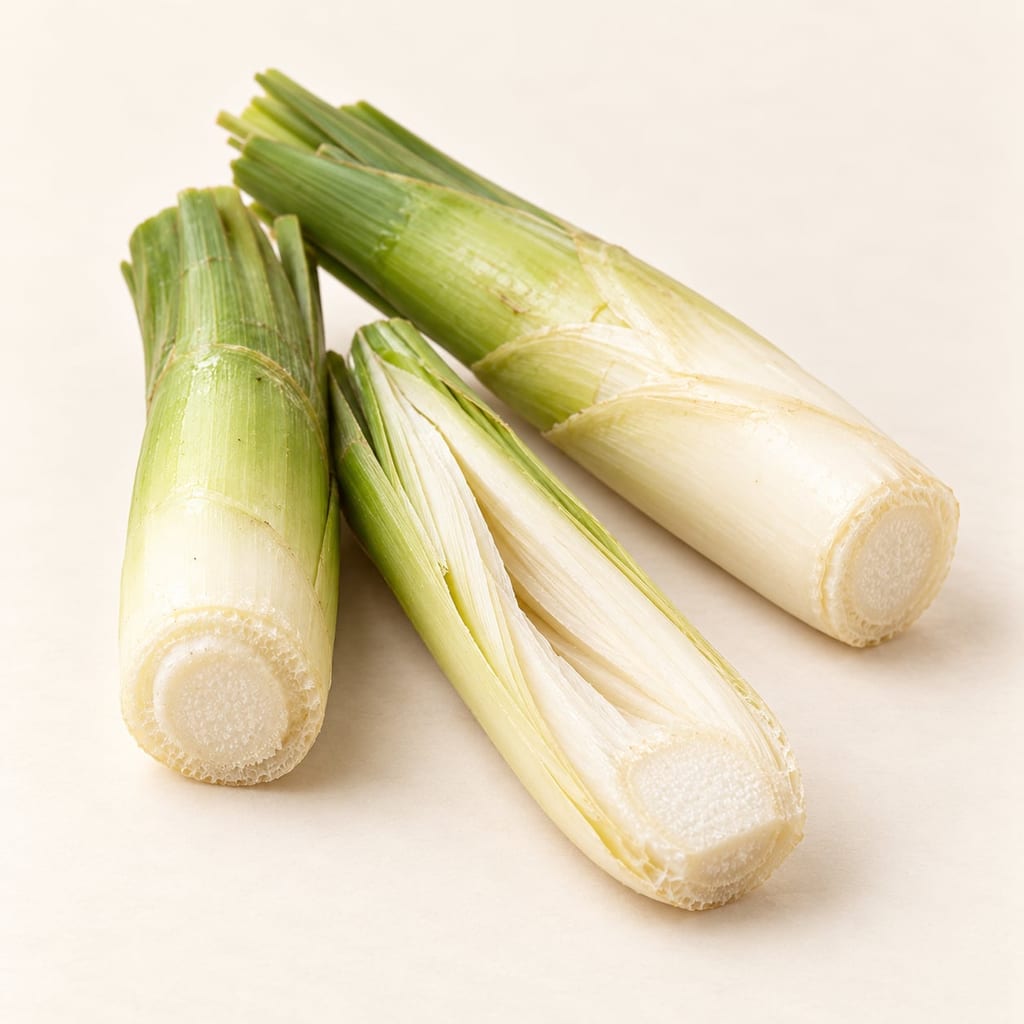
Broad-leaved cattail is a wetland plant with North American accounts of edible shoots, stem bases, flower parts, pollen and rhizomes, alongside substantial identity and water-quality limits.
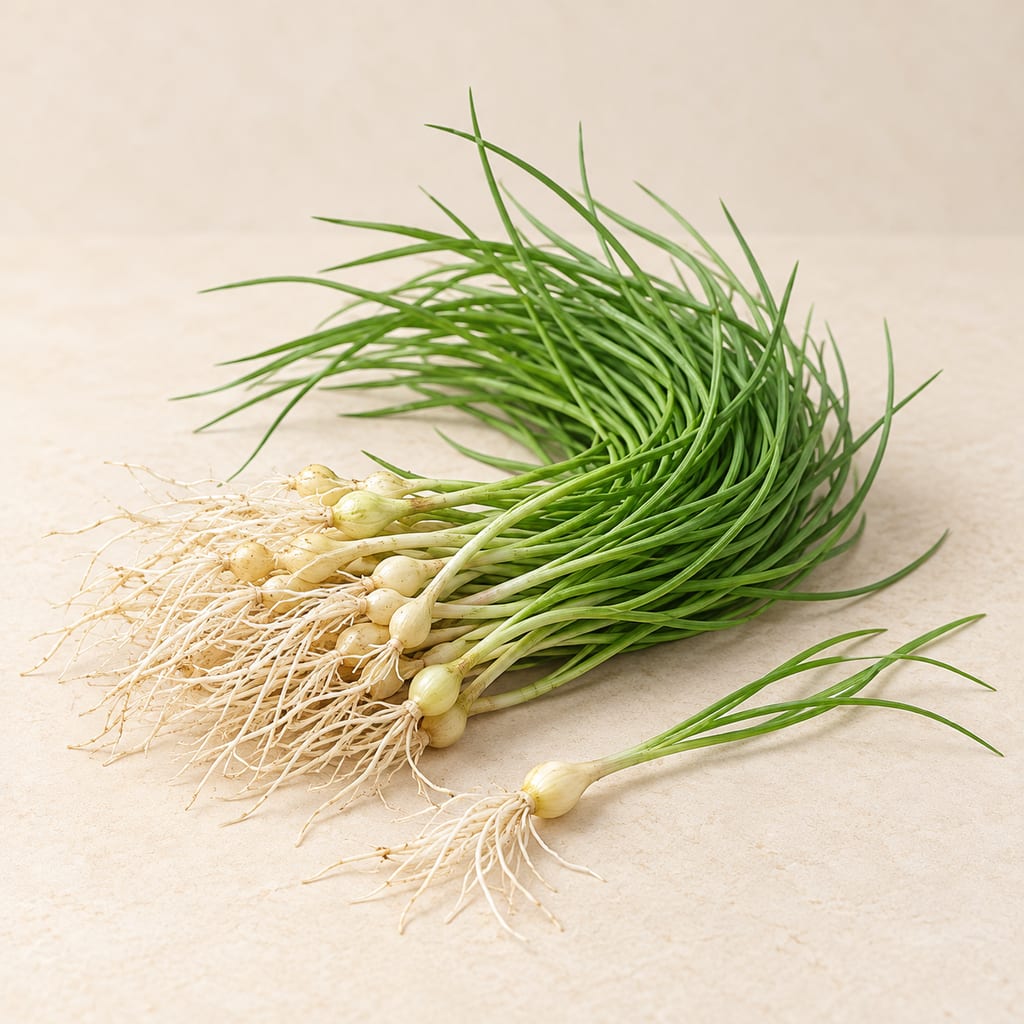
Dallae, Allium monanthum, is a small Korean spring allium eaten raw, in doenjang soup and as jangajji. Its regional names and growing advice are less settled than its food use.
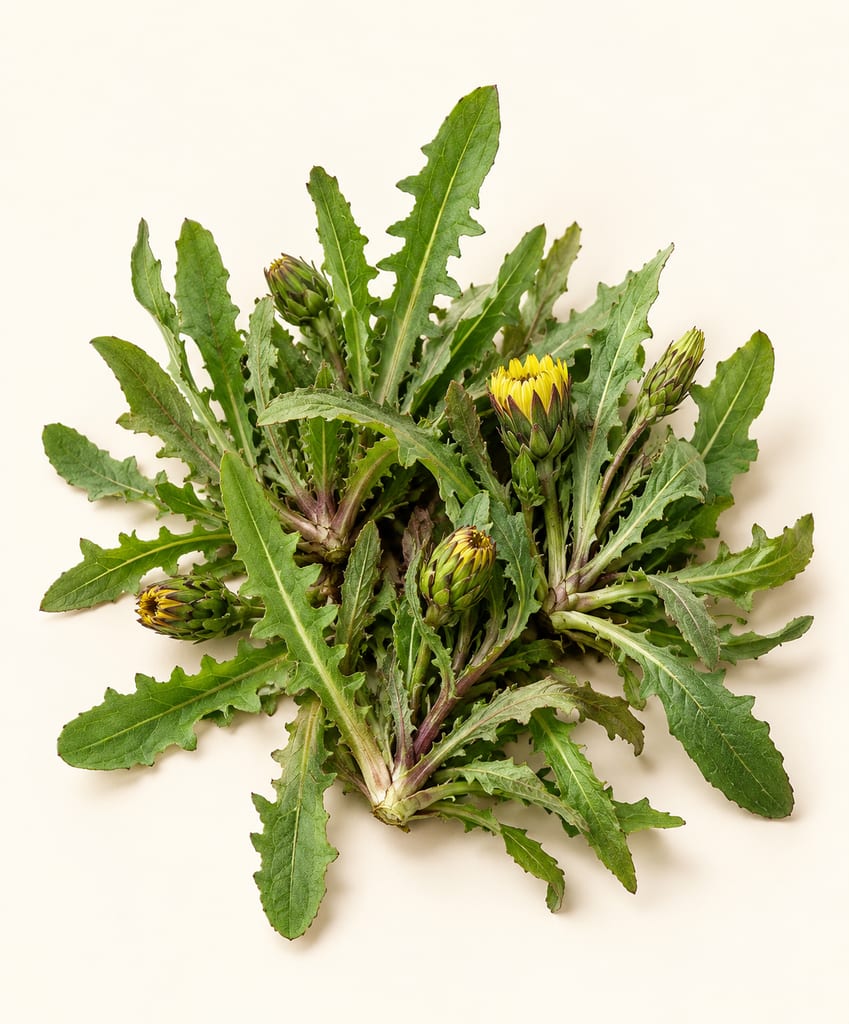
Aymara food records from La Paz name flower buds, bracts and leaves of Hypochaeris meyeniana; the article's ash-processing prose and washing caption remain unresolved.
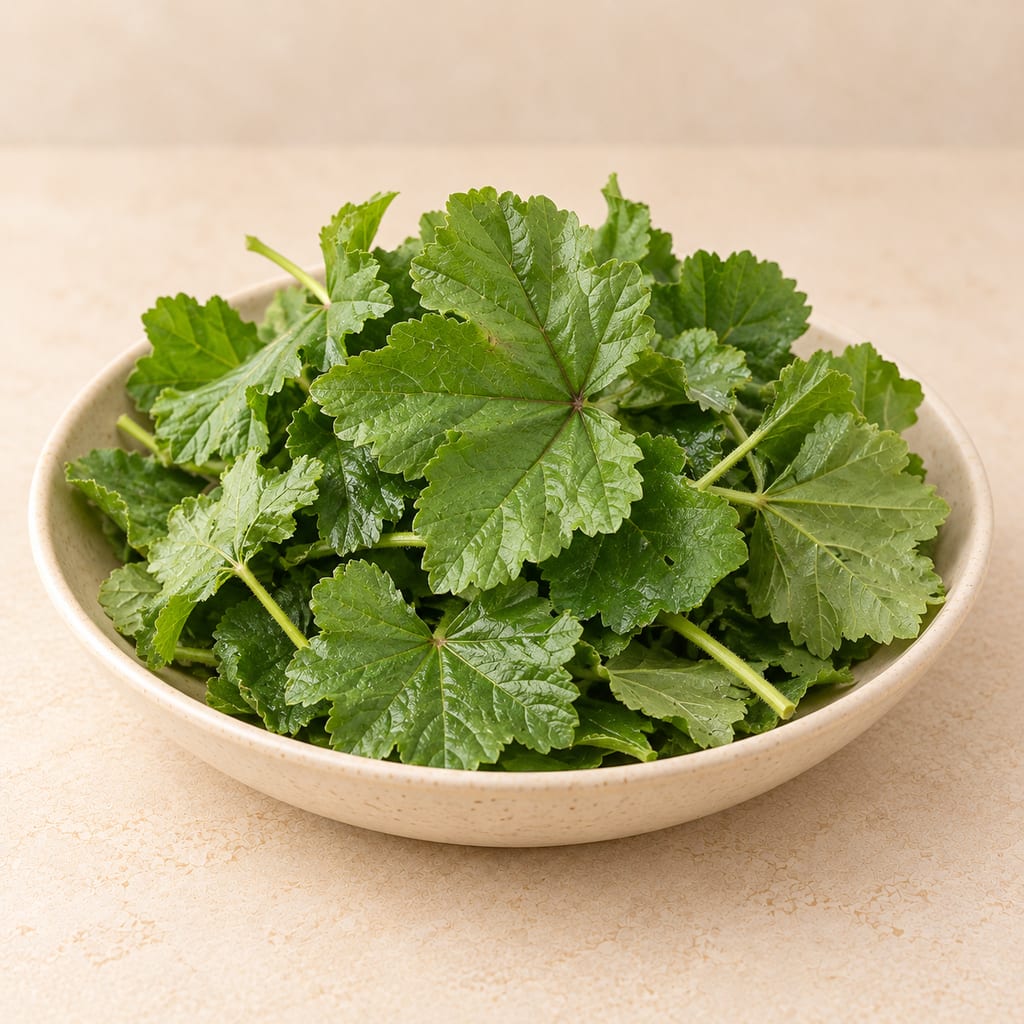
Common mallow is reported as a cooked wild green in two Moroccan studies, with one species-specific Khobbiza account and a separate mixed-greens preparation.
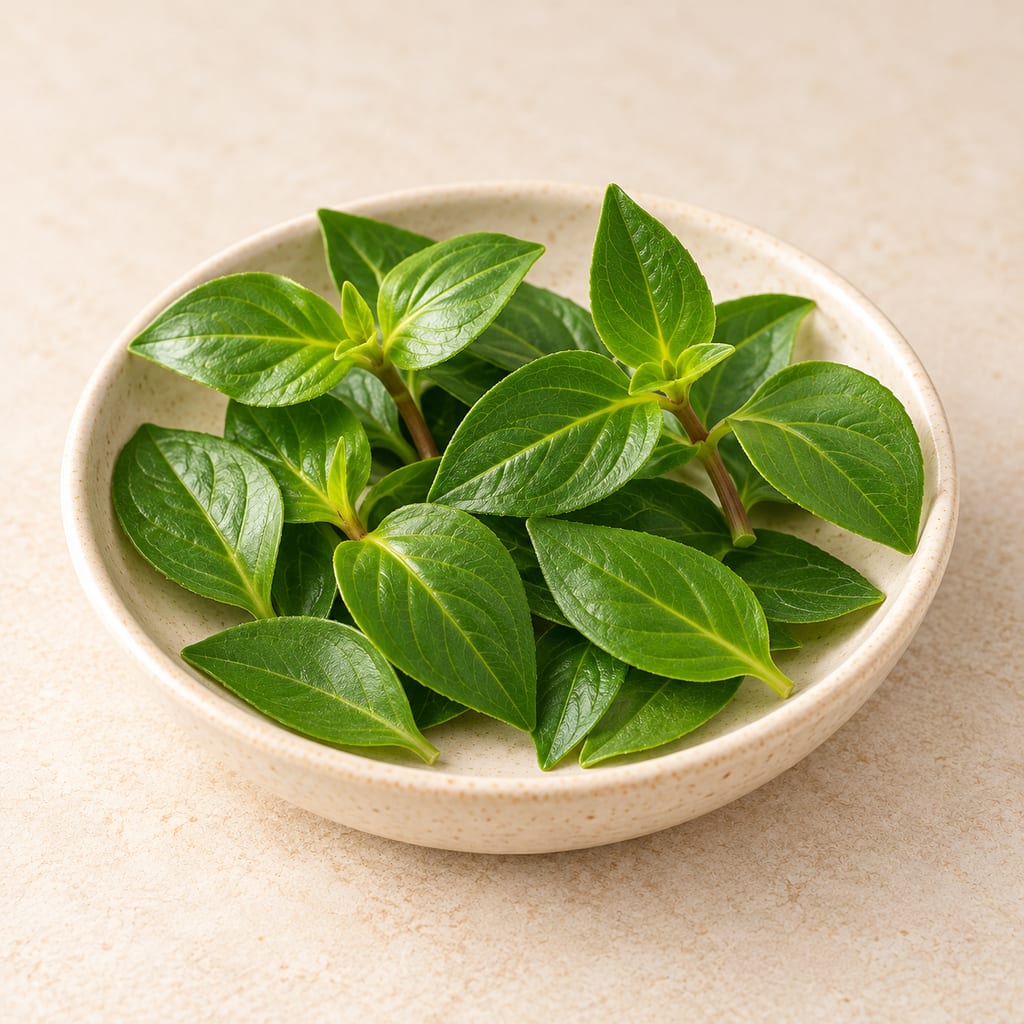
PNG crop references describe Rungia klossii leaves as a pot herb, often paired with highland pitpit. One historical Ndumba account records a specific community’s planting, food use and dietary restriction.
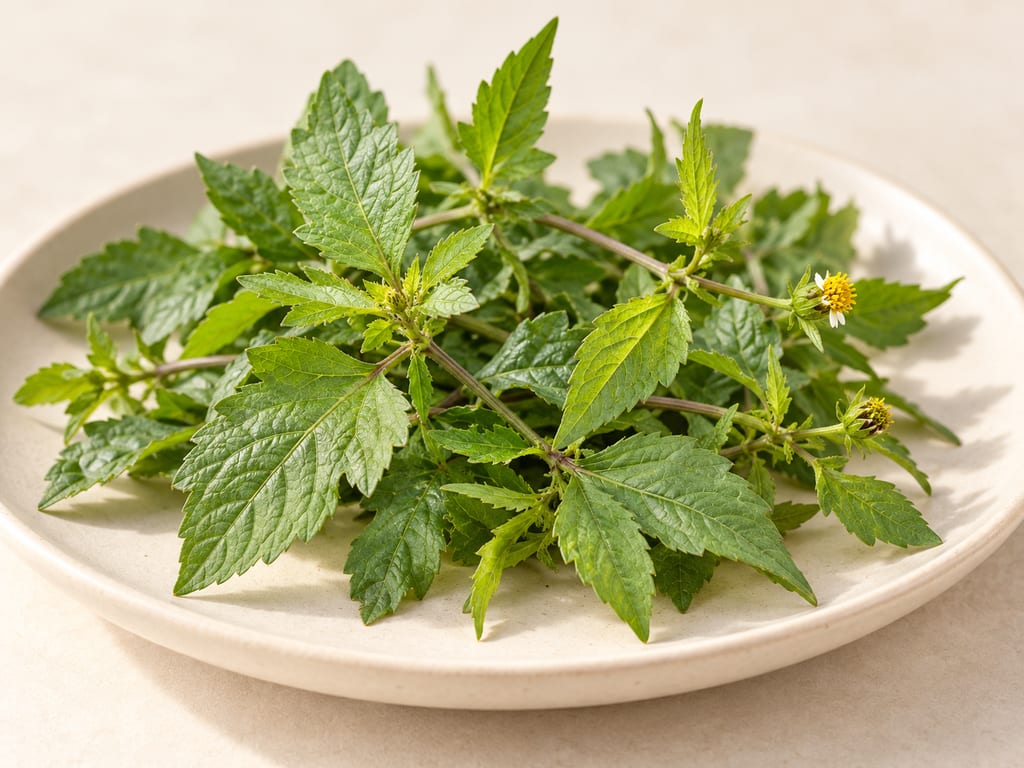
Zambian food references name Bidens pilosa as black jack and report leaves in local food records. A household study also recorded a genus-level Bidens group, but its vouchers and collection statistics cannot be assigned to this species.
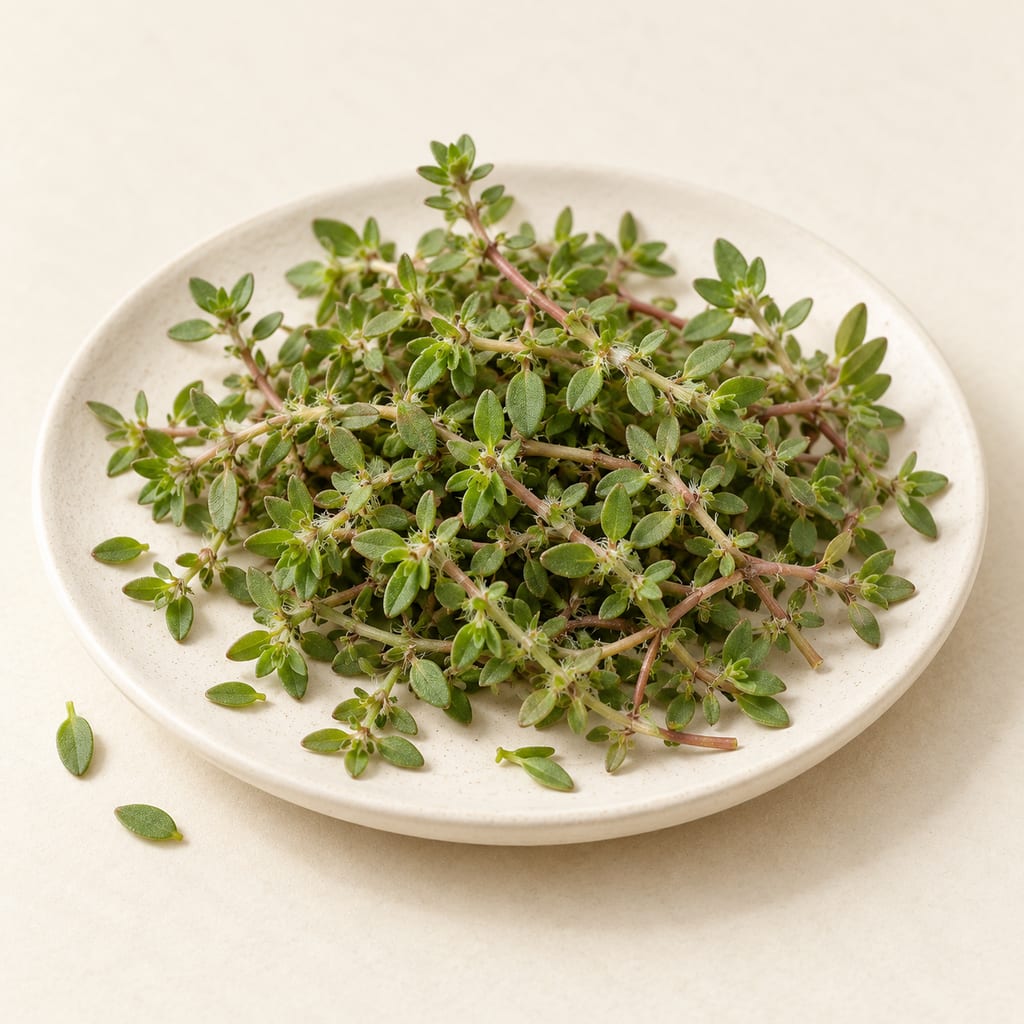
Small-leaved purslane is reported as a wild vegetable in Kenya and broader tropical accounts; PROTA describes it as a spreading weed and advises against cultivation.
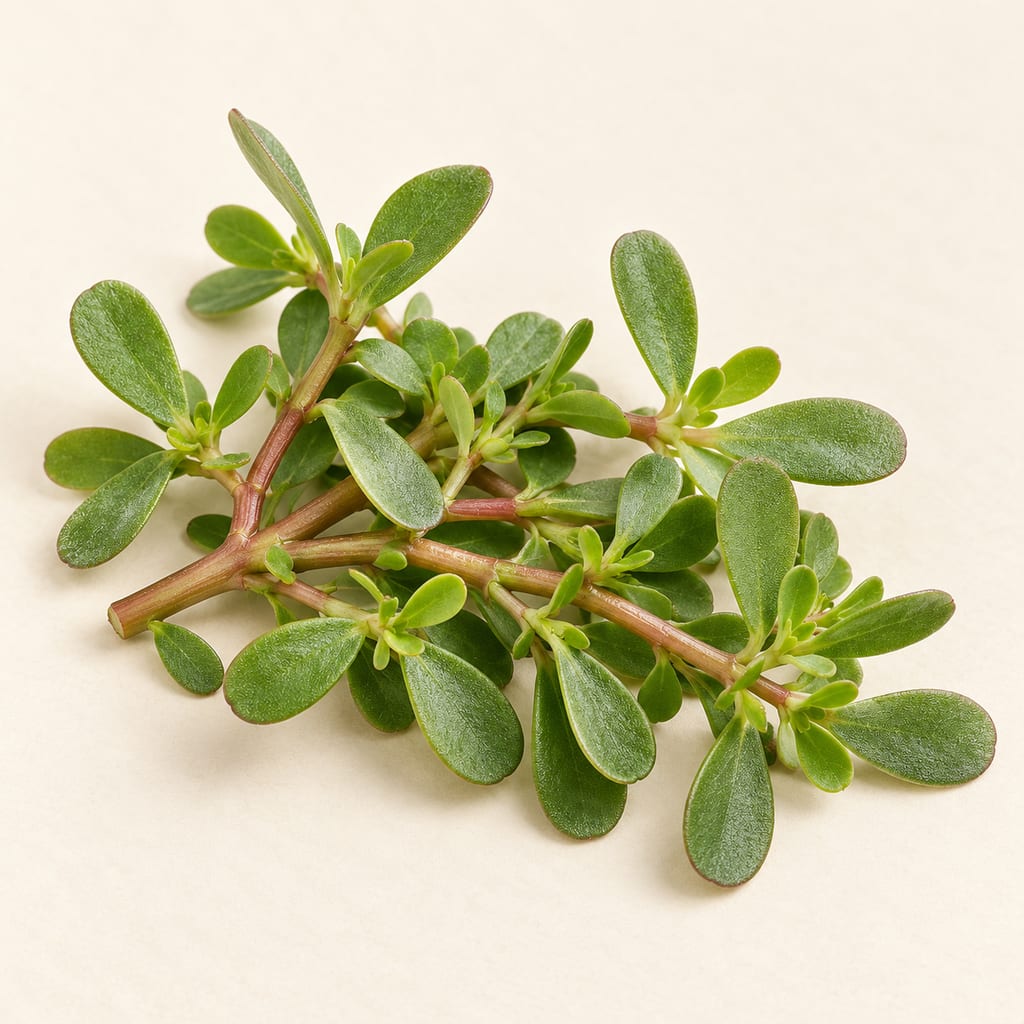
Portulaca oleracea is documented as a food plant in distinct Mexican and Taishan contexts. A Morelos cookbook names a verdolaga-and-pork dish, a Mexican field trial measures one local crop, and Taishan sources disagree about the plant part; none provides a universal safe dose, detox method or gathering guide.
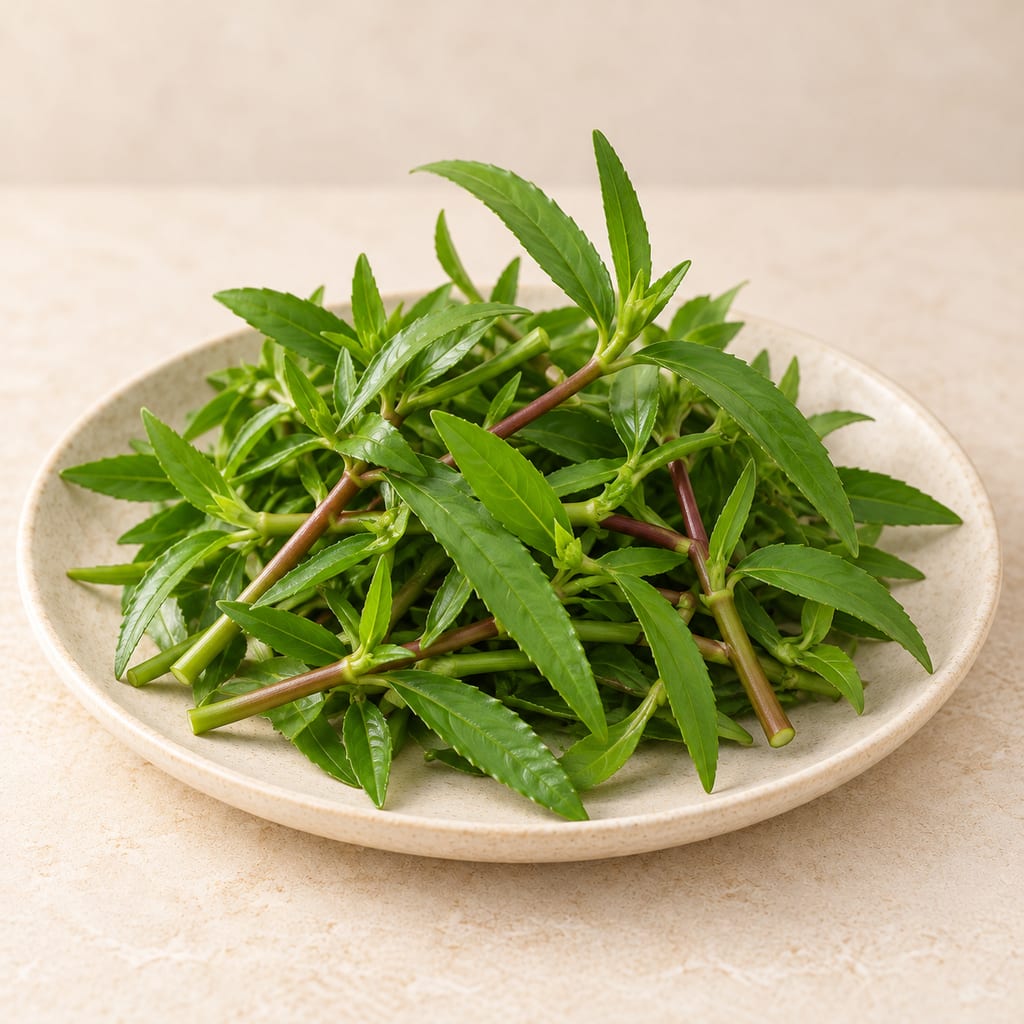
Bangladesh food and cultivation sources use several spellings and overlapping wetland names. This account distinguishes the accepted name from source labels and describes regional food reports and one waterlogged sack experiment without turning it into a household growing or cooking prescription.
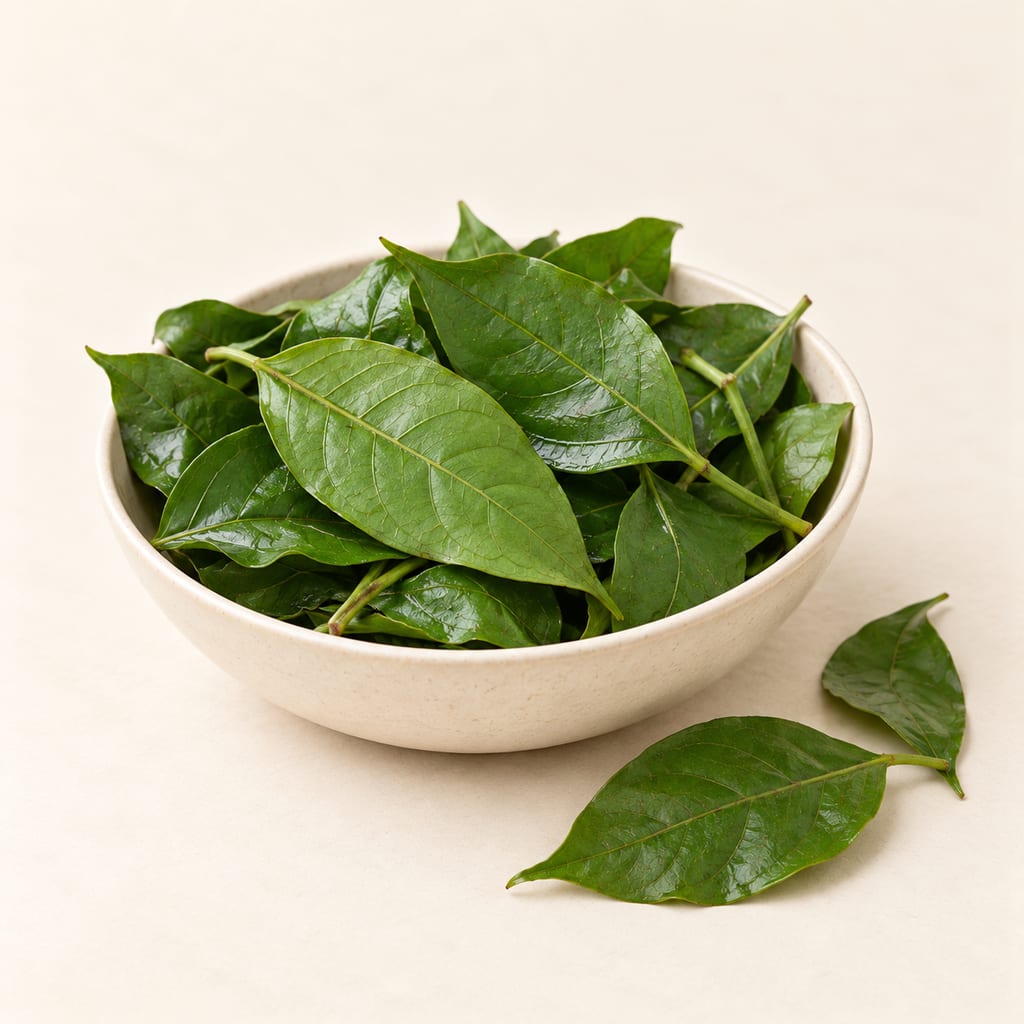
A source-linked account of Gnetum africanum as a climbing forest vegetable, with shared market names and paired-species food and cultivation reports clearly qualified.
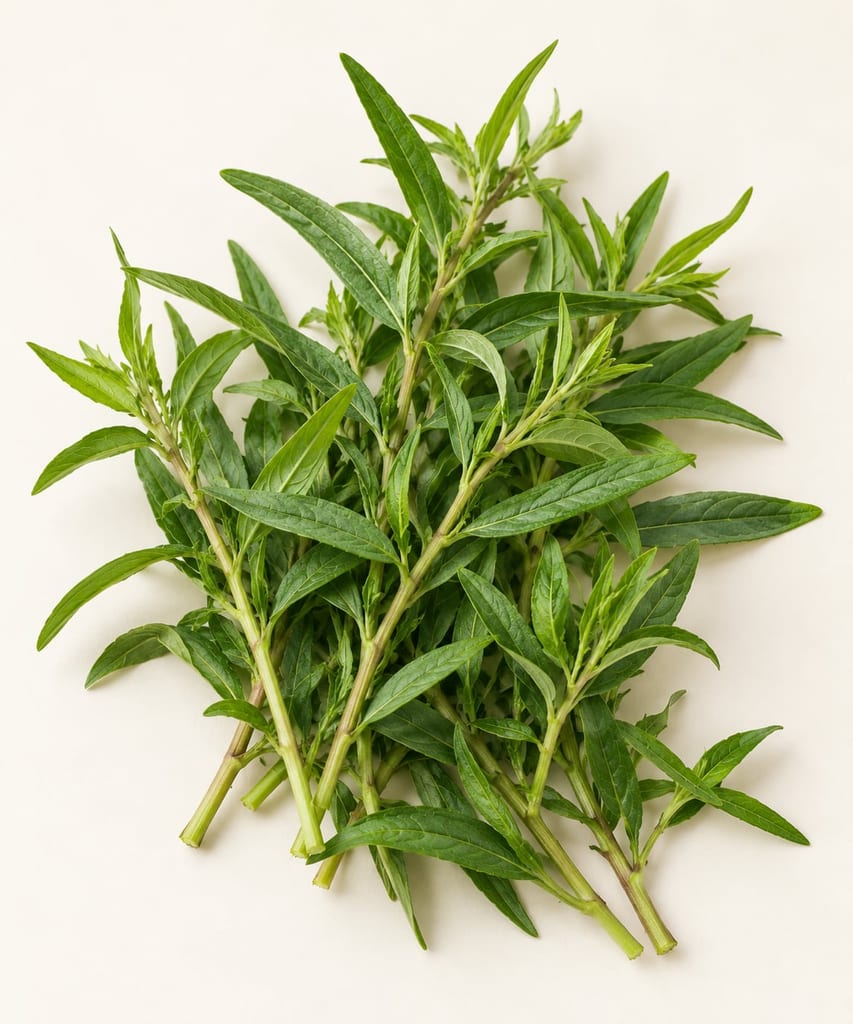
Tanzanian sources describe wild simsim as a leafy vegetable gathered and sometimes protected around homes. A printed SASS name resembles the accepted species name but has no voucher, so that row’s taxon remains unconfirmed.
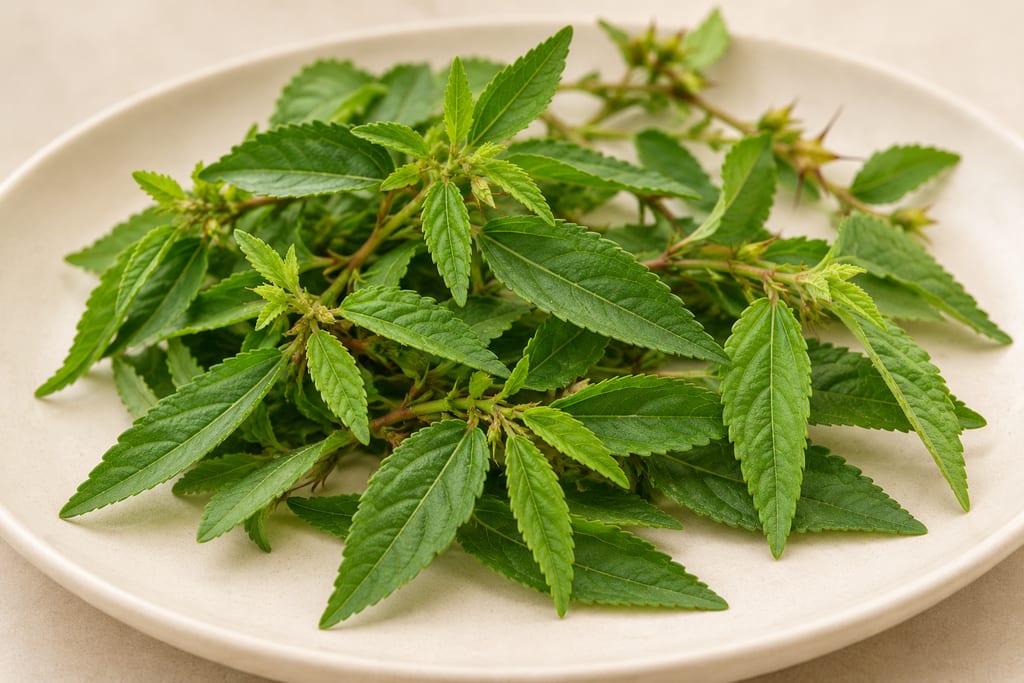
Zimbabwe flora and local studies report Corchorus tridens leaves as food, while a horticulture abstract confirms that a production study was conducted without exposing its methods or results. Similar Corchorus names in older food sources refer to distinct or unresolved taxa. Current evidence does not establish a home-growing protocol or complete recipe.
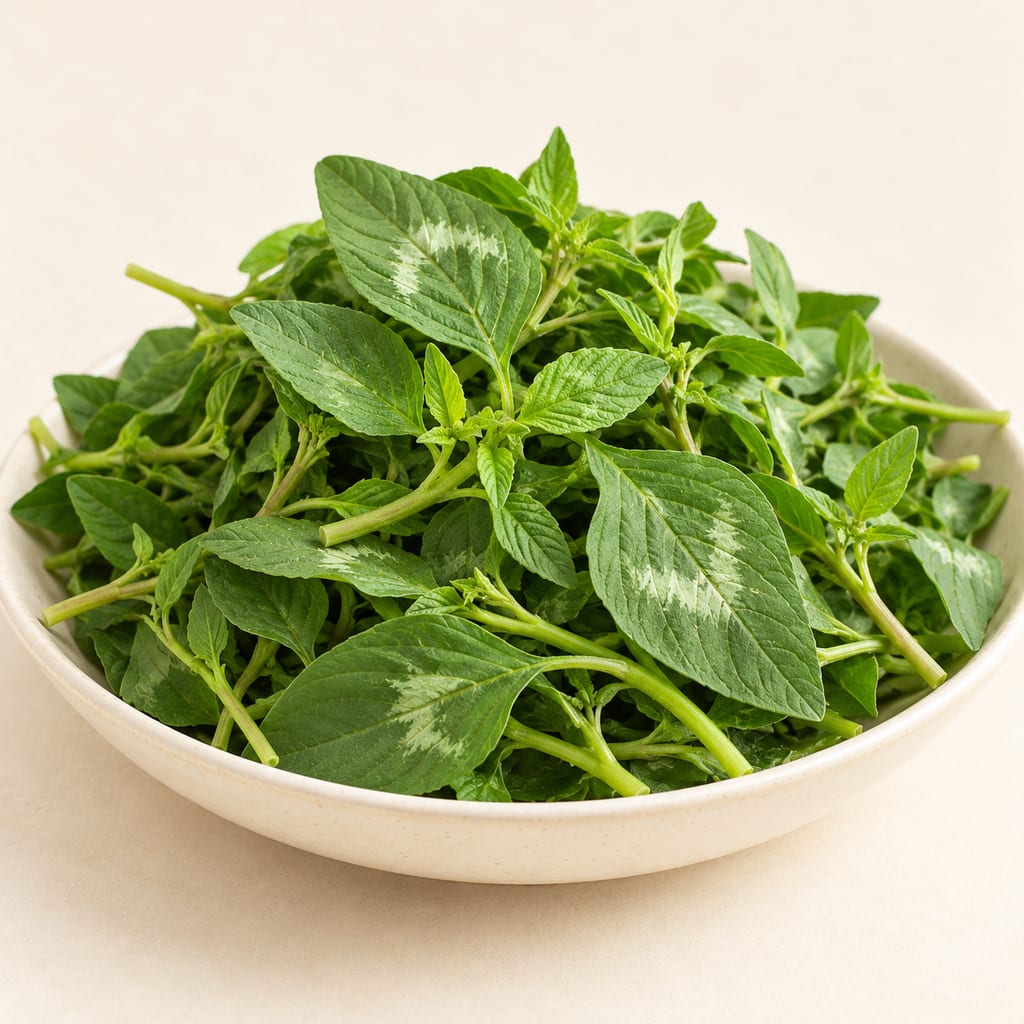
Amaranthus spinosus is recorded as a collected vegetable in several regional sources, but the Taishan study’s narrative and supplementary table do not agree on which plant part is used. Its food accounts are ethnobotanical records, not a complete preparation or a safety recommendation.
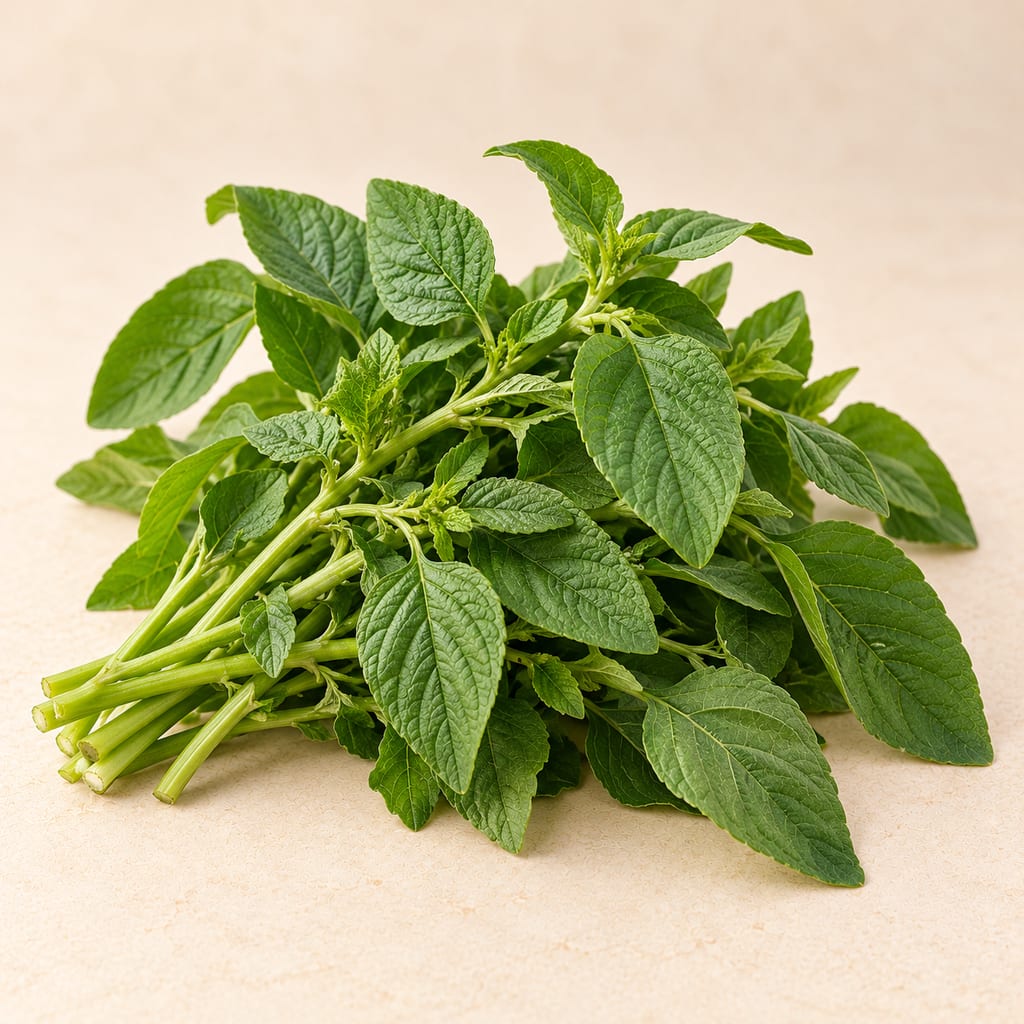
Ugandan reports associate A. dubius with leafy use and dodo, while Rwanda sources record additional leafy use and conflicting local names. Kew lists the species as introduced in Rwanda; eHinga guidance is crop-group information, not an accession-specific trial.
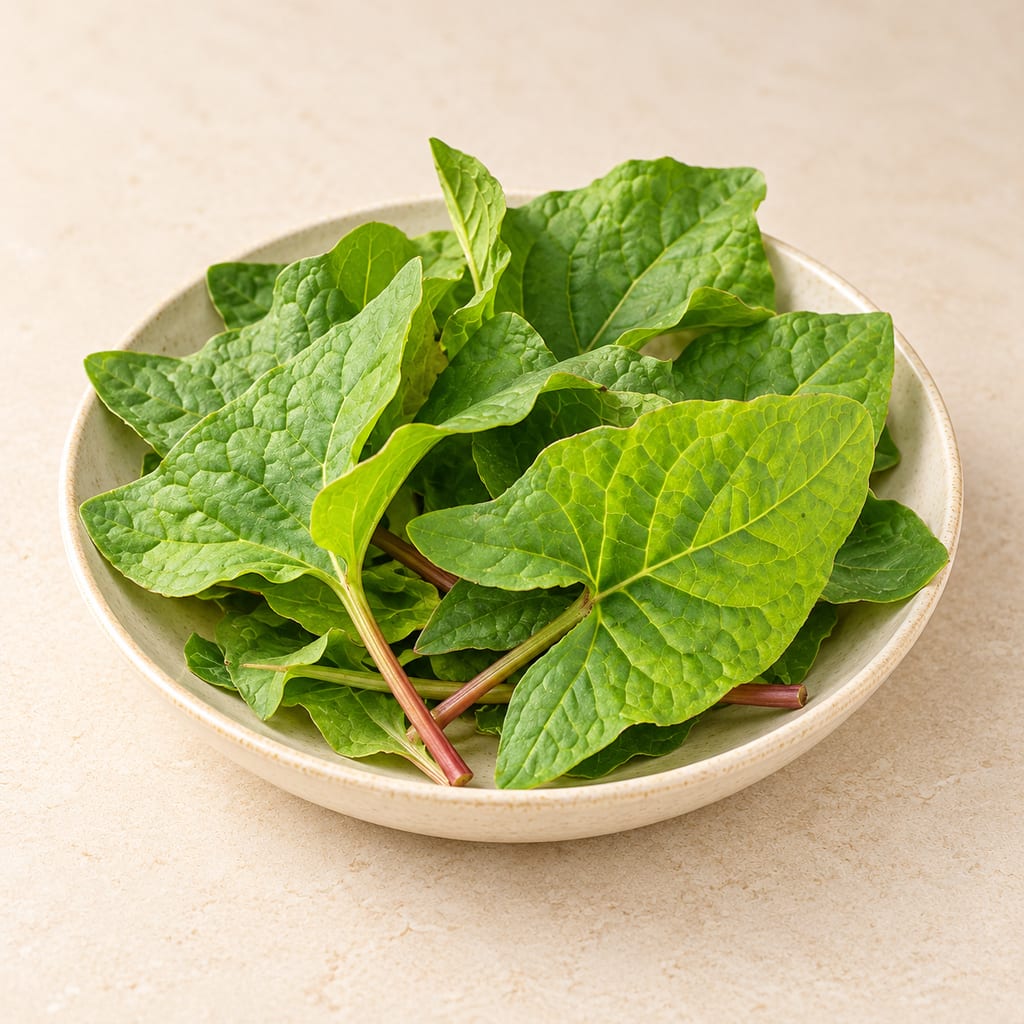
Kew accepts Blitum bonus-henricus, a European perennial also called Good King Henry. RHS guidance describes edible spinach-like leaves and UK garden cultivation, while a Dutch botanical-garden account records a historical shoot-blanching practice. Neither source supplies a complete recipe or a safe serving threshold.
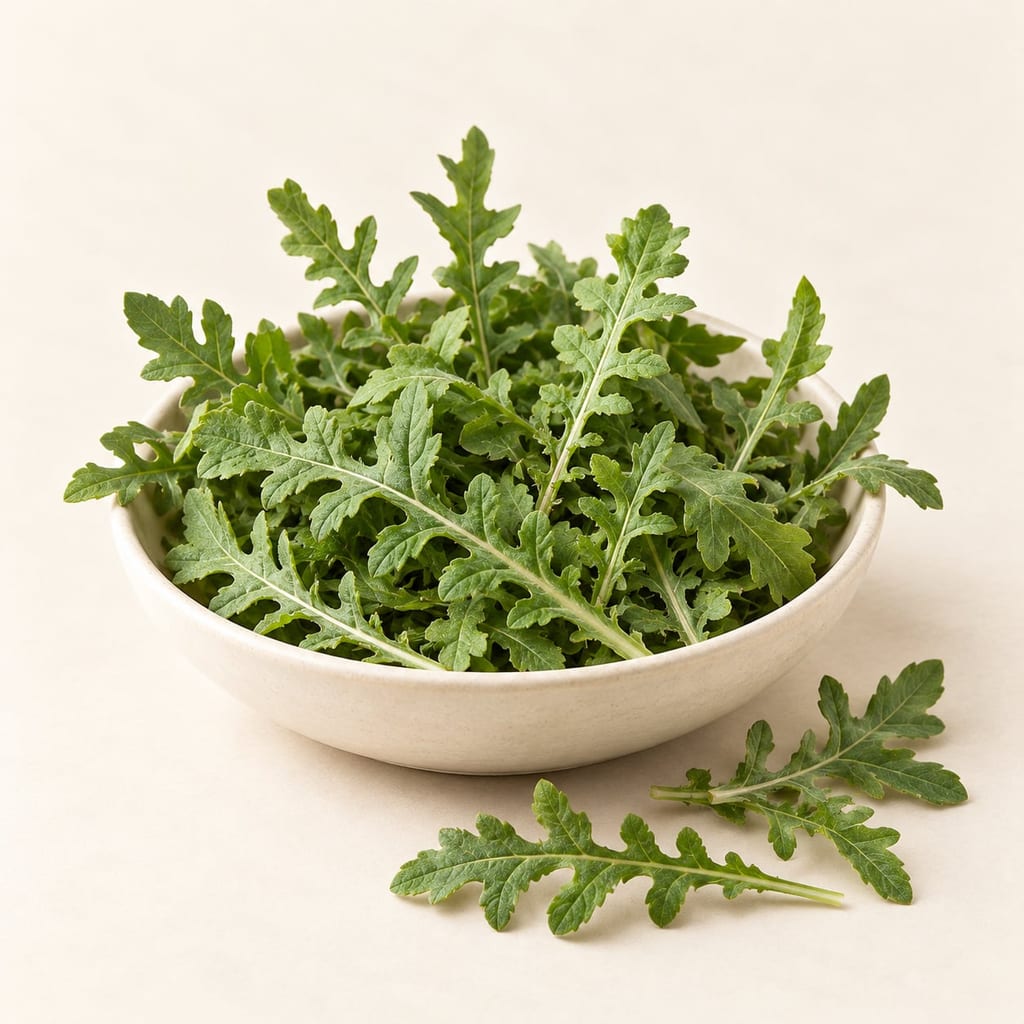
Capsella bursa-pastoris appears in Shanghai botanical notes, Korean 냉이 crop and dish records, a Japanese Seven Herbs custom, and a Dulong wild-edible comparison. These sources describe different regional contexts and do not supply a complete household pickle method or identification guide.
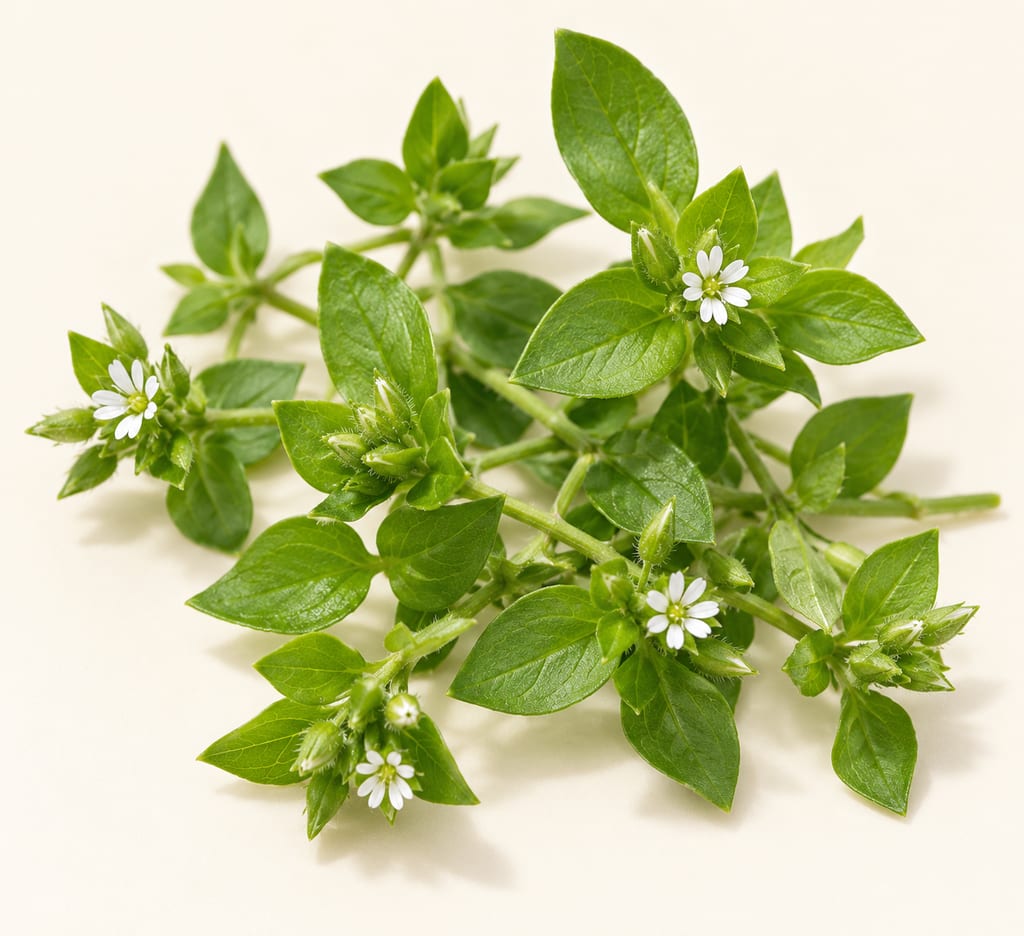
Common chickweed (Stellaria media) is a cool-season garden plant with documented food-use descriptions. UK and US sources describe where it grows and how it spreads, but do not establish a managed food-crop system or a complete recipe.
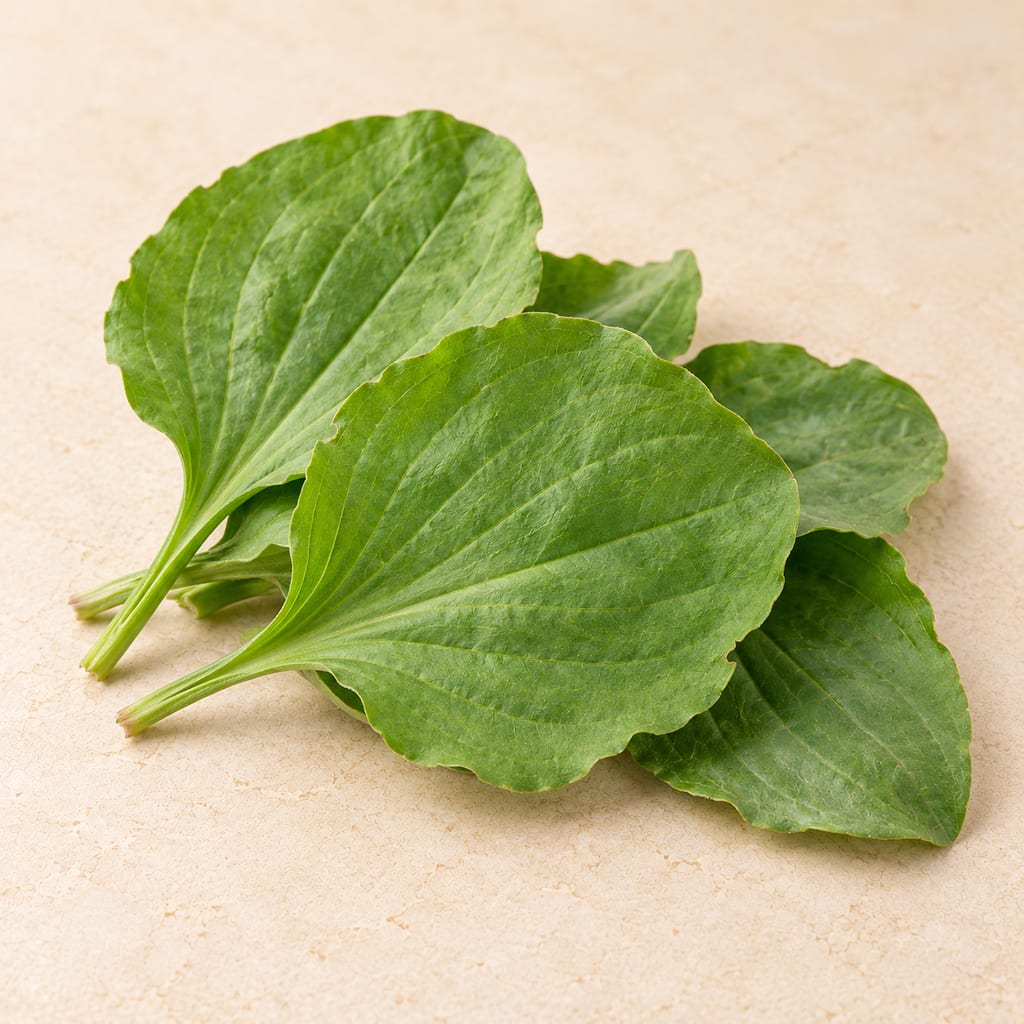
Plantago asiatica has a local Chinese food-use record and Japanese cultivation guidance whose medicinal-crop purpose limits how it can be applied to food growing.
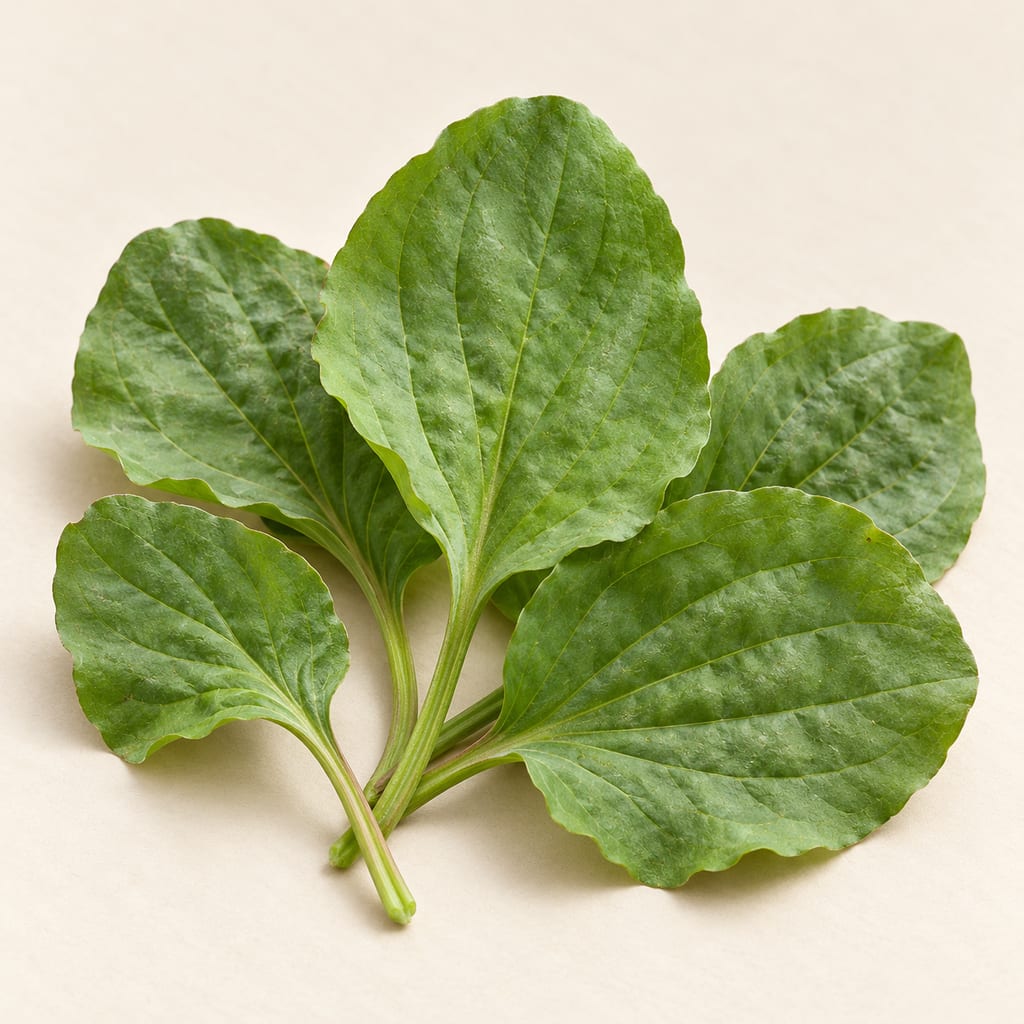
Plantago major is distinct from P. asiatica and other plantains in the food records reviewed here. Dulong survey material, Japanese food notes and horticultural sources describe different parts and settings, but do not establish a complete recipe or a safe wild-harvest method.
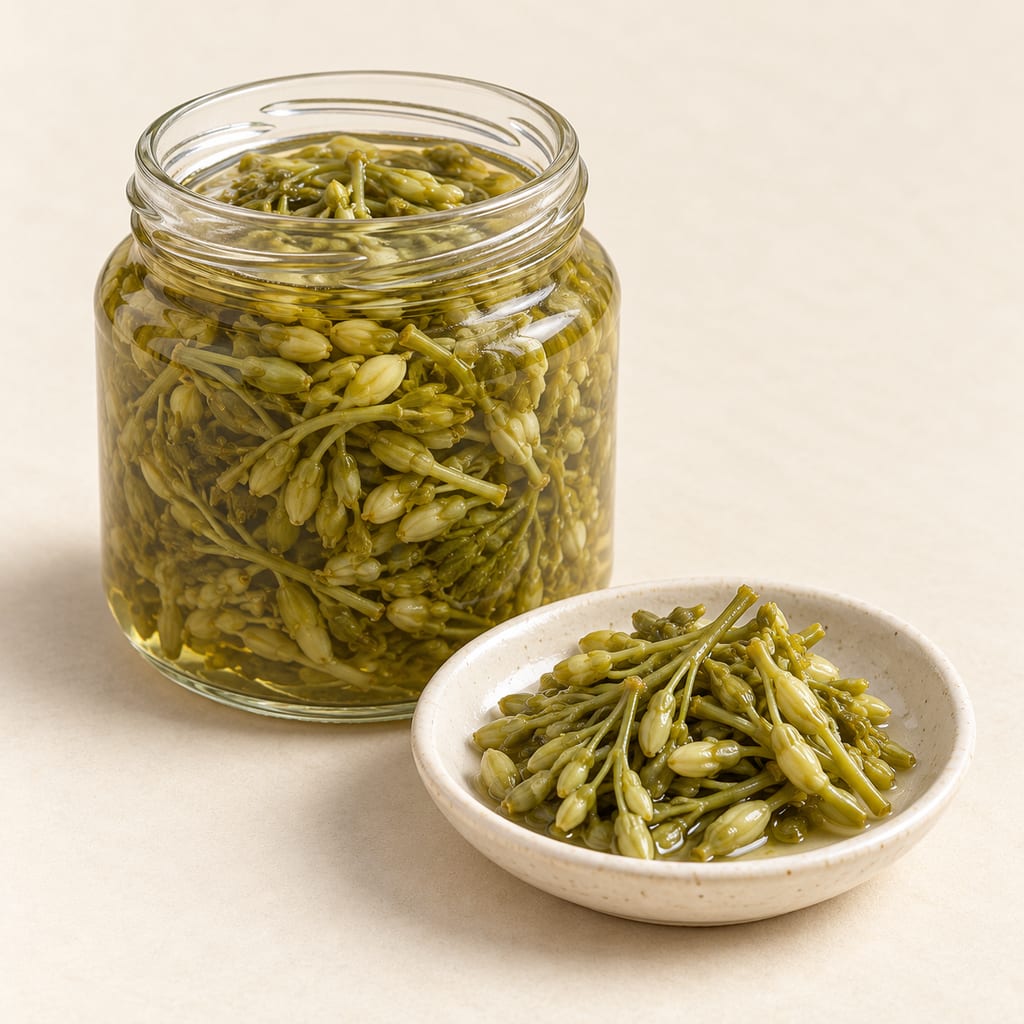
Georgian sources describe jonjoli as a flower-bud food associated with more than one Staphylea species. A 2021 figure caption names S. pinnata for the pictured preparation, while the study’s food table and the FAO profile preserve paired or shared-species evidence.
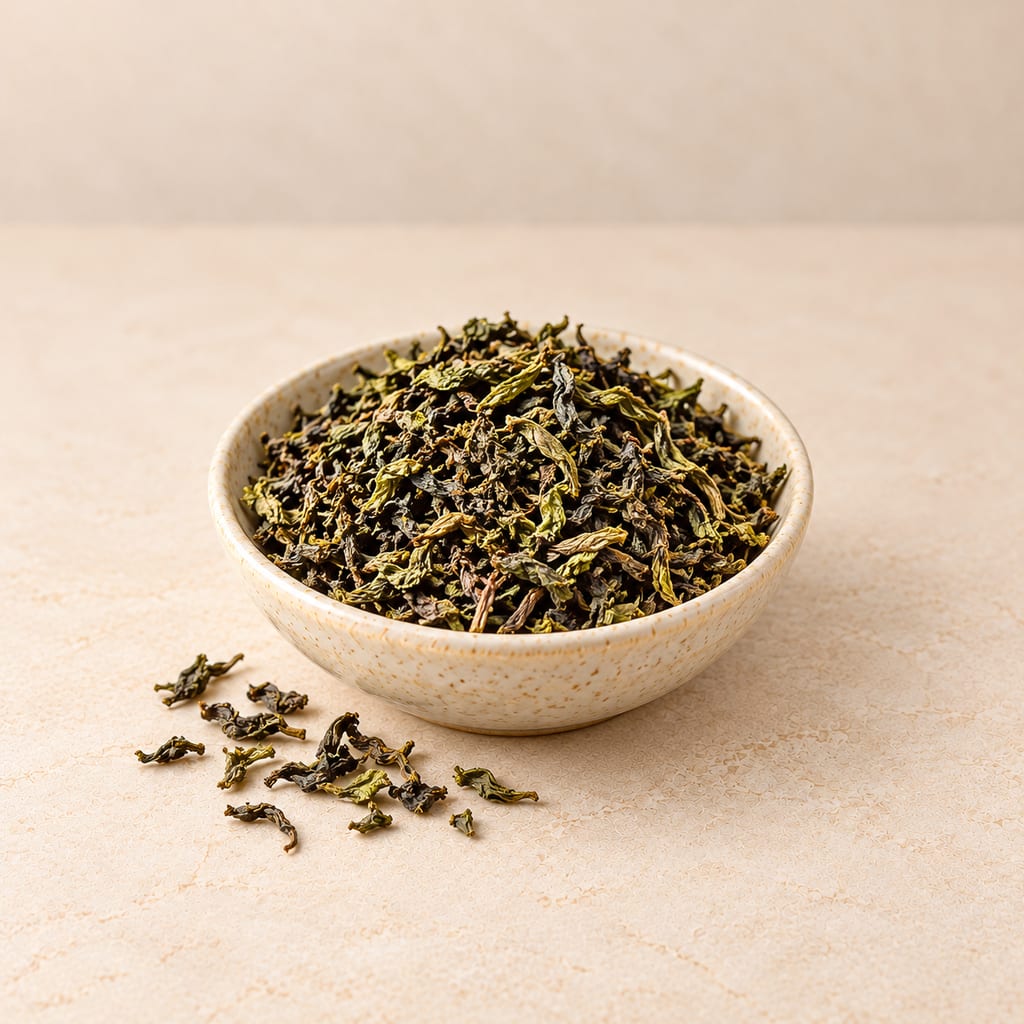
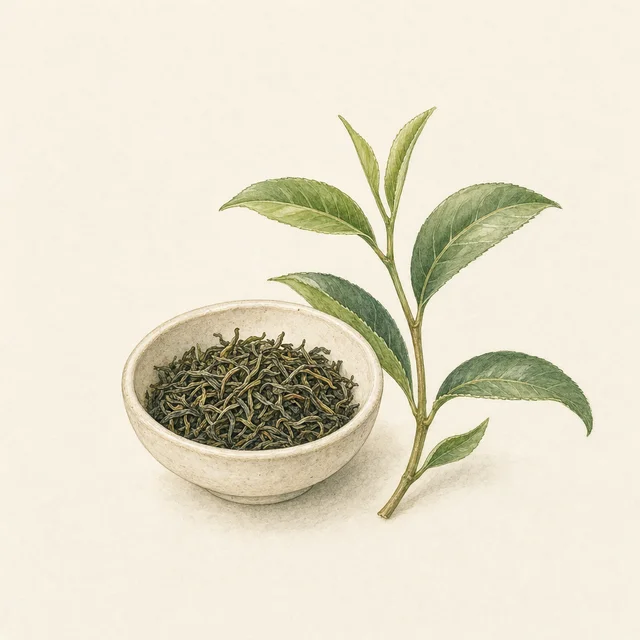
Tea is the processed leaf of Camellia sinensis, an evergreen shrub from the borderlands of south-western China. Steeped and sweetened, it is the base of kombucha and jun.