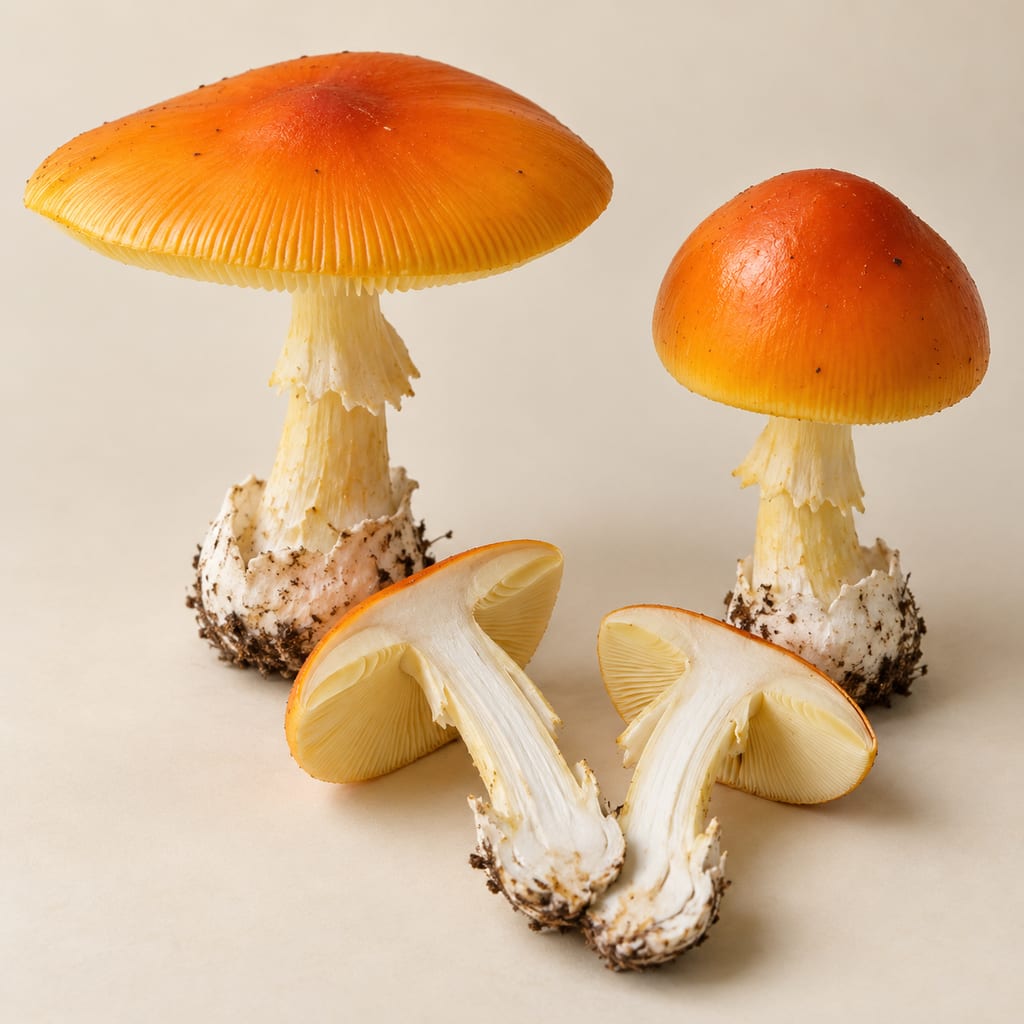


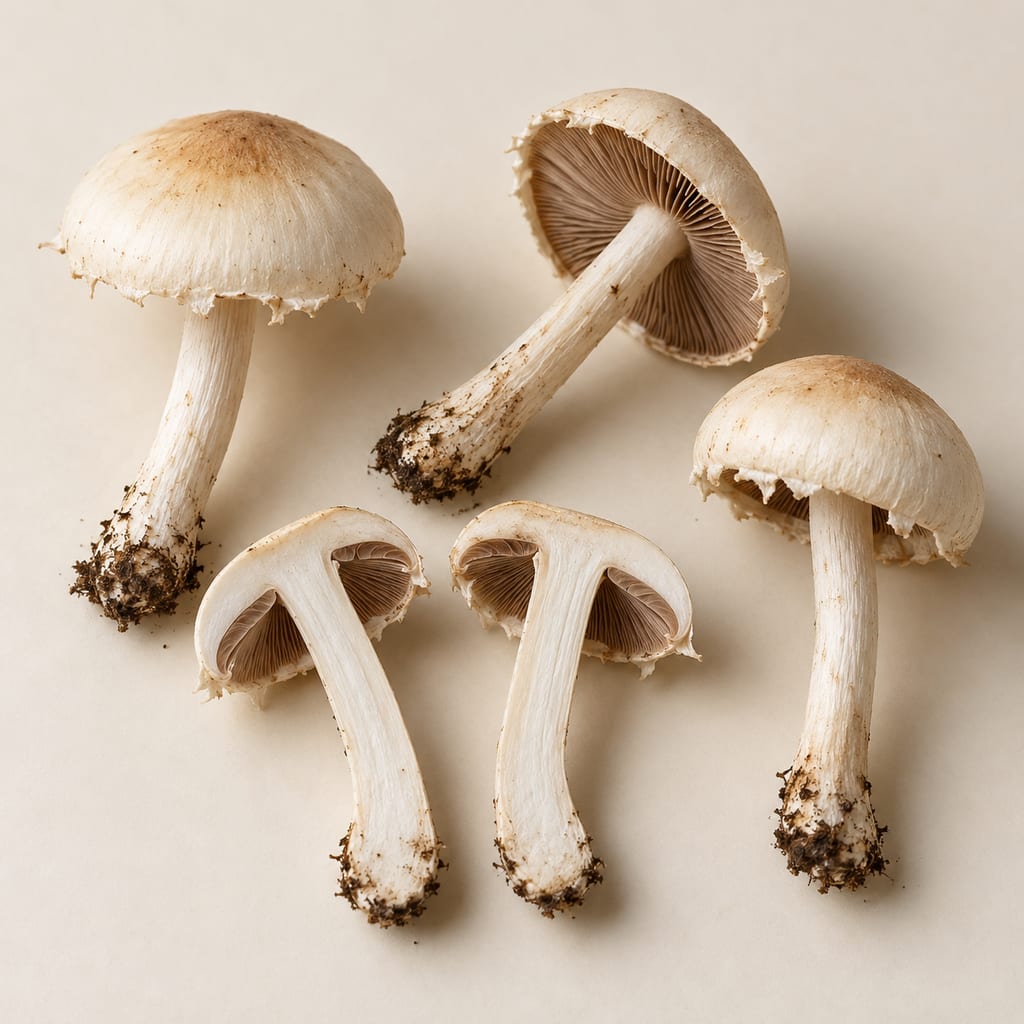
Agrocybe dura
A grassland agaric listed as edible in historical and scientific catalogues for Hong Kong and China. Taxonomic concepts and practical food value vary; the listings do not establish safe identification or culinary practice.
 FermenteaWhere food goes to change
1086 articles on substrates, cultures and additives.
A grassland agaric listed as edible in historical and scientific catalogues for Hong Kong and China. Taxonomic concepts and practical food value vary; the listings do not establish safe identification or culinary practice.
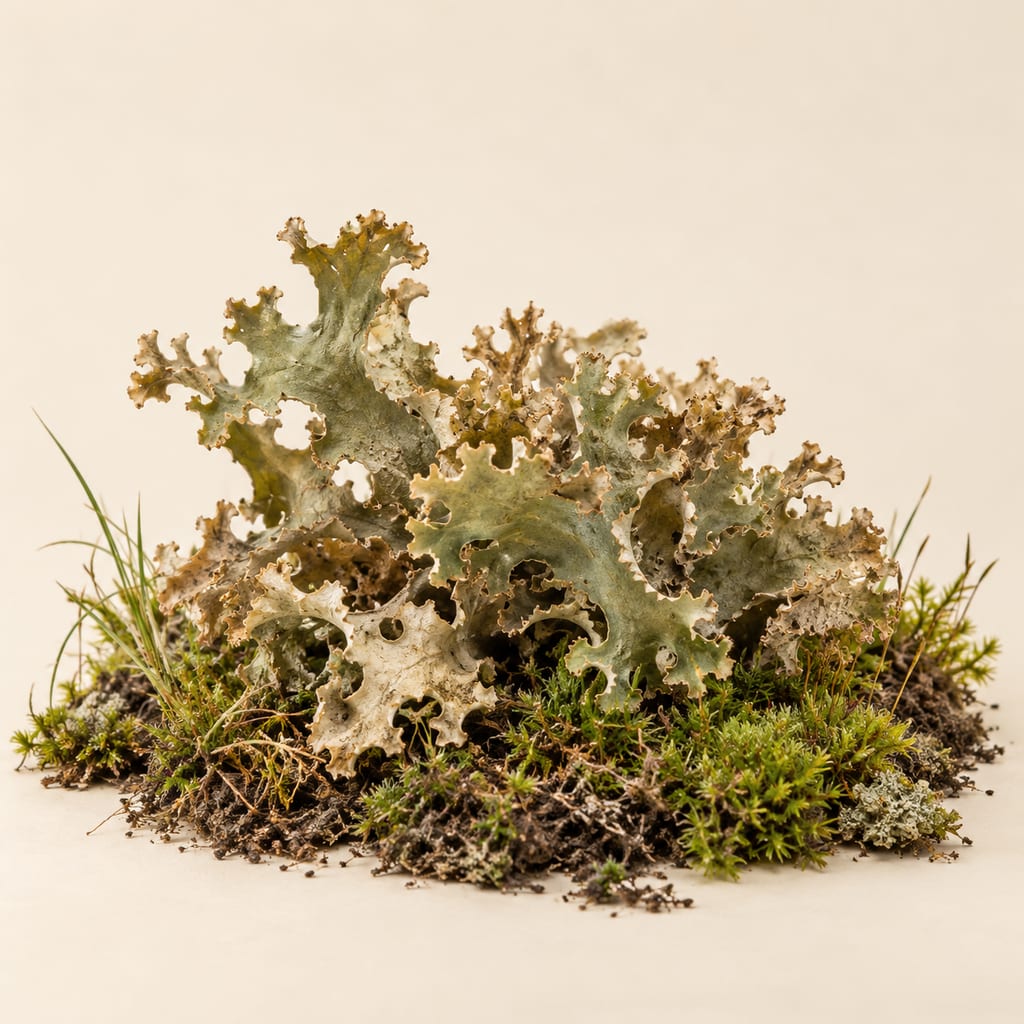
Iceland moss, Cetraria islandica, is an Arctic-alpine lichen, not a moss or a mushroom. It was boiled to remove its bitterness and used in breads, porridges and soups, and now survives mainly in folk remedies.
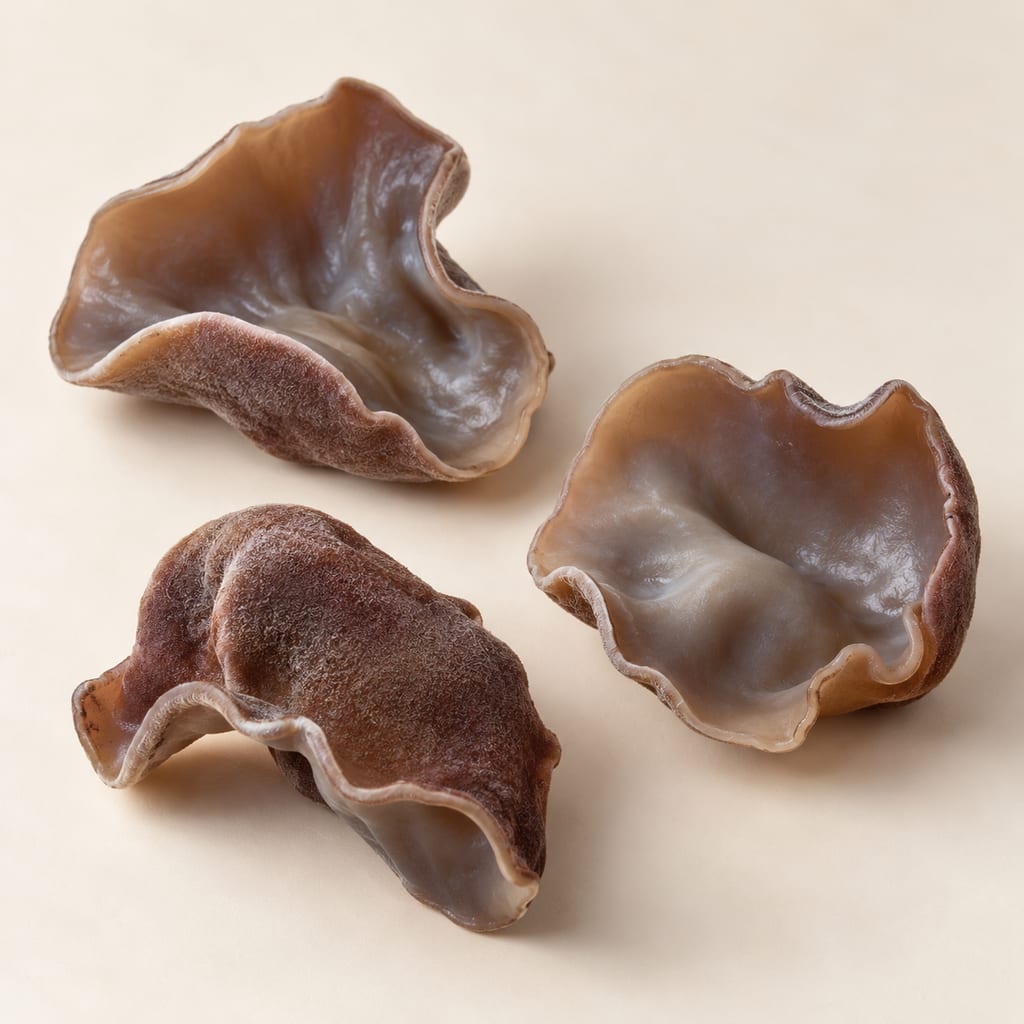
Auricularia cornea, a gelatinous wood-decay fungus recorded as food in the Congo and Asia, and cultivated and sold dried in China. It is mild in taste, and its name has been confused with Auricularia polytricha.
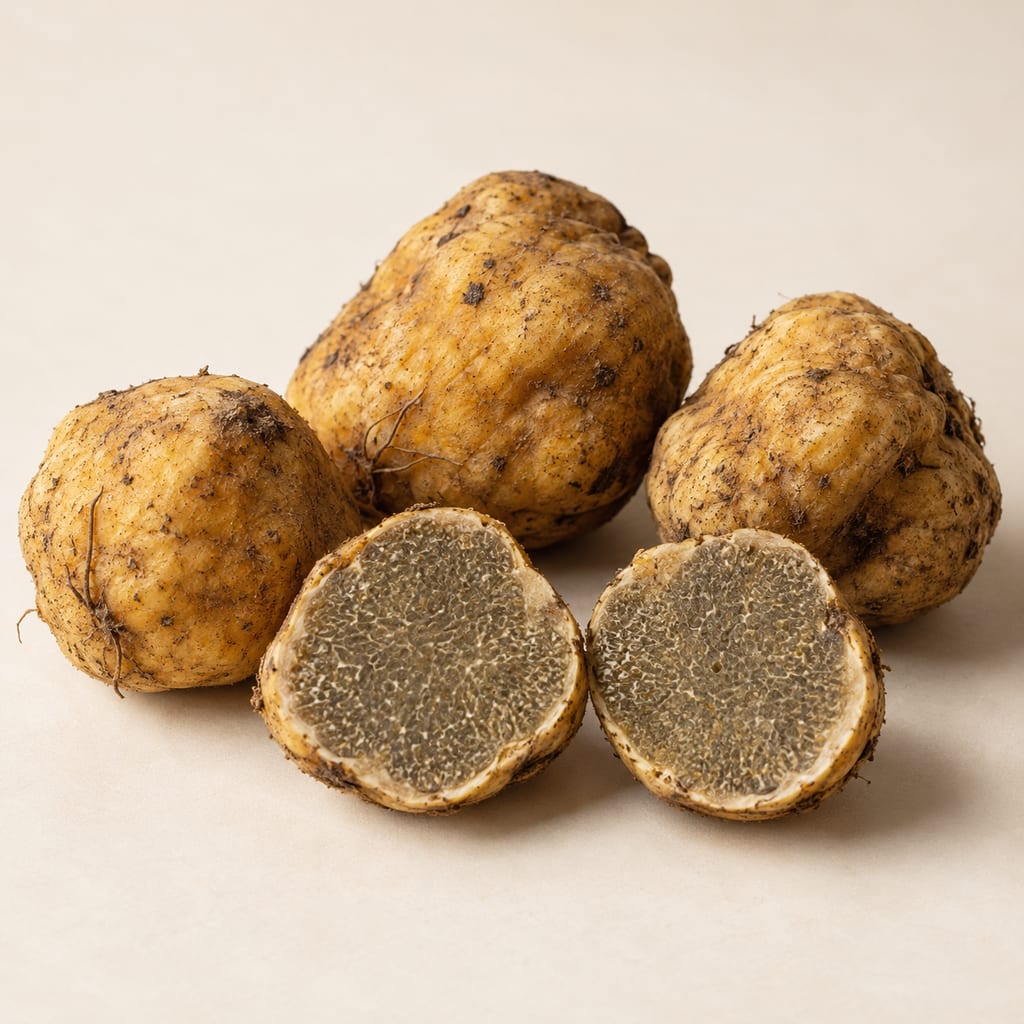
Rhizopogon luteolus, a pine-associated false truffle of Europe and introduced pine regions. Its food use is disputed, its immature stage is the one recorded as eaten, and it must not be confused with poisonous earthballs.
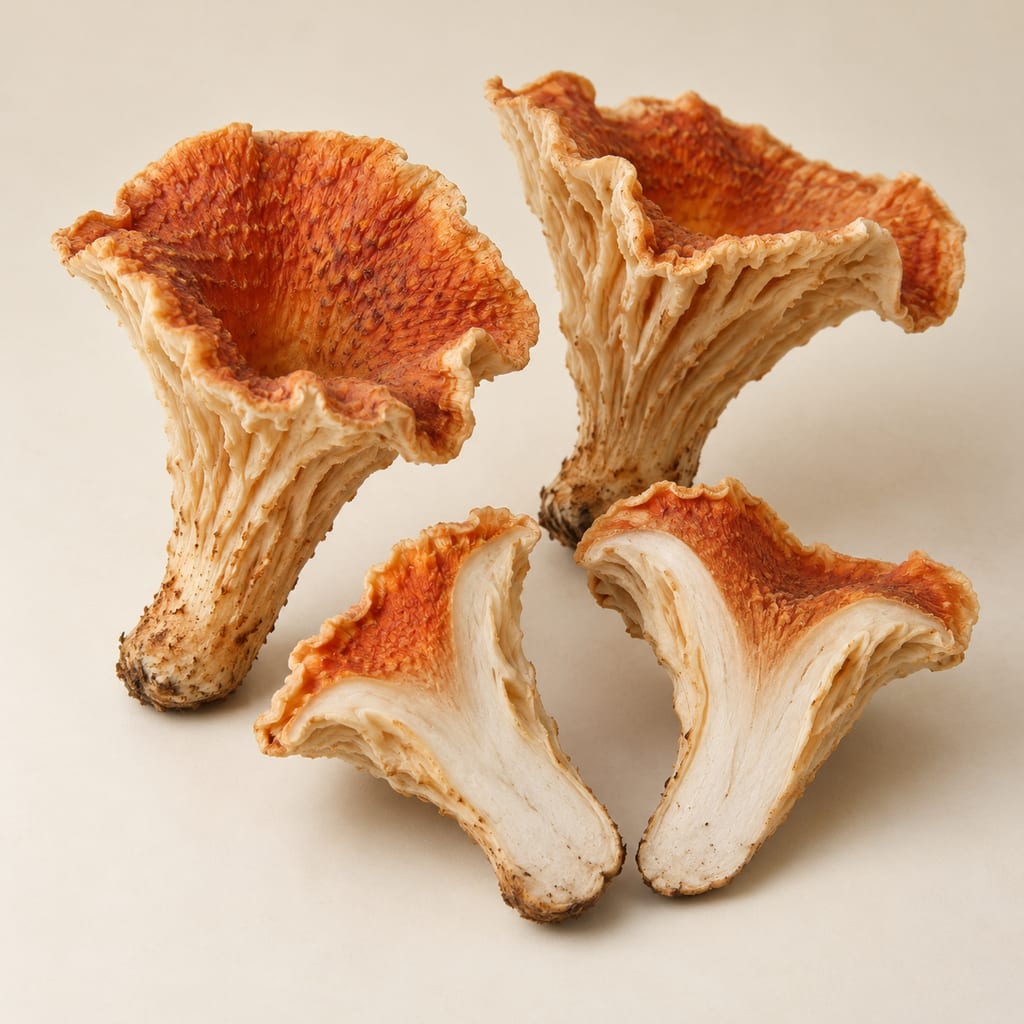
A vase-shaped ectomycorrhizal fungus sold as a scaly chanterelle in Pu'er markets, Yunnan. Its edibility is contested in the sources, and the name may cover populations that differ in toxicity.
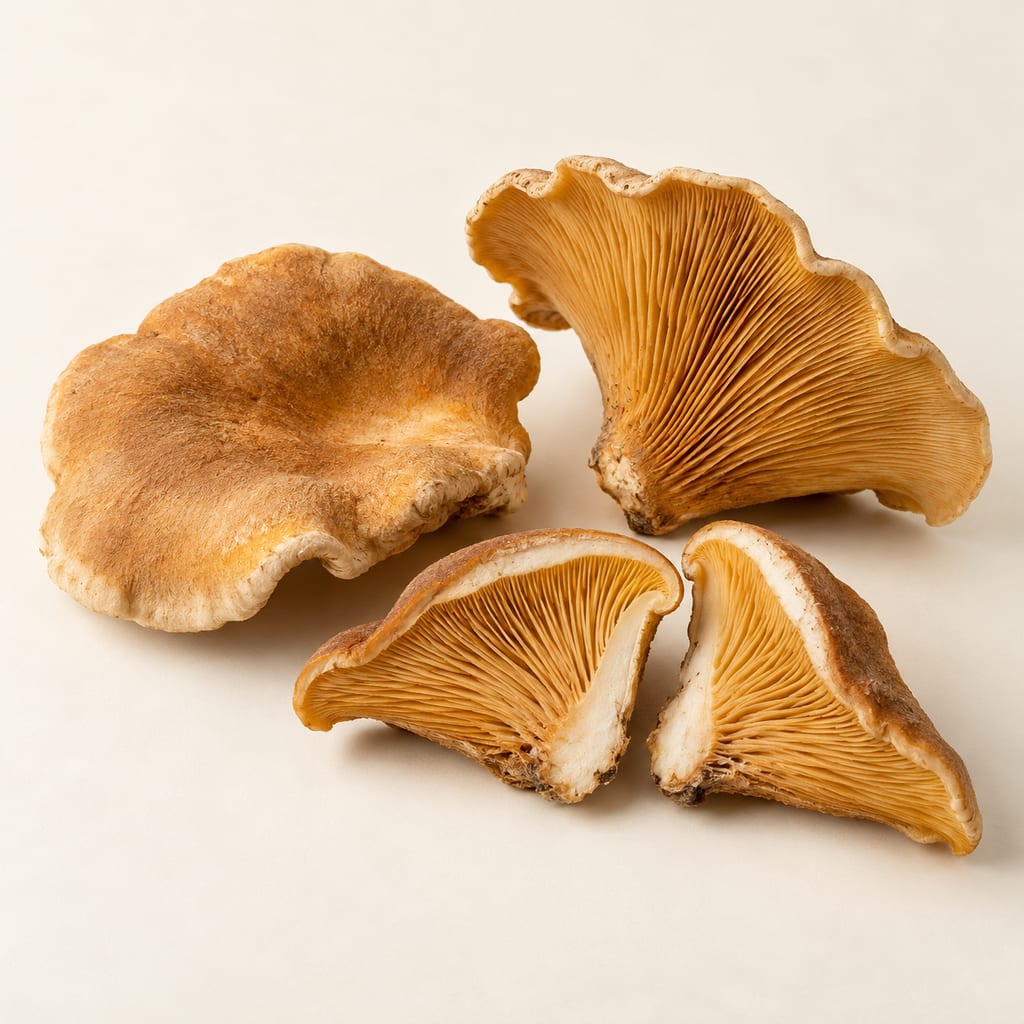
A gilled wood-decay fungus of conifer wood, known as oyster rollrim. One Congolese interview record shows local eating, but other regional references call it inedible, so the food status is in conflict.
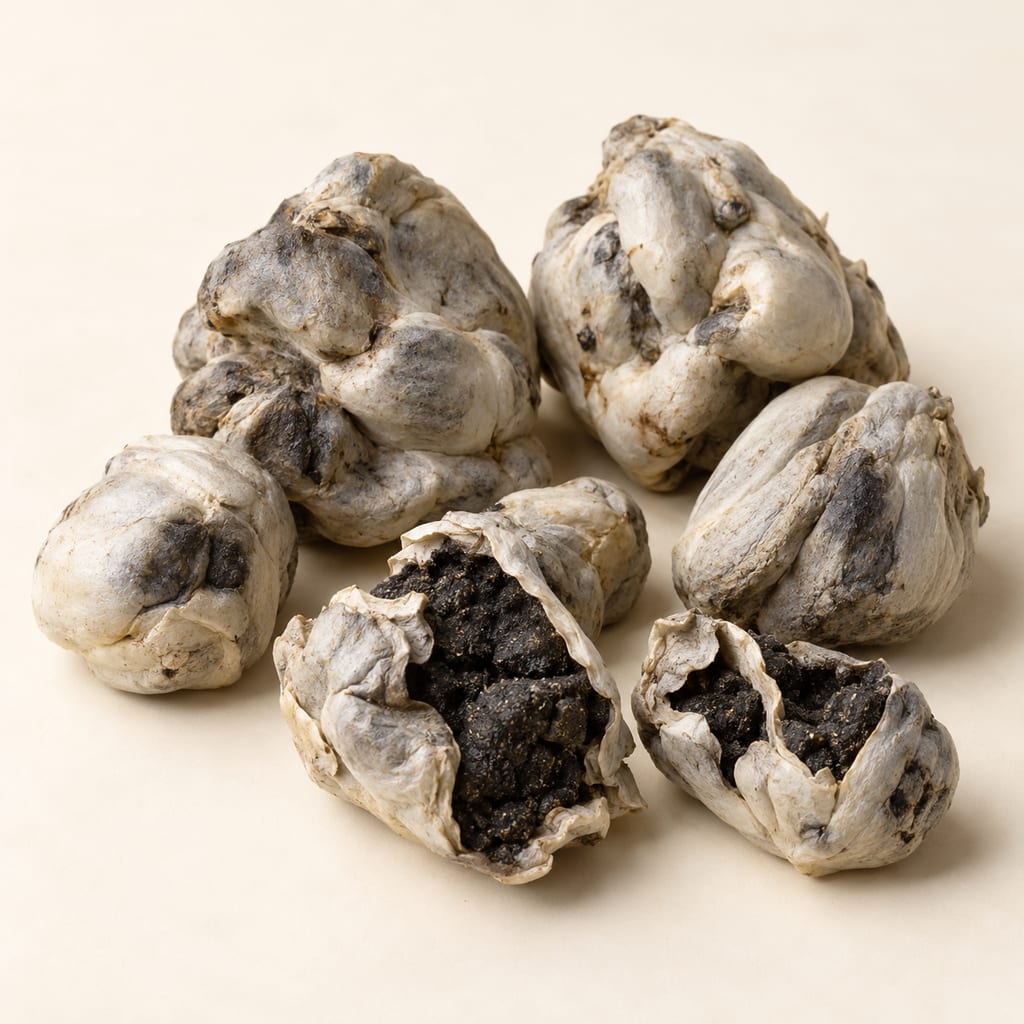
Huitlacoche is the grey gall of the maize smut fungus Ustilago maydis, gathered and eaten in Mexico, where it is also a crop disease.
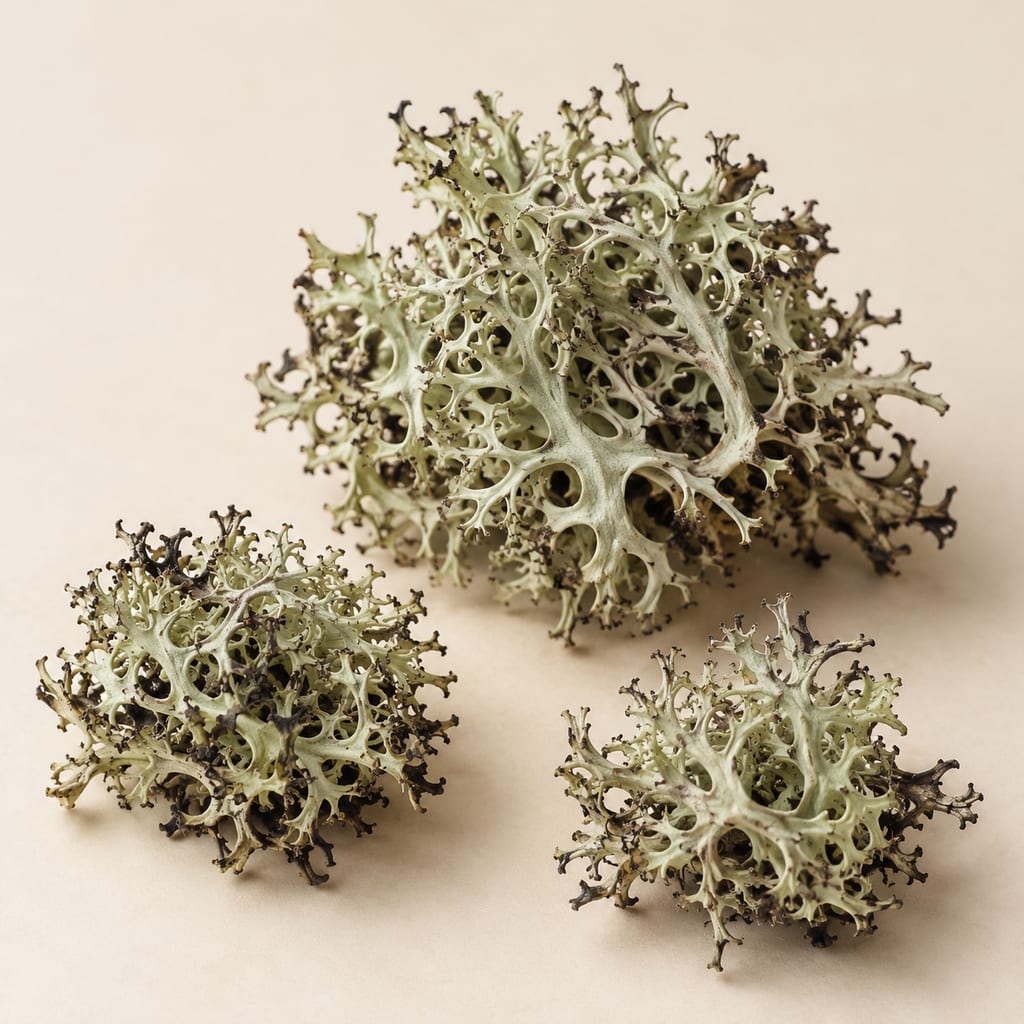
Everniastrum cirrhatum, a tree-dwelling lichen of the Nepal Himalaya, gathered wild and used in soups, pickles and sausages by the Limbu and Rai communities of the north-east hills.
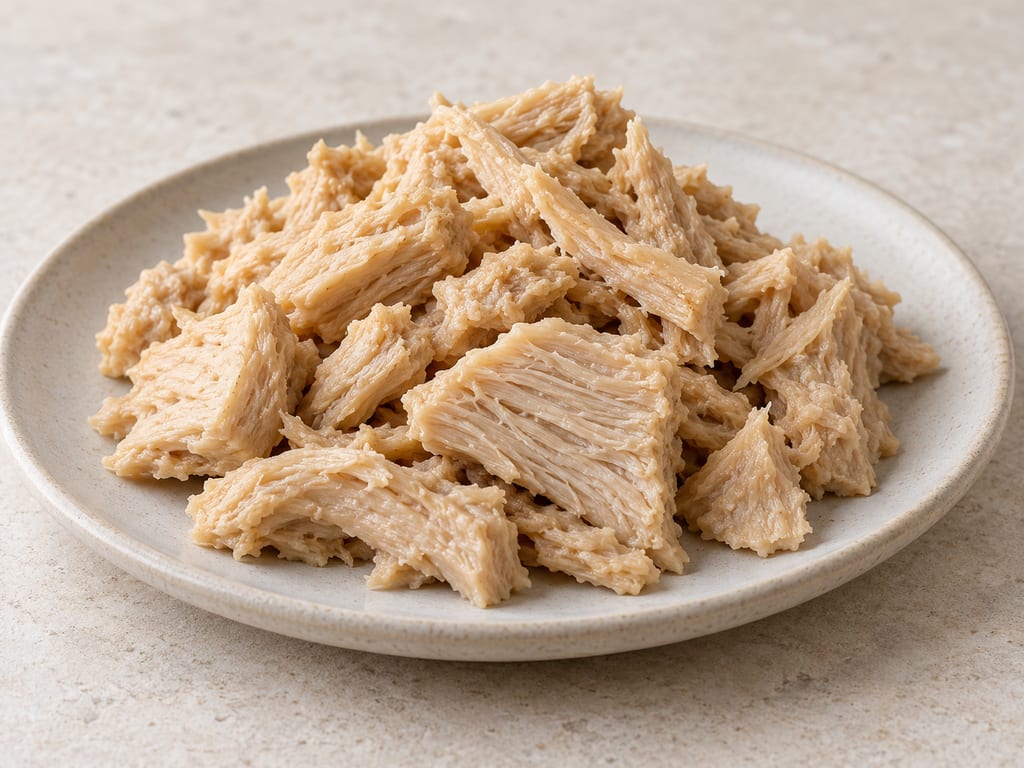
Fusarium venenatum is the filamentous fungus grown in large fermenters to make mycoprotein, the edible mycelium behind Quorn, using glucose as feedstock in a continuous process.
A miombo-woodland chanterelle described from Tanzania and called Wipatwe in the Southern Highlands. Food classifications conflict, including within a 2015 community study.