








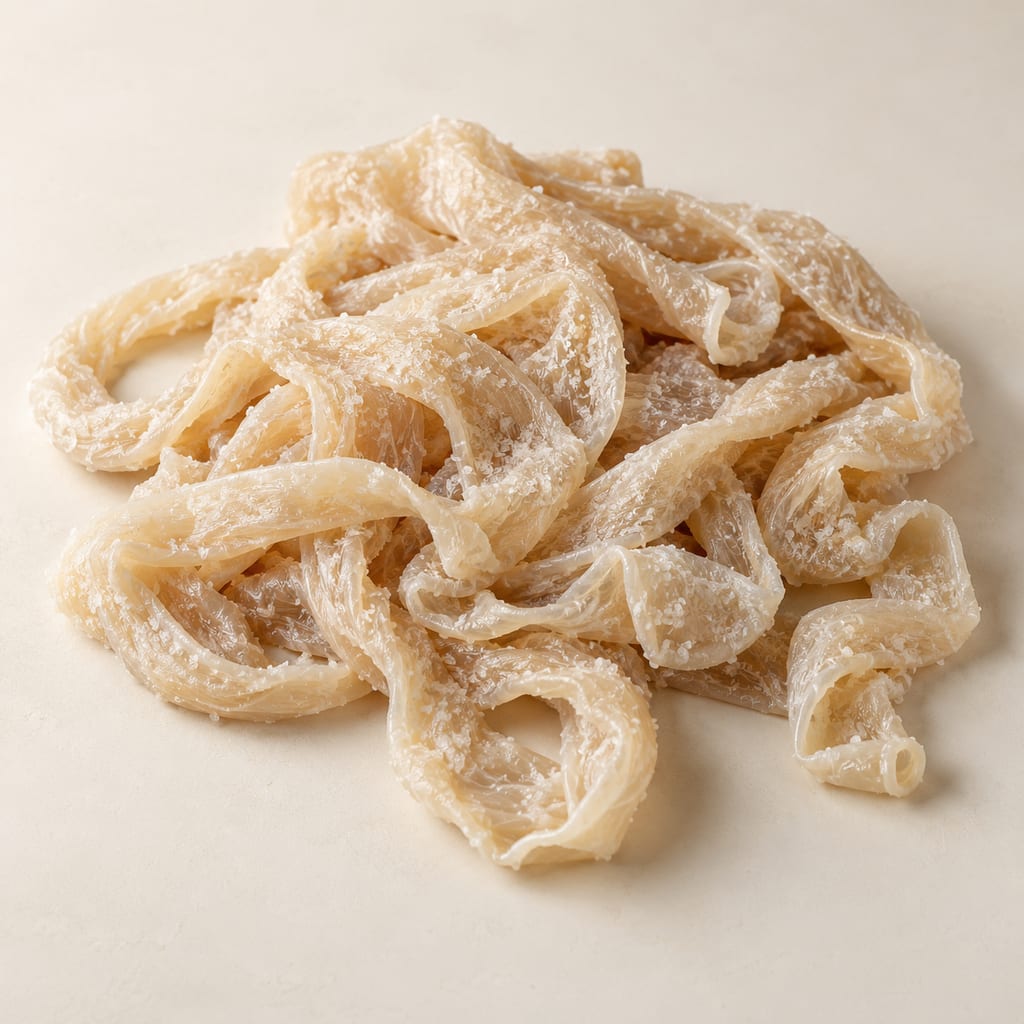
Natural casings
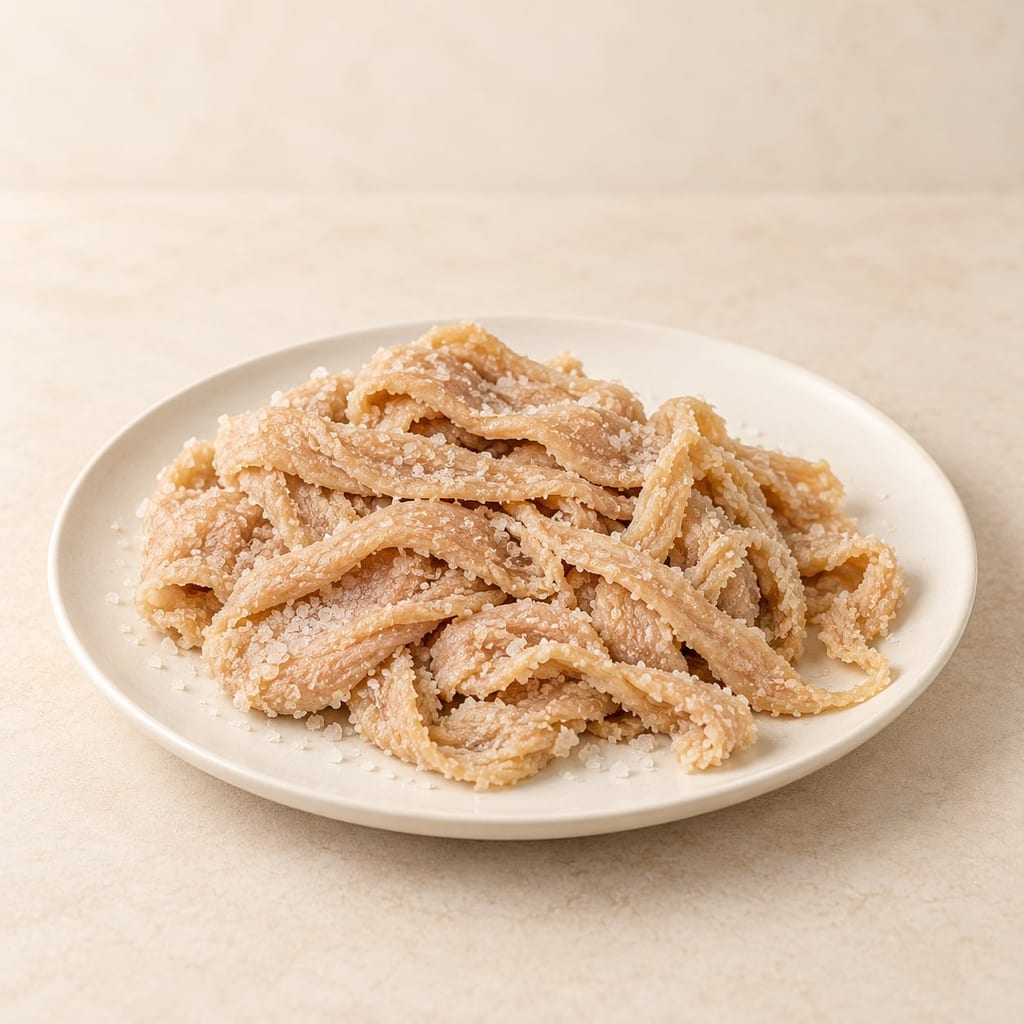
Natural casings are cleaned animal guts, stomachs, bladders and skins used to hold sausage and pudding fillings; the organ, animal and diameter decide the food's shape and drying.
 FermenteaWhere food goes to change
1086 articles on substrates, cultures and additives.
Natural casings are cleaned animal guts, stomachs, bladders and skins used to hold sausage and pudding fillings; the organ, animal and diameter decide the food's shape and drying.
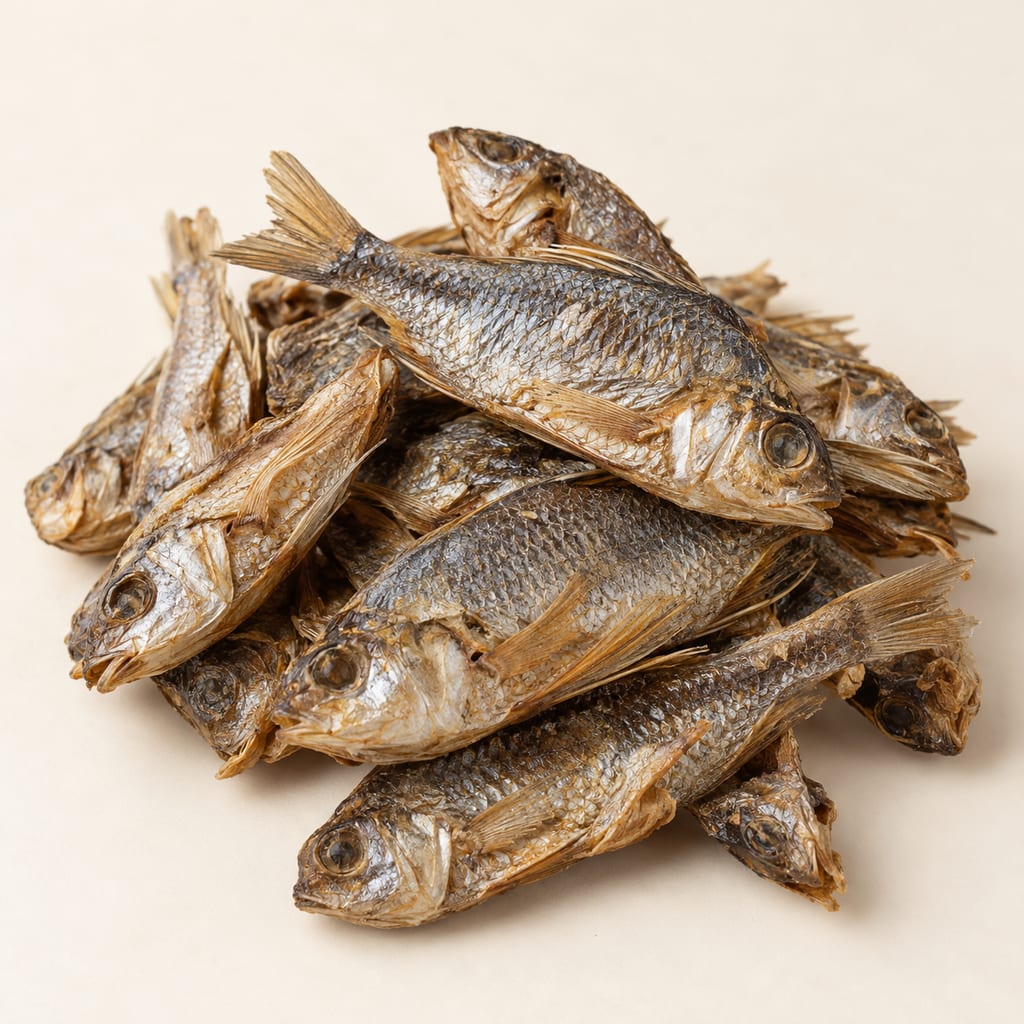
Ndunduma is the Malawian name for small deep-water cichlids of the genus Diplotaxodon, caught in Lake Malawi and dried with usipa and utaka. The species in a given lot is often not recorded.
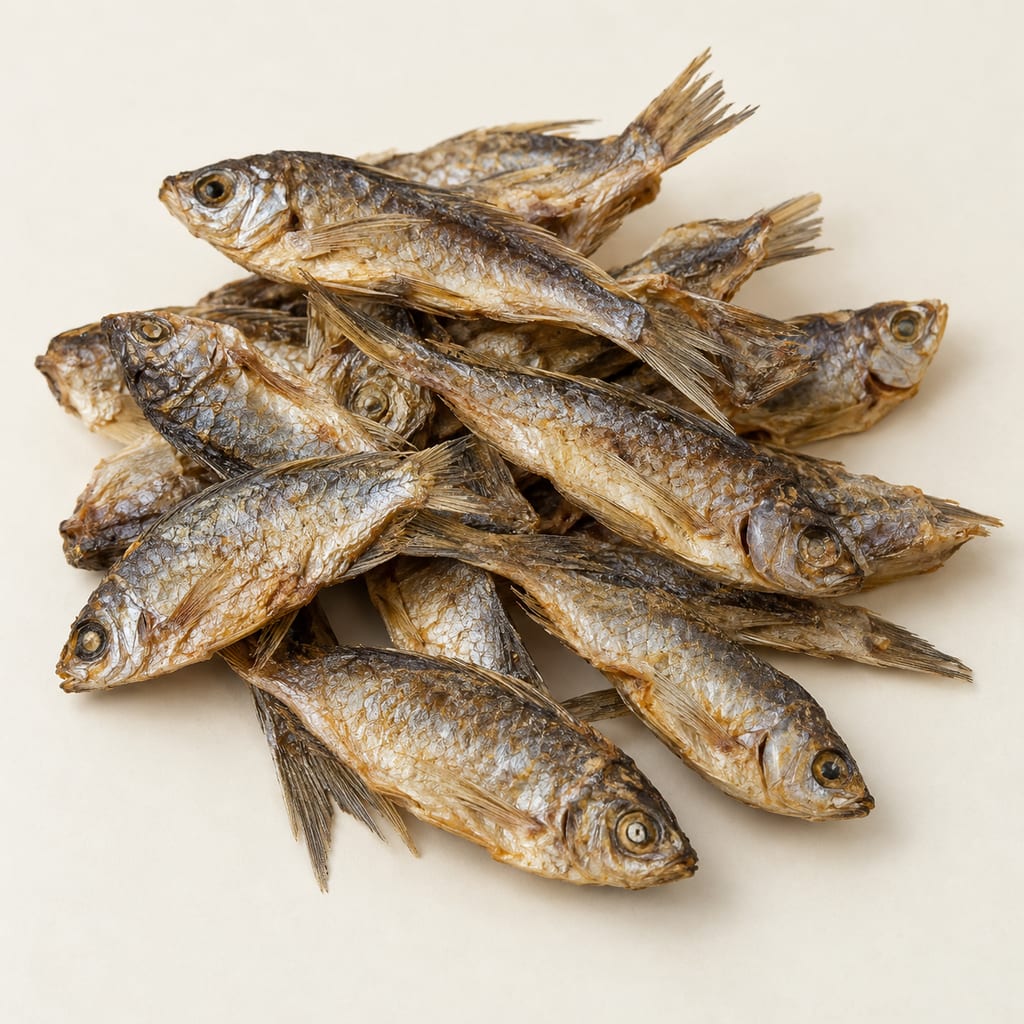
Utaka is a small cichlid of Lake Malawi, from the genus Copadichromis, sold dried in Malawi. It is one of the small fish that solar tents were tested on alongside usipa and ndunduma.
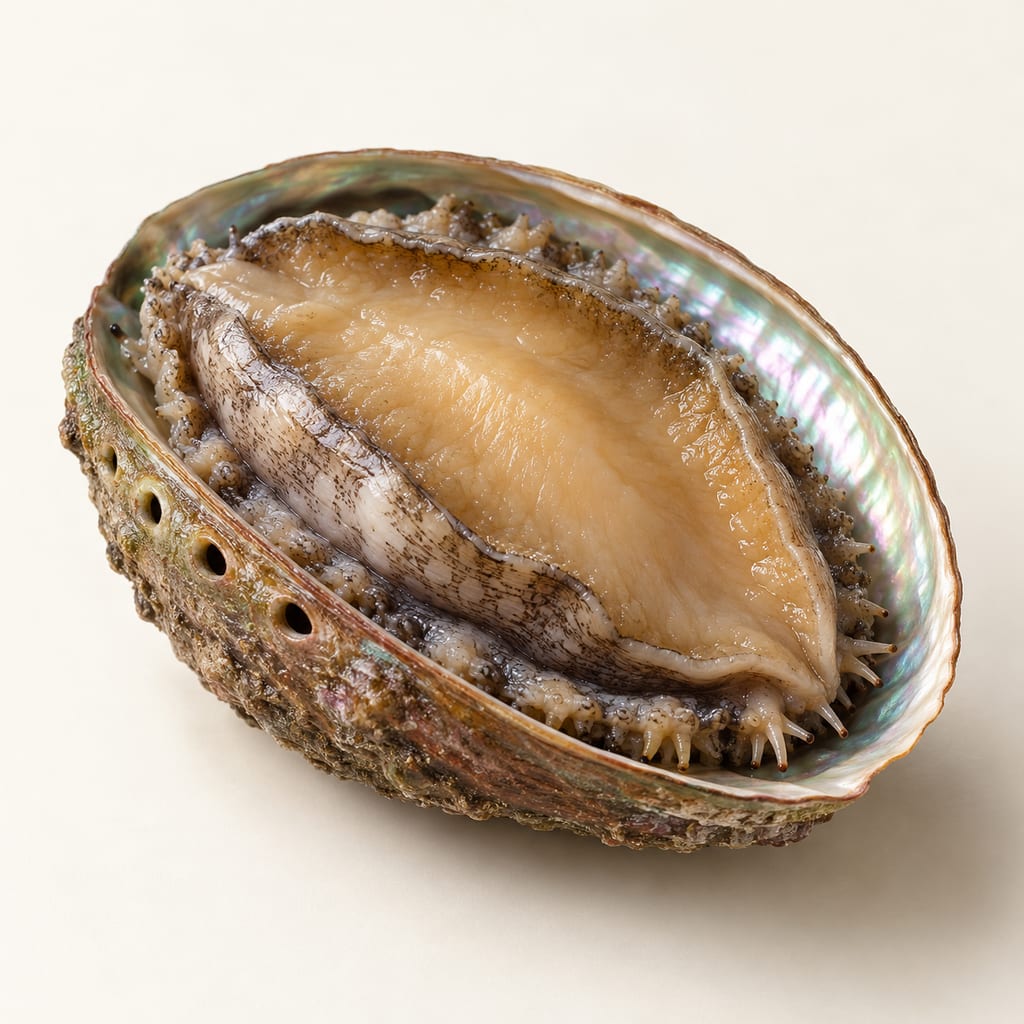
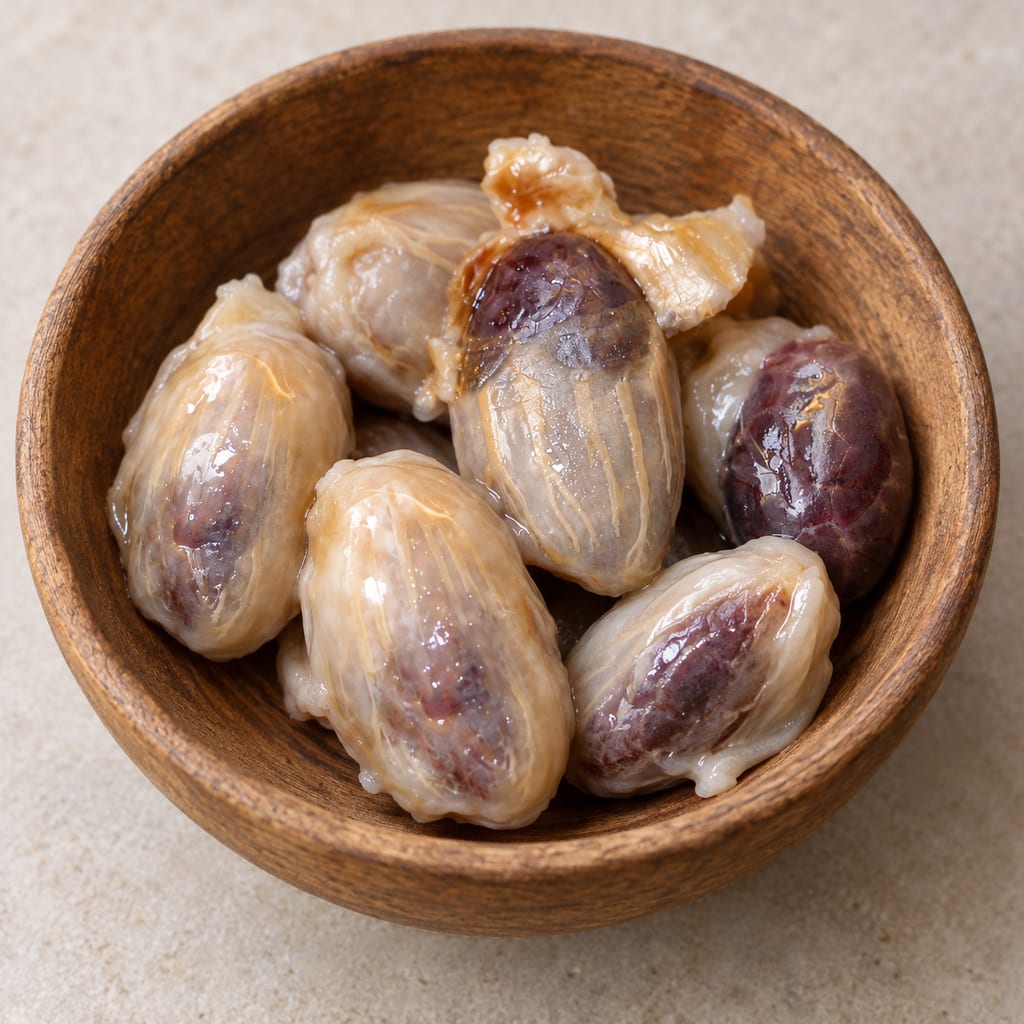
Abalone are marine snails valued for their broad muscular foot and distinctive shell. They are eaten fresh or dried and appear in documented Korean dishes and preserved seafood traditions.
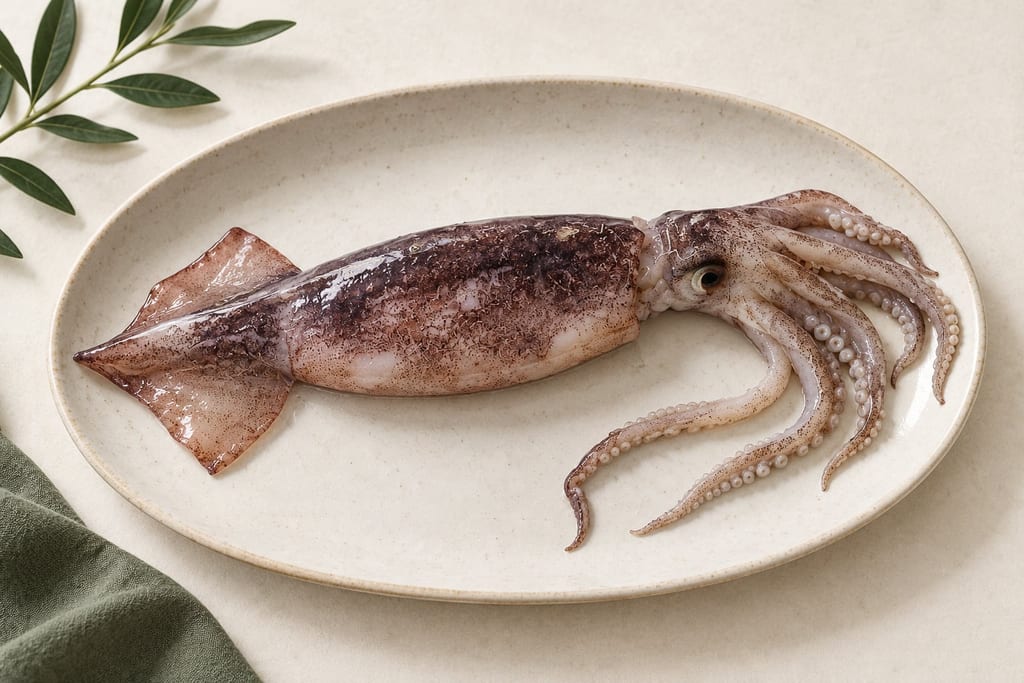
Squid is a cephalopod used fresh, dried and in salted seafood ferments such as Japanese shiokara. Its body, viscera and ink appear in distinct regional preparations, so the name alone does not specify a species or process.
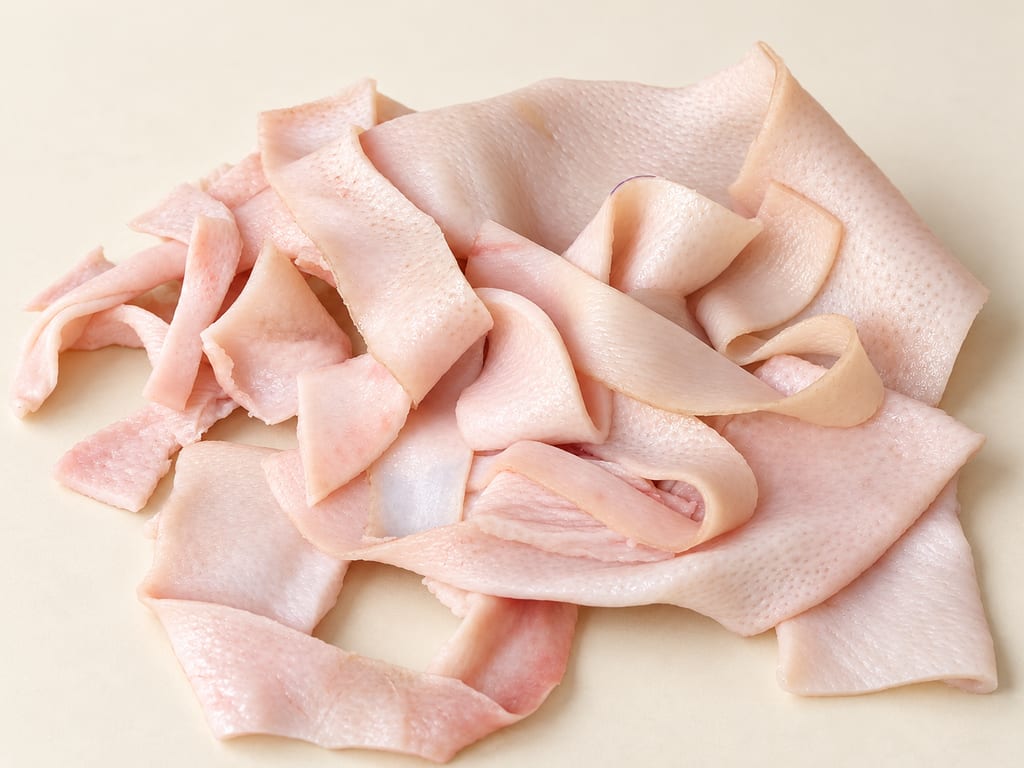
Pork skin is collagen-rich pig skin used fresh or cooked; in documented Southeast Asian meat ferments it is usually prepared separately before it joins the pork.
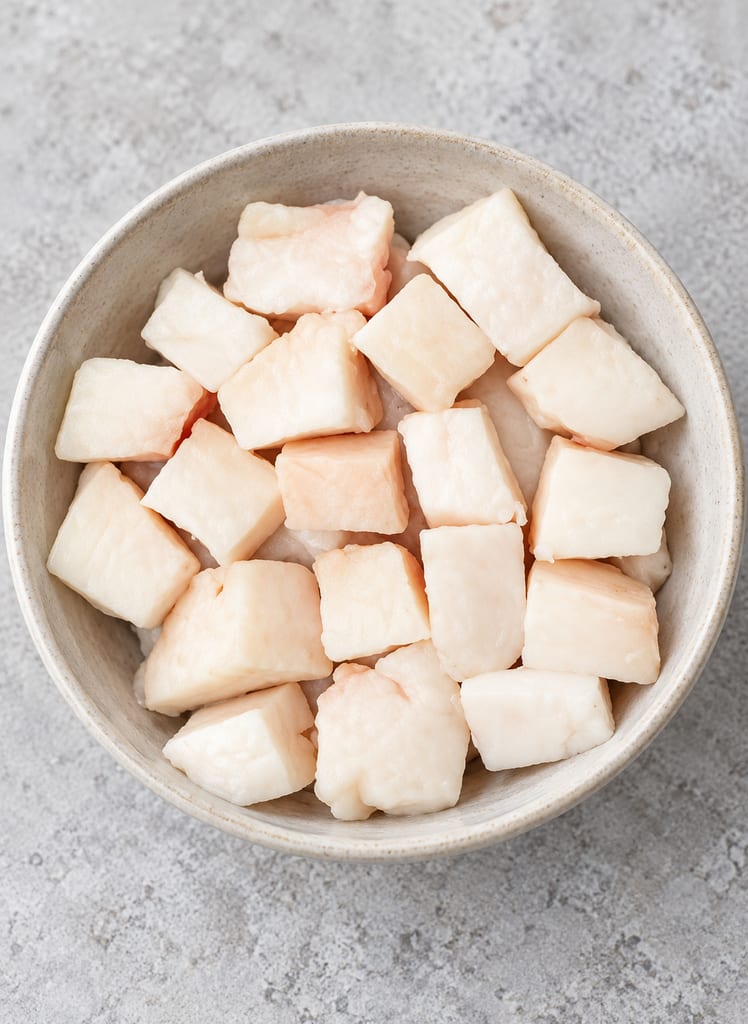
Pig adipose tissue used raw in some fermented meats and made into distinct products such as cured lardo, salo and rendered lard. Cut and firmness affect processing.
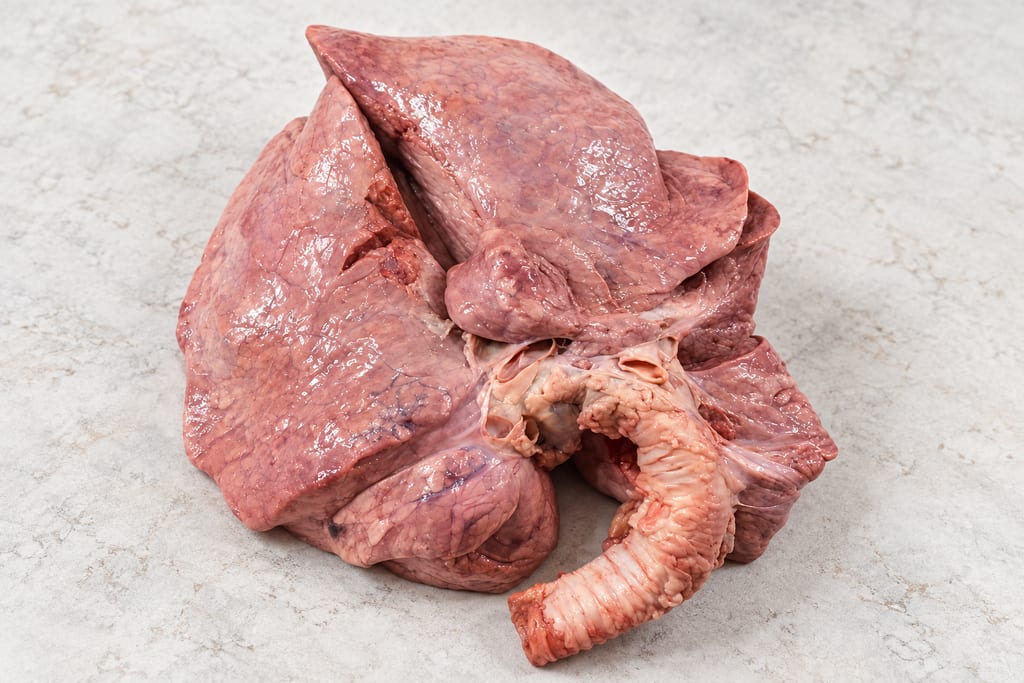
Beef lung is cattle offal used in regional Indonesian dishes and studied as a substrate for a modern fermented-sauce proof of concept. Culinary, regulatory and experimental uses vary; the sources support no universal process.
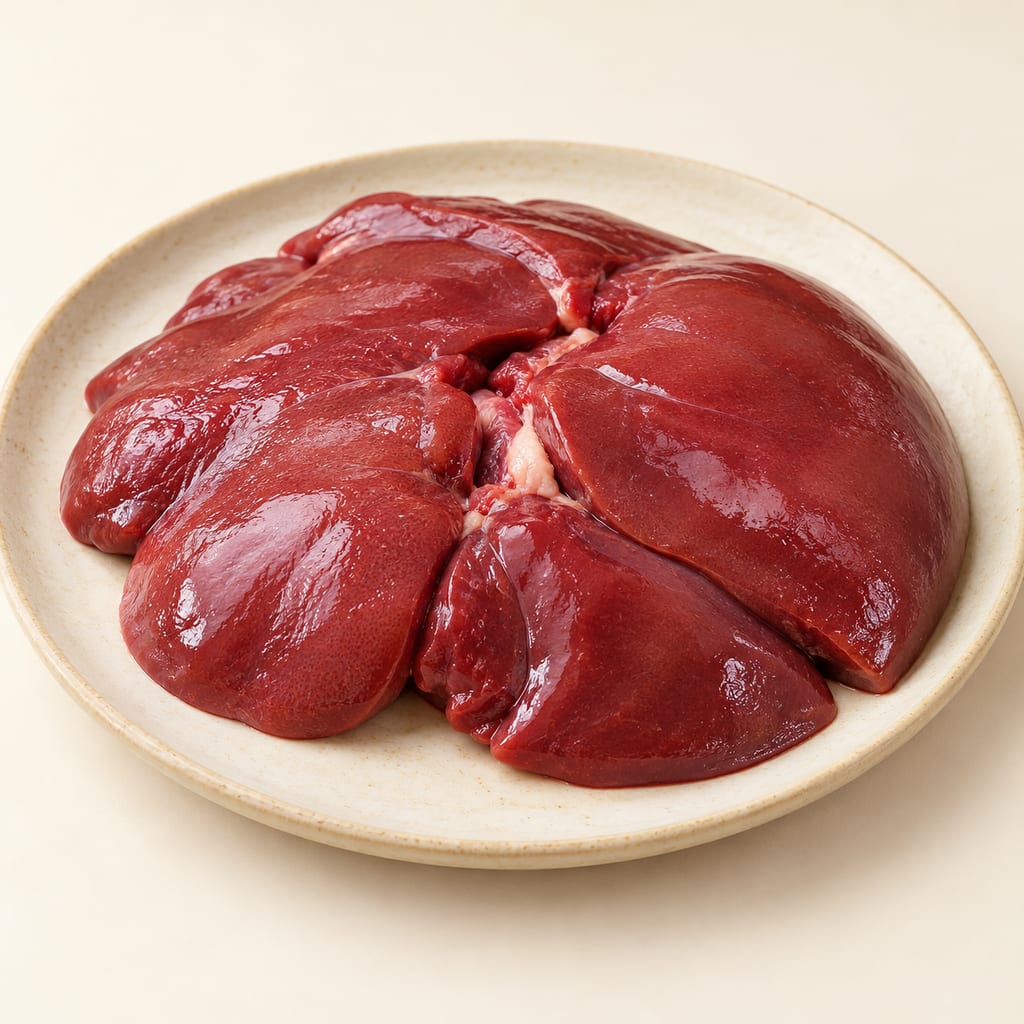
Pork liver is a richly flavoured pig organ used fresh, in cooked sausages and pâtés, and in several preserved meat traditions. Its documented uses differ in process and place; it is not one finished product.
A cleaned pig caecum forms the broad, closed-end casing used for Slavonski kulen and Baranjski kulen. Its shape, preparation and regional names differ from other pig intestines.
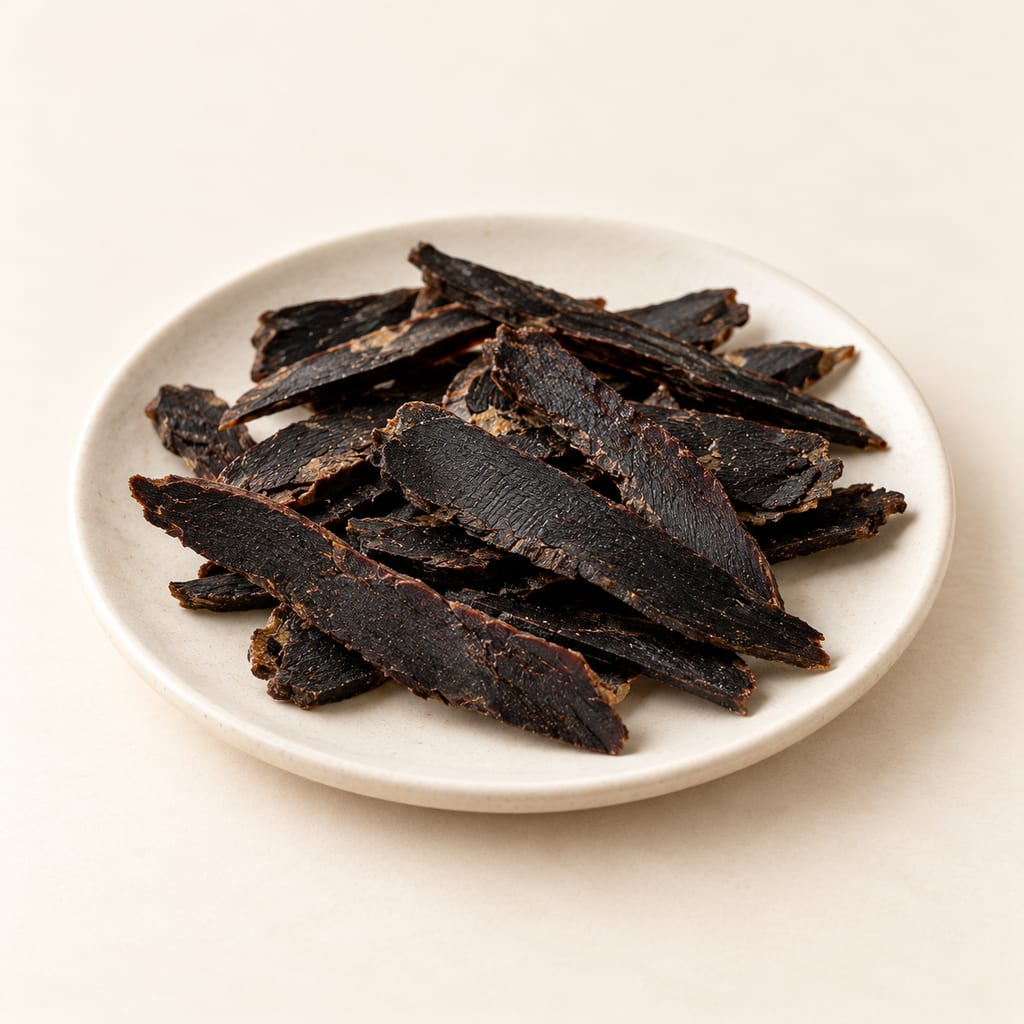
Long-finned pilot-whale meat, called Faroese tvøst, is eaten fresh and preserved in the Faroe Islands. Historical accounts place it among the meats hung to dry and pass through the ræst stage, distinct from blubber and other whale foods.
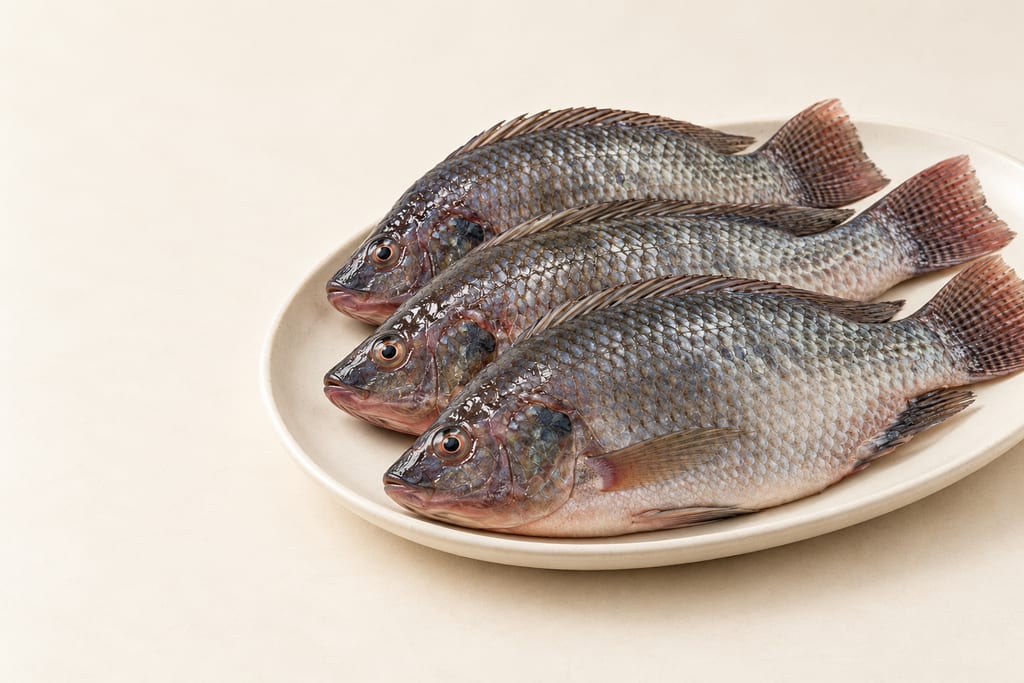
Tilapia is a common market name for several African freshwater cichlids, not one species. It is eaten fresh, farmed and preserved in distinct regional forms, including Ghanaian koobi and Botswana salt-dried fish.
Reindeer meat is the flesh of Rangifer tarandus, used fresh and preserved across northern foodways; animal populations, cuts, and regional practices differ, and no single culinary origin is established.

Animal blood is a perishable food material used fresh, coagulated, cooked, dried or processed into ingredients. Its uses range from grain-filled puddings to functional protein ingredients, each with distinct history and handling needs.
Seal meat is the flesh of hunted seals, eaten fresh, frozen, boiled, dried and, in distinct preparations, aged or fermented. Species and community practices vary; the name describes neither one recipe nor one place of origin.
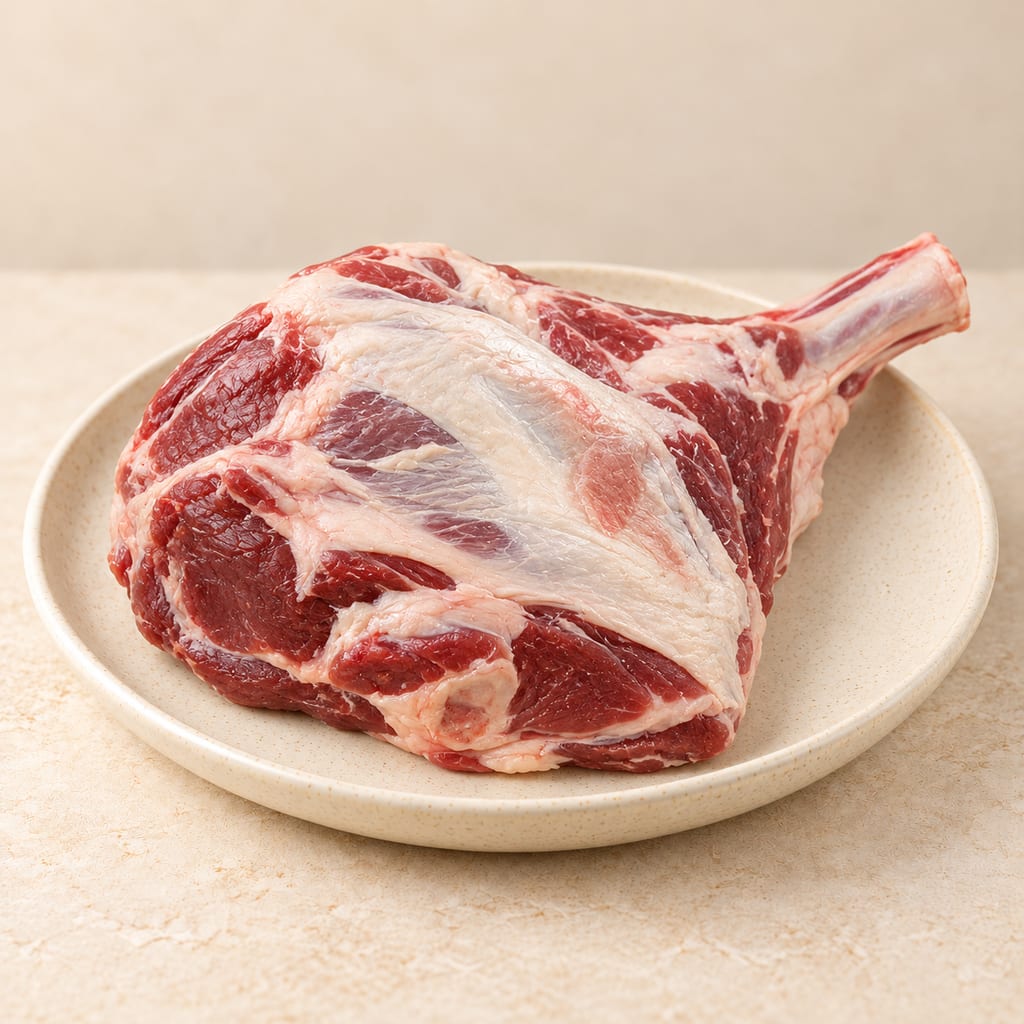
Sheep meat spans lamb from younger animals and mutton from mature sheep; age, breed, diet, cut and fat cover shape its texture and how it behaves in curing and fermentation.
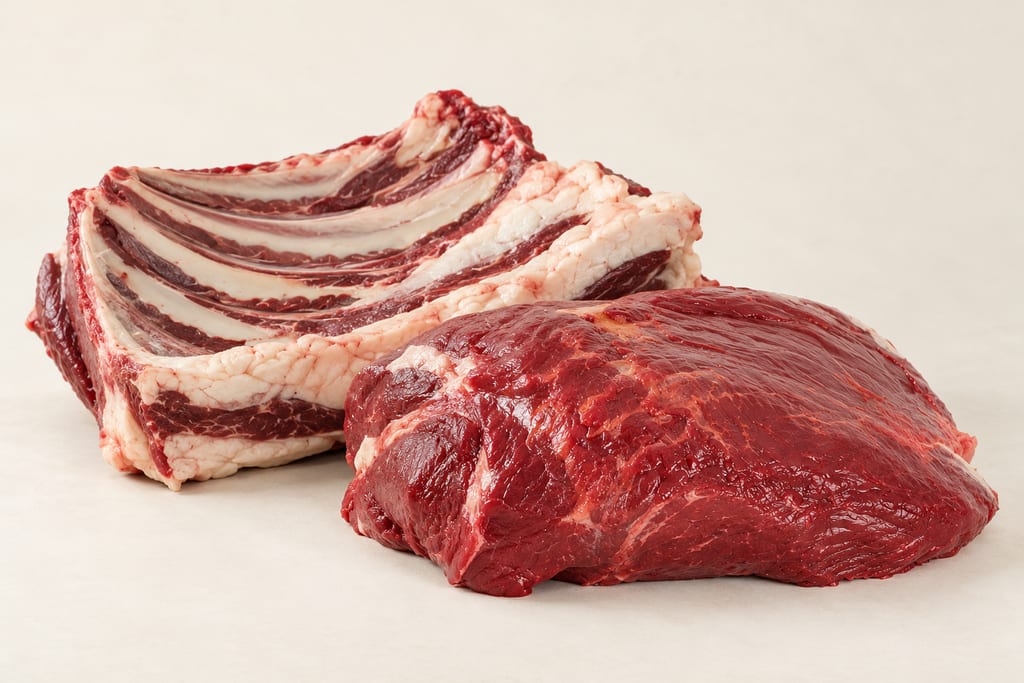
Horse meat is raw equine muscle and fat used fresh or in regionally distinct cooked and preserved foods; cuts and processes vary, and no single culinary origin is established.
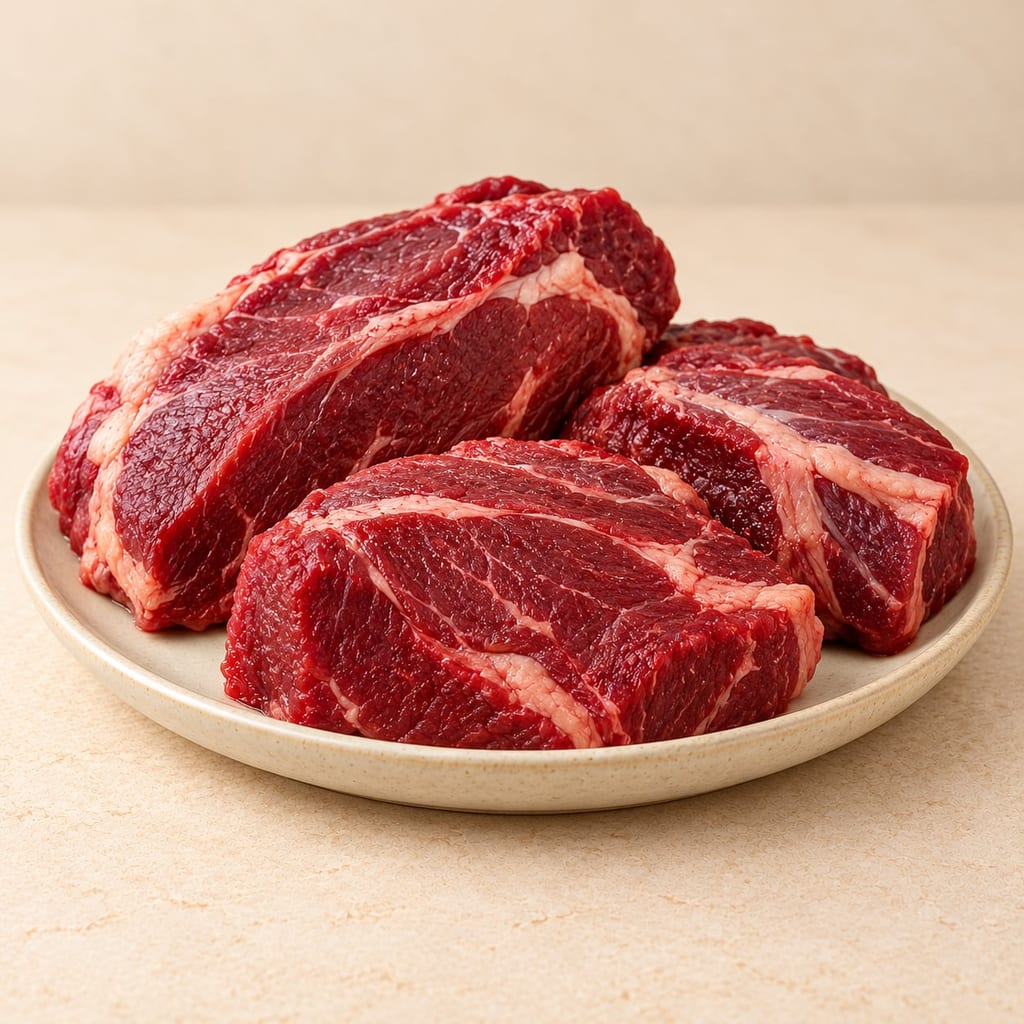
Yak meat is the flesh of domestic yak (Bos grunniens), eaten fresh and used in regional highland foods, including khyopeh, the fermented meat of Lachung, North Sikkim.
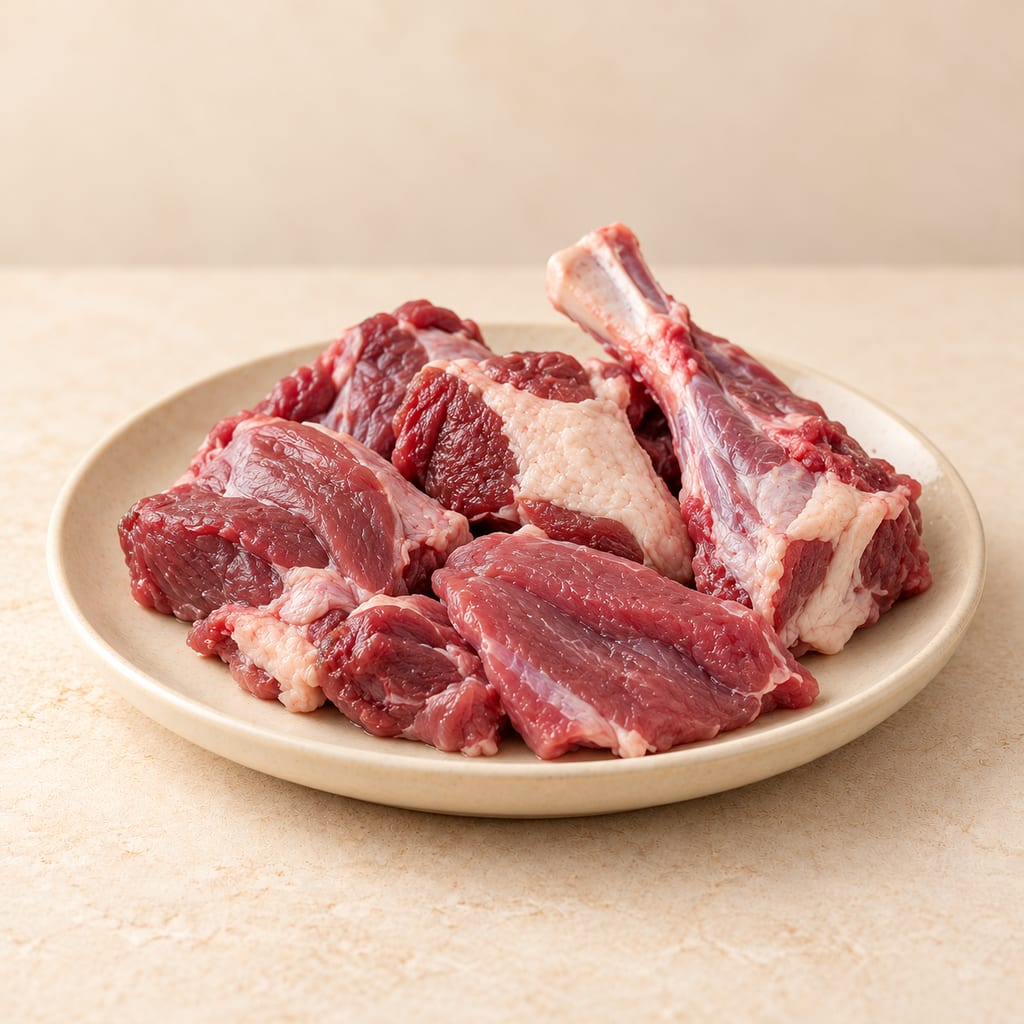
Goat meat is the edible flesh of domestic goats, traded as many cuts and forms whose character depends on the animal, the herd system and local butchery.
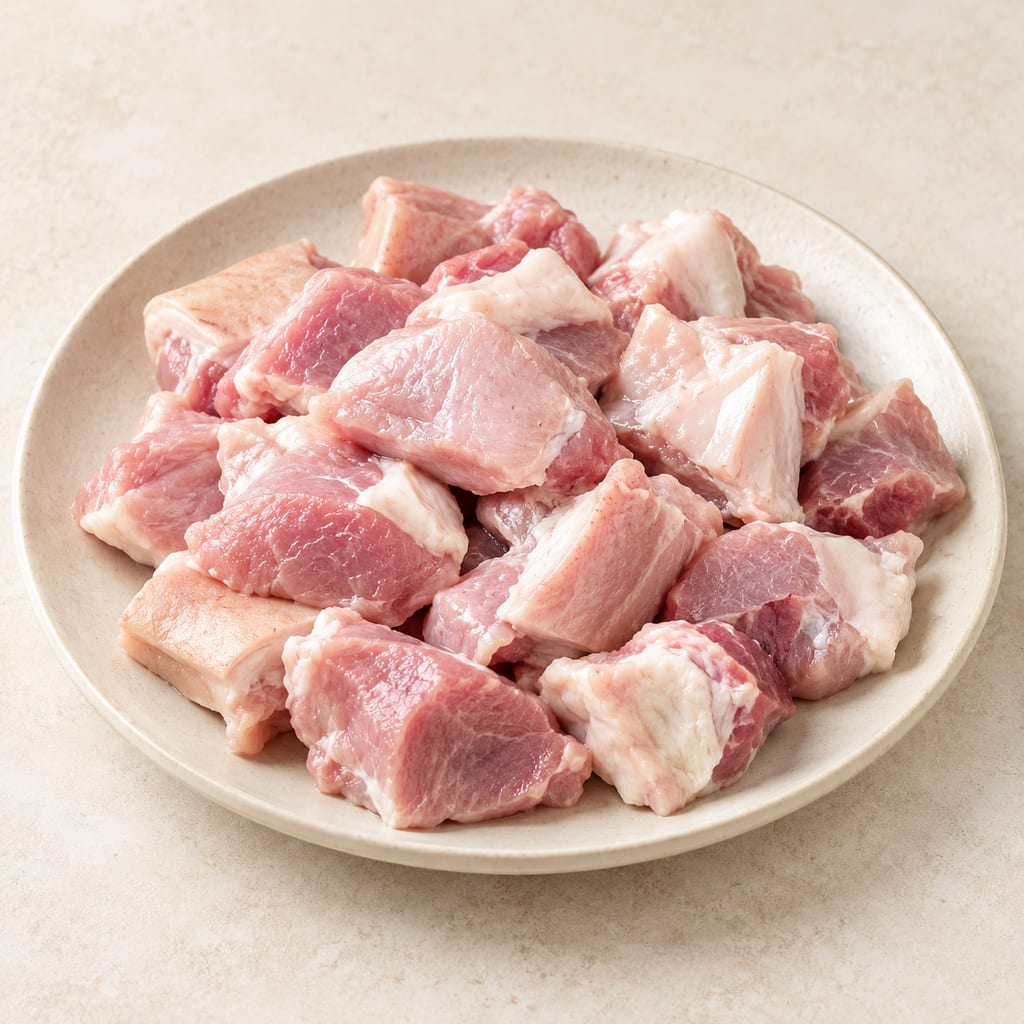
Pork is meat from domestic pigs, sold as distinct cuts, ground meat and fat; its form and composition shape its roles in fermented foods.
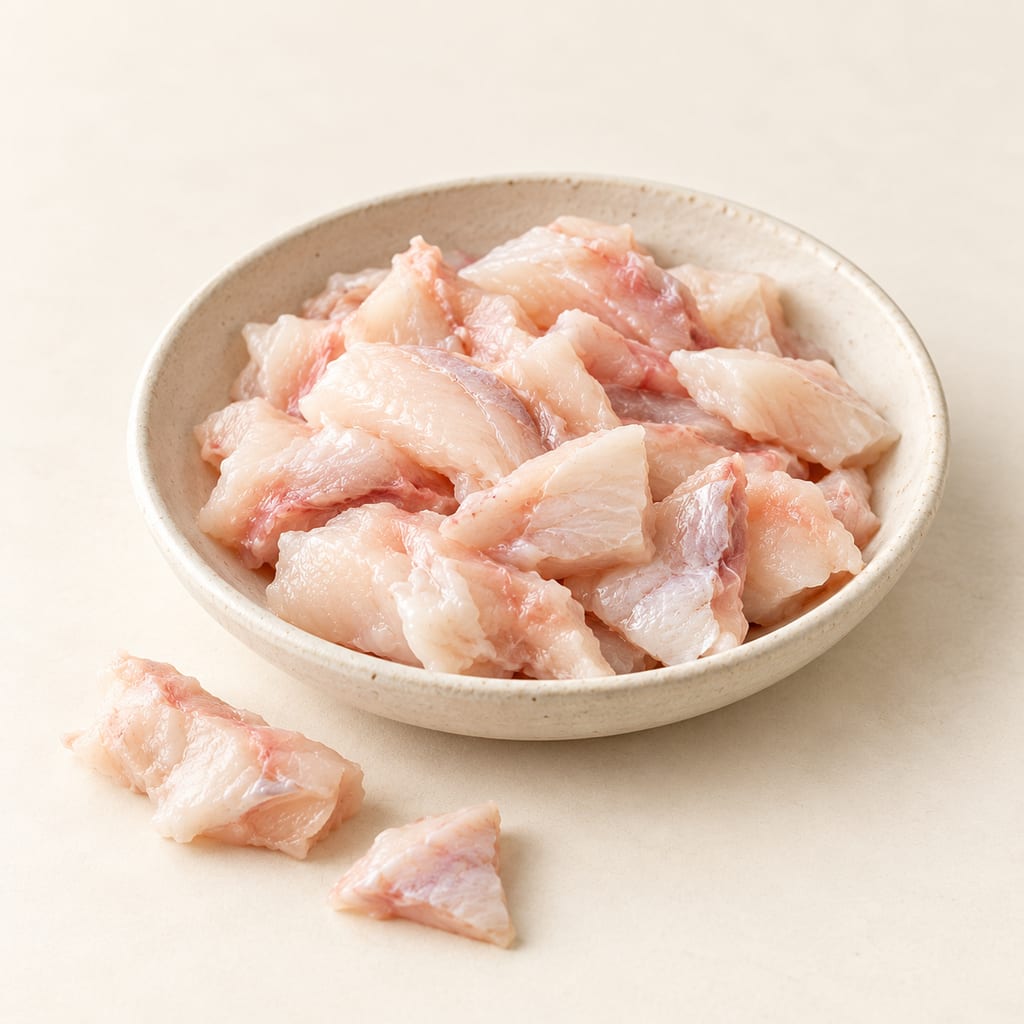
Fish trim is a variable food-processing material, from fillet offcuts to recovered flesh. Species, source tissues, bone and skin content, and handling history determine what a particular lot contains.
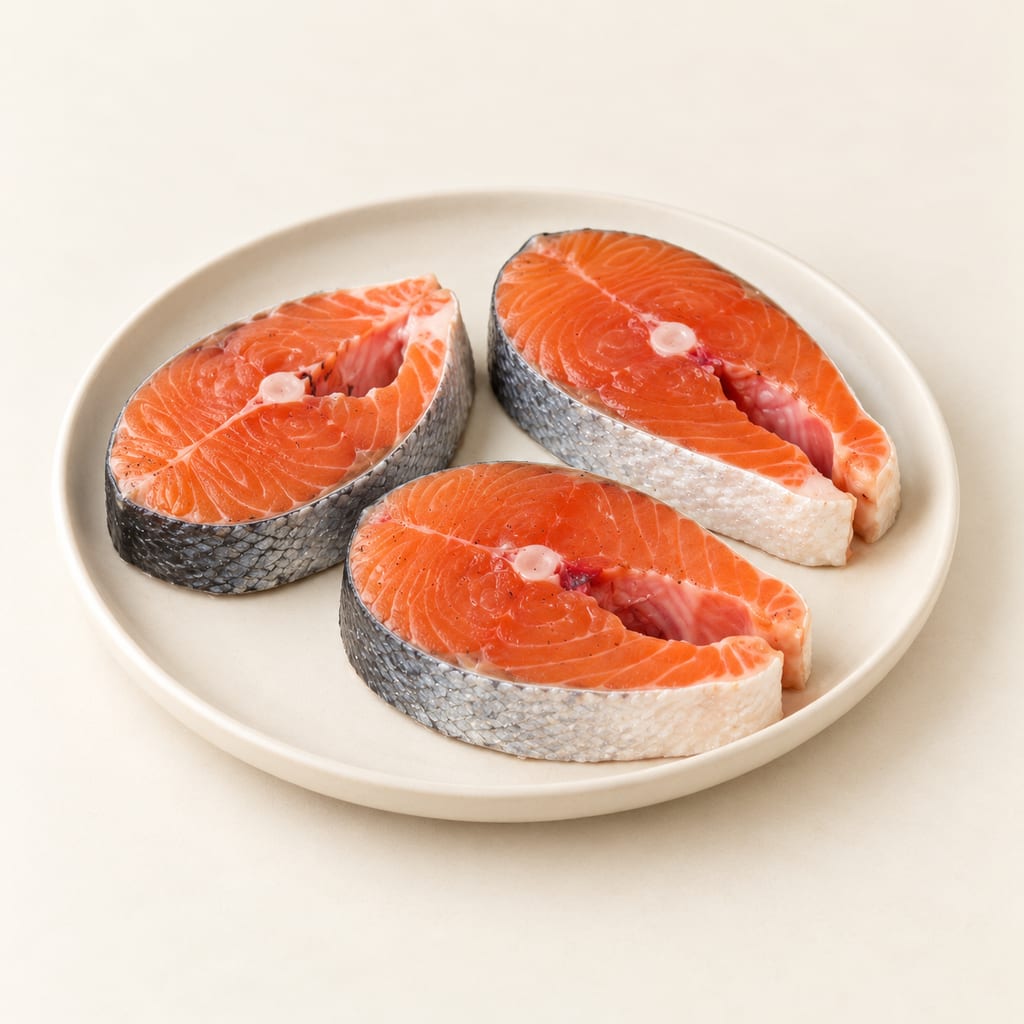
Fish is a broad raw ingredient whose species, cut and condition shape its texture, fat content and use. It can become a meal’s main portion or the raw material for distinct salted, dried and fermented preparations.
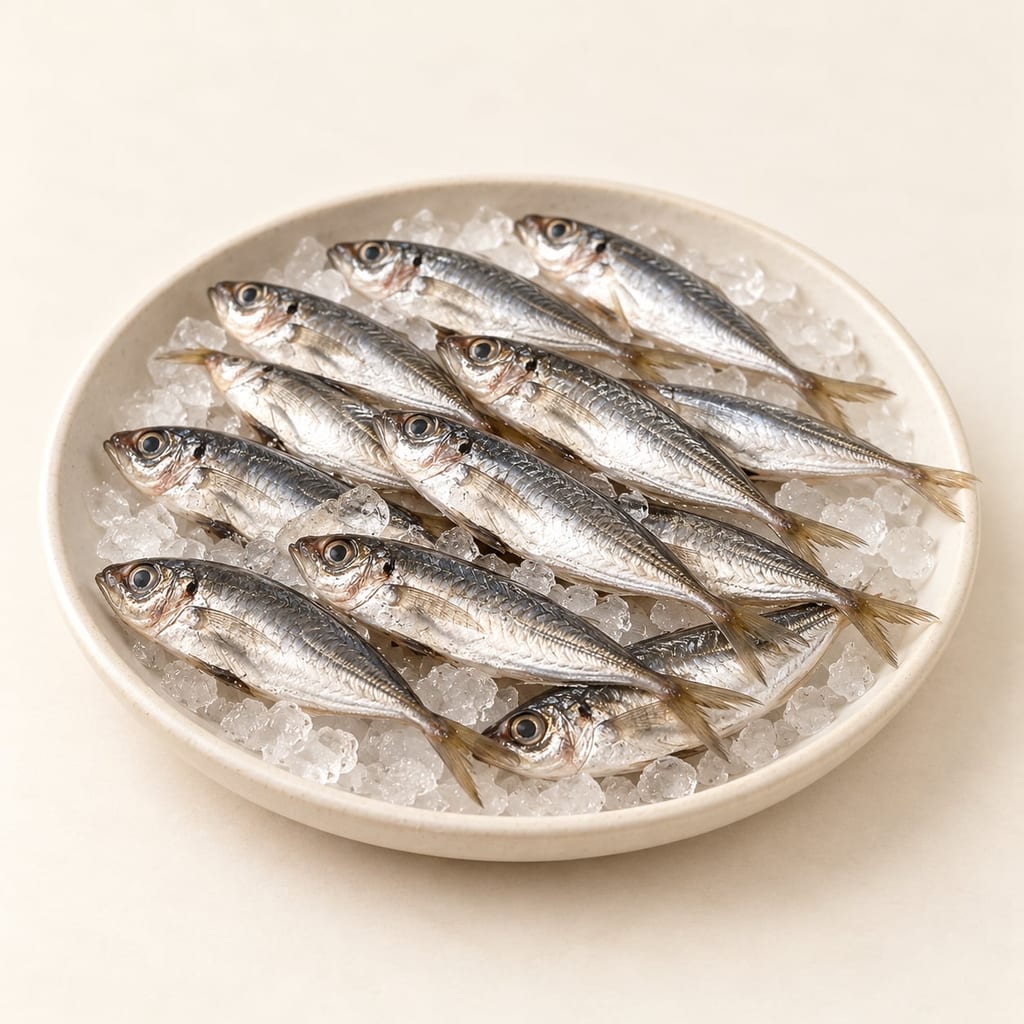
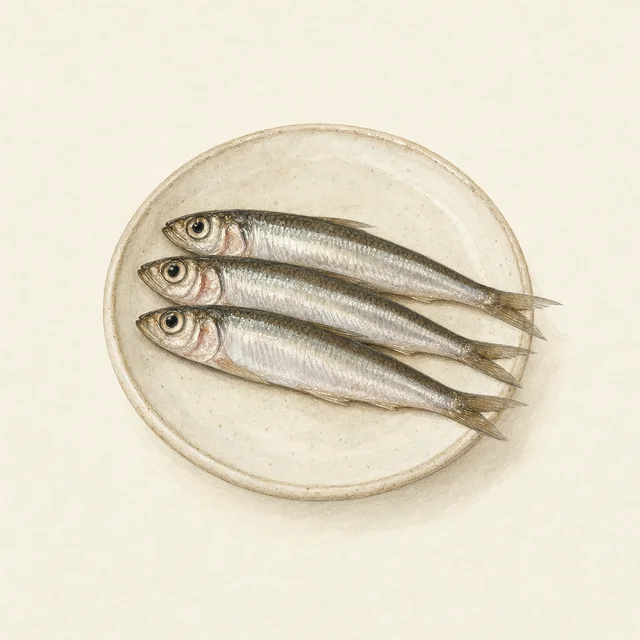
Anchovies, scad, and small cyprinids appear in documented regional fish sauces. Species selection and handling matter because fish hazards vary by species and process.
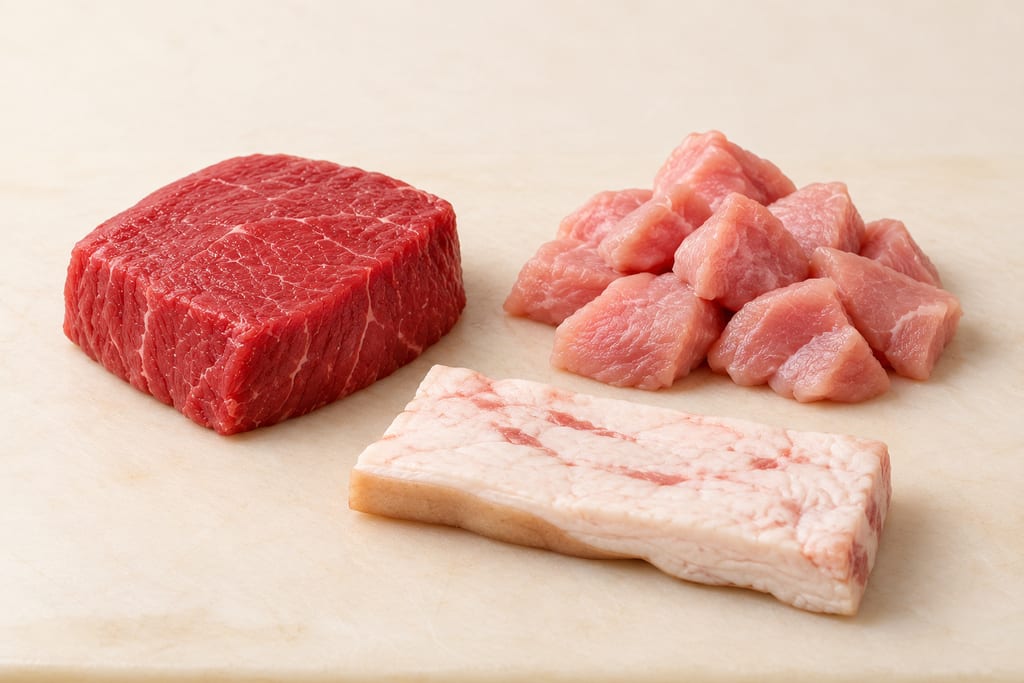
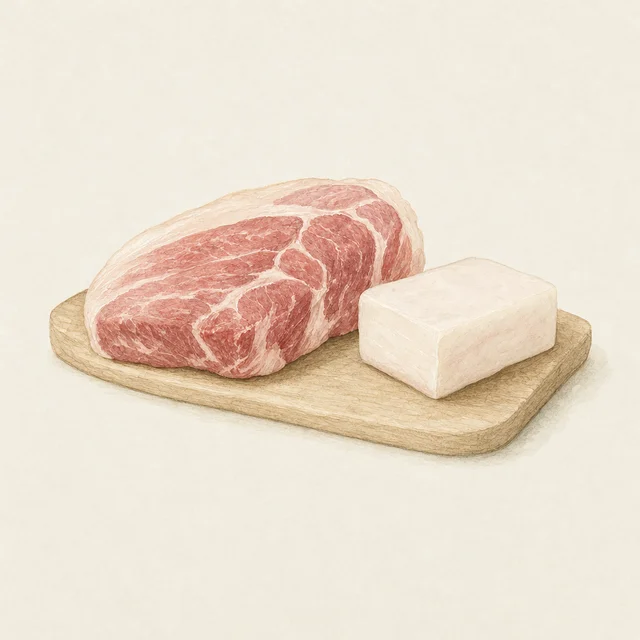
Dry sausage recipes depend on the chosen lean meat, fat source, particle size, temperature, and process. A percentage from one recipe should not be generalized to every salami.
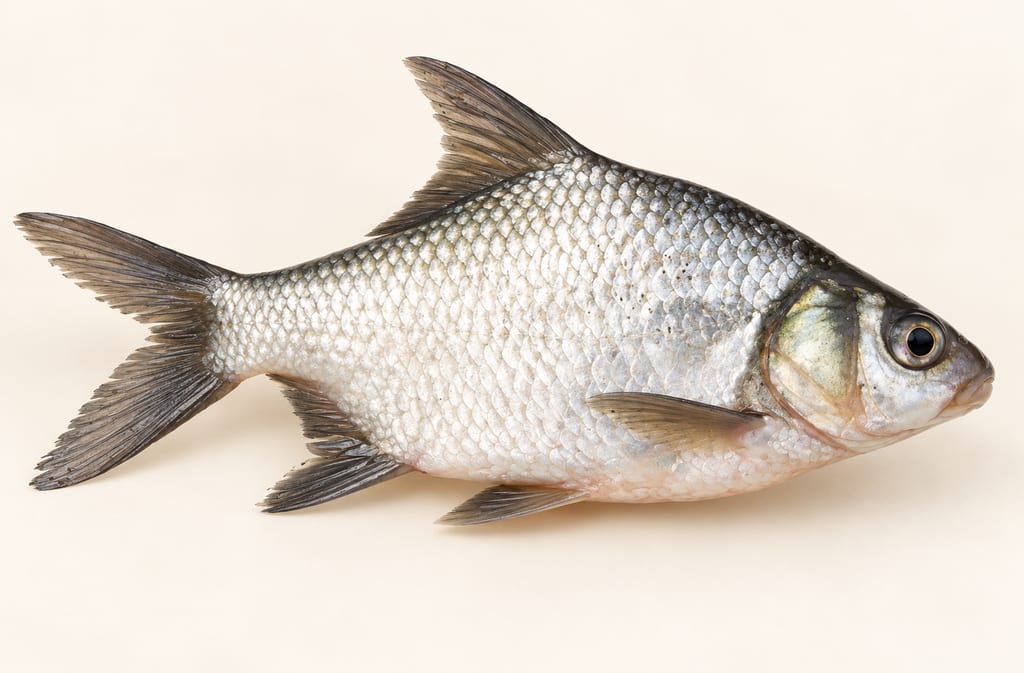
Freshwater fish substrate in a Vietnamese fish-sauce account, which particularly names Mekong cá dánh (*Puntioplites falcifer*) as a prized household sauce fish.
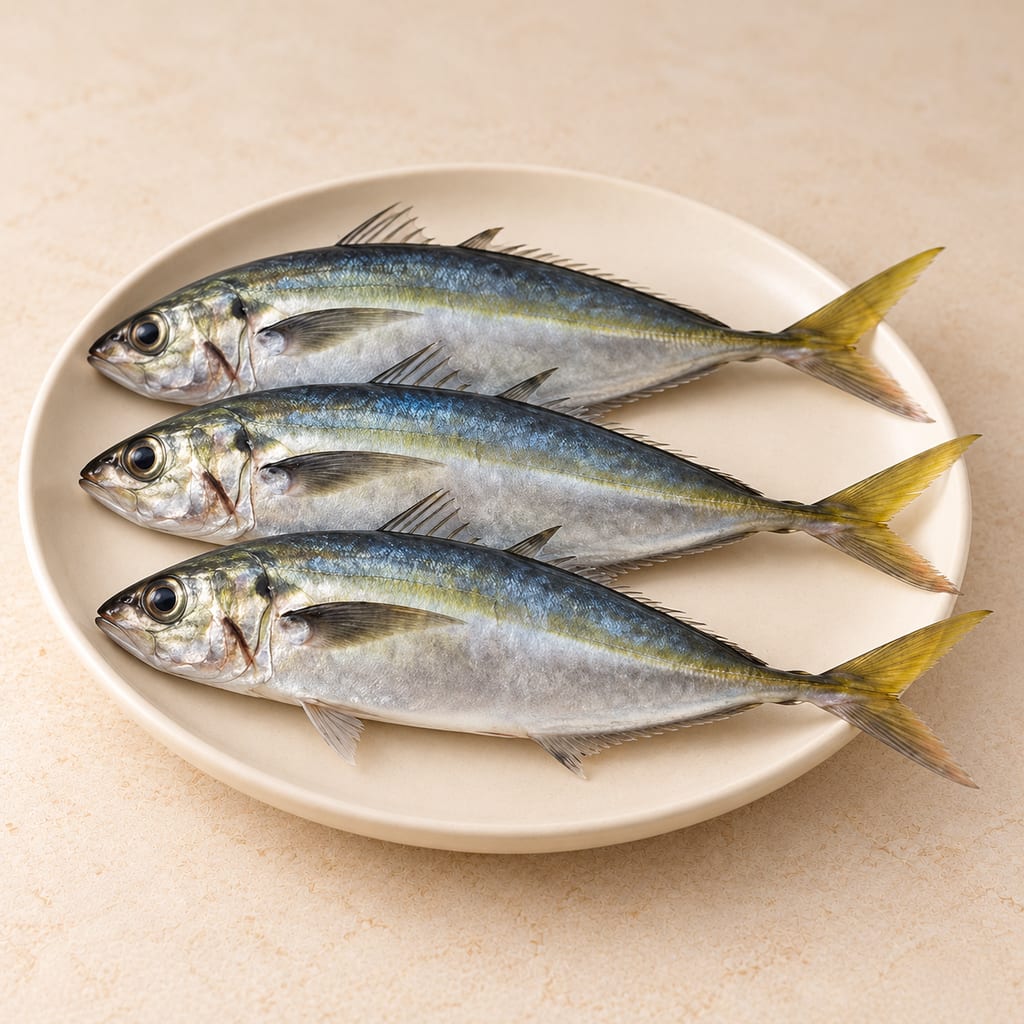
A marine scad named in a Vietnamese fish-sauce account as a whole-fish substrate; the account gives a 4:1 fish-to-salt example but no species-level voucher.
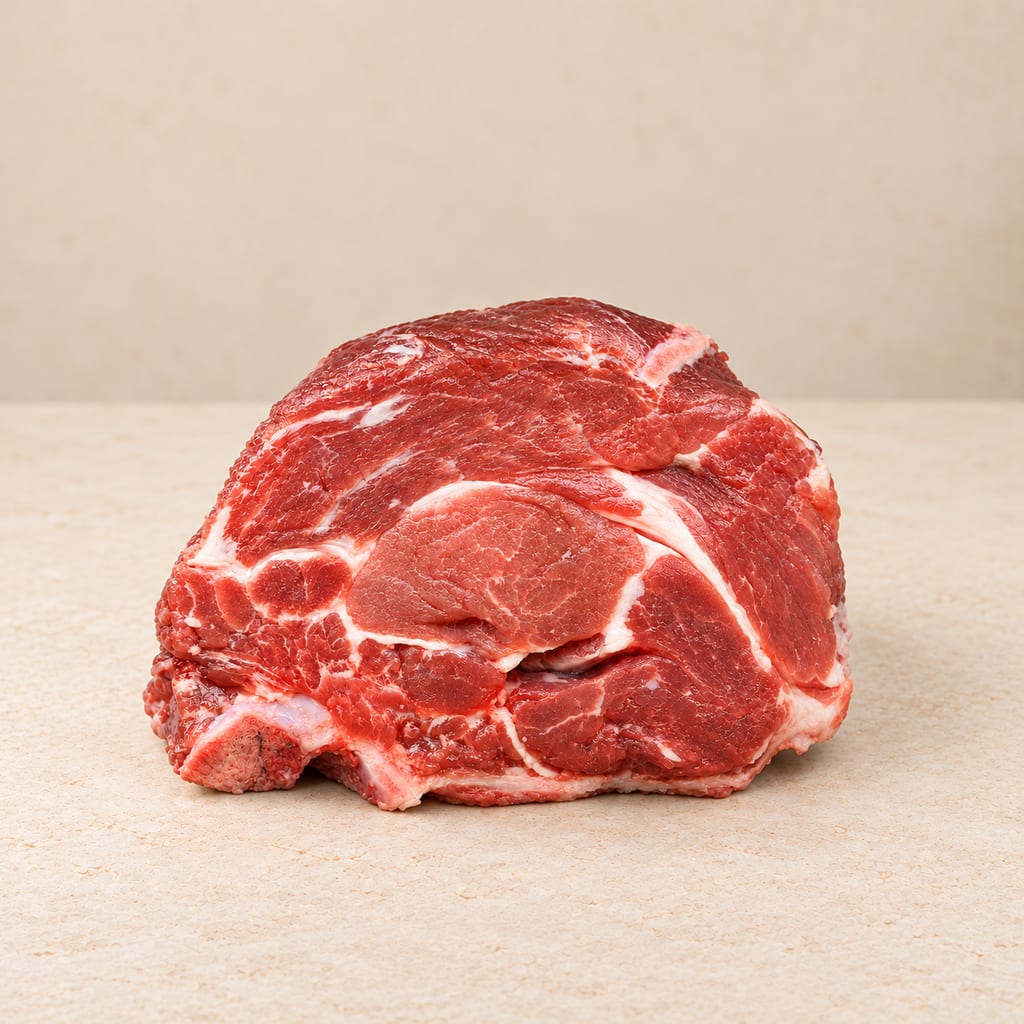
Pork shoulder is the forequarter of the pig, divided into the upper Boston butt and the lower picnic. It is a working muscle group with connective tissue and fat, and it is the usual lean meat for sausage.
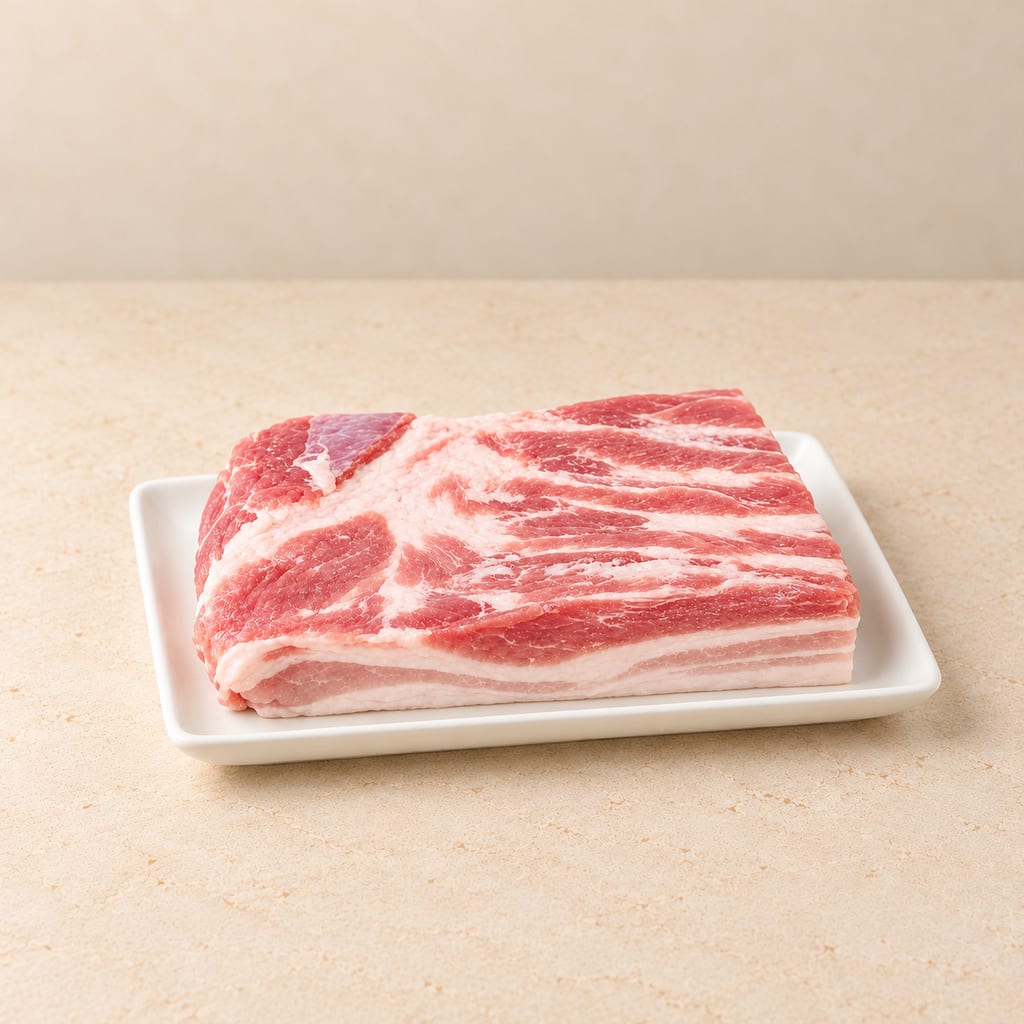
Raw pork belly combines muscle and adipose tissue in layers. Its fat content varies, and a recipe weight of belly is not a measured weight of pure fat.
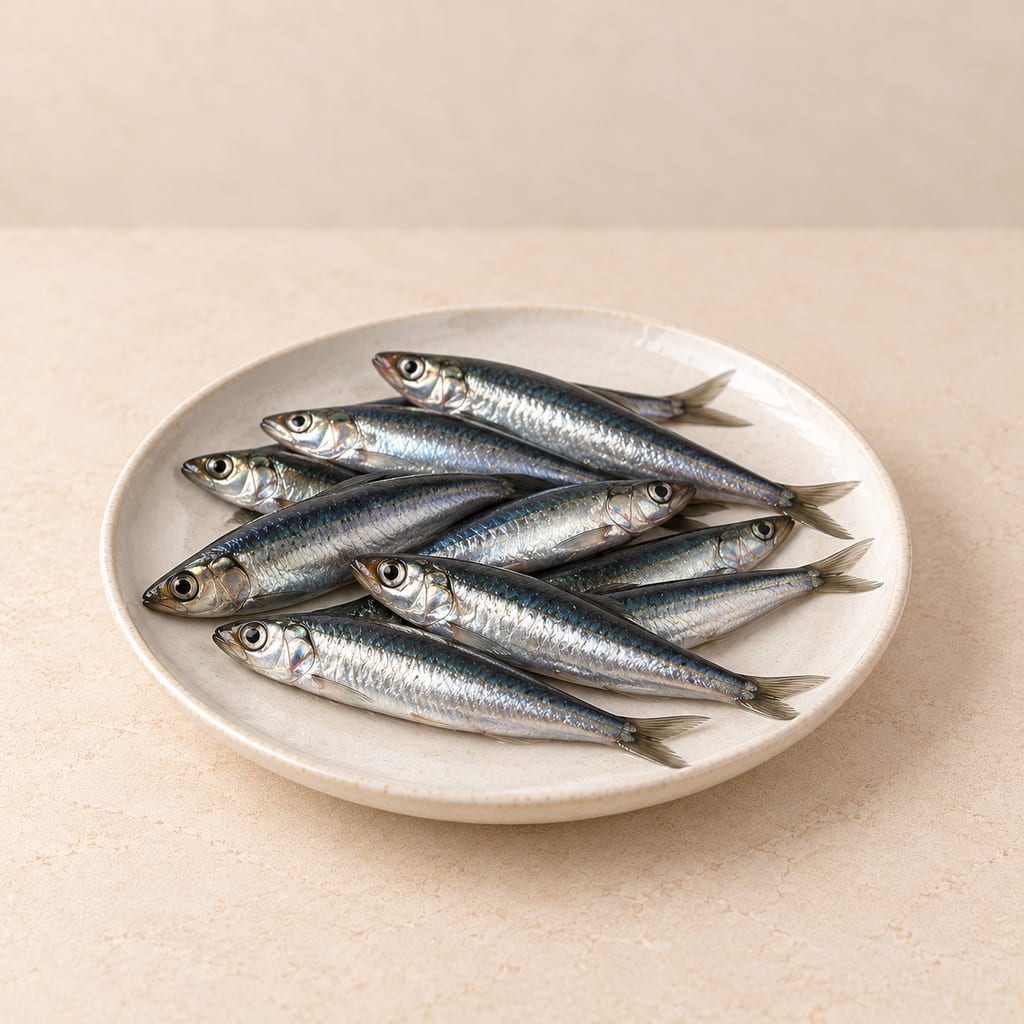
Anchovies are small schooling sea fish of the family Engraulidae, eaten fresh or dried and above all salted: as fillets in oil, whole salted fish or fish sauce.
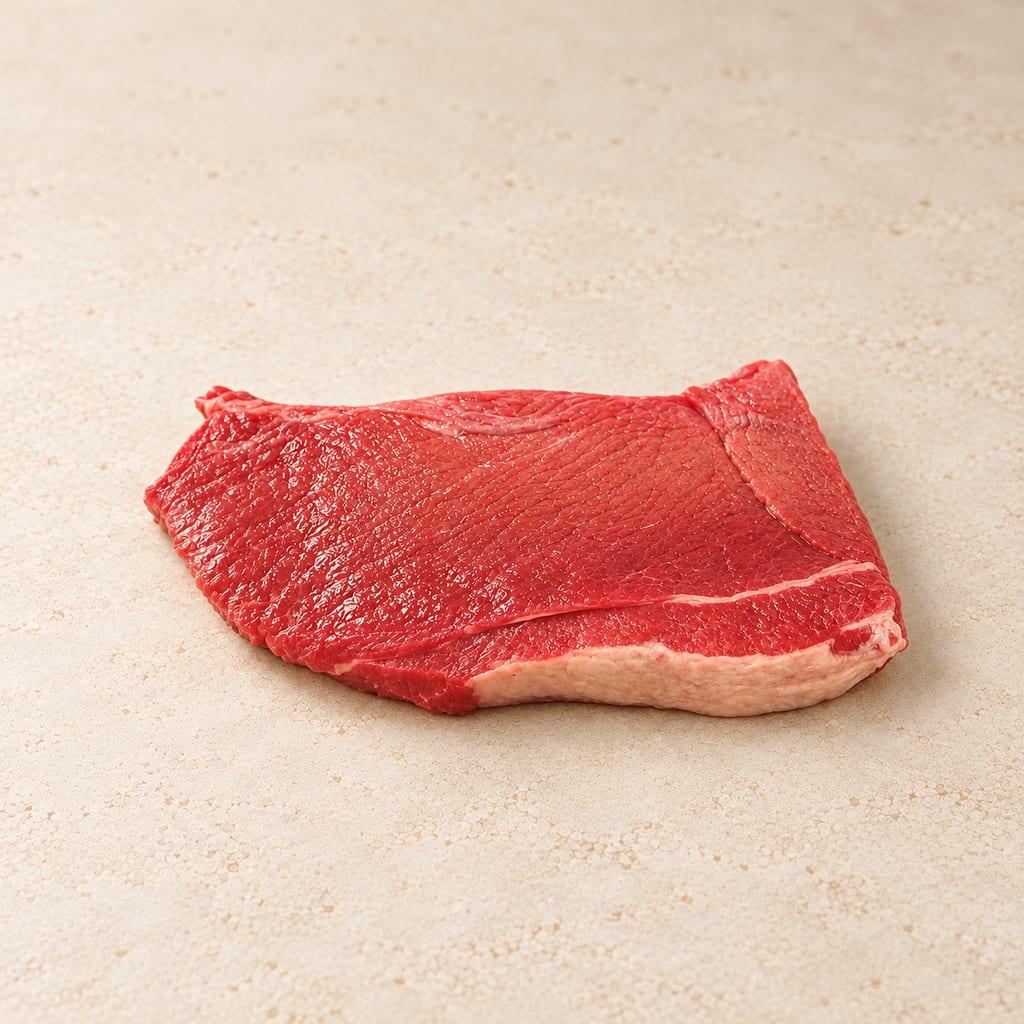
Lean beef is the trimmed muscle of cattle, Bos taurus and Bos indicus. In Genoa-style salami it is the second lean meat beside pork, ground fine, with pork back fat added separately.
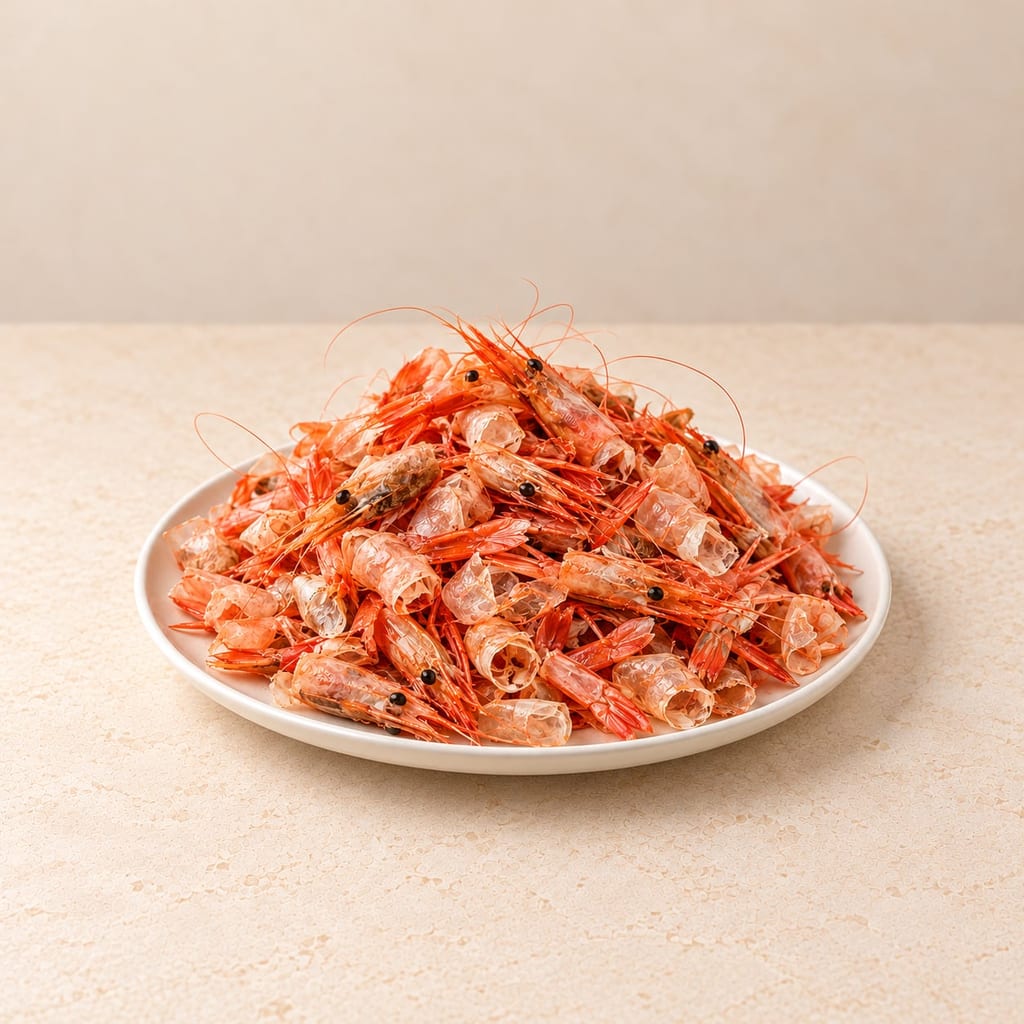
The combined head tissue and shells saved during peeling; chef Alex Perry uses a weighed kilogram of this mix in a distinct shrimp garum.
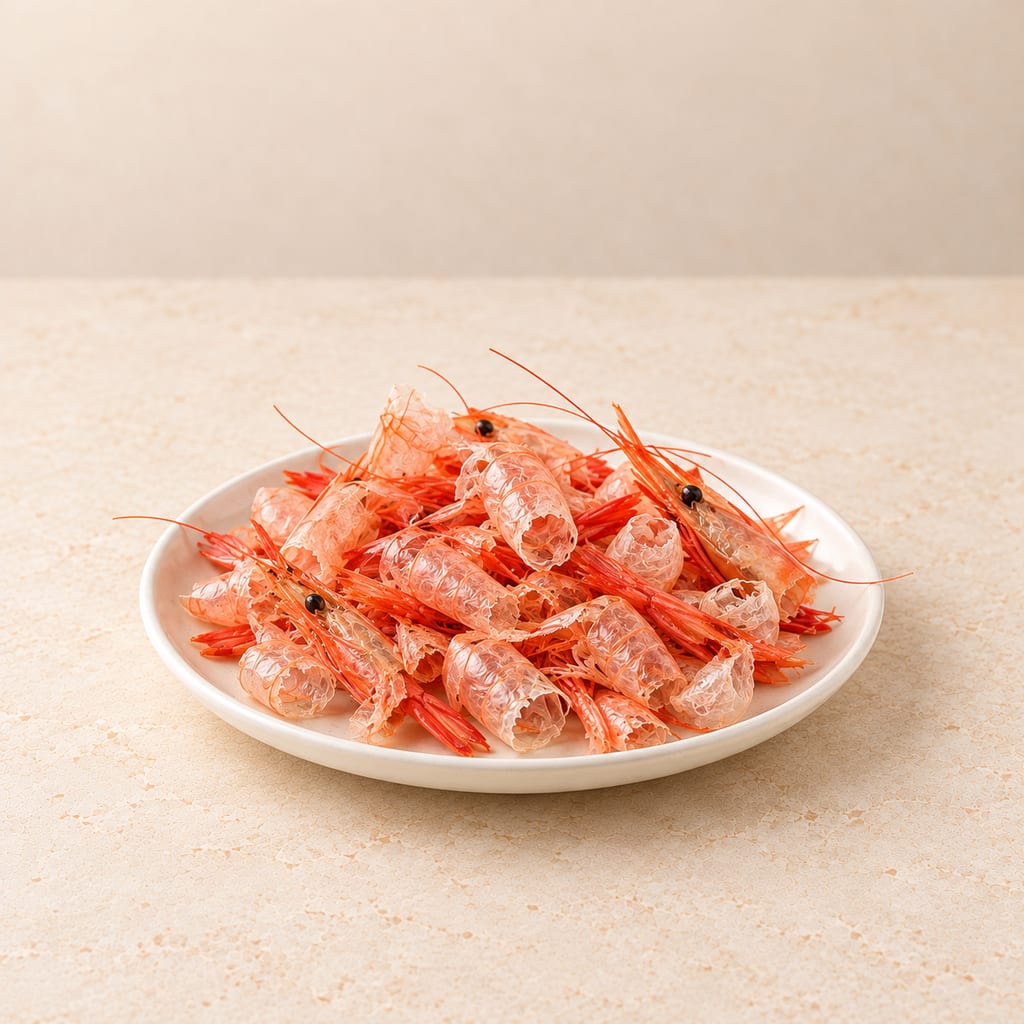
Peeled shrimp exoskeleton used for strained stocks; modern quick-garum guidance names shells as a possible substrate without a shell-specific formula.
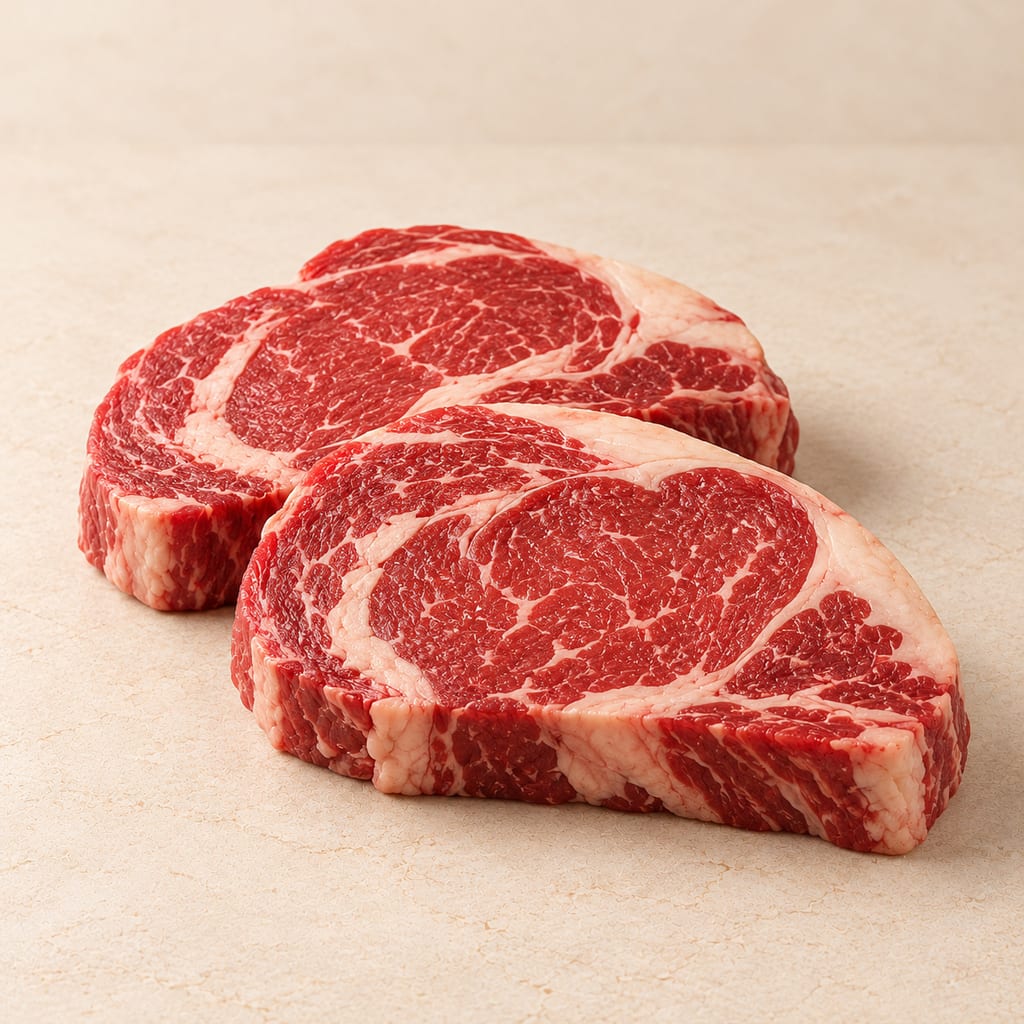
Beef is the meat of domestic cattle, Bos taurus and Bos indicus, sold as steaks, roasts, ground meat and cured products, and used in broths, salami and koji seasonings.
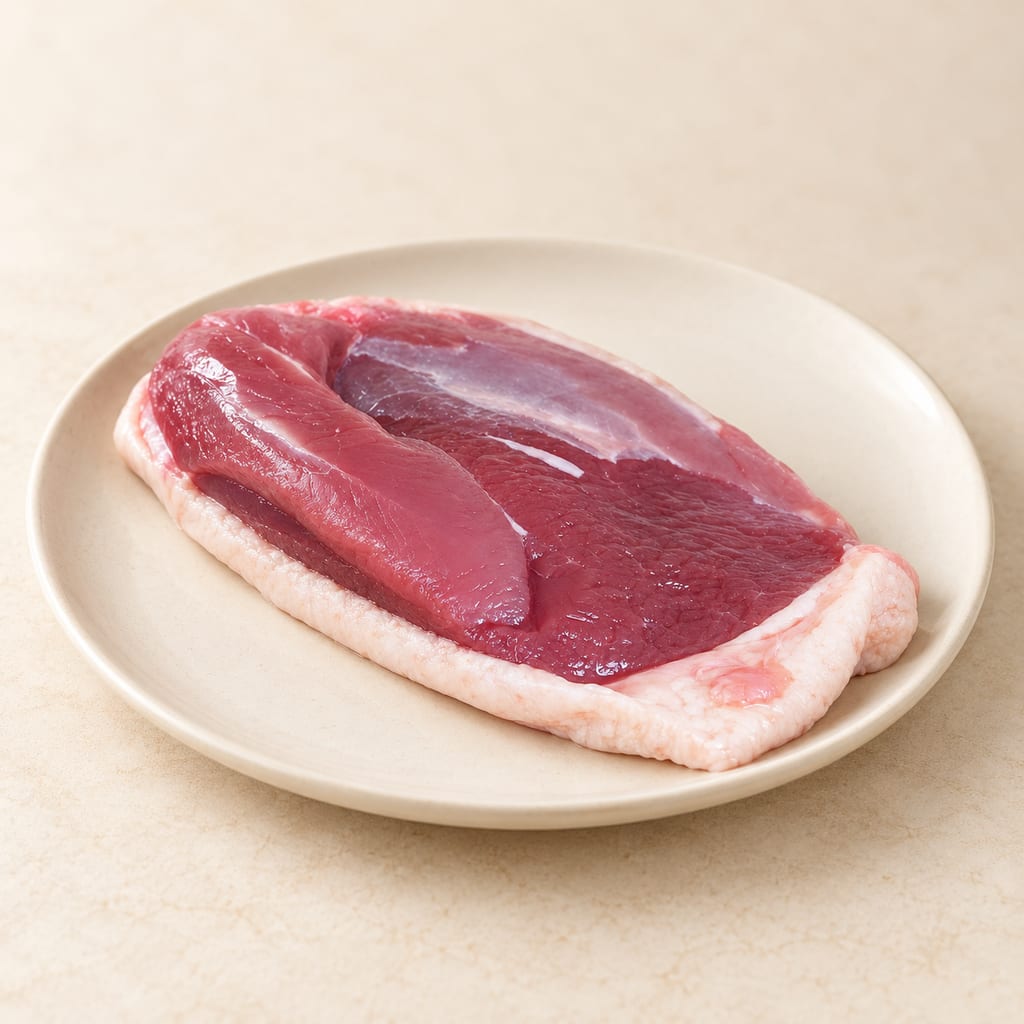
Duck is the dark, rich meat of a domesticated water bird, sold whole or as breast, leg, skin, fat, giblets, bones and trimmings, each with its own use in the kitchen.
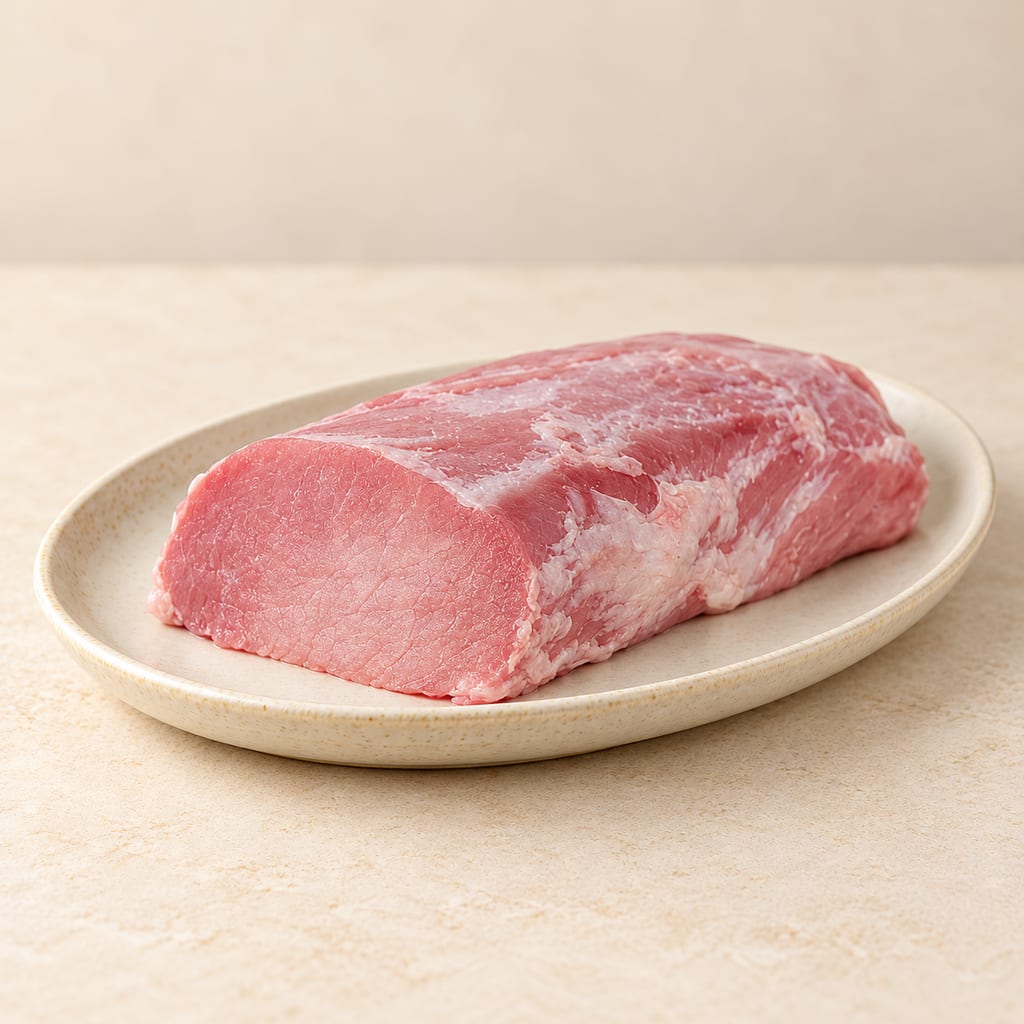
Trimmed domestic-pig muscle supplies the protein framework, water and meat flavor in fermented sausages; cut, condition and handling affect how it binds and ripens.