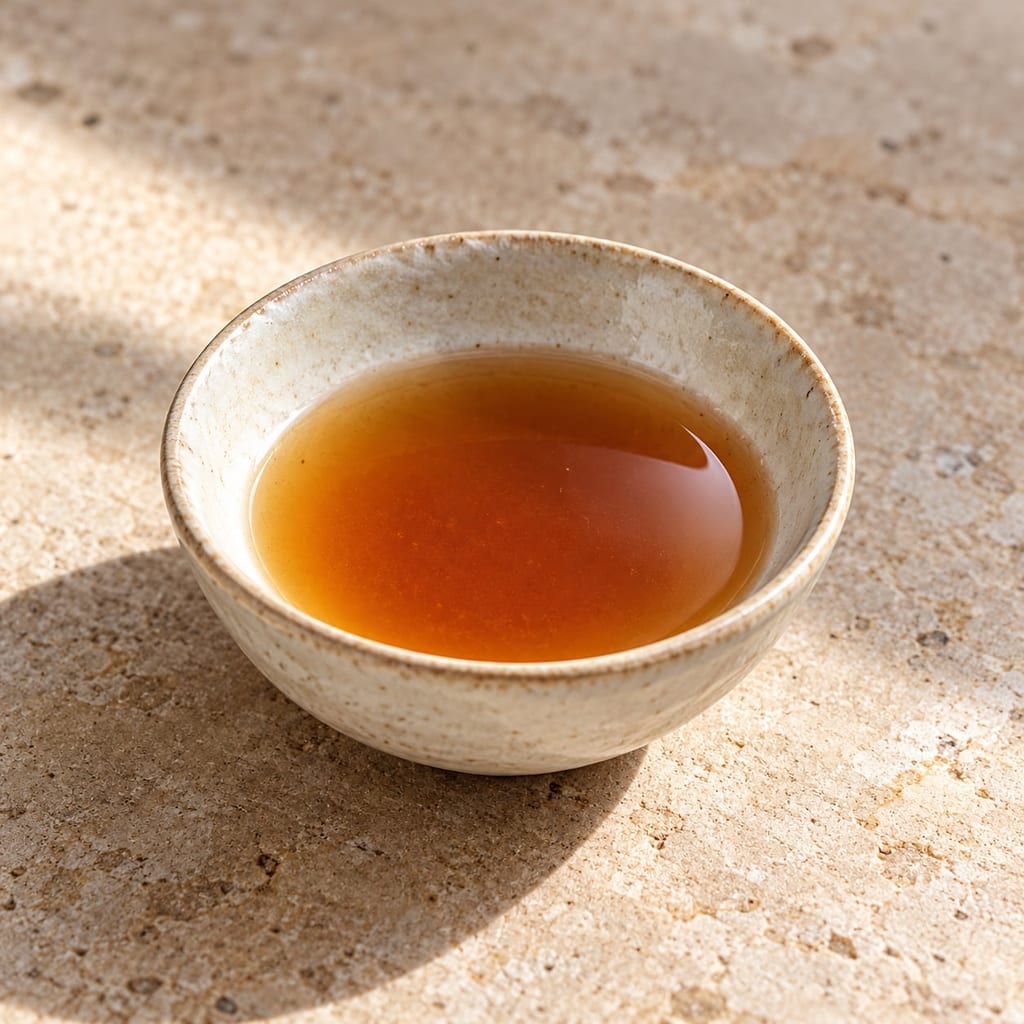
Gulf shrimp head-and-shell koji garum
Chef Alex Perry makes this modern shrimp garum from Gulf white shrimp heads and shells, koji, water and salt. He holds the mash at 60°C for two months, then strains the liquid for use as a seasoning.
 FermenteaWhere food goes to change
Substrates
The combined head tissue and shells saved during peeling; chef Alex Perry uses a weighed kilogram of this mix in a distinct shrimp garum.
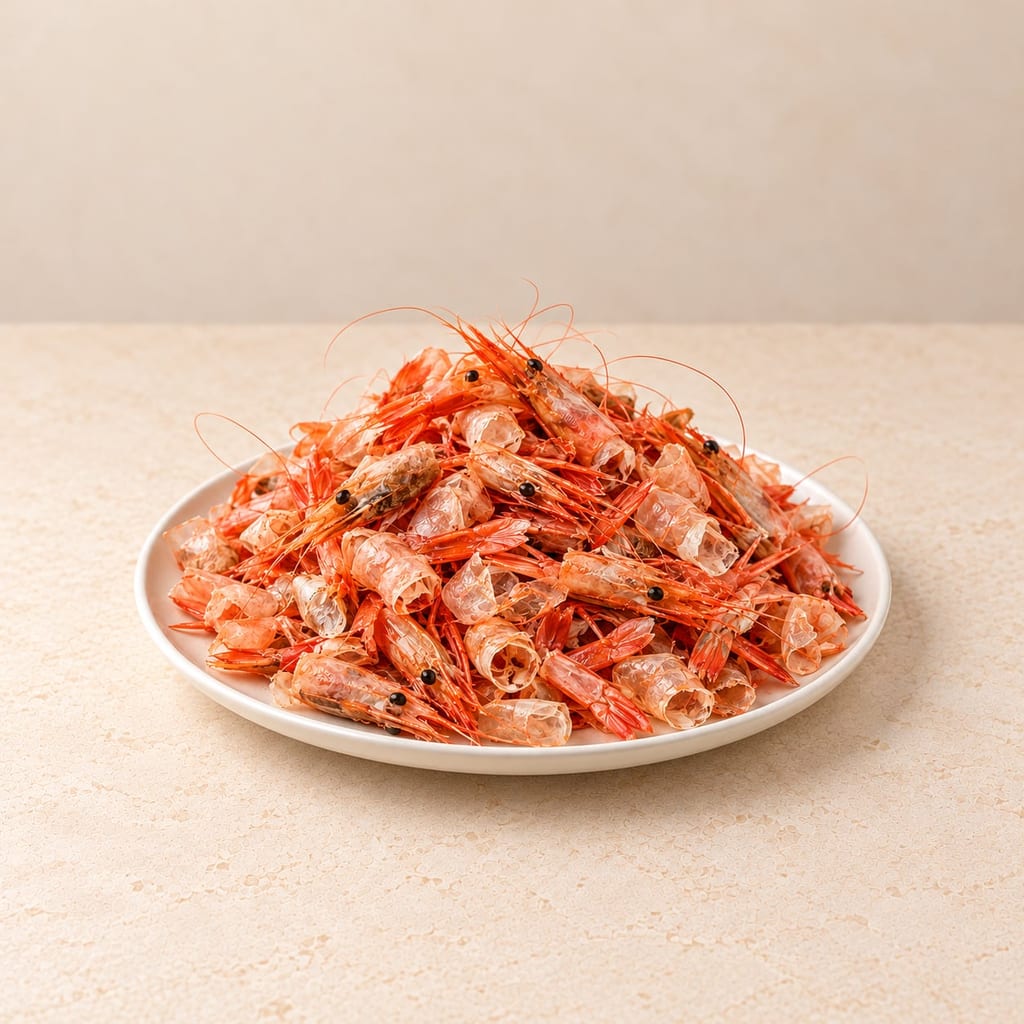
A shrimp head is not a separate little body: in anatomical terms, the head and thorax are fused into the cephalothorax and covered by a firm shell called the carapace. The soft edible tail muscle lies behind it, beneath the segmented abdomen. Inside the head region are the stomach and digestive gland, or hepatopancreas, among other organs. That arrangement helps explain why cooks treat the head and shell as a concentrated flavor-bearing part, while also showing why ‘shrimp shells’ and ‘shrimp heads’ are not interchangeable labels. A peeled tail, a shell-only pile and a head-on shrimp leave different materials in the bowl.
In a pot, the hard shell is a structure to extract from, not something to eat whole. Historical and modern recipes use heat, pounding, blending or straining to transfer shrimp character into a liquid, then leave the tough fragments behind. The head adds its own softer tissues to that extraction. A recipe that names both heads and shells therefore describes a mixed, heterogeneous ingredient: the proportions can vary with how the shrimp were peeled, and a weighed batch cannot be reconstructed from a count of whole shrimp unless the cook says so.
The outside of the head is a crowded piece of equipment. The carapace has a rigid forward extension, the rostrum, flanked by two compound eyes on stalks; two pairs of antennae follow, one of them sometimes about twice the length of the body. Eight pairs of appendages grow from the cephalothorax: the first three are maxillipeds that serve as mouthparts, and the next five are the pereiopods, the ten decapod legs, of which the first two pairs carry claws for grasping food. Beneath the carapace sit the gills.
Inside, a labelled anatomical drawing names the digestive gland, the stomach, the gills, the heart, the gonad, the intestine, the brain and the mouth. A cook scraping out a head takes some of these along with the shell, and the proportions change with how the shrimp are twisted, cut or peeled. This is why a measured weight of heads and shells from one recipe cannot be turned back into a count of shrimp.
A controlled soup study makes the distinction tangible. Researchers compared broth made from shrimp muscle, head and shell together, and whole shrimp. The muscle broth yielded more dry solids, nucleotides, glycine, proline and arginine; the head-and-shell broth contained more taurine, lysine, glutamate and leucine, and showed higher calcium, sugar and lactate. These are differences in the measured broths, not a universal chemical specification for every shrimp or a guarantee about a fermented paste.
A tasting panel could distinguish muscle broth from head-and-shell broth and from whole-shrimp broth, but did not decide that one soup was tastier overall. The authors concluded that head-and-shell broth held particular components that could improve shrimp-muscle soup. In cooking terms, that supports using shells and heads to add another layer to a broth; it does not justify claiming that heads are inherently more delicious, more savoury, or richer in umami than tail meat. The study tested a specific broth preparation, not a garum, and taste emerged from the whole liquid rather than from any one amino acid measured in isolation.
The most perishable part of the head is the digestive gland, called the hepatopancreas. It is described as an extremely active organ involved in digestion and synthesis; it secretes digestive enzymes, and it accumulates lipids that are highly sensitive to peroxidation. After the shrimp dies those digestive enzymes break the gland down, and inadequate chilling lets it rupture. Rupture shows as a discoloured head.
The same organ makes the enzymes responsible for black spot. Polyphenol oxidase, or tyrosinase, is synthesised in the hepatopancreas, and after death it oxidises phenols to quinones, which polymerise into dark pigments that collect mainly beneath the carapace of the cephalothorax. The spots are harmless but cut market value, and shrimp are considered highly perishable because quality drops quickly through melanosis, lipid oxidation and microbial spoilage. The industry has long used sulfite to prevent black spot, though sulfite residue is a known allergen and can severely disturb people with asthma, and the European Union requires shrimp with more than 10 milligrams per kilogram of residue to be labelled.
Commercial handling of head-on, shell-on shrimp is built around cold. The advice for processors is to chill shrimp immediately after harvest, to dip them in water at 1 to 3 °C for two or three minutes before icing them, and to keep processing-plant temperatures low. The reasoning carries into the kitchen: a head is the first part of a shrimp to deteriorate, and heads saved during peeling are a short-lived ingredient.
In a contemporary Louisiana shrimp bisque, the head has two roles. Chef Dee Lavigne’s 2021 Smithsonian demonstration recipe asks the cook to remove heads from raw shrimp, save the scrapings, and cook those with the peels in two quarts of water. The liquid is strained for the soup base. The empty head shells are held in cold water, stuffed with a shrimp mixture, browned in a 400°F oven and set into the finished bisque. Here the peels and head scrapings flavor the stock, while the cleaned head shell becomes an edible-looking vessel for a separate stuffing.
The recipe was featured in a program about Lena Richard’s New Orleans cookbook and is introduced as Lavigne’s adaptation, not as a transcription of Richard’s original dish. It gives a useful picture of a modern Louisiana chef making the most of a whole shrimp: the tail goes into the bisque or filling, the head tissues flavor the base, and the carapace frames a portion on the plate. It should not be generalized to every Gulf kitchen or represented as a historic recipe unchanged since Richard’s time.
Heads are not only a kitchen by-product. Shrimp processing wastes, the heads, shells and tails, are about half of the raw material, and their improper disposal is an environmental concern. Researchers at the Philippine National Fisheries Research and Development Institute dried the head waste of the giant tiger prawn, Penaeus monodon, in a cabinet dryer to make a powder, and compared heads with the carapace left on and with it removed. The yield was 26.72 percent with the carapace and 20.42 percent without. Both powders were light orange or brown, with a high bulk density, satisfactory water activity and a solubility lower than other published powdered seafood by-products.
The powder without carapace scored higher for odor and flavour, rated between like slightly and like moderately. With salt and ascorbic acid added and stored at ambient temperature, 28 to 30 °C, its microbiological counts stayed within limits and its moisture and pH were acceptable after eight months, but its peroxide value was acceptable only to the sixth month, which the authors take as the end of its shelf life. The result is a dried, salted ingredient, and its figures belong to that product and not to fresh heads or to a ferment.
A 2019 Japanese study made a soy-sauce-style seasoning from sakura shrimp, Lucensosergia lucens, minced with their shells. Seven mashes at 15 percent salt compared a rice koji with a koji made from the shrimp, and used two starters, the halophilic lactic acid bacterium Tetragenococcus halophilus and the soy sauce yeast Zygosaccharomyces rouxii. They fermented for 24 weeks at 30 °C, then were heated to 90 °C and filtered.
The pH fell faster in mashes with the lactic acid bacterium. Total nitrogen rose quickly up to week four and then held nearly constant, and the final total nitrogen and free amino acids were higher with shrimp koji than with rice koji. Glutamic acid, aspartic acid, leucine and alanine were high in every sample. The material was the whole small shrimp, shell included, and not heads and shells saved from larger animals, but it shows how shell-bearing shrimp tissue behaves over months with salt, koji and microbes, a different course from a mash held at 60 °C for two months.
Garum was a fermented fish sauce used as a condiment in Phoenicia, ancient Greece, Rome, Carthage and later Byzantium; liquamen was a similar product, and at times the two names meant the same thing. Greek garos is named by Aristophanes, Sophocles and Aeschylus. The raw material was typically the innards of fatty fish, especially anchovies but also sprats, sardines, mackerel or tuna, fermented in brine, and most surviving amphora labels name mackerel. The liquid drained through a basket, and the solids that remained became allec, a fish paste.
Quality varied widely. The finished nobile garum was described as mild and subtle, and the best was very expensive, with Cartagena and Cadiz considered the finest by the time of Augustus. Garum was mixed with vinegar, pepper or oil to flavour boiled veal and steamed mussels, and diluted as hydrogarum it was issued to Roman legions. Residue from Pompeii helped confirm the August date of the eruption of Vesuvius in 79, and a first-century factory was found near Ashkelon in 2019. Like modern fish and soy sauces, garum was rich in umami from glutamates.
Chef Alex Perry’s Surf and Turf turns saved peelings into a seasoning for beef-cheek dumplings. The dish lists one dozen, 16–20-count Gulf White shrimp, whole. Its peeling instruction says to save the head and shells for garum. Elsewhere, the garum ingredient list specifies one kilogram of shrimp heads and shells, 225 grams of koji, 800 grams of water and 240 grams of salt. The recipe never says that the kilogram came entirely from that dozen, gives no head-to-shell ratio, and names no Latin species. It also does not explicitly label the garum input raw or cooked; the tails are refrigerated and poached later, but that sequence alone cannot settle the state of the saved heads and shells.
The method blitzes heads and shells into a chunky paste, mixes in koji, water and salt in a large glass jar, presses plastic wrap onto the mixture, and holds it at 60°C for two months. The strained liquid is refrigerated and used sparingly: two teaspoons season the beef-cheek filling, and an atomizer gives the cooked dumplings a light spray. That service matters. The ingredient is not presented as a bowl of shrimp soup or a standalone sauce, but as a concentrated seasoning that links Gulf shrimp to a beef filling in a surf-and-turf dish.
Perry’s batch is easier to judge against a general koji-garum method than on its own. His weights total 2,265 grams: 1,000 grams of heads and shells, 225 of koji, 800 of water and 240 of salt. By arithmetic that makes salt about 10.6 percent of the mix, inside the 8 to 12 percent range of the generic guide, whose default is 10 percent and which advises 11 to 12 percent for raw meat or fish; koji is about 10 percent, well below the 20 to 30 percent of the mash the guide uses. The guide holds the mash at 55 to 60 °C for two to six weeks, and Perry holds his at 60 °C for two months.
These are different recipes, and the guide does not describe a shrimp batch: its substrate default is mushroom or cooked legume. What it does give is the reasoning. Its safety case rests on salt plus the warm, near-pasteurising hold, since the pH stays above 4.6 and the ferment is not an acid one; it says the warm enzymatic processes are not validated as a botulism control, treats the product as a perishable seasoning for the refrigerator or freezer, and says not to can it. Ammonia or a putrid smell, gas-bloating of the container or any pink or black surface growth means discard. Perry’s recipe says to refrigerate the strained garum for up to a year, which is his claim and not a tested storage limit.
Shrimp reach ferments by routes other than heads and shells. The akiami paste shrimp, Acetes japonicus, grows only to about 30 millimetres, and 574,000 tonnes were caught wild in 2010, with dried, salted or fermented preparations common for it. The shrimp pastes are covered by their own recipes and articles on this site, and they are a different material from a mix of heads and shells saved by a restaurant after peeling. A recipe should say which it uses.
Fresh heads and shells are perishable seafood. FDA consumer guidance says to refrigerate seafood at 40°F or below when it will be used within two days of purchase, or wrap and freeze it; keep raw seafood separate from ready-to-eat food and wash hands and equipment after handling. The guidance’s ordinary seafood cooking advice is not a validation of a fermentation process. A warm hold, a salty taste, a clean smell or a strained liquid cannot, by themselves, establish that a head-and-shell ferment is safe. For any named fermentation, use only a tested method with its own controls rather than borrowing a temperature or storage claim from a soup, dried powder, or another shrimp-sauce study.
Shrimp and other shellfish are among the most common food allergens. Health Canada names crab, crayfish, lobster, prawns and shrimp as the crustaceans of concern. The species must be declared in a product’s ingredient list or in a contains statement, and a product that carries a may-contain warning for crustaceans should be avoided by people with the allergy. Seafood allergies tend to fall within groups, and some people react to both crustaceans and molluscs, though that is the exception. A broth, stock or fermented seasoning made from heads and shells starts from a crustacean, and a note on a menu or label should say so.
crustacean shellfish
Chef Alex Perry’s Coastal Mississippi formula names shrimp heads and shells together; this identifies a documented use, not their geographic origin.
Chef Alex Perry makes this modern shrimp garum from Gulf white shrimp heads and shells, koji, water and salt. He holds the mash at 60°C for two months, then strains the liquid for use as a seasoning.
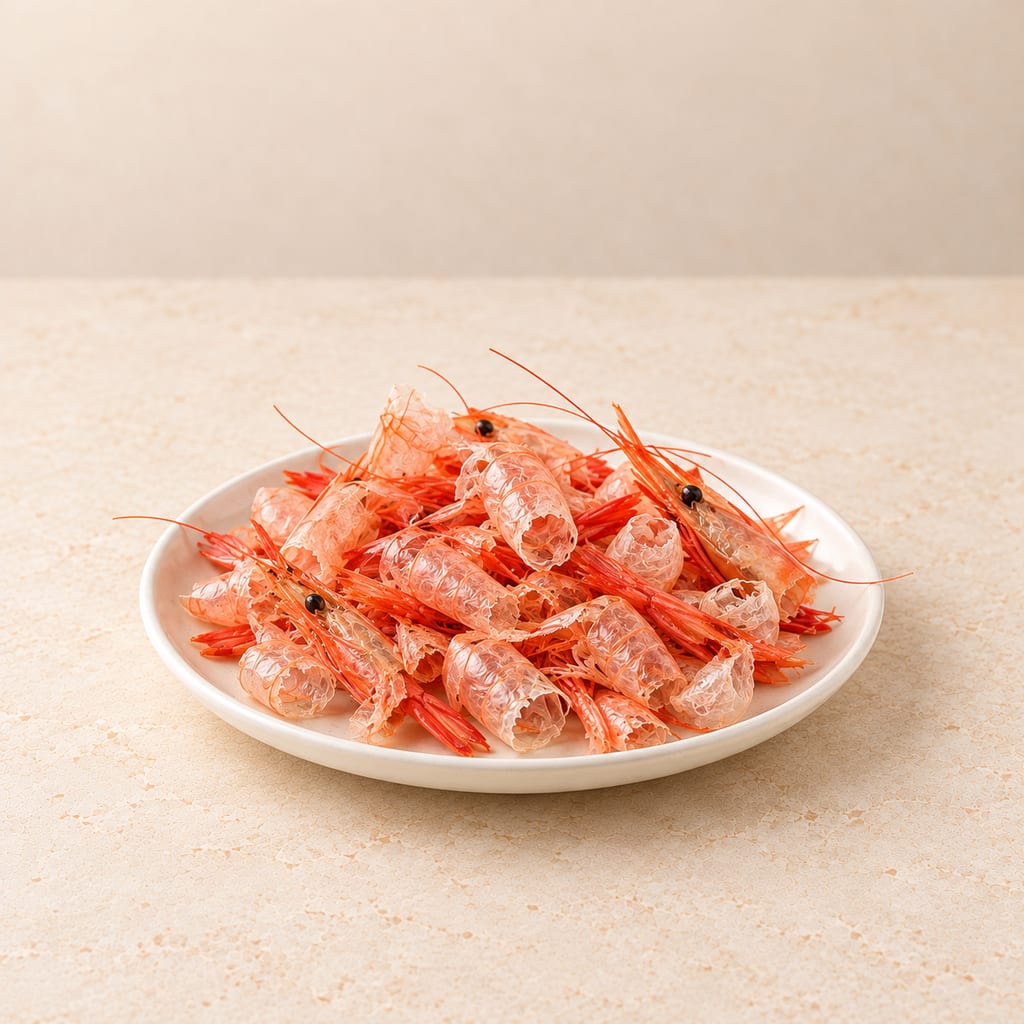
Peeled shrimp exoskeleton used for strained stocks; modern quick-garum guidance names shells as a possible substrate without a shell-specific formula.

A refined common-wheat flour blended for a broad range of baking; its protein and behavior vary with wheat, milling and market.

Toasted almonds are whole sweet almond kernels dry-roasted until golden to brown. Heat replaces their marzipan note with a roasted, nutty one; they thicken and flavour romesco.
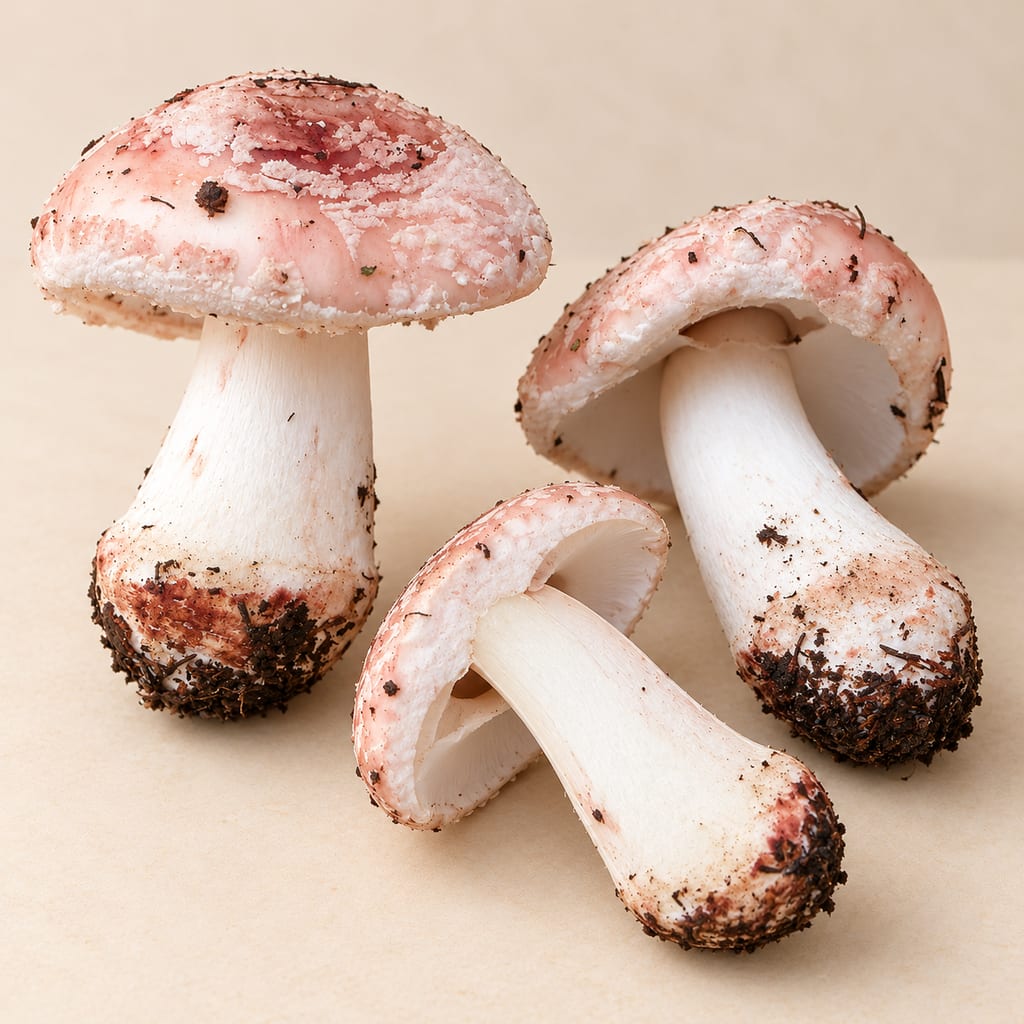
Amanita novinupta is a western North American blusher, a forest mushroom recorded as food in Mexico, and one that must be cooked because its raw flesh is toxic.
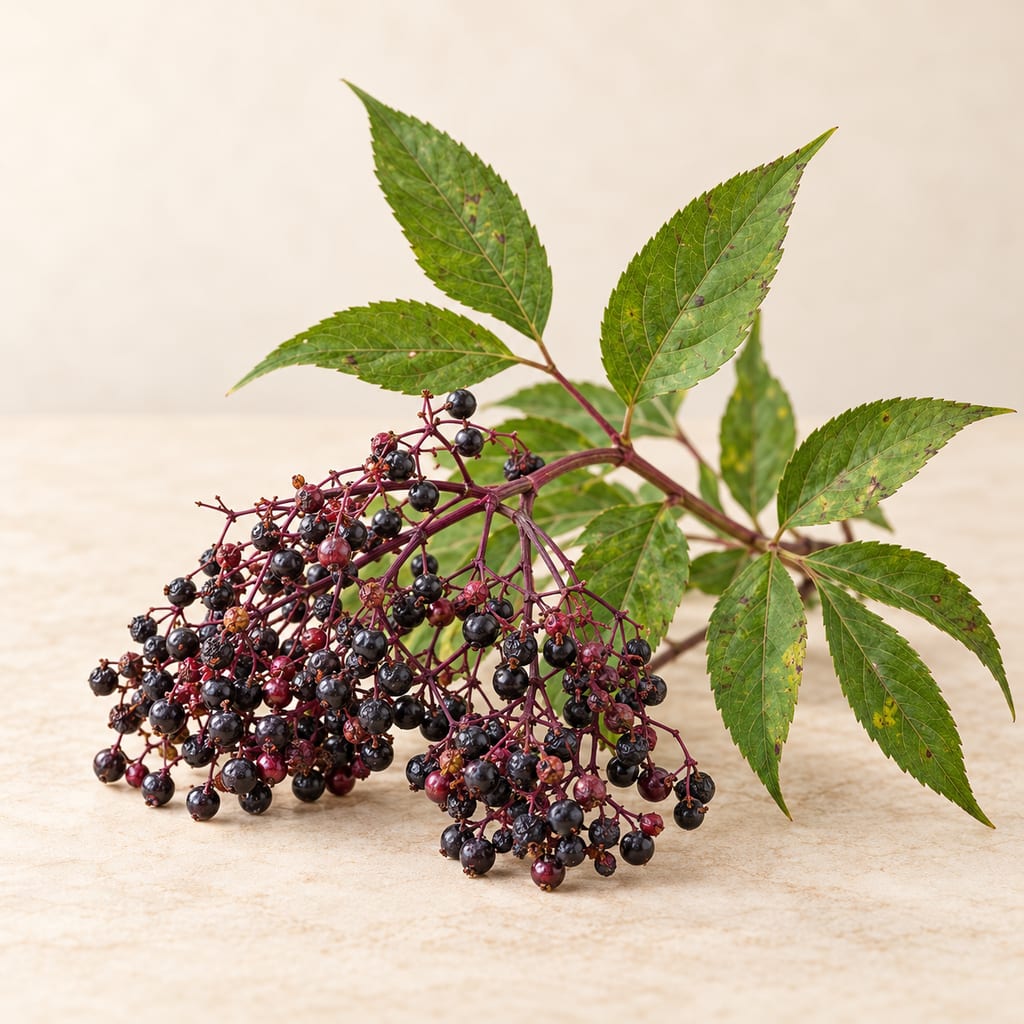
Sambucus canadensis is the accepted name used here for American elderberry. Missouri production guidance and named-cultivar studies give useful regional growing information, while food and analytical sources leave process questions open.
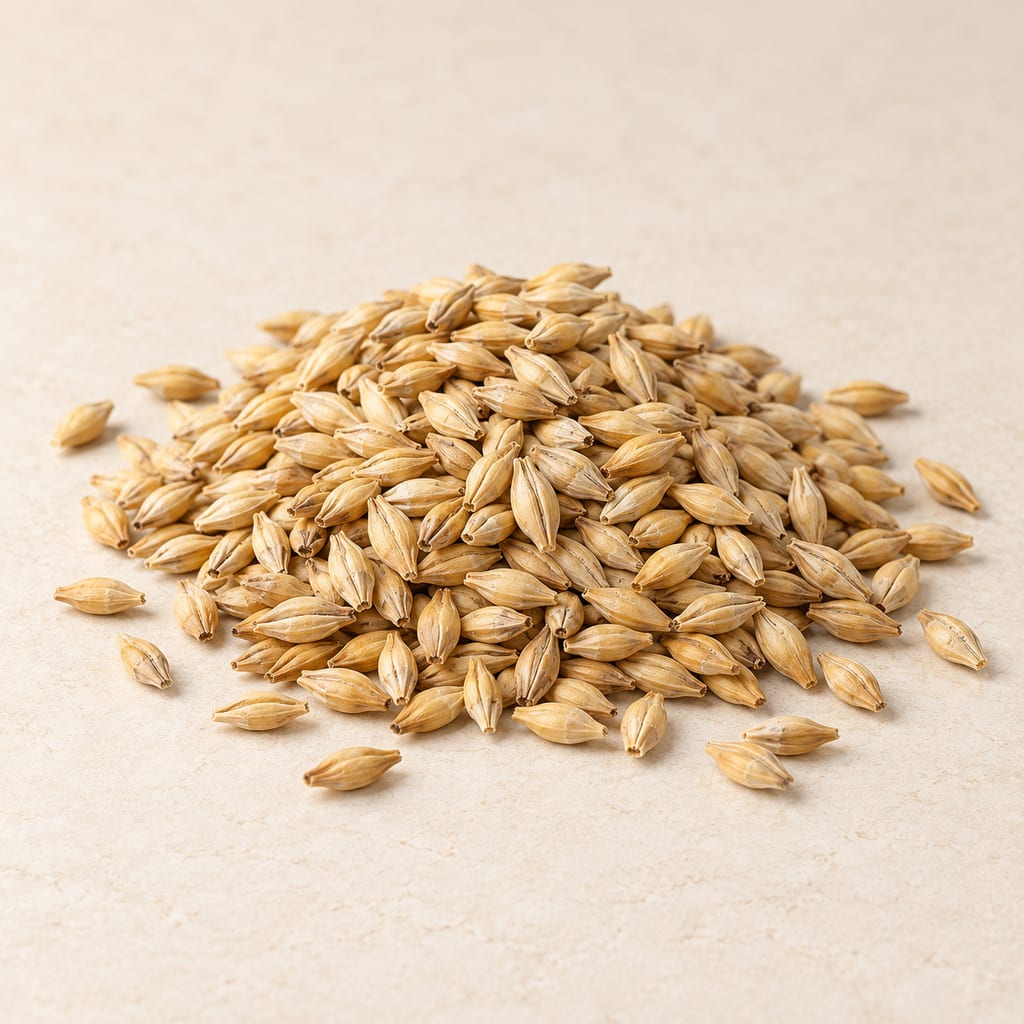
A lightly kilned brewing base made from two-row barley. It supplies starch and enzymes for the mash, with the maltster’s product and lot analysis defining its brewing properties.

Ripe avocado flesh is the soft, buttery, fat-rich pulp of Persea americana, eaten raw. It is low in acid, so it is a fresh ingredient that needs care in chilled dishes.
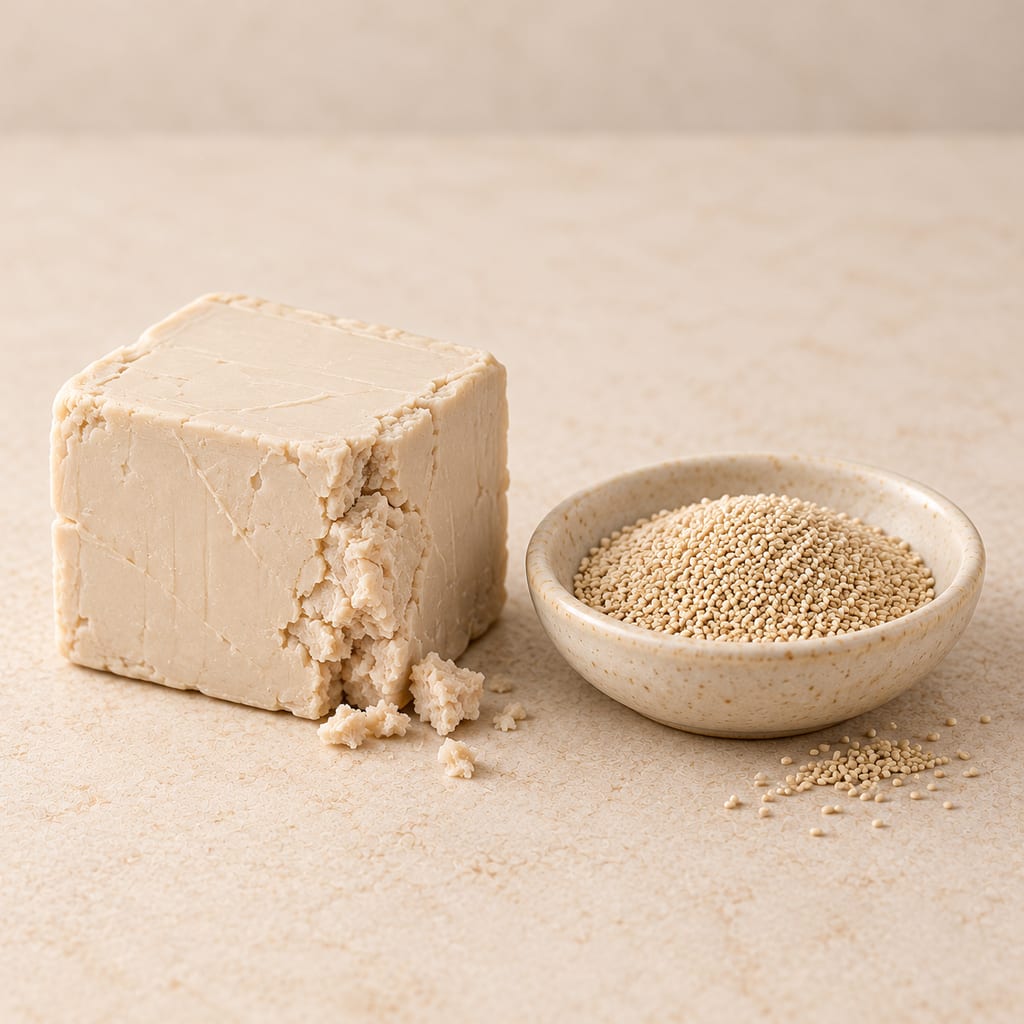
Baker's yeast is a cultivated living leavener, commonly sold fresh or dried. In dough, selected Saccharomyces cerevisiae cells make gas that can raise bread.
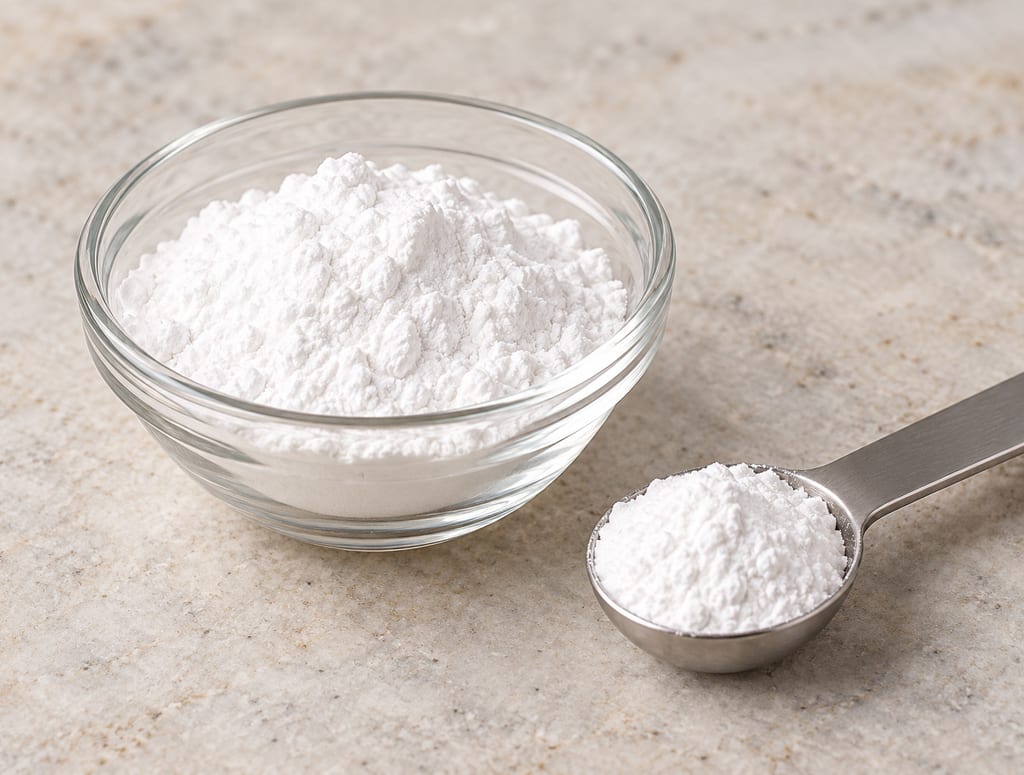
Baking powder is a dry chemical leavener that combines bicarbonate with acid-reacting ingredients and a carrier. Moisture and heat release carbon dioxide for quick breads, batters and griddle cakes.
No community contributions have been published for this entry yet.
Sign in to contribute. Published comments and photos are free to read.
Fisheries and Oceans CanadaAnatomy
Shrimp: internal and external anatomyThe cephalothorax/head is covered by the carapace; the diagram labels digestive gland, stomach, gills, mouth and abdomen.
Cited in: The part that carries the broth; What a shrimp head holds
Central Institute of Brackishwater Aquaculture, IndiaAnatomy
Field guide for diagnosis, prevention and control of diseases of shrimp and finfish in brackishwater aquacultureHead and abdomen division; cephalothorax and carapace; hepatopancreas described as secreting digestive enzymes. Shrimp body-part anatomy.
Cited in: The part that carries the broth; The digestive gland, and why heads go first
Journal of Home Economics of JapanSensory · Composition · Culinary science
The Effects of Head and Shell of Shrimp on the Components and Taste of Shrimp SoupComparative shrimp muscle, head-and-shell and whole-shrimp broths; composition differences; 20-person panel; no overall tastier choice.
Cited in: The part that carries the broth; A different broth from the tail
National Diet Library Digital CollectionsPrimary research
The Effects of Head and Shell of Shrimp on the Components and Taste of Shrimp SoupBroth preparation and analysis; sample, panel and taste-evaluation details; specific detected components.
Cited in: A different broth from the tail
Smithsonian National Museum of American HistoryContemporary regional cooking · Head/shell uses
Chef Dee Lavigne’s Shrimp BisquePeels and head scrapings cooked for stock; hollow head shells held in cold water, stuffed, browned at 400°F and served in bisque; adaptation framed in Lena Richard program.
Cited in: A Louisiana head served whole
Smithsonian National Museum of American HistoryHistorical context
Chef Lena Richard: Culinary Icon and ActivistOnly used to identify the related Smithsonian story; no specific historical claim taken from inaccessible page.
Cited in: A Louisiana head served whole
Coastal MississippiModern culinary example · Gulf setting
Celebrate National Shrimp Day in Coastal MississippiChef Alex Perry’s Surf and Turf, lines 342–415; whole Gulf White shrimp are peeled and heads/shells saved; separate garum formula and method; Gulf-region framing.
Cited in: From peelings to a modern garum; Setting the formula beside the generic method
A Luxury Travel BlogDated reproduction of chef recipe
Recipe of the week: Surf and turfFull recipe reproduction credits Alex Perry of Vestige, Ocean Springs, Mississippi; ingredient quantities and processing details; two teaspoons garum in beef cheek filling and light atomizer application.
Cited in: From peelings to a modern garum
Nippon Shokuhin Kagaku Kogaku KaishiDistinct comparative fermentation study
Effects of Fermentation Method on Quality of Sakura Shrimp SauceAbstract reports minced whole Lucensosergia lucens with shells, seven batches, koji variants, 15% salt, selected cultures, 30°C for 24 weeks, and heated/filtered final sauce; used only to distinguish the separate method.
Cited in: A fermented sauce from whole sakura shrimp; From peelings to a modern garum; Handling the fresh ingredient
Modernist Food | FermentedDistinct generic comparison
Quick Garum (Koji-Driven)Generic method offers 400 g protein substrate, 250 g rice koji, 250 g water, and 100 g salt with a 55–60°C, 2–6-week hold; states shrimp-shell trim among applications. It is not the Alex Perry formula and does not validate his method.
Cited in: From peelings to a modern garum; Setting the formula beside the generic method
National Fisheries Research and Development Institute, The Philippine Journal of Fisheries 28(2)Head processing and composition
Utilization of Shrimp Head Wastes into Powder Form as Raw Material for Value-Added ProductsPenaeus monodon, cabinet dryer, with/without carapace treatments, 26.72%/20.42% yield, solubility and acceptability differences; no process or shelf-life transfer.
Cited in: Shrimp head powder; Handling the fresh ingredient
U.S. Food and Drug AdministrationFresh seafood handling
Selecting and Serving Fresh and Frozen Seafood SafelyRefrigerate seafood at 40°F or below if using within two days; otherwise wrap and freeze; separate raw seafood; wash hands and equipment. General consumer handling only, not fermentation validation.
Cited in: Handling the fresh ingredient
WikipediaAnatomy · Production · Allergens · Secondary
ShrimpExternal anatomy and appendages; akiami paste shrimp production and preparations; shellfish as common allergens.
Cited in: What a shrimp head holds; Shrimp fermented whole; Allergy
NOAA FisheriesSpecies · Fishery
White shrimp (Litopenaeus setiferus)Size, spawning, life span, stocks and management, Gulf landings, turtle excluder devices, closures.
WikipediaHistory · Secondary
GarumDefinition, raw materials, production and grades of garum; no mention of shrimp.
Cited in: What garum was
Health CanadaAllergens
Crustaceans and Molluscs: Priority Food AllergensCrustaceans of concern; declaration; precautionary statements; cross-reactivity.
Cited in: Allergy
ICAR-Central Institute of Fisheries Technology; Laly, Jeyakumari, Kumar, Murthy, NinanQuality
Inhibition of melanosis in white shrimp Penaeus vannamei using beetroot extract during iced and room temperature storage (Indian Journal of Fisheries 71(2), 2024)Melanosis mechanism, enzymes made in the hepatopancreas, sulfite use and residue, EU labelling above 10 mg/kg.
Cited in: The digestive gland, and why heads go first
Global Seafood Alliance, Responsible Seafood Advocate; Hervé Lucien-Brun, 1 September 2006Quality · Handling
Proactive measures address hepatopancreas problems in HOSO shrimpHepatopancreas function; rupture and head discolouration after death; chilling guidance for head-on shell-on shrimp.
Cited in: The digestive gland, and why heads go first